Stauden-Nelke
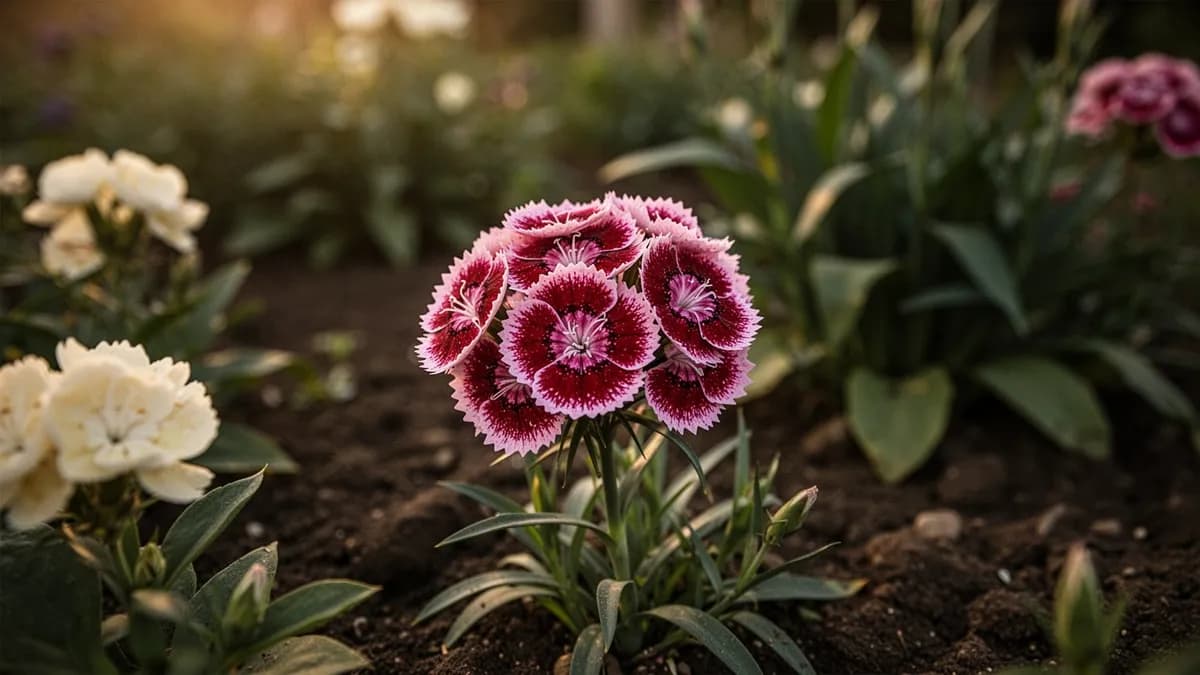
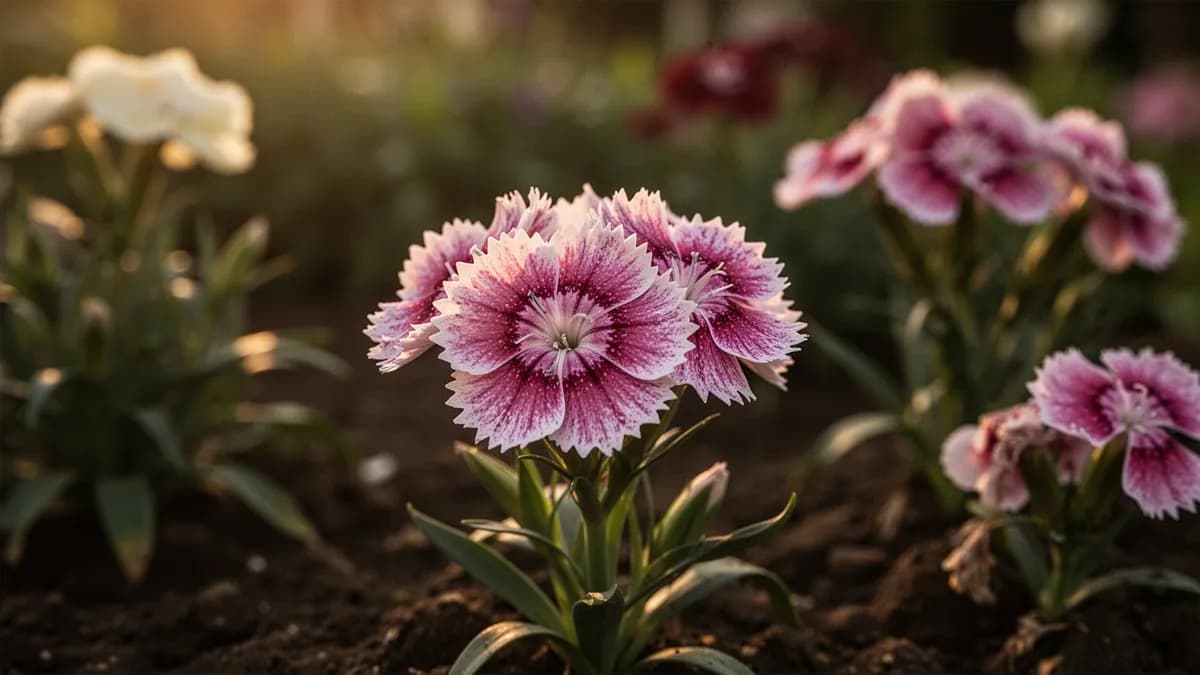
Eine kompakte, polsterbildende Staude mit duftenden, gefransten Blüten in Rosa, Rot und Weiß über blaugrauem, grasartigem Laub.





Auf dieser SeiteÜberblick
Stauden-Nelke im Überblick
Eine kompakte, polsterbildende Staude mit duftenden, gefransten Blüten in Rosa, Rot und Weiß über blaugrauem, grasartigem Laub. Stauden-Nelken gedeihen in gut durchlässigem, alkalischem Boden und eignen sich hervorragend für Steingärten, Beetränder und Kübelpflanzungen. Nach der ersten Blüte zurückschneiden, um eine zweite Blüte zu fördern und einen gepflegten Wuchs zu erhalten.
Wann Stauden-Nelke pflanzen
Säen Sie Nelkensamen auf die Oberfläche einer feuchten, gut durchlässigen Aussaaterde und drücken Sie sie leicht an, ohne sie zu bedecken, da die Samen Licht zum Keimen benötigen. Halten Sie eine Temperatur von 15 bis 21 Grad Celsius ein. Die Keimung dauert sieben bis vierzehn Tage. Pflanzen Sie Sämlinge um, wenn sie mehrere Paare echter Blätter haben, und härten Sie sie ab, bevor Sie sie nach dem letzten Frost auspflanzen. Viele Gärtner bevorzugen die Vermehrung benannter Sorten durch Rissstecklinge im Sommer oder durch Teilung im Frühjahr, um die genauen Eigenschaften der Mutterpflanze zu erhalten.
Dein Stauden-Nelke-Jahr
Abgestimmt auf Zone 7 · typische Saison · Frost geht um den 2. Apr. und kehrt um den 1. Nov. zurück
Stauden-Nelke Mär – Apr, Sep pflanzen, Mai – Jul ernten. Beachte die Pflanzmethoden unten und wähle dein Klima für passende Zeiträume.
So baust du Stauden-Nelke an
Stauden-Nelken, auch Pfingstnelken oder Cheddar-Nelken genannt, sind polsterbildende Pflanzen, die einen scharf durchlässigen Boden und volle Sonne benötigen. Sie stammen aus felsigen Kalksteinhabitaten in Europa und gedeihen am besten in magerem, alkalischem Boden mit einem pH-Wert von 7,0 bis 8,0. Arbeiten Sie Kies oder groben Sand in schwere Böden ein, um die Drainage zu verbessern, da Nelken keine nassen Füße vertragen, besonders im Winter.
Pflanzen Sie im Frühling oder Frühherbst mit einem Abstand von etwa 25 bis 30 Zentimetern für eine schnell schließende Bodendecke. Gießen Sie sparsam, sobald die Pflanzen etabliert sind, da diese trockenheitstoleranten Pflanzen in dauerhaft feuchtem Boden faulen. Das blaugraue, immergrüne Laub bildet auch außerhalb der Blütezeit eine attraktive Matte und macht Nelken zu einem ganzjährigen Gewinn im Garten.
Schneiden Sie die Pflanzen unmittelbar nach dem ersten Blütenschub um die Hälfte zurück, um einen gepflegteren Wuchs und eine zweite Blütenwelle zu fördern. Alle drei bis vier Jahre sollten die Horste im zeitigen Frühjahr geteilt oder im Sommer Rissstecklinge genommen werden, um ältere Pflanzen zu verjüngen, die in der Mitte verholzt und lückig werden können. Ein leichter Kiesmulch um die Pflanzen hält den Wurzelhals trocken und reflektiert Wärme nach oben.
36 Pflanzen passen in ein Beet von 120 × 240 cm
Stauden-Nelke braucht 25 cm Platz pro Pflanze. Der Planer hält diesen Abstand für dich ein — jede Pflanze, jedes Beet.
Die besten Nachbarn für Stauden-Nelke
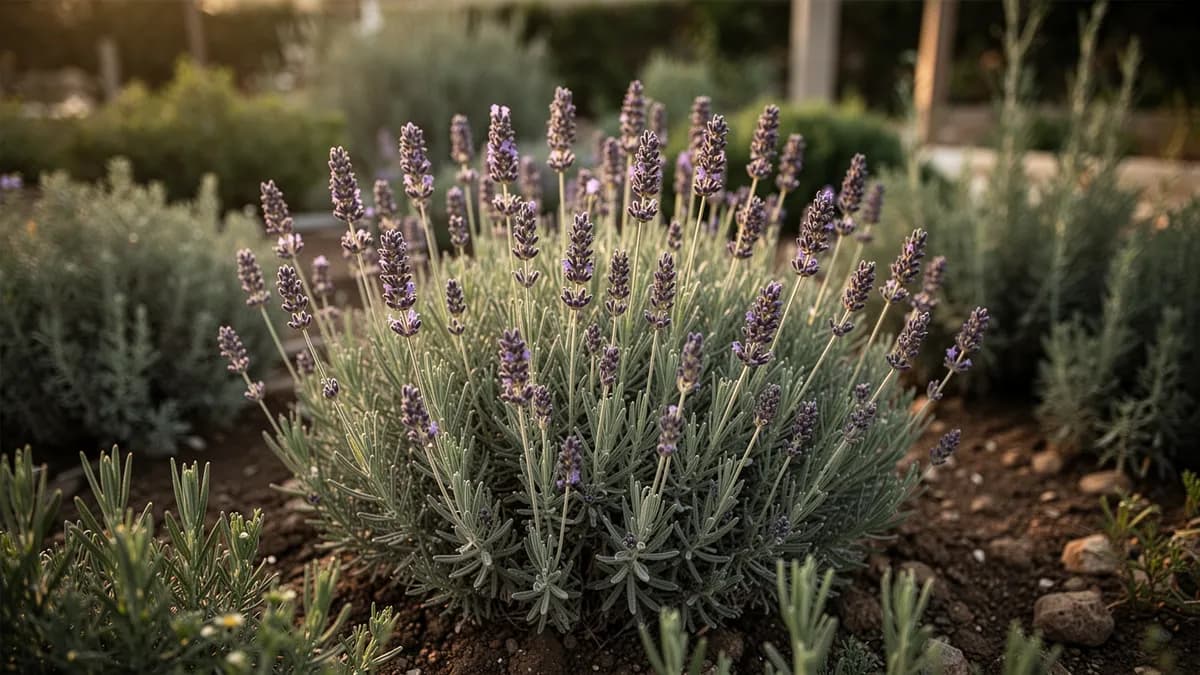
Stauden-Nelken eignen sich hervorragend als Beetrandpflanzung entlang von Wegen und im vorderen Bereich sonniger Rabatten. Sie harmonieren wunderbar mit Lavendel, Thymian und anderen mediterranen Kräutern, die ihre Vorliebe für mageren, gut durchlässigen Boden teilen. Pflanzen Sie sie zusammen mit Rosen für eine traditionelle Bauerngartenkombination, bei der die niedrigen Nelkenpolster die kahlen Stielbasen der Rosen kaschieren. Sie eignen sich auch hervorragend in Steingärten zusammen mit kriechenden Fetthenne-Arten und Alpenpflanzen.
Lavendel gehört daneben.
Altes Gärtnerwissen, geprüft an der echten Nachbartabelle von Stauden-Nelke — teste jede Pflanze, die du anbaust.
Probiere Stauden-Nelke direkt hier im Beet
Ein echtes Planer-Beet, Stauden-Nelke steht schon drin. Tippe einen Begleiter an, platziere ihn und sieh, wie die Nachbarschaftsprüfung antwortet — grün für gute Nachbarn, rot bei Streit.


Passende Anbau-Ratgeber
Richtig düngen
Stauden-Nelken benötigen mageren, gut durchlässigen, alkalischen Boden mit einem pH-Wert von 7,0 bis 8,0. Kalken Sie saure Böden auf, um den pH-Wert zu erhöhen. Arbeiten Sie großzügig Kies oder groben Sand in schwere oder lehmige Böden ein. Diese Pflanzen haben sich in nährstoffarmen, steinigen Lebensräumen entwickelt und gedeihen in nährstoffreichem Boden sogar schlechter – sie werden schlapp und kurzlebig. Düngen Sie sparsam mit einer leichten Gabe von ausgewogenem Granulatdünger nur im zeitigen Frühjahr. Vermeiden Sie schwere organische Mulche und verwenden Sie stattdessen Kies.
Ideale Temperatur
Winterhärtezone-Kompatibilität
Von der Saat zur Ernte, Schritt für Schritt
Samenkeimung
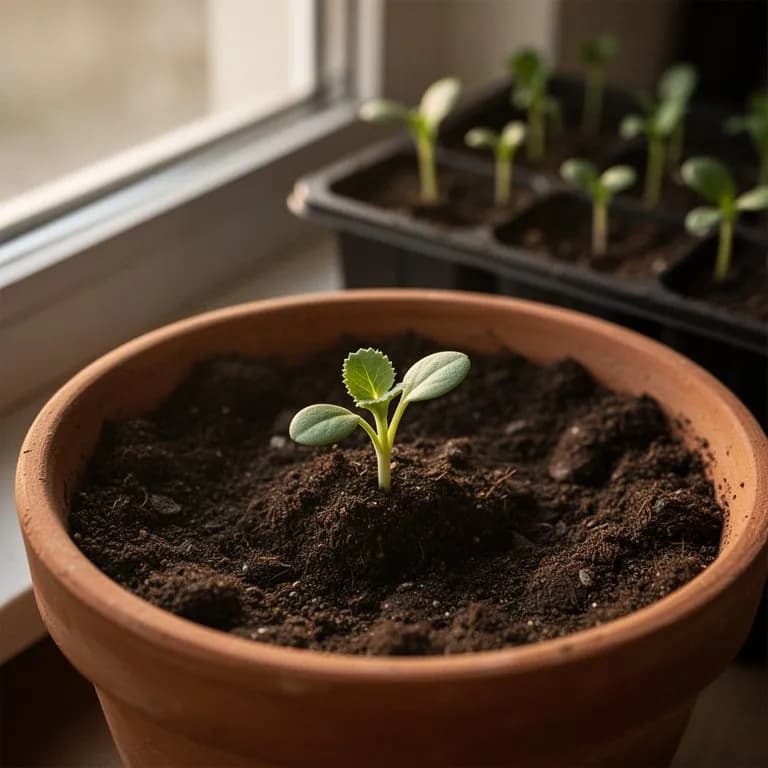
Nelkensamen keimen zuverlässig innerhalb von 7–14 Tagen, wenn sie bei 15–21 °C auf feuchte, gut durchlässige Aussaaterde oberflächlich gesät werden. Die Samen benötigen Licht zum Keimen, drücken Sie sie daher vorsichtig an die Oberfläche, ohne sie zu bedecken. Halten Sie gleichmäßige Feuchtigkeit mit einer Abdeckhaube oder Frischhaltefolie, bis die Keimlinge erscheinen.
Sämlingsentwicklung
Die Sämlinge entwickeln ihre ersten Paare schmaler, gegenständiger Blätter mit einer charakteristischen blaugrünen Farbe. Das Wachstum ist in dieser Phase moderat. Sorgen Sie für helles Licht von mindestens 10–12 Stunden täglich und gute Luftzirkulation, um Pilzprobleme zu verhindern.
Vegetatives Wachstum und Rosettenbildung
Die Pflanzen bilden dichte, kissenartige Polster aus silbergrünem Laub. Die schmalen, lanzettlichen Blätter erscheinen paarweise gegenständig an den Stängeln. Das Wurzelsystem breitet sich in dieser Phase schnell aus und schafft die kräftige Basis, die für eine reichhaltige Blüte erforderlich ist. Staudenarten beginnen, den verholzten Wurzelhals zu entwickeln, der die Pflanze über Jahre trägt.
Knospenbildung
Die Blütenstiele strecken sich über das Laubpolster hinaus, jeder mit anschwellenden Knospen, die von einem röhrenförmigen Kelch umschlossen sind. Die Knospen zeigen an ihren Spitzen allmählich Farbe, wenn sich die Blütenblätter im Inneren entwickeln. Die Pflanze lenkt in dieser Phase erhebliche Energie in die Fortpflanzung, und der charakteristische nelkenartige Duft beginnt sich zu entwickeln.
Vollblüte
Die Blüten öffnen sich vollständig und zeigen ihre gefransten oder gezahnten Blütenblätter in Schattierungen von Rosa, Rot, Weiß, Lachs und zweifarbigen Tönen. Viele Sorten zeigen eine kontrastierende dunklere Augenzone in der Mitte. Der würzig-nelkenartige Duft erreicht seinen Höhepunkt. Je nach Sorte und Klima kann die Blüte 4–8 Wochen andauern, wobei einzelne Blüten 7–10 Tage halten.
Nach der Blüte und Rückschnitt
Nach dem Hauptblütenschub entwickeln sich Samenkapseln dort, wo nicht ausgeputzt wurde. Das Laubpolster kann müde und langbeinig aussehen. Ein Rückschnitt der Pflanze um ein Drittel bis zur Hälfte verjüngt das Laub und regt oft eine zweite, leichtere Blütenwelle im Spätsommer oder Frühherbst an.
Winterruhe
Mehrjährige Nelkensorten behalten ihr immergrünes bis wintergrünes Laub durch den Winter und bilden niedrige Matten aus silbergrünen Blättern. Das Wachstum verlangsamt sich drastisch, und die Pflanze speichert Energie in ihrem Wurzelsystem und dem verholzten Wurzelhals. Die meisten Gartennelken sind je nach Art und Sorte bis USDA-Zone 3–9 winterhart.
Halten Sie das Substrat gleichmäßig feucht, aber nicht staunass. Bewässerung von unten hilft, Umfallkrankheit bei diesen kleinen, empfindlichen Sämlingen zu verhindern.
Stauden-Nelke Monat für Monat pflegen
Was du jeden Monat für deine Stauden-Nelke tun solltest
Oktober
Aktueller MonatDas Gießen reduzieren, da das Wachstum nachlässt. Abgeblühte Blütenstiele entfernen und krankes Laub beseitigen. Eine dünne Schicht Kiesmulch um die Pflanzenbasis auftragen, um die Winterdrainage zu verbessern. Teilstücke oder Stecklinge vor dem Einfrieren des Bodens an ihre endgültigen Standorte verpflanzen.
Immer wissen, was jetzt im Garten zu tun ist
Eine E-Mail zum Monatsanfang: was du jetzt säen, pflanzen und anpacken solltest — für deine Stauden-Nelke und alles, was drumherum wächst. Dazu ein kurzer Startkurs, der dich vor den klassischen Fehlern bewahrt.
- Was jetzt zu tun ist
- Passend zu deiner Saison
- Startkurs inklusive
Stauden-Nelke ernten
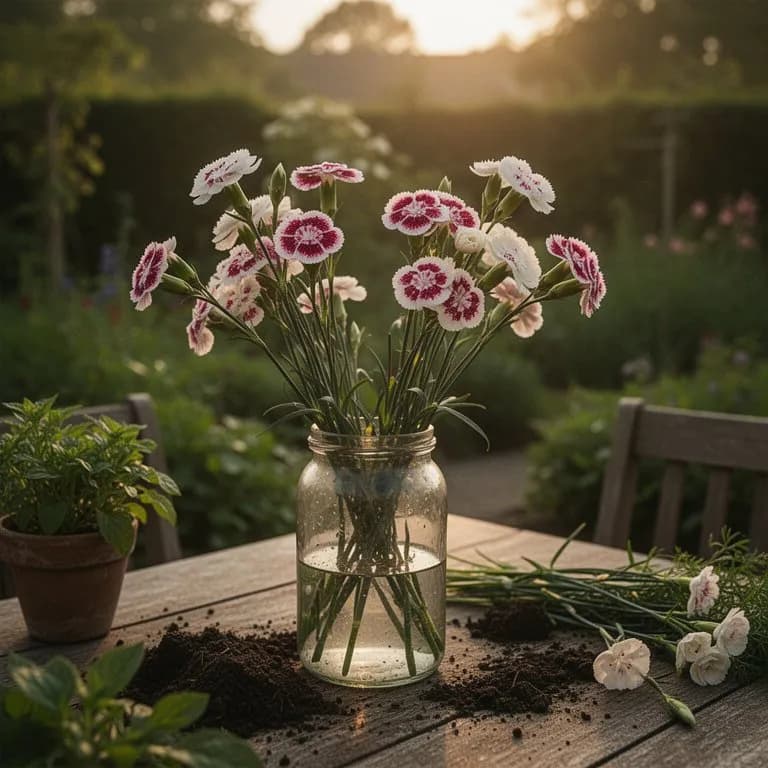
Schneiden Sie Nelkenstiele für kleine Sträuße oder Tussie-Mussies, wenn die Blüten vollständig geöffnet und duftend sind. Schneiden Sie am kühlen Morgen knapp über einem Blattknoten für den besten Duft und die längste Vasenhaltbarkeit. Der würzig-nelkenartige Duft vieler Sorten intensiviert sich bei frisch geschnittenen Blüten. Schneiden Sie regelmäßig verblühte Blumen ab, um die kontinuierliche Blüte während der Saison zu fördern. Die Blütenblätter sind essbar und können durch Abschneiden von vollständig geöffneten Blüten für die kulinarische Verwendung geerntet werden.
angenommen, du pflanzt zu Beginn des Zeitraums — trage dein tatsächliches Datum ein
Ernte Stauden-Nelke zügig, dann trägt die Pflanze weiter.
Lagerung & Konservierung
Frische Nelkenblüten halten sieben bis zehn Tage in der Vase und eignen sich hervorragend als Schnittblumen für kleine Arrangements. Wechseln Sie das Wasser alle zwei Tage und schneiden Sie die Stiele neu an. Die Blütenblätter trocknen gut und behalten ihren würzigen Duft für Potpourri. Verteilen Sie die Blütenblätter auf einem Gitter an einem warmen, trockenen Ort für drei bis fünf Tage. Samen können von getrockneten Blütenköpfen gesammelt und in Papierumschlägen an einem kühlen, trockenen Ort zwei bis drei Jahre aufbewahrt werden.
Was schiefgeht — und die Lösung
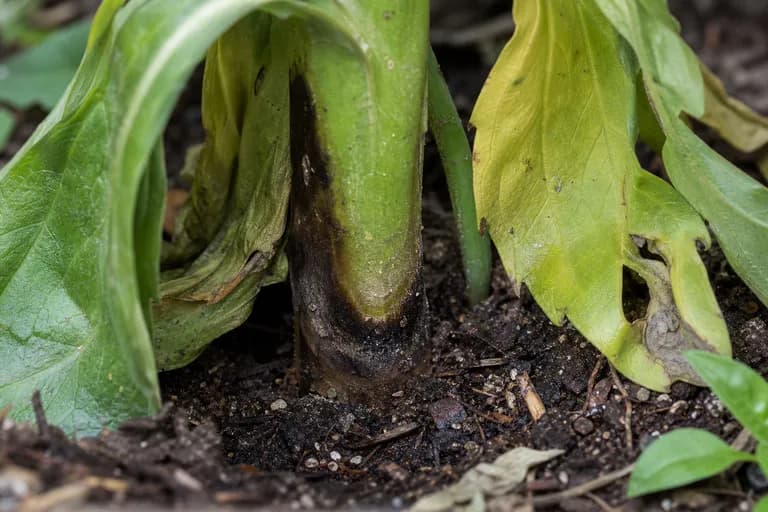
Wurzelhalsfäule
KrankheitBereiche der Matte werden braun und sterben ab, beginnend von der Mitte. Der Wurzelhals und die Wurzeln erscheinen weich und verfärbt. Pflanzen können nach anhaltend nassem Wetter plötzlich zusammenbrechen.
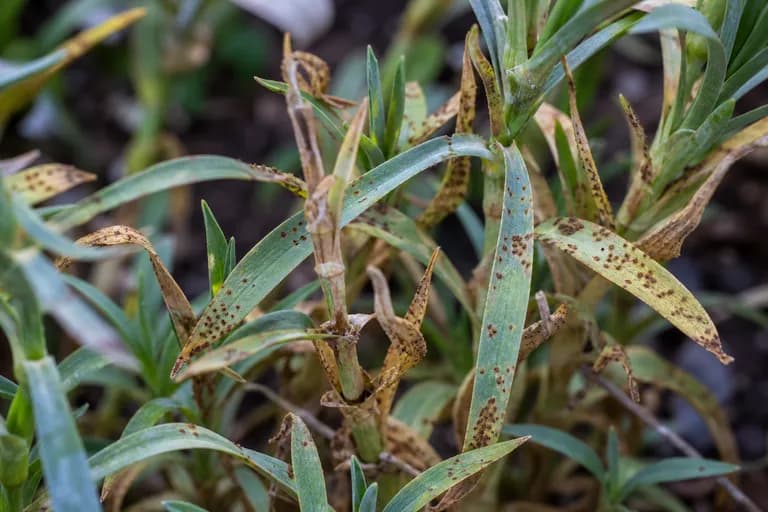
Nelkenrost
KrankheitKleine schokoladenbraune Pusteln auf Blättern und Stängeln. Blätter können vergilben und welken. Die Krankheit breitet sich bei feuchten Bedingungen schnell aus und kann die Pflanzen erheblich schwächen.
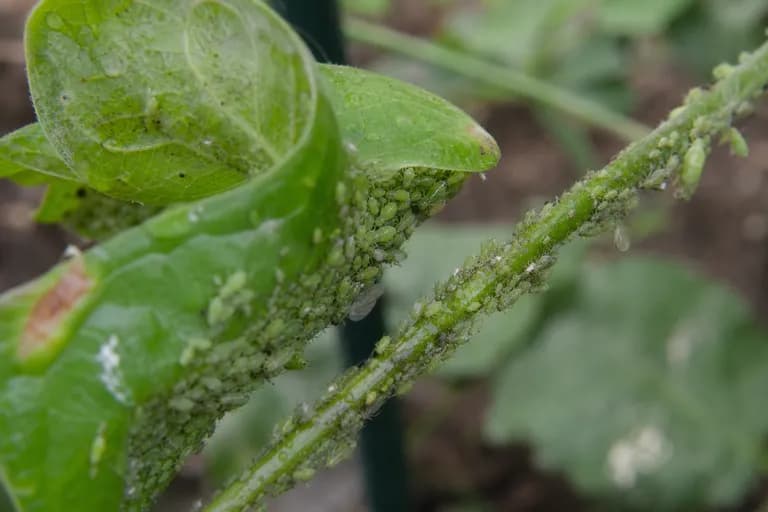
Blattläuse
SchädlingAnsammlungen kleiner grüner oder rosafarbener Blattläuse an Triebspitzen und Blütenknospen, die Wuchsdeformationen verursachen. Klebriger Honigtau auf dem Laub kann schwarzen Rußtau entwickeln.
Fehlerbehebung bei häufigen Problemen
Wurzelhalsfäule durch schlechte Drainage ist der Hauptgrund für das Absterben von Stauden-Nelken. Ältere Pflanzen werden in der Mitte verholzt und lückig und sollten alle drei bis vier Jahre geteilt oder ersetzt werden. In heißen, feuchten Klimazonen können Nelken im Sommer kümmern und zurückgehen. Nährstoffreicher, fruchtbarer Boden erzeugt üppiges Wachstum, das umfällt und fault, anstatt die dichten, blütenreichen Polster zu bilden, die in magerem, kiesigem Substrat zu sehen sind. Kaninchenfraß am aufkommenden Frühjahrswuchs ist gelegentlich problematisch.
Anbautipps
- Nelken benötigen vor allem hervorragende Drainage. Pflanzen Sie in Hochbeete, Steingärten oder verbessern Sie schwere Lehmböden großzügig mit grobem Sand, Perlit und feinem Kies, um Wurzel- und Wurzelhalsfäule zu verhindern.
- Halten Sie einen leicht alkalischen Boden-pH-Wert zwischen 6,5 und 7,5 für optimales Wachstum. Nelken haben sich auf Kalksteinböden entwickelt und profitieren von einer jährlichen leichten Kalkgabe, wenn Ihr Boden von Natur aus sauer ist.
- Volle Sonne mit mindestens 6 Stunden direktem Licht täglich ist für kompakten Wuchs und reichhaltige Blüte unerlässlich. In heißen südlichen Klimazonen bieten Sie leichten Nachmittagsschatten, um die Pflanzen vor Hitzestress zu schützen und die Blütezeit zu verlängern.
- Putzen Sie verblühte Blumen konsequent aus, indem Sie die Stiele knapp über einem Blattknoten zurückschneiden. Diese einzelne Maßnahme ist der effektivste Weg, um die kontinuierliche Blüte zu fördern und zu verhindern, dass die Pflanze Energie für die Samenproduktion aufwendet.
- Gießen Sie an der Basis der Pflanzen statt von oben, um das Laub trocken zu halten und Pilzkrankheiten wie Grauschimmel, Rost und Blattflecken zu verhindern. Nelken bevorzugen es eher trocken und sterben eher an Überwässerung als an Trockenheit.
- Schneiden Sie die Pflanzen um ein Drittel bis zur Hälfte zurück, nachdem die Hauptblüte im Hochsommer endet. Dieser Verjüngungsschnitt fördert frisches, kompaktes Laubwachstum und löst oft eine lohnende zweite Blütenwelle im Frühherbst aus.
- Vermehren Sie Staudensorten durch Stängelstecklinge, die im Frühsommer von nicht blühenden Trieben genommen werden. Schneiden Sie 8–10 cm lange Stücke, entfernen Sie die unteren Blätter, tauchen Sie sie in Bewurzelungspulver und stecken Sie sie in eine kiesige Vermehrungsmischung. Wurzeln bilden sich in 3–4 Wochen.
- Vermehren Sie niedrig wachsende Nelken durch Absenker, indem Sie einen Trieb auf den Boden heften und einen Abschnitt mit Erde bedecken, während die Spitze freibleibt. Entlang des vergrabenen Stängels bilden sich in 6–8 Wochen Wurzeln, danach kann die neue Pflanze abgetrennt und umgepflanzt werden.
- Vermeiden Sie stickstoffreiche Dünger, die üppiges Laub auf Kosten der Blüten erzeugen. Bringen Sie stattdessen im zeitigen Frühjahr einen ausgewogenen Langzeitdünger in halber Dosierung aus oder düngen Sie mit einer dünnen Schicht Kompost und Knochenmehl.
- Wenn Sie Blütenblätter für die kulinarische Verwendung ernten, entfernen Sie immer die bittere weiße Basis (Ansatz) am unteren Ende jedes Blütenblatts vor dem Verzehr. Verwenden Sie nur Blumen von Pflanzen, die nicht mit Pestiziden oder systemischen Insektiziden behandelt wurden.
Bau deine beste Stauden-Nelke an — und alles drumherum.
Starte heute kostenlos. Lege deine Beete an, setze deine Stauden-Nelke ein und lass PlotMyGarden Timing, Abstände, Begleiter und Erinnerungen von der Saat bis zum Erntekorb übernehmen.
Finde deine Stauden-Nelke
Firewitch
Eine kompakte Auslese mit magentarosa duftenden Blüten über silberblauem Laub auf 15 cm hohen Stielen, Gewinnerin der Auszeichnung ‚Staude des Jahres' für ihre außergewöhnliche Gartenleistung.
Bath's Pink
Zart rosa gefranste Blüten mit einem würzigen Nelkenduft auf 30 cm hohen Stielen über einer dichten Matte aus blaugrünem Laub, außergewöhnlich hitzetolerant für Gärten in warmen Regionen.
Tiny Rubies
Sehr kompakte, gefüllte, tiefrosa Blüten auf 10 cm hohen Stielen, die eine dichte, bodennahe Matte bilden – ideal für Steingärten, Alpintröge und Wegrandbepflanzungen.
Eastern Star
Auffällige weiße Blüten mit einem tiefkarmesinroten Sternauge in der Mitte und gefransten Blütenblättern, etwa 20 cm hoch wachsend mit kräftigem Nelkenduft.
Eine Packung Nelkensamen kostet 2–4 € und ergibt 50–100 Pflanzen, während eine einzelne Staudennelke aus der Gärtnerei 5–10 € kostet. Einmal etabliert, leben Staudensorten 3–5 Jahre oder länger und können leicht durch Teilung, Absenker oder Stängelstecklinge kostenlos vermehrt werden. Essbare Blütenblätter werden in Spezialgeschäften und auf Wochenmärkten für 30–60 € pro 30 Gramm verkauft, während ein kleines Beet mit 10–15 Nelkenpflanzen mehrere Portionen Blütenblätter pro Saison für die kulinarische Verwendung liefern kann. Als Schnittblumen kosten Nelkenstiele 5–12 € pro Bund, und eine gut gepflegte Pflanzung liefert Dutzende von Sträußen während der gesamten Wachstumsperiode. Über einen Zeitraum von fünf Jahren kann eine bescheidene Nelkenrabatte im Vergleich zum Kauf entsprechender Schnittblumen und essbarer Blütenblätter 200–500 € einsparen.
Schnelle Rezepte
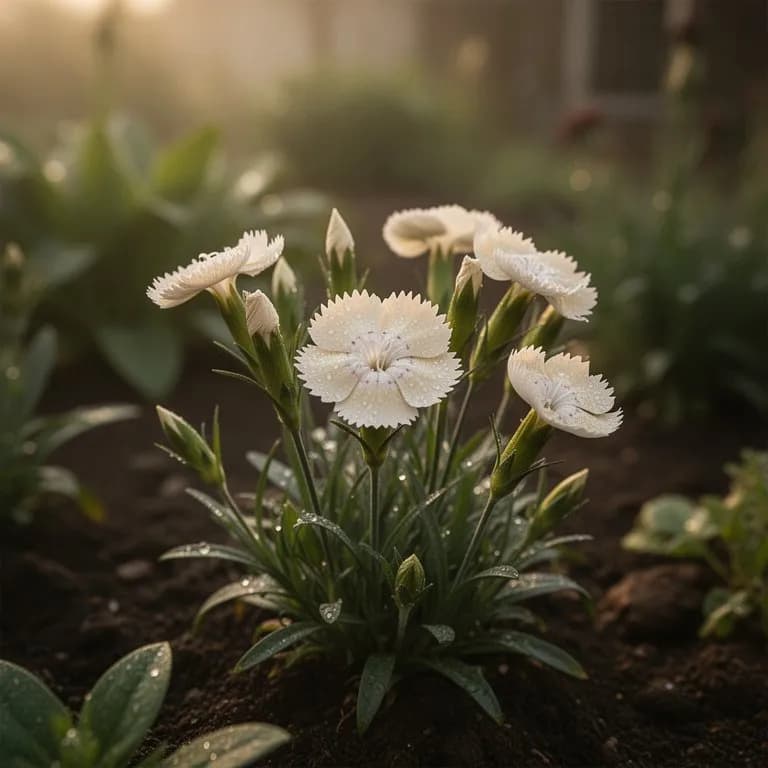
Nelkenblütenblatt-Salat mit Zitrus-Vinaigrette
15 Min.Ein atemberaubender Garten-zu-Tisch-Salat mit frischen Nelkenblütenblättern, die über gemischtem Blattsalat verteilt werden, mit einem frischen Zitrus-Dressing. Die Blütenblätter tragen ein mildes, würzig-süßes Aroma bei, das an Nelke und Muskatnuss erinnert und wunderbar zur spritzigen Vinaigrette passt. Entfernen Sie immer die bittere weiße Basis (Ansatz) jedes Blütenblatts vor der Verwendung.
9 ZutatenGillyflower-Sirup
20 Min. + Ziehen über NachtEin historisch inspirierter Blütensirup nach mittelalterlichen Rezepten für Gillyflower-Cordial. Dieser duftende, nelkenartig duftende Sirup verwandelt Cocktails, Sprudelwasser, Pfannkuchen und Desserts mit seiner zarten rosa Farbe und seinem würzig-süßen Geschmack. Verwenden Sie nur ungespritzte, biologisch angebaute Nelkenblütenblätter.
6 ZutatenMit Nelkenblüten aromatisierter Essig
10 Min. + 2 Wochen ZiehzeitEin wunderschöner rosafarbener Essig, der mit dem würzigen Duft von Nelkenblütenblättern aromatisiert ist und eine Tradition fortführt, die bis ins 17. Jahrhundert in englischen Küchen zurückreicht. Dieser aromatische Essig eignet sich perfekt zum Anmachen von Salaten, Ablöschen von Pfannen oder als florale Note in Marinaden und Shrub-Cocktails.
5 ZutatenKulinarische Verwendung
Nelkenblütenblätter haben ein süßes, mild-würziges, nelkenartiges Aroma, das sie zu einer traditionellen Garnitur für Kuchen, Salate und Desserts macht. Entfernen Sie die bittere weiße Basis jedes Blütenblatts vor dem Verzehr. Die Blütenblätter können mit Eiweiß und Zucker kandiert werden, um Tortendekorationen herzustellen, in Wein oder Essig eingelegt werden, um florale Würzmittel zu erzeugen, oder Zucker zugesetzt werden, um duftenden Backzucker herzustellen. Verwenden Sie nur selbst angebaute Blumen, die nicht mit Pestiziden behandelt wurden.
Was drinsteckt
Gesundheitsvorteile
- Nelkenblütenblätter enthalten Eugenol, einen Wirkstoff mit gut dokumentierten entzündungshemmenden und leicht schmerzlindernden Eigenschaften, der seit Jahrhunderten in der traditionellen Medizin zur Linderung von Zahnschmerzen und Muskelschmerzen verwendet wird.
- Die Anthocyanpigmente in rosa und roten Nelkenblütenblättern wirken als Antioxidantien, helfen freie Radikale zu neutralisieren und können möglicherweise oxidativen Stress reduzieren, der mit chronischen Erkrankungen in Verbindung steht.
- Nelkenblütentee wird in der traditionellen chinesischen Medizin (bekannt als ‚Qu Mai') seit über tausend Jahren als sanftes Diuretikum zur Unterstützung der Nieren- und Harnwegsgesundheit verwendet.
- Die ätherischen Öle in Nelkenblüten, insbesondere Eugenol und Benzoesäurederivate, besitzen antimikrobielle Eigenschaften, die in Laborstudien nachweislich das Wachstum bestimmter Bakterien und Pilze hemmen.
- Aufgüsse aus Nelkenblütenblättern haben in der europäischen Kräuterheilkunde eine lange Tradition als Verdauungshilfe und helfen, einen unruhigen Magen zu beruhigen, Blähungen zu reduzieren und leichte Übelkeit nach dem Essen zu lindern.
- Aromatherapeuten nutzen den warmen, würzig-süßen Duft von Nelkenblüten zur Förderung der Entspannung und zum Stressabbau, da der nelkenartige Duft des Eugenols mit beruhigenden Wirkungen auf das Nervensystem in Verbindung gebracht wird.
Woher Stauden-Nelke stammt
Dianthus ist eine Gattung mit etwa 340 Arten aus der Familie der Caryophyllaceae, die hauptsächlich in Europa und Asien beheimatet ist, wobei einige Arten bis nach Nordafrika reichen. Das Verbreitungszentrum der Gattung liegt im Mittelmeerraum, insbesondere in den Gebirgsregionen Südeuropas, wo sich die Arten an felsige Kalksteinhänge, Almwiesen und Küstenklippen angepasst haben. Archäologische und literarische Belege bestätigen, dass Dianthus seit weit über 2.000 Jahren kultiviert wird. Die alten Griechen und Römer zogen Gartennelken (Dianthus caryophyllus) für Girlanden, Zeremonienkränze und medizinische Zwecke. Der griechische Botaniker Theophrast gab der Gattung ihren poetischen Namen ‚Götterblume', der die hohe Wertschätzung widerspiegelte, in der diese duftenden Blüten gehalten wurden. Im Mittelalter kultivierten Mönche Nelken in Klostergärten in ganz Europa und schätzten die Blumen sowohl für ihre Schönheit als auch für ihre praktische Verwendung beim Würzen von Speisen und Getränken. Die Blütenblätter mit ihrem charakteristischen nelkenartigen Geschmack durch den Wirkstoff Eugenol wurden in Wein und Bier eingelegt, was ihnen den volkstümlichen Namen ‚sops in wine' einbrachte. In der Renaissance wurde die Nelkenzucht in den Niederlanden, Frankreich und England zu einem ernsthaften Unterfangen. Im elisabethanischen Zeitalter wurden Gillyflowers, wie sie genannt wurden, zu unverzichtbaren Bauerngartenpflanzen. Bartnelken (Dianthus barbatus) gewannen im 16. Jahrhundert als winterharte Zweijährige mit auffälligen Blütenständen an Beliebtheit. Das 18. und 19. Jahrhundert brachte eine Explosion der Nelkenzucht, insbesondere in Frankreich und Italien, die die großen, gefüllten Schnittblumennelken hervorbrachte, die wir heute kennen. Gleichzeitig wurden die kleineren Alpennelken (Dianthus alpinus, D. gratianopolitanus) von Pflanzensammlern gesammelt und zu geschätzten Steingartenpflanzen. Die Entwicklung von dauerblühenden Nelkensorten im 19. Jahrhundert revolutionierte die Schnittblumenindustrie. Heute bleibt Dianthus eine der vielseitigsten und am weitesten verbreiteten Zierpflanzengattungen, wobei moderne Zuchtprogramme kompakte, dauerblühende Gartensorten hervorbringen, die den Duft und Charme historischer Nelken mit verbesserter Krankheitsresistenz und verlängerter Blütezeit vereinen.
Stauden-Nelke: Schon gewusst?
Faszinierende Fakten über Stauden-Nelke
Der Name ‚Dianthus' stammt von den griechischen Wörtern ‚dios' (göttlich) und ‚anthos' (Blume), also ‚Blume der Götter' – ein Name, den der Botaniker Theophrast um 300 v. Chr. vergab.
Stauden-Nelke: Fragen & Antworten
Wann sollte ich Stauden-Nelke pflanzen?
Was sind gute Begleitpflanzen für Stauden-Nelke?
In welchen Winterhärtezonen kann Stauden-Nelke wachsen?
Wie viel Sonne braucht Stauden-Nelke?
Welchen Abstand sollte ich zwischen Stauden-Nelke lassen?
Welche Schädlinge und Krankheiten befallen Stauden-Nelke?
Wie lagere ich Stauden-Nelke nach der Ernte?
Was sind die besten Stauden-Nelke-Sorten zum Anbauen?
Welchen Boden braucht Stauden-Nelke?
Sind Nelkenblütenblätter wirklich essbar, und wie schmecken sie?
Was ist der Unterschied zwischen Pfingstnelken, Gartennelken und Bartnelken?
Wie bringe ich meine Nelken dazu, den ganzen Sommer über zu blühen?
Warum sterben meine Nelkenpflanzen in der Mitte des Horstes ab?
Kann ich Nelken in Kübeln auf einem Balkon oder einer Terrasse anbauen?
Wie vermehre ich Nelken erfolgreich aus Stecklingen?
Du hast die Theorie gelesen. Jetzt baue sie auf Autopilot an.
Alles, was Stauden-Nelke knifflig macht — das Timing, die Abstände, die Begleiter, das Erntefenster — genau das übernimmt PlotMyGarden für dich, für jede Pflanze im Garten.
Ein Plan, der dein Wetter kennt
Standort einmal festlegen. Aussaat-, Dünge- und Erntedaten rund um deinen echten letzten Frosttermin und die Live-Vorhersage — kein Raten mehr nach Saattüte.
Aus dem Abschnitt „Pflanzzeit“Beetplaner per Drag & Drop
Beete auf einem Raster gestalten. Jede Pflanze rastet im richtigen Abstand ein, und du siehst die ganze Saison, bevor du einen Cent für Saatgut ausgibst.
Aus dem Abschnitt „Anbau“Begleiter-Konflikte früh erkannt
Über 200 gute und schlechte Kombinationen werden beim Pflanzen live geprüft — so landet ein saisonruinierender Fehler nie in der Erde.
Aus dem Abschnitt „Begleiter“Erinnerungen, nach denen du wirklich handelst
„Gieß die Bohnen.“ „Heute ernten, bevor's umschlägt.“ Pünktlich, konkret und auf deine echten Pflanzen bezogen.
Aus dem Abschnitt „Ernte“Staffel-Aussaat, geplant
Sechs Wochen ernten statt sechs Tage? Die App verteilt deine Aussaaten automatisch und erinnert dich, wenn der nächste Satz fällig ist.
Aus dem Abschnitt „Pflanzzeit“Ein Verlauf, der schlauer wird
Jede protokollierte Ernte bringt der App deinen Garten bei. Der Plan fürs nächste Jahr startet bei dem, was in deinem Boden wirklich funktioniert hat.
Aus dem Abschnitt „Überblick“Pflanze diese neben Stauden-Nelke
Weitere Stauden
Gartenpläne mit Stauden-Nelke
Bau deine beste Stauden-Nelke an — und alles drumherum.
Starte heute kostenlos. Lege deine Beete an, setze deine Stauden-Nelke ein und lass PlotMyGarden Timing, Abstände, Begleiter und Erinnerungen von der Saat bis zum Erntekorb übernehmen.