Sweet Alyssum
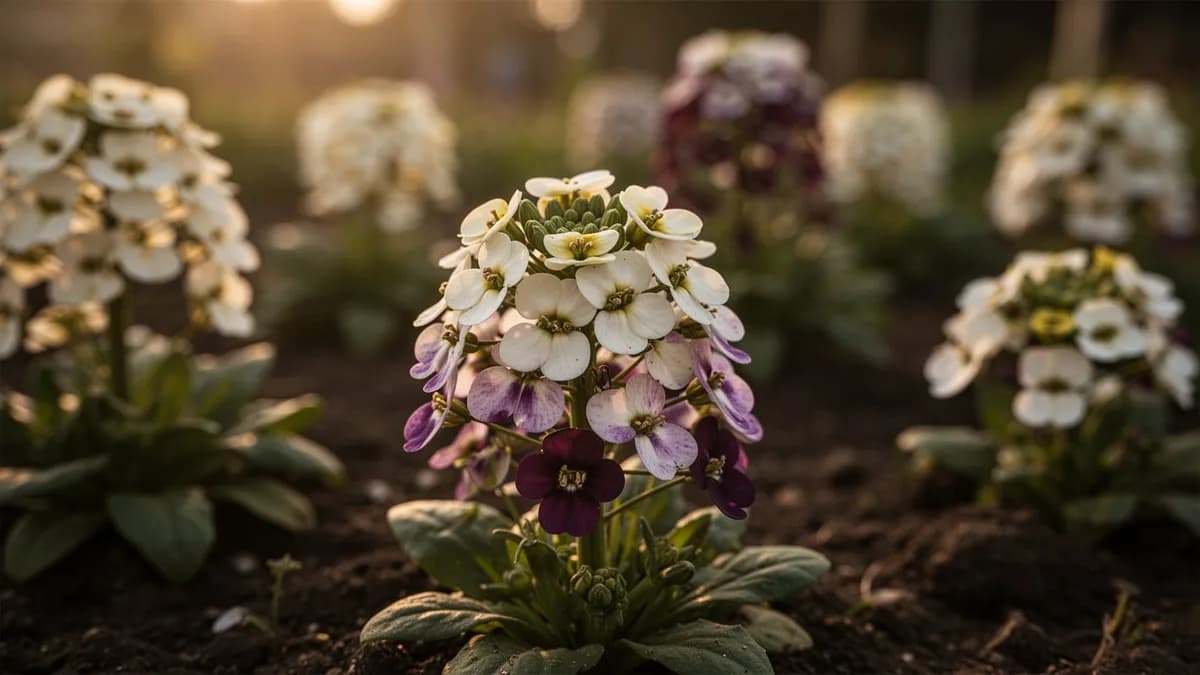
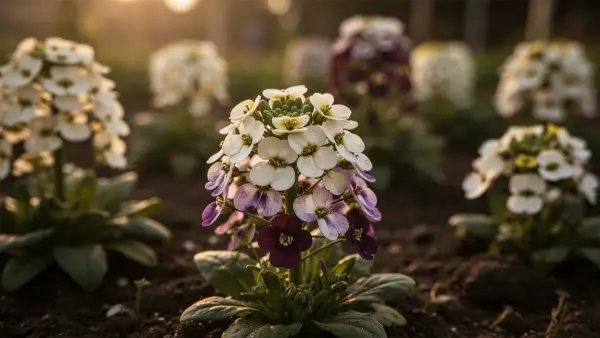
A fragrant, low-growing annual that forms a carpet of tiny honey-scented white, pink, or purple flowers.





On this pageOverview
Meet Sweet Alyssum
A fragrant, low-growing annual that forms a carpet of tiny honey-scented white, pink, or purple flowers. Alyssum is ideal for edging beds, filling containers, and attracting beneficial insects like hoverflies and parasitic wasps. It tolerates light frost and often self-sows, returning year after year in mild climates.
When to plant Sweet Alyssum
Alyssum seeds are tiny but germinate readily without special treatment. Direct sow outdoors two to four weeks before the last frost by scattering seeds on the soil surface and pressing lightly without covering, as light is required for germination. Seeds sprout in four to ten days. For transplants, start indoors six to eight weeks before planting out. Scatter seeds on moist seed-starting mix and keep at 55 to 70 degrees Fahrenheit. Alyssum self-sows freely in most climates, providing natural succession without replanting.
Your Sweet Alyssum Year
Composed for Zone 7 · typical seasons · frost passes Apr 2, returns Nov 1
Plant Sweet Alyssum Mar – May, Sep, pick Apr – Oct. Check the planting methods below and set your climate to personalize these windows.
How to grow Sweet Alyssum
Sweet alyssum is one of the earliest annuals that can be planted outdoors, tolerating light frost and cool temperatures. Direct sow seeds or set out transplants two to four weeks before the last frost date. Scatter the tiny seeds over prepared soil and press them in lightly without covering, as light promotes germination. Space transplants four to six inches apart, as they quickly spread to form a dense, fragrant carpet.
Alyssum thrives in full sun to light shade and prefers average, well-drained soil. It performs best in cool weather, blooming profusely in spring and fall. In hot summer climates, alyssum may pause flowering and look ragged during the hottest weeks. When this happens, shear plants back by one-half and water well to stimulate a lush flush of new growth and blooms as temperatures moderate in early fall.
This low-maintenance annual rarely needs fertilizer in garden beds. A light feeding with balanced liquid fertilizer every four to six weeks is sufficient for container plantings. Alyssum is a valuable beneficial insect plant, attracting hoverflies and parasitic wasps that prey on aphids and other garden pests. Its sweet honey fragrance is noticeable from several feet away, making it a delight along garden paths and near seating areas.
128 plants fit a 4 × 8 ft bed
Each Sweet Alyssum wants 15 cm of elbow room. The planner keeps that spacing for you — every plant, every bed.
Sweet Alyssum's best neighbours
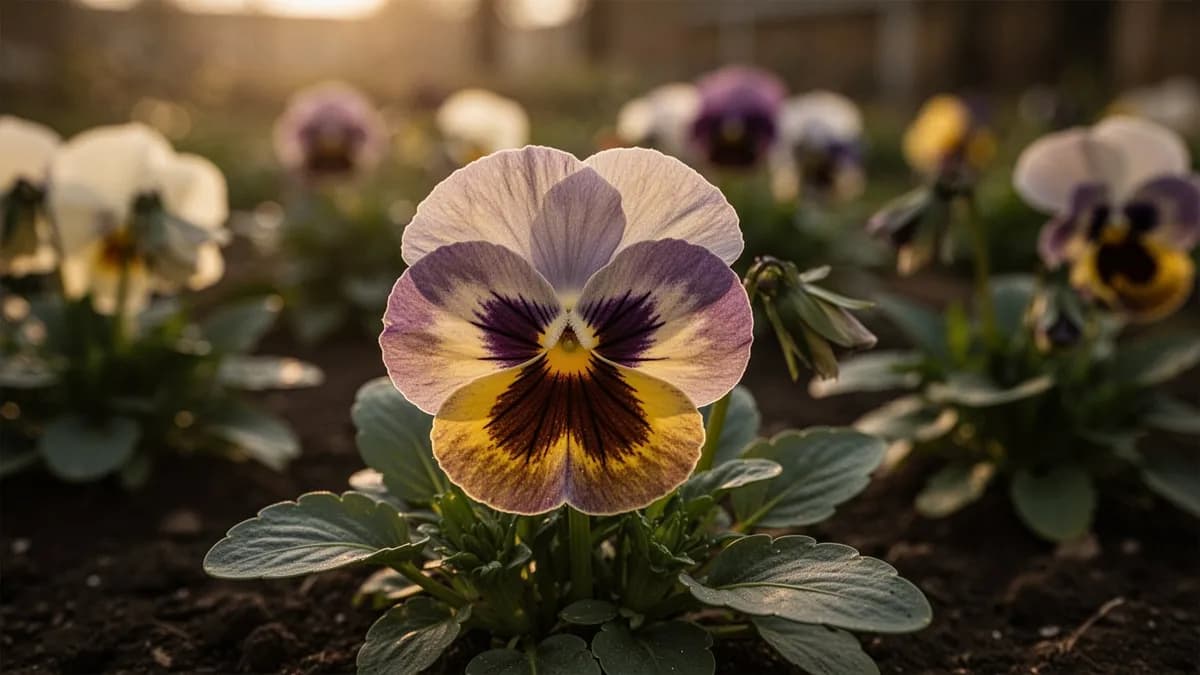
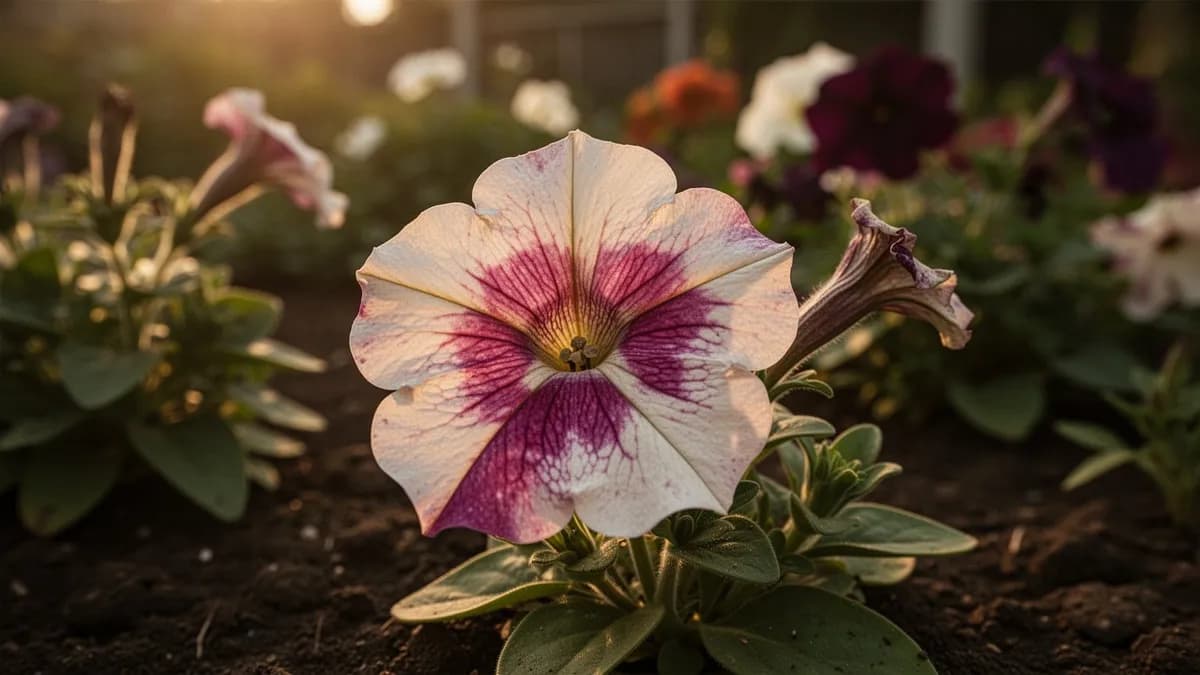
Sweet alyssum is one of the most valuable companion plants for organic vegetable gardens. Its tiny flowers attract hoverflies, parasitic wasps, and other beneficial predatory insects that control aphids, whiteflies, and caterpillars. Plant as a living mulch beneath tomatoes, peppers, and brassicas. It pairs beautifully with pansies, lobelia, and snapdragons for cool-season displays, and with petunias and geraniums in summer containers.
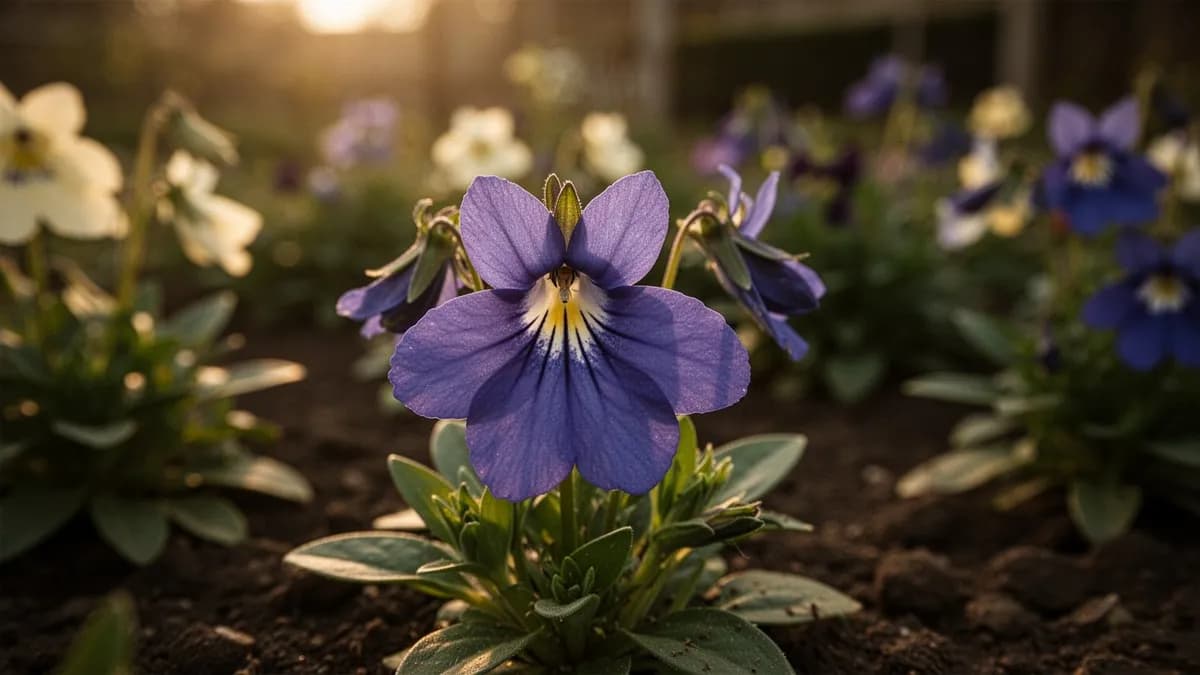
Pansy belongs beside it.
Old growers' knowledge, checked against Sweet Alyssum's real companion table below — test any plant you're growing.
Try Sweet Alyssum in a bed — right here
A real planner bed with Sweet Alyssum already in it. Tap a companion to place it and watch the pairing checks answer — green for good neighbours, red for a clash.


Related growing guides
Feed it well
Sweet alyssum grows well in average, well-drained soil with a pH of 6.0 to 7.0. It is not fussy about soil fertility and thrives in lean to moderately rich conditions. Avoid heavy clay soils that remain waterlogged. In containers, use standard potting mix. Feed container plants lightly every four to six weeks with diluted liquid fertilizer. Garden plants rarely need supplemental fertilizer and may actually produce more flowers in less fertile soil.
Ideal Temperature
Hardiness Zone Compatibility
From seed to harvest, stage by stage
Seed Germination
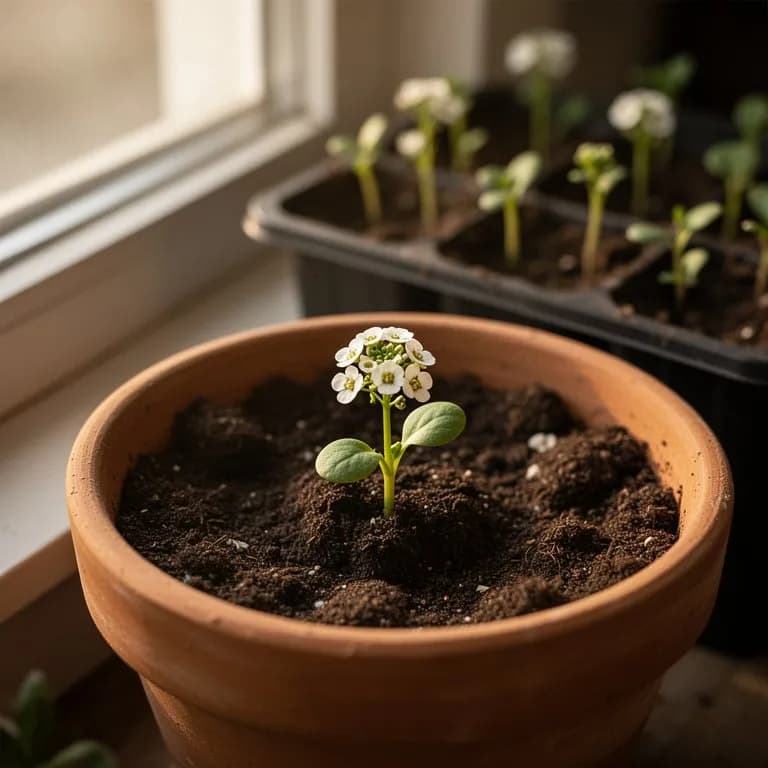
Sweet alyssum seeds are extremely small, about 1 mm in diameter, and require light to germinate. They should be surface-sown or barely covered with a fine dusting of vermiculite. At soil temperatures of 15-20°C (60-68°F), germination typically occurs within 5-10 days. The seeds need consistent moisture but not waterlogging during this critical phase.
Seedling Establishment
Cotyledons appear as tiny rounded leaves, followed quickly by the first true leaves which are narrow, lance-shaped, and covered in fine silvery hairs characteristic of the species. Seedlings are very small and delicate at this stage, growing slowly as they develop their initial root system.
Vegetative Growth
Plants develop a low-growing, spreading habit with multiple branching stems radiating outward from the crown. The narrow grey-green leaves become denser and the plant begins forming the compact mounding shape characteristic of sweet alyssum. Root systems spread laterally to anchor the spreading stems.
First Bloom
Terminal clusters of tiny four-petaled flowers begin opening at the stem tips. Each individual flower is only 3-5 mm across but they are borne in dense rounded racemes that create a showy display. The signature honey-like fragrance becomes noticeable as the first blooms open, intensifying on warm sunny days.
Peak Flowering
The plant reaches its full spread of 25-30 cm and becomes covered in dense flower clusters. At peak bloom, individual flowers can be so numerous that the foliage is almost entirely hidden. Pollinators including honeybees, hoverflies, and small butterflies visit the flowers continuously throughout the day.
Mid-Season Shearing and Rebloom
After the initial heavy flush of blooms, flowering may slow particularly in hot weather. Shearing the entire plant back by about one-third rejuvenates growth and triggers a vigorous second wave of flowers. The plant responds quickly, typically reblooming within two to three weeks of being cut back.
Late Season and Self-Seeding
As temperatures cool in autumn, sweet alyssum often enters a second peak bloom period. Plants continue flowering until the first hard frost. Toward the end of the season, some spent flower clusters develop tiny seed pods that mature and scatter seeds. In mild climates (zones 9-11), alyssum may overwinter and behave as a short-lived perennial.
Press seeds gently onto the soil surface without covering them, as they need light to germinate. Mist daily with a fine spray to keep the surface evenly moist. Avoid heavy watering that could wash away or bury the tiny seeds too deeply.
Caring for Sweet Alyssum month by month
What to do each month for your Sweet Alyssum
October
You are hereAllow some flowers to go to seed for self-sowing next spring. Collect seeds by cutting mature flower heads and drying them in paper bags. Plants will continue blooming until the first hard frost in most regions.
Know exactly what to do in your garden — every month
One email at the start of each month: what to sow, plant, and tackle right now — for your Sweet Alyssum and everything growing around it. Plus a short starter course that helps you dodge the classic mistakes.
- What to do, right now
- Matched to your season
- Starter course included
Harvesting Sweet Alyssum
Sweet alyssum is occasionally used in small nosegay-style bouquets as a fragrant filler. Cut small sprigs when in full bloom for tucking into arrangements. For seed saving, allow some flowers to develop tiny seed pods that dry to brown on the plant. The pods contain several tiny orange-brown seeds. Shake dried flower heads over a tray to collect seeds. Shear plants back after the first flush of spring bloom to rejuvenate growth and trigger a second heavy flowering in fall.
assuming you plant when the window opens — set your real date
Pick Sweet Alyssum promptly and the plant keeps producing.
Storage & Preservation
Fresh alyssum sprigs last three to four days in a small vase of water. The tiny flowers can be pressed between sheets of parchment paper for use in botanical crafts and cards. To dry, lay small sprigs on a screen in a warm, dry location for one to two weeks. Dried alyssum retains some fragrance. Seeds remain viable for three to four years when stored in paper envelopes in a cool, dry place. Self-sown seeds persist through mild winters to germinate the following spring.
What goes wrong — and the fix
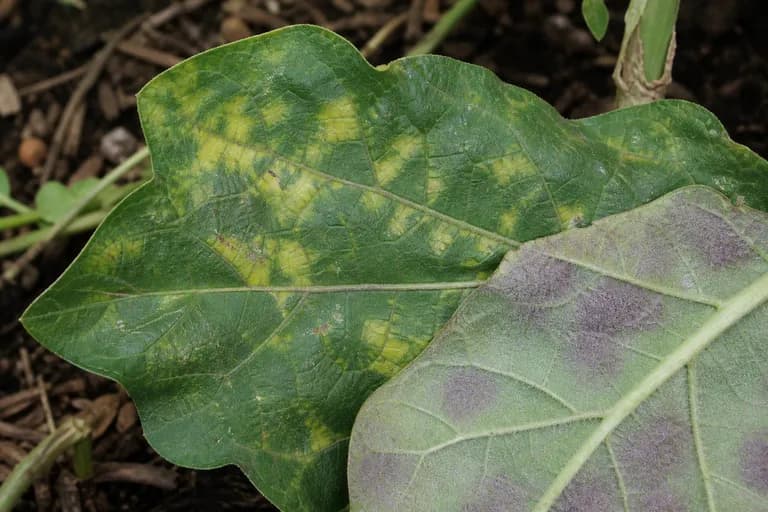
Downy Mildew
DiseasePale yellow patches on upper leaf surfaces with white to grayish fuzzy growth on the undersides. Plants may become stunted and stop flowering in severe cases.
Flea Beetles
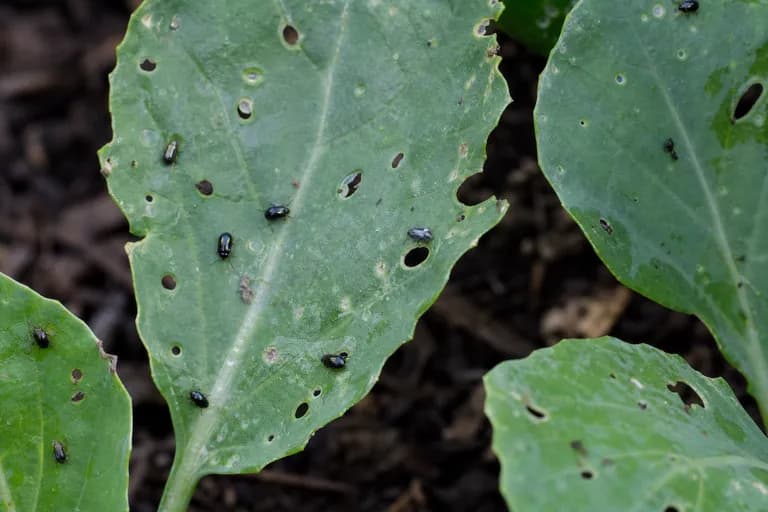
PestTiny round holes in leaves, giving foliage a shot-hole appearance. Small, dark, jumping beetles are visible on the plant surface, most active in warm, dry conditions.
White Rust
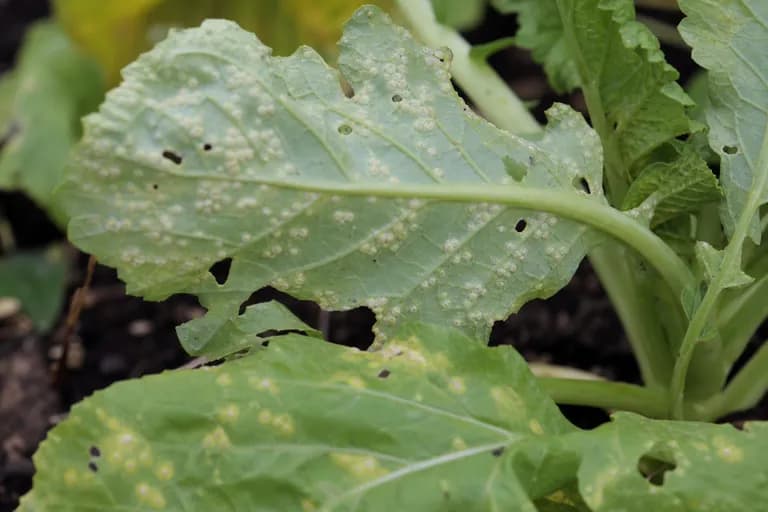
DiseaseWhite, blister-like pustules on the undersides of leaves, with yellowing on the upper surface. A fungal disease specific to plants in the Brassicaceae family.
Troubleshooting Common Problems
The most frequent issue is a midsummer decline during hot weather above 85 degrees Fahrenheit. Plants become leggy, stop flowering, and look ragged. The solution is to shear plants back by half and water well. Fresh growth emerges quickly and plants rebloom beautifully in the cooler weeks of early fall. In continuously hot climates, alyssum is best grown as a spring and fall annual. White rust and downy mildew can occur in humid conditions with poor air circulation.
Growing Tips
- Sow alyssum seeds directly on the soil surface and press lightly without covering, as they require light for germination and will not sprout if buried even a few millimeters deep.
- For the earliest blooms, start seeds indoors 6-8 weeks before the last frost date and transplant hardened-off seedlings outdoors once nighttime temperatures consistently stay above 5°C (41°F).
- Plant sweet alyssum between vegetable rows to attract beneficial insects that prey on aphids, caterpillars, and other common garden pests, functioning as a living biological control strip.
- Shear plants back by one-third during mid-summer heat lulls to stimulate vigorous regrowth and a strong second wave of blooms once cooler autumn temperatures arrive.
- Avoid high-nitrogen fertilizers which produce lush foliage at the expense of flowers. A single application of balanced slow-release fertilizer at planting time is sufficient for the entire growing season.
- Water at the base of plants rather than overhead to prevent fungal diseases and keep the delicate flower clusters looking fresh and attractive for longer periods.
- In hot climates (zones 9-11), plant alyssum in partial afternoon shade to protect it from intense heat that causes temporary flowering shutdowns above 30°C (86°F).
- Allow some plants to set seed in late autumn by leaving spent flower clusters intact. Self-sown seedlings will appear the following spring and often perform even better than transplants.
- Combine white-flowered alyssum with purple and pink cultivars for a natural color gradient effect in borders. Mixing varieties also extends the genetic diversity of beneficial insect habitat.
- Tuck alyssum plants into gaps between stepping stones, along rock wall crevices, and at the edges of raised beds where their trailing habit and sweet fragrance can be enjoyed up close.
Grow your best Sweet Alyssum yet — and everything around it.
Start a free plan today. Lay out your beds, drop in your Sweet Alyssum, and let PlotMyGarden handle the timing, spacing, companions and reminders from seed to harvest basket.
Pick your Sweet Alyssum
Carpet of Snow
The classic pure white alyssum with a low, spreading habit reaching three to four inches tall, outstanding for edging and mass plantings.
Easter Bonnet Series
A dwarf, compact series available in deep rose, violet, and white with early, heavy flowering on uniform four-inch plants.
Clear Crystal Series
Larger flowers than standard varieties in white, purple, and lavender, with a vigorous spreading habit.
Snow Princess
A vegetatively propagated variety with exceptional vigor and heat tolerance, spreading up to four feet and blooming nonstop all season.
Dark Knight
Deep purple flowers on compact plants, providing rich color contrast when edging white or yellow flower beds.
A single packet of sweet alyssum seeds (approximately 1,000-2,000 seeds) costs around $2-4 and can cover 3-5 square meters of garden space. Because alyssum self-sows reliably in most climates, a one-time seed purchase can provide years of free plants. When used as an insectary plant in vegetable gardens, alyssum can reduce the need for purchased biological controls and pesticide sprays, potentially saving $30-60 per season. Its role as a living mulch also reduces the need for purchased bark mulch or landscape fabric in border plantings.
Quick recipes
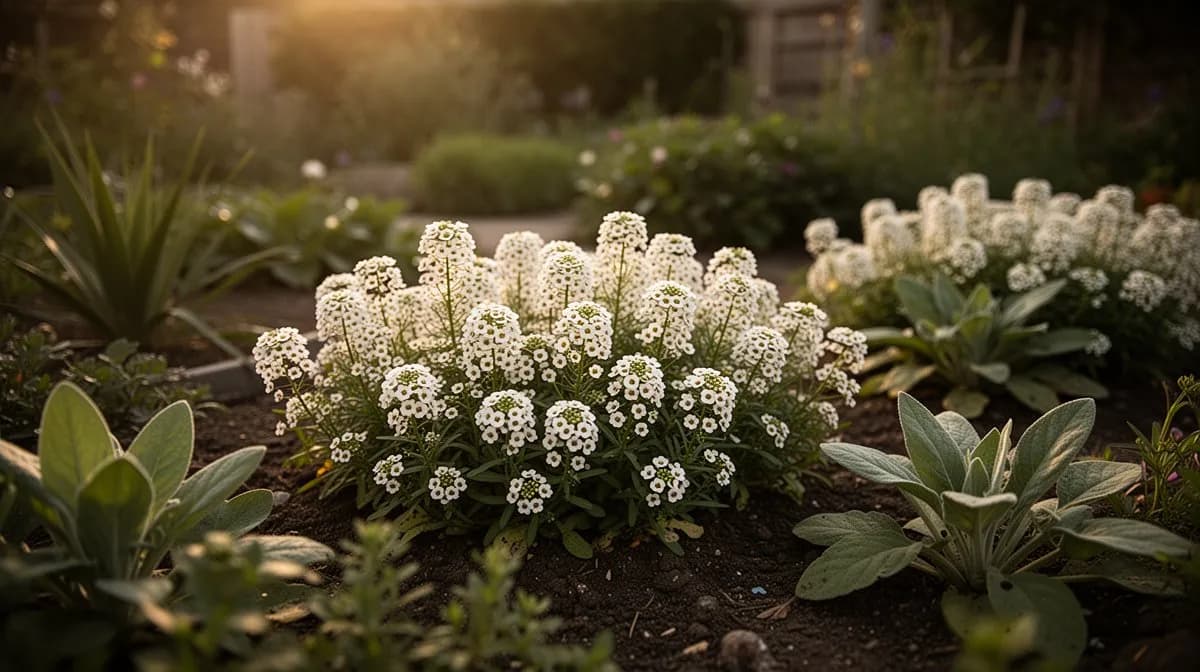
Alyssum Flower Ice Cubes
10 minutes plus freezing timeCreate beautiful floral ice cubes by freezing individual alyssum flower clusters in water. These decorative cubes add an elegant touch to lemonade, sparkling water, cocktails, and punch bowls at garden parties and summer gatherings.
4 ingredients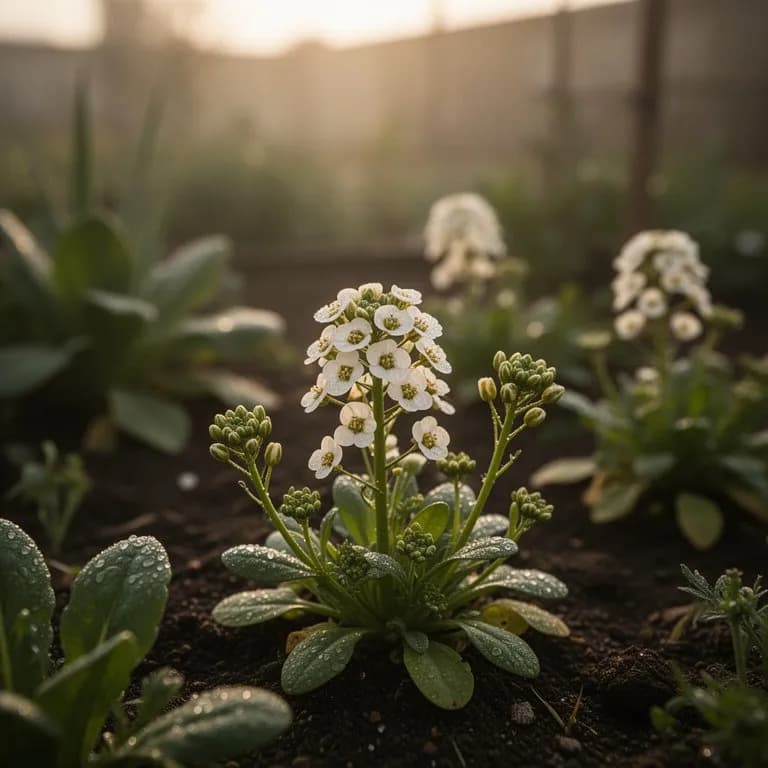
Alyssum Flower Garnish Butter
15 minutes plus chillingFold delicate alyssum blossoms into softened butter with a hint of lemon zest for a beautiful compound butter that adds a mild peppery-floral note to fresh bread, grilled fish, or steamed vegetables.
5 ingredientsDried Alyssum Fragrance Sachets
20 minutes plus 5-7 days drying timeHarvest and dry sweet alyssum flower clusters to create naturally fragrant sachets for dresser drawers, linen closets, and gift wrapping. The honey-like scent persists for months when dried properly and can be refreshed with a drop of essential oil.
5 ingredientsWhat's inside
Health Benefits
- Sweet alyssum serves as a powerful insectary plant that attracts hoverflies, lacewings, and parasitic wasps, reducing the need for chemical pesticides on nearby food crops and promoting a healthier garden ecosystem.
- The intense honey-like fragrance of sweet alyssum has been used in aromatherapy and traditional herbal practices to promote relaxation and reduce stress when enjoyed in garden settings.
- As a dense ground cover, alyssum suppresses weed growth naturally, reducing gardeners' exposure to herbicides and minimizing the physical strain of frequent hand weeding.
- Alyssum flower clusters attract a diverse community of pollinators including native bees and butterflies, supporting broader ecosystem health and improving fruit set on nearby food plants.
- The low-growing, carpet-forming habit of sweet alyssum helps prevent soil erosion on slopes and in garden beds, protecting topsoil and improving water infiltration during heavy rains.
- Growing sweet alyssum near vegetable gardens has been shown in agricultural studies to reduce aphid damage by up to 70 percent through biological pest control, resulting in cleaner produce with fewer pest-related blemishes.
Where Sweet Alyssum comes from
Sweet alyssum (Lobularia maritima) is native to the Mediterranean region, the Canary Islands, and the Azores, where it grows naturally along rocky coastlines, dry hillsides, and sandy shores. The species name 'maritima' reflects its affinity for coastal habitats, where it thrives in poor, well-drained soils and tolerates salt spray. In its native range, it grows as a short-lived perennial, flowering nearly year-round in the mild maritime climate. The plant was first formally described by Carl Linnaeus in 1753 under the name Clypeola maritima, and was later reclassified into the genus Lobularia by the French botanist René Louiche Desfontaines in 1815. Sweet alyssum was introduced to English gardens by the late 16th century, where it quickly gained popularity as an edging and rock garden plant valued for its profuse blooms and intoxicating honey-like scent. Victorian gardeners were particularly fond of it, using it extensively in carpet bedding schemes and formal border plantings that were fashionable during that era. By the 19th century, plant breeders had developed cultivars in shades of purple, pink, and rose in addition to the original white, expanding its ornamental range significantly. In the 20th century, sweet alyssum gained a new role in sustainable agriculture when researchers discovered its exceptional ability to attract beneficial insects. University of California studies demonstrated that planting alyssum strips in lettuce and vegetable fields significantly reduced aphid populations by attracting hoverflies and parasitic wasps. Today it is one of the most widely planted annual flowers worldwide, available in dozens of cultivars ranging from compact mounding types ideal for containers to vigorous spreading varieties used as landscape ground covers.
Sweet Alyssum: did you know?
Fascinating facts about Sweet Alyssum
Sweet alyssum belongs to the Brassicaceae (mustard) family, making it a relative of broccoli, cabbage, and kale despite looking nothing like its cruciferous cousins.
Sweet Alyssum questions, answered
When should I plant Sweet Alyssum?
What are good companion plants for Sweet Alyssum?
What hardiness zones can Sweet Alyssum grow in?
How much sun does Sweet Alyssum need?
How far apart should I space Sweet Alyssum?
What pests and diseases affect Sweet Alyssum?
How do I store Sweet Alyssum after harvest?
What are the best Sweet Alyssum varieties to grow?
What soil does Sweet Alyssum need?
Is sweet alyssum an annual or perennial?
Why did my alyssum stop flowering in the middle of summer?
How close together should I plant sweet alyssum for a carpet effect?
Can I grow sweet alyssum in containers and hanging baskets?
Does sweet alyssum attract beneficial insects to the garden?
Are sweet alyssum flowers edible and safe to eat?
You just read the theory. Now grow it on autopilot.
Everything that makes Sweet Alyssum fiddly — the timing, the spacing, the companions, the harvest window — is exactly what PlotMyGarden handles for you, for every plant in your garden.
A plan that knows your weather
Set your location once. Get sow, feed and harvest dates built around your real last-frost date and live forecast — no more guessing from a generic seed packet.
From the “When to plant” sectionDrag-and-drop bed planner
Design beds on a grid. Every plant snaps to its proper spacing, and you can see your whole season laid out before you spend a cent on seed.
From the “Growing guide” sectionCompanion conflicts, caught early
200+ good-and-bad pairings checked live as you plant — so a season-wrecking mistake never makes it into the ground.
From the “Companions” sectionReminders you'll actually act on
“Water the beans.” “Pick today before it turns.” Timely, specific, and tied to the plants you're really growing.
From the “Harvest” sectionSuccession, scheduled
Want a harvest for six weeks, not six days? It spaces your sowings automatically and reminds you when each new block is due.
From the “When to plant” sectionA record that gets smarter
Every harvest you log teaches it your garden. Next year's plan starts from what actually worked in your soil, not a textbook's.
From the “Overview” sectionPlant these alongside Sweet Alyssum
More Annuals
Grow your best Sweet Alyssum yet — and everything around it.
Start a free plan today. Lay out your beds, drop in your Sweet Alyssum, and let PlotMyGarden handle the timing, spacing, companions and reminders from seed to harvest basket.