Lobelie
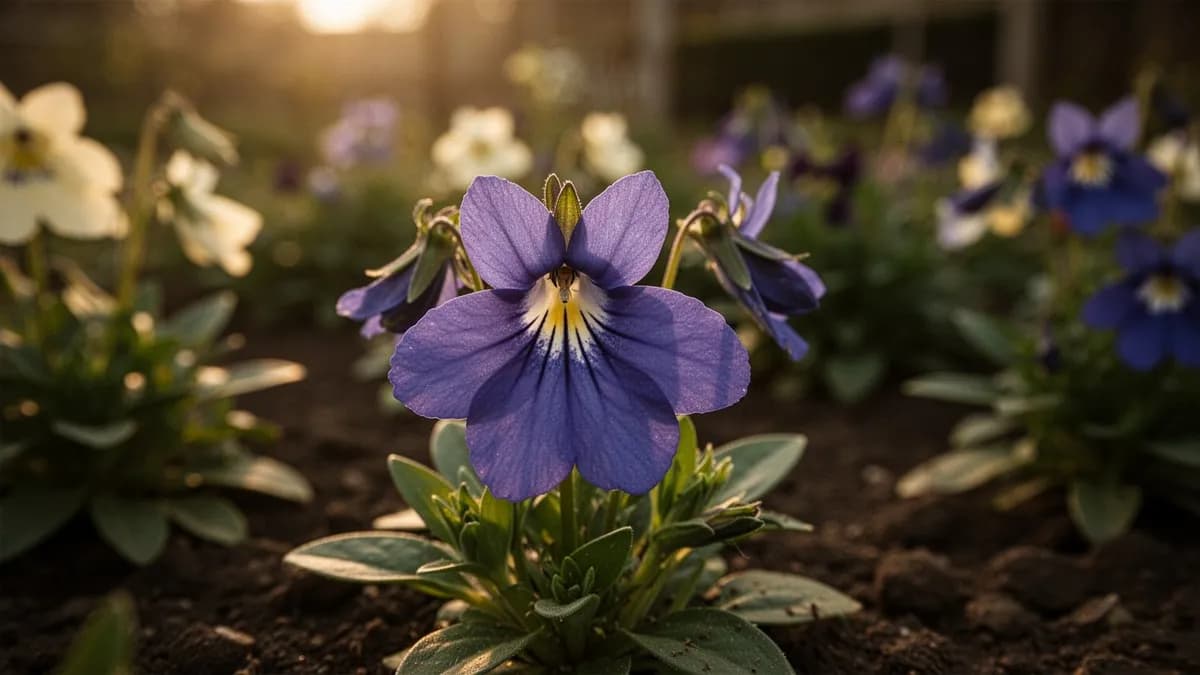
Eine zarte, hängende einjährige Pflanze mit Massen winziger blauer, violetter oder weißer Blüten, ideal für Ampeln und Gefäßränder.





Auf dieser SeiteÜberblick
Lobelie im Überblick
Eine zarte, hängende einjährige Pflanze mit Massen winziger blauer, violetter oder weißer Blüten, ideal für Ampeln und Gefäßränder. Lobelien bevorzugen kühles Wetter und können in der Hochsommerhitze eine Blühpause einlegen, erholen sich aber im Herbst wunderschön. Schneiden Sie die Pflanzen während Hitzeperioden um die Hälfte zurück, um einen frischen Schub an Herbstblüten zu fördern.
Wann Lobelie pflanzen
Lobeliensamen gehören zu den feinsten aller Blumensamen und sollten nicht bedeckt werden, da sie Licht zum Keimen benötigen. Beginnen Sie zehn bis zwölf Wochen vor dem letzten Frost mit der Aussaat drinnen, indem Sie die Samen dünn auf die Oberfläche feuchter Anzuchterde streuen. Halten Sie 18 bis 24 Grad Celsius unter Pflanzenlampen. Die Keimung dauert vierzehn bis zwanzig Tage. Die Sämlinge sind extrem winzig und wachsen sehr langsam. Verpflanzen Sie in kleinen Büscheln statt als Einzelpflanzen, um die empfindlichen Wurzeln nicht zu beschädigen. Die meisten Gärtner ziehen es vor, Setzlinge zu kaufen, um den anspruchsvollen Aussaatprozess zu umgehen.
Dein Lobelie-Jahr
Abgestimmt auf Zone 7 · typische Saison · Frost geht um den 2. Apr. und kehrt um den 1. Nov. zurück
Lobelie Apr – Mai pflanzen, Mai – Sep ernten. Beachte die Pflanzmethoden unten und wähle dein Klima für passende Zeiträume.
So baust du Lobelie an
Pflanzen Sie Lobelien-Setzlinge nach dem letzten Frost ins Freie an einen Standort mit Morgensonne und Nachmittagsschatten, oder in heißen Klimazonen in vollen Schatten. Setzen Sie die Pflanzen in einem Abstand von zehn bis fünfzehn Zentimetern in nährstoffreiche, feuchte, gut durchlässige Erde. Lobelien sind in zwei Wuchsformen erhältlich: hängende Formen, die elegant aus Hängeampeln und Gefäßen herabhängen, und kompakte aufrechte Formen, die einen niedrigen Teppich für Einfassungen und Beetränder bilden.
Halten Sie den Boden während der gesamten Wachstumsperiode gleichmäßig feucht, da Lobelien bei Trockenheit schnell welken und sich von schwerem Trockenstress möglicherweise nicht erholen. Tragen Sie eine dünne Schicht Mulch auf, um die Feuchtigkeit zu halten und die Wurzeln kühl zu halten. Düngen Sie alle zwei bis drei Wochen mit einem verdünnten, ausgewogenen Flüssigdünger. Lobelien sind Kühle-Saison-Pflanzen, die im Frühling und Frühsommer am üppigsten blühen.
Wenn die Sommerhitze eintrifft und die Temperaturen 27 Grad Celsius überschreiten, hören Lobelien oft auf zu blühen und werden sparrig. Schneiden Sie die gesamte Pflanze um die Hälfte zurück, wässern Sie gut und warten Sie auf kühlere Temperaturen. Die Pflanze regeneriert sich schnell und produziert im Frühherbst einen zweiten Blütenschub, der die Frühlingsblüte oft übertrifft. In milden Küstenklimaten können Lobelien von Frühling bis Herbst ununterbrochen blühen.
128 Pflanzen passen in ein Beet von 120 × 240 cm
Lobelie braucht 15 cm Platz pro Pflanze. Der Planer hält diesen Abstand für dich ein — jede Pflanze, jedes Beet.
Die besten Nachbarn für Lobelie
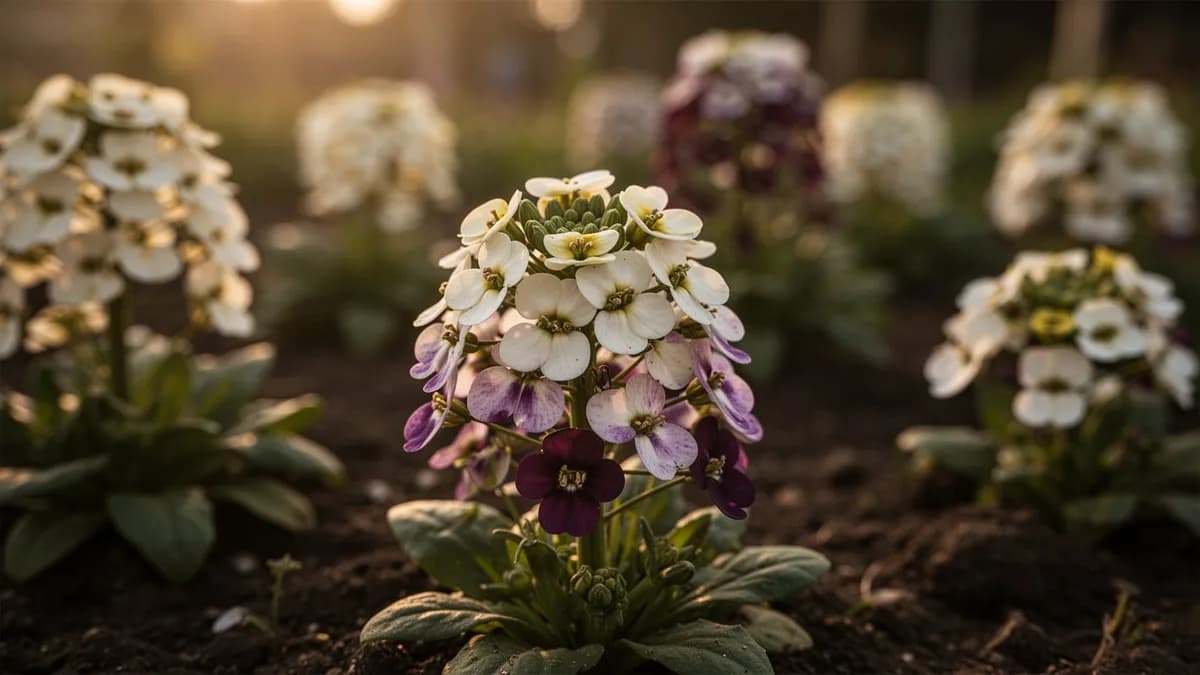
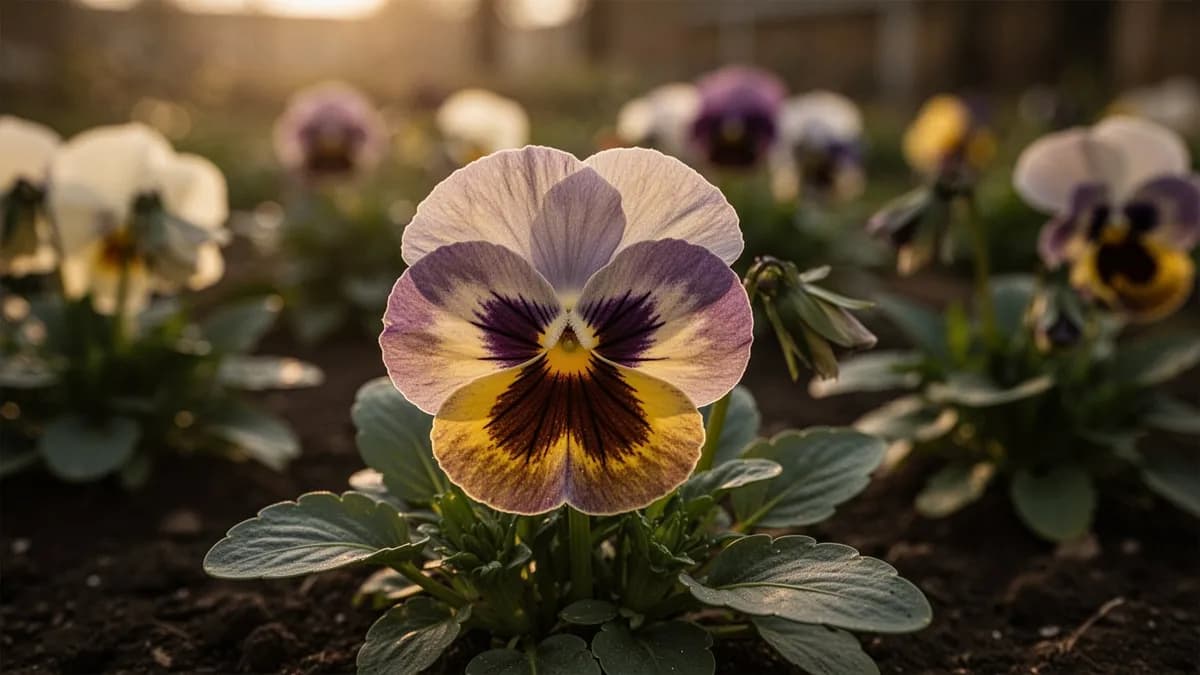
Lobelien sind ein Klassiker für Kühle-Saison-Gefäßbepflanzungen zusammen mit Stiefmütterchen, Duftsteinrich, Löwenmäulchen und Elfensporn. Hängende Sorten ergießen sich wunderschön aus Hängeampeln, wenn sie mit aufrechten Geranien oder Fuchsien als Mittelpunkt kombiniert werden. In schattigen Gartenbeeten kombinieren Sie sie mit Fleißigen Lieschen, Begonien und Farnen für eine üppige, farbenfrohe Darstellung. Die intensiv blauen Blüten der Lobelie bieten eine Farbe, die unter einjährigen Blumen selten zu finden ist, und kontrastieren wunderschön mit gelben und weißen Begleitpflanzen.
Strandkresse gehört daneben.
Altes Gärtnerwissen, geprüft an der echten Nachbartabelle von Lobelie — teste jede Pflanze, die du anbaust.
Probiere Lobelie direkt hier im Beet
Ein echtes Planer-Beet, Lobelie steht schon drin. Tippe einen Begleiter an, platziere ihn und sieh, wie die Nachbarschaftsprüfung antwortet — grün für gute Nachbarn, rot bei Streit.


Passende Anbau-Ratgeber
Richtig düngen
Lobelien bevorzugen nährstoffreichen, humusreichen, gleichmäßig feuchten Boden mit einem pH-Wert von 6,0 bis 7,5. Verbessern Sie Pflanzflächen mit Kompost, um die Feuchtigkeitsspeicherung zu verbessern. Verwenden Sie in Gefäßen eine hochwertige Blumenerde mit guter Wasserspeicherkapazität. Düngen Sie alle zwei bis drei Wochen mit einem verdünnten, ausgewogenen Flüssigdünger, um die Blüte aufrechtzuerhalten. Vermeiden Sie es, den Boden vollständig austrocknen zu lassen, da dies die Pflanzen stresst und in extremen Fällen irreversible Schäden verursachen kann.
Ideale Temperatur
Winterhärtezone-Kompatibilität
Von der Saat zur Ernte, Schritt für Schritt
Aussaat
Lobeliensamen sind staubfein und benötigen Licht zum Keimen. Säen Sie sie auf die Oberfläche feuchter, fein gesiebter Anzuchterde, ohne sie zu bedecken. Halten Sie Temperaturen von 18–24 °C und die Erde gleichmäßig feucht. Die Keimung dauert typischerweise 10–14 Tage. Da die Samen so winzig sind, hilft das Mischen mit einer kleinen Menge feinem Sand vor der Aussaat, sie gleichmäßiger über die Schalenoberfläche zu verteilen.
Keimlingsentwicklung
Extrem winzige Sämlinge erscheinen als dünne grüne Fäden. Sie wachsen anfangs sehr langsam und können leicht durch Umfallkrankheit oder Austrocknung verloren gehen. Bieten Sie helles indirektes Licht für 12–14 Stunden pro Tag. Die Sämlinge sind so klein, dass sie typischerweise in Büscheln statt einzeln gehandhabt werden. Vermeiden Sie es, die Oberfläche des Substrats in dieser empfindlichen Phase zu stören.
Büschelentwicklung
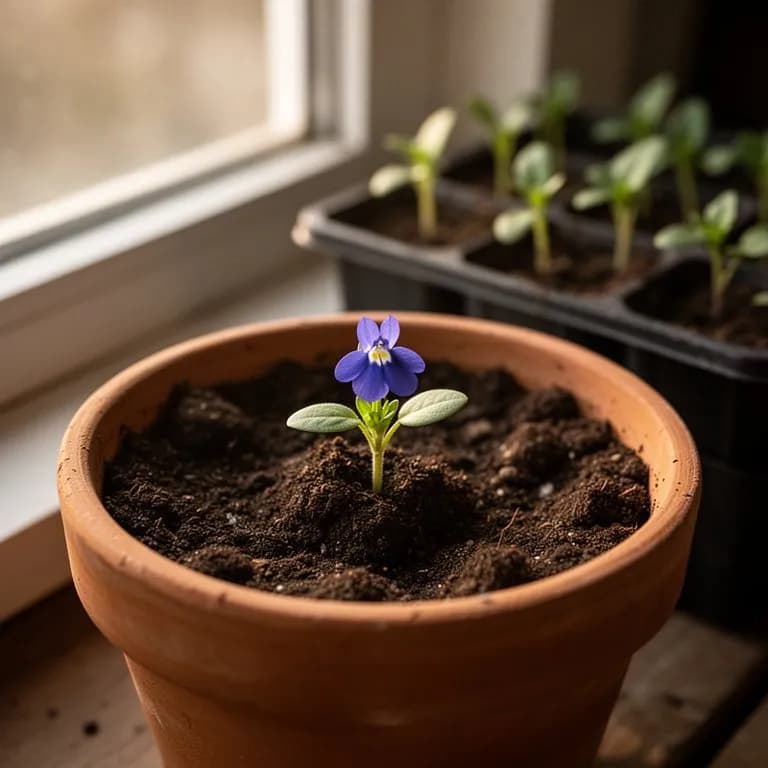
Die Sämlinge entwickeln ihre ersten echten Blätter und beginnen, kleine Laubbüschel zu bilden. In diesem Stadium werden Lobelien typischerweise in kleinen Gruppen von 4–6 Sämlingen pikiert, da die Pflanzen zu klein sind, um sie ohne Beschädigung zu trennen. Die Büschel beginnen sich zu füllen und eine erkennbarere Form mit winzigen ovalen Blättern zu entwickeln.
Vegetatives Wachstum
Die Pflanzen beginnen kräftiger zu wachsen und bilden dichte Polster aus kleinen, hellgrünen Blättern. Hängende Sorten beginnen, längere Triebe zu produzieren, die zu hängen beginnen. Kompakte Sorten entwickeln ihren charakteristischen dichten, kissenartigen Wuchs. Die Pflanzen sind jetzt robust genug, um abgehärtet und ins Freie verpflanzt zu werden, sobald die Frostgefahr vorüber ist.
Erste Blüte
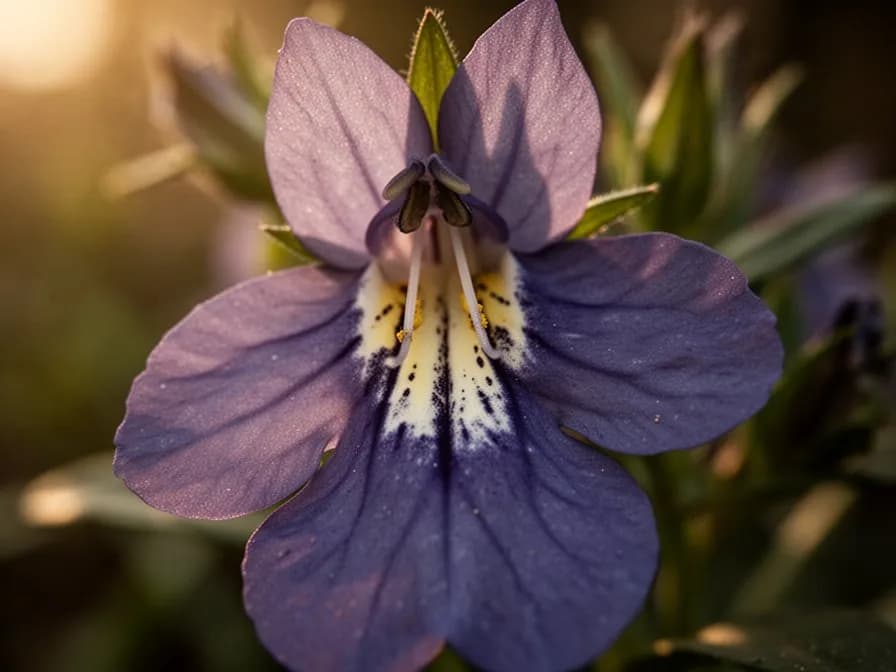
Die ersten Blüten erscheinen, typischerweise 10–14 Wochen nach der Aussaat. Die Blüten sind klein, fünfblättrig und weisen meist ein kontrastierendes weißes oder gelbes Auge auf. Die Farben reichen von tiefem Kobaltblau und Violett bis hin zu Himmelblau, Weiß, Rosa und Karmin. Die Pflanzen werden schnell von Blüten bedeckt und bilden je nach Sorte einen lebhaften Teppich oder eine Kaskade von Farbe.
Hauptblüte
Die Pflanzen erreichen ihr volles Schaupotenzial mit Massen von Blüten, die das Laub fast vollständig bedecken. In kühleren Klimazonen können Lobelien vom späten Frühling bis zum Herbst ununterbrochen blühen. In heißen Klimazonen kann die Blüte während der Hochsommerhitze nachlassen oder pausieren. Hängende Sorten können 30–45 cm Länge erreichen und spektakuläre Schauwirkungen in Hängeampeln und Blumenkästen erzeugen.
Spätsaison und Abklingen
Wenn die Temperaturen im Herbst sinken, zeigen Lobelien oft einen zweiten kräftigen Blütenschub, wenn kühleres Wetter zurückkehrt. Die Pflanzen blühen bis zum ersten strengen Frost weiter, der diese empfindliche einjährige Pflanze abtötet. In frostfreien Klimazonen kann die Lobelie als kurzlebige Staude überleben, obwohl sie typischerweise nach einer vollen Wachstumsperiode nachlässt. Samen können sich unter günstigen Bedingungen selbst aussäen.
Bedecken Sie die Samen nicht mit Erde. Verwenden Sie eine durchsichtige Feuchtigkeitshaube oder Frischhaltefolie, um die Feuchtigkeit zu halten, und besprühen Sie vorsichtig mit einer Sprühflasche, um die mikroskopisch kleinen Samen nicht zu verdrängen.
Lobelie Monat für Monat pflegen
Was du jeden Monat für deine Lobelie tun solltest
Oktober
Aktueller MonatDie Blüte wird mit sinkenden Temperaturen nachlassen. Lassen Sie einige Blüten Samen bilden, wenn Sie im nächsten Frühling Selbstaussaat-Pflanzen wünschen. Bereiten Sie sich darauf vor, einjährige Lobelienpflanzen vor dem ersten strengen Frost zu entfernen. In milden Klimazonen können die Pflanzen bis weit in den Oktober hinein blühen.
Immer wissen, was jetzt im Garten zu tun ist
Eine E-Mail zum Monatsanfang: was du jetzt säen, pflanzen und anpacken solltest — für deine Lobelie und alles, was drumherum wächst. Dazu ein kurzer Startkurs, der dich vor den klassischen Fehlern bewahrt.
- Was jetzt zu tun ist
- Passend zu deiner Saison
- Startkurs inklusive
Lobelie ernten
Lobelien werden aufgrund ihrer winzigen Einzelblüten und zarten hängenden Stängel nicht als Schnittblumen verwendet. Das Entfernen einzelner verblühter Blüten ist nicht nötig. Schneiden Sie stattdessen die gesamte Pflanze um die Hälfte zurück, wenn die Blüte während der Sommerhitze nachlässt, um einen frischen Wachstums- und Blütenschub für den Herbst auszulösen. Für die Samengewinnung lassen Sie einige Blüten kleine Samenkapseln entwickeln, die an der Pflanze trocknen. Die extrem feinen Samen können gesammelt werden, indem man getrocknete Stängel über einem Papiertuch schüttelt.
angenommen, du pflanzt zu Beginn des Zeitraums — trage dein tatsächliches Datum ein
Ernte Lobelie zügig, dann trägt die Pflanze weiter.
Lagerung & Konservierung
Lobelien eignen sich aufgrund ihrer winzigen, zarten Blüten nicht zum Schneiden oder Trocknen. Ihr Wert liegt in ihrer lebenden Wirkung als Kühle-Saison-Gefäß- und Beetrandpflanze. Um Pflanzen über den Winter zu erhalten, bringen Sie Gefäße vor dem ersten Frost nach drinnen und halten Sie sie an einem kühlen, hellen Standort. Alternativ nehmen Sie im Spätsommer Stängelstecklinge, bewurzeln diese in feuchtem Perlit und ziehen sie über den Winter auf einer hellen Fensterbank. Samen sind extrem fein und sollten in kleinen Umschlägen an einem kühlen, trockenen Ort aufbewahrt werden.
Was schiefgeht — und die Lösung
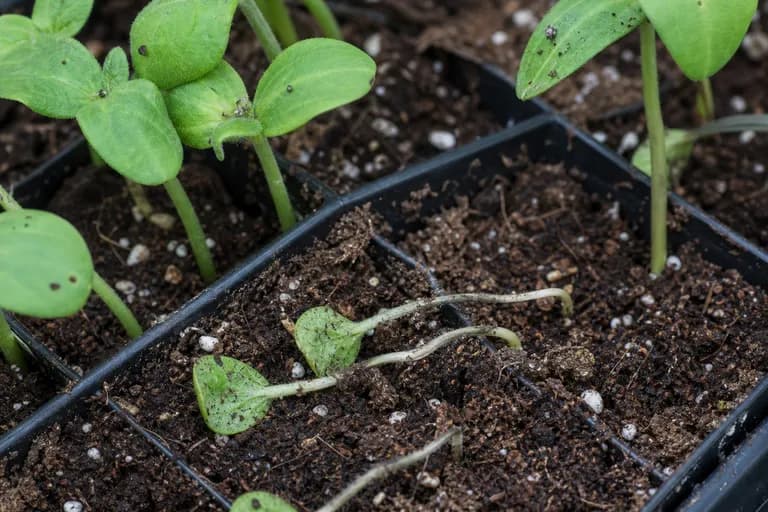
Umfallkrankheit
KrankheitSämlinge kollabieren an der Bodenoberfläche, Stängel werden dünn und wässrig, und der gesamte Sämling fällt um. Am häufigsten bei kühlen, überwässerten Bedingungen während der Anzucht.
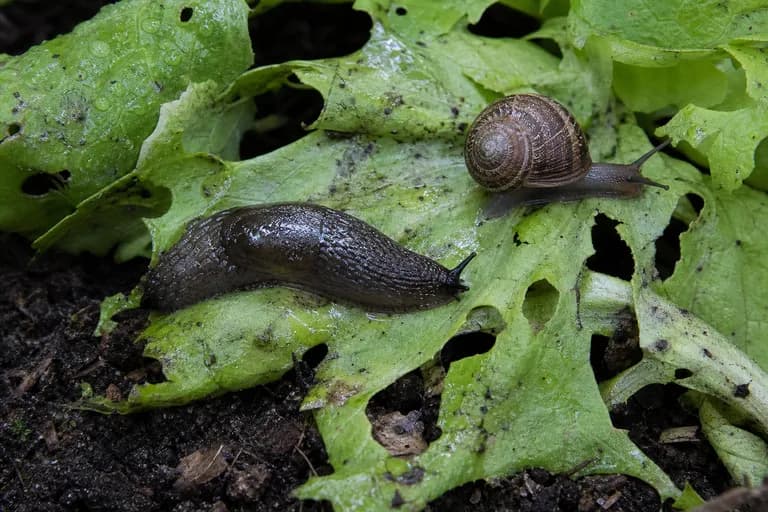
Schnecken und Nacktschnecken
SchädlingUnregelmäßige Löcher in Blättern und Blüten, silbrige Schleimspuren. Die Vorliebe der Lobelie für feuchte, schattige Bedingungen macht sie für diese Schädlinge besonders attraktiv.
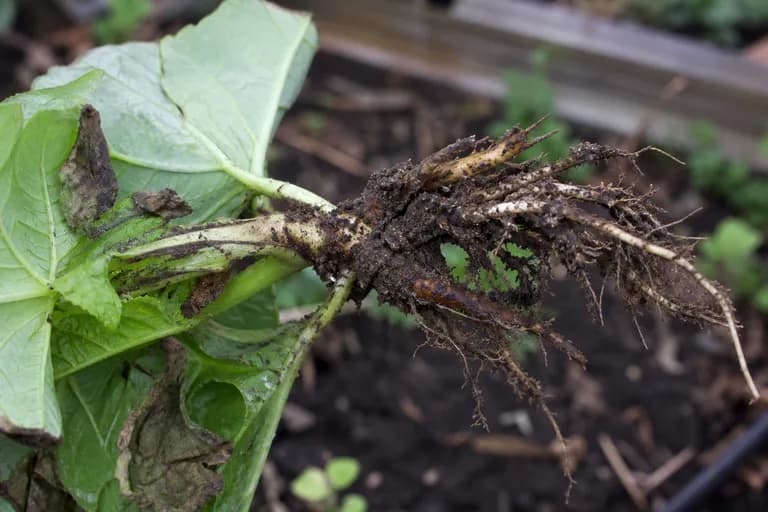
Wurzelfäule
KrankheitPflanzen welken trotz feuchtem Boden, untere Stängel werden weich und braun, Wurzeln sind dunkel und matschig. Verursacht durch Überwässerung in schlecht durchlässigem Boden oder Gefäßen ohne ausreichende Drainage.
Fehlerbehebung bei häufigen Problemen
Das häufigste Problem ist Sommerhitze, die dazu führt, dass Lobelien aufhören zu blühen und sparrig werden. Dies ist normales Verhalten und kein Zeichen einer Krankheit. Rückschnitt und Abwarten auf kühleres Wetter löst das Problem. Überwässerung in schlecht durchlässigem Boden verursacht Wurzelfäule, während Unterwässerung zu schnellem Welken und potenziellem Absterben der Pflanze führt. Lobelien-Sämlinge sind bekannt für langsames Wachstum und anfällig für Umfallkrankheit, was die Aussaat für Anfänger zu einer Herausforderung macht.
Anbautipps
- Beginnen Sie 10–12 Wochen vor dem letzten Frosttermin mit der Aussaat von Lobeliensamen drinnen, da die winzigen Sämlinge sehr langsam wachsen und einen langen Vorsprung benötigen, um bis zum Frühling Pflanzgröße zu erreichen.
- Mischen Sie die staubfeinen Lobeliensamen vor der Aussaat mit einer Prise feinem Sand, um sie gleichmäßiger über die Saatschalenoberfläche zu verteilen und dichte Klumpen von Sämlingen zu vermeiden.
- Bedecken Sie Lobeliensamen niemals mit Erde oder Vermiculit, da sie Licht zum Keimen benötigen. Drücken Sie sie einfach vorsichtig auf die Oberfläche feuchter Anzuchterde.
- Handhaben Sie Lobelien-Sämlinge in kleinen Büscheln von 4–6 Pflanzen, anstatt zu versuchen, Einzelpflanzen zu trennen, da die Sämlinge zu winzig und zerbrechlich sind, um einzeln ohne Beschädigung verpflanzt zu werden.
- Bieten Sie in heißen Klimazonen oder während Hitzewellen Nachmittagsschatten, da Lobelien bei Temperaturen über 30 °C schlecht abschneiden und vollständig aufhören können zu blühen.
- Schneiden Sie die Pflanzen im Hochsommer um ein Drittel zurück, wenn sie sparrig werden oder die Blüte nachlässt, wässern Sie dann gründlich und düngen Sie, um einen kräftigen zweiten Blütenschub im Herbst zu fördern.
- Gießen Sie Lobelien gleichmäßig und gründlich, da sie flache Wurzeln haben und zu den ersten Pflanzen gehören, die bei Trockenheit welken. Gefäßpflanzen müssen bei warmem Wetter möglicherweise täglich gegossen werden.
- Düngen Sie Lobelien in Gefäßen alle 10–14 Tage mit einem halbstarken ausgewogenen Flüssigdünger, um die Dauerblüte aufrechtzuerhalten, da häufiges Gießen Nährstoffe schnell aus der Blumenerde auswäscht.
- Wählen Sie hitzetolerante Sortenserien wie Riviera, Regatta oder Techno Heat, wenn Sie in einer Region mit heißen Sommern gärtnern, da diese modernen Sorten deutlich besser mit Wärme umgehen als ältere Typen.
- Kombinieren Sie hängende Lobelien mit aufrechten Pflanzen wie Geranien, Petunien oder Calibrachoa in gemischten Gefäßen und verwenden Sie die Lobelie als Füller und Überhänger, um Kanten zu mildern und Lücken zwischen größeren Pflanzen zu füllen.
Bau deine beste Lobelie an — und alles drumherum.
Starte heute kostenlos. Lege deine Beete an, setze deine Lobelie ein und lass PlotMyGarden Timing, Abstände, Begleiter und Erinnerungen von der Saat bis zum Erntekorb übernehmen.
Finde deine Lobelie
Laguna-Serie
Hitzetolerante hängende Lobelie mit größeren Blüten und besserer Sommerleistung als ältere Sorten, ideal für Hängeampeln.
Crystal Palace
Klassische kompakte aufrechte Lobelie mit tiefblauen Blüten und bronzefarbenem Laub, ein traditioneller Favorit für Einfassungen und Gefäße.
Regatta-Serie
Frühblühende hängende Lobelie in Blau, Rosa, Weiß und Flieder, gut geeignet für Kühle-Saison-Gefäßbepflanzungen.
Riviera-Serie
Kompakter, aufrechter Wuchs mit früher Blüte in einer Reihe von Blau-, Rosa- und Weißtönen, ausgezeichnet für Frühjahrsbepflanzung.
Hot Springs-Serie
Verbesserte Hitzetoleranz bei kompakten Pflanzen, die die Blütezeit weiter in den Sommer hinein verlängert als traditionelle Sorten.
Ein einzelnes Päckchen Lobeliensamen (ungefähr 1.000–2.000 Samen) kostet etwa 2–4 € und kann Hunderte von Pflanzen hervorbringen, verglichen mit dem Kauf von Gärtnerei-Sechserpacks zu je 3–5 €, die nur 4–6 Pflanzen enthalten. Der Anbau aus Samen kann Gärtnern, die Lobelien ausgiebig in Rabatten, Gefäßen und Hängeampeln verwenden, 50–100 € oder mehr pro Saison sparen. Eine bescheidene Investition in Anzuchtbedarf amortisiert sich innerhalb der ersten Saison.
Schnelle Rezepte
Lobelien-Blaue-Kaskade-Hängeampel
30 Min.Erstellen Sie eine atemberaubende Hängeampel-Bepflanzung mit hängender Lobelie als Hauptpflanze. Kombinieren Sie tiefblaue hängende Lobelien mit weißem Duftsteinrich und hängendem silbernem Dichondra für ein kühltoniges, elegantes Arrangement, das von Spätfrühling bis Herbst an einem halbschattigen Standort ununterbrochen blüht.
7 ZutatenKlassische blau-weiße Einfassungsrabatte
45 Min.Gestalten Sie eine zeitlose Gartenrabatte mit kompakter Lobelie in abwechselnden blauen und weißen Streifen entlang eines Weges oder Beetrandes. Dieses viktorianisch inspirierte Pflanzschema erzeugt ein klares, formales Erscheinungsbild, das sowohl Bauerngärten als auch strukturierte formale Anlagen wunderschön ergänzt.
6 Zutaten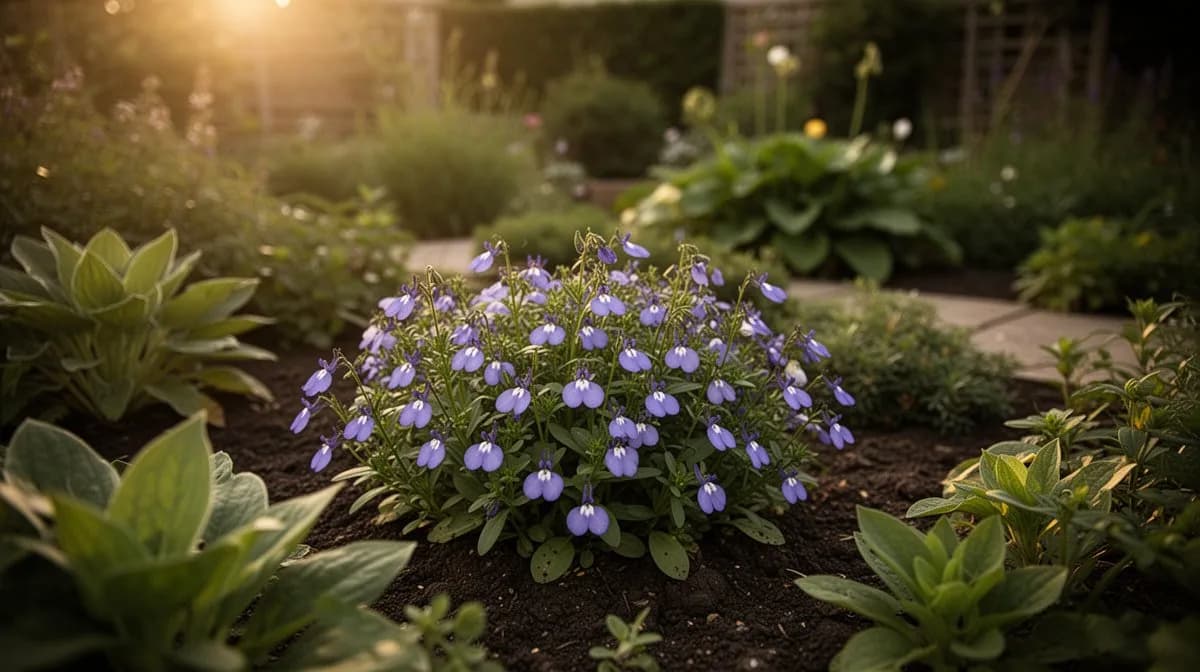
Gemischter Lobelien-Blumenkasten
25 Min.Gestalten Sie einen farbenfrohen Blumenkasten, der mehrere Lobeliensorten mit ergänzenden Hängepflanzen für einen Bauerngarten-Effekt kombiniert. Die Mischung aus Lobelienfarben erzeugt ein malerisches, natürliches Erscheinungsbild, das Fensterbänke und Geländer während der gesamten Wachstumsperiode verschönert.
6 ZutatenWas drinsteckt
Gesundheitsvorteile
- Lobelia erinus ist eine rein dekorative Pflanze und sollte nicht zu Gesundheitszwecken eingenommen werden, da die Gattung potenziell giftige Alkaloide einschließlich Lobelin enthält
- Der Anbau von Lobelien und die Pflege von Gartenbepflanzungen bieten sanfte körperliche Bewegung, verbesserte Geschicklichkeit und sinnvolle Aktivitäten im Freien, die die allgemeine kardiovaskuläre und muskuloskelettale Gesundheit unterstützen
- Die leuchtend blauen Blüten der Lobelie haben in Studien zur Gartentherapie gezeigt, dass sie Gefühle von Ruhe und Entspannung fördern und helfen, Stress und Angst bei Gärtnern und Betrachtern gleichermaßen zu reduzieren
- Die Pflege von Lobelien von winzigen Samen bis zur vollen Blüte vermittelt ein lohnendes Gefühl der Erfüllung und des Sinns, das positive psychische Gesundheit und emotionales Wohlbefinden unterstützt
- Lobelienbepflanzungen ziehen nützliche Bestäuber wie Bienen, Schwebfliegen und kleine Schmetterlinge an, unterstützen die lokale Biodiversität und tragen zu gesünderen Gartenökosystemen bei
- Die detaillierte, aufmerksame Arbeit beim Anbau von Lobelien aus Samen fördert Achtsamkeit und Gegenwartsbewusstsein, was die Forschung mit reduzierten Depressionssymptomen und verbesserter kognitiver Funktion in Verbindung bringt
Woher Lobelie stammt
Lobelia erinus, allgemein bekannt als Einfassungslobelie, Hängelobelie oder Gartenlobelie, stammt aus dem südlichen Afrika, wo sie natürlich in Südafrika, Malawi, Namibia und benachbarten Regionen vorkommt. In ihrem natürlichen Lebensraum wächst sie als kurzlebige Staude in Felsvorsprüngen, auf gestörtem Boden und an gut durchlässigen Hängen von Küstengebieten bis hin zu Bergwiesen in Höhen von 1.500 Metern oder mehr. Die Pflanze wurde erstmals 1753 von Carl von Linné wissenschaftlich beschrieben, und die Gattung wurde zu Ehren von Matthias de Lobel benannt, einem flämischen Botaniker und Arzt des sechzehnten Jahrhunderts, der den englischen und niederländischen Höfen diente. Europäische Pflanzensammler brachten Lobelia erinus im späten achtzehnten Jahrhundert in botanische Gärten, und bis zum frühen neunzehnten Jahrhundert war sie eine beliebte Beetpflanze in ganz Großbritannien und Kontinentaleuropa geworden. Die Viktorianer nahmen die Lobelie begeistert in ihre aufwendigen Teppichbeet-Arrangements auf, wo ihre intensiv blauen Blüten einen lebhaften Kontrast zu roten Geranien und gelben Pantoffelblumen in den klassischen Dreifarbdarstellungen öffentlicher Parks und Herrenhausgärten boten. Die Züchtung im neunzehnten und zwanzigsten Jahrhundert erweiterte das Farbspektrum über das ursprüngliche Blau hinaus auf Weiß, Rosa, Flieder, Karmin und Tiefviolett sowie die Entwicklung eigenständiger Hängeformen, die ideal für Hängeampeln und erhöhte Gefäße sind. Heute wird Lobelia erinus weltweit als einjährige Kühle-Saison-Pflanze in gemäßigten Klimazonen und als Winter- oder Frühjahrseinjährige in subtropischen Regionen angebaut. Moderne Sortenserien wie Riviera, Regatta und Techno bieten verbesserte Hitzetoleranz, früheres Blühen und gleichmäßigere Wuchsformen im Vergleich zu älteren Erbstücksorten und machen die Lobelie für Hobbygärtner und professionelle Landschaftsgärtner gleichermaßen zugänglicher und zuverlässiger.
Lobelie: Schon gewusst?
Faszinierende Fakten über Lobelie
Die Gattung Lobelia ist nach Matthias de Lobel (1538–1616) benannt, einem flämischen Botaniker und Arzt, der als Botaniker von König James I. von England diente und bedeutende Beiträge zur frühen Pflanzenklassifikation leistete.
Lobelie: Fragen & Antworten
Wann sollte ich Lobelie pflanzen?
Was sind gute Begleitpflanzen für Lobelie?
In welchen Winterhärtezonen kann Lobelie wachsen?
Wie viel Sonne braucht Lobelie?
Welchen Abstand sollte ich zwischen Lobelie lassen?
Welche Schädlinge und Krankheiten befallen Lobelie?
Wie lagere ich Lobelie nach der Ernte?
Was sind die besten Lobelie-Sorten zum Anbauen?
Welchen Boden braucht Lobelie?
Warum hat meine Lobelie mitten im Sommer aufgehört zu blühen?
Kann ich Lobelien im Vollschatten anbauen?
Ist Lobelia erinus giftig für Haustiere oder Kinder?
Warum sterben meine Lobelien-Sämlinge kurz nach der Keimung?
Was ist der Unterschied zwischen kompakten und hängenden Lobeliensorten?
Kann Lobelie den Winter überstehen und nächstes Jahr wiederkommen?
Du hast die Theorie gelesen. Jetzt baue sie auf Autopilot an.
Alles, was Lobelie knifflig macht — das Timing, die Abstände, die Begleiter, das Erntefenster — genau das übernimmt PlotMyGarden für dich, für jede Pflanze im Garten.
Ein Plan, der dein Wetter kennt
Standort einmal festlegen. Aussaat-, Dünge- und Erntedaten rund um deinen echten letzten Frosttermin und die Live-Vorhersage — kein Raten mehr nach Saattüte.
Aus dem Abschnitt „Pflanzzeit“Beetplaner per Drag & Drop
Beete auf einem Raster gestalten. Jede Pflanze rastet im richtigen Abstand ein, und du siehst die ganze Saison, bevor du einen Cent für Saatgut ausgibst.
Aus dem Abschnitt „Anbau“Begleiter-Konflikte früh erkannt
Über 200 gute und schlechte Kombinationen werden beim Pflanzen live geprüft — so landet ein saisonruinierender Fehler nie in der Erde.
Aus dem Abschnitt „Begleiter“Erinnerungen, nach denen du wirklich handelst
„Gieß die Bohnen.“ „Heute ernten, bevor's umschlägt.“ Pünktlich, konkret und auf deine echten Pflanzen bezogen.
Aus dem Abschnitt „Ernte“Staffel-Aussaat, geplant
Sechs Wochen ernten statt sechs Tage? Die App verteilt deine Aussaaten automatisch und erinnert dich, wenn der nächste Satz fällig ist.
Aus dem Abschnitt „Pflanzzeit“Ein Verlauf, der schlauer wird
Jede protokollierte Ernte bringt der App deinen Garten bei. Der Plan fürs nächste Jahr startet bei dem, was in deinem Boden wirklich funktioniert hat.
Aus dem Abschnitt „Überblick“Pflanze diese neben Lobelie
Weitere Einjährige
Bau deine beste Lobelie an — und alles drumherum.
Starte heute kostenlos. Lege deine Beete an, setze deine Lobelie ein und lass PlotMyGarden Timing, Abstände, Begleiter und Erinnerungen von der Saat bis zum Erntekorb übernehmen.