Beardtongue
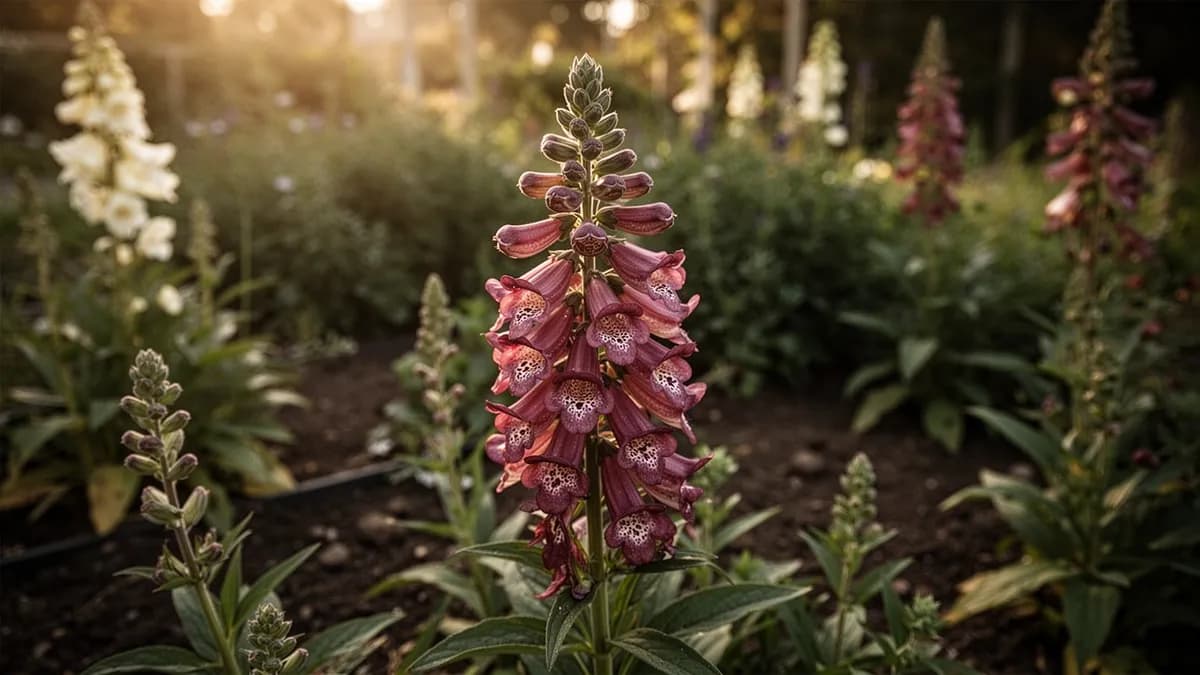
A native perennial with tall spikes of tubular white flowers tinged with purple that are magnets for hummingbirds and native bees.





On this pageOverview
Meet Beardtongue
A native perennial with tall spikes of tubular white flowers tinged with purple that are magnets for hummingbirds and native bees. Beardtongue thrives in lean, well-drained soil and actually performs poorly in rich, moist conditions where it may flop. The cultivar 'Husker Red' offers stunning dark burgundy foliage as a bonus.
When to plant Beardtongue
Sow seeds on the surface of gritty compost in autumn—cold stratification improves germination. Alternatively, refrigerate seeds for 4-6 weeks before spring sowing. Germination takes 2-4 weeks. Plants may flower in their first year from early sowing.
Your Beardtongue Year
Composed for Zone 7 · typical seasons · frost passes Apr 2, returns Nov 1
Plant Beardtongue Mar – May, pick May – Jul. Check the planting methods below and set your climate to personalize these windows.
How to grow Beardtongue
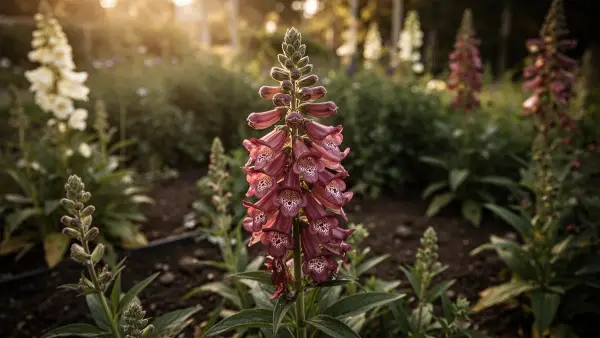
Beardtongue is a valuable native perennial that bridges the gap between spring and summer blooms, producing spikes of tubular flowers that are irresistible to hummingbirds. Plant in spring, spacing 18 inches apart in full sun with lean, well-drained soil.
Penstemon thrives in poor, dry conditions and actually declines in rich, moist garden soil—avoid the temptation to pamper it. The tubular white flowers tinged with purple appear in early summer on 2-3 foot stems above basal rosettes of dark green foliage.
The 'Husker Red' cultivar offers stunning dark burgundy foliage all season long, making it valuable even when not in flower. After blooming, the attractive seed heads provide winter interest and food for birds. Penstemon is deer resistant and supports native bee populations.
18 plants fit a 4 × 8 ft bed
Each Beardtongue wants 35 cm of elbow room. The planner keeps that spacing for you — every plant, every bed.
Beardtongue's best neighbours
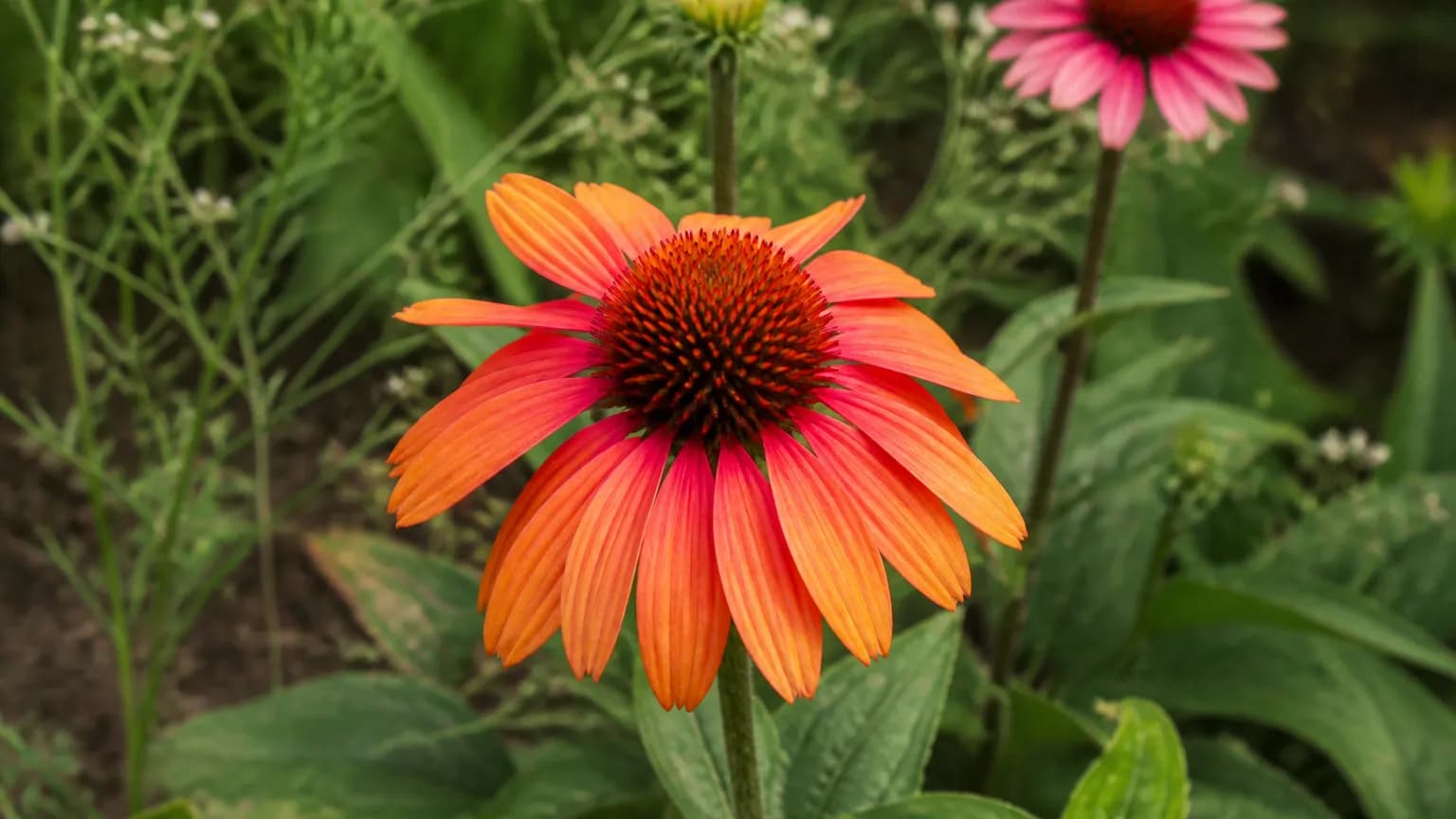
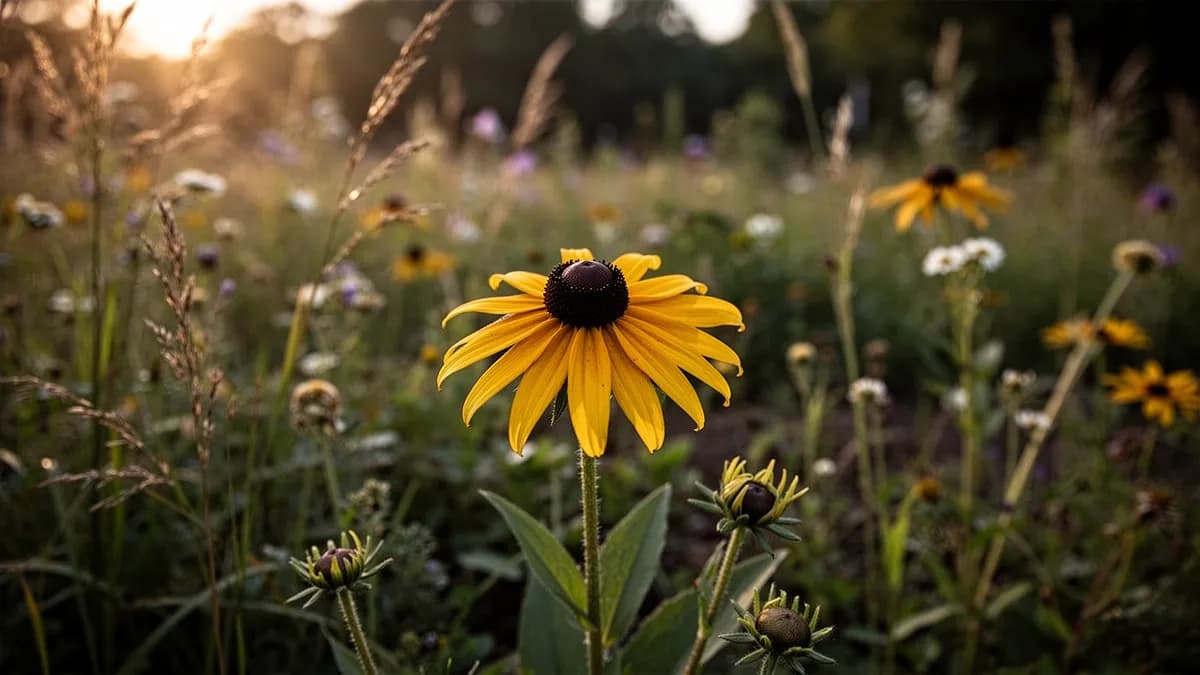
Beardtongue is a natural prairie companion for baptisia, coneflowers, black-eyed Susans, and native grasses. The 'Husker Red' foliage provides dramatic contrast against silver artemisia and blue catmint. Plant in wildlife gardens to attract hummingbirds and native bees.
Coneflower belongs beside it.
Old growers' knowledge, checked against Beardtongue's real companion table below — test any plant you're growing.
Try Beardtongue in a bed — right here
A real planner bed with Beardtongue already in it. Tap a companion to place it and watch the pairing checks answer — green for good neighbours, red for a clash.


Related growing guides
Feed it well
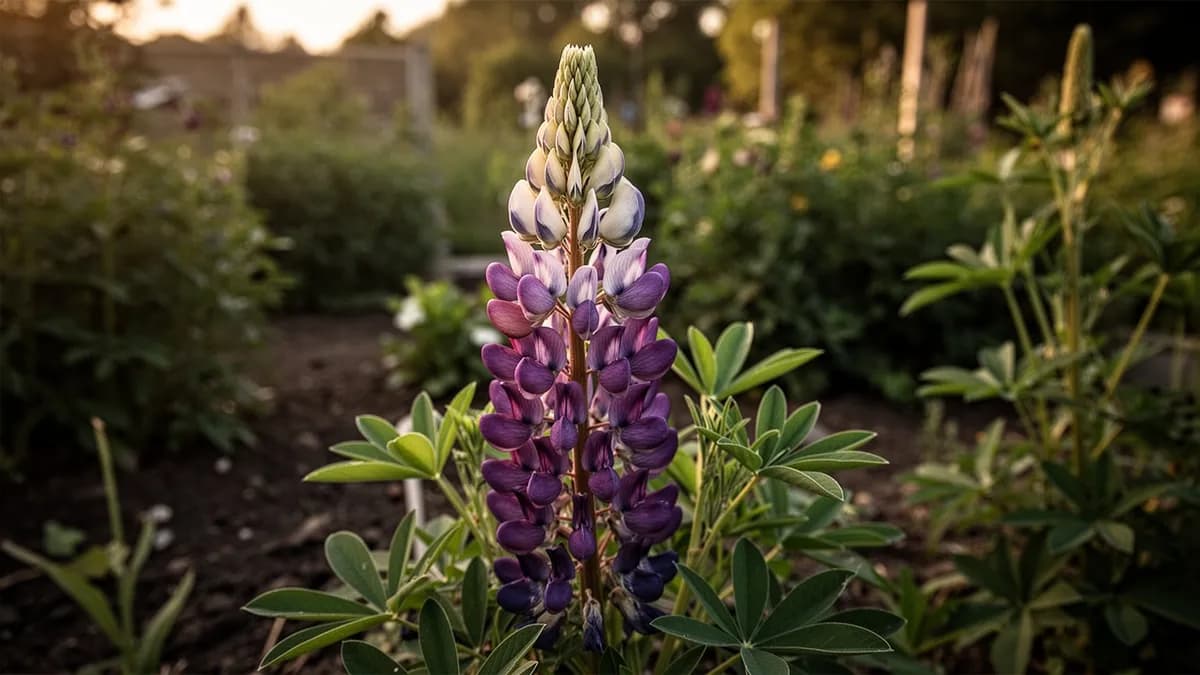
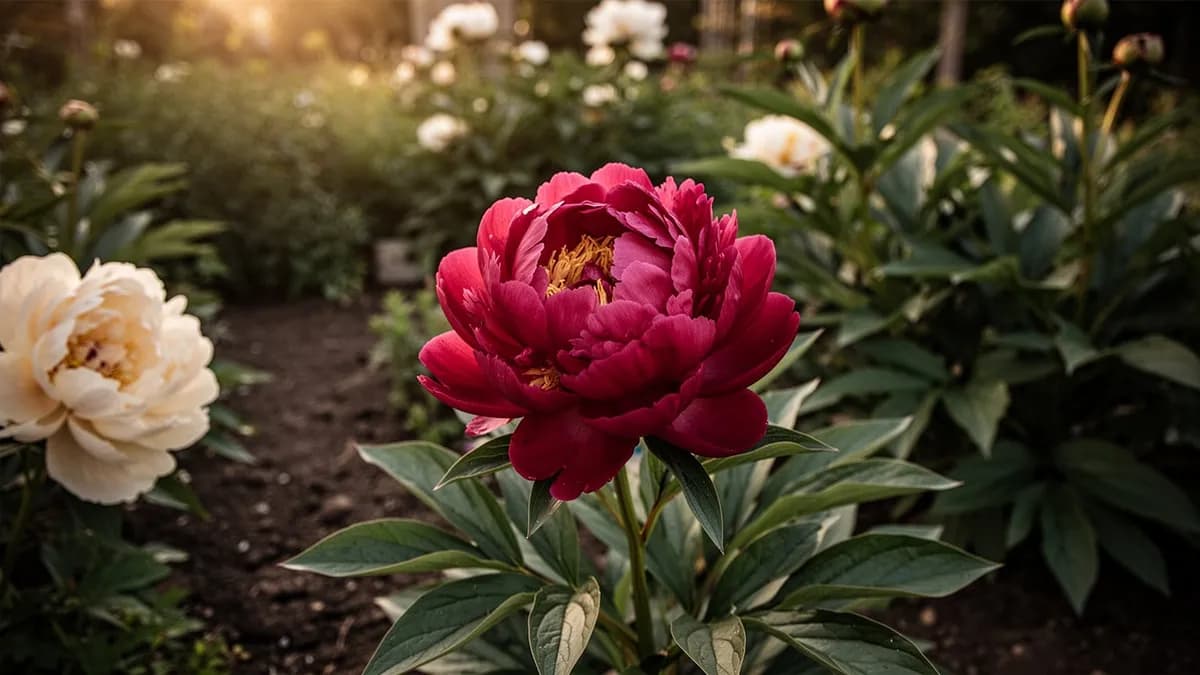
Penstemon demands lean, well-drained soil with a pH of 5.5-7.5. Avoid rich soil, heavy feeding, and moisture-retentive mulch. These plants genuinely perform better with minimal care. Sandy, gravelly, and rocky soils are ideal.
Ideal Temperature
Hardiness Zone Compatibility
From seed to harvest, stage by stage
Seed Germination
Penstemon seeds require cold stratification for 4-6 weeks to break dormancy. After stratification, seeds are surface-sown on moist, well-drained seed-starting mix and kept at 60-65°F. Germination is irregular and can take 14-28 days.
Seedling Establishment
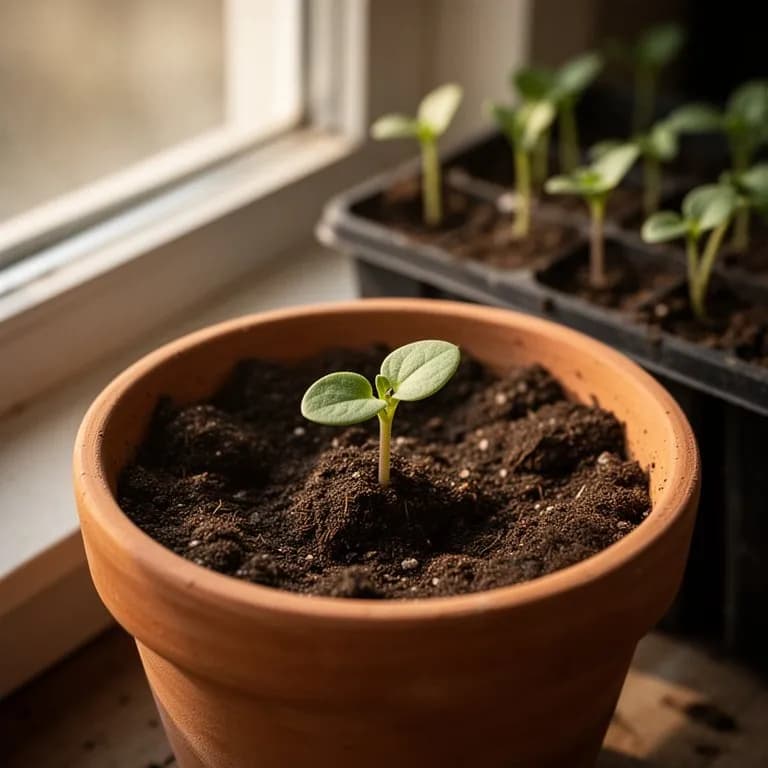
Seedlings develop their first true leaves and begin forming a small basal rosette. Growth is slow during this phase, and plants are vulnerable to damping-off disease if kept too wet.
Vegetative Rosette Growth
Plants focus energy on establishing a strong root system and a basal rosette of foliage. In the first year, many penstemon species remain in this vegetative stage and do not bloom. Leaves are typically lance-shaped, ranging from green to gray-green depending on the species.
Flower Spike Development
In the second year or later in the first season for some cultivars, upright flower stalks emerge from the rosette, bearing clusters of tubular blooms. Flower colors range from white and pink to deep purple, red, and blue depending on species and cultivar.
Bloom and Pollination
Flowers open sequentially from the bottom of the spike upward, providing a long bloom period of 4-8 weeks. Hummingbirds, bees, and other pollinators are attracted to the nectar-rich tubular flowers. Deadheading spent spikes encourages a second flush of blooms.
Seed Set and Dormancy
After pollination, seed capsules develop and dry on the stalk. As temperatures drop in autumn, the plant redirects energy to the root system and crown. Evergreen and semi-evergreen species retain basal foliage through winter, while others die back to the ground.
Do not cover seeds deeply; they need light to germinate. Mist gently to keep the surface moist without waterlogging.
Caring for Beardtongue month by month
What to do each month for your Beardtongue
October
You are hereCut back spent flower stalks to the basal rosette. Apply a thin layer of gravel mulch around the crown for winter drainage protection. Note which cultivars performed best for future planning.
Know exactly what to do in your garden — every month
One email at the start of each month: what to sow, plant, and tackle right now — for your Beardtongue and everything growing around it. Plus a short starter course that helps you dodge the classic mistakes.
- What to do, right now
- Matched to your season
- Starter course included
Harvesting Beardtongue
Cut flower spikes when the lowest tubular flowers have opened. The elegant spikes add vertical interest to arrangements and last 5-7 days in water. The seed heads are also attractive in dried arrangements.
assuming you plant when the window opens — set your real date
Pick Beardtongue promptly and the plant keeps producing.
Storage & Preservation
Beardtongue is fully hardy. Leave seed heads for winter interest and bird food. Cut back in late winter before new basal growth emerges. Division in spring is possible but rarely necessary.
What goes wrong — and the fix
Crown Rot
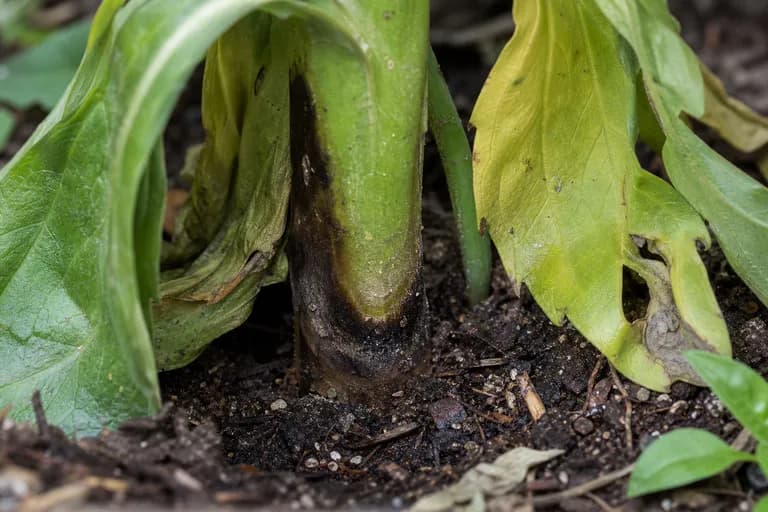
DiseasePlants collapse in wet, heavy soil. Crown becomes mushy.
Troubleshooting Common Problems
Crown rot from wet, heavy soil is the most common killer. Excellent drainage is essential, especially in winter. Plants in rich soil flop and are short-lived. Some species are short-lived perennials (3-4 years) but self-sow to maintain the planting.
Growing Tips
- Plant penstemon in full sun with sharply drained soil. They will not tolerate heavy clay or waterlogged conditions, which cause rapid crown rot and death.
- Amend planting holes with coarse sand or fine gravel rather than compost to improve drainage without adding excess fertility that produces weak, floppy growth.
- Avoid high-nitrogen fertilizers entirely. Penstemon evolved in nutrient-poor soils and excessive feeding results in lush foliage but fewer flowers and a shorter lifespan.
- Use gravel or stone mulch around the plant crown instead of organic bark mulch, which retains moisture and promotes fungal diseases at the base of the plant.
- Deadhead spent flower spikes promptly by cutting back to a lateral bud or the basal foliage to encourage a second flush of blooms and prevent the plant from expending energy on unwanted seed production.
- Cold stratify seeds for 4-6 weeks in the refrigerator before spring sowing, or sow directly outdoors in late autumn to allow natural winter stratification for spring germination.
- Take softwood cuttings in early summer from non-flowering shoots to propagate named cultivars that will not come true from seed, rooting them in a free-draining mix of perlite and peat.
- Divide established clumps every 3-4 years in early spring to rejuvenate plants and maintain vigor, discarding the woody center of the clump and replanting the healthy outer portions.
- Provide good air circulation by spacing plants 12-18 inches apart to prevent powdery mildew, which can be problematic in humid climates or crowded plantings.
- In regions with wet winters, consider growing borderline-hardy cultivars in containers or raised beds where drainage can be more precisely controlled to prevent winter losses.
Grow your best Beardtongue yet — and everything around it.
Start a free plan today. Lay out your beds, drop in your Beardtongue, and let PlotMyGarden handle the timing, spacing, companions and reminders from seed to harvest basket.
Pick your Beardtongue
Penstemon digitalis 'Husker Red'
Deep burgundy-red foliage with white flowers tinged pink. Perennial Plant of the Year 1996. Outstanding all-season interest.
Penstemon 'Dark Towers'
Glossy dark bronze foliage with pink flowers. More compact and darker than 'Husker Red'.
Penstemon barbatus 'Coccineus'
Vivid scarlet tubular flowers. The best penstemon for hummingbird attraction.
Penstemon is one of the most cost-effective perennials for gardeners. A single packet of seeds (typically under $4) can produce dozens of plants, and established clumps can be divided every 3-4 years to multiply your stock for free. Because penstemon thrives in lean, unamended soil and requires minimal watering once established, ongoing maintenance costs are negligible. Replacing a thirsty lawn area with a penstemon-based planting can reduce water bills by 50-70% for that section. Additionally, penstemon self-seeds readily in favorable conditions, providing volunteer plants that can be transplanted or shared with fellow gardeners at no extra cost.
Quick recipes
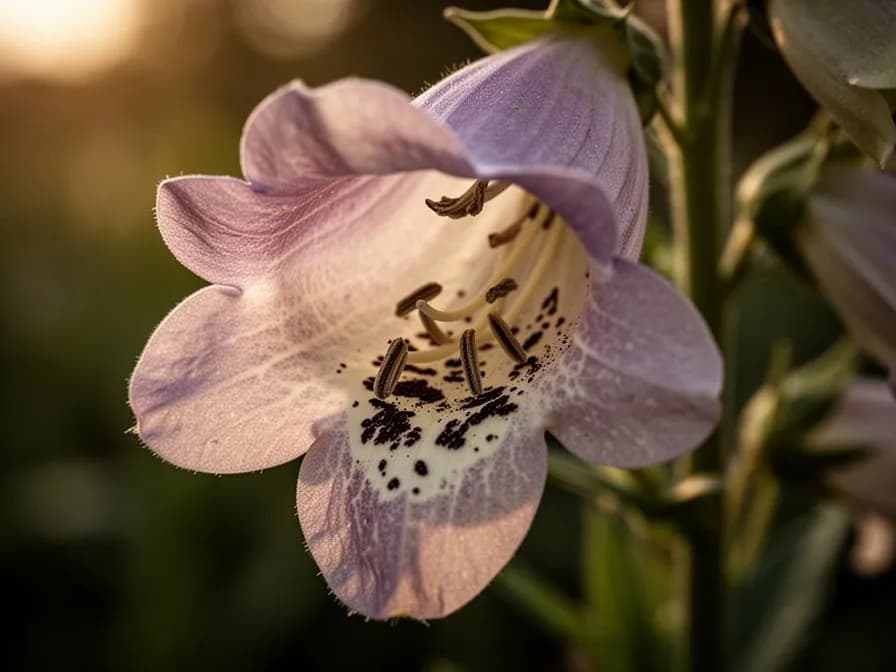
Penstemon Dried Flower Arrangement
20 minutesHarvest penstemon flower spikes at peak bloom and dry them for long-lasting floral arrangements. The tubular flowers retain their shape and some color when air-dried, creating elegant displays that last for months.
4 ingredientsPenstemon Pollinator Garden Seed Mix
30 minutesCreate a custom wildflower seed mix featuring multiple penstemon species alongside complementary native plants to establish a vibrant pollinator garden. This mix is designed for direct sowing in autumn to allow natural cold stratification over winter.
5 ingredients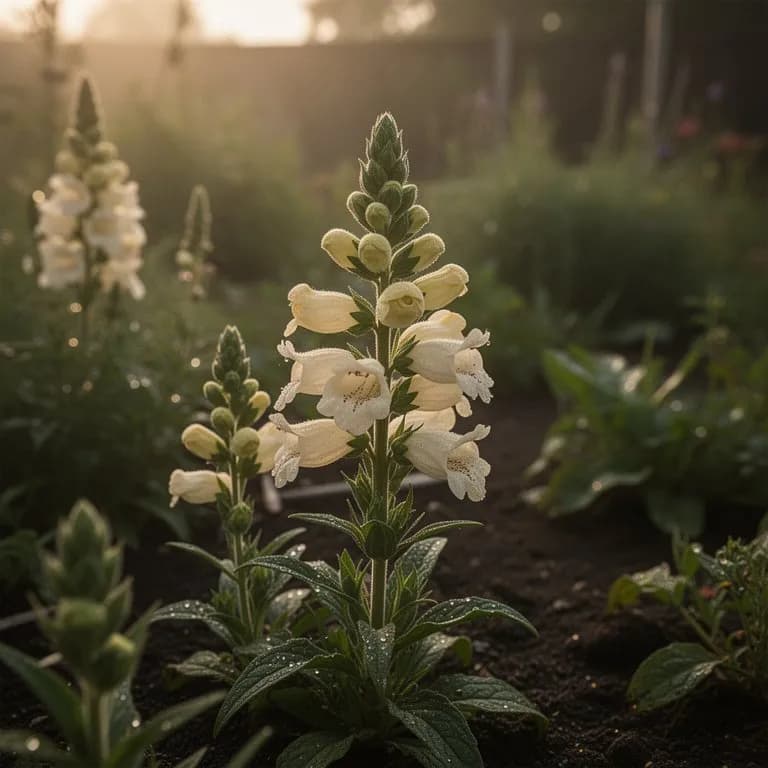
Penstemon Flower Ice Cubes for Garden Parties
15 minutes plus freezing timeFreeze individual penstemon blooms in ice cube trays to create stunning decorative ice cubes for summer beverages at garden parties. The vibrant tubular flowers are suspended beautifully in clear ice and make a memorable conversation piece.
4 ingredientsWhat's inside
Health Benefits
- Penstemon-rich gardens attract hummingbirds and native bees, supporting local pollinator populations essential for food crop production and ecosystem health.
- Gardening with penstemon promotes physical activity through planting, weeding, and maintenance, contributing to cardiovascular health and improved mobility.
- The vibrant, long-lasting blooms of penstemon have been shown to improve mood and reduce stress, aligning with research on the mental health benefits of ornamental gardening.
- Growing drought-tolerant penstemon reduces water usage and the associated labor of irrigation, lowering physical strain and promoting sustainable gardening practices.
- Several Native American traditions used penstemon root preparations as topical analgesics, though modern medicinal use is not widely practiced or clinically validated.
- Establishing penstemon in garden borders reduces the need for chemical herbicides and pesticides, decreasing household exposure to potentially harmful synthetic chemicals.
Where Beardtongue comes from
Penstemon, commonly known as beardtongue, is a vast genus of herbaceous perennials and subshrubs belonging to the family Plantaginaceae (formerly classified under Scrophulariaceae). The genus is overwhelmingly North American in origin, with over 270 species distributed across the continent, from the boreal forests of Canada to the highlands of Central America. Only one species, Penstemon frutescens, occurs naturally outside the Americas, in northeastern Asia.
The genus was first formally described by John Mitchell in 1748, though early botanical confusion led to the name being spelled both 'Pentstemon' and 'Penstemon' for many years. The name derives from the Greek 'pente' (five) and 'stemon' (stamen), referring to the five stamens present in each flower, one of which is sterile and distinctively bearded.
Indigenous peoples across North America employed penstemon species in traditional medicine for centuries. The Navajo used Penstemon barbatus preparations for various ailments, while Great Basin tribes utilized the roots of several species as analgesics. European settlers and plant explorers began collecting penstemon specimens in the early 19th century, with Meriwether Lewis collecting several species during the Lewis and Clark Expedition of 1804-1806.
Garden hybridization began in earnest in the mid-19th century, particularly in Britain, where gardeners crossed Mexican and North American species to produce the large-flowered border penstemons still popular today. These European hybrids, often grouped under Penstemon x gloxinioides, feature larger, showier flowers than most wild species but are generally less cold-hardy. In recent decades, interest in native plants and water-wise gardening has renewed appreciation for the tougher, more drought-adapted wild species and their selections.
Beardtongue: did you know?
Fascinating facts about Beardtongue
Penstemon is the largest genus of flowering plants endemic to North America, with over 270 recognized species found from Alaska to Guatemala.
Beardtongue questions, answered
When should I plant Beardtongue?
What are good companion plants for Beardtongue?
What hardiness zones can Beardtongue grow in?
How much sun does Beardtongue need?
How far apart should I space Beardtongue?
What pests and diseases affect Beardtongue?
How do I store Beardtongue after harvest?
What are the best Beardtongue varieties to grow?
What soil does Beardtongue need?
Is penstemon a perennial or an annual?
Why did my penstemon die over winter?
How do I get my penstemon to bloom more?
Can I grow penstemon in containers?
Do deer eat penstemon?
Which penstemon species is best for beginners?
You just read the theory. Now grow it on autopilot.
Everything that makes Beardtongue fiddly — the timing, the spacing, the companions, the harvest window — is exactly what PlotMyGarden handles for you, for every plant in your garden.
A plan that knows your weather
Set your location once. Get sow, feed and harvest dates built around your real last-frost date and live forecast — no more guessing from a generic seed packet.
From the “When to plant” sectionDrag-and-drop bed planner
Design beds on a grid. Every plant snaps to its proper spacing, and you can see your whole season laid out before you spend a cent on seed.
From the “Growing guide” sectionCompanion conflicts, caught early
200+ good-and-bad pairings checked live as you plant — so a season-wrecking mistake never makes it into the ground.
From the “Companions” sectionReminders you'll actually act on
“Water the beans.” “Pick today before it turns.” Timely, specific, and tied to the plants you're really growing.
From the “Harvest” sectionSuccession, scheduled
Want a harvest for six weeks, not six days? It spaces your sowings automatically and reminds you when each new block is due.
From the “When to plant” sectionA record that gets smarter
Every harvest you log teaches it your garden. Next year's plan starts from what actually worked in your soil, not a textbook's.
From the “Overview” sectionPlant these alongside Beardtongue
More Perennials
Garden plans featuring Beardtongue
Grow your best Beardtongue yet — and everything around it.
Start a free plan today. Lay out your beds, drop in your Beardtongue, and let PlotMyGarden handle the timing, spacing, companions and reminders from seed to harvest basket.