Rittersporn
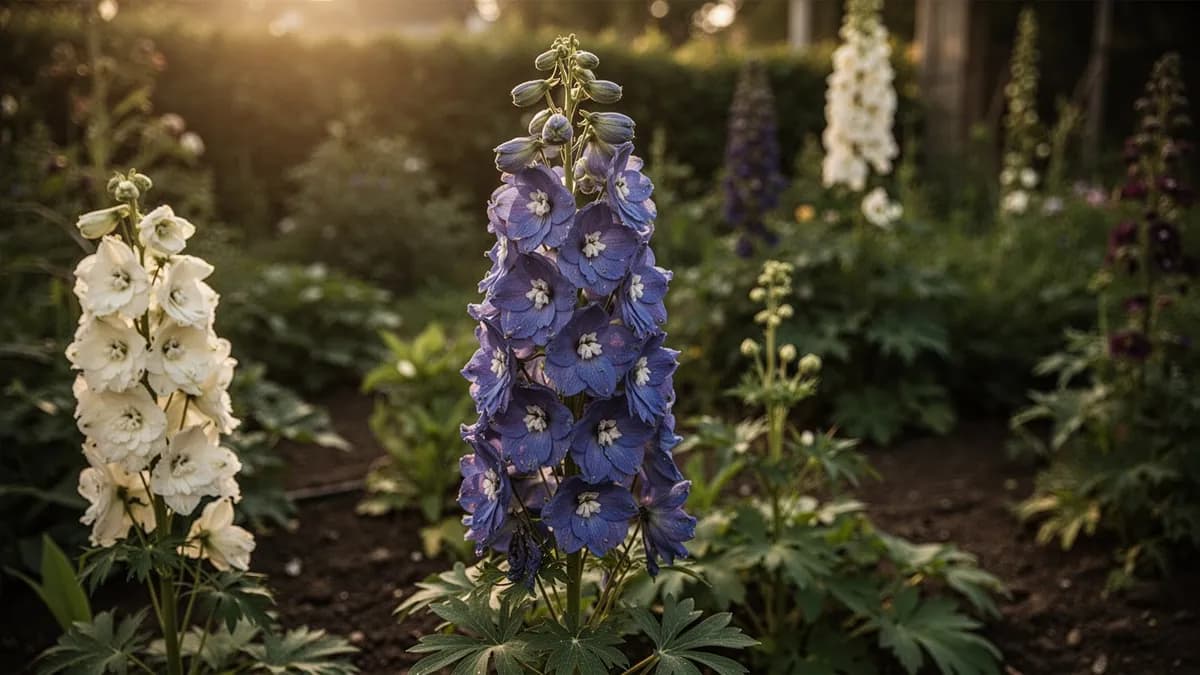
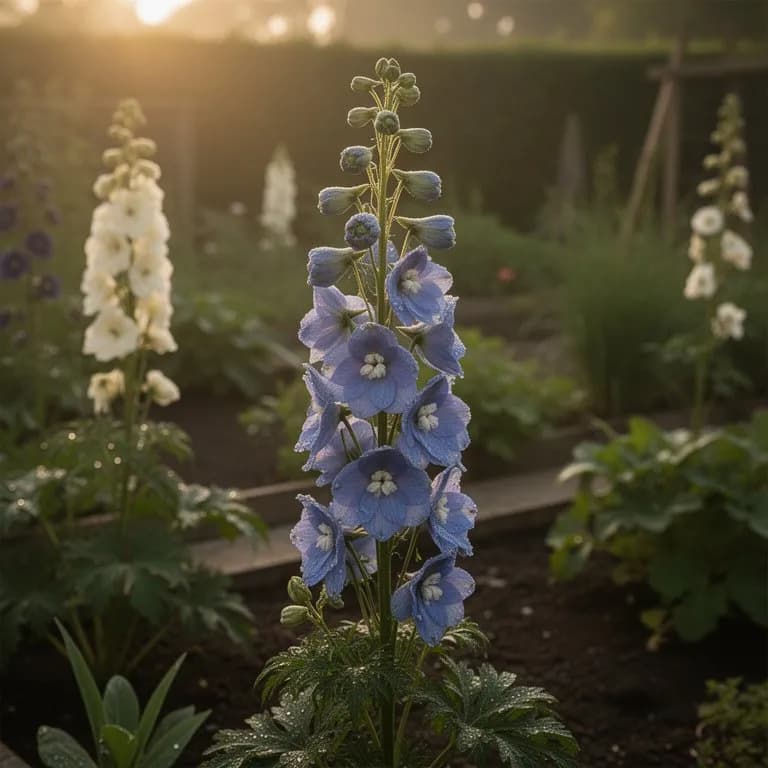
Una perenne majestuosa con altísimas espigas de flores azules, violetas o blancas que son el sello distintivo de los jardines campestres ingleses.





En esta páginaResumen
Conoce Rittersporn
Una perenne majestuosa con altísimas espigas de flores azules, violetas o blancas que son el sello distintivo de los jardines campestres ingleses. El rittersporn necesita tutores, suelo rico y humedad constante para producir sus mejores espigas florales. Corte los tallos florales marchitos hasta ras del suelo después de la floración para favorecer una segunda floración más pequeña a finales del verano.
Cuándo plantar Rittersporn
Siembre las semillas en interior a comienzos de primavera o siémbrelas directamente en el exterior cuando el clima siga fresco. Use un sustrato fino y húmedo, y cubra apenas las semillas, ya que no necesitan quedar profundas. Mantenga una humedad uniforme y temperaturas frescas hasta que germinen. Cuando las plántulas tengan varias hojas verdaderas, aclimátelas poco a poco al exterior antes del trasplante.
En zonas templadas, la siembra otoñal también puede funcionar bien si el suelo no se encharca durante el invierno. Si comienza las plantas en interior, utilice macetas profundas para no dañar la raíz. El rittersporn crece mejor cuando se establece en un sitio definitivo y no se mueve una vez arraigado.
Tu año de Rittersporn
Ajustado a Zona 7 · temporada típica · la helada se va hacia el 2 abr y vuelve hacia el 1 nov
Planta Rittersporn Mar – Abr y cosecha Jun – Ago. Consulta los métodos de plantación y elige tu clima para adaptar los periodos.

Cómo cultivar Rittersporn
El rittersporn exige un suelo rico, trabajado en profundidad y con drenaje excelente. Labre el bancal a doble profundidad e incorpore abundante estiércol bien descompuesto o compost, junto con un puñado de harina de huesos por cada hoyo de plantación. El pH ideal del suelo es ligeramente alcalino, entre 7.0 y 7.4. Plántelo en un lugar que reciba pleno sol por la mañana pero esté protegido de los vientos fuertes de la tarde, que pueden quebrar las altas espigas florales.
Entutore cada planta por separado cuando los tallos alcancen unos treinta centímetros de altura, usando cañas de bambú o soportes de crecimiento. A medida que las espigas se alargan, átelas con suavidad cada veinte centímetros con cordel blando. Riegue en profundidad y de forma regular, aportando alrededor de 2.5 cm de agua por semana, pero nunca deje la corona en agua estancada.
Después del primer pico de floración, corte las espigas marchitas hasta justo por encima del follaje basal. Abone con un fertilizante líquido rico en potasio y riegue bien para fomentar una segunda floración más pequeña a finales del verano. En otoño, corte todo el crecimiento a ras del suelo y, en las regiones frías, añada un acolchado invernal de paja o corteza para proteger la corona de los ciclos de hielo y deshielo.
10 plantas caben en un bancal de 120 × 240 cm
Cada Rittersporn pide 45 cm de margen. El planificador guarda ese marco por ti — cada planta, cada bancal.
Los mejores vecinos de Rittersporn
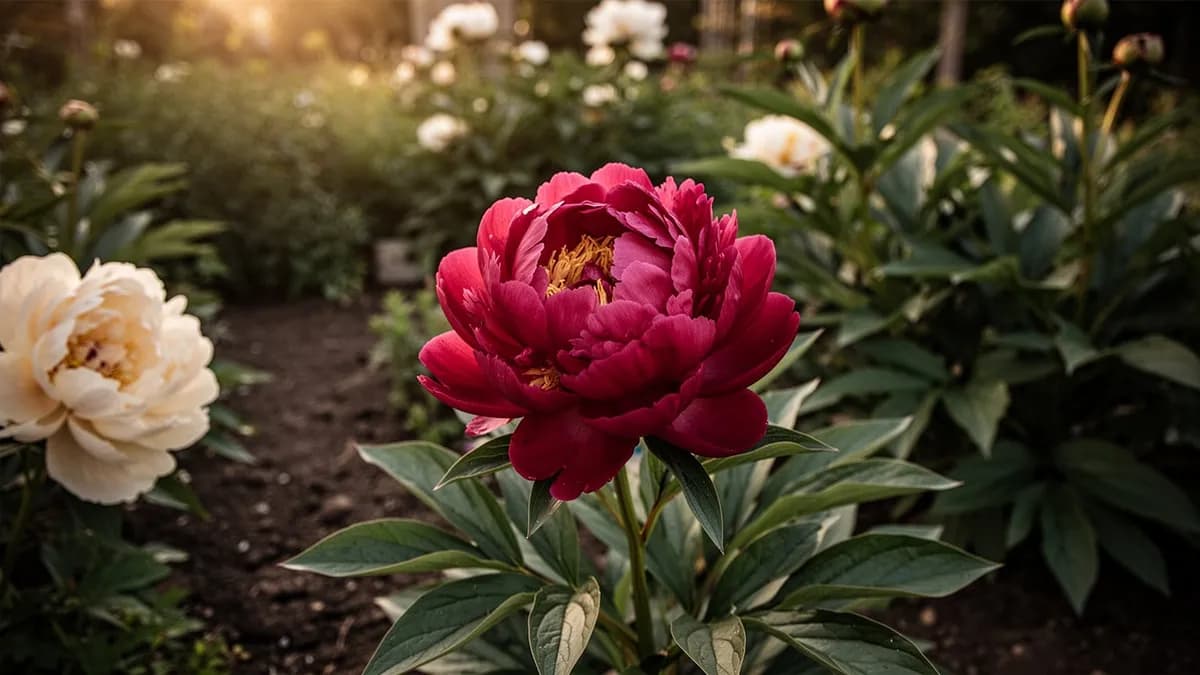
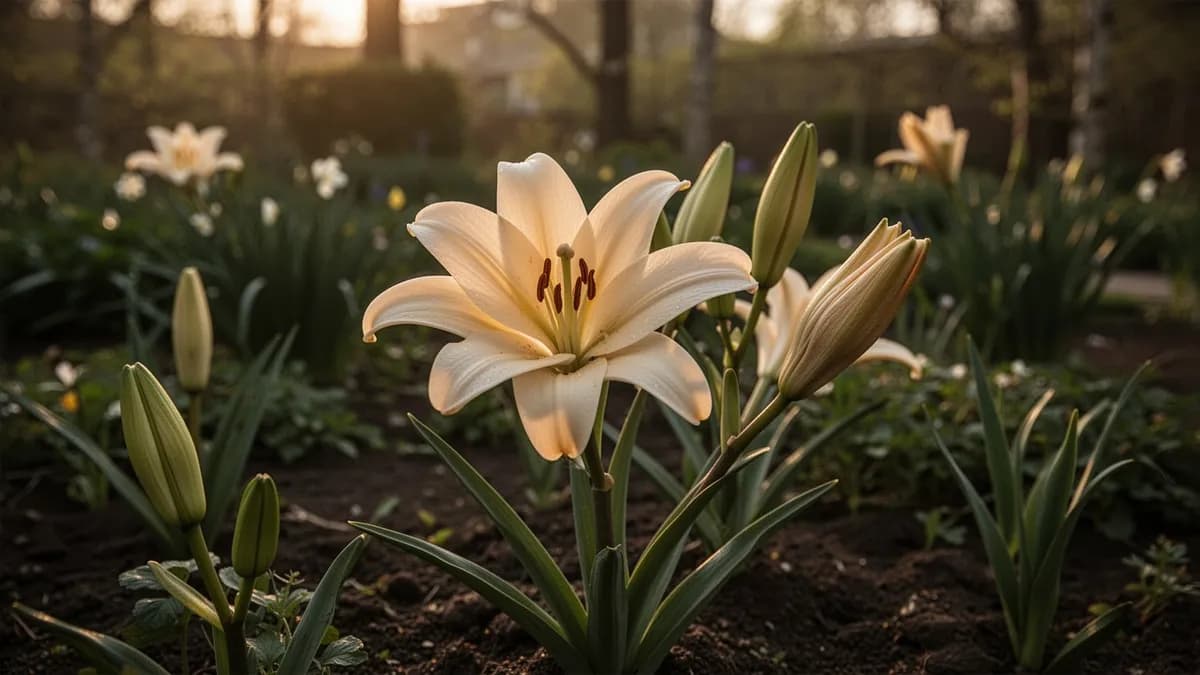
El rittersporn combina muy bien con rosas, peonías y lirios, que comparten su gusto por las composiciones elegantes y el pleno sol. En borduras, su forma vertical aporta altura entre plantas más redondeadas o rastreras. También funciona de maravilla como fondo de macizos mixtos, donde sus tonos azules y violetas realzan flores en rosa, blanco y crema. Mantenga buena separación para que el aire circule libremente.
Rosa va a su lado.
Saber de huerto de siempre, cotejado con la tabla real de Rittersporn — prueba cualquier planta que cultives.
Prueba Rittersporn en un bancal, aquí mismo
Un bancal real del planificador con Rittersporn ya plantado. Toca una planta compañera para colocarla y mira cómo responde la comprobación de vecinos: verde para buenos vecinos, rojo si hay conflicto.


Guías de cultivo relacionadas

Abónalo bien
El rittersporn prospera en un suelo rico, profundo y bien drenado, con un pH de 7.0 a 7.4. Antes de plantar, trabaje el terreno a fondo e incorpore compost maduro, estiércol bien descompuesto o harina de huesos. Agradece una fertilización regular con un abono líquido rico en potasio después del primer florecimiento. Evite el exceso de nitrógeno, que favorece el follaje blando y reduce la resistencia de los tallos. La humedad constante es importante, pero nunca debe quedar encharcado.
Temperatura ideal
Compatibilidad de zonas de rusticidad
De la semilla a la cosecha, etapa por etapa
Germinación de semillas
Las semillas de delphinio necesitan condiciones frescas y oscuridad para germinar. Siembra las semillas sobre la superficie de un sustrato fino y húmedo para semilleros, y cúbrelas ligeramente. Mantén la temperatura del suelo entre 10-15°C para obtener mejores resultados. La semilla fresca es fundamental, ya que la viabilidad de la semilla de delphinio disminuye rápidamente después del primer año. Refrigerar las semillas durante dos semanas antes de sembrarlas puede mejorar mucho la germinación.
Desarrollo de plántulas
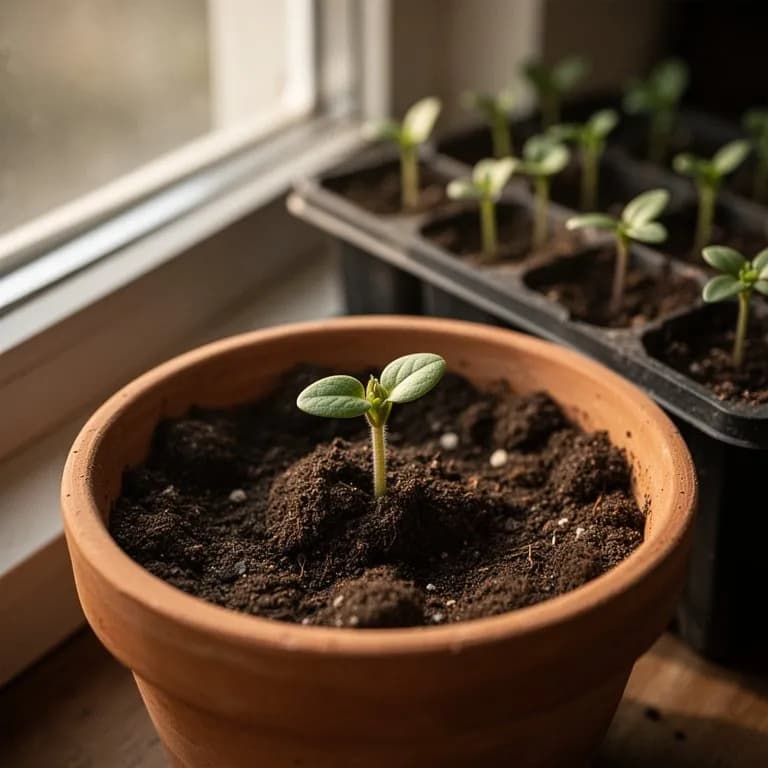
Una vez germinadas, las plántulas de delphinio desarrollan primero sus cotiledones redondeados y después hojas verdaderas profundamente lobuladas. Las plántulas crecen de forma constante en condiciones frescas y deben trasplantarse a macetas individuales cuando tengan dos o tres pares de hojas verdaderas. En esta etapa el sistema radicular es delicado y se beneficia de un manejo cuidadoso para evitar el estrés del trasplante.
Roseta vegetativa
El delphinio joven forma una roseta baja de hojas verde oscuro divididas palmadamente. Durante esta fase la planta establece una corona robusta y un sistema radicular profundo. Esta etapa es crítica para acumular las reservas de energía necesarias para sostener más adelante los altos tallos florales. Las plantas pueden endurecerse y trasplantarse a su ubicación definitiva cuando la roseta esté bien establecida y las temperaturas nocturnas se mantengan por encima de 5°C.
Alargamiento del tallo y formación de botones
La espiga floral central comienza a emerger rápidamente desde la corona y se alarga a un ritmo notable. Los tipos altos Pacific Giant pueden crecer varios centímetros al día durante esta fase. También pueden desarrollarse tallos florales laterales desde la base. A medida que la espiga se alarga, los botones florales individuales se hacen visibles, muy apretados en la parte superior del tallo. Esta es la etapa en la que el entutorado se vuelve esencial para evitar daños por el viento.
Plena floración
La espiga floral se abre de abajo hacia arriba y muestra docenas o incluso más de cien florecillas individuales en tonos azules, púrpuras, rosas o blancos. Cada florecilla presenta cinco sépalos parecidos a pétalos y un grupo central de pétalos verdaderos más pequeños llamado la “abeja”, que a menudo contrasta en color. El pico de floración suele durar de dos a tres semanas. Los delphinios son polinizados principalmente por abejorros, que son lo bastante fuertes para acceder a los espolones de néctar.
Cuajado de semillas y marchitez
Después de la floración, se desarrollan cápsulas de semillas a lo largo de la espiga. Si se dejan madurar, la planta dirige su energía a la producción de semillas en detrimento del crecimiento futuro. El follaje empieza a amarillear y la espiga floral se seca. En muchos climas, cortar la espiga marchita hasta el follaje basal inmediatamente después de la floración favorece una segunda floración más corta a finales del verano o principios del otoño.
Dormancia y protección invernal
A medida que bajan las temperaturas en otoño, el follaje del delphinio muere hasta la corona. La planta entra en dormancia y sobrevive el invierno como una corona radicular perenne resistente en las zonas USDA 3-7. En las regiones más frías, la corona se beneficia de una capa protectora de mantillo de paja o hojas. La planta reaparecerá en primavera con renovado vigor y, a menudo, producirá más espigas florales en su segundo y tercer año que en el primero.
Coloca la bandeja de siembra en un lugar fresco y oscuro, y rocía suavemente para mantener una humedad uniforme. Evita temperaturas superiores a 20°C, porque inhiben la germinación.
Cuidar Rittersporn mes a mes
Qué hacer cada mes para tu Rittersporn
Octubre
Mes actualCorte el follaje viejo y aplique acolchado en las regiones frías. Si el suelo es pesado, asegúrese de que el agua no quede retenida alrededor de la corona.
Ten claro qué hacer en tu huerto, cada mes
Un correo al empezar cada mes: qué sembrar, plantar y hacer ahora mismo — para tu Rittersporn y todo lo que crece alrededor. Más un breve curso inicial para esquivar los errores clásicos.
- Qué hacer ahora mismo
- Ajustado a tu temporada
- Curso inicial incluido
Cosechar Rittersporn
Corte los tallos de rittersporn para ramos cuando alrededor de un tercio de las flores de la espiga se haya abierto. Recoja por la mañana, cuando los tallos están bien hidratados, y colóquelos de inmediato en agua limpia. Quite las hojas inferiores antes de ponerlos en florero para mejorar la duración. Si desea secarlos, cuelgue los manojos boca abajo en un lugar oscuro, cálido y bien ventilado durante dos a tres semanas. Para guardar semilla, deje que algunas espigas se sequen por completo en la planta antes de recolectarlas.
se supone que plantas al comenzar el periodo — indica tu fecha real
Cosecha cuando se haya abierto el tercio inferior de las florecillas y los botones superiores aún muestren color.
Almacenamiento y conservación
El rittersporn recién cortado dura de cinco a siete días en un jarrón con agua limpia y conservante floral. Recorte los tallos en ángulo cada dos días. Las flores secas conservan muy bien el color y pueden durar hasta un año en arreglos si se mantienen fuera de la luz solar directa. Guarde los tallos secos en posición vertical en un lugar seco y alejado de la humedad. Las semillas siguen siendo viables durante uno o dos años si se almacenan en sobres sellados en un sitio fresco y seco.
Qué falla — y cómo solucionarlo
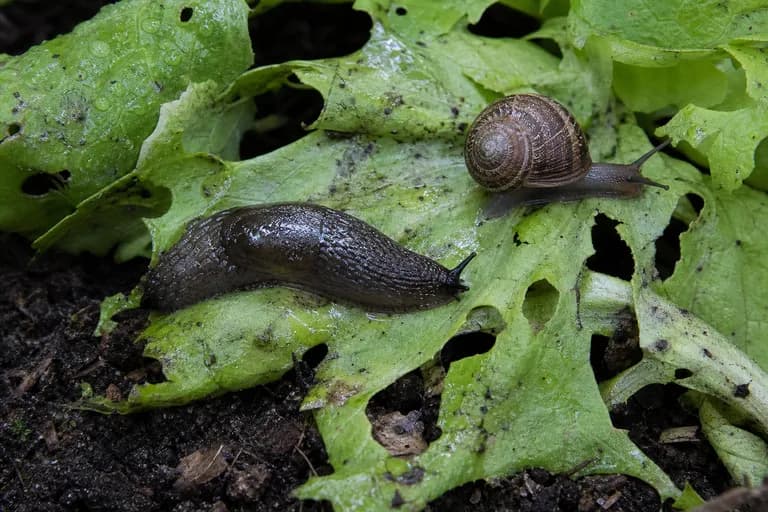
Babosas y caracoles
PlagaAgujeros irregulares roídos en hojas y brotes jóvenes, rastros de baba visibles sobre las plantas y alrededor de ellas. El crecimiento nuevo de primavera puede ser devorado por completo en una noche.
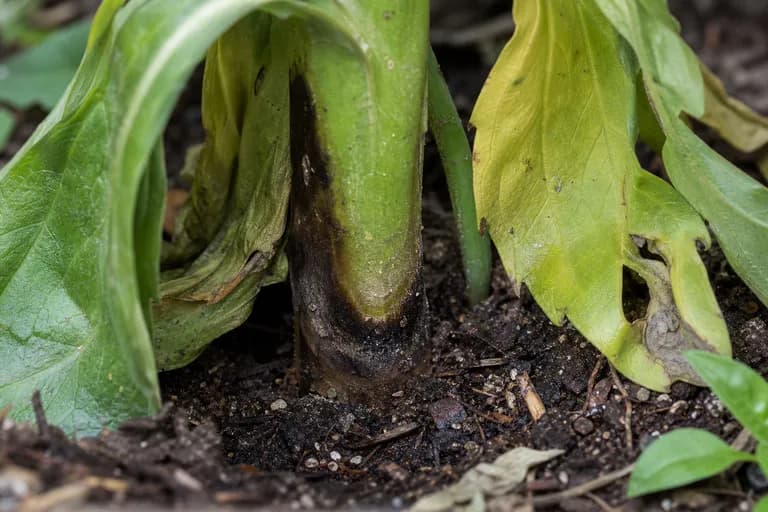
Pudrición de la corona
EnfermedadMarchitez repentina de tallos enteros a pesar de recibir riego suficiente. La base de los tallos se vuelve marrón y blanda. Pueden verse hilos fúngicos blancos en la corona. Las plantas colapsan y mueren.
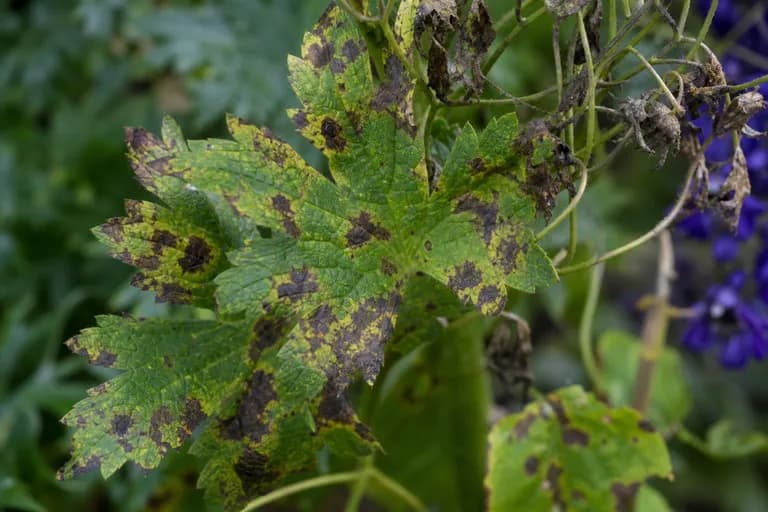
Oídio
EnfermedadParches blancos y polvorientos sobre hojas y tallos, sobre todo cuando el tiempo se vuelve cálido después de una primavera húmeda.
Pulgones
PlagaGrupos de pequeños insectos verdes o negros en brotes tiernos y espigas florales, melaza pegajosa y crecimiento deformado.
Solución de problemas comunes
El mayor problema del rittersporn es su combinación de gran altura y tallos relativamente frágiles, que pueden quebrarse con viento fuerte o lluvia intensa si no se entutoran a tiempo. La pudrición de la corona aparece con frecuencia en suelos mal drenados o durante inviernos húmedos. El oídio y los pulgones también pueden resultar molestos en condiciones favorables. La floración de rebrote suele ser más pequeña que la primera, pero puede prolongar mucho la temporada si se mantiene la planta sana.
Consejos de cultivo
- Plante en un sitio resguardado del viento para evitar que las espigas se doblen o se rompan.
- Use suelo muy rico y con drenaje excelente, porque la corona no tolera el agua estancada.
- Entutore cada planta pronto, antes de que crezca demasiado.
- Riegue de forma profunda y constante en vez de aportar pequeñas cantidades frecuentes.
- Quite las espigas marchitas para estimular una segunda floración más pequeña.
- Abone con un producto rico en potasio después de la primera floración.
- Mantenga la zona libre de restos vegetales para reducir problemas de pudrición y hongos.
- En climas fríos, proteja la corona con acolchado invernal sin apelmazarlo directamente contra el centro.
- Combine el rittersporn con rosas y peonías para un efecto clásico y elegante.
- Si se cultiva desde semilla, deje espacio suficiente para su desarrollo vertical y su sistema radicular.
Cultiva tu mejor Rittersporn — y todo lo que la rodea.
Empieza un plan gratis hoy. Diseña tus bancales, coloca tu Rittersporn y deja que PlotMyGarden gestione el momento, el espaciado, las asociaciones y los recordatorios de la semilla a la cesta.
Elige tu Rittersporn
Pacific Giant Mix
Variedad clásica de grandes espigas con flores intensamente azules, violetas, rosas y blancas, ideal para jardines formales.
Magic Fountain
Serie más compacta con espigas florales densas y colores vivos, muy útil para borduras y macetas grandes.
Blue Bird
Variedad elegante de flores azul suave con un porte alto y refinado, excelente para ramos altos.
Black Knight
Selección de color púrpura muy oscuro, casi negro, apreciada por su aspecto dramático en el jardín.
El rittersporn puede resultar costoso si se compra como planta adulta, pero merece la pena por su impacto visual. Plantarlo a partir de semilla o dividir ejemplares establecidos reduce el gasto a largo plazo. Cuando se encuentra el lugar adecuado y se maneja bien el drenaje, una planta sana puede volver durante varios años y aportar espigas espectaculares cada temporada.
Recetas rápidas
Ramillete fresco de rittersporn
15 minutesCree un ramo alto y elegante con tallos recién cortados de rittersporn. Sus espigas aportan una presencia majestuosa a cualquier arreglo y combinan bien con flores más redondeadas. Corte por la mañana, retire las hojas inferiores y coloque los tallos en agua enseguida.
5 ingredientesRittersporn prensado para arte botánico
20 minutes active plus 2-3 weeks dryingPrense las flores de rittersporn para utilizarlas en tarjetas, cuadros botánicos o proyectos de papelería. Sus flores secas conservan bastante bien el color si se colocan entre capas absorbentes de papel y se dejan secar con paciencia.
5 ingredientes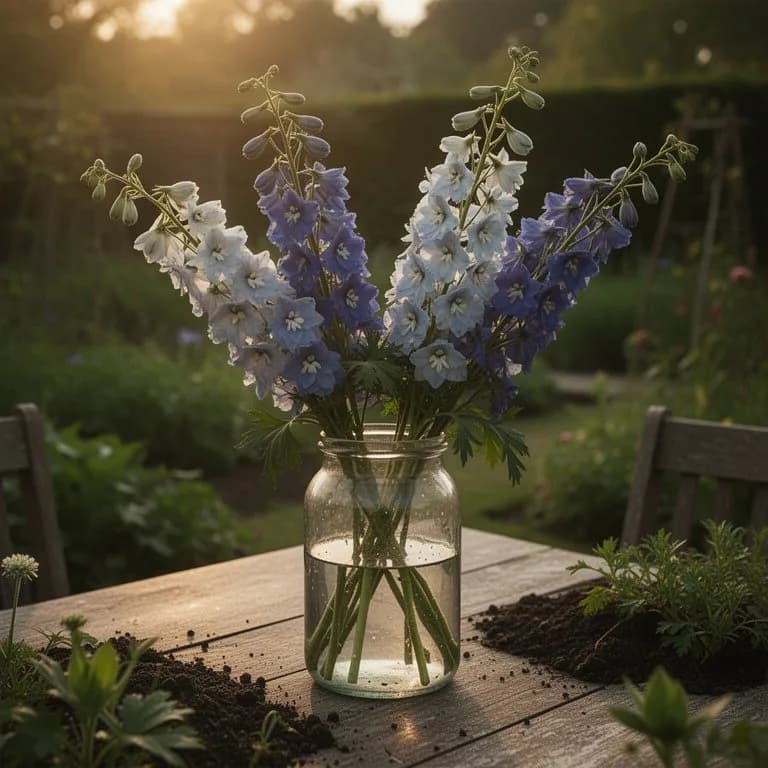
Sobres para guardar semilla de rittersporn
30 minutesRecoja y guarde semillas de rittersporn para la siguiente temporada o para compartir con otros jardineros. Si deja madurar algunas espigas por completo, podrá obtener semilla viable que se conserva bien en un lugar fresco y seco.
5 ingredientesQué contiene
Beneficios para la salud
- El rittersporn no se usa como alimento y no aporta beneficios nutricionales.
- Su mayor valor es ornamental, ya que añade altura y un gran impacto visual al jardín.
- El contacto con flores tan llamativas puede mejorar el disfrute estético del espacio.
- Trabajar con plantas ornamentales fomenta la actividad suave y el tiempo al aire libre.
- Sus espigas ayudan a estructurar los arreglos florales y a crear composiciones más elegantes.
- Como planta clásica de jardín, ofrece una presencia muy apreciada en entornos de floración formal.
De dónde viene Rittersporn
Delphinium elatum es una perenne de floración llamativa perteneciente a la familia Ranunculaceae. Su cultivo ornamental se extendió desde Europa hacia otros climas templados, donde rápidamente se convirtió en una planta emblemática de jardines formales y de estilo campestre. Su nombre se asocia a la forma de los capullos, que recuerdan a un delfín, y a la gran elegancia de sus espigas florales.
A lo largo del tiempo, los mejoradores han desarrollado cultivares con tallos más fuertes, colores más intensos y una floración más abundante. Aunque exige más atención que otras vivaces, el rittersporn sigue siendo muy apreciado por su capacidad para dar altura, estructura y un tono romántico a los macizos de flor.
Rittersporn: ¿sabías que?
Datos fascinantes sobre Rittersporn
El rittersporn es una de las flores más altas y espectaculares de los jardines de estilo campestre.
Rittersporn: preguntas frecuentes
¿Cuándo debo plantar Rittersporn?
¿Cuáles son buenas plantas acompañantes para Rittersporn?
¿En qué zonas de rusticidad puede crecer Rittersporn?
¿Cuánto sol necesita Rittersporn?
¿A qué distancia debo espaciar Rittersporn?
¿Qué plagas y enfermedades afectan a Rittersporn?
¿Cómo almaceno Rittersporn después de la cosecha?
¿Cuáles son las mejores variedades de Rittersporn para cultivar?
¿Qué suelo necesita Rittersporn?
¿El rittersporn es una anual o una perenne?
¿Por qué se caen mis espigas de rittersporn?
¿Se puede cultivar en maceta?
¿Cuándo debo podarlo después de florecer?
¿Es tóxico para mascotas y niños?
¿Qué plantas combinan mejor con él?
Acabas de leer la teoría. Ahora cultívala en piloto automático.
Todo lo que hace que Rittersporn sea delicado — el momento, el espaciado, las asociaciones, la ventana de cosecha — es justo lo que PlotMyGarden resuelve por ti, para cada planta de tu huerto.
Un plan que conoce tu clima
Indica tu ubicación una vez. Recibe fechas de siembra, abonado y cosecha basadas en tu última helada real y el pronóstico en vivo — sin adivinar con un sobre genérico.
De la sección “Cuándo plantar”Planificador de bancales de arrastrar y soltar
Diseña bancales sobre una cuadrícula. Cada planta encaja con su espaciado correcto y ves toda la temporada antes de gastar un céntimo en semillas.
De la sección “Cultivo”Conflictos de asociación, detectados a tiempo
Más de 200 buenas y malas combinaciones comprobadas en vivo mientras plantas — para que un error que arruine la temporada nunca llegue a la tierra.
De la sección “Asociaciones”Recordatorios que sí vas a seguir
“Riega las judías.” “Recoge hoy antes de que se pase.” Oportunos, concretos y ligados a las plantas que de verdad cultivas.
De la sección “Cosecha”Escalonado, programado
¿Quieres cosechar seis semanas en vez de seis días? Reparte tus siembras automáticamente y te avisa cuando toca el siguiente lote.
De la sección “Cuándo plantar”Un registro que se vuelve más listo
Cada cosecha que registras le enseña tu huerto. El plan del año que viene parte de lo que de verdad funcionó en tu suelo, no en un manual.
De la sección “Resumen”Planta estos junto a Rittersporn
Más Perennes
Diseños de jardín con Rittersporn
Cultiva tu mejor Rittersporn — y todo lo que la rodea.
Empieza un plan gratis hoy. Diseña tus bancales, coloca tu Rittersporn y deja que PlotMyGarden gestione el momento, el espaciado, las asociaciones y los recordatorios de la semilla a la cesta.