Flowering Switchgrass
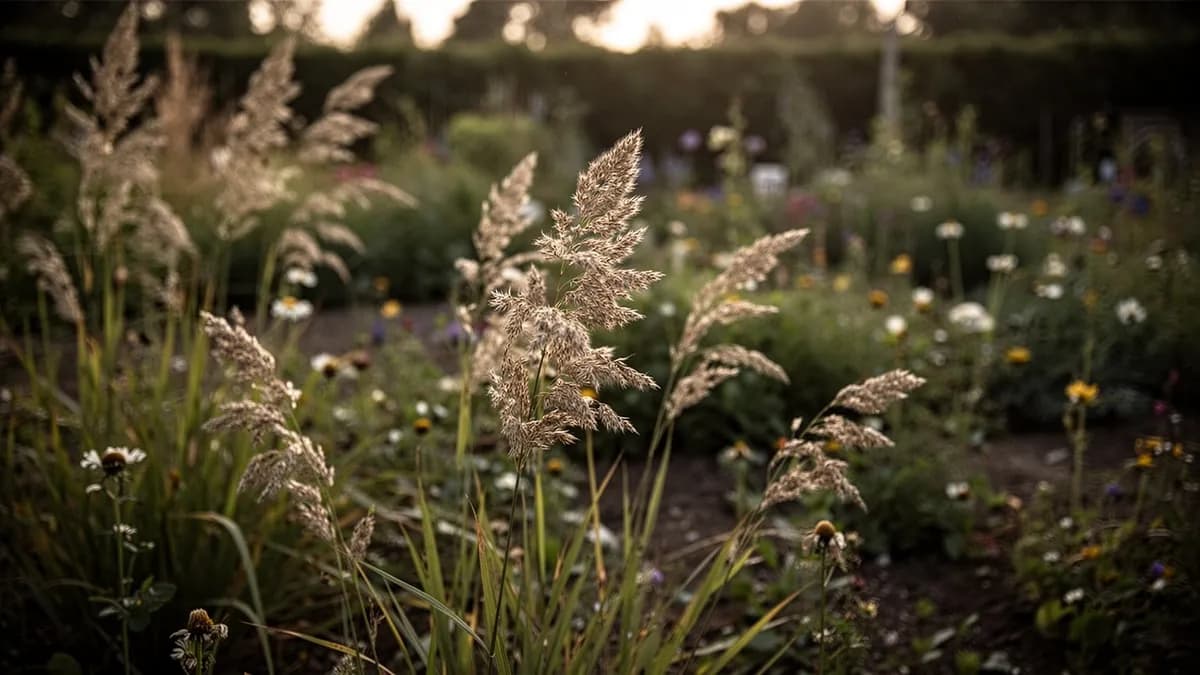
A native warm-season grass with airy, cloud-like flower panicles that shimmer above upright blue-green foliage turning golden in autumn.





On this pageOverview
Meet Flowering Switchgrass
A native warm-season grass with airy, cloud-like flower panicles that shimmer above upright blue-green foliage turning golden in autumn. Switchgrass provides essential wildlife habitat, winter interest, and erosion control in naturalistic prairie-style plantings. Cultivars like 'Shenandoah' offer burgundy foliage that makes a stunning ornamental accent.
When to plant Flowering Switchgrass
Switchgrass seed benefits from cold stratification for best germination. Sow outdoors in late autumn for natural winter treatment, or cold-stratify in moist sand for four to six weeks before spring sowing. Sow seeds a quarter-inch deep in warm soil at 70 to 80 degrees Fahrenheit. Seeds germinate in seven to twenty-one days. Seedlings are slow at first but accelerate as temperatures warm. Division of mature clumps in early spring is faster and produces true-to-type plants.
Your Flowering Switchgrass Year
Composed for Zone 7 · typical seasons · frost passes Apr 2, returns Nov 1
Plant Flowering Switchgrass Mar – May, pick Aug – Oct. Check the planting methods below and set your climate to personalize these windows.
How to grow Flowering Switchgrass
Plant switchgrass in spring from seed or container-grown divisions in full sun with average, well-drained soil. As a warm-season native grass, switchgrass does not begin active growth until late spring when soil temperatures warm, so be patient in the early season. Space plants two to three feet apart to allow for their mature size, which can reach three to six feet tall depending on the cultivar.
Water regularly during the first growing season to establish the deep, fibrous root system that can extend six feet or more into the soil. Once established, switchgrass is remarkably drought tolerant and requires no supplemental watering in most climates. Avoid fertilization in average garden soil, as excessive nutrients cause floppy, weak stems that collapse in rain and wind.
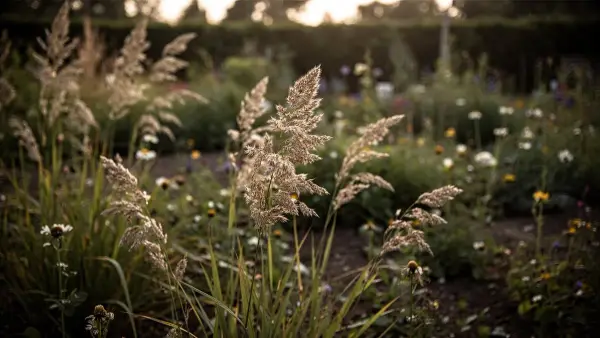
Cut switchgrass to the ground in late winter before new growth begins, leaving the dried stalks and seed heads through autumn and winter for ornamental interest and wildlife habitat. The airy flower panicles appear in late summer, shimmering above the upright foliage in an ethereal cloud of pinkish-tan. The foliage turns golden to wine-red in autumn before drying to a warm tan for winter.
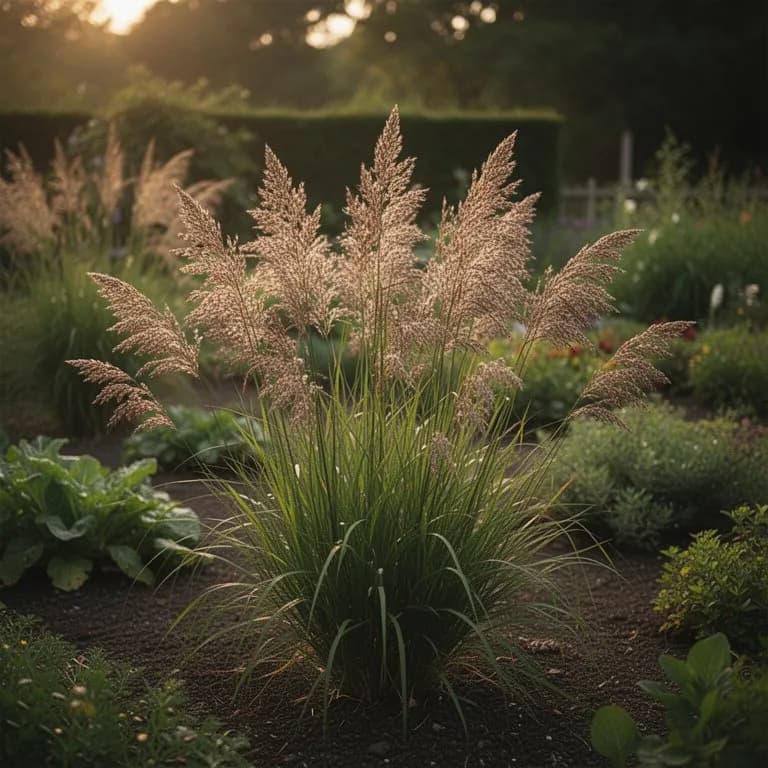
8 plants fit a 4 × 8 ft bed
Each Flowering Switchgrass wants 60 cm of elbow room. The planner keeps that spacing for you — every plant, every bed.
Flowering Switchgrass's best neighbours
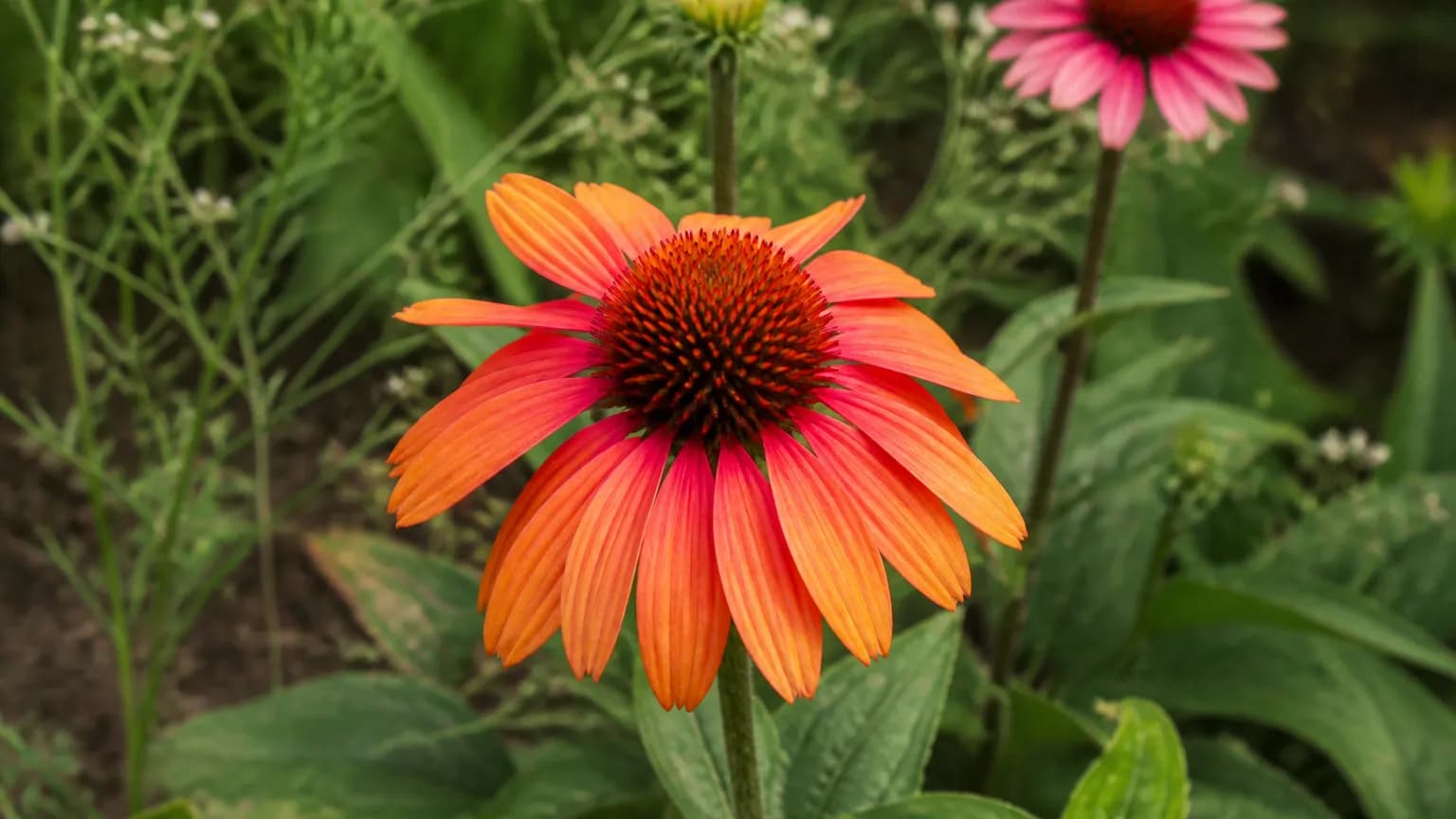
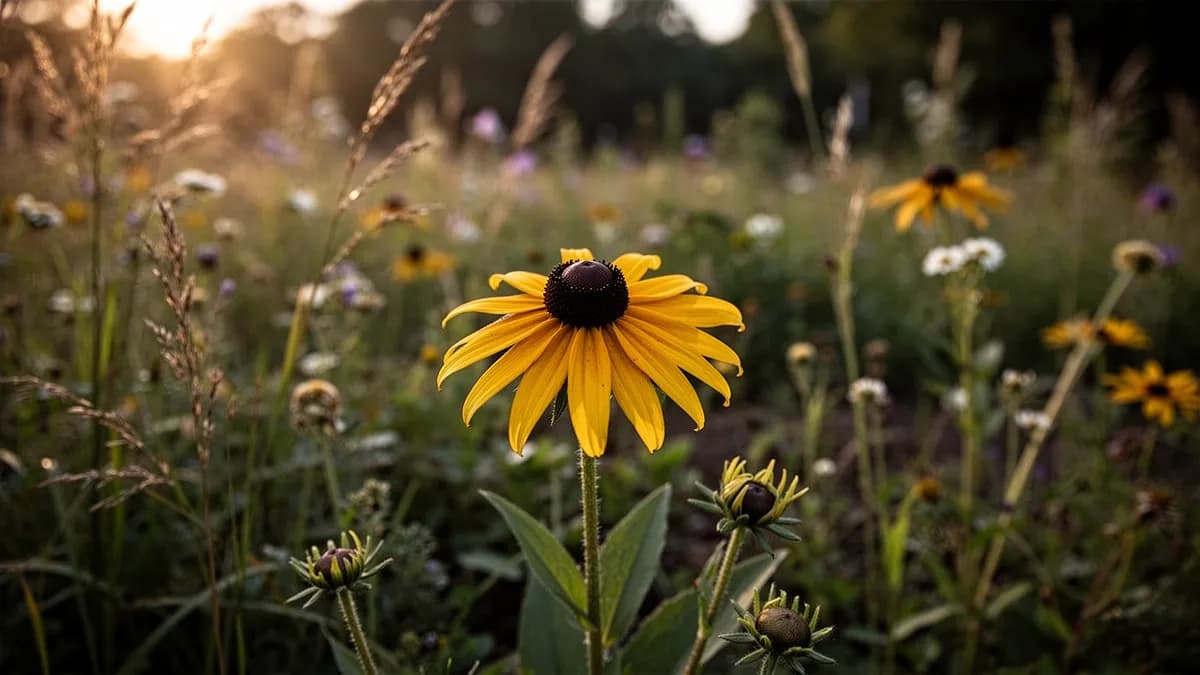
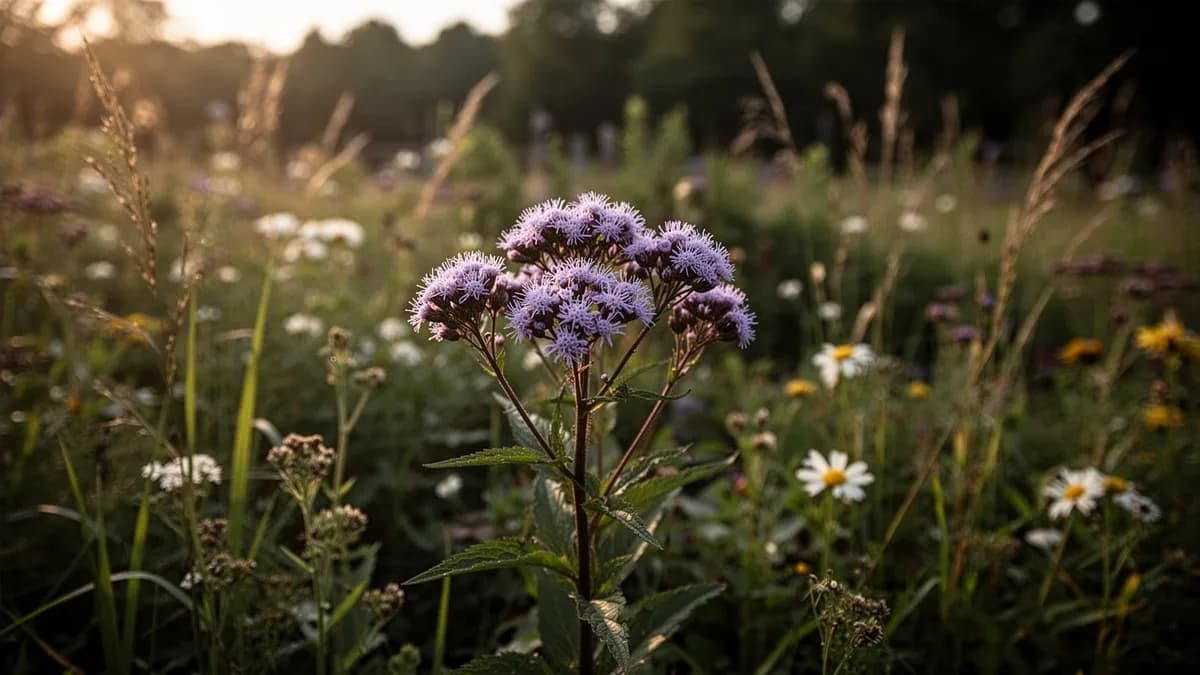
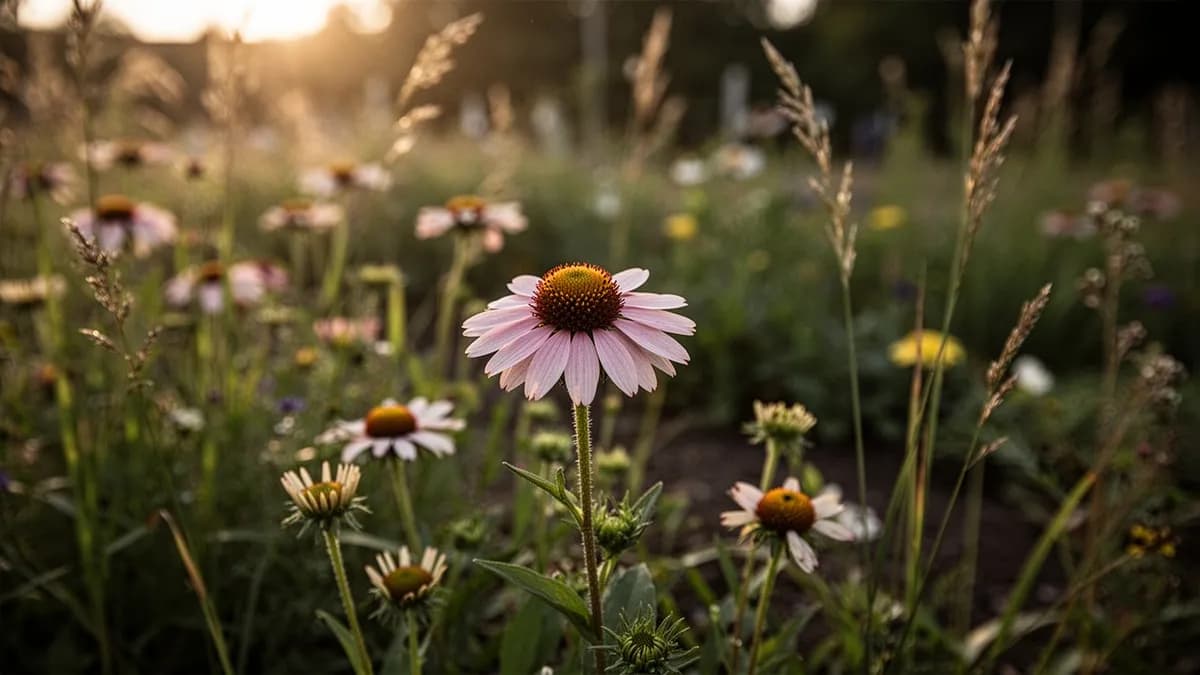
Switchgrass is a foundation plant for prairie-style gardens, providing structure and movement among flowering perennials like coneflowers, black-eyed susans, ironweed, and asters. The airy panicles and autumn color complement bold-flowered companions beautifully. Use as a screen or backdrop for lower-growing perennials. The deep roots improve soil structure and prevent erosion on slopes. The plant provides essential winter habitat and food for songbirds and small mammals.
Coneflower belongs beside it.
Old growers' knowledge, checked against Flowering Switchgrass's real companion table below — test any plant you're growing.
Try Flowering Switchgrass in a bed — right here
A real planner bed with Flowering Switchgrass already in it. Tap a companion to place it and watch the pairing checks answer — green for good neighbours, red for a clash.


Related growing guides
Feed it well
Switchgrass is highly adaptable, growing in sand, clay, loam, and even periodically flooded soil with a pH of 5.0 to 8.0. No soil amendment is necessary for most garden soils. Avoid fertilization, which causes tall, floppy growth that ruins the upright form. In extremely poor, sterile soil, a very light application of balanced fertilizer in spring may be beneficial. The deep root system allows switchgrass to access nutrients from well below the reach of most garden plants.
Ideal Temperature
Hardiness Zone Compatibility
From seed to harvest, stage by stage
Seed Germination
Switchgrass seeds require warm soil temperatures of at least 60°F (16°C) to germinate. Stratification or scarification can improve germination rates, which typically range from 20 to 50 percent for untreated seed. Seeds are planted shallowly at one-quarter to one-half inch deep.
Seedling Establishment
Young switchgrass plants develop their initial tillers and begin building their root system. Growth above ground appears slow during this phase because the plant prioritizes root development. Seedlings may only reach 6 to 12 inches tall by midsummer of the first year.
Vegetative Growth
Established switchgrass enters rapid vegetative growth in its second and subsequent years. Plants produce dense clumps of upright stems reaching 3 to 6 feet tall depending on cultivar and growing conditions. The deep root system is now well developed, making the plant highly drought tolerant.
Flowering and Pollination
From mid to late summer, switchgrass produces elegant open panicles that extend above the foliage. The airy flower clusters range from pinkish-purple to reddish-bronze and sway gracefully in the wind. Switchgrass is wind-pollinated and cross-pollinating, which contributes to genetic diversity within stands.
Seed Maturation
Seeds develop within the panicles and mature from late summer into early fall. Mature seeds turn tan to brown and detach easily when ripe. Each panicle can produce hundreds of small seeds that are dispersed by wind and gravity.
Fall Senescence
As temperatures cool and day length shortens, switchgrass foliage transitions to brilliant shades of gold, amber, and copper. Nutrients are translocated from the leaves down into the root system and crown for winter storage. The dried stems remain upright, providing winter garden structure.
Winter Dormancy
Switchgrass enters full dormancy with dried above-ground stems persisting through winter. The extensive root system remains alive and stores energy reserves for spring regrowth. Dried seed heads continue to provide food for overwintering birds.
Keep the seedbed consistently moist but not waterlogged during germination. Avoid heavy mulch that could smother emerging seedlings.
Caring for Flowering Switchgrass month by month
What to do each month for your Flowering Switchgrass
October
You are hereEnjoy the brilliant fall foliage color transformation. Divide overgrown clumps if needed while the soil is still warm. Leave all standing growth intact for winter interest and wildlife cover
Know exactly what to do in your garden — every month
One email at the start of each month: what to sow, plant, and tackle right now — for your Flowering Switchgrass and everything growing around it. Plus a short starter course that helps you dodge the classic mistakes.
- What to do, right now
- Matched to your season
- Starter course included
Harvesting Flowering Switchgrass
Cut switchgrass panicles for fresh or dried arrangements when the airy flower heads are fully expanded in late summer. The cloud-like panicles add movement and an ethereal quality to large bouquets. For dried use, cut stems when the flowers are just past peak and hang upside down to dry. The autumn foliage in shades of gold, burgundy, and warm red makes dramatic additions to seasonal arrangements. Seeds are valuable food for sparrows, juncos, and other seed-eating birds.
assuming you plant when the window opens — set your real date
Pick Flowering Switchgrass promptly and the plant keeps producing.
Storage & Preservation
Switchgrass is a fully hardy perennial grass requiring no special winter care. Leave the dried stalks standing through winter for wildlife habitat and garden architecture, cutting back in late February or early March. Dried panicles can be stored in vases without water, maintaining their form for months. Seeds can be collected from ripe panicles and stored in paper bags. For propagation, divide clumps in early spring just as new growth begins.
What goes wrong — and the fix
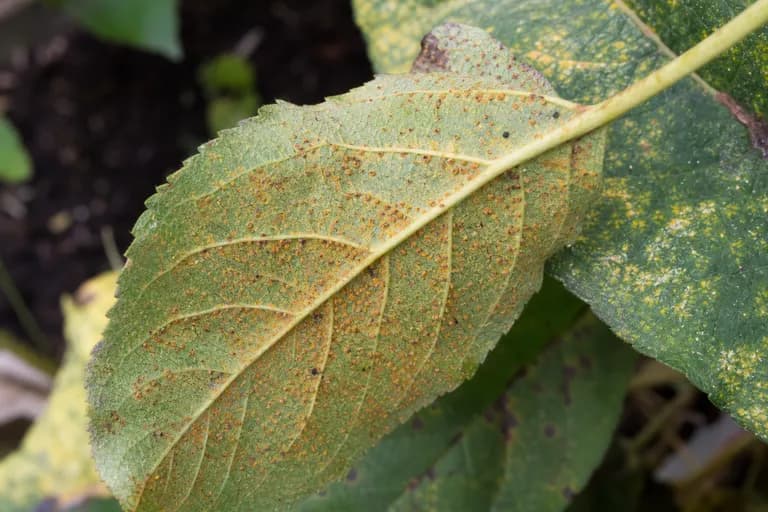
Rust
DiseaseOrange-brown pustules on leaves, particularly in humid conditions during late summer. Can cause premature browning of foliage.
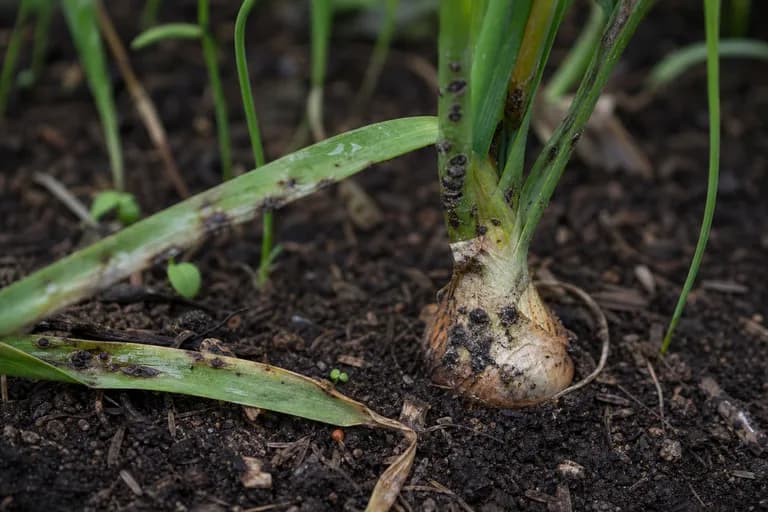
Smut
DiseaseDark, sooty masses of spores replacing seed heads. Affected flower panicles appear black and distorted.
Troubleshooting Common Problems
The most common problem is excessive height and flopping, almost always caused by too much fertility or too little sunlight. Plant in full sun and lean soil for the most compact, upright growth. Switchgrass is slow to emerge in spring, often not showing growth until late May or June, leading gardeners to worry unnecessarily. Some cultivars may self-seed, and seedlings will not match the parent in foliage color or form. Remove unwanted seedlings promptly.
Growing Tips
- Select the correct ecotype for your site: upland cultivars like 'Shenandoah' and 'Heavy Metal' for drier well-drained soils, and lowland cultivars like 'Kanlow' and 'Alamo' for moist or clay-heavy soils.
- Plant switchgrass in full sun with at least 6 hours of direct sunlight per day. Plants grown in partial shade will flop over and produce fewer flowers.
- Be patient during the first growing season. Switchgrass follows the prairie rule of 'first year it sleeps, second year it creeps, third year it leaps' as it establishes its deep root system.
- Avoid rich garden soil and heavy fertilization. Switchgrass evolved in lean prairie soils and excess nitrogen causes floppy weak stems that lodge after summer storms.
- Cut back all dried growth to 4 to 6 inches in late February or early March before new shoots emerge. Leaving the old growth through winter protects the crown and feeds wildlife.
- Divide overgrown clumps every 4 to 6 years in mid-spring when new growth is just 2 to 3 inches tall. Use a sharp spade or saw to cut through the dense root mass.
- Space plants 24 to 36 inches apart for a full screen or hedge effect, or 36 to 48 inches apart for individual specimen display where each clump can develop its natural vase shape.
- Switchgrass rarely suffers from serious pest or disease problems. Occasional rust or smut may appear in humid conditions but seldom requires treatment on ornamental plantings.
- Use switchgrass as a living privacy screen during summer months. Cultivars like 'Northwind' grow 5 to 6 feet tall with a strongly upright habit that creates an effective seasonal barrier.
- Combine switchgrass with native wildflowers like coneflower, black-eyed Susan, and blazing star for an authentic prairie garden that supports pollinators and requires minimal maintenance.
Grow your best Flowering Switchgrass yet — and everything around it.
Start a free plan today. Lay out your beds, drop in your Flowering Switchgrass, and let PlotMyGarden handle the timing, spacing, companions and reminders from seed to harvest basket.
Pick your Flowering Switchgrass
Shenandoah
A stunning cultivar with deep burgundy-red foliage that intensifies through summer, reaching four feet with pink-tinged flower panicles.
Heavy Metal
Distinctive columnar form with stiffly upright metallic blue foliage, excellent for narrow spaces and formal designs.
Northwind
A tall, strongly upright cultivar reaching five to six feet with olive-green foliage that turns golden in autumn, outstanding as a screen.
Prairie Fire
A compact selection with green summer foliage that turns fiery red in autumn, one of the most colorful cultivars available.
Switchgrass delivers substantial long-term cost savings compared to traditional turf lawns. Once established, it requires no irrigation, no fertilization, and no regular mowing, eliminating recurring expenses for water, fertilizer, fuel, and lawn care equipment maintenance. A single planting can persist for 20 or more years without replacement. Homeowners who convert 1,000 square feet of lawn to switchgrass can save an estimated $200 to $400 annually in water, mowing, and chemical costs. Additionally, switchgrass plugs are inexpensive at $1 to $3 each, and direct seeding costs as little as $15 to $30 per 1,000 square feet, making initial establishment highly affordable.
Quick recipes
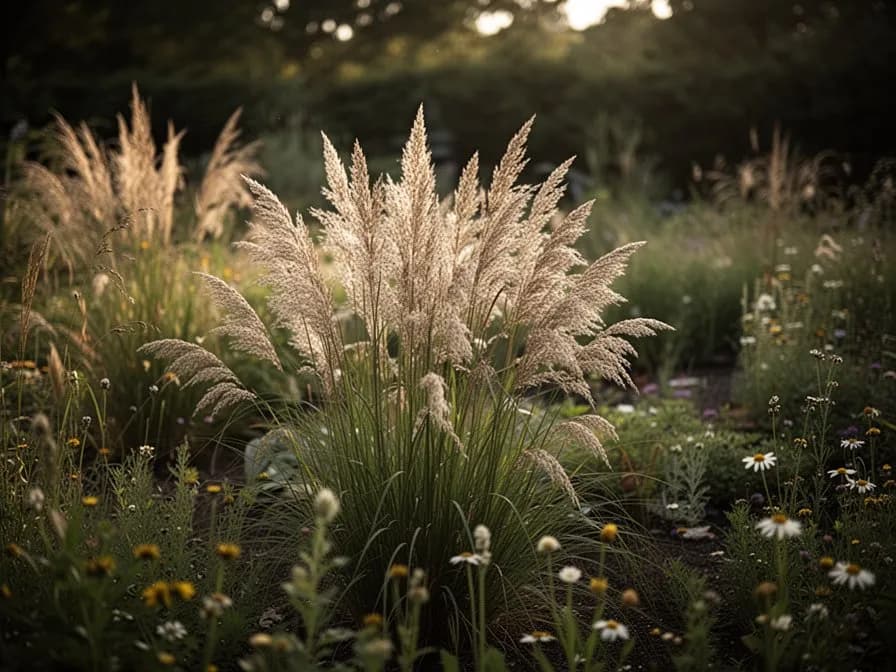
Dried Switchgrass Floral Arrangement
15 minutesCreate a stunning dried arrangement using switchgrass panicles harvested at peak color. The airy seed heads add height, movement, and a natural prairie aesthetic to any room. Arrangements can last for a full year or longer when kept out of direct sunlight.
5 ingredients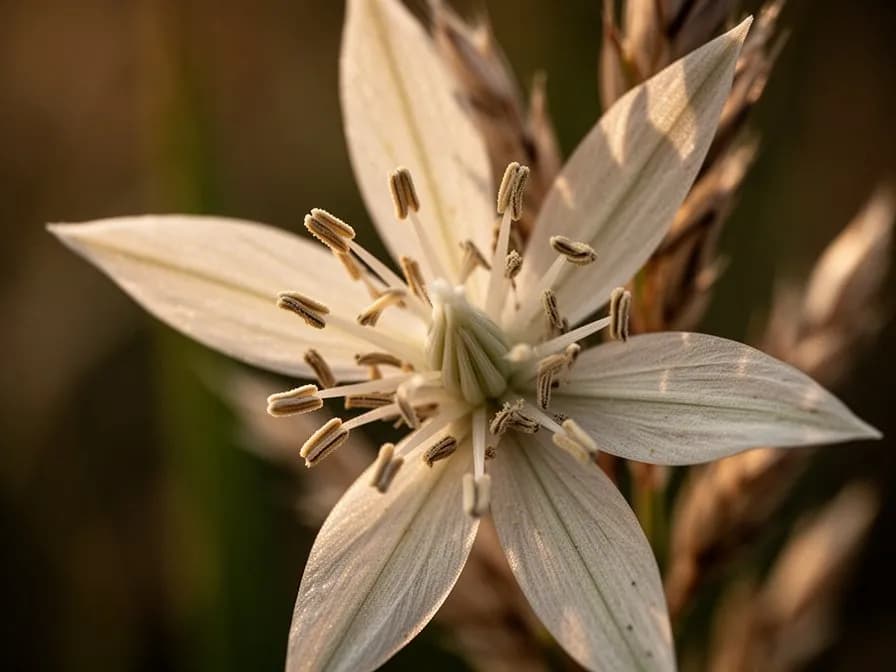
Switchgrass Mulch and Compost Material
30 minutesProcess dried switchgrass stems into valuable garden mulch or brown compost material. The high carbon content of dried switchgrass makes it an excellent brown component for compost piles, balancing nitrogen-rich green materials like kitchen scraps and fresh grass clippings.
5 ingredientsSwitchgrass Wildlife Shelter Bundle
20 minutesConstruct simple wildlife shelter bundles from cut switchgrass stems to provide overwintering habitat for beneficial insects, solitary bees, and other garden allies. These bundles can be placed around the garden perimeter or hung from fence posts to support biodiversity.
5 ingredientsWhat's inside
Health Benefits
- Switchgrass plantings significantly improve air quality by trapping airborne dust particles and filtering pollutants through dense foliage, reducing particulate matter in residential areas.
- The extensive root system of switchgrass prevents soil erosion on slopes and along waterways, filtering sediment and agricultural runoff before it reaches streams and groundwater supplies.
- Dense switchgrass stands create natural sound barriers that reduce noise pollution by 6 to 10 decibels, contributing to lower stress levels in nearby living spaces.
- Switchgrass landscapes promote mental well-being through biophilic design, with studies showing that views of ornamental grasses swaying in the wind reduce anxiety and cortisol levels.
- Switchgrass pollen is produced in relatively low quantities compared to lawn grasses and is less allergenic, making it a better landscaping choice for allergy-sensitive individuals.
- Maintaining switchgrass instead of traditional lawn reduces exposure to pesticides, synthetic fertilizers, and exhaust from mowing equipment, all of which are associated with respiratory and endocrine health concerns.
Where Flowering Switchgrass comes from
Switchgrass (Panicum virgatum) is a warm-season perennial bunchgrass native to North America, where it has been a fundamental component of tallgrass prairie ecosystems for millions of years. Its natural range extends from southern Canada through the eastern two-thirds of the United States and into northern Mexico, making it one of the most widely distributed native grasses on the continent. Archaeological and paleoecological evidence indicates that switchgrass and other tallgrass prairie species became dominant across the Great Plains following the retreat of glaciers roughly 10,000 years ago, thriving in the continental climate with its hot summers, periodic drought, and frequent fire. Indigenous peoples of the Great Plains and Eastern Woodlands recognized the value of switchgrass long before European contact. They used the tall stems for thatching, bedding, and ceremonial purposes, and they understood that periodic burning of prairies encouraged vigorous regrowth of switchgrass and other native grasses. When European settlers arrived, they initially harvested switchgrass as prairie hay but soon converted most of the tallgrass prairie to cropland. By the mid-twentieth century, over 99 percent of the original tallgrass prairie had been lost to agriculture and development. Interest in switchgrass was revived in the 1990s when the U.S. Department of Energy selected it as a model herbaceous energy crop for biofuel research. Breeding programs at universities across the Midwest developed improved cultivars for biomass production, while horticulturists simultaneously selected ornamental varieties prized for their colorful foliage and graceful form. Today switchgrass serves triple duty as a conservation grass for erosion control and wildlife habitat, a promising bioenergy feedstock, and a popular ornamental grass in residential and commercial landscapes worldwide.
Flowering Switchgrass: did you know?
Fascinating facts about Flowering Switchgrass
Switchgrass is one of the dominant species of the North American tallgrass prairie, which once covered over 170 million acres from Texas to Manitoba before European settlement.
Flowering Switchgrass questions, answered
When should I plant Flowering Switchgrass?
What are good companion plants for Flowering Switchgrass?
What hardiness zones can Flowering Switchgrass grow in?
How much sun does Flowering Switchgrass need?
How far apart should I space Flowering Switchgrass?
What pests and diseases affect Flowering Switchgrass?
How do I store Flowering Switchgrass after harvest?
What are the best Flowering Switchgrass varieties to grow?
What soil does Flowering Switchgrass need?
Is switchgrass invasive in garden settings?
When is the best time to plant switchgrass?
How tall does switchgrass grow and does it need staking?
Does switchgrass attract mosquitoes or other pest insects?
Can switchgrass grow in clay soil or poor drainage conditions?
How do I prevent switchgrass from self-seeding throughout the garden?
You just read the theory. Now grow it on autopilot.
Everything that makes Flowering Switchgrass fiddly — the timing, the spacing, the companions, the harvest window — is exactly what PlotMyGarden handles for you, for every plant in your garden.
A plan that knows your weather
Set your location once. Get sow, feed and harvest dates built around your real last-frost date and live forecast — no more guessing from a generic seed packet.
From the “When to plant” sectionDrag-and-drop bed planner
Design beds on a grid. Every plant snaps to its proper spacing, and you can see your whole season laid out before you spend a cent on seed.
From the “Growing guide” sectionCompanion conflicts, caught early
200+ good-and-bad pairings checked live as you plant — so a season-wrecking mistake never makes it into the ground.
From the “Companions” sectionReminders you'll actually act on
“Water the beans.” “Pick today before it turns.” Timely, specific, and tied to the plants you're really growing.
From the “Harvest” sectionSuccession, scheduled
Want a harvest for six weeks, not six days? It spaces your sowings automatically and reminds you when each new block is due.
From the “When to plant” sectionA record that gets smarter
Every harvest you log teaches it your garden. Next year's plan starts from what actually worked in your soil, not a textbook's.
From the “Overview” sectionPlant these alongside Flowering Switchgrass
More Wildflowers
Garden plans featuring Flowering Switchgrass
Grow your best Flowering Switchgrass yet — and everything around it.
Start a free plan today. Lay out your beds, drop in your Flowering Switchgrass, and let PlotMyGarden handle the timing, spacing, companions and reminders from seed to harvest basket.