Winter Harvest Garden
An 8×4 bed you harvest in the snow: Brussels sprouts, kale, leeks, parsnips, and the hardy salads that sweeten with frost.
About This Template
Sown in summer, eaten in winter: this bed inverts the usual calendar. The tall north line carries the frost royalty — Brussels sprouts and kale, both of which convert starch to sugar when temperatures drop, tasting objectively better after freezing. Collards, savoy cabbage, and the hardy chicories fill the second rank. The root row is the underground pantry: leeks that stand like fence posts all winter, plus parsnips and salsify that are left in the ground and dug as needed — frost is what makes parsnips worth eating. The front row grows the astonishing winter salads: mâche, claytonia, and winter purslane, three greens that stay crisp and sweet under snow. From November to March, dinner starts with boots on.
Benefits
- 1Fresh harvests continue from November through March, snow included
- 2Frost converts starch to sugar — sprouts and parsnips genuinely improve
- 3Roots store in the ground itself; no cellar or processing needed
- 4Winter salads grow when pests and weeds have gone home
- 5Uses the bed in the months it would otherwise sit empty
Growing Tips
- 1Timing is everything: sow in June–July so plants are full-size before frost
- 2Mark the root rows with tall stakes — you will be finding them under snow
- 3Pick sprouts from the bottom of the stalk upward as they firm
- 4Mulch the parsnip row thickly so the ground stays diggable in a freeze
Included Plants (15)
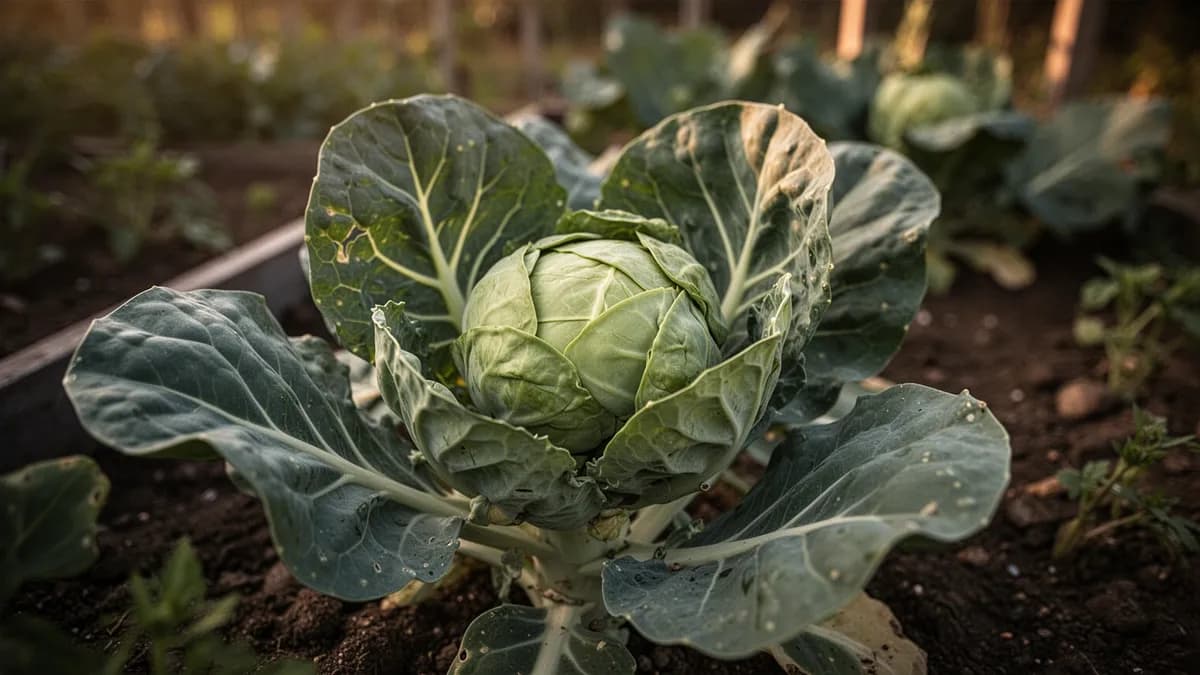
Brussels Sprouts×3
Brassica oleracea var. gemmifera
Spacing: 60 cm · 24 in
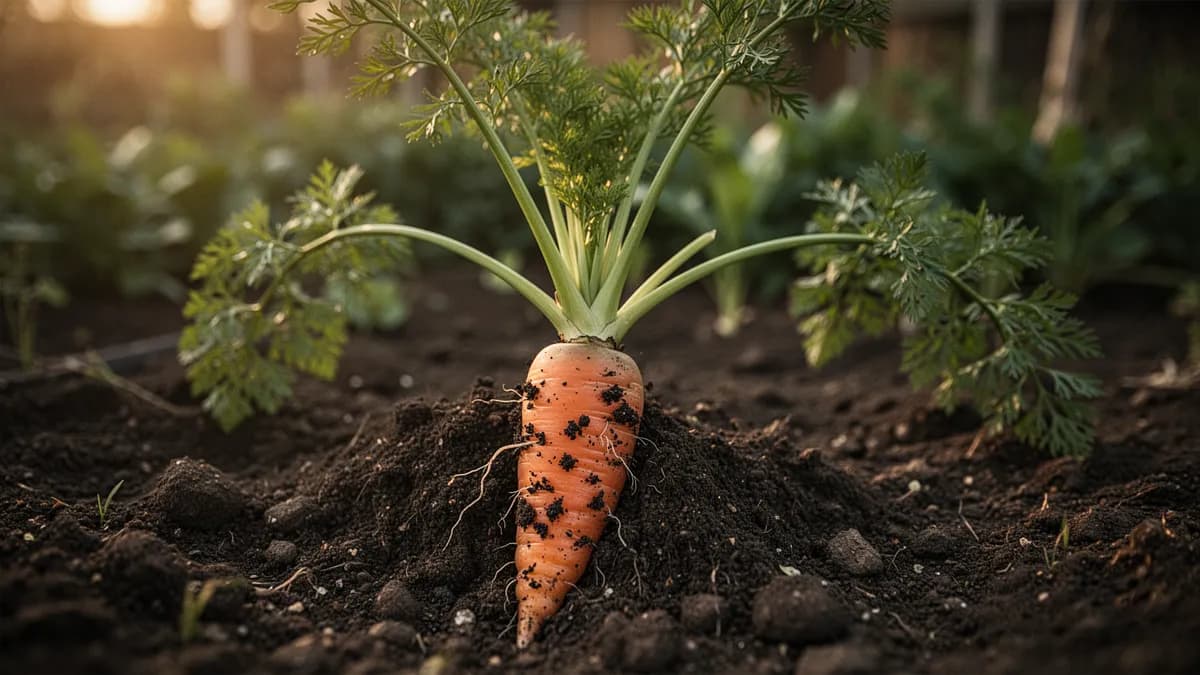
Kale×3
Brassica oleracea var. sabellica
Spacing: 45 cm · 18 in
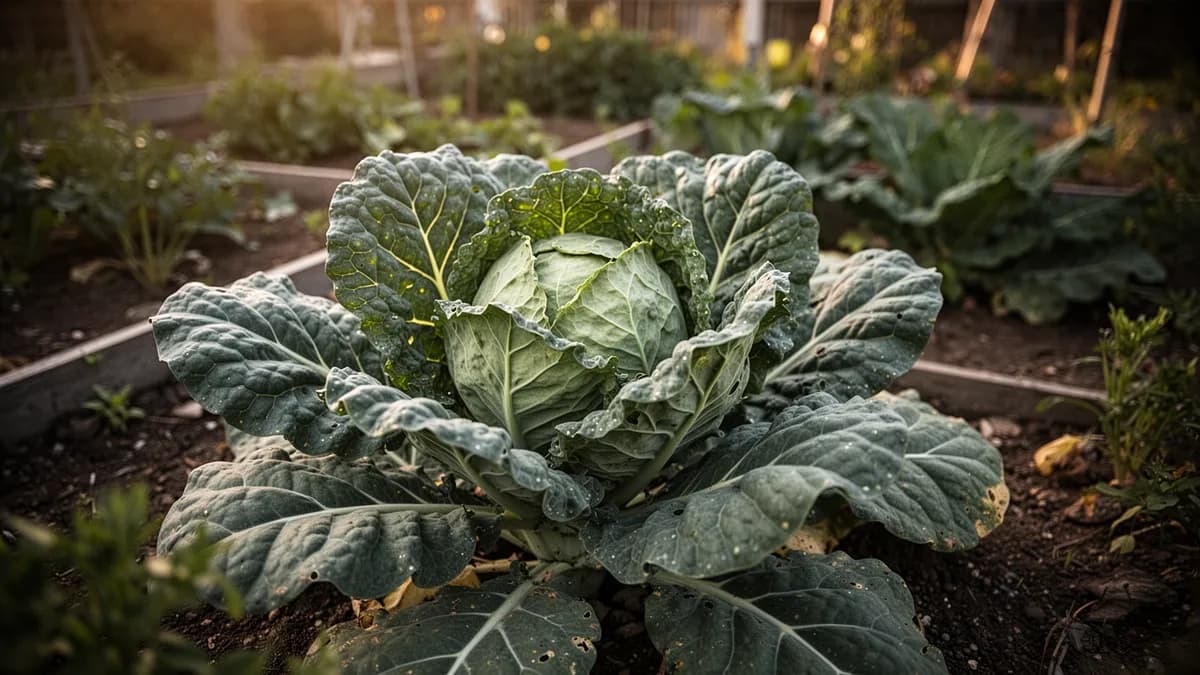
Collard Greens×2
Brassica oleracea var. viridis
Spacing: 45 cm · 18 in
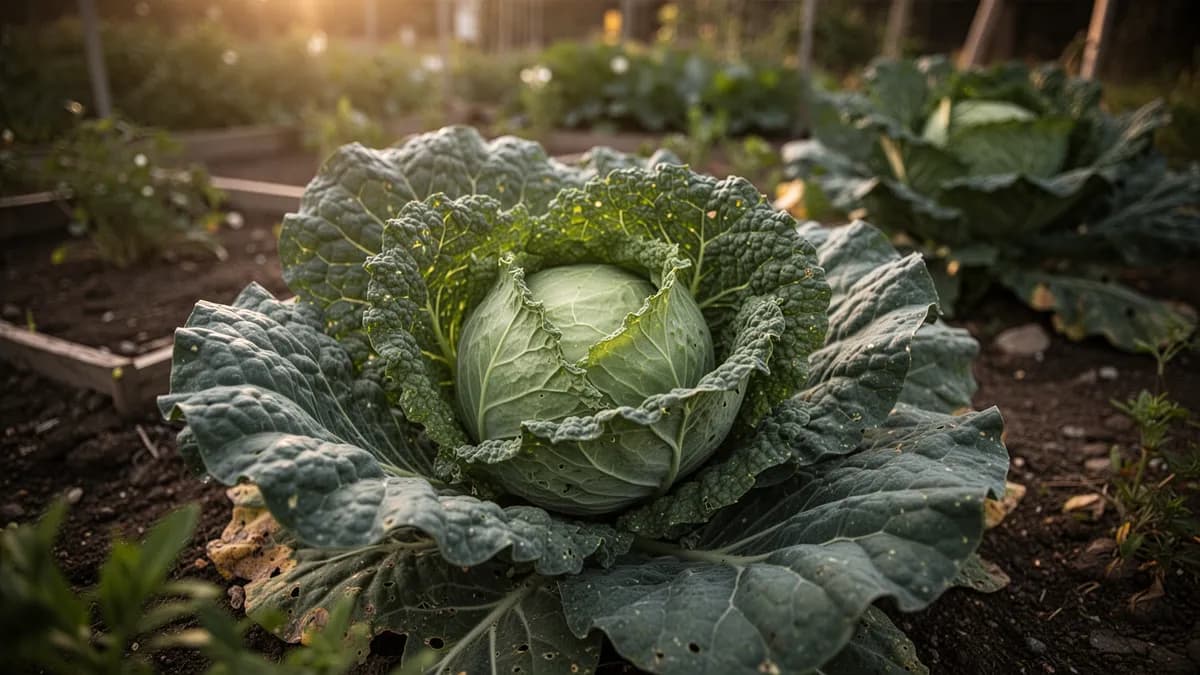
Savoy Cabbage
Brassica oleracea var. sabauda
Spacing: 50 cm · 20 in
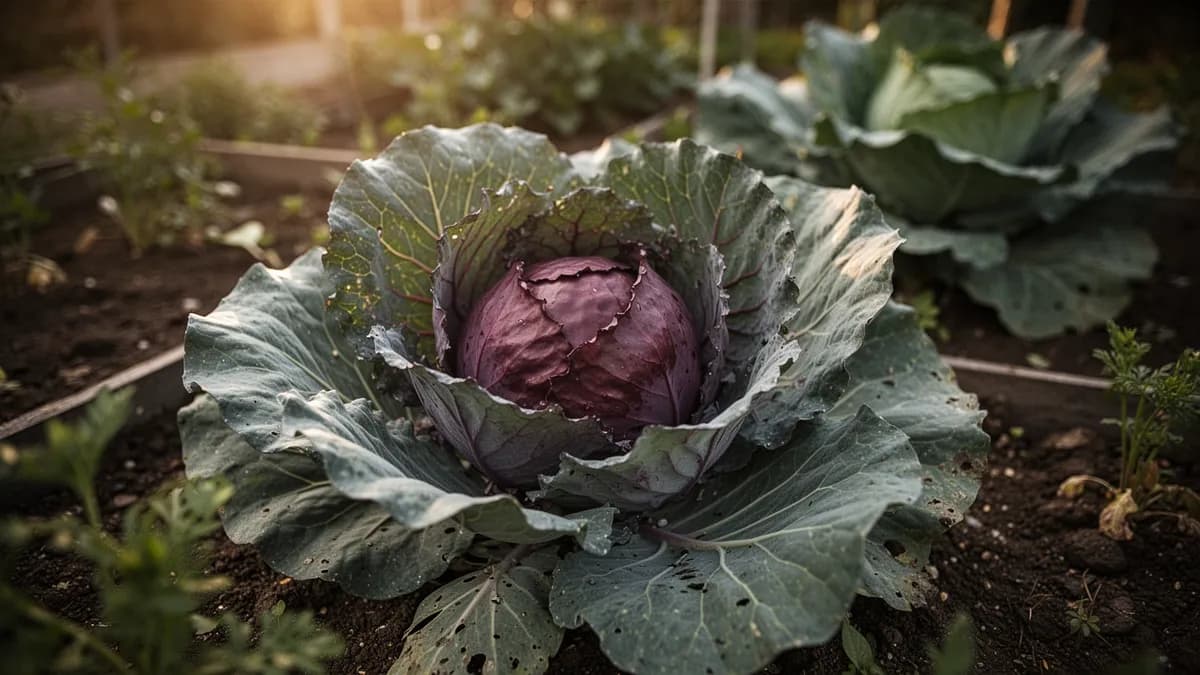
Red Cabbage
Brassica oleracea var. capitata f. rubra
Spacing: 50 cm · 20 in
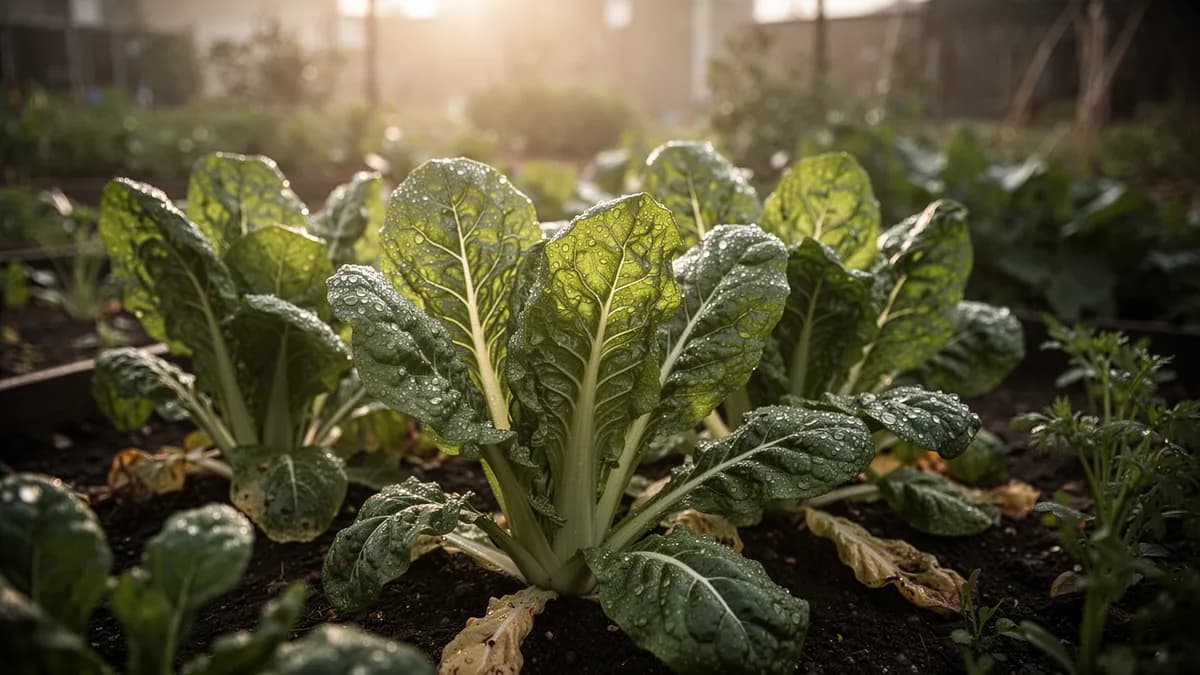
Radicchio
Cichorium intybus var. foliosum
Spacing: 25 cm · 10 in
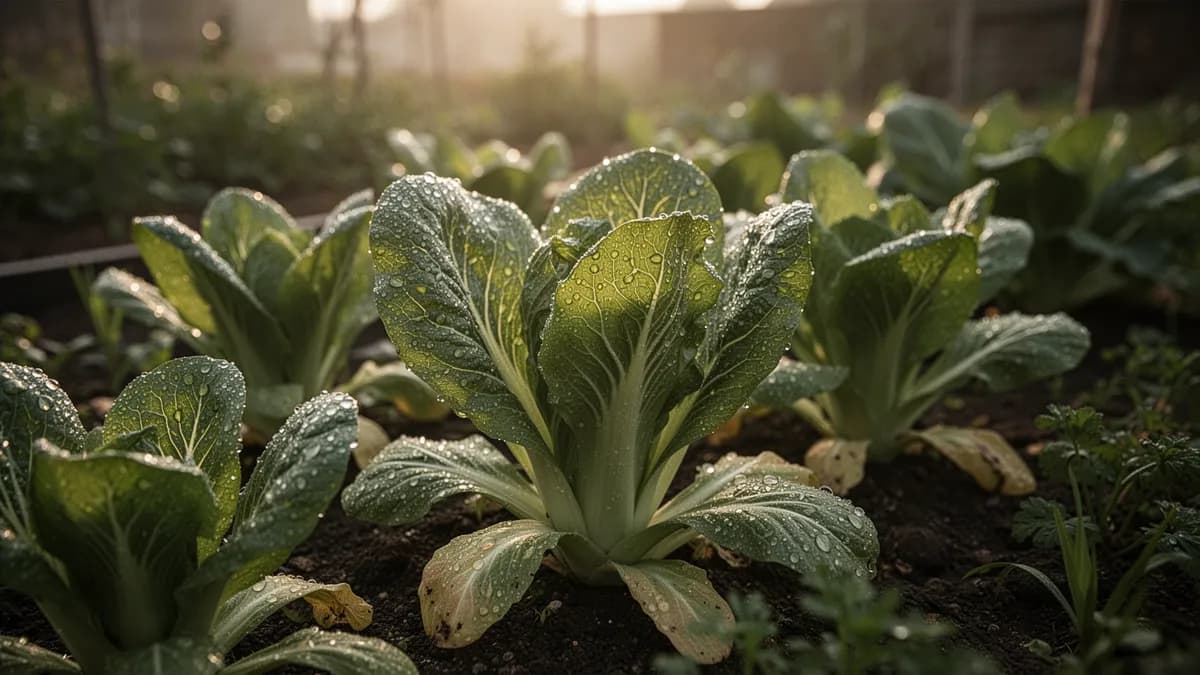
Endive
Cichorium endivia
Spacing: 30 cm · 12 in
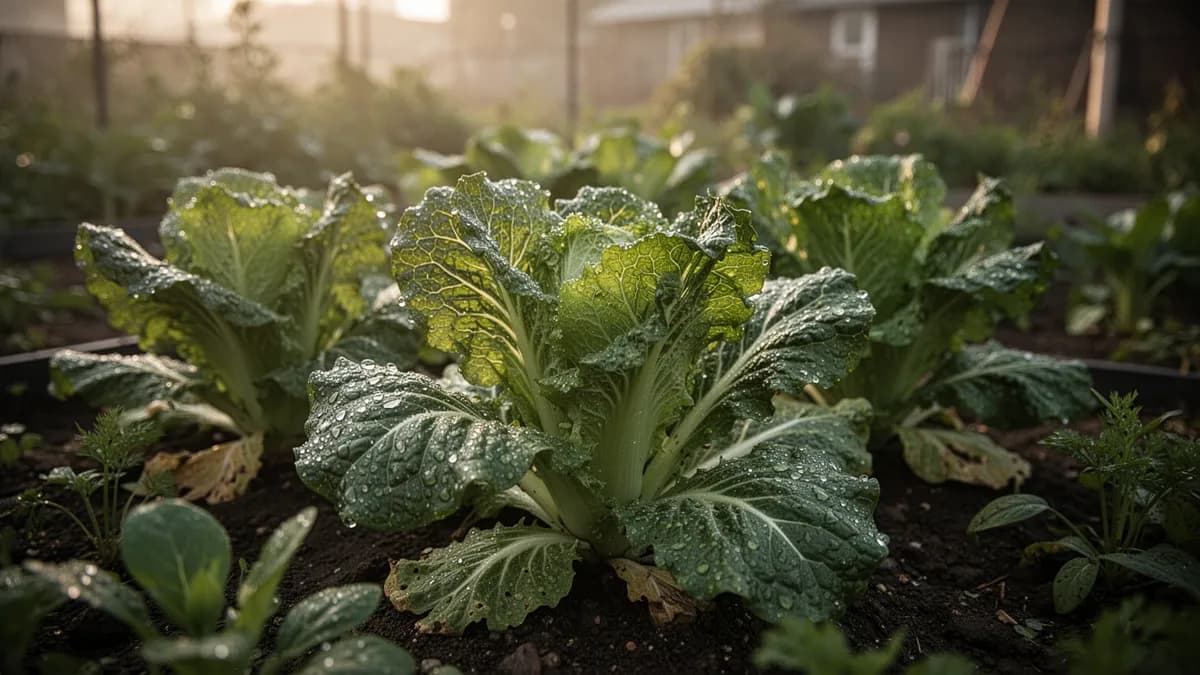
Escarole
Cichorium endivia var. latifolia
Spacing: 30 cm · 12 in
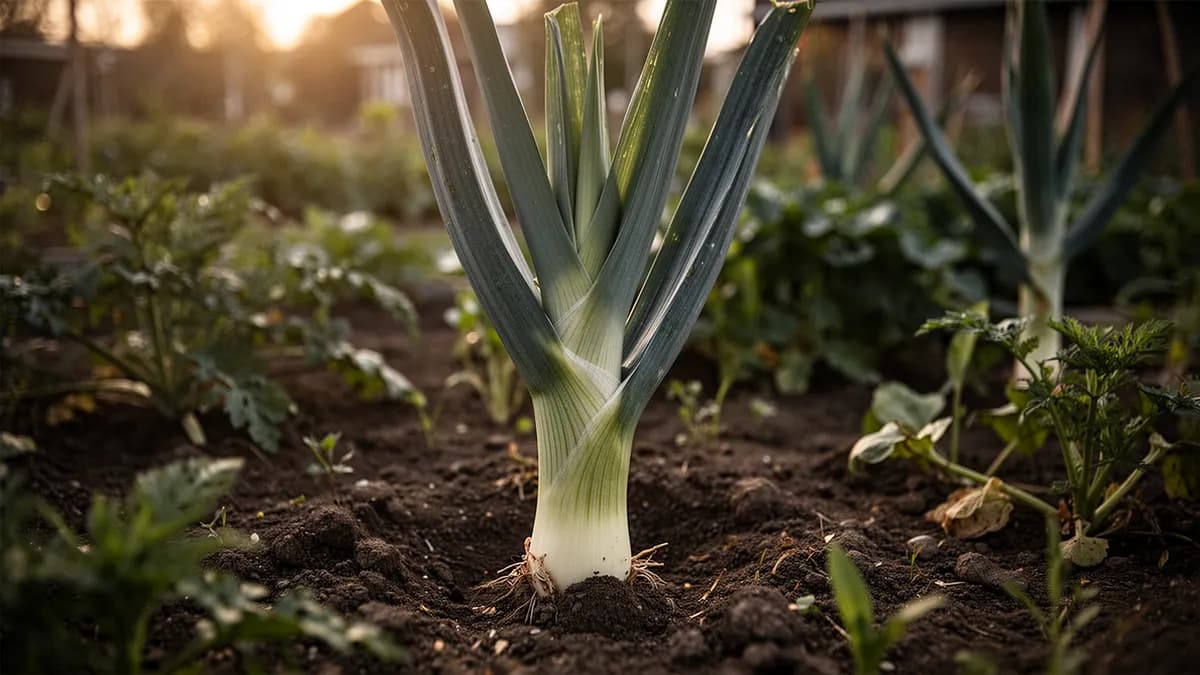
Leek×8
Allium ampeloprasum
Spacing: 15 cm · 6 in
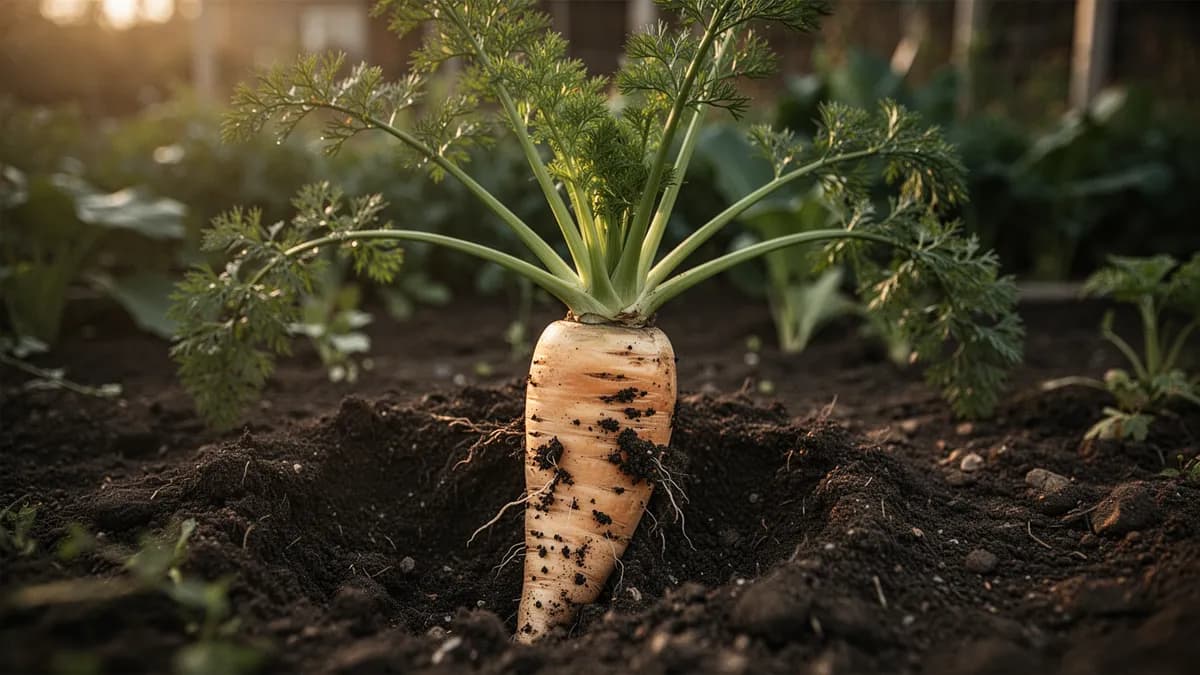
Parsnip×8
Pastinaca sativa
Spacing: 10 cm · 4 in
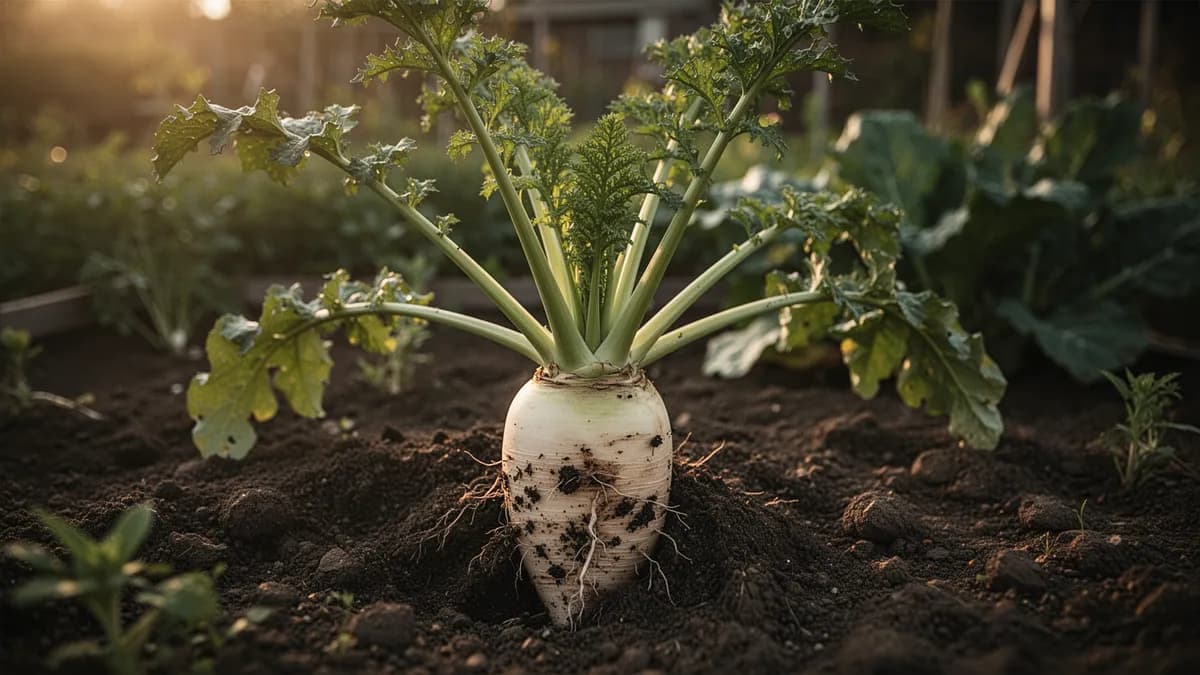
Salsify×6
Tragopogon porrifolius
Spacing: 10 cm · 4 in
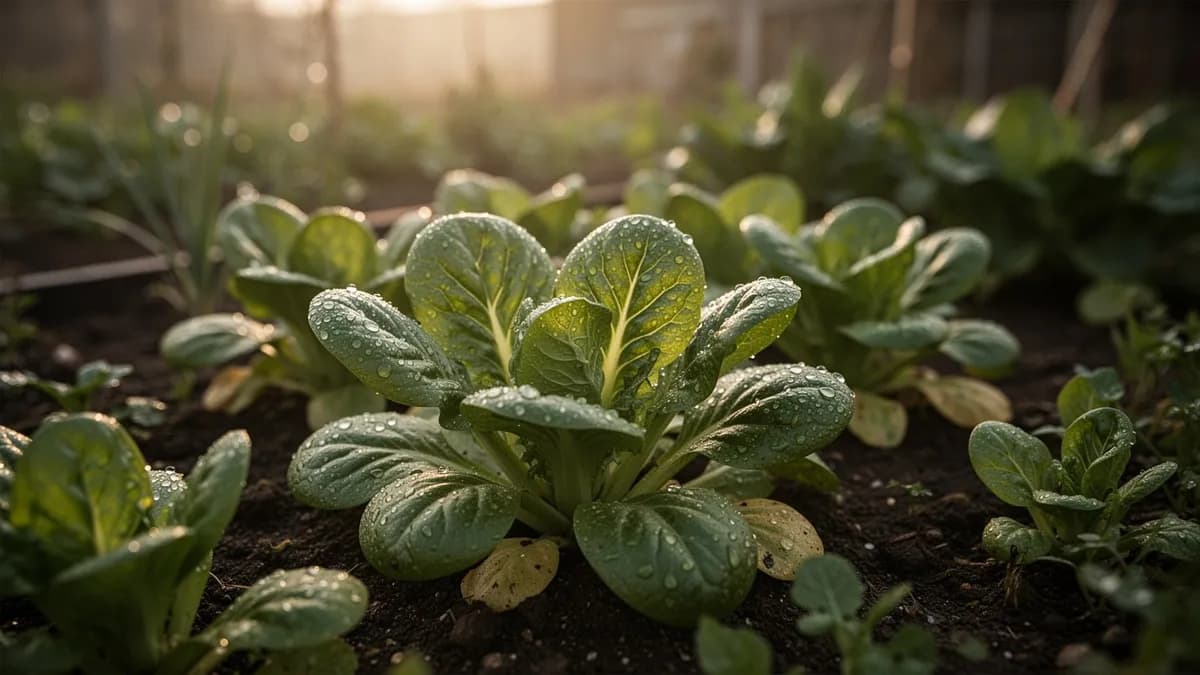
Lamb's Lettuce×8
Valerianella locusta
Spacing: 10 cm · 4 in
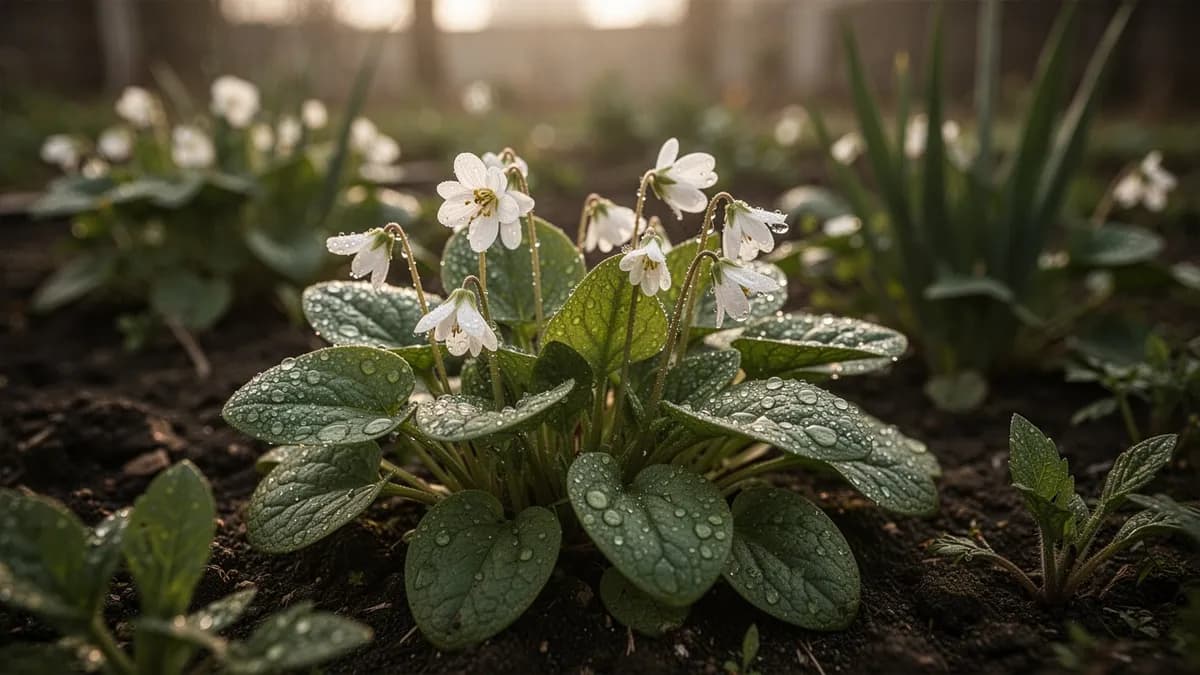
Claytonia×4
Claytonia perfoliata
Spacing: 15 cm · 6 in
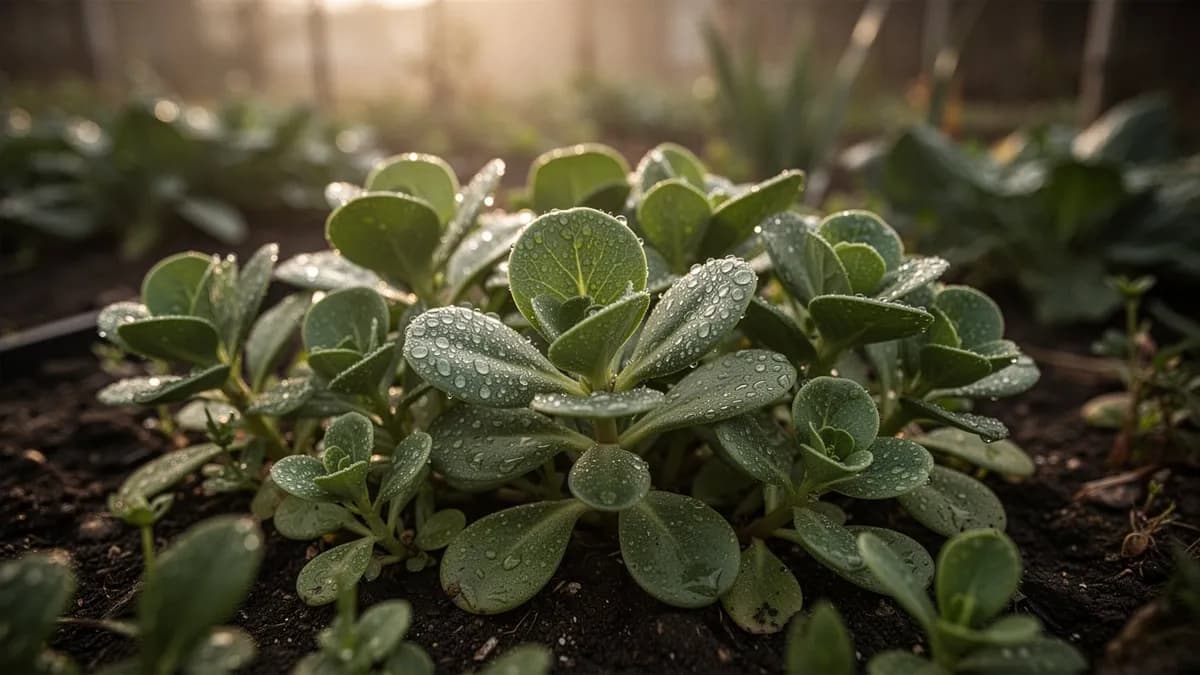
Winter Purslane×4
Claytonia perfoliata
Spacing: 15 cm · 6 in
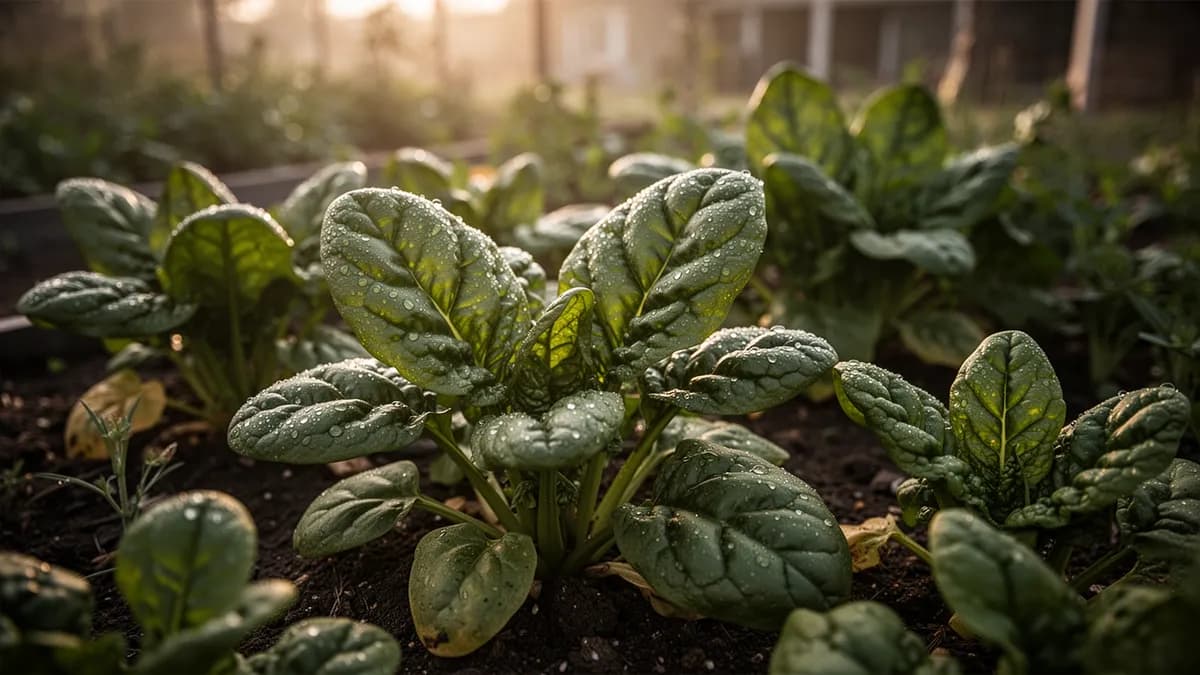
Spinach×4
Spinacia oleracea
Spacing: 15 cm · 6 in
Ready to Start Growing?
Use this template as a starting point and customize it in the garden editor.
Related garden plans
Fall Harvest Garden
An 8×6 garden of cold-hardy vegetables planted in late summer for autumn and winter harvests.
Early Spring Cold-Frame Garden
A 6×3 head-start bed: two cold frames plus the frost-hardy crew — spinach, mâche, radishes, and dwarf peas — sown while it still freezes.
Autumn-Planted Allium Bed
A 6×3 bed planted in October, harvested in July: twelve garlic, onion sets, French shallots, leeks, and a perennial onion corner.