Radicchio
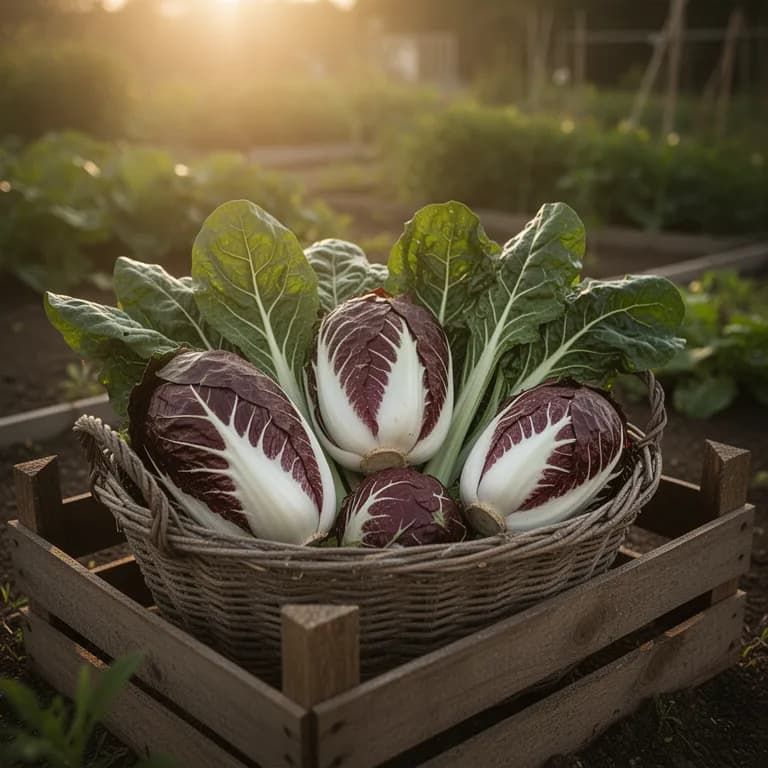
A beautiful red-and-white Italian chicory that forms tight, round heads with a pleasantly bitter flavor.





On this pageOverview
Meet Radicchio
A beautiful red-and-white Italian chicory that forms tight, round heads with a pleasantly bitter flavor. Radicchio develops its best color and flavor in cool autumn weather, and light frost sweetens the leaves noticeably. The bitter leaves are excellent grilled, which caramelizes the sugars and mellows the sharpness, or shredded raw in winter salads. Some varieties require cutting back in late summer to stimulate the formation of tight heading growth.
When to plant Radicchio
Sow seeds 1/4 inch deep in midsummer (July-August) for fall harvest. Seeds germinate in 5-10 days at 60-70°F. Start indoors or direct sow. Transplant at 3-4 true leaves, spacing 10-12 inches apart. For spring harvest in mild climates, sow in fall and overwinter. Avoid spring sowing in areas with hot summers, as radicchio bolts in heat without forming heads. Seeds remain viable for 4-5 years stored cool and dry.
Your Radicchio Year
Composed for Zone 7 · typical seasons · frost passes Apr 2, returns Nov 1
Plant Radicchio Jul – Aug, pick Oct – Dec. Check the planting methods below and set your climate to personalize these windows.
How to grow Radicchio
Sow radicchio seeds 1/4 inch deep in midsummer for fall harvest, either indoors or direct sown. Seeds germinate in 5-10 days at 60-70°F. Transplant or thin to 10-12 inches apart in rows 12-18 inches apart. Radicchio develops its signature tight red heads only in cool weather, so timing is critical.
Water consistently and provide moderate fertility. Excessive nitrogen produces loose, leafy growth rather than tight heads. Some traditional varieties require cutting the plant back to 1 inch above the soil in late summer; the regrowth forms the prized tight head. Modern varieties form heads without this step. Mulch to maintain even soil moisture.
As fall temperatures drop below 60°F, radicchio begins coloring and heading. Light frosts down to 25°F are beneficial, sweetening the flavor and intensifying the ruby-red coloring. In zones 7-10, radicchio can overwinter for early spring harvest. The key to success is patience; the initial loose green growth transforms dramatically in cool weather into compact, colorful heads.
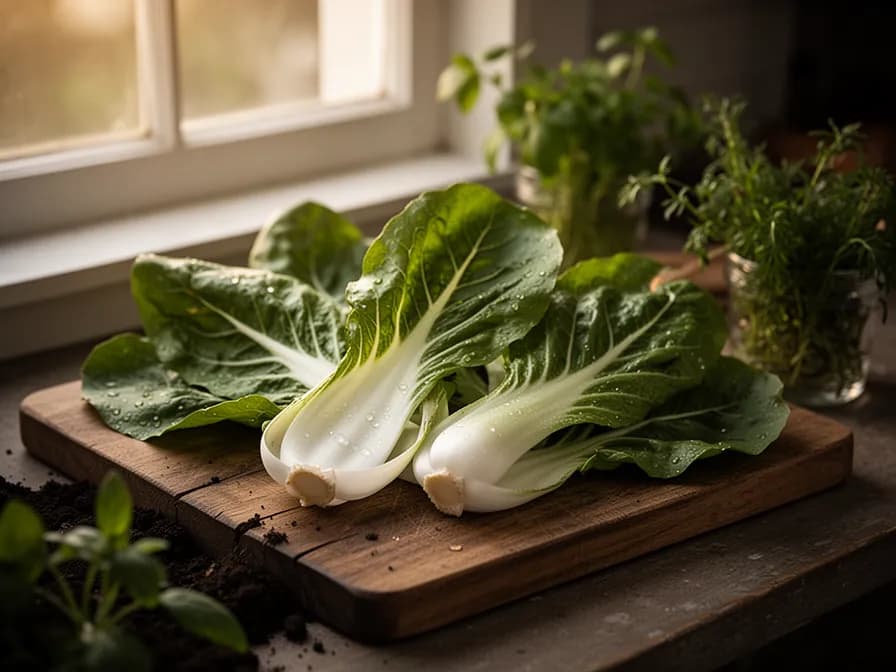
36 plants fit a 4 × 8 ft bed
Each Radicchio wants 25 cm of elbow room. The planner keeps that spacing for you — every plant, every bed.
Radicchio's best neighbours
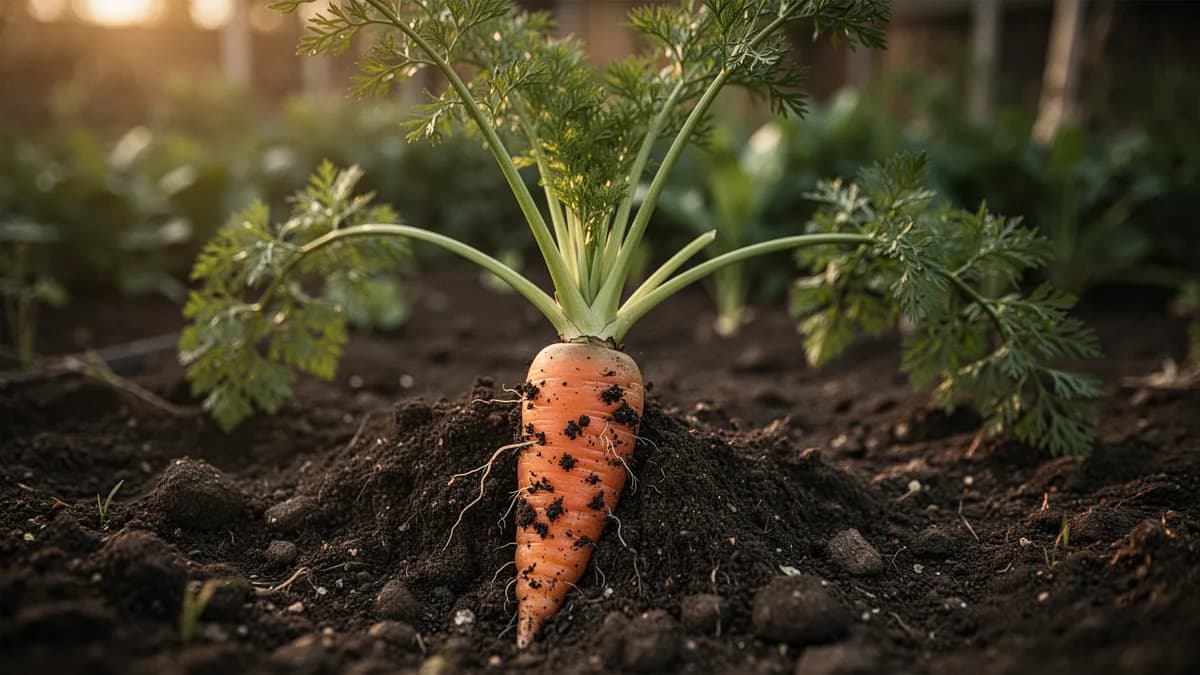
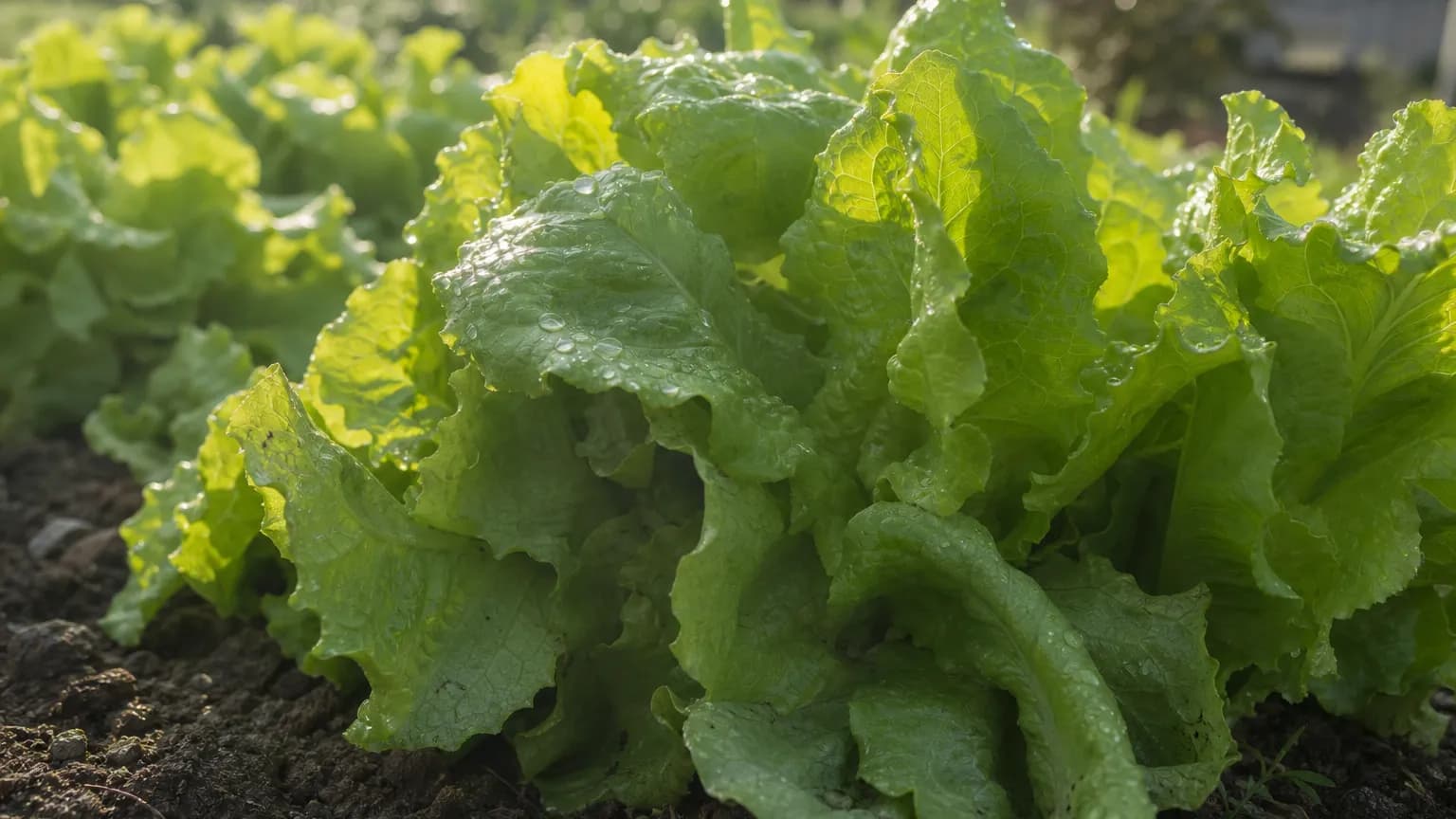
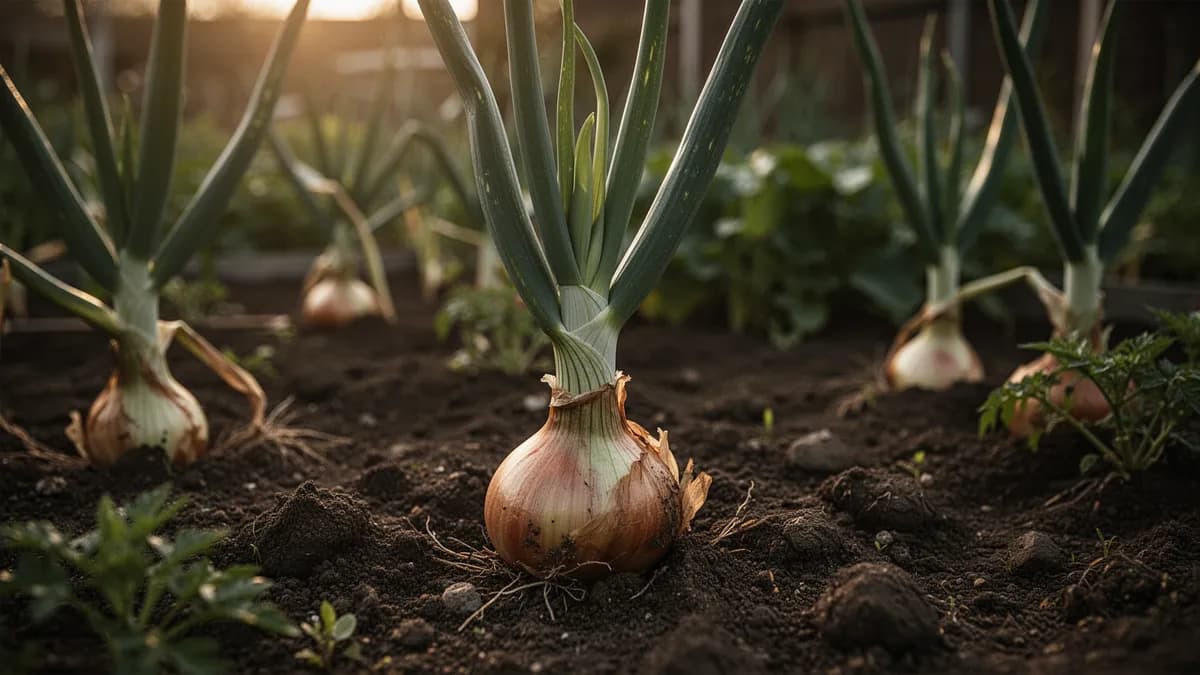
Radicchio grows well with carrots, lettuce, onions, and fennel. It makes an excellent fall succession crop following summer vegetables like beans or tomatoes. The bitter compounds may help repel some pests. Avoid planting near other chicory family members. Taller crops provide some shade during the early establishment phase in summer. Herbs like thyme and sage make compatible neighbors that attract beneficial insects.
Carrot belongs beside it.
Old growers' knowledge, checked against Radicchio's real companion table below — test any plant you're growing.
Try Radicchio in a bed — right here
A real planner bed with Radicchio already in it. Tap a companion to place it and watch the pairing checks answer — green for good neighbours, red for a clash.


Related growing guides
Feed it well
Radicchio grows best in fertile, well-drained soil with a pH of 6.0-6.8. Amend with compost before planting but avoid heavy nitrogen application, which prevents tight head formation. Apply a balanced or low-nitrogen fertilizer at planting. Potassium and phosphorus are more important than nitrogen for head development. Consistent moisture helps prevent bitterness. Good drainage is essential to prevent bottom rot on forming heads.
Ideal Temperature
Hardiness Zone Compatibility
From seed to harvest, stage by stage
Seed Germination
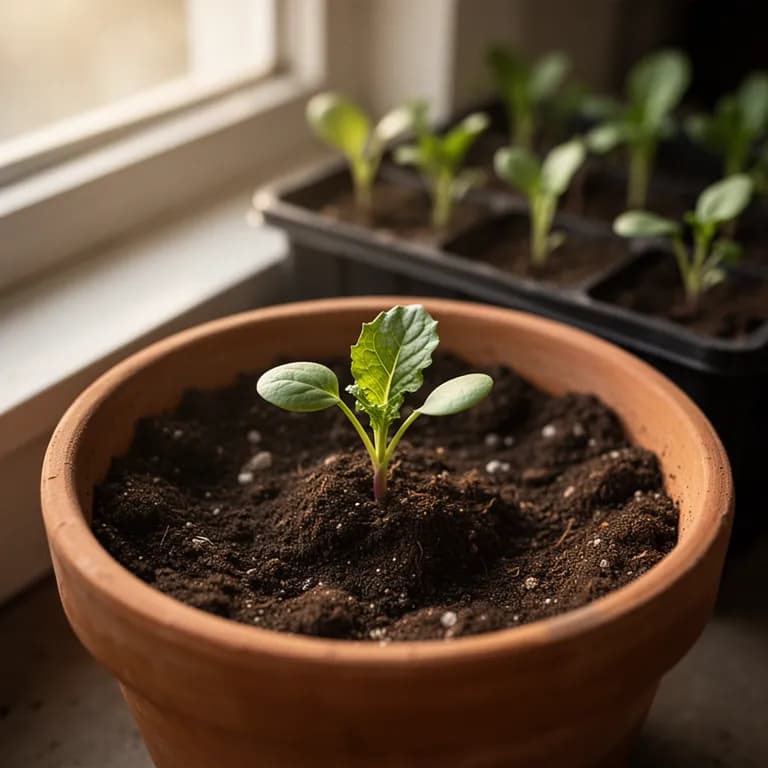
Tiny seeds germinate quickly in cool to moderate soil temperatures of 15-20°C (60-70°F). The first visible sign is a pair of small, rounded cotyledon leaves that look no different from lettuce or endive seedlings. Germination typically takes 5-10 days and is reliable when soil is kept consistently moist but not waterlogged.
Seedling Establishment
True leaves develop with a slightly toothed edge, still entirely green at this stage. The seedling establishes a strong taproot system inherited from its chicory ancestry. Growth is steady but unremarkable — there is no visible hint yet of the dramatic transformation to come.
Rosette Growth
The plant forms a broad, open rosette of large green leaves that can span 30-40 cm across. This vegetative phase occurs during the warmest part of the growing season. The leaves are entirely green and loosely arranged — many gardeners grow anxious at this stage, thinking something has gone wrong, but this is completely normal.
Head Formation
As temperatures drop below 15°C (60°F), the magic begins. Inner leaves start curling inward to form a tight ball while simultaneously developing deep red anthocyanin pigments. The white midribs become increasingly prominent against the darkening leaf tissue. The outer green leaves act as protective wrappers around the developing head.
Maturation and Harvest
The head reaches full density and color — a firm, compact ball of deep burgundy leaves with crisp white veins. Light frosts down to -4°C (25°F) are actually beneficial, triggering the plant to convert starches to sugars as a natural antifreeze, which noticeably sweetens the flavor. The head should feel solid when gently squeezed, similar to a small cabbage.
Sow seeds shallowly at just 6mm (1/4 inch) deep — they need some light to germinate well. Keep soil evenly moist with gentle misting. Avoid sowing in hot soil above 25°C (77°F), which causes poor germination and early bolting.
Caring for Radicchio month by month
What to do each month for your Radicchio
October
You are hereThe transformation begins as nights drop below 10°C (50°F). Inner leaves curl inward and develop deep red pigmentation. Light frosts are beneficial — do not cover plants unless a hard freeze below -7°C (20°F) is forecast. Begin checking head firmness by gentle squeezing. Early varieties may be ready for harvest.
Know exactly what to do in your garden — every month
One email at the start of each month: what to sow, plant, and tackle right now — for your Radicchio and everything growing around it. Plus a short starter course that helps you dodge the classic mistakes.
- What to do, right now
- Matched to your season
- Starter course included
Harvesting Radicchio
Harvest radicchio when heads feel firm and have developed full red coloring, typically 70-80 days from sowing. Cut at the base with a sharp knife, leaving a 1-inch stub which may resprout for a smaller second harvest. Remove loose outer green leaves to reveal the tight, colorful inner head. Harvest after a few light frosts for the sweetest flavor. In mild climates, stagger harvests through fall and winter. Morning harvest produces the crispest heads.
assuming you plant when the window opens — set your real date
Pick Radicchio promptly and the plant keeps producing.
Storage & Preservation
Store whole radicchio heads in a perforated plastic bag in the refrigerator for 2-3 weeks. The dense heads store well compared to most salad greens. Do not wash until ready to use. The bitter compounds that give radicchio its characteristic flavor help preserve it naturally. Radicchio does not freeze well for raw use but can be grilled, then frozen for later use. In a root cellar at 32-40°F, heads keep for up to 2 months.
What goes wrong — and the fix
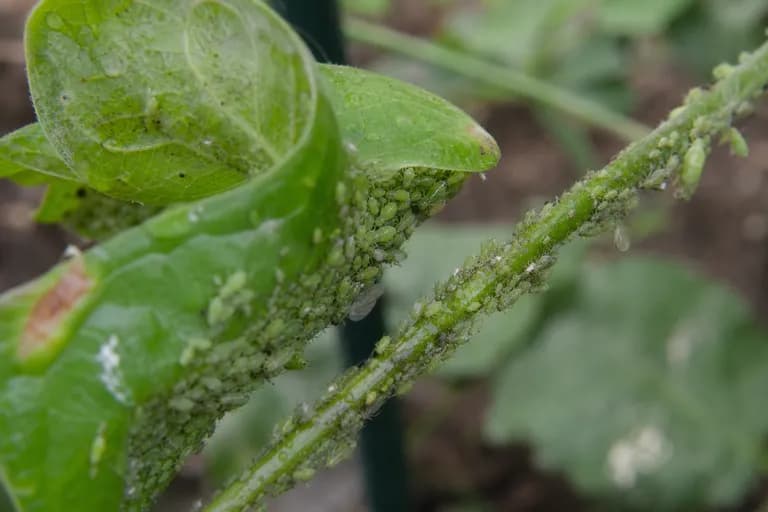
Aphids
PestClusters of insects in developing heads, honeydew on leaves, distorted growth.
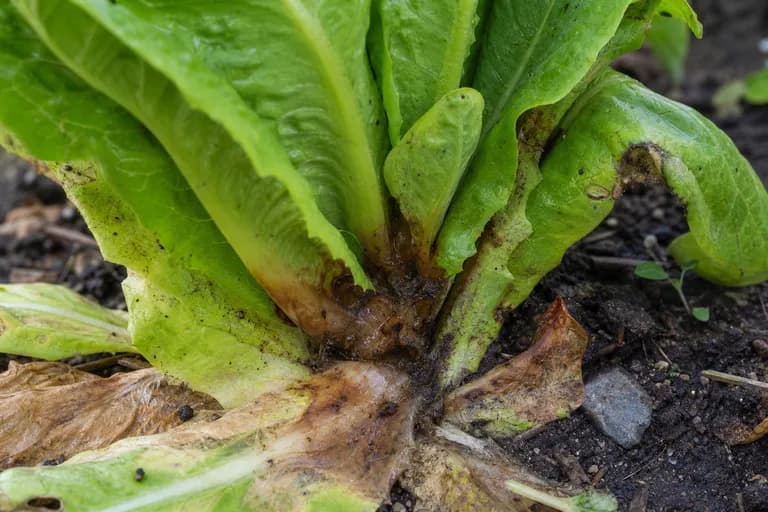
Bottom Rot
DiseaseBrown, slimy decay at base of heads touching soil, especially in wet conditions.
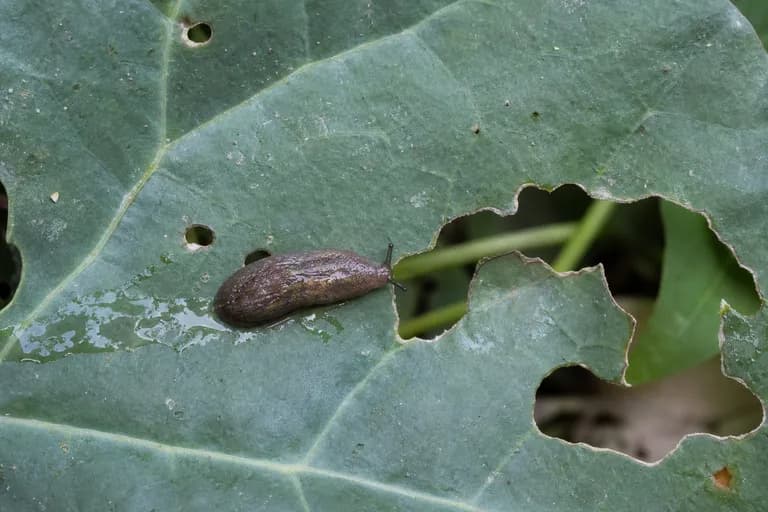
Slugs
PestIrregular holes in leaves, damage to forming heads, slimy trails on plants.
Troubleshooting Common Problems
Failure to form heads is the most common issue, usually caused by planting too late, too much nitrogen, or warm temperatures. Ensure plants experience cool weather below 60°F for heading. Excessive bitterness results from heat stress or drought; maintain consistent moisture and grow in cool weather. Green, loose heads indicate insufficient cold exposure. Some heirloom varieties require cutting back to stimulate heading. Splitting occurs from uneven watering after drought.
Growing Tips
- Timing is everything with radicchio. The single most important factor for success is sowing in midsummer (July-August) so that the heading phase coincides with autumn's cool temperatures. Spring-sown radicchio in hot-summer climates almost always bolts without forming heads.
- Do not panic when your radicchio looks like a loose, green lettuce all summer long. The dramatic transformation to tight, red-and-white heads only occurs when nighttime temperatures consistently drop below 10°C (50°F). Patience is the radicchio grower's greatest virtue.
- Choose modern self-heading varieties like Chioggia or Palla Rossa if you are growing radicchio for the first time. Traditional forcing varieties like Treviso Tardivo require the specialized imbianchimento process and are best attempted by experienced growers.
- Avoid excessive nitrogen fertilizer, especially after midsummer. Too much nitrogen produces lush, loose foliage that refuses to form tight heads. A single application of balanced fertilizer at planting is sufficient — potassium and phosphorus matter more than nitrogen for head development.
- Embrace frost rather than fearing it. Light frosts down to -4°C (25°F) dramatically improve radicchio's flavor by triggering the conversion of starches to sugars. Do not cover plants unless a hard freeze below -7°C (20°F) is forecast. The best-tasting radicchio has been kissed by frost.
- Use row covers or cold frames to extend the harvest well into winter in zones 5-7. Radicchio is far more cold-tolerant than most gardeners realize, and a simple low tunnel can keep plants productive through December and even January in many climates.
- Water consistently but do not overwater, especially as heads form. Uneven watering causes head splitting, and waterlogged soil promotes bottom rot — the most common disease issue with radicchio. Drip irrigation and mulch provide the ideal combination of consistent moisture and dry foliage.
- Leave a 2.5 cm (1 inch) stub when harvesting. The root system of radicchio is robust, and in mild weather the stub will resprout to produce a smaller but perfectly usable second head within 3-4 weeks — essentially a free bonus harvest.
Grow your best Radicchio yet — and everything around it.
Start a free plan today. Lay out your beds, drop in your Radicchio, and let PlotMyGarden handle the timing, spacing, companions and reminders from seed to harvest basket.
Pick your Radicchio
Chioggia
Classic round-headed radicchio with deep red leaves and white veins. The most widely grown type, forming tight balls.
Treviso
Elongated, pointed heads resembling small romaine lettuce. Milder flavor and more elegant shape for grilling.
Castelfranco
Stunning variegated variety with cream leaves splashed with red spots. Mild flavor, often called the rose of the garden.
Palla Rossa
Reliable round variety that forms heads without cutting back. Good bolt resistance and consistent performance.
Radicchio is one of the most expensive salad greens at retail, typically priced at $4-7 per head in grocery stores, and premium Treviso varieties can cost $8-12 per head or more at specialty markets. A single packet of seeds ($3-5) produces 20-40 plants, each yielding a head that would cost $4-7 at the store. Growing just 10 plants saves $35-65 per season on radicchio alone. The savings are even greater if you value the superior freshness and flavor of garden-grown radicchio compared to heads that have traveled thousands of miles from California or Italy.
Quick recipes
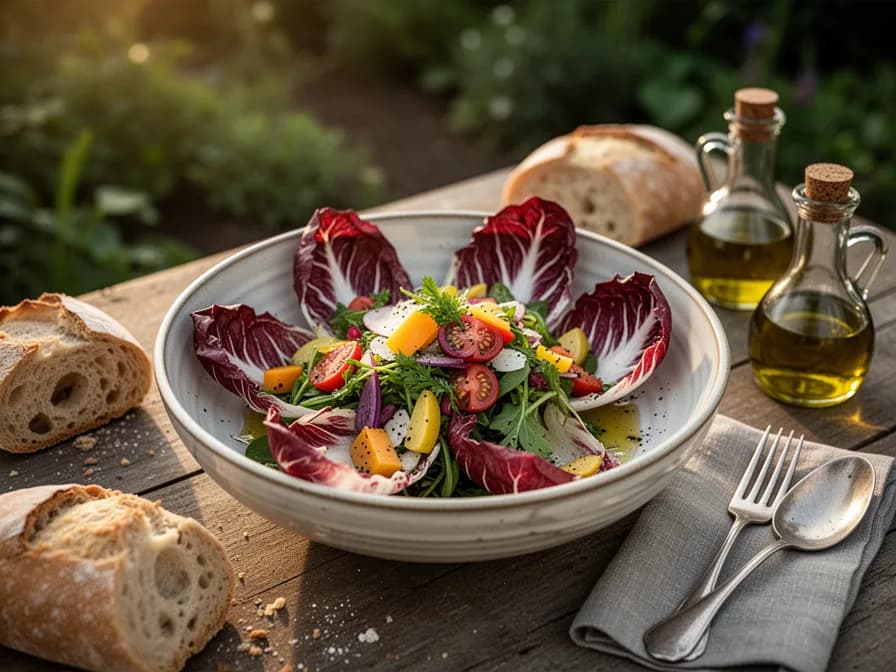
Grilled Radicchio with Balsamic Glaze
15 minThe quintessential Italian preparation — quartered radicchio heads charred on a hot grill until the edges are crispy and the core is tender. The high heat caramelizes the natural sugars and transforms the sharp bitterness into a rich, smoky complexity. A drizzle of aged balsamic and a shower of shaved Parmigiano complete this elegant side dish.
6 ingredientsRadicchio, Pear, and Gorgonzola Salad
10 minA classic Italian winter salad that balances radicchio's assertive bitterness with the sweetness of ripe pears, the creaminess of gorgonzola dolce, and the crunch of toasted walnuts. A simple honey-lemon vinaigrette ties everything together into a sophisticated first course worthy of any dinner party.
8 ingredientsRisotto al Radicchio
35 minA beloved Veneto classic where shredded radicchio is stirred into creamy risotto in the final minutes of cooking, turning the rice a stunning pink-purple color. The bitter leaves melt into the starchy rice, creating a deeply savory dish that showcases radicchio at its most refined. Finished with butter and Parmigiano for luxurious texture.
9 ingredientsCulinary Uses
Radicchio is transformed by grilling or roasting, which caramelizes its sugars and softens the bitter edge. Quarter heads and grill with olive oil for a classic Italian side. Shred raw into winter salads with pears, walnuts, and gorgonzola. Add to risotto in the final minutes of cooking. Use whole leaves as edible cups for appetizers. Braise in balsamic vinegar for a sweet-bitter condiment. Mix into pasta sauces for color and flavor complexity.
What's inside
Health Benefits
- Exceptionally high in vitamin K, providing approximately 170% of the daily value per 100g — essential for proper blood clotting and increasingly recognized for its role in bone density and cardiovascular health.
- Rich in bitter sesquiterpene lactones (intybin and lactucopicrin) that stimulate digestive enzyme and bile production, genuinely aiding digestion — these compounds are being studied for potential anti-inflammatory and pain-relieving properties.
- Contains high levels of anthocyanin antioxidants — the same heart-protective pigments found in blueberries and red wine — which help neutralize free radicals and may reduce the risk of cardiovascular disease.
- Good source of folate (B9) at 60mcg per 100g, critical for DNA synthesis, cell division, and neural tube development during pregnancy.
- The prebiotic fiber inulin, found naturally in all chicory family plants, feeds beneficial Bifidobacterium in the gut, supporting a healthy microbiome and improving mineral absorption.
- Very low in calories (23 per 100g) with 93% water content and meaningful fiber, making radicchio an excellent food for satiety and weight management without sacrificing nutritional density.
Where Radicchio comes from
Radicchio (Cichorium intybus var. foliosum) is a cultivated form of common chicory, a species native to the Mediterranean basin and widely naturalized across Europe. Wild chicory has been gathered as a food and medicinal plant since ancient Egyptian and Roman times — Pliny the Elder wrote about chicory cultivation in the 1st century AD, noting its bitter tonic properties and its use as both food and medicine.
The transformation of wild chicory into the tight-headed, ruby-red vegetable we know today occurred primarily in the Veneto region of northeastern Italy, beginning in earnest during the 15th and 16th centuries. Italian farmers in the areas around Treviso, Chioggia, Verona, and Castelfranco developed distinct local varieties through careful selection, each adapted to its specific microclimate and culinary tradition. The round Chioggia type, the elongated Treviso type, and the speckled Castelfranco type all emerged as distinct cultivars during this period, each with its own growing technique and flavor profile.
A pivotal innovation came in the 1860s when Belgian agronomist Francesco Van den Borre introduced the technique of forcing Treviso radicchio in dark, water-fed rooms during winter — a method adapted from Belgian endive (witloof) production. This 'imbianchimento' process produced exceptionally tender, elegantly shaped heads with a refined bitterness that became the hallmark of premium Radicchio di Treviso Tardivo, still considered the finest and most expensive variety today.
Radicchio remained almost exclusively an Italian specialty until the 1980s, when the growing interest in Italian cuisine among American and European chefs created international demand. California's Salinas Valley emerged as the primary North American production region, where cool Pacific fog provides conditions similar to the Venetian plain. Today, radicchio is cultivated commercially in Italy, the United States, France, Spain, and increasingly in South America and Australia. Italy remains the world's largest producer and consumer, with the three classic Veneto varieties — Chioggia, Treviso, and Castelfranco — all holding Protected Geographical Indication (IGP) status under EU law, recognizing their unique terroir and centuries-old cultivation traditions.
Radicchio: did you know?
Fascinating facts about Radicchio
Radicchio's deep red color comes from anthocyanins — the same powerful antioxidant pigments found in blueberries, red wine, and pomegranates. These pigments develop as a direct response to cold stress, which is why radicchio grown in warm weather stays stubbornly green.
Radicchio questions, answered
When should I plant Radicchio?
What are good companion plants for Radicchio?
What hardiness zones can Radicchio grow in?
How much sun does Radicchio need?
How far apart should I space Radicchio?
What pests and diseases affect Radicchio?
How do I store Radicchio after harvest?
What are the best Radicchio varieties to grow?
What soil does Radicchio need?
Why is my radicchio all green and loose instead of forming a red head?
Can I grow radicchio in spring instead of fall?
Is radicchio too bitter to eat? How do I reduce the bitterness?
What is the difference between Chioggia, Treviso, and Castelfranco radicchio?
Does radicchio come back after cutting, or do I need to replant?
Can I grow radicchio in containers?
You just read the theory. Now grow it on autopilot.
Everything that makes Radicchio fiddly — the timing, the spacing, the companions, the harvest window — is exactly what PlotMyGarden handles for you, for every plant in your garden.
A plan that knows your weather
Set your location once. Get sow, feed and harvest dates built around your real last-frost date and live forecast — no more guessing from a generic seed packet.
From the “When to plant” sectionDrag-and-drop bed planner
Design beds on a grid. Every plant snaps to its proper spacing, and you can see your whole season laid out before you spend a cent on seed.
From the “Growing guide” sectionCompanion conflicts, caught early
200+ good-and-bad pairings checked live as you plant — so a season-wrecking mistake never makes it into the ground.
From the “Companions” sectionReminders you'll actually act on
“Water the beans.” “Pick today before it turns.” Timely, specific, and tied to the plants you're really growing.
From the “Harvest” sectionSuccession, scheduled
Want a harvest for six weeks, not six days? It spaces your sowings automatically and reminds you when each new block is due.
From the “When to plant” sectionA record that gets smarter
Every harvest you log teaches it your garden. Next year's plan starts from what actually worked in your soil, not a textbook's.
From the “Overview” sectionPlant these alongside Radicchio
More Leafy Greens
Garden plans featuring Radicchio
Grow your best Radicchio yet — and everything around it.
Start a free plan today. Lay out your beds, drop in your Radicchio, and let PlotMyGarden handle the timing, spacing, companions and reminders from seed to harvest basket.