Haferwurzel
Ein fast vergessenes Wurzelgemüse, das manchmal als Austernpflanze bezeichnet wird, weil es beim Kochen einen feinen, an Austern erinnernden Geschmack entwickelt.





Auf dieser SeiteÜberblick
Haferwurzel im Überblick
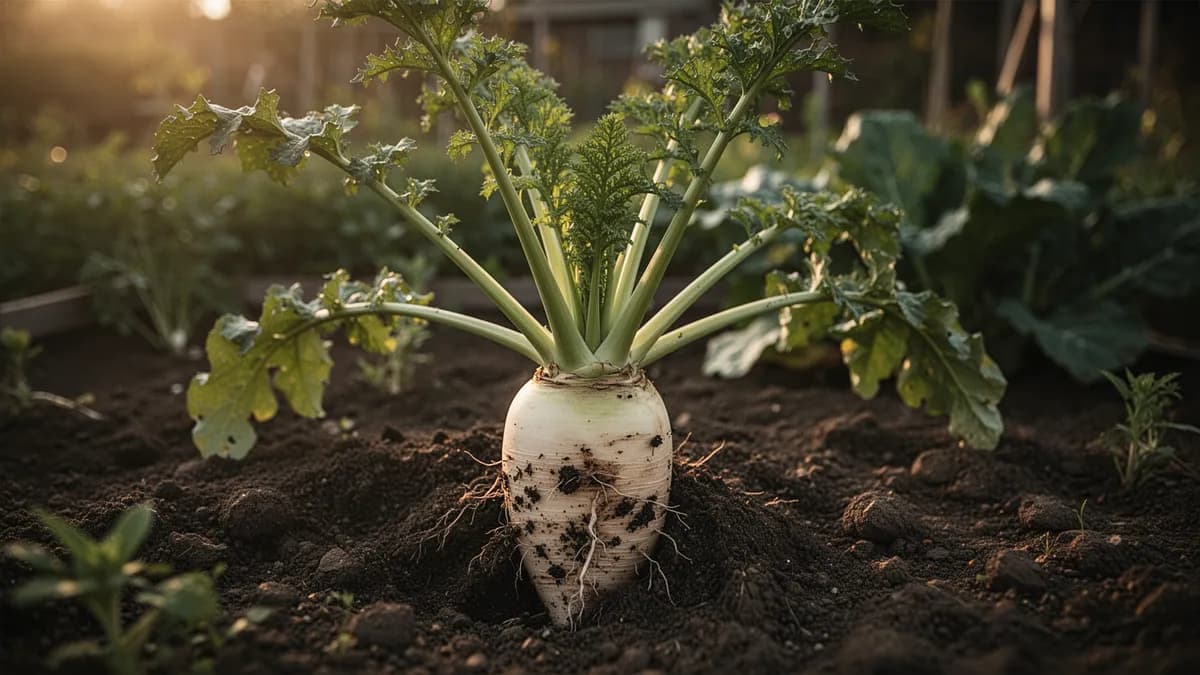
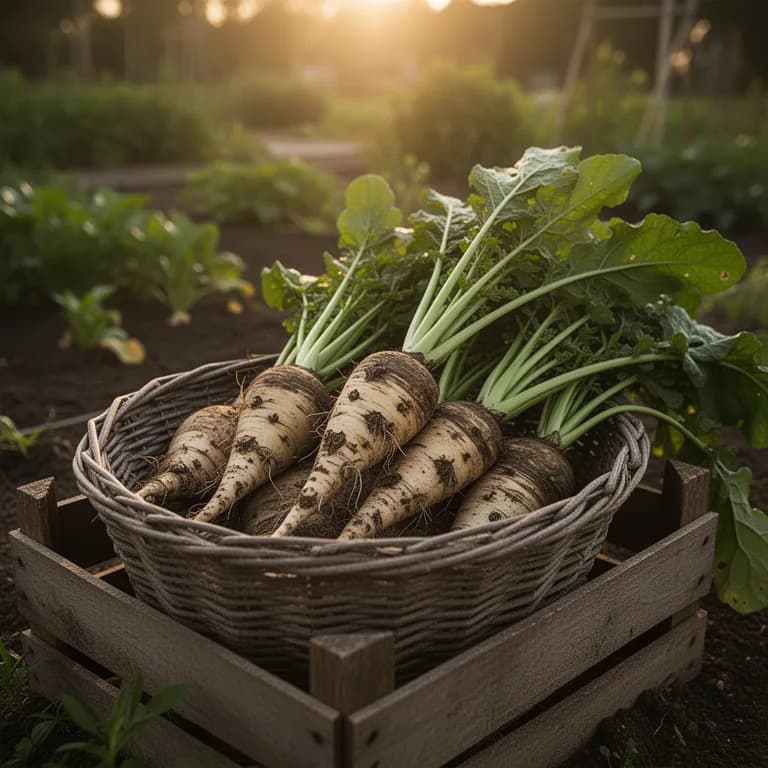
Ein fast vergessenes Wurzelgemüse, das manchmal als Austernpflanze bezeichnet wird, weil es beim Kochen einen feinen, an Austern erinnernden Geschmack entwickelt. Die Haferwurzel bildet schlanke, weiße Pfahlwurzeln, die dieselben tiefen, steinfreien Bodenbedingungen wie Möhren und Pastinaken benötigen. Die Wurzeln schmecken am besten nach Frosteinwirkung, die den Geschmack versüßt, und können unter einer Mulchschicht im Boden belassen werden, um sie im Winter nach Bedarf zu ernten. Schälen Sie die Wurzeln und legen Sie sie sofort in Zitronenwasser, um Braunfärbung zu verhindern, und rösten, braten oder verarbeiten Sie sie zu cremigen Suppen.
Wann Haferwurzel pflanzen
Säen Sie Haferwurzelsamen stets direkt ins Freiland, da die lange Pfahlwurzel ein Umpflanzen nicht verträgt. Verwenden Sie ausschließlich frisches Saatgut, da die Keimfähigkeit von Haferwurzelsamen schneller nachlässt als bei fast jedem anderen Gartengemüse. Säen Sie die Samen 1 cm tief und 2–3 cm voneinander entfernt im zeitigen Frühjahr, sobald der Boden bearbeitbar ist — in der Regel 2–4 Wochen vor dem letzten Frosttermin. Die Keimung dauert langsam 10–21 Tage und erfordert gleichmäßige Feuchtigkeit. Vereinzeln Sie die Sämlinge auf 8–10 cm Abstand, wenn sie 5–8 cm groß sind. In milden Klimazonen bringt eine zweite Aussaat im Spätsommer eine Frühjahrsernte. Halten Sie das Saatbeet gleichmäßig feucht, bis die Keimung abgeschlossen ist.
Dein Haferwurzel-Jahr
Abgestimmt auf Zone 7 · typische Saison · Frost geht um den 2. Apr. und kehrt um den 1. Nov. zurück
Haferwurzel Mär – Apr pflanzen, Okt – Dez ernten. Beachte die Pflanzmethoden unten und wähle dein Klima für passende Zeiträume.
So baust du Haferwurzel an
Die Haferwurzel ist ein Wurzelgemüse der kühlen Jahreszeit, das am besten gedeiht, wenn Sie es im zeitigen Frühjahr direkt ins Freiland säen, sobald der Boden bearbeitbar ist. Bereiten Sie ein tief gelockertes Beet vor, das bis zu einer Tiefe von mindestens 30 cm frei von Steinen und Erdklumpen ist, da die schlanken Pfahlwurzeln ungehinderten Boden benötigen, um gerade zu wachsen. Säen Sie die Samen 1 cm tief in Reihen mit 30 cm Abstand und vereinzeln Sie die Sämlinge auf 8–10 cm Abstand.
Die Keimung ist langsam und dauert 2–3 Wochen. Markieren Sie daher die Reihen sorgfältig und halten Sie den Boden in dieser Zeit gleichmäßig feucht. Einmal etabliert, ist die Haferwurzel eine pflegeleichte Kultur, die leichten Frost verträgt und sogar im Geschmack besser wird, wenn sie Kälte ausgesetzt ist. Gießen Sie regelmäßig, aber mäßig, da die tiefen Wurzeln nach dem Anwachsen gut an Feuchtigkeit gelangen.
Die Haferwurzel wächst am besten in voller Sonne bei kühlen Temperaturen zwischen 4–24 °C. In Gebieten mit milden Wintern können Sie im Spätsommer für eine Winterernte säen. Das grasartige Laub wird 60–90 cm hoch und bringt im zweiten Jahr attraktive violette Blüten hervor, wenn die Pflanze nicht geerntet wird — ein dekoratives essbares Doppelnutzungsgemüse. Halten Sie die Beete unkrautfrei, besonders zu Beginn der Saison, wenn die jungen Pflanzen sich nur langsam etablieren.
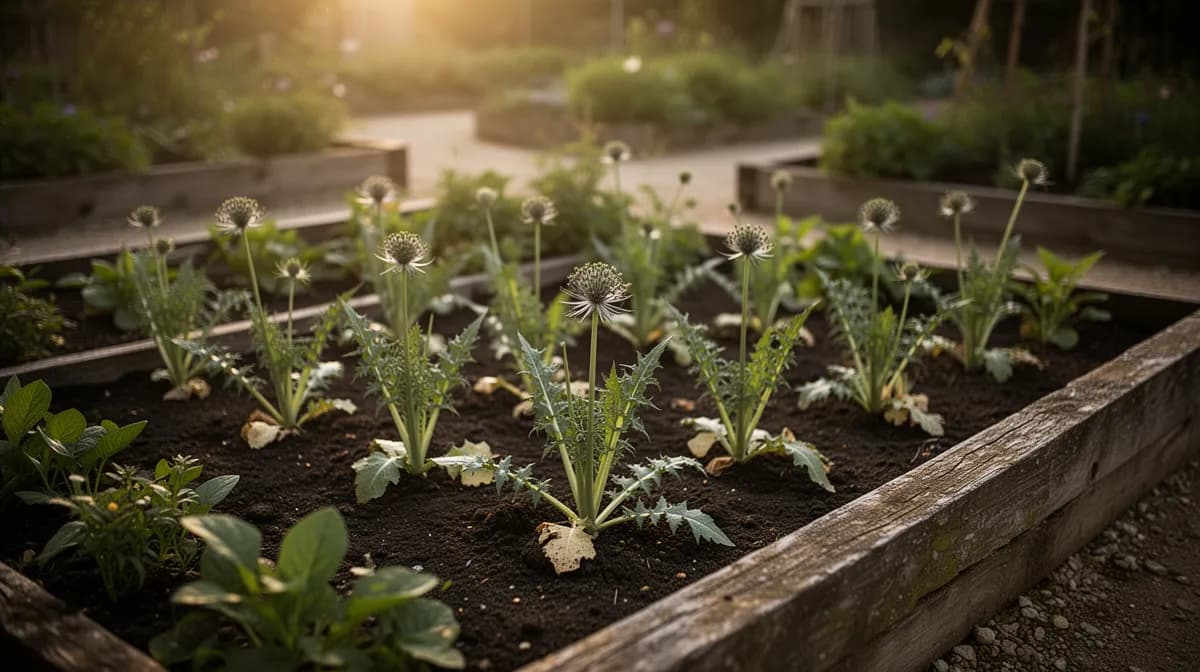
288 Pflanzen passen in ein Beet von 120 × 240 cm
Haferwurzel braucht 10 cm Platz pro Pflanze. Der Planer hält diesen Abstand für dich ein — jede Pflanze, jedes Beet.
Die besten Nachbarn für Haferwurzel
Die Haferwurzel wächst gut neben anderen Wurzelgemüsen wie Möhren, Pastinaken und Schwarzwurzeln, die ähnliche Boden- und Abstandsanforderungen haben. Kopfsalat und Spinat können als schnellwachsende Zwischenkulturen zwischen den Haferwurzelreihen gesät werden. Zwiebeln und Lauch sind gute Nachbarn, die die Möhrenfliege fernhalten. Vermeiden Sie die Pflanzung neben Kohlgewächsen, die als Starkzehrer um Nährstoffe konkurrieren. Die tiefe Pfahlwurzel der Haferwurzel hilft, verdichtete Unterschichten aufzubrechen, was benachbarten Flachwurzlern zugutekommt.
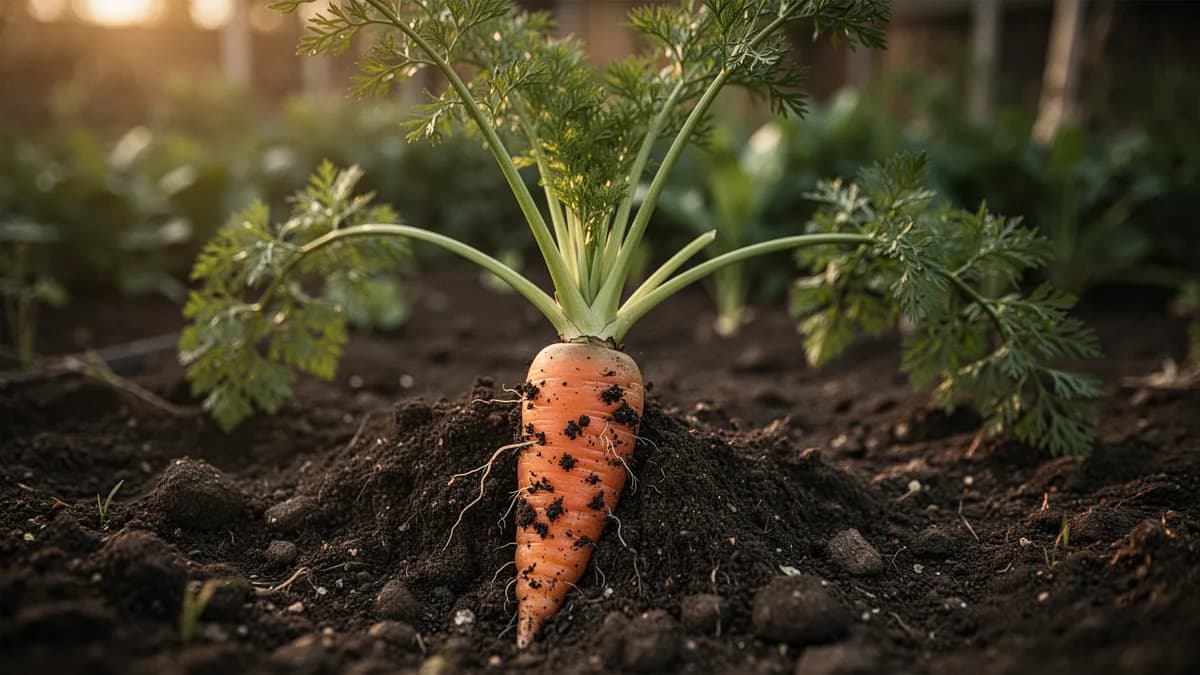
Karotte gehört daneben.
Altes Gärtnerwissen, geprüft an der echten Nachbartabelle von Haferwurzel — teste jede Pflanze, die du anbaust.
Probiere Haferwurzel direkt hier im Beet
Ein echtes Planer-Beet, Haferwurzel steht schon drin. Tippe einen Begleiter an, platziere ihn und sieh, wie die Nachbarschaftsprüfung antwortet — grün für gute Nachbarn, rot bei Streit.


Passende Anbau-Ratgeber
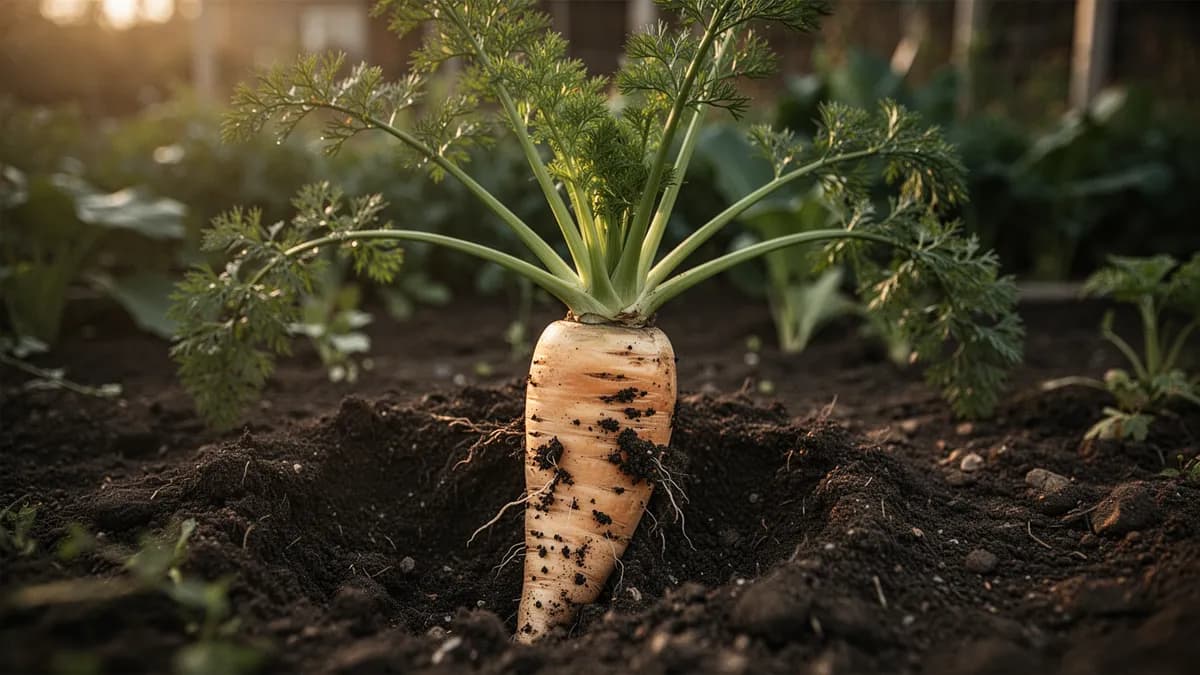
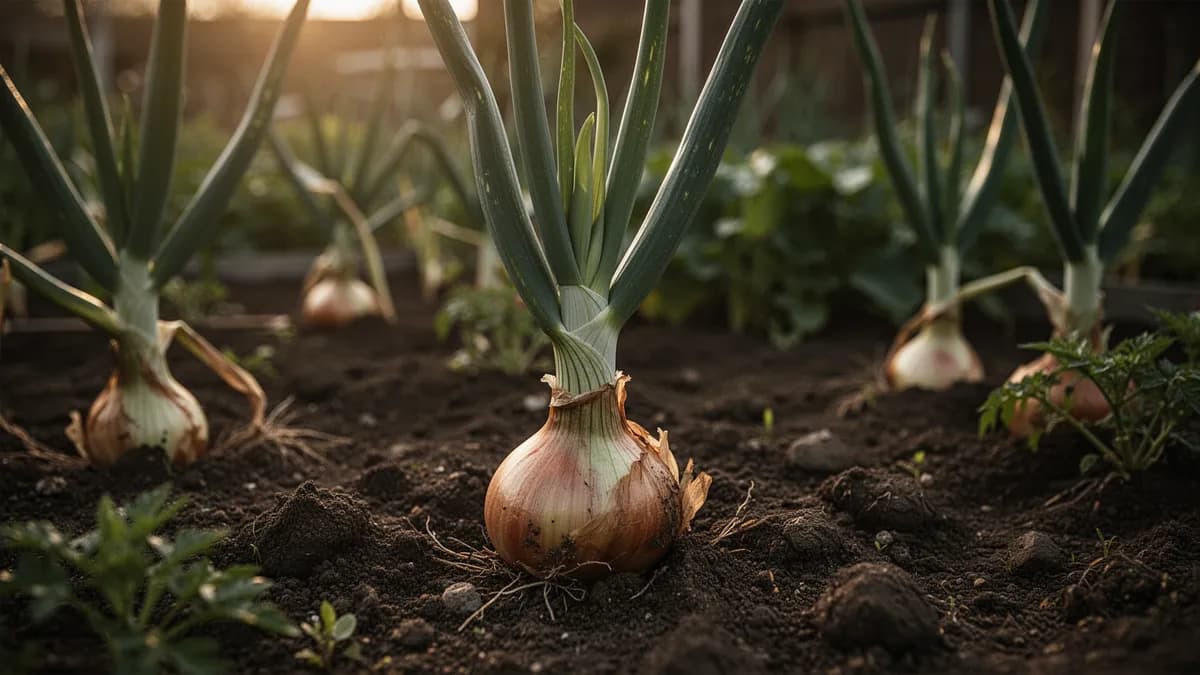
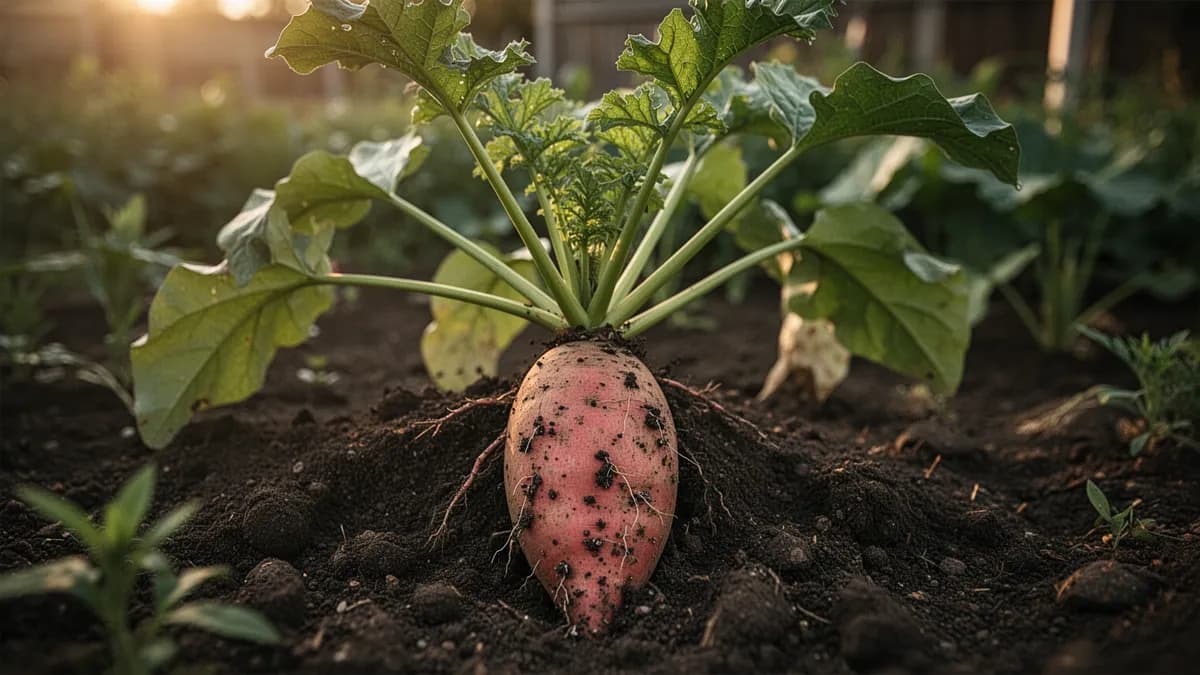
Richtig düngen
Die Haferwurzel verlangt einen tief bearbeiteten, lockeren, steinfreien Boden für eine gerade Wurzelentwicklung. Sandiger Lehm ist ideal, aber jeder gut durchlässige Boden, der mit Kompost verbessert und tief kultiviert wurde, funktioniert ebenfalls. Streben Sie einen pH-Wert von 6,0–7,0 an. Verwenden Sie keinen frischen Mist, der zu gegabelten und haarigen Wurzeln führt. Bringen Sie zum Pflanzzeitpunkt einen mäßigen Anteil ausgewogenen Dünger (5-10-10) aus, wobei der höhere Phosphor- und Kaliumgehalt die Wurzelentwicklung unterstützt. Geben Sie zur Saisonmitte eine leichte Kompostgabe als Seitendüngung. Übermäßiger Stickstoff fördert üppiges Blattwachstum auf Kosten der Wurzelgröße.
Ideale Temperatur
Winterhärtezone-Kompatibilität
Von der Saat zur Ernte, Schritt für Schritt
Samenkeimung
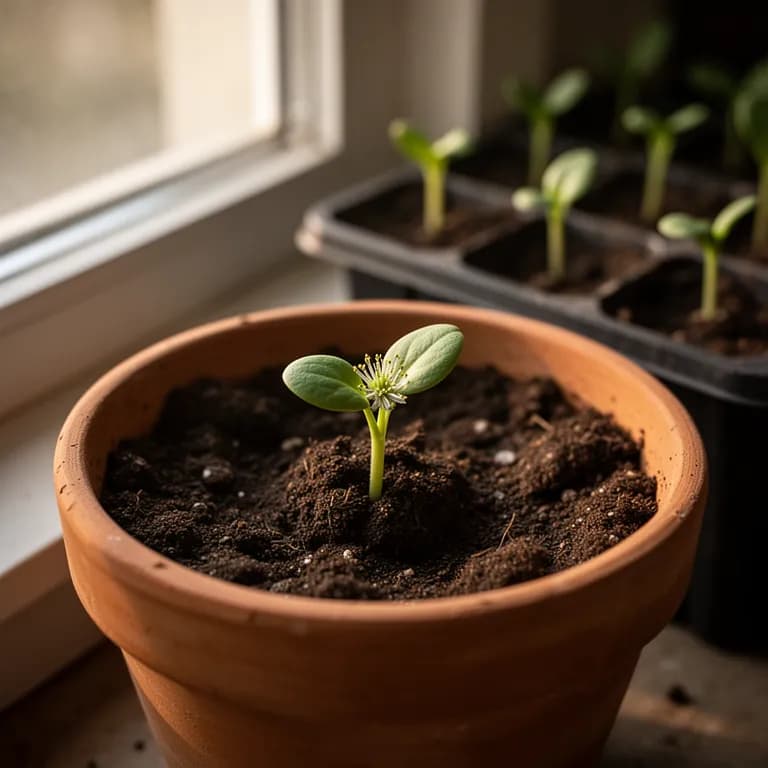
Haferwurzelsamen sind groß, länglich und papierartig mit einem federartigen Pappus, ähnlich wie Löwenzahnsamen. Die Keimung ist langsam und dauert 10–21 Tage in kühler Frühjahrserde.
Sämlingsentwicklung
Dünne, grasartige Blätter erscheinen langsam. Die Sämlinge wirken über der Erde täuschend klein, während die Pfahlwurzel bereits nach unten wächst.
Vegetatives Wachstum
Die Pflanze entwickelt eine Rosette aus schmalen, grasartigen Blättern von 60–90 cm Höhe. Unter der Erde verlängert und verdickt sich die cremeweiße Pfahlwurzel stetig.
Wurzelreife
Die Pfahlwurzel erreicht ihre volle Länge und füllt sich auf etwa 2–3 cm Durchmesser. Stärke reichert sich im Wurzelgewebe an.
Ernte nach dem Frost
Nach den ersten Frösten wandelt sich Stärke in Zucker um und erzeugt den geschätzten süßen, an Austern erinnernden Geschmack. Die Wurzeln können den ganzen Winter über nach Bedarf ausgegraben werden.
Halten Sie das Saatbeet während der gesamten Keimphase gleichmäßig feucht. Verwenden Sie ausschließlich frisches Saatgut — die Keimfähigkeit lässt nach einem Jahr drastisch nach.
Haferwurzel Monat für Monat pflegen
Was du jeden Monat für deine Haferwurzel tun solltest
Oktober
Aktueller MonatDie ersten Fröste lösen die Umwandlung von Stärke in Zucker aus. Beginnen Sie nach mehreren kräftigen Frösten mit der Ernte unter Verwendung einer Grabegabel.
Immer wissen, was jetzt im Garten zu tun ist
Eine E-Mail zum Monatsanfang: was du jetzt säen, pflanzen und anpacken solltest — für deine Haferwurzel und alles, was drumherum wächst. Dazu ein kurzer Startkurs, der dich vor den klassischen Fehlern bewahrt.
- Was jetzt zu tun ist
- Passend zu deiner Saison
- Startkurs inklusive
Haferwurzel ernten
Die Haferwurzeln sind im Spätherbst nach 120–150 Tagen Wachstum erntereif. Der Geschmack verbessert sich erheblich nach Frosteinwirkung, die Stärke in Zucker umwandelt. Verwenden Sie eine Grabegabel, um die Erde neben den Wurzeln vorsichtig zu lockern, bevor Sie sie behutsam herausziehen, da die schlanken Pfahlwurzeln leicht abbrechen, wenn sie mit Gewalt gezogen werden. Die Wurzeln können unter einer dicken Mulchschicht im Boden belassen werden, um sie im Winter nach Bedarf zu ernten. Ernten Sie, bevor der Boden vollständig durchfriert oder bevor im Frühjahr der Neuaustrieb beginnt, da Wurzeln im zweiten Jahr holzig und faserig werden.
angenommen, du pflanzt zu Beginn des Zeitraums — trage dein tatsächliches Datum ein
Ernte Haferwurzel zügig, dann trägt die Pflanze weiter.
Lagerung & Konservierung
Frisch gegrabene Haferwurzeln halten sich 1–2 Wochen im Kühlschrank, eingewickelt in ein feuchtes Tuch in einem Plastikbeutel. Für eine längere Lagerung packen Sie die ungewaschenen Wurzeln in feuchten Sand in einem kalten Erdkeller bei 0–4 °C, wo sie sich mehrere Monate halten. Die Haferwurzel kann geschält, 2 Minuten blanchiert und bis zu 8 Monate eingefroren werden. Tauchen Sie geschälte Wurzeln sofort in Wasser mit einem Spritzer Zitronensaft oder Essig, um Oxidation und Braunfärbung zu verhindern. Haferwurzeln können auch eingelegt oder zu einer cremigen Suppenbasis verarbeitet und eingefroren werden.
Was schiefgeht — und die Lösung
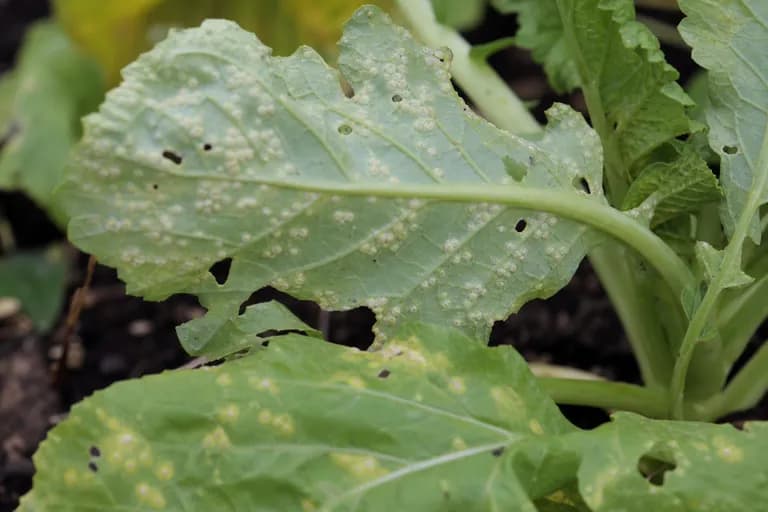
Weißrost
KrankheitWeiße, blasenartige Pusteln auf den Blattunterseiten, die aufplatzen und pulvrige weiße Sporen freisetzen.
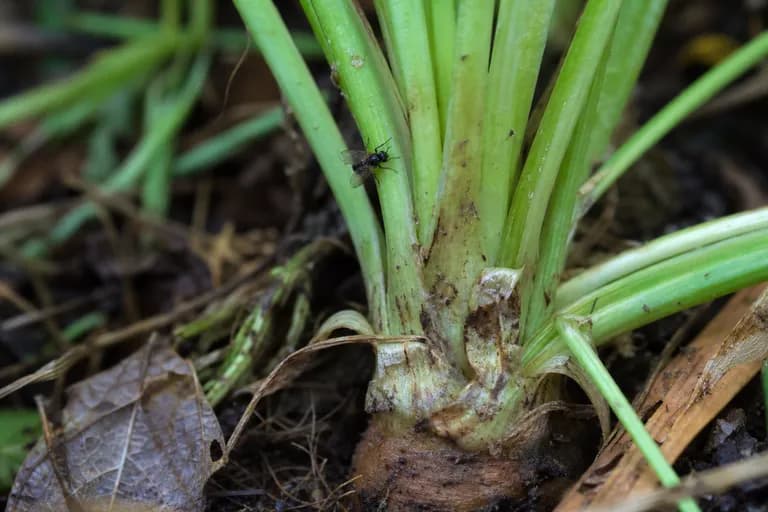
Möhrenfliege
SchädlingRostbraune Fraßgänge in den Wurzeln, gehemmtes Wachstum und welkendes Laub. Die Larven fressen an der Wurzeloberfläche und hinterlassen vernarbtes, geschädigtes Gewebe.
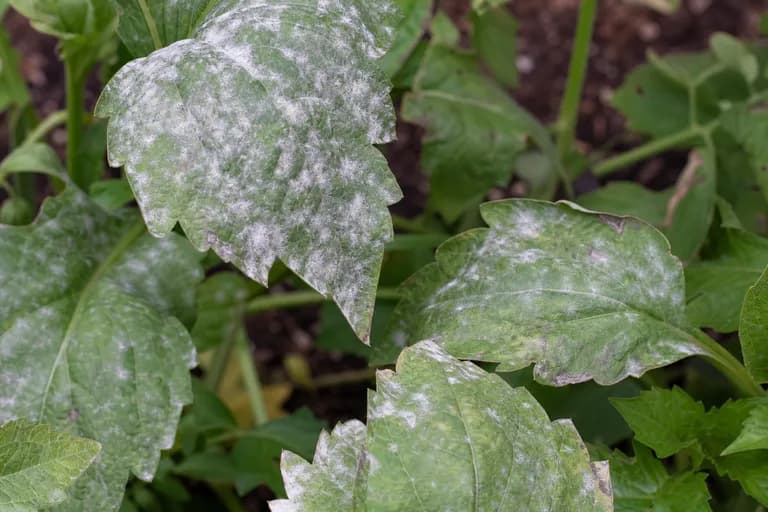
Echter Mehltau
KrankheitWeißer, pudriger Belag auf Blättern und Stängeln, vergilbendes Laub und verminderte Pflanzenvitalität in der Spätsaison.
Fehlerbehebung bei häufigen Problemen
Das häufigste Problem sind gegabelte oder missgebildete Wurzeln, verursacht durch steinigen, verdichteten oder frisch gedüngten Boden. Die langsame Keimung bedeutet, dass Unkräuter die jungen Sämlinge überwuchern können, wenn die Beete nicht sauber gehalten werden. Samen verlieren schnell ihre Keimfähigkeit — verwenden Sie daher stets frisches Saatgut, das für die laufende Saison gekauft wurde. In schweren Lehmböden sind die Wurzeln schwer zu ernten, ohne zu brechen. Kurze Pfahlwurzeln sind die Folge von flachen oder verdichteten Bodenschichten. Schossen kann auftreten, wenn die Pflanzen im ersten Jahr anhaltend kalten und dann warmen Temperaturen ausgesetzt sind.
Anbautipps
- Verwenden Sie ausschließlich frisches Saatgut, das für die aktuelle Saison gekauft wurde. Haferwurzelsamen verlieren ihre Keimfähigkeit schneller als fast jedes andere Gartengemüse.
- Die tiefe Bodenvorbereitung ist der wichtigste Einzelfaktor für den Erfolg. Graben Sie die Beete mindestens 30 cm tief um und entfernen Sie jeden Stein.
- Nur Direktsaat — pflanzen Sie Haferwurzeln niemals um. Die lange Pfahlwurzel verträgt keinerlei Wurzelstörung.
- Haben Sie Geduld bei der Keimung. Die Haferwurzel braucht 10–21 Tage zum Auflaufen. Markieren Sie die Reihen mit Radieschen-Samen, die zwischen den Haferwurzelsamen gesät werden.
- Warten Sie mit der Ernte auf den Frost. Die Geschmacksveränderung durch Frosttemperaturen ist dramatisch und unverzichtbar.
- Ernten Sie mit äußerster Vorsicht. Haferwurzeln sind notorisch brüchig — lockern Sie den Boden stets zuerst tief mit einer Grabegabel.
- Lassen Sie einige Pflanzen für eine Doppelnutzung stehen. Im zweiten Jahr bringt die Haferwurzel eindrucksvolle violette Blüten und dekorative Samenstände hervor.
- Mulchen Sie im Herbst großzügig, um Ihr Erntefenster über den Winter zu verlängern.
Bau deine beste Haferwurzel an — und alles drumherum.
Starte heute kostenlos. Lege deine Beete an, setze deine Haferwurzel ein und lass PlotMyGarden Timing, Abstände, Begleiter und Erinnerungen von der Saat bis zum Erntekorb übernehmen.
Finde deine Haferwurzel
Mammoth Sandwich Island
Die am weitesten verbreitete Sorte mit langen, glatten, weißen Wurzeln und zuverlässigem Austernaroma. Eine historische Sorte aus dem 19. Jahrhundert.
Long White
Bildet schlanke, gleichmäßige weiße Wurzeln von bis zu 30 cm Länge mit zartem, süßem Geschmack bei Ernte nach dem ersten Frost.
Improved Mammoth
Eine verbesserte Auslese mit dickeren Wurzeln und besserer Gleichmäßigkeit als die ursprüngliche Sandwich Island — einfacher zu schälen und zuzubereiten.
Haferwurzeln erzielen in Fachgeschäften Premiumpreise von 15–30 € pro Kilogramm, wenn sie überhaupt erhältlich sind. Eine einzelne Packung Saatgut für etwa 3 € kann 50–100 Wurzeln hervorbringen, die auf dem Fachmarkt 40–100 € wert wären — damit ist sie eine der Kulturen mit dem höchsten Wert pro Samen für Hobbygärtner.
Schnelle Rezepte
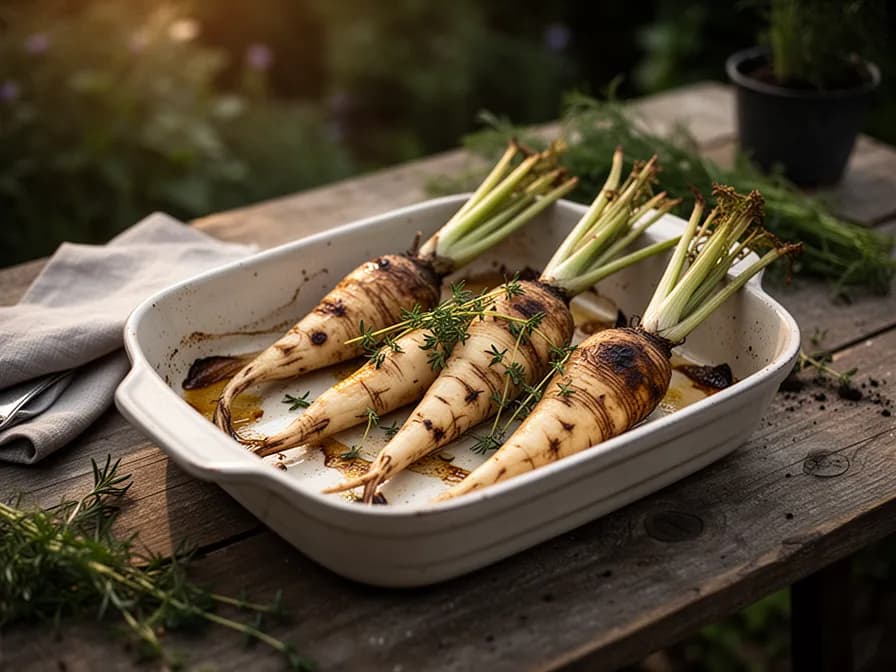
Geröstete Haferwurzel mit Nussbutter und Thymian
35 minHaferwurzeln, goldbraun geröstet und karamellisiert, dann mit nussiger Braunbutter und frischem Thymian verfeinert.
7 ZutatenCremige Haferwurzelsuppe
40 minEine klassische europäische Wintersuppe, bei der die Haferwurzel weich gekocht und zu einer samtigen, dezent süßen Suppe püriert wird.
8 ZutatenHaferwurzel-Küchlein mit Zitronen-Aioli
30 minVorgekochte Haferwurzelstücke in leichtem Bierteig getaucht und goldbraun und knusprig ausgebacken.
7 ZutatenKulinarische Verwendung
Die Haferwurzel hat einen zarten Geschmack, der oft mit Austern oder Artischockenherzen verglichen wird. Schälen Sie die Wurzeln und legen Sie sie sofort in Zitronenwasser, um Braunfärbung zu verhindern. Rösten Sie sie mit Olivenöl und Kräutern als karamellisierte Beilage, oder schneiden Sie sie in Scheiben und braten Sie sie in Butter goldbraun an. Bereiten Sie eine klassische cremige Haferwurzelsuppe zu, indem Sie geschälte Wurzeln in Brühe köcheln und pürieren. Haferwurzeln können auch in Teig ausgebacken als Küchlein serviert, zu Gratins verarbeitet oder in herzhaften Pasteten verwendet werden.
Was drinsteckt
Gesundheitsvorteile
- Außergewöhnlich reich an Inulin, einer präbiotischen löslichen Faser, die das Wachstum nützlicher Darmbakterien fördert und die Verdauungsgesundheit sowie die Immunfunktion unterstützt.
- Gute Kaliumquelle (380 mg pro 100 g), die zur Regulierung des Blutdrucks beiträgt und eine gesunde Muskel- und Nervenfunktion unterstützt.
- Enthält Eisen und Kupfer, essenzielle Mineralstoffe, die die Bildung roter Blutkörperchen und den Sauerstofftransport unterstützen.
- Der hohe Inulingehalt verleiht der Haferwurzel einen niedrigen glykämischen Index und macht sie geeignet für das Blutzuckermanagement.
- Liefert Phosphor und Mangan, wichtig für die Knochenmineralisierung und die Aktivität antioxidativer Enzyme.
- Enthält B-Komplex-Vitamine einschließlich Riboflavin, Niacin und Pyridoxin, die die zelluläre Energieproduktion unterstützen.
Woher Haferwurzel stammt
Die Haferwurzel (Tragopogon porrifolius) stammt aus dem Mittelmeerraum, mit wilden Populationen in Südeuropa, Nordafrika und bis nach Westasien. Erstmals in Italien und Griechenland in der spätrömischen Zeit kultiviert, datieren die frühesten eindeutigen Aufzeichnungen über den Haferwurzelanbau auf das 16. Jahrhundert.
Die Haferwurzel erreichte ihre größte Beliebtheit vom 17. bis zum 19. Jahrhundert in Frankreich, Belgien und England, wo sie als ein edles Wintergemüse galt. Die französische Küche entwickelte das umfangreichste Repertoire an Haferwurzelgerichten. Der Name leitet sich vermutlich vom italienischen 'sassefrica' oder altfranzösischen 'salsifis' ab.
Im 18. Jahrhundert von europäischen Kolonisten nach Nordamerika gebracht, ist die im 19. Jahrhundert entwickelte Sorte Mammoth Sandwich Island bis heute die am weitesten verbreitete Kultursorte. Die Haferwurzel verlor im 20. Jahrhundert stark an Bedeutung, erlebt aber derzeit eine bescheidene Wiederbelebung unter Spezialanbauern und Köchen, die vergessene Geschmackswelten wiederentdecken.
Haferwurzel: Schon gewusst?
Faszinierende Fakten über Haferwurzel
Die Haferwurzel wird als 'Austernpflanze' bezeichnet, weil ihr gekochter Geschmack und ihr Aroma eine dezente Ähnlichkeit mit Austern haben — ein Vergleich, der erstmals in europäischen Kochbüchern des 17. Jahrhunderts vermerkt wurde.
Haferwurzel: Fragen & Antworten
Wann sollte ich Haferwurzel pflanzen?
Was sind gute Begleitpflanzen für Haferwurzel?
In welchen Winterhärtezonen kann Haferwurzel wachsen?
Wie viel Sonne braucht Haferwurzel?
Welchen Abstand sollte ich zwischen Haferwurzel lassen?
Welche Schädlinge und Krankheiten befallen Haferwurzel?
Wie lagere ich Haferwurzel nach der Ernte?
Was sind die besten Haferwurzel-Sorten zum Anbauen?
Welchen Boden braucht Haferwurzel?
Warum gabeln und verzweigen sich meine Haferwurzeln, anstatt gerade zu wachsen?
Ist die Haferwurzel dasselbe wie die Schwarzwurzel (Scorzonera)?
Warum wird die Haferwurzel sofort nach dem Schälen braun?
Kann ich Haferwurzeln im Kübel anbauen?
Mein Haferwurzelsaatgut ist nicht aufgegangen — was ist schiefgelaufen?
Wann ist der beste Erntezeitpunkt für den besten Geschmack der Haferwurzel?
Du hast die Theorie gelesen. Jetzt baue sie auf Autopilot an.
Alles, was Haferwurzel knifflig macht — das Timing, die Abstände, die Begleiter, das Erntefenster — genau das übernimmt PlotMyGarden für dich, für jede Pflanze im Garten.
Ein Plan, der dein Wetter kennt
Standort einmal festlegen. Aussaat-, Dünge- und Erntedaten rund um deinen echten letzten Frosttermin und die Live-Vorhersage — kein Raten mehr nach Saattüte.
Aus dem Abschnitt „Pflanzzeit“Beetplaner per Drag & Drop
Beete auf einem Raster gestalten. Jede Pflanze rastet im richtigen Abstand ein, und du siehst die ganze Saison, bevor du einen Cent für Saatgut ausgibst.
Aus dem Abschnitt „Anbau“Begleiter-Konflikte früh erkannt
Über 200 gute und schlechte Kombinationen werden beim Pflanzen live geprüft — so landet ein saisonruinierender Fehler nie in der Erde.
Aus dem Abschnitt „Begleiter“Erinnerungen, nach denen du wirklich handelst
„Gieß die Bohnen.“ „Heute ernten, bevor's umschlägt.“ Pünktlich, konkret und auf deine echten Pflanzen bezogen.
Aus dem Abschnitt „Ernte“Staffel-Aussaat, geplant
Sechs Wochen ernten statt sechs Tage? Die App verteilt deine Aussaaten automatisch und erinnert dich, wenn der nächste Satz fällig ist.
Aus dem Abschnitt „Pflanzzeit“Ein Verlauf, der schlauer wird
Jede protokollierte Ernte bringt der App deinen Garten bei. Der Plan fürs nächste Jahr startet bei dem, was in deinem Boden wirklich funktioniert hat.
Aus dem Abschnitt „Überblick“Pflanze diese neben Haferwurzel
Weitere Wurzelgemüse
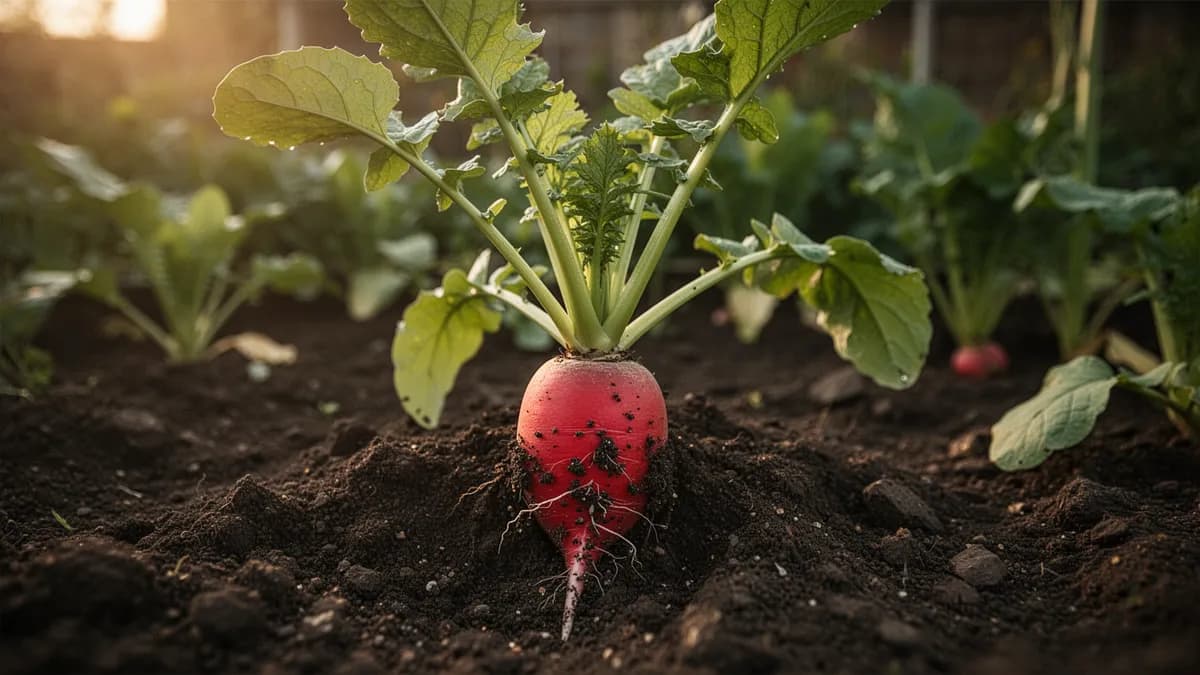
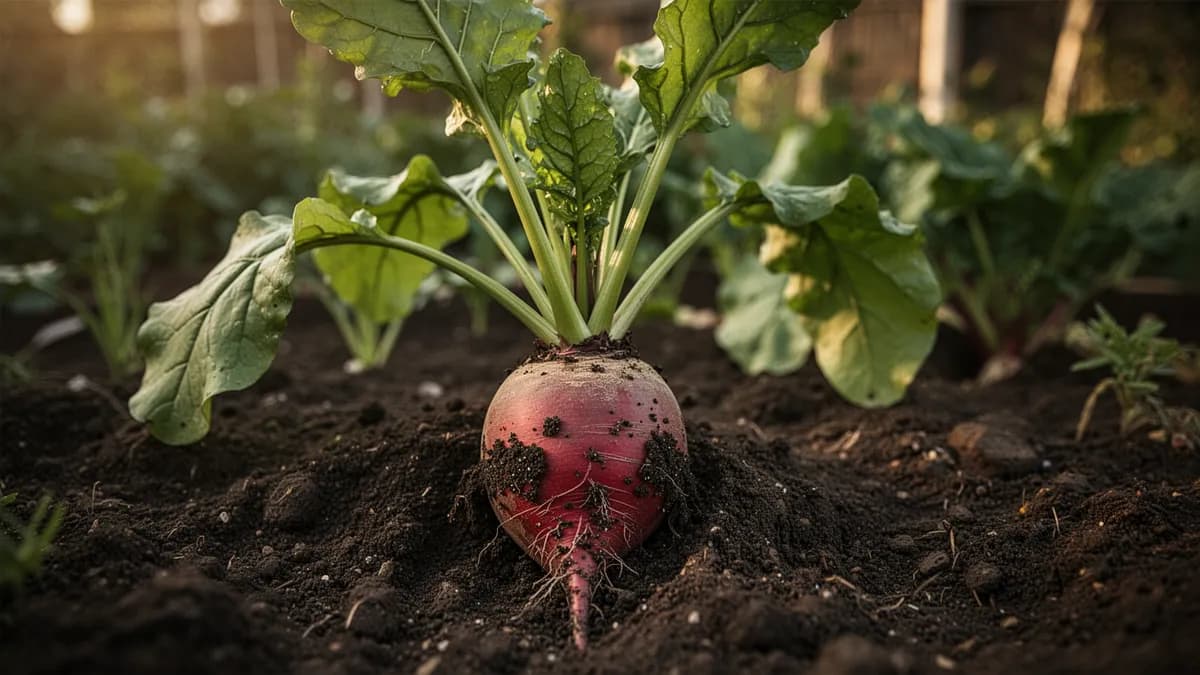
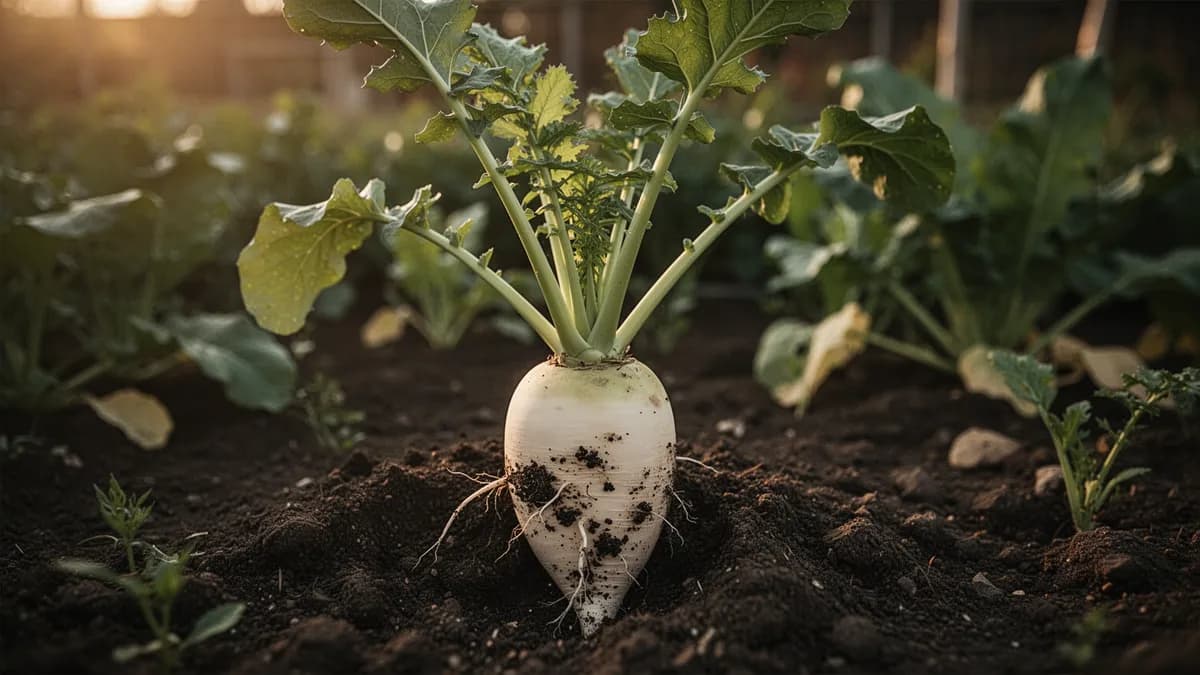
Gartenpläne mit Haferwurzel
Bau deine beste Haferwurzel an — und alles drumherum.
Starte heute kostenlos. Lege deine Beete an, setze deine Haferwurzel ein und lass PlotMyGarden Timing, Abstände, Begleiter und Erinnerungen von der Saat bis zum Erntekorb übernehmen.