Red Cabbage
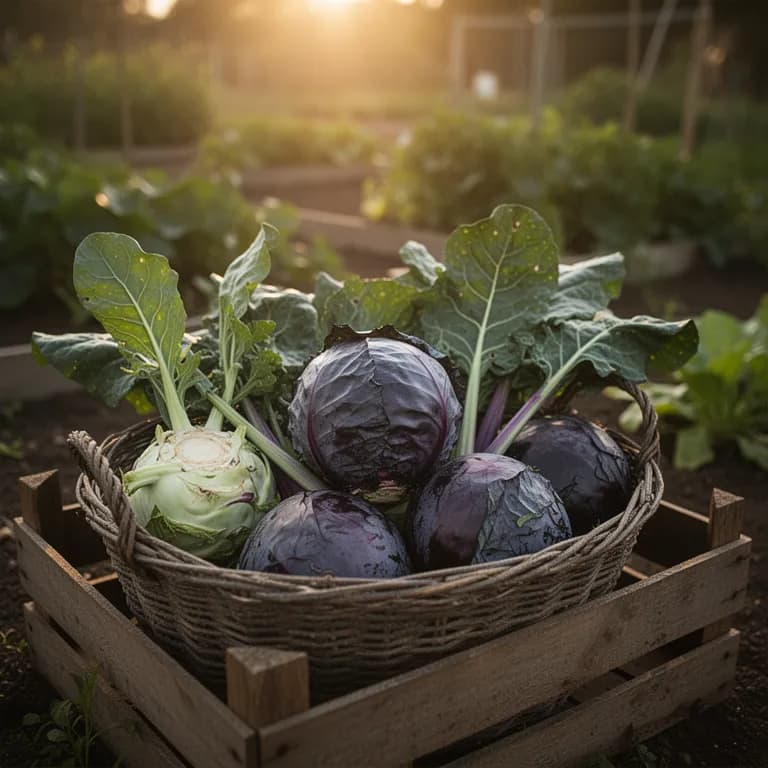
A beautiful purple-red cabbage rich in anthocyanins that adds vibrant color to salads, slaws, and braised dishes.





On this pageOverview
Meet Red Cabbage
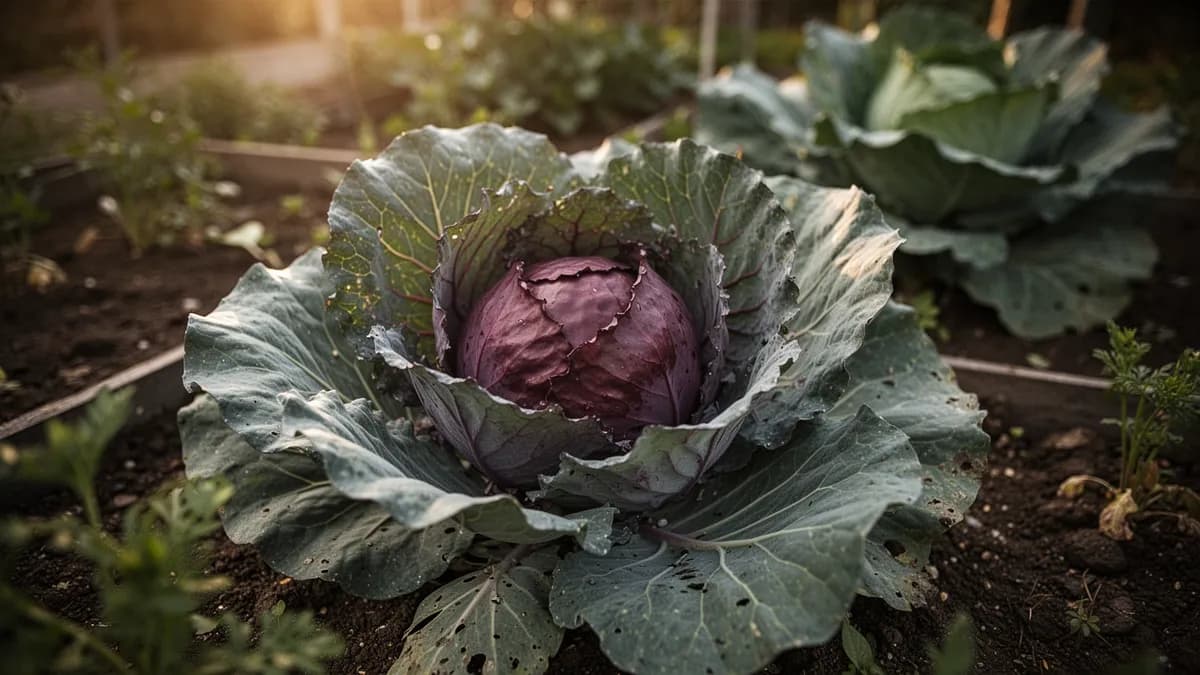
A beautiful purple-red cabbage rich in anthocyanins that adds vibrant color to salads, slaws, and braised dishes. Red cabbage takes slightly longer to mature than green varieties but stores exceptionally well through winter. The color deepens in acidic preparations and turns blue in alkaline conditions, making it a natural pH indicator. Grow in fertile, well-drained soil with consistent moisture and harvest when heads are firm and dense.
When to plant Red Cabbage
Start red cabbage seeds indoors six to eight weeks before the last frost date. Sow seeds one-quarter inch deep in cell trays at 65 to 75°F. Germination occurs in 5 to 10 days. Provide 14 to 16 hours of light and keep seedlings cool at 60°F after emergence to produce stocky transplants. Harden off over 7 to 10 days before transplanting. For fall crops, start seeds indoors in early summer or direct sow in mid-summer. Seeds remain viable for four years in cool, dry storage.
Your Red Cabbage Year
Composed for Zone 7 · typical seasons · frost passes Apr 2, returns Nov 1
Plant Red Cabbage Mar – Apr, Jul – Aug, pick Jun – Jul, Oct – Nov. Check the planting methods below and set your climate to personalize these windows.
How to grow Red Cabbage
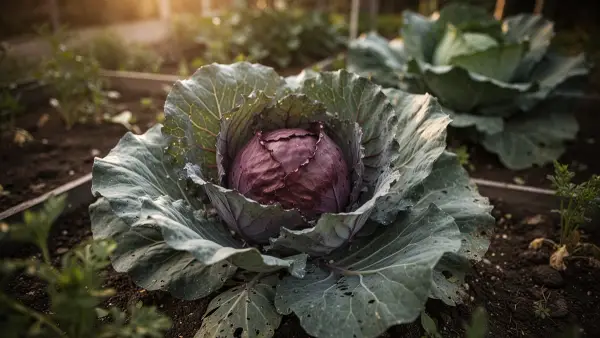
Red cabbage thrives in cool weather and benefits from starting indoors six to eight weeks before the last frost. Transplant seedlings outdoors when they have four true leaves, spacing them 18 to 24 inches apart in rows 30 inches apart. Red cabbage matures more slowly than green types, typically requiring 80 to 100 days, so plan accordingly for both spring and fall harvests.
Provide consistent moisture of one to one and a half inches per week through deep watering. Mulch around plants to maintain cool soil temperatures and conserve moisture. Side-dress with balanced fertilizer when heads begin to form, about six weeks after transplanting. Ensure soil is well-drained but moisture-retentive.
Red cabbage is quite cold-hardy and light frost actually improves its flavor by converting starches to sugars. For fall crops, time planting so heads mature during the cool autumn weeks. The anthocyanin pigments responsible for the deep purple-red color are enhanced by cooler temperatures and slightly acidic soil conditions.
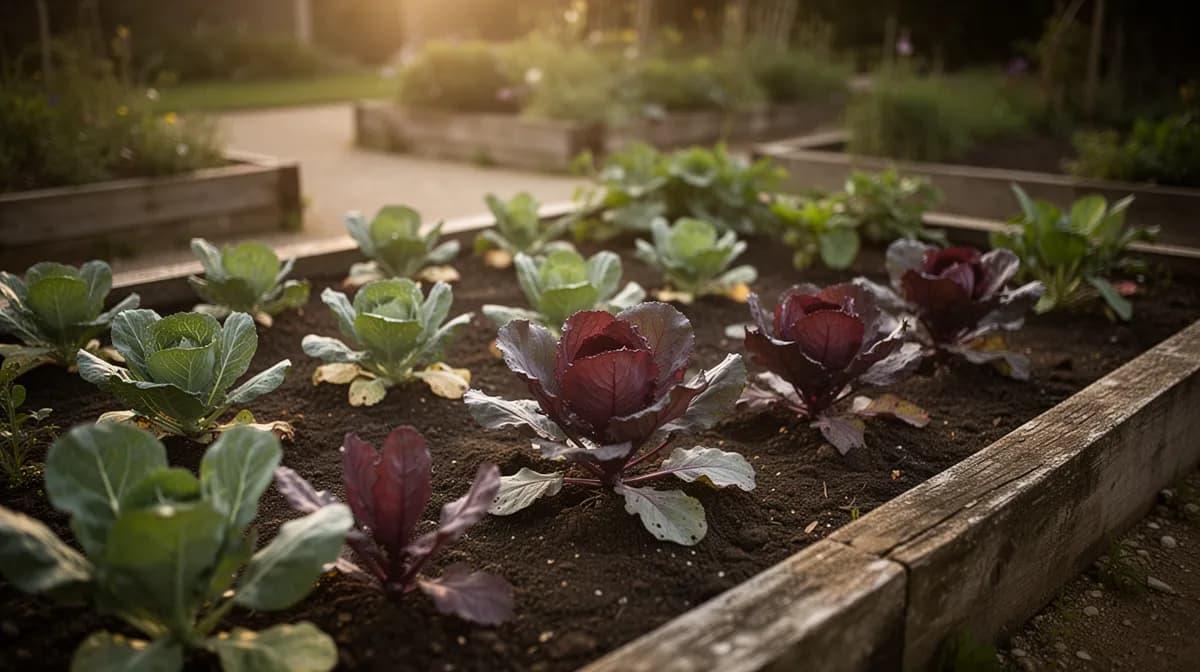
8 plants fit a 4 × 8 ft bed
Each Red Cabbage wants 50 cm of elbow room. The planner keeps that spacing for you — every plant, every bed.
Red Cabbage's best neighbours
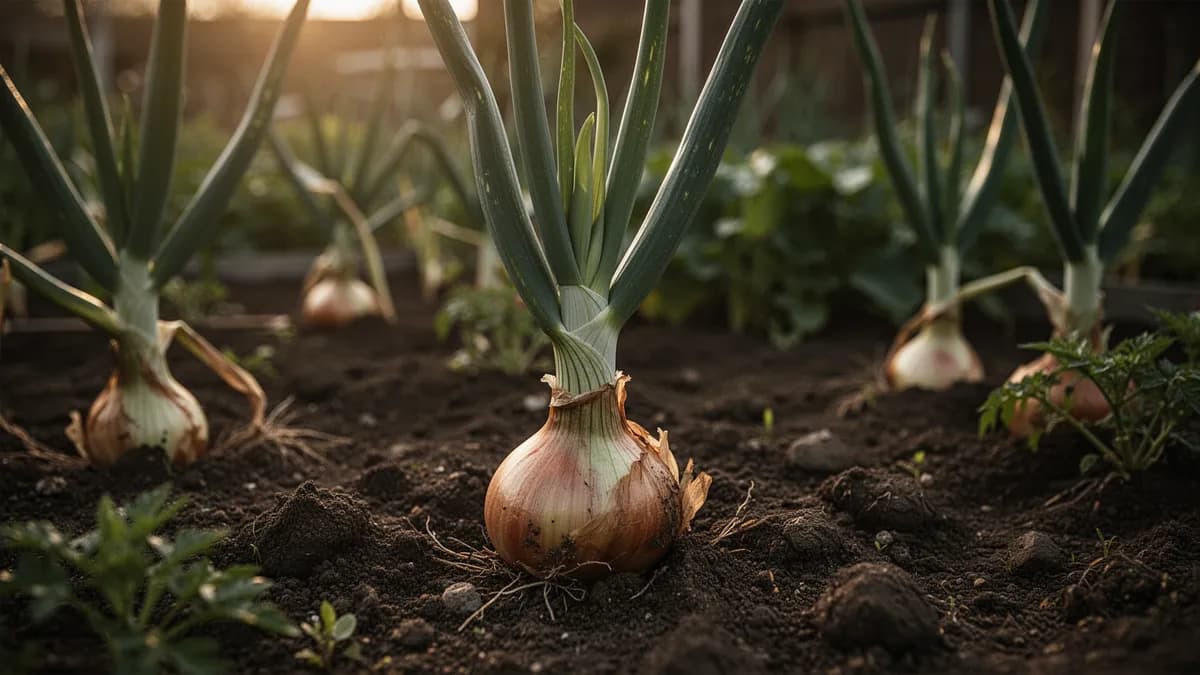
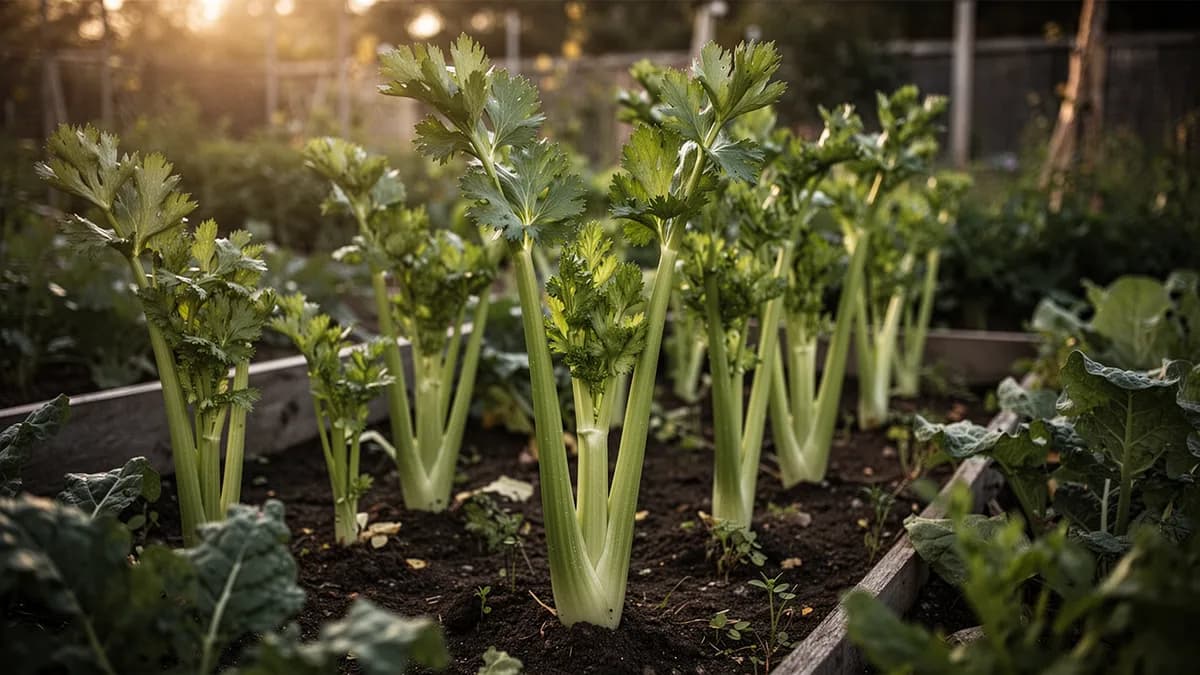
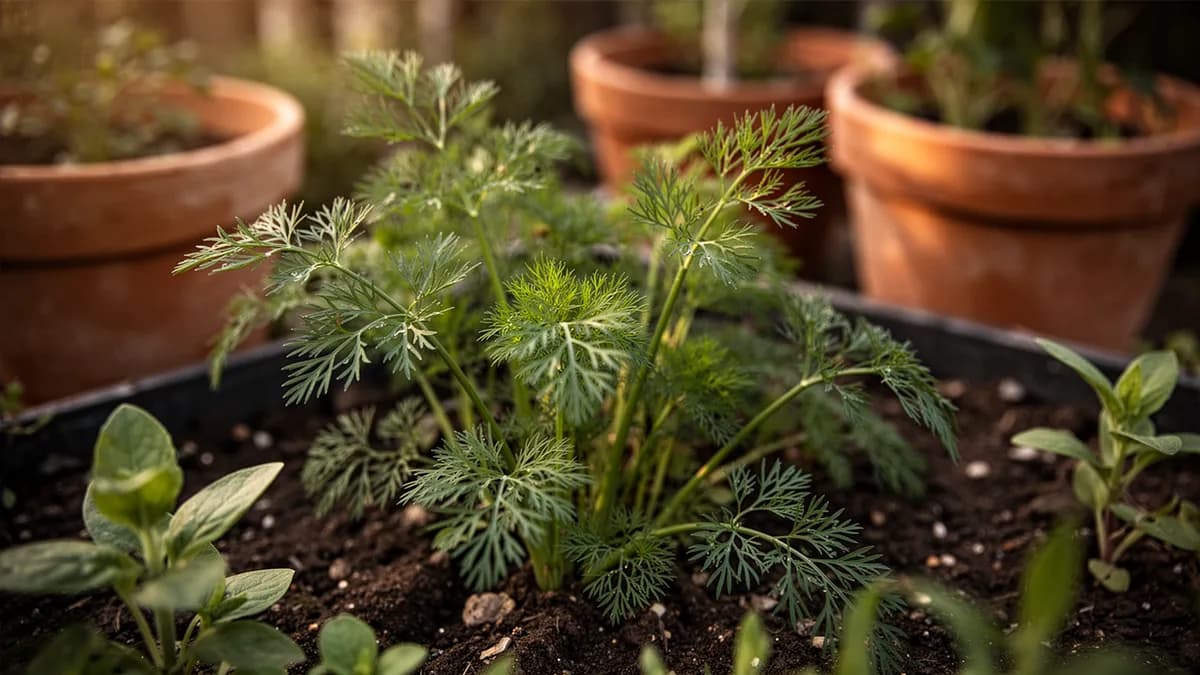
Red cabbage benefits from nearby onions, garlic, and celery that confuse pest-seeking moths with their scent. Dill attracts beneficial parasitic wasps that attack cabbage worms. Chamomile may improve growth and flavor when planted at row ends. Avoid planting near strawberries, tomatoes, and pole beans. Nasturtiums serve as excellent trap crops, attracting aphids away from cabbage heads. Thyme and sage planted nearby may help deter cabbage moths.
Onion belongs beside it. Tomato doesn't.
Old growers' knowledge, checked against Red Cabbage's real companion table below — test any plant you're growing.
Try Red Cabbage in a bed — right here
A real planner bed with Red Cabbage already in it. Tap a companion to place it and watch the pairing checks answer — green for good neighbours, red for a clash.


Related growing guides
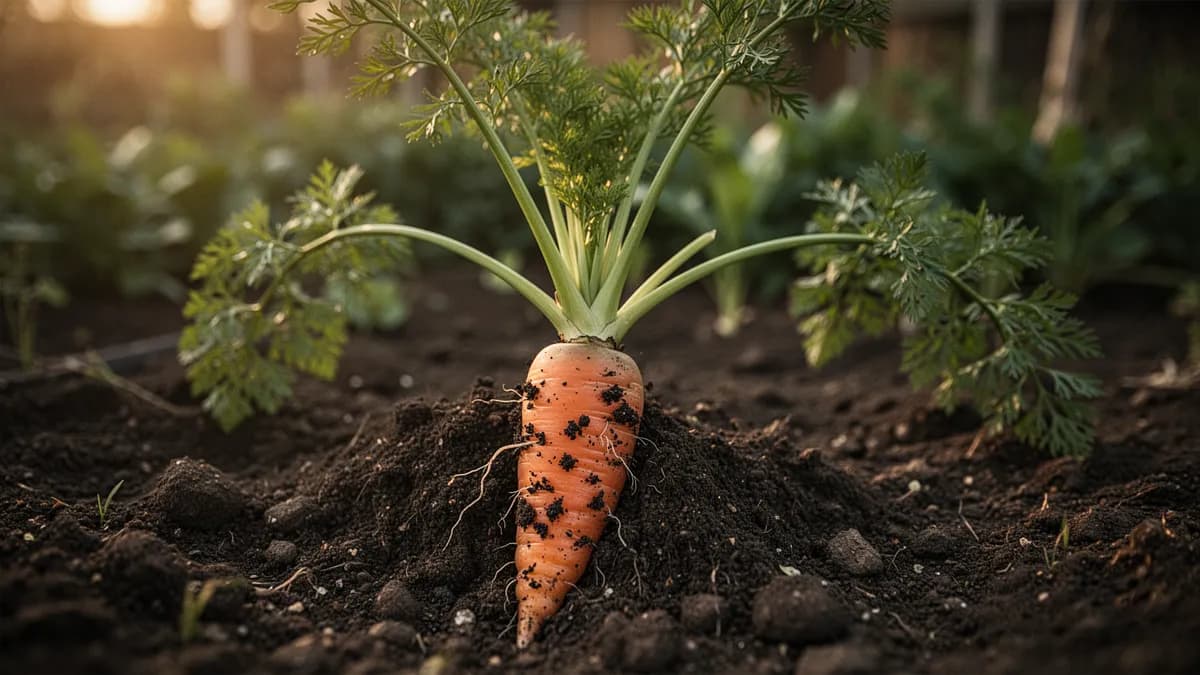
Feed it well
Red cabbage prefers rich, well-drained soil with a pH between 6.0 and 7.0. The slightly acidic end of this range enhances anthocyanin pigment production for deeper color. Work four inches of compost into beds before planting. Apply a balanced 10-10-10 fertilizer at transplanting and side-dress with nitrogen-rich fertilizer when heads begin forming. Boron deficiency causes hollow stems, so apply borax if soil tests indicate low levels. Consistent calcium prevents internal tip burn.
Ideal Temperature
Hardiness Zone Compatibility
From seed to harvest, stage by stage
Seed Starting
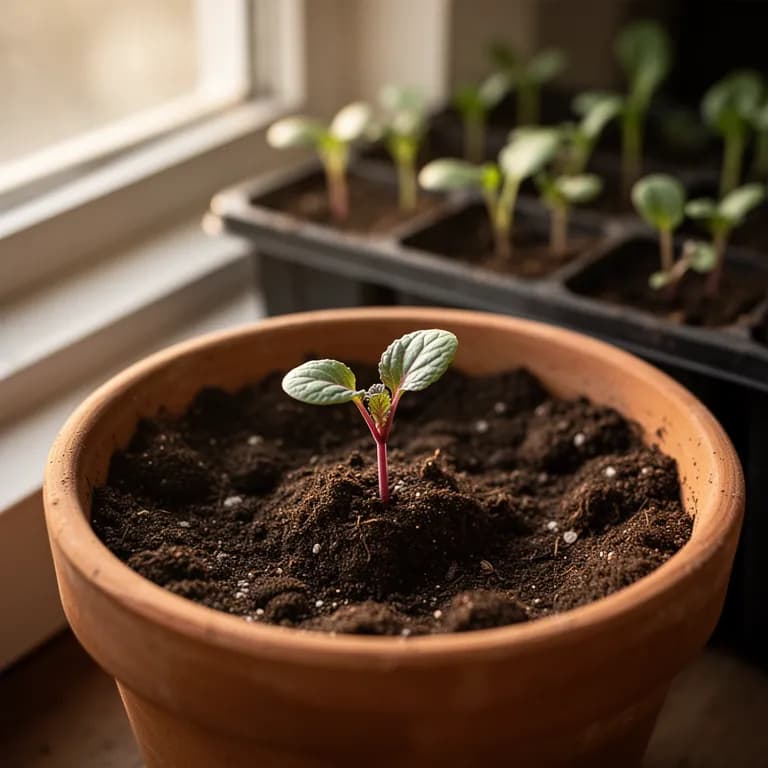
Seeds germinate in cell trays kept at 65 to 75°F. Small cotyledons emerge with a subtle purple tint that distinguishes red cabbage seedlings from green varieties even at this early stage.
Seedling Development
True leaves develop with the characteristic waxy, blue-purple surface. Seedlings grow steadily and develop a robust root system. By the end of this stage plants have four to six true leaves and are ready for hardening off.
Transplanting and Establishment
Hardened-off seedlings are transplanted into the garden spaced 18 to 24 inches apart. Plants establish new root growth in their permanent location and the outer leaves expand rapidly as the plant builds a broad leaf canopy.
Head Formation
Inner leaves begin wrapping tightly around the growing point, forming the dense head. The leaves layer over one another, trapping anthocyanin pigments that deepen the signature purple-red color. The head grows denser and heavier each week.
Maturation and Harvest
Heads reach full size of three to five pounds and feel solid and dense when squeezed. The outer wrapper leaves may lighten while the interior maintains deep purple color. Light frost during this stage enhances sweetness by converting starches to sugars.
Sow seeds one-quarter inch deep in moist seed-starting mix. Keep trays under grow lights for 14 to 16 hours daily. Once seedlings emerge, lower the temperature to 60°F to encourage compact, sturdy growth.
Caring for Red Cabbage month by month
What to do each month for your Red Cabbage
October
You are hereHarvest fall red cabbage after the first light frosts, which improve sweetness. Heads that have experienced frost but remain solid are at peak flavor. Cut heads and cure in a cool, dry place for a day before storage.
Know exactly what to do in your garden — every month
One email at the start of each month: what to sow, plant, and tackle right now — for your Red Cabbage and everything growing around it. Plus a short starter course that helps you dodge the classic mistakes.
- What to do, right now
- Matched to your season
- Starter course included
Harvesting Red Cabbage
Red cabbage is ready when heads are firm and solid, typically 3 to 5 pounds, about 80 to 100 days after transplanting. Squeeze the head gently; a ready head will feel dense and tight. Cut at the base with a sharp knife, leaving the outer wrapper leaves attached for storage protection. Fall-harvested heads that have experienced light frost develop superior sweetness. If heads begin to crack, harvest immediately as split heads deteriorate quickly and attract insects.
assuming you plant when the window opens — set your real date
Pick Red Cabbage promptly and the plant keeps producing.
Storage & Preservation
Red cabbage is among the best-storing vegetables. Whole heads keep 3 to 4 months in a root cellar at 32 to 40°F with high humidity, or 6 to 8 weeks wrapped in plastic in the refrigerator. Do not wash before storing. For braised red cabbage, cook with apple and vinegar and freeze in portions for up to 12 months. Red cabbage makes excellent sauerkraut with its beautiful color. Quick pickling in red wine vinegar preserves the vibrant purple hue.
What goes wrong — and the fix
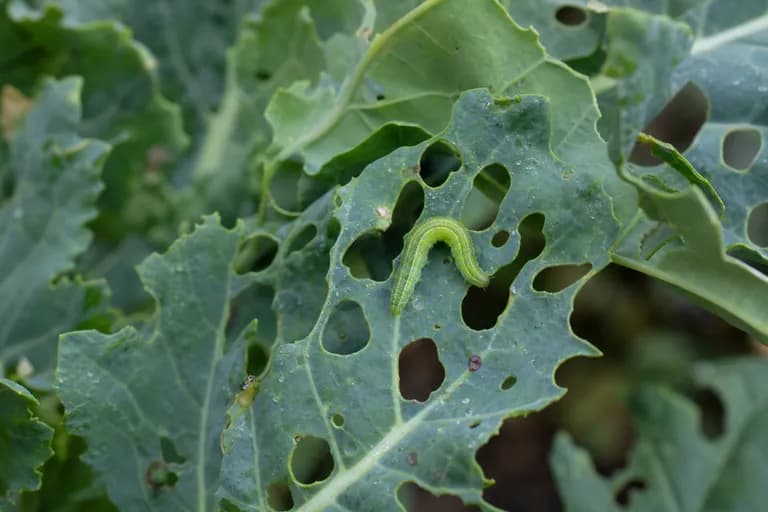
Cabbage Looper
PestLight green caterpillars that loop when walking chew large irregular holes through leaves, leaving dark frass behind.
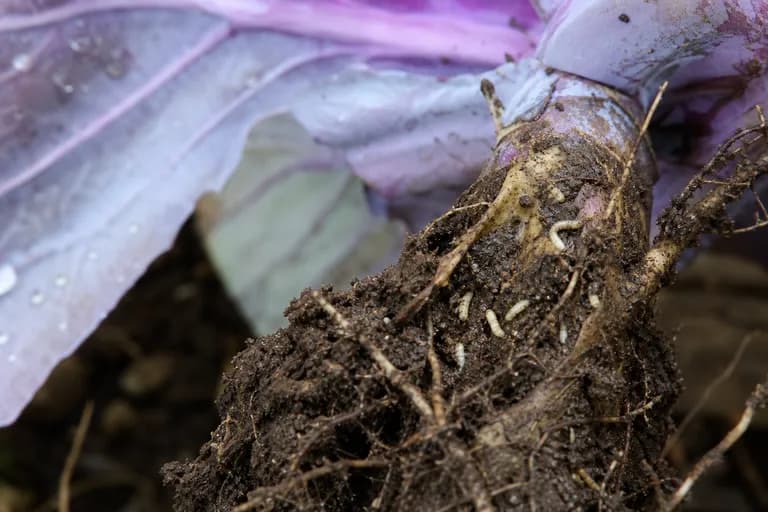
Root Maggots
PestPlants wilt despite adequate watering. Small white maggots feed on roots, creating tunnels that invite secondary infections.
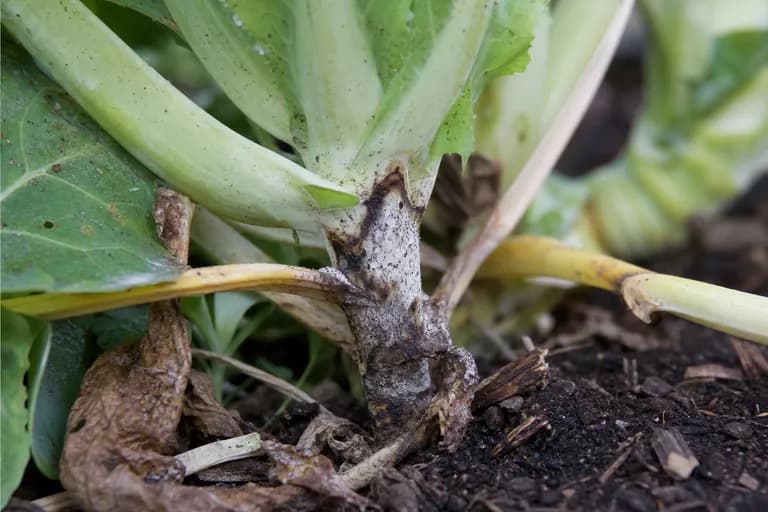
Black Leg
DiseaseGray lesions with dark borders on stems near the soil line. Stems become girdled, plants wilt and topple.
Troubleshooting Common Problems
Head splitting results from excessive water absorption after drought, so maintain consistent moisture throughout growth. Failure to form heads often indicates too much nitrogen, insufficient sunlight, or heat stress. The longer maturation period compared to green cabbage means more time for pest damage accumulation. Color fading indicates soil is too alkaline; adjust pH with sulfur amendments. Storage rot develops if heads are damaged during harvest or stored while wet.
Growing Tips
- Red cabbage matures 10 to 20 days slower than green cabbage varieties. Plan your planting schedule accordingly and choose early-maturing varieties like Red Acre if you have a short growing season.
- The deepest purple color develops in slightly acidic soil with a pH of 6.0 to 6.5. If your soil is alkaline, the heads may lean more blue-purple. Amend with sulfur to lower pH if desired for the richest red tones.
- Consistent moisture is the single most important factor in preventing head splitting. Irregular watering — especially heavy rain after a dry spell — causes the inner head to expand faster than the outer leaves can stretch, leading to cracks.
- Floating row covers installed at transplanting are the most effective organic defense against cabbage moths, flea beetles, and root maggots. They also provide a few degrees of frost protection for early spring plantings.
- For the sweetest flavor, time your fall planting so heads mature during cool weather and experience at least one or two light frosts before harvest. Cold temperatures convert starches to sugars, noticeably improving taste.
- Avoid excessive nitrogen fertilization once heads begin forming. Too much nitrogen produces loose, puffy heads that store poorly. Switch from high-nitrogen feeds to balanced or potassium-rich fertilizers at head formation.
- Red cabbage stores far longer than green cabbage. For maximum storage life, harvest in late fall with the wrapper leaves intact, do not wash, and store at 32 to 40°F with 90 to 95 percent humidity in a root cellar or unheated garage.
- Succession planting is difficult with red cabbage due to its long maturity time, but you can extend the harvest by planting an early variety in spring and a late-maturing storage variety for fall, giving you fresh red cabbage from June through March.
Grow your best Red Cabbage yet — and everything around it.
Start a free plan today. Lay out your beds, drop in your Red Cabbage, and let PlotMyGarden handle the timing, spacing, companions and reminders from seed to harvest basket.
Pick your Red Cabbage
Red Acre
A compact early variety producing dense 3-pound heads in 75 days, ideal for small gardens with excellent cold tolerance.
Mammoth Red Rock
An heirloom variety producing large 8-pound heads with deep purple-red color and superb storage qualities.
Ruby Perfection
A hybrid with uniform round heads and exceptional disease resistance. Holds well in the field without splitting.
Integro
A late-season hybrid with excellent internal structure and deep color that intensifies during cool autumn weather.
A packet of red cabbage seeds costs $2-4 and contains enough seed to grow 50 or more plants. Even growing just six plants produces 10-20 kg of red cabbage worth $30-60 at organic grocery prices, where red cabbage typically sells for $2-4 per pound. The exceptional storage life of three to four months means home-grown red cabbage provides fresh produce deep into winter without any processing or freezer space.
Quick recipes
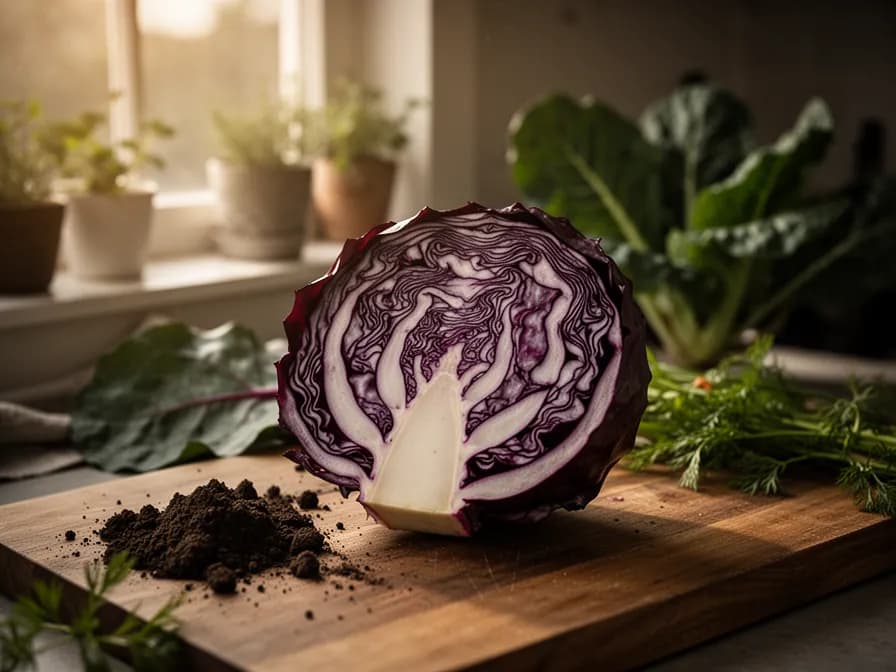
Classic German Braised Red Cabbage
50 minA traditional side dish where red cabbage is slowly braised with apple, onion, and warm spices until silky-tender. The vinegar keeps the color brilliantly purple and adds a tangy counterpoint to the sweetness of the apple. Pairs beautifully with roasted pork or sausages.
9 ingredientsCrunchy Red Cabbage Slaw
15 minA vibrant, no-cook slaw that showcases the crisp texture and vivid color of raw red cabbage. Tossed in a tangy lime and sesame dressing, it makes a perfect topping for fish tacos, pulled pork sandwiches, or a standalone side salad.
9 ingredientsQuick-Pickled Red Cabbage
20 min plus 1 hour restingA fast refrigerator pickle that preserves the stunning magenta color and adds a tangy crunch to sandwiches, grain bowls, and tacos. The pickling liquid turns a gorgeous pink-purple and the cabbage stays crisp for weeks in the fridge.
8 ingredientsCulinary Uses
Red cabbage is the classic ingredient in German braised red cabbage with apples and vinegar. Shred raw for vibrant coleslaw, tacos, and grain bowls. Roast wedges with olive oil for caramelized, sweet results. Juice it for a natural food coloring or pH indicator. Quick-pickled red cabbage adds crunch and color to sandwiches and fish tacos.
What's inside
Health Benefits
- Anthocyanins in red cabbage are among the most potent dietary antioxidants, with studies linking regular consumption to reduced inflammation, improved cardiovascular health, and lower risk of chronic diseases.
- Exceptionally high in vitamin C — one cup of raw red cabbage provides over 50 percent of the daily recommended intake, supporting immune function, collagen synthesis, and iron absorption from plant foods.
- Rich in vitamin K, critical for proper blood clotting and calcium regulation in bones. A single cup of chopped red cabbage delivers over 85 percent of the daily value for vitamin K.
- Contains significant glucosinolates, sulfur compounds that the body converts to isothiocyanates — molecules actively studied for their ability to inhibit cancer cell growth in laboratory and population studies.
- High fiber content supports digestive health, feeds beneficial gut bacteria, and promotes satiety. The combination of fiber and very low caloric density makes red cabbage excellent for weight management.
- Provides meaningful amounts of manganese and B vitamins including B6 and folate, supporting energy metabolism, nervous system function, and healthy red blood cell production.
Where Red Cabbage comes from
Red cabbage traces its ancestry to wild cabbage (Brassica oleracea) native to the limestone cliffs of coastal Western Europe, where it still grows wild today along the shores of England, France, and the Mediterranean. Ancient Greeks and Romans cultivated several forms of cabbage, though the red-pigmented variety likely emerged through selective breeding in Central and Northern Europe during the Middle Ages.
By the 1500s, red cabbage was well established in German, Dutch, and Scandinavian kitchens, where it became a cornerstone of winter cuisine. Its exceptional storage life — lasting three to four months in a cold root cellar — made it invaluable in northern climates where fresh vegetables were scarce from November through March. German immigrants brought their beloved Rotkohl recipes to the Americas in the 1700s and 1800s, establishing red cabbage in North American gardens.
Today red cabbage is grown worldwide but remains most culturally significant in Northern European cuisines. Germany, the Netherlands, Denmark, and Poland are among the largest producers and consumers. Modern plant breeders have developed varieties with deeper color, better disease resistance, and improved storage qualities, but the fundamental appeal of red cabbage — its beauty, nutrition, and versatility — has remained unchanged for centuries.
Red Cabbage: did you know?
Fascinating facts about Red Cabbage
Red cabbage is a natural pH indicator — its juice turns bright pink in acidic solutions, purple in neutral conditions, and blue-green in alkaline environments. Chemistry teachers worldwide use red cabbage juice to demonstrate acid-base reactions.
Red Cabbage questions, answered
When should I plant Red Cabbage?
What are good companion plants for Red Cabbage?
What hardiness zones can Red Cabbage grow in?
How much sun does Red Cabbage need?
How far apart should I space Red Cabbage?
What pests and diseases affect Red Cabbage?
How do I store Red Cabbage after harvest?
What are the best Red Cabbage varieties to grow?
What soil does Red Cabbage need?
Why is my red cabbage turning blue or green instead of staying purple?
How do I prevent my red cabbage heads from splitting?
Can I grow red cabbage in containers?
Is red cabbage more nutritious than green cabbage?
How long can I store red cabbage after harvest?
You just read the theory. Now grow it on autopilot.
Everything that makes Red Cabbage fiddly — the timing, the spacing, the companions, the harvest window — is exactly what PlotMyGarden handles for you, for every plant in your garden.
A plan that knows your weather
Set your location once. Get sow, feed and harvest dates built around your real last-frost date and live forecast — no more guessing from a generic seed packet.
From the “When to plant” sectionDrag-and-drop bed planner
Design beds on a grid. Every plant snaps to its proper spacing, and you can see your whole season laid out before you spend a cent on seed.
From the “Growing guide” sectionCompanion conflicts, caught early
200+ good-and-bad pairings checked live as you plant — so a season-wrecking mistake never makes it into the ground.
From the “Companions” sectionReminders you'll actually act on
“Water the beans.” “Pick today before it turns.” Timely, specific, and tied to the plants you're really growing.
From the “Harvest” sectionSuccession, scheduled
Want a harvest for six weeks, not six days? It spaces your sowings automatically and reminds you when each new block is due.
From the “When to plant” sectionA record that gets smarter
Every harvest you log teaches it your garden. Next year's plan starts from what actually worked in your soil, not a textbook's.
From the “Overview” sectionPlant these alongside Red Cabbage
More Cruciferous
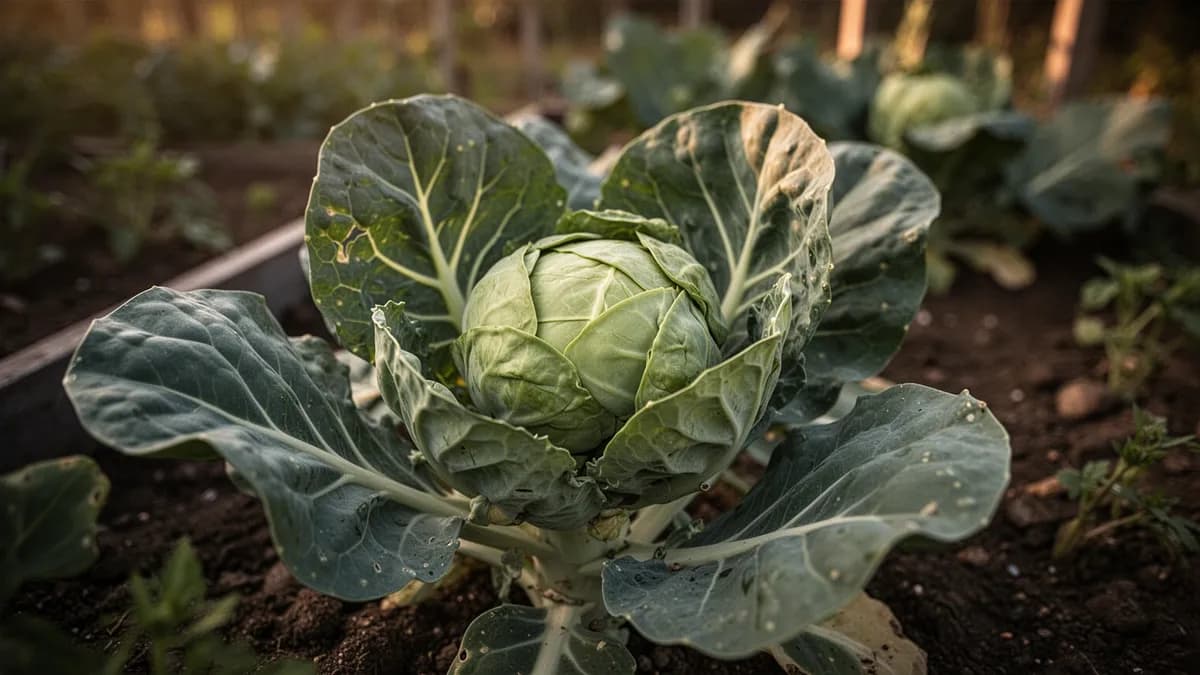
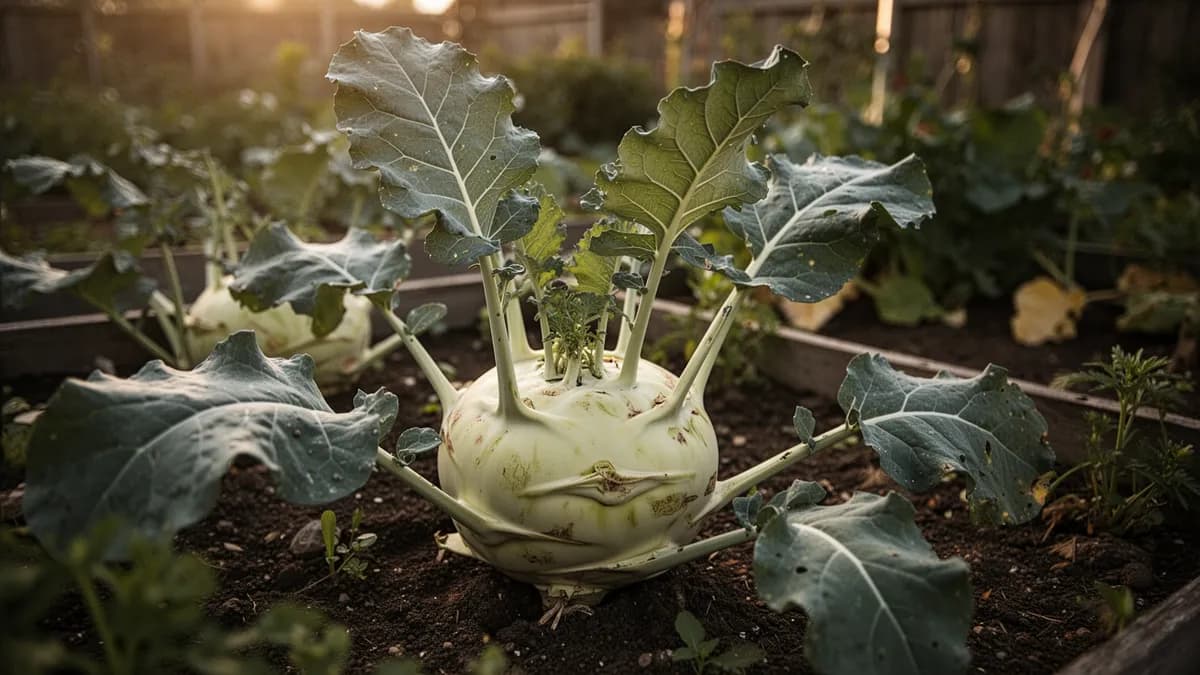
Keep Red Cabbage away from these
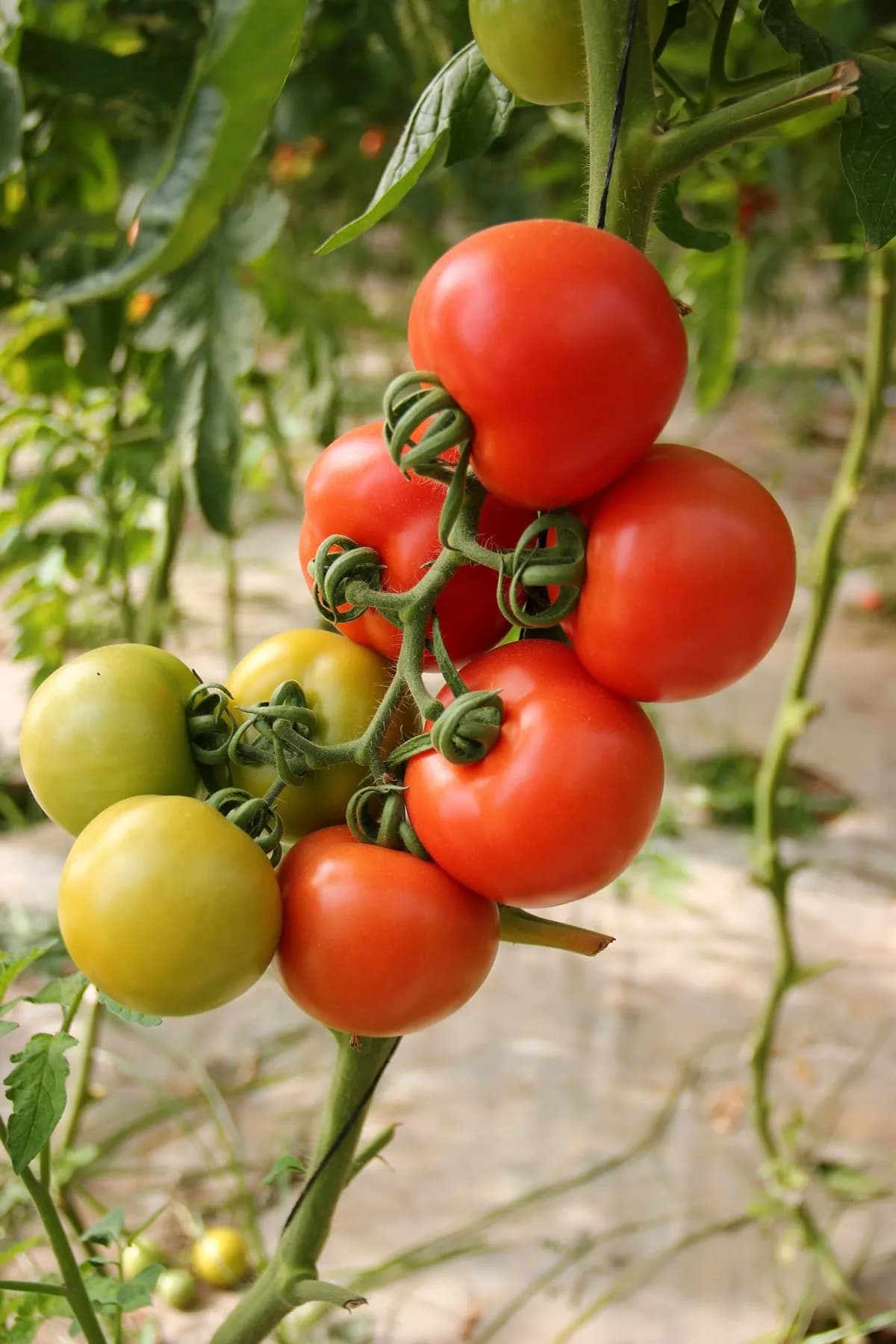
Garden plans featuring Red Cabbage
Grow your best Red Cabbage yet — and everything around it.
Start a free plan today. Lay out your beds, drop in your Red Cabbage, and let PlotMyGarden handle the timing, spacing, companions and reminders from seed to harvest basket.