Endive
A slightly bitter salad green with curly, frilly leaves that adds complexity and texture to mixed salad bowls.





On this pageOverview
Meet Endive
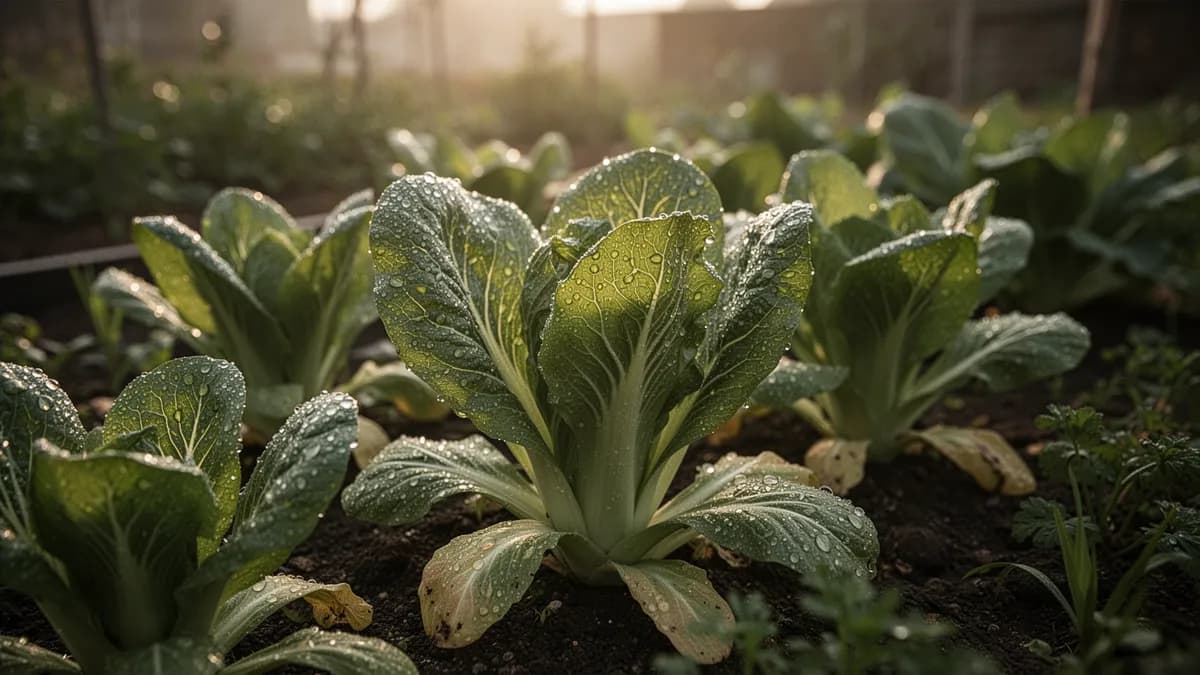
A slightly bitter salad green with curly, frilly leaves that adds complexity and texture to mixed salad bowls. Blanch the hearts by covering the center with a plate or tying the outer leaves to reduce bitterness and create pale, tender inner leaves. Endive is related to chicory and grows best in cool weather, bolting in summer heat. Harvest the full head or pick outer leaves, and combine with sweet dressings to balance the pleasant bitterness.
When to plant Endive
Sow seeds 1/4 inch deep indoors 8 weeks before last frost or direct sow outdoors in early spring or midsummer for fall crops. Seeds germinate in 5-10 days at 55-70°F. Do not cover seeds deeply as they benefit from some light. Thin or transplant to 10-12 inches apart. For the best quality, time plantings to mature in cool weather. Endive transplants better than lettuce and can handle some root disturbance. Seeds remain viable for 5 years.
Your Endive Year
Composed for Zone 7 · typical seasons · frost passes Apr 2, returns Nov 1
Plant Endive Mar – Apr, Aug – Sep, pick Jun – Jul, Oct – Nov. Check the planting methods below and set your climate to personalize these windows.
How to grow Endive
Start endive seeds indoors 8 weeks before last frost or direct sow in early spring. Sow seeds 1/4 inch deep and thin to 10-12 inches apart. Seeds germinate in 5-10 days at 55-70°F. For fall harvest (which produces the best quality), sow in midsummer for maturity during cool autumn weather. Space plants 12-14 inches apart in rows 18 inches apart.
Endive grows best in cool temperatures between 55-65°F and becomes excessively bitter in heat. Provide partial shade in warm weather and consistent moisture. Mulch around plants to keep roots cool. Feed lightly with a balanced fertilizer every 3-4 weeks. The broad, frilly leaves form loose rosettes over 50-60 days.
To reduce bitterness, blanch the hearts 2-3 weeks before harvest by tying outer leaves together over the center or placing an inverted plate or pot over the heart. This excludes light and produces pale, tender, milder-tasting inner leaves. Ensure the plant is dry before blanching to prevent rot. Fall-grown endive is naturally less bitter due to cool temperatures.
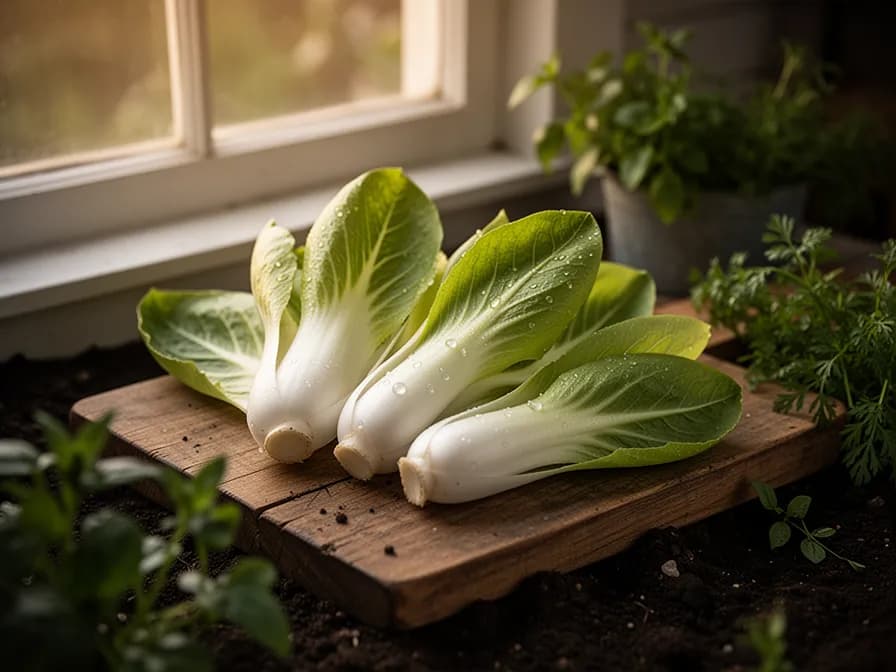
32 plants fit a 4 × 8 ft bed
Each Endive wants 30 cm of elbow room. The planner keeps that spacing for you — every plant, every bed.
Endive's best neighbours
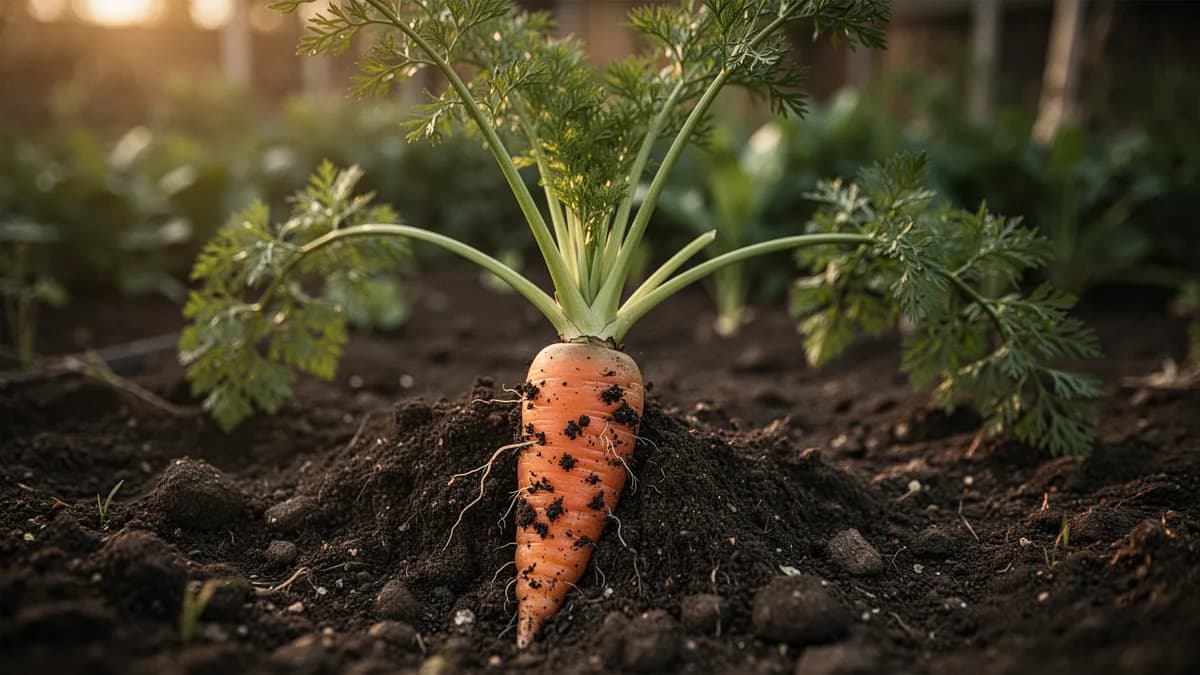
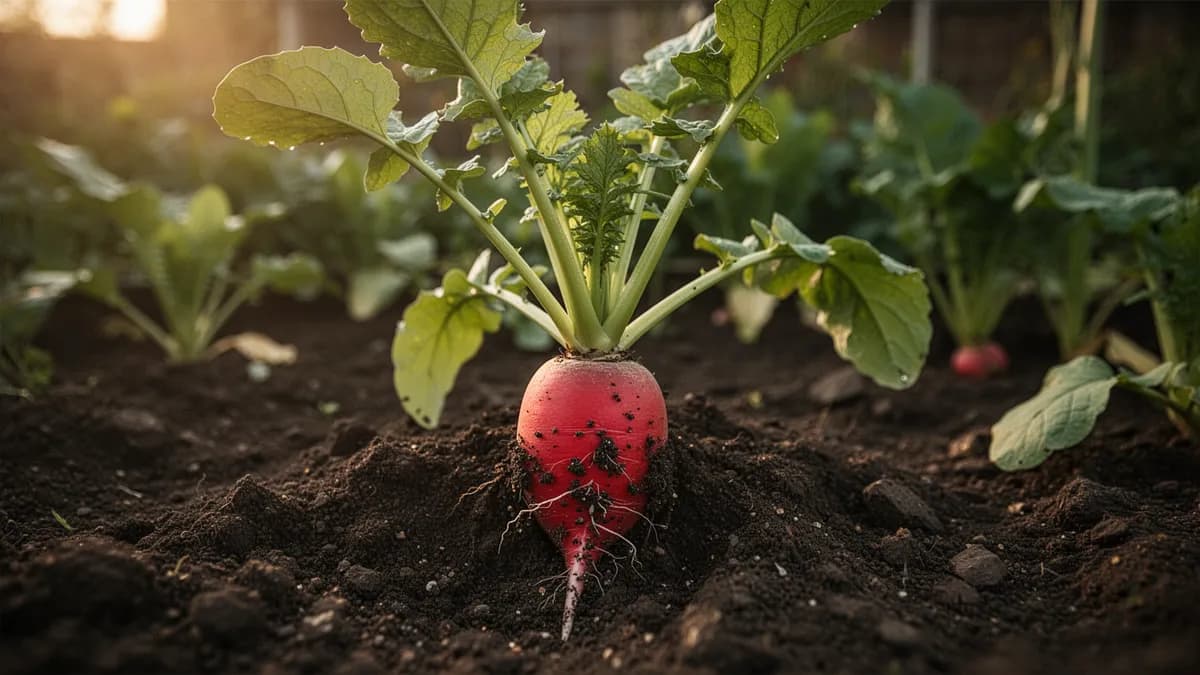
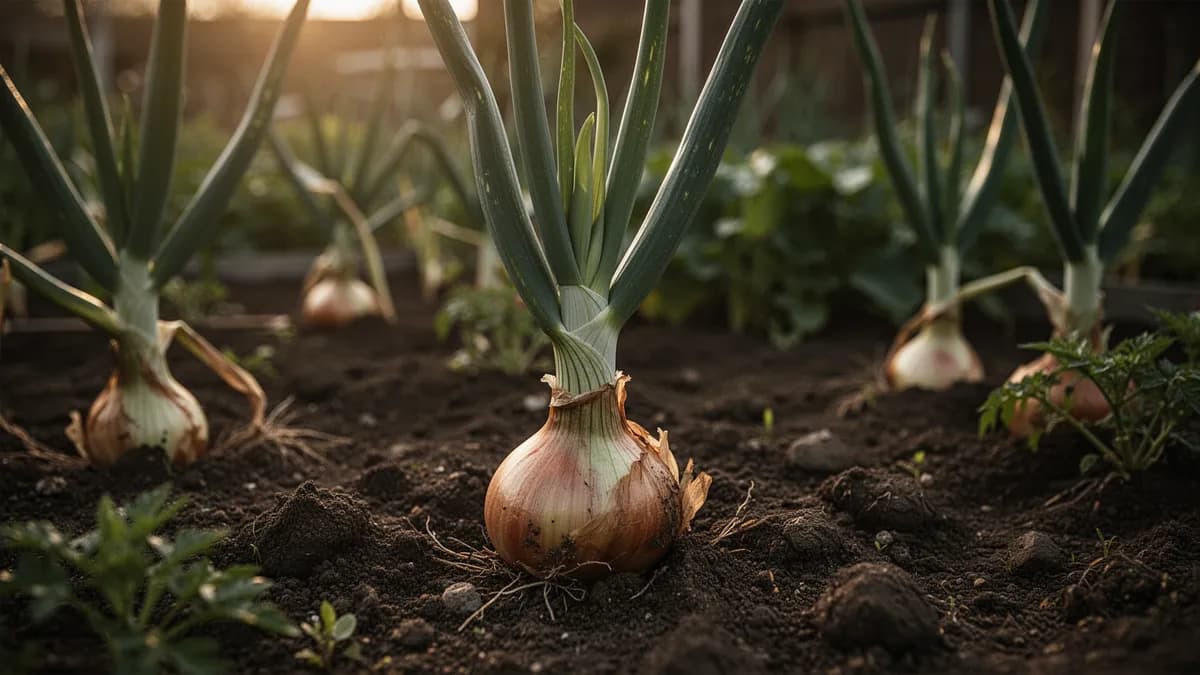
Plant endive with carrots, radishes, and onions, which grow at different levels and do not compete. Taller crops can provide beneficial shade in warm weather. Herbs like chives and dill attract beneficial insects. Avoid planting near other chicory family members to reduce shared pest pressure. Quick-growing radishes make good row markers between endive plantings. Endive works well as a fall succession crop following early summer vegetables.
Carrot belongs beside it.
Old growers' knowledge, checked against Endive's real companion table below — test any plant you're growing.
Try Endive in a bed — right here
A real planner bed with Endive already in it. Tap a companion to place it and watch the pairing checks answer — green for good neighbours, red for a clash.


Related growing guides
Feed it well
Endive grows best in fertile, well-drained soil with a pH of 6.0-7.0. Amend with compost before planting for both fertility and moisture retention. Apply a balanced fertilizer at planting and side-dress lightly once during growth. Avoid excess nitrogen, which promotes lush growth that is more prone to rot during blanching. Consistent moisture is important but avoid waterlogged conditions. Good drainage is essential, especially during the blanching period.
Ideal Temperature
Hardiness Zone Compatibility
From seed to harvest, stage by stage
Seed Germination
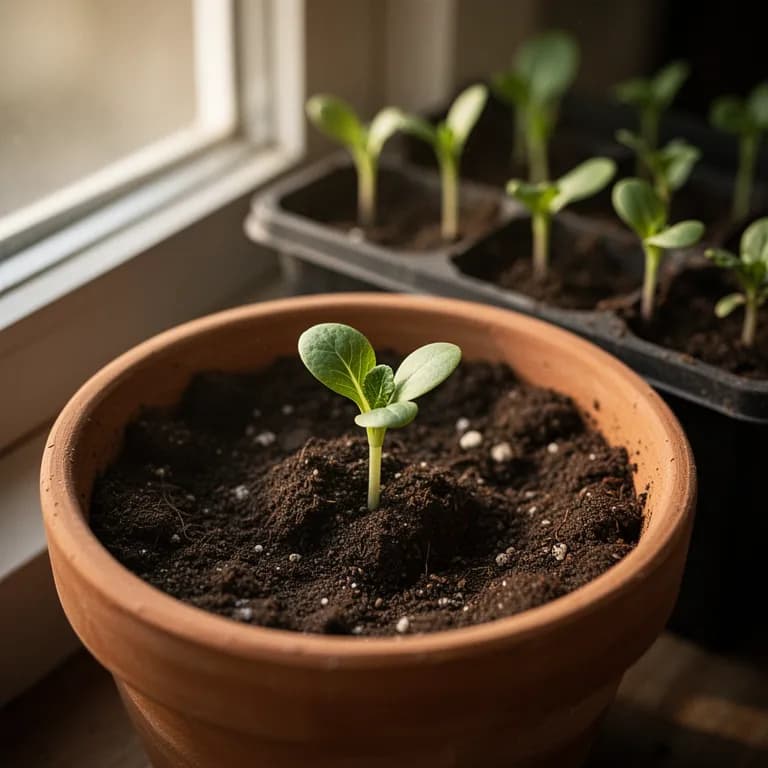
Tiny endive seeds germinate in 5-10 days at soil temperatures of 13-21°C (55-70°F). The first visible growth is a pair of small, rounded cotyledon leaves. Endive seeds are very small and benefit from surface sowing with only the lightest covering of fine soil or vermiculite, as some light aids germination.
Seedling Establishment
True leaves emerge with their first hints of the characteristic frilled or wavy edges. Seedlings establish a shallow but spreading root system. Growth is steady in cool conditions, and the young plants begin to show whether they are curly (frisée) or broad-leaved (escarole) types.
Rosette Development
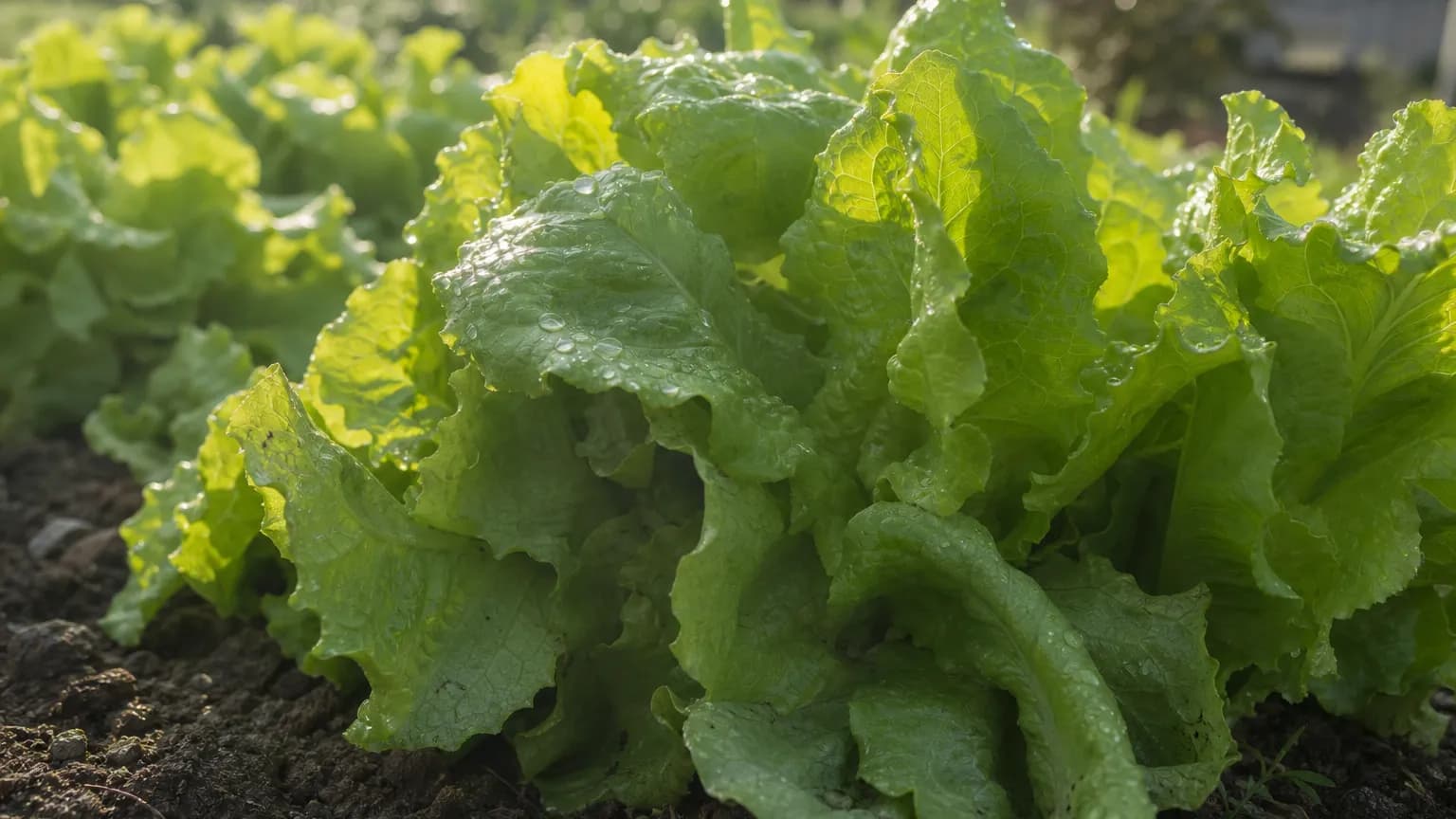
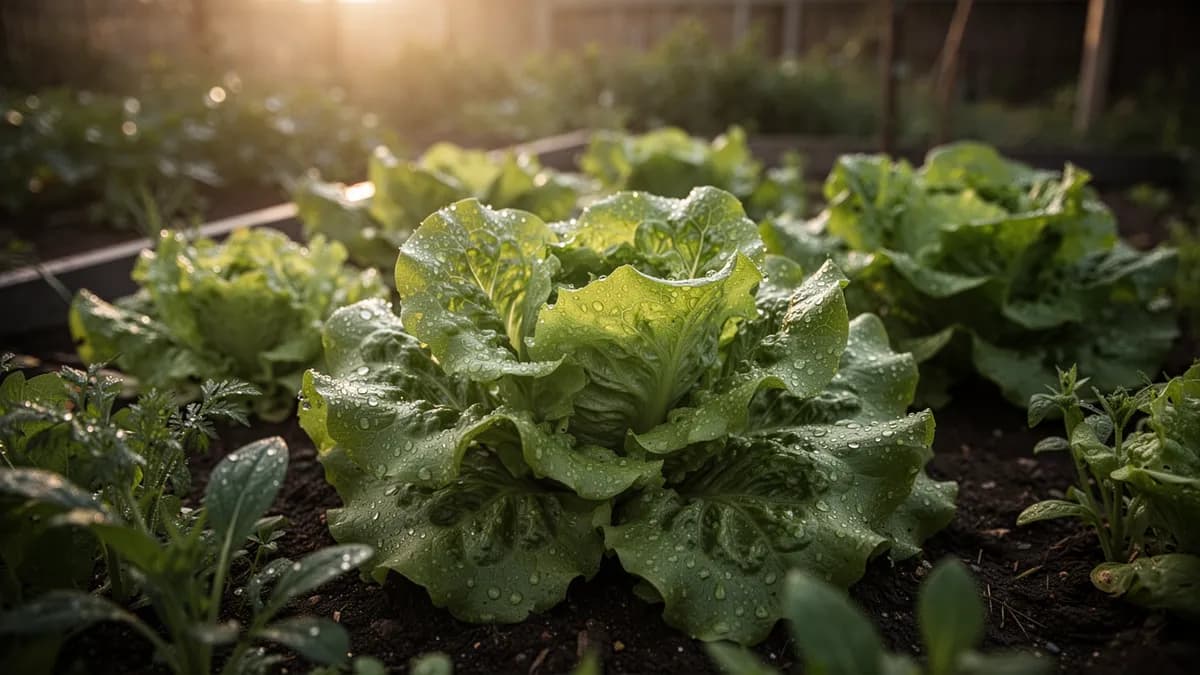
The plant forms a broad, open rosette of deeply frilled or wavy leaves that can span 30-40 cm across. Leaf production accelerates and the characteristic texture becomes fully apparent. The outer leaves are darker green and more bitter, while inner leaves are progressively lighter and milder.
Heart Formation
The inner leaves begin to curl inward, forming a denser center or heart. In cool weather, this process happens naturally and the inner leaves self-blanch slightly. The rosette reaches its full size and the contrast between darker outer leaves and lighter inner leaves becomes pronounced.
Blanching and Maturation
If blanching, the excluded light causes inner leaves to turn creamy white to pale yellow over 2-3 weeks, becoming sweeter and more tender. Unblanched plants are fully harvestable at this stage with a more pronounced bitter character. The head is dense, the leaves are crisp, and the plant is at peak quality.
Sow seeds no deeper than 6mm (1/4 inch) and keep the soil surface consistently moist with gentle misting. Avoid heavy watering that can wash seeds away or bury them too deeply. A humidity dome or clear cover helps maintain surface moisture.
Caring for Endive month by month
What to do each month for your Endive
October
You are herePrime harvest month for fall-grown endive. Begin blanching heads 2-3 weeks before desired harvest. Harvest blanched heads promptly to prevent rot. Light frosts further reduce bitterness and improve quality. Mulch plants heavily in cold zones.
Know exactly what to do in your garden — every month
One email at the start of each month: what to sow, plant, and tackle right now — for your Endive and everything growing around it. Plus a short starter course that helps you dodge the classic mistakes.
- What to do, right now
- Matched to your season
- Starter course included
Harvesting Endive
Harvest endive 50-60 days after sowing, or 2-3 weeks after blanching for milder flavor. Cut the entire rosette at the base with a sharp knife. Alternatively, harvest outer leaves individually for a longer harvest period. Blanched hearts should be creamy white to pale yellow in the center. Harvest in the morning for maximum crispness. If growing for fall harvest, endive can tolerate light frosts which further reduce bitterness and improve sweetness.
assuming you plant when the window opens — set your real date
Pick Endive promptly and the plant keeps producing.
Storage & Preservation
Store whole endive heads in a perforated plastic bag in the refrigerator for up to 1-2 weeks. The slightly bitter leaves hold up better than most salad greens. Do not wash until ready to use. Endive does not freeze or dry well for salad use, but can be blanched and frozen for cooking applications. Blanched hearts store best when kept cold and dark. In a root cellar, endive can be stored for several weeks if roots are kept in moist sand.
What goes wrong — and the fix
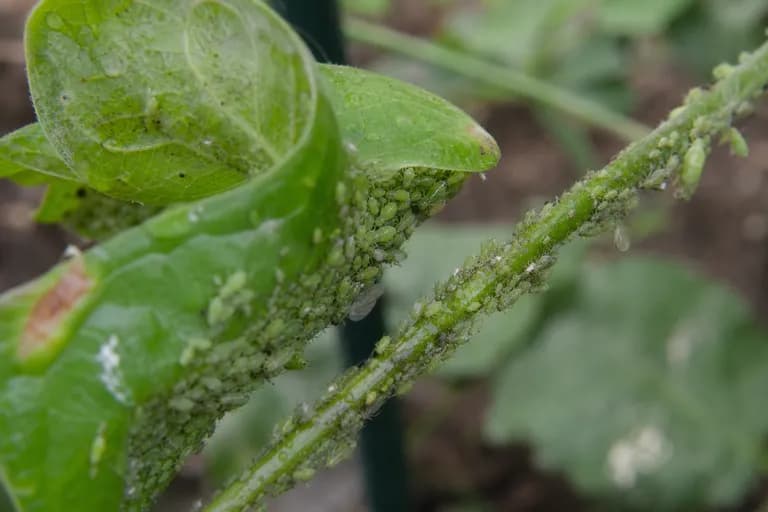
Aphids
PestSmall insects clustering on leaf undersides and in heart, curled leaves, sticky honeydew.
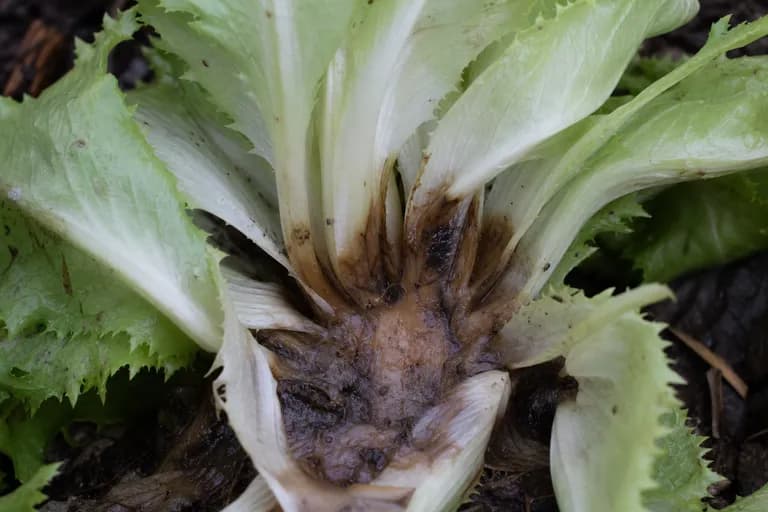
Lettuce Rot
DiseaseSoft, watery decay at base of plant, especially during blanching if moisture is trapped.
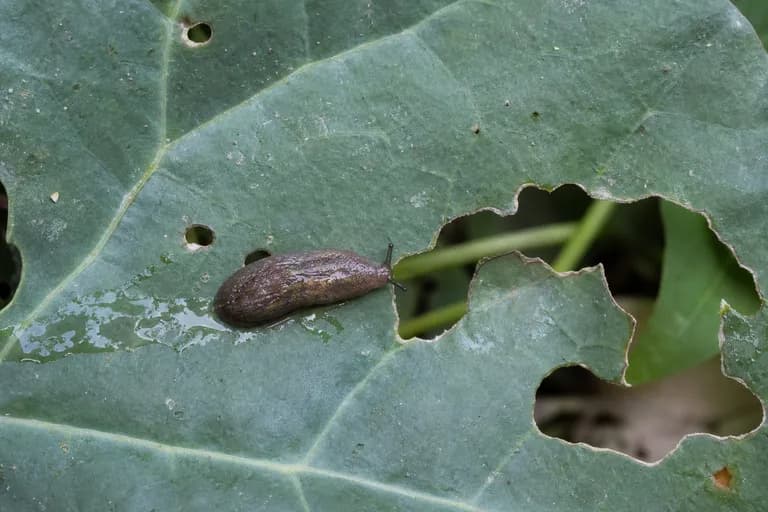
Slugs
PestHoles in leaves, damage to blanching hearts, slimy trails on plants.
Troubleshooting Common Problems
Excessive bitterness is the main complaint; blanch hearts before harvest and grow in cool weather for mildest flavor. Rot during blanching occurs when plants are tied up while wet; always blanch dry plants. Bolting in hot weather produces very bitter, tough leaves. Slugs love the moist, dark conditions created during blanching; check regularly. Tip burn indicates calcium deficiency or erratic watering. Poor head formation results from inconsistent growing conditions.
Growing Tips
- Time your planting so endive matures in cool weather. This single factor affects quality more than anything else. Fall-grown endive is almost always superior — milder, more tender, and less prone to bolting than spring crops.
- Blanch the hearts for the mildest flavor. Tie outer leaves loosely over the center with soft twine or place an inverted dinner plate over the heart. Start blanching 2-3 weeks before you plan to harvest, and only blanch dry plants to prevent rot.
- Provide consistent moisture but never waterlogged soil. Endive's shallow root system is sensitive to both drought stress (which intensifies bitterness) and standing water (which causes crown rot). Drip irrigation with mulch is ideal.
- Use shade cloth in warm weather. If spring temperatures climb above 24°C (75°F), a 30-40% shade cloth prevents the intense bitterness and premature bolting that heat causes. This extends the spring harvest window by 2-3 weeks.
- Harvest in the morning for the best texture and mildest flavor. Endive leaves become progressively more bitter as the day warms and the plant's metabolic activity increases. Early morning harvest captures the leaves at their crispest and most mild.
- Succession-plant every 2-3 weeks for a continuous supply. Since endive has a relatively short harvest window per plant (especially when blanching), staggered plantings ensure you always have heads at the right stage.
- Check blanching plants every few days by lifting the cover slightly. Rot can develop quickly in warm, humid conditions under blanching covers. Remove any decaying leaves immediately and re-cover if the heart is still developing.
- Grow endive as a fall succession crop after early summer vegetables. Beds vacated by peas, early beans, or spring lettuce are ideal — the soil is already amended and warm enough for quick germination of midsummer sowings.
Grow your best Endive yet — and everything around it.
Start a free plan today. Lay out your beds, drop in your Endive, and let PlotMyGarden handle the timing, spacing, companions and reminders from seed to harvest basket.
Pick your Endive
Green Curled Ruffec
Classic French variety with deeply cut, frilly leaves. Excellent flavor when blanched to a creamy center.
Broad-Leaved Batavian
Wider, smoother leaves than curly types. Self-blanching tendency with milder flavor. Also known as escarole.
Fine de Louviers
Finely cut, lacy leaves with elegant appearance. Very tender when blanched with a delicate bitter note.
Natacha
Modern hybrid with good bolt resistance and uniform growth. Self-blanching hearts with reduced bitterness.
A packet of endive seeds costs $2-4 and contains enough seed for 100+ plants. Fresh curly endive (frisée) sells for $3-5 per small head at grocery stores and $4-7 at farmers markets, making it one of the more expensive salad greens. Growing just 10 plants from a single seed packet can save $30-50 per season. The savings are even greater if you use endive as a cut-and-come-again crop, harvesting outer leaves repeatedly from each plant over several weeks.
Quick recipes
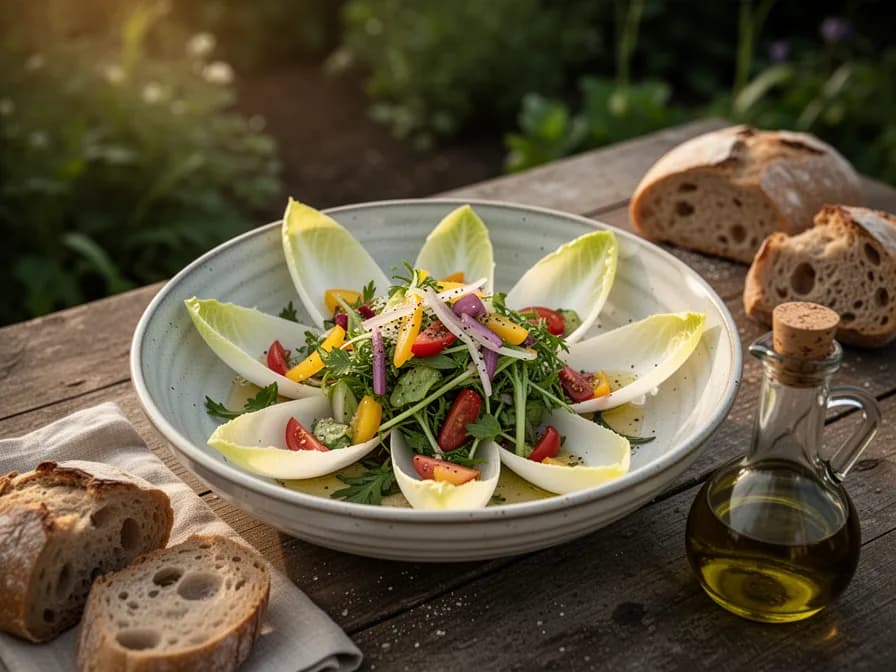
Classic French Endive Salad with Walnuts and Roquefort
15 minA traditional French bistro salad that balances endive's elegant bitterness with creamy blue cheese, crunchy walnuts, and a sweet-tart vinaigrette. The interplay of flavors and textures makes this a sophisticated starter or light lunch.
8 ingredientsGrilled Endive with Balsamic Glaze
20 minGrilling transforms endive by caramelizing its natural sugars and tempering the bitterness into a smoky, complex sweetness. A drizzle of balsamic reduction adds depth to this elegant side dish that pairs beautifully with grilled meats or fish.
7 ingredientsEndive and White Bean Soup
35 minA hearty, warming soup where endive's bitterness mellows beautifully into the creamy broth. The white beans add protein and body, making this a satisfying vegetarian main course for cool autumn evenings.
9 ingredientsCulinary Uses
Endive adds a pleasant bitter note to mixed salads, balancing sweet dressings and rich ingredients. Use blanched hearts as elegant appetizer boats filled with cheese spreads or seafood salad. Grill or braise endive halves for a warm side dish. Pair with blue cheese, walnuts, and pears in classic French salads. Add to pasta dishes, gratins, and risottos. The slightly bitter flavor stimulates digestion and pairs well with rich, fatty foods.
What's inside
Health Benefits
- Endive is an outstanding source of vitamin K, providing nearly 290% of the daily value per 100g — essential for proper blood clotting and for directing calcium into bones rather than arteries, supporting cardiovascular and skeletal health.
- Rich in vitamin A as beta-carotene (43% DV per 100g), which supports healthy vision, immune function, and the maintenance of skin and mucous membranes that serve as the body's first line of defense against pathogens.
- The bitter compound intybin stimulates the production of digestive enzymes and bile, supporting healthy digestion and liver function — a property recognized in traditional European medicine for centuries.
- Contains significant folate (36% DV per 100g), which is critical for DNA synthesis, red blood cell formation, and neural tube development during pregnancy, making endive especially valuable for women of childbearing age.
- Provides kaempferol and other flavonoid antioxidants that have demonstrated anti-inflammatory properties in laboratory studies, potentially reducing the risk of chronic inflammatory conditions.
- Very low calorie density (17 calories per 100g) combined with high fiber content (3.1g per 100g) makes endive an excellent food for weight management, promoting satiety without significant caloric intake.
Where Endive comes from
Endive (Cichorium endivia) is native to the eastern Mediterranean region, with its wild ancestors still growing in parts of Egypt, Greece, Turkey, and the Caucasus. The plant has been cultivated since at least 300 BC, when it was grown in ancient Egyptian gardens for both culinary and medicinal purposes. Greek and Roman writers including Pliny the Elder and Dioscorides documented endive's use as a salad green and as a remedy for digestive and liver complaints.
During the Middle Ages, endive spread throughout European monastery gardens, where monks cultivated it as both a food crop and a medicinal herb. The development of blanching techniques in the 16th and 17th centuries transformed endive from a bitter potherb into a refined salad ingredient prized by the French and Italian aristocracy. French market gardeners perfected the art of tying outer leaves to blanch the hearts, creating the pale, tender centers that became a hallmark of fine dining.
Endive arrived in the Americas with European colonists in the 17th century but never achieved the same popularity as lettuce. It remained primarily a crop of European immigrant communities and specialty growers until the late 20th century, when the rise of farmers markets and diverse culinary traditions brought renewed interest. Today, endive is grown commercially in France, Italy, the Netherlands, Belgium, and the United States (primarily California and Florida). It remains most popular in Mediterranean and French cuisine, where its bitter character is valued as a counterpoint to rich cheeses, nuts, and vinaigrettes.
Endive: did you know?
Fascinating facts about Endive
Endive (Cichorium endivia) is one of the oldest cultivated salad plants, with records of its use dating back to ancient Egypt around 300 BC, where it was valued both as food and as a medicinal plant for digestive ailments.
Endive questions, answered
When should I plant Endive?
What are good companion plants for Endive?
What hardiness zones can Endive grow in?
How much sun does Endive need?
How far apart should I space Endive?
What pests and diseases affect Endive?
How do I store Endive after harvest?
What are the best Endive varieties to grow?
What soil does Endive need?
How do I reduce the bitterness of endive?
What is the difference between endive, escarole, and frisée?
Why is my endive bolting instead of forming a head?
Can endive be grown in containers?
How is endive different from lettuce?
You just read the theory. Now grow it on autopilot.
Everything that makes Endive fiddly — the timing, the spacing, the companions, the harvest window — is exactly what PlotMyGarden handles for you, for every plant in your garden.
A plan that knows your weather
Set your location once. Get sow, feed and harvest dates built around your real last-frost date and live forecast — no more guessing from a generic seed packet.
From the “When to plant” sectionDrag-and-drop bed planner
Design beds on a grid. Every plant snaps to its proper spacing, and you can see your whole season laid out before you spend a cent on seed.
From the “Growing guide” sectionCompanion conflicts, caught early
200+ good-and-bad pairings checked live as you plant — so a season-wrecking mistake never makes it into the ground.
From the “Companions” sectionReminders you'll actually act on
“Water the beans.” “Pick today before it turns.” Timely, specific, and tied to the plants you're really growing.
From the “Harvest” sectionSuccession, scheduled
Want a harvest for six weeks, not six days? It spaces your sowings automatically and reminds you when each new block is due.
From the “When to plant” sectionA record that gets smarter
Every harvest you log teaches it your garden. Next year's plan starts from what actually worked in your soil, not a textbook's.
From the “Overview” sectionPlant these alongside Endive
More Leafy Greens
Garden plans featuring Endive
Grow your best Endive yet — and everything around it.
Start a free plan today. Lay out your beds, drop in your Endive, and let PlotMyGarden handle the timing, spacing, companions and reminders from seed to harvest basket.