Savoy Cabbage
An elegant cabbage with deeply crinkled, tender leaves that are milder and more delicate than smooth-leaved varieties.





On this pageOverview
Meet Savoy Cabbage
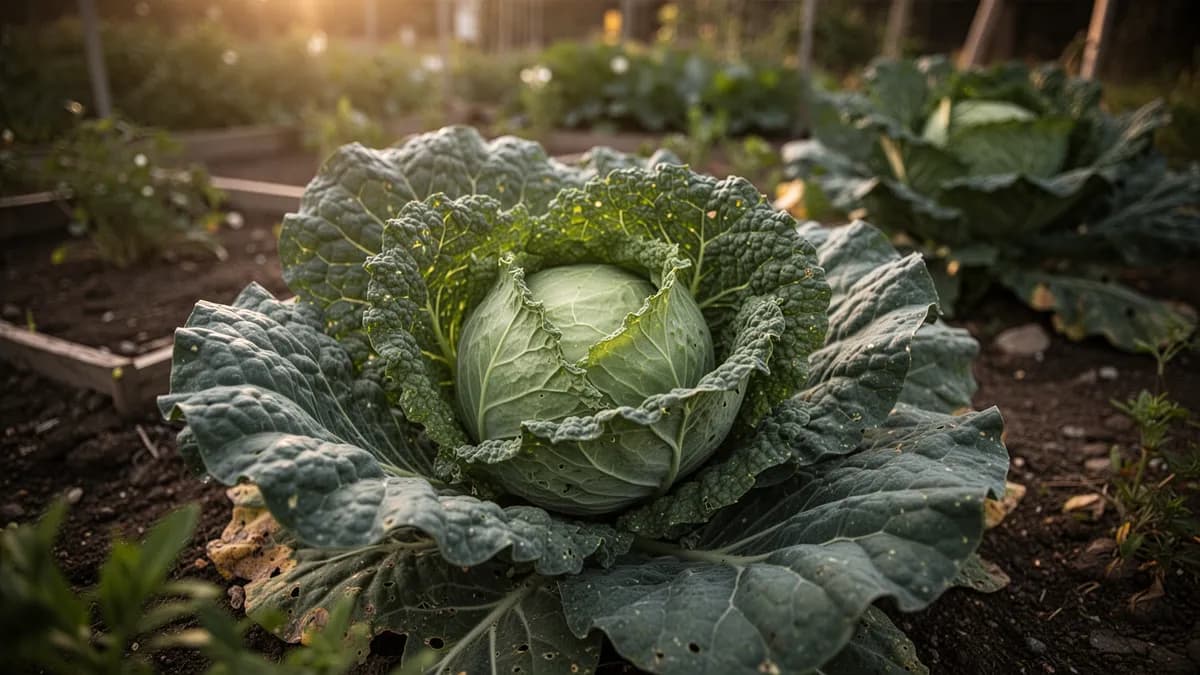
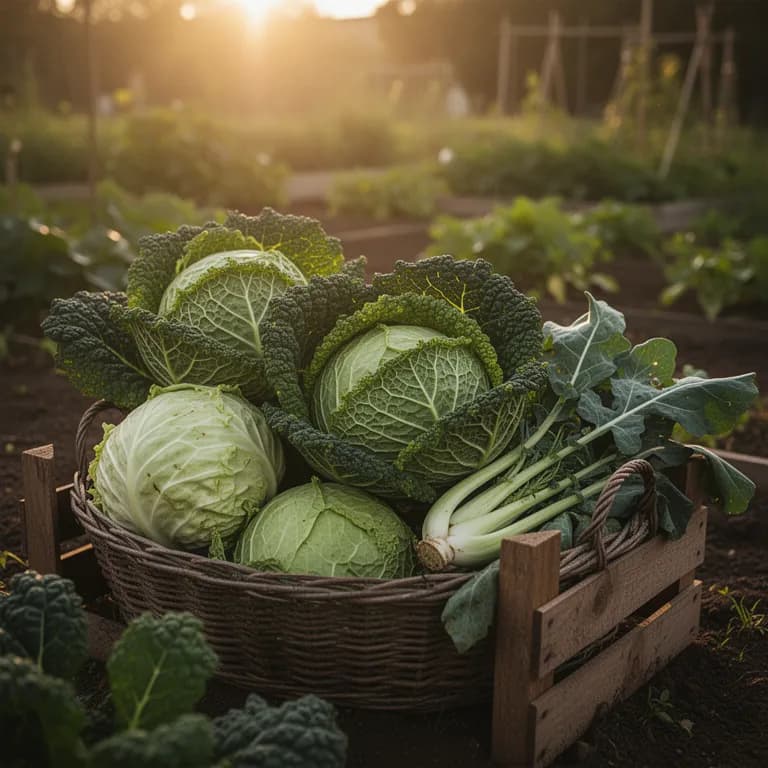
An elegant cabbage with deeply crinkled, tender leaves that are milder and more delicate than smooth-leaved varieties. Savoy cabbage is exceptionally cold-hardy and its flavor sweetens significantly after exposure to frost. The textured leaves are perfect for wrapping fillings, as they are pliable yet hold their shape when cooked. Use in stuffed cabbage rolls, light stir-fries, or add raw to salads for a mild, sweet crunch.
When to plant Savoy Cabbage
Start seeds indoors 6-8 weeks before last frost in cell trays filled with seed-starting mix. Sow seeds 1/4 inch deep and keep soil consistently moist at 65-75°F. Seeds germinate in 5-10 days. Provide strong light (14-16 hours daily) once seedlings emerge to prevent legginess. Thin to one seedling per cell. Begin hardening off 7-10 days before transplanting by gradually exposing to outdoor conditions. Transplant when seedlings have 4-6 true leaves.
Your Savoy Cabbage Year
Composed for Zone 7 · typical seasons · frost passes Apr 2, returns Nov 1
Plant Savoy Cabbage Mar – Apr, Jul – Aug, pick Jun – Jul, Oct – Nov. Check the planting methods below and set your climate to personalize these windows.
How to grow Savoy Cabbage
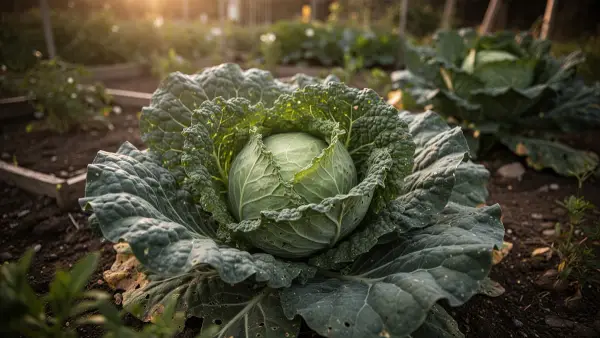
Start savoy cabbage indoors 6-8 weeks before the last spring frost, sowing seeds 1/4 inch deep in cell trays. Maintain soil temperature around 65-75°F for best germination in 5-10 days. Harden off seedlings for a week before transplanting outdoors, spacing them 18-24 inches apart in rows 24-30 inches apart.
Savoy cabbage thrives in cool weather and can tolerate light frosts, which actually improve its flavor. Water consistently, providing 1-1.5 inches per week, and mulch around plants to retain moisture and keep roots cool. Side-dress with a nitrogen-rich fertilizer when heads begin to form, about 4 weeks after transplanting.
For a fall harvest, direct sow or transplant in midsummer, timing so heads mature during cool autumn weather. Monitor for splitting, which occurs when heads receive uneven watering. Savoy cabbage is ready when heads feel firm to the touch but still have some give, typically 80-90 days from transplant.
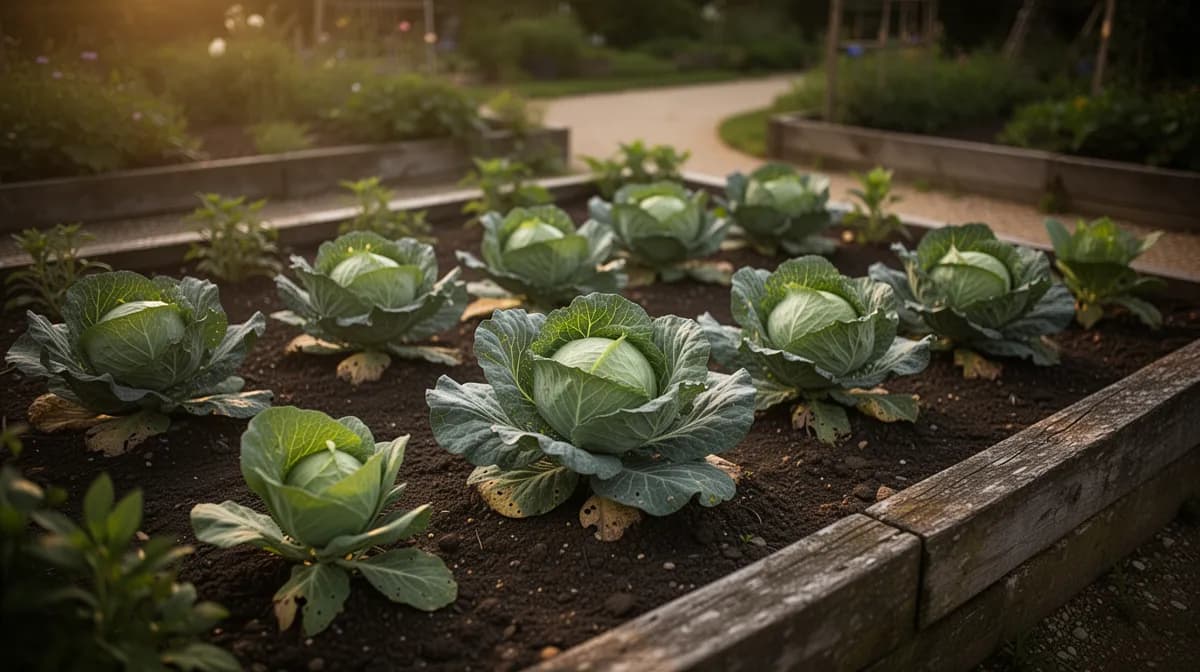
8 plants fit a 4 × 8 ft bed
Each Savoy Cabbage wants 50 cm of elbow room. The planner keeps that spacing for you — every plant, every bed.
Savoy Cabbage's best neighbours
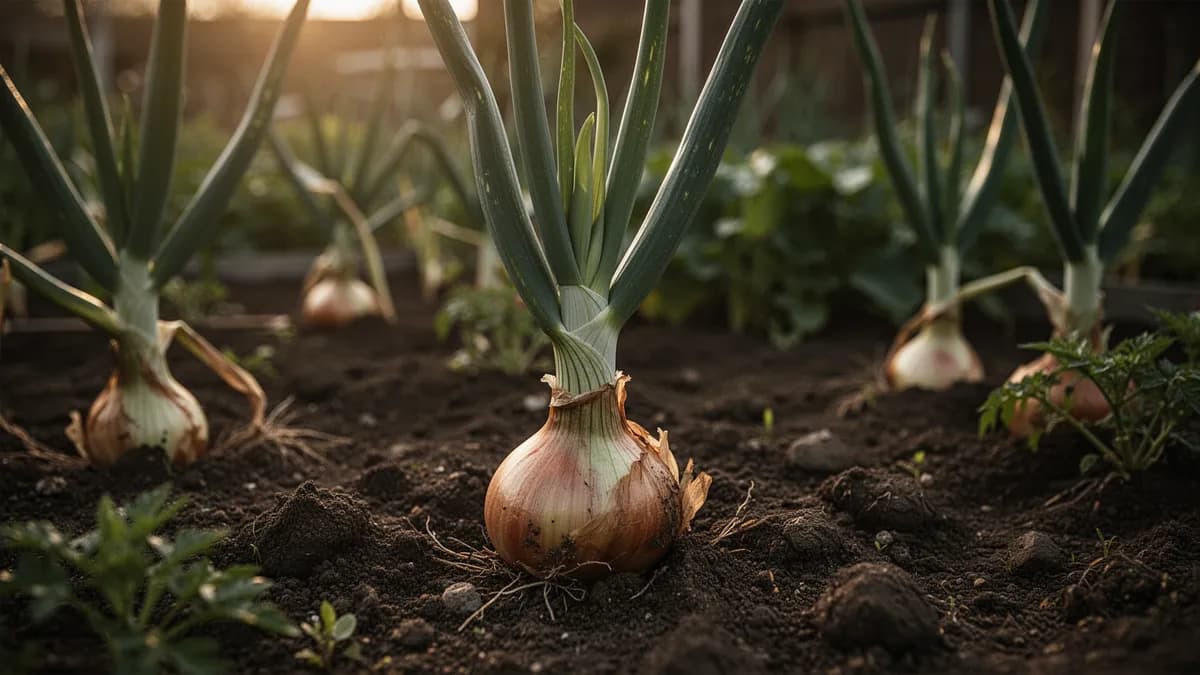
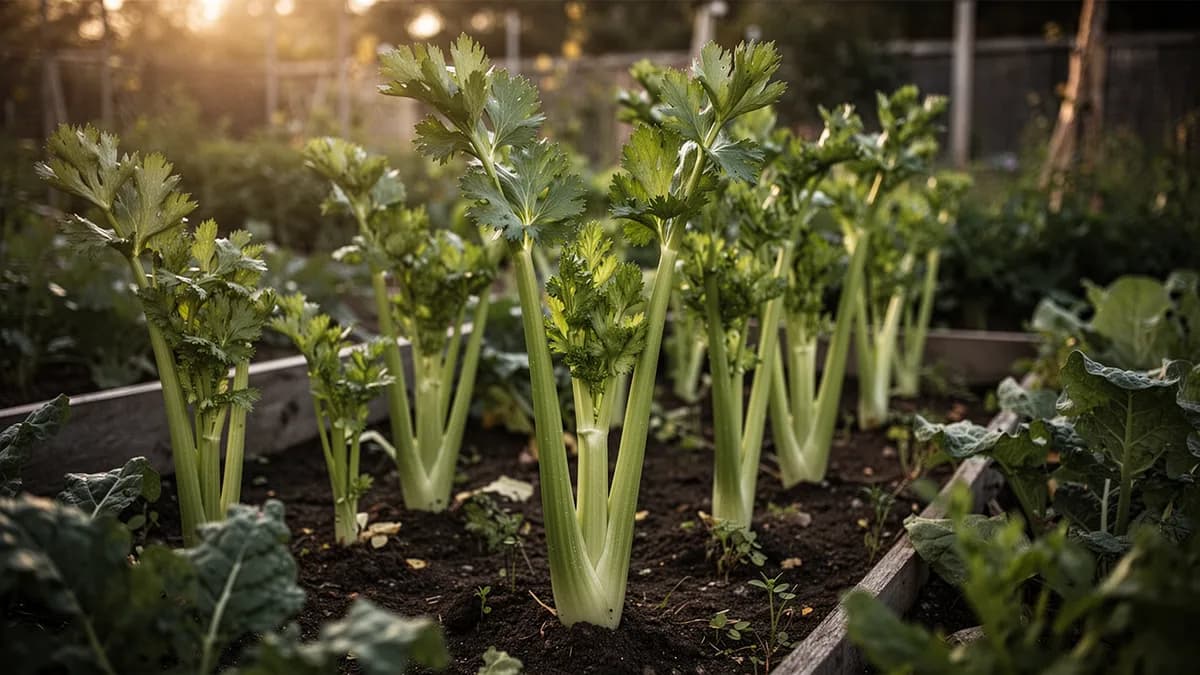
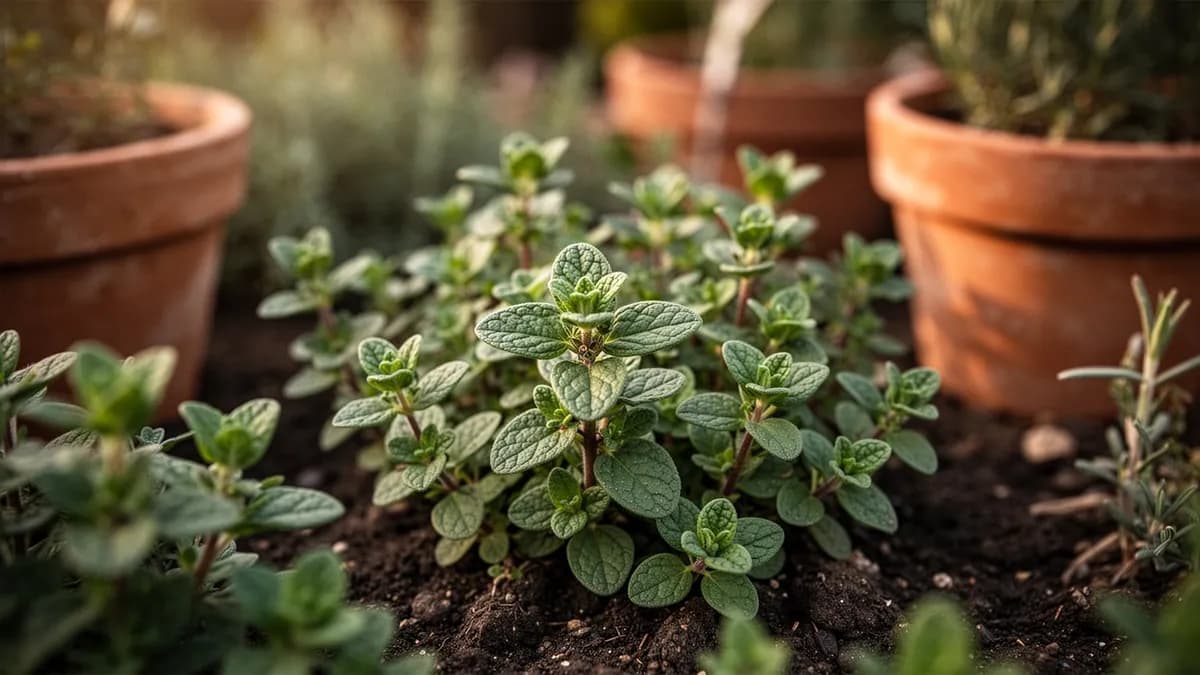
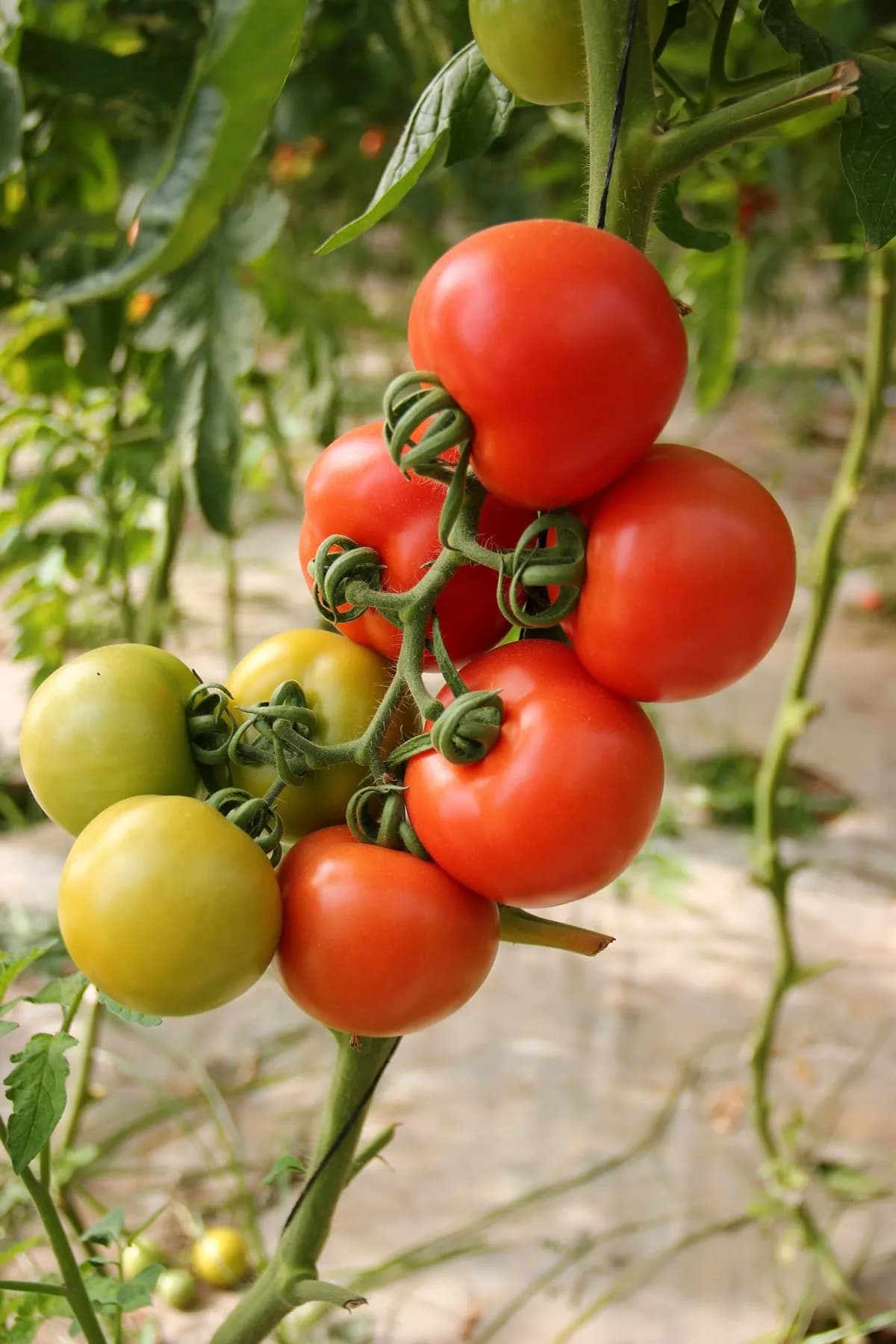
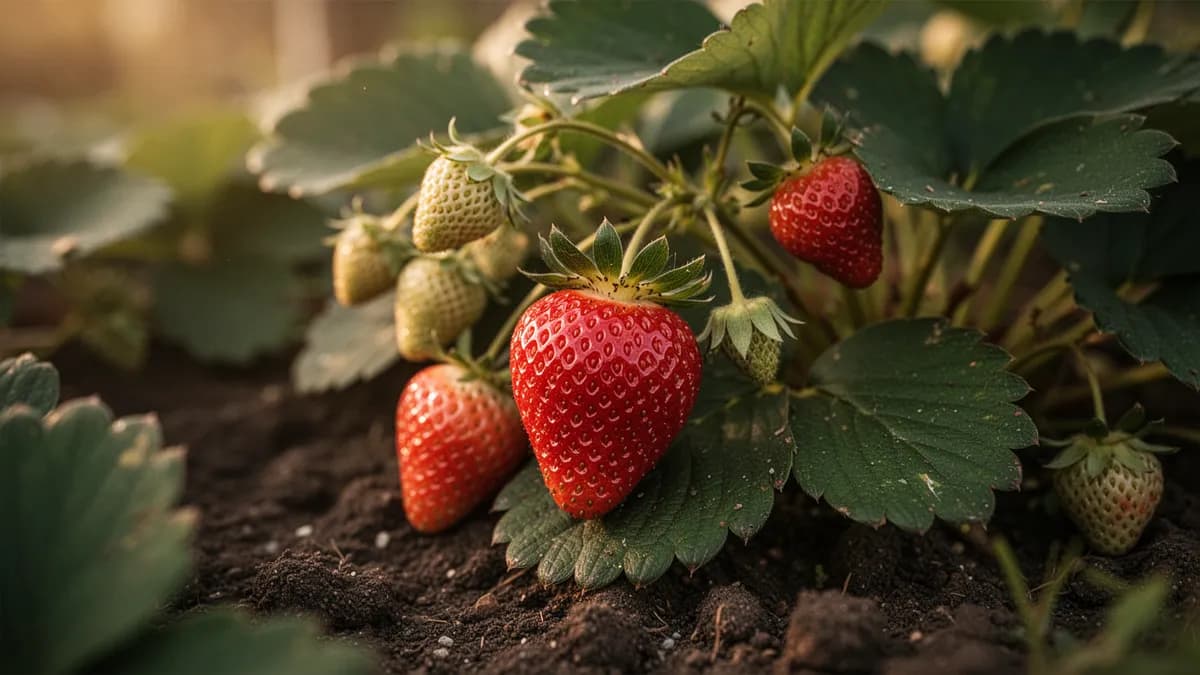
Plant savoy cabbage with aromatic herbs like thyme, dill, and chamomile, which help repel cabbage moths and other pests. Onions and garlic are excellent companions as their strong scent masks the cabbage from pests. Celery provides mutual benefit. Avoid planting near strawberries, tomatoes, and other brassicas. Marigolds planted nearby deter nematodes and aphids. Nasturtiums serve as trap crops for aphids.
Onion belongs beside it. Tomato doesn't.
Old growers' knowledge, checked against Savoy Cabbage's real companion table below — test any plant you're growing.
Try Savoy Cabbage in a bed — right here
A real planner bed with Savoy Cabbage already in it. Tap a companion to place it and watch the pairing checks answer — green for good neighbours, red for a clash.


Related growing guides
Feed it well
Savoy cabbage prefers rich, well-drained soil with a pH of 6.0-7.5. Amend soil with 2-3 inches of compost before planting. Apply a balanced 10-10-10 fertilizer at planting, then side-dress with nitrogen-rich fertilizer (such as blood meal) when heads begin forming. Boron deficiency can cause hollow stems, so ensure adequate trace minerals. Calcium is also important to prevent tip burn on inner leaves. Avoid excessive nitrogen late in growth, which can cause loose heads.
Ideal Temperature
Hardiness Zone Compatibility
From seed to harvest, stage by stage
Seed Starting
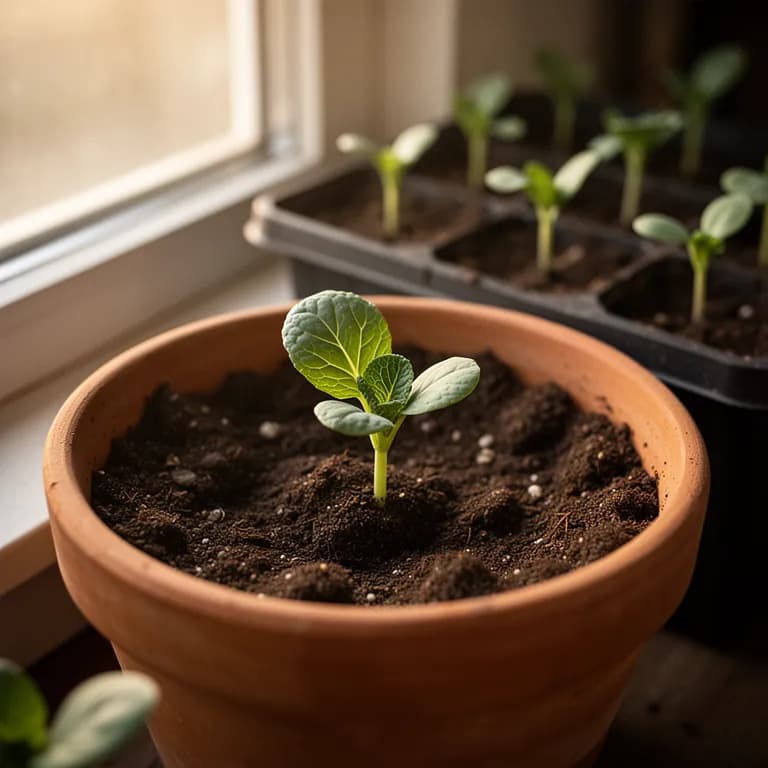
Seeds germinate in cool to moderate soil temperatures. Small round cotyledons emerge first, followed within days by the first pair of true leaves with a hint of the crinkled texture savoy cabbage is known for.
Seedling Development
True leaves multiply and the characteristic savoyed (crinkled) texture becomes pronounced. The seedling develops a sturdy, short stem and a compact rosette of 4-6 leaves before transplanting.
Transplant & Vegetative Growth
Transplanted seedlings establish quickly in cool conditions. The plant produces a broad rosette of large, deeply crinkled outer leaves that act as a canopy, shading the developing center and channeling dew toward the roots.
Head Formation
Inner leaves begin cupping inward and wrapping around each other to form a loose, rounded head. The head gradually tightens over several weeks, though savoy heads never become as dense as smooth-leaved cabbage varieties.
Maturation & Harvest
The head reaches full size and feels firm when gently squeezed, though it retains some give due to the crinkled leaf structure trapping air pockets. Flavor improves markedly after exposure to light frost, which converts starches to sugars.
Sow seeds 6mm (1/4 inch) deep in cell trays at 18-24°C (65-75°F). Keep soil evenly moist. Provide 14-16 hours of light once seedlings emerge to prevent leggy growth.
Caring for Savoy Cabbage month by month
What to do each month for your Savoy Cabbage
October
You are hereFall-planted heads are maturing. Light frosts improve flavor — do not rush harvest. Heads can remain in the field through several hard frosts. Harvest by cutting at the base with a sharp knife.
Know exactly what to do in your garden — every month
One email at the start of each month: what to sow, plant, and tackle right now — for your Savoy Cabbage and everything growing around it. Plus a short starter course that helps you dodge the classic mistakes.
- What to do, right now
- Matched to your season
- Starter course included
Harvesting Savoy Cabbage
Harvest savoy cabbage when heads are firm and have reached full size, typically 80-90 days after transplanting. Cut the head at the base with a sharp knife, leaving a few outer wrapper leaves for protection. In mild climates, you can leave savoy cabbage in the garden through light frosts, which sweetens the flavor. For a second harvest, cut the head high and leave the stem; small secondary heads may develop from the stump.
assuming you plant when the window opens — set your real date
Pick Savoy Cabbage promptly and the plant keeps producing.
Storage & Preservation
Store whole heads unwashed in a perforated plastic bag in the refrigerator crisper for 1-2 weeks. For long-term storage, savoy cabbage can be kept in a root cellar at 32-40°F and 90-95% humidity for up to 2 months. Unlike smooth-leaved cabbage, savoy does not store as long due to its looser head. Blanch shredded leaves for 90 seconds and freeze for up to 10 months. Savoy cabbage can also be fermented into a delicate sauerkraut.
What goes wrong — and the fix
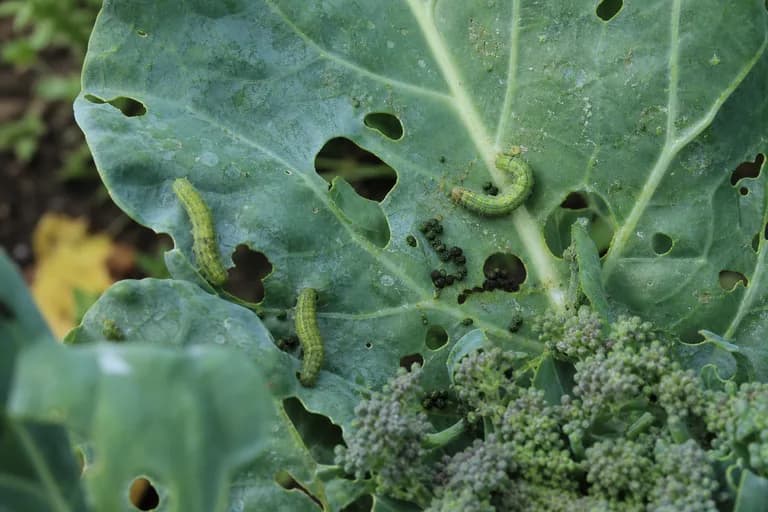
Cabbage Worm
PestIrregular holes in leaves, green caterpillars visible on undersides of leaves, frass (droppings) on leaves.
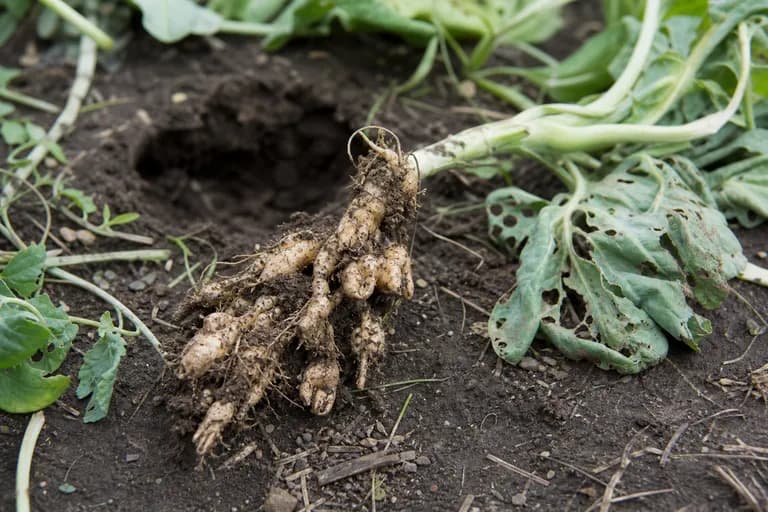
Clubroot
DiseaseWilting during hot days, stunted growth, swollen and distorted roots when pulled up.
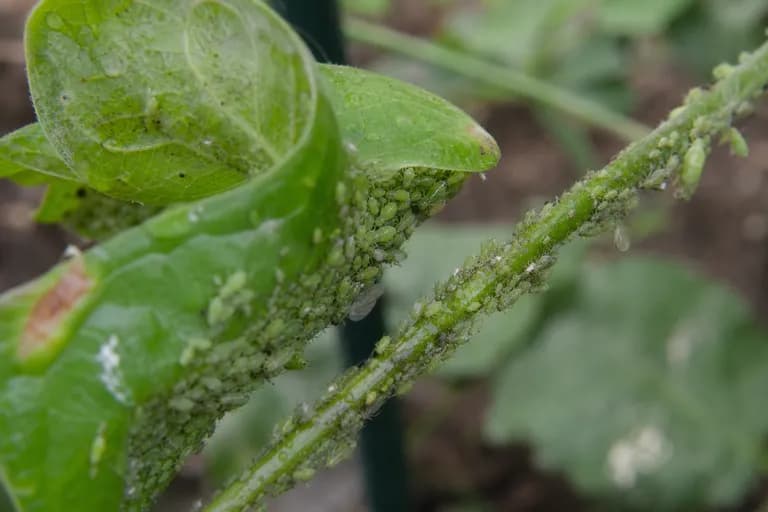
Aphids
PestCurled or yellowing leaves, sticky honeydew on leaves, clusters of small gray-green insects.
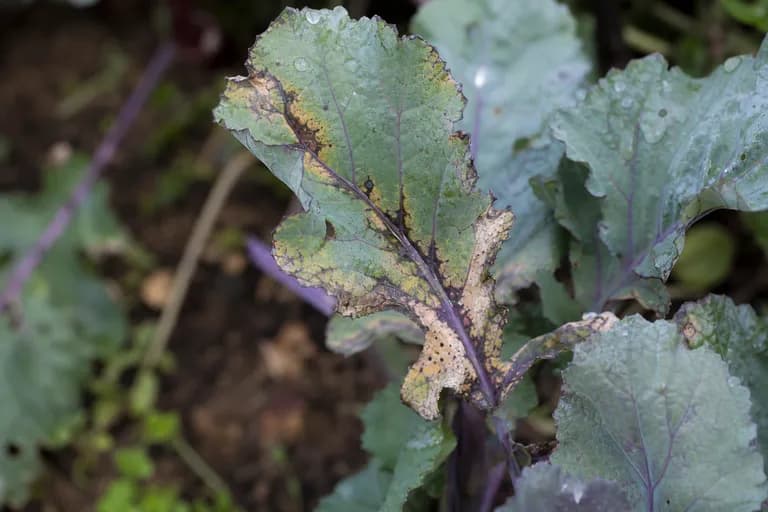
Black Rot
DiseaseV-shaped yellow lesions on leaf margins, blackened veins, leaves wilt and drop.
Troubleshooting Common Problems
Splitting occurs when heads receive too much water after a dry spell; maintain even moisture levels. Bolting happens when plants experience prolonged cold snaps below 40°F as young transplants. Loose, puffy heads result from too much heat or nitrogen. Tip burn on inner leaves indicates calcium deficiency or irregular watering. Savoy types are more susceptible to slugs due to their crinkled leaf texture providing hiding spots.
Growing Tips
- Savoy cabbage is a cool-season champion — time your planting so heads mature during cool weather. For spring planting, start seeds indoors 6-8 weeks before last frost. For fall harvest (which produces sweeter heads), transplant seedlings in mid to late summer.
- Space plants 45-60cm (18-24 inches) apart. Crowded savoy cabbage produces smaller, looser heads. Generous spacing also improves air circulation, reducing the risk of fungal diseases that thrive in the damp conditions between tightly packed brassicas.
- Water consistently — savoy cabbage needs 2.5-4cm (1-1.5 inches) of water per week. Irregular watering causes head splitting. Use drip irrigation or soaker hoses rather than overhead watering to keep crinkled leaves dry and reduce disease pressure.
- Mulch heavily with straw or shredded leaves to maintain soil moisture, moderate temperature, and suppress weeds. Organic mulch also feeds the soil as it decomposes. Keep mulch a few centimeters away from the stem to prevent rot.
- Protect young plants from cabbage moths with lightweight floating row covers installed immediately after transplanting. This is the single most effective organic pest control method for brassicas and eliminates the need for most sprays.
- Side-dress with a nitrogen-rich fertilizer (such as blood meal or fish emulsion) when heads start forming, about 4 weeks after transplanting. Adequate nitrogen at this stage is critical for developing large, well-filled heads.
- Do not rush the harvest. Savoy cabbage improves dramatically after light frost, which triggers the plant to convert starches to sugars as a cold-protection mechanism. A head harvested after two or three frosts will be noticeably sweeter than one picked before any frost.
- After harvesting the main head, cut high on the stem and leave the root system and lower leaves intact. The stump will often produce 2-4 small secondary heads over the following weeks — free bonus cabbage from the same plant.
Grow your best Savoy Cabbage yet — and everything around it.
Start a free plan today. Lay out your beds, drop in your Savoy Cabbage, and let PlotMyGarden handle the timing, spacing, companions and reminders from seed to harvest basket.
Pick your Savoy Cabbage
Perfection Drumhead
Classic heirloom with deep green crinkled leaves and sweet, mild flavor. Produces large, round heads up to 4 pounds.
Deadon
Stunning red-purple savoy with excellent cold hardiness. Semi-savoy leaves with beautiful color that intensifies in cool weather.
Alcosa
Early-maturing hybrid that produces uniform, medium-sized heads in just 70 days. Good heat tolerance for a savoy type.
Famosa
Reliable mid-season variety with tightly wrapped, dark green heads. Excellent disease resistance and stores well for a savoy.
Savoy cabbage is one of the most cost-effective vegetables to grow at home. A packet of seeds costing $2-4 can produce 50+ plants, each yielding a head that retails for $3-5 at grocery stores (or $5-8 organic). Growing just 6-8 plants provides $25-50 worth of cabbage from a few cents of seed. Unlike store-bought savoy cabbage that wilts quickly, home-harvested heads cut fresh from the garden last significantly longer and taste noticeably sweeter.
Quick recipes
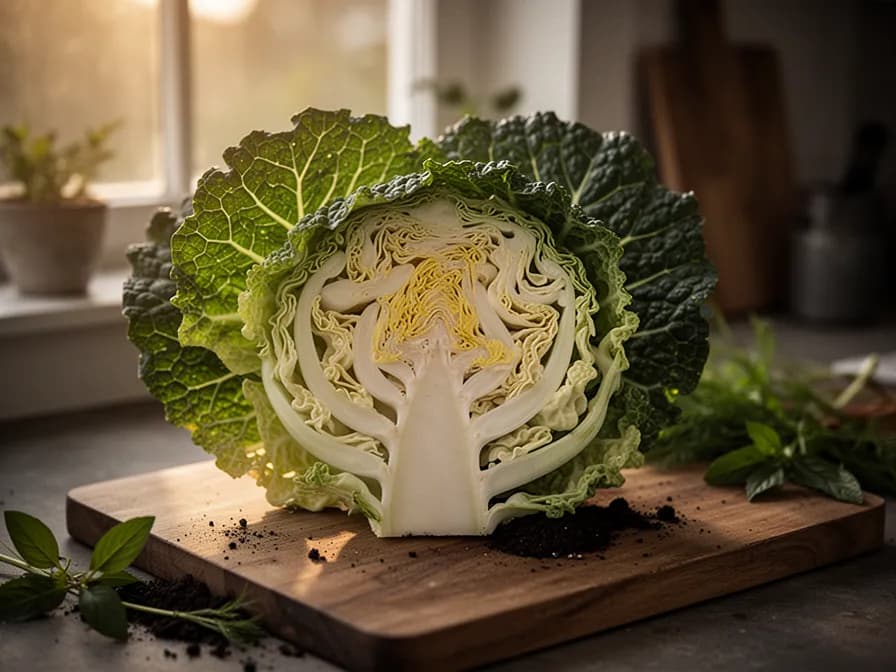
Classic Stuffed Savoy Cabbage Rolls
50 minThe quintessential savoy cabbage dish. Tender crinkled leaves are blanched until pliable, then wrapped around a savory filling of seasoned pork, rice, and herbs, and braised in a rich tomato sauce until meltingly tender.
8 ingredientsButtered Savoy Cabbage with Caraway
15 minA simple side dish that highlights savoy cabbage's delicate sweetness. Shredded leaves are quickly sauteed in butter with toasted caraway seeds until just wilted — a classic Central European preparation that pairs perfectly with roasted meats.
7 ingredientsSavoy Cabbage and White Bean Soup
35 minA hearty, nourishing soup perfect for cool weather. Shredded savoy cabbage melts into a fragrant broth with creamy white beans, creating a rustic Italian-inspired dish that is deeply satisfying and naturally low in fat.
8 ingredientsCulinary Uses
Savoy cabbage excels in stuffed cabbage rolls where its pliable leaves wrap easily without cracking. Add to soups, stews, and braises where it becomes silky-tender. Use raw in coleslaws for a delicate crunch. The mild flavor pairs well with butter, cream sauces, and caraway seeds. Excellent in stir-fries, gratins, and as a bed for roasted meats.
What's inside
Health Benefits
- Exceptionally rich in Vitamin K1, essential for proper blood clotting and increasingly linked to improved bone mineral density and reduced fracture risk in aging adults.
- Contains abundant glucosinolates — sulfur compounds that break down into isothiocyanates during chewing and digestion, which laboratory studies have shown to inhibit cancer cell growth in multiple tissue types.
- High in Vitamin C, providing about 34% of the daily value per 100g raw, supporting immune defense, wound healing, and iron absorption from plant-based foods.
- Good source of dietary fiber (3.1g per 100g), promoting healthy digestion, feeding beneficial gut bacteria, and supporting cardiovascular health by helping to lower LDL cholesterol.
- Provides folate (B9), a critical nutrient for DNA synthesis and cell division, particularly important during pregnancy for preventing neural tube defects.
- Contains significant amounts of the carotenoids beta-carotene and lutein, which support eye health and may help protect against age-related macular degeneration.
Where Savoy Cabbage comes from
Savoy cabbage traces its lineage to the wild cabbage (Brassica oleracea) native to coastal western Europe and the Mediterranean. While smooth-leaved cabbages were cultivated by the ancient Greeks and Romans, the distinctively crinkled savoy type emerged much later, likely through selective breeding in the Alpine regions of what is now southeastern France and northwestern Italy during the late Middle Ages.
The Savoy region (Savoie), straddling the French-Italian border in the western Alps, became the cabbage's namesake and primary breeding ground from the 15th century onward. The harsh Alpine winters naturally selected for cold-hardiness, and local farmers prized the crinkled-leaf mutation for its superior tenderness and sweetness after frost. Italian seed merchants spread savoy cabbage southward, while it traveled northward into Germany (where it became known as Wirsing), the Netherlands, and eventually Britain by the early 17th century.
Savoy cabbage became a cornerstone of Central and Northern European winter cuisine, valued for its ability to stand in the field through frosts that would destroy other vegetables. French classical cuisine embraced it for stuffed cabbage dishes (chou farci), while German and Polish cooks featured it in hearty soups and braises. Today, savoy cabbage is grown worldwide in temperate climates and is experiencing renewed popularity among chefs who value its delicate texture and versatility over the denser, more common smooth-leaved varieties.
Savoy Cabbage: did you know?
Fascinating facts about Savoy Cabbage
Savoy cabbage takes its name from the Savoy region straddling the French-Italian Alps, where it was extensively cultivated from at least the 16th century. The House of Savoy, the ruling dynasty of the region, lent its name to both the cabbage and the famous Savoy Hotel in London.
Savoy Cabbage questions, answered
When should I plant Savoy Cabbage?
What are good companion plants for Savoy Cabbage?
What hardiness zones can Savoy Cabbage grow in?
How much sun does Savoy Cabbage need?
How far apart should I space Savoy Cabbage?
What pests and diseases affect Savoy Cabbage?
How do I store Savoy Cabbage after harvest?
What are the best Savoy Cabbage varieties to grow?
What soil does Savoy Cabbage need?
How is savoy cabbage different from regular green cabbage?
Why is my savoy cabbage not forming a head?
Can I grow savoy cabbage in containers?
When should I harvest savoy cabbage, and how do I know it is ready?
What pests are most problematic for savoy cabbage, and how do I control them organically?
You just read the theory. Now grow it on autopilot.
Everything that makes Savoy Cabbage fiddly — the timing, the spacing, the companions, the harvest window — is exactly what PlotMyGarden handles for you, for every plant in your garden.
A plan that knows your weather
Set your location once. Get sow, feed and harvest dates built around your real last-frost date and live forecast — no more guessing from a generic seed packet.
From the “When to plant” sectionDrag-and-drop bed planner
Design beds on a grid. Every plant snaps to its proper spacing, and you can see your whole season laid out before you spend a cent on seed.
From the “Growing guide” sectionCompanion conflicts, caught early
200+ good-and-bad pairings checked live as you plant — so a season-wrecking mistake never makes it into the ground.
From the “Companions” sectionReminders you'll actually act on
“Water the beans.” “Pick today before it turns.” Timely, specific, and tied to the plants you're really growing.
From the “Harvest” sectionSuccession, scheduled
Want a harvest for six weeks, not six days? It spaces your sowings automatically and reminds you when each new block is due.
From the “When to plant” sectionA record that gets smarter
Every harvest you log teaches it your garden. Next year's plan starts from what actually worked in your soil, not a textbook's.
From the “Overview” sectionPlant these alongside Savoy Cabbage
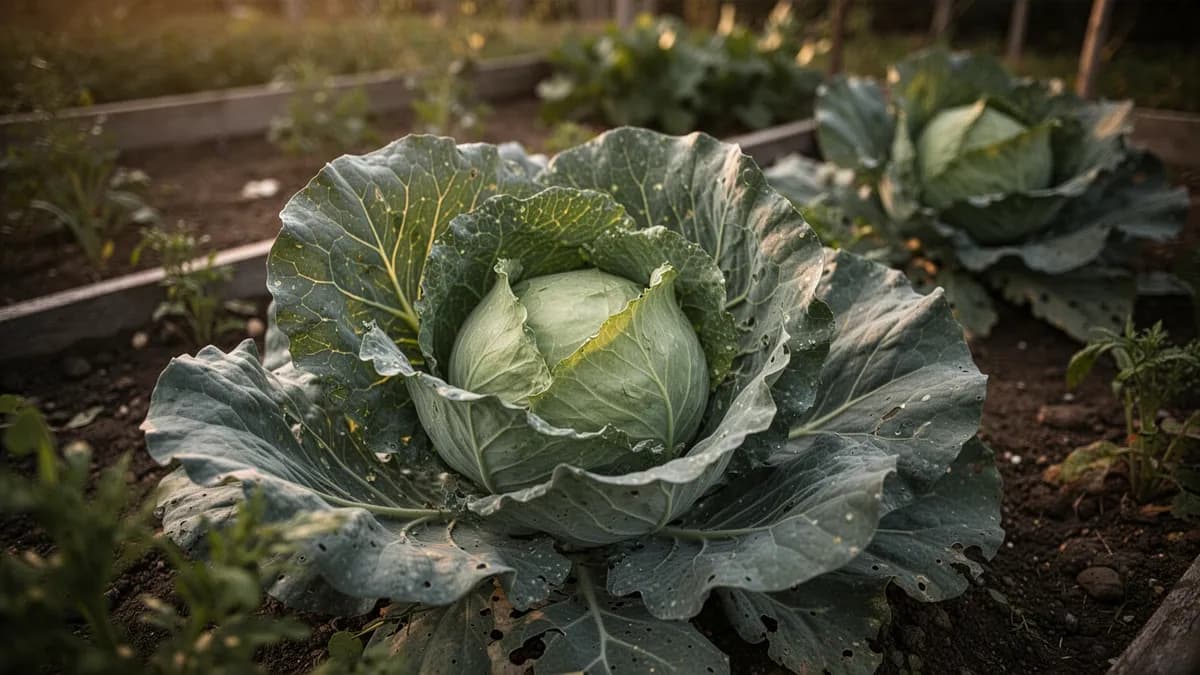
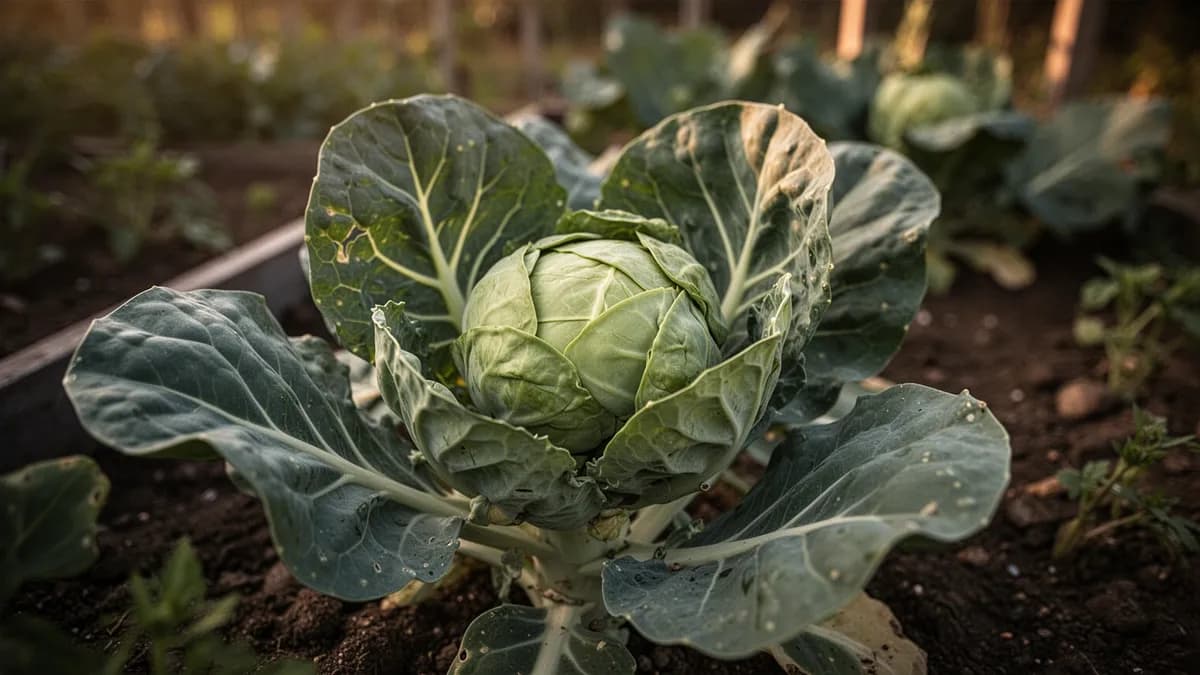
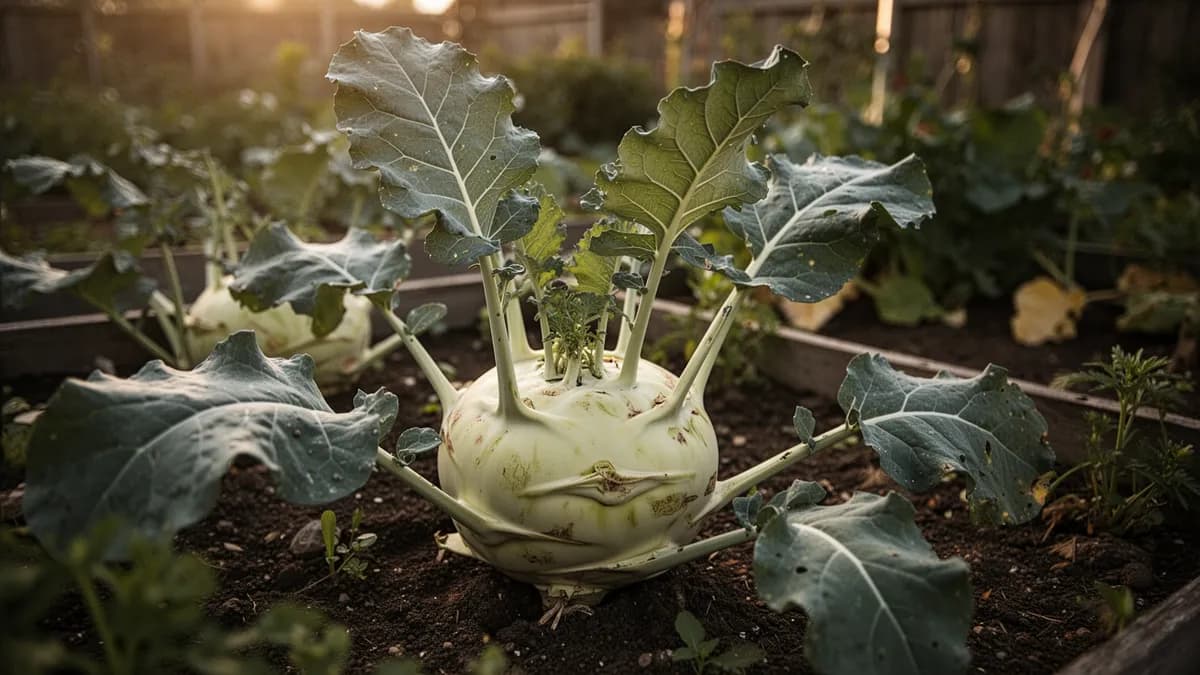
More Cruciferous
Keep Savoy Cabbage away from these
Garden plans featuring Savoy Cabbage
Grow your best Savoy Cabbage yet — and everything around it.
Start a free plan today. Lay out your beds, drop in your Savoy Cabbage, and let PlotMyGarden handle the timing, spacing, companions and reminders from seed to harvest basket.