Phacelia
typical season: sow Mar – Aug · blooms May – Sep · set your climate
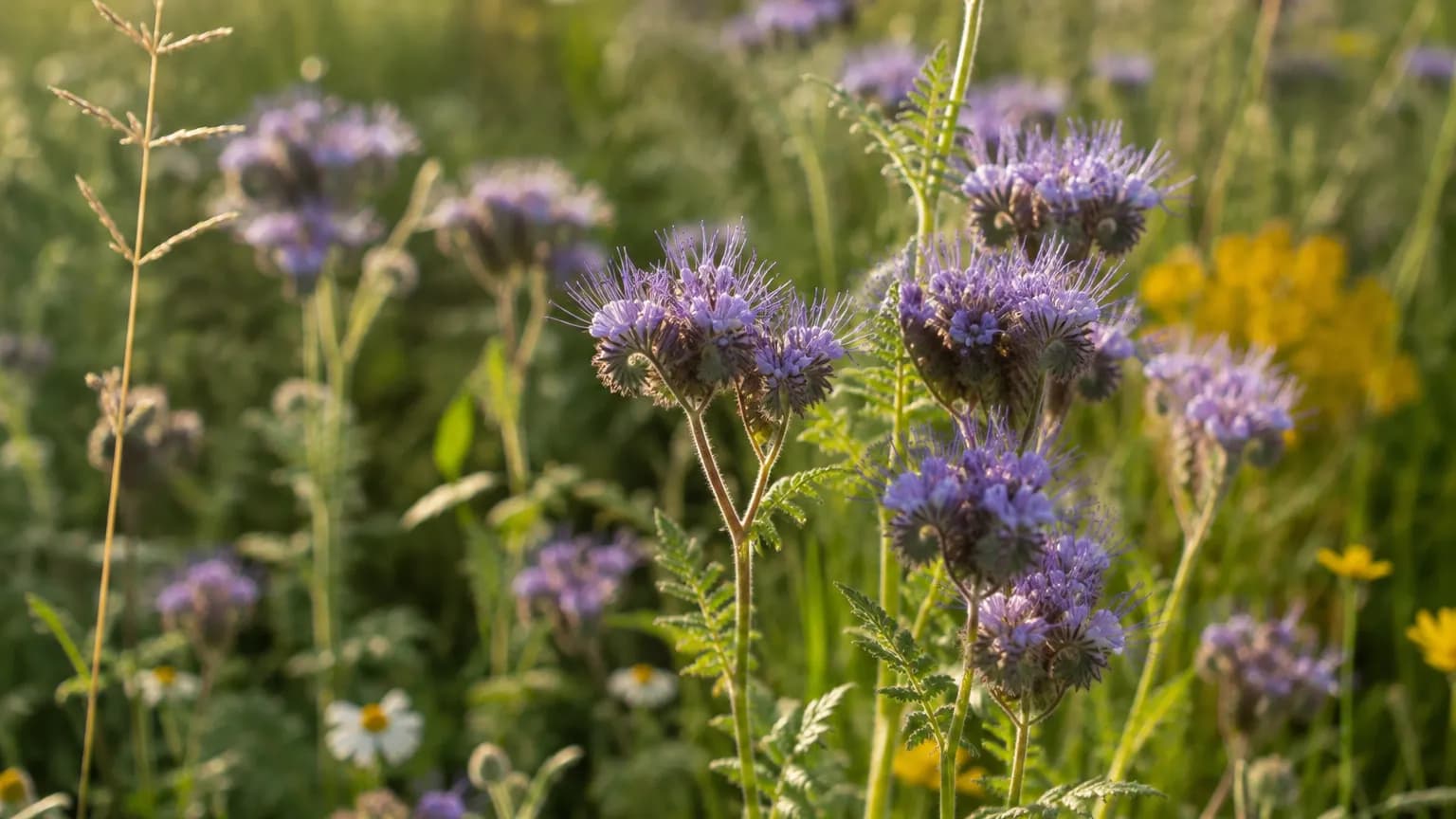
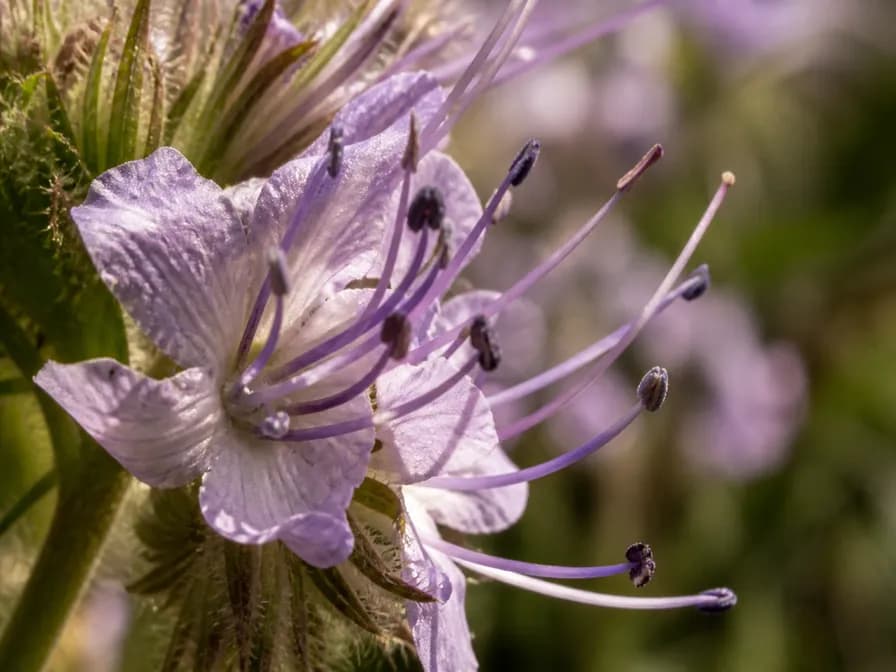
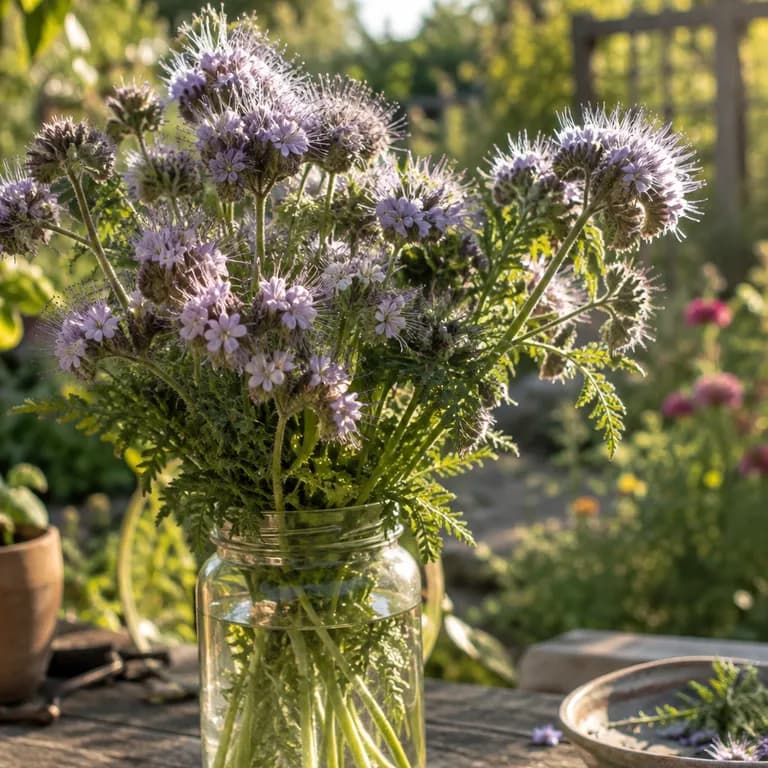
A fast-growing annual wildflower with lacy, fern-like foliage and coiled clusters of lavender-blue, bell-shaped flowers that unfurl like a fiddleneck.
On this pageOverview
Meet Phacelia
A fast-growing annual wildflower with lacy, fern-like foliage and coiled clusters of lavender-blue, bell-shaped flowers that unfurl like a fiddleneck. Beekeepers nickname it 'bee bread' because few plants produce as much nectar per square meter — a stand hums with honeybees, bumblebees, and hoverflies from morning to dusk. Phacelia is a true dual-purpose plant: sow it as a pollinator strip between vegetables, or grow it as a green manure whose dense, fibrous roots loosen topsoil before you cut it down ahead of seed set. Direct-sow in cool soil in spring or late summer and thin to 20 cm; it thrives on lean, dry ground where fussier flowers fail. Left uncut, it self-sows freely and returns on its own next season.
When to plant Phacelia
Phacelia is direct-sown where it is to grow — starting it indoors is possible in deep cell trays, but the fibrous roots dislike disturbance and direct-sown plants establish faster. Sow outdoors from March (or as soon as soil is workable) through May, and again in August. Cover seeds 0.5-1 cm deep: phacelia is a darkness germinator, and surface-sown seed germinates poorly. Keep the seedbed evenly moist until emergence, which takes 10-20 days depending on soil temperature — faster in warm soil, but reliable even below 10°C. Thin or transplant volunteer seedlings to 20 cm apart. For broad drifts or green-manure cover, broadcast 1-2 g/m² and rake the seed in lightly.
Your Phacelia Year
Composed for Zone 7 · typical seasons · frost passes Apr 2, returns Nov 1
Plant Phacelia Mar – May, Aug, in bloom May – Sep. Check the planting methods below and set your climate to personalize these windows.
Phacelia in bloom this season? Its next window opens Aug 1
One email a few days before it opens where you garden and one two weeks before it closes — then one when the first blooms are due.
One email per milestone, never more than one a week. Unsubscribe with one tap. No account needed.
How to grow Phacelia
Direct-sow phacelia from early spring, as soon as the soil can be worked, through late spring — and again in late summer for autumn bloom or an overwintering green manure. The seeds need darkness to germinate, so cover them 0.5-1 cm deep rather than scattering them on the surface. Germination takes 10-20 days in cool soil (it begins at just 2-5°C). For pollinator strips and cover cropping, broadcast 1-2 g of seed per square meter and rake in lightly; in beds, sow in rows and thin seedlings to 20 cm apart once they have two true leaves. Succession sowings every 3-4 weeks keep fresh bloom coming all season.
Phacelia wants full sun and lean, well-drained soil — rich, heavily fed ground produces soft, floppy growth that lodges after rain. Water to establish, then sparingly; once rooted, it is genuinely drought-tolerant and needs no fertilizer at all. Maintenance is simple: deadhead spent clusters to extend flowering and stop self-sowing, or shear the whole stand back by half after the first flush to trigger a second, slightly later bloom. The bristly stems usually stand on their own, but plants on fertile soil may lean — a few twiggy branches pushed in alongside give invisible support.
As a green manure, phacelia shines because it is unrelated to any common vegetable family, so it slots into any rotation. Its fibrous roots build a dense mat that loosens the top 10-20 cm of soil, scavenges leftover nitrogen, and smothers weeds in as little as six weeks. Terminate the stand at full bloom — at the latest 1-2 weeks after the first flowers open, before any seed sets — by cutting at the base. Leave the tops as surface mulch or shallowly fork them in, and wait 2-3 weeks before planting the following crop. In zones 3-6 a hard freeze does the job for you: the plants winterkill cleanly, leaving a weed-free mulch for spring.
72 plants fit a 4 × 8 ft bed
Each Phacelia wants 20 cm of elbow room. The planner keeps that spacing for you — every plant, every bed.
Phacelia's best neighbours
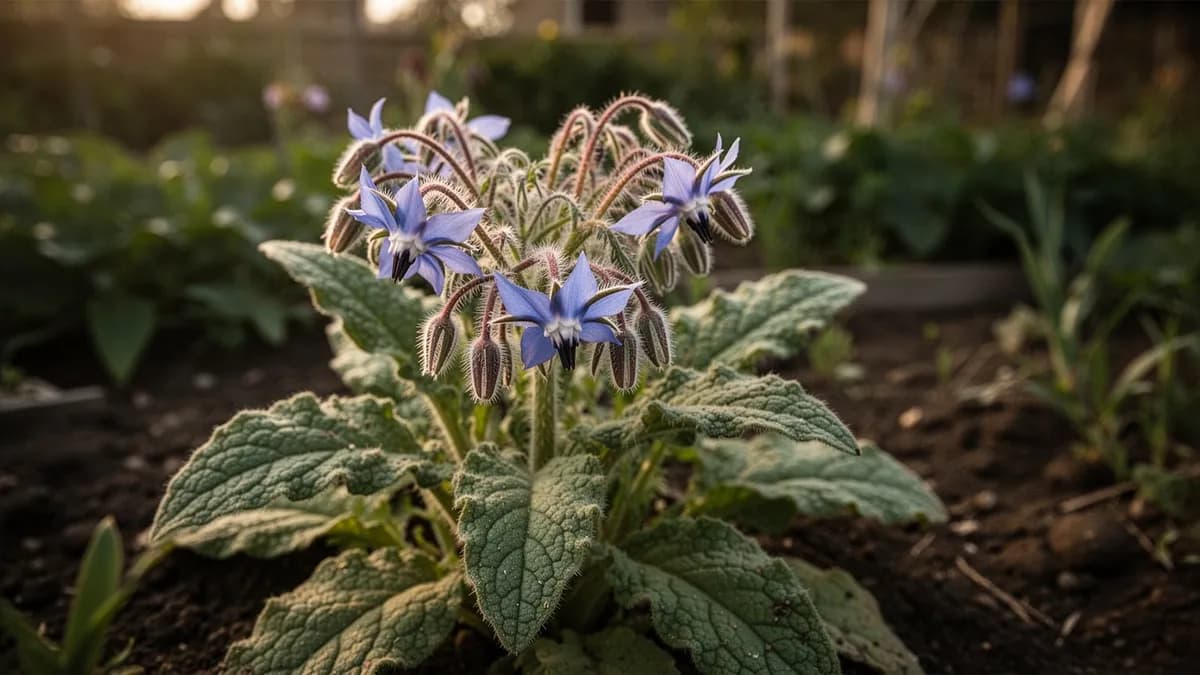
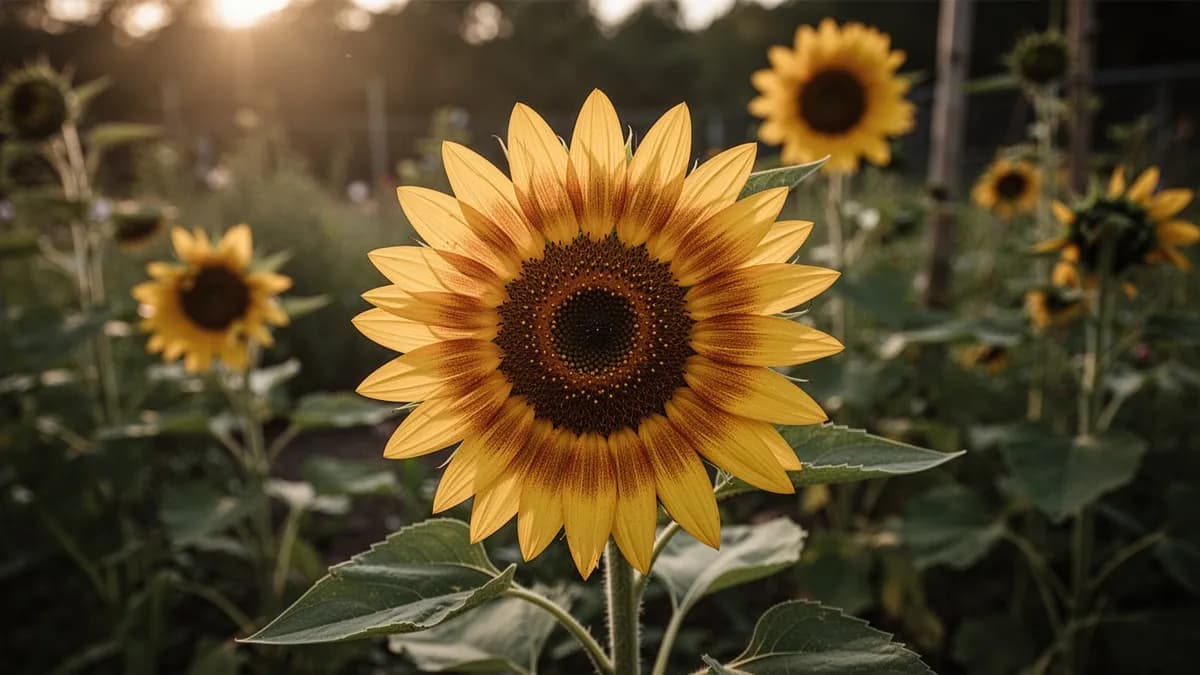
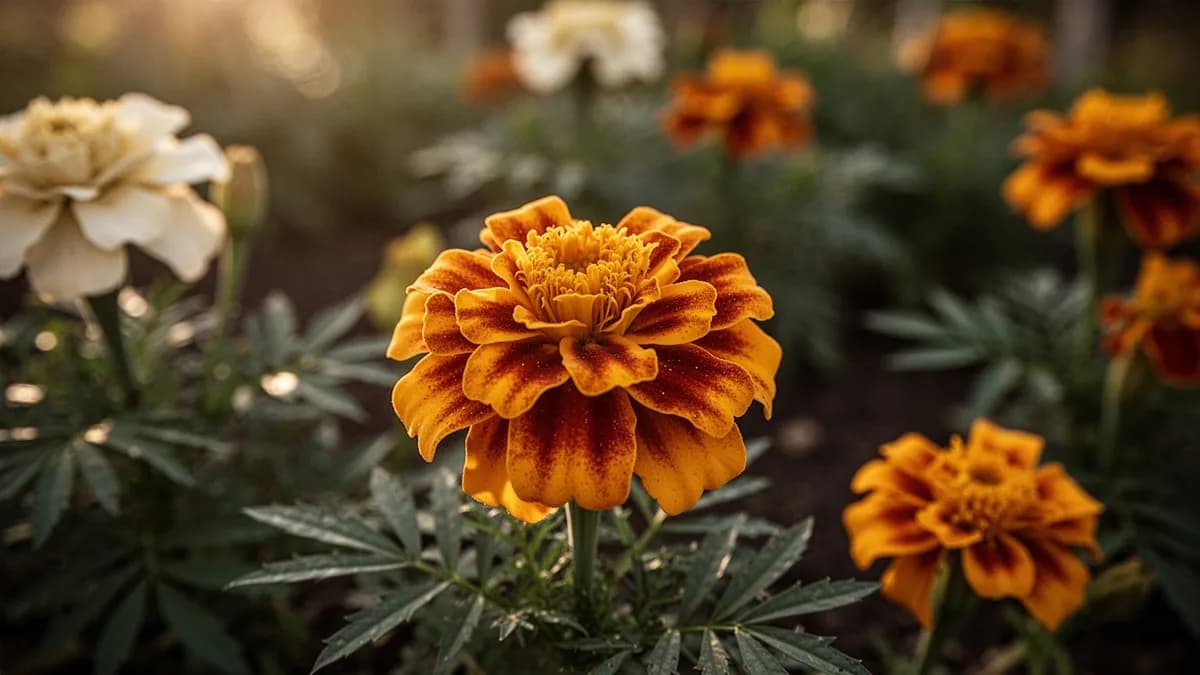
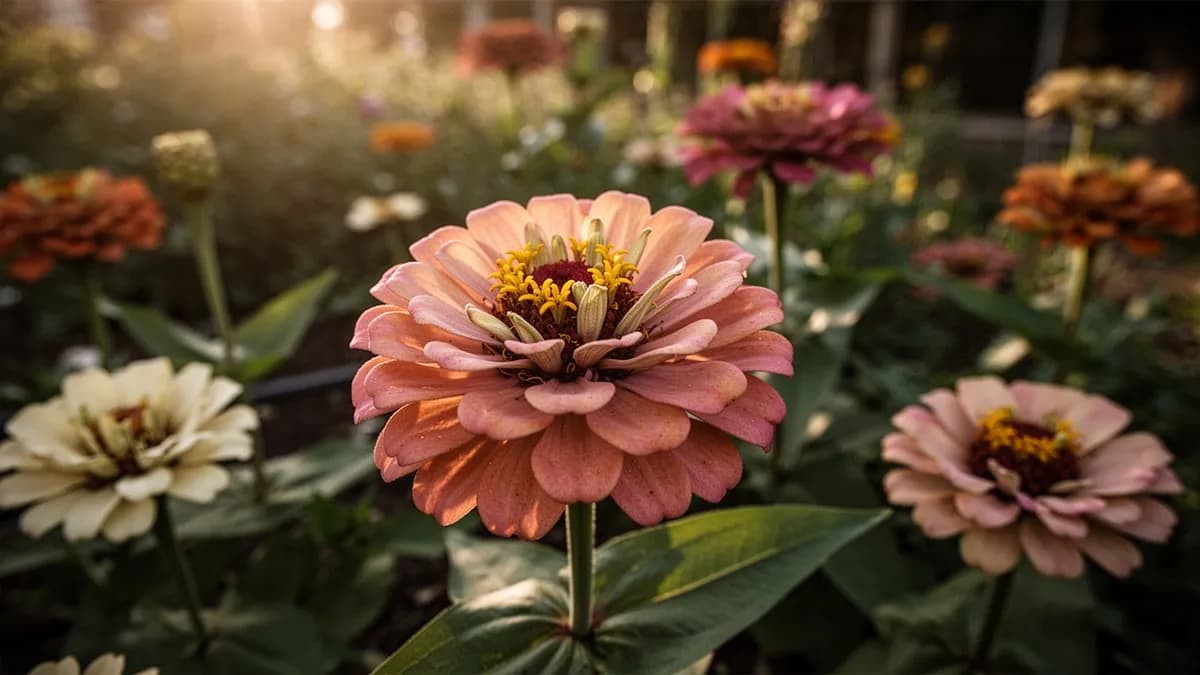
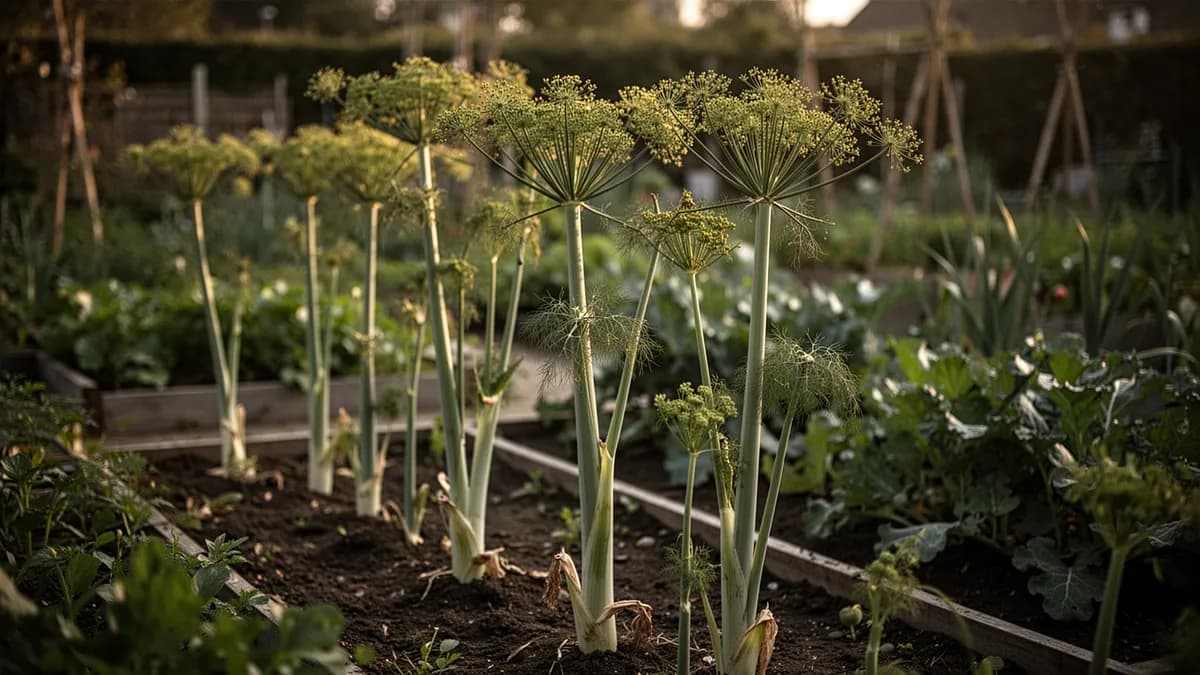
Phacelia is one of the finest companion flowers for the productive garden. Woven through or alongside vegetable beds with borage, marigold, and zinnia, it pulls in honeybees that improve the set of nearby squash, cucumbers, and strawberries, while its clouds of bloom feed hoverflies whose larvae devour aphids on neighboring crops. Planted with tall, sturdy companions such as sunflower, it gains discreet support on windy sites. Its only real caution is fennel, which inhibits the germination and growth of most neighbors, phacelia included. Because it is related to neither brassicas, legumes, nor nightshades, it fits into any rotation as a restorative gap-filler between crops.
Borage belongs beside it. Fennel doesn't.
Old growers' knowledge, checked against Phacelia's real companion table below — test any plant you're growing.
Related growing guides
Feed it well
Phacelia is famously undemanding: it performs best on light, free-draining sandy to loamy soils and tolerates poor, dry ground that would starve fussier flowers. A pH between 6.0 and 7.5 suits it well. Avoid heavy, wet clay unless it is loosened with grit and organic matter, since waterlogging quickly rots the roots. Do not fertilize — feeding, especially nitrogen, produces lush, floppy foliage, fewer flowers, and stems that lodge after rain. As a green manure the plant feeds the soil instead: it scavenges leftover nitrogen and returns it as soft, fast-rotting biomass when cut down.
Ideal Temperature
Hardiness Zone Compatibility
From seed to harvest, stage by stage
Seed Germination
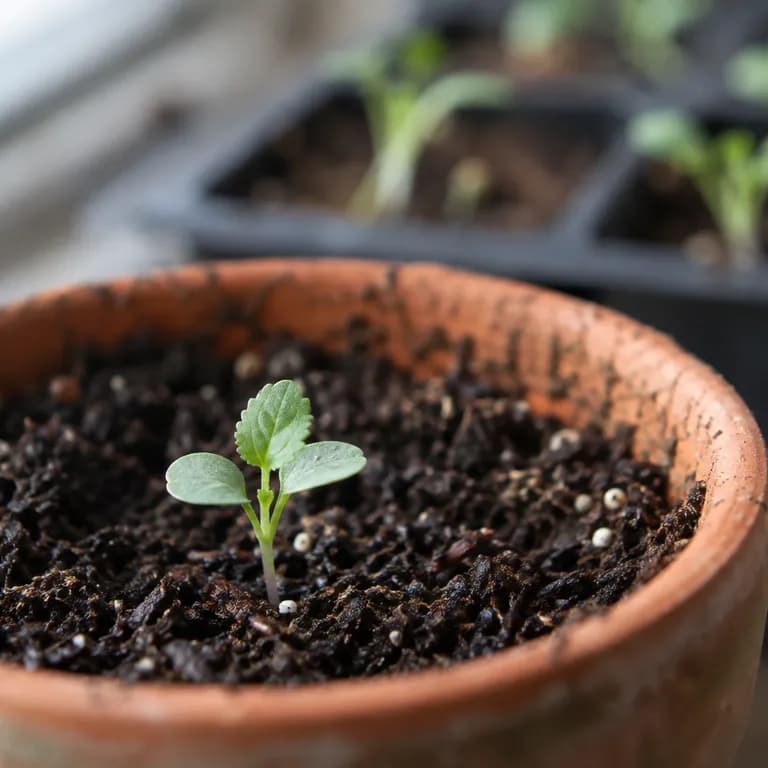
Phacelia seeds are tiny and dark, and they are darkness germinators: they sprout reliably only when covered 0.5-1 cm deep. Germination takes 10-20 days and begins in remarkably cool soil, from about 2-5°C upward, which is why phacelia can be sown weeks before tender annuals. A slender root goes down first, followed by a pair of narrow cotyledons.
Seedling Development
The first true leaves appear with the finely divided, slightly hairy character of the mature plant. Seedlings grow low at first, building a fibrous root system, and tolerate light frost that would kill tender annuals. Growth accelerates quickly once the roots take hold.
Vegetative Growth
Plants surge into upright, branching bushes 50-100 cm tall clothed in lacy, tansy-like foliage. The dense canopy shades out weeds — one reason phacelia is prized as a cover crop — while the fibrous roots knit and loosen the topsoil. Growth is fastest in cool to mild weather.
Flowering
About six to eight weeks after sowing, coiled scorpioid clusters rise above the foliage and uncoil as the lavender-blue bells open in sequence. Bloom continues for four to six weeks, and the stand becomes a magnet for honeybees, bumblebees, and hoverflies. Cut stems make an unusually long-lasting wildflower for the vase.
Seed Set and Termination
After pollination, each cluster sets small capsules of dark seed that ripen quickly and shed easily. Left standing, phacelia self-sows freely and returns as volunteers the following spring. In zones 3-6, hard frost kills the plants outright, leaving a standing winter mulch; in milder zones, late-sown stands may overwinter and bloom early.
Direct-sow in place and keep the seedbed evenly moist until emergence. Do not scatter seed on the surface — rake it in lightly or firm a thin layer of soil over it. Early spring and late summer sowings both germinate well in cool conditions.
Caring for Phacelia month by month
What to do each month for your Phacelia
November
You are hereClear spent plants to the compost where beds are needed for winter work. In mild zones, late-sown stands stand green through winter — leave them untouched until they flower in spring, then cut before seed set.
Harvesting Phacelia
For cut flowers, harvest stems in the cool of morning when roughly half the bells on a coiled cluster have opened — the rest open in the vase, and phacelia lasts unusually well in water for a wildflower, often a week or more. Cut just above a leaf node so side shoots carry on blooming. For green manure, the harvest is the termination itself: cut the stand at full bloom, and never later than 1-2 weeks after flowering begins, before any seed has set. Chop the tops finely and leave them as mulch or fork them into the top few centimeters of soil. To save seed, leave a few plants, wait until the coiled heads turn brown and dry, then bag and shake them over a bucket.
assuming you plant when the window opens — set your real date
Deadhead Phacelia regularly and it keeps flowering.
What goes wrong — and the fix
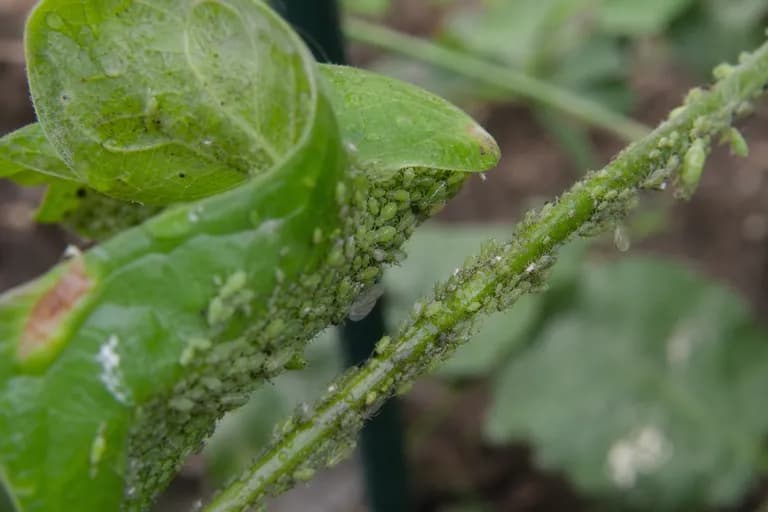
Aphids
PestColonies of small green or black insects clustered on tender shoot tips and buds, sticky honeydew, and curled new growth.
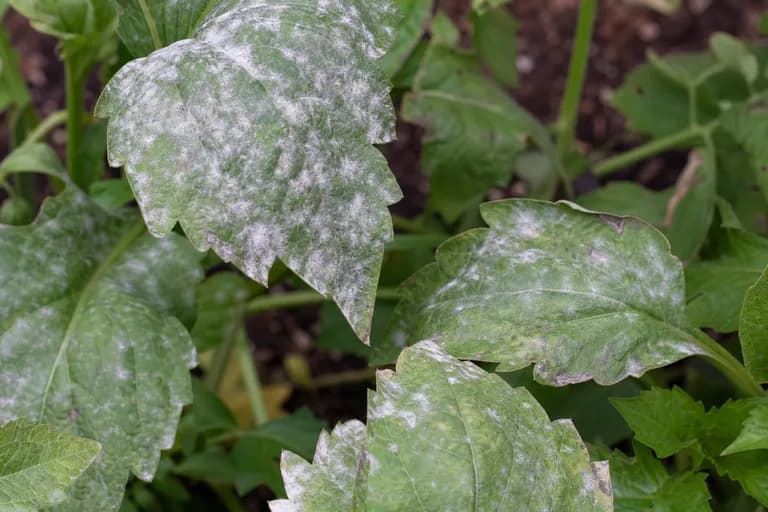
Powdery Mildew
DiseaseWhite, floury patches on older leaves and stems, worst in late summer when stands are dense and air circulation is poor.
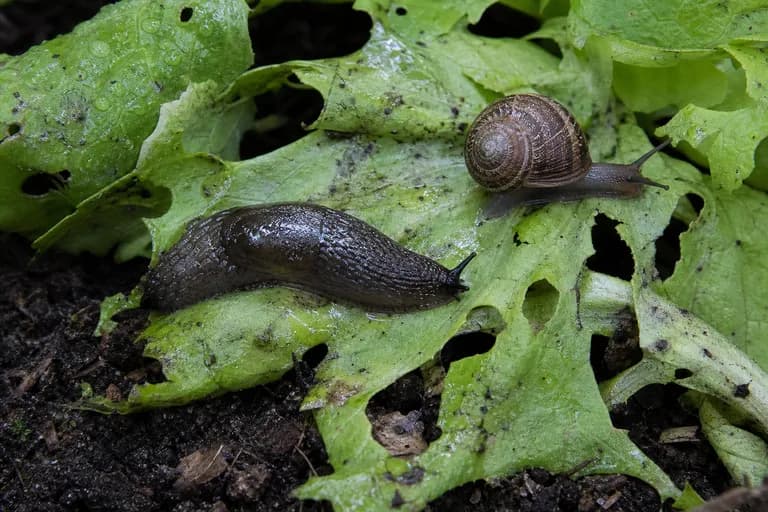
Slugs and Snails
PestIrregular holes in young leaves, silvery slime trails, and entire seedlings grazed down to stubs overnight in damp weather.
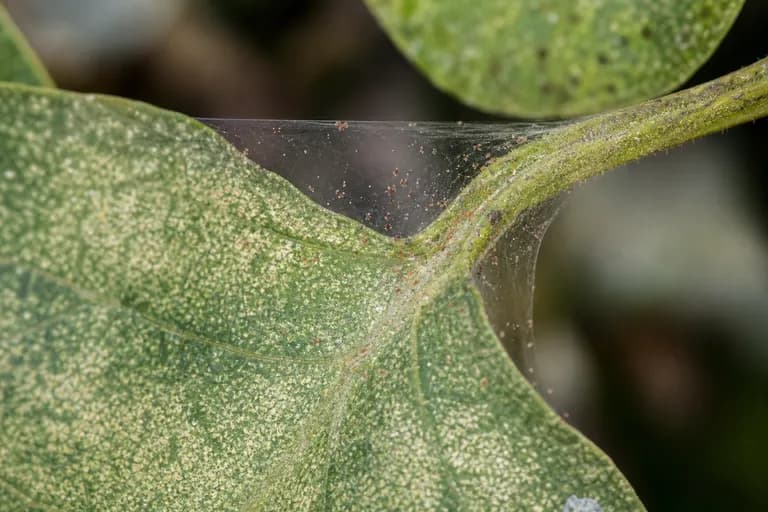
Spider Mites
PestFine stippling and bronzing of leaves with delicate webbing on the undersides, appearing during hot, dry spells.
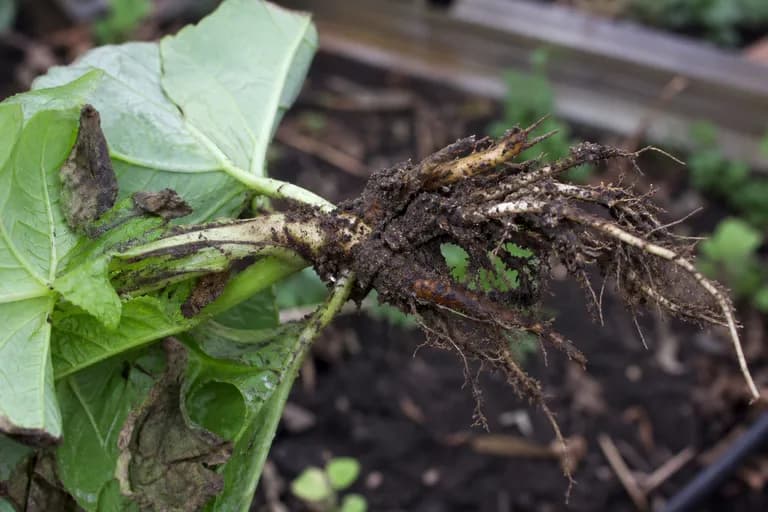
Root Rot
DiseaseSudden wilting despite moist soil, yellowing lower leaves, and blackened, soft roots in waterlogged ground.
Troubleshooting Common Problems
The most common issue is poor germination from surface-sown seed: phacelia needs darkness, so always cover seeds 0.5-1 cm deep. Self-sowing is the second — plants left to set seed scatter hundreds of seedlings, which are easy to hoe out but tedious; deadhead or terminate stands before seed set if volunteers are unwelcome. On rich soil, plants grow tall and soft and topple in wind or heavy rain. Crowded, unthinned stands invite powdery mildew by late summer. In hot spells above 30°C, flowering shortens noticeably, so in warm climates treat phacelia as a spring and autumn flower rather than a midsummer one.
Growing Tips
- Always cover phacelia seed 0.5-1 cm deep — it germinates in darkness, and the most common cause of failure is seed scattered on the surface and left uncovered.
- Sow early. Phacelia germinates in soil as cold as 2-5°C, so the first sowing can go in weeks before tender annuals, giving bloom by late spring.
- For pollinator strips and green manure, broadcast 1-2 g of seed per square meter and rake in lightly — dense, even stands smother weeds far better than rows.
- Keep it lean. Never fertilize phacelia; rich soil produces soft, floppy growth, fewer flowers, and stems that lodge after the first heavy rain.
- Deadhead spent clusters — or shear the stand by half after the first flush — to stretch flowering across the season and stop unwanted self-sowing.
- Time green-manure termination by the flowers, not the calendar: cut at full bloom, and never later than 1-2 weeks after the first flowers open, before any seed sets.
- After cutting a green-manure stand, chop the tops and leave them as surface mulch or fork them in shallowly, then wait 2-3 weeks before planting the next crop.
- Wear gloves if you have sensitive skin — like its relative borage, phacelia's bristly foliage can cause contact irritation when handled at length.
- In hot climates, skip midsummer: sow in early spring and again in late summer, treating phacelia as a cool-season flower that sits out the worst heat.
Pick your Phacelia
Species Type (Wild Form)
The unimproved open-pollinated species sold by most seed merchants and wildflower suppliers. Vigorous, variable, and the best choice for pollinator strips and naturalistic sowings.
Balo
A widely grown German-bred cultivar listed on European variety registers, selected for uniform, reliable stands. One of the standard green-manure phacelias offered by agricultural seed suppliers.
Angelia
A registered German variety long established on national variety lists in central Europe. Dependable for cover cropping and bee pasture plantings.
Lisette
A German-bred selection listed in European variety registers and sold through agricultural seed catalogs for green manure and forage use.
Stala
A commercially established European cover-crop cultivar sold in bulk for field-scale green manuring. Suited to larger vegetable gardens and smallholdings where even emergence matters.
Where Phacelia comes from
Phacelia tanacetifolia is native to the dry slopes, chaparral, and desert scrub of the southwestern United States and northwestern Mexico, from California through Arizona and Nevada into Baja California and Sonora. There it grows as a winter-and-spring annual, racing to flower on sparse rainfall before the summer heat. Seed reached European horticulture in the early 1830s, and gardeners quickly adopted it as a half-hardy annual for sunny borders.
Its second career began in the apiary. By the late nineteenth and early twentieth centuries, beekeepers — especially in Germany and central Europe — recognized phacelia as one of the most productive honey plants known and began sowing dedicated 'bee pasture' fields, a practice that continues today. Plant breeders in Germany developed registered cultivars such as Balo and Angelia, selected for the even, reliable stands that field-scale sowing demands.
The twentieth century added a third role: green manure. Organic farmers and, later, regenerative growers valued phacelia as a fast, non-leguminous cover crop that slots into any rotation — unrelated to brassicas, legumes, and nightshades, it carries none of their diseases while suppressing weeds and structuring the topsoil. Today's gardeners inherit all three traditions at once: a wildflower, a pollinator strip, and a soil builder in a single packet of seed.
Phacelia: did you know?
Fascinating facts about Phacelia
The name Phacelia comes from the Greek 'phakelos', meaning a bundle or cluster — a nod to the tightly coiled flower heads, which uncoil like a fiddlehead fern as the blooms open one after another.
Phacelia questions, answered
When should I plant Phacelia?
What are good companion plants for Phacelia?
What hardiness zones can Phacelia grow in?
How much sun does Phacelia need?
How far apart should I space Phacelia?
What pests and diseases affect Phacelia?
What are the best Phacelia varieties to grow?
What soil does Phacelia need?
Will phacelia self-sow and take over my garden?
When exactly should I cut phacelia grown as green manure?
Does phacelia fix nitrogen like clover does?
How frost-hardy is phacelia?
Why did my phacelia seed fail to germinate?
Can I grow phacelia in containers?
Plant these alongside Phacelia
More Wildflowers
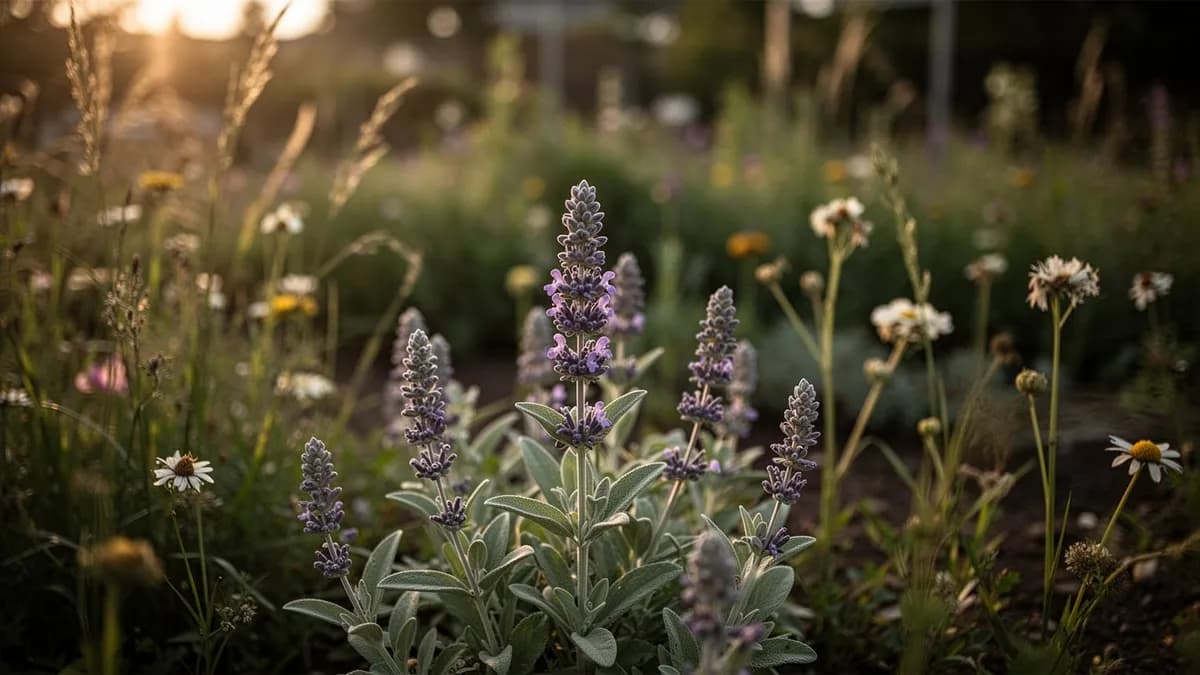
Keep Phacelia away from these
Grow your best Phacelia yet — and everything around it.
Start a free plan today. Lay out your beds, drop in your Phacelia, and let PlotMyGarden handle the timing, spacing, companions and reminders from seed to harvest basket.
