Borage
An annual herb with star-shaped blue flowers and cucumber-flavored leaves that is an exceptional pollinator attractor.





On this pageOverview
Meet Borage
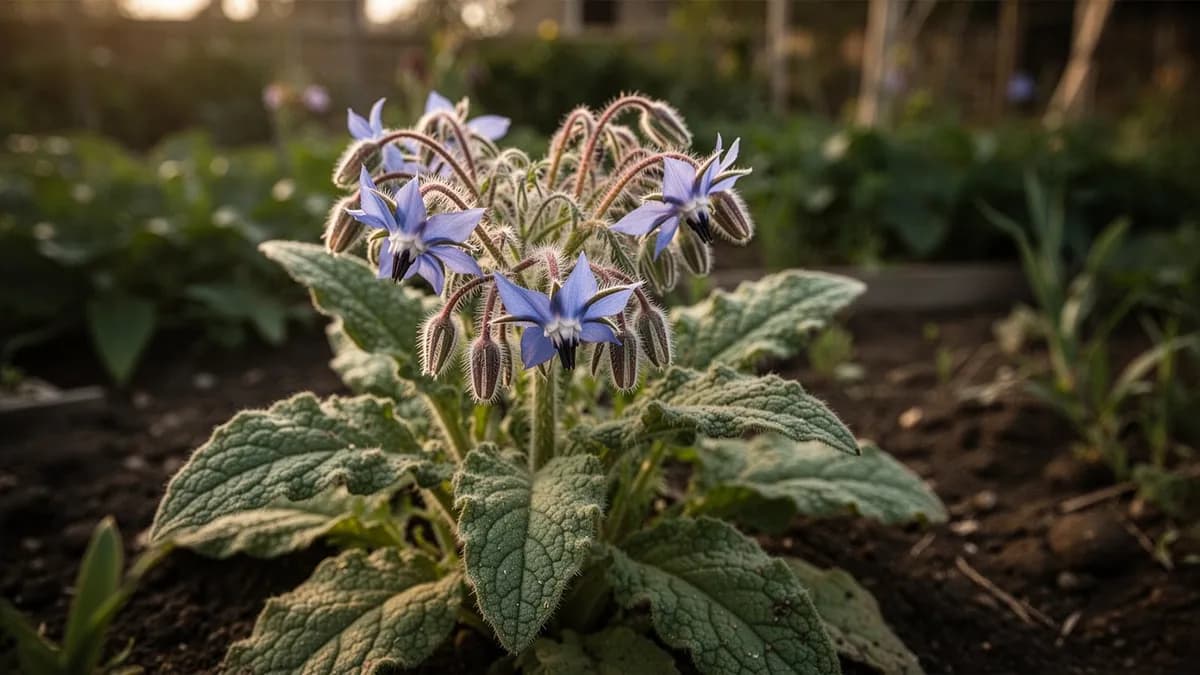
An annual herb with star-shaped blue flowers and cucumber-flavored leaves that is an exceptional pollinator attractor. Sow seeds directly in the garden as borage develops a deep taproot and does not transplant well once established. The edible flowers make a stunning garnish for salads, cocktails, and desserts, and can be frozen in ice cubes for summer drinks. Borage self-seeds prolifically, so a single planting often provides years of volunteer plants with minimal additional effort.
When to plant Borage
Sow borage seeds directly outdoors 2-3 weeks before the last expected frost, as the taproot makes transplanting difficult. Plant seeds half an inch deep in moist soil, spacing 12 inches apart. Seeds germinate rapidly in 5-10 days at soil temperatures above 50°F. For succession harvests, make additional sowings every 3-4 weeks through early summer. If starting indoors is necessary, use deep biodegradable pots to minimize root disturbance and transplant before seedlings become rootbound.
Your Borage Year
Composed for Zone 7 · typical seasons · frost passes Apr 2, returns Nov 1
Plant Borage Mar – May, pick Jun – Aug. Check the planting methods below and set your climate to personalize these windows.
How to grow Borage
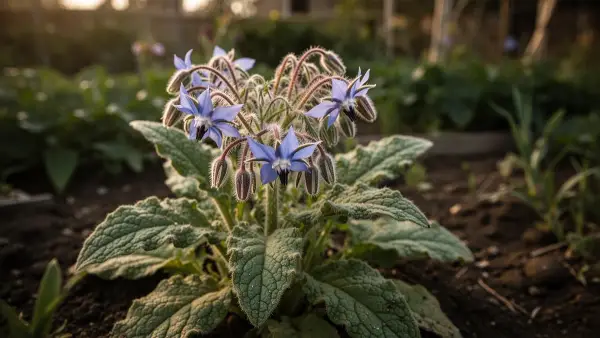
Sow borage seeds directly in the garden 2-3 weeks before the last frost date, as the plants develop a deep taproot and do not transplant well. Plant seeds half an inch deep and 12 inches apart in rows or broadcast in patches. Seeds germinate quickly in 5-10 days when soil temperatures reach 50°F or above. Thin seedlings to 18-24 inches apart, as mature plants can become quite large, reaching 2-3 feet tall and wide.
Borage is remarkably easy to grow and thrives in average, well-drained soil with full sun to light shade. It tolerates poor soil and mild drought once established but produces the lushest growth with moderate watering. Avoid rich, heavily fertilized soil, which causes weak, floppy stems that require staking. The bristly, hairy foliage is deer-resistant and rarely troubled by pests.
Borage is a prolific self-seeder, and a single planting will produce volunteer seedlings for years. To prevent unwanted spread, deadhead spent flowers before seeds drop. The plant is an annual that completes its life cycle in one season, but successive sowings every 3-4 weeks from spring through early summer extend the harvest of fresh leaves and flowers well into autumn.
32 plants fit a 4 × 8 ft bed
Each Borage wants 30 cm of elbow room. The planner keeps that spacing for you — every plant, every bed.
Borage's best neighbours
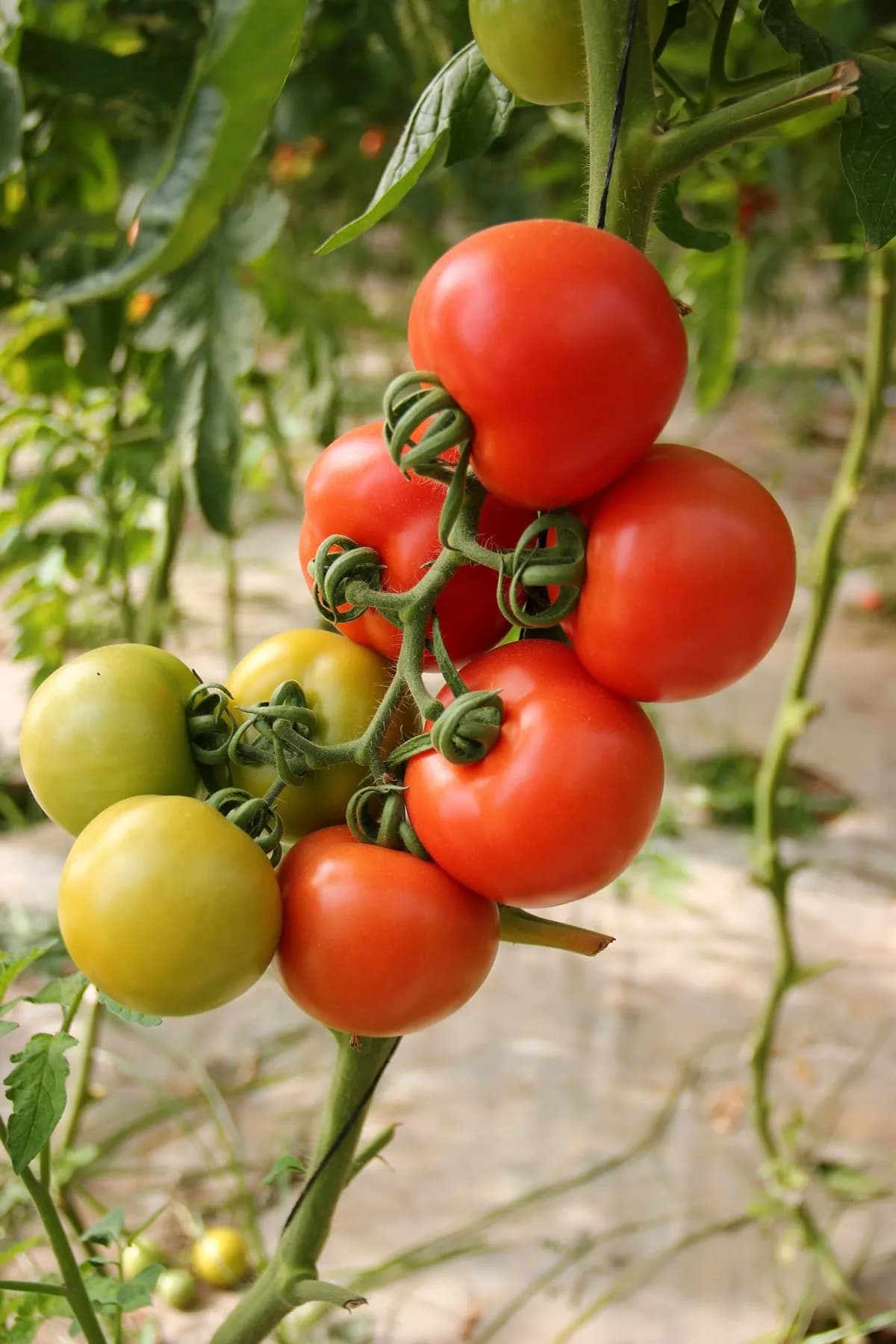
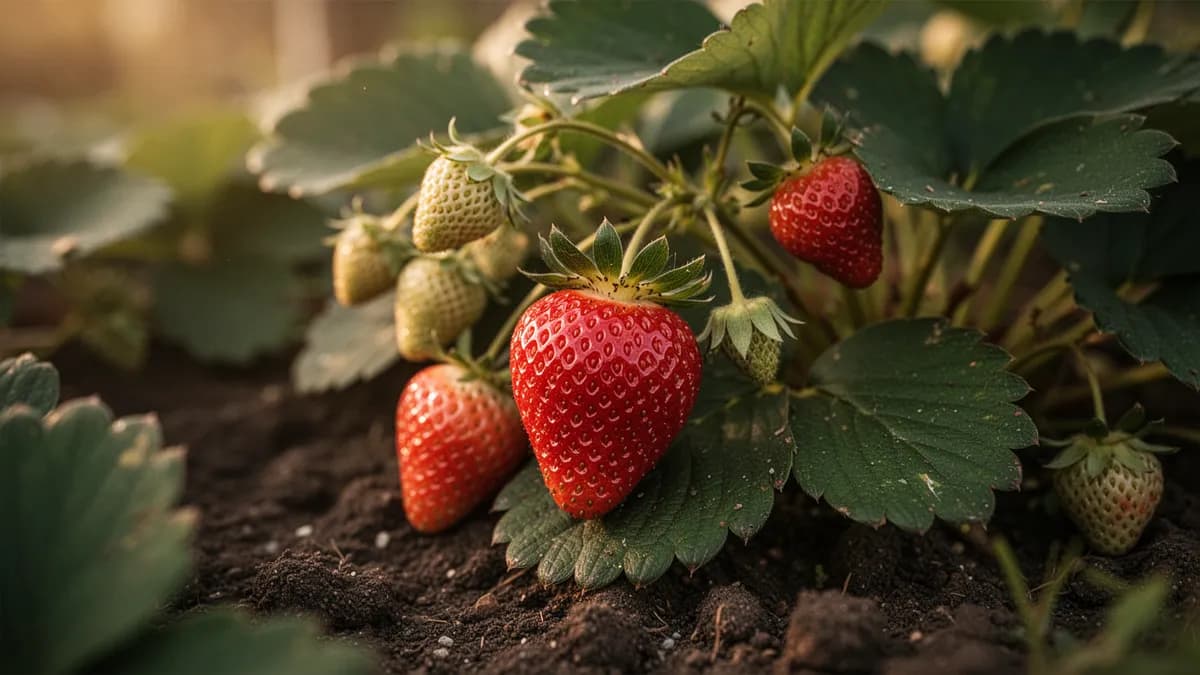
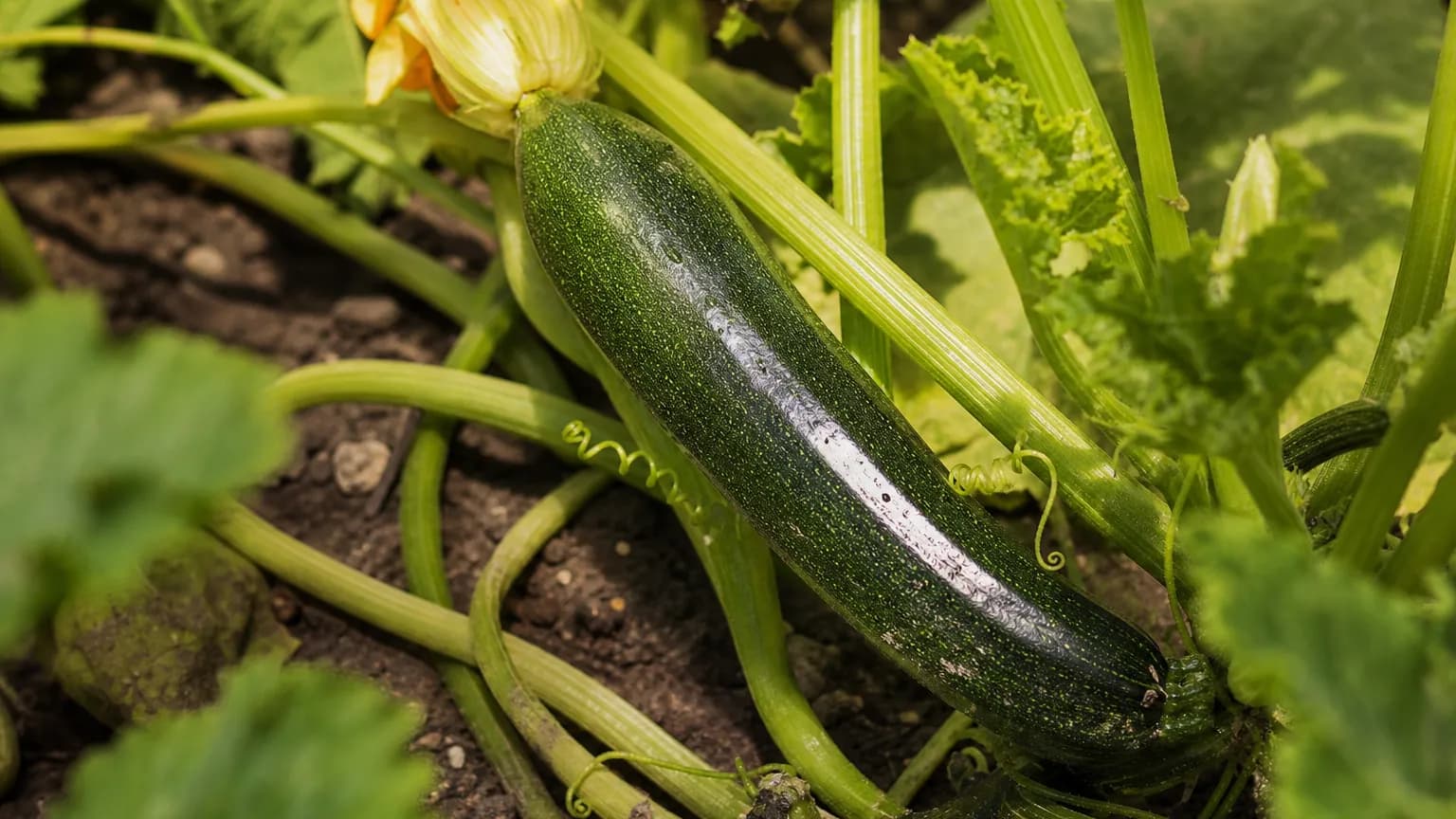
Borage is one of the best companion plants in the garden, attracting a wide array of pollinators and beneficial predatory insects with its abundant nectar-rich flowers. It is a legendary companion for tomatoes and strawberries, reportedly improving their flavor and vigor while deterring tomato hornworms. Plant near squash and cucumbers to boost pollination. Borage also accumulates minerals from deep soil through its taproot, making it a useful addition to compost when plants are pulled at season's end.
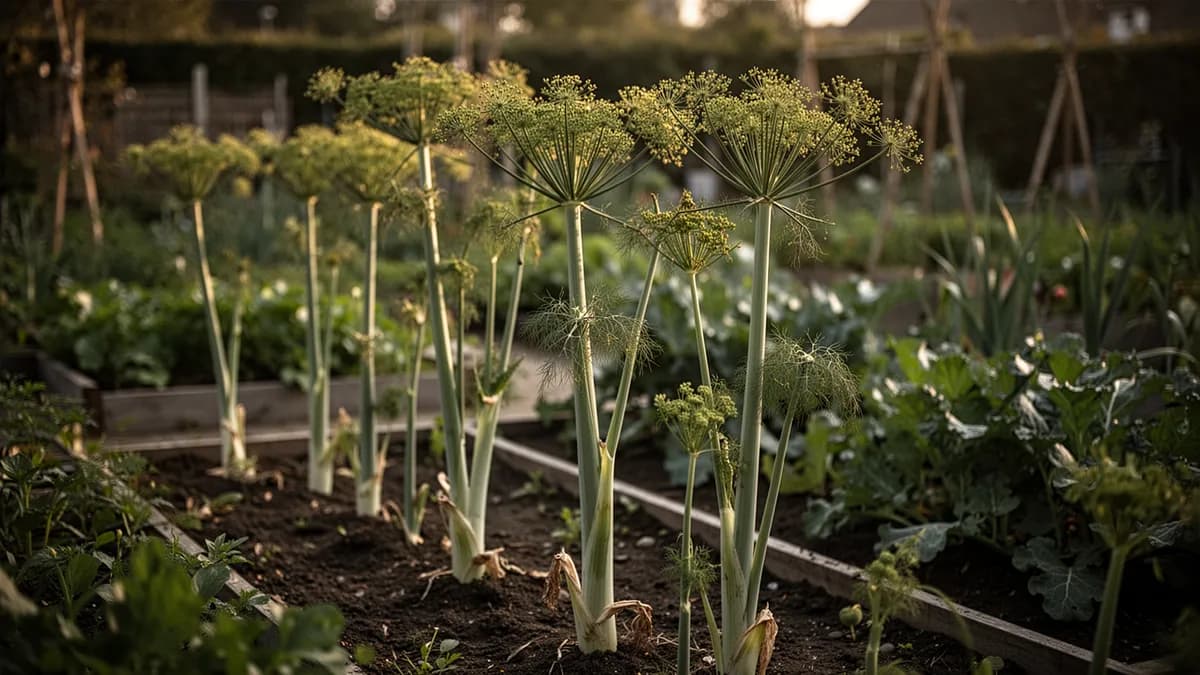
Tomato belongs beside it. Fennel doesn't.
Old growers' knowledge, checked against Borage's real companion table below — test any plant you're growing.
Try Borage in a bed — right here
A real planner bed with Borage already in it. Tap a companion to place it and watch the pairing checks answer — green for good neighbours, red for a clash.


Related growing guides
Feed it well
Borage thrives in average, well-drained garden soil and actually produces more flavorful leaves and abundant flowers in soil that is not too rich. A pH of 6.0-7.0 is ideal. Avoid heavy clay soils where the taproot may rot; amend clay with sand and compost for drainage. Little to no supplemental fertilization is needed. A light side-dressing of compost at planting is sufficient for the entire season. Over-fertilizing produces rank, leggy growth with fewer flowers and less concentrated flavor in the leaves.
Ideal Temperature
Hardiness Zone Compatibility
From seed to harvest, stage by stage
Seed Germination
Borage seeds are large, dark, and ridged, making them easy to handle and direct-sow. They germinate reliably in 5-10 days when soil temperatures reach at least 10°C (50°F). The white radicle emerges first, followed by a pair of thick, rounded cotyledon leaves that push above the soil surface.
Seedling Development
The first true leaves emerge with their signature rough, hairy texture — a defining characteristic of the entire plant. Leaves grow in a basal rosette and the seedling develops its deep taproot rapidly. The fine white hairs covering stems and leaves become increasingly prominent.
Vegetative Growth
Plants grow rapidly into robust, branching bushes 45-75 cm tall and equally wide. The hollow, bristly stems thicken and become sturdy enough to support the heavy foliage. Large oval leaves up to 15 cm long develop, covered in stiff hairs that give the plant its characteristic rough texture. Borage is a vigorous grower that can double in size within a single week under ideal conditions.
Flowering
The iconic star-shaped flowers appear in drooping clusters (called scorpioid cymes) at the tips of branching stems. Each flower has five vivid blue petals that reflex backward and a cone of prominent dark anthers at the center. Flowers open progressively over many weeks, providing a continuous display from early summer through the first frost. Each bloom lasts 1-2 days before dropping cleanly.
Seed Set and Self-Sowing
After pollination, the calyx swells and encloses four large, dark nutlets (seeds). As seeds mature, they turn from green to dark brown or black. Ripe seeds drop easily from the plant, and borage self-sows prolifically — a single plant can produce hundreds of seeds that germinate the following spring. The plant gradually declines after heavy seed production.
Sow seeds 1-2 cm deep directly in the garden after the last frost. Borage has a delicate taproot and does not transplant well, so direct sowing is strongly preferred. Keep soil consistently moist but not waterlogged during germination.
Caring for Borage month by month
What to do each month for your Borage
October
You are herePlants decline after frost in most zones. Pull spent plants and compost them. Mark areas where seeds have dropped so you can identify volunteer seedlings next spring. In zones 9-10, borage may continue growing through autumn.
Know exactly what to do in your garden — every month
One email at the start of each month: what to sow, plant, and tackle right now — for your Borage and everything growing around it. Plus a short starter course that helps you dodge the classic mistakes.
- What to do, right now
- Matched to your season
- Starter course included
Harvesting Borage
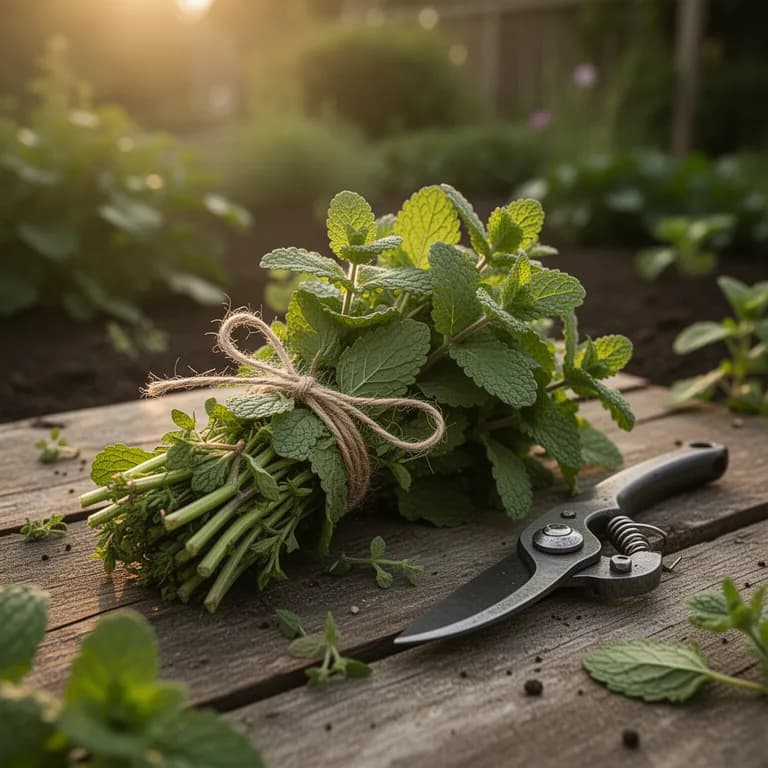
Harvest young borage leaves when they are small and tender, before the bristly hairs become coarse. Pick individual flowers as they open for the freshest flavor and most vivid color. Use scissors to cut flower stems cleanly. Borage flowers are best used immediately after picking, as they wilt quickly. For leaf harvests, select the youngest leaves at the top of the plant; older leaves develop rough, hairy textures. Continuous flower picking encourages the plant to produce more blooms over a longer period.
assuming you plant when the window opens — set your real date
Pick Borage promptly and the plant keeps producing.
Storage & Preservation
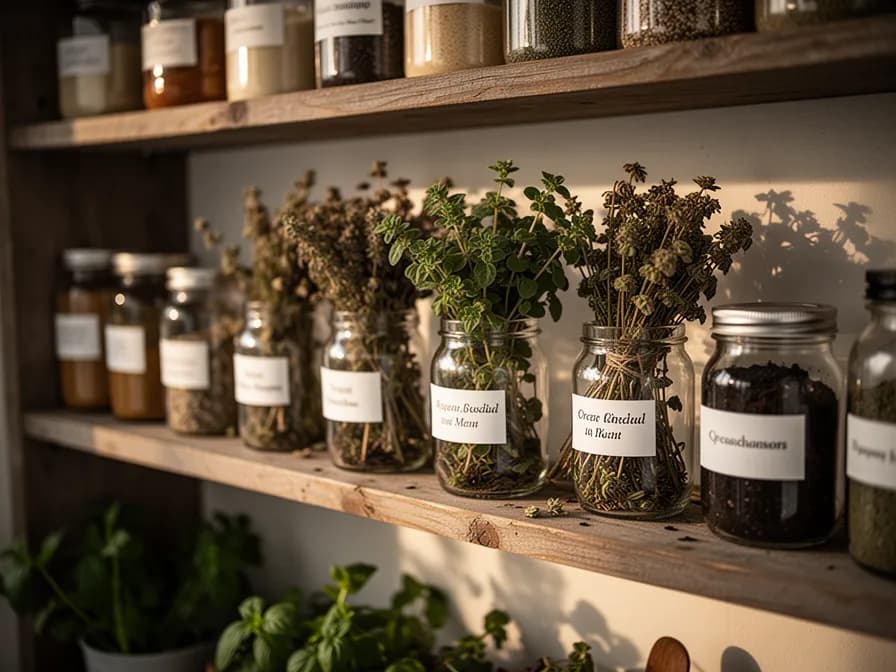
Borage is best used fresh, as both leaves and flowers lose their delicate cucumber flavor when dried. Freeze individual flowers in ice cube trays filled with water to create decorative ice cubes for summer drinks. Fresh leaves can be blanched briefly and frozen for later use in soups and stews. Borage flowers can be candied by brushing with egg white, coating in fine sugar, and drying on parchment paper for an elegant dessert garnish. Borage seed oil, pressed from mature seeds, is rich in gamma-linolenic acid and can be stored in dark bottles in the refrigerator.
What goes wrong — and the fix
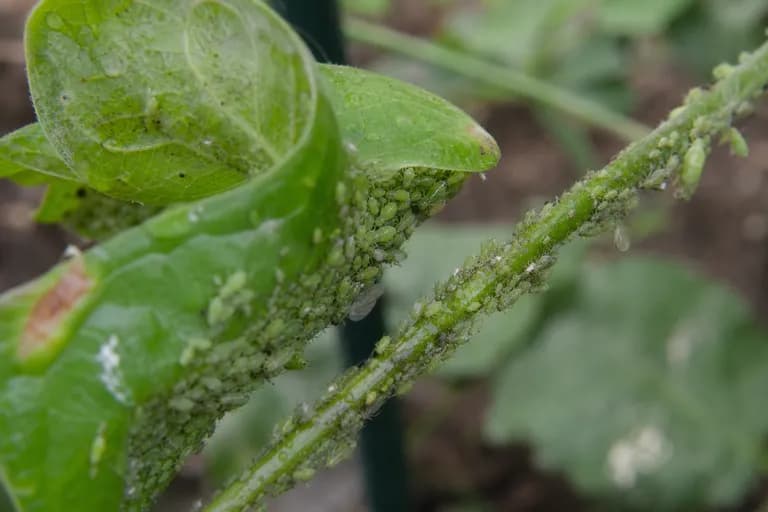
Aphids
PestClusters of small green or black insects on tender stem tips and flower buds, sticky honeydew, distorted new growth.
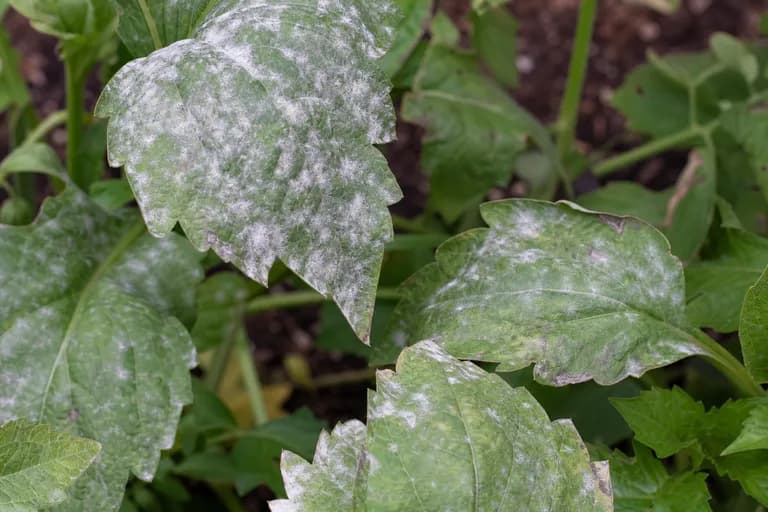
Powdery Mildew
DiseaseWhite powdery patches on older leaves, especially in late summer when air circulation is poor.
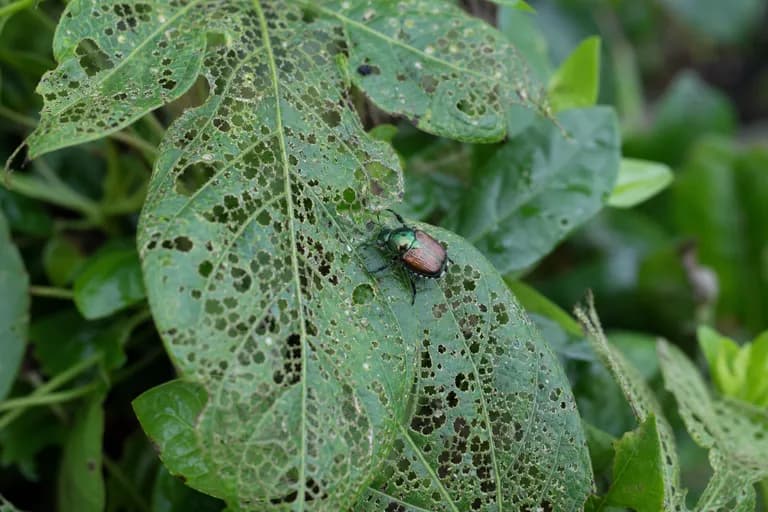
Japanese Beetles
PestSkeletonized leaves with only veins remaining, metallic green beetles visible on foliage during summer.
Troubleshooting Common Problems
The biggest challenge with borage is managing its enthusiastic self-seeding; deadhead flowers before seeds drop if you want to control spread. Mature plants can become top-heavy and flop over in windy conditions or after heavy rain. Provide a supportive companion plant nearby or install a low peony ring for support. The bristly hairs on leaves can irritate sensitive skin, so wear gloves when harvesting. In excessively rich soil, plants grow lush but produce fewer flowers and more susceptible to powdery mildew.
Growing Tips
- Always direct-sow borage seeds rather than starting them indoors. Borage develops a deep, fragile taproot that resents disturbance — transplanted seedlings often fail to thrive or bolt prematurely. Sow seeds 1-2 cm deep directly where you want the plants to grow.
- Give borage plenty of space. Mature plants reach 60-90 cm tall and 45-60 cm wide, and overcrowded plants become floppy and prone to mildew. Space plants at least 30-45 cm apart, and consider placing them at the back or edges of beds where their size will not shade smaller herbs.
- Plant borage alongside tomatoes, strawberries, and squash for companion planting benefits. Borage attracts pollinators that improve fruit set, and its flowers draw beneficial insects like parasitic wasps that prey on common garden pests including tomato hornworms and aphids.
- Harvest young leaves when they are under 10 cm long for the best flavor and texture. Older leaves become tough, excessively hairy, and slightly bitter. The youngest leaves at the growing tips have the mildest cucumber flavor and the softest hairs.
- Pick borage flowers in the morning after dew has dried for the freshest blooms. Gently grasp the blue star and pull it backward to separate it from the hairy calyx. Use flowers immediately in salads and drinks, or freeze them in ice cube trays for later use.
- Allow some flowers to go to seed if you want borage to return next year. Borage self-sows generously, and volunteer seedlings are often more vigorous than intentionally planted ones. Simply thin unwanted volunteers in spring and transplant the rest at the seedling stage if needed.
- Stake or support tall borage plants in windy locations or rich soil where they tend to grow lanky. A simple ring of twine around a few bamboo stakes prevents the heavy, water-filled stems from flopping over after rain or during strong winds.
- Grow borage in containers using pots at least 30 cm deep to accommodate the taproot. Use well-draining potting mix and water regularly, as container-grown borage dries out faster than garden plants. Dwarf varieties are particularly well suited to container culture.
- Make successive sowings every 3-4 weeks from spring through midsummer to ensure a continuous supply of tender young leaves. Older plants become coarse and focus energy on flowering, so fresh plantings maintain the best leaf quality throughout the season.
- In hot summer climates, grow borage as a cool-season crop in spring and fall rather than midsummer. Plants bolt quickly and produce fewer flowers in sustained heat above 30°C. A fall sowing in zones 8-10 can provide fresh borage through winter.
Grow your best Borage yet — and everything around it.
Start a free plan today. Lay out your beds, drop in your Borage, and let PlotMyGarden handle the timing, spacing, companions and reminders from seed to harvest basket.
Pick your Borage
Common Borage
The standard species with vivid blue star-shaped flowers and cucumber-flavored leaves. The most widely grown variety for culinary and companion planting purposes.
Alba (White Borage)
A white-flowered variant of common borage with identical growth habits. Creates a lovely contrast when planted alongside the blue-flowered form.
Variegata
An ornamental form with cream-and-green variegated leaves and the same blue flowers. Less vigorous than the species but attractive in borders.
Fresh borage leaves and flowers are rarely available in supermarkets and command premium prices of $3-6 per small bunch at farmers' markets and specialty stores. Dried borage herb sells for $15-30 per pound online. A single $2-3 seed packet produces 5-10 vigorous plants that bloom continuously for 2-3 months, and the plant self-sows so enthusiastically that a one-time purchase provides borage for years to come at no additional cost. Borage seed oil supplements retail for $10-20 per bottle, making home-grown borage an exceptionally cost-effective source of this valuable herb.
Quick recipes
Borage Flower Ice Cubes
10 min + freezingStunning edible flower ice cubes that transform any summer drink into an occasion. Fresh blue borage flowers are suspended in crystal-clear ice, releasing their mild cucumber flavor as they melt. Perfect for lemonade, gin and tonics, sparkling water, or cocktail parties.
3 ingredientsBorage Leaf Fritters (Borraja Rebozada)
25 minA traditional Mediterranean recipe where large borage leaves are dipped in a light batter and fried until golden and crispy. The cooking process eliminates the prickly hairs, revealing the tender leaf with its delicate cucumber-like flavor inside a crispy shell.
7 ingredientsBorage and Potato Soup
35 minA silky, warming soup from the Italian tradition where young borage leaves are simmered with potatoes and aromatics, then blended into a vibrant green puree. The borage contributes a fresh, cucumber-like note that pairs beautifully with the creamy potato base.
8 ingredientsCulinary Uses
Borage flowers have a mild cucumber flavor and are used to garnish cocktails, lemonade, and salads. The edible blue flowers can be frozen in ice cubes, candied for dessert decoration, or scattered over cream cheese and canapés. Young leaves add a refreshing cucumber note to green salads and cold soups. Borage is traditionally used to flavor Pimm's Cup and other summer beverages.
What's inside
Health Benefits
- Rich in gamma-linolenic acid (GLA) — borage seed oil is one of the highest natural sources of this anti-inflammatory omega-6 fatty acid, clinically studied for reducing symptoms of eczema, dermatitis, and rheumatoid arthritis.
- High vitamin A content in the leaves (88% DV per 100g) supports healthy vision, immune system function, and skin cell regeneration — particularly beneficial when young leaves are consumed raw or lightly cooked.
- Contains natural anti-inflammatory compounds including rosmarinic acid and mucilage that have traditionally been used to soothe respiratory inflammation, ease coughs, and calm irritated mucous membranes.
- Good source of vitamin C (39% DV per 100g) providing antioxidant protection against free radical damage, supporting collagen production for healthy skin and joints, and enhancing iron absorption from plant foods.
- Provides meaningful amounts of dietary minerals including iron (18% DV), calcium (9% DV), and potassium (13% DV per 100g), contributing to bone density, oxygen transport, and cardiovascular health.
- Traditional herbal medicine has long used borage tea as an adrenal tonic and mild mood enhancer, and modern research suggests the plant contains compounds that may support healthy cortisol levels during periods of stress.
Where Borage comes from
Borage (Borago officinalis) is native to the western Mediterranean region, with its center of origin believed to be in the area spanning modern-day Syria, Turkey, and the eastern Mediterranean coast. From there, it spread westward across the Mediterranean basin with early traders and colonists, naturalizing readily in the warm, dry climates of Spain, Italy, southern France, and North Africa. Wild borage populations can still be found growing along roadsides, in rocky fields, and on disturbed ground throughout these regions.
The ancient Greeks and Romans were among the first to cultivate borage intentionally, valuing it for both culinary and medicinal purposes. Greek soldiers reportedly drank borage-infused wine before battle for courage, and Roman naturalists including Pliny the Elder and Dioscorides documented its use as a tonic for melancholy, fever, and inflammation. The herb's association with bravery and cheerfulness persisted for centuries — medieval herbalists prescribed borage tisanes to lift the spirits and calm the nerves, and Crusaders reportedly consumed borage before departing for the Holy Land.
During the Middle Ages, borage became a staple of European monastery gardens and apothecary plots, cultivated alongside other medicinal herbs. It was one of the essential plants in the medieval physic garden, used to treat everything from chest congestion to kidney ailments. By the Elizabethan era, borage had become a beloved culinary herb in England, where its flowers were floated in wine cups and claret at banquets and its leaves were added to salads and cooked as a vegetable.
Spanish colonists brought borage to the Americas in the 16th and 17th centuries, where it naturalized in parts of South and Central America. In the 20th century, the discovery of gamma-linolenic acid (GLA) in borage seed oil sparked commercial cultivation in Canada, the United Kingdom, and New Zealand, transforming borage from a cottage garden herb into an important oilseed crop. Today, borage is grown worldwide as a culinary herb, ornamental flower, companion plant, bee forage crop, and source of GLA-rich seed oil — a remarkably diverse legacy for a humble Mediterranean wildflower.
Borage: did you know?
Fascinating facts about Borage
Borage flowers are one of the few truly blue edible flowers in the plant kingdom. The vivid blue color comes from the pigment delphinidin, and the flowers actually change from pink to blue as they open — caused by a shift in cell pH from acidic to alkaline.
Borage questions, answered
When should I plant Borage?
What are good companion plants for Borage?
What hardiness zones can Borage grow in?
How much sun does Borage need?
How far apart should I space Borage?
What pests and diseases affect Borage?
How do I store Borage after harvest?
What are the best Borage varieties to grow?
What soil does Borage need?
Is borage safe to eat, and are the hairy leaves edible?
Why are my borage plants flopping over?
Will borage self-seed and take over my garden?
Can I grow borage indoors or in containers?
What does borage taste like?
How do I use borage as a companion plant?
You just read the theory. Now grow it on autopilot.
Everything that makes Borage fiddly — the timing, the spacing, the companions, the harvest window — is exactly what PlotMyGarden handles for you, for every plant in your garden.
A plan that knows your weather
Set your location once. Get sow, feed and harvest dates built around your real last-frost date and live forecast — no more guessing from a generic seed packet.
From the “When to plant” sectionDrag-and-drop bed planner
Design beds on a grid. Every plant snaps to its proper spacing, and you can see your whole season laid out before you spend a cent on seed.
From the “Growing guide” sectionCompanion conflicts, caught early
200+ good-and-bad pairings checked live as you plant — so a season-wrecking mistake never makes it into the ground.
From the “Companions” sectionReminders you'll actually act on
“Water the beans.” “Pick today before it turns.” Timely, specific, and tied to the plants you're really growing.
From the “Harvest” sectionSuccession, scheduled
Want a harvest for six weeks, not six days? It spaces your sowings automatically and reminds you when each new block is due.
From the “When to plant” sectionA record that gets smarter
Every harvest you log teaches it your garden. Next year's plan starts from what actually worked in your soil, not a textbook's.
From the “Overview” sectionPlant these alongside Borage
More Medicinal Herbs
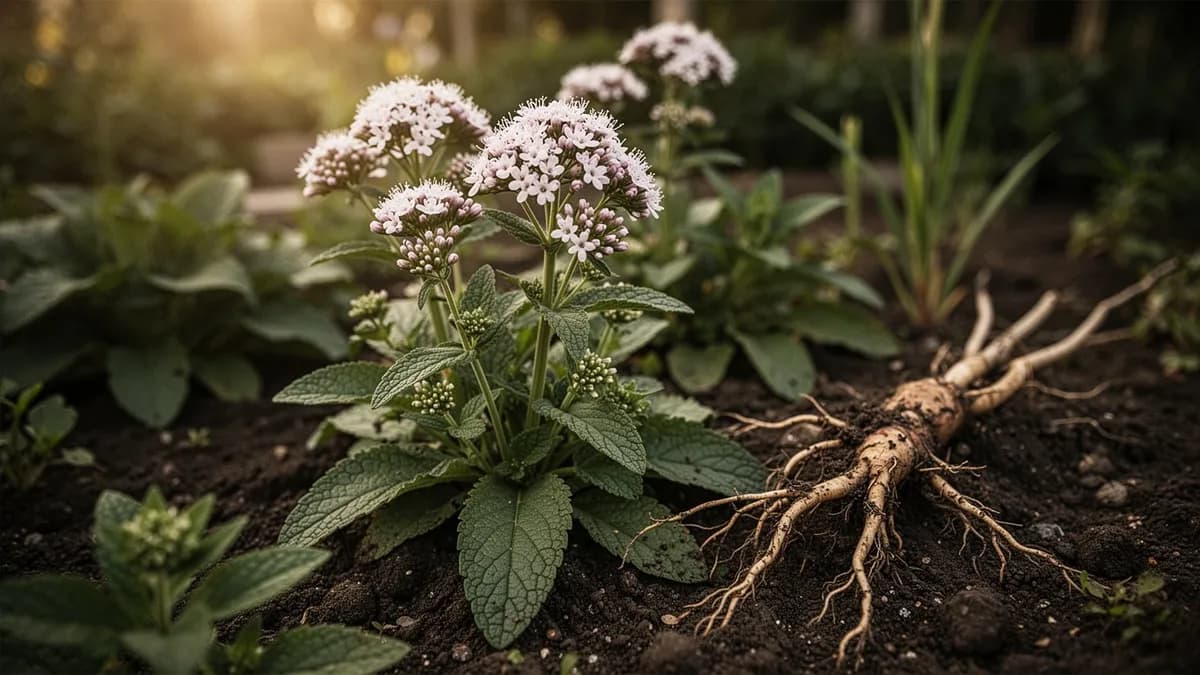
Keep Borage away from these
Garden plans featuring Borage
Grow your best Borage yet — and everything around it.
Start a free plan today. Lay out your beds, drop in your Borage, and let PlotMyGarden handle the timing, spacing, companions and reminders from seed to harvest basket.