Ivuntian Giant Tomato
typical season: start indoors Feb – May · harvest Jul – Sep · set your climate
A giant red beefsteak heirloom from Kazakhstan that produces some of the largest fruits in the entire tomato catalog.
On this pageOverview
Meet Ivuntian Giant Tomato
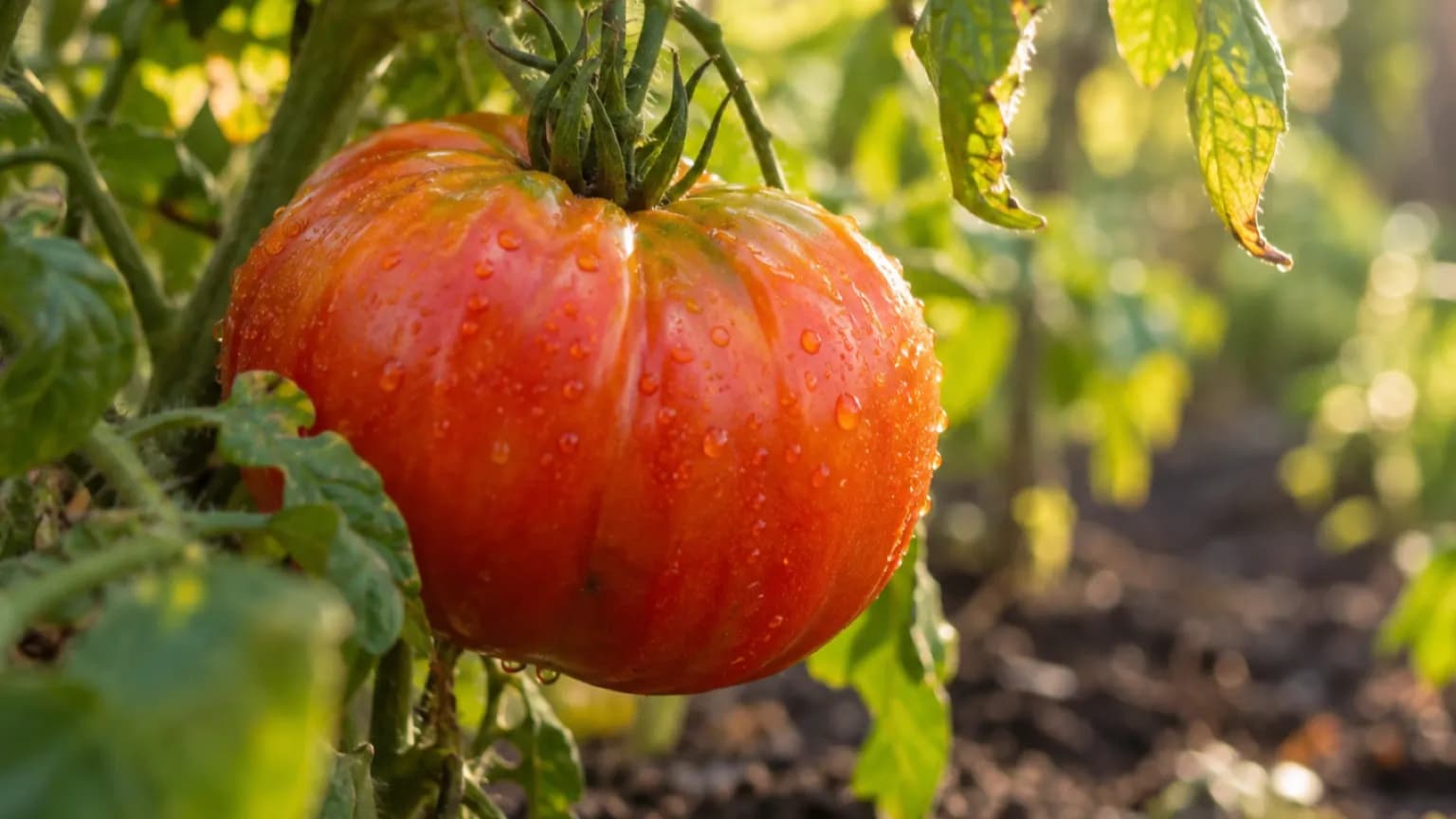
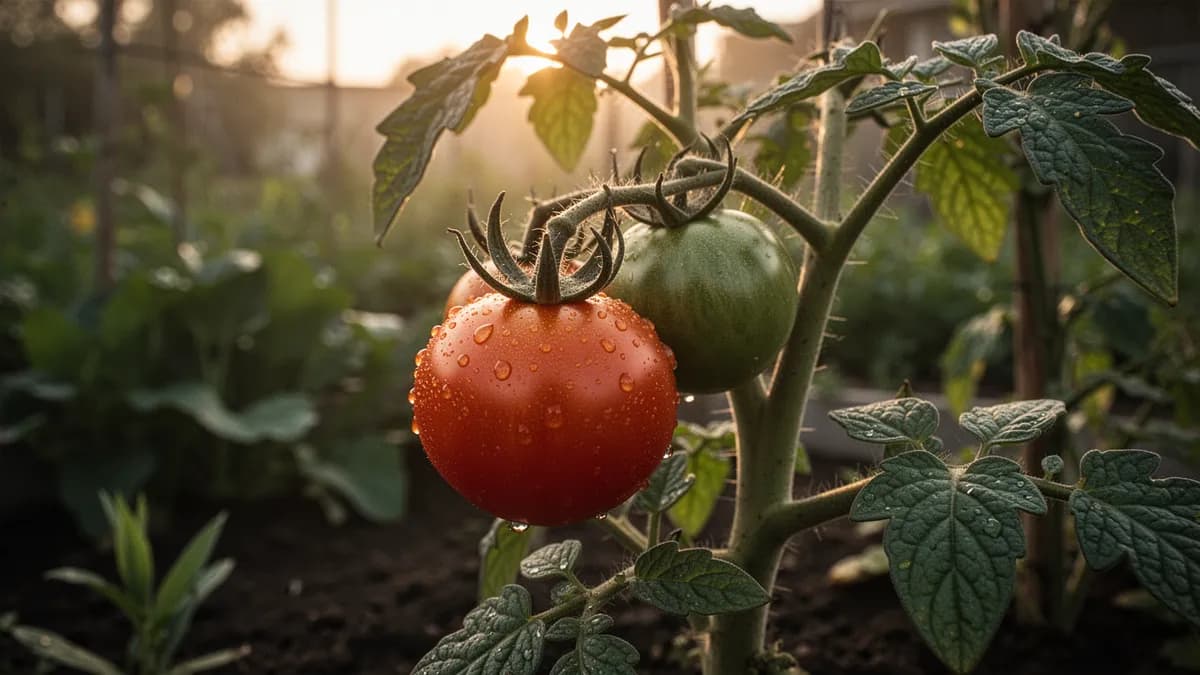
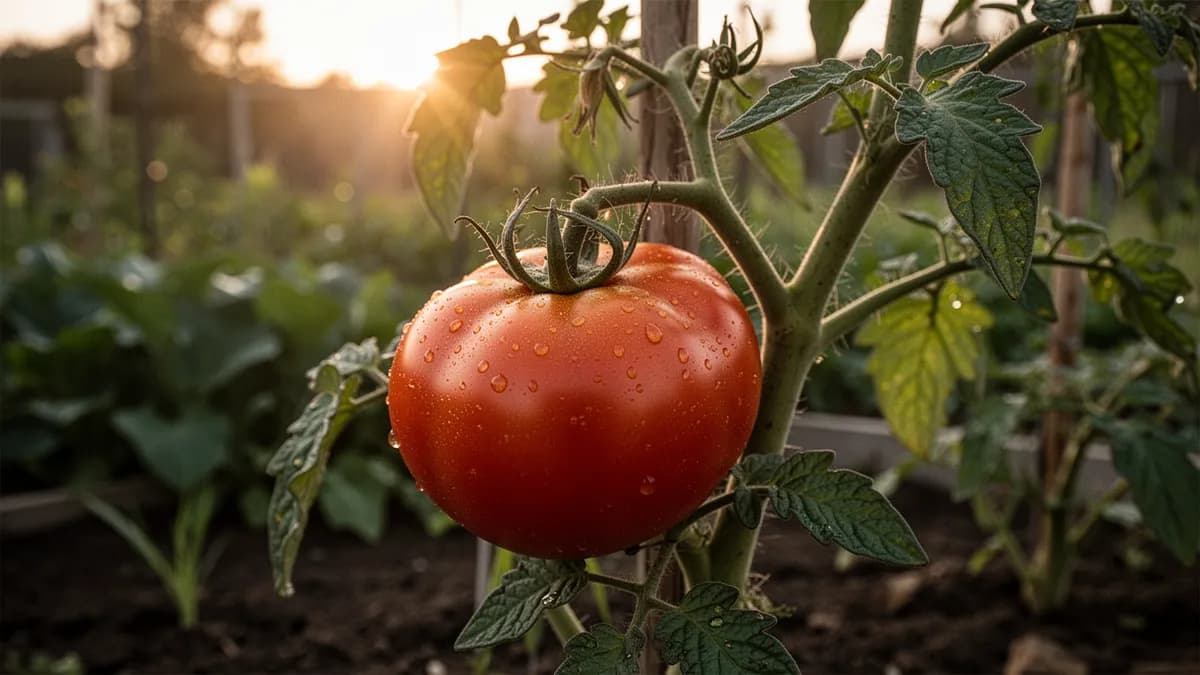
A giant red beefsteak heirloom from Kazakhstan that produces some of the largest fruits in the entire tomato catalog. Ivuntian Giant carries broad, slightly flattened beefsteaks that commonly reach 500-900 g (1-2 lbs) under good culture, with well-grown specimens approaching a full kilogram. The flesh is dense and meaty with few seeds, and the flavor is the rich, sweet, old-fashioned kind that giant-tomato growers chase season after season. This is not a variety with decades of Western catalog history behind it. It comes from the collection of Kazakh breeder-collector Vitaly Alifirov and only recently appeared in specialty seed listings, where it drew attention for combining real heavyweight size with genuinely good eating quality. Ripe fruits are deep red, often with chocolate-pink overtones, and the cut interior can show beautiful marbled coloring. Grow it when you want a tomato that is both spectacle and supper. It asks for full sun, generous deep watering, and regular feeding, and it pays that care back in slices that can cover an entire plate.
When to plant Ivuntian Giant Tomato
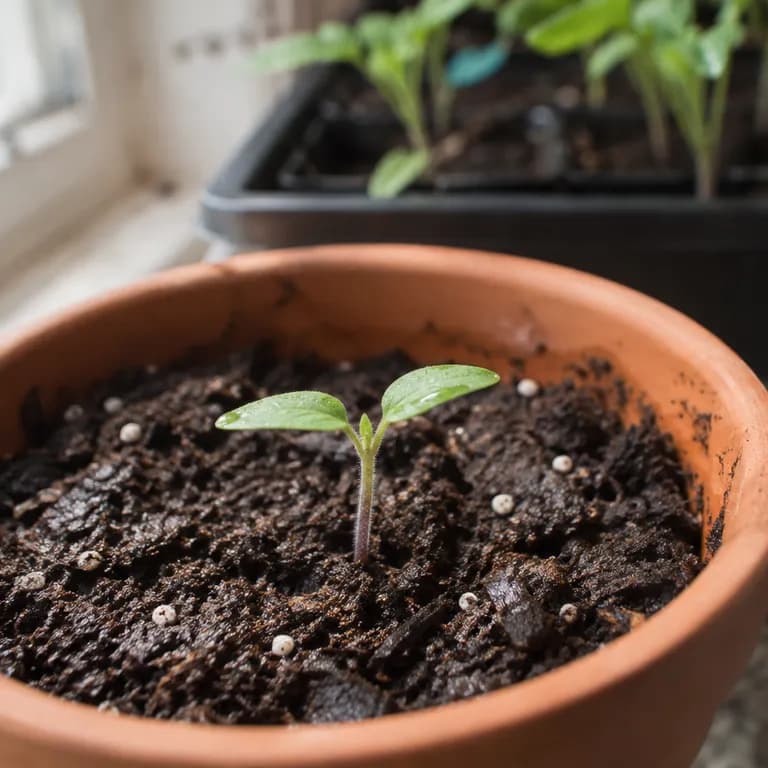
Sow 6 mm (1/4 in) deep in sterile seed-starting mix at 21-27°C (70-80°F); germination usually takes 7-14 days with steady bottom heat.
Give strong light immediately and pot up before roots circle, burying the stem a little deeper each time — tomatoes root along buried stems, and a giant vine benefits from every extra root it can grow. Keep seedlings compact and actively growing, because a checked or stretched start costs a long-season variety dearly.
Harden off gradually over a week or more and transplant deeply once the soil is genuinely warm. Because Ivuntian Giant is open-pollinated, seed saved from your best fruit will come true — well worth doing while the variety remains scarce in catalogs.
Your Ivuntian Giant Tomato Year
Composed for Zone 7 · typical seasons · frost passes Apr 2, returns Nov 1
Plant Ivuntian Giant Tomato Feb – May, pick Jul – Sep. Check the planting methods below and set your climate to personalize these windows.
Picking Ivuntian Giant Tomato this season? Its next window opens Feb 1
One email a few days before it opens where you garden and one two weeks before it closes — then one when it's safe to plant out, and one when the first pick is due. Plus one before the first autumn frost.
One email per milestone, never more than one a week. Unsubscribe with one tap. No account needed.
How to grow Ivuntian Giant Tomato
Start Ivuntian Giant indoors 6-8 weeks before the last frost and transplant deeply into rich, warm soil only after nights stay reliably above 10°C (50°F). The vine is indeterminate and genuinely vigorous — in unrestricted growth it can climb past 2.5-3 m (8-10 ft) — so install a tall stake, trellis, or heavy-duty cage at planting time, not later.
Give each plant real room: 75 cm (30 in) or more between plants, in the sunniest position you have. Giant beefsteaks only build size when light, water, and nutrition stay generous and steady. Mulch deeply once the soil warms and water thoroughly and consistently, because sudden wet-dry swings are the fastest way to split big ripening fruit.
Feeding matters more here than with smaller tomatoes. Ivuntian Giant is a heavy feeder: build the bed with compost, add a balanced organic fertilizer at planting, and once the first trusses set shift to regular potassium-rich feeding. A modest extra ration of tomato feed every couple of weeks through peak fruiting suits this variety perfectly, as long as it stays fruit-focused rather than nitrogen-heavy.
If maximum fruit size is the goal, prune decisively to one or two leaders and remove side shoots weekly. Collector reports describe fruits above 300 g as routine and kilogram-class specimens under single-stem culture. Documentation on this variety is still thin, so treat it like other giant beefsteaks: steady warmth, steady moisture, strong support, and close observation will tell you the rest.
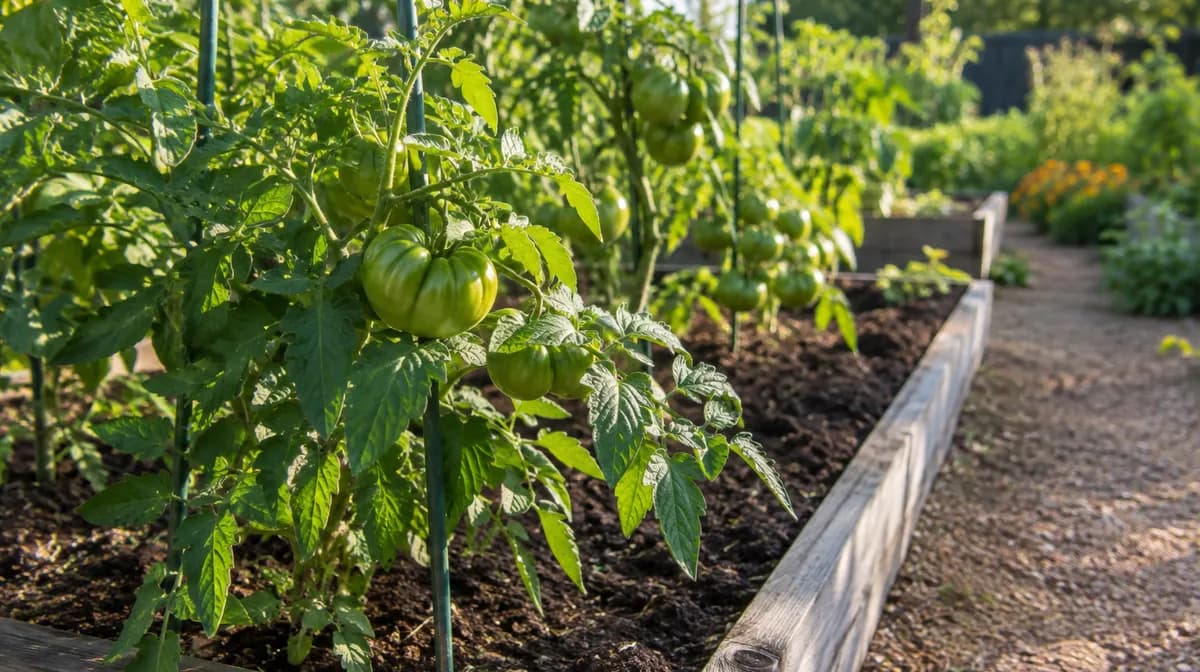
3 plants fit a 4 × 8 ft bed
Each Ivuntian Giant Tomato wants 75 cm of elbow room. The planner keeps that spacing for you — every plant, every bed.
Plan a raised bed for Ivuntian Giant Tomato: size, squares and soil.
Plan it in the raised bed plannerIvuntian Giant Tomato's best neighbours
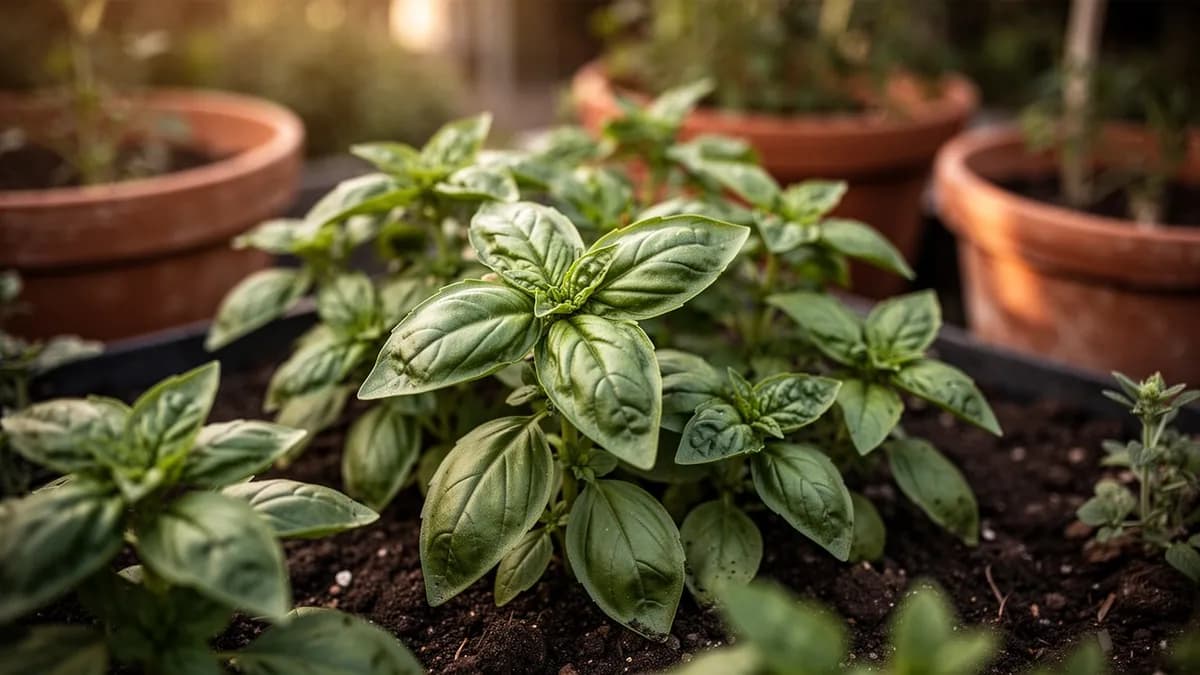
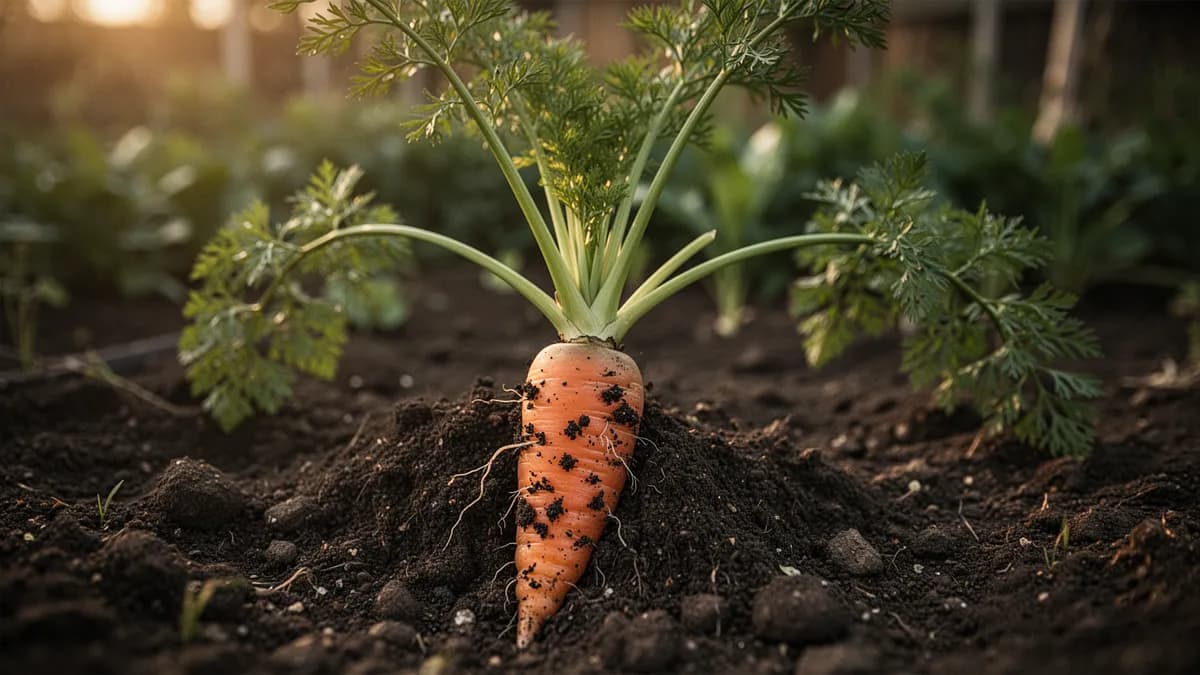
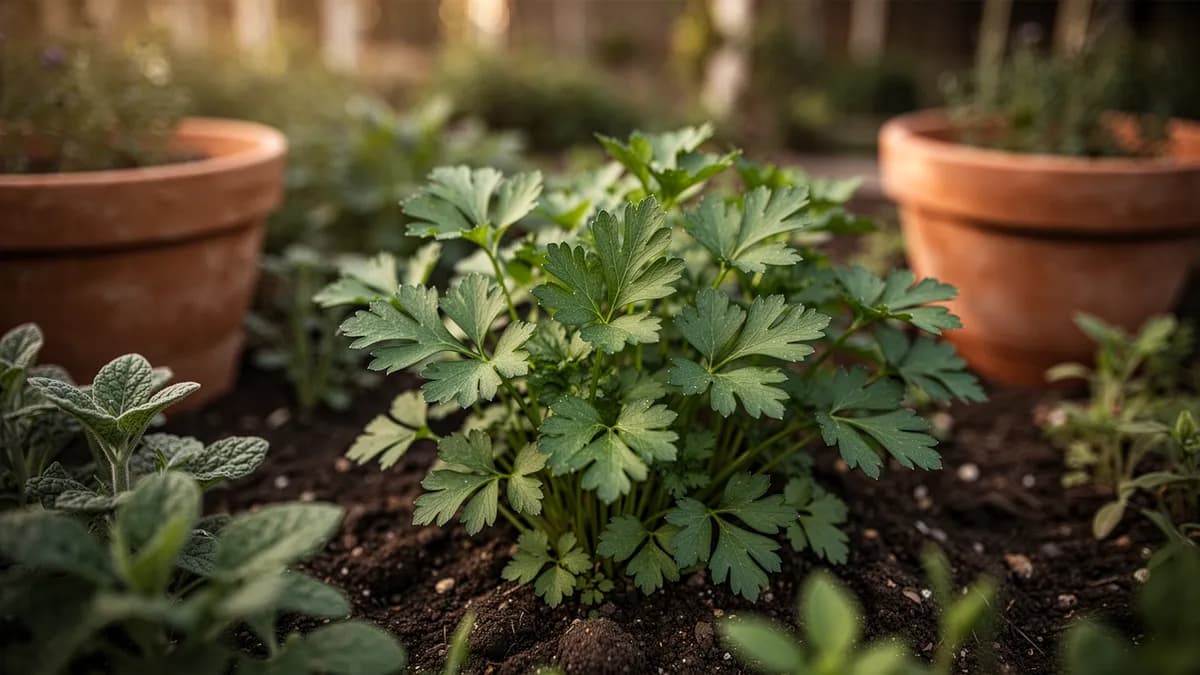
Basil, marigolds, parsley, and carrots are the standard good neighbors: they keep the bed diverse, draw beneficial insects, and do not compete hard with the tomato root zone.
Give this variety more working room than a compact slicer. You need to reach the vine for weekly tying, leader pruning, and truss support, so keep the base open and avoid companions that turn the understory into a thicket. Because the vine can top 2.5 m (8 ft), plant it on the side of the bed away from the midday sun so it does not shade its neighbors.
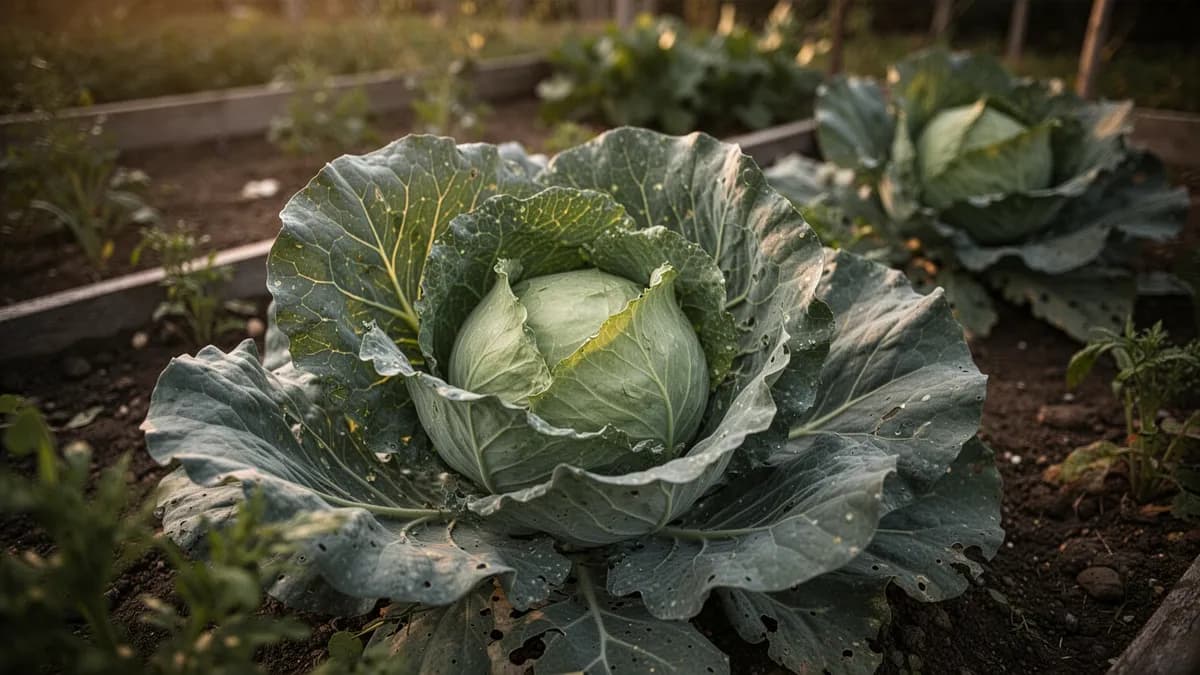
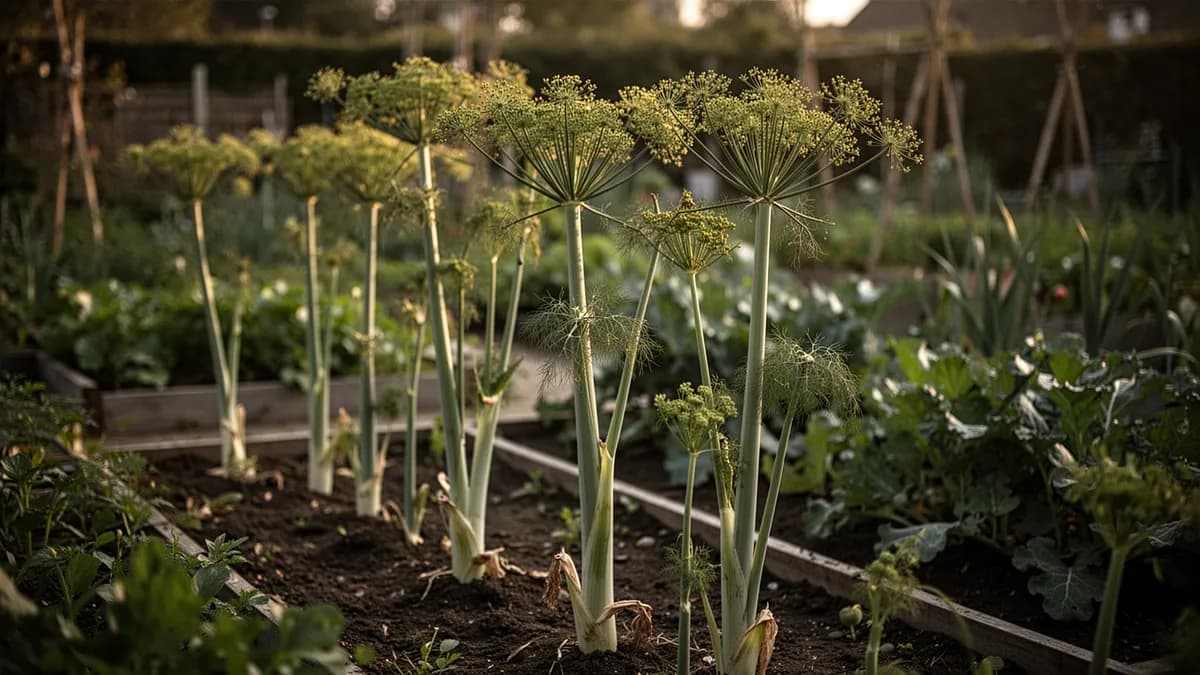
Avoid fennel and dense brassicas nearby, and keep irrigation practical — a giant beefsteak wants deep, frequent watering that many Mediterranean herbs resent at close quarters.
Basil belongs beside it. Cabbage doesn't.
Old growers' knowledge, checked against Ivuntian Giant Tomato's real companion table below — test any plant you're growing.
Related growing guides

Feed it well
Deep, fertile, compost-rich soil with a pH of 6.0-6.8 is the foundation. A giant beefsteak pushes an extraordinary amount of fruit weight through one vine, so the root zone needs to be rich and deeply prepared — work compost into the top 30 cm (12 in) rather than just the planting hole.
At planting, add a balanced organic fertilizer and make sure calcium is available, because blossom end rot loves the first big fruit of heavily fed, unevenly watered plants. Rich does not mean nitrogen-heavy: too much nitrogen produces a jungle of foliage and delays the fruit you actually want.
Once trusses set, switch to potassium-rich tomato feed and keep it coming in small regular doses. Side-dress with compost or liquid-feed every two weeks through fruiting. Giant varieties forgive a little extra feeding better than most tomatoes, provided it is steady, fruit-focused fertility rather than a force-fed nitrogen push.
Ideal Temperature
Hardiness Zone Compatibility
From seed to harvest, stage by stage
Seed Starting
Seeds germinate quickly in warm mix and produce rounded cotyledons followed by the first serrated true leaves.
Seedling Development
Young plants build a root system, thicken their stems, and form several sets of true leaves before transplanting time.
Vegetative Growth
Ivuntian Giant establishes quickly in warm soil and begins forming the vine structure that supports flowering and fruit set.
Flowering
Yellow flower clusters appear and self-pollinate more reliably when plants stay evenly watered and temperatures are not too extreme.
Fruit Development
Green fruit sizes up rapidly, and the plant diverts most of its energy into maintaining leaves, roots, and maturing clusters at the same time.
Ripening And Harvest
Ivuntian Giant reaches peak quality when color, texture, aroma, and internal ripeness all align rather than when the fruit merely looks mature.
Maintain 21-27°C (70-80°F) for fast germination and give bright light immediately to prevent weak, stretched seedlings.
Caring for Ivuntian Giant Tomato month by month
What to do each month for your Ivuntian Giant Tomato
November
You are hereClean supports, compost healthy plant residues, and rotate beds so next year’s tomatoes avoid heavy disease carryover.
Harvesting Ivuntian Giant Tomato
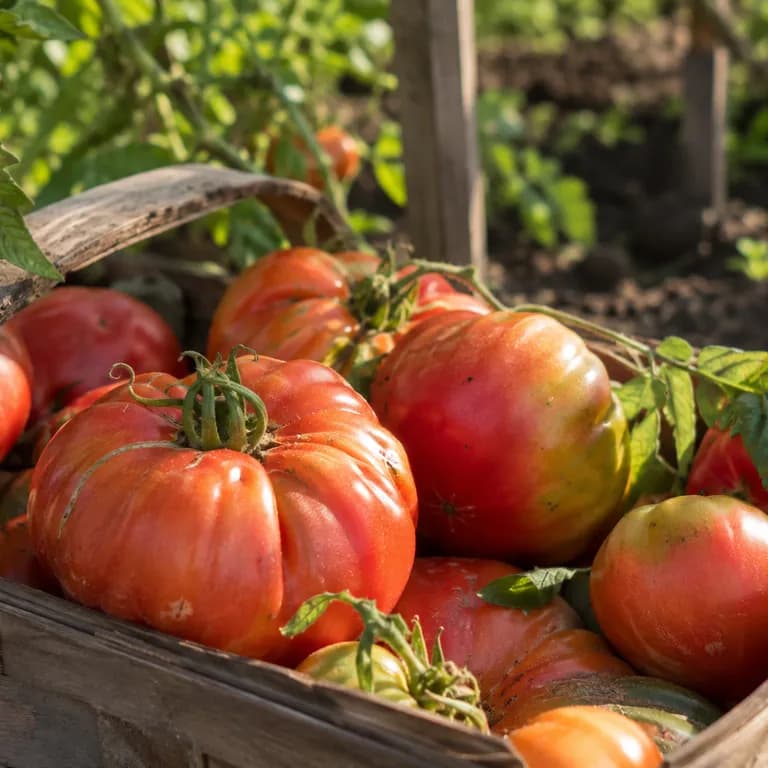
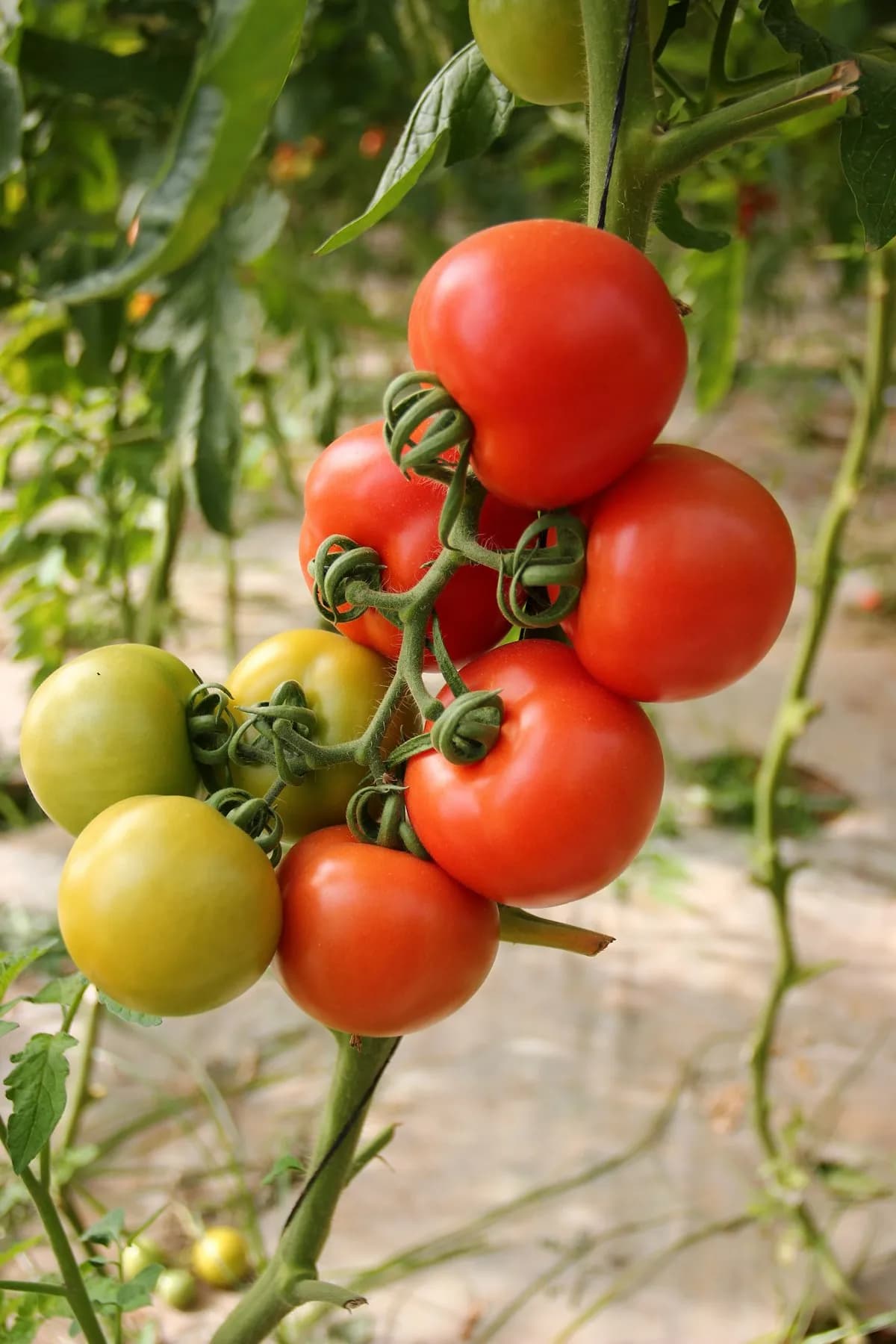
Harvest when fruits are fully colored, heavy for their size, and just beginning to give at the blossom end. Ripe Ivuntian Giant fruits are deep red, and the collector's description notes chocolate-pink overtones at full maturity, so judge ripeness by aroma, weight, and slight softness rather than by color alone.
Use pruners and support the fruit with your free hand. Beefsteaks of this size tear trusses and bruise easily if twisted off. A truly ready fruit smells rich and sweet at the stem end and feels dense in the hand — do not wait for it to turn soft, because very large heirlooms decline fast once past peak.
Watch the weather as fruits approach maturity. A single heavy storm can split shoulders that took weeks to build, so pick nearly ripe fruit before forecast rain and let it finish indoors at room temperature. The crop tends to ripen in a fairly concentrated flush rather than trickling in, so plan to check plants daily once the first fruit colors.
assuming you plant when the window opens — set your real date
Pick Ivuntian Giant Tomato promptly and the plant keeps producing.
Storage & Preservation
Eat the best fruits fresh and quickly — this is not a keeper. Central Asian collector notes are blunt about it: ripe fruit should go straight into salads or onto the table, because it does not store long. Room temperature only, and never refrigerate fruit you plan to eat fresh.
Cold storage mutes the sweet, low-acid flavor and turns the dense flesh mealy. A perfect giant slice eaten within a day or two of harvest is the entire point of growing the variety.
Surplus or slightly cracked fruit still earns its space. The meaty, nearly seedless flesh cooks down into a rich, thick sauce with minimal reduction time, and roasted halves freeze well for winter soups and pasta. Process promptly — with a short storage life, the same-day kitchen is this tomato's best friend.
What goes wrong — and the fix
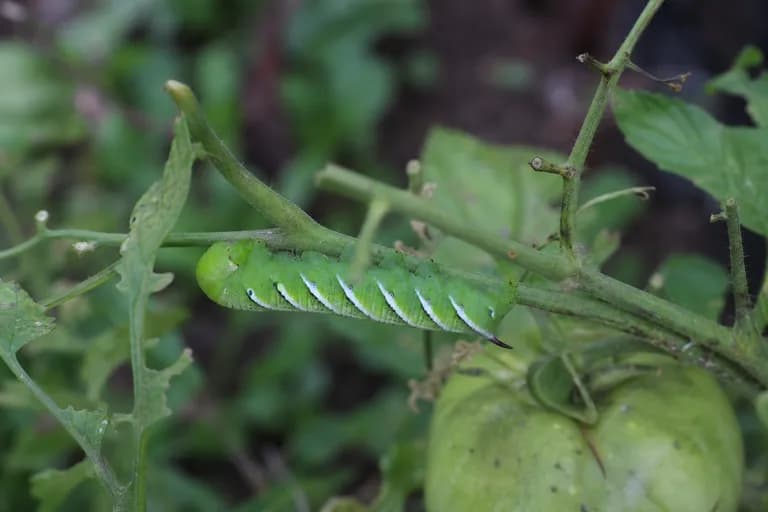
Tomato Hornworm
PestLarge green caterpillars strip foliage rapidly and may scar or chew fruit if left unchecked.

Early Blight
DiseaseDark ringed leaf spots begin on lower foliage, followed by yellowing and gradual defoliation.
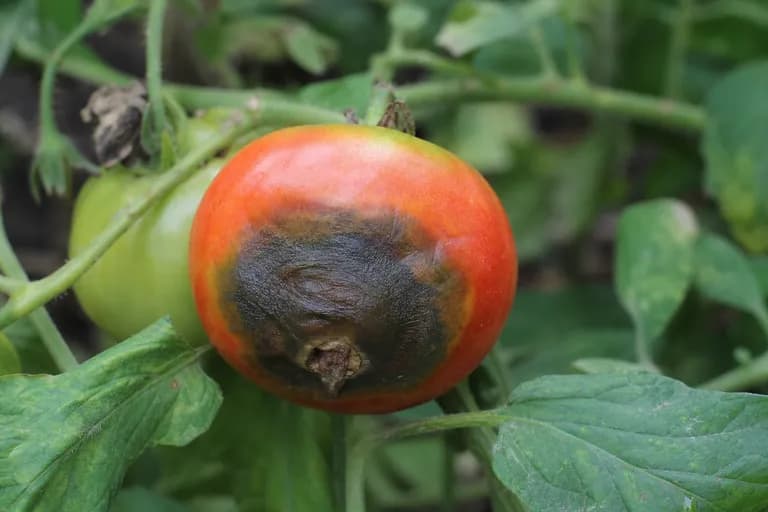
Blossom End Rot
DiseaseDark sunken patches form on the blossom end of developing fruit, often during periods of uneven watering.
Troubleshooting Common Problems
The classic giant-beefsteak trio applies: cracking after rain, blossom end rot on early fruit, and branches breaking under heavy trusses. Consistent moisture, available calcium, and serious support prevent most of it.
The second challenge is time. At roughly 85 days to maturity, big fruit needs a long warm runway, and in short or cool seasons the largest fruits may still be sizing up when nights turn cold. Give the variety your warmest, sunniest position and do not crowd it.
Finally, expect some uncertainty, because the variety is newly listed and documentation is limited. Seed-source descriptions vary on fruit size and even coloring, so save your own seed from the best fruit once you have a plant you like — it is open-pollinated, not a hybrid.
Growing Tips
- Wait until the soil is genuinely warm before transplanting. Tomatoes that sit in cold spring ground often lose weeks of momentum.
- Plant deeply so buried stem sections root along their length, giving better drought resilience and nutrient uptake.
- Use strong support from day one. Tomatoes are easier to manage when they are trained early rather than rescued later.
- Mulch heavily to stabilize soil moisture, reduce splash-borne disease, and protect flavor by preventing hard wet-dry swings.
- Water deeply rather than constantly sprinkling. Consistency matters far more than sheer volume.
- Do not overfeed with nitrogen once flowering begins, or you will get foliage at the expense of fruit.
- Harvest promptly in hot or wet weather, because quality can decline very quickly once fruit reaches peak ripeness.
- Prune to one or two leaders if giant fruit size matters more to you than fruit count.
- Install a tall, serious support at planting — this vine outgrows flimsy cages within weeks.
- Tie or sling heavy trusses so half-kilo fruit cannot snap stems in wind or rain.
- Water deeply and on a schedule; giant beefsteaks split fastest when a dry spell is followed by a drenching.
- Feed a little extra once fruit sets — potassium-rich tomato feed every two weeks suits heavy feeders.
- Mulch thickly to keep moisture even and soil temperature stable around the big root system.
- Give it the sunniest, warmest position you have; big fruit needs accumulated heat to size up and sweeten.
- Pick nearly ripe fruit ahead of forecast storms, because giant shoulders can crack overnight in heavy rain.
Pick your Ivuntian Giant Tomato
Mortgage Lifter
The legendary giant beefsteak with huge pink-red fruit and mild sweet flesh — the classic benchmark any giant tomato is measured against.
Brandywine
The iconic heirloom slicer whose rich old-fashioned flavor remains the reference point for giant beefsteaks.
Big Zac
A modern giant-fruited line bred from heirloom parents, famous for competition-class tomatoes of 2 kg and more.
Delicious
The variety behind one of the most famous world-record tomatoes ever grown, a giant red beefsteak with heavy ribbed fruit.
Giant heirloom beefsteaks sell at premium prices where they appear at all, and this variety is still scarce. A single healthy plant can return the equivalent of $30-60 in specialty slicing tomatoes — plus seed you can save and share.
Quick recipes
One-Slice Giant Sandwich
10 minA single thick Ivuntian Giant slice covers the bread edge to edge — the simplest and best argument for growing a giant beefsteak.
5 ingredients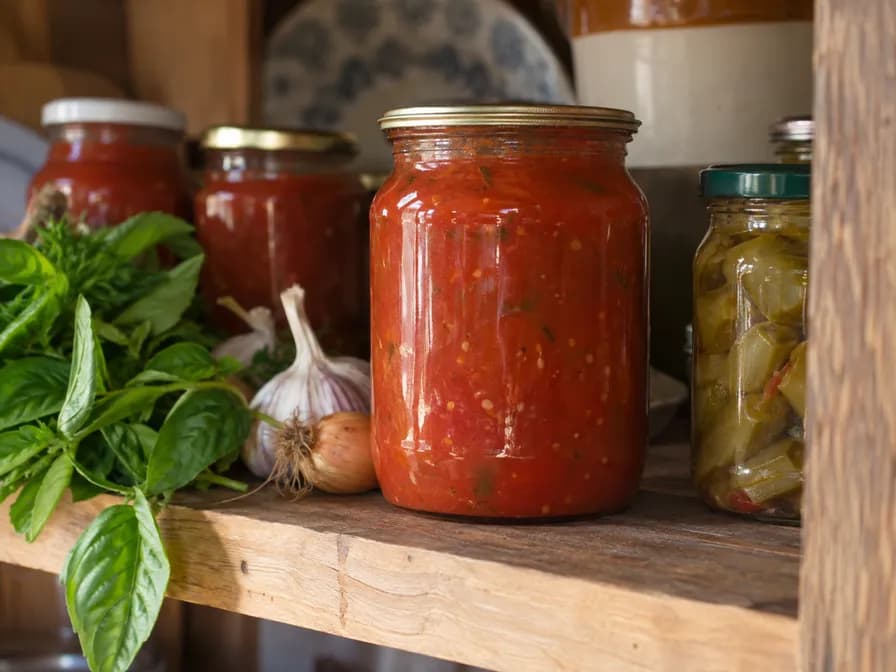
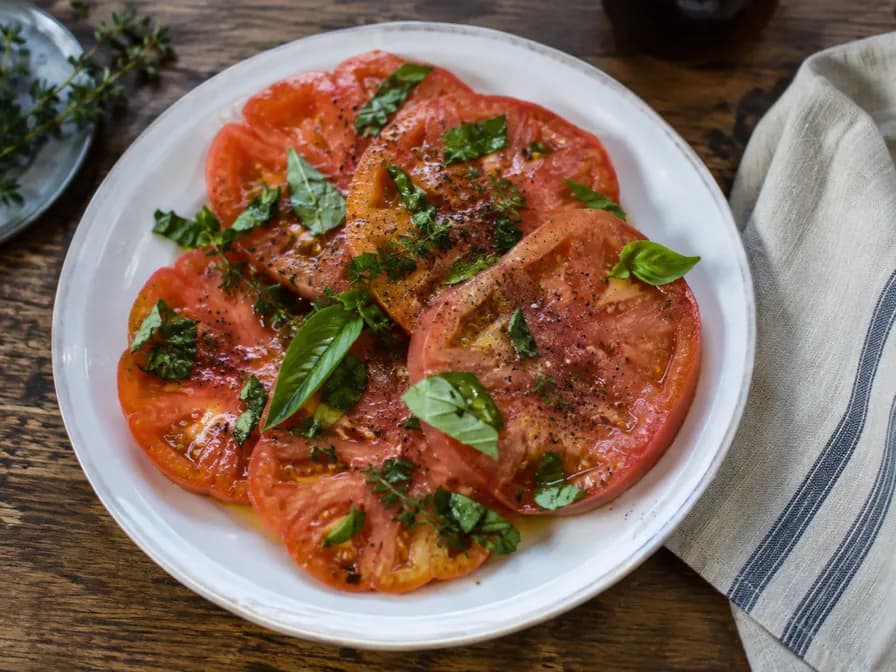
Marbled Heirloom Platter
15 minOverlapping slices that show off the marbled red-and-pink interior, finished with burrata, basil, and good olive oil.
5 ingredientsSlow-Roasted Giant Tomato Sauce
90 minMeaty halves roasted until concentrated, then simmered briefly into a thick, sweet sauce — the best fate for cracked or oversized fruit.
5 ingredientsCulinary Uses
This is above all a fresh-slicing tomato. One thick slice covers a sandwich or burger completely, and the dense, meaty, nearly seedless flesh holds together on the plate instead of flooding it.
The flavor profile — pronounced sweetness, very low acidity, and a strong old-fashioned tomato aroma — makes it perfect for simple preparations: thick slices with salt and good oil, tomato sandwiches, caprese-style plates, and fresh salads where the tomato is the main event. The marbled red-and-pink interior makes even a plain sliced platter look deliberate.
Fruit that is too ripe, cracked, or oversized for slicing still cooks beautifully. The meaty walls reduce into a thick, sweet sauce quickly, and roasted wedges make a fine base for soups, shakshuka, or a rustic pan sauce.
What's inside
Health Benefits
- Tomatoes supply antioxidants that help reduce oxidative stress, especially lycopene and related carotenoids.
- They are a strong source of vitamin C, which supports immune health, collagen formation, and improved iron absorption from meals.
- Their combination of water, fiber, and low calories makes them helpful for satiety and weight-conscious eating.
- Potassium in tomatoes supports healthy blood pressure regulation and proper muscle and nerve function.
- Tomatoes fit naturally into Mediterranean-style eating patterns that are consistently associated with better long-term health outcomes.
- Colored heirloom and specialty tomatoes broaden the antioxidant profile further through pigments such as anthocyanins and golden carotenoids.
Where Ivuntian Giant Tomato comes from
Ivuntian Giant comes from Kazakhstan, from the collection of Vitaly Alifirov, a breeder-collector based in Almaty whose tomatoes circulate widely among Central Asian seed savers. The name is an anglicisation of the Russian Ивунтянский Великан — 'Ivuntyansky Velikan', the Ivuntian Giant.
The variety reached Western specialty catalogs only recently. It appeared as a new 2025 listing at Delectation of Tomatoes, a US vendor known for tracking down obscure collection tomatoes, and began showing up in a handful of small seed shops soon after. Documented grower experience outside Central Asia is still limited, and vendor descriptions vary on fruit weight, reporting everything from 300 g fruits to kilogram-class specimens.
The collector's own account describes a mid-season, disease-tolerant plant of up to 3 m that sets no small fruit at all, with chocolate-pink tones at full ripeness and a marbled multicolor interior. Until more seasons of grow reports accumulate, treat those claims as promising collector notes — and grow the variety with the same heavy-feeding, deep-watering, strong-support regime that any giant beefsteak rewards.
Ivuntian Giant Tomato: did you know?
Fascinating facts about Ivuntian Giant Tomato
The name transliterates the Russian Ивунтянский Великан — literally 'the Ivuntian Giant'.
Ivuntian Giant Tomato questions, answered
When should I plant Ivuntian Giant Tomato?
What are good companion plants for Ivuntian Giant Tomato?
What hardiness zones can Ivuntian Giant Tomato grow in?
How much sun does Ivuntian Giant Tomato need?
How far apart should I space Ivuntian Giant Tomato?
What pests and diseases affect Ivuntian Giant Tomato?
How do I store Ivuntian Giant Tomato after harvest?
What are the best Ivuntian Giant Tomato varieties to grow?
What soil does Ivuntian Giant Tomato need?
How big do Ivuntian Giant tomatoes actually get?
Is Ivuntian Giant determinate or indeterminate?
Why is my ripe fruit marbled inside, with green gel around the seeds?
Can I save seeds from Ivuntian Giant?
Can I grow it in a container?
Is the flavor worth the extra work?
Plant these alongside Ivuntian Giant Tomato
More Nightshades
Keep Ivuntian Giant Tomato away from these
Grow your best Ivuntian Giant Tomato yet — and everything around it.
Start a free plan today. Lay out your beds, drop in your Ivuntian Giant Tomato, and let PlotMyGarden handle the timing, spacing, companions and reminders from seed to harvest basket.
