Cherrytomate
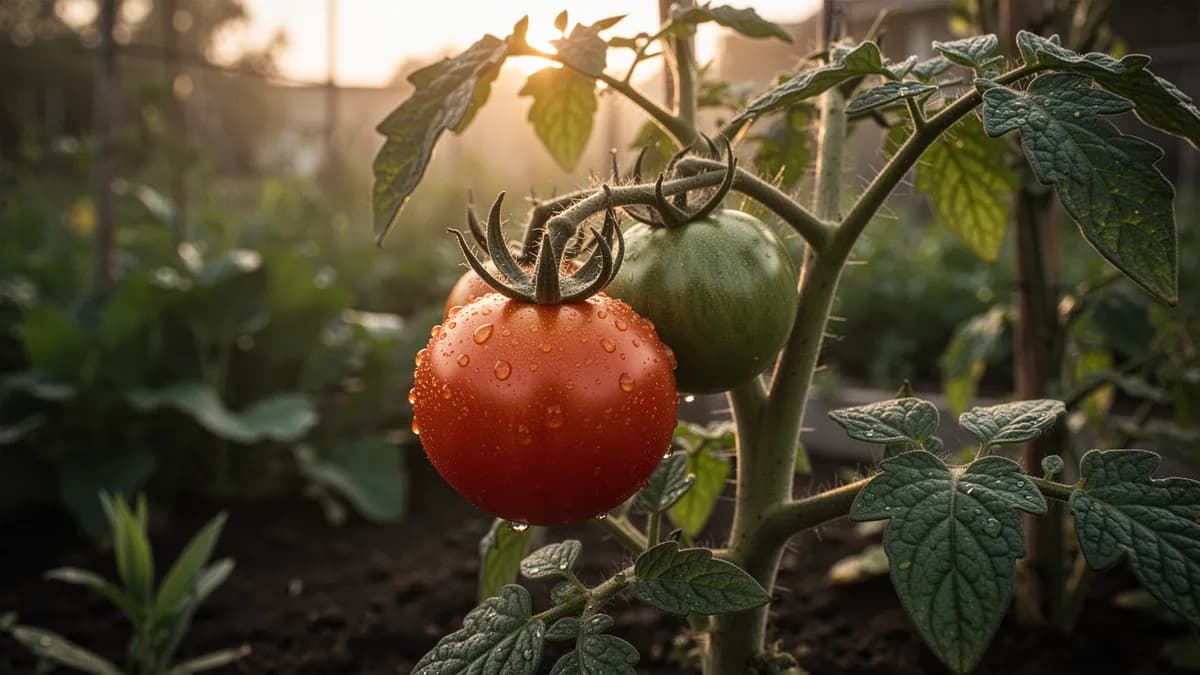
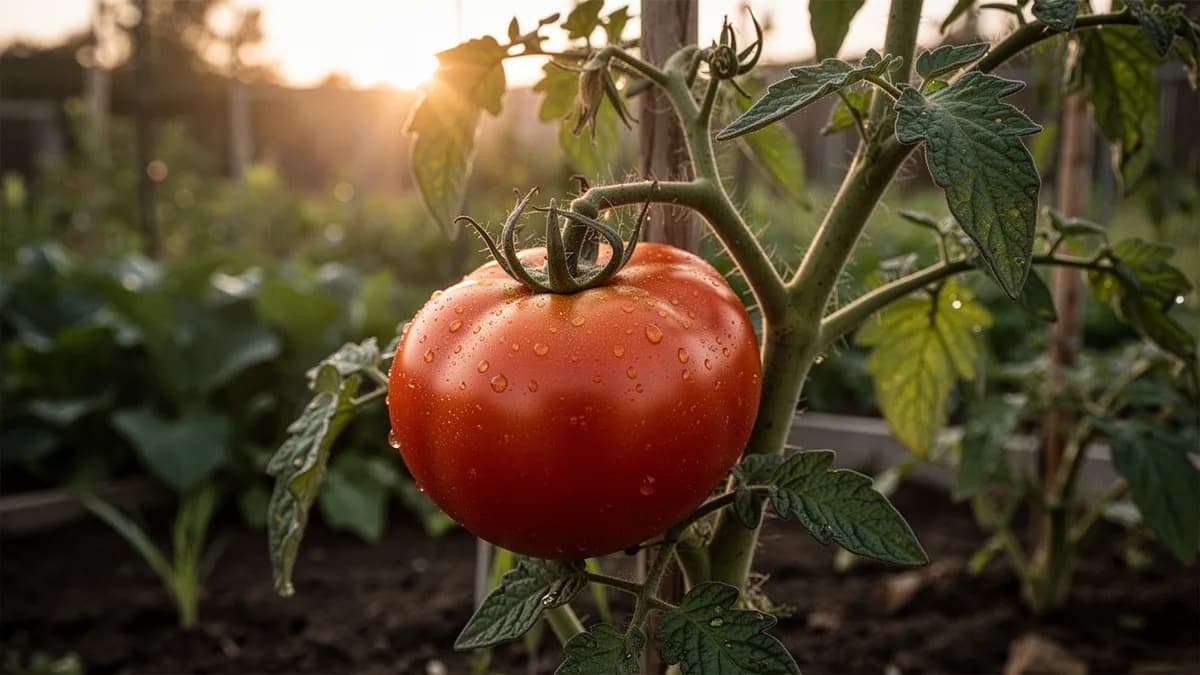
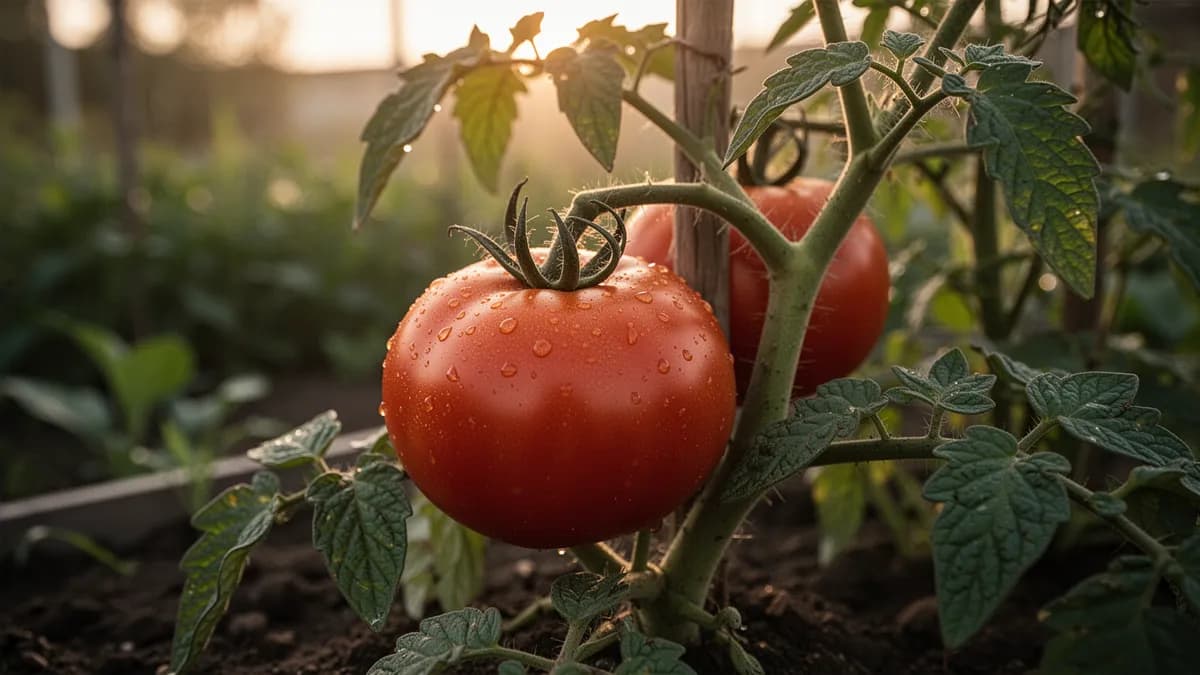
Die Cherrytomate ist eine äußerst ertragreiche Pflanze, die mundgerechte Früchte hervorbringt, die sich perfekt zum Naschen, für Salate und zum Rösten am Stiel eignen.





Auf dieser SeiteÜberblick
Cherrytomate im Überblick
Die Cherrytomate ist eine äußerst ertragreiche Pflanze, die mundgerechte Früchte hervorbringt, die sich perfekt zum Naschen, für Salate und zum Rösten am Stiel eignen. Cherrytomaten sind pflegeleichter als großfrüchtige Sorten und widerstandsfähiger gegen Aufplatzen bei wechselhaftem Wetter. Stellen Sie stabile Rankhilfen bereit, da indeterminierte Sorten sehr hoch und mit Fruchttrauben sehr schwer werden können. Ernten Sie die Früchte, wenn sie sich mit einem sanften Zug leicht vom Stiel lösen lassen — dann ist der Geschmack am süßesten.
Wann Cherrytomate pflanzen
Säen Sie Cherrytomaten-Samen 6–8 Wochen vor dem letzten Frosttermin drinnen aus. Säen Sie die Samen 6 mm tief in warme, feuchte Anzuchterde bei 24–29 °C — eine Heizmatte beschleunigt die Keimung auf 5–7 Tage. Sorgen Sie für starkes Licht (14–16 Stunden täglich) durch Pflanzenlampen, die 5–8 cm über den Keimlingen positioniert sind. Topfen Sie in größere Gefäße um, wenn sich die ersten echten Blätter entwickeln. Beginnen Sie 7–10 Tage vor dem Auspflanzen mit dem Abhärten, indem Sie die Keimlinge schrittweise an Außenbedingungen gewöhnen. Pflanzen Sie nach den Eisheiligen aus und vergraben Sie den Stängel tief bis zum ersten Blattpaar — vergrabene Stängel bilden Adventivwurzeln, die die Pflanze stärken. Gießen Sie die Setzlinge beim Pflanzen mit verdünntem Flüssigdünger.
Dein Cherrytomate-Jahr
Abgestimmt auf Zone 7 · typische Saison · Frost geht um den 2. Apr. und kehrt um den 1. Nov. zurück
Cherrytomate Feb – Mai pflanzen, Jul – Okt ernten. Beachte die Pflanzmethoden unten und wähle dein Klima für passende Zeiträume.
So baust du Cherrytomate an
Cherrytomaten sind der einsteigerfreundlichste Tomatentyp und liefern selbst bei weniger als idealen Wachstumsbedingungen reichliche Ernten. Die meisten Sorten sind indeterminiert, das heißt, sie wachsen und fruchten bis zum ersten Frost kontinuierlich weiter und erreichen Höhen von 1,5 bis 2,5 Metern. Säen Sie die Samen 6–8 Wochen vor dem letzten Frosttermin drinnen aus, 6 mm tief in warme (24–29 °C) Anzuchterde. Pflanzen Sie die Jungpflanzen erst nach den Eisheiligen ins Freiland, wenn der Boden mindestens 15 °C erreicht hat.
Stellen Sie sehr stabile Rankhilfen bereit — eine einzelne Cherrytomatenpflanze kann Hunderte von Früchten tragen und wird bis zum Hochsommer extrem schwer. Hohe Tomatenkäfige (mindestens 1,5 m), stabile Stäbe mit Bindungen oder ein Schnur-Spalier-System eignen sich gut. Setzen Sie die Pflanzen im Abstand von 45–60 cm. Gießen Sie tief und gleichmäßig, 2,5–5 cm pro Woche an der Basis, damit das Laub trocken bleibt. Unregelmäßiges Gießen verursacht das Aufplatzen der Früchte, wobei Cherrytomaten resistenter dagegen sind als größere Sorten.
Entfernen Sie bei indeterminierten Sorten die Geiztriebe (Seitentriebe in den Blattachseln), um 2–3 Haupttriebe beizubehalten — das verbessert die Luftzirkulation und beschleunigt die Reife. Mulchen Sie mit Stroh oder gehäckseltem Laub, um die Bodenfeuchtigkeit zu erhalten und Krankheitserreger durch Regenspritzer zu reduzieren. Cherrytomaten sind äußerst produktiv und reifen früher als die meisten anderen Tomatensorten, wobei sie oft 55–65 Tage nach dem Auspflanzen die ersten reifen Früchte liefern. Ernten Sie in der Hauptsaison täglich, da reife Früchte am Strauch Schädlinge anlocken und nach Regen aufplatzen können.
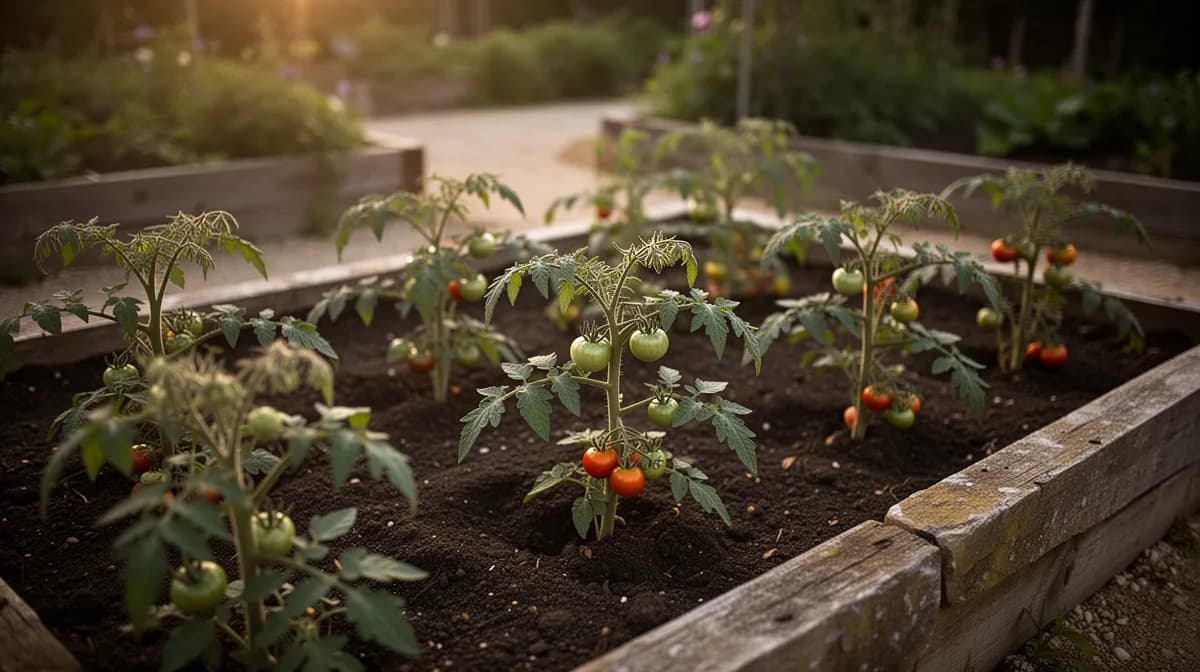
10 Pflanzen passen in ein Beet von 120 × 240 cm
Cherrytomate braucht 45 cm Platz pro Pflanze. Der Planer hält diesen Abstand für dich ein — jede Pflanze, jedes Beet.
Die besten Nachbarn für Cherrytomate
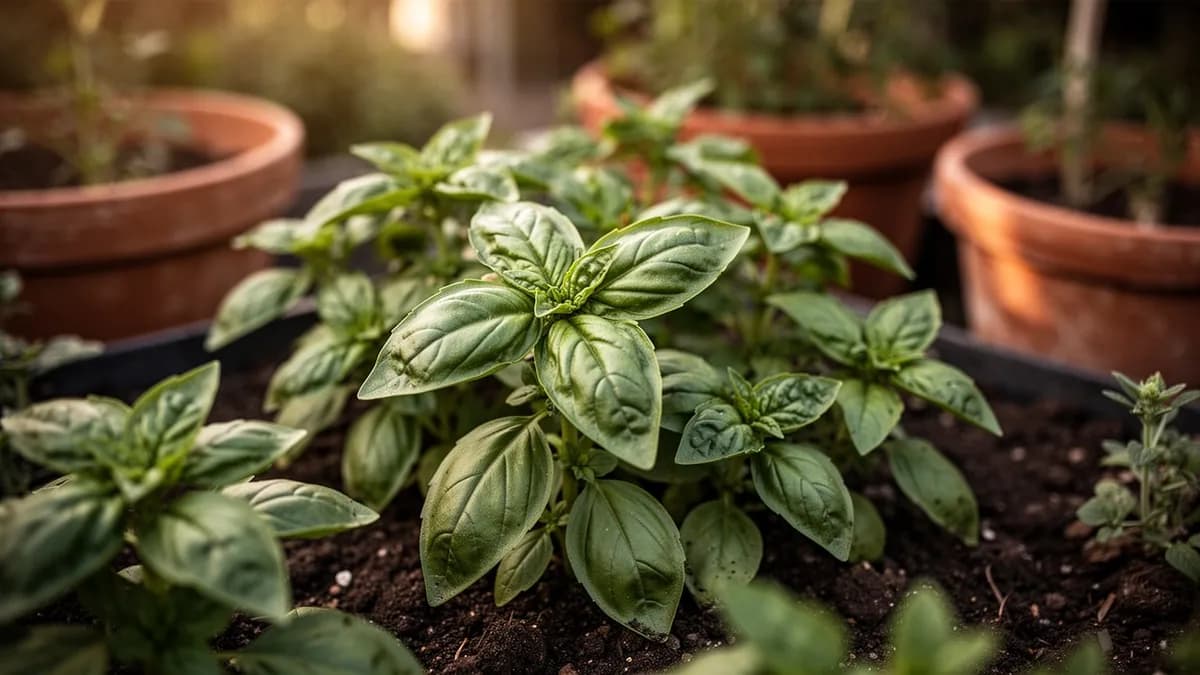
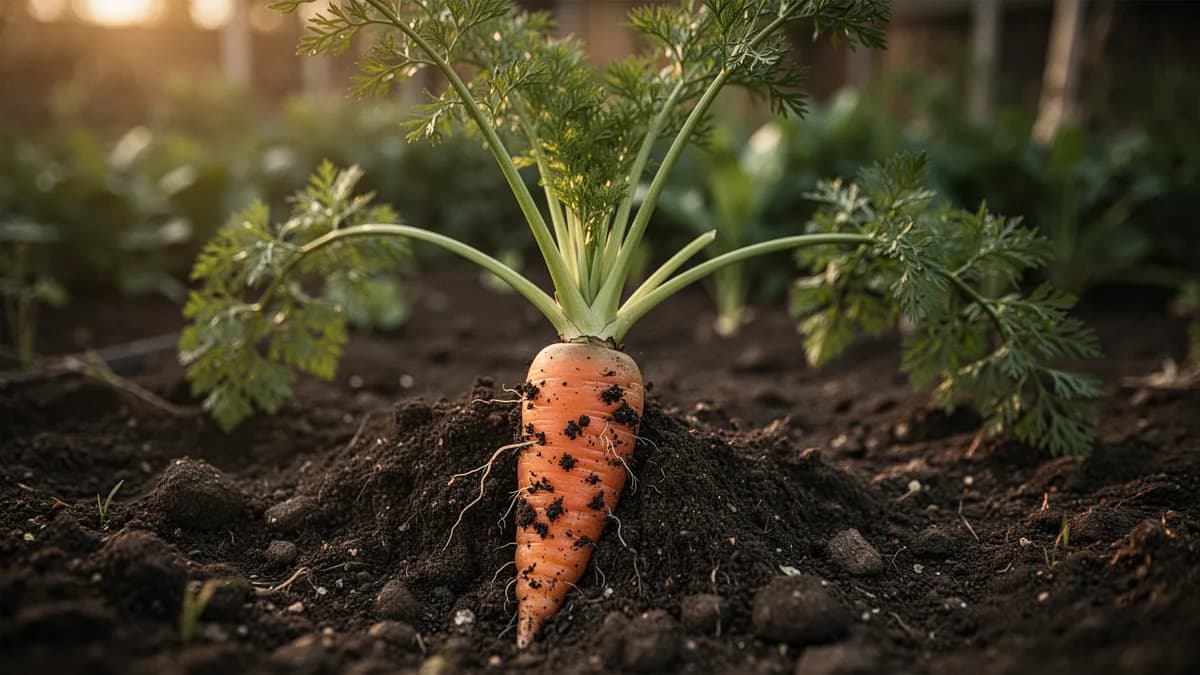
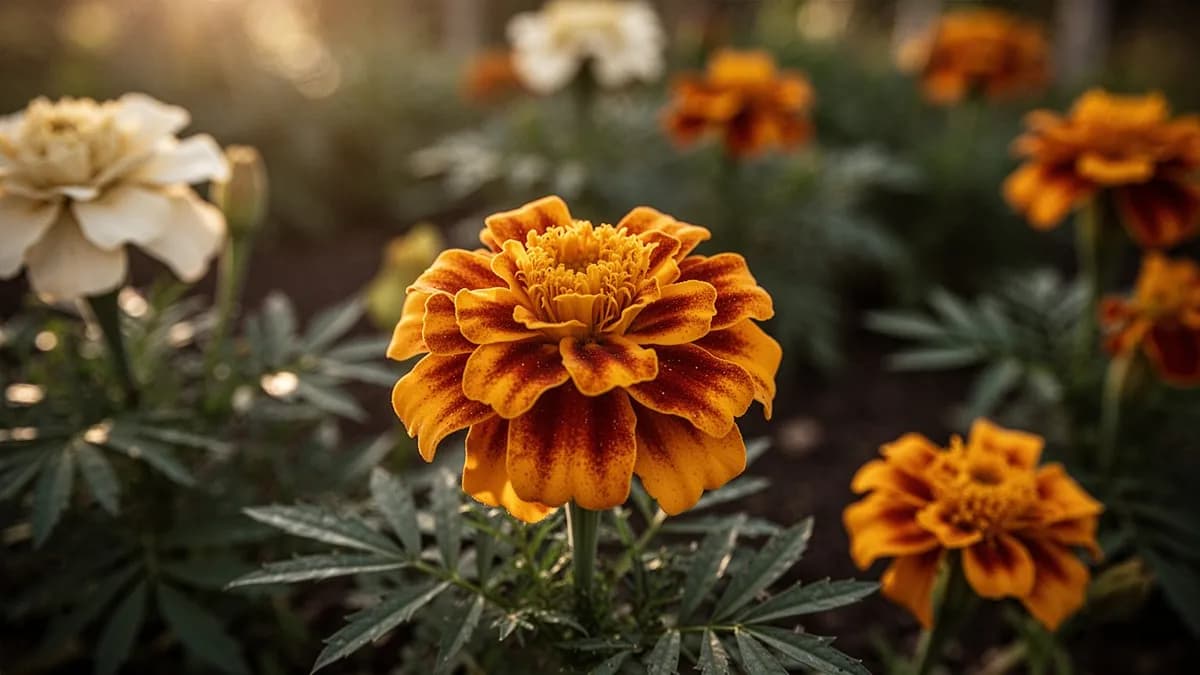
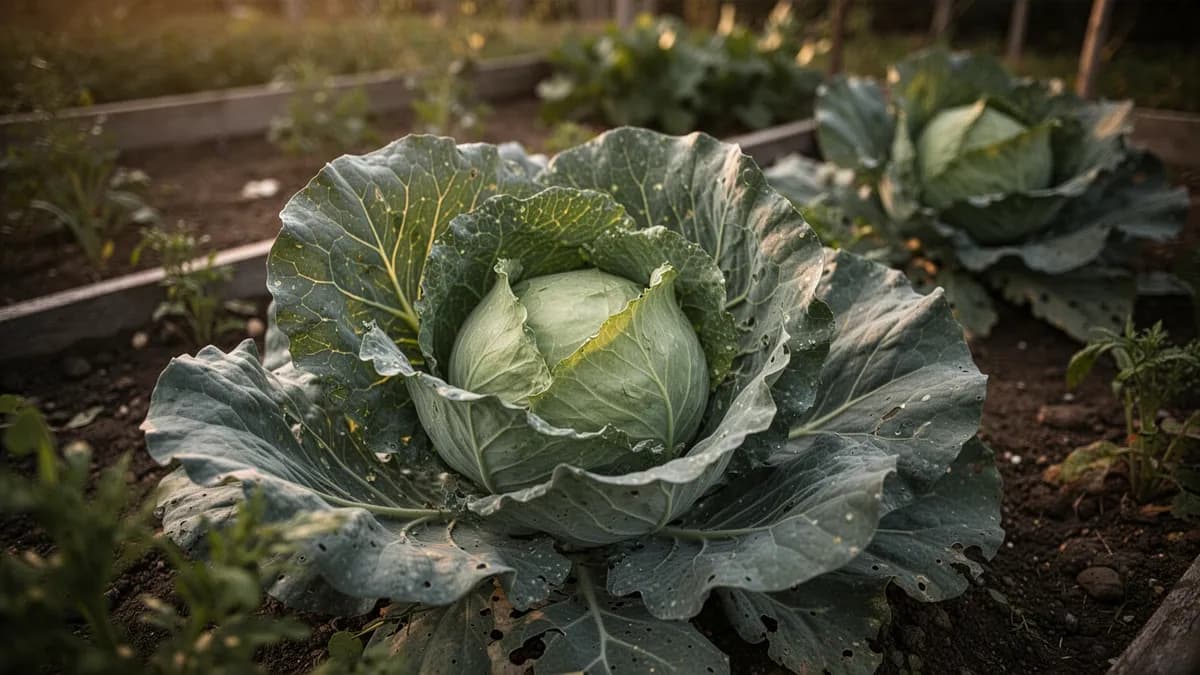
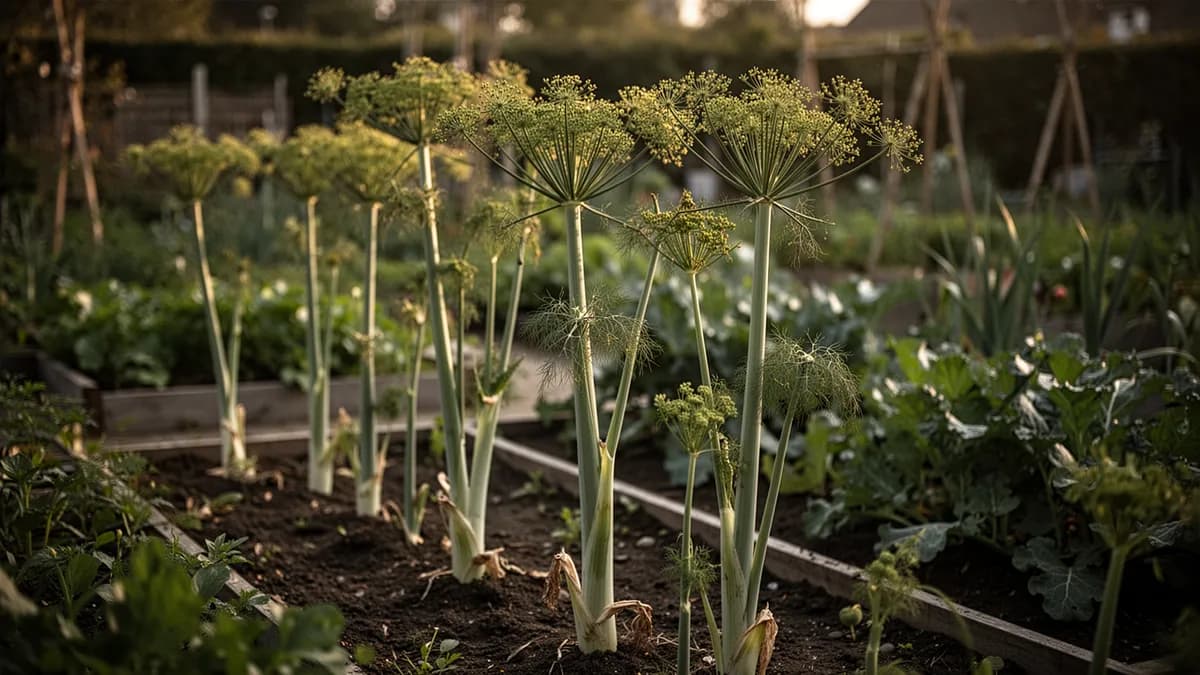
Basilikum ist der klassische Cherrytomate-Begleiter — er soll den Geschmack verbessern, wenn er in der Nähe gepflanzt wird, und hilft, Blattläuse und Weiße Fliegen fernzuhalten. Möhren lockern den Boden um die Tomatenwurzeln und konkurrieren nicht um Nährstoffe. Tagetes vertreiben Wurzelgallennematoden und Weiße Fliegen. Vermeiden Sie die Pflanzung neben Kohlgewächsen, die allelopathisch unverträglich mit Tomaten sind. Halten Sie Abstand zu Fenchel, der das Tomatenwachstum hemmt. Dill lockt Nützlinge an, sollte aber in einigem Abstand gehalten werden, da ausgewachsener Dill das Tomatenwachstum hemmen kann.
Basilikum gehört daneben. Kohl nicht.
Altes Gärtnerwissen, geprüft an der echten Nachbartabelle von Cherrytomate — teste jede Pflanze, die du anbaust.
Probiere Cherrytomate direkt hier im Beet
Ein echtes Planer-Beet, Cherrytomate steht schon drin. Tippe einen Begleiter an, platziere ihn und sieh, wie die Nachbarschaftsprüfung antwortet — grün für gute Nachbarn, rot bei Streit.


Passende Anbau-Ratgeber
Richtig düngen
Cherrytomaten gedeihen in nährstoffreichem, gut durchlässigem Boden mit einem pH-Wert von 6,2–6,8. Arbeiten Sie vor der Pflanzung großzügig Kompost ein. Verwenden Sie bei der Pflanzung einen tomatenspezifischen oder stickstoffarmen Dünger (5-10-10 oder ähnlich), um die Fruchtbildung statt des Blattwachstums zu fördern. Übermäßiger Stickstoff erzeugt üppiges Laub bei verzögerter Fruchtbildung. Düngen Sie nach, wenn die ersten Früchte ansetzen, und dann monatlich während der Wachstumsperiode mit ausgewogenem Dünger oder Kompost. Kalzium ist entscheidend zur Vorbeugung von Blütenendfäule — arbeiten Sie Gips oder Algenkalk ein, wenn Bodenanalysen niedrige Kalziumwerte zeigen. Bittersalz (Magnesiumsulfat) mit 1 Esslöffel pro Pflanze einmal monatlich unterstützt die Chlorophyllbildung und Fruchtentwicklung.
Ideale Temperatur
Winterhärtezone-Kompatibilität
Von der Saat zur Ernte, Schritt für Schritt
Samenkeimung
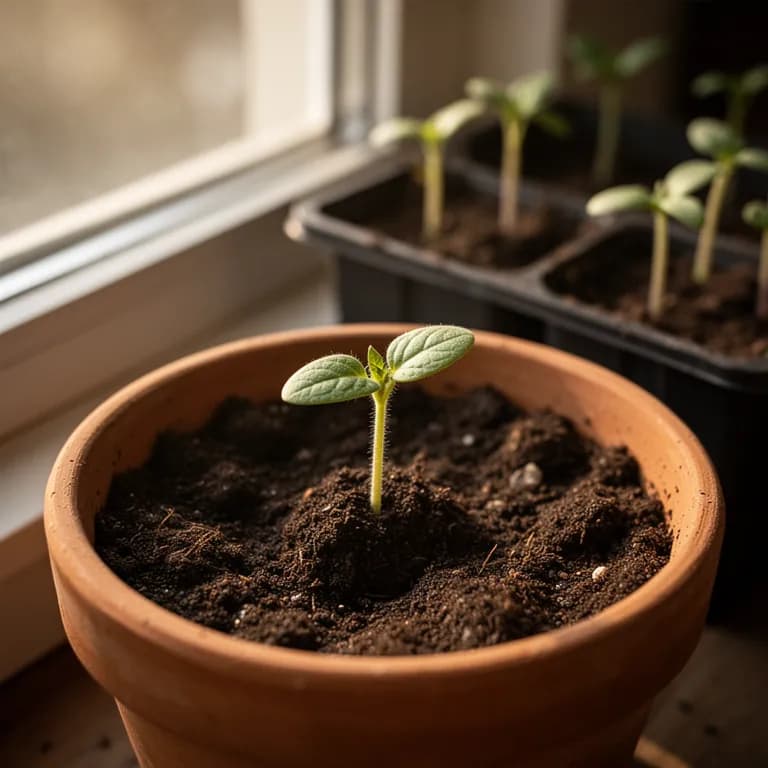
Die Samen keimen unter warmen, feuchten Bedingungen, wobei zuerst eine weiße Keimwurzel (Radicula) austritt, gefolgt vom Hypokotyl, das zwei abgerundete Keimblätter über die Bodenoberfläche schiebt. Die Keimung verläuft am schnellsten bei 24–29 °C und dauert typischerweise 5–10 Tage. Licht ist für die Keimung nicht erforderlich, sollte aber sofort bereitgestellt werden, sobald die Keimlinge erscheinen.
Keimlingsentwicklung
Echte Blätter mit den charakteristischen gezackten Rändern entwickeln sich über den glatten Keimblättern. Der Stängel verdickt sich und winzige Härchen (Trichome) erscheinen auf der Stängeloberfläche. Die Keimlinge wachsen bei starkem Licht stetig und entwickeln ihre ersten zusammengesetzten Blattpaare. Das Wurzelsystem dehnt sich in dieser Phase rasch aus.
Vegetatives Wachstum
Nach dem Auspflanzen ins Freiland beginnt die Phase des raschen vegetativen Wachstums. Indeterminierte Sorten entwickeln einen Haupttrieb und mehrere Seitentriebe (Geiztriebe) in jeder Blattachsel. Das Laub wird dicht und üppig, und das Wurzelsystem breitet sich aggressiv im umgebenden Boden aus. Bei warmem Wetter können die Pflanzen 10–15 cm pro Woche an Höhe zulegen.
Blüte und Fruchtansatz
Kleine, leuchtend gelbe, sternförmige Blüten erscheinen in Trauben (Rispen) entlang der Triebe. Jede Rispe trägt typischerweise 6–12 Blüten, die sich über mehrere Tage öffnen. Die Blüten sind selbstbestäubend, profitieren aber von sanftem Wind oder Insektenbesuch, der den Pollen auf die Narbe befördert. Winzige grüne Früchte bilden sich innerhalb weniger Tage nach erfolgreicher Bestäubung.
Fruchtentwicklung und Reife
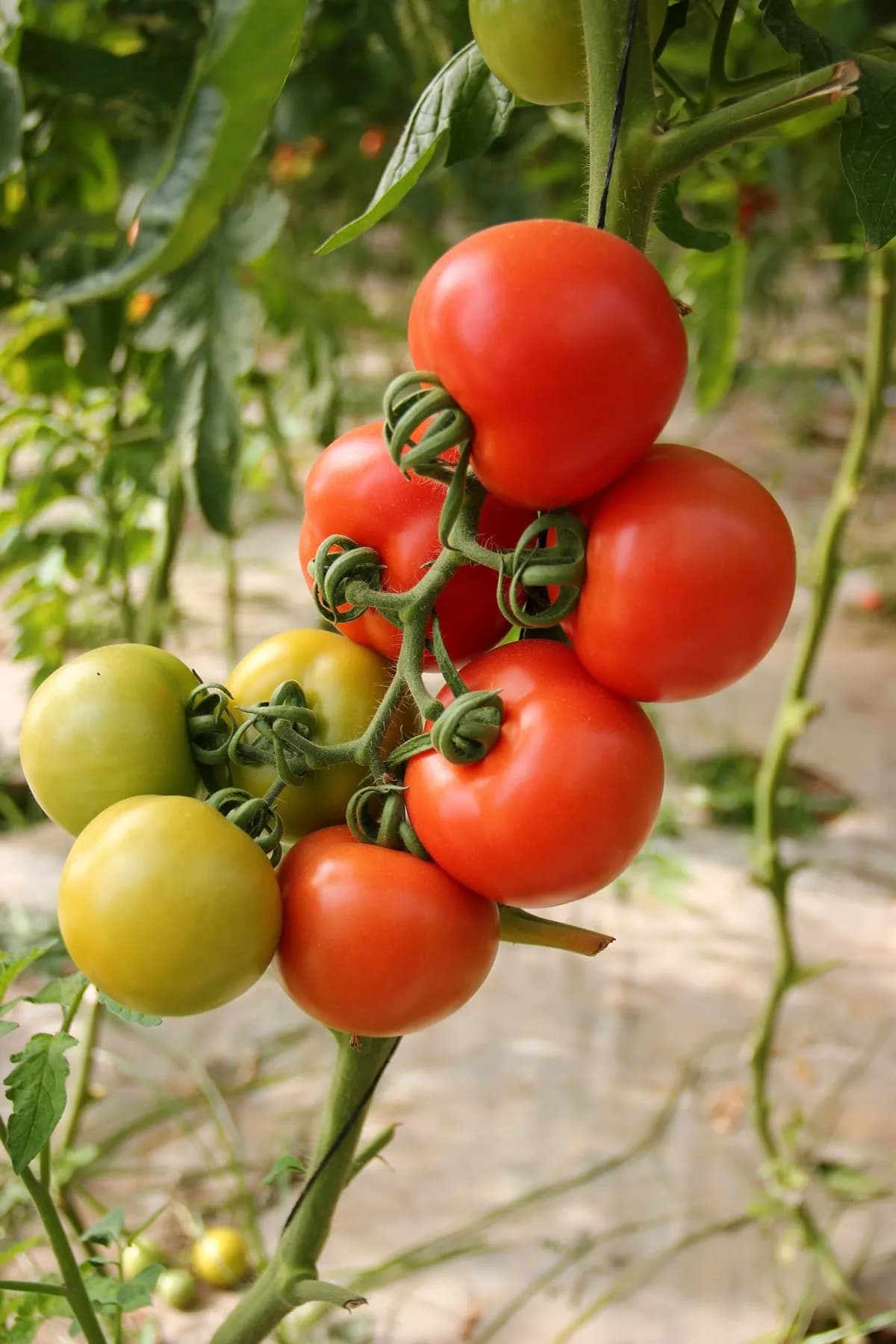
Die grünen Früchte schwellen über 3–4 Wochen an und beginnen dann den Reifeprozess, das sogenannte Breaker-Stadium — am Blütenende erscheint ein Farbhauch, der sich über 5–7 Tage nach oben ausbreitet. Reife Cherrytomaten lösen sich mit einer sanften Drehung leicht vom Kelch. Die Pflanze blüht, setzt neue Früchte an und reift ältere Früchte gleichzeitig an verschiedenen Rispen.
Erweiterte Ernteperiode
Indeterminierte Cherrytomaten produzieren gleichzeitig neue Blüten- und Fruchtrispen über einen Zeitraum von 8–12 Wochen, bis der erste starke Frost sie abtötet. Eine einzelne gesunde Pflanze kann über die Saison 200–500 Früchte hervorbringen. Die Produktion erreicht ihren Höhepunkt im Hochsommer und setzt sich im Frühherbst in gleichmäßigem Tempo fort, wenn die Temperaturen sinken.
Verwenden Sie eine Heizmatte, um eine gleichmäßige Bodentemperatur von 24–27 °C aufrechtzuerhalten. Halten Sie die Anzuchterde gleichmäßig feucht, aber nicht staunass. Entfernen Sie Feuchtigkeitshauben, sobald die Keimlinge erscheinen, um Umfallkrankheit zu verhindern.
Cherrytomate Monat für Monat pflegen
Was du jeden Monat für deine Cherrytomate tun solltest
Oktober
Aktueller MonatLetzte Ernten in den meisten Zonen vor dem Frost. Pflücken Sie alle verbleibenden Früchte, auch grüne — sie reifen drinnen auf der Arbeitsplatte oder in einer Papiertüte mit einer Banane nach. Entfernen Sie abgeerntete Ranken und kompostieren Sie nur krankheitsfreies Material.
Immer wissen, was jetzt im Garten zu tun ist
Eine E-Mail zum Monatsanfang: was du jetzt säen, pflanzen und anpacken solltest — für deine Cherrytomate und alles, was drumherum wächst. Dazu ein kurzer Startkurs, der dich vor den klassischen Fehlern bewahrt.
- Was jetzt zu tun ist
- Passend zu deiner Saison
- Startkurs inklusive
Cherrytomate ernten
Cherrytomaten sind reif, wenn sie ihre volle Farbe erreicht haben und sich mit einem sanften Zug oder einer Drehung vom Stiel lösen — müssen Sie sie vor dem Loslösen mit Kraft abreißen, sind sie noch nicht vollreif. Ernten Sie in der Hauptsaison täglich, da überreife Früchte Schädlinge anlocken und nach Regen aufplatzen. Viele Cherrytomatensorten lassen reife Früchte fallen und erzeugen so Selbstaussaat-Keimlinge. Pflücken Sie morgens, wenn die Früchte kühl sind, für die beste Haltbarkeit. Ganze Rispen können abgeschnitten und drinnen nachgereift werden, wenn Frost droht. Grüne Cherrytomaten reifen gut auf einer sonnigen Fensterbank nach. Den süßesten Geschmack entwickeln Früchte, die in der warmen Sonne am Strauch vollständig ausreifen dürfen.
angenommen, du pflanzt zu Beginn des Zeitraums — trage dein tatsächliches Datum ein
Ernte Cherrytomate zügig, dann trägt die Pflanze weiter.
Lagerung & Konservierung
Lagern Sie reife Cherrytomaten niemals im Kühlschrank — Kälte zerstört Aromastoffe und macht die Textur mehlig. Lagern Sie sie bei Raumtemperatur mit der Stielnarbe nach unten und verbrauchen Sie sie innerhalb von 3–5 Tagen. Zum Haltbarmachen eignen sich Cherrytomaten hervorragend, wenn sie bei 200 °C ganz im Ofen mit Olivenöl und Knoblauch geröstet und dann in Behältern bis zu 12 Monate eingefroren werden. Sie ergeben ausgezeichnete Schnellkoch-Saucen, da ihr hoher Zuckergehalt und ihre dünne Haut schnell zerfallen. Trocknen Sie halbierte Cherrytomaten bei 57 °C für 8–12 Stunden für intensiven getrockneten Tomatengeschmack. Cherrytomaten können ganz auf Backblechen eingefroren und dann in Beutel umgefüllt werden — sie verlieren zwar ihre Textur, eignen sich aber gut für gekochte Gerichte.
Was schiefgeht — und die Lösung
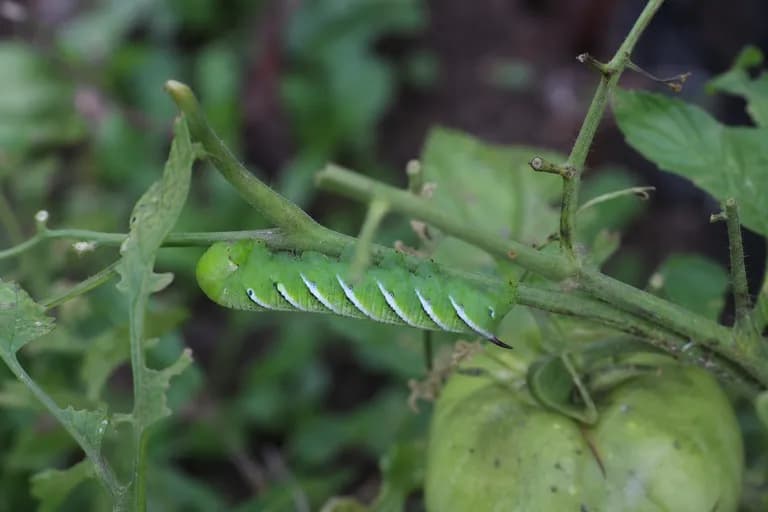
Tomatenschwärmer
SchädlingGroße grüne Raupen mit weißen Diagonalstreifen und einem Horn am Hinterleib entlauben Pflanzen rapide und fressen ganze Zweige an einem Tag kahl. Dunkelgrüne Kotkrümel auf Blättern und am Boden darunter verraten ihre Anwesenheit.
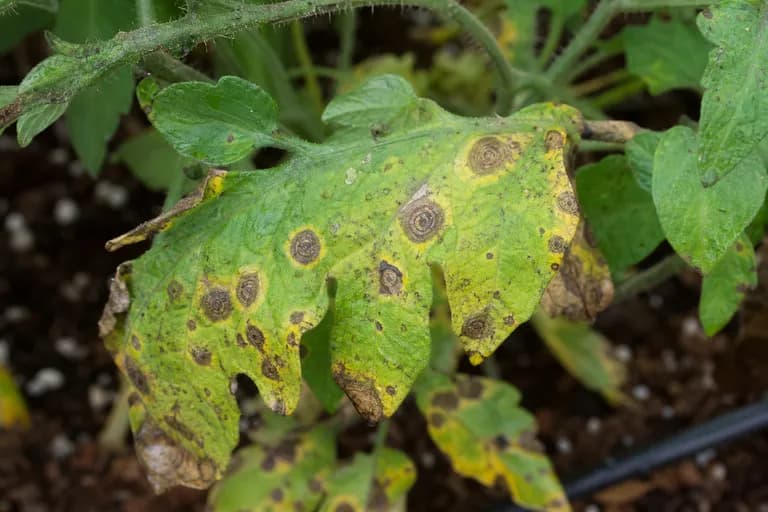
Dürrfleckenkrankheit
KrankheitDunkelbraune Flecken mit konzentrischen Ringen (Zielscheibenmuster) erscheinen zuerst auf den unteren Blättern und breiten sich nach oben aus. Betroffene Blätter vergilben und fallen ab, was die Pflanze schließlich entlaubt und die Früchte dem Sonnenbrand aussetzt.
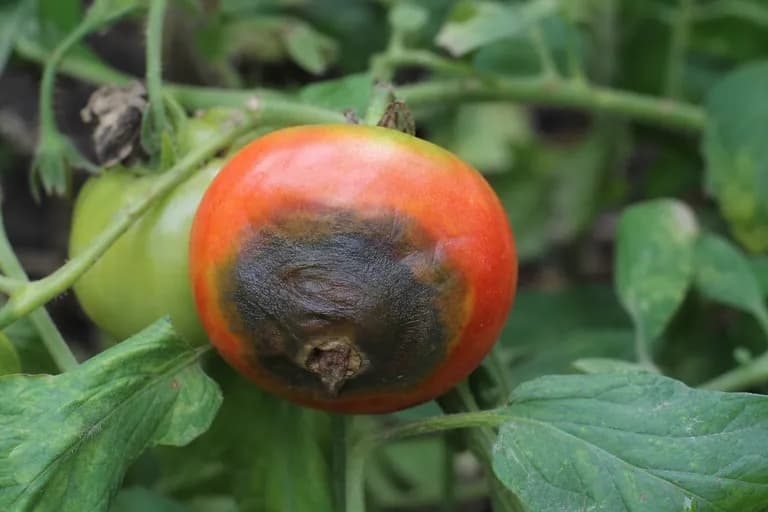
Blütenendfäule
KrankheitEin dunkler, eingesunkener, lederartiger Fleck entwickelt sich am Boden (Blütenende) der sich entwickelnden Früchte. Der betroffene Bereich kann schimmelig werden. Wird nicht durch einen Erreger verursacht, sondern durch Kalziummangel infolge ungleichmäßiger Bewässerung.
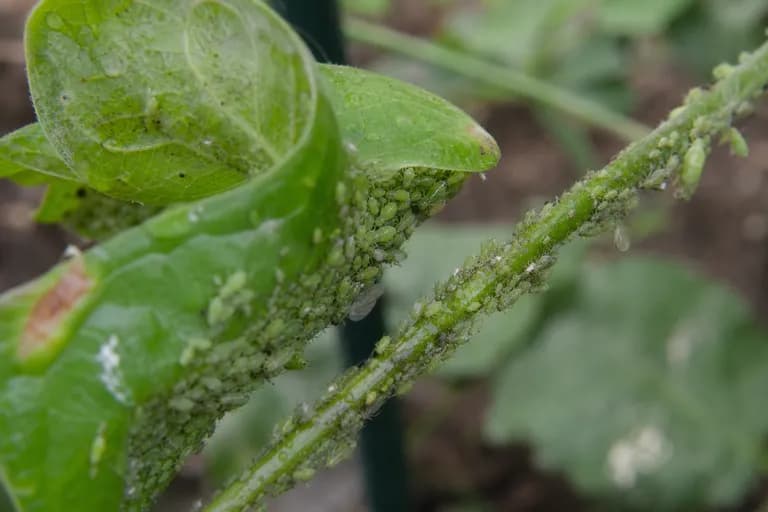
Blattläuse
SchädlingAnsammlungen kleiner grüner, gelber oder schwarzer Insekten an Neutrieben und Blattunterseiten. Blätter rollen sich ein und verformen sich. Klebriger Honigtau begünstigt Rußtaupilz. Starker Befall hemmt das Pflanzenwachstum.
Fehlerbehebung bei häufigen Problemen
Aufplatzen und Rissbildung nach starkem Regen ist das häufigste Problem bei Cherrytomaten — gleichmäßiges Gießen und Mulchen minimieren dies, und Sorten wie Juliet sind besonders platzfest. Die überwältigende Produktivität überfordert viele Hobbygärtner — ernten Sie täglich und verschenken Sie Überschüsse oder konservieren Sie diese zeitnah. Selbstaussaat-Keimlinge aus herabgefallenen Früchten können im Folgejahr unkrautartig auftreten. Katzenfratze (deformierte Früchte) kommt bei Cherrytomaten seltener vor, tritt aber bei kühlem Wetter auf. Blattrollen (Aufwärtskräuselung der unteren Blätter) bei Hitze ist meist physiologischer Stress und keine Krankheit — die Pflanzen wachsen sich in der Regel heraus.
Anbautipps
- Vergraben Sie Setzlinge tief — entfernen Sie die untersten Blätter und pflanzen Sie den Stängel bis zum verbleibenden Laub ein. Jeder vergrabene Knoten bildet Adventivwurzeln und schafft ein wesentlich stärkeres Wurzelsystem als eine oberflächliche Pflanzung.
- Schneiden Sie indeterminierte Sorten auf 2–3 Haupttriebe zurück, indem Sie Geiztriebe entfernen, solange sie klein sind. Dies verbessert die Luftzirkulation, verringert den Krankheitsdruck und lenkt die Energie in größere, süßere Früchte statt in übermäßiges Blattwachstum.
- Gießen Sie tief an der Basis statt von oben — nasses Laub erhöht das Risiko für Dürrfleckenkrankheit, Septoria-Blattflecken und andere Pilzkrankheiten drastisch. Tropfbewässerung oder Sickerschläuche sind ideal für Tomaten.
- Installieren Sie Stützstrukturen beim Auspflanzen, nicht erst wenn die Pflanzen groß und schwer zu handhaben sind. Cherrytomaten-Ranken werden mit Hunderten von Früchten extrem schwer und bringen unzureichende Stützen bis zum Hochsommer zum Einsturz.
- Ernten Sie in der Hauptproduktion täglich ohne Ausnahme. Reife Cherrytomaten, die auch nur ein oder zwei Tage am Strauch bleiben, locken Fruchtfliegen an, platzen nach Regen auf und fallen zu Boden, wo sie Schnecken und Nagetiere anziehen.
- Bauen Sie mindestens zwei verschiedene Sorten an, um eine Mischung aus Geschmacksrichtungen, Farben und Reifezeiten zu erhalten. Sun Gold (orange, intensiv süß), Sweet 100 (rot, ertragreich) und Black Cherry (komplex, weinartig) bilden ein ausgezeichnetes Trio.
- Kappen Sie alle neuen Blütentrauben 30 Tage vor dem erwarteten ersten Frost. Dies zwingt die Pflanze, vorhandene grüne Tomaten ausreifen zu lassen, anstatt Energie für Früchte zu verschwenden, die vor Saisonende niemals reifen werden.
- Gewinnen Sie Samen von Ihren besten samenfesten (nicht-hybriden) Cherrytomaten, indem Sie das Gel aus reifen Früchten 3 Tage in Wasser fermentieren, sauber abspülen und gründlich trocknen. Gelagertes Saatgut bleibt 4–6 Jahre keimfähig.
Bau deine beste Cherrytomate an — und alles drumherum.
Starte heute kostenlos. Lege deine Beete an, setze deine Cherrytomate ein und lass PlotMyGarden Timing, Abstände, Begleiter und Erinnerungen von der Saat bis zum Erntekorb übernehmen.
Finde deine Cherrytomate
Sungold F1
Gilt weithin als die süßeste Cherrytomate überhaupt und bringt goldorangefarbene Früchte mit tropischem Geschmack hervor. 57 Tage. Indeterminiert. Extrem ertragreich, aber anfällig für Aufplatzen. Die Sorte, die die meisten Geschmackstests gewinnt.
Sweet Million F1
Eine verbesserte Sweet 100 mit besserer Krankheits- und Platzfestigkeit. 60 Tage. Rote Früchte in langen Trauben. Indeterminiert. Sehr ertragreicher Dauerträger über die gesamte Saison.
Black Cherry
Eine einzigartige Sorte mit dunkel purpur-schwarzen Früchten und komplexem, reichhaltigem Geschmack mit rauchiger Süße. 64 Tage. Indeterminiert. Heirloom-Qualität im Cherryformat. Wunderschön in Salaten.
Supersweet 100 F1
Bildet außergewöhnlich lange Rispen mit leuchtend roten, intensiv süßen Früchten. 60 Tage. Indeterminiert. Sehr wüchsig und braucht starke Stütze. Eine der ertragreichsten Cherrytomaten überhaupt.
Tiny Tim
Eine kompakte determinierte Sorte, die nur 30–45 cm hoch wird — perfekt für Kübel und Fensterbänke. 60 Tage. Kleine rote Früchte mit gutem Geschmack. Ideal für Balkon- und Terrassengärtnerei.
Eine einzelne Cherrytomatenpflanze, die 3–5 € kostet (oder nur Centbeträge aus Samen), kann pro Saison 4–8 kg Früchte produzieren, während Bio-Cherrytomaten im Supermarkt und auf Wochenmärkten 4–8 € pro Schale (ca. 300 g) kosten. Der Anbau von nur 2–3 Pflanzen spart leicht 80–150 € pro Saison allein an frischen Cherrytomaten. Die Ersparnis ist noch bedeutender, wenn man bedenkt, dass selbst angebaute, am Strauch gereifte Cherrytomaten geschmacklich den Kaufsorten weit überlegen sind, die auf Transportfähigkeit statt auf Geschmack gezüchtet werden.
Schnelle Rezepte
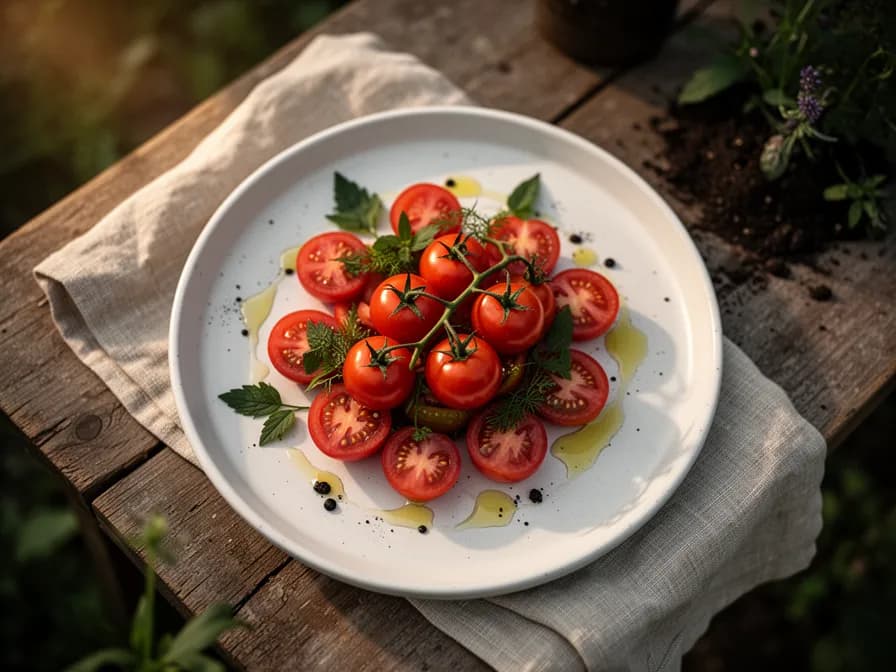
Geblisterte Cherrytomaten mit Knoblauch und Basilikum
10 Min.Eine blitzschnelle Beilage oder Pasta-Sauce, bei der Cherrytomaten in einer heißen Pfanne angebraten werden, bis ihre Haut Blasen wirft und aufplatzt und der konzentrierte süße Saft sich mit Knoblauch und frischem Basilikum zu einer sofortigen Sauce verbindet.
7 ZutatenCaprese-Spießchen mit Cherrytomaten
15 Min.Eine elegante Vorspeise ohne Kochen, bei der Cherrytomaten, frische Mozzarella-Kugeln und Basilikumblätter auf kurze Spieße gefädelt und mit einem Schuss gereiftem Balsamico und dem besten Olivenöl, das Sie haben, vollendet werden. Perfekt für sommerliche Bewirtung.
6 ZutatenLangsam geröstetes Cherrytomaten-Confit
15 Min. Vorbereitung + 2 Stunden RöstzeitCherrytomaten werden langsam bei niedriger Temperatur mit Olivenöl, Knoblauch und Thymian geröstet, bis sie zu intensiv süßen, marmeladenartigen Häppchen zusammenfallen. Hält sich eine Woche im Kühlschrank und verwandelt Pasta, Toast, Eier und gegrilltes Fleisch.
7 ZutatenKulinarische Verwendung
Cherrytomaten eignen sich perfekt zum Naschen direkt vom Strauch, ganz in Salate geworfen oder halbiert für Bruschetta und Caprese. Rösten Sie ganze Rispen im Ofen mit Olivenöl für eine im-Mund-zerplatzende Beilage oder Pasta-Sauce. Sie ergeben hervorragende Schnellkoch-Saucen, da ihre dünne Haut rasch zerfällt. In einer heißen Pfanne geblisterte Cherrytomaten mit Knoblauch und Basilikum sind ein 5-Minuten-Pasta-Topping. Sie eignen sich ideal zum Trocknen als konzentrierte, süße Tomatenhäppchen für Studentenfutter oder Salat-Toppings.
Was drinsteckt
Gesundheitsvorteile
- Cherrytomaten gehören zu den reichhaltigsten Nahrungsquellen für Lycopin, ein starkes Carotinoid-Antioxidans, das mit einem verringerten Risiko für Herzkrankheiten, Prostatakrebs und UV-bedingte Hautschäden in Verbindung gebracht wird — das Kochen mit Olivenöl erhöht die Lycopin-Bioverfügbarkeit dramatisch.
- Reich an Vitamin C: Eine Tasse Cherrytomaten liefert etwa 20 % des Tagesbedarfs und unterstützt die Immunfunktion, die Kollagensynthese und die Eisenaufnahme aus pflanzlichen Lebensmitteln.
- Enthält erhebliche Mengen an Beta-Carotin (insbesondere gelbe und orangefarbene Sorten), das der Körper in Vitamin A umwandelt — für gesundes Sehvermögen, Immunregulierung und Hautzellenerneuerung.
- Die Kombination aus Kalium (237 mg pro 100 g) und niedrigem Natriumgehalt unterstützt eine gesunde Blutdruckregulierung und kardiovaskuläre Funktion.
- Reich an Polyphenol-Antioxidantien wie Naringenin und Chlorogensäure, die entzündungshemmende Eigenschaften besitzen und zum Schutz vor chronisch-entzündlichen Erkrankungen beitragen können.
- Liefert Vitamin K und Folsäure, die die Blutgerinnung, Knochengesundheit und DNA-Synthese unterstützen — wichtige Nährstoffe für die Schwangerschaft und die allgemeine Zellerhaltung.
Woher Cherrytomate stammt
Cherrytomaten lassen sich auf die wilde Art Solanum pimpinellifolium zurückführen, die winzige, johannisbeergroße rote Früchte trägt und noch heute wild an der Westküste Südamerikas von Ecuador bis Nordchile wächst. Diese wilden Vorfahren wurden wahrscheinlich zuerst von indigenen Völkern in Mesoamerika domestiziert, wo die Selektion über Jahrhunderte die Fruchtgröße schrittweise von erbsengroß auf die heute bekannten kirschgroßen Formen vergrößerte. Die Cherrytomate stellt eine Zwischenstufe auf dem Domestizierungsweg von der Wildart zu den großfrüchtigen Fleisch- und Schneidtomaten dar.
Als die spanischen Konquistadoren die Tomate im frühen 16. Jahrhundert nach Europa brachten, waren viele der frühesten kultivierten Formen kirschgroß. Der italienische Name ‚pomodoro' (goldener Apfel) deutet darauf hin, dass die ersten europäischen Tomaten möglicherweise kleine gelbe Cherrytomaten waren und nicht die großen roten Früchte, die wir heute mit der italienischen Küche verbinden. Jahrhundertelang wurden Tomaten jeder Größe in weiten Teilen Europas mit Misstrauen betrachtet — sie gehören zur Familie der Nachtschattengewächse, und ihre Blätter sind tatsächlich giftig — obwohl sie in der mediterranen Küche früher akzeptiert wurden als in Nordeuropa.
Die moderne kommerzielle Cherrytomaten-Industrie nahm in den 1970er und 1980er Jahren Gestalt an, angetrieben durch israelische landwirtschaftliche Innovation. Die Professoren Nahum Kedar und Haim Rabinowitch an der Hebräischen Universität Jerusalem entwickelten langlebige Cherrytomatensorten, die Transport und Lagerung standhielten, und verwandelten Cherrytomaten von einer Gartenrarität in ein ganzjährig weltweit erhältliches Supermarktprodukt. Heute sind Cherrytomaten eine der beliebtesten Hobbygartenpflanzen weltweit, geschätzt für ihre einfache Kultivierung, ertragreichen Ernten und den überlegenen Geschmack im Vergleich zu gekauften Sorten. Hunderte von alten und hybriden Züchtungen existieren inzwischen in jeder Farbe von tiefem Indigoschwarz über Goldgelb und Grüngestreift bis hin zu Reinweiß.
Cherrytomate: Schon gewusst?
Faszinierende Fakten über Cherrytomate
Cherrytomaten gelten als die engsten kultivierten Verwandten des wilden Vorfahren aller modernen Tomaten — winzige, erbsengroße Solanum-pimpinellifolium-Früchte, die noch heute wild an der Küste von Peru und Ecuador wachsen.
Cherrytomate: Fragen & Antworten
Wann sollte ich Cherrytomate pflanzen?
Was sind gute Begleitpflanzen für Cherrytomate?
In welchen Winterhärtezonen kann Cherrytomate wachsen?
Wie viel Sonne braucht Cherrytomate?
Welchen Abstand sollte ich zwischen Cherrytomate lassen?
Welche Schädlinge und Krankheiten befallen Cherrytomate?
Wie lagere ich Cherrytomate nach der Ernte?
Was sind die besten Cherrytomate-Sorten zum Anbauen?
Welchen Boden braucht Cherrytomate?
Warum platzen und reißen meine Cherrytomaten auf?
Wie verhindere ich, dass meine Cherrytomaten-Pflanzen zum unkontrollierten Dschungel werden?
Kann ich Cherrytomaten in Kübeln auf dem Balkon anbauen?
Warum fallen die Blüten meiner Cherrytomaten ab, ohne Früchte anzusetzen?
Welche ist die süßeste Cherrytomaten-Sorte zum Anbauen?
Wie kann ich grüne Cherrytomaten nachreifen lassen, die vor dem Frost geerntet wurden?
Du hast die Theorie gelesen. Jetzt baue sie auf Autopilot an.
Alles, was Cherrytomate knifflig macht — das Timing, die Abstände, die Begleiter, das Erntefenster — genau das übernimmt PlotMyGarden für dich, für jede Pflanze im Garten.
Ein Plan, der dein Wetter kennt
Standort einmal festlegen. Aussaat-, Dünge- und Erntedaten rund um deinen echten letzten Frosttermin und die Live-Vorhersage — kein Raten mehr nach Saattüte.
Aus dem Abschnitt „Pflanzzeit“Beetplaner per Drag & Drop
Beete auf einem Raster gestalten. Jede Pflanze rastet im richtigen Abstand ein, und du siehst die ganze Saison, bevor du einen Cent für Saatgut ausgibst.
Aus dem Abschnitt „Anbau“Begleiter-Konflikte früh erkannt
Über 200 gute und schlechte Kombinationen werden beim Pflanzen live geprüft — so landet ein saisonruinierender Fehler nie in der Erde.
Aus dem Abschnitt „Begleiter“Erinnerungen, nach denen du wirklich handelst
„Gieß die Bohnen.“ „Heute ernten, bevor's umschlägt.“ Pünktlich, konkret und auf deine echten Pflanzen bezogen.
Aus dem Abschnitt „Ernte“Staffel-Aussaat, geplant
Sechs Wochen ernten statt sechs Tage? Die App verteilt deine Aussaaten automatisch und erinnert dich, wenn der nächste Satz fällig ist.
Aus dem Abschnitt „Pflanzzeit“Ein Verlauf, der schlauer wird
Jede protokollierte Ernte bringt der App deinen Garten bei. Der Plan fürs nächste Jahr startet bei dem, was in deinem Boden wirklich funktioniert hat.
Aus dem Abschnitt „Überblick“Pflanze diese neben Cherrytomate
Weitere Nachtschattengewächse
Halte Cherrytomate von diesen fern
Gartenpläne mit Cherrytomate
Bau deine beste Cherrytomate an — und alles drumherum.
Starte heute kostenlos. Lege deine Beete an, setze deine Cherrytomate ein und lass PlotMyGarden Timing, Abstände, Begleiter und Erinnerungen von der Saat bis zum Erntekorb übernehmen.