Tomate Roma
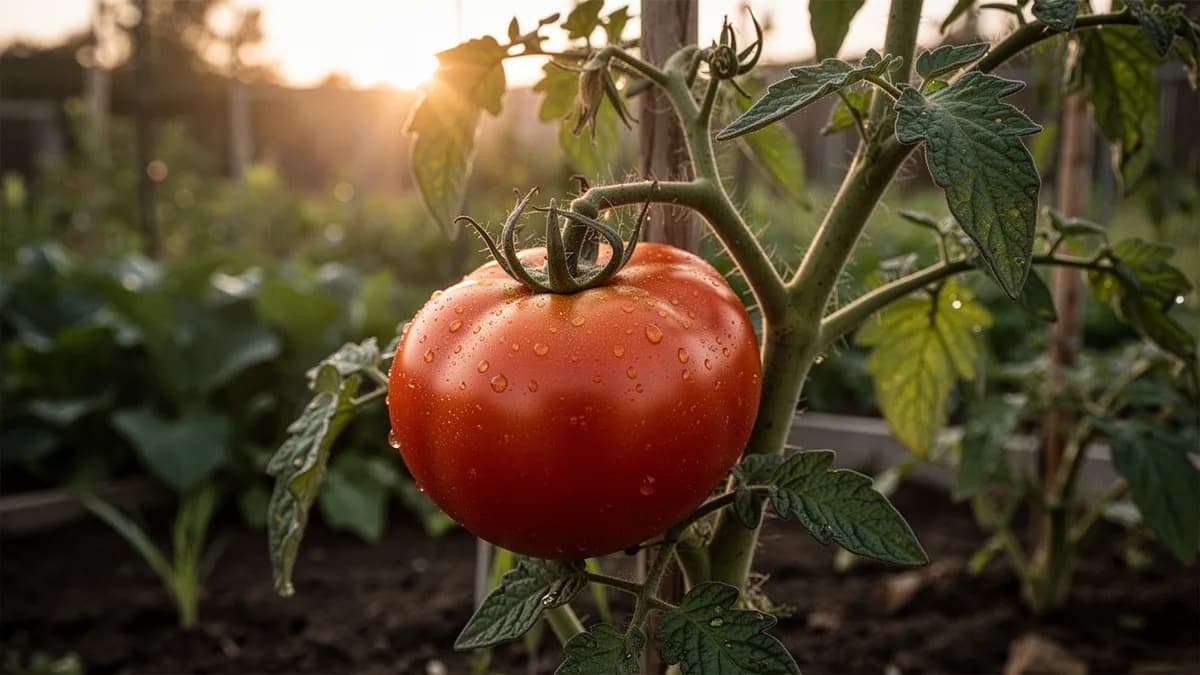
Tomates carnosos con pocas semillas, ideales para salsas y enlatado.





En esta páginaResumen
Conoce Tomate Roma
Tomates carnosos con pocas semillas, ideales para salsas y enlatado.
Cuándo plantar Tomate Roma
Siembre en semillero en interior 6-8 semanas antes de la última helada. Endurezca las plántulas progresivamente al aire libre durante una semana antes del trasplante definitivo.
Tu año de Tomate Roma
Ajustado a Zona 7 · temporada típica · la helada se va hacia el 2 abr y vuelve hacia el 1 nov
Planta Tomate Roma Feb – May y cosecha Jul – Sep. Consulta los métodos de plantación y elige tu clima para adaptar los periodos.
Cómo cultivar Tomate Roma
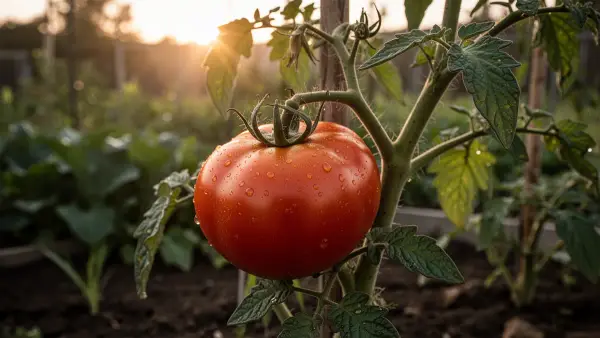
Elija un lugar soleado con suelo profundo, bien drenado y fértil con pH 6,0-6,8. Las variedades determinadas (tipo arbusto) no necesitan tutorado, aunque un soporte mejora la producción.
Siembre en interior 6-8 semanas antes de la última helada. Trasplante a 50-60 cm de separación cuando el clima sea cálido. Retire los chupones para concentrar la energía en los frutos.
Riegue regularmente y de manera profunda. Abone con fertilizante bajo en nitrógeno y alto en fósforo y potasio durante la floración y fructificación.
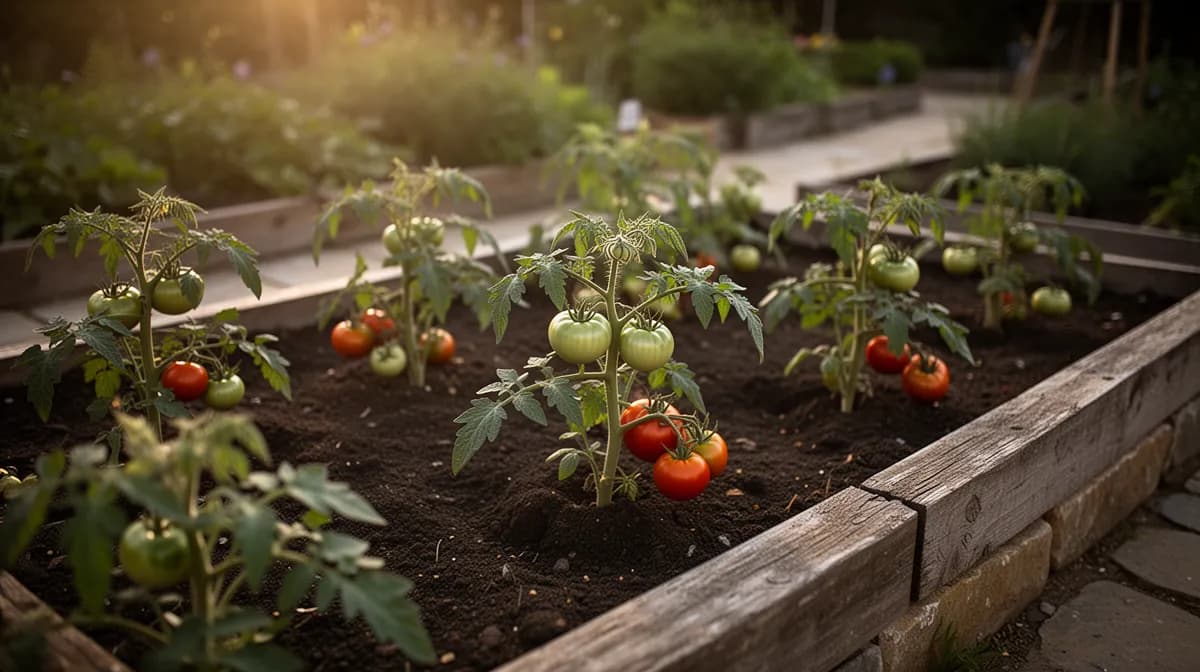
8 plantas caben en un bancal de 120 × 240 cm
Cada Tomate Roma pide 60 cm de margen. El planificador guarda ese marco por ti — cada planta, cada bancal.
Los mejores vecinos de Tomate Roma
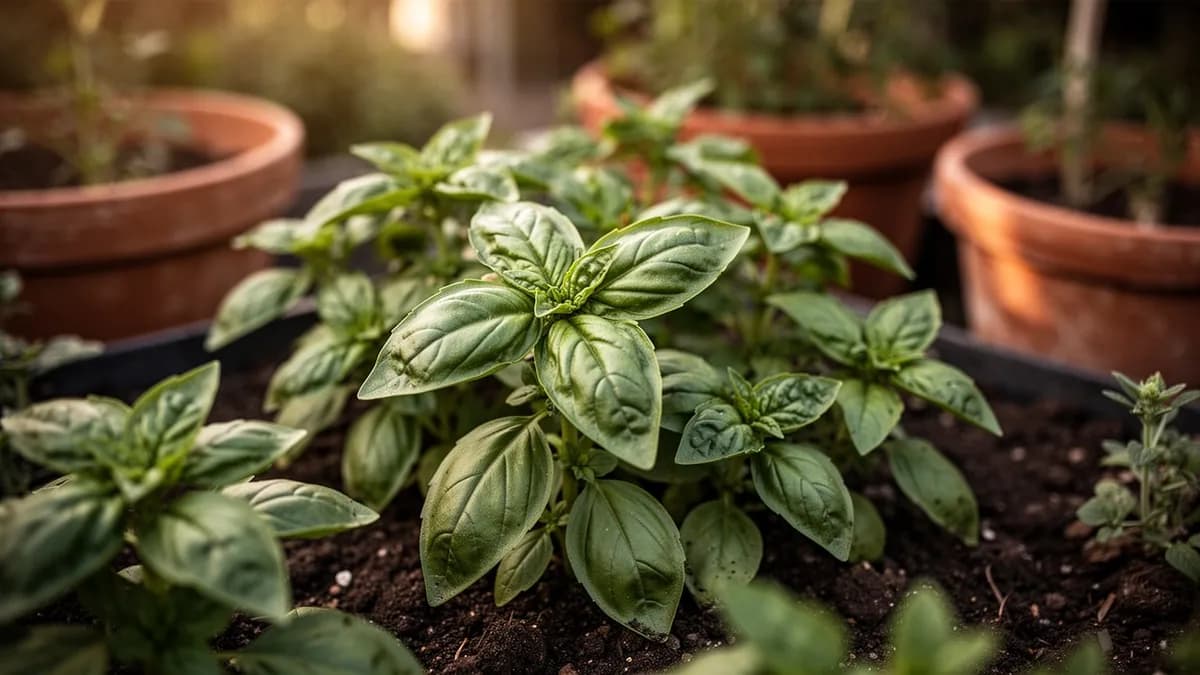
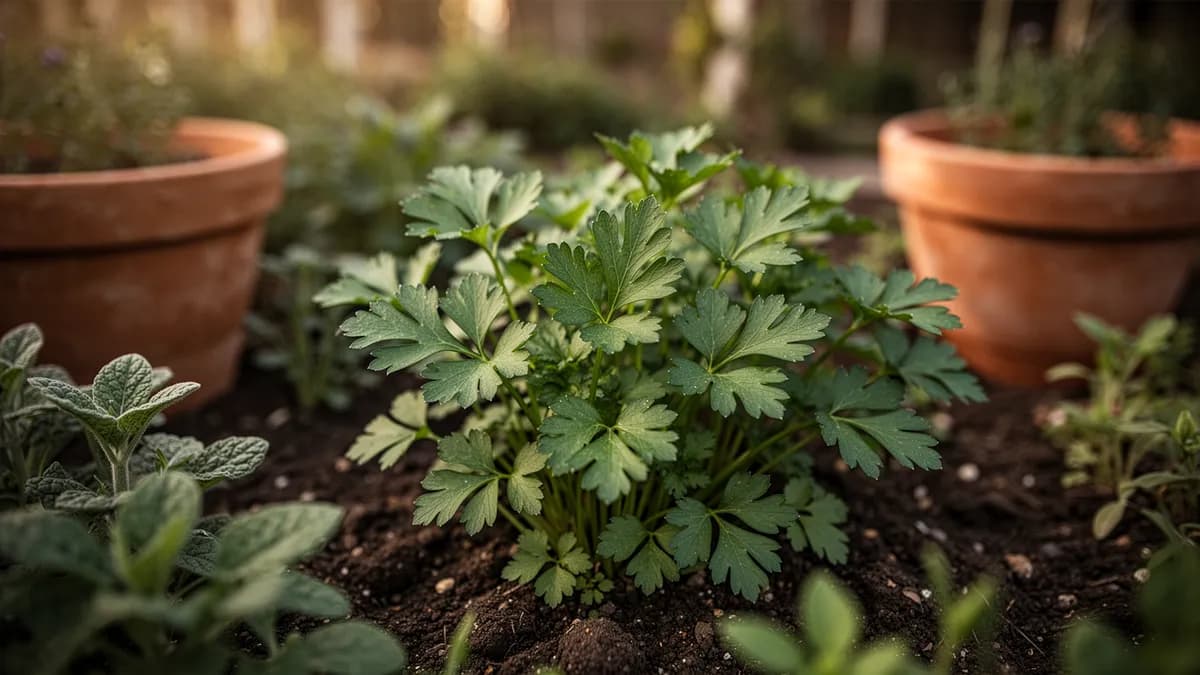
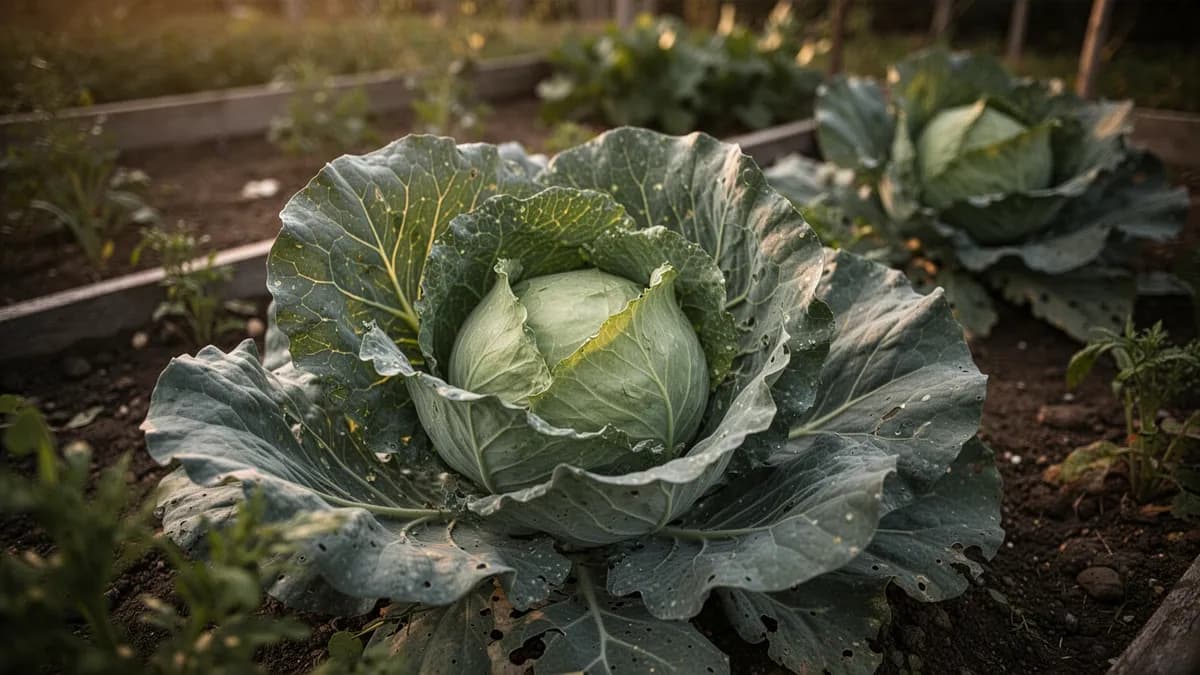
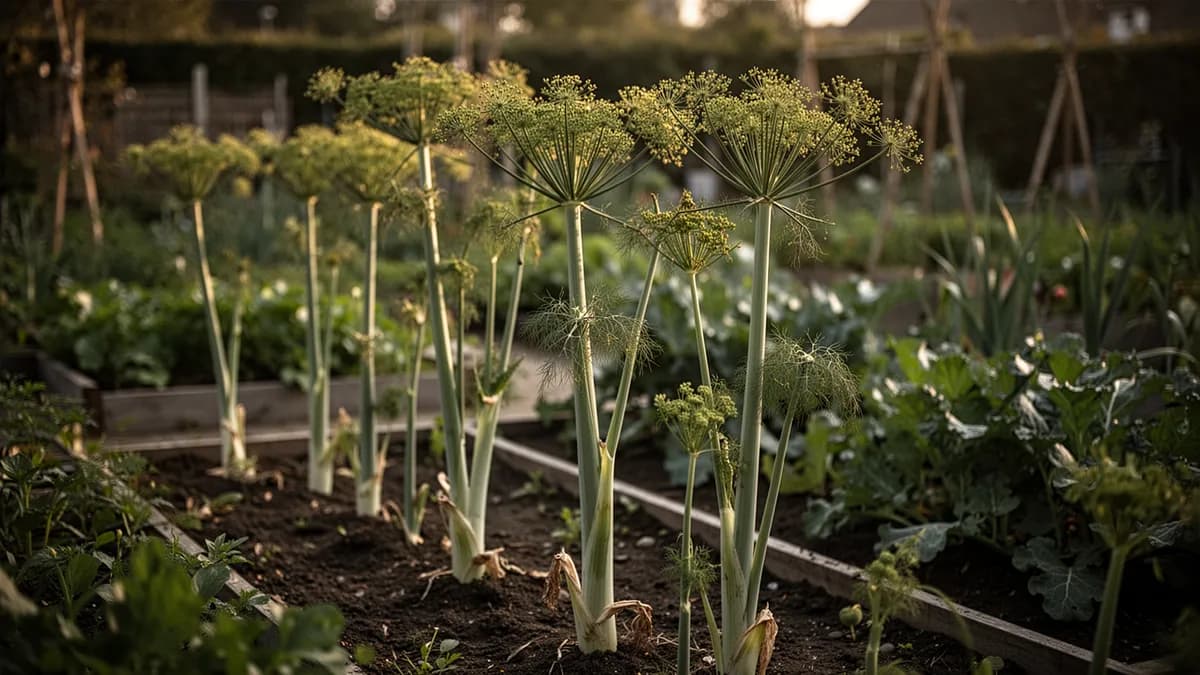
La albahaca mejora el sabor y repele plagas. Las zanahorias y el perejil también son buenos compañeros. Evite plantar junto a hinojo.
Albahaca va a su lado. Repollo no.
Saber de huerto de siempre, cotejado con la tabla real de Tomate Roma — prueba cualquier planta que cultives.
Prueba Tomate Roma en un bancal, aquí mismo
Un bancal real del planificador con Tomate Roma ya plantado. Toca una planta compañera para colocarla y mira cómo responde la comprobación de vecinos: verde para buenos vecinos, rojo si hay conflicto.


Guías de cultivo relacionadas
Abónalo bien
Requiere suelo profundo y bien drenado con pH 6,0-6,8. Enmiende con compost maduro y añada calcio (cal agrícola) al preparar el suelo para prevenir la podredumbre apical.
Temperatura ideal
Compatibilidad de zonas de rusticidad
De la semilla a la cosecha, etapa por etapa
Siembra
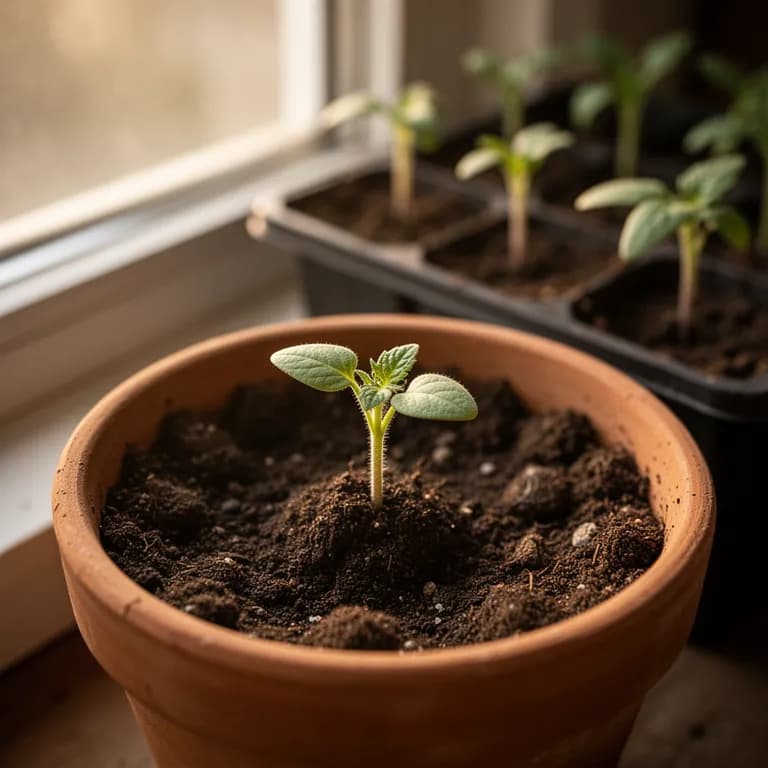
Las semillas germinan en un sustrato cálido y húmedo en 5-10 días.
Desarrollo de plántulas
Las hojas verdaderas reemplazan a los cotiledones y las plántulas desarrollan raíces más fuertes antes del trasplante.
Crecimiento vegetativo
Después del trasplante, las plantas Roma crecen con una forma compacta y arbustiva típica de las variedades determinadas, con tallos fuertes y racimos florales en desarrollo.
Floración y cuajado
Aparecen flores amarillas en racimos y las plantas Roma determinadas forman la mayor parte de su cosecha en una ventana concentrada de 2-3 semanas.
Desarrollo del fruto
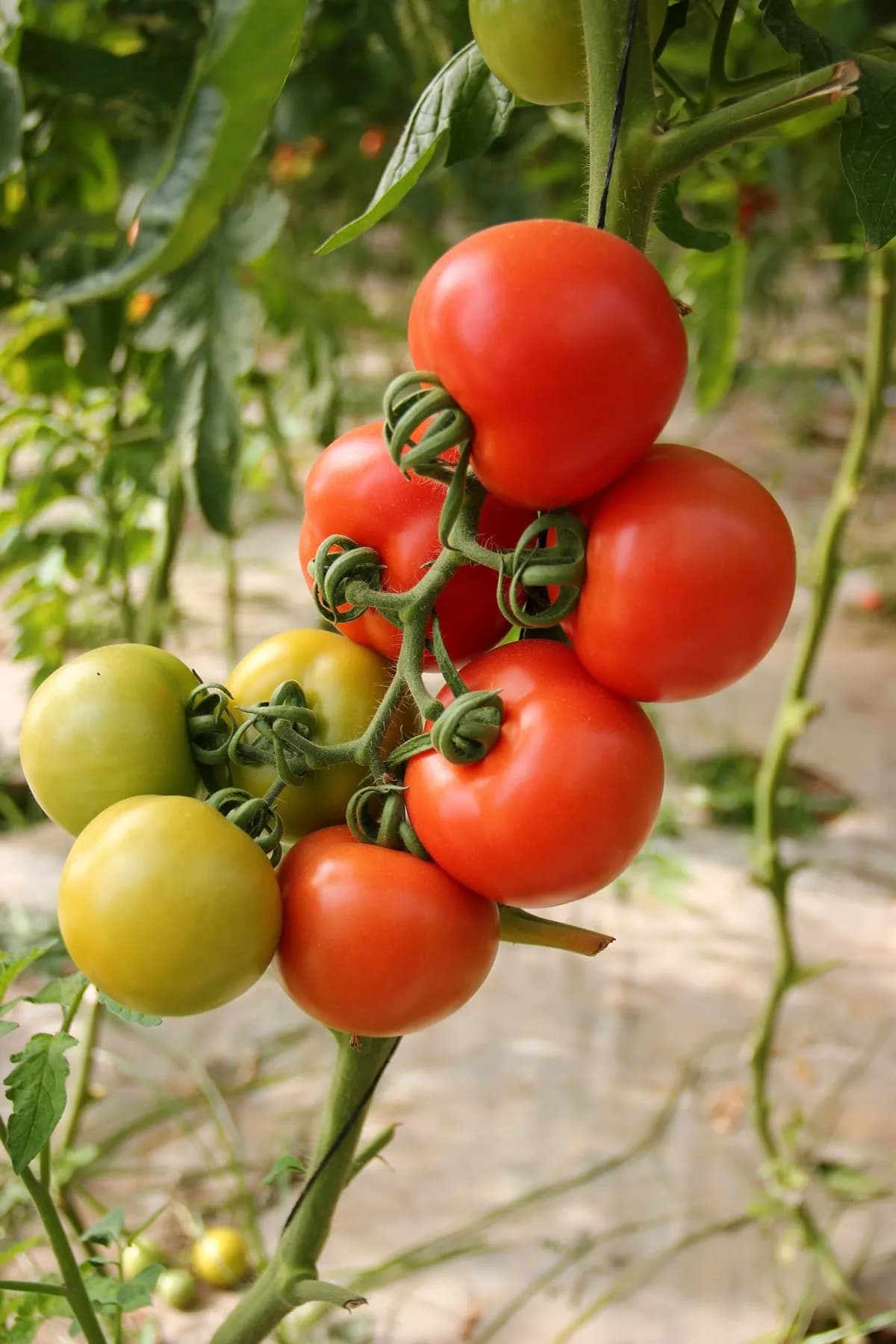
Los frutos verdes, con forma de ciruela, se hinchan rápidamente en racimos y desarrollan paredes gruesas y carnosas al acercarse a la madurez.
Maduración y cosecha
Los frutos maduran en 7-14 días y la mayor parte de la cosecha llega en una ventana concentrada de 2-3 semanas.
Usa una esterilla térmica para mantener constante la temperatura del sustrato. Proporciona 14-16 horas de luz intensa inmediatamente después de la emergencia para evitar plántulas largas y débiles. Mantén la superficie húmeda, pero no encharcada, para evitar el marchitamiento por hongos.
Cuidar Tomate Roma mes a mes
Qué hacer cada mes para tu Tomate Roma
Octubre
Mes actualComplete final harvests and processing. Green tomatoes can be ripened in a paper bag with a banana or made into green tomato chutney. Remove spent plants, clean cages, and add compost to beds. Note variety performance for next year.
Ten claro qué hacer en tu huerto, cada mes
Un correo al empezar cada mes: qué sembrar, plantar y hacer ahora mismo — para tu Tomate Roma y todo lo que crece alrededor. Más un breve curso inicial para esquivar los errores clásicos.
- Qué hacer ahora mismo
- Ajustado a tu temporada
- Curso inicial incluido
Cosechar Tomate Roma
Coseche cuando los frutos estén completamente rojos y firmes, generalmente 75-85 días tras el trasplante. El tomate roma se recolecta en masa cuando la mayoría ha madurado.
se supone que plantas al comenzar el periodo — indica tu fecha real
Cuando los frutos se hinchan y pasan de verde oscuro a verde más claro con un leve rubor.
Almacenamiento y conservación
Excelentes para enlatar, hacer salsas y secar al sol por su escasa cantidad de agua y semillas. Conserve a temperatura ambiente hasta 2 semanas o procese en conserva.
Qué falla — y cómo solucionarlo
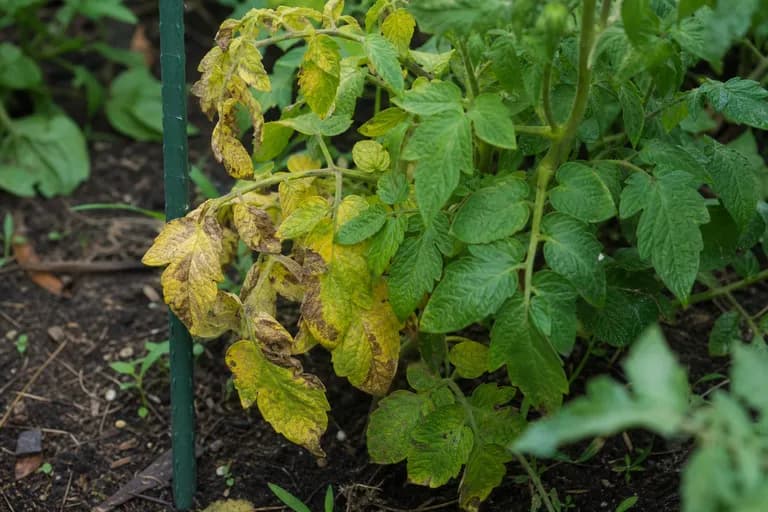
Tizón tardío
EnfermedadManchas acuosas marrón-grisáceas en hojas y frutos que avanzan rápidamente.
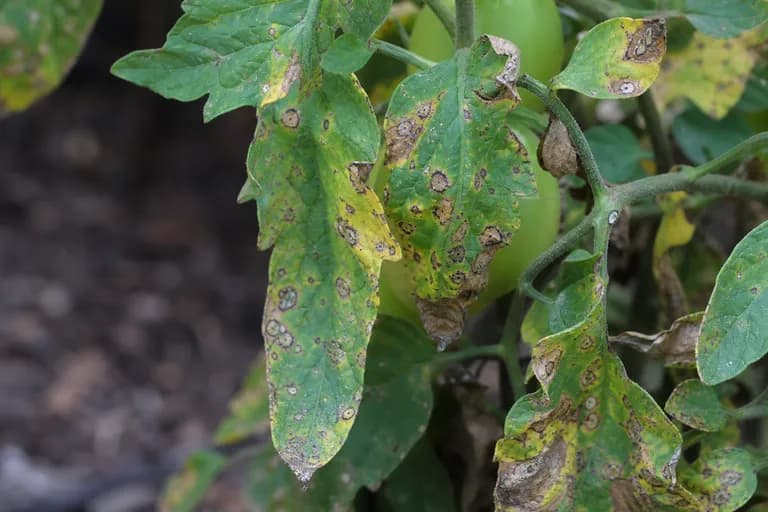
Gusano del tomate
PlagaGrandes orugas verde brillante que devoran hojas y frutos.
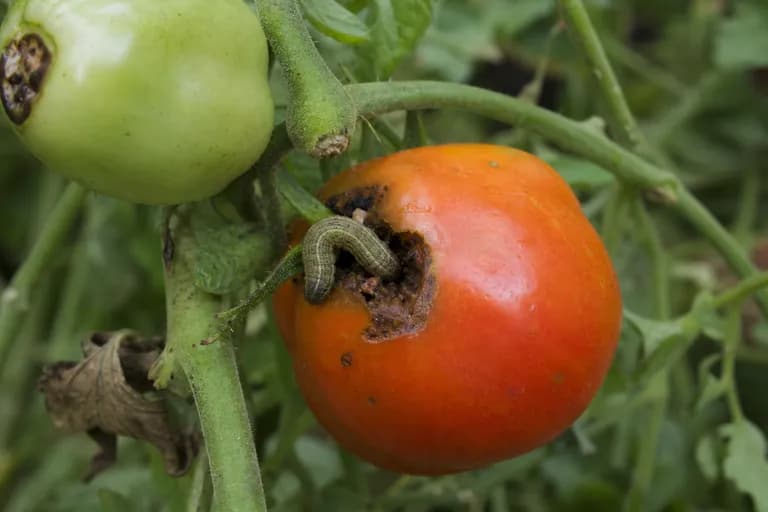
Podredumbre apical
EnfermedadMancha oscura hundida en el extremo del fruto, causada por deficiencia de calcio.
Solución de problemas comunes
La podredumbre apical es el problema más frecuente, causada por riego irregular que impide absorber calcio. El agrietamiento ocurre con lluvias abundantes tras sequía.
Consejos de cultivo
- Bury transplants deeply — remove the lower leaves and bury two-thirds of the stem underground. Every buried node produces new roots, creating a massively stronger root system that improves water and nutrient uptake throughout the season.
- Water at the base only, never overhead. Wet foliage is the primary driver of fungal diseases like early blight and septoria leaf spot. Drip irrigation or soaker hoses are ideal. Water in the morning so any splash dries quickly.
- Mulch heavily with 8-10 cm of straw or shredded leaves once the soil has warmed. Mulch suppresses weeds, conserves moisture, moderates soil temperature, and — critically — prevents rain from splashing soil-borne disease spores onto lower leaves.
- For determinate Romas, only remove suckers below the first flower cluster. Unlike indeterminate tomatoes that benefit from aggressive pruning, determinate plants need their upper branches to produce the concentrated fruit load that defines their growth habit.
- Calcium availability is the key to preventing blossom end rot, and consistent watering is the key to calcium availability. The calcium is in your soil — the plant just cannot transport it when moisture fluctuates. Even, deep watering solves most blossom end rot problems.
- Stagger plantings by 2-3 weeks for a more manageable harvest. Since determinate Romas ripen their entire crop at once, a single planting can overwhelm even experienced canners. Two plantings spaced apart give you two manageable processing sessions instead of one enormous one.
- Remove all lower leaves up to the first fruit cluster once fruits begin to form. This improves air circulation around the base of the plant and eliminates the leaves most likely to harbor early blight and septoria leaf spot from soil splash.
- Stop fertilizing once fruits begin to ripen. Late nitrogen causes watery, bland tomatoes and delays ripening — exactly the opposite of what you want for sauce-quality Romas. Let the plant focus its energy on concentrating sugars and flavor in the existing fruit.
Cultiva tu mejor Tomate Roma — y todo lo que la rodea.
Empieza un plan gratis hoy. Diseña tus bancales, coloca tu Tomate Roma y deja que PlotMyGarden gestione el momento, el espaciado, las asociaciones y los recordatorios de la semilla a la cesta.
Elige tu Tomate Roma
San Marzano
Variedad italiana DOP de sabor dulce e intenso, considerada la mejor para salsas. Madura en 80 días.
Amish Paste
Frutos grandes y carnosos con muy pocas semillas. Excelente para salsas caseras. 85 días.
Juliet
Híbrido entre roma y cherry, frutos pequeños y abundantes con alta resistencia a enfermedades.
A single Roma tomato plant costing $3-5 (or pennies if grown from seed) can produce 4-5 kg of paste tomatoes worth $12-20 at grocery store prices. Growing 6-8 plants yields enough tomatoes for 15-20 quarts of homemade sauce — equivalent to $60-100 worth of quality jarred pasta sauce. The savings are even more dramatic when compared to premium San Marzano canned tomatoes ($4-6 per can), as homemade Roma sauce matches or exceeds their quality. Over a season, a modest Roma planting can easily save $100-150 in canned tomatoes, paste, and sauce while delivering far superior freshness and flavor.
Recetas rápidas
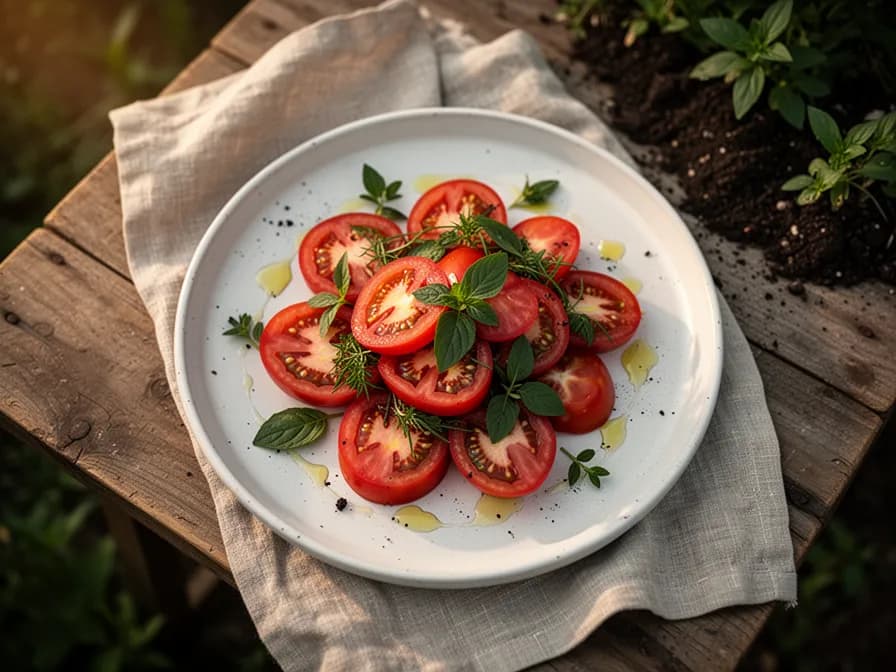
Classic Roma Marinara Sauce
45 minA rich, thick marinara that showcases Roma tomatoes at their best — the meaty flesh and low seed count produce a silky, concentrated sauce with minimal cooking time. This is the foundational sauce every Roma grower should master.
8 ingredientesOven-Roasted Roma Tomatoes
3 hours (mostly passive)Slow-roasting transforms Roma tomatoes into intensely sweet, concentrated flavor bombs. These keep refrigerated for a week or frozen for months and elevate pasta, sandwiches, pizza, and grain bowls with deep umami richness.
7 ingredientesFresh Roma Bruschetta
15 minThe firm, meaty flesh of Roma tomatoes makes them the ideal bruschetta topping — they hold their shape beautifully without making the bread soggy. A perfect way to celebrate the first ripe Romas of the season.
7 ingredientesUsos culinarios
La base perfecta para salsas de tomate, passata, conservas caseras y tomates secos. También excelentes frescos en ensaladas por su escasa agua.
Qué contiene
Beneficios para la salud
- Roma tomatoes are one of the richest dietary sources of lycopene, a carotenoid antioxidant strongly linked to reduced risk of prostate cancer, cardiovascular disease, and age-related macular degeneration — and cooking Romas into sauce dramatically increases lycopene bioavailability.
- The high vitamin C content supports immune function, enhances iron absorption from plant-based foods, and is essential for collagen production that maintains skin elasticity and wound healing.
- Contains significant beta-carotene (converted to vitamin A in the body), which supports healthy vision, skin integrity, and immune cell development — the deep red color indicates high carotenoid concentration.
- Rich in potassium, an electrolyte that helps regulate blood pressure by counteracting the effects of sodium — regular tomato consumption is associated with lower cardiovascular disease risk in population studies.
- Provides vitamin K, essential for proper blood clotting and bone metabolism, along with folate (B9), which is critical for DNA synthesis and particularly important during pregnancy.
- The combination of low calories (18 per 100g), high water content (94%), and significant fiber makes Roma tomatoes an excellent food for weight management, hydration, and digestive health.
De dónde viene Tomate Roma
The Roma tomato traces its lineage to the plum-shaped paste tomatoes that have been cultivated in Italy since the 18th century, descendants of the original tomatoes brought from the Americas to Europe by Spanish explorers in the 1500s. Italian farmers in the Campania region around Naples developed elongated, thick-walled varieties specifically suited for making conserva (concentrated tomato paste) and passata (strained tomato sauce), as these preparations required tomatoes with low moisture, few seeds, and dense flesh that would cook down efficiently over wood fires. The San Marzano variety, originating from the volcanic soils near Mount Vesuvius, became the benchmark for paste tomatoes in Italian cuisine.
The modern Roma tomato as we know it was developed in the 1950s at the USDA Agricultural Research Service facility in Beltsville, Maryland. American plant breeders created the Roma VF specifically to address the devastating Verticillium and Fusarium wilt diseases that were decimating tomato crops across the United States — the 'VF' in the name stands for these two disease resistances. This breakthrough variety combined the thick-walled, meaty characteristics of Italian paste tomatoes with American disease-resistance breeding, creating a robust variety that could be grown commercially across a wide range of conditions. The Roma VF quickly became the standard paste tomato for both commercial processing and home canning throughout North America.
Through the latter half of the 20th century, the Roma type became the dominant processing tomato worldwide. California's Central Valley, which produces over 90% of America's processed tomatoes, grows millions of tonnes of Roma-type varieties annually. Modern breeding has expanded the Roma family to include dozens of improved cultivars — from the compact, disease-resistant Plum Regal to the sweet Juliet grape-Roma hybrid to the massive heirloom Amish Paste. Today, Roma-type tomatoes account for the vast majority of commercially processed tomato products globally, from canned whole tomatoes to ketchup to pizza sauce, making them arguably the most economically important tomato type in the world.
Tomate Roma: ¿sabías que?
Datos fascinantes sobre Tomate Roma
The Roma tomato was developed in the 1950s by the USDA's Agricultural Research Service in Beltsville, Maryland, specifically bred for the American canning and paste industry as a disease-resistant alternative to the Italian San Marzano.
Tomate Roma: preguntas frecuentes
¿Cuándo debo plantar Tomate Roma?
¿Cuáles son buenas plantas acompañantes para Tomate Roma?
¿En qué zonas de rusticidad puede crecer Tomate Roma?
¿Cuánto sol necesita Tomate Roma?
¿A qué distancia debo espaciar Tomate Roma?
¿Qué plagas y enfermedades afectan a Tomate Roma?
¿Cómo almaceno Tomate Roma después de la cosecha?
¿Cuáles son las mejores variedades de Tomate Roma para cultivar?
¿Qué suelo necesita Tomate Roma?
Why do my Roma tomatoes have black spots on the bottom?
How many Roma tomato plants do I need for canning?
Should I prune my Roma tomato plants like other tomatoes?
Why are my Roma tomatoes mealy or bland?
Can I grow Roma tomatoes in containers?
What is the difference between Roma and San Marzano tomatoes?
Acabas de leer la teoría. Ahora cultívala en piloto automático.
Todo lo que hace que Tomate Roma sea delicado — el momento, el espaciado, las asociaciones, la ventana de cosecha — es justo lo que PlotMyGarden resuelve por ti, para cada planta de tu huerto.
Un plan que conoce tu clima
Indica tu ubicación una vez. Recibe fechas de siembra, abonado y cosecha basadas en tu última helada real y el pronóstico en vivo — sin adivinar con un sobre genérico.
De la sección “Cuándo plantar”Planificador de bancales de arrastrar y soltar
Diseña bancales sobre una cuadrícula. Cada planta encaja con su espaciado correcto y ves toda la temporada antes de gastar un céntimo en semillas.
De la sección “Cultivo”Conflictos de asociación, detectados a tiempo
Más de 200 buenas y malas combinaciones comprobadas en vivo mientras plantas — para que un error que arruine la temporada nunca llegue a la tierra.
De la sección “Asociaciones”Recordatorios que sí vas a seguir
“Riega las judías.” “Recoge hoy antes de que se pase.” Oportunos, concretos y ligados a las plantas que de verdad cultivas.
De la sección “Cosecha”Escalonado, programado
¿Quieres cosechar seis semanas en vez de seis días? Reparte tus siembras automáticamente y te avisa cuando toca el siguiente lote.
De la sección “Cuándo plantar”Un registro que se vuelve más listo
Cada cosecha que registras le enseña tu huerto. El plan del año que viene parte de lo que de verdad funcionó en tu suelo, no en un manual.
De la sección “Resumen”Planta estos junto a Tomate Roma
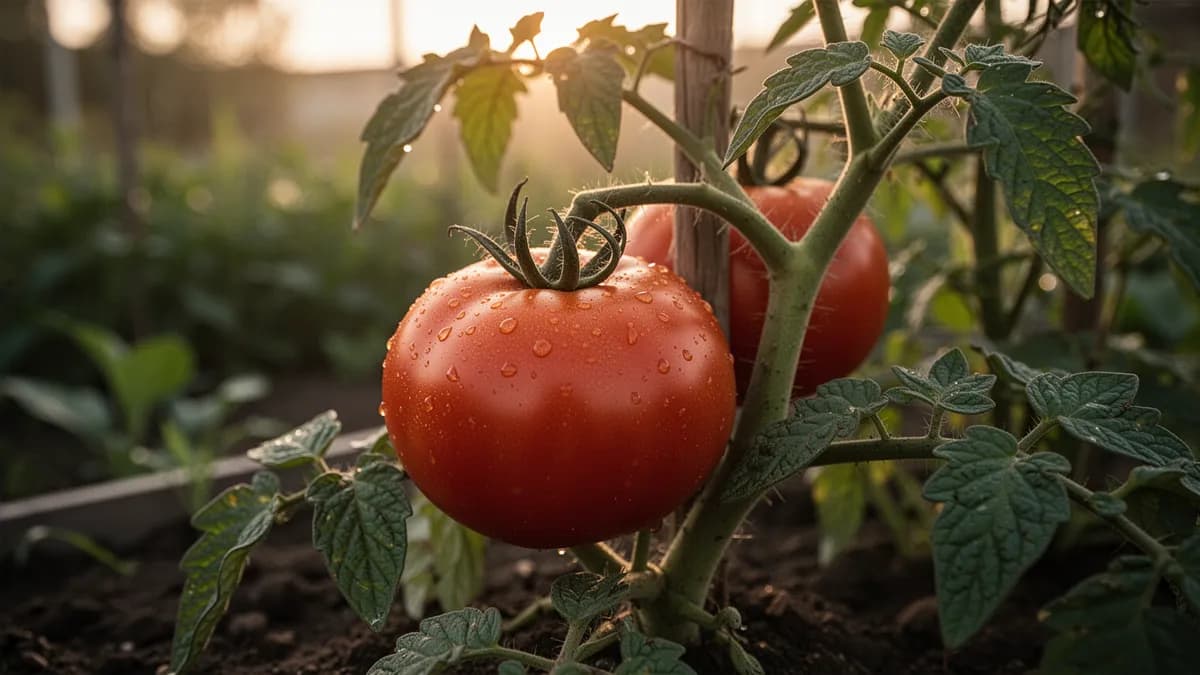
Más Solanáceas
Mantén Tomate Roma lejos de estos
Diseños de jardín con Tomate Roma
Cultiva tu mejor Tomate Roma — y todo lo que la rodea.
Empieza un plan gratis hoy. Diseña tus bancales, coloca tu Tomate Roma y deja que PlotMyGarden gestione el momento, el espaciado, las asociaciones y los recordatorios de la semilla a la cesta.