Beefsteak Tomato
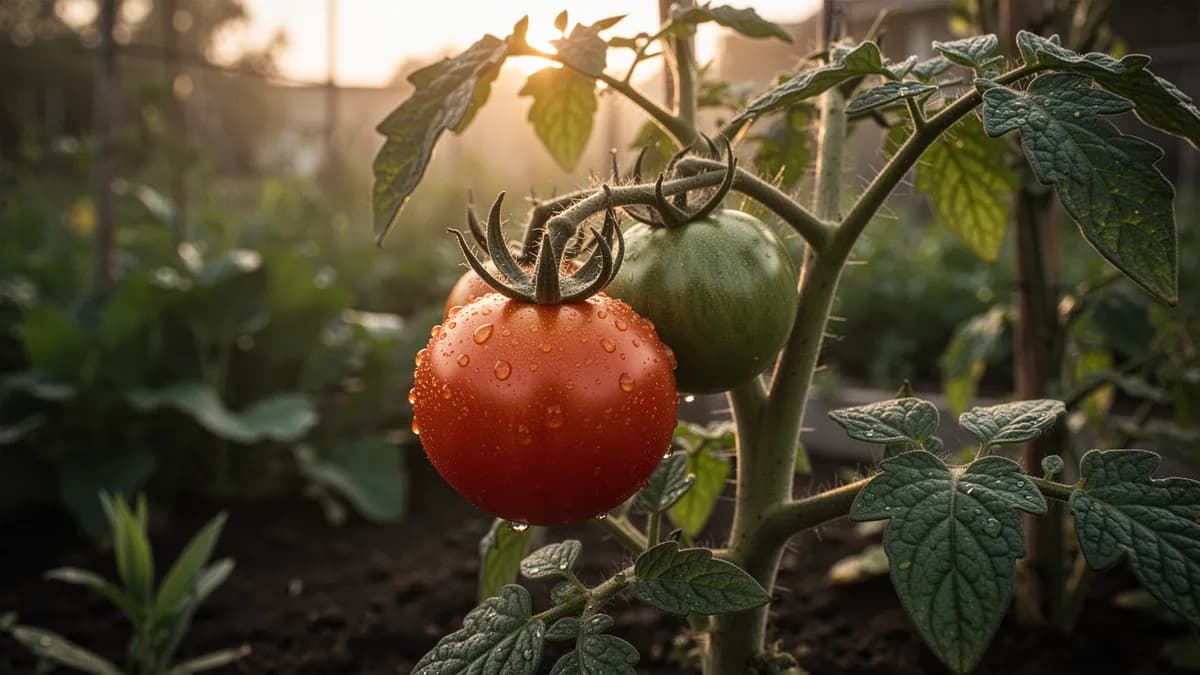
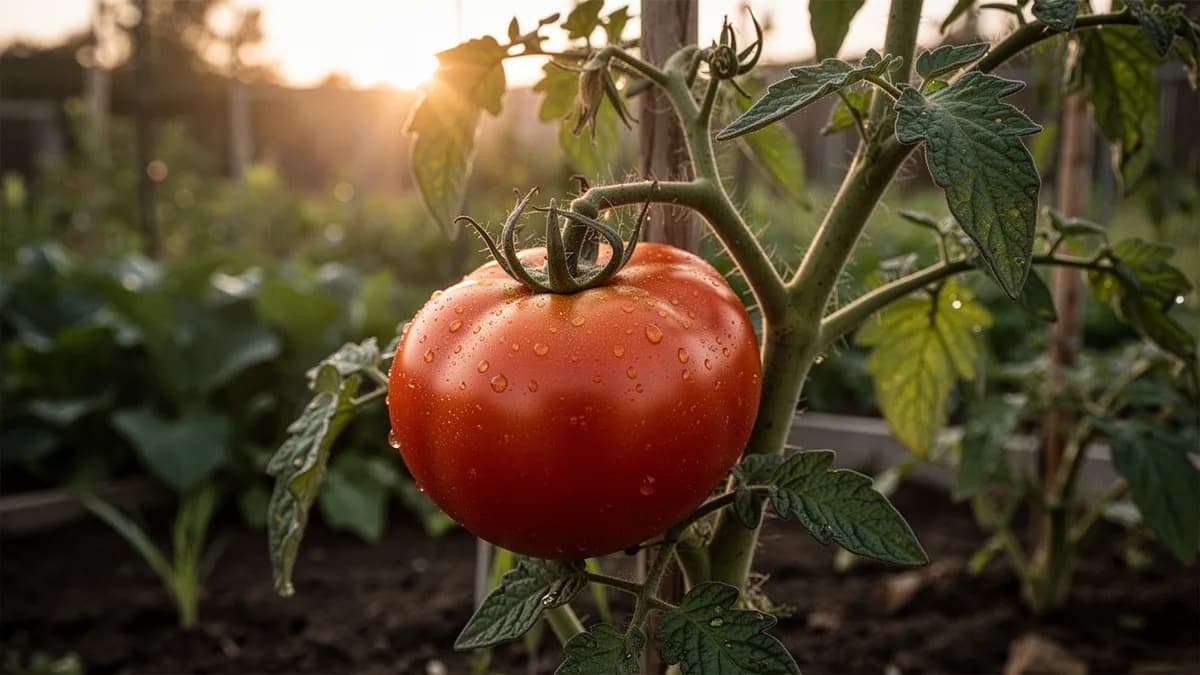
The king of slicing tomatoes, producing enormous fruits that can weigh over a pound each with rich, complex flavor.





On this pageOverview
Meet Beefsteak Tomato
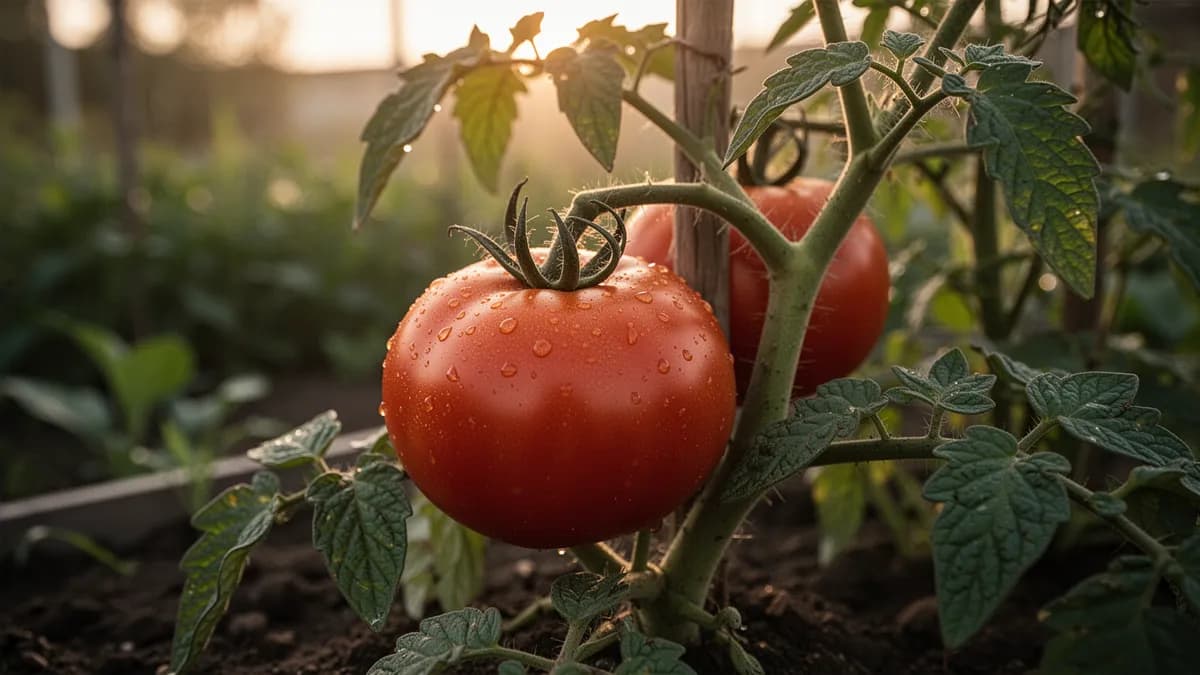
The king of slicing tomatoes, producing enormous fruits that can weigh over a pound each with rich, complex flavor. These indeterminate vines need extra-sturdy cages or stakes and benefit from pruning to one or two main stems. Water consistently to avoid blossom end rot on the large fruits, and provide a calcium-rich soil amendment if needed. Beefsteaks take longer to mature but reward patience with unmatched flavor for sandwiches and fresh eating.
When to plant Beefsteak Tomato
Start beefsteak tomato seeds indoors 8-10 weeks before the last frost — earlier than other types because they need the longest growing season. Sow 6mm deep at 24-29°C (75-85°F) in seed-starting mix. Germination takes 5-10 days. Provide 14-16 hours of strong artificial light. Pot up twice: first to 8 cm pots at the 2-leaf stage, then to 12 cm pots 2-3 weeks later to build strong root systems. Harden off thoroughly for 10-14 days before transplanting. Set transplants very deeply — bury 2/3 of the stem to develop maximum root mass, which is essential for supporting the enormous fruit load. Water deeply at transplanting with dilute fish emulsion.
Your Beefsteak Tomato Year
Composed for Zone 7 · typical seasons · frost passes Apr 2, returns Nov 1
Plant Beefsteak Tomato Feb – May, pick Jul – Sep. Check the planting methods below and set your climate to personalize these windows.
How to grow Beefsteak Tomato
Beefsteak tomatoes are the ultimate slicing tomato, producing massive fruits that can exceed 450g (1 lb) each, with some competition specimens reaching over 1 kg. All beefsteak varieties are indeterminate, growing continuously until frost and requiring the longest season of any tomato type — 80-100 days from transplant to first ripe fruit. Start seeds indoors 8-10 weeks before the last frost to give plants the longest possible growing season, especially in northern climates.
These vigorous vines need the strongest support of any tomato type. Use extra-tall (1.8m) heavy-gauge wire cages, wooden stakes at least 5 cm thick, or a Florida weave string trellis system. Space plants 60-90 cm apart — they need generous room for their massive root systems and sprawling branches. Prune to 1-2 main stems by removing all suckers (side shoots in leaf axils), which directs energy into fewer but much larger fruits.
Consistent deep watering is absolutely critical for beefsteaks — the large fruits are highly prone to blossom end rot and cracking from irregular moisture. Provide 5 cm of water per week through drip irrigation and mulch heavily with 10 cm of straw. Feed every 2 weeks during fruiting with a potassium-rich fertilizer to support the enormous fruit load. Beefsteaks are slower to ripen than other types and produce fewer fruits per plant, but the flavor and size of each tomato make the extra care worthwhile. In short-season areas, remove new flowers 30 days before the expected first frost to redirect energy into ripening existing fruits.
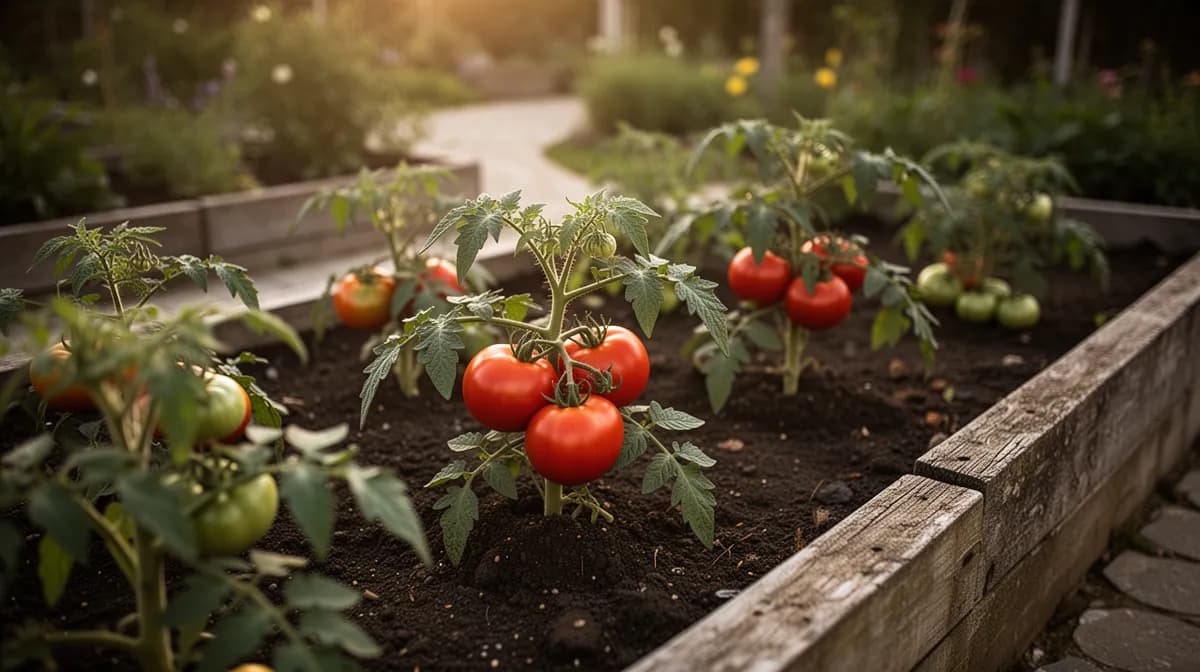
3 plants fit a 4 × 8 ft bed
Each Beefsteak Tomato wants 75 cm of elbow room. The planner keeps that spacing for you — every plant, every bed.
Beefsteak Tomato's best neighbours
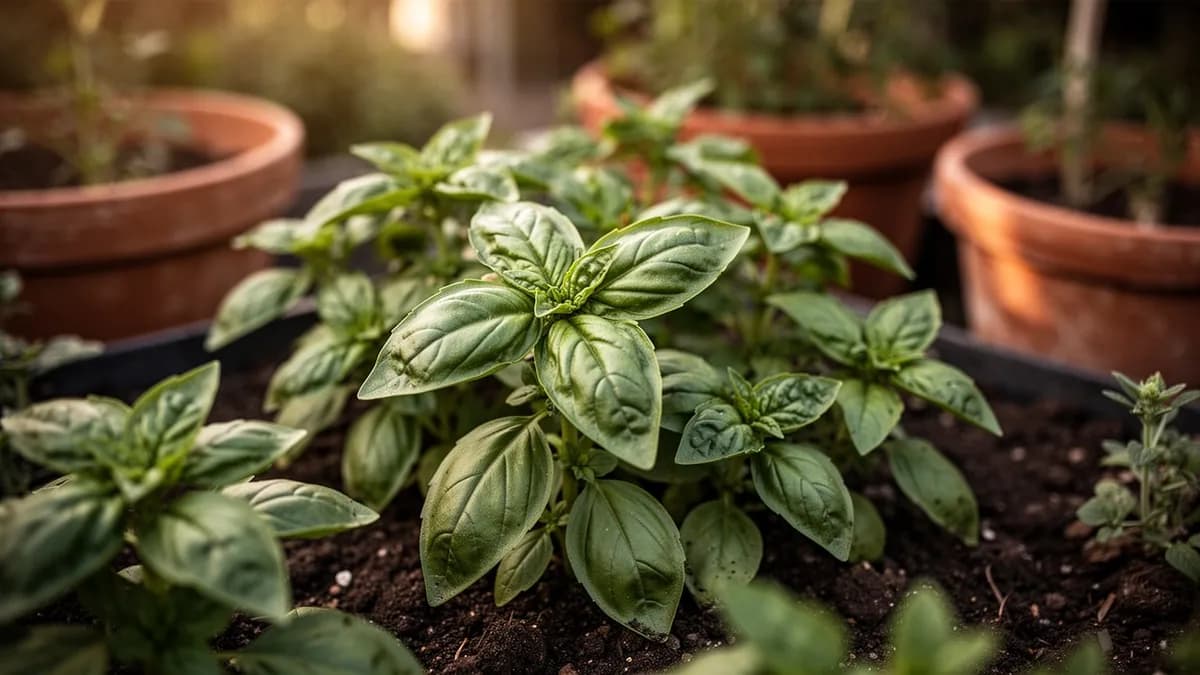
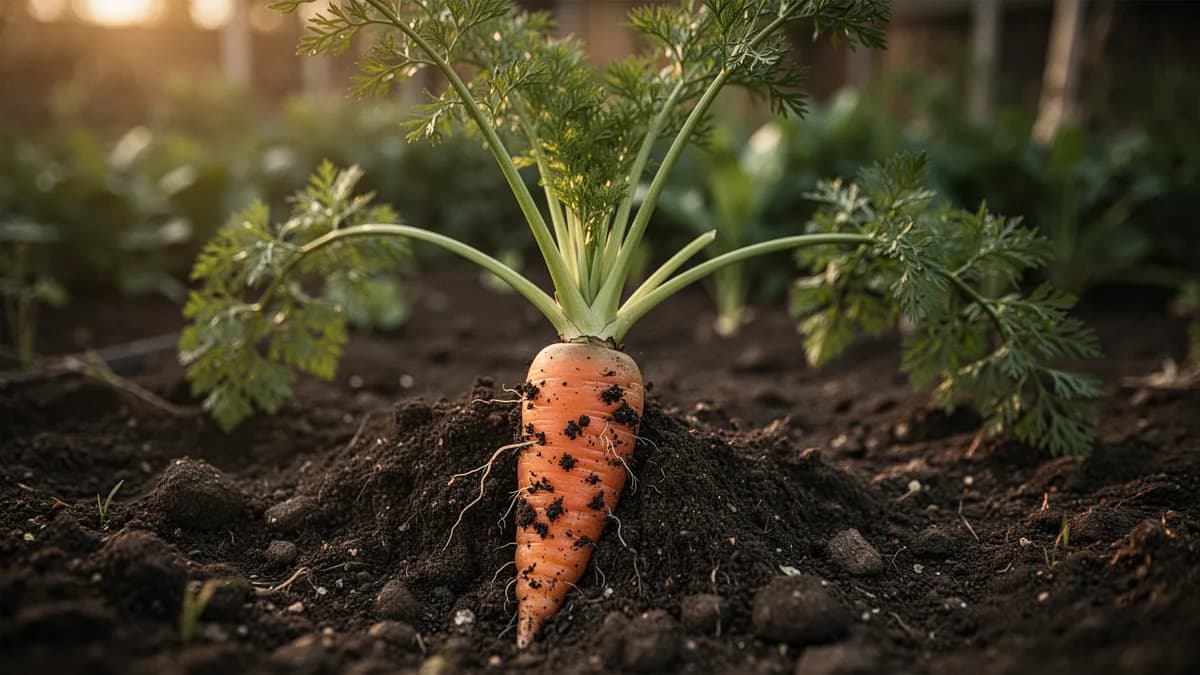
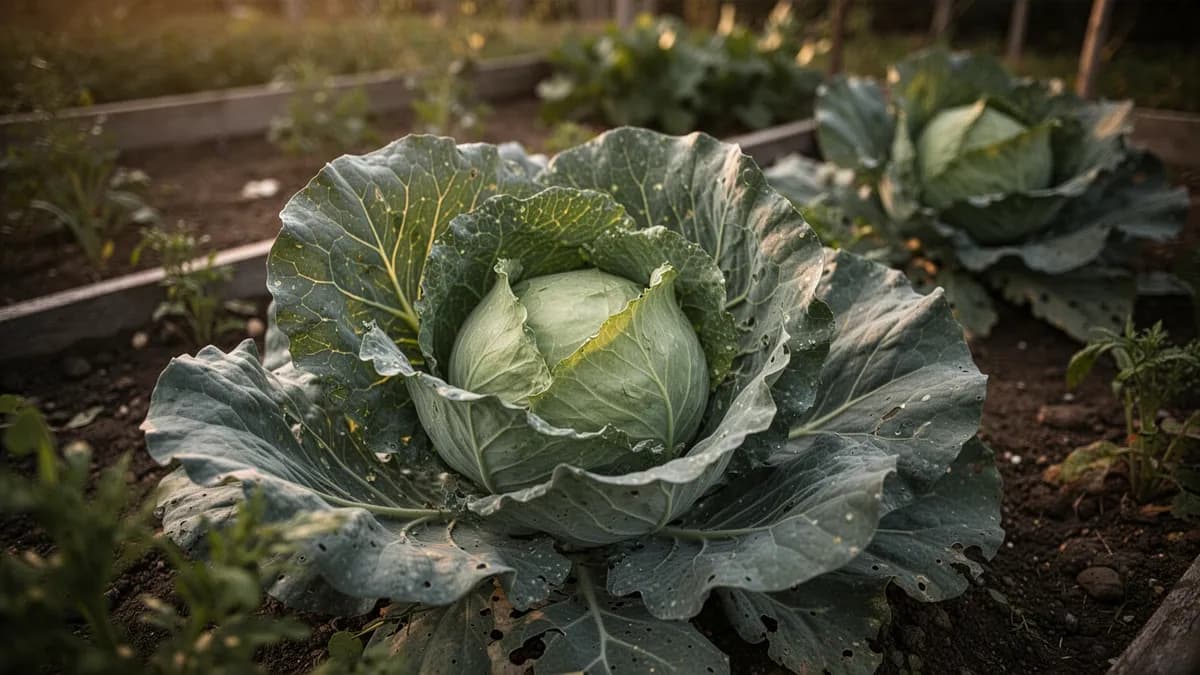
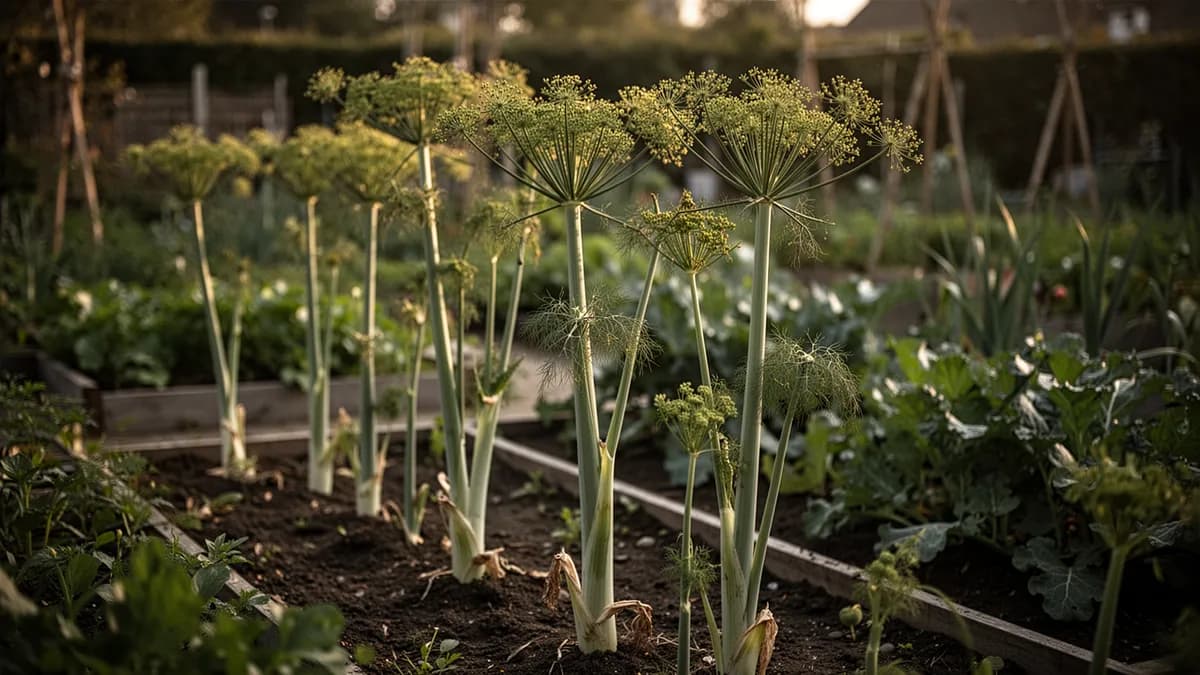
Basil planted at the base of beefsteak tomatoes is believed to enhance flavor and repels aphids and whiteflies. Carrots benefit from the partial shade of large tomato plants. Marigolds suppress root-knot nematodes that can devastate tomato roots. Deep-rooted plants like borage bring up nutrients from subsoil that benefit shallow-rooted tomato companions. Avoid planting near brassicas (cabbage, broccoli), fennel, and walnuts (juglone toxicity). Space beefsteaks away from other tomato varieties if saving seed, as cross-pollination is possible.
Basil belongs beside it. Cabbage doesn't.
Old growers' knowledge, checked against Beefsteak Tomato's real companion table below — test any plant you're growing.
Try Beefsteak Tomato in a bed — right here
A real planner bed with Beefsteak Tomato already in it. Tap a companion to place it and watch the pairing checks answer — green for good neighbours, red for a clash.


Related growing guides

Feed it well
Beefsteaks are the heaviest feeders among tomatoes. Prepare beds with generous compost (5-8 cm worked in) and a complete tomato fertilizer at planting. Calcium is critical — work in gypsum or bone meal before planting to prevent blossom end rot on the large fruits. Side-dress every 2-3 weeks during the growing season with potassium-rich fertilizer (lower first number, higher last number like 5-10-10) to support fruit development. Avoid excessive nitrogen, which promotes vegetative growth at the expense of fruit size and flavor. Epsom salt (1 tablespoon per plant monthly) provides magnesium for chlorophyll production. Soil pH should be 6.2-6.8.
Ideal Temperature
Hardiness Zone Compatibility
From seed to harvest, stage by stage
Seed Starting
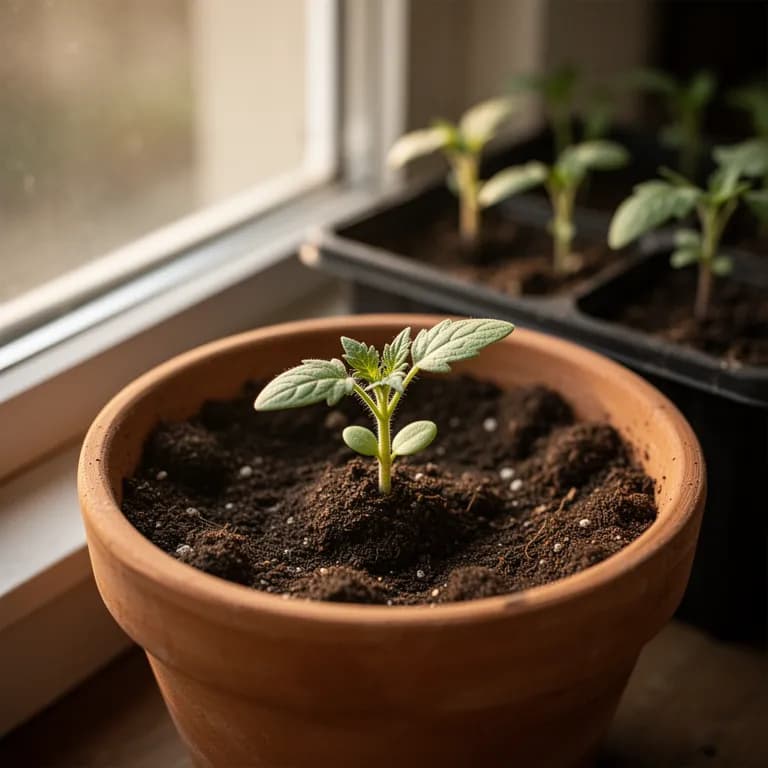
Seeds germinate in warm starting mix, producing a pair of smooth, rounded cotyledon leaves. Beefsteak varieties should be started earlier than other tomato types — 8-10 weeks before last frost — because they need the longest season to produce their massive fruits.
Seedling Development
True leaves appear with the characteristic tomato serration and aroma. Seedlings grow rapidly and need potting up twice — first to 8 cm pots, then to 12 cm pots — to build the massive root system required to support heavy fruit loads later in the season.
Vegetative Growth
After transplanting, vines grow vigorously and begin branching. Suckers (side shoots) appear in every leaf axil. The plant focuses on building the extensive root network and strong main stems needed to support fruits that can exceed 450g each.
Flowering
Large yellow flower clusters appear at stem nodes. Beefsteak flowers are often larger and more complex than other tomato types, sometimes producing fused or mega-blooms that develop into the biggest, most ribbed fruits. Pollination occurs via wind vibration and bee visits.
Fruit Development
Green fruits swell slowly over several weeks — beefsteaks are much slower to size up than cherry or Roma types. The largest fruits can take 40-60 days from pollination to full ripeness. Consistent watering is critical during this phase to prevent blossom end rot and cracking.
Ripening and Harvest
Fruits transition from mature green through the breaker stage to full, deep color over 1-2 weeks. Vine-ripened beefsteaks develop the fullest, most complex flavor. The plant continues setting new fruit while earlier fruits ripen, providing a harvest window of 6-8 weeks until frost.
Maintain soil temperature at 24-29°C (75-85°F) using a heat mat. Provide 14-16 hours of strong light immediately after emergence to prevent leggy, weak seedlings.
Caring for Beefsteak Tomato month by month
What to do each month for your Beefsteak Tomato
October
You are hereFinal harvests in most zones. Wrap individual green tomatoes in newspaper and store at 18-21°C to ripen gradually over weeks. Pull spent vines and dispose of any diseased material — do not compost blight-infected plants. Note variety performance for next year.
Know exactly what to do in your garden — every month
One email at the start of each month: what to sow, plant, and tackle right now — for your Beefsteak Tomato and everything growing around it. Plus a short starter course that helps you dodge the classic mistakes.
- What to do, right now
- Matched to your season
- Starter course included
Harvesting Beefsteak Tomato
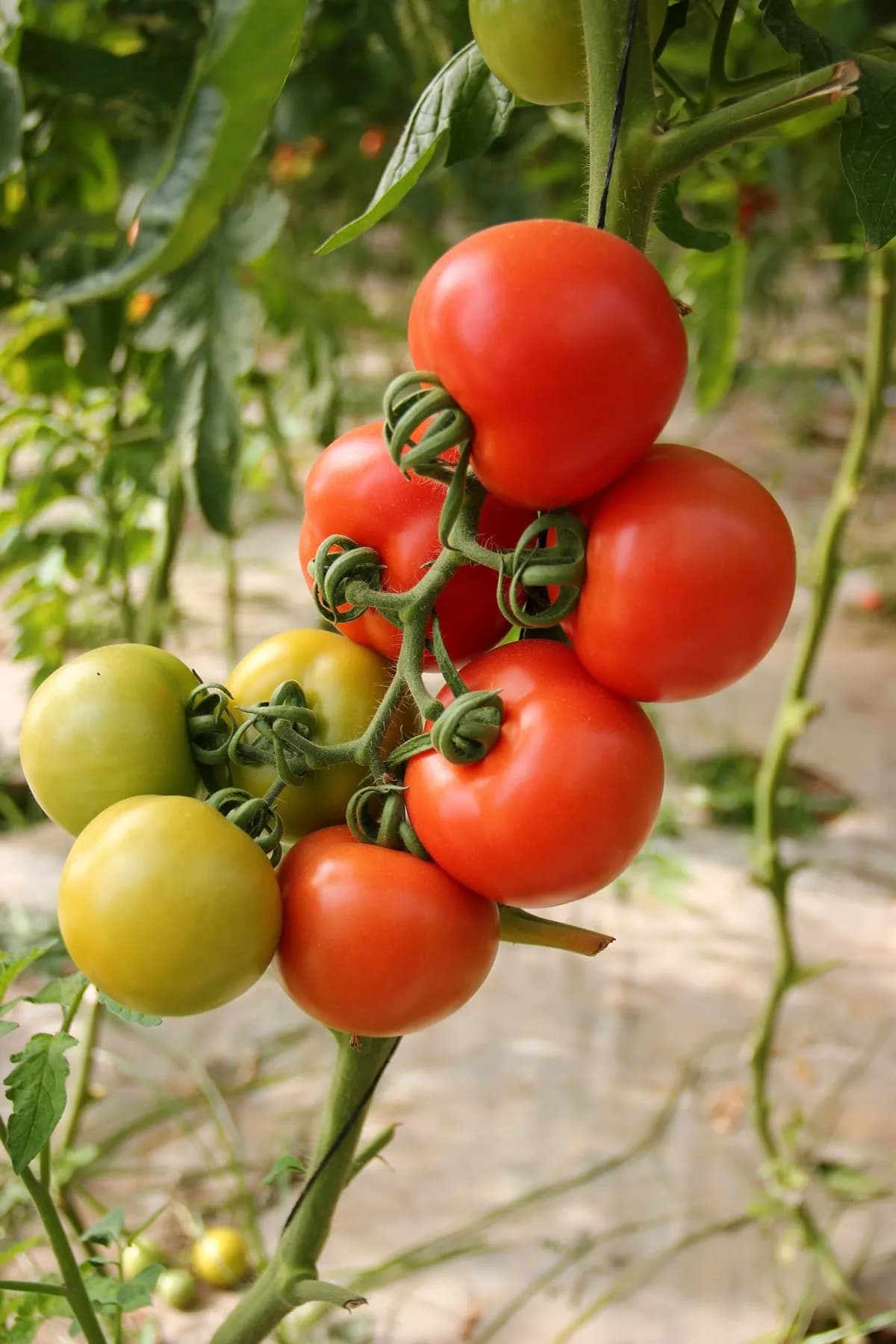
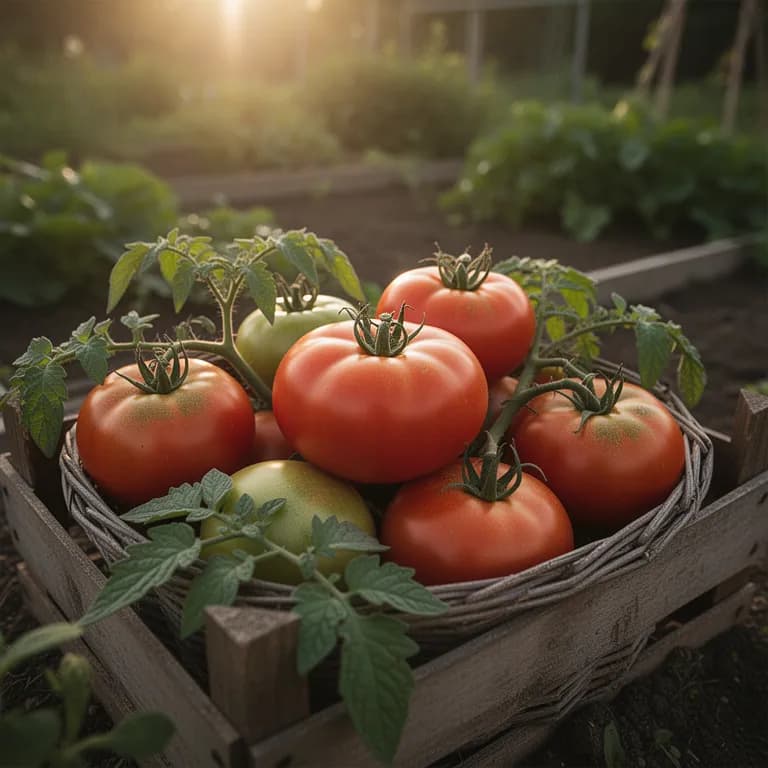
Beefsteak tomatoes reach peak flavor when fully vine-ripened, which can take up to 2 weeks after the first color change begins. Harvest when fruits are deeply and uniformly colored with a slight give when gently squeezed — they should feel heavy for their size. Support large fruits with one hand while cutting the stem with pruners to avoid tearing the vine. If temperatures exceed 35°C (95°F), harvest at the breaker stage (first color change) and ripen indoors at 18-24°C (65-75°F), as extreme heat degrades flavor pigments. Before fall frost, harvest all remaining fruits regardless of ripeness — green beefsteaks ripen slowly indoors or make excellent fried green tomatoes.
assuming you plant when the window opens — set your real date
Pick Beefsteak Tomato promptly and the plant keeps producing.
Storage & Preservation
Store ripe beefsteaks at room temperature, stem-side down, and use within 3-5 days — never refrigerate, as cold destroys the volatile compounds responsible for tomato flavor. For longer storage, can as crushed or stewed tomatoes in a water bath with added citric acid. Beefsteaks make excellent thick, rich tomato sauce due to their meaty flesh. Freeze whole: wash, core, and freeze on baking sheets, then bag — skins slip off easily when partially thawed. Slice and dehydrate at 57°C (135°F) for concentrated tomato chips. Due to their high water content, beefsteaks require longer cooking to reduce into paste than Roma types.
What goes wrong — and the fix
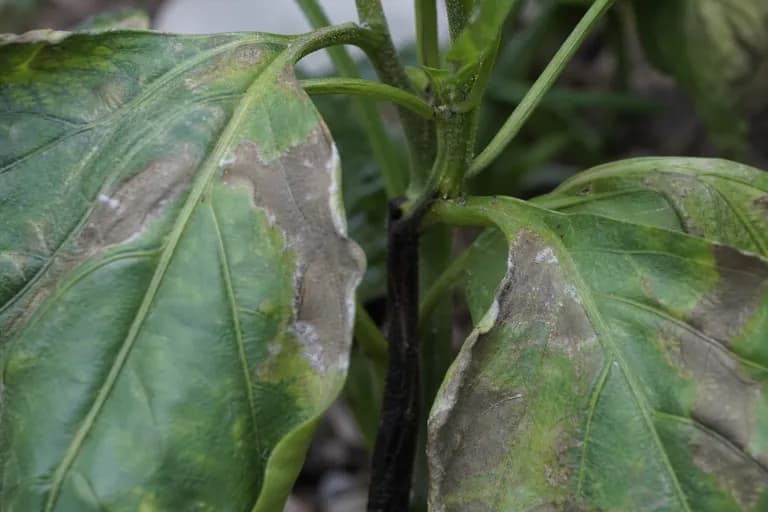
Late Blight
DiseaseLarge, dark, water-soaked lesions appear on leaves, stems, and fruits, spreading rapidly in cool, wet weather. White fungal growth may be visible on leaf undersides. Plants can collapse and die within days. The same pathogen that caused the Irish Potato Famine.
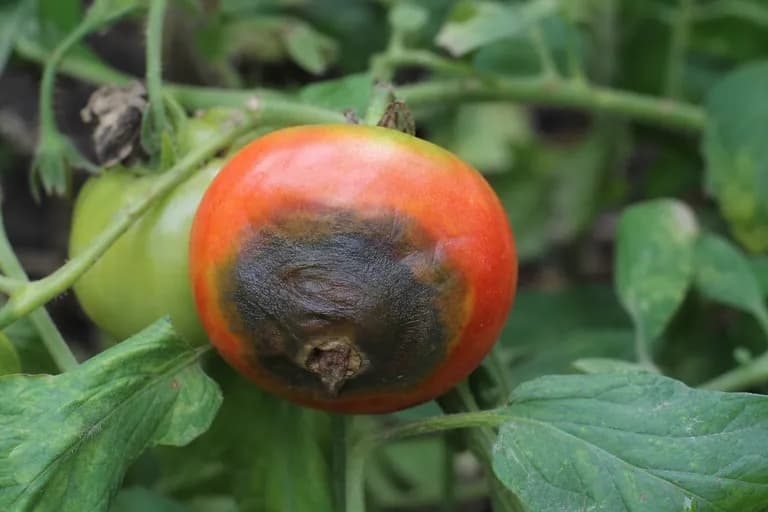
Blossom End Rot
DiseaseA dark, sunken, leathery patch on the bottom of large developing fruits. Especially severe on the first fruits of the season. Caused by calcium transport failure due to inconsistent watering rather than a pathogen.
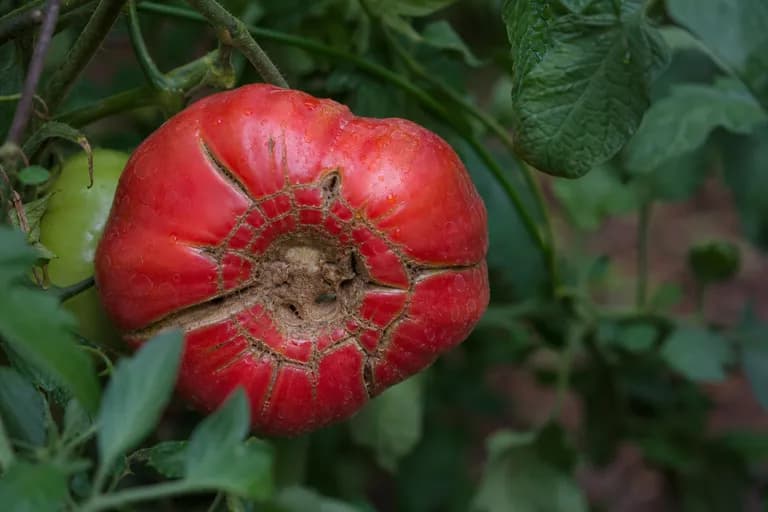
Cracking and Catfacing
DiseaseConcentric or radial cracks form on the fruit surface, especially after rain. Catfacing causes misshapen, scarred, puckered bottoms on fruits. Both are worse on large-fruited varieties and in variable weather conditions.
Troubleshooting Common Problems
Long time to maturity frustrates gardeners in short-season climates — start seeds extra early indoors and choose faster-maturing varieties like Big Beef (73 days). Blossom end rot is more severe on beefsteaks than any other tomato type due to the large fruit size — consistent deep watering is non-negotiable. Low yield per plant compared to cherry or Roma types is normal — each plant may only produce 10-15 fruits, but each can weigh 280-450g. Catfacing from cool flowering temperatures creates misshapen fruits. Heavy fruits can snap branches — support individual large fruits with cloth slings tied to stakes.
Growing Tips
- Start seeds earlier than other tomato types — 8-10 weeks before last frost minimum. Beefsteaks have the longest days-to-maturity of any tomato, and every extra week of indoor growing translates to earlier harvests outdoors.
- Bury transplants deeply — at least 2/3 of the stem underground. Tomatoes form adventitious roots along buried stems, and beefsteaks need the strongest possible root system to support their massive fruit load.
- Prune aggressively to 1-2 main stems by removing all suckers. Unpruned beefsteaks produce many small, late-ripening fruits instead of the large, impressive tomatoes the variety is grown for.
- Consistent deep watering is the single most important factor for beefsteak success. Irregular moisture causes blossom end rot on the first fruits and cracking on mature ones — use drip irrigation and mulch heavily with 10 cm of straw.
- Support heavy fruit trusses individually with cloth slings or old pantyhose tied to stakes. A single beefsteak fruit can weigh 450g or more, enough to snap a branch without support.
- Feed every 2 weeks during fruiting with a potassium-rich fertilizer (like 5-10-10). Avoid high-nitrogen feeds during fruiting, which promote leafy growth at the expense of fruit size and flavor.
- In short-season climates, remove all new flowers 30 days before your expected first frost. This forces the plant to redirect energy into ripening the existing green fruits rather than starting new ones that will never mature.
- If temperatures exceed 35°C (95°F) during ripening, harvest at the breaker stage (first blush of color) and ripen indoors at 18-24°C. Extreme heat degrades lycopene and volatile flavor compounds, producing bland fruit despite the vine-ripened appearance.
Grow your best Beefsteak Tomato yet — and everything around it.
Start a free plan today. Lay out your beds, drop in your Beefsteak Tomato, and let PlotMyGarden handle the timing, spacing, companions and reminders from seed to harvest basket.
Pick your Beefsteak Tomato
Brandywine
The legendary Amish heirloom considered by many to have the finest tomato flavor ever bred. 80-100 days. Large pink fruits with complex, balanced sweet-acid flavor. Potato-leaf foliage. Low yields but incomparable taste.
Big Beef F1
An All-America Selections winner combining beefsteak size with modern disease resistance. 73 days. Smooth, 280-340g red fruits. Resistant to Verticillium, Fusarium, nematodes, and tobacco mosaic virus. Best all-round beefsteak hybrid.
Cherokee Purple
A striking heirloom with dusky brownish-purple skin and rich, complex, smoky-sweet flavor. 80 days. Consistently ranks among the best-tasting tomatoes in blind taste tests. Large fruits up to 340g.
Mortgage Lifter
A famous American heirloom producing enormous pink-red fruits up to 900g. 85 days. Sweet, mild flavor with very few seeds. Named because its creator sold so many plants he paid off his mortgage. Impressive exhibition variety.
A single beefsteak tomato plant costing $3-5 (or pennies from seed) can produce 10-15 large tomatoes worth $1-3 each at farmers market prices, yielding $15-45 in produce per plant. Growing 4-6 plants can easily save $80-200 per season. The savings are even greater considering that vine-ripened beefsteaks of heirloom quality are nearly impossible to buy at any price — supermarket beefsteaks are picked green and gas-ripened, lacking the complex flavor of homegrown.
Quick recipes
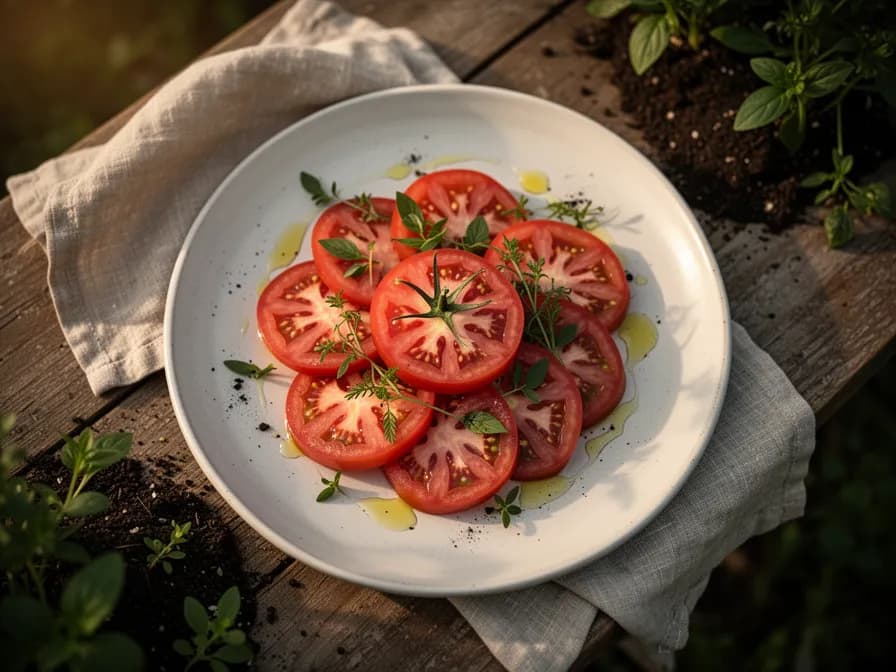
Classic Caprese Salad
10 minThe ultimate showcase for a perfectly ripe beefsteak tomato — thick slices layered with fresh mozzarella, fragrant basil, and a drizzle of the best olive oil you can find. Simplicity that depends entirely on ingredient quality.
6 ingredients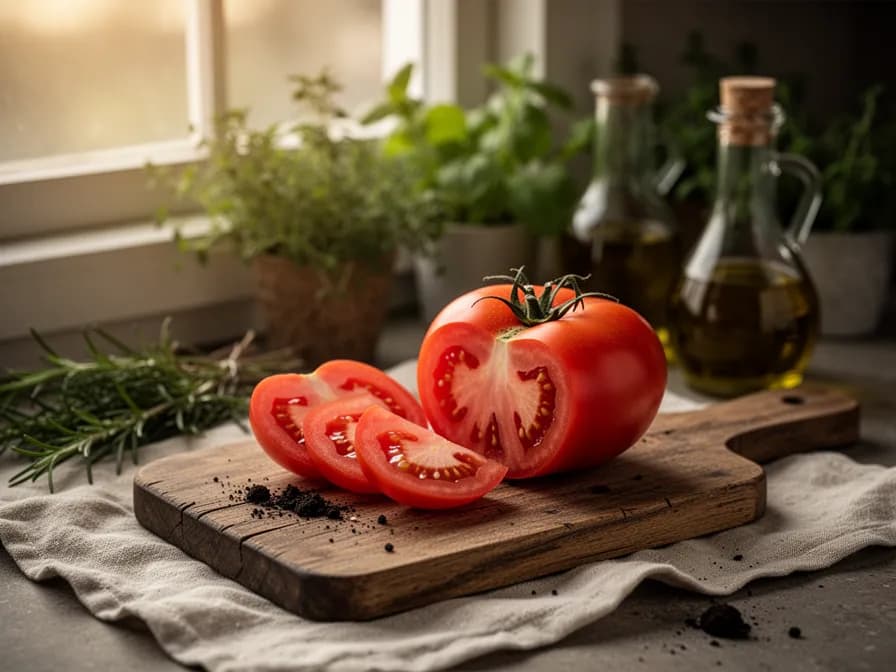
Thick-Cut Tomato Sandwich
5 minThe pinnacle of summer eating — a vine-ripened beefsteak tomato between two slices of soft bread with mayonnaise, salt, and pepper. No other tomato type can deliver slices large and meaty enough for this iconic sandwich.
5 ingredientsFresh Garden Gazpacho
20 minA chilled Spanish soup that transforms ripe beefsteaks into a refreshing, vibrant meal. The meaty flesh of beefsteak tomatoes creates a thicker, more substantial gazpacho than watery supermarket tomatoes ever could.
8 ingredientsCulinary Uses
Beefsteaks are the undisputed king of the fresh tomato sandwich — a thick slice with salt, pepper, and mayonnaise on fresh bread is a summer classic. Their large size makes them perfect for burgers, Caprese salad with thick mozzarella slices, and layered tomato tarts. They make beautiful, thick tomato slices for platters and appetizers. The rich, complex flavor shines in gazpacho and fresh tomato soup. Less ideal for canning than Roma types due to high water content, but they make outstanding fresh salsa and bruschetta.
What's inside
Health Benefits
- Beefsteak tomatoes are one of the richest dietary sources of lycopene, a carotenoid antioxidant associated with reduced risk of prostate cancer, cardiovascular disease, and macular degeneration — cooking tomatoes with olive oil dramatically increases lycopene absorption.
- Excellent source of vitamin C, providing 15% of the daily value per 100g, which supports immune function, collagen production for healthy skin, and enhances absorption of non-heme iron from plant foods.
- Rich in potassium (237mg per 100g), an essential mineral that helps regulate blood pressure by counteracting the effects of sodium — important for cardiovascular health.
- Contains significant vitamin A as beta-carotene, supporting healthy vision, skin integrity, and immune system function — deeper red varieties contain more carotenoids.
- Provides vitamin K for proper blood clotting and bone metabolism, along with folate essential for DNA synthesis and particularly important during pregnancy.
- The combination of fiber, water content (about 95%), and low calorie density (only 18 calories per 100g) makes tomatoes an excellent food for weight management and hydration.
Where Beefsteak Tomato comes from
The tomato (Solanum lycopersicum) originated in western South America, with wild ancestors still growing in the Andes mountains of Peru, Ecuador, and Chile. Small, berry-sized wild tomatoes were first domesticated by indigenous peoples in Mesoamerica — likely in present-day Mexico — where selection over centuries gradually increased fruit size. The Aztecs cultivated tomatoes they called 'tomatl' and used them in sauces combined with chili peppers, a culinary tradition that continues today as salsa.
Spanish conquistadors brought tomato seeds back to Europe in the early 1500s, where the plant was initially grown as an ornamental curiosity rather than a food crop. Italians were among the first Europeans to embrace the tomato as food, calling it 'pomodoro' (golden apple), likely because early European varieties were yellow. In northern Europe and Britain, tomatoes were widely suspected of being poisonous due to their membership in the nightshade family — wealthy Europeans who ate tomatoes from pewter plates sometimes did become ill, but this was caused by the acidic tomato juice leaching lead from the plates, not the fruit itself.
The development of large-fruited beefsteak types accelerated in the 19th and 20th centuries, particularly in North America. Many beloved beefsteak heirlooms trace to this era: Brandywine to the 1880s Amish community, Mortgage Lifter to the 1930s in West Virginia (where radiator repairman Radiator Charlie Byles crossed four large-fruited varieties and sold plants for $1 each to pay off his $6,000 mortgage), and Cherokee Purple to pre-Columbian Cherokee cultivation. Modern hybrid beefsteaks like Big Beef combine heirloom size with disease resistance, but purists maintain that no hybrid has matched the complex flavor of the great heirloom beefsteaks. Today, tomatoes are the most popular home garden vegetable in the world, and beefsteak varieties remain the gold standard for fresh eating.
Beefsteak Tomato: did you know?
Fascinating facts about Beefsteak Tomato
Beefsteak tomatoes can produce individual fruits weighing over 1 kg (2.2 lbs) — the world record for the heaviest tomato is over 4.8 kg (10.6 lbs), set in 2020 by a beefsteak-type variety grown in Washington state.
Beefsteak Tomato questions, answered
When should I plant Beefsteak Tomato?
What are good companion plants for Beefsteak Tomato?
What hardiness zones can Beefsteak Tomato grow in?
How much sun does Beefsteak Tomato need?
How far apart should I space Beefsteak Tomato?
What pests and diseases affect Beefsteak Tomato?
How do I store Beefsteak Tomato after harvest?
What are the best Beefsteak Tomato varieties to grow?
What soil does Beefsteak Tomato need?
Why are my beefsteak tomatoes getting black spots on the bottom?
Why do my beefsteak tomatoes take so long to ripen?
How do I prevent my beefsteak tomato branches from breaking under the weight of the fruit?
Should I grow hybrid or heirloom beefsteak tomatoes?
Can I grow beefsteak tomatoes in containers?
Why are my beefsteak tomatoes misshapen and scarred on the bottom?
You just read the theory. Now grow it on autopilot.
Everything that makes Beefsteak Tomato fiddly — the timing, the spacing, the companions, the harvest window — is exactly what PlotMyGarden handles for you, for every plant in your garden.
A plan that knows your weather
Set your location once. Get sow, feed and harvest dates built around your real last-frost date and live forecast — no more guessing from a generic seed packet.
From the “When to plant” sectionDrag-and-drop bed planner
Design beds on a grid. Every plant snaps to its proper spacing, and you can see your whole season laid out before you spend a cent on seed.
From the “Growing guide” sectionCompanion conflicts, caught early
200+ good-and-bad pairings checked live as you plant — so a season-wrecking mistake never makes it into the ground.
From the “Companions” sectionReminders you'll actually act on
“Water the beans.” “Pick today before it turns.” Timely, specific, and tied to the plants you're really growing.
From the “Harvest” sectionSuccession, scheduled
Want a harvest for six weeks, not six days? It spaces your sowings automatically and reminds you when each new block is due.
From the “When to plant” sectionA record that gets smarter
Every harvest you log teaches it your garden. Next year's plan starts from what actually worked in your soil, not a textbook's.
From the “Overview” sectionPlant these alongside Beefsteak Tomato
More Nightshades
Keep Beefsteak Tomato away from these
Garden plans featuring Beefsteak Tomato
Grow your best Beefsteak Tomato yet — and everything around it.
Start a free plan today. Lay out your beds, drop in your Beefsteak Tomato, and let PlotMyGarden handle the timing, spacing, companions and reminders from seed to harvest basket.