Yellow Mustard
typical season: sow Mar – Aug · harvest Jun – Sep · set your climate
White mustard grown for its pale yellow seeds — the classic base of ballpark yellow mustard when ground and blended with vinegar, water, and turmeric.
On this pageOverview
Meet Yellow Mustard
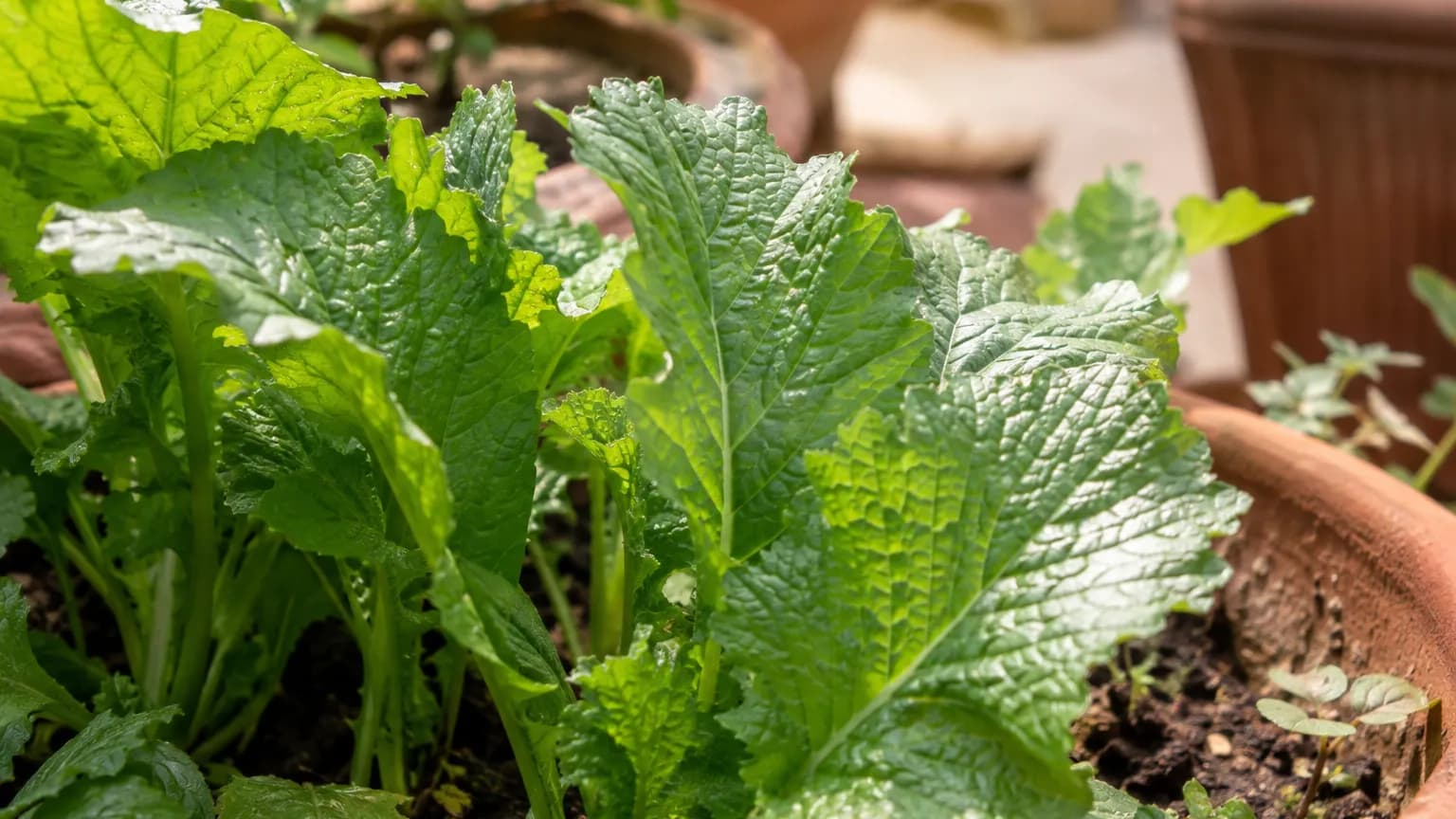
White mustard grown for its pale yellow seeds — the classic base of ballpark yellow mustard when ground and blended with vinegar, water, and turmeric. The same fast-growing annual also supplies peppery young greens for salads and stir-fries and ranks among the most effective biofumigant green manures, suppressing soil-borne fungi and nematodes when chopped and dug in at flowering. It germinates within days, covers bare soil within weeks, and finishes a seed crop in about 90 days. Harvest the seed pods as they turn tan and brittle, just before they shatter.
When to plant Yellow Mustard
Direct sowing is the standard and most reliable approach: sow 1-1.5 cm deep, 15 cm apart, in rows 25-30 cm apart once soil reaches 8-10 °C. Seeds germinate in 4-7 days in warm soil, up to 14 days in cold spring ground. For an extra-early greens harvest, sow in modules indoors 3-4 weeks before the last frost and transplant at the 3-4 leaf stage while roots are still young — older plants resent root disturbance. In hydroponic systems, mustard excels as baby leaf and microgreens: broadcast on moist coco coir or hemp mats, keep at 18-22 °C, and harvest microgreens at 8-12 days or baby leaf at 21-28 days. For green manure, broadcast 5-8 g per square meter and rake in lightly.
Your Yellow Mustard Year
Composed for Zone 7 · typical seasons · frost passes Apr 2, returns Nov 1
Plant Yellow Mustard Mar – May, Aug, pick Jun – Sep. Check the planting methods below and set your climate to personalize these windows.
Picking Yellow Mustard this season? Its next window opens Aug 1
One email a few days before it opens where you garden and one two weeks before it closes — then one when the first pick is due.
One email per milestone, never more than one a week. Unsubscribe with one tap. No account needed.
How to grow Yellow Mustard
Yellow mustard is one of the easiest seed crops a home gardener can grow. Direct-sow seeds 1-1.5 cm deep as soon as the soil can be worked in spring, spacing plants about 15 cm apart in rows 25-30 cm apart. Germination is fast — often 4-7 days in soil above 10 °C — and seedlings race into a leafy rosette. The plant needs little attention once established: it tolerates poor soil, shrugs off light frost, and asks for water only during prolonged dry spells. A second sowing in late summer gives an autumn flush of tender greens or a fast green manure before winter.
Your management depends on which of the three harvests you want. For young greens, keep soil evenly moist and sow densely, cutting leaves when they reach 10-15 cm. For seed, sow at full spacing, keep watering moderate after flowering begins, and let the bright yellow cross-shaped flowers turn into upright bristly pods. For green manure, sow thickly at roughly double density and chop the plants down just as the first flowers open, digging the fresh tissue into the top 10-15 cm of soil where its glucosinolates break down into natural fumigant compounds.
Seed ripening is the one moment that demands attention. Pods mature from the bottom of the plant upward and shatter readily once fully dry, so watch the stand closely from midsummer on. When most pods have turned from green to tan and the lower ones feel papery and brittle, cut whole plants in the morning while dew still holds pods together. Lay plants on a tarp or tie them in small sheaves to finish drying, then thresh by trampling or rubbing over a sheet and winnow in a light breeze.
128 plants fit a 4 × 8 ft bed
Each Yellow Mustard wants 15 cm of elbow room. The planner keeps that spacing for you — every plant, every bed.
Plan a raised bed for Yellow Mustard: size, squares and soil.
Plan it in the raised bed plannerYellow Mustard's best neighbours
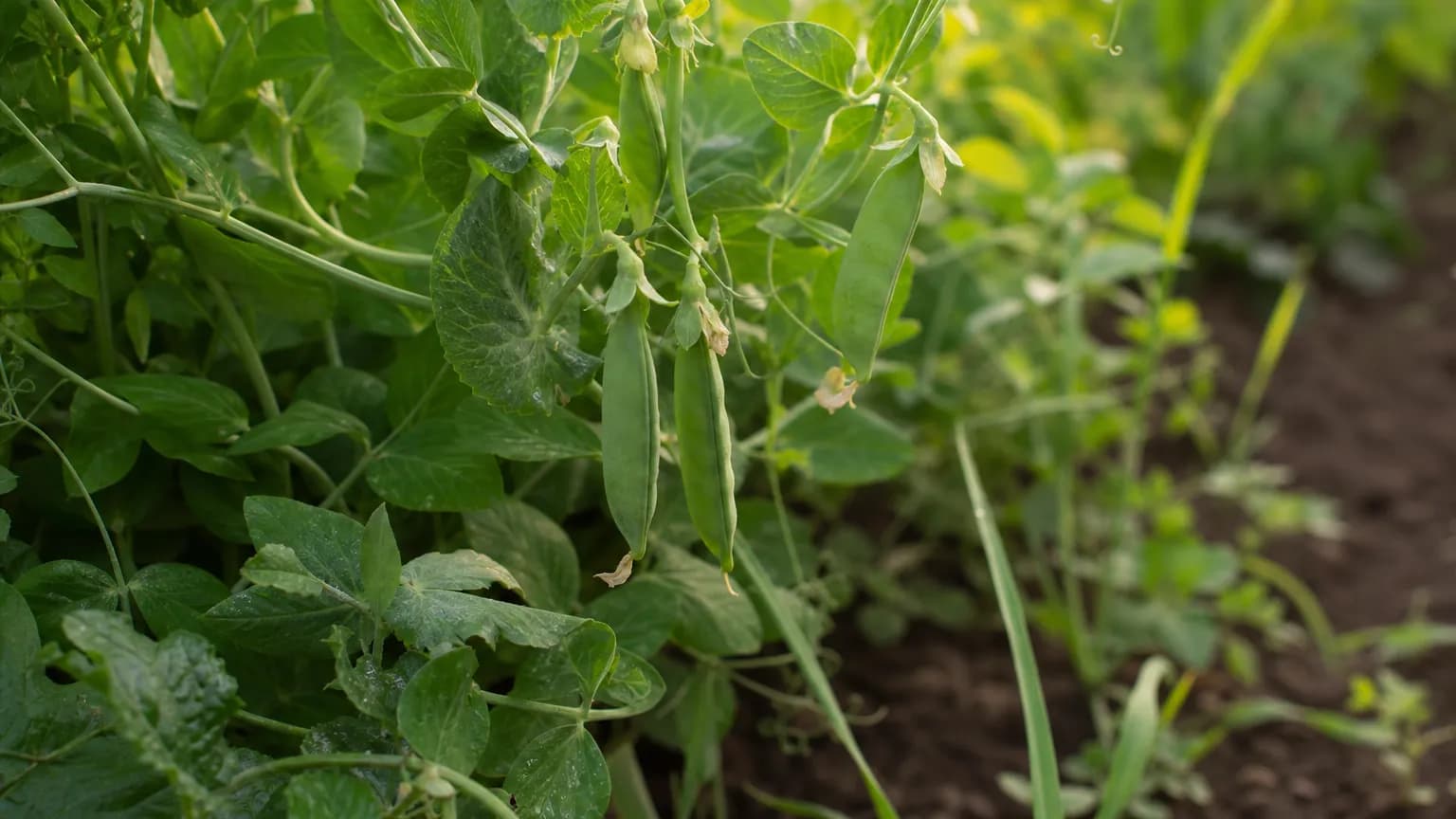
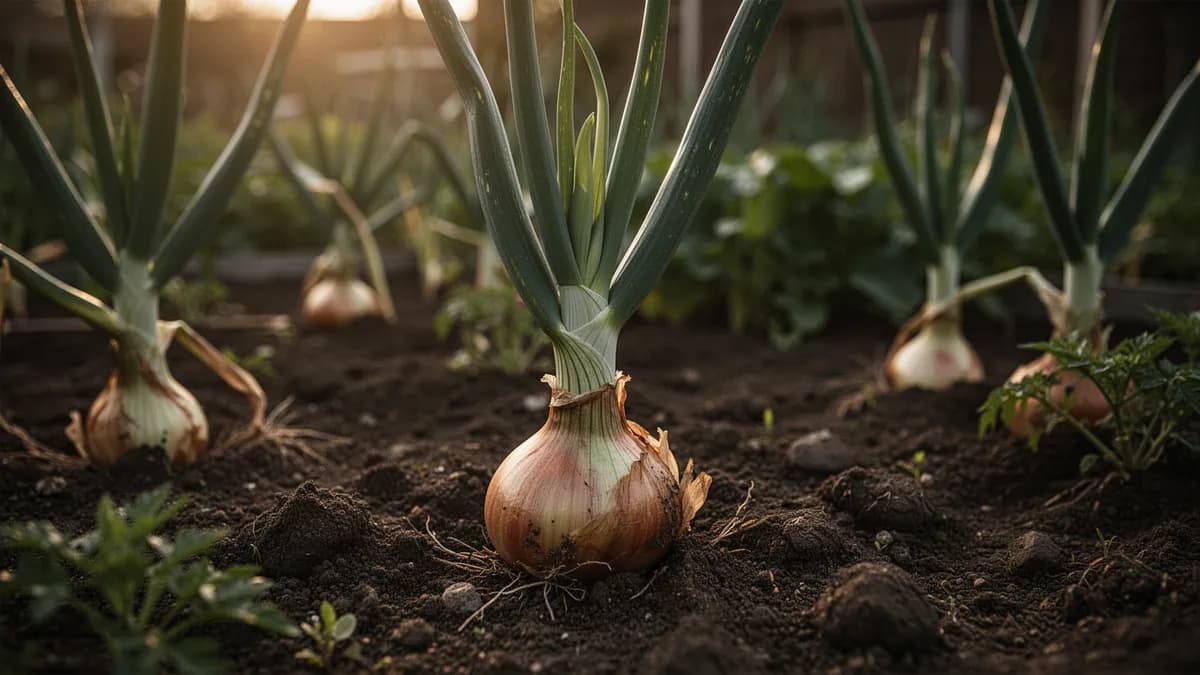
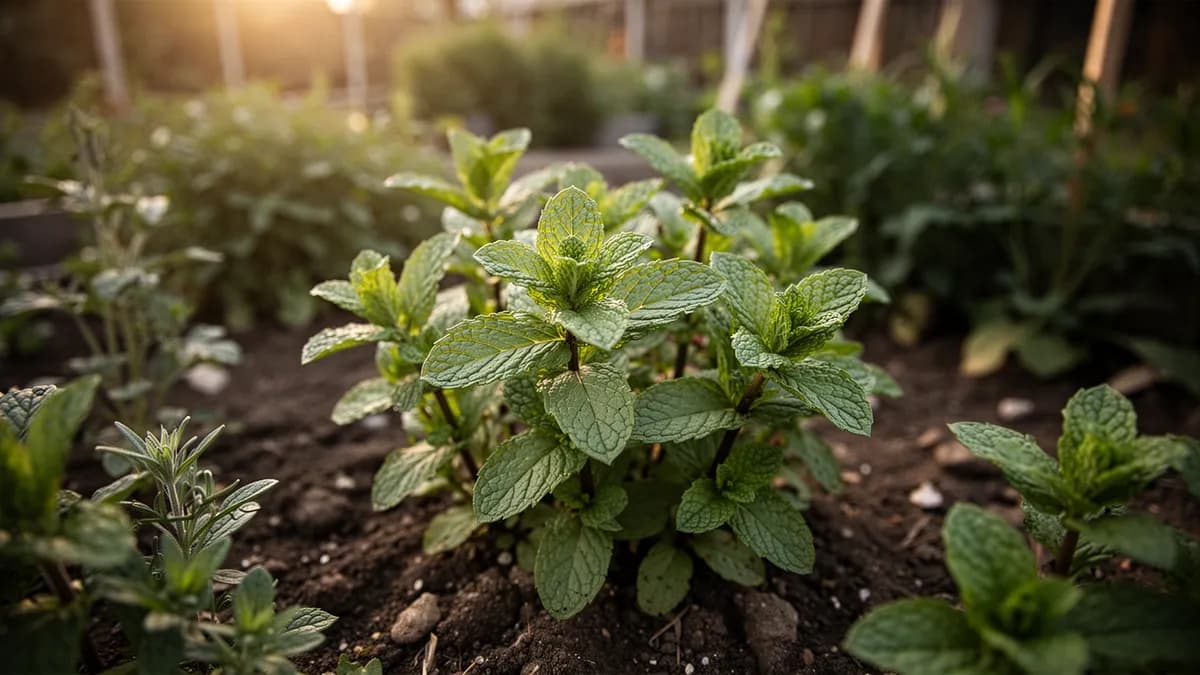
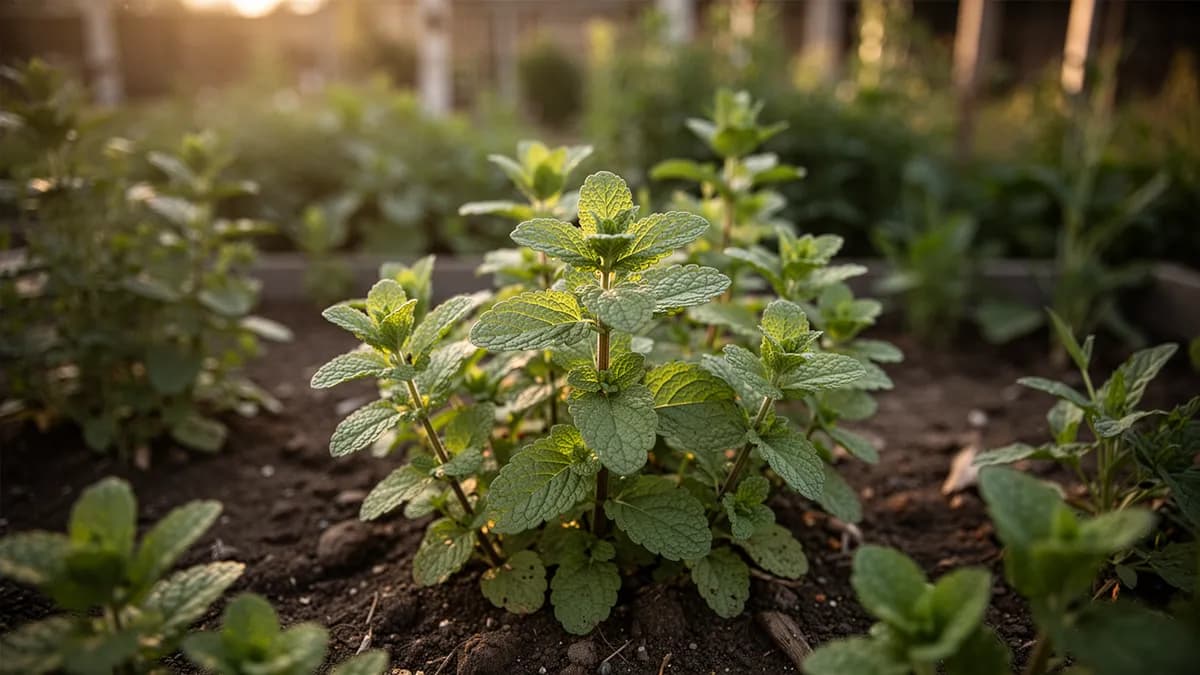
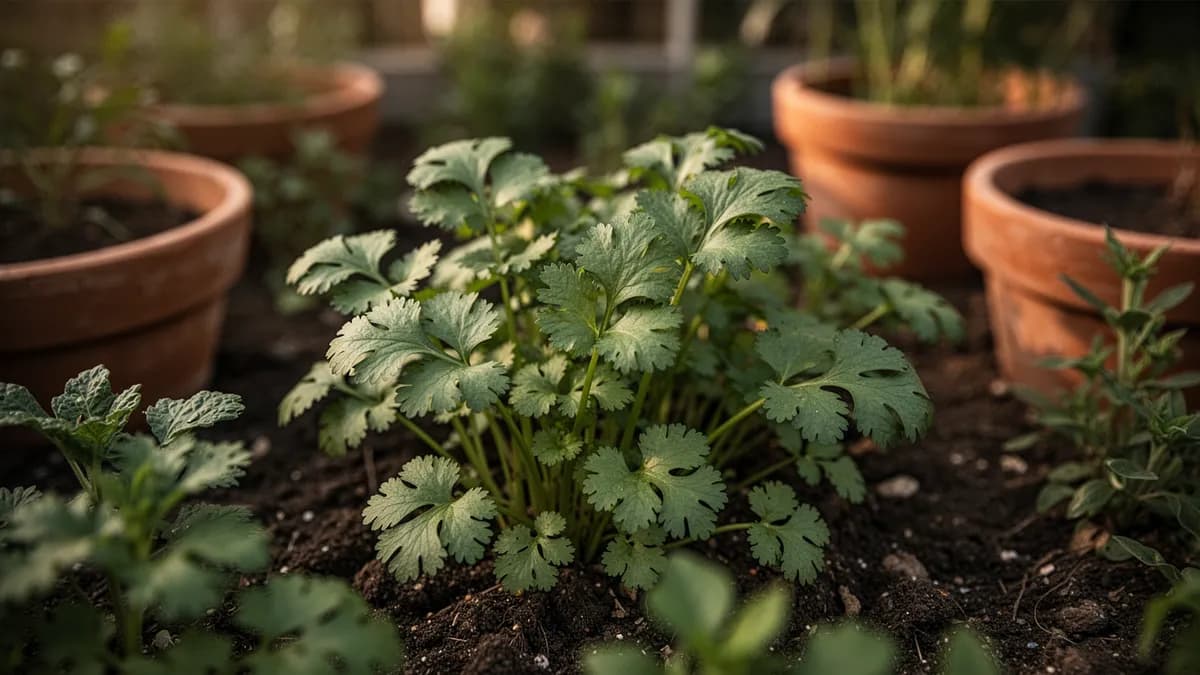
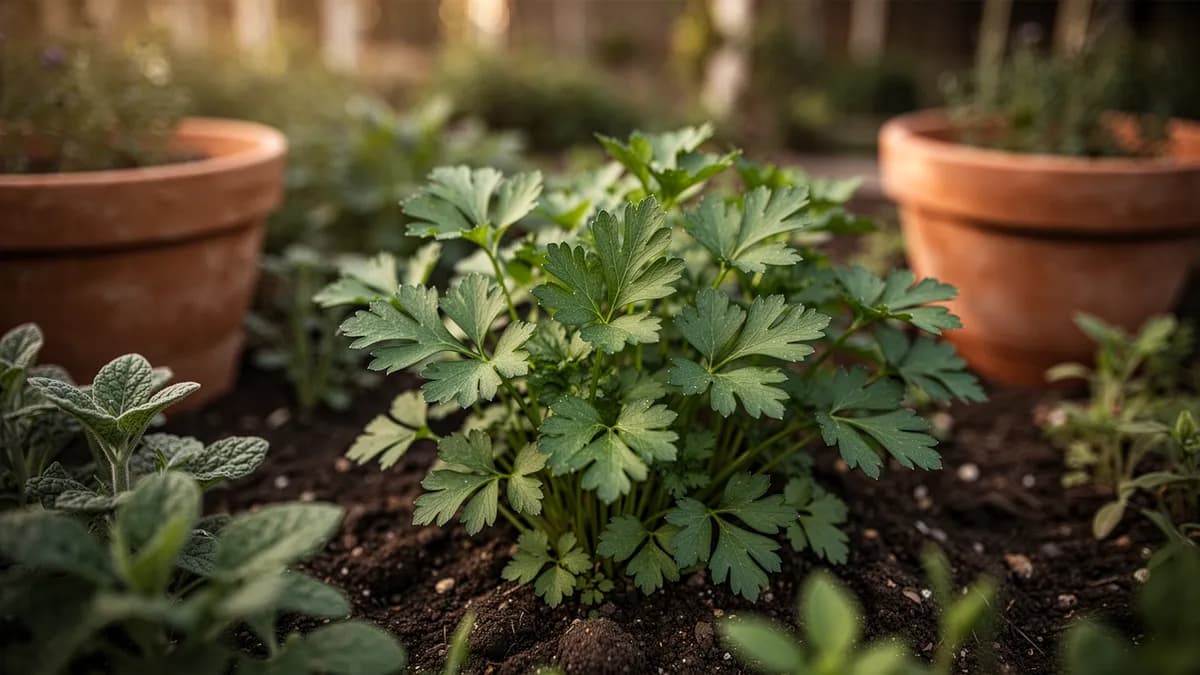
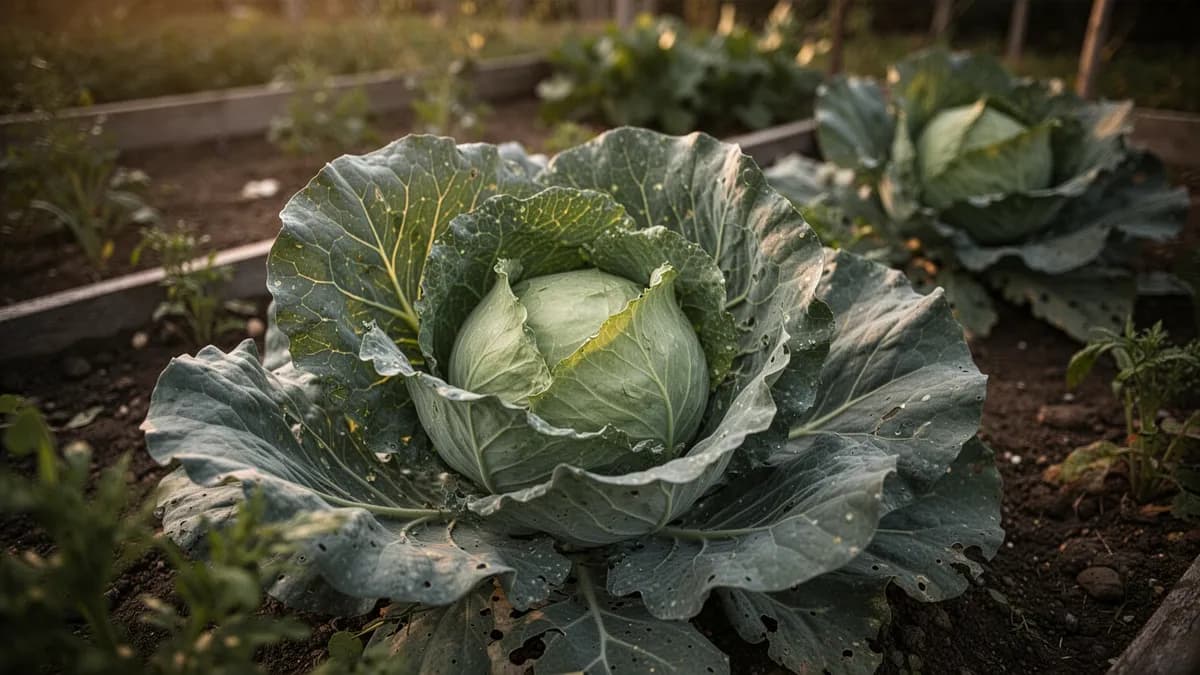
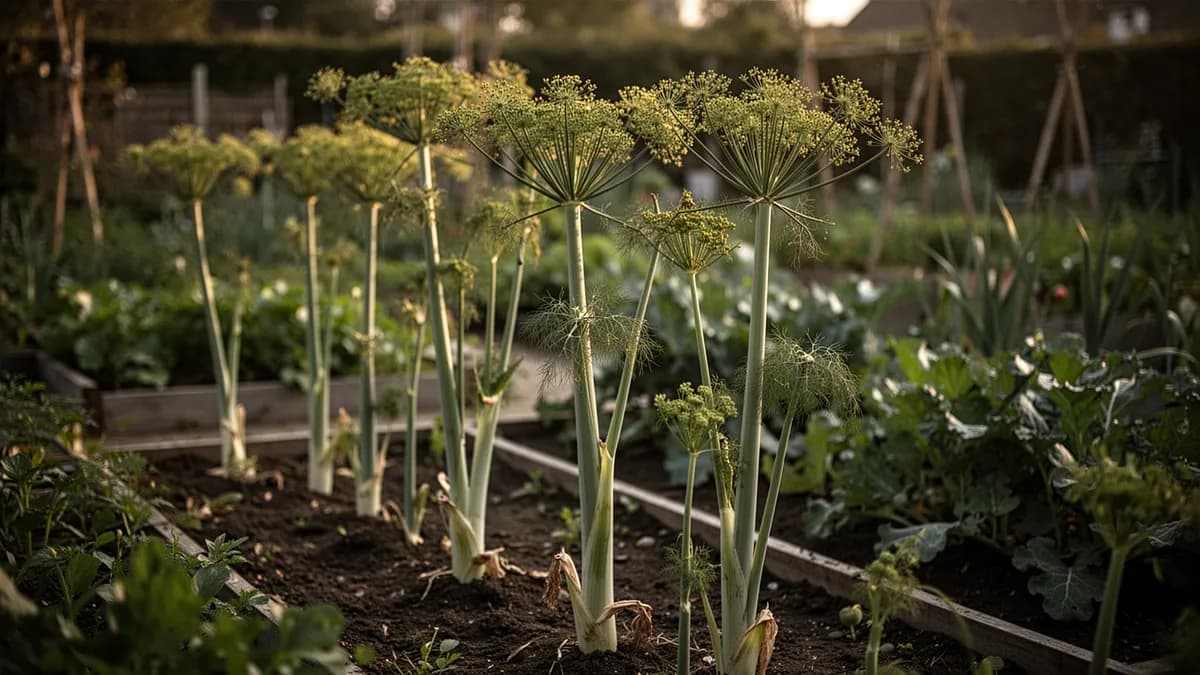
Yellow mustard's cheerful flowers pull in hoverflies and parasitic wasps that patrol neighboring crops for aphids and caterpillars. It pairs well with peas, which appreciate the loose, biologically active soil a preceding mustard green manure leaves behind, and with onions, whose scent helps confuse flea beetles hunting mustard seedlings. Mint-family herbs such as mint, lemon balm, and thyme nearby add further aromatic masking against brassica pests. As a green manure it is a superb pre-crop for almost anything except other brassicas. Avoid sowing it shoulder-to-shoulder with cabbage and its relatives — shared pests like flea beetles and diamondback moth simply multiply across the combined stand — and keep it away from fennel, which is a poor neighbor to most garden plants.
Peas belongs beside it. Cabbage doesn't.
Old growers' knowledge, checked against Yellow Mustard's real companion table below — test any plant you're growing.
Related growing guides
Feed it well
Yellow mustard is refreshingly undemanding: it grows on almost any well-drained soil with a pH between 5.5 and 6.8 and tolerates lean ground that would starve fussier crops. For seed production, avoid rich, freshly manured beds — excess nitrogen pushes leafy growth, delays flowering, and increases lodging and disease. A light dressing of compost before sowing is plenty; if growth looks pale, side-dress once with a balanced fertilizer before bud formation. For greens, keep fertility moderate and steady with a dilute liquid feed every two weeks. As a green manure it needs no fertilizer at all — that is the point.
Ideal Temperature
Hardiness Zone Compatibility
From seed to harvest, stage by stage
Seed Germination
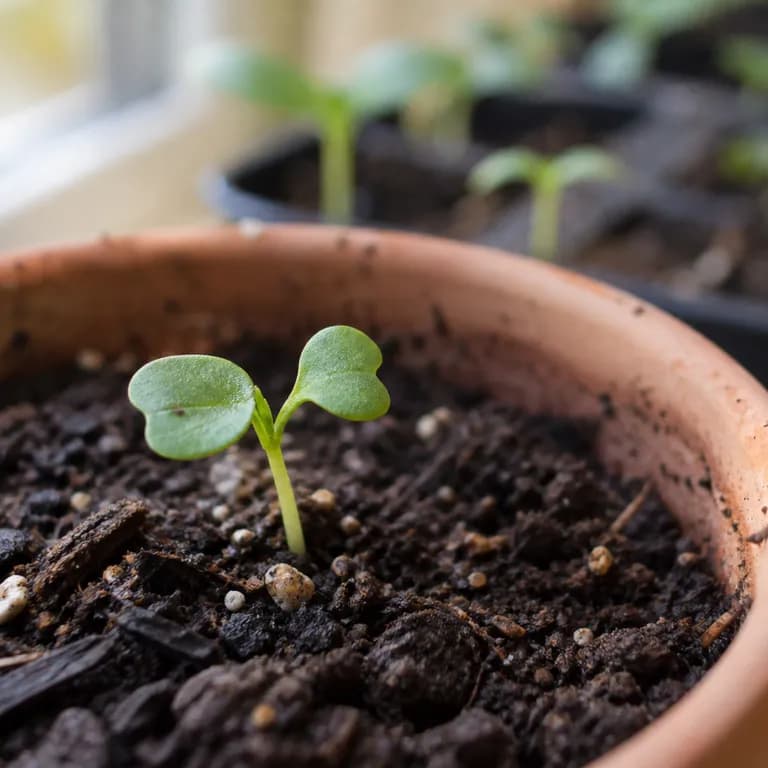
The small, round yellow-brown seeds absorb moisture quickly and split open, sending out a pale taproot within 2-3 days in warm soil. Paired heart-shaped cotyledons push through the surface between days 4 and 7, often in dense crowds if broadcast for green manure.
Seedling Establishment
True leaves emerge quickly after the cotyledons, roughly oval with toothed edges and a slightly bristly texture. The plant builds a slender taproot and a low rosette. This is the stage flea beetles love most, and the stage at which young leaves are mildest and juiciest.
Vegetative Leaf Growth
Plants fill out into bushy rosettes of bright green, lobed leaves with a growing peppery bite. Leaf quality for the kitchen peaks in this window. Green-manure stands close their canopy now, shading out weeds and building the biomass that later fumigates the soil.
Bolting and Flowering
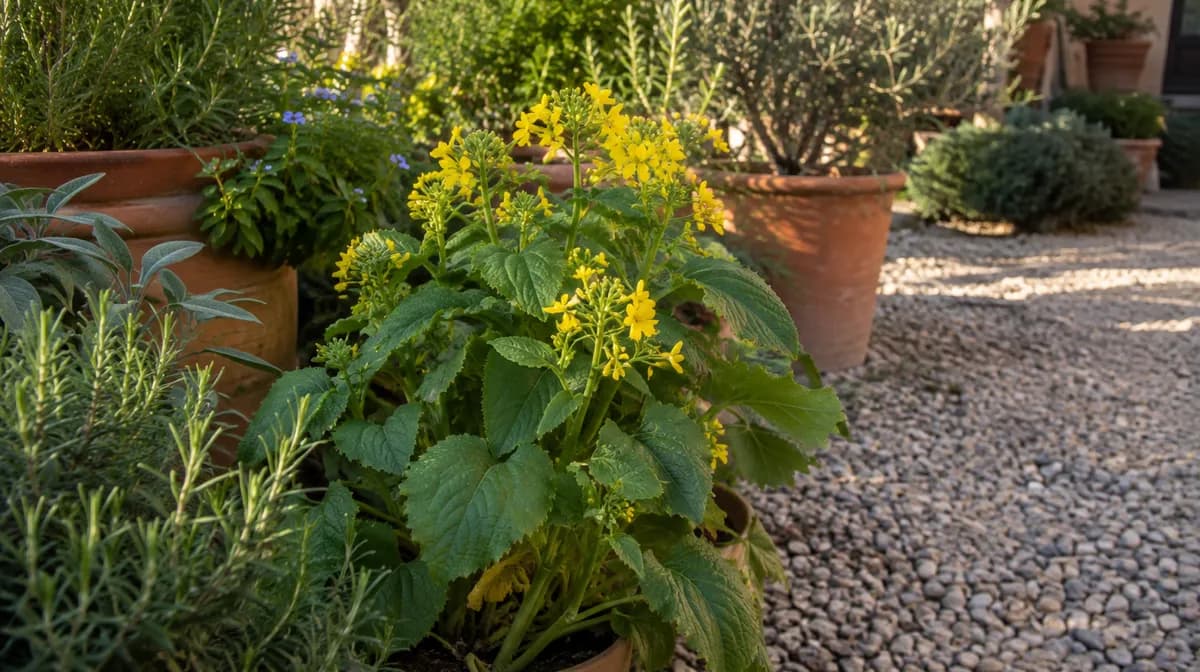
The central stem elongates rapidly to 60-100 cm, branching into clusters of bright yellow, four-petaled cross-shaped flowers that open over 2-3 weeks. Bees and hoverflies work the blooms constantly. Leaves on the flowering stems become smaller and sharper-tasting — the green-manure moment arrives as the first flowers open.
Pod and Seed Development
Fertilized flowers set upright, bristly pods (siliques) 2-4 cm long, each holding 4-8 round seeds. Pods swell and ripen from the base of the plant upward, shifting from green to pale straw. The seeds inside pass from soft and green to firm and yellow — the flavor compounds develop fully only in the final ripening stretch.
Maturation and Seed Harvest
Stems yellow and dry, pods turn fully tan and papery, and the slightest knock releases a shower of round yellow seeds. Each plant carries hundreds of seeds — a small bed produces enough for a year of homemade mustard plus next season's sowing and green-manure seed.
Sow 1-1.5 cm deep into a fine, firm seedbed and keep the surface consistently moist until emergence — a crusted or dried-out top layer is the most common cause of patchy stands. Soil temperatures of 10-20 °C give the fastest, most even germination.
Caring for Yellow Mustard month by month
What to do each month for your Yellow Mustard
November
You are hereClean and fully dry any late-harvested seed before jarring. Note which beds received mustard green manure — avoid following with cabbage-family crops in spring to keep rotations clean.
Harvesting Yellow Mustard
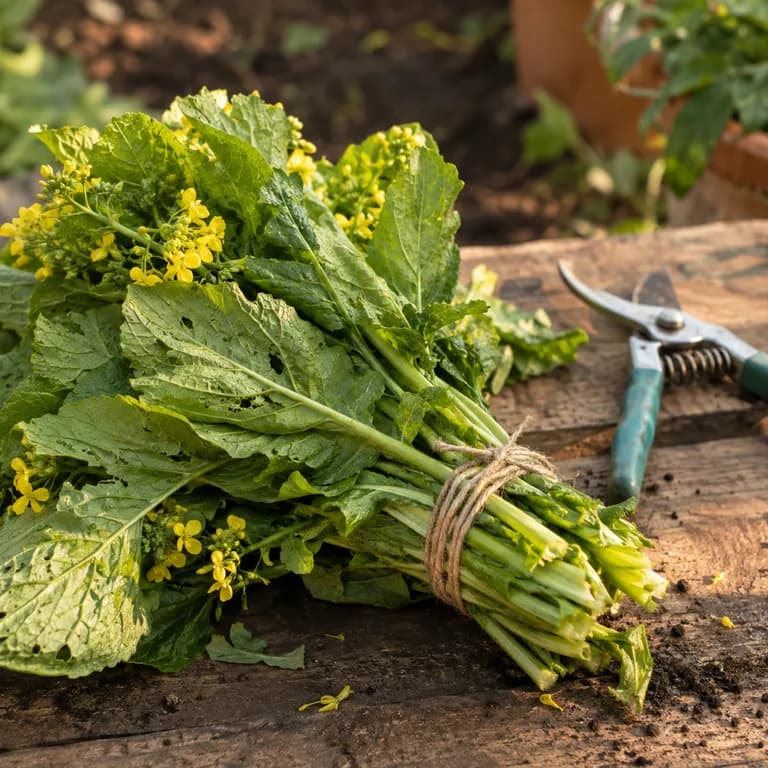
For greens, cut outer leaves or whole young plants when 10-15 cm tall, about 25-40 days after sowing; regrowth allows a second cut from spring sowings. For seed, begin checking pods daily once flowering ends. Harvest when the lower two-thirds of pods have turned tan and brittle and seeds rattle inside, typically 80-95 days after a spring sowing — waiting longer risks heavy losses to shattering. Cut whole plants at the base on a dry morning, ideally while dew still keeps pods from popping, and spread them on a tarp or old sheet in a warm, airy spot for 7-10 days. Thresh by walking on the dried plants or rubbing them between gloved hands, then winnow the seed in a light breeze or in front of a fan.
assuming you plant when the window opens — set your real date
Pick Yellow Mustard promptly and the plant keeps producing.
Storage & Preservation
Whole yellow mustard seeds keep their pungency for 3-4 years in an airtight glass jar stored cool, dark, and dry. Grind only what you need — mustard powder loses its bite within 6 months and its aromatic top notes within weeks. Classic prepared mustard is a preservation method in itself: ground seed mixed with vinegar, salt, and turmeric keeps up to a year refrigerated, mellowing as it ages. Fresh young greens wilt fast; wrap them in a damp cloth in the fridge and use within 2-3 days, or blanch for 60 seconds and freeze in portions for up to 6 months. Seed saved for replanting stays viable for about 4 years at low humidity.
What goes wrong — and the fix
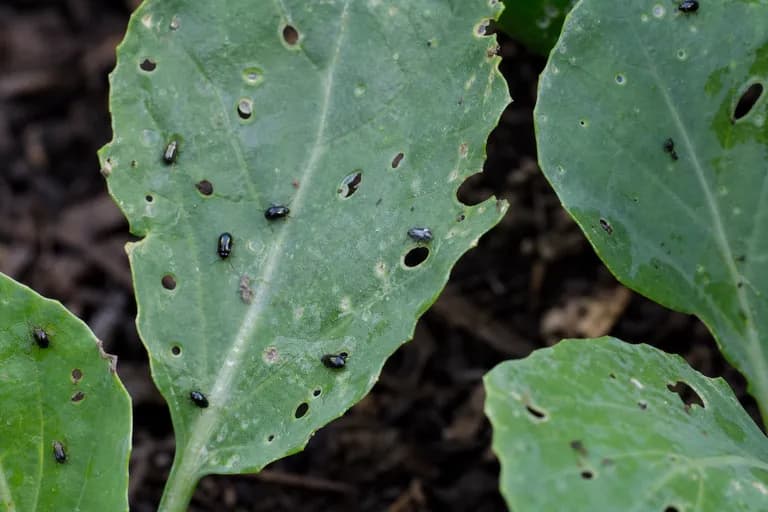
Flea Beetles
PestNumerous tiny round shot holes in cotyledons and young leaves, seedlings stunted or killed outright, small dark beetles that jump like fleas when disturbed.
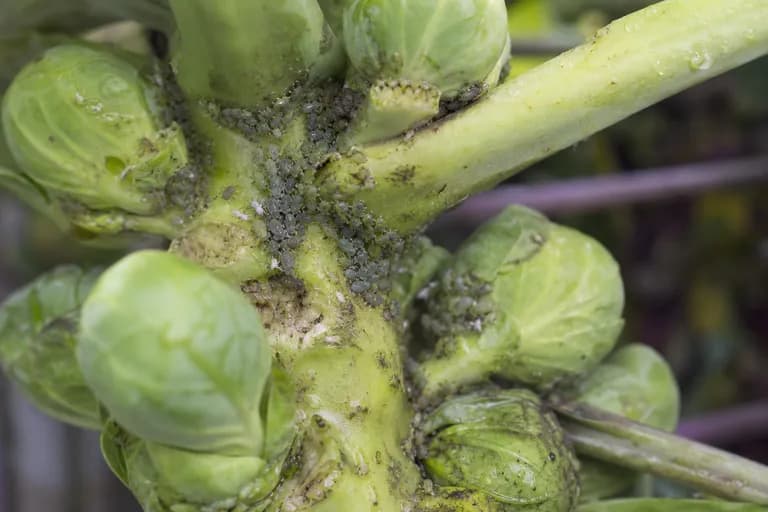
Cabbage Aphid
PestDense colonies of grey-green, waxy-coated aphids clustered on young leaves, flower stalks, and developing pods; leaves curl and yellow; sticky honeydew invites sooty mold.
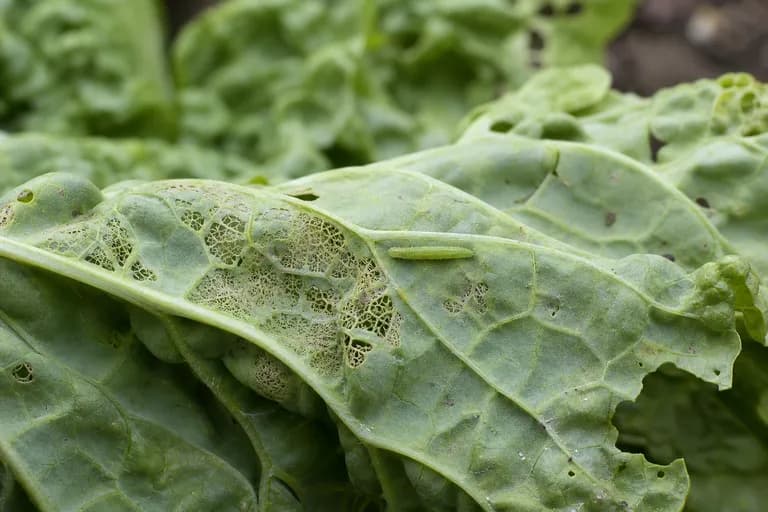
Diamondback Moth
PestSmall green caterpillars wriggling or dropping on silk threads when disturbed, leaves skeletonized with window-pane patches, pupation in loose white cocoons on leaf undersides.
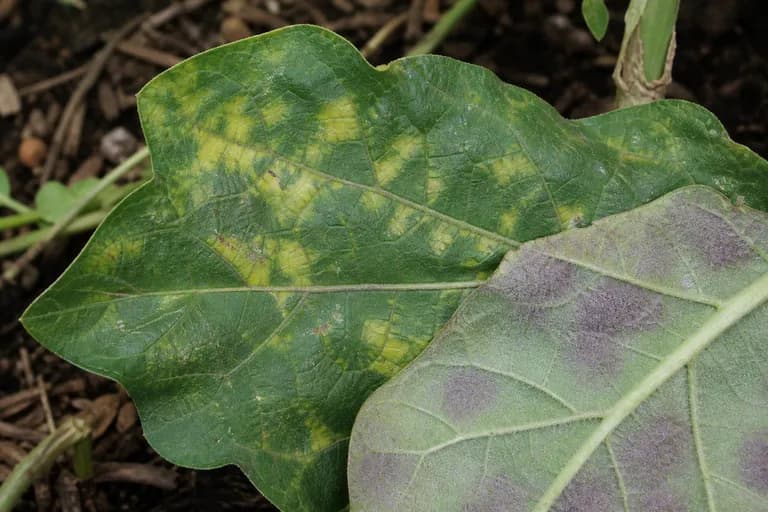
Downy Mildew
DiseaseIrregular yellow patches on upper leaf surfaces with grey-violet downy growth underneath, worst in cool, damp weather; flower stalks can become distorted and swollen.
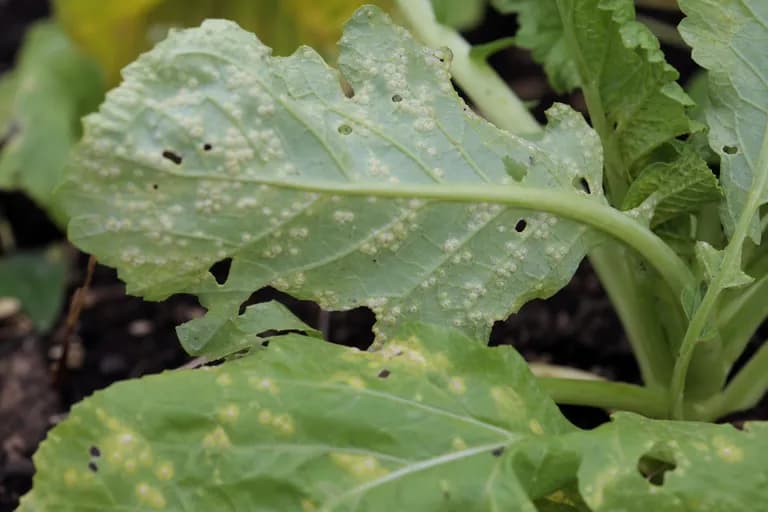
White Rust
DiseaseRaised white, chalky pustules on leaf undersides and stems that later turn tan, yellowing of surrounding tissue, and distorted flower stalks and pods in severe cases.
Troubleshooting Common Problems
Seedlings riddled with shot holes almost always means flea beetles; cover seedbeds with mesh from day one and keep the soil moist so plants outgrow the damage quickly. Seed pods empty at harvest usually means you waited too long — white mustard shatters readily, so cut plants as soon as the lower pods turn tan and finish drying them on a sheet. Plants that bolt within three weeks in hot weather are normal; sow greens successively and switch to partial shade in midsummer. Poor, patchy emergence points to crusted or dry seedbeds — mustard seed is small, so sow shallow into a fine, firm tilth and never let the surface dry out during the first week. Yellowing lower leaves with grey fuzz underneath signal downy mildew in damp spells; improve airflow and water at the base.
Growing Tips
- Sow shallow and keep the top centimeter of soil moist for the first week — mustard germinates fast, but a dried or crusted seedbed is the number one cause of patchy stands.
- Cover every sowing with fine insect mesh from day one. Flea beetles find mustard seedlings within hours, and while a seed crop shrugs them off, salad leaf is ruined by the shot-holing.
- Decide the harvest before you sow: dense rows for greens, 15 cm spacing for seed, and double-density broadcast for green manure. The same packet behaves like three different crops.
- For the most pungent homemade mustard, grind seed fresh and mix it with cold water first, waiting 10 minutes before adding vinegar — the enzyme needs that window at neutral pH to build full heat.
- Harvest seed on a dewy morning when pods are supple enough not to shatter at a touch, and always cut into a tarp or sheet — the seeds you save from the ground are bonus green manure.
- Chop green-manure mustard at first flower, never later: once pods form, the stems turn woody, the glucosinolate content drops, and you risk a self-sown mustard weed problem.
- Water the soil after digging in a green-manure stand and wait 2-3 weeks before planting the next crop — the biofumigant compounds need time to release and dissipate, and fresh incorporation can briefly inhibit seed germination.
- Make three small greens sowings a month apart rather than one big one; mustard leaf goes from mild to mouth-searing in about two weeks as plants approach bolting.
- Mustard grows happily in pots and window boxes for greens — use a 20 cm deep container, keep it evenly moist, and treat it as cut-and-come-again. It also performs well as hydroponic baby leaf on coco or hemp mats.
- Let one or two plants flower even in a salad bed: the yellow cross-flowers are hoverfly magnets, and hoverfly larvae are free aphid control for everything growing nearby.
Pick your Yellow Mustard
Tilney
A British-bred condiment variety long grown for English mustard production. Sets plump, pale-yellow seed with the high mucilage content that gives prepared mustard its smooth, creamy body.
Andante
A Canadian-bred yellow mustard from the Saskatoon breeding program, valued for high protein content and large, bright seed. A dependable main-crop choice for home seed production.
AC Pennant
Released by Agriculture and Agri-Food Canada, this variety became a yield benchmark for yellow mustard on the prairies. Uniform ripening makes harvest timing easier for small growers.
Viscount
A registered yellow mustard with notably high protein and strong seedling vigor, useful where springs are cool and emergence conditions are less than ideal.
Gisilba
A European-registered white mustard grown both for seed and as a catch crop. Fast, bulky early growth makes it a good dual-purpose pick for gardeners combining greens and green manure.
Martigena
A specialist green-manure mustard bred for resistance to beet cyst nematodes and certified free of erucic acid. The variety to choose when biofumigation and soil cleaning are the main goals.
Artisanal mustard seed sells for $4-8 per 100g and small-batch prepared mustard for $6-10 a jar. A $3 packet of 500+ seeds grows a bed yielding 500g or more of seed — retail value $20-40 — plus months of salad greens that would cost $2-3 a bag. The economics get better with scale: buying mustard as bulk cover-crop seed costs a few dollars per kilogram, and a fraction of one green-manure sowing, left to mature, replenishes the whole pantry and the seed drawer at once.
Quick recipes
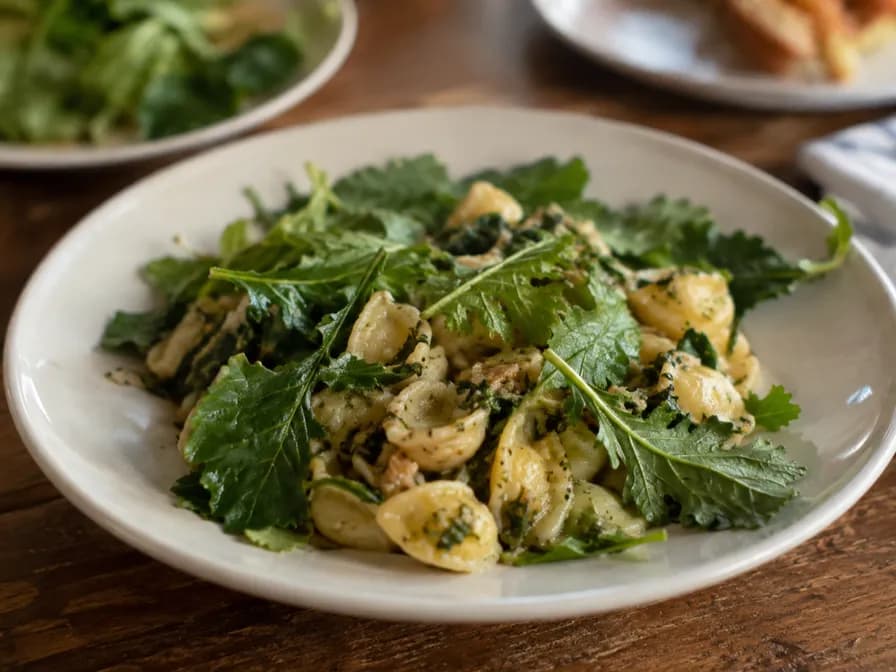
Classic Homemade Yellow Mustard
10 min plus overnight restThe ballpark classic from your own seed: ground yellow mustard whisked with cold water, vinegar, turmeric, and salt, then rested overnight so the myrosinase enzyme can develop its gentle, rounded heat. Keeps a year in the fridge and mellows beautifully with age.
7 ingredients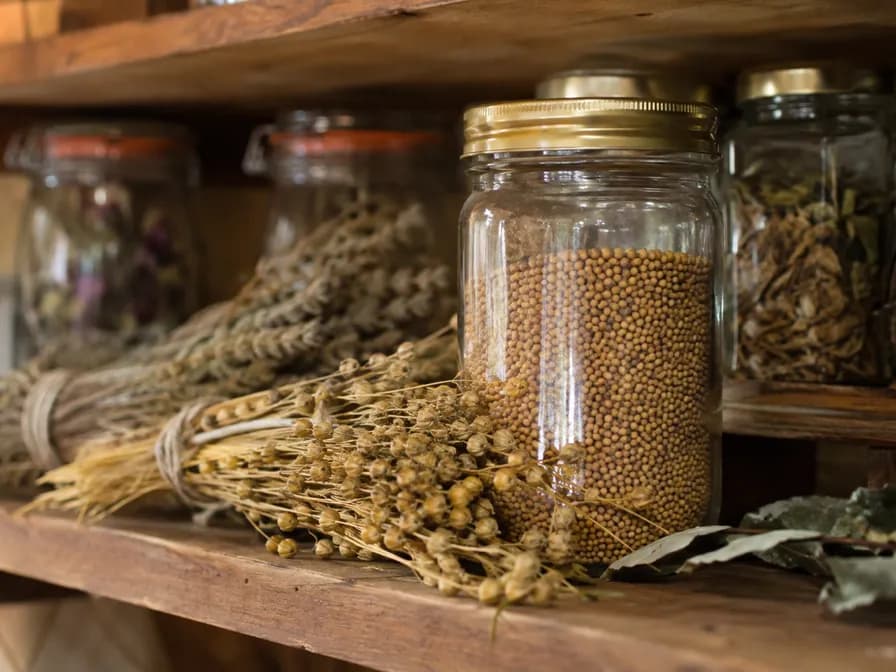
Honey Mustard Dressing
5 minA five-minute jar dressing that puts homemade mustard to work: equal parts mustard and honey loosened with cider vinegar and olive oil. Toss with sturdy salad greens, drizzle over roasted roots, or use as a dip for anything that stands still.
5 ingredientsFlash-Sautéed Mustard Greens
10 minYoung mustard leaves wilted hard and fast with garlic and chili, finished with lemon. The quick, hot pan tames the wasabi bite into a mellow pepperiness — the best fate for a thicket of thinnings.
6 ingredientsCulinary Uses
Ground yellow mustard seed whisked with cold water, vinegar, salt, and a pinch of turmeric becomes the classic bright, mildly hot table mustard of ballparks and picnic jars — the cold liquid activates the myrosinase enzyme that creates its gentle, lingering heat. Whole seeds are mild enough to use raw: fold them into pickling brines, sauerkraut crocks, salad dressings, and bread doughs. Toasted briefly, they add a nutty crunch to potato salad and slaws. Young leaves bring a wasabi-like pepperiness to salads, sandwiches, and stir-fries — treat them like a milder mustard green. In Indian cooking the related brown mustard dominates tadka, but yellow seeds work beautifully in mayonnaise-based sauces and cheese dishes where their pale color keeps sauces golden.
What's inside
Health Benefits
- Mustard seed is one of the richest spice sources of selenium — around 208µg per 100g — a trace mineral essential to antioxidant enzyme systems and thyroid hormone metabolism.
- The glucosinolate sinalbin converts to p-hydroxybenzyl isothiocyanate when seed is crushed, a compound with documented antimicrobial and anti-inflammatory activity that has driven mustard's medicinal reputation since antiquity.
- At 26% protein and 12% fiber with fat dominated by unsaturated oils including omega-3 alpha-linolenic acid, mustard seed is one of the more nutritionally complete spices.
- Young mustard greens deliver vitamin K, vitamin C, folate, and the same peppery glucosinolates as the seed in a fresh, low-calorie package typical of the brassica family.
- Mustard plasters — ground seed poultices applied to the chest and joints — were standard European folk medicine for centuries; modern research on topical isothiocyanates partly explains the warming, circulation-stimulating effect behind the tradition.
- Regular mustard consumption accompanies improved post-meal blood glucose responses in several small studies, an effect attributed to the seed's fiber and bioactive compounds.
Where Yellow Mustard comes from
Sinapis alba is native to the Mediterranean basin and the Middle East, where its seeds have flavored food for at least four thousand years. Greek physicians including Hippocrates prescribed mustard preparations, and the Romans — who ground the seed with grape must and called the paste 'mustum ardens' — carried the plant across their empire, seeding its spread through Europe. By the early Middle Ages mustard grew in monastery gardens everywhere, valued as much for medicine as for the table.
France turned mustard-making into an art: Dijon received its first mustard guild regulations in the 14th century, and the city's moutardiers became so renowned that 'Dijon mustard' entered the language — though ironically the smooth brown style of Dijon relies on brown and black mustard seed, not yellow. White mustard held its ground in England, where Jeremiah Colman began milling mustard flour at Norwich in 1814, blending white and brown seed into the fiery Colman's powder that defined English mustard.
The pale, gentle style America knows arrived with French's 'Classic Yellow' at the 1904 St. Louis World's Fair, where it was served on hot dogs and became inseparable from them. In the 20th century large-scale seed production migrated to the Canadian prairies, where breeders at Saskatoon developed the modern yellow varieties grown under contract today. Alongside the condiment trade, white mustard quietly built a second career as one of agriculture's most important green manures — sown by the hectare between cash crops to clean and cover the soil it once merely seasoned food upon.
Yellow Mustard: did you know?
Fascinating facts about Yellow Mustard
The word 'mustard' comes from the Latin 'mustum ardens' — burning must — because Roman cooks ground the seeds with unfermented grape must to make the original prepared condiment.
Yellow Mustard questions, answered
When should I plant Yellow Mustard?
What are good companion plants for Yellow Mustard?
What hardiness zones can Yellow Mustard grow in?
How much sun does Yellow Mustard need?
How far apart should I space Yellow Mustard?
What pests and diseases affect Yellow Mustard?
How do I store Yellow Mustard after harvest?
What are the best Yellow Mustard varieties to grow?
What soil does Yellow Mustard need?
Is yellow mustard the same plant as mustard greens?
How do I turn my homegrown seed into prepared mustard?
When exactly should I harvest mustard seed?
Can I use yellow mustard as a green manure and still get seed?
Is yellow mustard frost-hardy, and how early can I sow?
Why did my mustard seedlings disappear overnight?
Plant these alongside Yellow Mustard
More Culinary Herbs
Keep Yellow Mustard away from these
Grow your best Yellow Mustard yet — and everything around it.
Start a free plan today. Lay out your beds, drop in your Yellow Mustard, and let PlotMyGarden handle the timing, spacing, companions and reminders from seed to harvest basket.
