Sun Gold Tomate
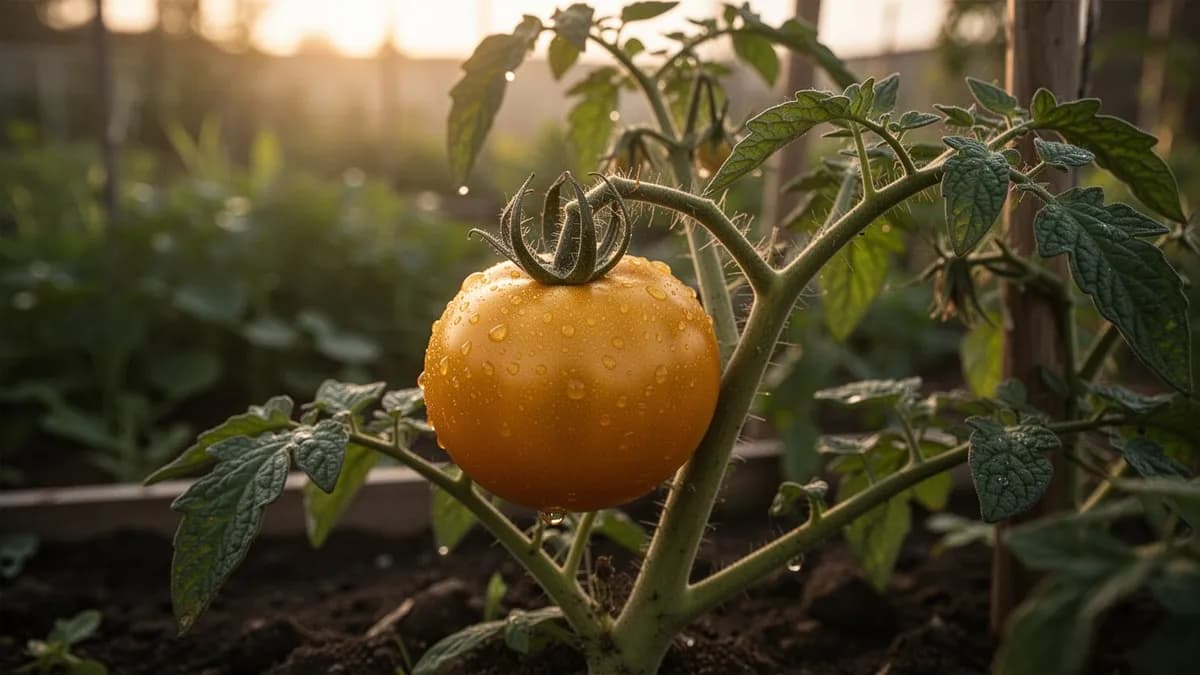
Weithin als die süßeste verfügbare Cherrytomate angesehen, die kaskadierende Trauben leuchtend orangefarbener Früchte mit tropischer, fruchtiger Süße hervorbringt.





Auf dieser SeiteÜberblick
Sun Gold Tomate im Überblick
Weithin als die süßeste verfügbare Cherrytomate angesehen, die kaskadierende Trauben leuchtend orangefarbener Früchte mit tropischer, fruchtiger Süße hervorbringt. Die indeterminaten Reben sind äußerst wüchsig und ertragreich und produzieren oft Hunderte von Früchten pro Pflanze während der Saison. Die Früchte neigen dazu, bei Regen leicht aufzuplatzen, daher häufig ernten und vor starken Regenfällen pflücken. Der süchtig machende Geschmack bedeutet, dass der Großteil der Ernte direkt von der Rebe gegessen wird, bevor er die Küche erreicht.
Wann Sun Gold Tomate pflanzen
Beginnen Sie mit der Aussaat von Sun Gold Samen sechs bis acht Wochen vor dem letzten Frosttermin drinnen. Säen Sie die Samen 6 mm tief in warme, feuchte Aussaaterde. Verwenden Sie eine Heizmatte, um die Bodentemperatur bei 24 bis 29 Grad Celsius für optimale Keimung in fünf bis zehn Tagen zu halten. Sorgen Sie sofort nach dem Auflaufen für starkes Licht, um langbeinige Sämlinge zu vermeiden. In 10-cm-Töpfe umpflanzen, wenn die ersten echten Blätter erscheinen. Über sieben bis zehn Tage abhärten, bevor Sie ins Freie pflanzen. Beachten Sie, dass Sun Gold eine Hybride ist, sodass aus den Früchten gewonnene Samen nicht sortenecht wachsen. Kaufen Sie jedes Jahr frisches Saatgut für gleichbleibende Ergebnisse.
Dein Sun Gold Tomate-Jahr
Abgestimmt auf Zone 7 · typische Saison · Frost geht um den 2. Apr. und kehrt um den 1. Nov. zurück
Sun Gold Tomate Feb – Mai pflanzen, Jul – Sep ernten. Beachte die Pflanzmethoden unten und wähle dein Klima für passende Zeiträume.
So baust du Sun Gold Tomate an
Sun Gold ist eine indeterminante Cherrytomate, die kräftige Reben hervorbringt, die in einer einzigen Saison 2,40 Meter oder mehr erreichen. Säen Sie die Samen sechs bis acht Wochen vor dem letzten erwarteten Frost drinnen aus, 6 mm tief in warmer Aussaaterde bei 24 bis 29 Grad Celsius. Pflanzen Sie zwei Wochen nach dem letzten Frost ins Freie in nährstoffreichen, gut durchlässigen Boden in voller Sonne. Setzen Sie die Pflanzen im Abstand von 60 bis 90 cm und installieren Sie stabile Stützstrukturen zum Pflanzzeitpunkt.
Sun Gold-Reben wachsen schnell und benötigen starke Stäbe, Käfige oder Spaliere, um ihr überschwängliches Wachstum zu bewältigen. Entfernen Sie regelmäßig Geiztriebe, um ein oder zwei Haupttriebe für größere Früchte und bessere Luftzirkulation zu erhalten, oder lassen Sie mehrere Triebe für maximale Produktion zu. Gießen Sie tief und gleichmäßig, mit 2,5 bis 5 cm pro Woche. Mulchen Sie großzügig, um eine gleichmäßige Bodenfeuchtigkeit zu erhalten und das Aufplatzen der Früchte zu reduzieren, was die Hauptschwäche dieser Sorte ist.
Düngen Sie alle zwei bis drei Wochen mit einem ausgewogenen Tomatendünger, sobald die Früchte ansetzen. Vermeiden Sie stickstoffreiche Dünger, die das Blattwachstum auf Kosten der Fruchtproduktion fördern. Sun Gold beginnt etwa 55 bis 65 Tage nach der Pflanzung mit der Reife und trägt bis zum Frost weiter. In warmen Klimazonen bieten Sie Nachmittagsschatten, um Sonnenbrand an den Früchten zu verhindern. Der außergewöhnlich süße Geschmack entwickelt sich am besten, wenn die Früchte vollständig an der Rebe bis zu einer tiefen orangenen Farbe ausreifen.
8 Pflanzen passen in ein Beet von 120 × 240 cm
Sun Gold Tomate braucht 60 cm Platz pro Pflanze. Der Planer hält diesen Abstand für dich ein — jede Pflanze, jedes Beet.
Die besten Nachbarn für Sun Gold Tomate
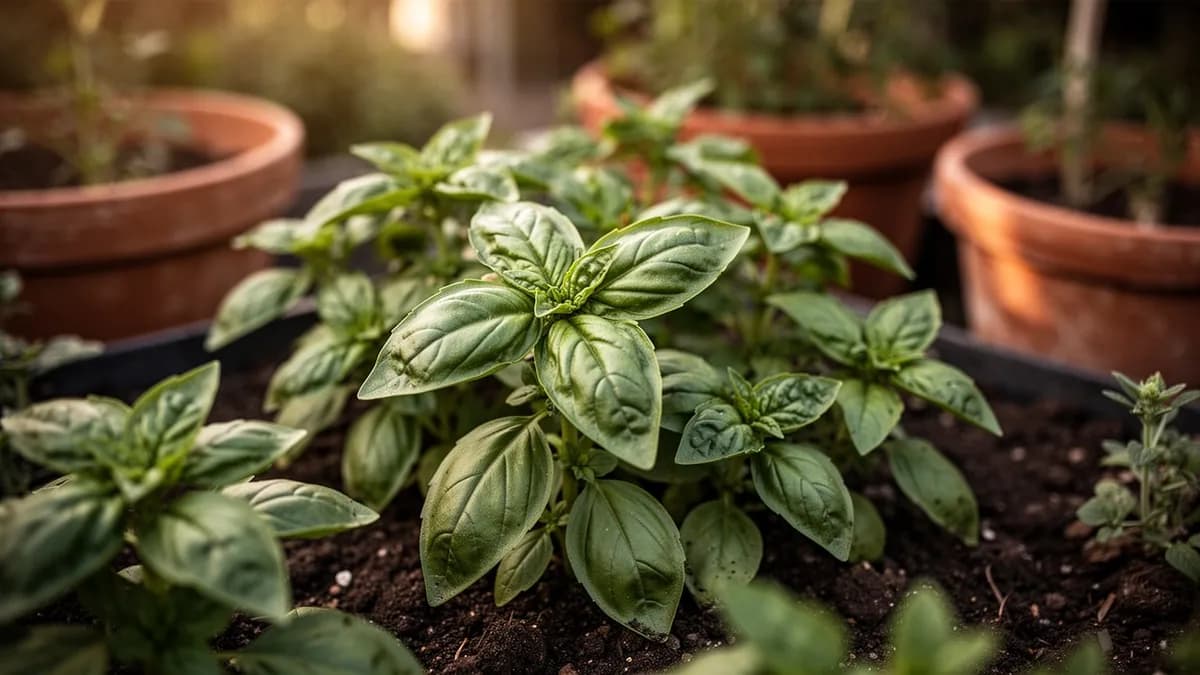
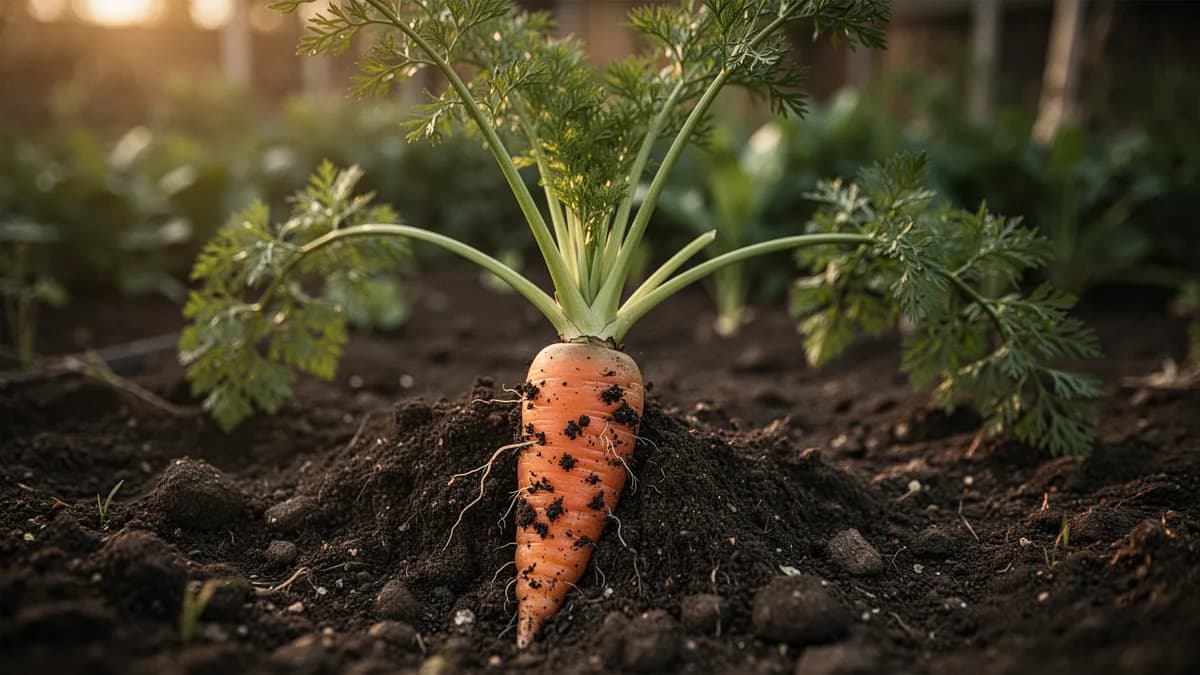
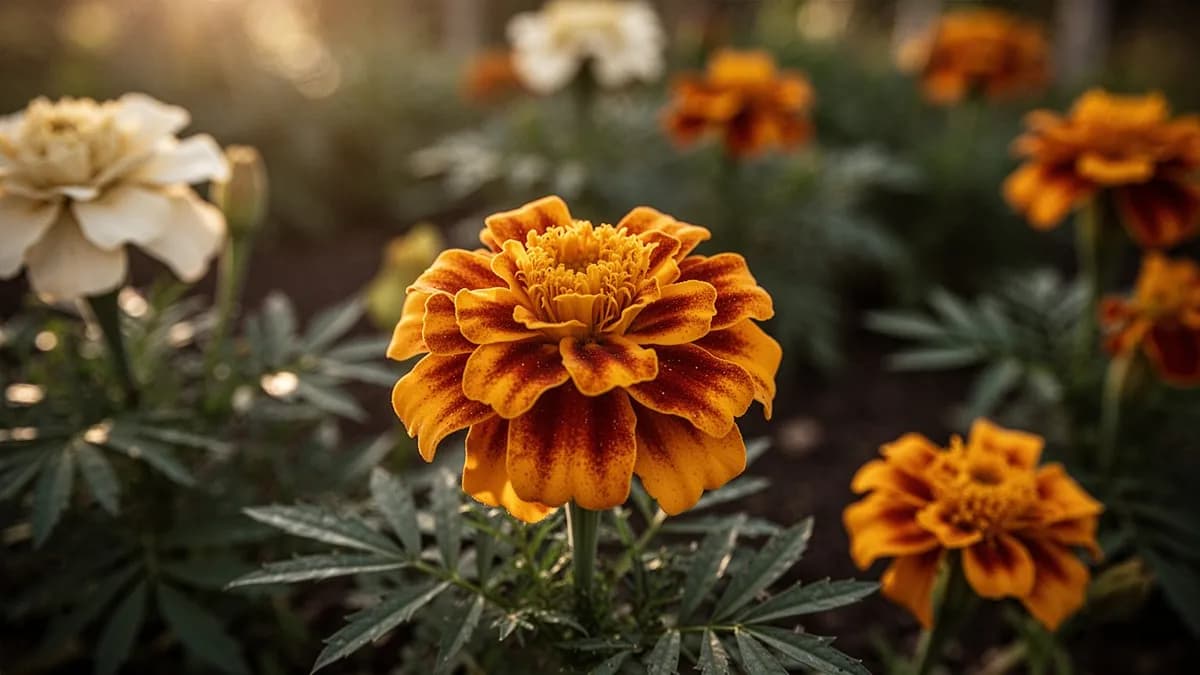
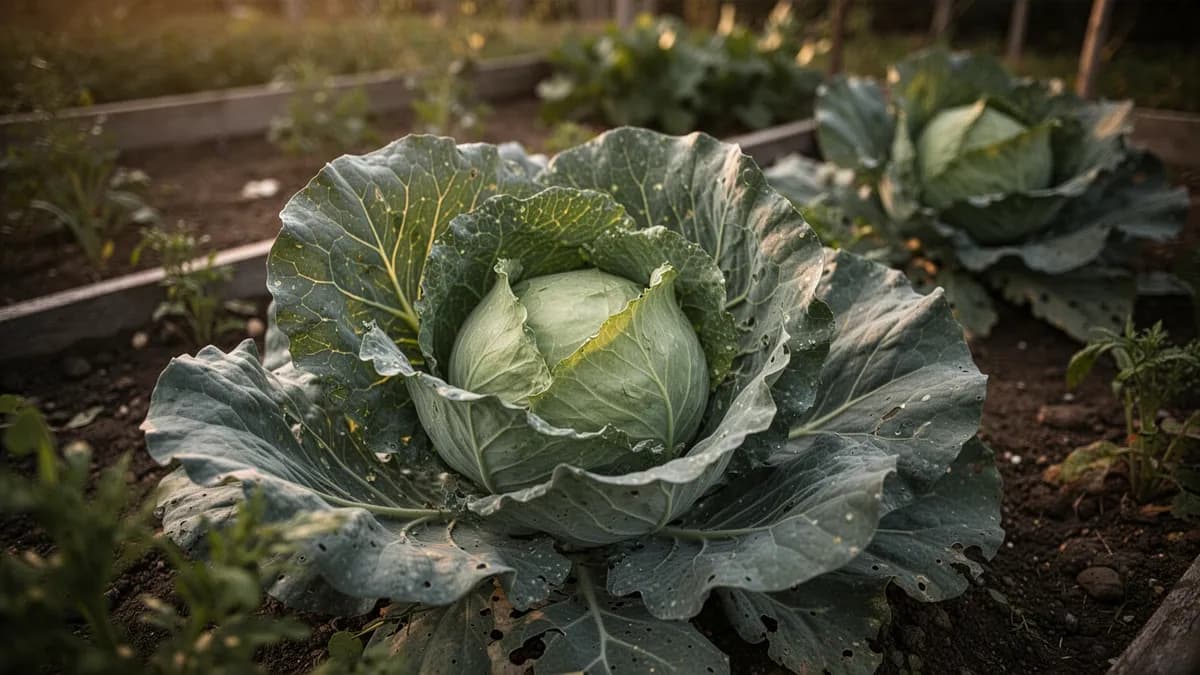
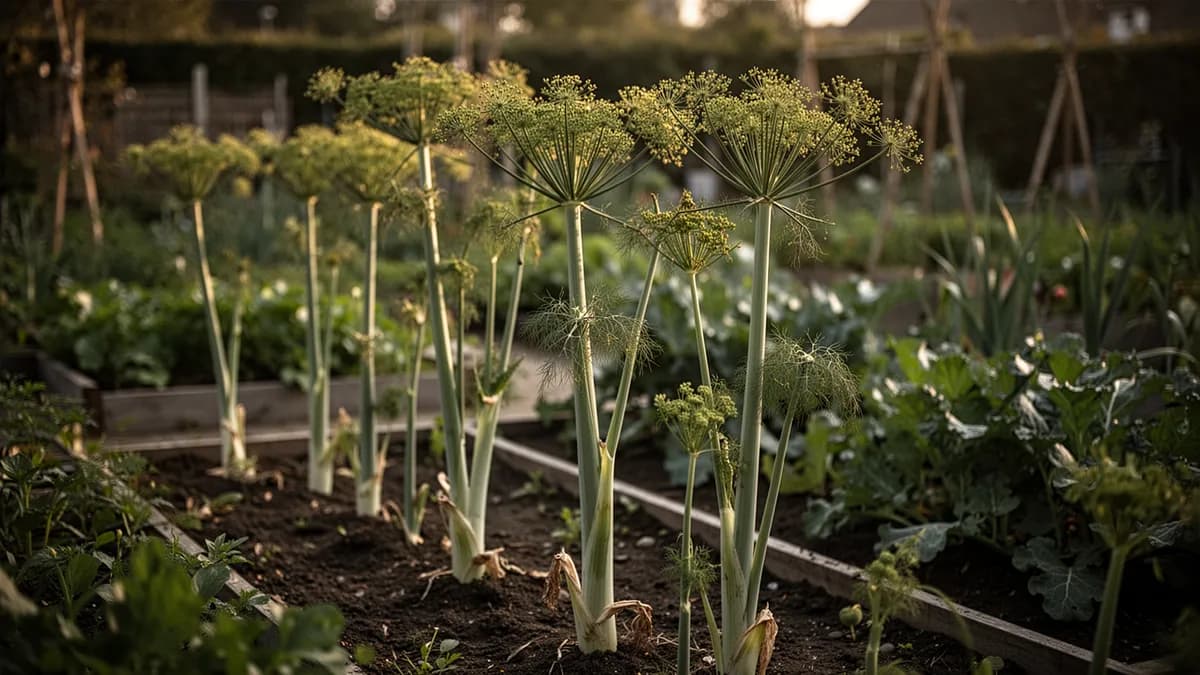
Sun Gold Tomaten profitieren davon, neben Basilikum gepflanzt zu werden, das ihren Geschmack verbessern und bestimmte Schädlinge abwehren kann. In der Nähe gepflanzte Tagetes wehren Nematoden und Weiße Fliegen ab. Karotten, Knoblauch und Zwiebeln sind traditionelle Tomatenbegleiter. Mit Spargel für gegenseitigen Nutzen pflanzen. Vermeiden Sie das Pflanzen in der Nähe von Kohlgewächsen wie Kohl und Brokkoli, die um Nährstoffe konkurrieren, oder Fenchel, der das Tomatenwachstum hemmt. Kapuzinerkresse dient als wirksame Fangpflanze für Blattläuse, wenn sie in der Nähe gepflanzt wird.
Basilikum gehört daneben. Kohl nicht.
Altes Gärtnerwissen, geprüft an der echten Nachbartabelle von Sun Gold Tomate — teste jede Pflanze, die du anbaust.
Probiere Sun Gold Tomate direkt hier im Beet
Ein echtes Planer-Beet, Sun Gold Tomate steht schon drin. Tippe einen Begleiter an, platziere ihn und sieh, wie die Nachbarschaftsprüfung antwortet — grün für gute Nachbarn, rot bei Streit.


Passende Anbau-Ratgeber
Richtig düngen
Sun Gold Tomaten gedeihen in nährstoffreicher, gut durchlässiger Erde mit einem pH-Wert zwischen 6,0 und 6,8. Pflanzlöcher mit großzügigen Mengen Kompost, abgelagertem Mist und einer Handvoll Knochenmehl für Phosphor anreichern. Einen ausgewogenen Tomatendünger beim Pflanzen auftragen und auf eine kaliumreichere Formel umstellen, sobald die Blüte beginnt, um die Fruchtentwicklung und Süße zu fördern. Alle drei bis vier Wochen während der Wachstumsperiode mit Kompost nachdüngen. Übermäßigen Stickstoff vermeiden, der große Reben mit reduzierter Fruchtsüße produziert. Gleichmäßige Feuchtigkeit ist entscheidend, um das Aufplatzen zu verhindern.
Ideale Temperatur
Winterhärtezone-Kompatibilität
Von der Saat zur Ernte, Schritt für Schritt
Aussaat
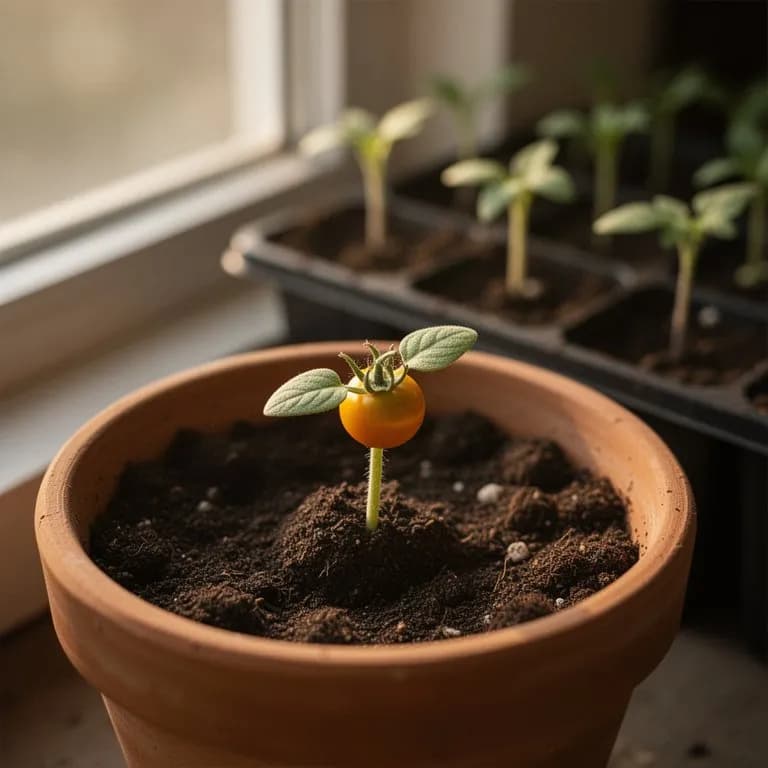
Sun Gold Samen keimen schnell und gleichmäßig, typischerweise innerhalb von 5–10 Tagen bei ausreichender Wärme. Als F1-Hybride sind die Keimraten ausgezeichnet – oft über 90 %. Die ersten runden Keimblätter erscheinen und der winzige Sämling beginnt sein Wurzelsystem aufzubauen.
Sämlingsentwicklung
Echte Blätter erscheinen mit dem typischen gezahnten Tomatenlaub. Sun Gold Sämlinge sind bemerkenswert kräftig und wachsen in diesem Stadium schneller als viele andere Sorten. Stängel verdicken sich und entwickeln feine flaumige Haare. Das Wurzelsystem dehnt sich schnell aus und profitiert vom Umtopfen in größere Gefäße.
Umpflanzen und vegetatives Wachstum
Nach dem Abhärten und Umpflanzen ins Freie beginnt Sun Gold explosives vegetatives Wachstum. Die indeterminante Rebe streckt sich schnell und bildet dichtes Laub und lange Seitentriebe. Geiztriebe erscheinen aggressiv an jeder Blattachsel. Ohne Pflege wird die Pflanze schnell zu einem wuchernden Dschungel.
Blüte
Lange Blütentrauben erscheinen mit jeweils 15–20 kleinen gelben Blüten. Sun Gold blüht üppig und setzt sehr zuverlässig Früchte an – fast jede Blüte entwickelt sich zu einer Tomate. Mehrere Trauben bilden sich gleichzeitig entlang der Rebe und versprechen reiche Ernten.
Fruchtentwicklung
Kleine grüne Früchte entwickeln sich in dichten Trauben entlang jeder Rispe. Die Kirschtomaten wachsen auf 2–3 cm Durchmesser und beginnen den Übergang von Grün zu einem blassen Gelb, dann zu ihrem charakteristischen tiefen Mandarinorange. Früchte an jeder Traube reifen in einer gestaffelten Kaskade, beginnend am Stielansatz.
Haupternte
Sun Gold tritt in eine außerordentlich lange und ertragreiche Ernteperiode ein. Die Rebe blüht gleichzeitig, entwickelt grüne Früchte und reift reife Trauben über 8–12 Wochen ununterbrochen. Eine einzelne gut gepflegte Pflanze kann 300–500 Cherrytomaten pro Saison produzieren. Reife Früchte entwickeln ihren charakteristischen Mandarinenglanz und fallen bei der leichtesten Berührung von der Rebe.
Säen Sie die Samen 6–8 Wochen vor Ihrem letzten Frosttermin drinnen aus. Halten Sie die Bodentemperatur mit einer Heizmatte bei 21–27 °C für schnelle, gleichmäßige Keimung. Säen Sie die Samen 6 mm tief in feuchte Aussaaterde und halten Sie die Luftfeuchtigkeit mit einer durchsichtigen Abdeckung hoch.
Sun Gold Tomate Monat für Monat pflegen
Was du jeden Monat für deine Sun Gold Tomate tun solltest
Oktober
Aktueller MonatLetzte Ernten in den Zonen 5–7 vor dem Frost. Alle verbleibenden Früchte pflücken – grüne Sun Gold Tomaten reifen gut auf einer sonnigen Fensterbank nach. In den Zonen 8–10 kann die Produktion bis weit in den Monat hinein andauern. Abgeerntete Reben entfernen und gesundes Material kompostieren.
Immer wissen, was jetzt im Garten zu tun ist
Eine E-Mail zum Monatsanfang: was du jetzt säen, pflanzen und anpacken solltest — für deine Sun Gold Tomate und alles, was drumherum wächst. Dazu ein kurzer Startkurs, der dich vor den klassischen Fehlern bewahrt.
- Was jetzt zu tun ist
- Passend zu deiner Saison
- Startkurs inklusive
Sun Gold Tomate ernten
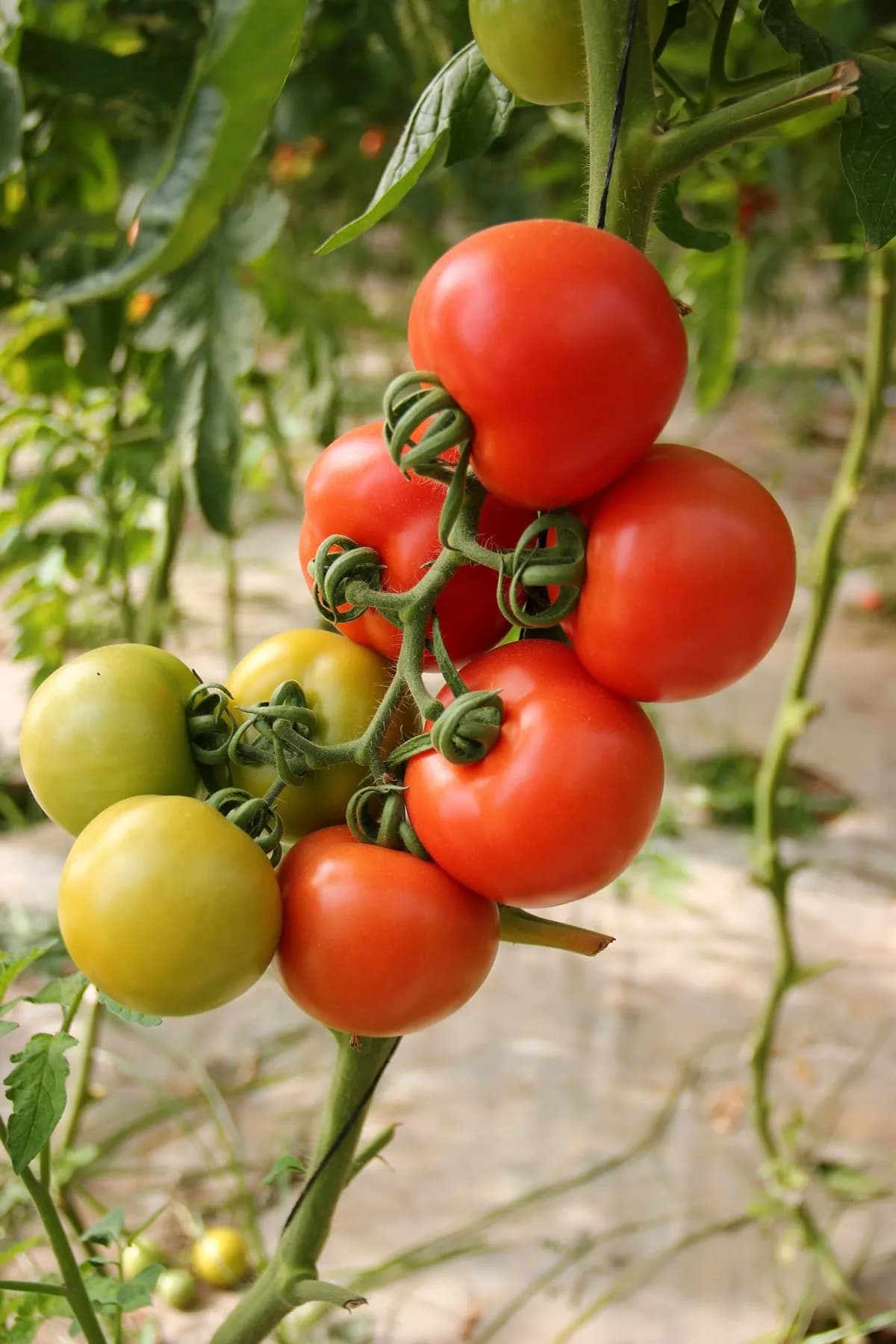
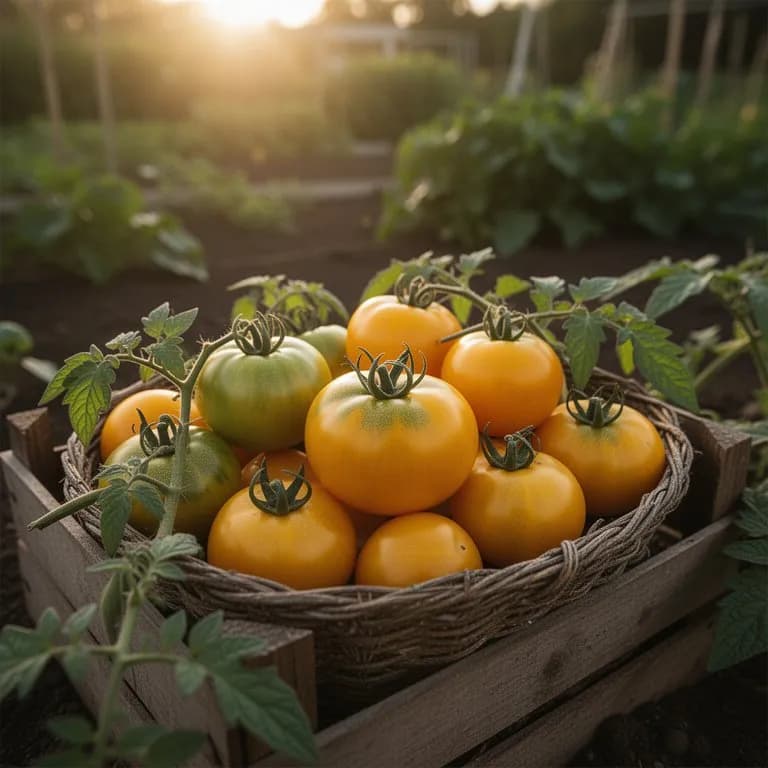
Ernten Sie Sun Gold Tomaten, wenn sie eine tiefe, gleichmäßige orange Farbe erreicht haben und sich bei sanftem Drücken leicht weich anfühlen. Reife Früchte lösen sich leicht mit einer sanften Drehung oder einem leichten Zug von der Rebe. Ernten Sie während der Hauptproduktion alle ein bis zwei Tage, da reife Früchte nach Regen oder Bewässerung schnell aufplatzen. Warten Sie nicht, bis alle Früchte einer Traube gleichzeitig reif sind. Sun Gold ist berüchtigt für das Aufplatzen, daher pflücken Sie die Früchte genau dann, wenn sie die volle Farbe erreichen, besonders vor angekündigtem Regen. Erwarten Sie Hunderte von Früchten pro Pflanze über die Saison.
angenommen, du pflanzt zu Beginn des Zeitraums — trage dein tatsächliches Datum ein
Ernte Sun Gold Tomate zügig, dann trägt die Pflanze weiter.
Lagerung & Konservierung
Sun Gold Tomaten schmecken am besten frisch und bei Zimmertemperatur für maximalen Geschmack. Auf der Arbeitsplatte außerhalb direkter Sonneneinstrahlung bis zu fünf Tage lagern. Nicht kühlen, es sei denn nötig, da niedrige Temperaturen die außergewöhnliche Süße vermindern. Überreife oder aufgeplatzte Früchte können bei niedriger Temperatur mehrere Stunden geröstet werden, um den Geschmack zu intensivem Tomatenbonbon zu konzentrieren. Sun Gold ergibt hervorragende Tomatenmarmelade und kann zu süßen Tomatenchips getrocknet werden. Halbieren und auf einem Backblech einfrieren für die Verwendung in Wintersaucen und Suppen.
Was schiefgeht — und die Lösung
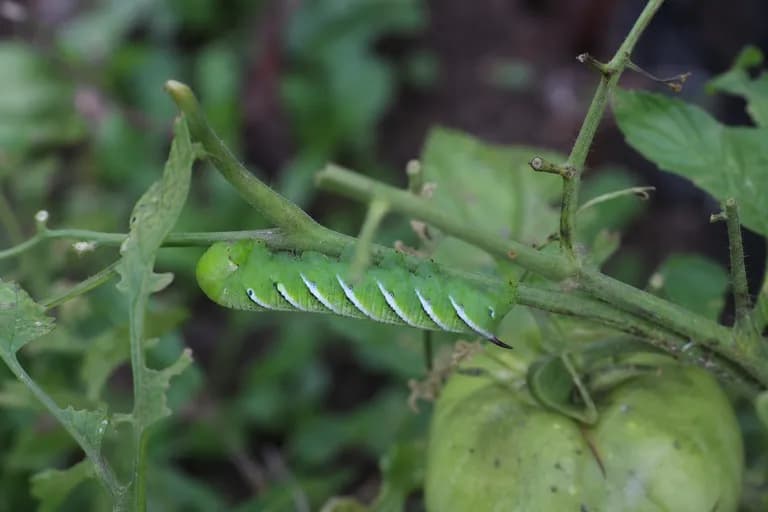
Tomatenhornwurm
SchädlingGroße grüne Raupen mit weißen diagonalen Streifen, die an Blättern und gelegentlich an Früchten fressen. Schnelles Entlauben von Zweigen.
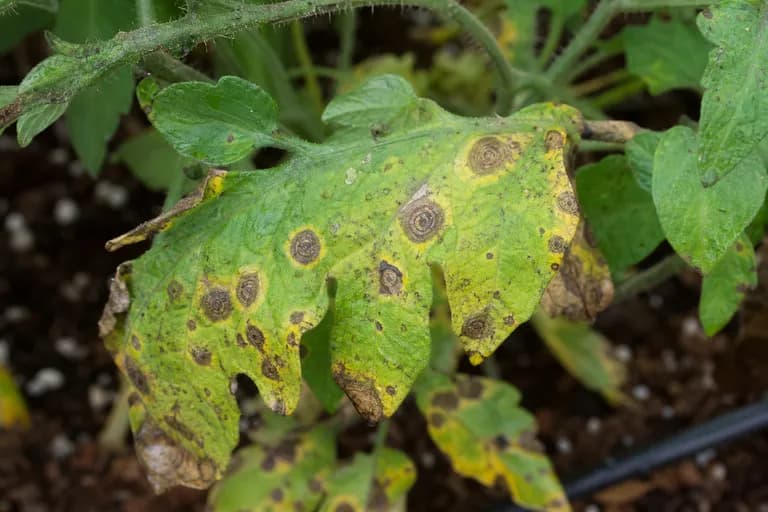
Dürrfleckenkrankheit
KrankheitDunkle konzentrische Ringflecken auf den unteren Blättern, die nach oben fortschreiten. Blätter vergilben und fallen vorzeitig ab, was die Pflanzenvitalität reduziert und die Früchte dem Sonnenbrand aussetzt.
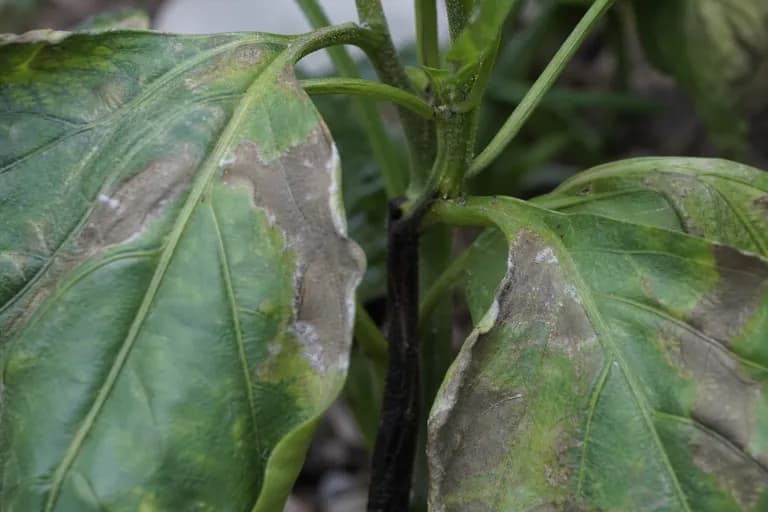
Kraut- und Knollenfäule
KrankheitWässrige dunkle Flecken auf Blättern und Stängeln, die sich bei kühlem, nassem Wetter schnell ausbreiten. Weißer, flaumiger Belag auf den Unterseiten. Kann ganze Pflanzen innerhalb von Tagen zerstören.
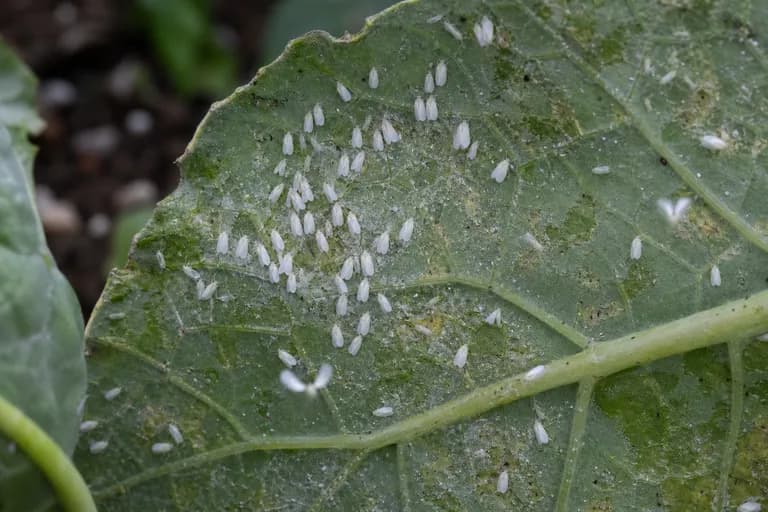
Weiße Fliegen
SchädlingWinzige weiße fliegende Insekten, die aufschrecken, wenn das Laub berührt wird. Vergilbende Blätter, klebriger Honigtau und Rußtau auf den unteren Blättern.
Fehlerbehebung bei häufigen Problemen
Das Aufplatzen der Früchte ist die größte Herausforderung bei Sun Gold Tomaten, da die dünne Haut nach starkem Regen oder ungleichmäßiger Bewässerung leicht aufreißt. Gleichmäßige Bodenfeuchtigkeit durch regelmäßiges Gießen und starkes Mulchen aufrechterhalten. Die extrem wüchsigen Reben können Stützen schnell überwachsen und ohne regelmäßigen Schnitt unkontrollierbar werden. Als Hybride produzieren aufbewahrte Samen keine sortenechten Pflanzen. Die Krankheitsresistenz ist mäßig, daher erfordern Pilzkrankheiten in feuchten Klimazonen proaktives Management. Vögel und Wildtiere werden von den leuchtend orangefarbenen Früchten angezogen.
Anbautipps
- Sun Gold ist keine optionale Stab-Tomate – sie ist eine Pflicht-Stab-Tomate. Dies ist eine der wüchsigsten indeterminanten Sorten, die Sie anbauen können. Installieren Sie mindestens einen 180 cm hohen Stab, einen schweren Käfig oder ein hohes Schnurspalier zum Pflanzzeitpunkt. Alles Kürzere wird bis Hochsommer überwältigt.
- Geiztriebe aggressiv managen oder den Dschungel akzeptieren. Sun Gold produziert mit außerordentlicher Geschwindigkeit Geiztriebe an jeder Blattachsel. Für frühere Früchte und einfacheres Management auf 1–2 Hauptleittriebe erziehen und alle anderen Geiztriebe wöchentlich entfernen. Für maximalen Gesamtertrag 3–4 Leittriebe zulassen, aber eine sehr robuste Stützstruktur bereitstellen.
- Reife Früchte während der Hauptsaison jeden einzelnen Tag ernten. Sun Golds dünne Haut platzt nach Regen oder ungleichmäßiger Bewässerung leicht auf, und reife Früchte, die an der Rebe bleiben, ziehen Vögel, Wespen und andere Schädlinge an. Die Frucht ist geschmacklich am besten genau in dem Moment, wenn sie vollständig orange wird und leicht nachgibt.
- Tief und gleichmäßig gießen – Sun Golds dünnhäutige Früchte sind besonders anfällig für Risse nach plötzlicher Bewässerung nach einer Trockenperiode. Tropfbewässerung mit Zeitschaltuhr ist ideal. Großzügig mulchen, um gleichmäßige Bodenfeuchtigkeit zu erhalten.
- Rechnen Sie mit Selbstaussaat. Sun Gold lässt reife Früchte reichlich fallen, und diese heruntergefallenen Tomaten können milde Winter überleben und im folgenden Frühling freiwillig aufgehende Pflanzen produzieren. Obwohl diese Freiwilligen keine echten Sun Gold sein werden (F1-Hybride), stellen viele Gärtner fest, dass sie interessante und manchmal überraschend schmackhafte Nachkommen hervorbringen.
- Pflanzen Sie Sun Gold dort, wo Sie beim Gärtnern naschen können. Das ist kein Scherz – der größte Vorteil beim Anbau von Sun Gold ist, sie warm von der Rebe zu essen. Positionieren Sie die Pflanzen entlang von Wegen, in der Nähe von Sitzbereichen oder am Garteneingang, wo das Greifen einer Handvoll mühelos ist.
- Untere Blätter bis zur ersten Fruchttraube nach dem Umpflanzen entfernen. Dies verbessert die Luftzirkulation an der Pflanzenbasis und reduziert das Risiko von bodenbürtigen Krankheiten wie Dürrfleckenkrankheit, die bei Regen oder Bewässerung auf das Laub spritzen.
- Regelmäßig düngen, aber nicht mit Stickstoff überdüngen. Überschüssiger Stickstoff produziert massives Laub auf Kosten der Fruchtsüße. Einen ausgewogenen Dünger beim Umpflanzen verwenden, dann auf eine kaliumreichere Formel (wie 4-8-12 oder Tomaten-Spezialdünger) umstellen, sobald die Blüte beginnt, um den Zuckergehalt zu maximieren.
Bau deine beste Sun Gold Tomate an — und alles drumherum.
Starte heute kostenlos. Lege deine Beete an, setze deine Sun Gold Tomate ein und lass PlotMyGarden Timing, Abstände, Begleiter und Erinnerungen von der Saat bis zum Erntekorb übernehmen.
Finde deine Sun Gold Tomate
Sun Gold F1
Die ursprüngliche Hybridsorte, die intensiv süße, leuchtend orangefarbene Cherrytomaten produziert. Weithin als der Goldstandard für süße Cherrytomaten angesehen.
Sun Sugar
Eine ähnliche Hybride mit vergleichbarer Süße und orangener Farbe, aber verbesserter Krankheitsresistenz und etwas geringerer Neigung zum Aufplatzen.
Sungold Select
Eine verbesserte Selektion mit gleichmäßigerer Fruchtgröße und etwas besserer Platzfestigkeit bei Beibehaltung des beliebten süßen Geschmacks.
Gold Nugget
Eine determinante Alternative mit kompakten Pflanzen und süßen golden-orangefarbenen Cherrytomaten. Besser geeignet für Kübel und kleine Flächen.
Eine einzelne Sun Gold Pflanze aus einer Gärtnerei kostet 3–6 €, oder Pfennige, wenn aus Samen gezogen, produziert aber 300–500 Cherrytomaten pro Saison. Premium-Bio-Cherrytomaten kosten 5–8 € pro Schale (etwa 25–30 Tomaten) auf Wochenmärkten und in Supermärkten. Der Anbau von nur 2–3 Sun Gold Pflanzen ersetzt leicht Cherrytomaten im Wert von 60–120 € pro Saison. Die Einsparungen sind besonders beeindruckend, weil Sun Golds außergewöhnliche Qualität mit den teuersten Spezial-Cherrytomaten auf dem Markt mithalten kann oder sie übertrifft.
Schnelle Rezepte
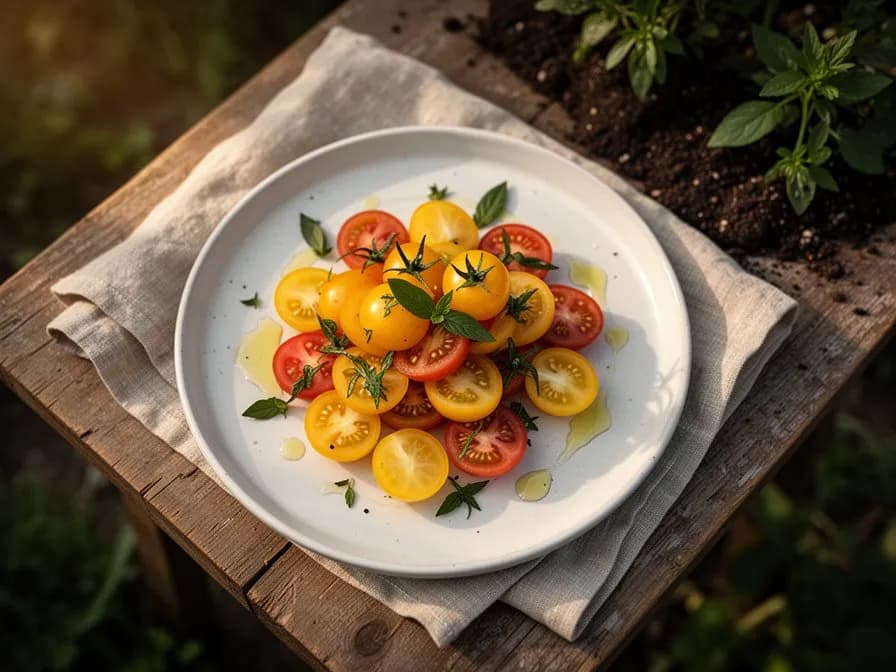
Geplatzte Sun Gold Pasta
20 Min.Ganze Sun Gold Tomaten in Olivenöl gebräunt, bis sie zu einer süßen, glänzenden Sauce aufplatzen – mit Spaghetti, Knoblauch und frischem Basilikum vermengt für ein Gericht, das den Hochsommer in einer Schüssel einfängt. Der hohe Zuckergehalt von Sun Gold karamellisiert wunderbar.
8 ZutatenSun Gold Gazpacho
15 Min. + 1 Stunde kühlenEine goldene Variante der klassischen kalten spanischen Suppe – Sun Golds intensive Süße erzeugt einen lebhaften, sonnigen Gazpacho, der an den heißesten Sommertagen erfrischt. Gekühlt servieren mit einem Schuss gutem Olivenöl und einigen ganzen Tomaten als Garnitur.
9 ZutatenGeröstete Sun Gold Bruschetta
25 Min.Langsam geröstet bis konzentriert und marmeladig, werden Sun Gold Tomaten zu intensiv süßen Häppchen, die auf knusprigem, mit Knoblauch eingeriebenen Toast gestapelt werden. Das Rösten intensiviert ihre ohnehin außergewöhnliche Süße auf fast bonbonartiges Niveau.
7 ZutatenKulinarische Verwendung
Sun Gold Tomaten sind unwiderstehlich, wenn man sie frisch direkt von der Rebe isst. Ihre intensive tropische Süße macht sie perfekt zum Naschen, für Salate und Getreideschalen. Langsam bei niedriger Temperatur rösten, um den Geschmack zu einer reichen, süßen Paste zu konzentrieren, perfekt für Crostini. Sie ergeben hervorragende Tomatenmarmelade und Chutney. Auf Spieße stecken zum Grillen oder in letzter Minute zu Pastagerichten hinzufügen. Sun Gold harmoniert wunderbar mit frischem Mozzarella, Basilikum und Balsamico-Essig in einem verfeinerten Caprese-Salat. Roh zu einem süßen Gazpacho pürieren.
Was drinsteckt
Gesundheitsvorteile
- Außergewöhnlich reich an Beta-Carotin, der Vorstufe von Vitamin A – Sun Golds tiefe orange Farbe weist auf deutlich höhere Konzentrationen als rote Cherrytomaten hin und unterstützt Augengesundheit, Immunfunktion und Hautintegrität.
- Enthält cis-Lycopin, eine Form des starken Antioxidans, die laut Forschung möglicherweise leichter vom Körper aufgenommen wird als das in roten Tomaten vorherrschende trans-Lycopin, was potenziell verbesserte kardiovaskuläre und krebsschützende Vorteile bietet.
- Liefert 23 % des Tageswerts an Vitamin C pro 100 g Portion und unterstützt die Kollagenproduktion, Wundheilung und Immunabwehr, während es als starker Radikalfänger wirkt.
- Die natürliche Süße (8–10 Brix) macht Sun Gold zu einer effektiven Strategie zur Steigerung des Gemüsekonsums bei Kindern und wählerischen Essern – viele Kinder, die andere Tomaten ablehnen, naschen Sun Gold bereitwillig wie Bonbons.
- Gute Kaliumquelle (237 mg pro 100 g), die den Blutdruck reguliert, die richtige Muskel- und Nervenfunktion unterstützt und den Auswirkungen von übermäßigem Natrium in der Ernährung entgegenwirkt.
- Enthält Lutein und Zeaxanthin, Carotinoid-Pigmente, die sich in der Netzhaut konzentrieren und vor altersbedingter Makuladegeneration und Grauem Star schützen – orangefarbene Tomaten wie Sun Gold sind besonders reich an diesen Verbindungen.
Woher Sun Gold Tomate stammt
Sun Gold (auch Sungold geschrieben) ist eine F1-Hybrid-Cherrytomate, die von der Tokita Seed Company entwickelt wurde, einem japanischen Saatgutzuchtunternehmen mit Sitz in der Präfektur Saitama. Die Sorte wurde durch sorgfältige Kreuzungszüchtung in den späten 1980er und frühen 1990er Jahren im Rahmen von Tokitas Programm zur Entwicklung von Cherrytomaten mit außergewöhnlicher Süße und Krankheitsresistenz für Hobbygärtner und kommerzielle Gewächshausanbauer geschaffen. Sun Gold wurde um 1992 auf dem westlichen Markt eingeführt und erlangte schnell Anerkennung für ihren außergewöhnlichen Geschmack.
Der Aufstieg der Sorte zum Ruhm wurde durch ihre dominante Leistung bei Tomaten-Geschmackstests in den 1990er und 2000er Jahren vorangetrieben. Von lokalen Gartenvereins-Wettbewerben bis hin zu großen Veranstaltungen belegte Sun Gold konstant die Spitzenplätze – oft mit großem Abstand. Ihre Kombination aus intensiver Süße (8–10 Brix), ausgewogener Säure und einem komplexen tropischen Geschmacksprofil mit Noten von Passionsfrucht und Zitrus hob sie von jeder anderen Cherrytomate auf dem Markt ab. Bis Anfang der 2000er Jahre war Sun Gold die am meisten empfohlene Cherrytomatensorte von Gartenexperten, Saatgutkatalogen und Köchen gleichermaßen.
Als F1-Hybride ist Sun Golds genaue Elternlinie ein Betriebsgeheimnis von Tokita Seed. Dies hat die Bewegung für offen abblühendes Saatgut frustriert, und zahlreiche Züchter haben versucht, stabile Erbsorten-Alternativen zu schaffen – Sorten wie Sun Sugar, Isis Candy und Gold Nugget wurden als Antworten auf Sun Gold entwickelt, doch keine hat ihren unverwechselbaren Geschmack vollständig erreicht. Sun Gold bleibt die meistverkaufte Cherrytomatensorte weltweit und wird von vielen Anbauern, Köchen und Gastrokritikern als die beste kleine Tomate angesehen, die jemals gezüchtet wurde. Heute wird sie auf jedem Kontinent angebaut, auf dem Tomaten kultiviert werden, von Hausgärten bis hin zu kommerziellen Gewächshausbetrieben in den Niederlanden, Japan und Nordamerika.
Sun Gold Tomate: Schon gewusst?
Faszinierende Fakten über Sun Gold Tomate
Sun Gold wird weithin als die süßeste jemals entwickelte Cherrytomate angesehen und misst konstant 8–10 auf der Brix-Zuckerskala – fast doppelt so viel Zucker wie eine Standardtomate und nahe an der Süße einiger Früchte wie Erdbeeren.
Sun Gold Tomate: Fragen & Antworten
Wann sollte ich Sun Gold Tomate pflanzen?
Was sind gute Begleitpflanzen für Sun Gold Tomate?
In welchen Winterhärtezonen kann Sun Gold Tomate wachsen?
Wie viel Sonne braucht Sun Gold Tomate?
Welchen Abstand sollte ich zwischen Sun Gold Tomate lassen?
Welche Schädlinge und Krankheiten befallen Sun Gold Tomate?
Wie lagere ich Sun Gold Tomate nach der Ernte?
Was sind die besten Sun Gold Tomate-Sorten zum Anbauen?
Welchen Boden braucht Sun Gold Tomate?
Kann ich Samen von Sun Gold Tomaten aufbewahren?
Warum platzen und reißen meine Sun Gold Tomaten auf?
Wie kontrolliere ich Sun Golds aggressives Wachstum?
Gibt es eine Erbsorten- oder offen abblühende Alternative zu Sun Gold?
Warum schmecken meine Sun Gold Tomaten weniger süß als erwartet?
Wie viele Sun Gold Pflanzen sollte ich für eine Familie anbauen?
Du hast die Theorie gelesen. Jetzt baue sie auf Autopilot an.
Alles, was Sun Gold Tomate knifflig macht — das Timing, die Abstände, die Begleiter, das Erntefenster — genau das übernimmt PlotMyGarden für dich, für jede Pflanze im Garten.
Ein Plan, der dein Wetter kennt
Standort einmal festlegen. Aussaat-, Dünge- und Erntedaten rund um deinen echten letzten Frosttermin und die Live-Vorhersage — kein Raten mehr nach Saattüte.
Aus dem Abschnitt „Pflanzzeit“Beetplaner per Drag & Drop
Beete auf einem Raster gestalten. Jede Pflanze rastet im richtigen Abstand ein, und du siehst die ganze Saison, bevor du einen Cent für Saatgut ausgibst.
Aus dem Abschnitt „Anbau“Begleiter-Konflikte früh erkannt
Über 200 gute und schlechte Kombinationen werden beim Pflanzen live geprüft — so landet ein saisonruinierender Fehler nie in der Erde.
Aus dem Abschnitt „Begleiter“Erinnerungen, nach denen du wirklich handelst
„Gieß die Bohnen.“ „Heute ernten, bevor's umschlägt.“ Pünktlich, konkret und auf deine echten Pflanzen bezogen.
Aus dem Abschnitt „Ernte“Staffel-Aussaat, geplant
Sechs Wochen ernten statt sechs Tage? Die App verteilt deine Aussaaten automatisch und erinnert dich, wenn der nächste Satz fällig ist.
Aus dem Abschnitt „Pflanzzeit“Ein Verlauf, der schlauer wird
Jede protokollierte Ernte bringt der App deinen Garten bei. Der Plan fürs nächste Jahr startet bei dem, was in deinem Boden wirklich funktioniert hat.
Aus dem Abschnitt „Überblick“Pflanze diese neben Sun Gold Tomate
Weitere Nachtschattengewächse
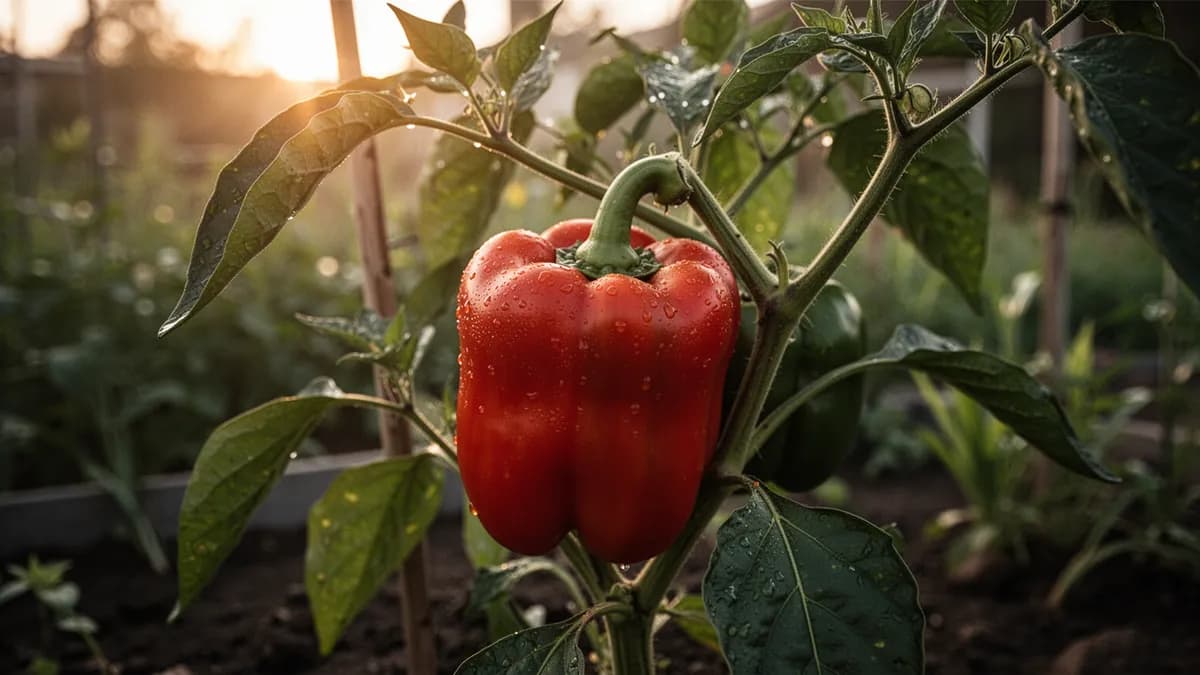
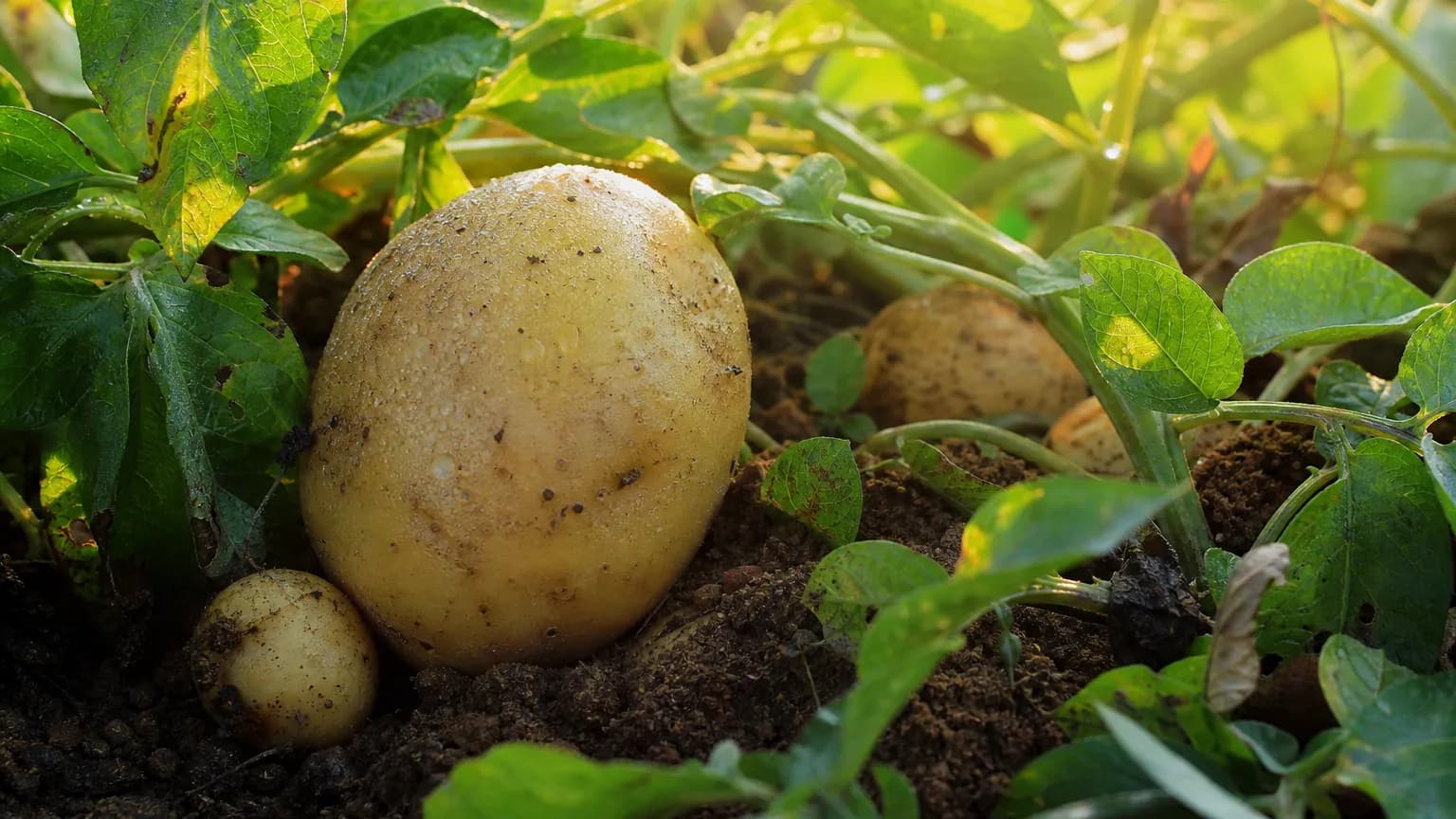
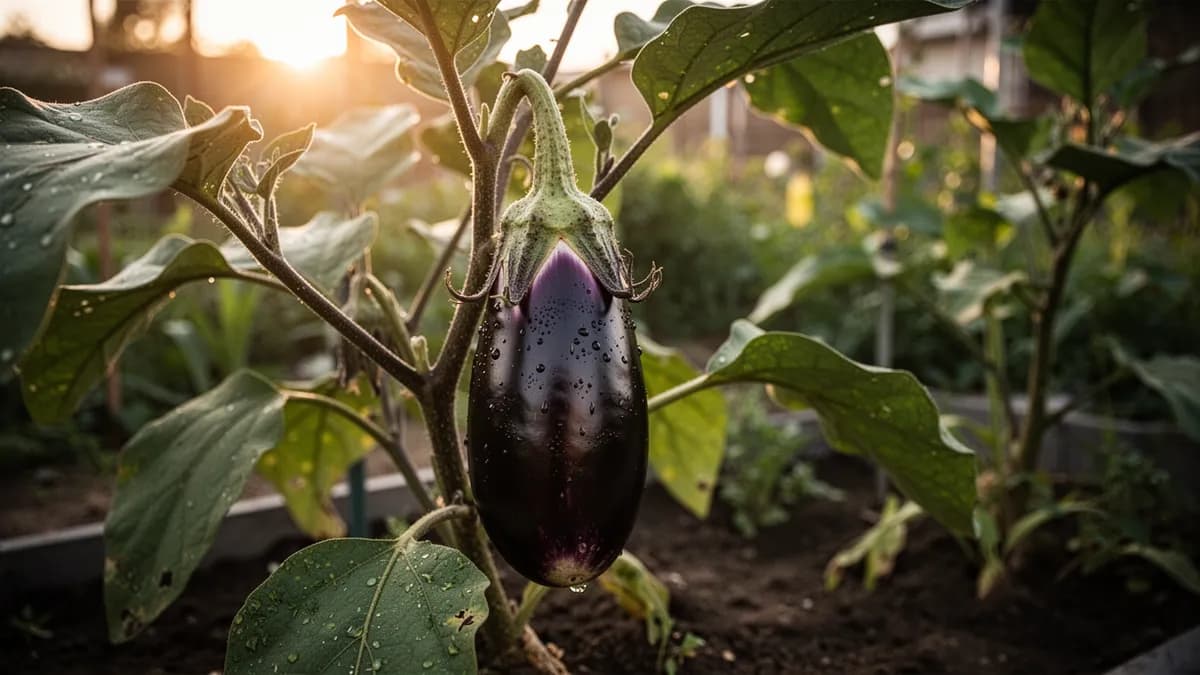
Halte Sun Gold Tomate von diesen fern
Bau deine beste Sun Gold Tomate an — und alles drumherum.
Starte heute kostenlos. Lege deine Beete an, setze deine Sun Gold Tomate ein und lass PlotMyGarden Timing, Abstände, Begleiter und Erinnerungen von der Saat bis zum Erntekorb übernehmen.