Oxheart Tomato
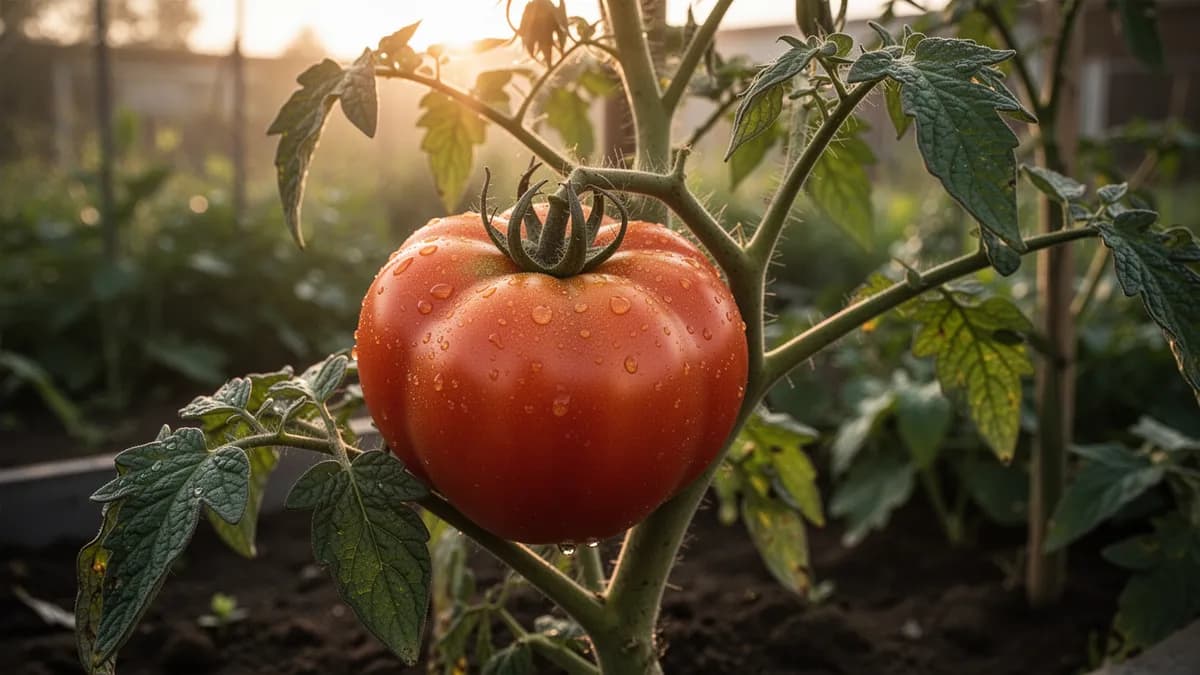
A large, heart-shaped heirloom tomato with dense, meaty flesh and very few seed cavities.





On this pageOverview
Meet Oxheart Tomato
A large, heart-shaped heirloom tomato with dense, meaty flesh and very few seed cavities. Fruits can weigh up to a pound and are excellent for slicing and making thick tomato sauces. Plants are indeterminate and need strong staking or caging due to the heavy fruit load. Provide consistent deep watering to prevent cracking as these large fruits develop.
When to plant Oxheart Tomato
Start oxheart tomato seeds indoors 6-8 weeks before the last frost. Plant one-quarter inch deep at 75-85°F for germination in 7-14 days. Provide strong light for 14-16 hours daily. Pot up to larger containers when true leaves develop, burying stems deeply each time. Harden off for 10-14 days before transplanting when nighttime temperatures stay above 50°F. Plant deeply in the garden. As open-pollinated heirlooms, oxheart tomatoes produce true-to-type seeds that can be saved for future seasons.
Your Oxheart Tomato Year
Composed for Zone 7 · typical seasons · frost passes Apr 2, returns Nov 1
Plant Oxheart Tomato Feb – May, pick Jul – Sep. Check the planting methods below and set your climate to personalize these windows.
How to grow Oxheart Tomato
Oxheart tomatoes produce large, heart-shaped fruits with dense, meaty flesh and very few seeds, making them prized for slicing and sauce-making. These indeterminate plants grow 5-7 feet tall and produce pointed, conical fruits weighing 1-2 pounds. Start seeds indoors 6-8 weeks before the last frost. Transplant after soil reaches 60°F.
Space plants 30-36 inches apart with strong staking as the heavy, uniquely shaped fruits need support. Prune to 2 main stems for largest fruits. Water consistently with 1-1.5 inches per week, as the dense flesh is particularly affected by inconsistent moisture. Mulch to maintain even soil conditions. The large, solid fruits take longer to ripen than hollow-cored tomatoes.
Oxheart tomatoes mature in 80-90 days and produce moderate yields of impressive fruits. The distinctive pointed heart shape and dense, almost paste-like interior make these tomatoes unique among beefsteak types. The low seed count and thick walls mean more usable flesh per fruit than comparably sized varieties. Flavor is typically sweet and mild with balanced acidity. The solid, heavy fruits resist cracking better than many large varieties due to their dense structure.
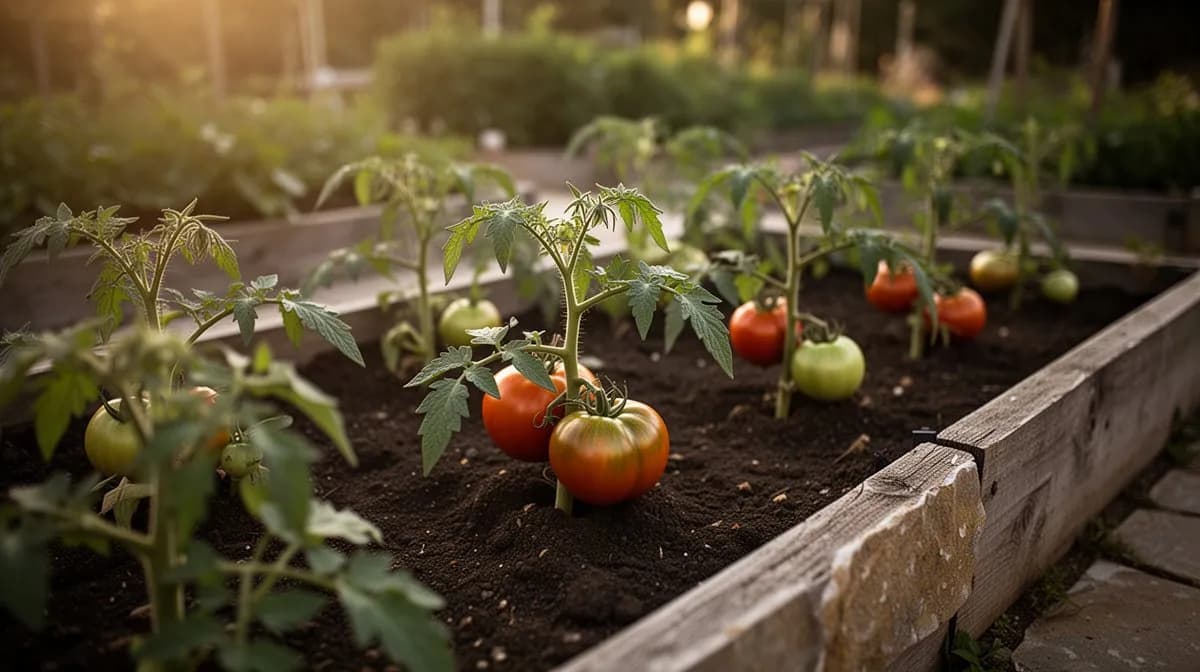
3 plants fit a 4 × 8 ft bed
Each Oxheart Tomato wants 70 cm of elbow room. The planner keeps that spacing for you — every plant, every bed.
Oxheart Tomato's best neighbours
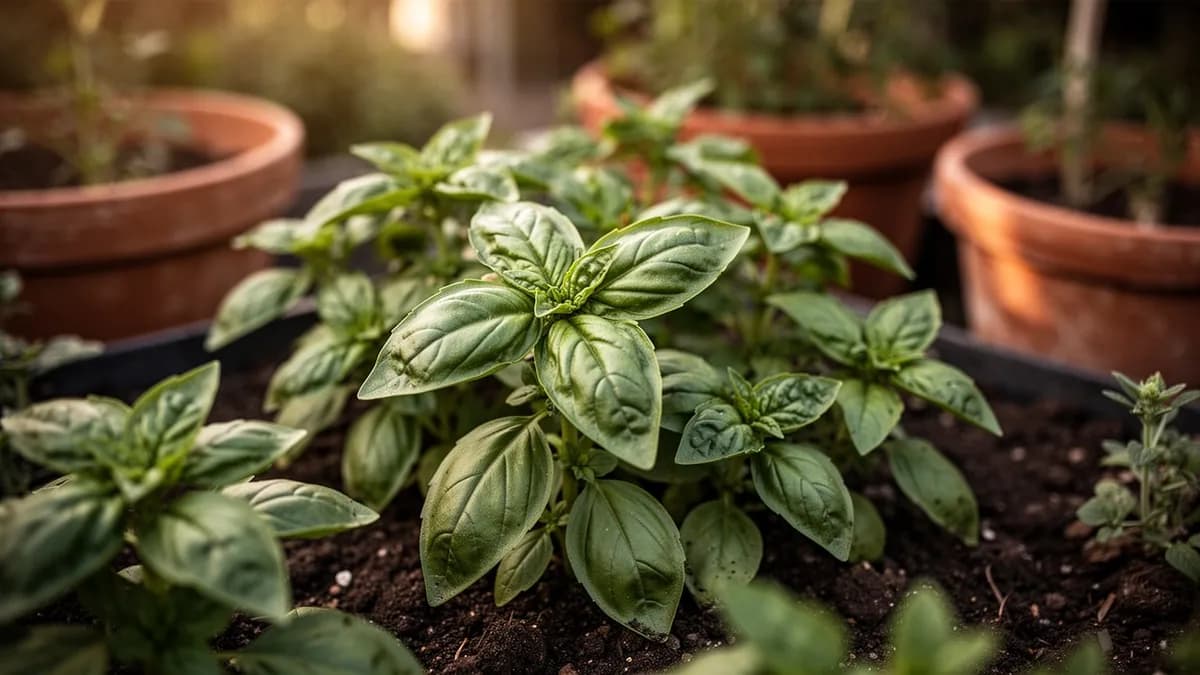
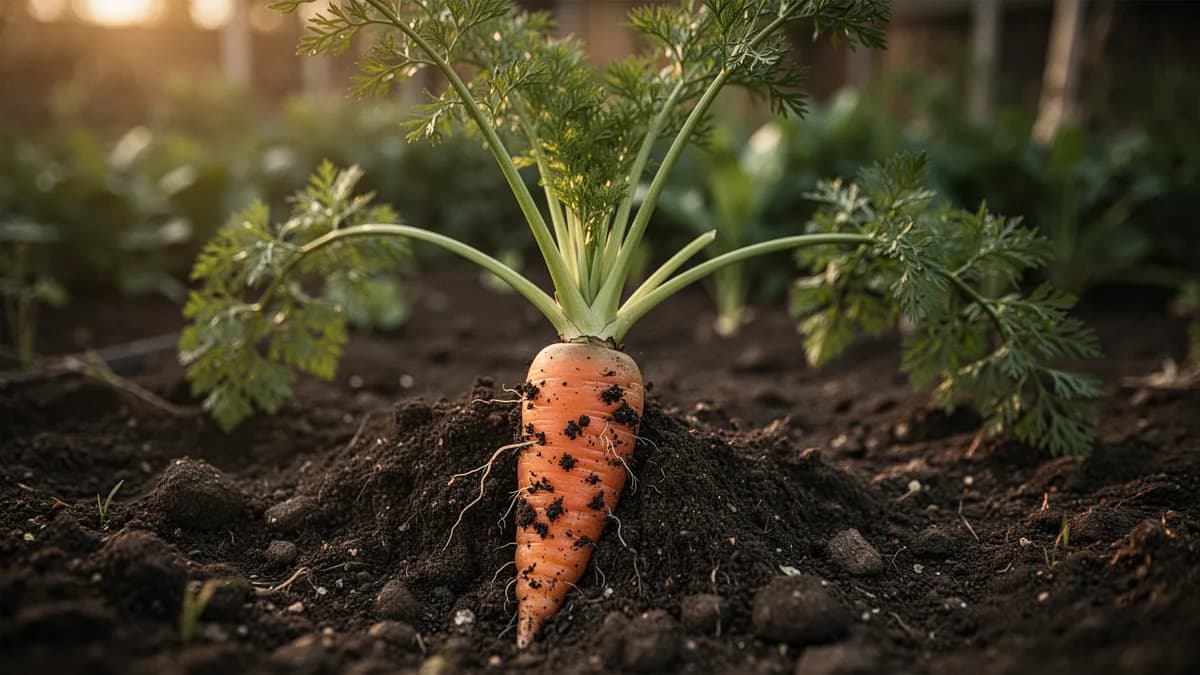
Oxheart tomatoes benefit from basil and marigold companions. Basil is said to improve tomato flavor while deterring pests. Marigolds combat nematodes and attract beneficial insects. Borage attracts pollinators and is traditionally planted with tomatoes. Carrots and lettuce work well as ground-level companions. Avoid planting near fennel, brassicas, and mature dill. The moderate-to-tall plant height requires positioning where it will not shade shorter neighbors excessively.
Basil belongs beside it. Cabbage doesn't.
Old growers' knowledge, checked against Oxheart Tomato's real companion table below — test any plant you're growing.
Try Oxheart Tomato in a bed — right here
A real planner bed with Oxheart Tomato already in it. Tap a companion to place it and watch the pairing checks answer — green for good neighbours, red for a clash.


Related growing guides

Feed it well
Oxheart tomatoes need rich, well-drained soil with a pH of 6.2-6.8 to support their dense, heavy fruit production. Work in generous compost before planting. Apply balanced fertilizer at transplanting and side-dress with compost every 3-4 weeks. Calcium supplementation is important as the pointed bottom is susceptible to blossom end rot. A phosphorus-rich fertilizer at flowering supports the dense fruit development. Avoid excessive nitrogen which promotes foliage over the concentrated fruit production oxhearts are known for.
Ideal Temperature
Hardiness Zone Compatibility
From seed to harvest, stage by stage
Seed Starting
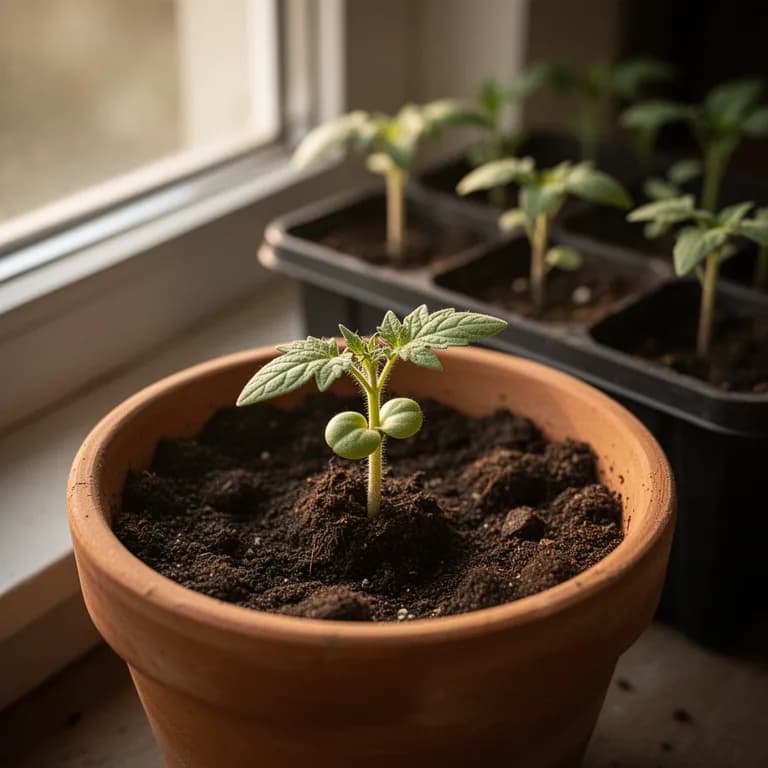
Seeds germinate in warm, moist conditions within 5-14 days. The tiny seedlings emerge with a pair of smooth, rounded cotyledon leaves. Oxheart varieties benefit from consistent bottom heat of 24-27°C (75-80°F) for reliable germination. Start seeds indoors 6-8 weeks before your last expected frost date.
Seedling Development
True leaves develop with the characteristic serrated tomato leaf shape and fuzzy texture. The stem thickens and the root system expands rapidly. Seedlings should be potted up to larger containers once they have 2-3 sets of true leaves to prevent root binding.
Vegetative Growth
After transplanting outdoors, oxheart tomatoes enter vigorous vegetative growth. As indeterminate plants, they grow continuously and can add 10-15 cm per week in warm conditions. Strong lateral branches develop and the plant quickly needs staking or caging for support.
Flowering and Fruit Set
Yellow flower clusters appear at stem nodes. Oxheart varieties produce moderately sized clusters of 3-5 flowers. Pollination occurs primarily through wind vibration and bee visits. Fruit set requires nighttime temperatures between 13-24°C (55-75°F) — temperatures outside this range cause blossom drop.
Fruit Development
Green fruits enlarge steadily over 4-6 weeks, developing the distinctive elongated heart shape with a pointed blossom end. Oxheart fruits are among the largest tomato types, often reaching 250-500g (9-18 oz) each. The dense, meaty interior develops with very few seed cavities.
Ripening and Harvest
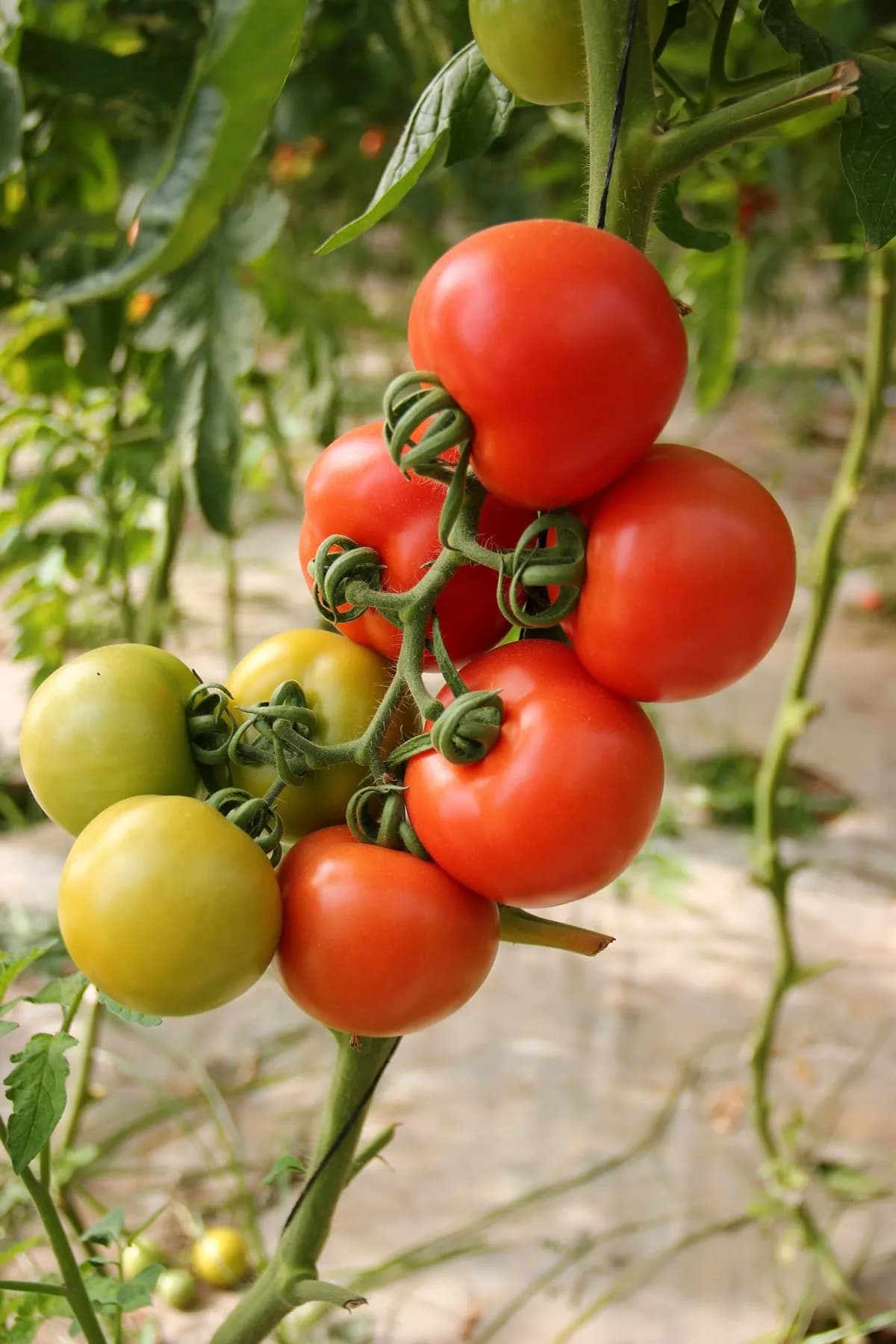
Fruits ripen from the blossom end upward, changing from green to a rich pink-red (variety dependent). Ripening takes 7-14 days per fruit once color change begins. Indeterminate oxheart vines continue producing new flowers and fruit until frost, so harvesting is ongoing rather than a single event.
Use a sterile seed-starting mix and keep it consistently moist but not waterlogged. A heat mat speeds germination dramatically. Provide bright light immediately once seedlings emerge to prevent leggy, weak stems.
Caring for Oxheart Tomato month by month
What to do each month for your Oxheart Tomato
October
You are hereHarvest remaining fruits before first frost. Pick mature green tomatoes and ripen indoors in a paper bag with a banana. Remove spent plants and compost only disease-free material. Note which varieties performed best for next year's planning.
Know exactly what to do in your garden — every month
One email at the start of each month: what to sow, plant, and tackle right now — for your Oxheart Tomato and everything growing around it. Plus a short starter course that helps you dodge the classic mistakes.
- What to do, right now
- Matched to your season
- Starter course included
Harvesting Oxheart Tomato
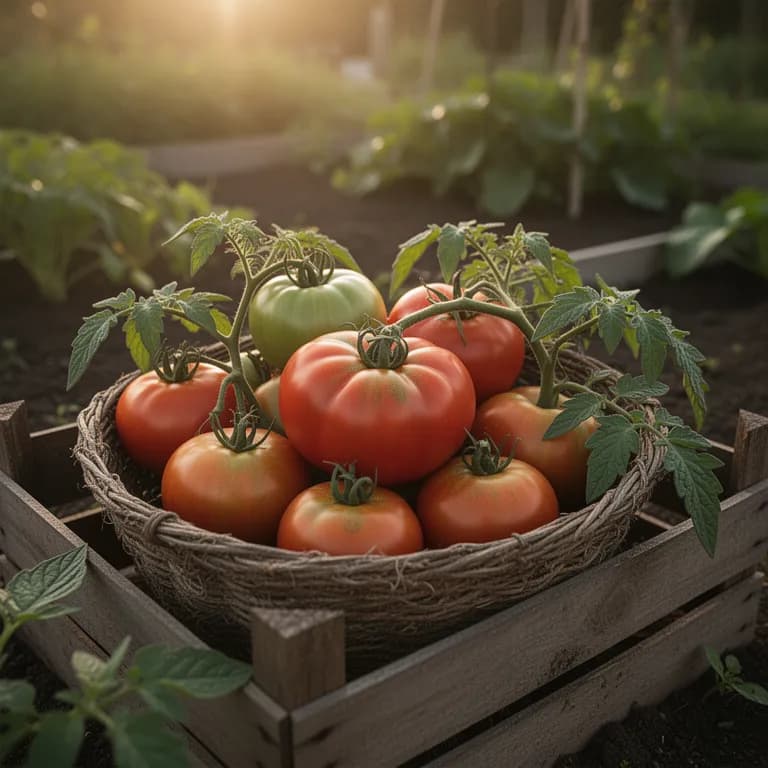
Harvest oxheart tomatoes when fruits are fully colored and give slightly to gentle pressure. The pointed bottom may color slightly differently than the shoulders. The dense, heavy fruits take longer to reach full ripeness than hollow-cored varieties. Pick with care as the weight can cause stem breakage. Use pruners to cut from the vine. Each plant produces 8-15 large, heart-shaped fruits over the season. For the largest specimens, limit fruit number by removing some flower clusters.
assuming you plant when the window opens — set your real date
Pick Oxheart Tomato promptly and the plant keeps producing.
Storage & Preservation
Fresh oxheart tomatoes keep at room temperature for 5-7 days. The dense, nearly seedless flesh is ideal for making thick, rich tomato sauce and paste with minimal reduction time. Slice and freeze on trays for winter sauce making. The solid flesh dehydrates beautifully into thick, chewy dried tomatoes. Can as sauce or crushed tomatoes using tested recipes. The low seed count and thick walls make oxhearts the most efficient tomatoes for paste making, yielding more concentrated product per pound than standard varieties.
What goes wrong — and the fix

Early Blight
DiseaseConcentric brown spots on lower leaves spreading progressively upward through the plant.

Tomato Hornworm
PestLarge green caterpillars consuming foliage rapidly with dark frass pellets visible.
Blossom End Rot
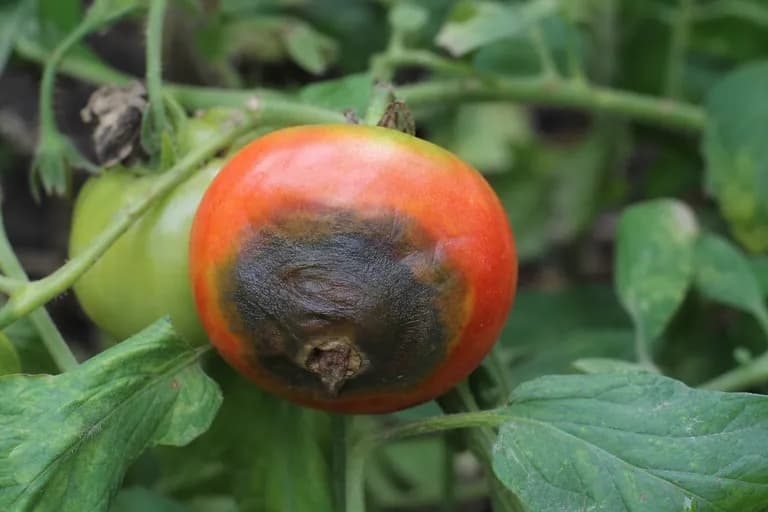
DiseaseDark, sunken patches on the pointed blossom end, particularly common on the first fruits.
Troubleshooting Common Problems
Blossom end rot at the pointed tip is the most common problem with oxheart tomatoes, exacerbated by their unique shape that concentrates water stress at the point. Consistent watering is critical. Long maturity times mean careful timing in short-season areas. The dense, heavy fruits may crack at the shoulders in heavy rain; maintain consistent moisture. Cat-facing is common and does not affect flavor. The unusual shape may confuse new growers regarding ripeness; use the squeeze test rather than relying on color alone.
Growing Tips
- Start seeds indoors 6-8 weeks before last frost without exception. Oxheart tomatoes need a long season to produce their large fruits — direct-sowing outdoors wastes precious weeks and results in far fewer ripe tomatoes before autumn frost arrives.
- Bury transplants deep — two-thirds of the stem should be underground. Tomatoes produce adventitious roots along buried stems, creating a massive root system that dramatically improves drought resistance and nutrient uptake for these heavy-feeding, large-fruited plants.
- Prune to 2-3 main stems for the largest individual fruits. Remove all suckers below the first flower cluster and selectively thin suckers above. Unpruned oxheart vines waste energy on excessive foliage and produce smaller, later-ripening fruits.
- Water deeply and consistently — 2.5-5 cm per week delivered at the base, never overhead. Inconsistent watering is the primary cause of blossom end rot and fruit cracking in large-fruited varieties like oxhearts. Drip irrigation or soaker hoses are ideal.
- Support is critical. Oxheart fruits are heavy and the indeterminate vines grow tall. Use sturdy 180 cm stakes, heavy-gauge wire cages, or a string trellis system. Flimsy tomato cages from garden centers will collapse under the weight of a loaded oxheart plant.
- Mulch heavily with 5-8 cm of straw, shredded leaves, or grass clippings once the soil has warmed above 18°C (65°F). Mulch regulates soil moisture, suppresses weeds, and prevents soil-borne disease spores from splashing onto lower leaves during rain.
- Feed every 2-3 weeks during fruit development with a low-nitrogen, high-potassium fertilizer (like 5-10-10 or tomato-specific blends). Excessive nitrogen produces lush foliage but delays fruiting and reduces fruit quality in oxheart varieties.
- Remove lower leaves up to 30 cm from the ground once plants are established. This improves air circulation, reduces humidity around the base, and prevents the most common fungal diseases (early blight, Septoria leaf spot) from gaining a foothold through soil splash.
Grow your best Oxheart Tomato yet — and everything around it.
Start a free plan today. Lay out your beds, drop in your Oxheart Tomato, and let PlotMyGarden handle the timing, spacing, companions and reminders from seed to harvest basket.
Pick your Oxheart Tomato
Hungarian Heart
Classic oxheart with large pink fruits up to 2 pounds. Sweet, mild flavor with exceptionally dense, smooth flesh.
Anna Russian
Pink oxheart with distinctively long, heart-shaped fruits. Early maturing for an oxheart type with excellent flavor.
Cuore di Bue
Italian oxheart with deep red flesh and rich, complex flavor. Traditional Italian variety for sauce and fresh eating.
Orange Russian 117
Striking orange-fleshed oxheart with sweet, fruity flavor. Beautiful bicolor flesh when sliced crosswise.
A single oxheart tomato plant costing $3-5 (or pennies from saved seed) can produce 4-7 kg of premium heirloom tomatoes over a season. Comparable heirloom oxheart tomatoes sell for $6-12 per pound at farmers markets and specialty grocers — when available at all. Growing just 4 plants can yield 16-28 kg of fruit, worth $200-600 at retail prices. The true savings are even greater when you consider that the dense, meaty flesh of oxheart tomatoes reduces to premium-quality pasta sauce at roughly twice the efficiency of standard varieties — a single plant can produce 15-20 jars of sauce that would cost $5-8 each at artisan shops.
Quick recipes
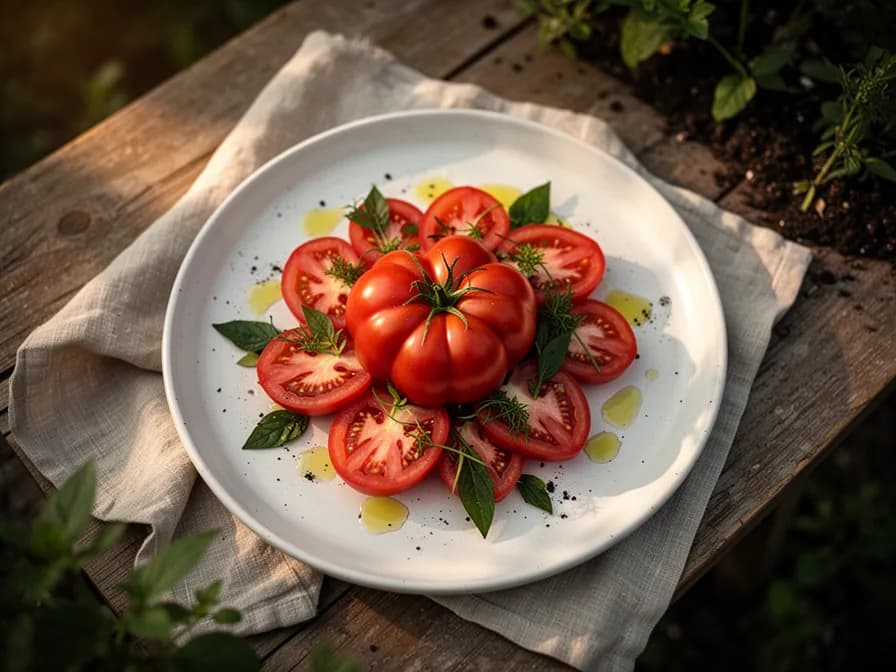
Classic Oxheart Caprese Salad
10 minThe dense, meaty flesh of oxheart tomatoes makes them the ultimate caprese variety — thick slices that hold their shape and deliver intense tomato flavor. This simple preparation lets the quality of your homegrown tomatoes shine.
6 ingredientsSlow-Roasted Oxheart Tomato Sauce
90 minOxheart tomatoes are a sauce maker's dream — their dense, nearly seedless flesh reduces into a thick, rich sauce with minimal cooking time and no need to strain out seeds or excess liquid. One batch freezes beautifully for winter pasta nights.
8 ingredientsStuffed Oxheart Tomatoes
45 minThe large cavity and sturdy walls of oxheart tomatoes make them perfect vessels for stuffing. Filled with herbed rice and baked until tender, these are a stunning side dish or vegetarian main course straight from the garden.
8 ingredientsCulinary Uses
Oxheart tomatoes are prized for their dense, almost paste-like flesh that makes exceptional thick sauces and paste. Slice into thick steaks for sandwiches and caprese where the minimal seed cavities mean pure, solid tomato on every bite. The sweet, mild flavor is universally appealing. Make into concentrated passata or sugo with minimal cooking time. Stuff the large cavities with rice, herb, and cheese mixtures for baked stuffed tomatoes. The dense flesh dices cleanly for bruschetta and salsas without excessive juice.
What's inside
Health Benefits
- Exceptionally rich in lycopene, the carotenoid pigment responsible for the red color — lycopene is one of the most studied dietary antioxidants, with research linking regular consumption to reduced risk of prostate cancer and cardiovascular disease. Cooking tomatoes in olive oil dramatically increases lycopene absorption.
- Good source of vitamin C (16% DV per 100g), essential for immune defense, collagen synthesis for healthy skin and joints, and enhanced iron absorption from plant-based foods.
- Contains significant beta-carotene (converted to vitamin A in the body), supporting eye health, immune function, and cellular repair — the deeper the red color, the higher the beta-carotene content.
- Provides potassium (7% DV per 100g), a critical mineral for maintaining healthy blood pressure, proper muscle and nerve function, and fluid balance throughout the body.
- Rich in the antioxidant compound alpha-tomatine, which has demonstrated anti-inflammatory and anti-cancer properties in laboratory studies — green and partially ripe tomatoes contain the highest concentrations.
- High water content (approximately 95%) combined with low calorie density (18 calories per 100g) makes tomatoes an excellent food for hydration and weight management while still delivering substantial micronutrient value.
Where Oxheart Tomato comes from
The oxheart tomato (Solanum lycopersicum) traces its ancestry to the wild tomatoes of western South America, where small, berry-sized fruits grew in the Andes mountains of modern-day Peru and Ecuador. Spanish conquistadors brought tomatoes to Europe in the early 1500s, where centuries of selective breeding in Mediterranean kitchen gardens gradually produced larger, more diverse fruit shapes. The distinctive heart-shaped form that defines oxheart tomatoes emerged primarily in Italy, where gardeners in the fertile regions of Emilia-Romagna, Campania, and Liguria selected for large fruits with dense, meaty flesh ideal for sauces, salads, and eating fresh with olive oil and salt.
The Italian 'Cuore di Bue' (Bull's Heart) became the archetypal oxheart variety by the mid-1800s and remains a cornerstone of Italian heirloom tomato culture. As Italian and Eastern European immigrants spread across the globe in the late 19th and early 20th centuries, they carried their prized oxheart seeds with them, establishing these varieties in gardens from Argentina to Australia to North America. In Russia and Eastern Europe, oxheart tomatoes took on particular importance during the Soviet era, when household garden plots (dachas) were essential for family food security. Gardeners in these regions developed extraordinary diversity — varieties like Anna Russian, Hungarian Heart, and Kosovo — each adapted to local growing conditions and preserved through decades of careful seed saving.
Today, oxheart tomatoes are experiencing a renaissance among home gardeners and small-scale farmers who value flavor over the shipping durability prized by industrial agriculture. Their thin skin and heavy fruit make them poor candidates for long-distance transport, which is precisely why the best oxheart tomatoes are found in backyard gardens rather than supermarket shelves. Modern seed companies now offer dozens of oxheart varieties ranging from classic pink-red to golden yellow, deep purple, and even green-striped forms, all sharing the characteristic heart shape and dense, meaty, nearly seedless flesh that has made this tomato type a gardener's treasure for nearly two centuries.
Oxheart Tomato: did you know?
Fascinating facts about Oxheart Tomato
Oxheart tomatoes get their name from their distinctive shape — a large, elongated heart form with a pointed blossom end that closely resembles an anatomical beef heart. Some individual fruits can weigh over 700g (1.5 lbs), rivaling beefsteak varieties in sheer size.
Oxheart Tomato questions, answered
When should I plant Oxheart Tomato?
What are good companion plants for Oxheart Tomato?
What hardiness zones can Oxheart Tomato grow in?
How much sun does Oxheart Tomato need?
How far apart should I space Oxheart Tomato?
What pests and diseases affect Oxheart Tomato?
How do I store Oxheart Tomato after harvest?
What are the best Oxheart Tomato varieties to grow?
What soil does Oxheart Tomato need?
Why are my oxheart tomatoes misshapen or have catfacing?
How do I prevent blossom end rot on my oxheart tomatoes?
Can I save seeds from my oxheart tomatoes?
Why are my oxheart tomato plants producing flowers but no fruit?
How do I know when oxheart tomatoes are ripe enough to pick?
Are oxheart tomatoes good for canning and making sauce?
You just read the theory. Now grow it on autopilot.
Everything that makes Oxheart Tomato fiddly — the timing, the spacing, the companions, the harvest window — is exactly what PlotMyGarden handles for you, for every plant in your garden.
A plan that knows your weather
Set your location once. Get sow, feed and harvest dates built around your real last-frost date and live forecast — no more guessing from a generic seed packet.
From the “When to plant” sectionDrag-and-drop bed planner
Design beds on a grid. Every plant snaps to its proper spacing, and you can see your whole season laid out before you spend a cent on seed.
From the “Growing guide” sectionCompanion conflicts, caught early
200+ good-and-bad pairings checked live as you plant — so a season-wrecking mistake never makes it into the ground.
From the “Companions” sectionReminders you'll actually act on
“Water the beans.” “Pick today before it turns.” Timely, specific, and tied to the plants you're really growing.
From the “Harvest” sectionSuccession, scheduled
Want a harvest for six weeks, not six days? It spaces your sowings automatically and reminds you when each new block is due.
From the “When to plant” sectionA record that gets smarter
Every harvest you log teaches it your garden. Next year's plan starts from what actually worked in your soil, not a textbook's.
From the “Overview” sectionPlant these alongside Oxheart Tomato
More Nightshades
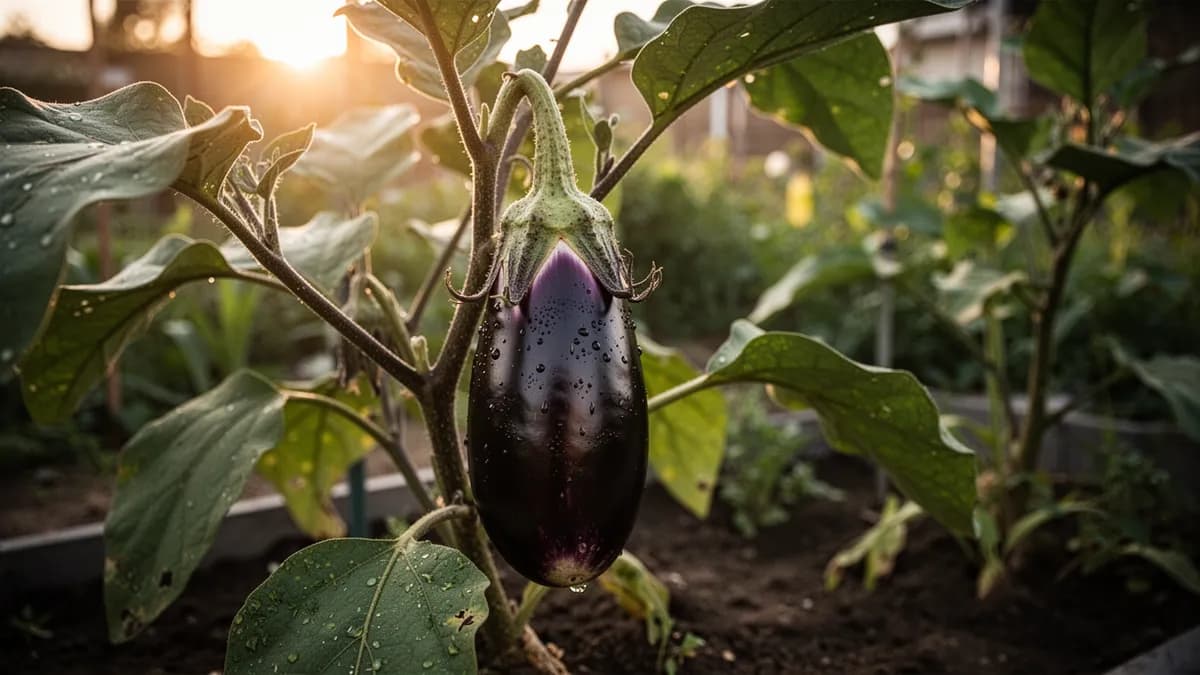
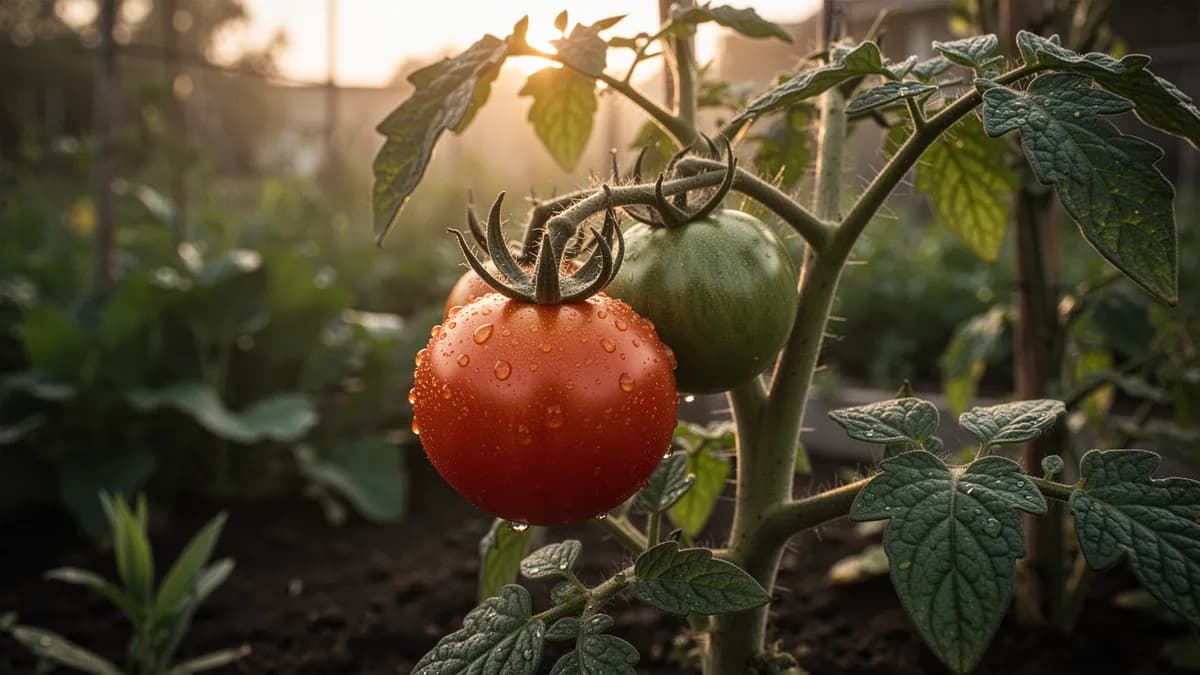
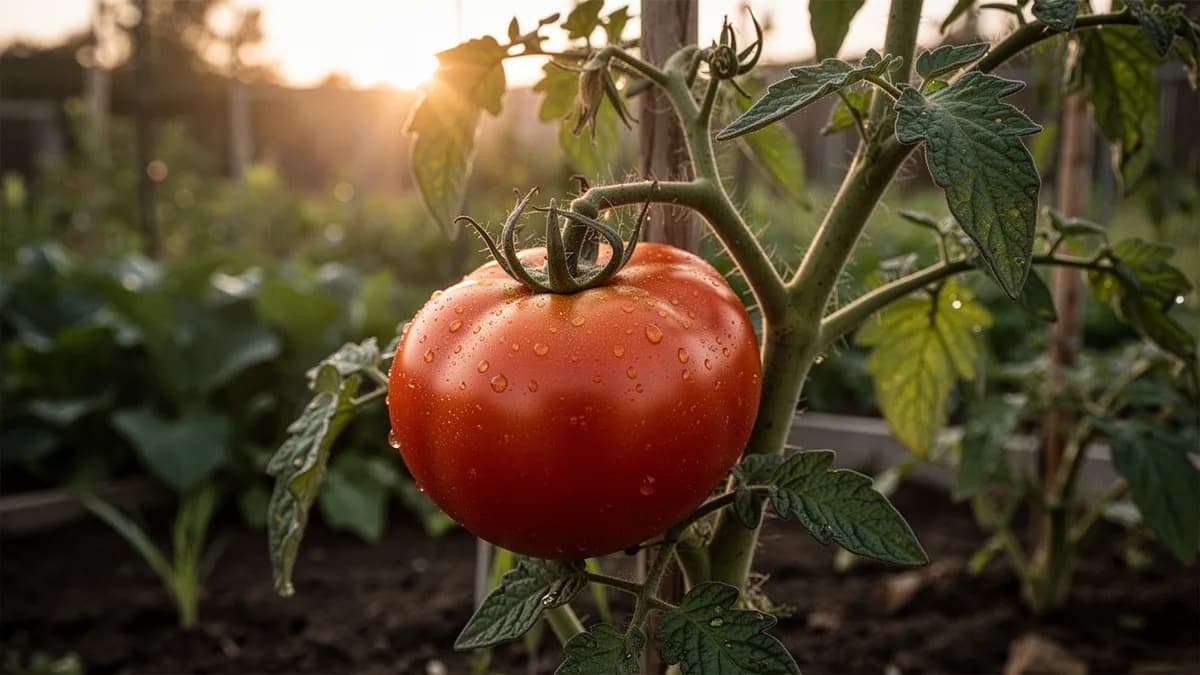
Keep Oxheart Tomato away from these
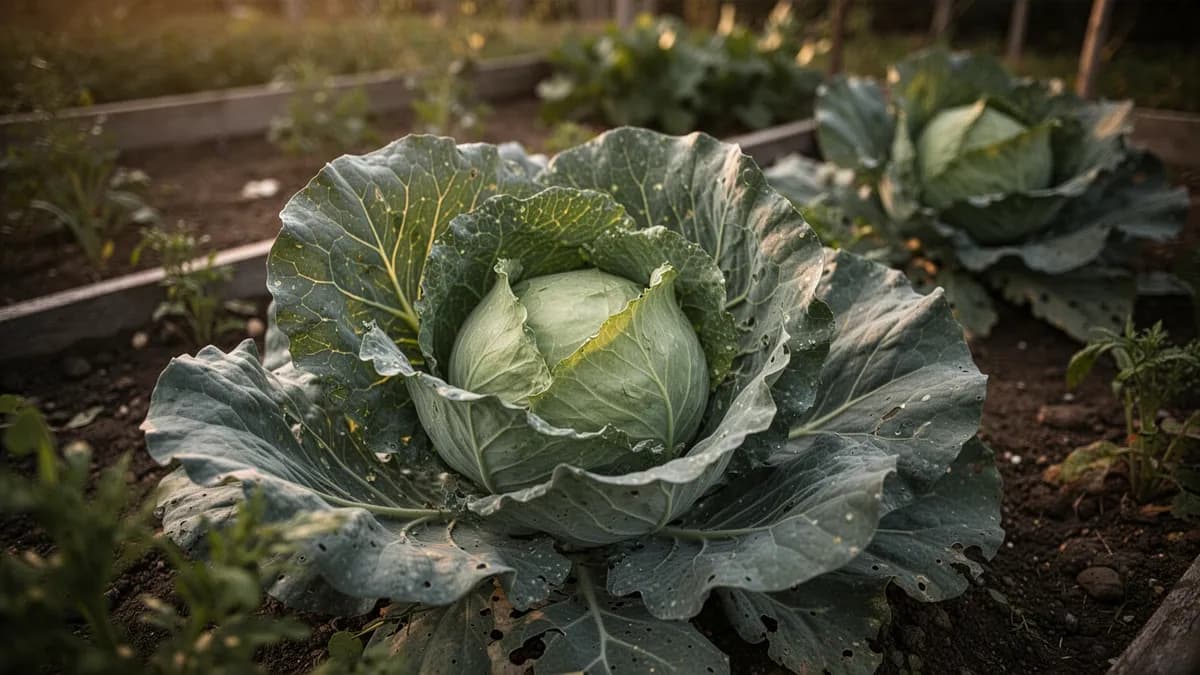
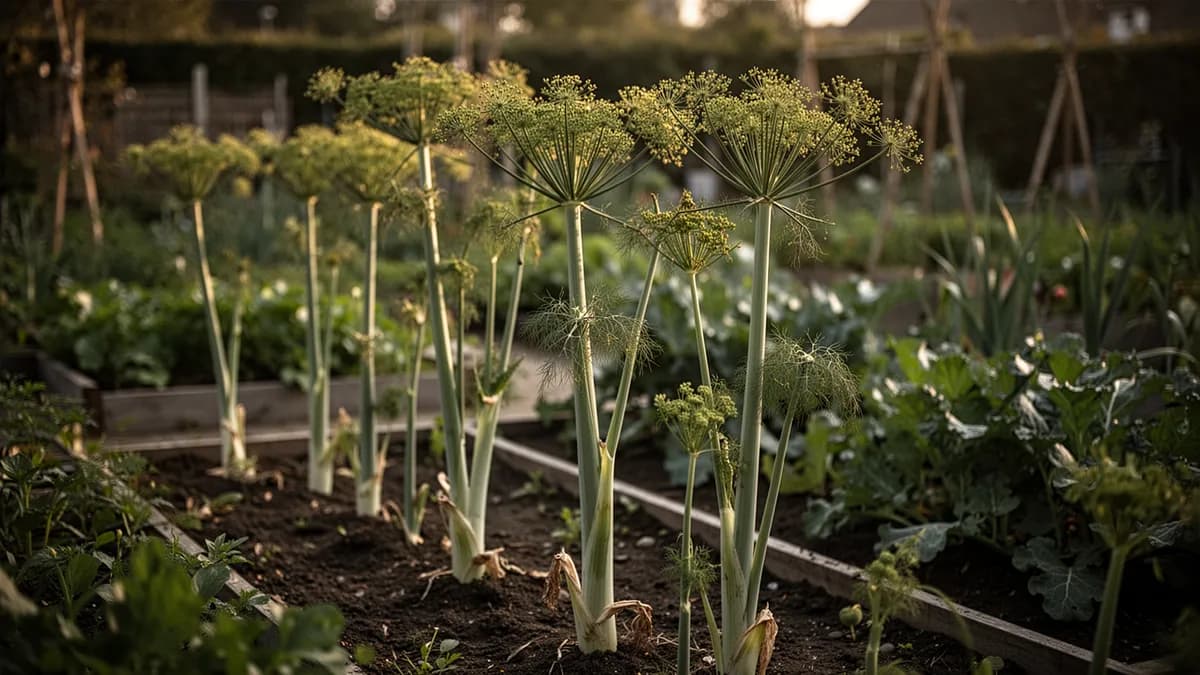
Garden plans featuring Oxheart Tomato
Grow your best Oxheart Tomato yet — and everything around it.
Start a free plan today. Lay out your beds, drop in your Oxheart Tomato, and let PlotMyGarden handle the timing, spacing, companions and reminders from seed to harvest basket.