Cherokee Purple Tomato
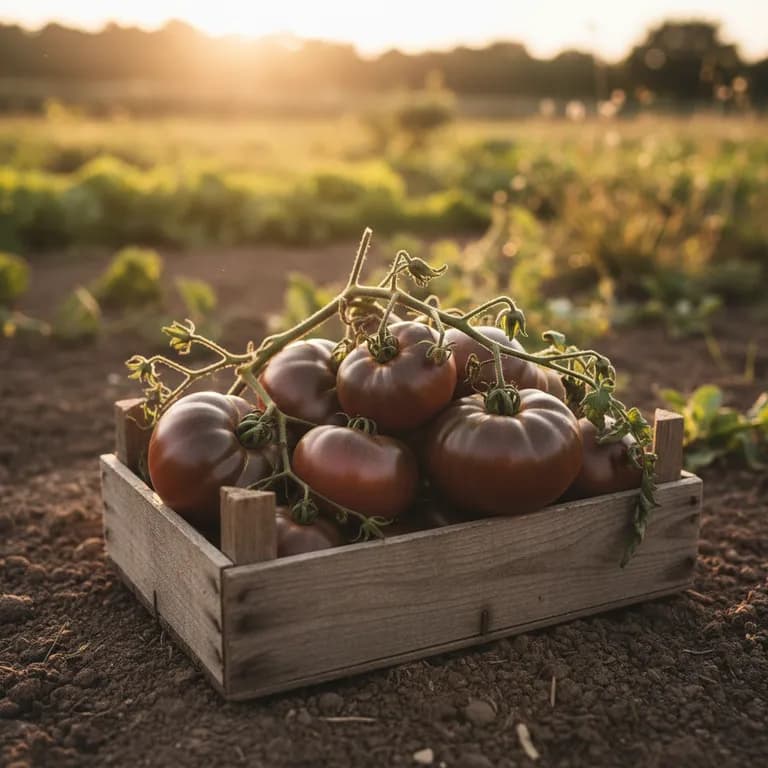
One of the most beloved heirloom tomatoes in the world, producing large dusky rose-purple fruits with famously rich, sweet-savory flavor.





On this pageOverview
Meet Cherokee Purple Tomato
One of the most beloved heirloom tomatoes in the world, producing large dusky rose-purple fruits with famously rich, sweet-savory flavor. Cherokee Purple is one of the benchmark varieties people mean when they talk about a tomato being worth growing for flavor alone. The fruits are broad, soft-shouldered, and rarely supermarket-neat, but that rough heirloom look is part of their authority. Once cut, they deliver the kind of dense, juicy, savory sweetness that makes gardeners forgive every cosmetic imperfection. It is grown first and foremost for unforgettable fresh eating. If you want a tomato that justifies all the effort of staking, mulching, watering, and watching the weather because the payoff is unmistakable at the table, Cherokee Purple belongs high on the list.
When to plant Cherokee Purple Tomato
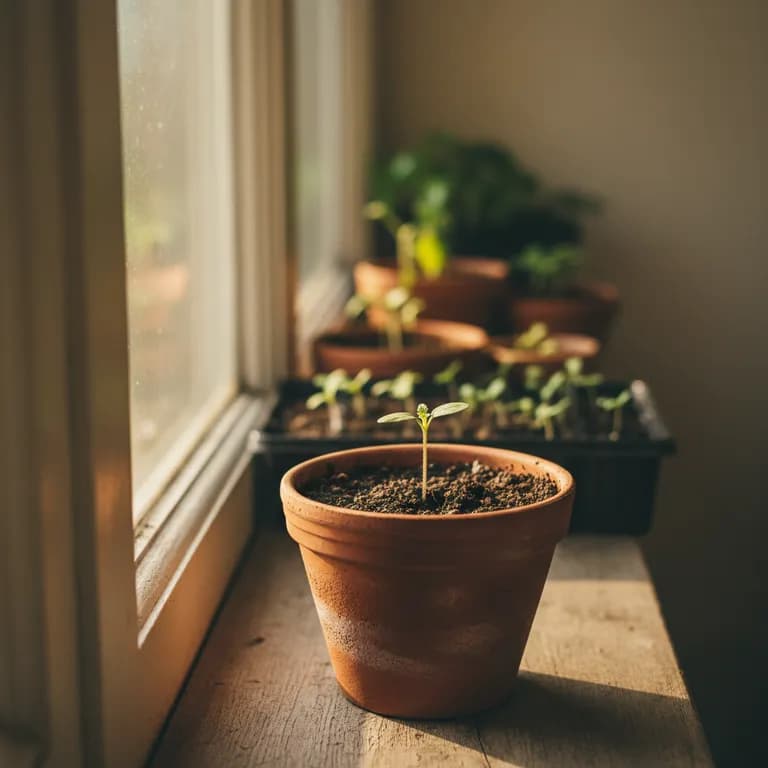
Sow in warm sterile mix under strong light, pot up before roots bind, and harden off gradually. Cherokee Purple behaves best when the seedlings never suffer a major early setback.
Heirloom slicers like this resent cold shock, weak light, and overcrowded roots. Keep seedlings compact, move them up into larger pots before they stall, and bury part of the stem at pot-up to encourage a larger root system.
Do not transplant just because the calendar says it is time. Wait for genuinely warm soil and settled nights. A confident early establishment period pays back later in fruit size, disease resilience, and overall eating quality.
Your Cherokee Purple Tomato Year
Composed for Zone 7 · typical seasons · frost passes Apr 2, returns Nov 1
Sow Cherokee Purple Tomato Mar – May, pick Jul – Sep. Set your climate below and every date on this plate re-times itself.
How to grow Cherokee Purple Tomato
Start Cherokee Purple indoors 6-8 weeks before the last frost and transplant deeply into warm compost-rich soil after all danger of frost. The vines are indeterminate, substantial, and deserving of strong support plus good spacing for airflow.
This is a flavor-first tomato, so your management should protect fruit quality: mulch heavily, water evenly, and prune just enough to keep disease in check without exposing fruit too harshly. Fruits are often irregular, but when grown well they are among the most rewarding slicers in the entire garden.
Cherokee Purple should be grown with the understanding that beauty is secondary and flavor is the whole point. It is not a variety selected for perfect skin, supermarket shelf life, or easy transport. Instead, it excels when a gardener protects the plant from stress long enough for the fruit to build its dense, dusky, sweet-savory interior character.
Because the fruits are large and the skins are heirloom-delicate, small management errors show up fast. Hard swings between dry and wet split the shoulders, crowding traps humidity, and aggressive pruning exposes fruit to harsh sun. Managed calmly, though, Cherokee Purple remains one of the most convincing arguments for growing heirloom tomatoes at all.
8 plants fit a 4 × 8 ft bed
Each Cherokee Purple Tomato wants 60 cm of elbow room. The planner keeps that spacing for you — every plant, every bed.
Cherokee Purple Tomato's best neighbours
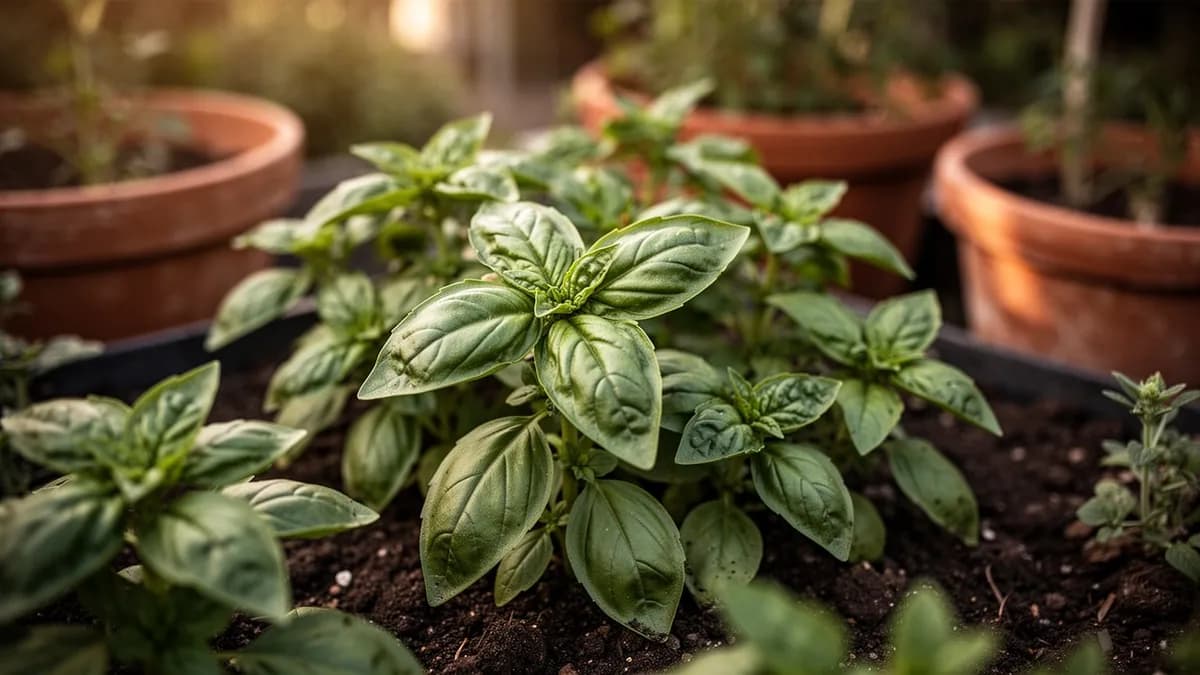
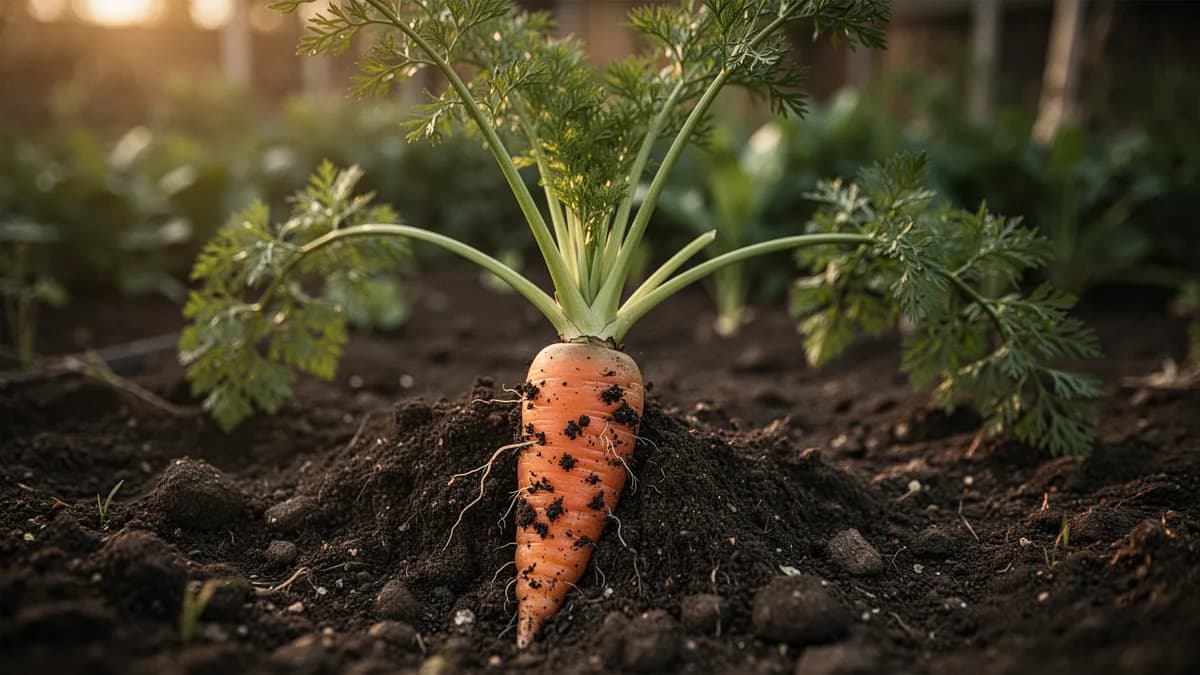
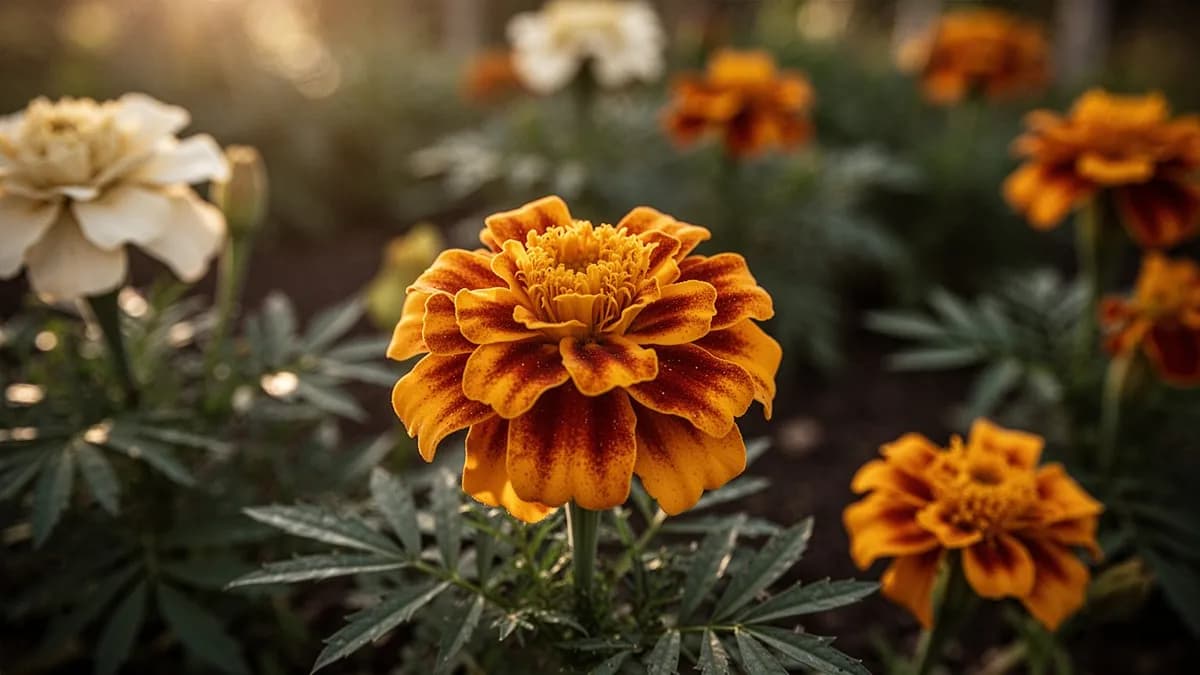
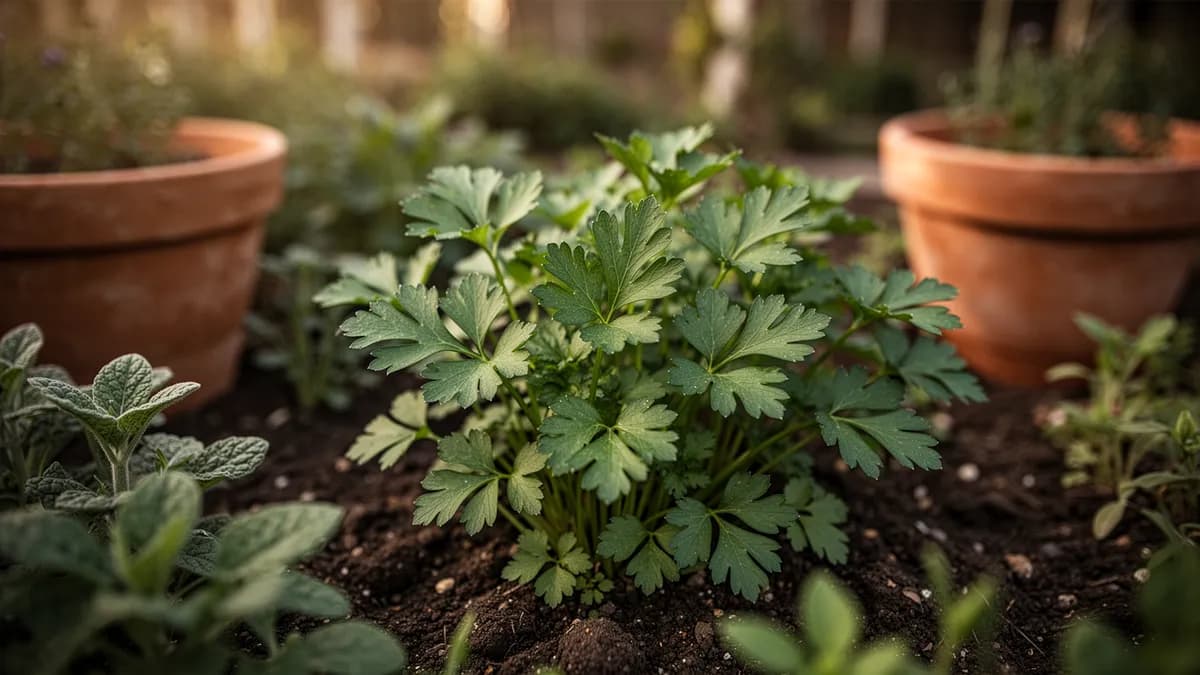
Grow with basil, parsley, and marigolds while leaving enough open space that humidity does not build inside the canopy. Companion plants should support biodiversity without turning the base of the plant into a damp traffic jam.
Basil and parsley fit the rhythm especially well because they share warm-season needs and make the harvest area feel genuinely kitchen-ready. Marigolds add insect activity and visual separation while staying low enough not to interfere with support access.
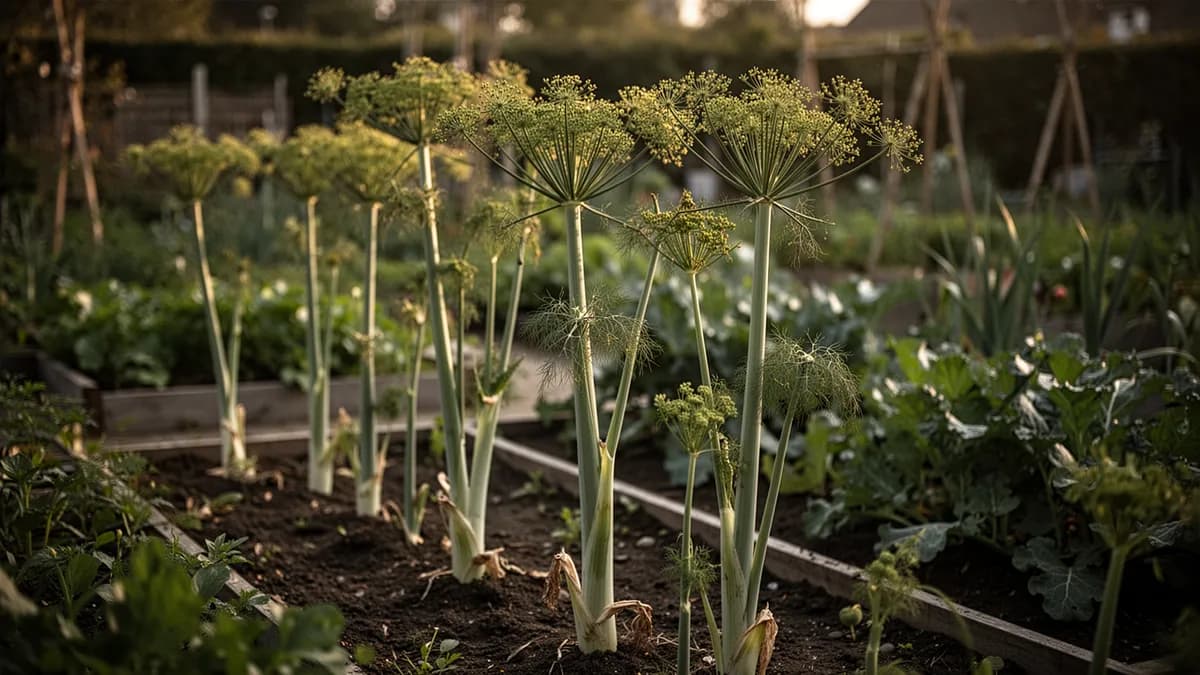
Avoid fennel and dense brassica competition nearby, and do not overpack the bed just because the tomato is a prize variety. Cherokee Purple needs room to breathe if you want the fruit to reach late-season quality cleanly.
Basil belongs beside it. Cabbage doesn't.
Old growers' knowledge, checked against Cherokee Purple Tomato's real companion table below — test any plant you're growing.
Try Cherokee Purple Tomato in a bed — right here
A real planner bed with Cherokee Purple Tomato already in it. Tap a companion to place it and watch the pairing checks answer — green for good neighbours, red for a clash.


Related growing guides
Feed it well
Use deep fertile soil with plenty of compost and a pH of 6.0-6.8. Cherokee Purple needs a bed that stays evenly moist and biologically active, because large heirloom slicers respond quickly to stress in both texture and flavor.
Moderate feeding is best. Too much nitrogen creates a broad leafy plant that can look impressive while delaying or diluting the fruit quality you actually care about. Compost, a modest pre-plant organic fertilizer, and careful mulching usually create a better long-season foundation than aggressive fertility.
Once fruit sets, shift to potassium-rich nutrition so flavor intensity stays high and the plant continues maturing fruit rather than just pushing more foliage. This variety rewards balanced discipline far more than force.
Ideal Temperature
Hardiness Zone Compatibility
From seed to harvest, stage by stage
Seed Starting
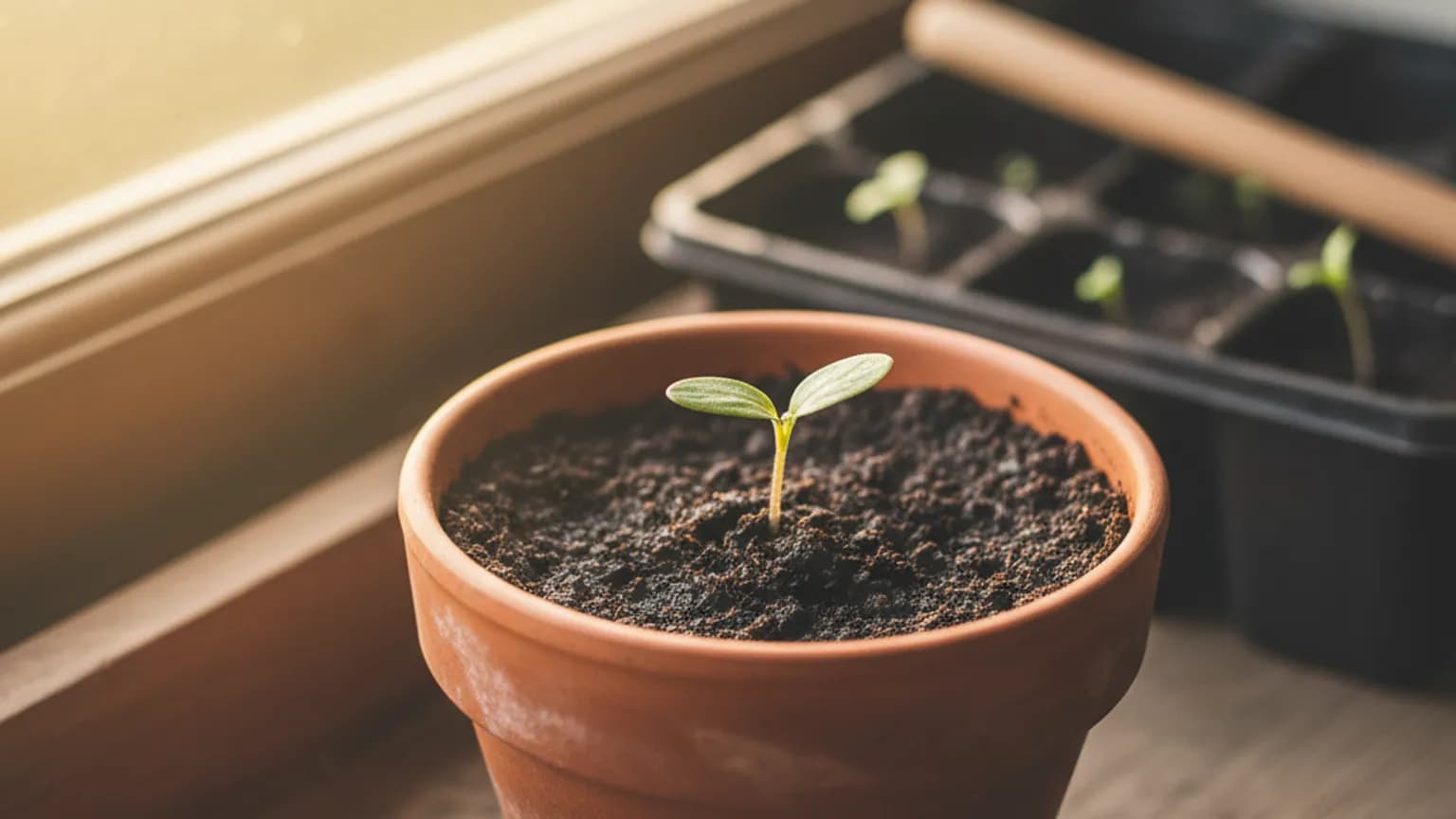
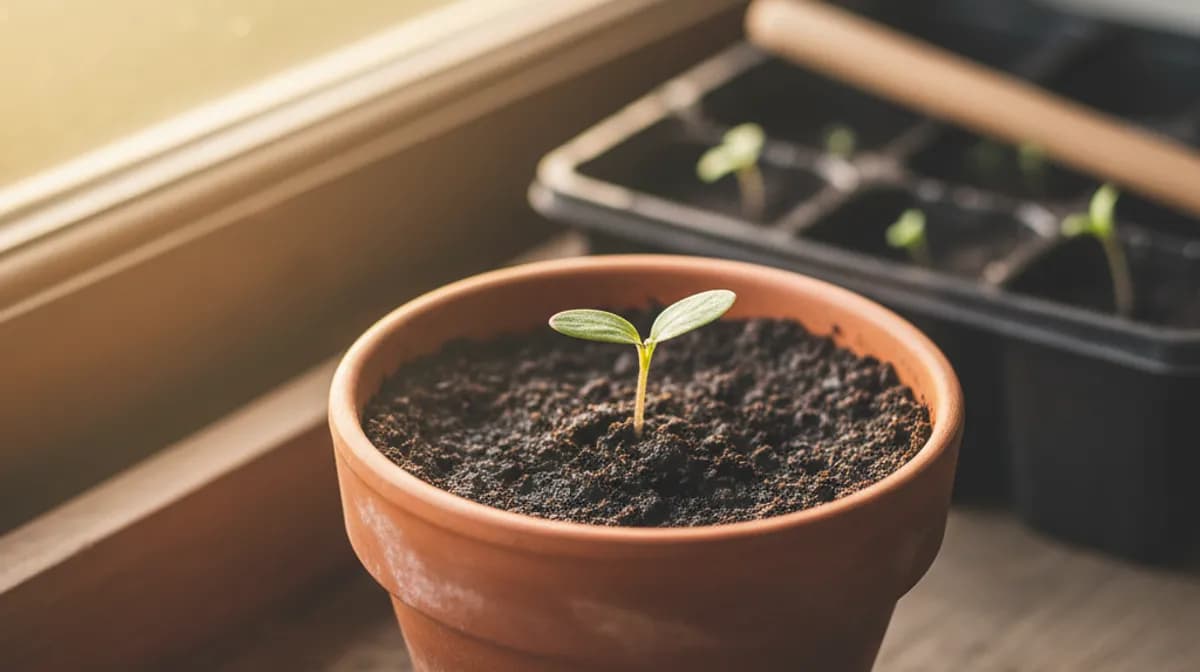
Seeds germinate quickly in warm mix and produce rounded cotyledons followed by the first serrated true leaves.
Seedling Development
Young plants build a root system, thicken their stems, and form several sets of true leaves before transplanting time.
Vegetative Growth
Cherokee Purple establishes quickly in warm soil and begins forming the vine structure that supports flowering and fruit set.
Flowering
Yellow flower clusters appear and self-pollinate more reliably when plants stay evenly watered and temperatures are not too extreme.
Fruit Development
Green fruit sizes up rapidly, and the plant diverts most of its energy into maintaining leaves, roots, and maturing clusters at the same time.
Ripening And Harvest
Cherokee Purple reaches peak quality when color, texture, aroma, and internal ripeness all align rather than when the fruit merely looks mature.
Maintain 21-27°C (70-80°F) for fast germination and give bright light immediately to prevent weak, stretched seedlings.
Caring for Cherokee Purple Tomato month by month
What to do each month for your Cherokee Purple Tomato
September
You are hereContinue harvesting and remove declining foliage. Watch forecasts closely if your first frost can arrive early.
Know exactly what to do in your garden — every month
One email at the start of each month: what to sow, plant, and tackle right now — for your Cherokee Purple Tomato and everything growing around it. Plus a short starter course that helps you dodge the classic mistakes.
- What to do, right now
- Matched to your season
- Starter course included
Harvesting Cherokee Purple Tomato
Harvest when fruits are heavy, slightly soft, and richly dusky rather than waiting for perfectly even coloration. Cherokee Purple often looks finished before it feels finished, and sometimes feels ready before every shoulder looks fully settled, so ripeness needs to be judged with the whole fruit.
Use pruners and support the fruit because tender heirloom shoulders bruise easily. A ripe fruit should smell full and sweet at the stem end, feel dense in the hand, and give slightly without collapsing. Waiting too long usually does not improve flavor; it just increases the risk of splitting, bruising, or overly soft texture.
If rain is coming, harvest the nearly ripe fruits. Cherokee Purple is too valuable as a slicer to lose to one storm after weeks of waiting for peak color and texture.
assuming you sow when the window opens — set your real date
Pick Cherokee Purple Tomato promptly and the plant keeps producing.
Storage & Preservation
Best eaten within a few days at room temperature. Cherokee Purple is a peak-window tomato, and the very best fruits deserve to be used while the flesh is still lush, fragrant, and softly structured.
Extra fruits can be roasted, turned into luxurious gazpacho, or frozen after cooking, but this variety is at its peak in fresh slices. Refrigeration flattens too much of what makes it memorable, so cold storage should be a last resort rather than a standard habit.
If you do have fruit that is cracked, rough, or a little too ripe for neat sandwich slices, it still cooks beautifully. The flavor carries into gazpacho, roasted pans, and rich quick sauces with more depth than many standard red slicers.
What goes wrong — and the fix
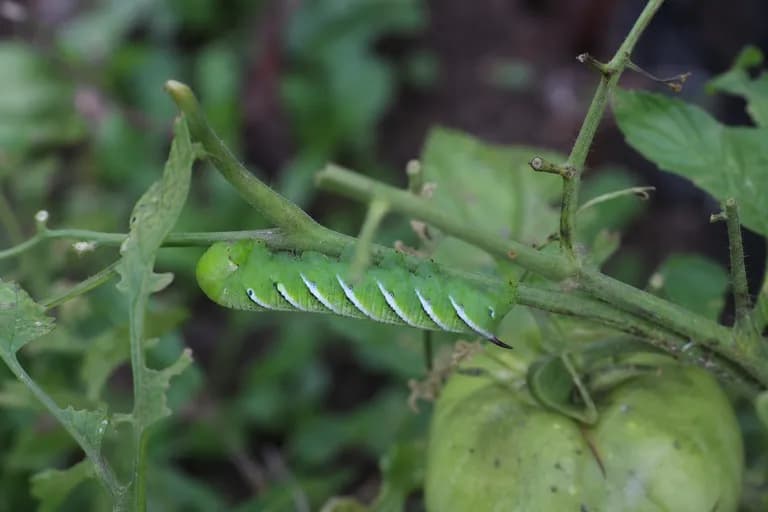
Tomato Hornworm
PestLarge green caterpillars strip foliage rapidly and may scar or chew fruit if left unchecked.
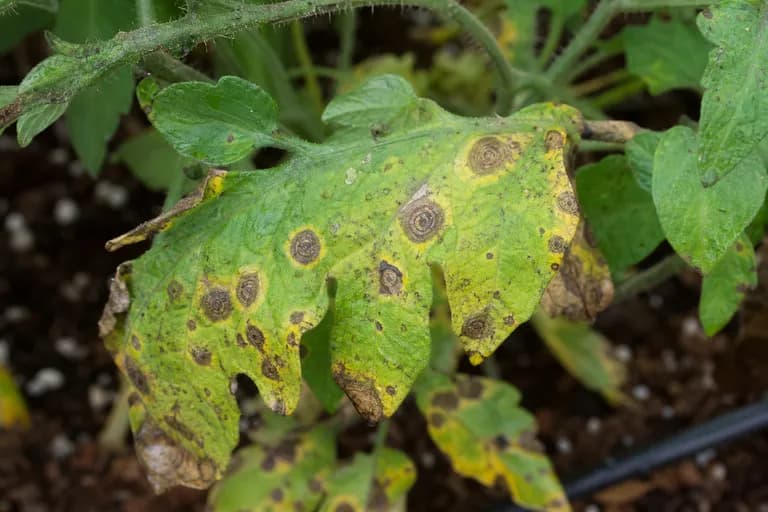
Early Blight
DiseaseDark ringed leaf spots begin on lower foliage, followed by yellowing and gradual defoliation.
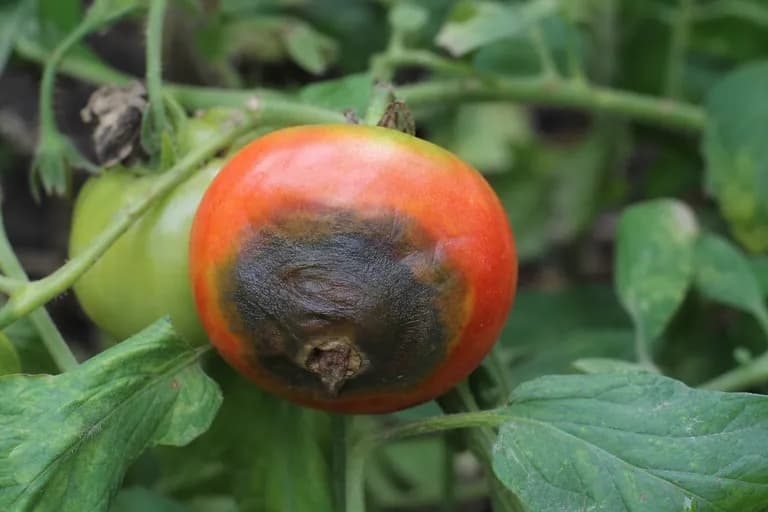
Blossom End Rot
DiseaseDark sunken patches form on the blossom end of developing fruit, often during periods of uneven watering.
Troubleshooting Common Problems
Cracking, cosmetic scars, and uneven ripening are normal for the variety and not signs of failure. Cherokee Purple is not a tidy hybrid, and judging it by polished supermarket standards will only make the plant seem worse than it is.
In humid climates the vine needs careful airflow management to stay productive until the main crop matures. Lower-leaf cleanup, generous spacing, and mulch matter because this variety is valuable enough that protecting the canopy from avoidable disease pressure is worth the effort.
The biggest practical issue is often grower expectation. People expect a famous tomato to look perfect, when the truth is that Cherokee Purple often wins with texture and taste long before it wins on appearance.
Growing Tips
- Wait until the soil is genuinely warm before transplanting. Tomatoes that sit in cold spring ground often lose weeks of momentum.
- Plant deeply so buried stem sections root along their length, giving better drought resilience and nutrient uptake.
- Use strong support from day one. Tomatoes are easier to manage when they are trained early rather than rescued later.
- Mulch heavily to stabilize soil moisture, reduce splash-borne disease, and protect flavor by preventing hard wet-dry swings.
- Water deeply rather than constantly sprinkling. Consistency matters far more than sheer volume.
- Do not overfeed with nitrogen once flowering begins, or you will get foliage at the expense of fruit.
- Harvest promptly in hot or wet weather, because quality can decline very quickly once fruit reaches peak ripeness.
- Do not judge success by symmetry. Cherokee Purple is a flavor tomato, not a supermarket-perfect tomato.
- If storms are coming, harvest nearly ripe fruit early because heirloom skins can split in one wet night.
Grow your best Cherokee Purple Tomato yet — and everything around it.
Start a free plan today. Lay out your beds, drop in your Cherokee Purple Tomato, and let PlotMyGarden handle the timing, spacing, companions and reminders from seed to harvest basket.
Pick your Cherokee Purple Tomato
Cherokee Purple
The original famous dusky heirloom with profound sweet-savory flavor and broad flattened fruit.
Cherokee Carbon
A hybrid inspired by Cherokee Purple flavor with improved uniformity.
Pink Berkeley Tie Dye
Another specialty tomato grown for dramatic color and bold slicing quality.
Specialty heirloom slicers like Cherokee Purple are expensive when bought locally, so a single productive plant can easily return $30-60 worth of premium fresh tomatoes in a good season.
Quick recipes
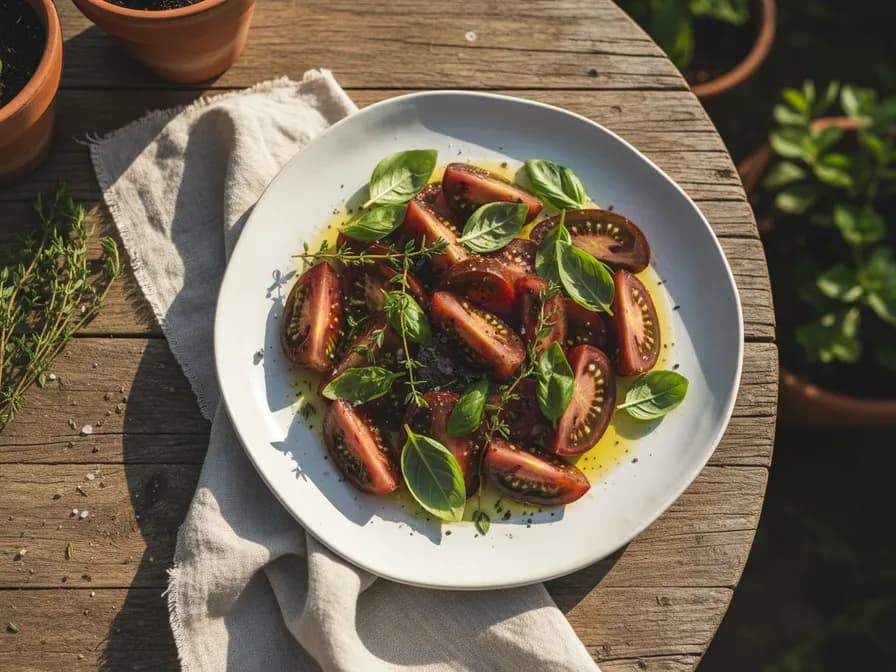
Cherokee Purple Tomato Sandwich
10 minThick juicy slices on toasted bread with mayo, salt, and pepper: the classic heirloom benchmark lunch.
5 ingredientsHeirloom Burrata Plate
12 minA no-cook dish that lets the tomato’s complexity dominate with burrata, basil, and olive oil.
5 ingredientsSavory Purple Gazpacho
20 minA chilled soup with more depth and body than standard red-garden gazpacho.
6 ingredientsCulinary Uses
Outstanding for tomato sandwiches, caprese, heirloom platters, burrata, fresh salads, and any plate where the tomato itself is the star ingredient.
Cherokee Purple is one of the clearest examples of a tomato that rewards restraint in the kitchen. Thick slices, salt, good bread, soft cheese, olive oil, and a few herbs are usually all it needs, because the fruit already brings enough sweetness, savoriness, and juice to carry the meal.
It is also superb in chilled soups and simple dressed platters where the dusky color and soft interior can be appreciated fully. Complex cooking is possible, but the real glory of the variety is almost always in fresh, direct eating.
What's inside
Health Benefits
- Tomatoes supply antioxidants that help reduce oxidative stress, especially lycopene and related carotenoids.
- They are a strong source of vitamin C, which supports immune health, collagen formation, and improved iron absorption from meals.
- Their combination of water, fiber, and low calories makes them helpful for satiety and weight-conscious eating.
- Potassium in tomatoes supports healthy blood pressure regulation and proper muscle and nerve function.
- Tomatoes fit naturally into Mediterranean-style eating patterns that are consistently associated with better long-term health outcomes.
- Colored heirloom and specialty tomatoes broaden the antioxidant profile further through pigments such as anthocyanins and golden carotenoids.
Where Cherokee Purple Tomato comes from
Cherokee Purple gained wide recognition through seed-saving networks that preserved unusual and flavorful old tomatoes before heirloom diversity became mainstream. Its often-repeated oral history connects it to seed shared through Cherokee-associated lines, and whether every detail can be documented or not, the variety earned its enduring fame through taste. It remains one of the benchmark tomatoes in heirloom gardens worldwide.
Cherokee Purple Tomato: did you know?
Fascinating facts about Cherokee Purple Tomato
Cherokee Purple appears on more 'best tasting tomato' lists than almost any other heirloom.
Cherokee Purple Tomato questions, answered
When should I plant Cherokee Purple Tomato?
What are good companion plants for Cherokee Purple Tomato?
What hardiness zones can Cherokee Purple Tomato grow in?
How much sun does Cherokee Purple Tomato need?
How far apart should I space Cherokee Purple Tomato?
What pests and diseases affect Cherokee Purple Tomato?
How do I store Cherokee Purple Tomato after harvest?
What are the best Cherokee Purple Tomato varieties to grow?
What soil does Cherokee Purple Tomato need?
Why does Cherokee Purple often look rough or uneven?
Is Cherokee Purple really worth the extra effort?
Should Cherokee Purple be refrigerated after picking?
You just read the theory. Now grow it on autopilot.
Everything that makes Cherokee Purple Tomato fiddly — the timing, the spacing, the companions, the harvest window — is exactly what PlotMyGarden handles for you, for every plant in your garden.
A plan that knows your weather
Set your location once. Get sow, feed and harvest dates built around your real last-frost date and live forecast — no more guessing from a generic seed packet.
From the “When to plant” sectionDrag-and-drop bed planner
Design beds on a grid. Every plant snaps to its proper spacing, and you can see your whole season laid out before you spend a cent on seed.
From the “Growing guide” sectionCompanion conflicts, caught early
200+ good-and-bad pairings checked live as you plant — so a season-wrecking mistake never makes it into the ground.
From the “Companions” sectionReminders you'll actually act on
“Water the beans.” “Pick today before it turns.” Timely, specific, and tied to the plants you're really growing.
From the “Harvest” sectionSuccession, scheduled
Want a harvest for six weeks, not six days? It spaces your sowings automatically and reminds you when each new block is due.
From the “When to plant” sectionA record that gets smarter
Every harvest you log teaches it your garden. Next year's plan starts from what actually worked in your soil, not a textbook's.
From the “Overview” sectionPlant these alongside Cherokee Purple Tomato
More Nightshades
Keep Cherokee Purple Tomato away from these
Grow your best Cherokee Purple Tomato yet — and everything around it.
Start a free plan today. Lay out your beds, drop in your Cherokee Purple Tomato, and let PlotMyGarden handle the timing, spacing, companions and reminders from seed to harvest basket.