Common Milkweed
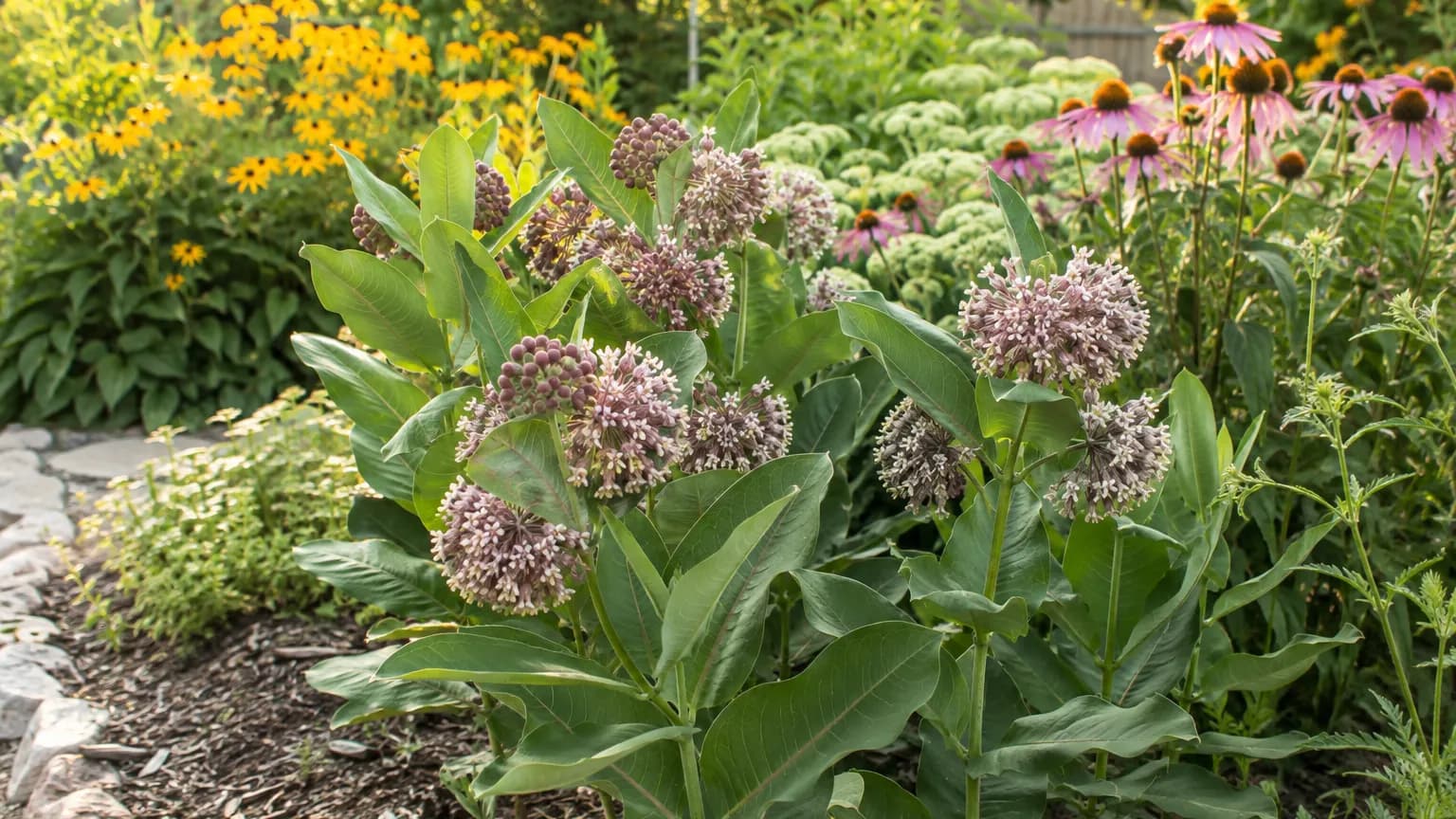
Common milkweed is the essential host plant for monarch butterflies, whose caterpillars feed exclusively on milkweed foliage, and its fragrant globes of dusty pink flowers draw native bees and butterflies all summer long.





On this pageOverview
Meet Common Milkweed
Common milkweed is the essential host plant for monarch butterflies, whose caterpillars feed exclusively on milkweed foliage, and its fragrant globes of dusty pink flowers draw native bees and butterflies all summer long. This hardy native perennial spreads vigorously by underground rhizomes and self-sows freely from silky-tailed seeds, so give it room to roam or plan on deliberate containment. Once established it is supremely drought tolerant and thrives in average to poor soil in full sun. All parts exude a milky latex sap that is toxic if ingested and can irritate skin and eyes, so wear gloves when cutting stems and site plants away from grazing animals.
When to plant Common Milkweed
Common milkweed seed needs four to six weeks of cold, moist stratification for good germination. Easiest is direct sowing in autumn — press seed half a centimeter deep into bare, weed-free soil and let winter do the work. For spring sowing, mix seed with barely damp sand in a sealed bag and refrigerate for 30 to 45 days, then sow in a deep tray or pots at 18 to 24°C; germination takes one to three weeks. Seedlings quickly drive down a deep taproot, so transplant them to their final spot while still small, no taller than 10cm. Plants grown from spring-sown seed usually bloom in their second year, occasionally at the tail end of the first.
Your Common Milkweed Year
Composed for Zone 7 · typical seasons · frost passes Apr 2, returns Nov 1
Plant Common Milkweed Jan – Apr, Oct, pick Jun – Aug. Check the planting methods below and set your climate to personalize these windows.

How to grow Common Milkweed
Plant common milkweed in full sun in almost any well-drained soil, from sandy loam to clay. It tolerates poor, dry ground and actually resents rich, heavily amended beds. Direct sow in autumn so winter provides natural cold stratification, or sow in spring after stratifying seed in the refrigerator for four to six weeks. Space plants 45cm apart and be patient: seedlings grow slowly while they build their deep root system, and most plants do not bloom until their second summer.
Honest warning: common milkweed spreads. Its fleshy rhizomes travel underground and send up new stems well beyond the original plant, and wind-borne seeds colonize bare soil. This is exactly what makes it such a powerhouse for monarch habitat, but it does not belong in a tidy mixed border. Give it a meadow strip, a wild corner, a hedgerow, or a dedicated pollinator bed. Where spread must be contained, sink a root barrier 45 to 60cm deep around the planting, snip off unwanted suckers at ground level as soon as they appear, and deadhead the seed pods before they split.
Maintenance is minimal once the clump is established. Never fertilize; lean soil keeps stems sturdy and upright. Cut the dead stems back in late winter or early spring, leaving them standing over winter for beneficial insects. In early summer you can cut up to half the stems back by a third to a half to produce bushier, later-flowering growth and a flush of fresh young leaves that late-season monarchs strongly prefer. Expect caterpillars to strip foliage entirely — healthy plants regrow within a few weeks, and that defoliation is the whole point of growing this plant.
10 plants fit a 4 × 8 ft bed
Each Common Milkweed wants 45 cm of elbow room. The planner keeps that spacing for you — every plant, every bed.
Common Milkweed's best neighbours
Common milkweed anchors naturalistic pollinator meadows and prairie-style plantings, where its wandering habit is a feature rather than a flaw. Pair it with equally sturdy natives — coneflower, black-eyed susan, liatris, monarda, and aster — that bloom in sequence and hold their own against its spreading stems. In smaller or more formal gardens, choose its well-behaved cousin butterfly weed (Asclepias tuberosa) instead: it offers the same monarch-host service from a compact, taprooted, non-spreading clump, and the two look superb planted together where a contained bed transitions into a wilder strip. Add late-season asters so migrating monarchs have nectar into autumn.
Butterfly Weed belongs beside it.
Old growers' knowledge, checked against Common Milkweed's real companion table below — test any plant you're growing.
Try Common Milkweed in a bed — right here
A real planner bed with Common Milkweed already in it. Tap a companion to place it and watch the pairing checks answer — green for good neighbours, red for a clash.


Related growing guides
Feed it well
Common milkweed grows in almost any soil — sandy, loamy, or clay — with a pH anywhere from about 5.5 to 7.5, as long as drainage is reasonable. It is native to prairies, fields, and roadsides and performs best in average to lean ground. Do not amend the bed with compost or manure and never fertilize: rich soil produces tall, floppy stems that lodge in wind and rain, and lush growth is actually more attractive to aphids. Once established, the deep root system needs no supplemental water except in extreme drought.
Ideal Temperature
Hardiness Zone Compatibility
From seed to harvest, stage by stage
Seed Germination
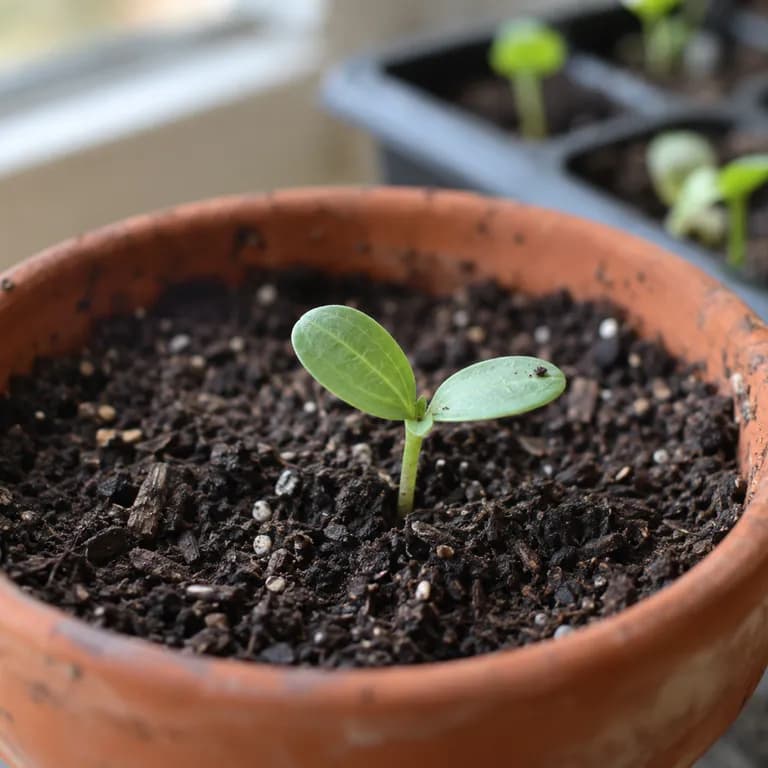
Common milkweed seeds require four to six weeks of cold moist stratification to break dormancy, mimicking winter in their native prairies and meadows. After stratification, seeds germinate in 7 to 21 days at soil temperatures of 18 to 24°C. Seedlings emerge with a pair of rounded cotyledons, followed by broad oval true leaves, and immediately begin sending a taproot deep into the soil.
Seedling Establishment
Seedlings grow slowly above ground while the taproot and young rhizomes develop below. Stems are single, erect, and softly hairy, with broad gray-green leaves arranged in opposite pairs. Seedlings at this stage are vulnerable to being crowded out by weeds and to damage from transplanting, since even a young plant's root resents disturbance.
Vegetative Growth (Year 1)
First-year plants produce one to several sturdy unbranched stems 60 to 120cm tall clothed in large oval leaves, while underground the rhizome system establishes itself and begins to creep. Most plants do not flower in their first year, instead building the deep carbohydrate reserves that fuel decades of future growth. All green parts ooze milky white latex when broken.
Flowering (Year 2+)
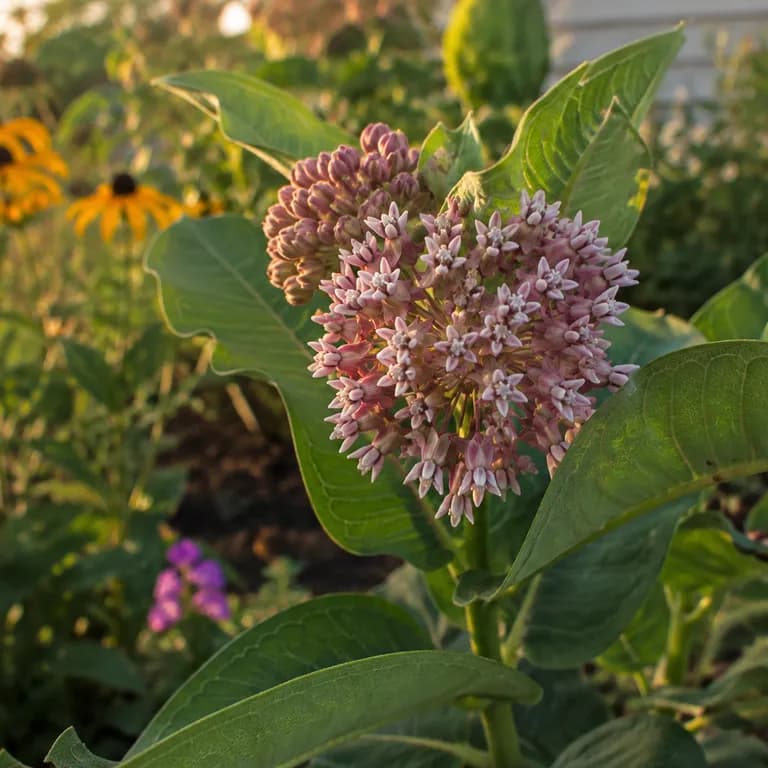
From the second summer onward, established plants bloom in June through August, bearing large rounded umbels of fragrant dusty pink to mauve flowers at the stem tips and upper leaf joints. The nectar-rich globes attract an astonishing diversity of bees, butterflies, and moths, and female monarchs lay eggs on the foliage beneath them. Caterpillars may strip stems bare by midsummer.
Seed Pod Development
Pollinated flowers develop into distinctive warty, horn-shaped pods 8 to 12cm long that mature through late summer. Each pod holds rows of flat brown seeds, every one attached to a tuft of silky floss. When pods split along a single seam in autumn, the wind carries the seeds far beyond the parent colony — the main way common milkweed colonizes new ground.
Winter Dormancy & Colony Spread
After the first hard frosts, the stems die back to the ground and the plant overwinters as a network of deep rhizomes and roots, hardy to at least -40°C in zones 3 through 9. Underground, the rhizomes keep extending, so each spring the colony re-emerges slightly wider, with new stems appearing well beyond the previous year's footprint.
Sow directly outdoors in autumn for natural stratification, or refrigerate seed in damp sand for 30 to 45 days before spring sowing. Sow 6mm deep in well-drained soil and keep evenly moist until seedlings appear. Germination is erratic without cold treatment, so never skip stratification for spring sowings.
Caring for Common Milkweed month by month
What to do each month for your Common Milkweed
September
You are hereCollect seed pods as they turn brown and papery, before they split. Remove and compost all other pods to limit self-sowing. Stop watering entirely and let plants begin their natural decline toward dormancy.
Know exactly what to do in your garden — every month
One email at the start of each month: what to sow, plant, and tackle right now — for your Common Milkweed and everything growing around it. Plus a short starter course that helps you dodge the classic mistakes.
- What to do, right now
- Matched to your season
- Starter course included
Harvesting Common Milkweed
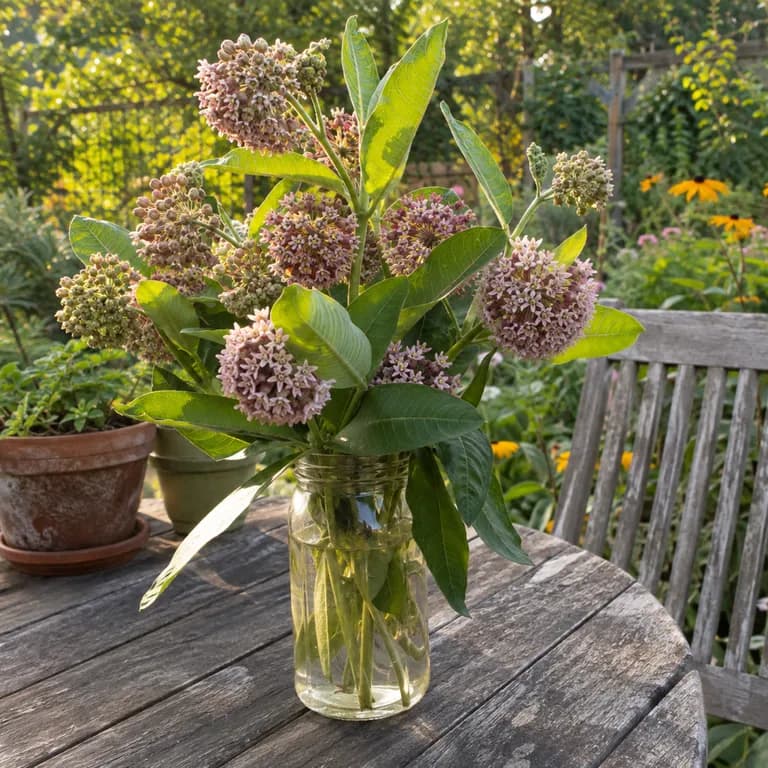
Cut common milkweed for bouquets when the flower globes are about half open — fully open umbels shatter quickly indoors. Wear gloves, and sear the cut stem ends over a flame or dip them in boiling water for ten seconds to stop the milky latex from flowing; conditioned stems last five to seven days in a vase. The decorative horn-shaped seed pods can be cut when fully formed but still green for fresh arrangements, or left to dry on the plant and harvested just before they split for wreaths and crafts. If you are saving seed, collect pods as they begin to turn brown and papery, and strip the seeds from their silky floss before storing.
assuming you plant when the window opens — set your real date
Pick Common Milkweed promptly and the plant keeps producing.
What goes wrong — and the fix

Aphids (Oleander Aphids)
PestDense colonies of bright orange-yellow aphids clustered on stem tips, buds, and young seed pods, with sticky honeydew and sometimes sooty mold.
Milkweed Bugs
PestBold red-and-black seed bugs clustered on ripening pods in late summer, feeding on developing seeds.

Fungal Leaf Spot
DiseaseSmall dark brown to purplish spots on leaves, often starting on lower foliage in humid weather; heavily spotted leaves yellow and drop early.

Powdery Mildew
DiseaseWhite powdery coating on leaves and stems in late summer, particularly on plants stressed by drought or growing in partial shade.
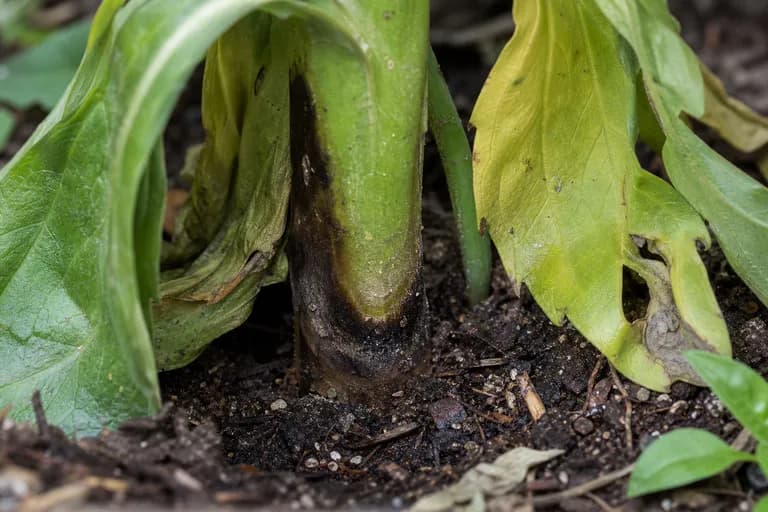
Root and Crown Rot
DiseaseStems yellow, wilt, and collapse at the base; crowns turn soft and brown. Almost always linked to poorly drained, waterlogged soil.
Troubleshooting Common Problems
The number one complaint is aggressive spread: rhizomes send up new stems meters away from the parent plant, and silky seeds drift onto every patch of bare soil. Contain it with deep root barriers, prompt sucker removal, and deadheading pods before they split. Transplanting established clumps nearly always fails because the fleshy rhizomes snap and resprout, so move only young plants. Orange oleander aphids coat stems every summer and look alarming but rarely harm mature plants. Late spring emergence fools gardeners into digging up healthy dormant crowns — mark the location. Finally, the milky sap irritates skin and eyes and is toxic to pets and livestock if eaten, so site plants thoughtfully and handle with gloves.
Growing Tips
- Plant common milkweed only where its spread is welcome — a meadow strip, fence line, or wild corner. In a formal bed, sink a rigid root barrier 45 to 60cm deep around the planting, or grow the equally monarch-friendly but non-spreading butterfly weed (Asclepias tuberosa) instead.
- Never use insecticides on or near milkweed, including organic ones like neem and insecticidal soap. The plant exists to feed monarch caterpillars, and any spray that kills aphids kills them too.
- Mark the planting spot with a permanent stake. Common milkweed emerges late in spring, and unmarked crowns are routinely dug up by gardeners who assume the plant died over winter.
- Wear gloves whenever you cut or handle milkweed. The milky latex sap can cause a rash on sensitive skin and serious irritation if rubbed into the eyes, and it is toxic if ingested by people, pets, or livestock.
- To refresh the colony for late-season monarchs, cut up to half the stems back by half in early summer. The regrowth produces the tender young leaves that egg-laying females prefer, plus a second flush of flowers.
- Control self-sowing by cutting off seed pods before they split in autumn. A single pod releases hundreds of wind-borne seeds, and volunteers will appear in every bare patch of soil nearby.
- Transplant only young plants under 10cm tall. Established clumps have brittle, deep-running rhizomes that snap when dug, and every fragment left behind resprouts into a new plant.
- Plant in drifts rather than single specimens. Egg-laying monarchs find grouped plants more easily, and a colony of blooming milkweed is far more valuable habitat than scattered individuals.
- Skip fertilizer entirely. Common milkweed evolved on lean prairie soils, and rich feeding produces soft, floppy, aphid-covered stems that lodge in summer storms.
- Edit the colony every spring: pull unwanted suckers the moment they appear outside their allotted space. Rhizomes travel farthest in loose, cultivated soil, so expect the most wandering at the bed's soft edges.
Grow your best Common Milkweed yet — and everything around it.
Start a free plan today. Lay out your beds, drop in your Common Milkweed, and let PlotMyGarden handle the timing, spacing, companions and reminders from seed to harvest basket.
Pick your Common Milkweed
Syriaca
The straight wild species, sold as open-pollinated seed by native plant suppliers. Common milkweed has no widely distributed named cultivars of its own; the wild form is the standard and best choice for monarch habitat.
Cinderella
A selected form of swamp milkweed (Asclepias incarnata) with deep rose-pink vanilla-scented umbels — a clump-forming, non-spreading relative for moister beds.
Ice Ballet
A white-flowered swamp milkweed (Asclepias incarnata) selection that stays neatly in place and tolerates heavier, damper soils than common milkweed.
Soulmate
A compact swamp milkweed (Asclepias incarnata) selection with rich rose-pink flowers on sturdy 90cm stems, well suited to smaller gardens.
Hello Yellow
A clear yellow selection of butterfly weed (Asclepias tuberosa), the taprooted, non-spreading milkweed that behaves itself in formal perennial borders.
Where Common Milkweed comes from
Common milkweed (Asclepias syriaca) is native to eastern and central North America, ranging from the Canadian prairies east to the Atlantic coast and south to Georgia and Texas. It is a plant of open ground — tallgrass prairies, field edges, fencerows, and roadsides — where it has grown for millennia in close partnership with the insects that evolved alongside it, most famously the monarch butterfly. The genus name honors Asklepios, the Greek god of medicine, while the species name syriaca records a geographic blunder by Linnaeus, who believed his specimen originated in Syria.
Long before European contact, Indigenous peoples across its range used the plant extensively: the bast fibers of the stems were twisted into cordage, nets, and textiles, the floss served as tinder and padding, and preparations of the root were used in traditional medicine. European settlers adopted many of these uses, and foraged young shoots appeared in early American kitchens. During World War II, when Japanese occupation of Southeast Asia cut off supplies of kapok — the buoyant fiber used in life jackets — the United States launched a national campaign in which schoolchildren collected wild milkweed pods by the millions of bags to stuff flotation vests and flight suits.
In the twentieth century common milkweed fell from favor, branded a weed of cropland and targeted by herbicides — a decline that, together with habitat loss, contributed to the collapse of monarch populations. That reputation has now reversed dramatically. Common milkweed is celebrated as the single most important plant for monarch conservation, and planting it has become a flagship act of ecological gardening across North America, from highway plantings to backyard pollinator beds.
Common Milkweed: did you know?
Fascinating facts about Common Milkweed
Monarch caterpillars can eat nothing but milkweed — the cardenolide toxins in the leaves accumulate in their bodies, making both caterpillars and adult butterflies poisonous to birds for the rest of their lives.
Common Milkweed questions, answered
When should I plant Common Milkweed?
What are good companion plants for Common Milkweed?
What hardiness zones can Common Milkweed grow in?
How much sun does Common Milkweed need?
How far apart should I space Common Milkweed?
What pests and diseases affect Common Milkweed?
What are the best Common Milkweed varieties to grow?
What soil does Common Milkweed need?
Should I plant common milkweed or butterfly weed for monarchs?
How do I stop common milkweed from taking over my garden?
Is common milkweed poisonous?
Why is my milkweed not blooming?
When and how should I cut back common milkweed?
Will planting common milkweed really bring monarchs to my garden?
You just read the theory. Now grow it on autopilot.
Everything that makes Common Milkweed fiddly — the timing, the spacing, the companions, the harvest window — is exactly what PlotMyGarden handles for you, for every plant in your garden.
A plan that knows your weather
Set your location once. Get sow, feed and harvest dates built around your real last-frost date and live forecast — no more guessing from a generic seed packet.
From the “When to plant” sectionDrag-and-drop bed planner
Design beds on a grid. Every plant snaps to its proper spacing, and you can see your whole season laid out before you spend a cent on seed.
From the “Growing guide” sectionCompanion conflicts, caught early
200+ good-and-bad pairings checked live as you plant — so a season-wrecking mistake never makes it into the ground.
From the “Companions” sectionReminders you'll actually act on
“Water the beans.” “Pick today before it turns.” Timely, specific, and tied to the plants you're really growing.
From the “Harvest” sectionSuccession, scheduled
Want a harvest for six weeks, not six days? It spaces your sowings automatically and reminds you when each new block is due.
From the “When to plant” sectionA record that gets smarter
Every harvest you log teaches it your garden. Next year's plan starts from what actually worked in your soil, not a textbook's.
From the “Overview” sectionPlant these alongside Common Milkweed

Butterfly Weed

Coneflower
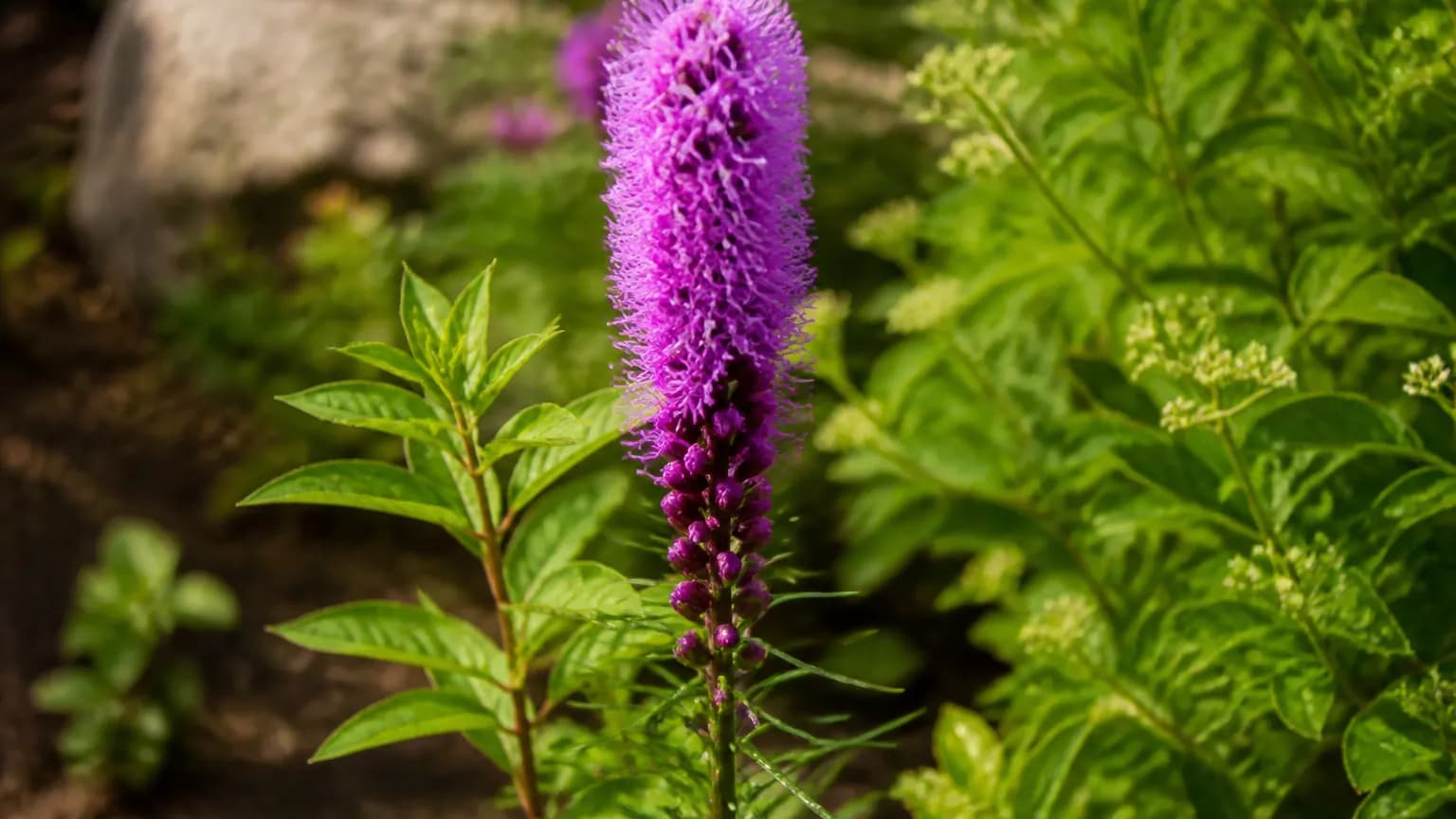
Blazing Star
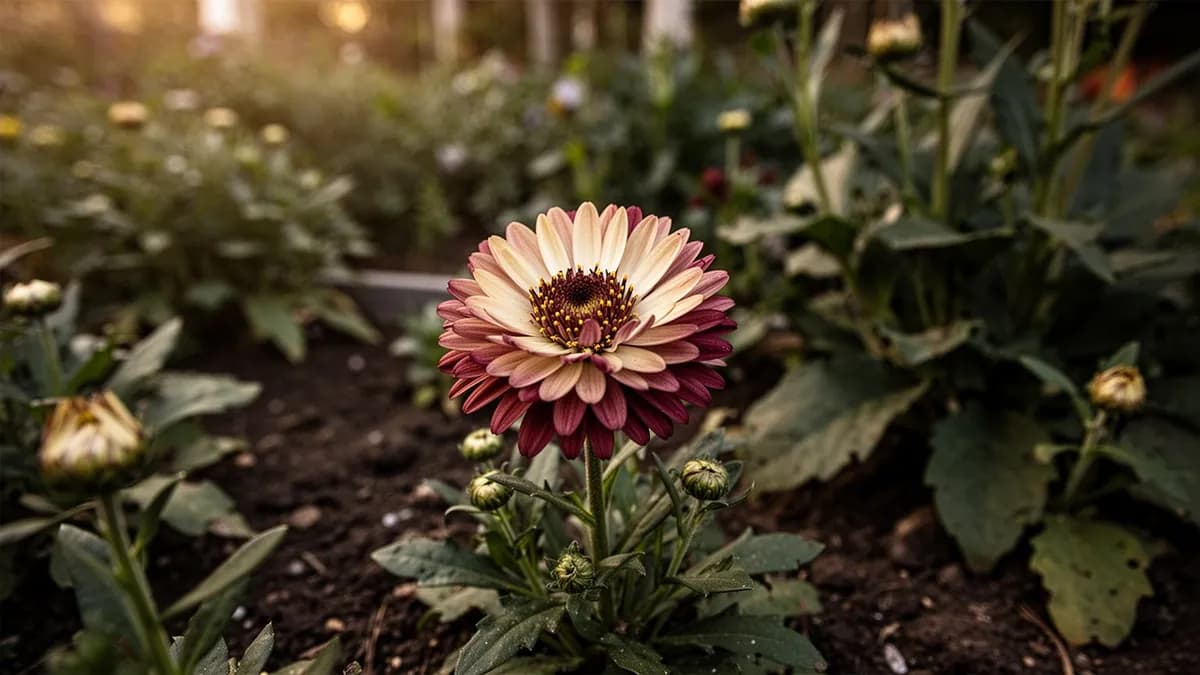
Aster

Black-eyed Susan
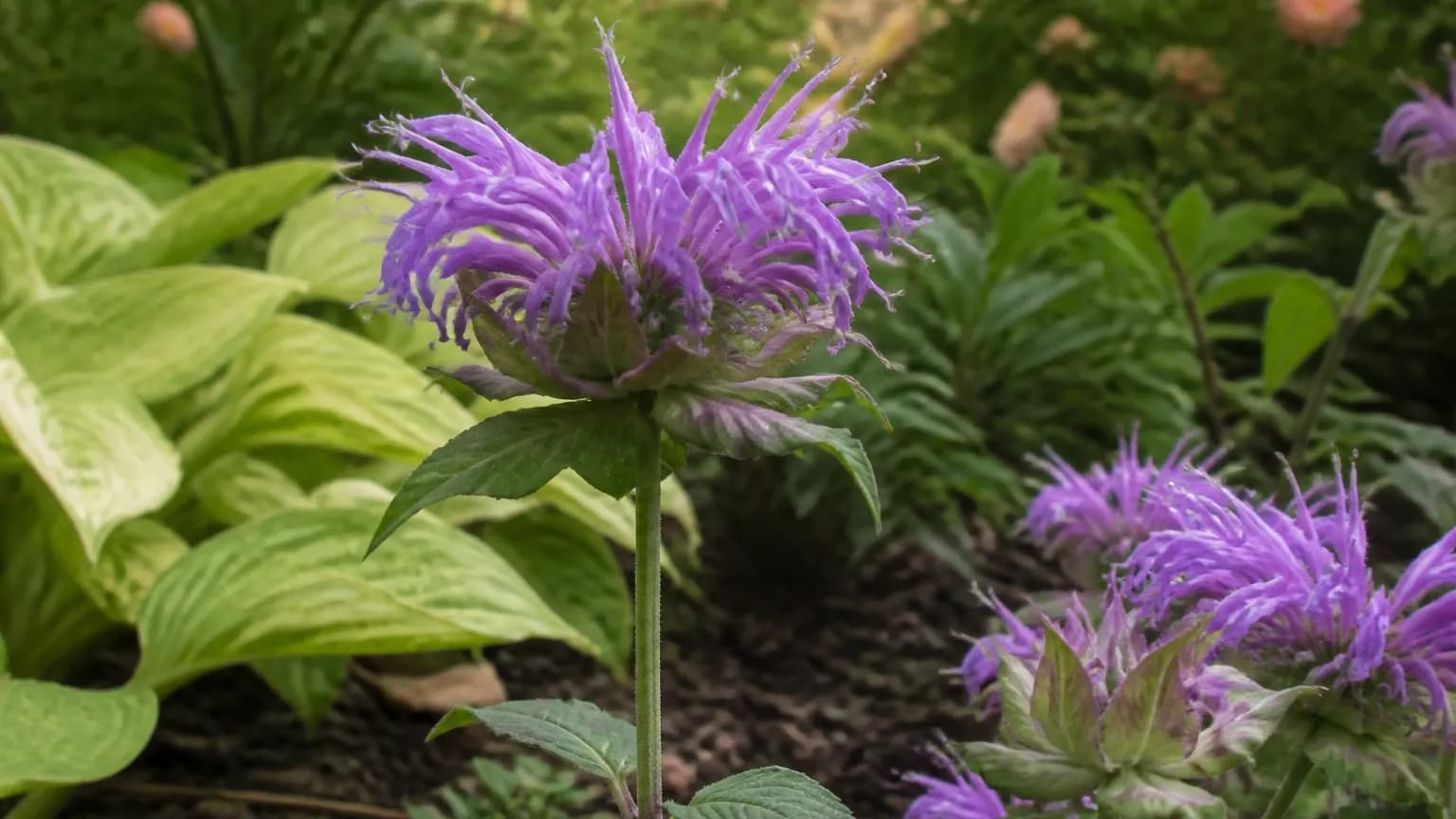
Wild Bergamot
More Wildflowers




Grow your best Common Milkweed yet — and everything around it.
Start a free plan today. Lay out your beds, drop in your Common Milkweed, and let PlotMyGarden handle the timing, spacing, companions and reminders from seed to harvest basket.