Cucamelon
typical season: start indoors Mar – May · harvest Jul – Oct · set your climate
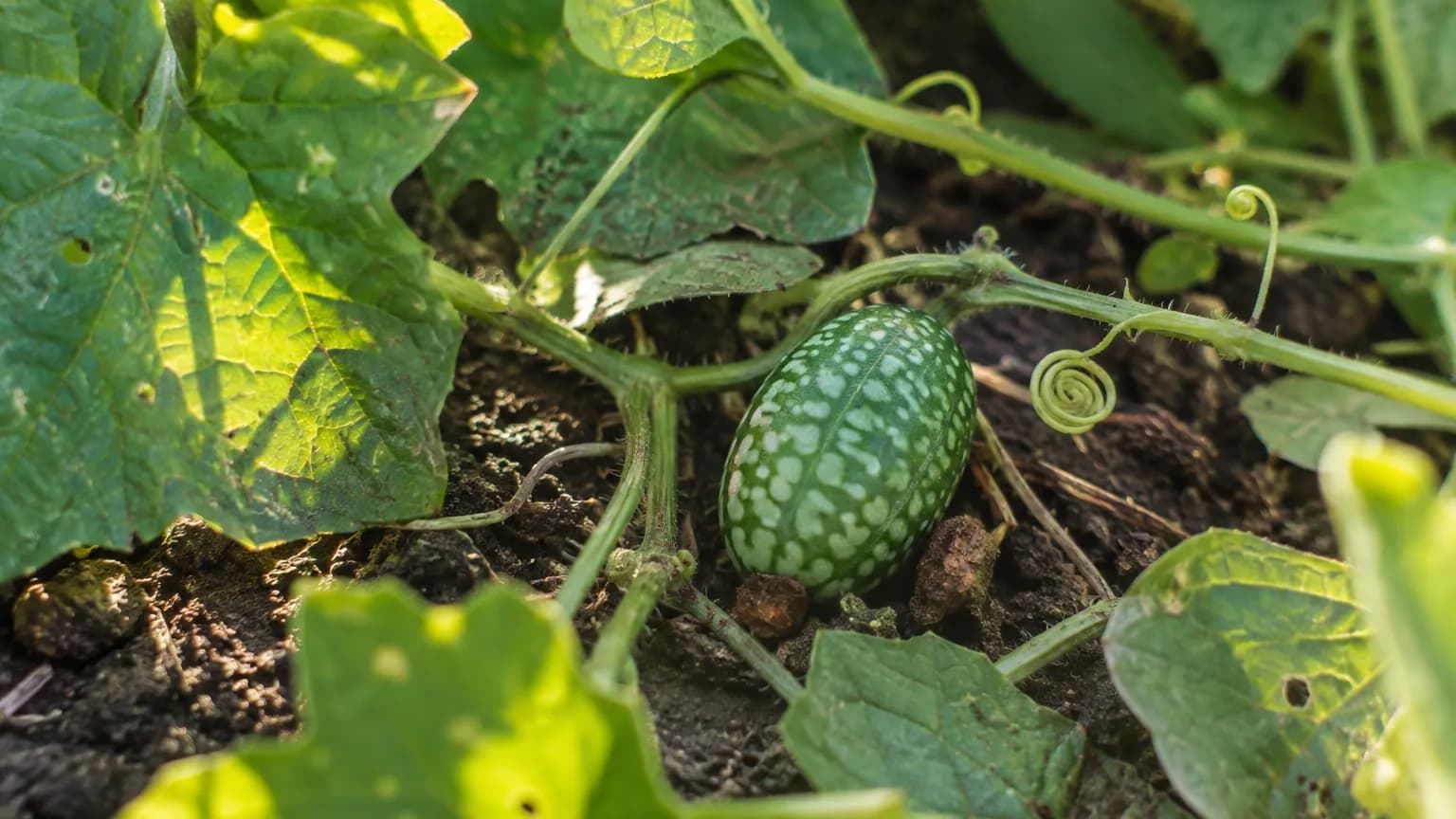
A charming climbing cucurbit that produces grape-sized fruits looking exactly like miniature striped watermelons, with a crisp texture and a refreshing cucumber flavor lifted by a citrusy, tangy kick.
On this pageOverview
Meet Cucamelon
A charming climbing cucurbit that produces grape-sized fruits looking exactly like miniature striped watermelons, with a crisp texture and a refreshing cucumber flavor lifted by a citrusy, tangy kick. Vines are slow and delicate for the first few weeks, then grow rampantly once summer heat arrives, easily covering a trellis. Fruits hide under the ivy-like foliage, so hunt carefully and pick often to keep plants productive. In mild climates the plant self-seeds freely and its tuberous roots survive winter, resprouting bigger and earlier each year.
When to plant Cucamelon
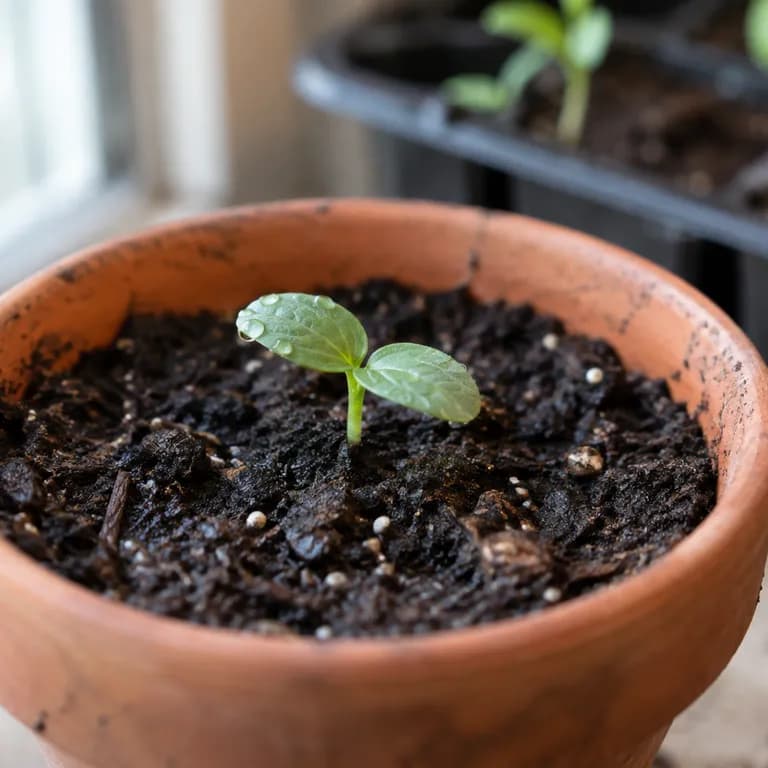
Starting cucamelons indoors is strongly recommended, because seeds germinate slowly and unevenly and the seedlings dawdle for weeks before taking off. Begin 4-6 weeks before your last frost date. Sow seeds just 1 cm deep — they need light and warmth more than depth — in individual cells or small pots of fine seed-starting mix. A heat mat holding 21-27°C makes the difference between sprouting in one week or three.
Keep the surface consistently moist but never soggy, and do not give up early: germination commonly takes 7-14 days and stragglers can appear at 3 weeks. Once seedlings emerge, give them 14-16 hours of strong light. Growth above the soil looks unimpressive for the first weeks — a pair of small true leaves and a thin stem — but the roots are busy. Feed with quarter-strength liquid fertilizer from the second true leaf.
Harden off for 7-10 days before transplanting, since tender cucamelon seedlings scorch easily. Transplant after all frost danger when the soil reaches 18°C, setting plants 40 cm apart at the foot of their trellis. Handle gently — the stems are fragile. Direct sowing in May works in warm climates; sow 2-3 seeds per spot and thin to the strongest.
In zones 7 and warmer there is a shortcut few crops offer: the plant forms small tuberous roots that survive winter underground. After frost kills the vines, mulch the crown 10 cm deep — or in colder zones dig the fingerling-sized tubers, store them in barely damp peat in a cool frost-free place like dahlia tubers, and replant in spring. Tuber-started plants leap into growth weeks ahead of seedlings and produce much heavier crops.
Your Cucamelon Year
Composed for Zone 7 · typical seasons · frost passes Apr 2, returns Nov 1
Plant Cucamelon Mar – May, pick Jul – Oct. Check the planting methods below and set your climate to personalize these windows.
Picking Cucamelon this season? Its next window opens Mar 1
One email a few days before it opens where you garden and one two weeks before it closes — then one when it's safe to plant out, and one when the first pick is due. Plus one before the first autumn frost.
One email per milestone, never more than one a week. Unsubscribe with one tap. No account needed.
How to grow Cucamelon
Cucamelons are warm-season vines that reward patience: they are famously slow to germinate and dawdle through their first few weeks, then explode into vigorous growth once temperatures stay above 20°C. Because the early stage is so slow, start seeds indoors 4-6 weeks before your last frost date, sowing them shallowly at 1 cm deep in individual pots and keeping the soil at 21-27°C. Transplant out after all frost danger when the soil has warmed to at least 18°C, spacing plants 40 cm apart. Direct sowing in late spring also works well in warm climates where the season is long.
Give cucamelons full sun and a sturdy trellis at planting time — vines reach 2-3 m and climb with delicate tendrils that grab netting, strings, or a fence. Letting them sprawl on the ground invites slug damage and hides the crop. Work 5-8 cm of compost into the planting area, but go easy on rich manure: cucamelons are lighter feeders than cucumbers and excess nitrogen pushes leaves at the expense of fruit.
Once established, cucamelons are remarkably drought- and heat-tolerant compared with other cucurbits, but the best flavor and heaviest yields come from consistent moisture. Water deeply once or twice a week at the base, mulch with straw to keep the root zone cool and moist, and feed with a balanced liquid fertilizer when flowering starts. Expect the first fruits about 75 days after sowing, then a steadily increasing cascade of hundreds of fruits until frost.
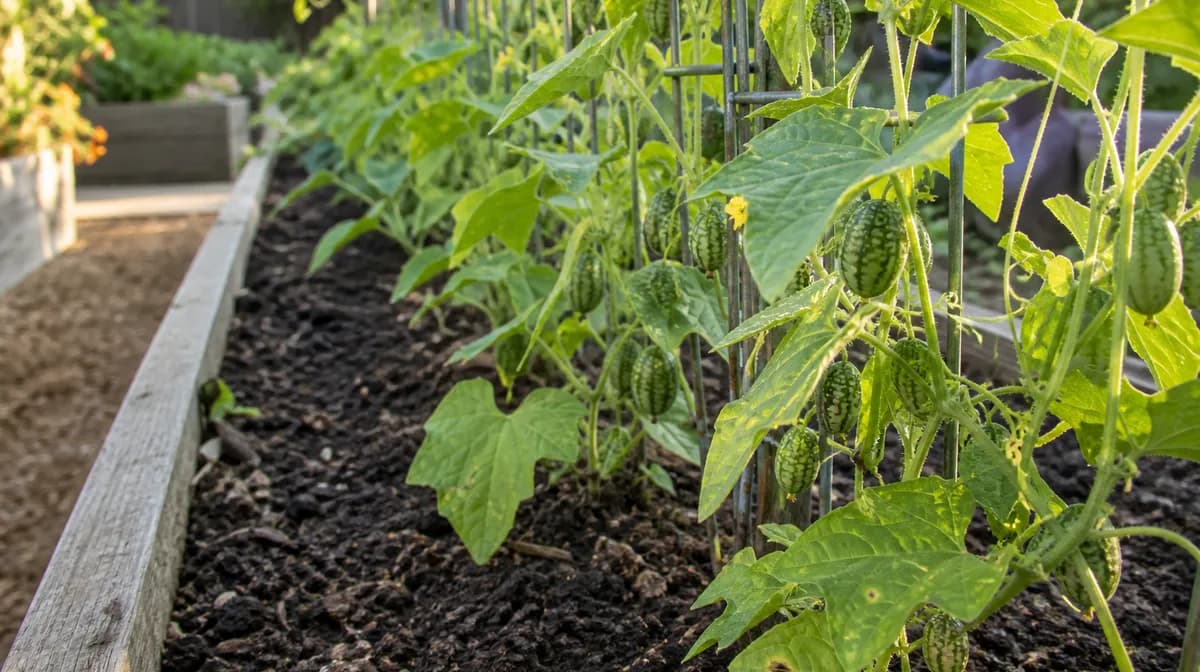
18 plants fit a 4 × 8 ft bed
Each Cucamelon wants 40 cm of elbow room. The planner keeps that spacing for you — every plant, every bed.
Plan a raised bed for Cucamelon: size, squares and soil.
Plan it in the raised bed plannerCucamelon's best neighbours
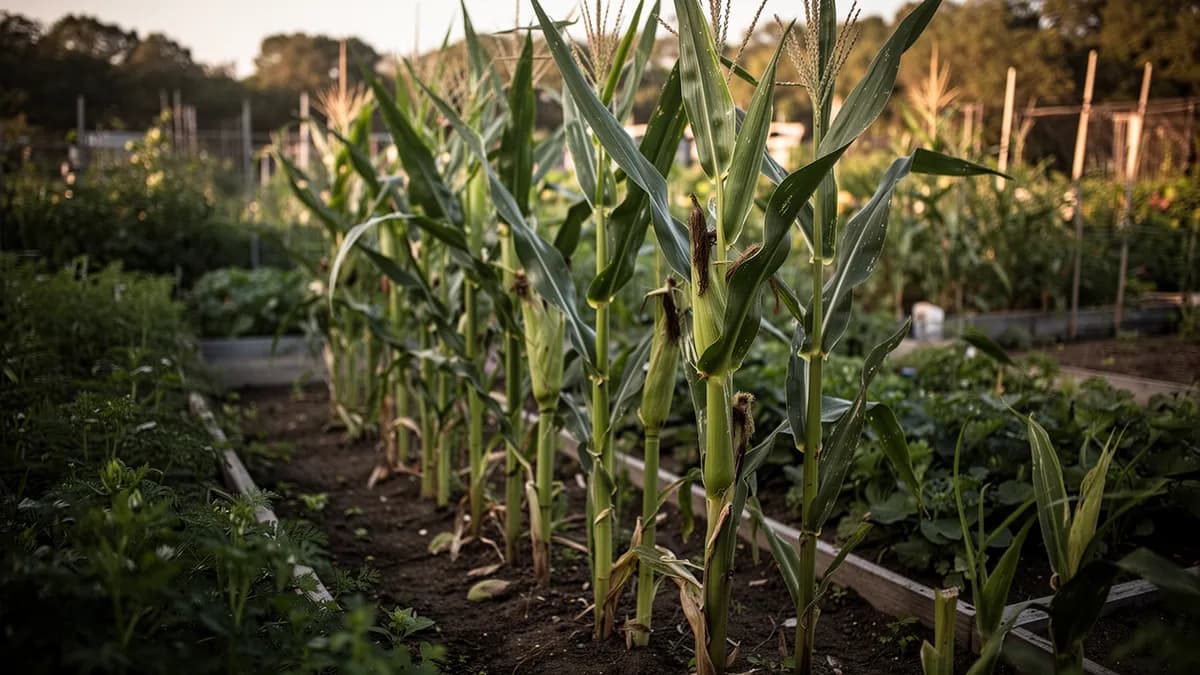
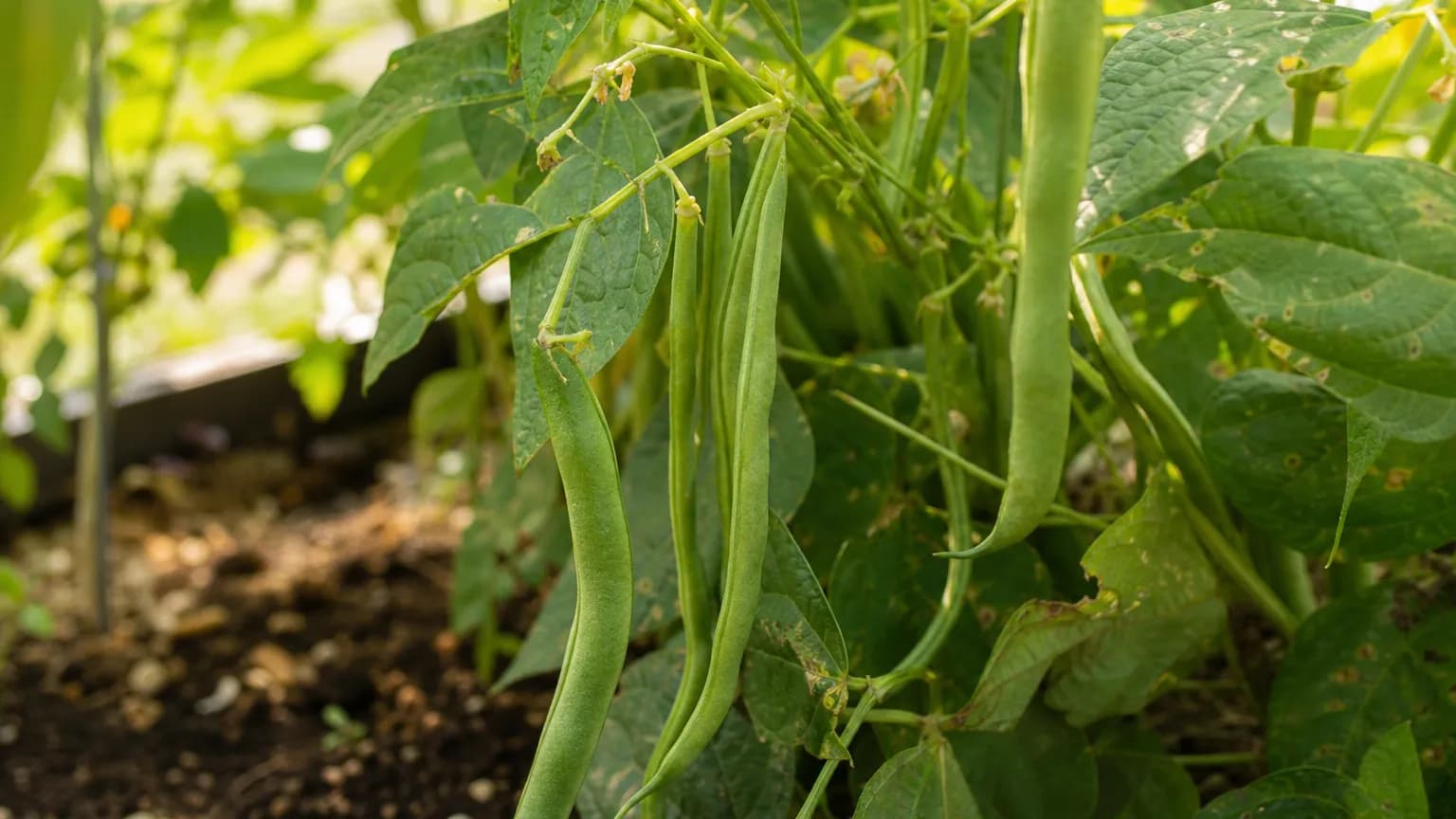
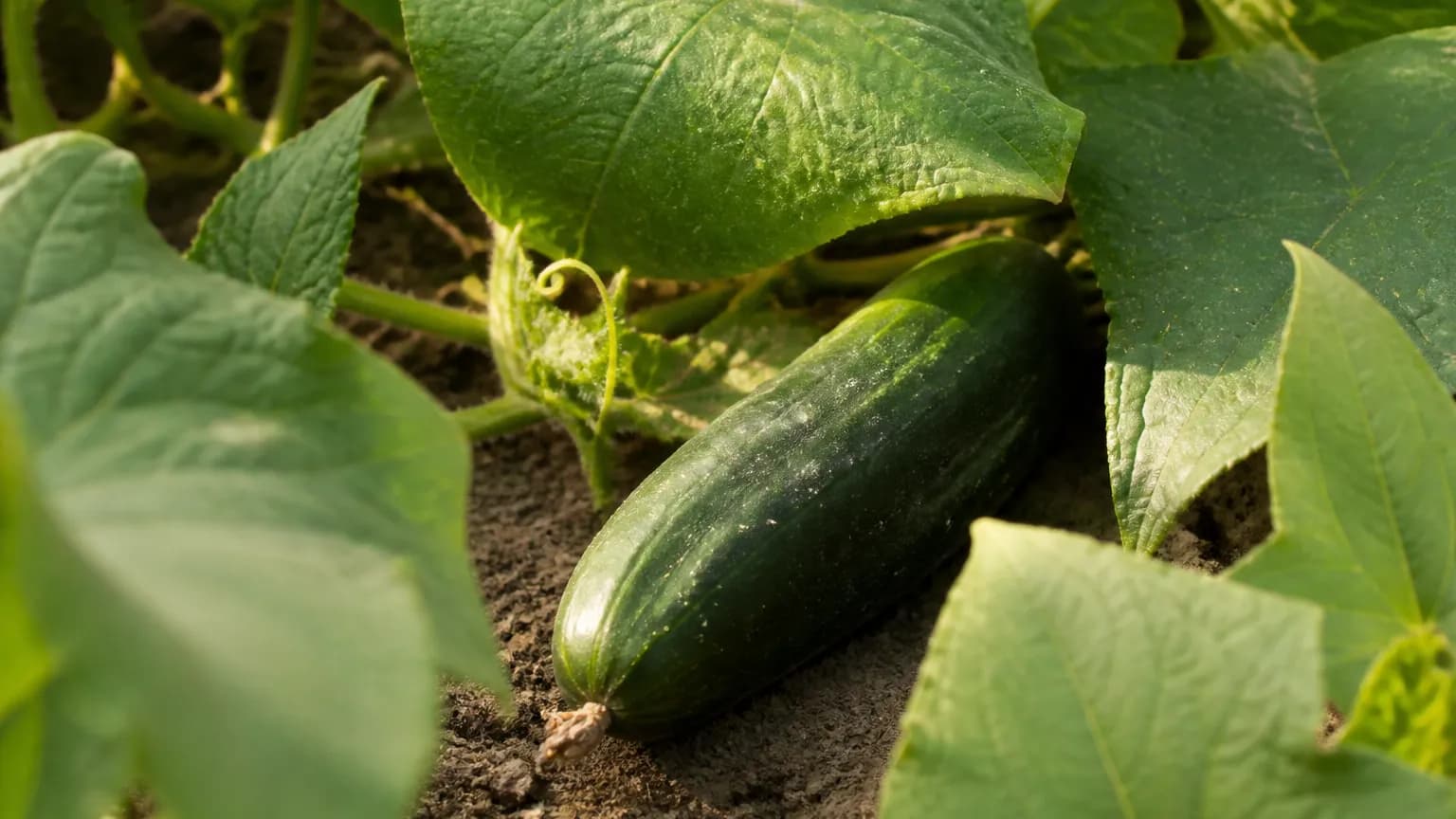
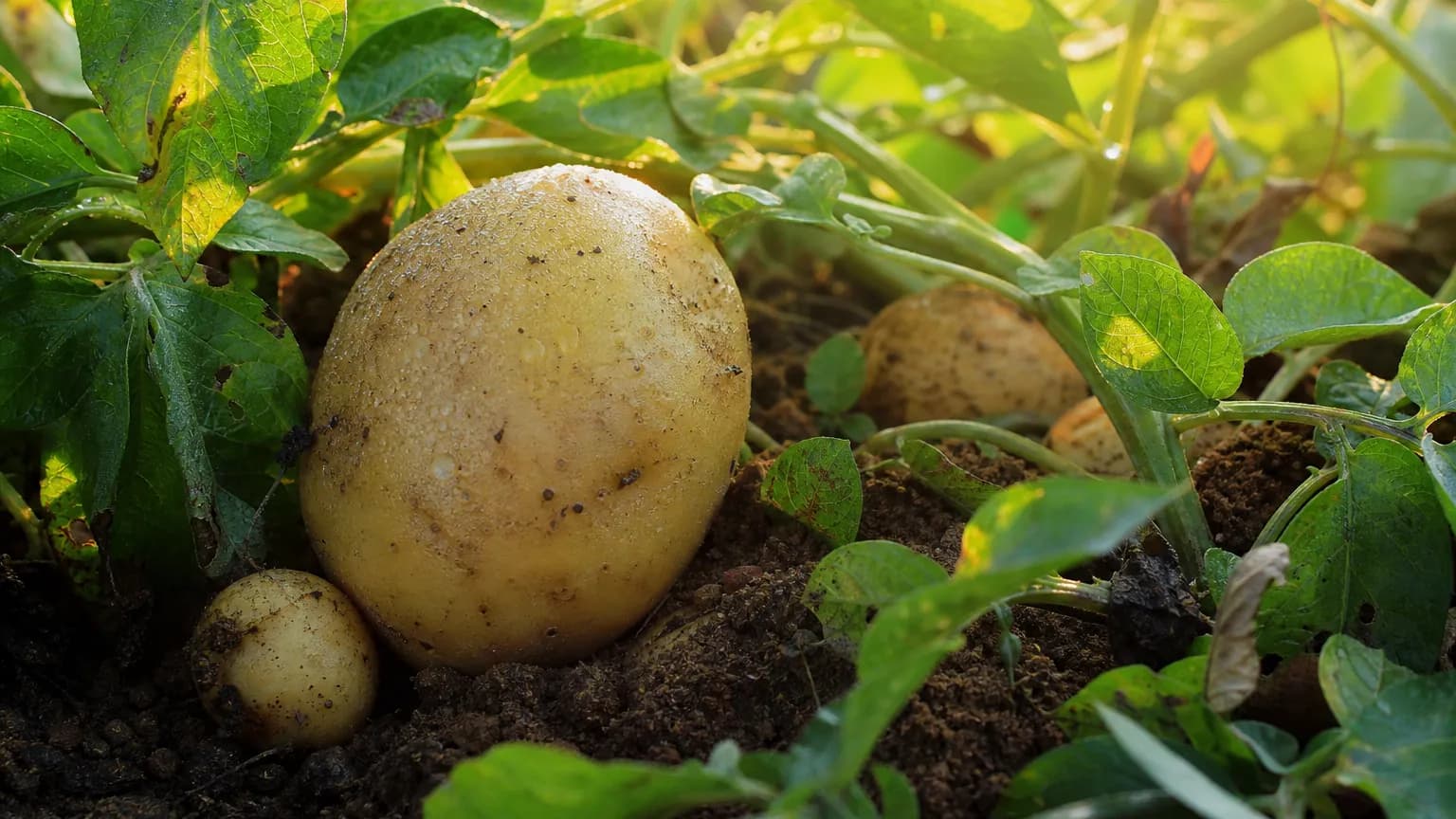
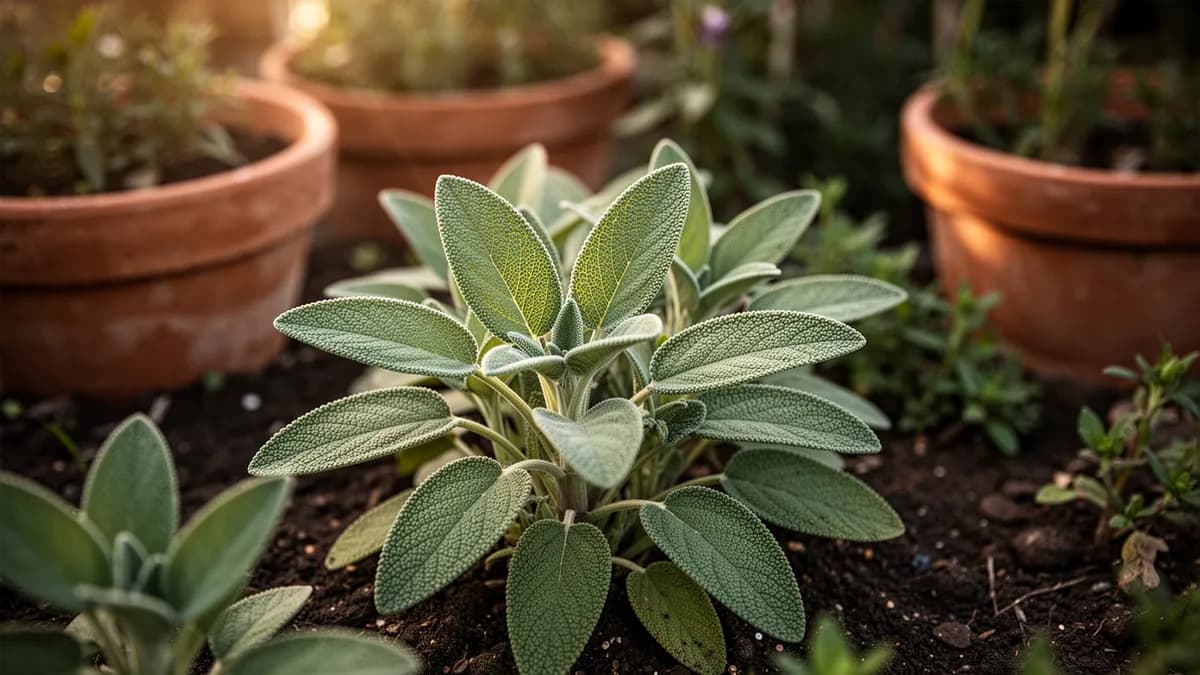
Corn makes an outstanding living trellis for cucamelons — the lightweight vines climb the stalks without overwhelming them, a gentler version of the classic Three Sisters pairing. Green beans fix nitrogen in the soil, feeding the vine through its long fruiting season, and both crops appreciate the same warm conditions. Sunflowers attract pollinators that improve fruit set and can also serve as climbing support. Avoid planting near potatoes, which compete for nutrients and host shared diseases, and sage, whose strong aromatic oils can inhibit cucurbit growth.
Corn belongs beside it. Potato doesn't.
Old growers' knowledge, checked against Cucamelon's real companion table below — test any plant you're growing.
Related growing guides

Feed it well
Cucamelons are adaptable and far less fussy than cucumbers, but they perform best in loose, well-drained loam with a pH of 6.0-7.0 enriched with 5 cm of compost before planting. They tolerate average and even slightly sandy soils once established — one reason they were a dependable staple in their native Mexico and Central America. Heavy clay should be lightened with compost or grown in raised beds, since waterlogged roots stall the already-slow early growth.
Go moderate on feeding: cucamelons are light feeders compared with their cucumber cousins. A handful of balanced slow-release fertilizer or a shovel of compost worked into each planting spot is usually enough for the first two months. Excess nitrogen is the classic mistake — it produces a lush green wall of foliage with disappointingly few fruits.
Once flowering begins, feed every 3-4 weeks with a balanced liquid feed or a tomato-type fertilizer slightly higher in potassium to support continuous fruiting through fall. Mulch with 5 cm of straw or shredded leaves after the soil warms to stabilize moisture and suppress weeds. In containers, use quality potting mix and feed every 2-3 weeks, since the rampant roots exhaust small volumes quickly.
Ideal Temperature
Hardiness Zone Compatibility
From seed to harvest, stage by stage
Seed Starting
Sow seeds just 1 cm deep in warm, fine seed mix at 21-27°C. Germination is slow and erratic — anywhere from 7 days to 3 weeks — so keep the surface moist and be patient.
Seedling Growth
Seedlings look delicate and grow slowly above ground while building a strong root system. Provide 14-16 hours of bright light and gentle bottom heat to keep them moving.
Vine Development
Once nights stay above 15°C the vine shifts into rampant growth, sending out tendrils and climbing up to 30 cm per week. Guide it onto a tall trellis early.
Flowering
Small yellow flowers appear along the vines, male blooms first, then female flowers with a tiny striped fruit behind each one. Bees handle pollination readily.
Fruiting
Pollinated flowers swell into grape-sized striped fruits, first a trickle, then a cascade. Fruits ripen quickly and hide under the dense foliage.
Harvest
Pick fruits at 2-2.5 cm, firm and brightly striped. Harvest every day or two in peak season; vines produce steadily until frost cuts them down.
A heat mat is the single biggest help. Do not discard the tray before three full weeks; late sprouts are normal for cucamelons.
Caring for Cucamelon month by month
What to do each month for your Cucamelon
November
You are hereClear dead vines and trellises once frost blackens the foliage. Store dried seeds in a cool, dark place and note this year's yields.
Harvesting Cucamelon
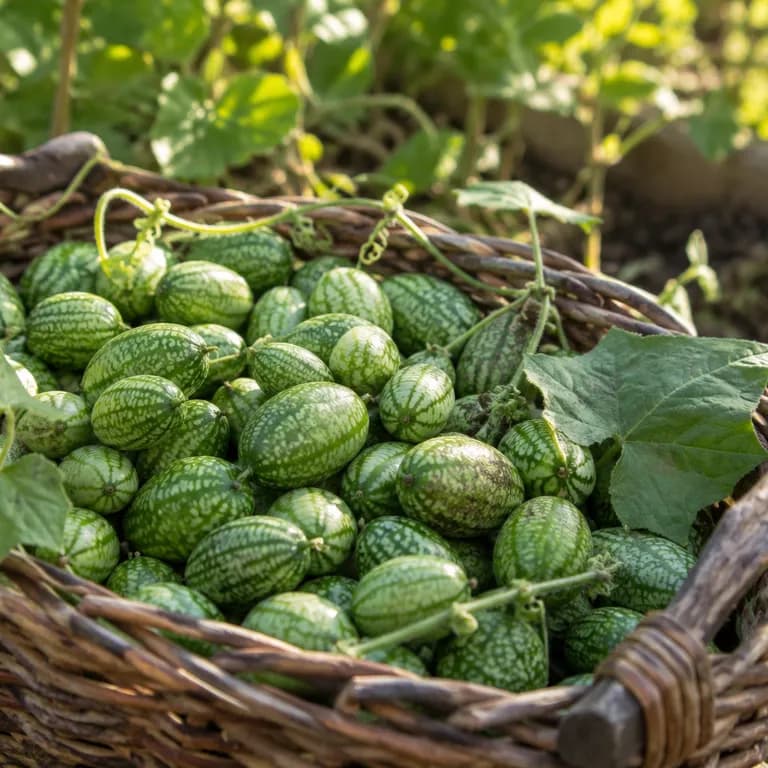
Cucamelons are ready about the size of a grape — 2-2.5 cm long — when the skin is firm, glossy, and crisply striped in light and dark green. At this stage the flavor is brightest: crunchy flesh with a cucumber base and a lime-like tang. Fruits left too long soften, lose their snap, and drop to the ground, where they happily self-seed. Pick by snipping or gently rolling the fruit off its slender stem; the thin pedicel detaches cleanly with a light touch.
From midsummer onward, check vines every day or two — the harvest builds slowly in midsummer, then pours in late summer and early autumn. The fruits are masters of camouflage under the dense ivy-like foliage, so lift leaf layers and hunt along the trellis from below. A small bowl per plant per week is normal in peak season, and regular picking keeps new flowers coming.
Unlike cucumbers, an overlooked cucamelon does not shut the vine down — it simply ripens, softens, and falls, which is why self-sown volunteers appear the following spring. Still, steady harvesting gives the longest season. As frost approaches, strip the vines of all remaining fruits regardless of size; even slightly immature cucamelons are excellent pickled whole.
assuming you plant when the window opens — set your real date
Grape-sized (2-2.5 cm), firm and glossy; check daily from late summer into early autumn.
Storage & Preservation
Fresh cucamelons keep best unwashed in a breathable container or loosely closed bag in the refrigerator crisper, where they hold their crunch for 1-2 weeks. Wash just before eating. Their thin skin and high juice content mean they soften faster than pickling cucumbers once washed, so keep them dry in storage. At room temperature they last only 2-3 days, making the fridge the default for anything not eaten the same day.
Pickling whole cucamelons is the signature preservation method — the grape-sized fruits need no cutting and make stunning cornichon-style pickles. Pack jars with a hot vinegar-salt brine, garlic, dill, mustard seed, and a grape or oak leaf for tannins that keep them crisp. Refrigerator pickles are ready in 24-48 hours and keep 2-3 months; for shelf-stable jars use a tested water-bath canning recipe with proper acidity.
Lacto-fermentation works beautifully: submerge whole fruits in a 3% salt brine with dill, garlic, and peppercorns and ferment 5-7 days at room temperature for probiotic, deli-style sour cucamelons that keep 3-4 months refrigerated. Freezing raw cucamelons is not recommended — they thaw to mush — but pickled or fermented jars handle any surplus a rampant vine can produce.
What goes wrong — and the fix
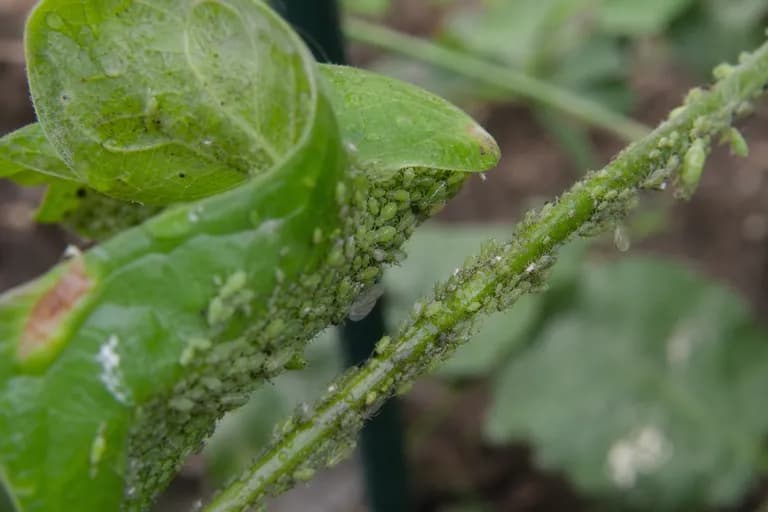
Aphids
PestClusters of tiny green or black insects on tender shoot tips and leaf undersides, causing curled new growth and sticky honeydew. Cucamelons are less troubled than cucumbers, but young indoor-raised transplants are the most vulnerable.
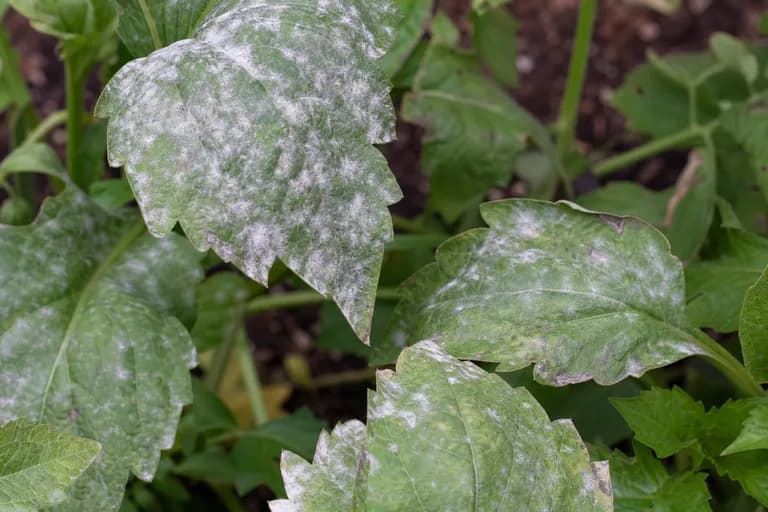
Powdery Mildew
DiseaseWhite, flour-like patches on older leaves, typically appearing late in the season as nights cool. Leaves gradually yellow and brown, though cucamelons tolerate infections better than most cucurbits and usually keep fruiting.
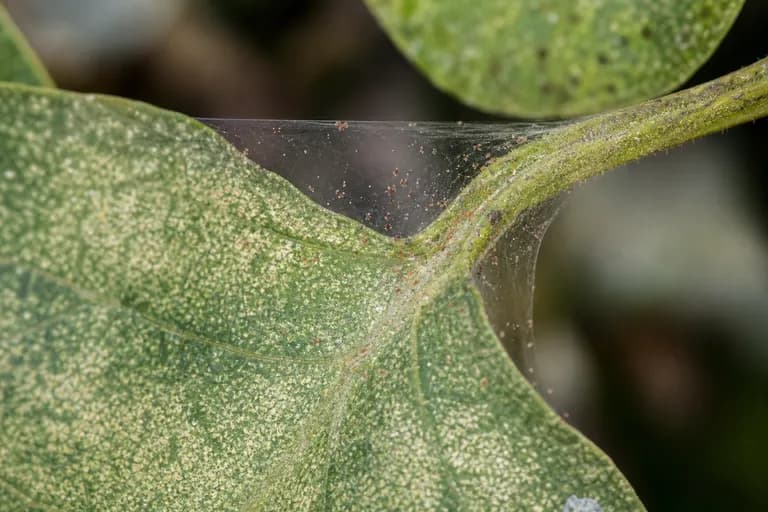
Spider Mites
PestFine stippling and bronzing on leaves with delicate webbing on undersides, worst during hot, dry spells. Heavy infestations cause leaves to dry up and drop, weakening the vine during peak fruiting.
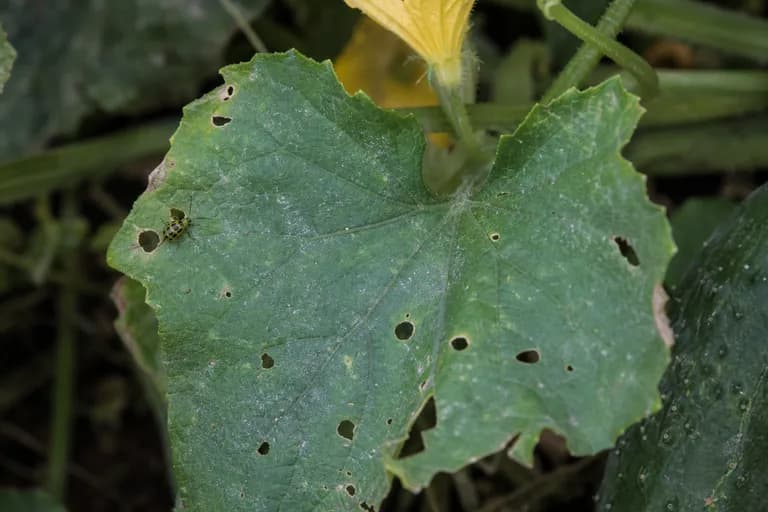
Cucumber Beetles
PestYellow-green beetles with black spots or stripes chewing small holes in leaves and flowers. Far less damaging to cucamelons than to true cucumbers — the vines grow fast enough to shrug off moderate feeding.
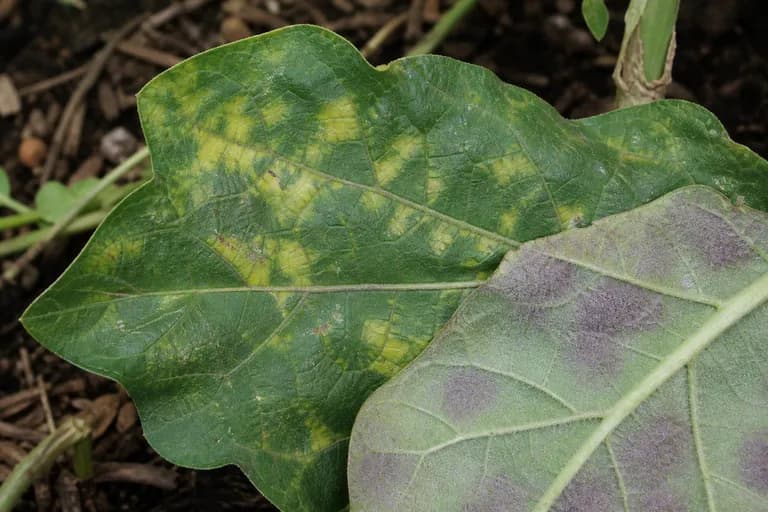
Downy Mildew
DiseaseAngular yellow patches bounded by leaf veins on upper surfaces with gray-purple fuzz underneath, spreading quickly in cool, humid late-summer weather. Affected leaves crisp and die, shortening the harvest window.
Troubleshooting Common Problems
Slow or erratic germination is the number-one frustration and the reason cucamelons have a reputation for being hard to start. Seeds can take anywhere from 7 days to 3 weeks to sprout, and soil below 18°C stretches that further. The fix is warmth and patience: use a heat mat at 21-27°C, keep the surface consistently moist, and do not discard the tray until at least three full weeks have passed. Starting indoors 4-6 weeks ahead sidesteps the problem almost entirely.
Deceptively slow early growth worries many first-time growers. For 3-4 weeks after transplanting, cucamelons look delicate and do almost nothing while they build their root system — then, roughly when nights stay above 15°C, they suddenly take off and can climb 30 cm a week. Do not overwater or overfertilize during the slow phase; just wait for the heat.
Rampant late-season tangling is the opposite problem. A single vine easily tops 2-3 m and spills off a small trellis into neighboring plants, forming a dense mat where fruits hide and slugs lurk. Give each plant its own tall trellis, weave stray tendrils back in weekly, and do not be shy about snipping off wayward runners — the vine responds with more side shoots and more fruit.
Volunteer seedlings the following spring surprise gardeners who dropped overripe fruits. In zones 7 and warmer, both self-sown seeds and the overwintering tubers produce new plants. Weed out volunteers where they are unwanted, or dig and share the fingerling-sized tubers — they are the easiest way to start next year's crop.
Growing Tips
- Start seeds indoors 4-6 weeks before the last frost — cucamelons germinate slowly and dawdle as seedlings, so the head start matters more than for any other cucurbit.
- Use a heat mat at 21-27°C and sow just 1 cm deep. Germination takes 7 days to 3 weeks; warmth shortens it dramatically.
- Install the trellis at planting time. Vines reach 2-3 m, and trying to add support after the rampage begins is frustrating for you and the plant.
- Do not overfeed — cucamelons are light feeders, and excess nitrogen grows a gorgeous green wall with very few fruits.
- Hunt for fruit from below the foliage. The grape-sized, green-striped fruits blend into the leaves perfectly, and the biggest ones are always hiding.
- Pick a few fruits slightly immature for the crispest pickles, and let a handful fully soften at season's end if you want to save seed.
- In zones 7 and warmer, mulch the crowns 10 cm deep after frost and let the tubers overwinter in the ground — second-year plants outperform seedlings by weeks.
- In colder zones, dig the fingerling-sized tubers after the first frost, store them in barely damp peat like dahlia tubers, and replant in late spring.
- Grow in a large container (30+ liters) with an obelisk if space is tight — one pot on a sunny patio produces a surprising snack supply.
- Expect volunteers next spring wherever fruits dropped. Weed them out, transplant them, or pot them up as gifts — they are remarkably sturdy.
Pick your Cucamelon
Mexican Sour Gherkin
The classic name under which most heirloom seed houses sell Melothria scabra. The standard form: vigorous vines, heavy crops of tangy 2-2.5 cm striped fruits, about 70-75 days to first harvest.
Sandita
Sold under its traditional Mexican name meaning little watermelon. Botanically identical to other cucamelon seed; look for this name from suppliers specializing in Latin American heirlooms.
Mouse Melon
A popular trade name from specialty seed companies. Same species, same grape-sized fruits — chosen for the charming image of a mouse-sized melon.
Cucamelon
The modern marketing name that made the plant famous. Note that no bred cultivars exist — every packet of Melothria scabra grows the same unimproved, open-pollinated species, so buy whichever named packet you find.
A $3 packet of cucamelon seeds (or free tubers from a gardening friend) produces vines yielding several hundred fruits each — gourmet produce stores and farmers markets sell small punnets for $4-6. Two plants can keep a family in snacks and pickles all summer, and since the tubers overwinter in zones 7+ and dropped fruits self-seed, many growers never buy seeds again after the first year.
Quick recipes
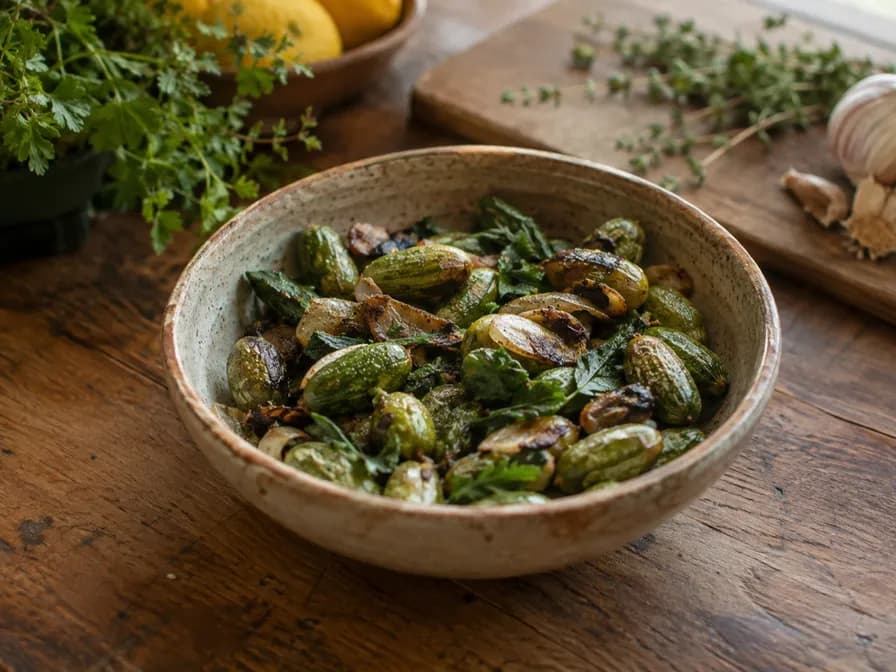
Cornichon-Style Pickled Cucamelons
20 minWhole cucamelons pickled in a sharp tarragon-vinegar brine — crisp, tangy, and ready in 48 hours. The classic way to handle a big harvest.
9 ingredients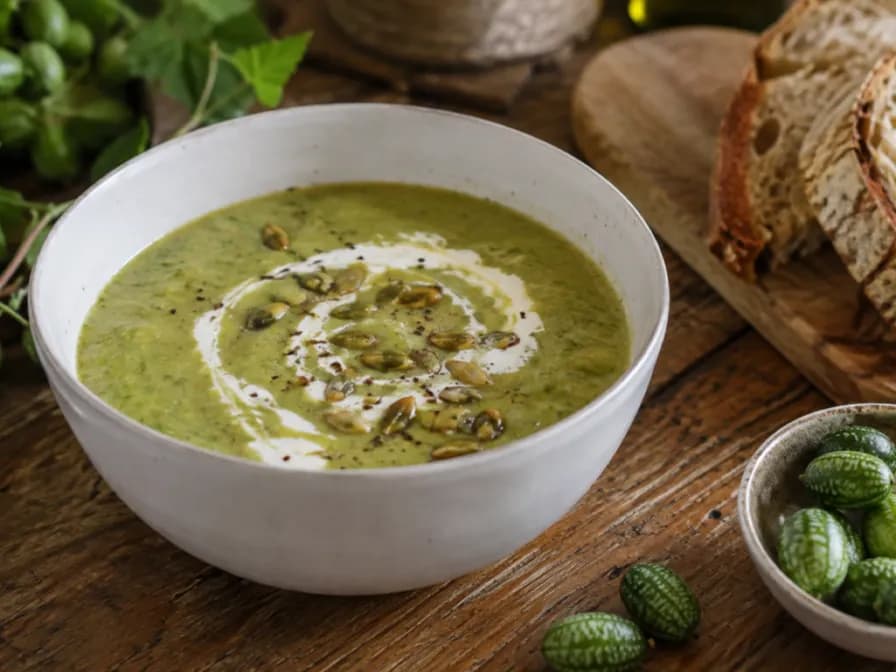
Cucamelon Pico de Gallo
10 minA crunchy, citrusy salsa where the cucamelons' natural tang does half the work of the lime juice. Perfect with tortilla chips or grilled fish.
7 ingredientsGarden Cucamelon Salad
10 minHalved cucamelons with cherry tomatoes, feta, and mint in a lemon-olive oil dressing — a five-minute showcase for the harvest.
7 ingredientsCulinary Uses
Cucamelons are made for eating out of hand — pop them whole like grapes for a crunchy, refreshing snack with a cucumber-lime flavor that children and guests find irresistible. Tossed whole into green salads, grain bowls, and pasta salads they add bursts of tang and a spectacular miniature-watermelon look. Halved or quartered, they hold their shape in salsas and pico de gallo, where their natural acidity means you can go lighter on the lime juice.
Their firm texture and thin skin make them exceptional for pickling whole — no peeling, no slicing. Classic cornichon-style cucamelons with tarragon and shallots, dill pickles with garlic, and spicy pickles with chili all showcase the fruits' snappy crunch. They are also a show-stopping cocktail garnish: skewer them for gin and tonics, muddle them into margaritas, or drop them into a Bloody Mary in place of a pickle spear.
Quick cooking is possible but rarely necessary — a brief sauté in olive oil with garlic keeps them crisp-tender, and they can be threaded onto skewers for the grill. Most growers agree, though, that cucamelons shine brightest raw and pickled. Classic pairings include lime, chili, cilantro, mint, feta, and tequila.
What's inside
Health Benefits
- Ultra-low in calories while delivering satisfying crunch, making cucamelons ideal for healthy snacking and weight management
- High water content supports hydration and provides a refreshing way to eat more fluids in hot weather
- The edible skin supplies dietary fiber that supports healthy digestion
- Contains vitamin C and antioxidant compounds in the pigmented striped skin
- Fermented cucamelon pickles provide live probiotic cultures that support gut health
Where Cucamelon comes from
Cucamelon (Melothria scabra) is native to Mexico and Central America, where it grows wild and has been gathered and cultivated since pre-Columbian times. Indigenous peoples ate the crunchy fruits fresh and pickled, and the plant acquired a stack of affectionate names along the way: sandita or sandia raton (mouse watermelon) in Spanish, and later mouse melon, Mexican sour gherkin, and Mexican miniature watermelon in English.
French botanist Charles Victor Naudin formally described the species in 1866, and it appeared in European and American seed catalogs by the early 20th century as a curiosity crop. It never disappeared from Mexican and Central American home gardens, where its drought tolerance and self-seeding habit made it a reliable, near-zero-effort staple.
The modern name cucamelon and a wave of social-media attention in the 2010s turned this old heirloom into a global gardening trend. Today it is prized by home gardeners not just for the novelty of its dollhouse watermelons but for genuine practical virtues: vigorous pest-resistant vines, enormous yields of snackable fruit, and tuberous roots that make it a perennial in mild-winter regions.
Cucamelon: did you know?
Fascinating facts about Cucamelon
Cucamelons look like watermelons shrunk to grape size, but they are a completely different species (Melothria scabra) — neither cucumber nor melon, though they are in the same family.
Cucamelon questions, answered
When should I plant Cucamelon?
What are good companion plants for Cucamelon?
What hardiness zones can Cucamelon grow in?
How much sun does Cucamelon need?
How far apart should I space Cucamelon?
What pests and diseases affect Cucamelon?
How do I store Cucamelon after harvest?
What are the best Cucamelon varieties to grow?
What soil does Cucamelon need?
Are cucamelons just tiny cucumbers?
Why won't my cucamelon seeds germinate?
My vine is huge but has almost no fruit. What's wrong?
Do cucamelons come back every year?
How do you eat cucamelons?
Can I grow cucamelons in a container?
Plant these alongside Cucamelon
More Cucurbits
Keep Cucamelon away from these
Grow your best Cucamelon yet — and everything around it.
Start a free plan today. Lay out your beds, drop in your Cucamelon, and let PlotMyGarden handle the timing, spacing, companions and reminders from seed to harvest basket.
