Green Beans
A warm-season legume available in bush and pole varieties, producing crisp pods over a long harvest period.





On this pageOverview
Meet Green Beans
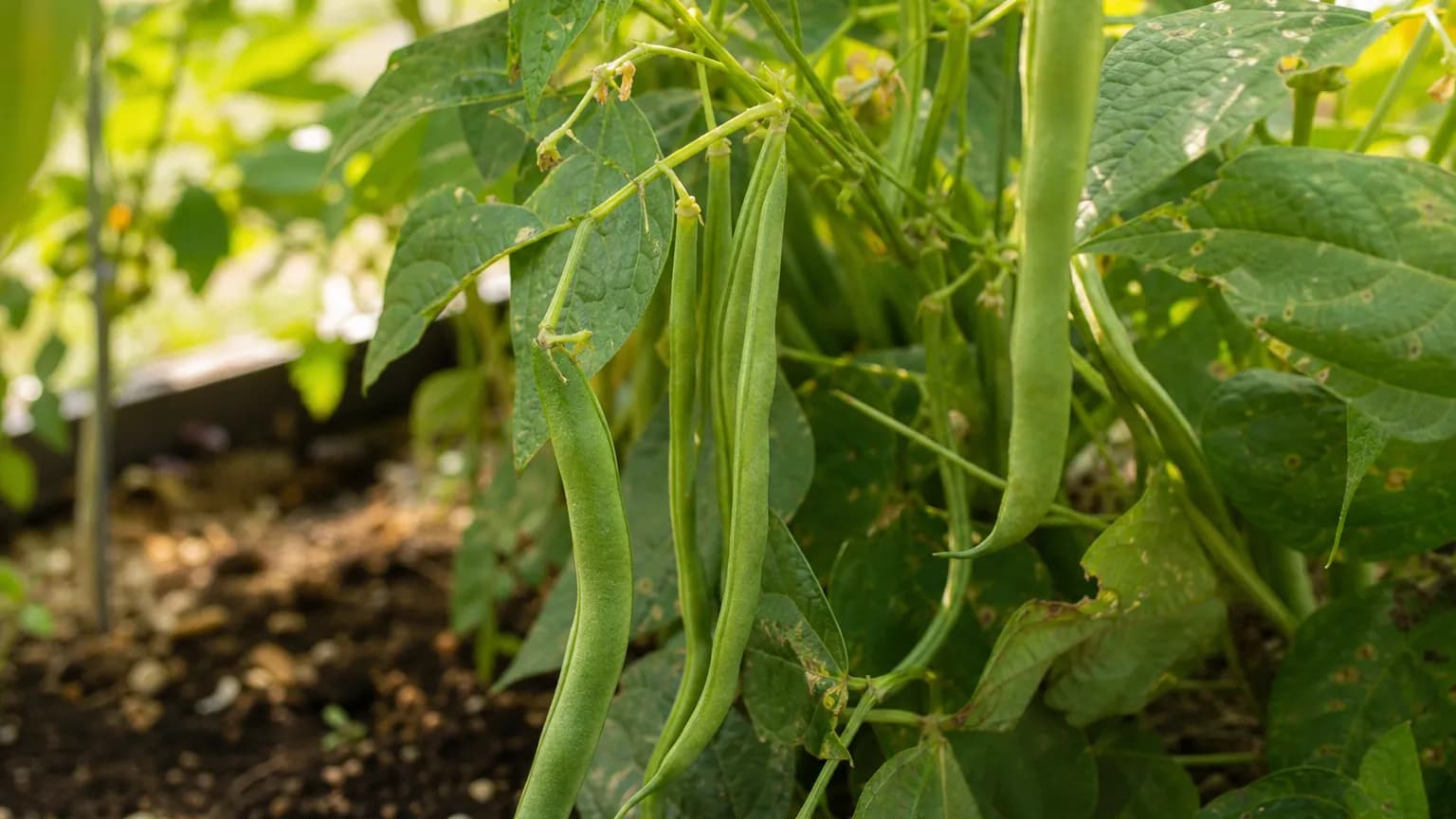
A warm-season legume available in bush and pole varieties, producing crisp pods over a long harvest period. Sow seeds directly after the last frost when soil has warmed to at least 60 degrees Fahrenheit for reliable germination. Bush types are compact and harvest all at once, while pole types need trellising but produce continuously for weeks. Pick beans when pods snap cleanly and before seeds visibly bulge to ensure the most tender and flavorful harvest.
When to plant Green Beans
Green beans are almost always direct-sown rather than started indoors, as they dislike root disturbance and grow so quickly that indoor starting offers little advantage. Wait until after the last frost when soil temperatures have reached at least 16°C (60°F) — use a soil thermometer rather than guessing, as air temperature can be deceiving. Sow seeds 2.5 cm (1 inch) deep and 8-10 cm apart in rows spaced 45-60 cm apart. For pole beans, plant 4-6 seeds in a circle around each pole base and thin to the 3 strongest seedlings after germination.
To speed germination by 2-3 days, soak seeds overnight in room-temperature water before planting. For an even bigger boost, inoculate seeds with bean-specific Rhizobium powder — moisten the seeds slightly and roll them in the inoculant just before planting. This ensures the nitrogen-fixing bacteria are present from day one, which is especially important in beds that haven't grown legumes recently. Germination takes 8-10 days in warm soil, but can take 14+ days if soil is marginally cool.
For a continuous harvest of bush beans, make succession plantings every 2-3 weeks from the last frost date through midsummer (about 8-10 weeks before the first expected fall frost). This staggers harvests so you're never overwhelmed with more beans than you can eat or preserve. In short-season areas where direct sowing isn't possible early enough, start seeds indoors 2-3 weeks before your transplant date in biodegradable peat pots or soil blocks to minimize root disturbance — beans do not transplant well from standard cell trays. Harden off indoor-started seedlings for 5-7 days before transplanting. In hot climates (zones 8+), a fall planting 10-12 weeks before the first frost often produces better than the spring crop, as beans prefer the cooling temperatures of autumn over midsummer heat.
Your Green Beans Year
Composed for Zone 7 · typical seasons · frost passes Apr 2, returns Nov 1
Plant Green Beans Apr – Jun, pick Jul – Sep. Check the planting methods below and set your climate to personalize these windows.
How to grow Green Beans
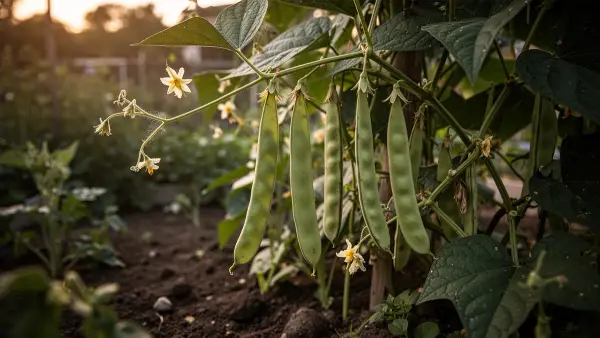
Green beans are among the easiest warm-season crops to grow, requiring minimal fuss once soil has warmed to at least 16°C (60°F). Prepare beds by working 5 cm of compost into loose, well-drained soil — beans fix their own nitrogen, so avoid high-nitrogen amendments that promote foliage over pods. Inoculate seeds with a bean-specific Rhizobium at planting for optimal nitrogen fixation, especially in beds where beans haven't been grown before. Sow seeds 2.5 cm (1 inch) deep and 8-10 cm apart in rows spaced 45-60 cm apart for bush types, or at the base of poles spaced 15 cm apart for pole types.
Bush beans are ideal for smaller gardens and succession planting — sow a new row every 2-3 weeks until midsummer for continuous harvest. Pole beans require sturdy supports 180-240 cm tall and produce over a much longer period from a single planting. Tepees made from bamboo poles or trellis netting on a frame both work well. Guide young vines toward their supports until they begin climbing on their own.
Water consistently with 2.5 cm per week, especially during flowering and pod development, using drip irrigation or soaker hoses to keep foliage dry. Mulch with straw to conserve moisture and suppress weeds. Avoid working among wet bean plants, as this spreads bacterial and fungal diseases. Side-dress with compost when plants begin flowering, and harvest every 2-3 days to keep plants productive.
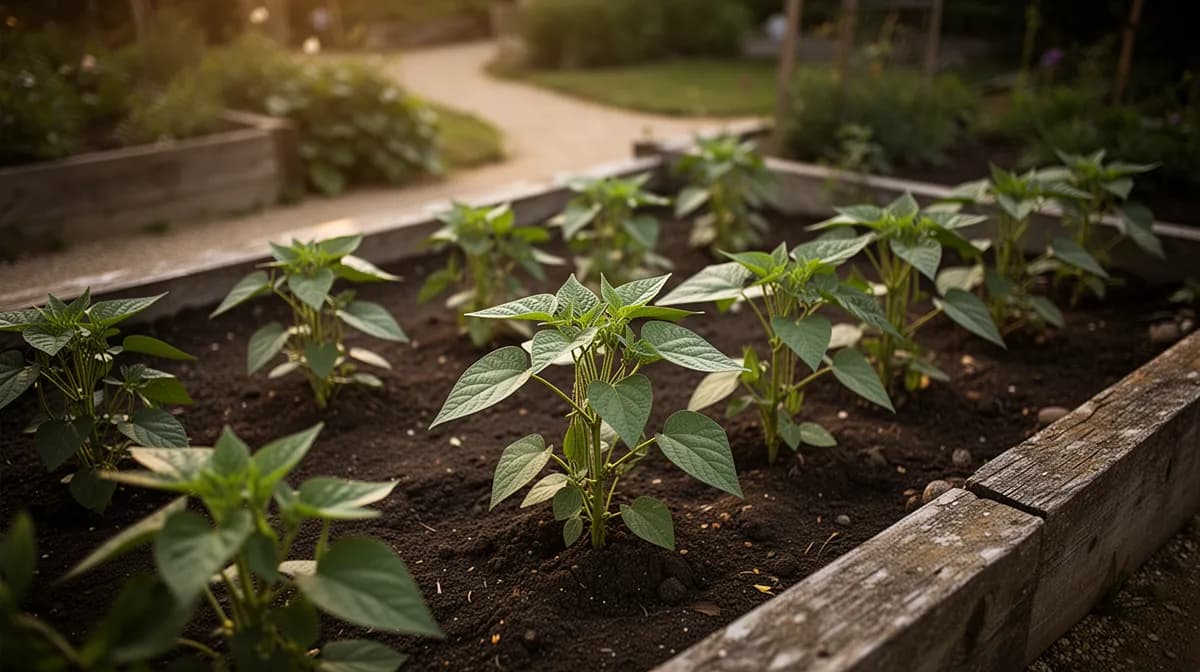
288 plants fit a 4 × 8 ft bed
Each Green Beans wants 10 cm of elbow room. The planner keeps that spacing for you — every plant, every bed.
Green Beans's best neighbours
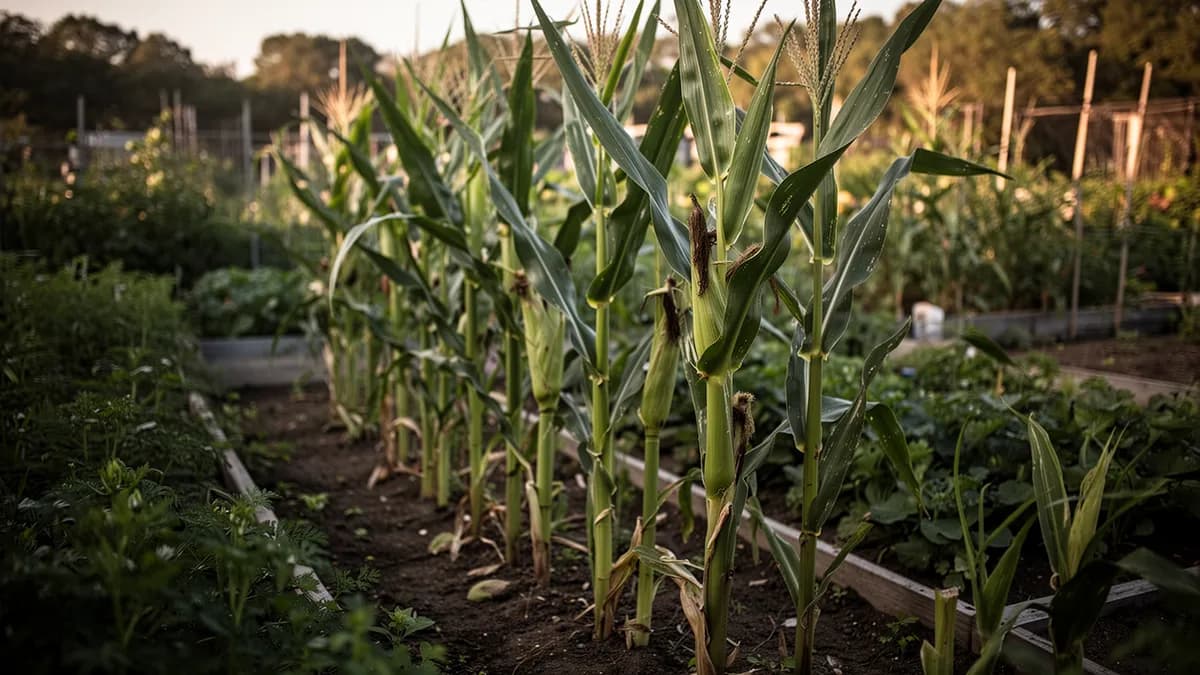
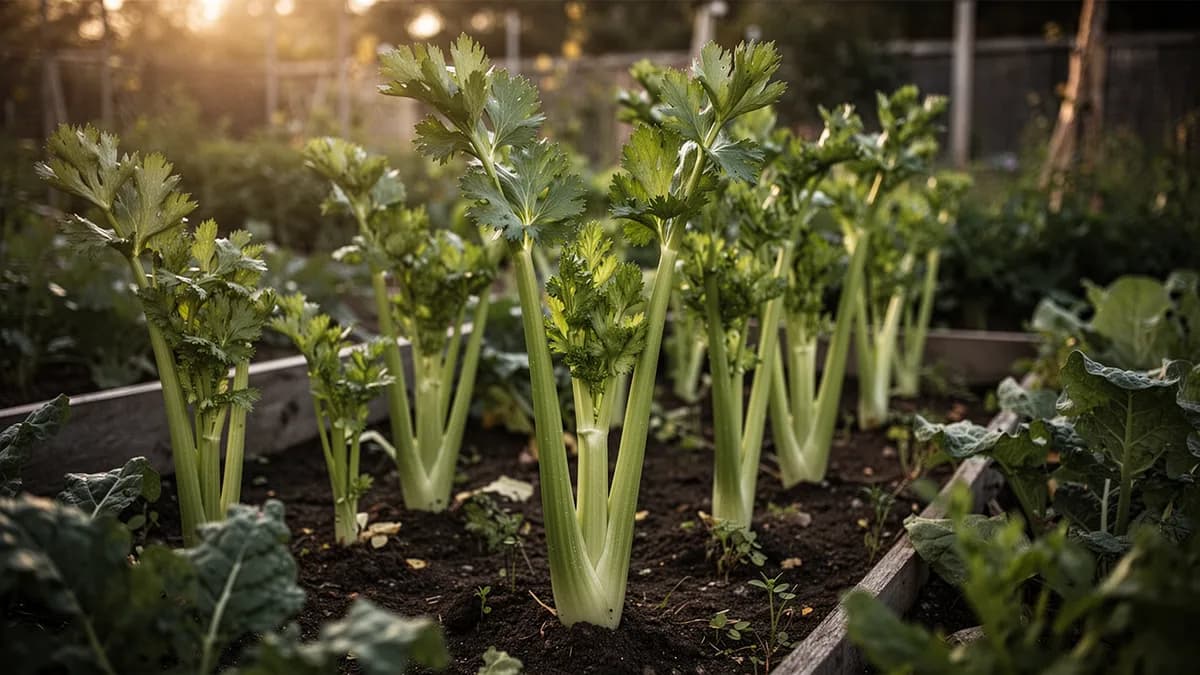
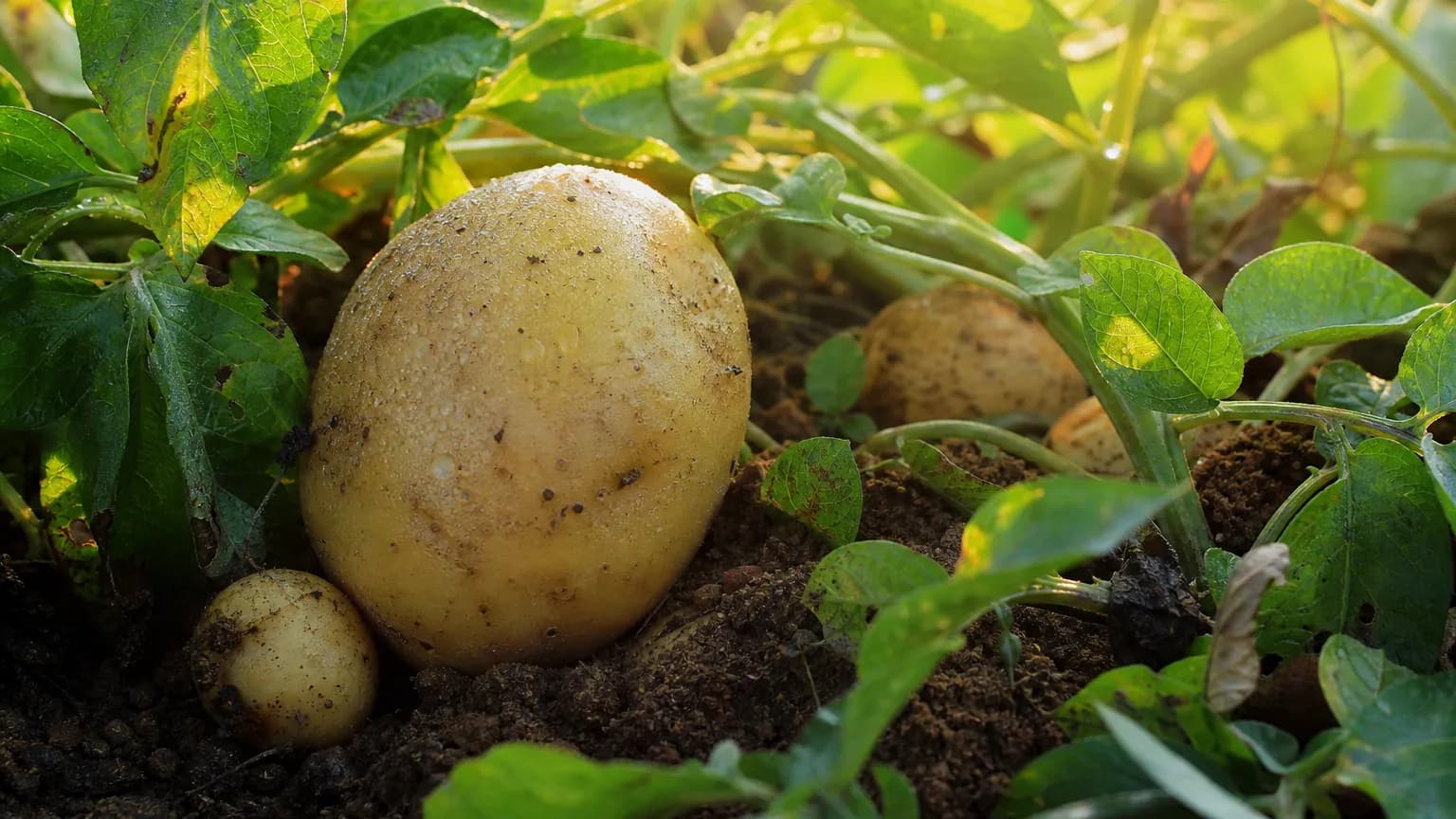
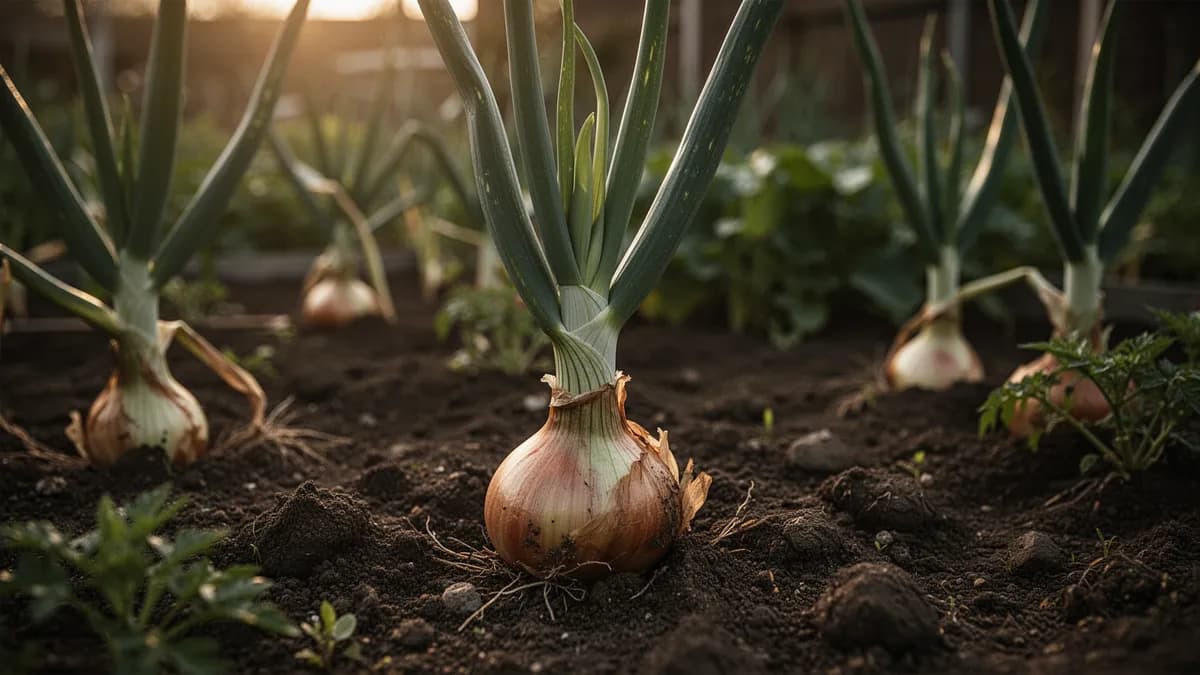
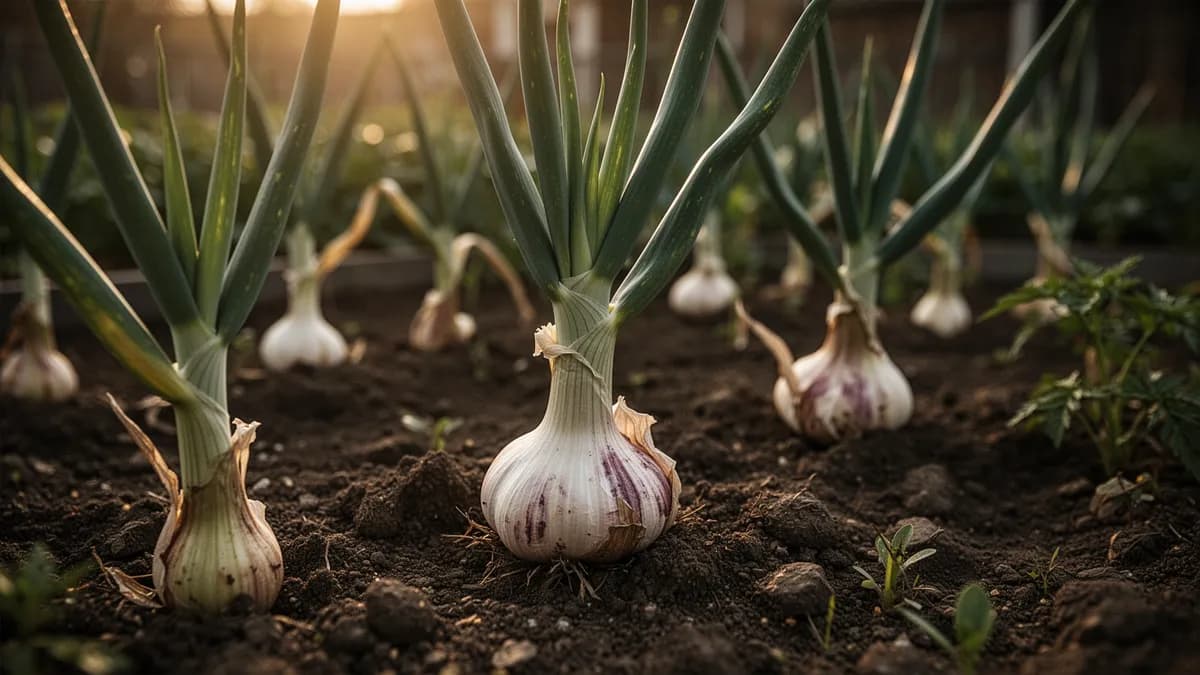
Corn and beans are a classic pairing from the Three Sisters tradition — beans climb the corn stalks naturally while fixing nitrogen that the heavy-feeding corn needs. Potatoes benefit from beans' nitrogen fixation and their shared pest-repelling properties. Celery's strong scent helps deter bean beetles. Avoid planting near onions and garlic, as alliums release sulfur compounds that inhibit the Rhizobium bacteria beans rely on for nitrogen fixation. Sunflowers attract pollinators that improve bean set and provide windbreak protection.
Corn belongs beside it. Onion doesn't.
Old growers' knowledge, checked against Green Beans's real companion table below — test any plant you're growing.
Try Green Beans in a bed — right here
A real planner bed with Green Beans already in it. Tap a companion to place it and watch the pairing checks answer — green for good neighbours, red for a clash.


Related growing guides
Feed it well
Green beans grow best in well-drained, loamy soil with a pH of 6.0-6.8. Before planting, work 5-8 cm of aged compost or well-rotted manure into the top 20 cm of soil to improve structure, drainage, and microbial activity. Unlike most vegetable crops, beans are nitrogen-fixing legumes — they form a symbiotic relationship with Rhizobium bacteria that colonize their roots and convert atmospheric nitrogen into plant-available forms. This means you should avoid adding nitrogen-rich fertilizers like blood meal, fresh manure, or high-N synthetic blends, which override the plant's natural nitrogen fixation and promote excessive leafy growth at the expense of pod production.
Focus your soil amendments on phosphorus and potassium, the nutrients beans need most for robust flowering and pod development. Work bone meal (for phosphorus) and greensand or wood ash (for potassium) into the planting area at a rate of about 1 cup per 3 meters of row. If your soil is particularly poor or has not grown legumes before, inoculate seeds with a bean-specific Rhizobium inoculant powder before planting — simply moisten the seeds and roll them in the powder. This ensures the nitrogen-fixing bacteria are present in sufficient numbers. In very depleted soils, a light application of a low-nitrogen fertilizer like 5-10-10 at planting time provides a gentle boost while the Rhizobium colonies establish.
Side-dress with a thin ring of compost around each plant or along the row when flowering begins, being careful not to disturb the shallow root system. Beans have delicate, fibrous roots concentrated in the top 10-15 cm of soil, so avoid deep hoeing or aggressive cultivation near plants. Instead, suppress weeds with a 5-8 cm layer of organic mulch. After harvest, cut bean plants at the soil line rather than pulling them — the nitrogen-rich root nodules left behind will decompose and enrich the soil for the next crop, making beans an excellent rotation partner for heavy-feeding plants like corn, squash, or tomatoes.
Ideal Temperature
Hardiness Zone Compatibility
From seed to harvest, stage by stage
Germination
Seeds absorb water and swell, splitting the seed coat. The radicle (first root) emerges downward while the hypocotyl arches upward, pulling the cotyledons through the soil surface. The thick bean-shaped seed leaves provide energy for the first week of growth.
Seedling & Leaf Development
The first true leaves unfold — they are simple, heart-shaped, and different from the eventual trifoliate leaves. Plants grow rapidly, producing compound leaves with three leaflets. Bush types remain compact while pole types begin reaching for supports with twining stems.
Vegetative Growth
Plants fill out rapidly with dense foliage. Bush types reach their full 45-60 cm height, while pole types can climb 30+ cm per week. Rhizobium root nodules become active, visibly as small white or pink bumps on roots when healthy.
Flowering
Small white, pink, or purple flowers (depending on variety) appear in clusters along the stems. Each flower is self-pollinating, though bees visiting improve pod set. Flowers open in the morning and are pollinated within hours.
Pod Development
Tiny pods emerge from spent flowers and elongate rapidly over 7-10 days. Pods should be smooth, firm, and bright green. Seeds inside are barely visible — this is the ideal harvest window for snap beans.
Harvest & Decline
Bush types produce heavily for 2-3 weeks then decline. Pole types continue producing for 6-8 weeks with regular picking. As temperatures cool in autumn, production slows and plants yellow naturally.
Keep soil evenly moist but not waterlogged. Soil temperature must stay above 16°C (60°F). Do not apply fertilizer until seedlings are established.
Caring for Green Beans month by month
What to do each month for your Green Beans
October
You are hereFinal harvests before frost. Allow some pods to mature fully on the vine for dry bean harvest and seed saving. Pull spent bush bean plants after production ends.
Know exactly what to do in your garden — every month
One email at the start of each month: what to sow, plant, and tackle right now — for your Green Beans and everything growing around it. Plus a short starter course that helps you dodge the classic mistakes.
- What to do, right now
- Matched to your season
- Starter course included
Harvesting Green Beans
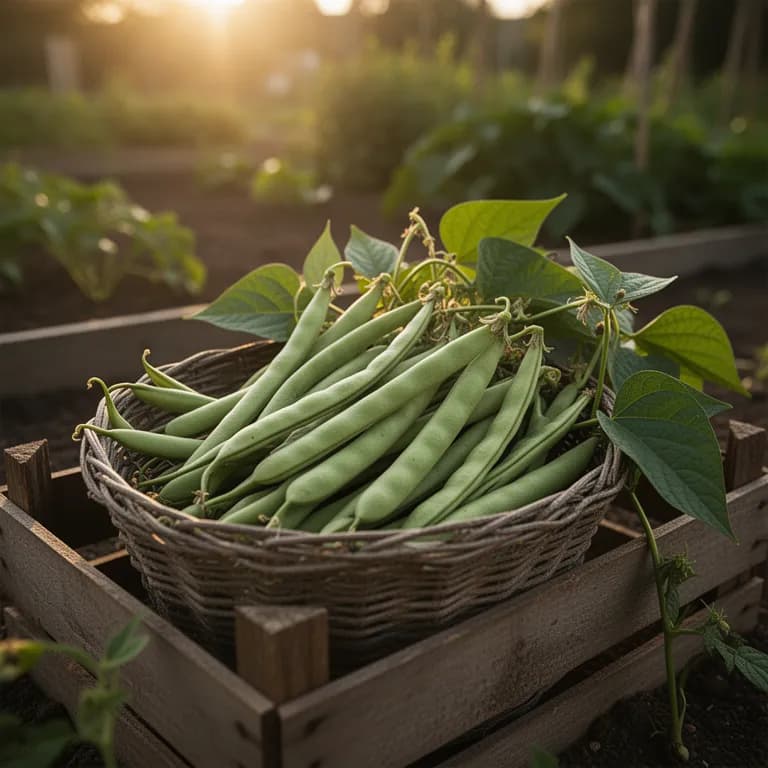
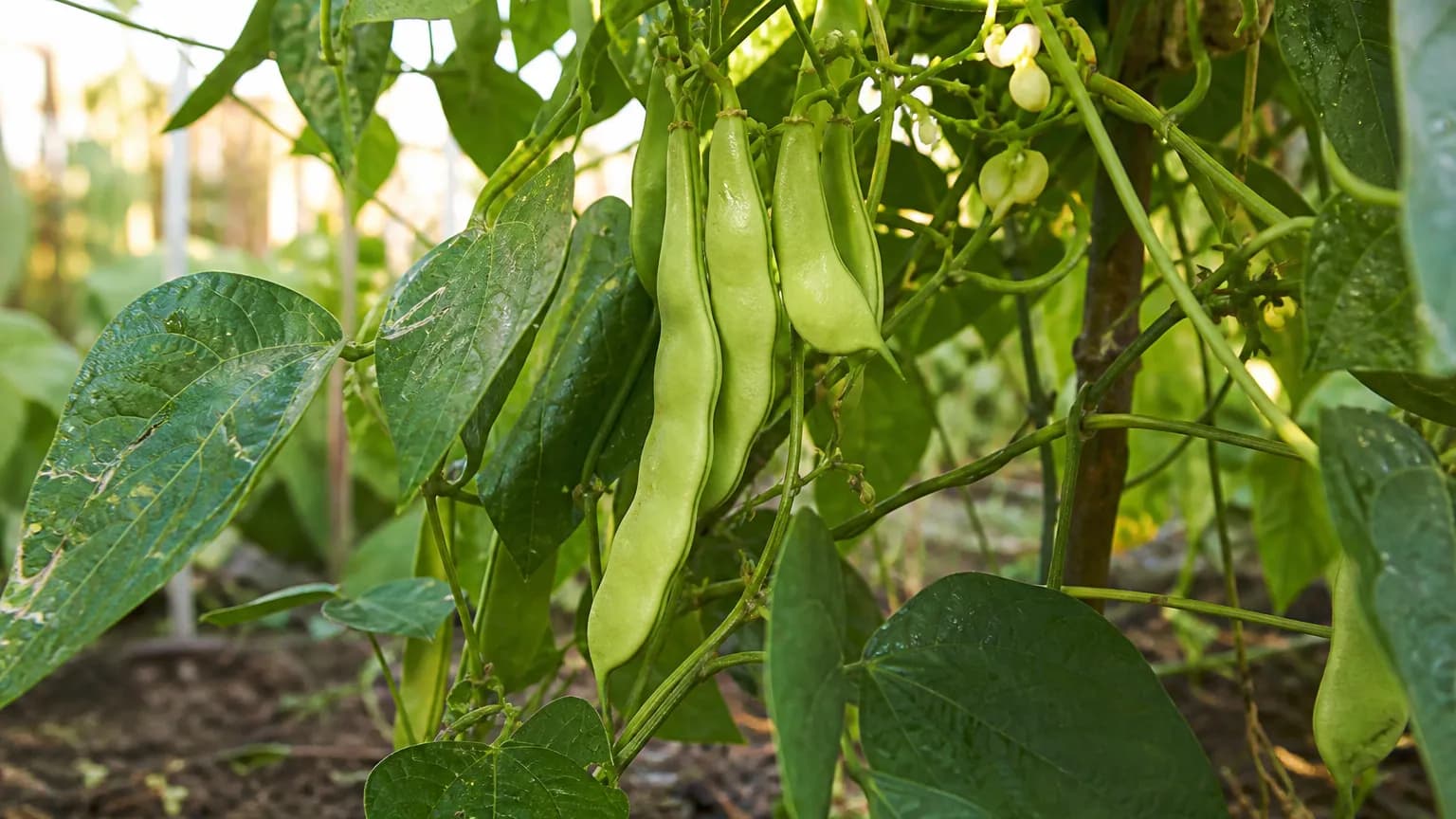
Harvest green beans when pods are firm, crisp, and snap cleanly when bent — typically 10-15 cm long and before seeds create visible bumps through the pod wall. The ideal pod is pencil-thick, smooth-skinned, and breaks with an audible snap. Pick in the morning after dew has dried for the crispest texture and highest sugar content. Use two hands when picking to avoid pulling branches off the plant, or snip pods cleanly with scissors or garden shears. Never yank pods downward, as this can uproot shallow bean roots or snap brittle stems.
Harvest every 2-3 days during peak production — this is critical because leaving mature pods on the vine signals the plant to stop flowering and redirect energy toward seed development instead of new pod production. A single overlooked pod full of mature seeds can dramatically slow a plant's output. Bush beans typically produce their entire crop over a concentrated 2-3 week window, while pole beans continue producing for 6-8 weeks or more with diligent, regular picking.
For filet-type beans (haricots verts), harvest even earlier when pods are only 6-8 mm in diameter for the most delicate, tender texture prized in French cuisine. If you accidentally let some pods go past their prime and seeds have begun to swell, don't discard them — allow those pods to mature fully on the vine and dry for use as shell beans or save the seeds for next year's planting. At the end of the season, pull entire plants and hang them upside down in a dry, well-ventilated area to finish drying any remaining pods for dry bean storage.
assuming you plant when the window opens — set your real date
Pods 10-15 cm, firm, before seeds visibly bulge
Storage & Preservation
Fresh green beans keep in a perforated plastic bag in the refrigerator crisper drawer for 5-7 days. Do not wash before storing, as excess moisture promotes mold and bacterial decay — wash only immediately before cooking. For the longest fresh shelf life, wrap unwashed beans loosely in a dry paper towel inside a partially open plastic bag to absorb condensation while maintaining humidity. Beans stored this way can sometimes last up to 10 days, though flavor and crispness are best within the first 3-4 days of harvest.
Freezing is the most popular preservation method and retains excellent flavor and nutrition. Trim the stem ends, cut beans to uniform lengths if desired, and blanch in rapidly boiling water for 3 minutes — no more, or they'll become mushy when thawed. Plunge immediately into an ice-water bath for 3 minutes to halt cooking, drain thoroughly, and spread in a single layer on parchment-lined baking sheets to freeze individually before transferring to labeled freezer bags. This prevents beans from clumping into a frozen block. Properly blanched and frozen green beans keep for 10-12 months.
Pressure canning is the only safe canning method for green beans, as they are a low-acid food and cannot be safely water-bath canned without risking botulism. Process pint jars at 10 PSI for 20 minutes or quart jars for 25 minutes, adjusting for altitude. Always follow tested USDA or Ball canning recipes. For a quicker preserved snack, pickled dilly beans are a delicious option — pack raw trimmed beans vertically in jars with fresh dill, garlic, and crushed red pepper, then cover with a hot vinegar-salt brine and water-bath can for 10 minutes. Dehydrating is another excellent option: blanch first, then dry at 52°C (125°F) for 8-12 hours until completely brittle. Dried beans rehydrate beautifully in soups and stews.
What goes wrong — and the fix
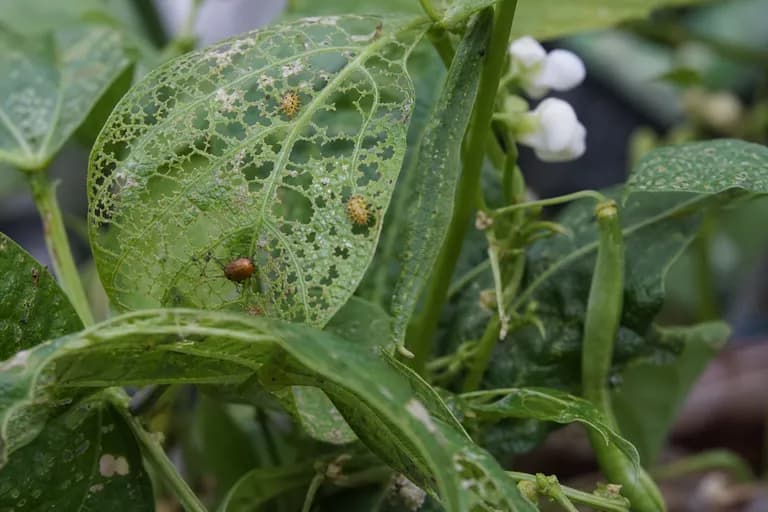
Mexican Bean Beetle
PestCopper-colored beetles and spiny yellow larvae skeletonize leaves from the underside, leaving a lace-like pattern. Severe infestations can defoliate entire plants and damage pods directly.
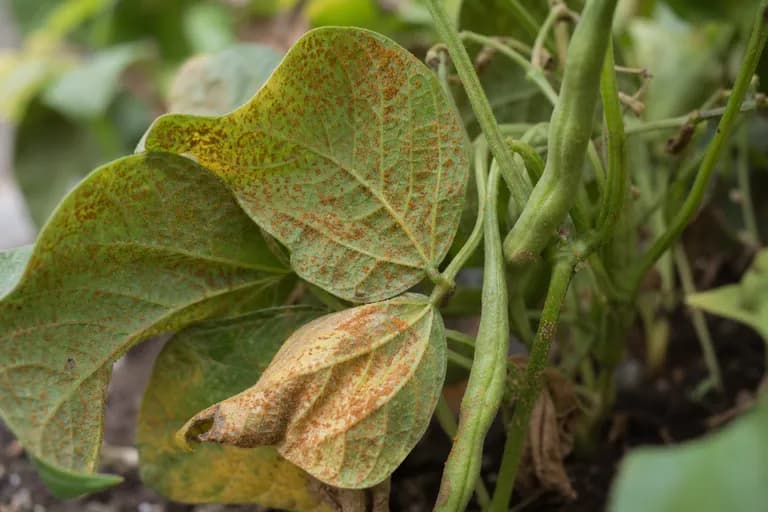
Bean Rust
DiseaseReddish-brown powdery pustules on leaf undersides and occasionally on pods and stems. Leaves yellow, dry up, and drop prematurely, reducing yield significantly.
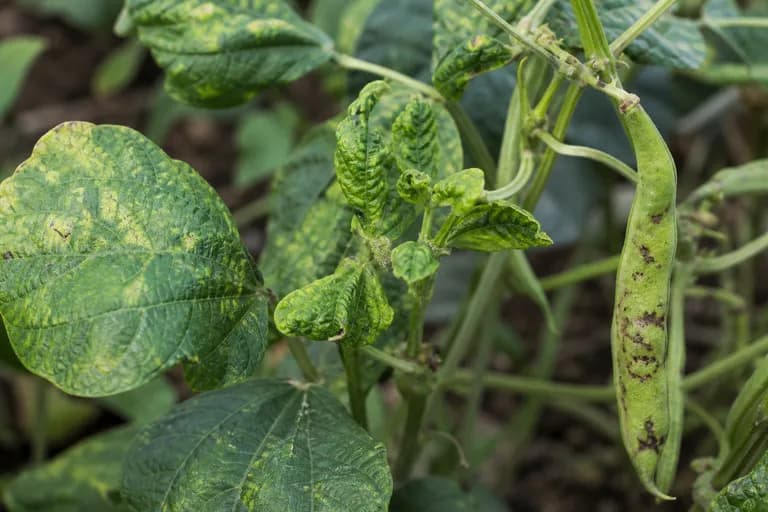
Bean Mosaic Virus
DiseaseMottled light and dark green patches on leaves, leaf curling, and stunted plant growth. Pods may be distorted with rough, discolored patches. Yields are significantly reduced.
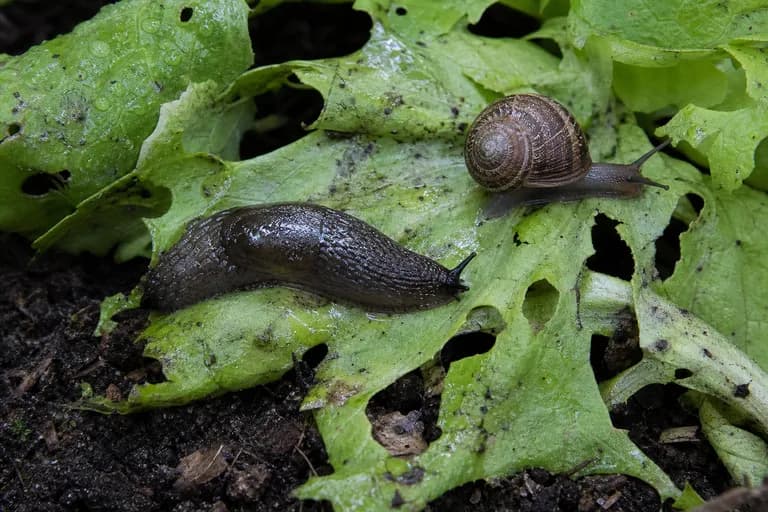
Slugs and Snails
PestIrregular holes in leaves and pods, especially on young seedlings. Slime trails visible on soil and plant surfaces, particularly in the morning. Seedlings may be completely consumed overnight.
Troubleshooting Common Problems
Poor germination is the most common frustration and almost always results from planting too early in cold, wet soil. Bean seeds need soil temperatures of at least 16°C (60°F) to germinate reliably — in cooler soil, they simply rot before sprouting. Wait for consistent warmth, avoid heavy watering until seedlings emerge, and improve drainage with raised beds or added perlite if your soil is clay-heavy. If germination is spotty even in warm soil, check the seed viability — bean seeds older than 3 years have significantly reduced germination rates.
Flowers dropping without setting pods is usually caused by heat stress above 32°C (90°F), drought, or excessive nitrogen fertilization. During heatwaves, water deeply in the morning and apply extra mulch to cool root zones. Providing afternoon shade with shade cloth (30-50%) during extreme heat can make the difference between a failed crop and a productive one. If plants are lush and green but producing few pods, excessive nitrogen is likely the culprit — stop fertilizing and let the plants' own nitrogen fixation take over.
Tough, stringy, or fibrous pods are the result of harvesting too late — once seeds begin to swell visibly inside the pod, texture declines rapidly. Pick every 2-3 days and err on the side of harvesting young rather than waiting too long. White mold (Sclerotinia) on stems and pods thrives in humid conditions with poor airflow — space plants generously, avoid overhead watering, and remove any affected tissue immediately. Misshapen or curved pods can result from uneven watering, calcium deficiency, or thrip damage during the early pod development stage.
Growing Tips
- Wait for warm soil — beans planted in cold, wet soil simply rot. Use a soil thermometer and wait for consistent 16°C (60°F) readings at 5 cm depth before sowing. Black plastic mulch can pre-warm beds by 3-5°C.
- Inoculate seeds with Rhizobium bacteria before planting, especially in new beds. This maximizes nitrogen fixation and produces healthier, more productive plants without nitrogen fertilizer.
- Never work among wet bean plants — this is the fastest way to spread bacterial blight and rust from plant to plant. Wait until foliage is completely dry before harvesting or weeding.
- For bush beans, make succession plantings every 2-3 weeks from last frost through midsummer for continuous harvest instead of a single overwhelming glut.
- Pick beans every 2-3 days without fail during peak production. Leaving mature pods on the vine signals the plant to stop flowering and shift energy to seed production.
- Support pole beans with structures at least 180 cm (6 ft) tall. Bamboo tepees, cattle panel arches, and string trellis systems all work well. Install supports before planting.
- After harvest, cut plants at soil level rather than pulling them up. The nitrogen-rich root nodules left in the soil decompose and provide free fertilizer for the next crop.
- Avoid planting beans near any allium (onion, garlic, shallots, leeks) — allium root exudates contain sulfur compounds that inhibit the Rhizobium bacteria beans need for nitrogen fixation.
Grow your best Green Beans yet — and everything around it.
Start a free plan today. Lay out your beds, drop in your Green Beans, and let PlotMyGarden handle the timing, spacing, companions and reminders from seed to harvest basket.
Pick your Green Beans
Blue Lake 274
The classic bush bean standard with straight, round, stringless pods and outstanding flavor. Compact plants produce heavy crops over 2-3 weeks. 54 days to maturity. Excellent for fresh eating, freezing, and canning.
Kentucky Wonder
A beloved heirloom pole bean producing clusters of long, slightly curved, flavorful pods. Vigorous climbers reaching 2+ meters. 65 days. One of the most productive and reliable pole varieties available.
Provider
An early-maturing bush bean that germinates well in cool soil, making it ideal for early and late plantings. Round, stringless pods with good disease resistance. 50 days to maturity.
Contender
A heavy-yielding bush variety with exceptional cold tolerance and disease resistance, producing curved 15 cm pods with excellent flavor. 49 days to maturity. Good choice for short-season gardens.
Rattlesnake
A beautiful heirloom pole bean with purple-streaked green pods and excellent heat tolerance. The distinctive coloring disappears when cooked. 73 days. Thrives in hot, humid southern climates.
A $3 packet of bush bean seeds plants a 6-meter row and produces 5-7 kg of beans worth $25-40 at organic grocery prices. Pole beans are even more economical — a single $3 seed packet can yield 10+ kg over the season. Green beans are one of the best return-on-investment crops for home gardeners, especially when you factor in the superior flavor and texture of fresh-picked beans versus store-bought, which lose crispness within hours of harvest.
Quick recipes
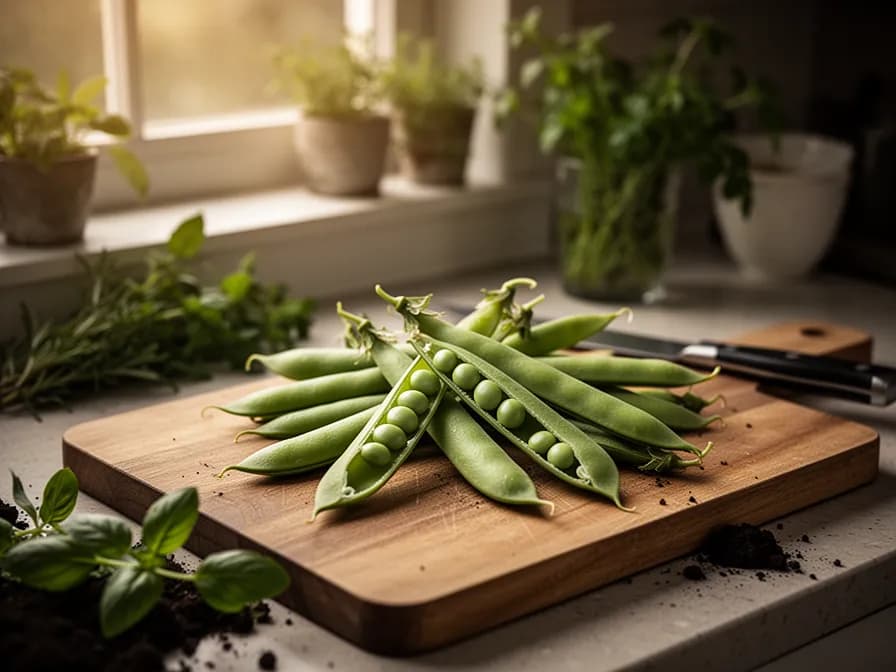
Green Beans Almondine
15 minThe classic French side dish that elevates simple beans into something elegant. Crisp-tender blanched beans tossed in browned butter with toasted slivered almonds and a squeeze of lemon. Ready in minutes and impressive enough for a dinner party.
7 ingredients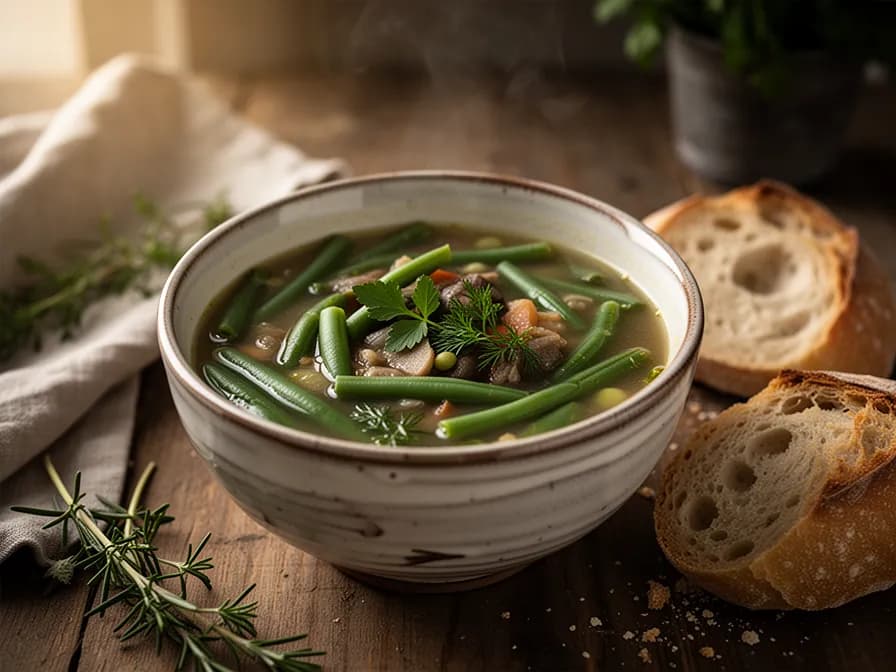
Blistered Roasted Green Beans
20 minHigh-heat roasting transforms green beans into a caramelized, slightly charred side dish with concentrated sweetness and addictive crispy edges. The simplest preparation that gets the most compliments.
7 ingredientsSichuan Dry-Fried Green Beans
20 minA restaurant-quality Chinese dish with blistered, slightly wrinkled beans stir-fried with savory pork, preserved vegetables, and numbing Sichuan peppercorns. Intensely flavorful and completely addictive.
8 ingredientsCulinary Uses
Green beans are one of the most versatile vegetables in the kitchen, equally at home in elegant French preparations and hearty American comfort food. For simple preparations, blanch in salted boiling water for 3-4 minutes until bright green and crisp-tender, then shock in ice water to preserve color and snap — this technique is the foundation for both cold salads and hot side dishes. Sauté blanched beans in butter with garlic and slivered almonds for the classic almondine, or toss with olive oil, cherry tomatoes, and shaved Parmesan for a warm Mediterranean salad.
Roasting transforms green beans into something extraordinary — toss with olive oil, salt, and pepper, spread in a single layer on a sheet pan, and roast at 220°C (425°F) for 15-18 minutes until edges are blistered and caramelized. The high heat concentrates sugars and develops nutty, almost meaty flavors that convert even bean skeptics. Add finishing touches like lemon zest, red pepper flakes, or a drizzle of balsamic glaze. For Asian-inspired dishes, stir-fry trimmed beans in a smoking-hot wok with garlic, ginger, soy sauce, and sesame oil for a classic Sichuan dry-fried preparation.
Classic preparations include the iconic green bean casserole with cream of mushroom soup and crispy fried onions, French haricots verts dressed with Dijon vinaigrette and shallots, and Southern-style slow-cooked beans with ham hock and potatoes. Green beans also pickle beautifully — spicy dilly beans with garlic and red pepper make an outstanding cocktail garnish and appetizer. Raw beans with ranch dip or hummus make a crunchy, healthy snack that kids enjoy. Nutritionally, green beans provide vitamins C and K, folate, fiber, manganese, and silicon for bone health, all in a low-calorie package of just 31 calories per cup.
What's inside
Health Benefits
- Excellent source of Vitamin K, which is essential for blood clotting and plays a crucial role in bone metabolism — one cup provides about 20% of daily needs.
- Rich in folate (Vitamin B9), critical for cell division and DNA synthesis, making green beans especially important during pregnancy and for women of childbearing age.
- Contains silicon, a trace mineral that contributes to bone mineral density, joint health, and the strength of connective tissues like tendons and cartilage.
- Good source of dietary fiber (2.7g per cup) that promotes healthy digestion, feeds beneficial gut bacteria, and helps maintain steady blood sugar levels after meals.
- Provides Vitamin C and carotenoids that function as antioxidants, helping protect cells from oxidative damage and supporting immune function.
- Low glycemic index food with only 31 calories per cup — an ideal choice for weight management and blood sugar control in diabetic-friendly diets.
Where Green Beans comes from
Green beans trace their ancestry to wild Phaseolus vulgaris, which originated in the tropical highlands of Mesoamerica and the Andes over 8,000 years ago. Archaeological evidence from caves in Peru and Mexico shows that ancient peoples were cultivating beans as one of their staple crops alongside corn and squash — the legendary Three Sisters that formed the nutritional foundation of pre-Columbian agriculture. The Aztecs, Maya, and Inca all grew numerous bean varieties adapted to their specific climates.
Spanish and Portuguese explorers brought beans to Europe in the 1500s, where they were initially grown as ornamental plants for their attractive flowers before people realized the pods were delicious. By the 1700s, green beans (eaten as immature pods rather than dried seeds) had become popular across France, Italy, and Spain. The French elevated the green bean to culinary art with their prized haricots verts — pencil-thin filet beans harvested at the peak of tenderness.
The bush bean revolution came in the early 1900s when breeders developed compact, stringless varieties that didn't require poles or trellises. The invention of canning and later freezing made green beans one of the most consumed vegetables in America — the green bean casserole, invented by Dorcas Reilly at Campbell's Soup Company in 1955, became one of America's most iconic Thanksgiving dishes, with an estimated 40 million households serving it each holiday season.
Green Beans: did you know?
Fascinating facts about Green Beans
Green beans are one of the oldest cultivated crops in the Americas — archaeological evidence shows they were grown in Peru and Mexico at least 7,000 years ago, predating the arrival of corn in many regions.
Green Beans questions, answered
When should I plant Green Beans?
What are good companion plants for Green Beans?
What hardiness zones can Green Beans grow in?
How much sun does Green Beans need?
How far apart should I space Green Beans?
What pests and diseases affect Green Beans?
How do I store Green Beans after harvest?
What are the best Green Beans varieties to grow?
What soil does Green Beans need?
What is the difference between bush beans and pole beans?
Why are my green bean pods tough and stringy?
Why are my bean flowers falling off without making pods?
Can I save green bean seeds for next year?
Should I fertilize my green bean plants?
How do I freeze green beans properly?
You just read the theory. Now grow it on autopilot.
Everything that makes Green Beans fiddly — the timing, the spacing, the companions, the harvest window — is exactly what PlotMyGarden handles for you, for every plant in your garden.
A plan that knows your weather
Set your location once. Get sow, feed and harvest dates built around your real last-frost date and live forecast — no more guessing from a generic seed packet.
From the “When to plant” sectionDrag-and-drop bed planner
Design beds on a grid. Every plant snaps to its proper spacing, and you can see your whole season laid out before you spend a cent on seed.
From the “Growing guide” sectionCompanion conflicts, caught early
200+ good-and-bad pairings checked live as you plant — so a season-wrecking mistake never makes it into the ground.
From the “Companions” sectionReminders you'll actually act on
“Water the beans.” “Pick today before it turns.” Timely, specific, and tied to the plants you're really growing.
From the “Harvest” sectionSuccession, scheduled
Want a harvest for six weeks, not six days? It spaces your sowings automatically and reminds you when each new block is due.
From the “When to plant” sectionA record that gets smarter
Every harvest you log teaches it your garden. Next year's plan starts from what actually worked in your soil, not a textbook's.
From the “Overview” sectionPlant these alongside Green Beans
More Legumes
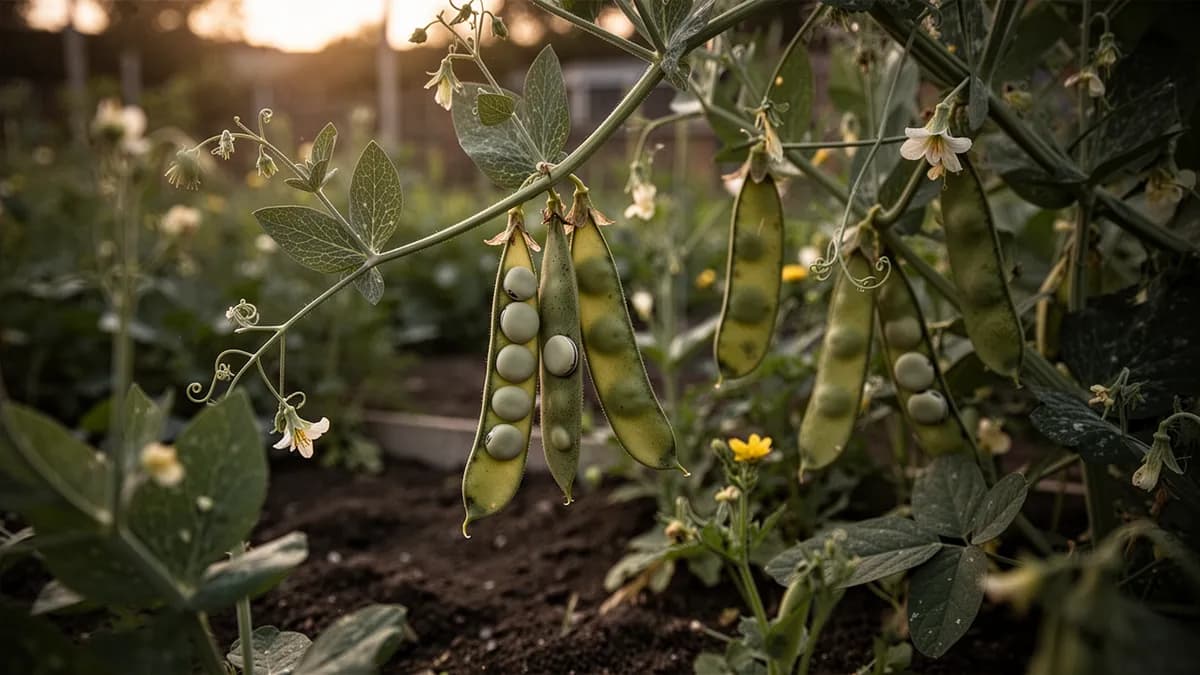
Keep Green Beans away from these
Garden plans featuring Green Beans
Grow your best Green Beans yet — and everything around it.
Start a free plan today. Lay out your beds, drop in your Green Beans, and let PlotMyGarden handle the timing, spacing, companions and reminders from seed to harvest basket.