Lentil
A small, lens-shaped legume that is one of the oldest cultivated crops, prized for its quick cooking time and high protein content.





On this pageOverview
Meet Lentil
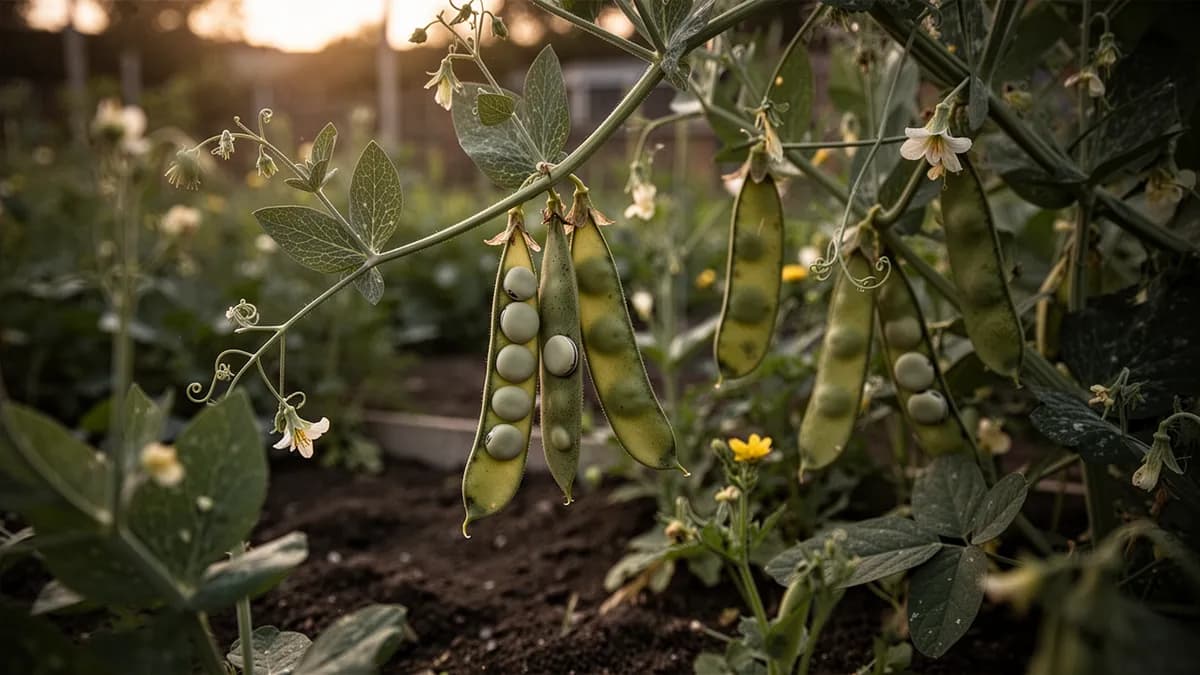
A small, lens-shaped legume that is one of the oldest cultivated crops, prized for its quick cooking time and high protein content. Lentils prefer cool growing conditions with minimal rainfall during pod development to prevent disease issues. The low-growing plants fix atmospheric nitrogen and improve soil fertility, making them excellent in crop rotation. Harvest when the lower pods are dry and rattling, then thresh and winnow the seeds for pantry storage.
When to plant Lentil
Direct sow 1 inch deep as soon as soil reaches 50°F in spring. Do not start indoors as lentils do not transplant well. Inoculate seeds with Rhizobium legume inoculant before sowing for best nitrogen fixation. Seeds germinate in 7-14 days. Thin to 2-4 inches apart or plant in dense blocks. Seeds remain viable for 3-4 years. Plant early; lentils produce best before summer heat arrives.
Your Lentil Year
Composed for Zone 7 · typical seasons · frost passes Apr 2, returns Nov 1
Plant Lentil Mar – Apr, pick Jul – Aug. Check the planting methods below and set your climate to personalize these windows.
How to grow Lentil
Direct sow lentil seeds 1 inch deep as soon as soil can be worked in spring, 2-4 weeks before last frost. Lentils are cool-season legumes that tolerate light frost. Space seeds 1-2 inches apart in rows 18-24 inches apart, or broadcast and thin. Seeds germinate in 7-14 days at 50-70°F.
Lentils prefer cool, dry growing conditions and produce best with temperatures between 60-70°F. They are drought-tolerant once established and actually perform poorly in wet, humid conditions. Do not over-water or over-fertilize. As legumes, lentils fix their own nitrogen and need no nitrogen fertilizer; in fact, excess nitrogen reduces pod production.
The bushy plants grow 12-24 inches tall and may benefit from short supports or planting in blocks for mutual support. Lentils flower in mid-season and pods develop over several weeks. Harvest when pods turn brown and seeds rattle inside. The plants mature over 80-110 days depending on variety and conditions.
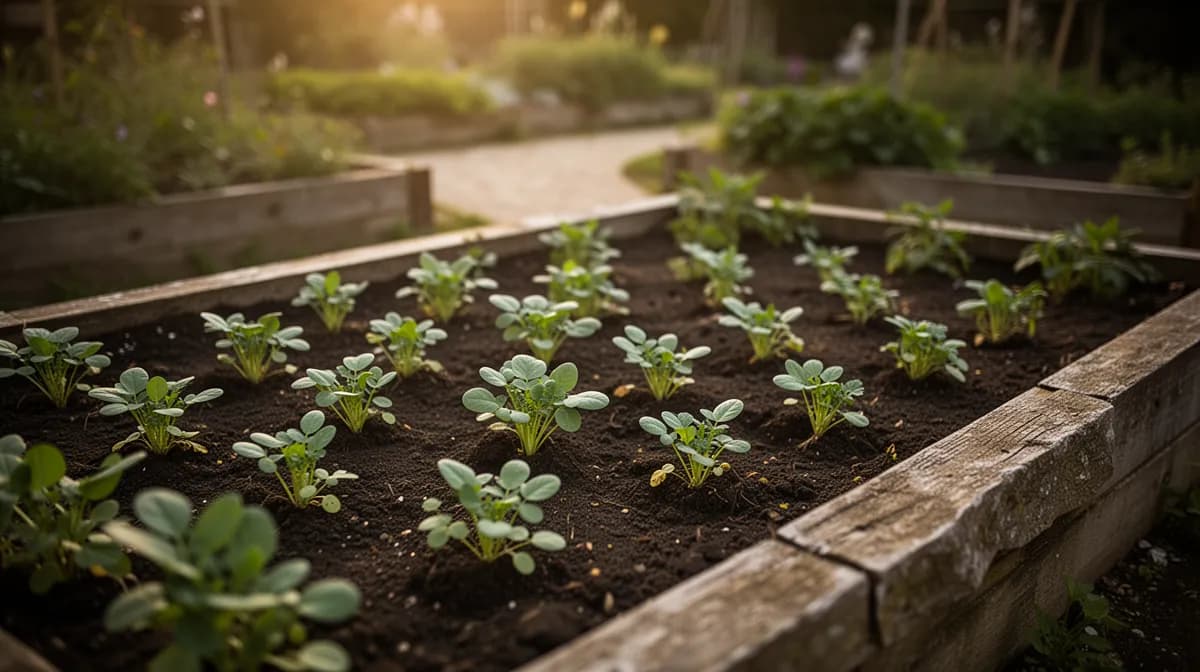
450 plants fit a 4 × 8 ft bed
Each Lentil wants 8 cm of elbow room. The planner keeps that spacing for you — every plant, every bed.
Lentil's best neighbours
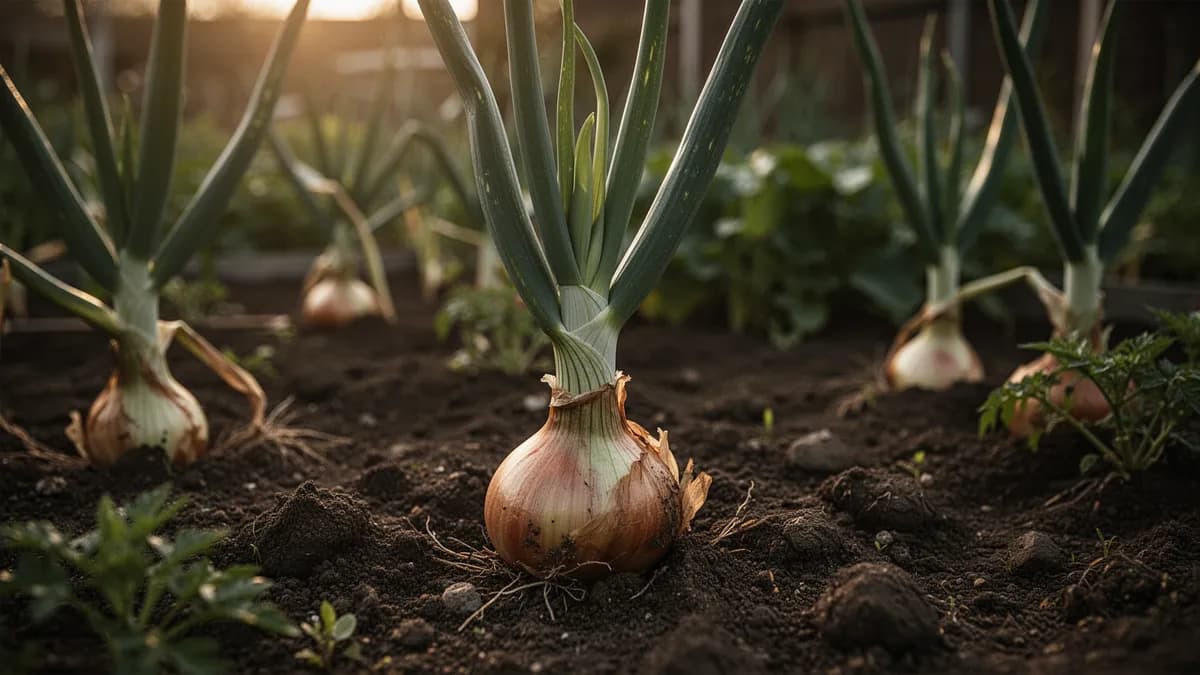
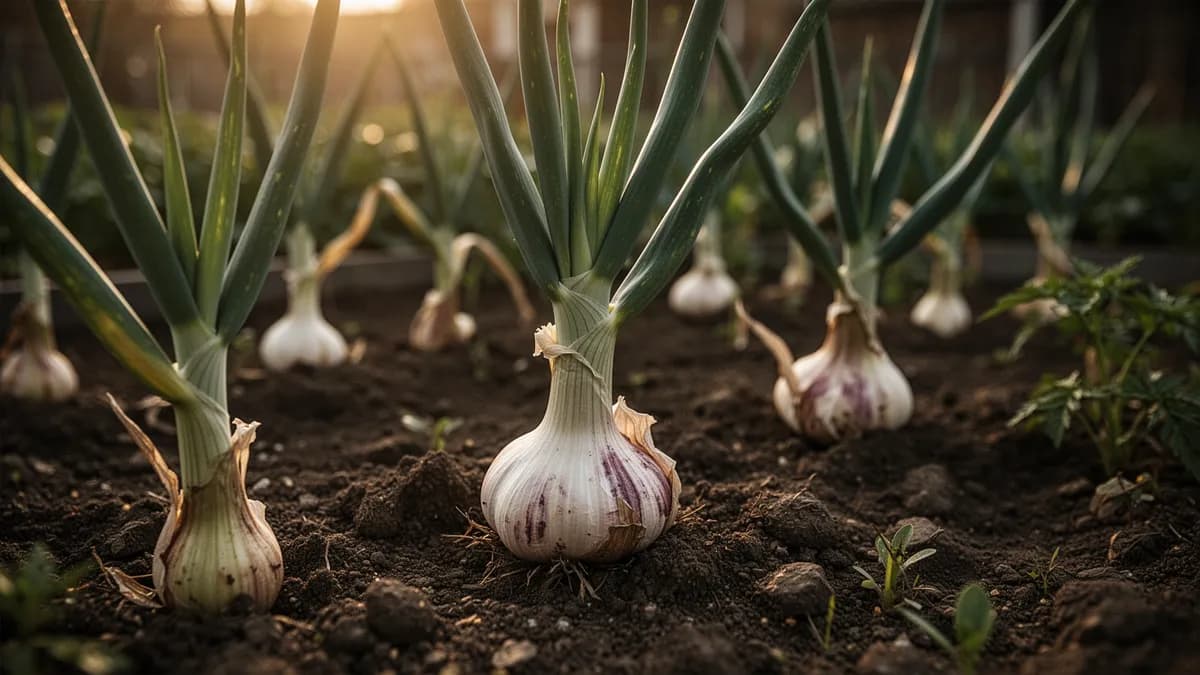
Lentils fix nitrogen in the soil through root nodules, benefiting subsequent crops. Plant before nitrogen-hungry crops like corn or brassicas. They grow well with grains like wheat and barley in traditional polyculture. Avoid planting near onions and garlic, which may inhibit nitrogen fixation. The low-growing plants do not shade companions. Excellent in crop rotation plans.
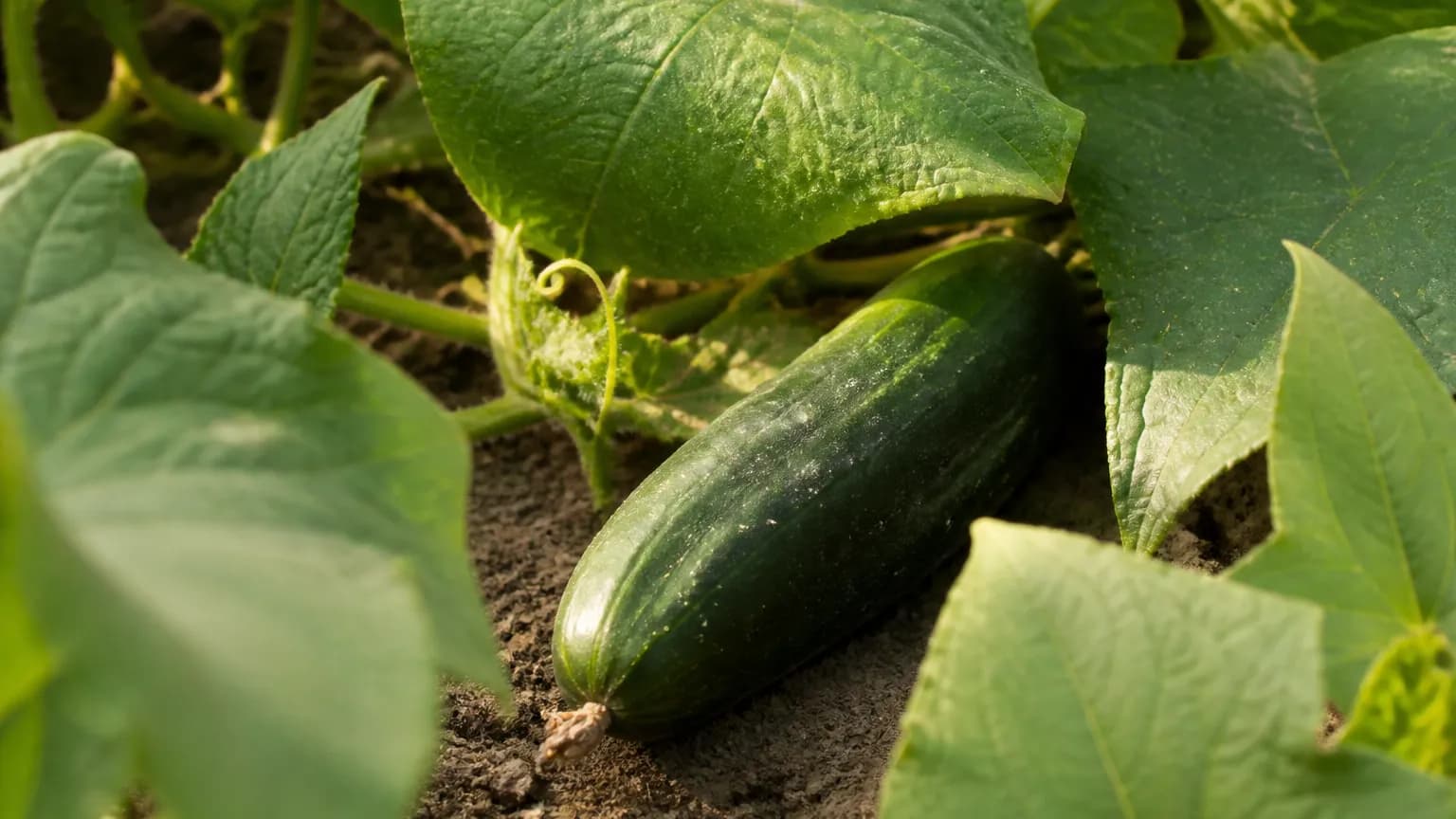
Cucumber belongs beside it. Onion doesn't.
Old growers' knowledge, checked against Lentil's real companion table below — test any plant you're growing.
Try Lentil in a bed — right here
A real planner bed with Lentil already in it. Tap a companion to place it and watch the pairing checks answer — green for good neighbours, red for a clash.


Related growing guides
Feed it well
Lentils prefer well-drained, lean soil with a pH of 6.0-7.0. As nitrogen-fixing legumes, they need no nitrogen fertilizer. Inoculate seeds with Rhizobium legume inoculant before planting for best nitrogen fixation. Apply light phosphorus and potassium at planting. Avoid rich, wet soil which promotes disease. Sandy loam is ideal. Lentils actually improve soil fertility for subsequent crops.
Ideal Temperature
Hardiness Zone Compatibility
From seed to harvest, stage by stage
Germination
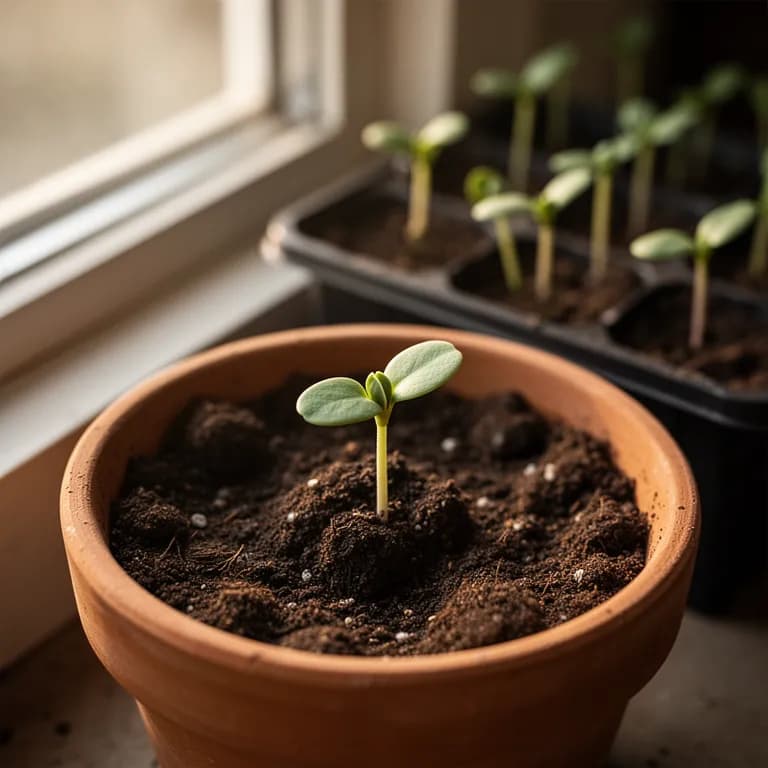
Seeds absorb moisture and swell in cool soil. The radicle root emerges first, followed by cotyledons. Lentils germinate at 10-20°C and tolerate light frost.
Vegetative Growth
Pinnate compound leaves develop along branching stems. Plants form a low bushy habit reaching 20-40 cm. Tendrils interlock with neighbors for support. Nitrogen-fixing root nodules become active.
Flowering
Tiny pea-like flowers in clusters of one to four appear at each node. Pale purple, white, or blue flowers are self-pollinating. Flowering proceeds from lower nodes upward over two to three weeks.
Pod Development
Flat oval pods develop from each flower, containing one or two lens-shaped seeds. Pods start green and turn yellow then brown. Lower pods ripen first.
Dry Down and Harvest
The plant turns golden brown and dries in place. Seeds rattle inside papery pods. Plants are pulled and hung to finish drying before threshing.
Inoculate with Rhizobium leguminosarum before sowing. Sow 2.5 cm deep as soon as soil can be worked.
Caring for Lentil month by month
What to do each month for your Lentil
October
You are hereLabel and store dried lentils.
Know exactly what to do in your garden — every month
One email at the start of each month: what to sow, plant, and tackle right now — for your Lentil and everything growing around it. Plus a short starter course that helps you dodge the classic mistakes.
- What to do, right now
- Matched to your season
- Starter course included
Harvesting Lentil
Harvest lentils when most pods have turned brown and seeds rattle inside, typically 80-110 days from sowing. Pull or cut entire plants and hang upside down in a dry location to finish drying for 1-2 weeks. Thresh by beating dried plants in a bag or treading on them. Winnow to remove chaff. Small-scale home harvest is labor-intensive but rewarding. Individual pods can also be picked as they ripen.
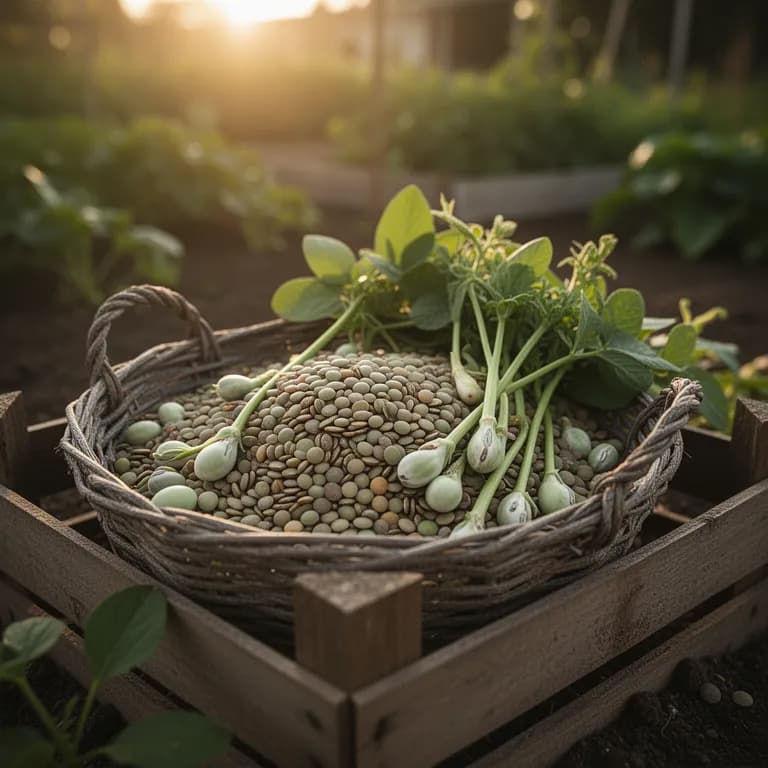
assuming you plant when the window opens — set your real date
Pick Lentil promptly and the plant keeps producing.
Storage & Preservation
Store dried lentils in airtight containers in a cool, dry location for 2-3 years or longer. Well-dried lentils should shatter when bitten, not bend. Moisture content should be below 12%. No further preservation is needed for dried lentils. Cooked lentils can be frozen for 6 months. Sprouted lentils should be eaten within a few days.
What goes wrong — and the fix
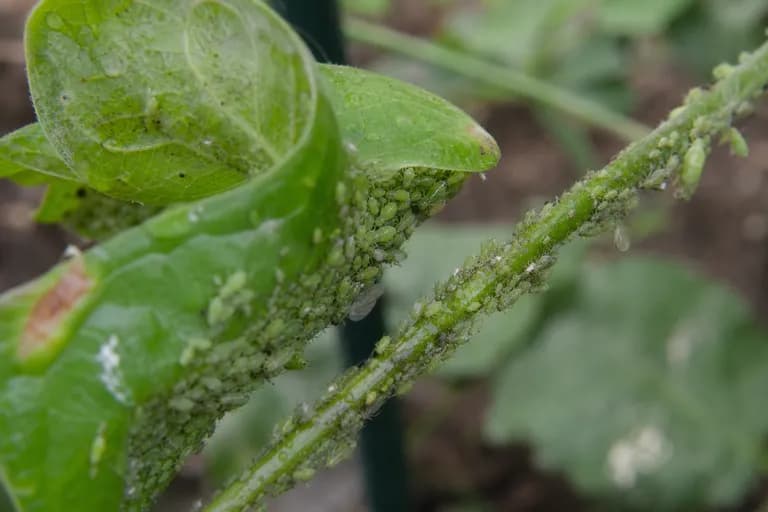
Aphids
PestClusters on stems and pods, sticky residue, stunted plants, distorted flowers.
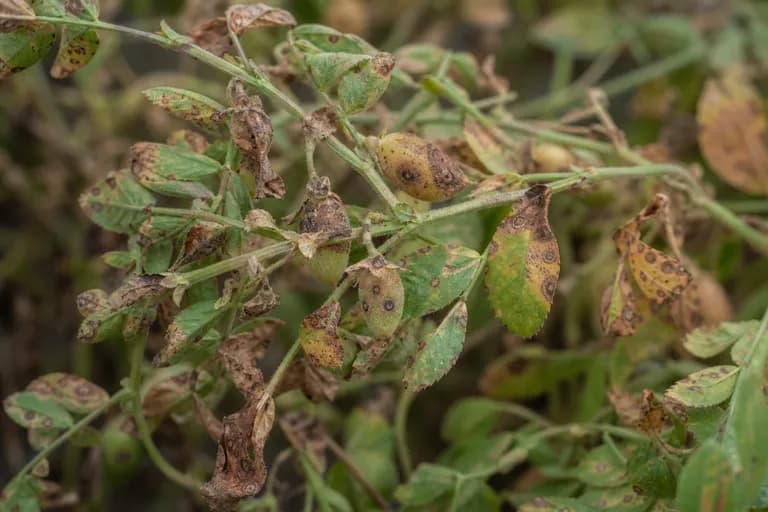
Ascochyta Blight
DiseaseGray-brown lesions on stems, leaves, and pods. Plants may collapse in wet conditions.
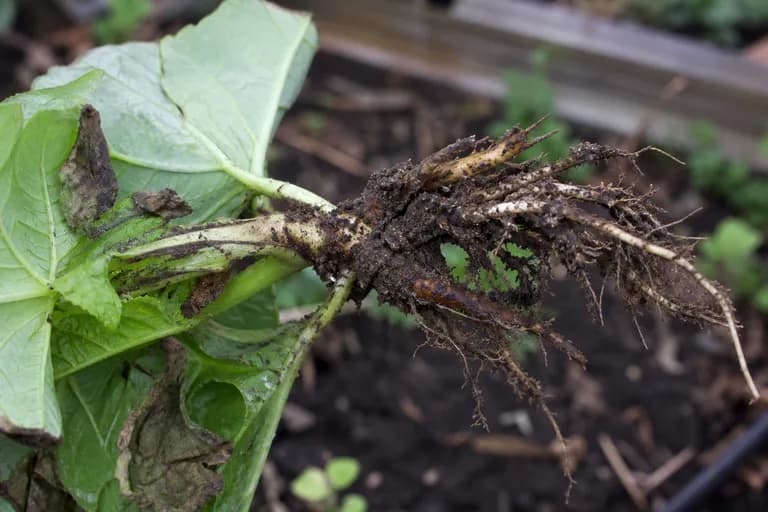
Root Rot
DiseaseYellowing lower leaves, wilting, soft brown roots, poor growth in wet soil.
Troubleshooting Common Problems
Wet, humid conditions cause disease; lentils prefer dry climates. Avoid overhead watering and ensure good drainage. Low yields in home gardens due to the small seed size; grow a larger area for meaningful quantities. Plants can lodge (fall over) in wind; plant in blocks or provide short supports. Birds may eat drying seeds; cover with netting. Harvest timing is critical; pods shatter if left too long.
Growing Tips
- Inoculate with Rhizobium leguminosarum before planting, especially in new soil.
- Plant early — lentils tolerate frost to -4°C and grow best before summer heat.
- Use dense block planting for mutual support and weed suppression.
- Never apply nitrogen fertilizer — it suppresses natural nitrogen fixation.
- Avoid overhead watering, especially during flowering — prevents Ascochyta blight.
- Do not over-water — lentils are drought-tolerant and prefer dry conditions.
- Rotate on a 3-4 year cycle. Follow with nitrogen-hungry crops.
- Plan 3-10 square meters minimum — individual plants yield only 5-15g.
Grow your best Lentil yet — and everything around it.
Start a free plan today. Lay out your beds, drop in your Lentil, and let PlotMyGarden handle the timing, spacing, companions and reminders from seed to harvest basket.
Pick your Lentil
Pardina (Spanish Brown)
Small brown lentils that hold their shape well when cooked. Earthy, peppery flavor. Ready in 85 days.
Red Chief
Red/orange lentils that cook quickly and break down into a puree. Ideal for Indian dal. 90 days.
French Green (Puy)
Small, dark green lentils with firm texture and peppery flavor. The gourmet choice. 100 days.
Eston Green
Standard green lentils with mild flavor. Versatile for soups, salads, and side dishes.
Common lentils cost $2-5/lb, but specialty Puy lentils ($6-12/lb) make homegrown types cost-effective. The real value is soil improvement via nitrogen fixation and superior flavor of freshly dried lentils.
Quick recipes
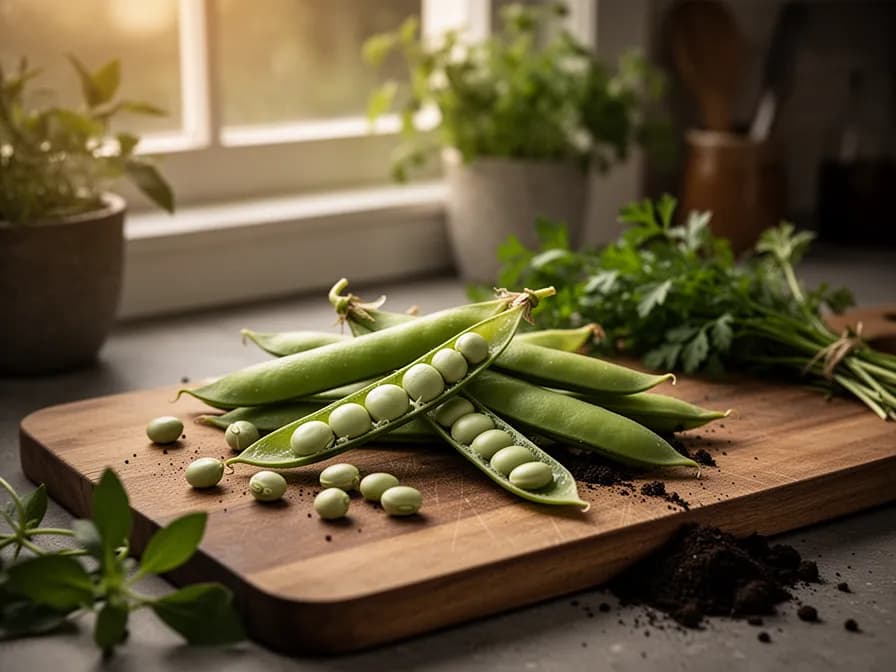
Classic Red Lentil Dal
30 minCreamy Indian staple where red lentils break down into a silky spiced puree finished with a sizzling tadka of cumin, mustard seeds, and garlic.
11 ingredientsFrench Green Lentil Salad
35 minElegant bistro salad where firm Puy lentils absorb tangy Dijon vinaigrette with herbs, shallots, and goat cheese.
10 ingredientsHearty Lentil Vegetable Soup
45 minSatisfying one-pot soup where lentils simmer with root vegetables, tomatoes, and warming spices.
12 ingredientsCulinary Uses
Lentils are incredibly versatile. Make Indian dal with red lentils for a creamy, spiced dish. Simmer green or brown lentils for soups and stews. French green lentils hold shape for elegant warm salads. Use in veggie burgers and meatless loaves. Add to grain bowls and salads. Sprout for fresh, crunchy additions to sandwiches. Cook with aromatics for simple, nutritious side dishes.
What's inside
Health Benefits
- 9g protein per 100g cooked — combined with grains, forms complete protein comparable to animal sources.
- 45% daily folate per 100g — critical for DNA synthesis and preventing neural tube defects.
- 3.3mg iron per 100g (18% DV) — pair with vitamin C to enhance absorption by up to 300%.
- 7.9g fiber per 100g (32% DV) — lowers LDL cholesterol and regulates blood sugar.
- Polyphenol antioxidants with anti-inflammatory and cardioprotective properties.
- Associated with reduced cardiovascular disease, diabetes, and cancer risk in studies.
Where Lentil comes from
Lentils (Lens culinaris) are among the oldest domesticated crops, cultivated for approximately 11,000 years in the Fertile Crescent. Wild ancestors (Lens orientalis) still grow in southeastern Turkey. They were part of the Neolithic founding crop package.
Cultivation spread to Egypt, Greece, Rome, and India, where lentils became the foundation of dal. In the modern era, Canada became the world's largest producer. Global production exceeds 6 million tonnes annually. Lentils are valued for sustainability — they fix nitrogen, need minimal water, and provide affordable protein with one of the lowest carbon footprints of any crop.
Lentil: did you know?
Fascinating facts about Lentil
Lentils are among the oldest cultivated crops — seeds from Fertile Crescent sites date back over 11,000 years.
Lentil questions, answered
When should I plant Lentil?
What are good companion plants for Lentil?
What hardiness zones can Lentil grow in?
How much sun does Lentil need?
How far apart should I space Lentil?
What pests and diseases affect Lentil?
How do I store Lentil after harvest?
What are the best Lentil varieties to grow?
What soil does Lentil need?
Are lentils worth growing in a small garden?
Do I need to soak lentils before planting?
Why did my plants yellow and die early?
How do I thresh and clean lentils?
Can I sprout homegrown lentils?
Best variety for beginners?
You just read the theory. Now grow it on autopilot.
Everything that makes Lentil fiddly — the timing, the spacing, the companions, the harvest window — is exactly what PlotMyGarden handles for you, for every plant in your garden.
A plan that knows your weather
Set your location once. Get sow, feed and harvest dates built around your real last-frost date and live forecast — no more guessing from a generic seed packet.
From the “When to plant” sectionDrag-and-drop bed planner
Design beds on a grid. Every plant snaps to its proper spacing, and you can see your whole season laid out before you spend a cent on seed.
From the “Growing guide” sectionCompanion conflicts, caught early
200+ good-and-bad pairings checked live as you plant — so a season-wrecking mistake never makes it into the ground.
From the “Companions” sectionReminders you'll actually act on
“Water the beans.” “Pick today before it turns.” Timely, specific, and tied to the plants you're really growing.
From the “Harvest” sectionSuccession, scheduled
Want a harvest for six weeks, not six days? It spaces your sowings automatically and reminds you when each new block is due.
From the “When to plant” sectionA record that gets smarter
Every harvest you log teaches it your garden. Next year's plan starts from what actually worked in your soil, not a textbook's.
From the “Overview” sectionPlant these alongside Lentil
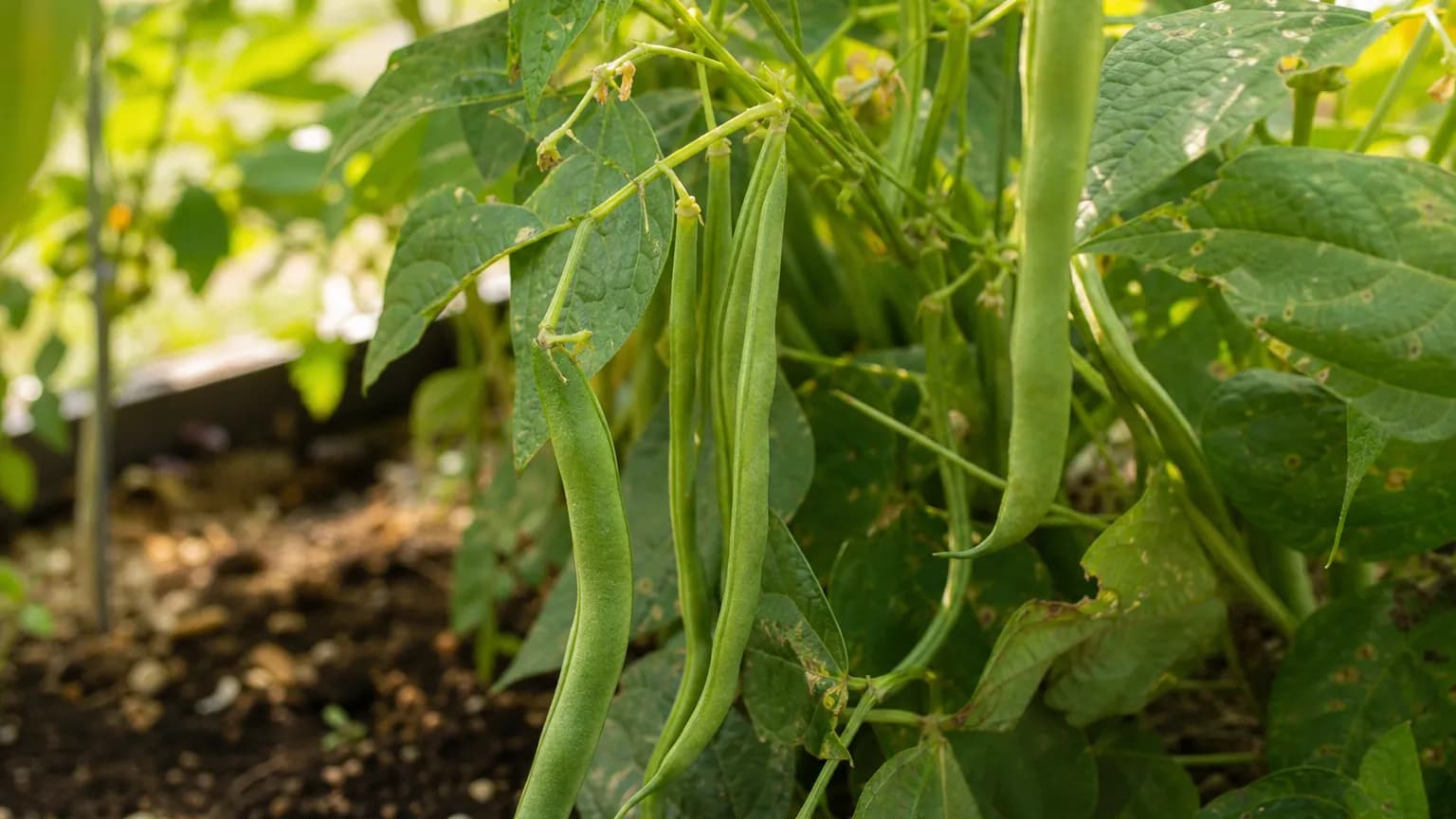
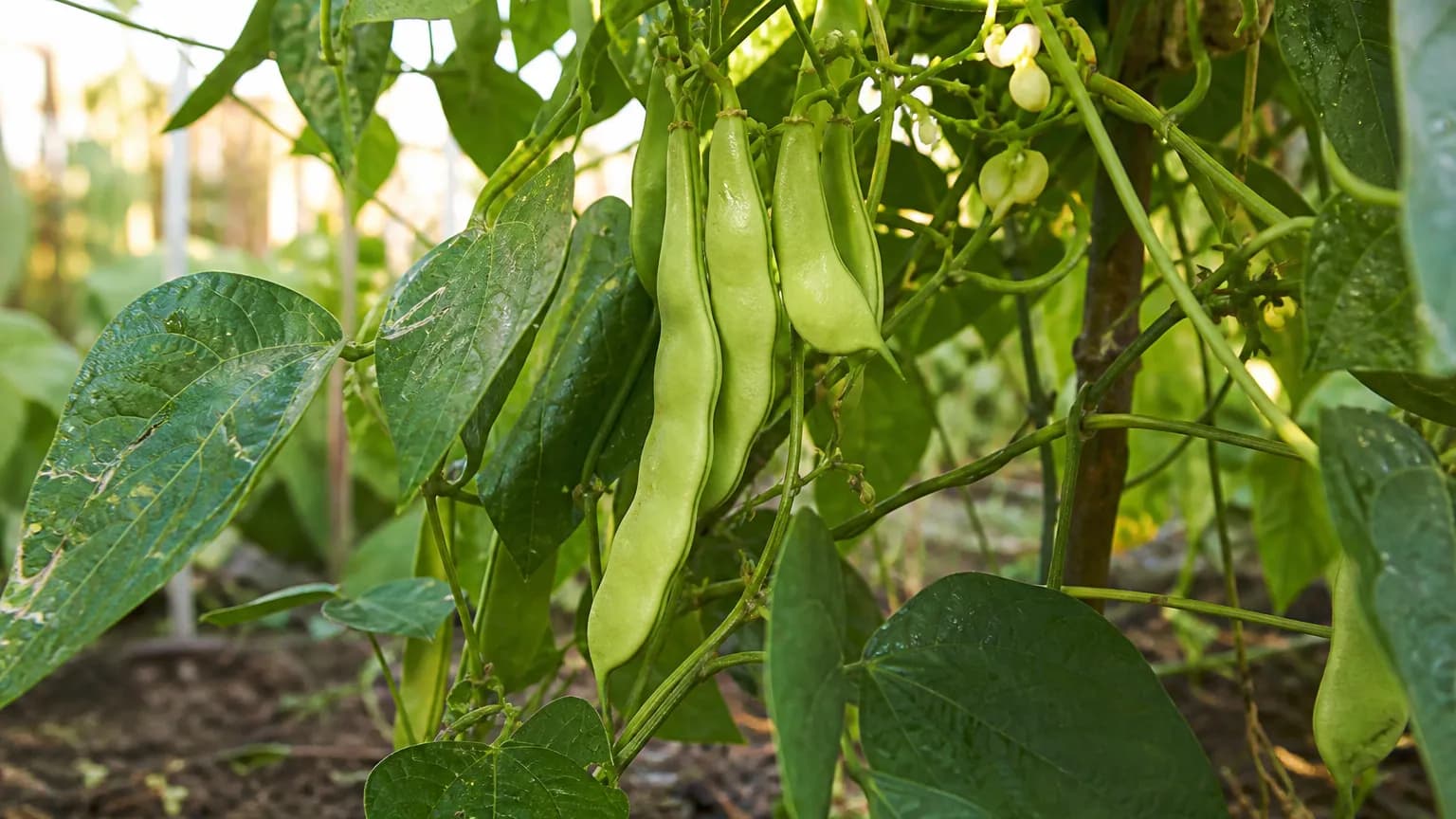
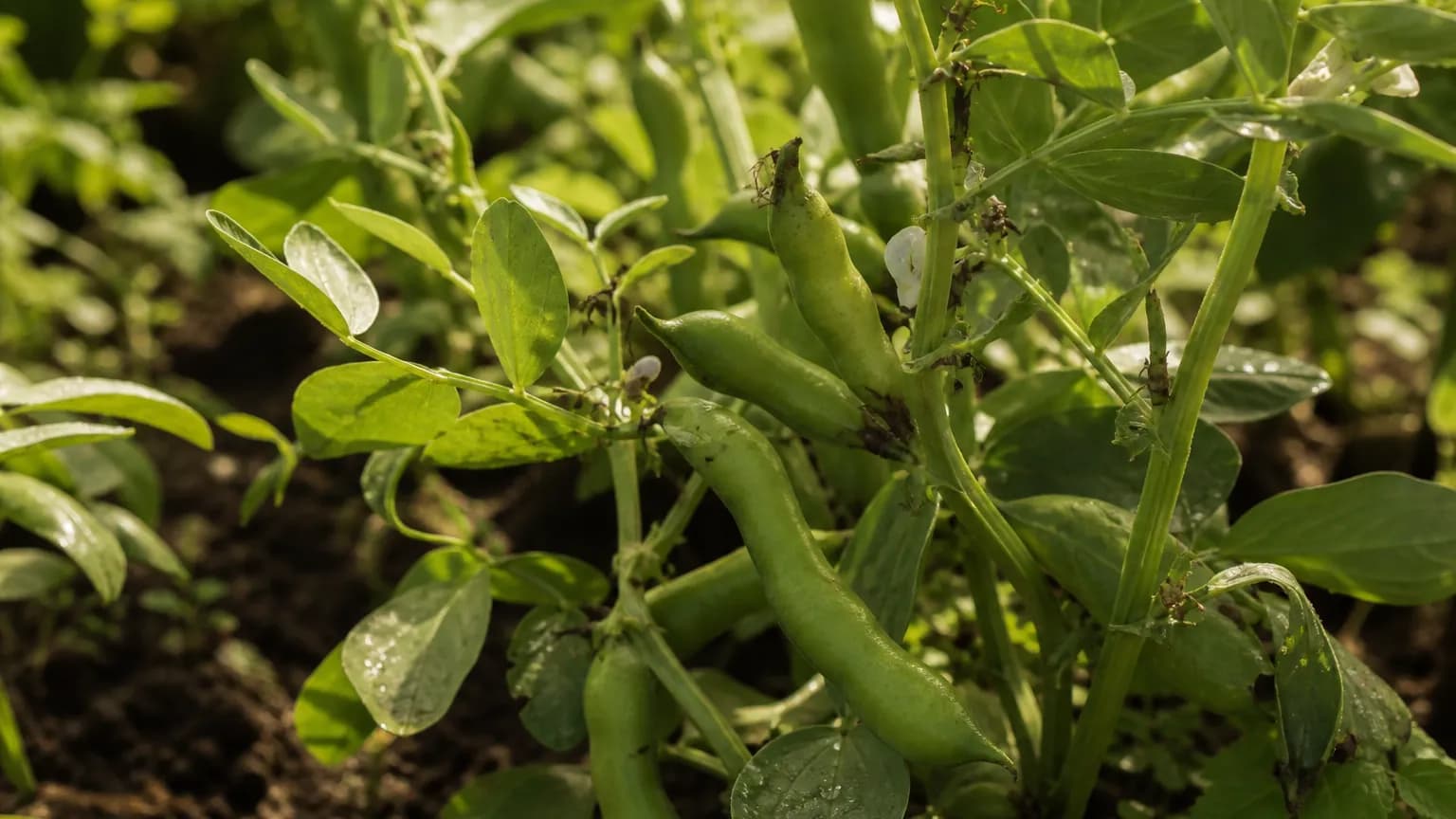
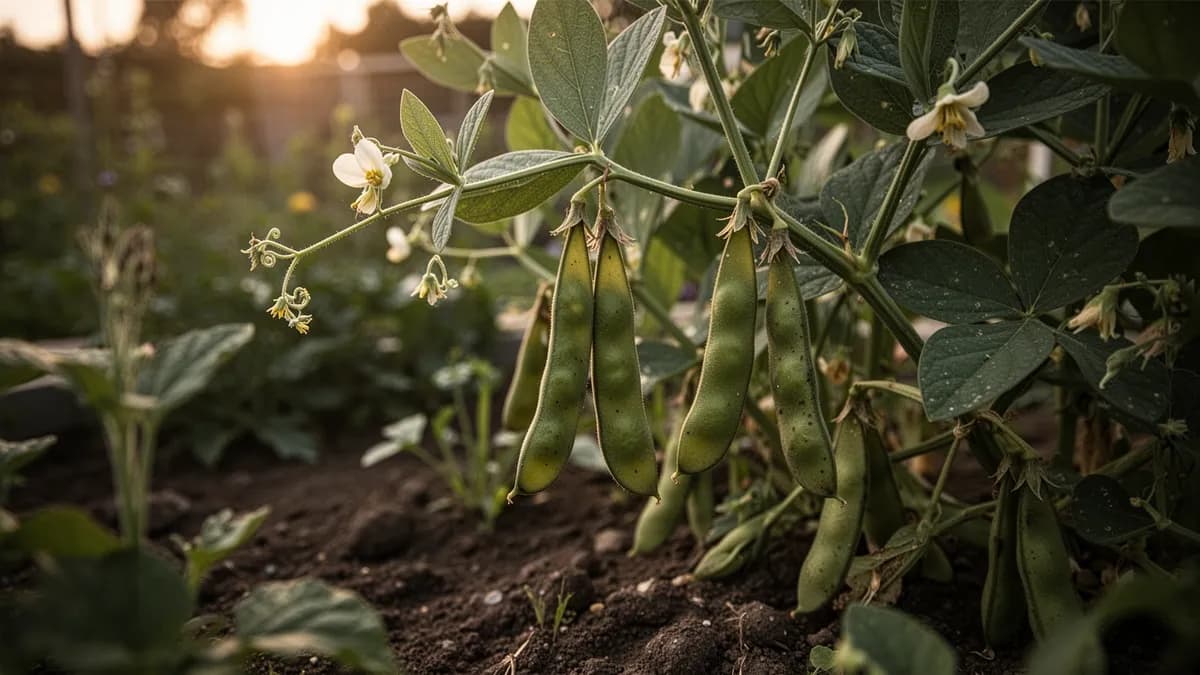
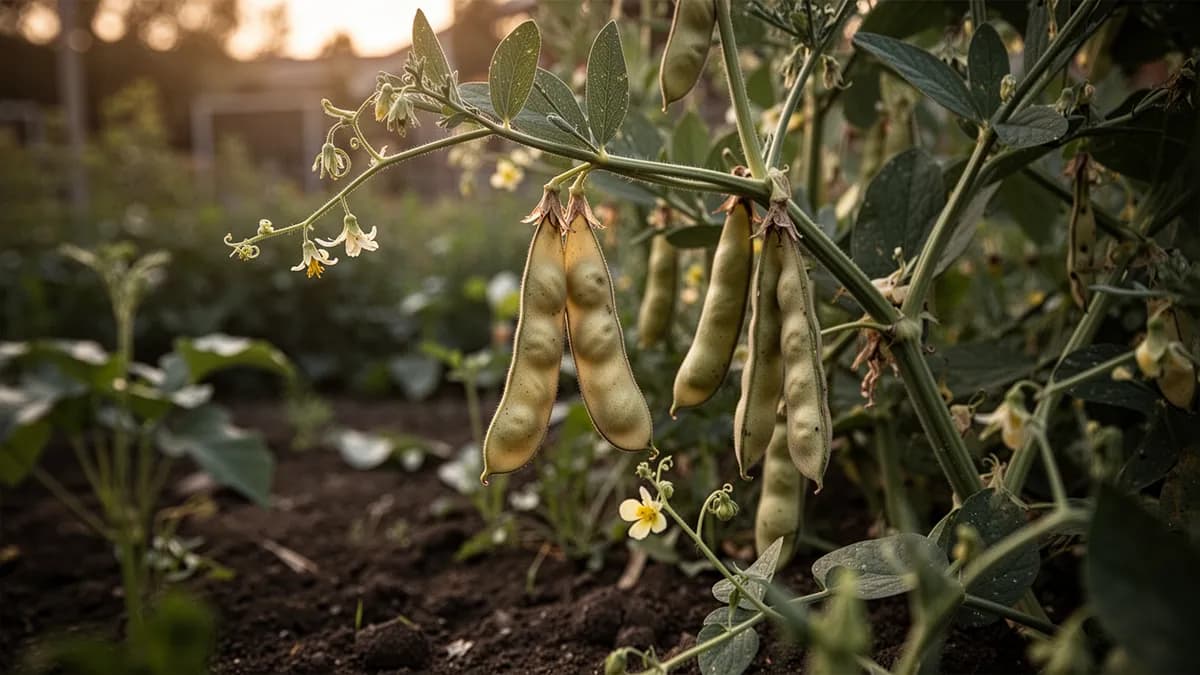
More Legumes
Keep Lentil away from these
Grow your best Lentil yet — and everything around it.
Start a free plan today. Lay out your beds, drop in your Lentil, and let PlotMyGarden handle the timing, spacing, companions and reminders from seed to harvest basket.