Fava Beans
A cold-hardy legume that can be planted earlier than most beans, producing thick pods filled with large, meaty beans.





On this pageOverview
Meet Fava Beans
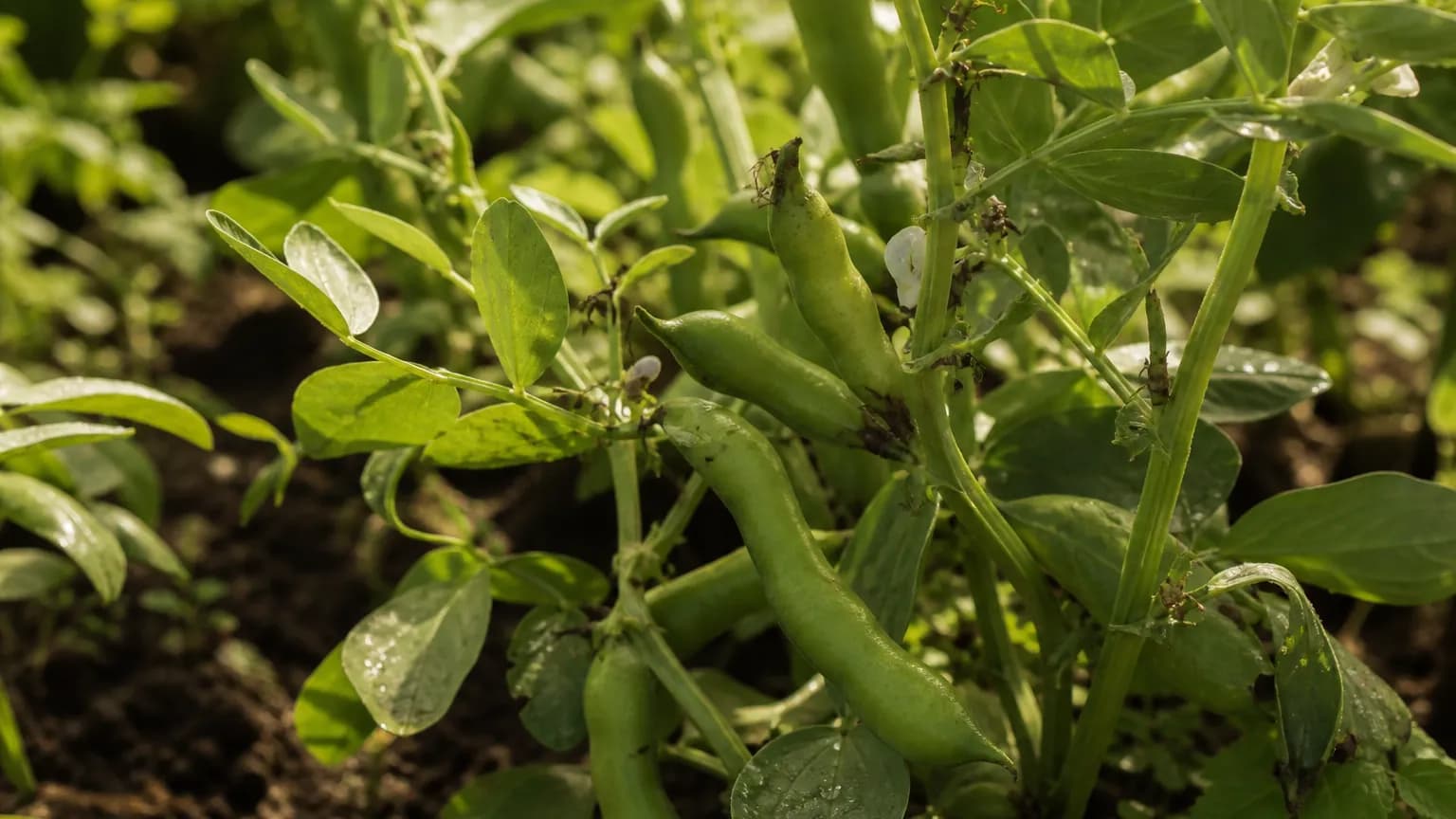
A cold-hardy legume that can be planted earlier than most beans, producing thick pods filled with large, meaty beans. Fava beans are excellent nitrogen fixers and are often used as a cover crop to improve soil fertility. The sturdy plants need staking in windy areas and produce beautiful black-and-white flowers that attract pollinators. Double-peel the beans by removing both the pod and the thin skin around each bean for the creamiest, most delicate texture and flavor.
When to plant Fava Beans
Direct sow fava beans 4-6 weeks before the last frost date in spring, or in mid-fall for overwintering in zones 7-10. The large seeds are easy to handle and need no indoor starting. Plant 2 inches deep and 6-8 inches apart in well-prepared soil. Seeds germinate in 7-14 days in soil temperatures of 40-75°F. In cold climates, sow as early as the ground can be worked, as favas tolerate frost down to about 20°F once established. Pre-soaking seeds overnight speeds germination but is not required. Inoculate with appropriate Rhizobium bacteria for maximum nitrogen fixation.
Your Fava Beans Year
Composed for Zone 7 · typical seasons · frost passes Apr 2, returns Nov 1
Plant Fava Beans Feb – Apr, pick May – Jul. Check the planting methods below and set your climate to personalize these windows.
How to grow Fava Beans
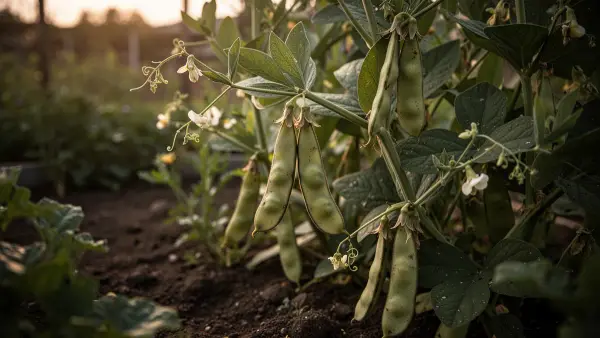
Fava beans are unique among common beans in their preference for cool weather. Sow seeds directly in the garden 4-6 weeks before the last frost date, or even in fall for overwintering in mild climates (zones 7-10). Plant seeds 2 inches deep and 6-8 inches apart in rows 18-24 inches wide. The seeds are large and germinate readily in cool soil as low as 40°F.
The sturdy, upright plants grow 3-5 feet tall and may need staking or support strings in windy locations. Pinch out the growing tips when the first pods begin to set at the bottom of the plant; this redirects energy to pod filling and helps reduce aphid infestations that congregate on tender tips.
Fava beans thrive in temperatures of 60-65°F and stop producing when temperatures consistently exceed 80°F. In warm climates, plant in fall or very early spring to harvest before the heat arrives. As excellent nitrogen fixers, favas improve soil fertility and are often grown as a cover crop before heavy-feeding summer vegetables. Water moderately and consistently, especially during flowering and pod development.
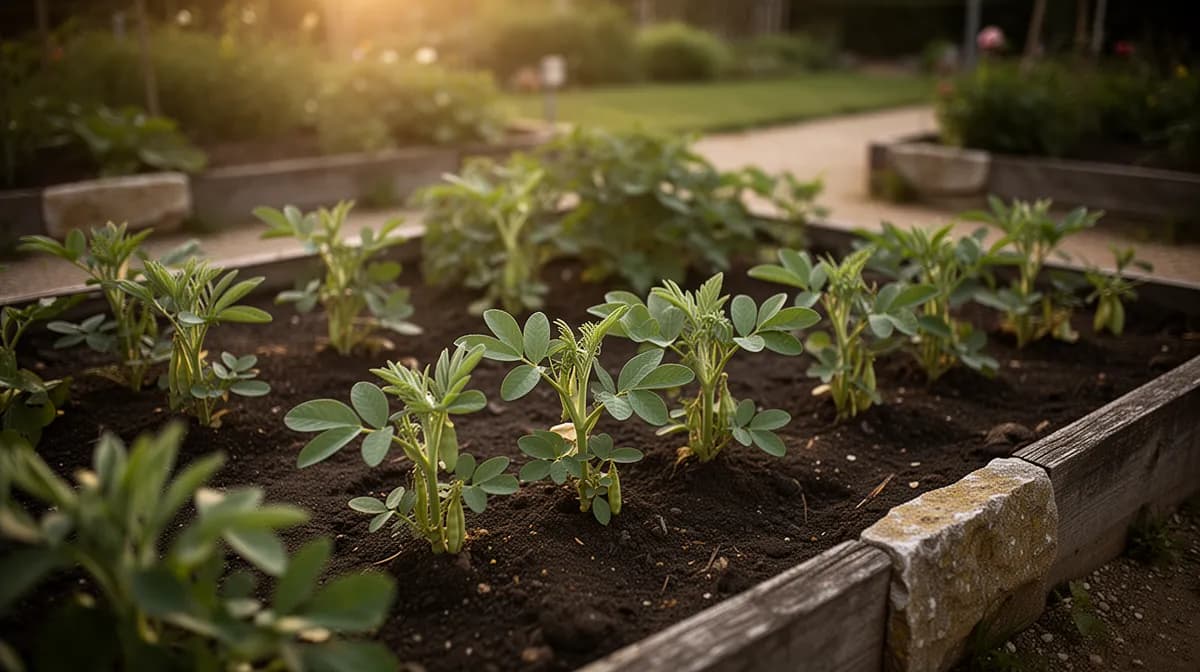
72 plants fit a 4 × 8 ft bed
Each Fava Beans wants 20 cm of elbow room. The planner keeps that spacing for you — every plant, every bed.
Fava Beans's best neighbours
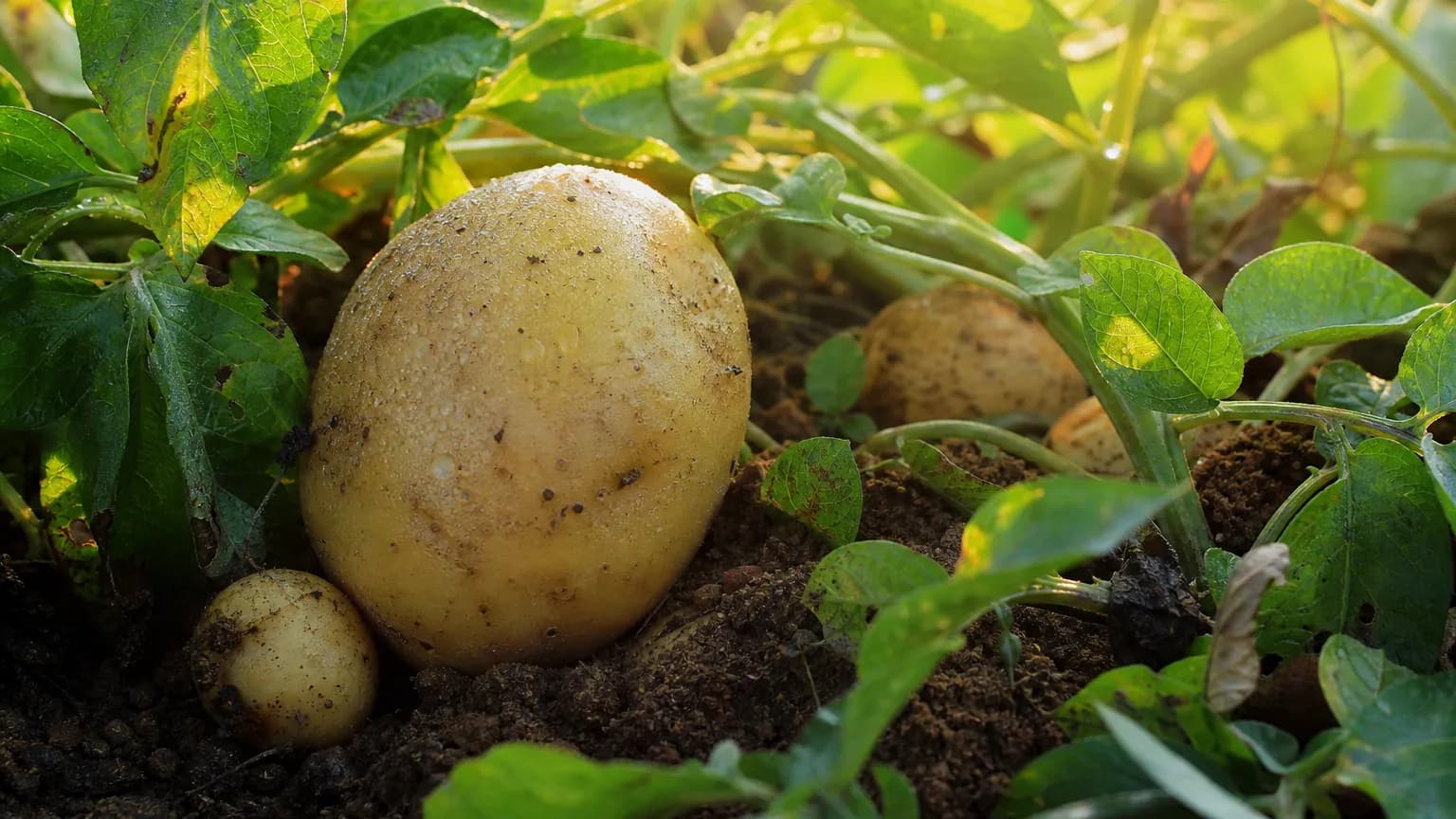
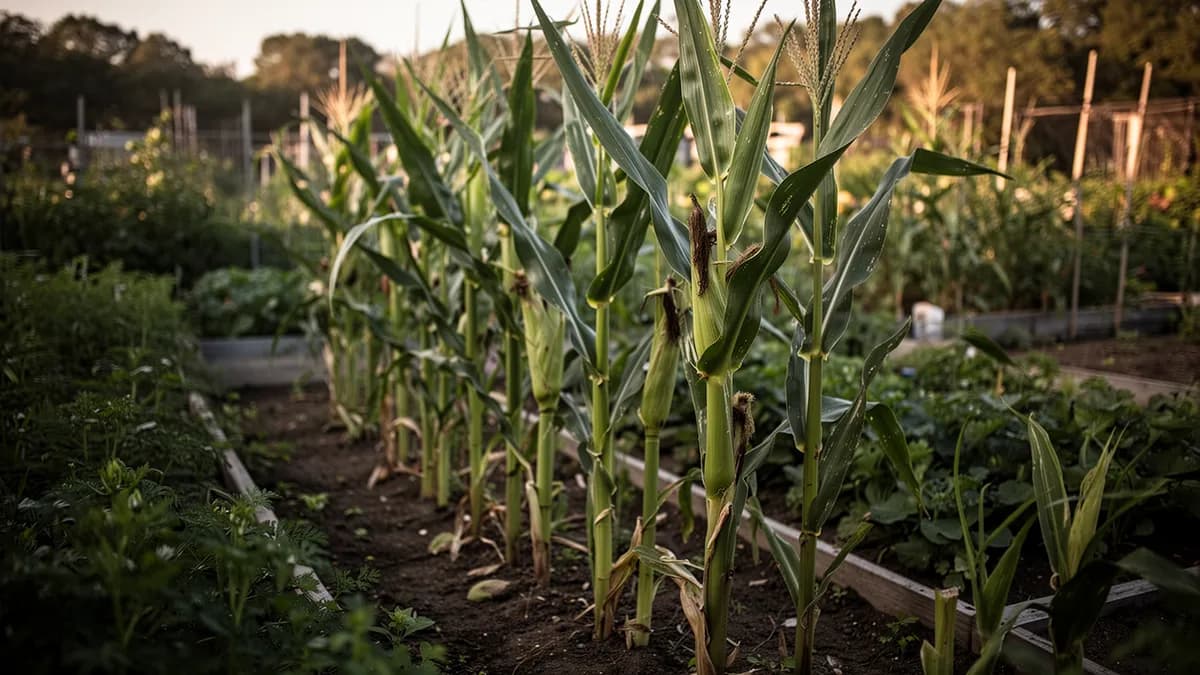
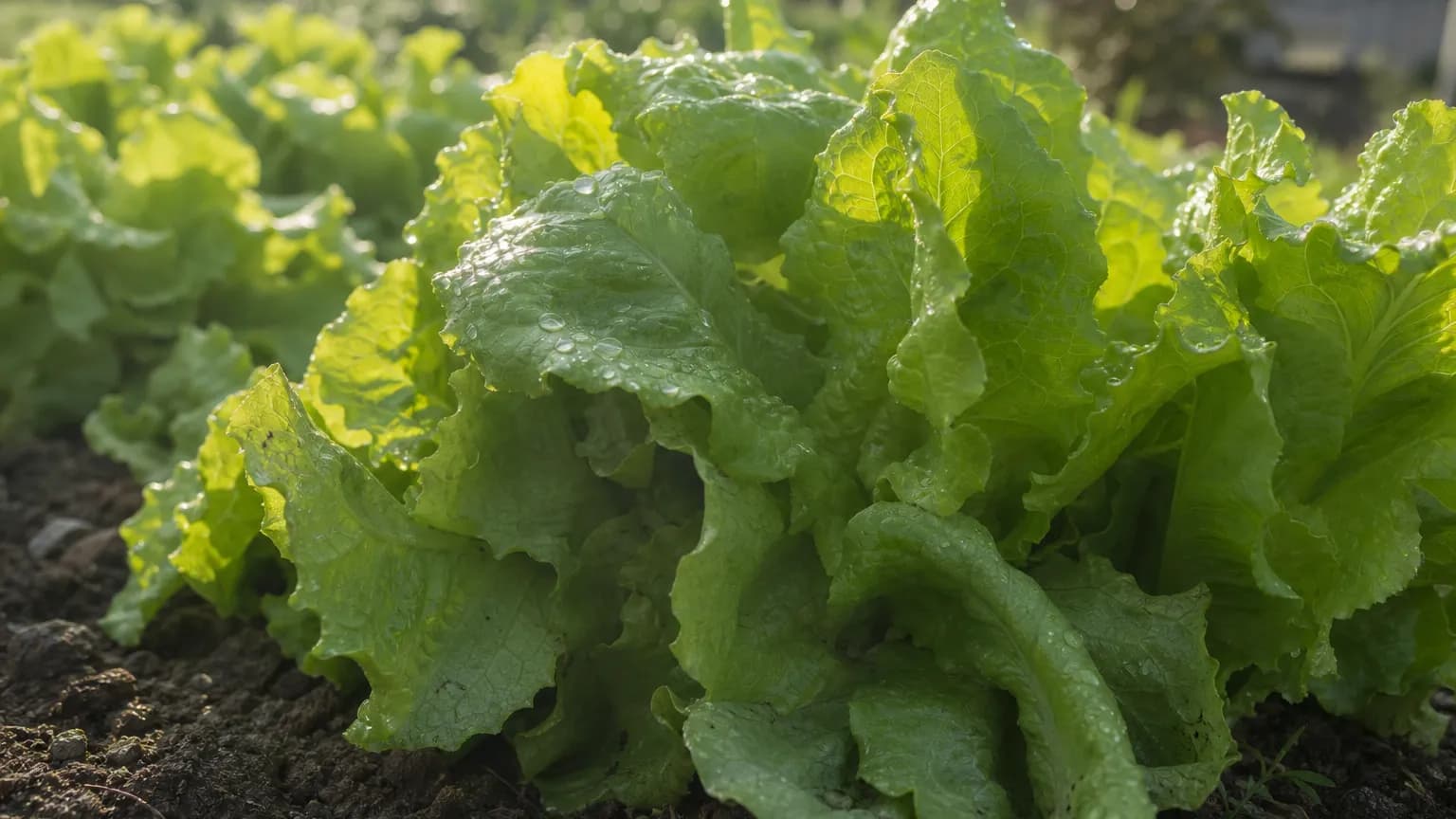
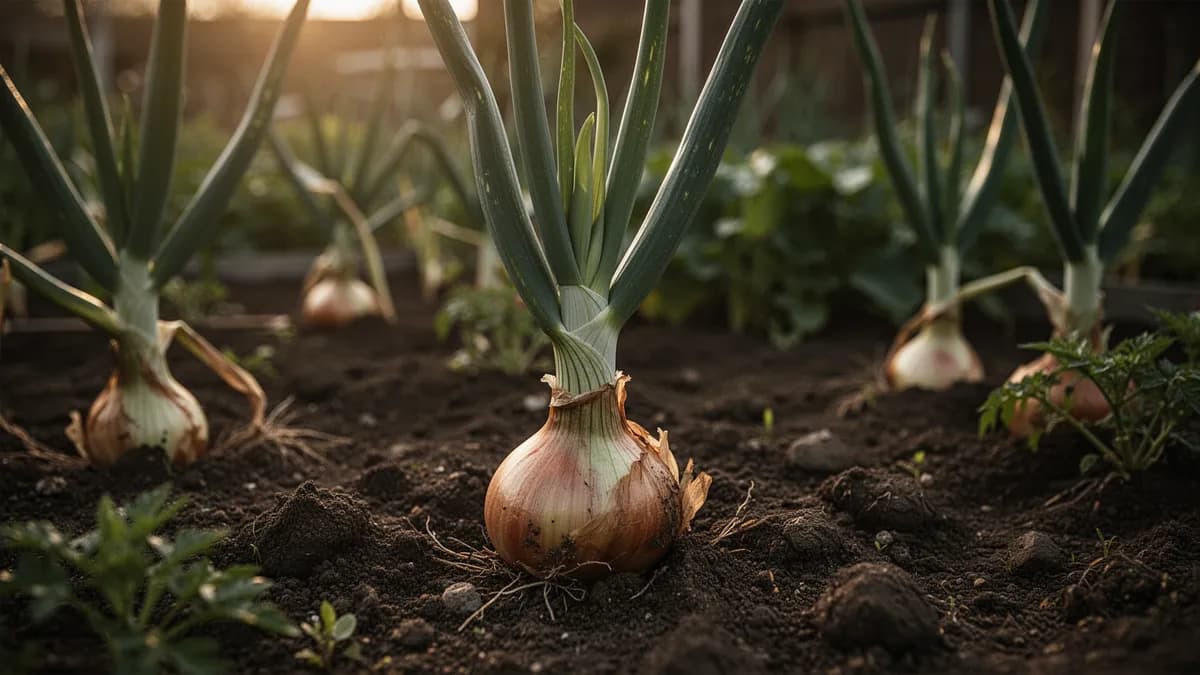
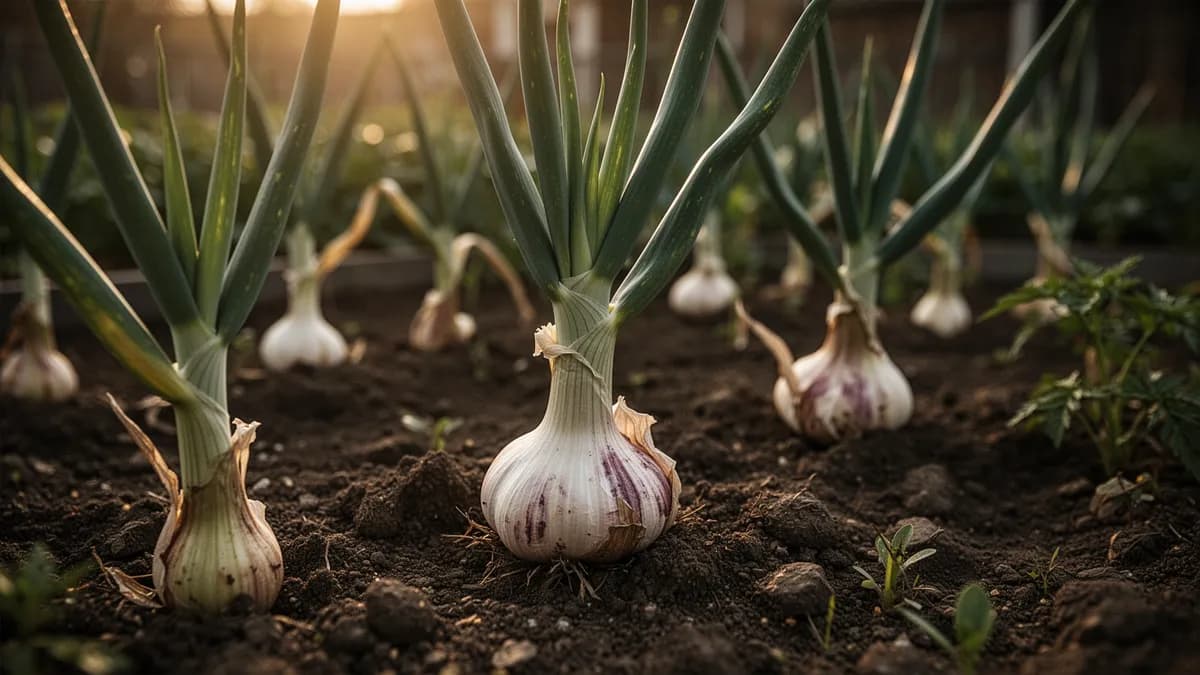
Fava beans are exceptional nitrogen fixers that benefit subsequent crops when turned into the soil as green manure. They pair well with potatoes, which appreciate the nitrogen they provide. Corn and lettuce are compatible neighbors. Avoid planting near onions, garlic, and other alliums, which can inhibit fava bean growth. The beautiful flowers attract beneficial pollinators to the garden. Plant favas as a winter cover crop before heavy-feeding summer vegetables like tomatoes and squash to build soil fertility.
Potato belongs beside it. Onion doesn't.
Old growers' knowledge, checked against Fava Beans's real companion table below — test any plant you're growing.
Try Fava Beans in a bed — right here
A real planner bed with Fava Beans already in it. Tap a companion to place it and watch the pairing checks answer — green for good neighbours, red for a clash.


Related growing guides
Feed it well
Fava beans grow in a wide range of soils but prefer well-drained, fertile loam with a pH of 6.0-7.0. As nitrogen-fixing legumes, they need minimal nitrogen fertilization. Apply a low-nitrogen fertilizer (5-10-10) at planting or simply add compost to provide phosphorus and potassium for pod development. Inoculate seeds with Rhizobium leguminosarum if growing favas for the first time in a new bed. Calcium is important for healthy pod development; add lime to acidic soils. Avoid over-fertilizing, which promotes excessive foliage growth.
Ideal Temperature
Hardiness Zone Compatibility
From seed to harvest, stage by stage
Germination
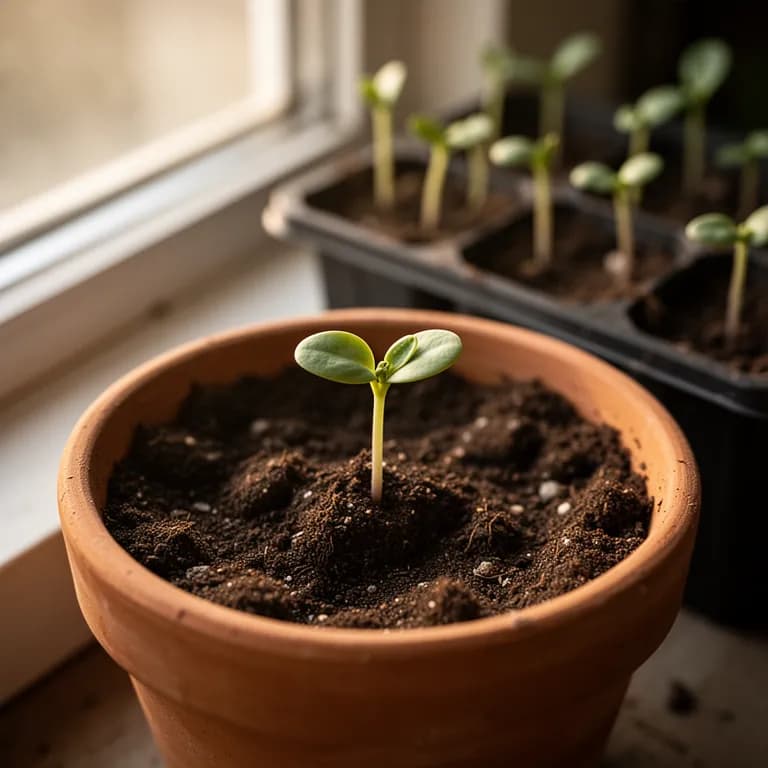
Large seeds absorb moisture rapidly and send down a strong taproot followed by a thick, square-stemmed shoot. Fava beans germinate reliably in cool soil as low as 4°C (40°F), making them one of the earliest crops to plant in spring.
Vegetative Growth
Plants develop their characteristic sturdy, upright stems with pairs of grey-green compound leaves. Growth is rapid in cool weather, and plants can reach 60-90cm (2-3 feet) during this stage. The square stems become woody and strong.
Flowering
Clusters of fragrant flowers with white petals marked by dark purple-black blotches open progressively from the bottom of the plant upward. Each cluster can produce 2-6 pods. Bees are strongly attracted to the nectar-rich blooms.
Pod Development
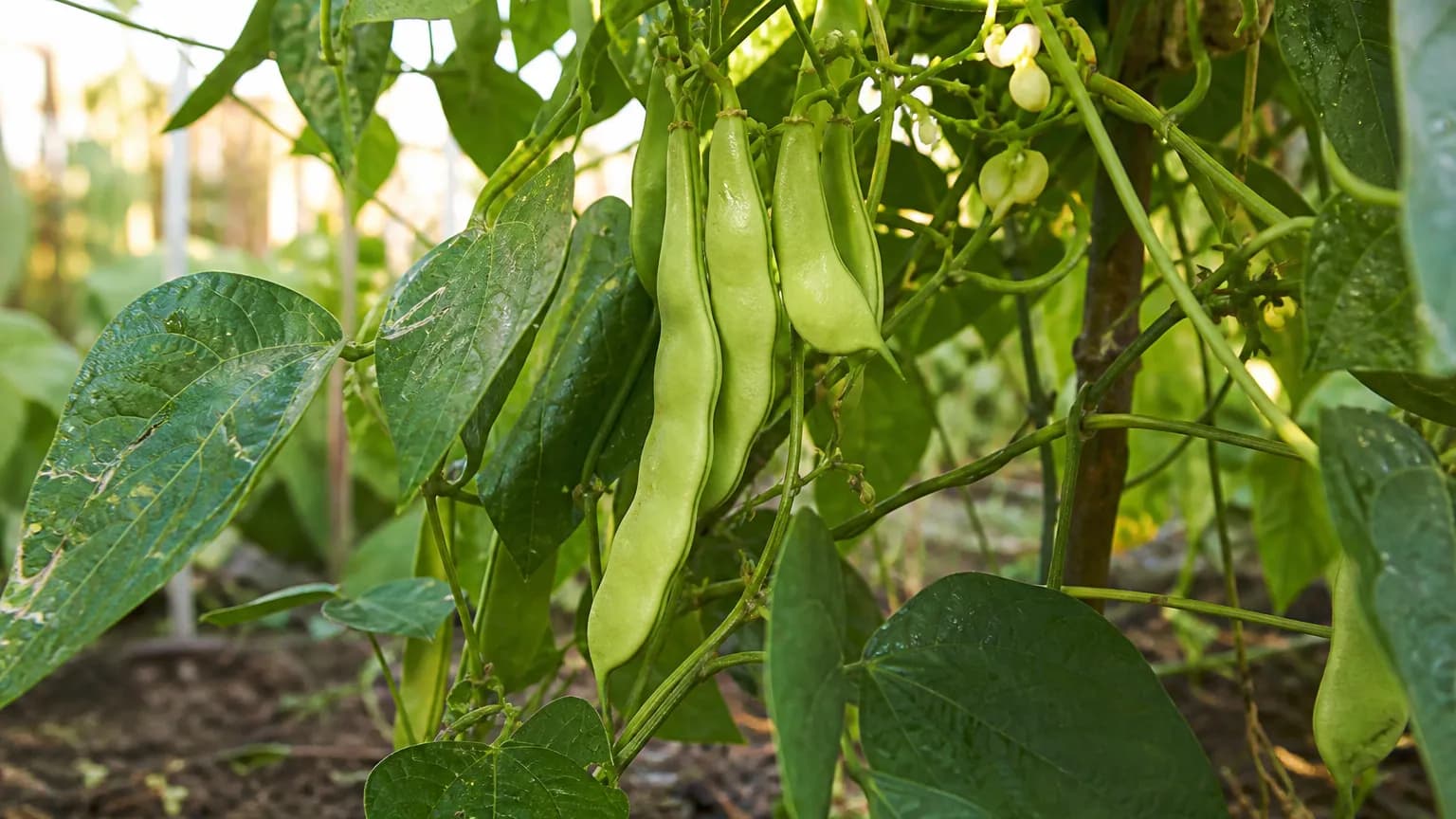
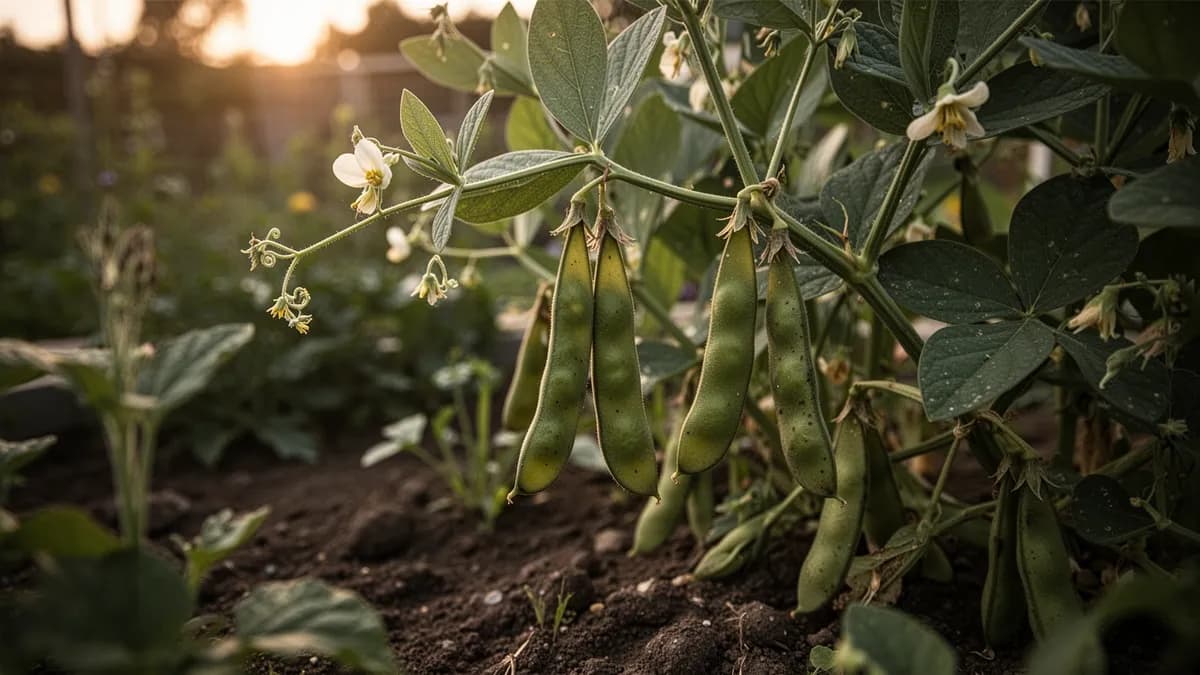
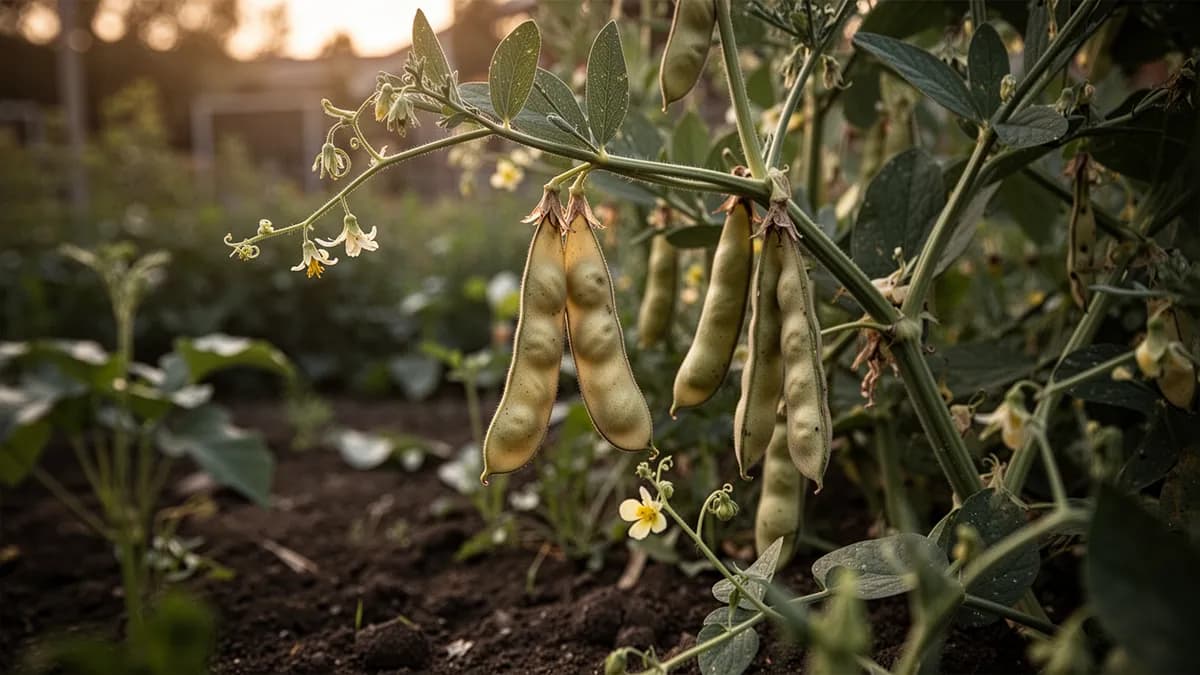
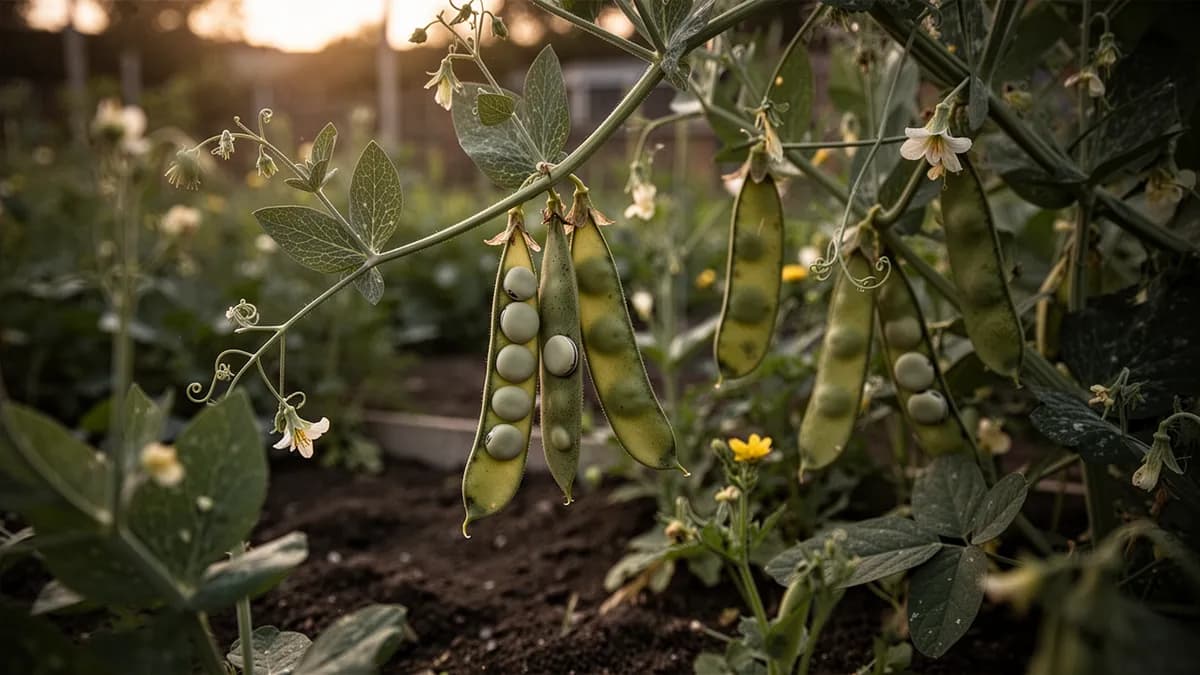
Thick, fleshy pods form and fill progressively from the bottom of the plant upward. Pods are lined with a soft, cottony interior that cushions the developing beans. Each pod contains 3-8 large beans depending on variety.
Harvest
Pods are ready when plump and the beans inside are visible through the pod wall but before the pods turn brown. For fresh eating, harvest when beans are bright green and tender. For dried beans, leave pods on the plant until they are brown and papery.
Soak seeds overnight before planting to speed germination by 2-3 days. Plant 5cm (2 inches) deep in well-drained soil. Keep soil moist but not waterlogged — favas dislike standing water even at this early stage.
Caring for Fava Beans month by month
What to do each month for your Fava Beans
October
You are hereFall-sown favas should be germinating and establishing roots before winter dormancy. Ensure good drainage in beds to prevent waterlogging over winter. In cold climates, add favas to next year's crop rotation plan — they are ideal predecessors for heavy-feeding summer crops.
Know exactly what to do in your garden — every month
One email at the start of each month: what to sow, plant, and tackle right now — for your Fava Beans and everything growing around it. Plus a short starter course that helps you dodge the classic mistakes.
- What to do, right now
- Matched to your season
- Starter course included
Harvesting Fava Beans
For fresh eating, harvest fava pods when they are plump and the beans inside are visible but before the pods turn brown and leathery. The beans should be bright green and tender. For the best texture, double-peel the beans by first removing them from the pod, then blanching briefly and slipping off the thin outer skin. For dried fava beans, allow pods to dry on the plant until brown and papery, then shell and dry completely. Harvest from the bottom of the plant upward as pods mature sequentially.
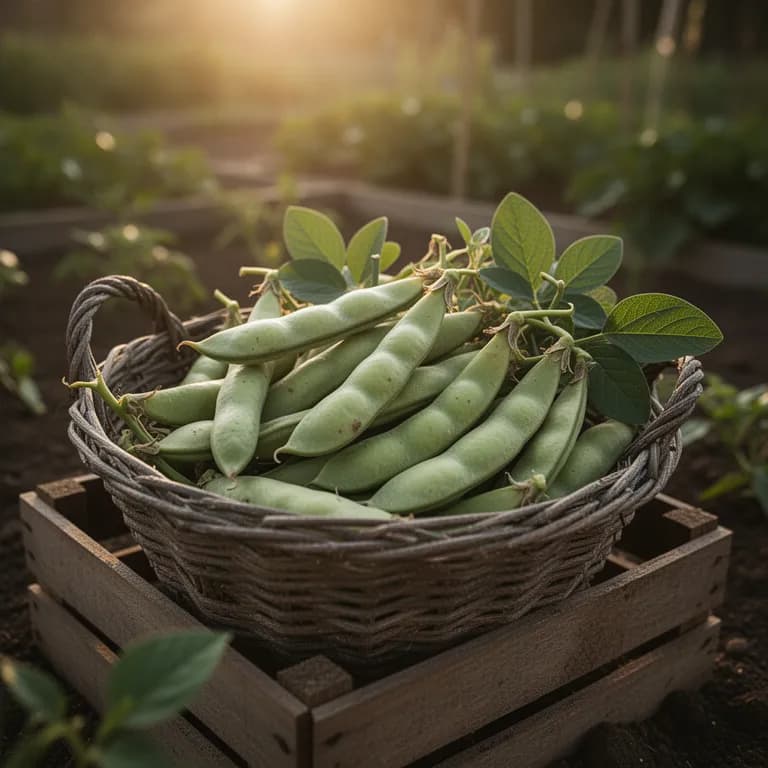
assuming you plant when the window opens — set your real date
Pick Fava Beans promptly and the plant keeps producing.
Storage & Preservation
Fresh fava beans in the pod keep for up to a week in the refrigerator. Shelled fresh beans last 2-3 days refrigerated. For freezing, shell and blanch beans for 2 minutes, cool in ice water, then freeze in a single layer before bagging for up to 12 months. For dried storage, allow beans to dry completely until they rattle, then store in airtight containers in a cool, dark place for up to 2 years. Fava beans can also be pickled while young and tender, or pureed and frozen as a convenient cooking ingredient.
What goes wrong — and the fix
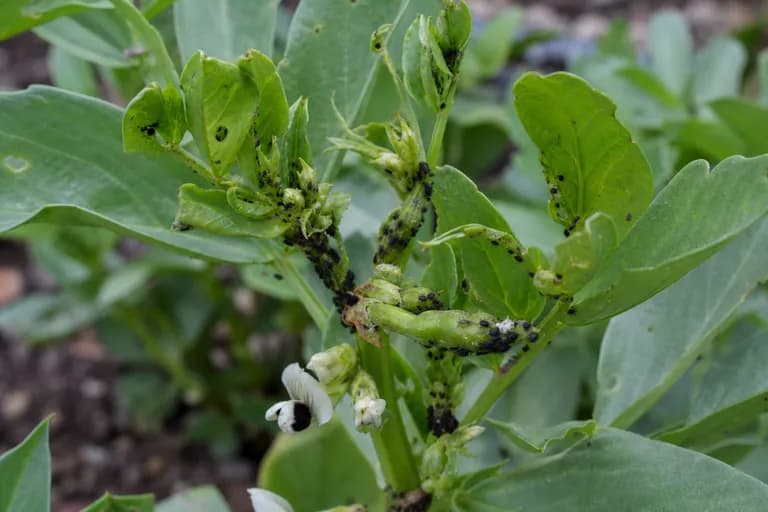
Black Bean Aphid
PestDense colonies of small black aphids clustering on growing tips, flower clusters, and young pods, causing distorted growth.
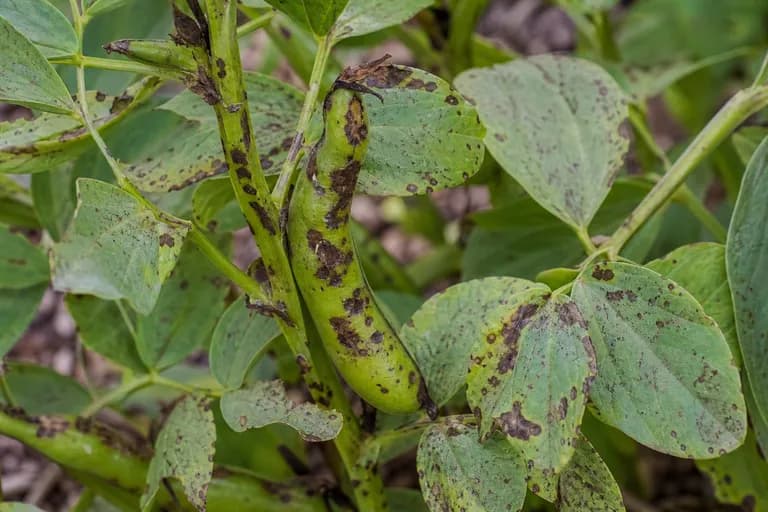
Chocolate Spot
DiseaseSmall brown spots on leaves, stems, and pods that may coalesce into larger blotches in wet weather, reducing plant vigor.
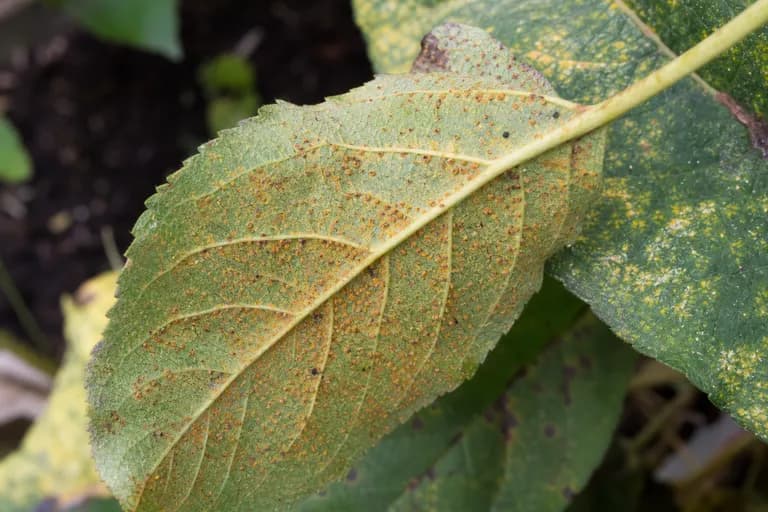
Rust
DiseaseSmall, reddish-brown pustules on leaves and stems, leading to yellowing foliage and reduced pod production.
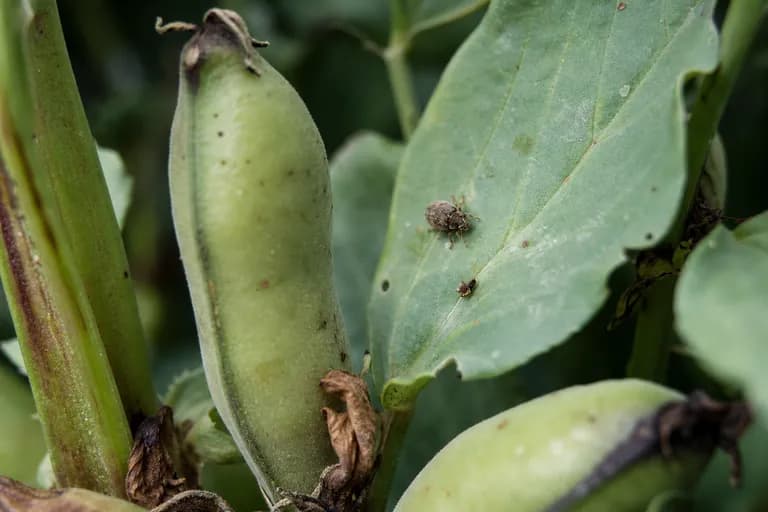
Bean Weevil
PestSmall round holes in dried beans from adult emergence, with larvae developing inside stored seeds.
Troubleshooting Common Problems
Black aphid infestations on growing tips are the single most common problem; pinching out tips early is the best prevention. Chocolate spot disease thrives in wet, humid conditions and can devastate crops in damp springs. Fava beans stop producing and may wilt in temperatures above 80°F, so timing the planting correctly for your climate is crucial. Some individuals have a genetic sensitivity to fava beans (favism), which can cause hemolytic anemia. Poor pod fill often results from inadequate pollination during cold, windy, or rainy weather.
Growing Tips
- Plant fava beans as early as possible in spring — they are one of the few crops that actually prefer cold soil and cool air. Sow 4-6 weeks before your last frost date, or even earlier if the ground is workable. In mild climates (zones 7-10), plant in October-November for overwintering and a very early spring harvest.
- Inoculate seeds with Rhizobium leguminosarum bacteria before planting, especially in beds where favas have never grown. This dramatically improves nitrogen fixation and can double your yield. Inoculant is inexpensive and available from most seed suppliers.
- Pinch out the growing tips when the first 4-5 clusters of pods have set at the bottom of the plant. This is the single most impactful thing you can do: it redirects energy from vegetative growth to pod filling, and removes the tender tips where black aphids congregate.
- Support plants early and well. Fava beans grow 90-150cm (3-5 feet) tall and become top-heavy with pods. Run string between stakes along each side of the row at 30cm intervals, or use individual stakes. Wind and heavy rain can lodge unsupported plants overnight.
- Double-peel for the best eating experience. After shelling beans from the pod, blanch in boiling water for 60 seconds, then plunge into ice water. The thin outer skin slips off easily, revealing the vibrant jade-green interior with a much more delicate, sweet flavor and creamy texture.
- Succession planting extends the harvest. Sow a second batch 3-4 weeks after the first. In regions with hot summers, choose the earliest-maturing varieties for later sowings to ensure harvest before temperatures consistently exceed 27°C (80°F).
- After harvest, cut plants at ground level but leave the roots in the soil. The root nodules contain fixed nitrogen that will slowly release as they decompose, directly benefiting whatever you plant next in that bed — tomatoes, squash, and corn are ideal followers.
- Water consistently but moderately. Fava beans need less water than most garden crops, but drought stress during flowering causes significant blossom drop. Aim for about 2.5cm (1 inch) per week, reducing after pods have filled. Avoid overhead watering to minimize chocolate spot disease.
Grow your best Fava Beans yet — and everything around it.
Start a free plan today. Lay out your beds, drop in your Fava Beans, and let PlotMyGarden handle the timing, spacing, companions and reminders from seed to harvest basket.
Pick your Fava Beans
Broad Windsor
The classic heirloom fava with large pods containing 5-7 big beans. Reliable producer with excellent flavor fresh or dried.
Aguadulce
A hardy overwintering variety that can be sown in fall for early spring harvest. Long pods with large, flavorful beans.
Sweet Lorane
A small-seeded variety grown primarily as a cover crop but also edible, with good cold tolerance and nitrogen fixation.
Crimson Flowered
An ornamental variety with stunning red flowers instead of the usual black and white. Produces good-quality beans as well.
Masterpiece Green Longpod
An early-maturing variety with long pods and green beans that retain their color when cooked.
Fresh fava beans are a premium seasonal ingredient, selling for $4-8 per pound shelled at farmers' markets and specialty grocers when available at all. A single $3 packet of seeds can produce 15-25 plants yielding 8-15 kg of fresh pods — equivalent to $60-150 worth of market-price shelled favas. Beyond direct food savings, favas planted as a cover crop add significant nitrogen to the soil, reducing fertilizer costs for subsequent crops by $10-20 per bed. Few garden crops deliver both gourmet-quality produce and measurable soil improvement.
Quick recipes
Fava Bean Crostini with Ricotta and Mint
20 minA quintessential spring appetizer from the Italian tradition. Bright green fava puree layered over creamy ricotta on crispy toasted bread, finished with fresh mint and a drizzle of your best olive oil. Simple, elegant, and unmistakably seasonal.
8 ingredientsFava Bean and Pecorino Salad
15 minA Roman springtime classic that pairs the sweetness of young fava beans with the sharp, salty bite of aged pecorino cheese. Best made with the freshest favas of the season, eaten raw or barely blanched when they are at their most tender.
7 ingredients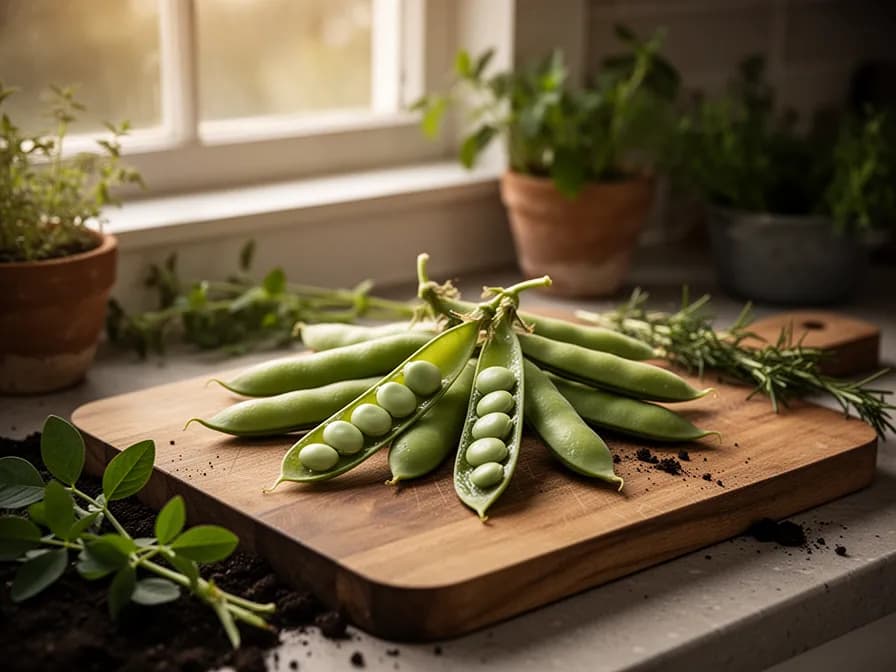
Ful Medames (Egyptian Fava Bean Stew)
25 min (with pre-cooked beans)One of the oldest known prepared dishes in human history, still eaten daily across the Middle East and North Africa. Slow-cooked fava beans mashed with garlic, lemon, and cumin create a hearty, protein-rich dish traditionally served for breakfast with warm flatbread.
8 ingredientsCulinary Uses
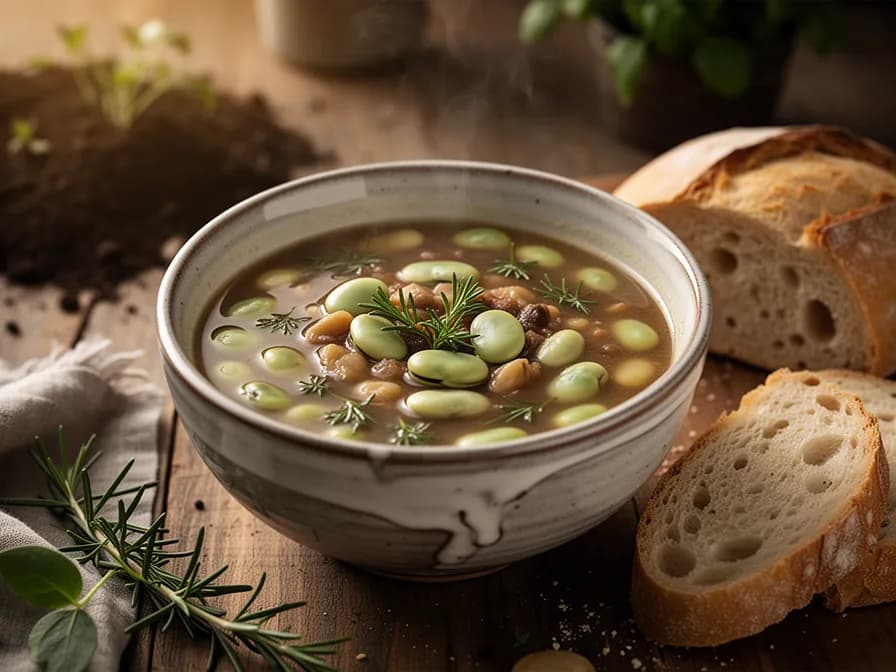
Fresh fava beans are a spring delicacy with a rich, buttery, slightly earthy flavor. Double-peel for the most refined texture in salads, pasta dishes, and risotto. Puree blanched favas with garlic, lemon, and olive oil for a vibrant green dip. Simmer with aromatics for a hearty bean soup. Dried favas are used in ful medames, a classic Middle Eastern dish. Young whole pods can be grilled or sauteed when very small and tender. Fava bean leaves and shoots are also edible as salad greens.
What's inside
Health Benefits
- Outstanding plant-based protein source at 7.6g per 100g cooked — higher than most other beans, making favas particularly valuable for vegetarian and vegan diets as a complete amino acid source when paired with grains.
- Exceptionally rich in folate (vitamin B9), providing about 27% of the daily value per 100g serving. Folate is critical for DNA synthesis, cell division, and is especially important for pregnant women to prevent neural tube defects.
- Contains L-dopa (levodopa), a direct precursor to the neurotransmitter dopamine. Clinical studies have shown that regular fava bean consumption can increase blood L-dopa levels, with potential therapeutic implications for Parkinson's disease management.
- High in both soluble and insoluble dietary fiber (5.4g per 100g), supporting gut microbiome diversity, promoting regular bowel movements, and helping regulate blood sugar and cholesterol levels.
- Rich in minerals including iron (1.5mg per 100g), manganese, phosphorus, and magnesium — all essential for energy metabolism, oxygen transport, and bone health.
- Contains significant levels of thiamine (vitamin B1) and riboflavin (vitamin B2), supporting nerve function and energy production from food.
Where Fava Beans comes from
The fava bean holds a singular place in agricultural history as one of the very first crops cultivated by humans. Wild ancestors originated in the Mediterranean basin and Central Asia, and archaeological remains from Jericho and other Near Eastern sites date fava cultivation to at least 6000 BCE — making it older than wheat in some regions.
Fava beans were a dietary staple of ancient Egypt, Greece, and Rome, though they also carried complex cultural associations. The Egyptians considered them connected to the afterlife and placed them in tombs. Roman priests were forbidden to eat them or even speak their name. Pythagoras's famous prohibition against favas may have reflected either religious beliefs about the transmigration of souls or an early observation of favism — a genetic condition common in Mediterranean populations where consuming favas triggers hemolytic anemia.
Throughout the medieval period, fava beans were the primary legume of Europe, providing essential protein for peasant diets centuries before New World beans (Phaseolus species) arrived after 1492. The English word 'bean' originally referred exclusively to favas. They spread along trade routes to China, Ethiopia, and eventually worldwide. Today, fava beans remain a culinary cornerstone of Mediterranean, Middle Eastern, and North African cuisines — from Egyptian ful medames to Italian vignarola — and are increasingly valued by modern gardeners as both a food crop and a powerful soil-building cover crop.
Fava Beans: did you know?
Fascinating facts about Fava Beans
Fava beans are one of the oldest cultivated crops in human history — archaeological evidence shows they were grown in the Near East as early as 6000 BCE, predating most other domesticated legumes by millennia.
Fava Beans questions, answered
When should I plant Fava Beans?
What are good companion plants for Fava Beans?
What hardiness zones can Fava Beans grow in?
How much sun does Fava Beans need?
How far apart should I space Fava Beans?
What pests and diseases affect Fava Beans?
How do I store Fava Beans after harvest?
What are the best Fava Beans varieties to grow?
What soil does Fava Beans need?
What is favism, and should I be concerned about eating fava beans?
How do I prevent black aphids on my fava bean plants?
Can I grow fava beans in hot climates?
Should I double-peel fava beans? It seems like a lot of work.
How do fava beans improve soil fertility?
When should I harvest fava beans for fresh eating vs. drying?
You just read the theory. Now grow it on autopilot.
Everything that makes Fava Beans fiddly — the timing, the spacing, the companions, the harvest window — is exactly what PlotMyGarden handles for you, for every plant in your garden.
A plan that knows your weather
Set your location once. Get sow, feed and harvest dates built around your real last-frost date and live forecast — no more guessing from a generic seed packet.
From the “When to plant” sectionDrag-and-drop bed planner
Design beds on a grid. Every plant snaps to its proper spacing, and you can see your whole season laid out before you spend a cent on seed.
From the “Growing guide” sectionCompanion conflicts, caught early
200+ good-and-bad pairings checked live as you plant — so a season-wrecking mistake never makes it into the ground.
From the “Companions” sectionReminders you'll actually act on
“Water the beans.” “Pick today before it turns.” Timely, specific, and tied to the plants you're really growing.
From the “Harvest” sectionSuccession, scheduled
Want a harvest for six weeks, not six days? It spaces your sowings automatically and reminds you when each new block is due.
From the “When to plant” sectionA record that gets smarter
Every harvest you log teaches it your garden. Next year's plan starts from what actually worked in your soil, not a textbook's.
From the “Overview” sectionPlant these alongside Fava Beans
More Legumes
Keep Fava Beans away from these
Grow your best Fava Beans yet — and everything around it.
Start a free plan today. Lay out your beds, drop in your Fava Beans, and let PlotMyGarden handle the timing, spacing, companions and reminders from seed to harvest basket.