Limabohnen
Eine wärmeliebende Hülsenfrucht, die große, flache, buttrige Bohnen hervorbringt, die frisch oder getrocknet für die Winterlagerung sehr nahrhaft sind.





Auf dieser SeiteÜberblick
Limabohnen im Überblick
Eine wärmeliebende Hülsenfrucht, die große, flache, buttrige Bohnen hervorbringt, die frisch oder getrocknet für die Winterlagerung sehr nahrhaft sind. Limabohnen benötigen für die Keimung eine Bodentemperatur von mindestens 18 °C und sind äußerst frostempfindlich. Buschsorten liefern eine konzentrierte Ernte, während Stangensorten bei geeigneter Rankhilfe über einen längeren Zeitraum tragen. Ernten Sie die Bohnen, wenn die Hülsen prall, aber noch grün sind, für den frischesten Geschmack, oder lassen Sie die Hülsen an der Pflanze trocknen, um sie in der Vorratskammer aufzubewahren.
Wann Limabohnen pflanzen
Säen Sie Limabohnen direkt ins Freiland, nachdem alle Frostgefahr vorüber ist und sich der Boden auf mindestens 18 °C erwärmt hat. Ziehen Sie die Bohnen nicht drinnen vor, da Limabohnen Wurzelstörungen beim Umpflanzen nicht vertragen. Säen Sie die Samen 2,5–5 cm tief mit dem Auge nach unten und der konkaven Seite nach unten. Impfen Sie mit geeigneten Rhizobium-Bakterien, wenn Sie in Boden pflanzen, in dem zuvor keine Limabohnen gewachsen sind. Setzen Sie Buschsorten in einem Abstand von 10–15 cm in 60 cm breiten Reihen und Stangensorten in einem Abstand von 15–20 cm mit stabiler Rankhilfe. Die Keimung erfolgt in 7–14 Tagen. Weichen Sie die Samen vor dem Pflanzen nicht ein, da dies zu Rissen führen kann.
Dein Limabohnen-Jahr
Abgestimmt auf Zone 7 · typische Saison · Frost geht um den 2. Apr. und kehrt um den 1. Nov. zurück
Limabohnen Mai – Jun pflanzen, Aug – Okt ernten. Beachte die Pflanzmethoden unten und wähle dein Klima für passende Zeiträume.
So baust du Limabohnen an
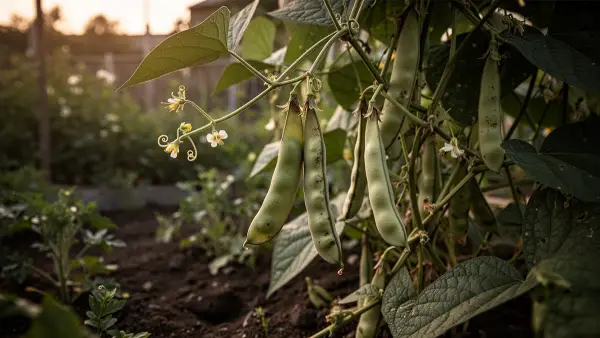
Limabohnen sind strikt wärmeliebende Kulturen, die in kaltem Boden nicht keimen. Warten Sie, bis die Bodentemperaturen mindestens 18 °C erreichen, in der Regel 2–3 Wochen nach dem letzten Frosttermin. Säen Sie die Samen 2,5–5 cm tief mit dem Auge nach unten, wobei Buschsorten 10–15 cm und Stangensorten 15–20 cm Abstand in 60–75 cm breiten Reihen haben sollten.
Stellen Sie stabile Rankhilfen für Stangensorten bereit, die 2,5–3 Meter hoch werden können. Buschsorten sind mit 60–90 cm kompakter und benötigen keine Stützung. Limabohnen bevorzugen volle Sonne und gleichmäßige, moderate Feuchtigkeit während der Blüte und Hülsenentwicklung. Vermeiden Sie Überkopfbewässerung, da diese Blütenabwurf und Pilzkrankheiten verursachen kann.
Impfen Sie die Samen beim Pflanzen mit Rhizobium-Bakterien, die speziell für Limabohnen geeignet sind, um die Stickstofffixierung zu maximieren. Mulchen Sie rund um die Pflanzen, um die Feuchtigkeit zu bewahren und Unkraut zu unterdrücken. Limabohnen reagieren empfindlich auf extreme Temperaturen: Die Blüten fallen ab, wenn die Temperaturen während der Blütezeit 32 °C überschreiten oder unter 16 °C fallen. Pflanzen Sie in heißen Klimazonen früh genug, damit die Hülsen vor der größten Sommerhitze ansetzen können.
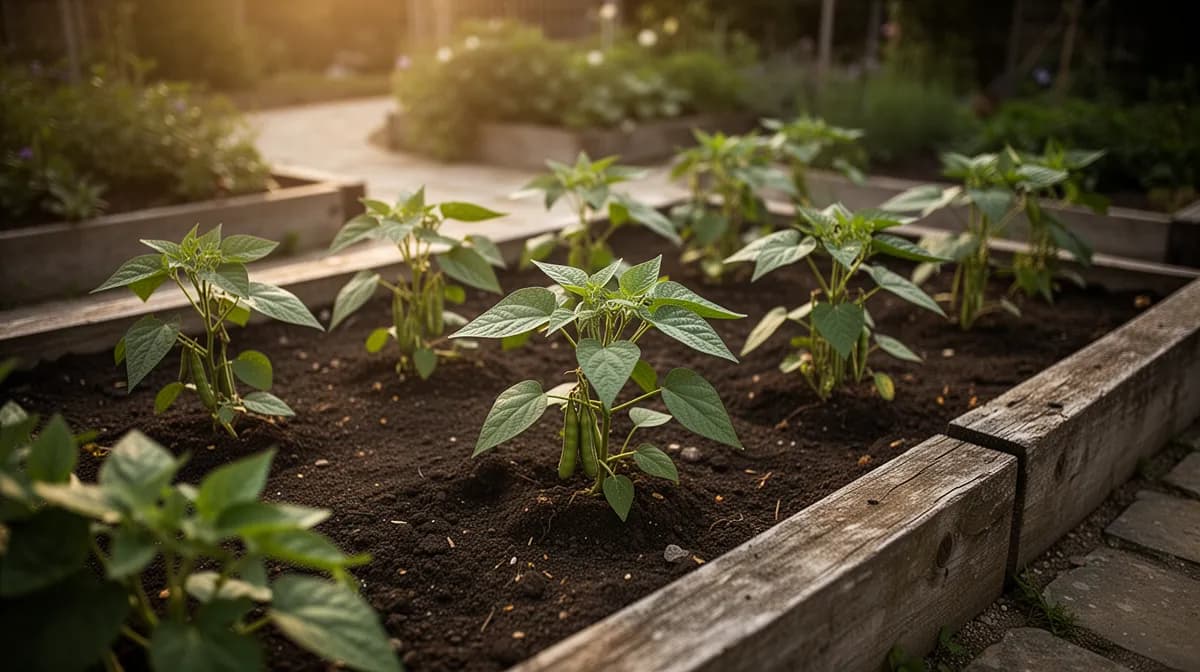
128 Pflanzen passen in ein Beet von 120 × 240 cm
Limabohnen braucht 15 cm Platz pro Pflanze. Der Planer hält diesen Abstand für dich ein — jede Pflanze, jedes Beet.
Die besten Nachbarn für Limabohnen
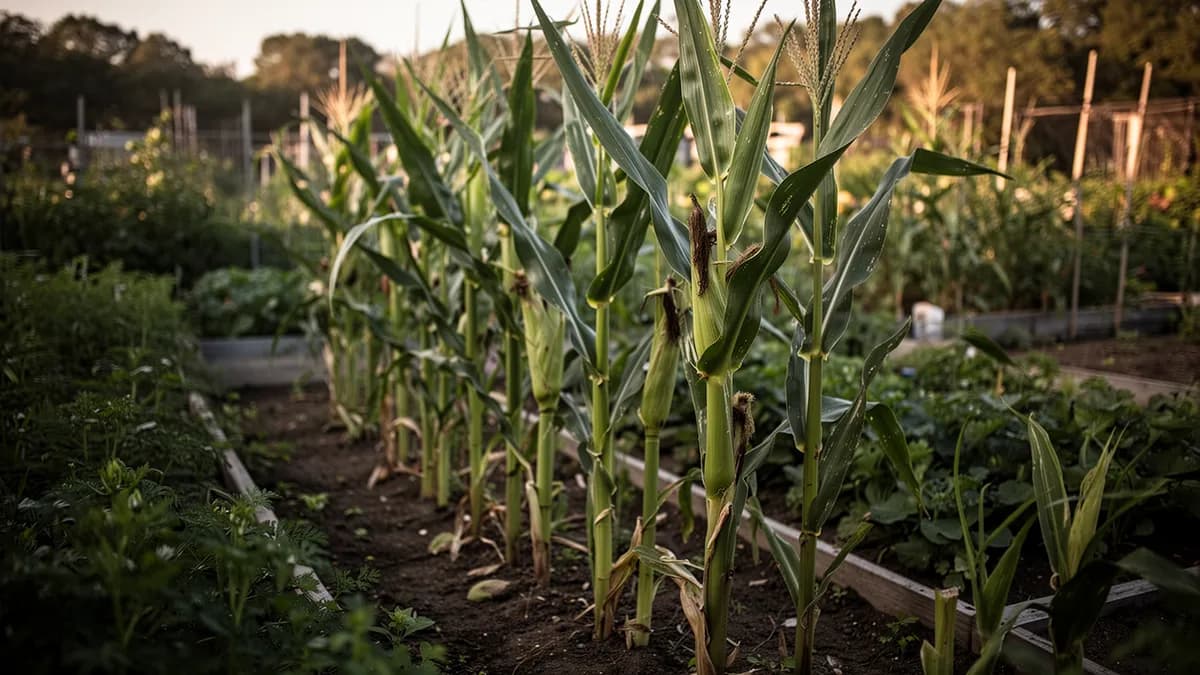
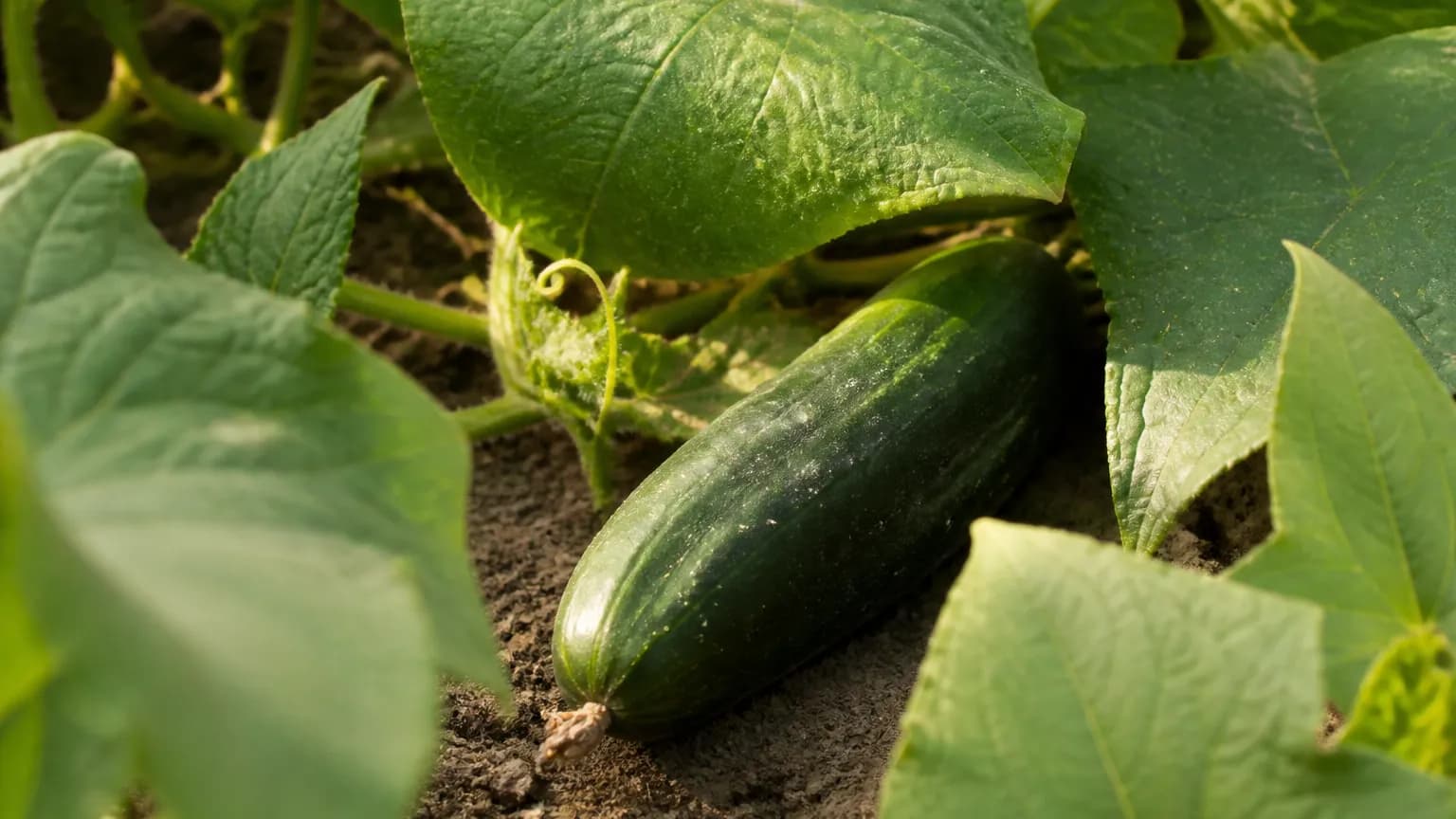
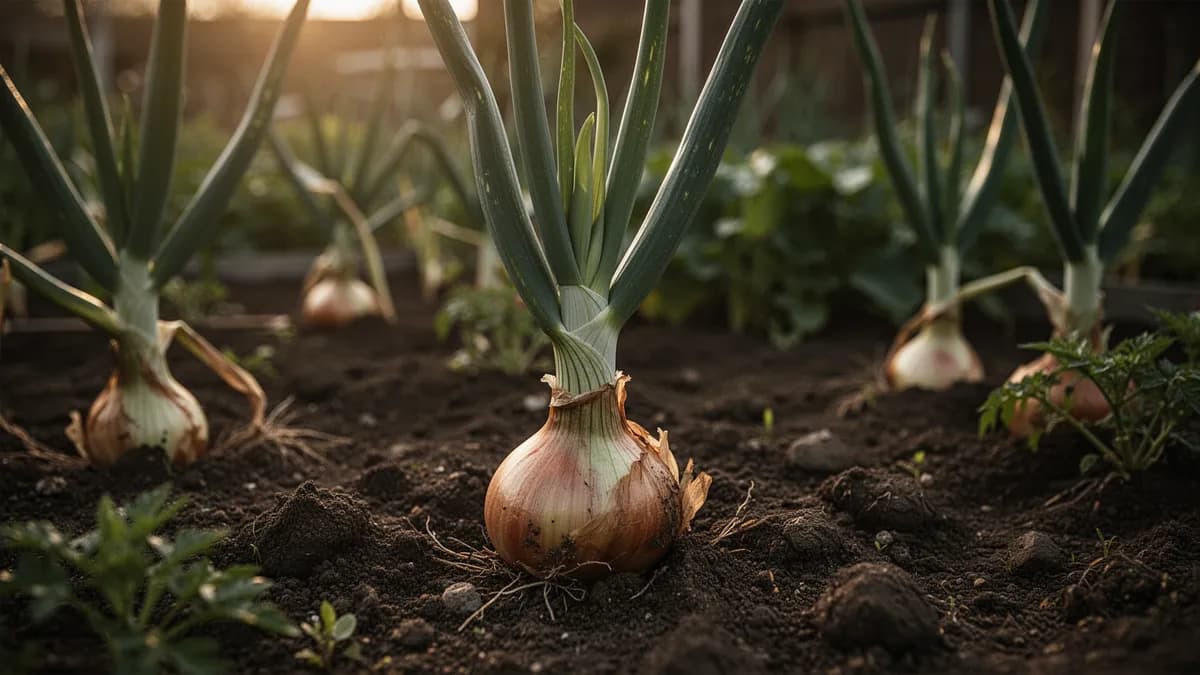
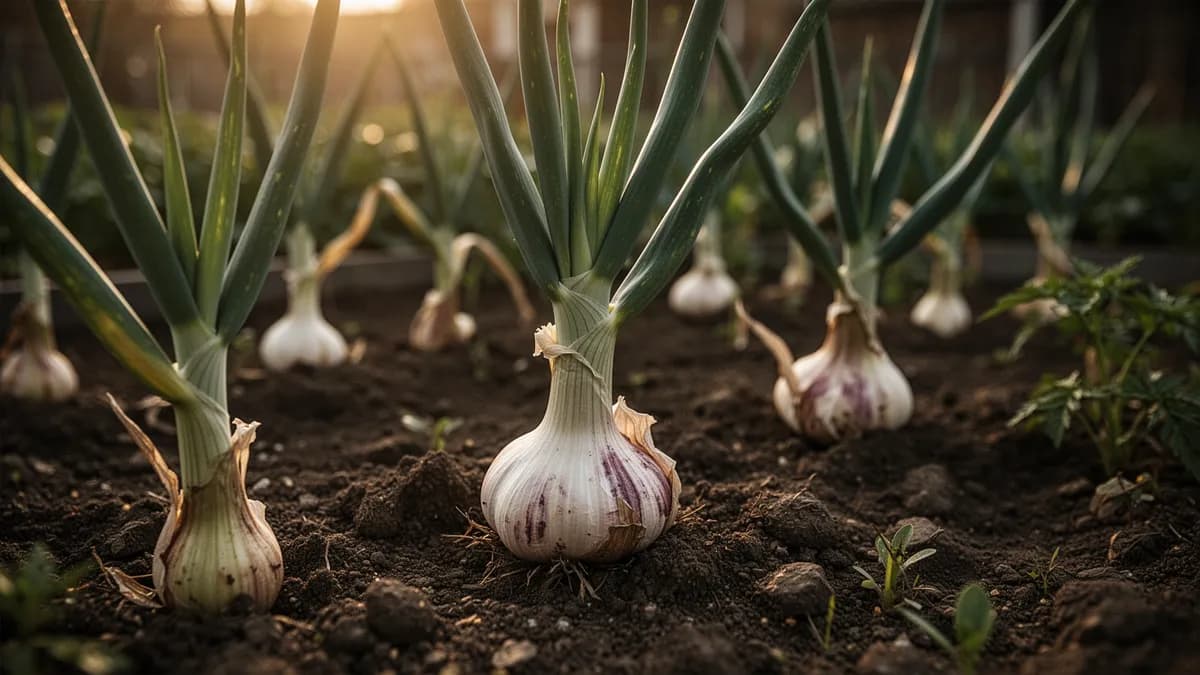
Limabohnen gedeihen gut zusammen mit Mais, der für Stangensorten eine natürliche Rankhilfe bietet – eine klassische Drei-Schwestern-Pflanzung. Gurken, Kürbis und Kartoffeln sind verträgliche Nachbarn. In der Nähe gepflanzte Tagetes helfen, Bohnenkäfer abzuwehren. Vermeiden Sie die Pflanzung neben Zwiebeln, Knoblauch und anderen Lauchgewächsen, die das Bohnenwachstum hemmen können. Pflanzen Sie nicht in der Nähe von Fenchel, der allelopathische Wirkungen auf die meisten Hülsenfrüchte hat. Bohnenkraut, neben Bohnen gepflanzt, soll den Geschmack verbessern und Bohnenrüssler abwehren.
Mais gehört daneben. Zwiebel nicht.
Altes Gärtnerwissen, geprüft an der echten Nachbartabelle von Limabohnen — teste jede Pflanze, die du anbaust.
Probiere Limabohnen direkt hier im Beet
Ein echtes Planer-Beet, Limabohnen steht schon drin. Tippe einen Begleiter an, platziere ihn und sieh, wie die Nachbarschaftsprüfung antwortet — grün für gute Nachbarn, rot bei Streit.


Passende Anbau-Ratgeber
Richtig düngen
Limabohnen bevorzugen gut durchlässigen, fruchtbaren Boden mit einem pH-Wert von 6,0–6,8. Als stickstofffixierende Hülsenfrüchte benötigen sie keine starke Stickstoffdüngung. Bringen Sie beim Pflanzen einen stickstoffarmen, phosphorreichen Dünger (5-10-10) aus, um die Wurzelentwicklung und Hülsenproduktion zu unterstützen. Impfen Sie die Samen mit geeigneten Rhizobium-Bakterien, um die Stickstofffixierung zu maximieren. Übermäßiger Stickstoff führt zu üppigem Laub bei wenigen Hülsen. Geben Sie Kompost hinzu, um die Bodenstruktur und Drainage zu verbessern. Kalzium ist wichtig für die Hülsenentwicklung; kalken Sie, wenn der Boden-pH-Wert unter 6,0 liegt.
Ideale Temperatur
Winterhärtezone-Kompatibilität
Von der Saat zur Ernte, Schritt für Schritt
Keimung
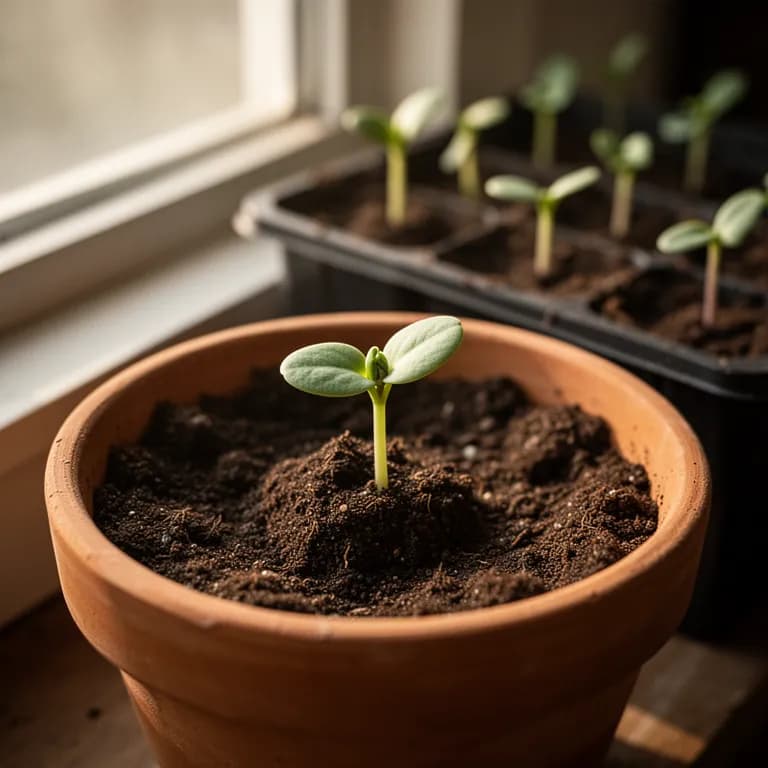
Die großen Samen nehmen Feuchtigkeit auf und quellen im warmen Boden, senden eine dicke Keimwurzel nach unten, bevor der kräftige Hypokotyl die schweren Keimblätter über die Oberfläche schiebt. Limabohnen benötigen Bodentemperaturen von mindestens 18 °C für eine zuverlässige Keimung und faulen in kalten, nassen Bedingungen.
Keimlingsentwicklung
Die ersten dreiteiligen echten Blätter entfalten sich über den großen Keimblättern. Das Wurzelsystem entwickelt sich rasch, und stickstofffixierende Wurzelknöllchen beginnen sich zu bilden, sofern Rhizobium-Bakterien im Boden vorhanden sind. Die Keimlinge sind in diesem Stadium äußerst frostempfindlich.
Vegetatives Wachstum
Buschsorten entwickeln einen kompakten, verzweigten Wuchs und werden 45–60 cm hoch. Stangensorten beginnen kräftig zu klettern und bilden lange, windende Triebe, die 2,5–3 Meter erreichen können. Das Laub wird dicht und üppig, während die Pflanze die Energiereserven aufbaut, die für die Blüte benötigt werden.
Blüte
Büschel kleiner weißer bis blassvioletter Blüten erscheinen in den Blattachseln. Limabohnenblüten sind selbstbestäubend, aber äußerst temperaturempfindlich — die Blüten fallen ab, wenn die Temperaturen 32 °C überschreiten oder unter 16 °C fallen. Jedes Blütenbüschel kann potenziell 2–4 Hülsen ansetzen.
Hülsenentwicklung
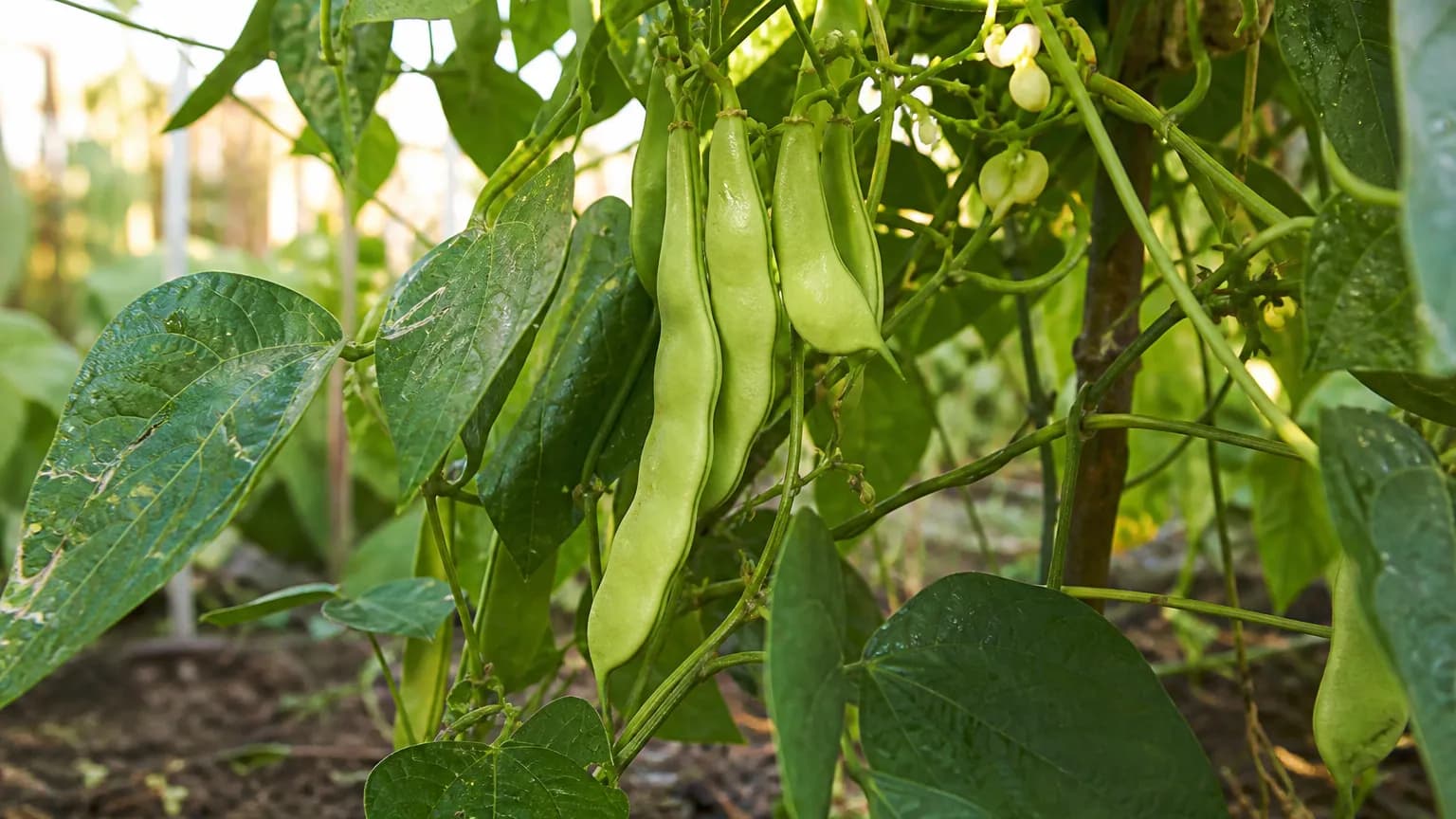
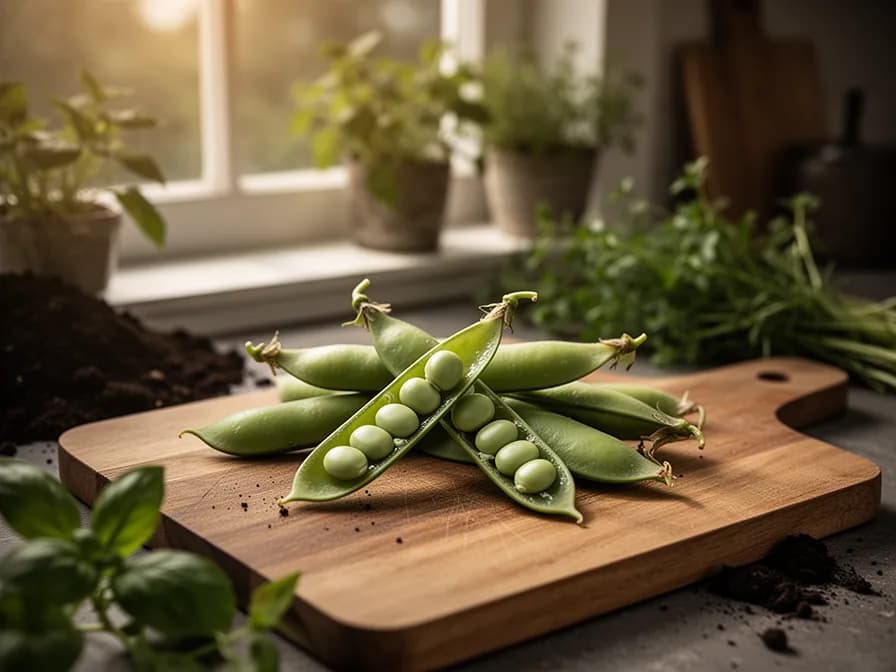
Flache, gebogene Hülsen entwickeln sich aus bestäubten Blüten und schwellen allmählich an, während die Bohnen im Inneren größer werden. Die Hülsen werden von schmal und flach zu prall und leicht höckerig, wenn die einzelnen Bohnen ihre volle Größe erreichen. Die Bohnen sind durch die dünne Hülsenwand sichtbar, wenn sie zur frischen Ernte bereit sind.
Ernte und Trocknung
Für den Frischverzehr werden die Hülsen grün geerntet und sofort gepalt. Für die Trockenlagerung verbleiben die Hülsen an der Pflanze, bis sie vollständig braun und papierartig sind. Dann kann die gesamte Pflanze herausgezogen und zum Nachtrocknen aufgehängt werden. Buschsorten liefern eine konzentrierte Ernte, während Stangensorten über mehrere Wochen weiter tragen.
Pflanzen Sie die Samen 2,5–5 cm tief mit dem Auge nach unten. Weichen Sie die Samen vor dem Pflanzen nicht ein — anders als bei den meisten Bohnen reißen Limabohnensamen beim Vorweichen leicht. Halten Sie den Boden warm und gleichmäßig feucht, ohne Staunässe.
Limabohnen Monat für Monat pflegen
Was du jeden Monat für deine Limabohnen tun solltest
Oktober
Aktueller MonatLetzte Frischernten in den meisten Zonen. Lassen Sie für Trockenbohnen die verbleibenden Hülsen an den Pflanzen, bis sie braun und papierartig sind. Ziehen Sie die gesamten Pflanzen heraus und hängen Sie sie in einem trockenen, belüfteten Bereich zum Nachreifen auf. Beginnen Sie mit dem Aufräumen abgetragener Buschpflanzen.
Immer wissen, was jetzt im Garten zu tun ist
Eine E-Mail zum Monatsanfang: was du jetzt säen, pflanzen und anpacken solltest — für deine Limabohnen und alles, was drumherum wächst. Dazu ein kurzer Startkurs, der dich vor den klassischen Fehlern bewahrt.
- Was jetzt zu tun ist
- Passend zu deiner Saison
- Startkurs inklusive
Limabohnen ernten
Für frische Palbohnen ernten Sie, wenn die Hülsen prall und leuchtend grün sind und die Bohnen durch die Hülsenwand sichtbar sind. Die Bohnen sollten zart und hellgrün sein, nicht stärkehaltig. Für getrocknete Limabohnen lassen Sie die Hülsen an der Pflanze, bis sie braun und papierartig werden, ziehen dann die gesamten Pflanzen heraus und hängen sie kopfüber zum Nachtrocknen auf. Zum Palen frischer Bohnen brechen Sie das Stielende ab und drücken die Hülse auf. Ernten Sie regelmäßig, um bei Stangensorten die weitere Produktion anzuregen.
angenommen, du pflanzt zu Beginn des Zeitraums — trage dein tatsächliches Datum ein
Ernte Limabohnen zügig, dann trägt die Pflanze weiter.
Lagerung & Konservierung
Frisch gepalte Limabohnen halten sich 3–5 Tage im Kühlschrank in einem verschlossenen Behälter. Zum Einfrieren blanchieren Sie die gepalten Bohnen je nach Größe 2–3 Minuten, kühlen sie in Eiswasser ab, lassen sie abtropfen und frieren sie in einer einzigen Schicht ein, bevor Sie sie in Beutel füllen. Gefrorene Limabohnen halten bis zu 12 Monate. Für die Trockenlagerung lassen Sie die Bohnen vollständig an der Pflanze oder auf Gittern trocknen, bis sie in der Hülse rasseln, und lagern Sie sie dann in luftdichten Gläsern an einem kühlen, dunklen Ort bis zu einem Jahr. Korrekt getrocknete Limabohnen sollten beim Aufschlagen mit einem Hammer sauber zerbrechen.
Was schiefgeht — und die Lösung
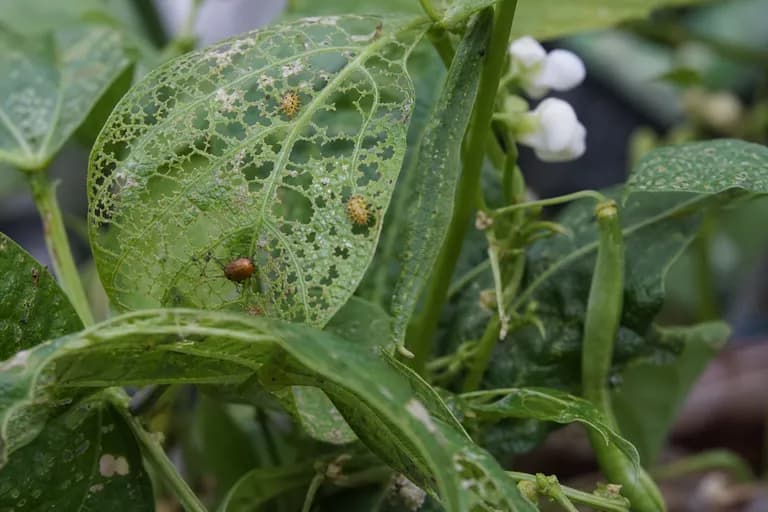
Mexikanischer Bohnenkäfer
SchädlingSkelettierte Blätter, bei denen nur die Blattadern übrig bleiben, gelbe Eigelege auf den Blattunterseiten und stachelige gelbe Larven.
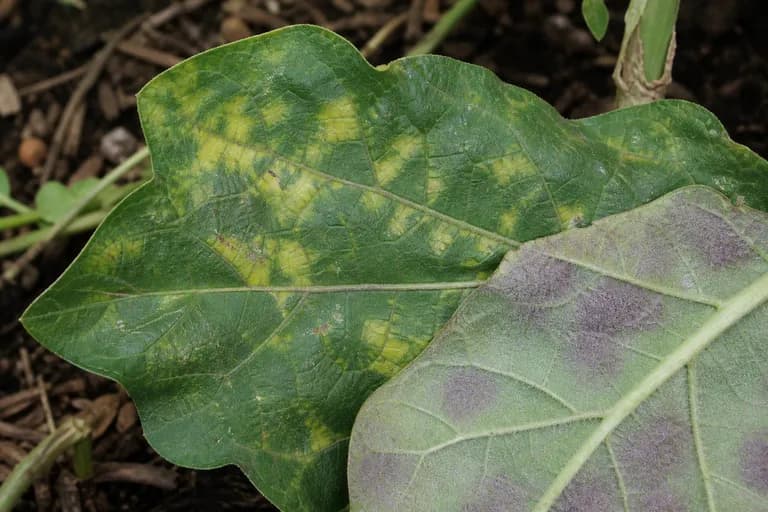
Falscher Mehltau
KrankheitWeiße bis graue, flaumige Flecken auf Hülsenoberflächen und Blattunterseiten, verbunden mit Vergilbung und Verkümmerung der betroffenen Pflanzenteile.
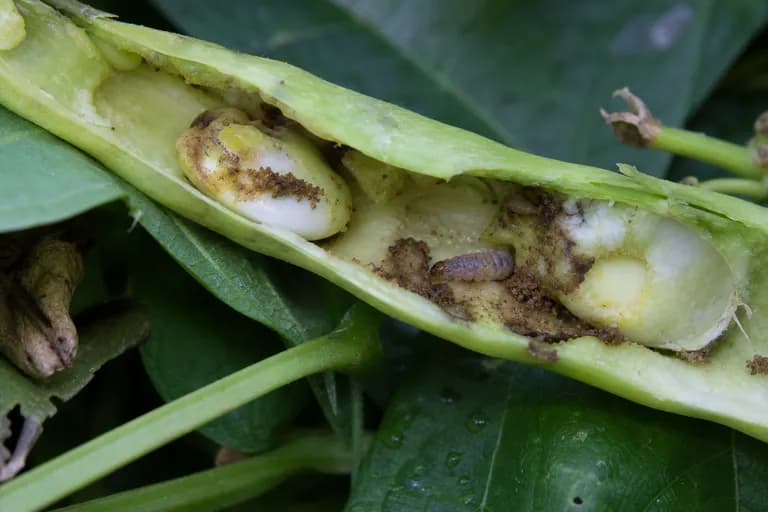
Limabohnen-Hülsenbohrer
SchädlingKleine Löcher in den Hülsen mit Kotresten, beschädigte Bohnen innerhalb der Hülsen und Raupen, die sich in die sich entwickelnden Samen bohren.
Fehlerbehebung bei häufigen Problemen
Blütenabwurf ist das häufigste Ärgernis und wird durch Temperaturen über 32 °C oder unter 16 °C während der Blütezeit verursacht. Zu frühes Pflanzen in kaltem Boden führt zu schlechter Keimung und Samenfäule. Limabohnen reagieren äußerst empfindlich auf Staunässe und entwickeln unter wassergesättigten Bedingungen Wurzelfäule. Schlecht gefüllte Hülsen können auf unzureichende Bestäubung, Trockenstress während der Blüte oder extreme Hitze zurückzuführen sein. Gerissene oder dickschalige Bohnen deuten darauf hin, dass die Ernte zu spät erfolgte. In Regionen mit kurzer Vegetationsperiode wählen Sie Buschsorten, die in 65–75 Tagen reifen.
Anbautipps
- Überstürzen Sie die Pflanzung nicht. Limabohnen sind kälteempfindlicher als gewöhnliche grüne Bohnen. Warten Sie, bis die Bodentemperaturen wirklich bei 18 °C oder wärmer liegen — verwenden Sie ein Bodenthermometer, anstatt zu raten. In kaltem Boden gepflanzte Samen faulen, anstatt zu keimen.
- Anders als bei gewöhnlichen Bohnen sollten Sie Limabohnensamen vor dem Pflanzen nicht einweichen. Die großen, flachen Samen nehmen schnell Wasser auf und die Samenschale reißt leicht, was zu schlechter Keimung oder beschädigten Keimlingen führt. Pflanzen Sie trockene Samen direkt in feuchten, warmen Boden.
- Impfen Sie die Samen mit Phaseolus-spezifischen Rhizobium-Bakterien, besonders wenn in diesem Beet in den letzten 3–4 Jahren keine Limabohnen gewachsen sind. Eine ordnungsgemäße Impfung verbessert die Stickstofffixierung, Pflanzenvitalität und die Erträge erheblich.
- Stangen-Limabohnen sind deutlich ertragreicher als Buschsorten, benötigen aber sehr stabile Stützvorrichtungen. Die Ranken können 3 Meter erreichen und tragen schwere Hülsenlasten. Verwenden Sie kräftige Holzpfähle, dicke Drahtgitter oder Viehpaneel-Bögen — leichte Konstruktionen brechen unter dem Gewicht zusammen.
- Blütenabwurf ist die größte Frustration bei Limabohnen. Er wird fast ausschließlich durch Temperaturstress verursacht — entweder zu heiß (über 32 °C) oder zu kalt (unter 16 °C) während der Blüte. Timen Sie Ihre Pflanzung so, dass die Blüte in den mildesten Teil des Sommers in Ihrer Region fällt.
- Bewässern Sie gleichmäßig während der Blüte und Hülsenfüllung und geben Sie mindestens 2,5 cm pro Woche. Trockenstress in diesen kritischen Phasen führt zu schlechtem Hülsenansatz und verschrumpelten Bohnen. Tropfbewässerung ist ideal, da sie das Benetzen des Laubes vermeidet, was Krankheiten begünstigt.
- Ernten Sie frische Palbohnen, wenn die Hülsen prall sind und die einzelnen Bohnenformen deutlich durch die Hülsenwand sichtbar sind. Warten Sie nicht, bis die Hülsen vergilben — zu diesem Zeitpunkt werden die Bohnen stärkehaltig und verlieren ihren zarten, buttrigen Frischgeschmack.
- Schneiden Sie die Pflanzen nach der letzten Ernte an der Bodenoberfläche ab, anstatt sie herauszuziehen. Lassen Sie die stickstoffreichen Wurzelknöllchen im Boden, damit sie sich zersetzen und den fixierten Stickstoff für die nächste Kultur freisetzen. Limabohnenwurzeln können eine bedeutende Stickstoffmenge hinzufügen, die einer leichten Düngung entspricht.
Bau deine beste Limabohnen an — und alles drumherum.
Starte heute kostenlos. Lege deine Beete an, setze deine Limabohnen ein und lass PlotMyGarden Timing, Abstände, Begleiter und Erinnerungen von der Saat bis zum Erntekorb übernehmen.
Finde deine Limabohnen
Fordhook 242
Die klassische Busch-Limabohne mit großen, dicken, buttrigen Bohnen. Hitzetolerant und ertragreich mit ausgezeichnetem Geschmack, frisch oder gefroren.
Henderson Bush
Eine kompakte Buschsorte, die kleine, zarte Baby-Limabohnen hervorbringt. Sehr ertragreich und früher reifend als großsamige Sorten.
King of the Garden
Eine kräftige Stangensorte mit sehr großen Bohnen. Benötigt Rankhilfen, liefert aber über eine lange Ernteperiode hohe Erträge.
Christmas Lima
Eine auffällige Stangensorte mit großen, flachen Bohnen, die kastanienbraun und cremefarben gesprenkelt sind. Reichhaltiger, kastanienartiger Geschmack beim Kochen.
Eine Packung Limabohnensamen für 3–5 € enthält 30–50 Samen, genug für eine beachtliche Pflanzung. Jede Stangenpflanze kann frisch gepalte Limabohnen im Wert von 5–10 € liefern, gemessen an Wochenmarktpreisen von 10–16 € pro Kilogramm. Eine Reihe von 10–15 Stangenpflanzen kann leicht frische Bohnen im Wert von 50–100 € produzieren, zuzüglich getrockneter Bohnen für die Winterlagerung. Getrocknete Limabohnen kosten im Handel 6–10 € pro Kilogramm, und ein kleines Gartenbeet kann 2–5 Kilogramm getrocknete Bohnen liefern — eine erhebliche Ersparnis für die Vorratskammer.
Schnelle Rezepte
Klassischer amerikanischer Succotash
25 Min.Das typisch amerikanische Gericht, das frische Limabohnen mit Mais kombiniert und ursprünglich von einem Rezept der Narragansett adaptiert wurde. Einfach, vollwertig und die ideale Art, frisch gepalte Limabohnen aus dem Garten in ihrer buttrigen Bestform zu präsentieren.
8 ZutatenCremiger Limabohnen-Knoblauch-Dip
15 Min.Ein glatter, samtiger Dip aus gekochten Limabohnen, püriert mit geröstetem Knoblauch und Zitrone — eine proteinreiche Alternative zu Hummus, die die natürliche Cremigkeit der Limabohnen hervorhebt.
7 ZutatenLangsam geschmorte Limabohnen mit Eisbein
15 Min. aktiv + 90 Min. SchmorzeitEin zutiefst wohltuender Südstaaten-Klassiker, bei dem getrocknete Limabohnen langsam und schonend mit einem geräucherten Eisbein köcheln, bis sie butterzart und von rauchiger Würze durchdrungen sind.
8 ZutatenKulinarische Verwendung
Frische Limabohnen haben einen zarten, buttrigen Geschmack, der getrockneten oder gefrorenen Sorten weit überlegen ist. Kochen Sie frisch gepalte Bohnen kurz in Salzwasser, bis sie zart sind. Getrocknete Limabohnen profitieren von einer Einweichzeit über Nacht und langsamem Garen in Suppen, Eintöpfen und Aufläufen. Succotash, ein klassisch amerikanisches Gericht, kombiniert Limabohnen mit Mais. Limabohnen eignen sich hervorragend für Bohnensalate, Dips und Pürees. Baby-Limabohnen sind zarter und garen schneller als große Sorten.
Was drinsteckt
Gesundheitsvorteile
- Limabohnen sind eine hervorragende Quelle für pflanzliches Eiweiß (7,8 g pro 100 g gekocht) und liefern essenzielle Aminosäuren, die Getreide zu vollständigen Proteinen ergänzen — besonders wertvoll in vegetarischer und veganer Ernährung.
- Außergewöhnlich reich an Ballaststoffen (7 g pro 100 g gekocht), unterstützen Limabohnen die Verdauungsgesundheit, fördern das Sättigungsgefühl und helfen bei der Regulierung des Blutzuckers, indem sie die Glukoseaufnahme nach den Mahlzeiten verlangsamen.
- Reich an Molybdän, einem Spurenelement, das für die Enzymfunktion bei der Sulfitentgiftung und dem Purinmetabolismus unerlässlich ist — eine einzige Tasse gekochter Limabohnen liefert über 100 % des Tageswertes.
- Enthalten bedeutende Mengen an Eisen (2,4 mg pro 100 g gekocht), das den Sauerstofftransport und den Energiestoffwechsel unterstützt. Das Nicht-Häm-Eisen in Limabohnen wird am besten aufgenommen, wenn es zusammen mit Vitamin-C-reichen Lebensmitteln wie Tomaten oder Paprika verzehrt wird.
- Liefern Kalium (508 mg pro 100 g gekocht), das eine gesunde Blutdruckregulierung und die Herz-Kreislauf-Funktion unterstützt — ein Nährstoff, den die meisten Erwachsenen nicht in ausreichender Menge zu sich nehmen.
- Limabohnen sind eine gute Quelle für Folsäure (83 mcg pro 100 g gekocht), die für die Zellteilung, DNA-Reparatur und die Neuralrohrentwicklung während der Schwangerschaft entscheidend ist.
Woher Limabohnen stammt
Limabohnen (Phaseolus lunatus) haben zwei unabhängige Domestizierungszentren in den Amerikas. Der großsamige Anden-Typ wurde im heutigen Peru vor etwa 6.000–7.000 Jahren domestiziert, während der kleinsamige mesoamerikanische Typ im heutigen Mexiko und Guatemala vor etwa 3.000–5.000 Jahren unabhängig davon domestiziert wurde. Archäologische Funde aus der Guitarrero-Höhle in Peru zeigen Limabohnen-Überreste, die auf etwa 6.800 v. Chr. datiert werden, was sie zu einer der ältesten Kulturpflanzen der westlichen Hemisphäre macht.
Die Inka, Moche und andere präkolumbische Zivilisationen kultivierten Limabohnen in großem Umfang als proteinreiche Grundnahrung. Das Moche-Volk im Norden Perus (100–700 n. Chr.) war so eng mit Limabohnen verbunden, dass es seine Keramik mit kunstvollen Limabohnen-Motiven verzierte und die natürliche Musterung der Bohnen als Gestaltungselemente nutzte. Spanische Konquistadoren stießen im Lima der 1500er-Jahre auf die großsamige Anden-Limabohne und gaben der Bohne nach der Stadt ihren englischen Trivialnamen. Von dort trugen spanische und portugiesische Händler die Limabohne entlang kolonialer Handelsrouten nach Afrika, Asien und auf die Philippinen.
Limabohnen gelangten nach Nordamerika sowohl über indigene Handelsnetzwerke, die den mesoamerikanischen Typ nach Norden verbreiteten, als auch durch die europäische Kolonialeinführung des Anden-Typs. Bis zum 18. Jahrhundert waren Limabohnen eine etablierte Kulturpflanze im Südosten der Vereinigten Staaten. Die Sorte Fordhook, die von W. Atlee Burpee Anfang des 20. Jahrhunderts entwickelt wurde, avancierte zum amerikanischen Standard und ist heute noch eine der am weitesten verbreiteten Sorten. Heute sind die Vereinigten Staaten, Peru, Myanmar und Madagaskar bedeutende Produzenten, wobei das Central Valley in Kalifornien die wichtigste kommerzielle Anbauregion in den USA darstellt. Limabohnen bleiben eine wichtige Subsistenzkultur in den tropischen Regionen Afrikas, Asiens und Lateinamerikas.
Limabohnen: Schon gewusst?
Faszinierende Fakten über Limabohnen
Limabohnen sind nach Lima, Peru, benannt, wo spanische Entdecker sie im 16. Jahrhundert erstmals vorfanden — doch archäologische Belege zeigen, dass sie in Mesoamerika und Südamerika mindestens 7.000 Jahre vor dem europäischen Kontakt kultiviert wurden.
Limabohnen: Fragen & Antworten
Wann sollte ich Limabohnen pflanzen?
Was sind gute Begleitpflanzen für Limabohnen?
In welchen Winterhärtezonen kann Limabohnen wachsen?
Wie viel Sonne braucht Limabohnen?
Welchen Abstand sollte ich zwischen Limabohnen lassen?
Welche Schädlinge und Krankheiten befallen Limabohnen?
Wie lagere ich Limabohnen nach der Ernte?
Was sind die besten Limabohnen-Sorten zum Anbauen?
Welchen Boden braucht Limabohnen?
Warum fallen die Blüten meiner Limabohnen ab, ohne Hülsen anzusetzen?
Was ist der Unterschied zwischen Busch- und Stangen-Limabohnen?
Kann ich Limabohnen roh essen?
Warum faulen meine Limabohnensamen im Boden, anstatt zu keimen?
Wie bewahre ich Limabohnensaatgut für das nächste Jahr auf?
Fixieren Limabohnen Stickstoff im Boden wie andere Hülsenfrüchte?
Du hast die Theorie gelesen. Jetzt baue sie auf Autopilot an.
Alles, was Limabohnen knifflig macht — das Timing, die Abstände, die Begleiter, das Erntefenster — genau das übernimmt PlotMyGarden für dich, für jede Pflanze im Garten.
Ein Plan, der dein Wetter kennt
Standort einmal festlegen. Aussaat-, Dünge- und Erntedaten rund um deinen echten letzten Frosttermin und die Live-Vorhersage — kein Raten mehr nach Saattüte.
Aus dem Abschnitt „Pflanzzeit“Beetplaner per Drag & Drop
Beete auf einem Raster gestalten. Jede Pflanze rastet im richtigen Abstand ein, und du siehst die ganze Saison, bevor du einen Cent für Saatgut ausgibst.
Aus dem Abschnitt „Anbau“Begleiter-Konflikte früh erkannt
Über 200 gute und schlechte Kombinationen werden beim Pflanzen live geprüft — so landet ein saisonruinierender Fehler nie in der Erde.
Aus dem Abschnitt „Begleiter“Erinnerungen, nach denen du wirklich handelst
„Gieß die Bohnen.“ „Heute ernten, bevor's umschlägt.“ Pünktlich, konkret und auf deine echten Pflanzen bezogen.
Aus dem Abschnitt „Ernte“Staffel-Aussaat, geplant
Sechs Wochen ernten statt sechs Tage? Die App verteilt deine Aussaaten automatisch und erinnert dich, wenn der nächste Satz fällig ist.
Aus dem Abschnitt „Pflanzzeit“Ein Verlauf, der schlauer wird
Jede protokollierte Ernte bringt der App deinen Garten bei. Der Plan fürs nächste Jahr startet bei dem, was in deinem Boden wirklich funktioniert hat.
Aus dem Abschnitt „Überblick“Pflanze diese neben Limabohnen
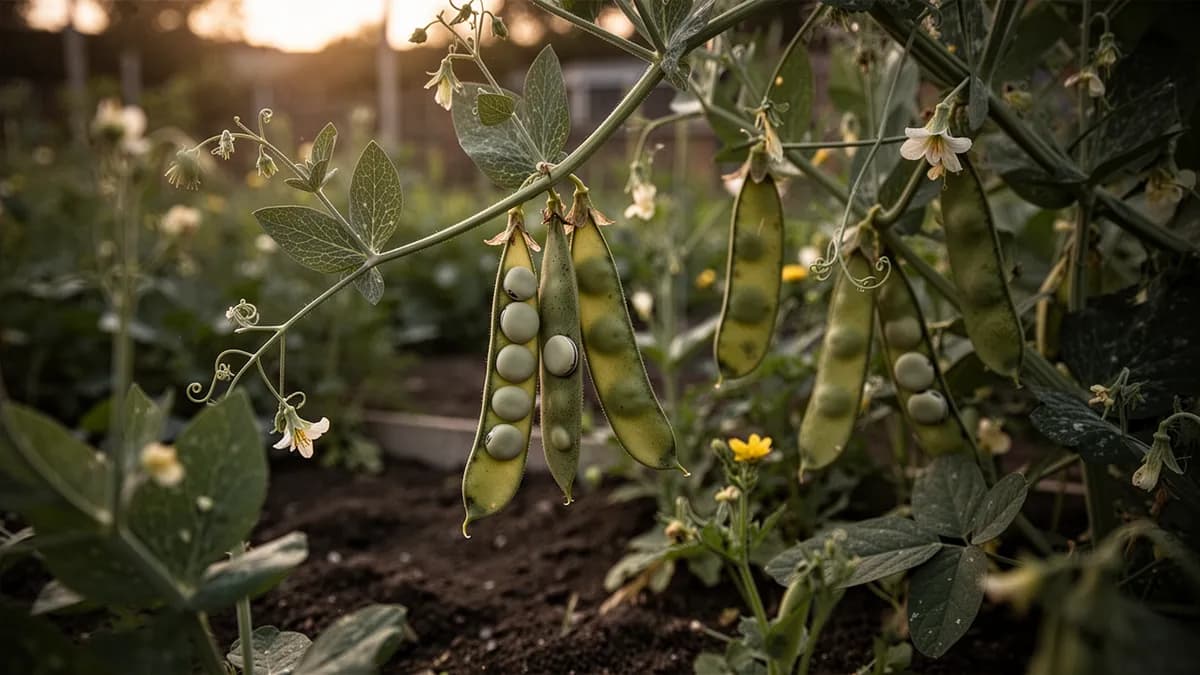
Weitere Hülsenfrüchte
Halte Limabohnen von diesen fern
Bau deine beste Limabohnen an — und alles drumherum.
Starte heute kostenlos. Lege deine Beete an, setze deine Limabohnen ein und lass PlotMyGarden Timing, Abstände, Begleiter und Erinnerungen von der Saat bis zum Erntekorb übernehmen.