Chickpea
A drought-tolerant legume producing small, inflated pods containing one or two round, nutty-flavored beans essential for hummus and falafel.





On this pageOverview
Meet Chickpea
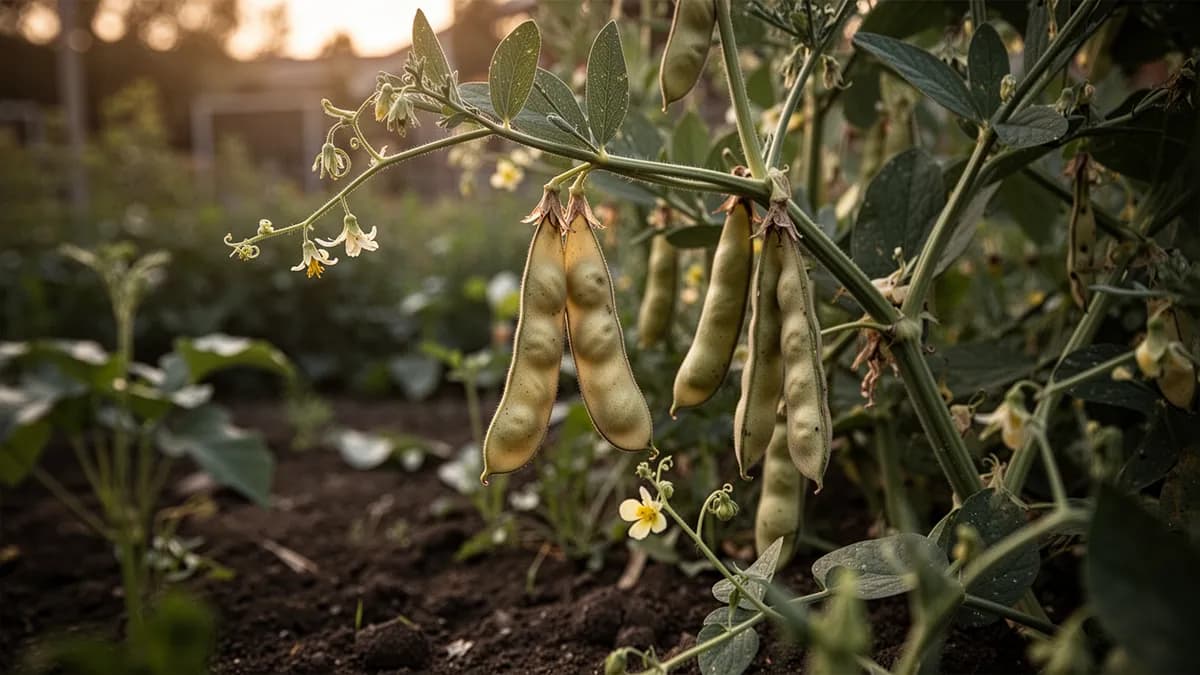
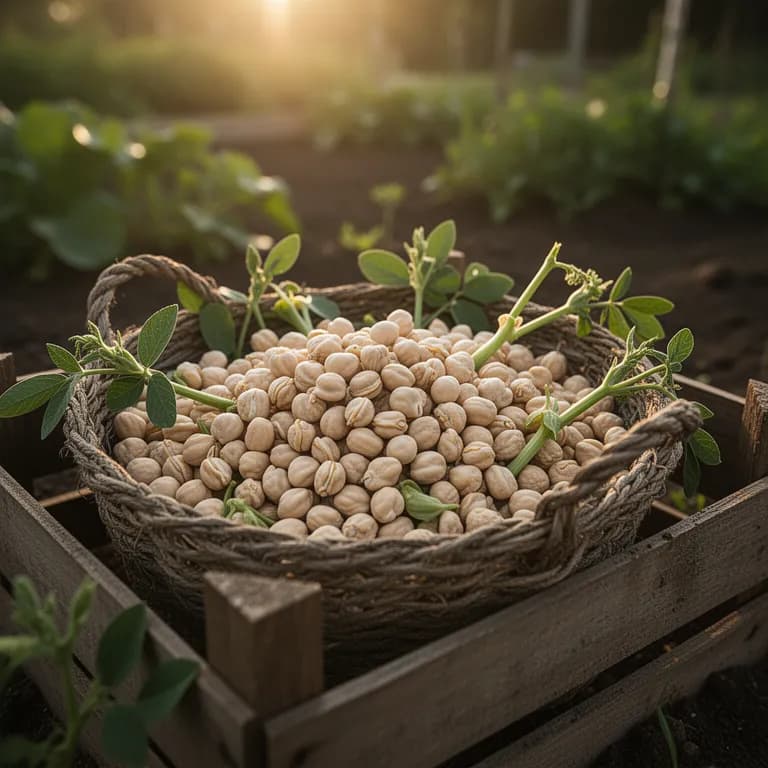
A drought-tolerant legume producing small, inflated pods containing one or two round, nutty-flavored beans essential for hummus and falafel. Chickpeas prefer dry conditions and well-drained soil, and excessive moisture can cause root rot and reduce yields. The bushy plants are self-supporting and relatively pest-free, making them low-maintenance additions to the garden. Allow pods to dry completely on the plant before harvesting and threshing for dried storage beans.
When to plant Chickpea
Direct sow chickpeas in early to mid-spring, about the same time as garden peas, when soil temperatures reach 50-60°F. Do not start indoors as chickpeas resent transplanting. Sow seeds 1-2 inches deep and 4-6 inches apart in rows 18-24 inches wide. Inoculate with Mesorhizobium ciceri bacteria before planting, especially in soil where chickpeas have not grown before. Seeds germinate in 10-14 days. Do not soak seeds before planting, as this can cause them to crack and rot. In mild climates, chickpeas can also be sown in fall for an early spring harvest.
Your Chickpea Year
Composed for Zone 7 · typical seasons · frost passes Apr 2, returns Nov 1
Plant Chickpea Mar – May, pick Jul – Sep. Check the planting methods below and set your climate to personalize these windows.
How to grow Chickpea
Chickpeas prefer cool, dry growing conditions and are best sown directly in the garden in early to mid-spring, about the same time as peas. Sow seeds 1-2 inches deep and 4-6 inches apart in rows 18-24 inches wide. Seeds germinate in 10-14 days in soil temperatures of 50-70°F. Chickpeas do not transplant well and should always be direct-sown.
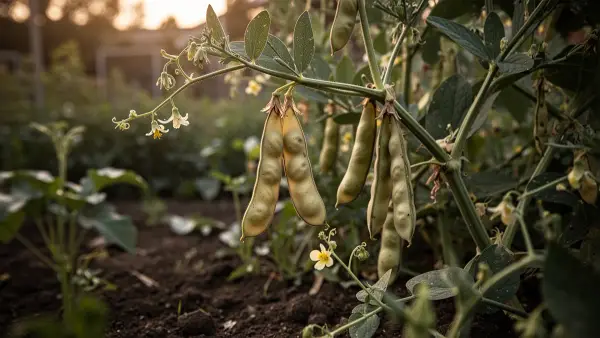
The bushy, self-supporting plants grow 18-24 inches tall and produce small, inflated pods along the stems. Chickpeas are remarkably drought-tolerant once established and actually perform poorly in wet, humid conditions. Reduce watering once pods begin to form, as excess moisture promotes fungal diseases and can cause pods to rot.
Chickpeas need a relatively long season of 90-120 days to mature. In short-season areas, start early and choose quick-maturing varieties. The plants fix nitrogen through root nodules and benefit from inoculation with chickpea-specific Mesorhizobium bacteria. Keep beds weeded, especially while plants are young. Avoid overhead watering entirely if possible, as wet foliage is highly susceptible to blight.
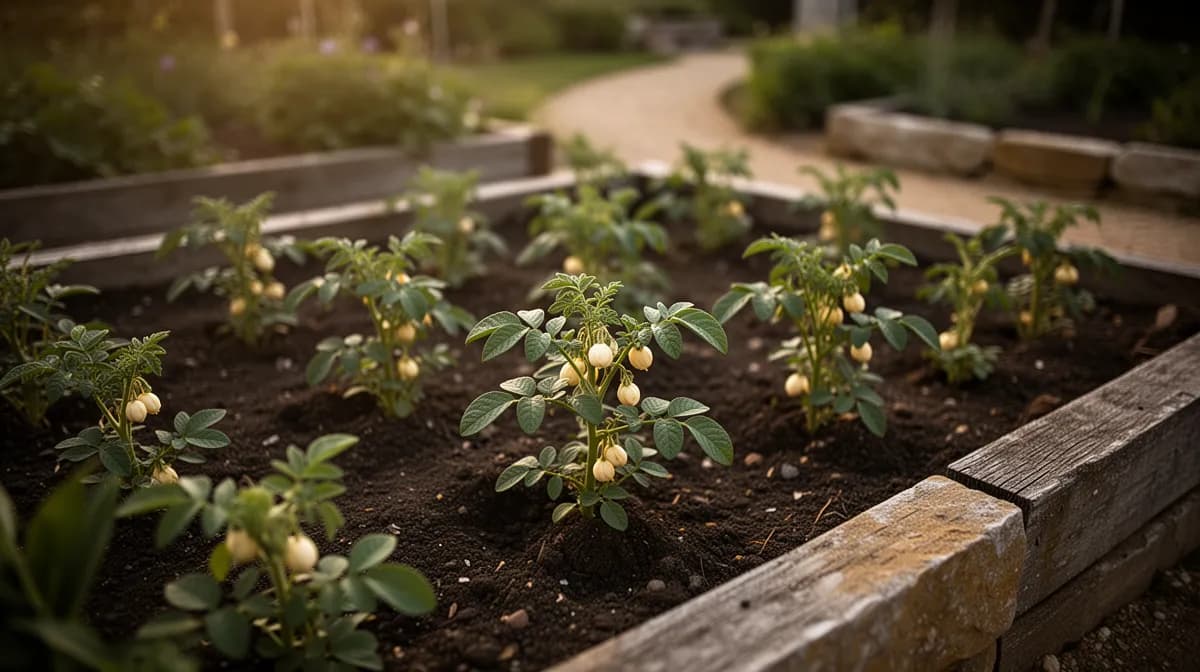
128 plants fit a 4 × 8 ft bed
Each Chickpea wants 15 cm of elbow room. The planner keeps that spacing for you — every plant, every bed.
Chickpea's best neighbours
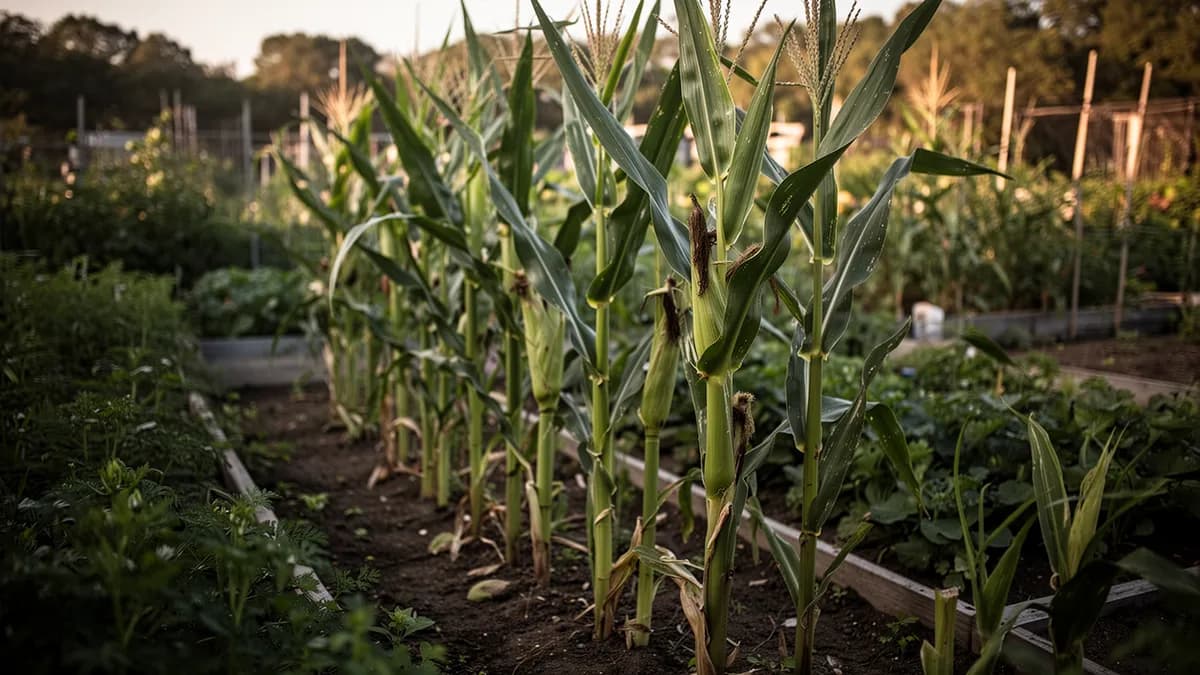
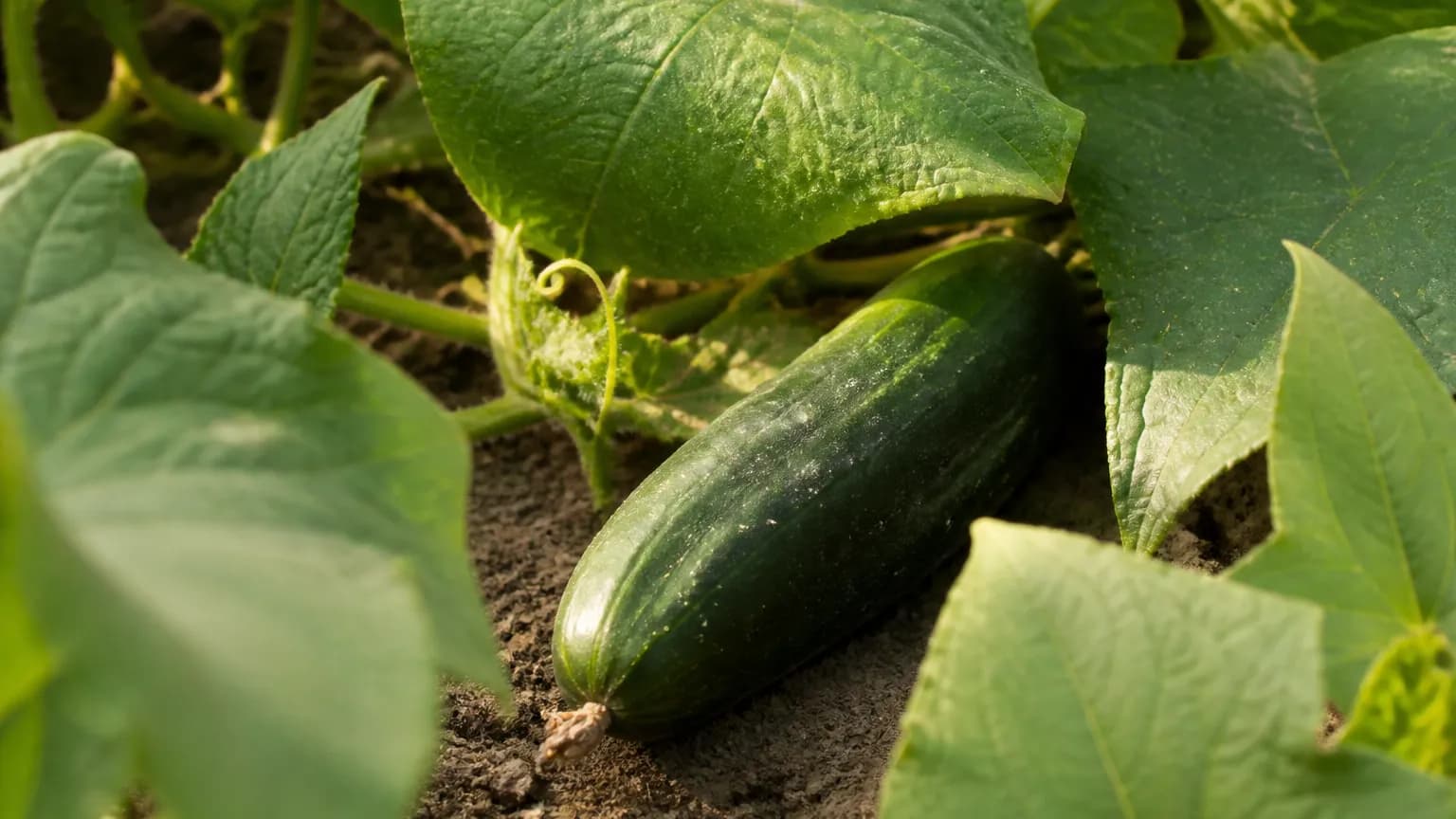
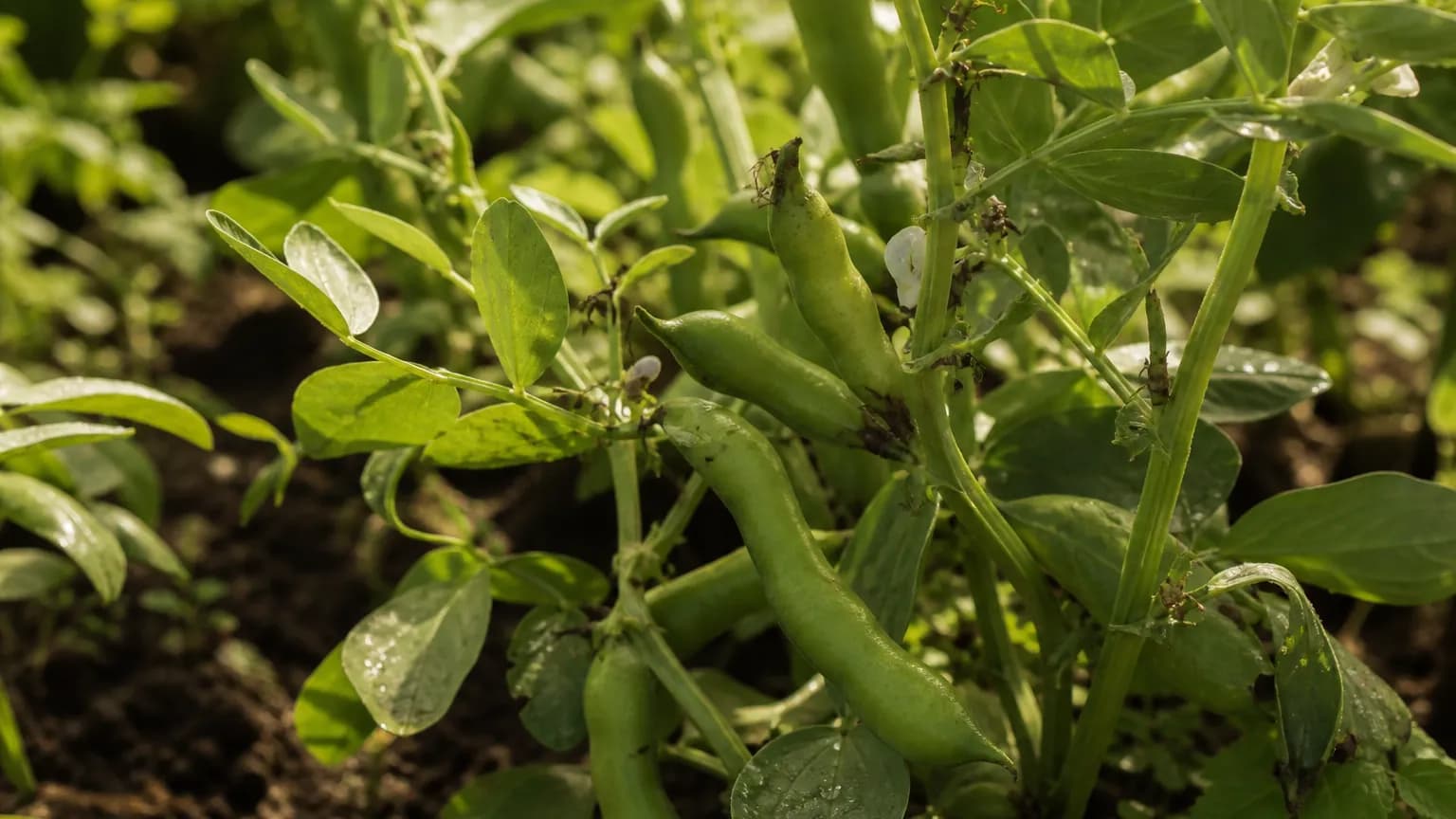
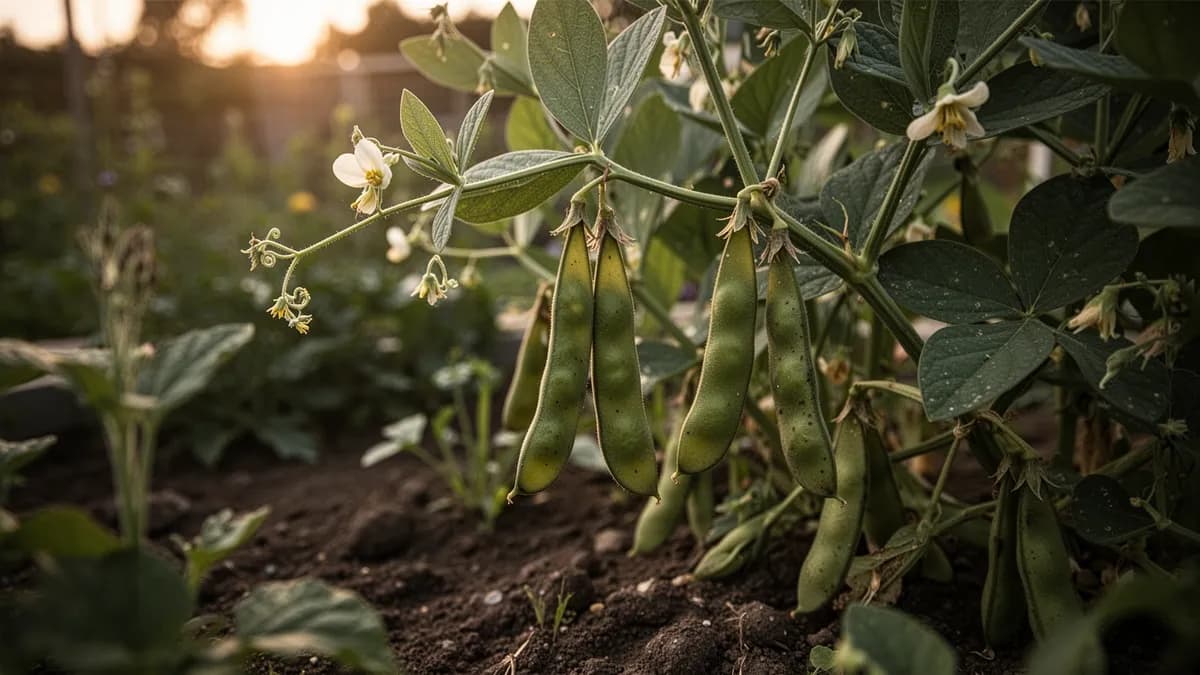
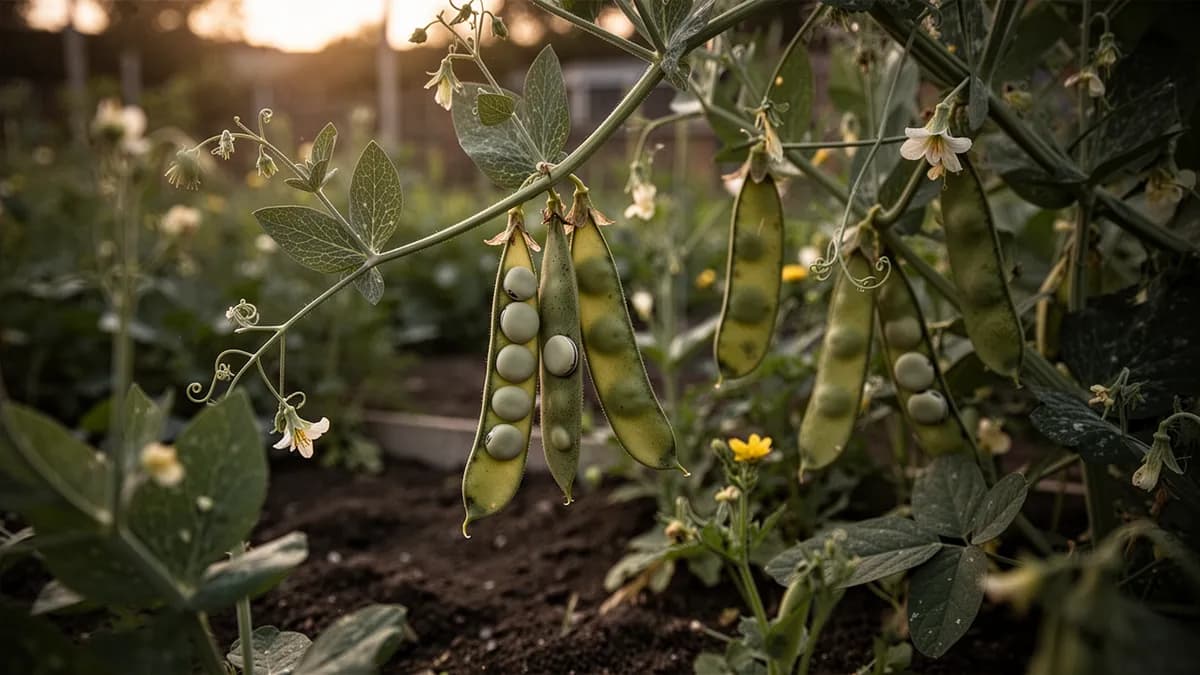
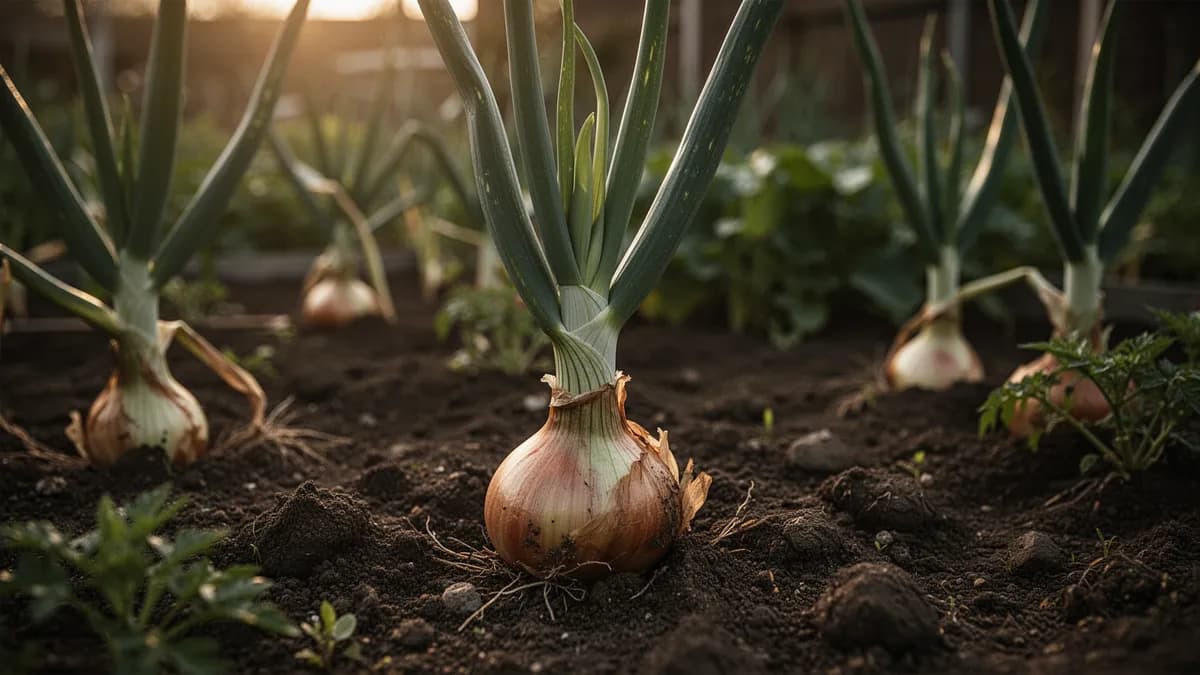
Chickpeas grow well alongside other Mediterranean crops like tomatoes, peppers, and eggplant that share a preference for warm, dry conditions. Plant with aromatic herbs like rosemary and thyme, which help deter pests. Avoid planting near onions and garlic, which may inhibit legume growth. As nitrogen fixers, chickpeas improve soil fertility for subsequent crops. Corn and cucumbers are compatible neighbors. Do not plant near fennel, which has allelopathic effects on most legumes.
Corn belongs beside it. Onion doesn't.
Old growers' knowledge, checked against Chickpea's real companion table below — test any plant you're growing.
Try Chickpea in a bed — right here
A real planner bed with Chickpea already in it. Tap a companion to place it and watch the pairing checks answer — green for good neighbours, red for a clash.


Related growing guides
Feed it well
Chickpeas demand excellent drainage and perform best in sandy or loamy soils with a pH of 6.0-7.0. They are poorly suited to heavy clay or waterlogged conditions. As nitrogen-fixing legumes, they need minimal nitrogen but benefit from phosphorus and potassium for pod development. Apply a low-nitrogen fertilizer (5-10-10) at planting. Inoculate seeds with Mesorhizobium ciceri for maximum nitrogen fixation. Excessive fertility promotes vegetative growth at the expense of pod production. Avoid recently manured soils.
Ideal Temperature
Hardiness Zone Compatibility
From seed to harvest, stage by stage
Germination
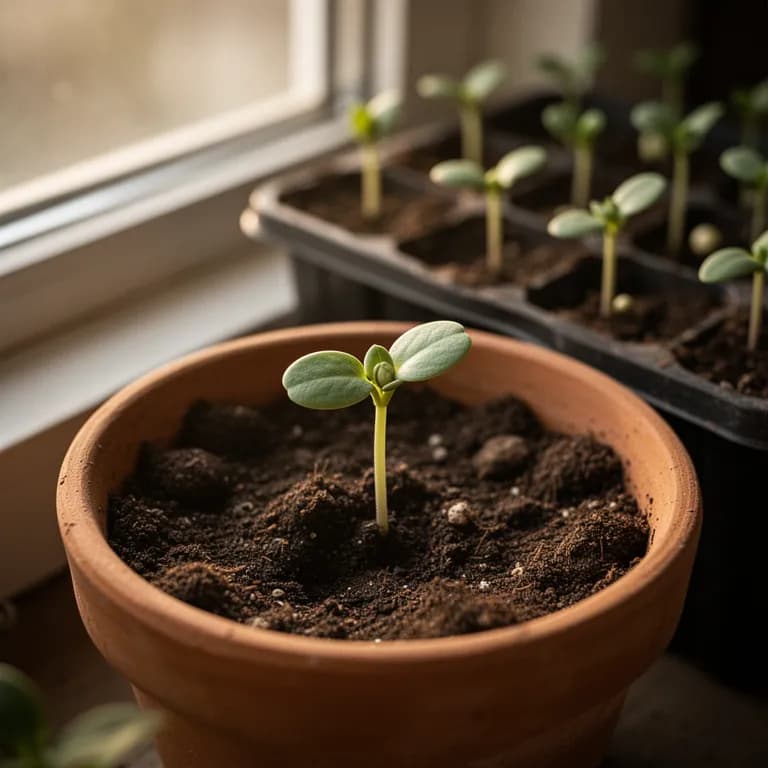
Seeds swell in cool spring soil, sending down a taproot. Germination in 10-14 days at 10-21°C (50-70°F).
Seedling Development
Compound leaves develop along wiry stems. Bushy habit to 15-20 cm. Root nodules form with Mesorhizobium bacteria.
Vegetative Growth
Plants reach 30-60 cm, forming dense ferny bushes. Glandular hairs exude malic/oxalic acids as pest deterrent.
Flowering
Small flowers in leaf axils — white (Kabuli) or violet (Desi). Self-pollinating. Each flower produces one pod.
Pod Development
Inflated green pods with 1-2 seeds each. Pod fill 2-3 weeks while flowering continues.
Maturation and Drying
Plants yellow, pods turn tan/brown. Seeds harden and rattle. Dries bottom-up over 2-4 weeks.
Do not soak seeds — soaking cracks the coat. Plant dry into moist soil.
Caring for Chickpea month by month
What to do each month for your Chickpea
October
You are hereComplete drying. Store in airtight jars.
Know exactly what to do in your garden — every month
One email at the start of each month: what to sow, plant, and tackle right now — for your Chickpea and everything growing around it. Plus a short starter course that helps you dodge the classic mistakes.
- What to do, right now
- Matched to your season
- Starter course included
Harvesting Chickpea
For dried chickpeas, allow pods to mature and dry completely on the plant until they turn tan or brown and rattle when shaken. Pull entire plants and hang upside down in a dry, well-ventilated area to finish drying if weather threatens. Shell dried pods by hand or by placing them in a bag and gently crushing. For fresh green chickpeas, harvest pods when they are plump and green, about 100 days after planting. Fresh green chickpeas have a sweet, pea-like flavor and are a special treat that cannot be found commercially.
assuming you plant when the window opens — set your real date
Pick Chickpea promptly and the plant keeps producing.
Storage & Preservation
Dried chickpeas should be completely dry before storage, showing no give when pressed with a fingernail. Store in airtight glass jars or sealed containers in a cool, dark, dry place for up to 2 years. For fresh green chickpeas, refrigerate in pods for up to 5 days, or shell, blanch for 2 minutes, and freeze for up to 8 months. Cooked chickpeas freeze well for up to 6 months and are convenient for quick meal preparation. Chickpeas can also be sprouted, dehydrated, or roasted for crunchy snacks.
What goes wrong — and the fix
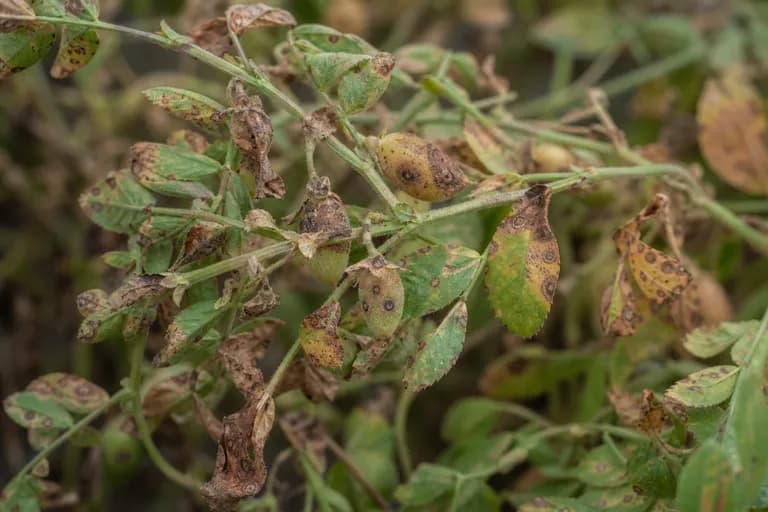
Ascochyta Blight
DiseaseBrown lesions on leaves, stems, and pods with concentric rings. Severely affected plants may collapse and die.
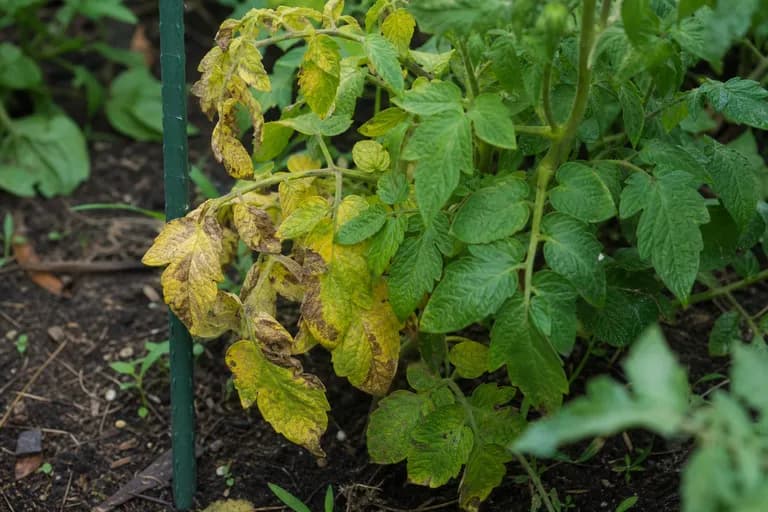
Fusarium Wilt
DiseaseYellowing and wilting of plants starting from the lower leaves, brown discoloration of the vascular system inside stems.
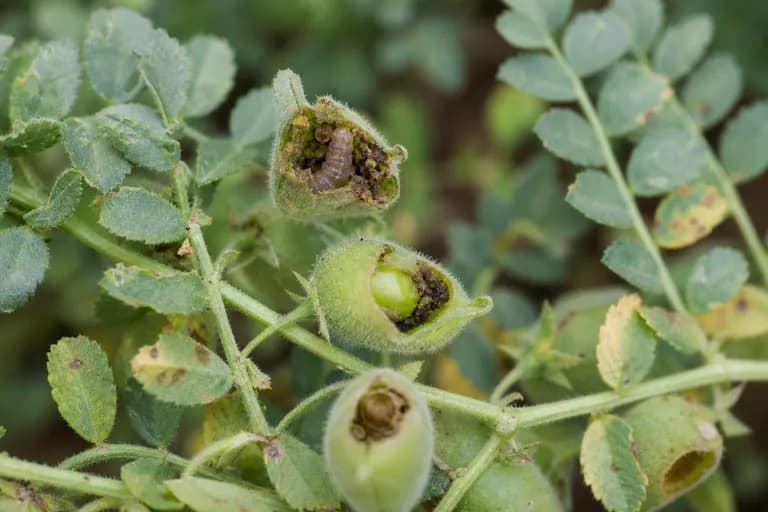
Pod Borer
PestHoles in pods with caterpillars feeding on developing seeds inside, leaving frass and damaged beans.
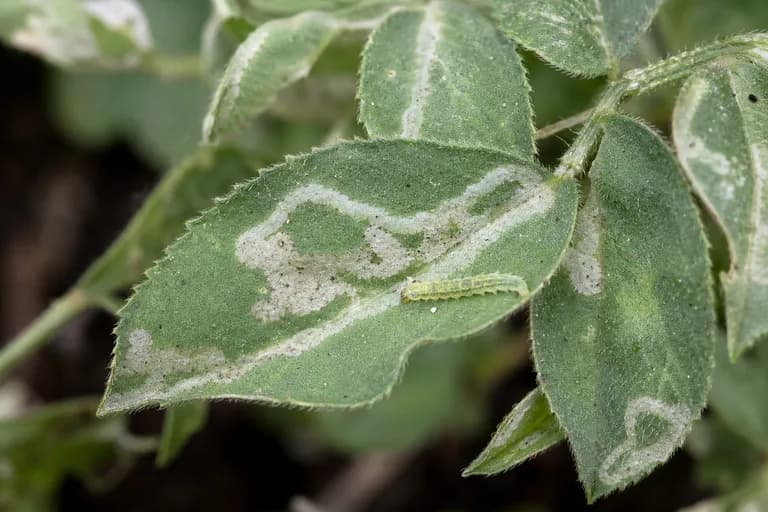
Leafminer
PestWinding white or pale tunnels visible in leaves where larvae feed between leaf surfaces.
Troubleshooting Common Problems
Fungal diseases, especially Ascochyta blight and Fusarium wilt, are the most serious problems in humid climates. Chickpeas are poorly suited to regions with wet summers and perform best in dry, Mediterranean-type climates. Overwatering or poorly drained soil leads to root rot and plant death. Poor pod fill can result from hot weather during flowering or inadequate pollination. In short-season areas, pods may not mature fully before frost. Birds may eat germinating seeds; use row covers until plants are established.
Growing Tips
- Never soak seeds — coat cracks when waterlogged. Plant dry into moist soil.
- Use Mesorhizobium ciceri inoculant specifically, not generic Rhizobium.
- Drainage paramount. Raised beds, sandy/loamy soil. No wet feet.
- No overhead watering — triggers Ascochyta blight. Drip only.
- Sow at pea time (10°C soil), not bean time. Tolerates light frost.
- Plant 20-30+ plants for worthwhile harvest — 60-100g per plant.
- Let pods dry fully on plant — tan, papery, rattling.
- Save seeds: self-pollinating, true to type, viable 3 years.
Grow your best Chickpea yet — and everything around it.
Start a free plan today. Lay out your beds, drop in your Chickpea, and let PlotMyGarden handle the timing, spacing, companions and reminders from seed to harvest basket.
Pick your Chickpea
Desi
Small, dark, angular chickpeas with a rough coat. More flavorful than kabuli types, commonly used in Indian and Middle Eastern cuisine.
Kabuli
Large, round, cream-colored chickpeas with a smooth coat. The familiar type used in hummus and Western cooking.
Cole
An early-maturing kabuli variety suitable for short-season areas, producing medium-sized cream beans in about 95 days.
Black Kabouli
A striking variety with large black seeds and rich, earthy flavor. Holds its shape well in salads and stews.
A $3-5 seed packet produces 1.5-2 kg dried beans worth $12-30 at organic prices. Home-grown beans make superior hummus with creamier texture.
Quick recipes
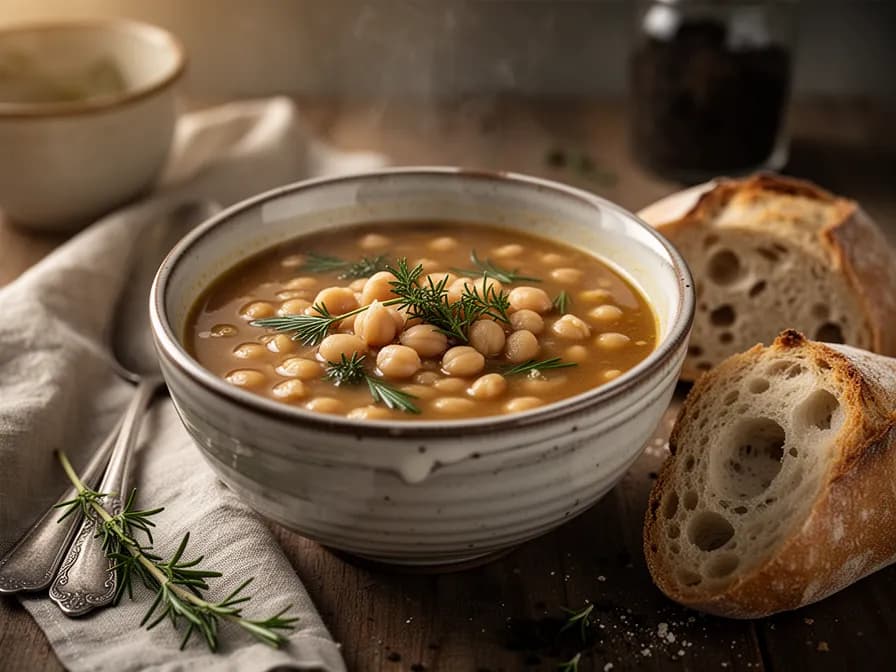
Classic Homemade Hummus
15 minSilky hummus — blend tahini with lemon juice first, then add chickpeas and process until smooth.
8 ingredientsCrispy Spiced Roasted Chickpeas
40 minCrunchy roasted chickpeas with smoked paprika — dry thoroughly before high-heat roasting.
7 ingredientsOne-Pot Chickpea Spinach Curry
30 minWeeknight curry — chickpeas in tomato-coconut sauce with wilted spinach.
12 ingredientsCulinary Uses
Chickpeas are indispensable in Mediterranean and Middle Eastern cuisines. Puree cooked chickpeas with tahini, garlic, lemon, and olive oil for classic hummus. Blend soaked raw chickpeas with herbs and spices for falafel. Simmer in curries, stews, soups, and chana masala. Roast with spices for a crunchy protein-rich snack. Add to salads, grain bowls, and pasta dishes. Fresh green chickpeas are a seasonal delicacy eaten raw or lightly sauteed.
What's inside
Health Benefits
- Outstanding plant protein (8.9g/100g) — with grains, forms complete protein.
- High soluble fiber (7.6g/100g) gives GI of 28-33, beneficial for diabetes management.
- Rich folate (172mcg, 43% DV), critical for pregnancy.
- Iron (2.9mg, 16% DV) and zinc (1.5mg, 14% DV) — vitamin C pairing boosts iron absorption 300%.
- Linked to reduced LDL cholesterol via fiber, potassium, plant sterols.
- Resistant starch feeds beneficial gut bacteria supporting digestive/immune health.
Where Chickpea comes from
Chickpeas (Cicer arietinum) originated in southeastern Turkey/Syria where wild Cicer reticulatum still grows. Cultivation dates to 7,500 BCE among the Neolithic founder crops.
Spread to India by 3000 BCE, becoming the subcontinent's top pulse. Westward to Greek, Roman, Egyptian, North African cuisines.
Brought to the Americas by Spanish explorers in the 16th century. Today the third most grown pulse globally (17+ million tonnes), led by India (70%). The Western hummus boom dramatically increased demand.
Chickpea: did you know?
Fascinating facts about Chickpea
Among the oldest cultivated crops — archaeological evidence dates chickpea cultivation in Turkey to at least 7,500 years ago.
Chickpea questions, answered
When should I plant Chickpea?
What are good companion plants for Chickpea?
What hardiness zones can Chickpea grow in?
How much sun does Chickpea need?
How far apart should I space Chickpea?
What pests and diseases affect Chickpea?
How do I store Chickpea after harvest?
What are the best Chickpea varieties to grow?
What soil does Chickpea need?
Can I grow chickpeas in a humid climate?
How do I know when chickpeas are dry enough to store?
What are fresh green chickpeas?
Do chickpeas need a trellis?
Why are plants yellowing?
Can I grow in containers?
You just read the theory. Now grow it on autopilot.
Everything that makes Chickpea fiddly — the timing, the spacing, the companions, the harvest window — is exactly what PlotMyGarden handles for you, for every plant in your garden.
A plan that knows your weather
Set your location once. Get sow, feed and harvest dates built around your real last-frost date and live forecast — no more guessing from a generic seed packet.
From the “When to plant” sectionDrag-and-drop bed planner
Design beds on a grid. Every plant snaps to its proper spacing, and you can see your whole season laid out before you spend a cent on seed.
From the “Growing guide” sectionCompanion conflicts, caught early
200+ good-and-bad pairings checked live as you plant — so a season-wrecking mistake never makes it into the ground.
From the “Companions” sectionReminders you'll actually act on
“Water the beans.” “Pick today before it turns.” Timely, specific, and tied to the plants you're really growing.
From the “Harvest” sectionSuccession, scheduled
Want a harvest for six weeks, not six days? It spaces your sowings automatically and reminds you when each new block is due.
From the “When to plant” sectionA record that gets smarter
Every harvest you log teaches it your garden. Next year's plan starts from what actually worked in your soil, not a textbook's.
From the “Overview” sectionPlant these alongside Chickpea
More Legumes
Keep Chickpea away from these
Grow your best Chickpea yet — and everything around it.
Start a free plan today. Lay out your beds, drop in your Chickpea, and let PlotMyGarden handle the timing, spacing, companions and reminders from seed to harvest basket.