Zanahoria Silvestre
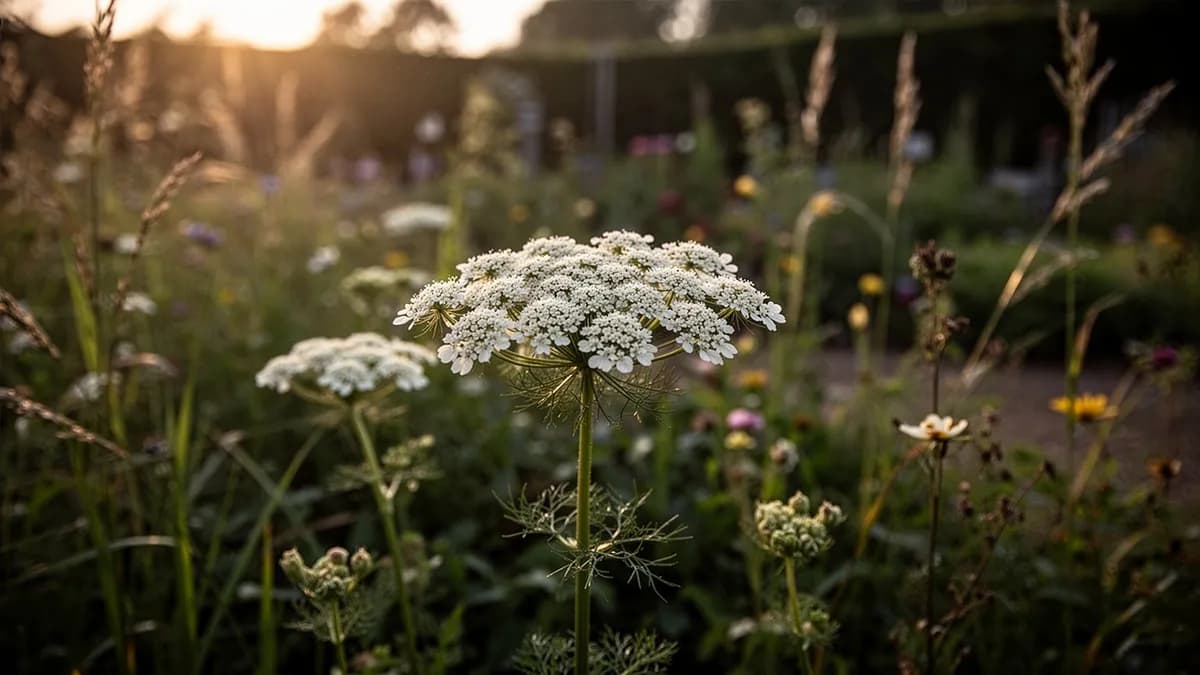
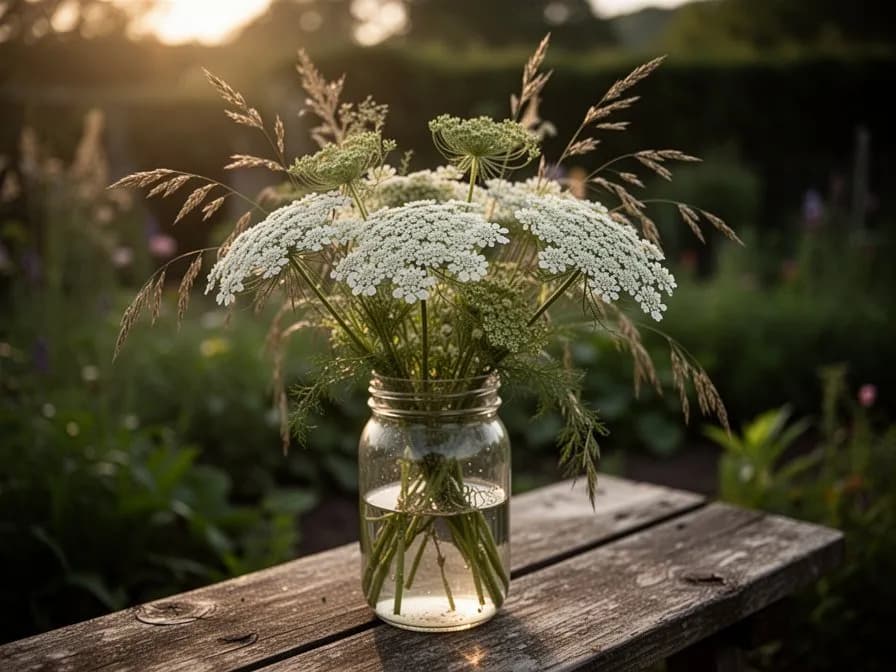
Una elegante flor silvestre bienal con umbelas planas y encajadas de diminutas flores blancas que recuerdan a delicados encajes, frecuente en praderas y cunetas.





En esta páginaResumen
Conoce Zanahoria Silvestre
Una elegante flor silvestre bienal con umbelas planas y encajadas de diminutas flores blancas que recuerdan a delicados encajes, frecuente en praderas y cunetas. La zanahoria silvestre es la antepasada de la zanahoria de huerta y una importante planta huésped para las orugas de la mariposa cola de golondrina. Se resiembra con facilidad y aporta un encanto aéreo y natural a los prados de flores silvestres.
Cuándo plantar Zanahoria Silvestre
Las semillas de zanahoria silvestre germinan con facilidad cuando se dispersan sobre suelo desnudo en otoño o a comienzos de la primavera. Las semillas tienen pequeños ganchos que les ayudan a adherirse a la superficie del suelo. No se necesita ningún pretratamiento para las semillas sembradas en otoño. Para la siembra de primavera, estratifique en frío en arena húmeda durante cuatro semanas para mejorar las tasas de germinación. Las semillas germinan en catorce a veintiún días a temperaturas de 13 a 18 grados Celsius. El patrón de crecimiento bienal significa que las flores aparecen en el segundo año desde la semilla.
Tu año de Zanahoria Silvestre
Ajustado a Zona 7 · temporada típica · la helada se va hacia el 2 abr y vuelve hacia el 1 nov
Planta Zanahoria Silvestre Mar – May y cosecha Jun – Ago. Consulta los métodos de plantación y elige tu clima para adaptar los periodos.
Cómo cultivar Zanahoria Silvestre
Siembre directamente las semillas de zanahoria silvestre en otoño o a comienzos de la primavera sobre suelo desnudo a pleno sol. Al ser bienal, el primer año produce una roseta de follaje plumoso similar al de la zanahoria, y el segundo año desarrolla altos tallos florales rematados por umbelas blancas y encajadas antes de morir. La planta se resiembra de forma abundante y, una vez establecida en un lugar, se mantiene indefinidamente sin ningún aporte adicional.
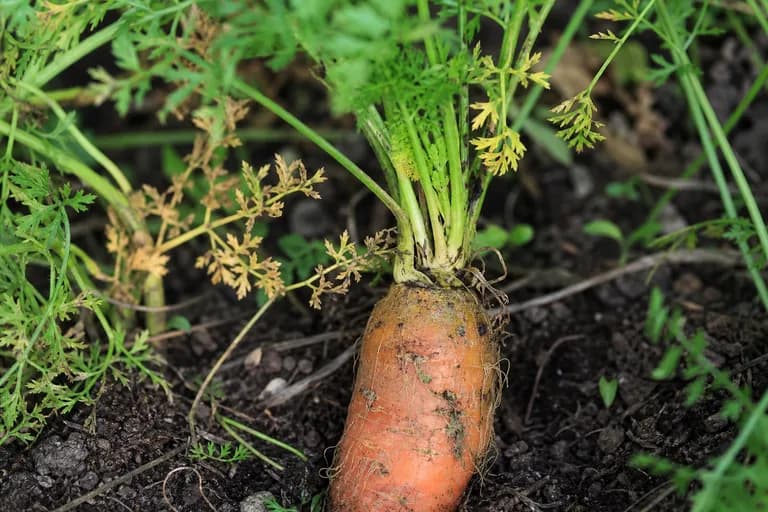
La zanahoria silvestre no necesita ningún cuidado una vez establecida. Prospera en suelos pobres, secos y alterados, y se encuentra habitualmente en cunetas, campos abandonados y terrenos baldíos. No riegue, no abone ni enmiende el suelo. Las condiciones ricas producen un follaje exuberante pero menos flores. La raíz pivotante de la planta, antepasada de la zanahoria cultivada, le permite extraer humedad de las capas profundas del suelo.
Las inflorescencias planas y encajadas de color blanco aparecen a comienzos y mediados del verano y atraen una impresionante variedad de insectos beneficiosos. A medida que envejecen, las umbelas se curvan hacia adentro formando una característica forma de nido que sostiene las semillas. PRECAUCIÓN: la zanahoria silvestre se parece mucho a la cicuta venenosa mortal (Conium maculatum) y a la cicuta acuática. Verifique siempre la identificación por la floreta oscura única en el centro del racimo de flores y los tallos pelosos que la distinguen de los tallos lisos con manchas púrpuras de la cicuta venenosa.
32 plantas caben en un bancal de 120 × 240 cm
Cada Zanahoria Silvestre pide 30 cm de margen. El planificador guarda ese marco por ti — cada planta, cada bancal.
Los mejores vecinos de Zanahoria Silvestre
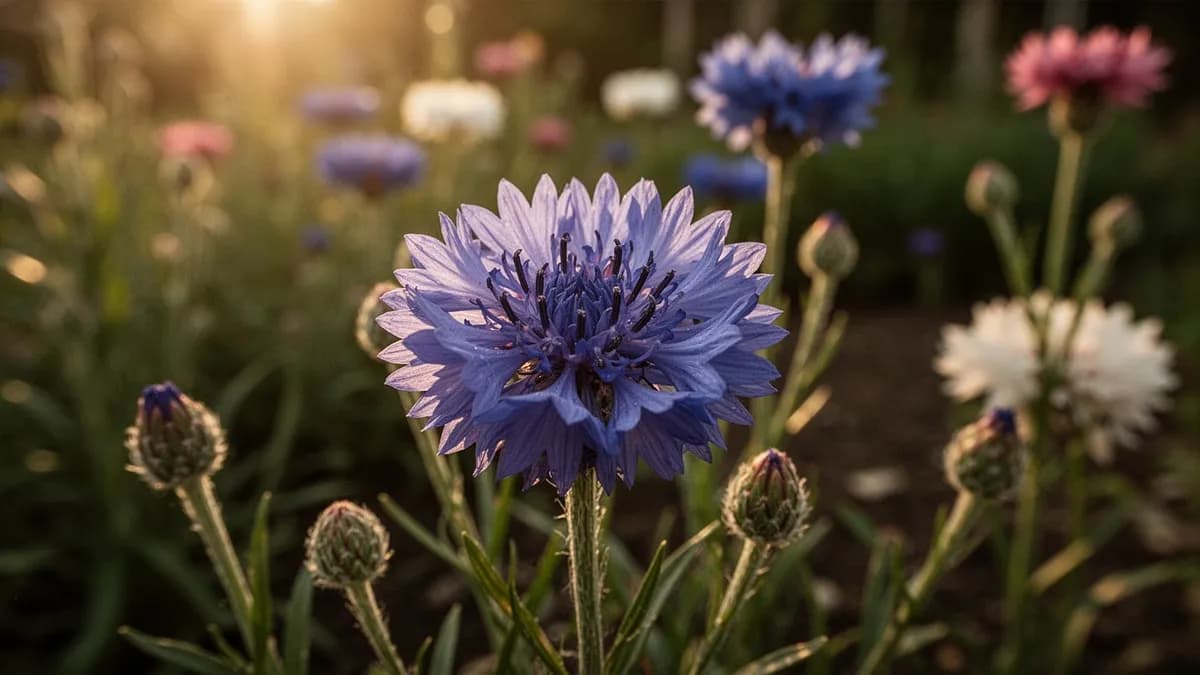
La zanahoria silvestre es una importante planta huésped para las orugas de la mariposa cola de golondrina negra y atrae numerosos insectos beneficiosos, incluidas avispas parasitoides, crisopas y sírfidos que se alimentan de plagas del jardín. Plántela cerca de los huertos para atraer depredadores beneficiosos, pero a una distancia prudencial para evitar albergar la mosca de la zanahoria. Se combina preciosamente con otras flores silvestres de pradera, como acianos, amapolas y margaritas de ojo de buey, para crear un efecto de pradera rústica.
Flor de aciano va a su lado.
Saber de huerto de siempre, cotejado con la tabla real de Zanahoria Silvestre — prueba cualquier planta que cultives.
Prueba Zanahoria Silvestre en un bancal, aquí mismo
Un bancal real del planificador con Zanahoria Silvestre ya plantado. Toca una planta compañera para colocarla y mira cómo responde la comprobación de vecinos: verde para buenos vecinos, rojo si hay conflicto.


Guías de cultivo relacionadas
Abónalo bien
La zanahoria silvestre prospera en suelos pobres, secos y bien drenados con un pH de 5.5 a 8.0. No requiere enmiendas del suelo, fertilización ni ningún otro aporte. La planta coloniza de forma natural las cunetas, terrenos baldíos y campos abandonados donde el suelo está compactado y es pobre en nutrientes. Los suelos ricos de jardín favorecen un crecimiento excesivo del follaje y pueden reducir la floración. Su profunda raíz pivotante accede a la humedad y los nutrientes de capas muy por debajo de la superficie.
Temperatura ideal
Compatibilidad de zonas de rusticidad
De la semilla a la cosecha, etapa por etapa
Germinación de la semilla
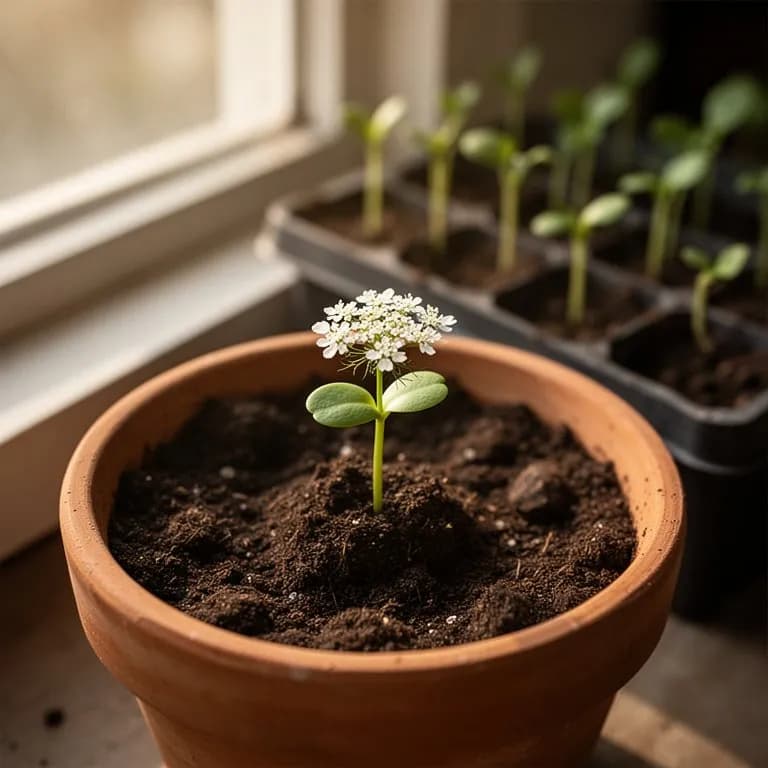
Las semillas necesitan luz para germinar y se benefician de la estratificación en frío. Siembre en superficie sobre suelo húmedo y manténgalo uniformemente húmedo. La germinación puede tardar de 1 a 3 semanas según la temperatura, con una germinación óptima entre 15 y 20 grados Celsius.
Plántula y formación de roseta
Las plántulas desarrollan sus primeras hojas verdaderas, finamente divididas y plumosas. En el transcurso de varias semanas, la planta establece una roseta basal de follaje profundamente lobulado cerca del suelo. La raíz pivotante comienza a engrosarse durante esta fase.
Crecimiento vegetativo del primer año
Al ser bienal, la zanahoria silvestre pasa toda su primera temporada de crecimiento formando una robusta roseta y acumulando energía en su raíz pivotante. La raíz es más tierna y comestible a finales del otoño de este primer año. Aún no aparece ningún tallo floral.
Encañado y elongación del tallo
En primavera del segundo año, la planta emite un tallo floral hueco y peloso que puede alcanzar de 60 a 120 centímetros de altura. El tallo está claramente nervado y cubierto de pelos gruesos. La ramificación aumenta a medida que la planta se prepara para florecer.
Floración
Las umbelas compuestas de diminutas flores blancas se abren en plano, mostrando a menudo una única floreta de color púrpura oscuro o rojizo en el centro. Cada umbela puede contener entre 500 y 1000 flores individuales. La floración suele ocurrir de junio a septiembre y atrae una notable diversidad de polinizadores.
Desarrollo de semillas y fase de nido
Tras la polinización, los radios de la umbela se curvan hacia adentro formando la característica forma de nido. Las semillas desarrollan pequeñas espinas ganchudas que facilitan la dispersión al adherirse al pelo de los animales y a la ropa. Cada planta puede producir más de 1000 semillas.
Senescencia y secado
El ciclo de vida bienal concluye cuando la planta muere tras dispersar sus semillas. Los tallos secos persisten durante el invierno y aportan interés estructural al jardín, además de hábitat para los insectos que invernan. Las semillas en el suelo producirán nuevas rosetas del primer año la primavera siguiente.
No cubra las semillas con tierra: necesitan exposición a la luz. Pulverice suavemente para mantener la superficie húmeda sin arrastrar las semillas.
Cuidar Zanahoria Silvestre mes a mes
Qué hacer cada mes para tu Zanahoria Silvestre
Octubre
Mes actualExtraiga las raíces del primer año para uso culinario antes de que el suelo se hiele. Retire los tallos secos del segundo año o deje algunos en pie para el interés invernal y como hábitat para insectos.
Ten claro qué hacer en tu huerto, cada mes
Un correo al empezar cada mes: qué sembrar, plantar y hacer ahora mismo — para tu Zanahoria Silvestre y todo lo que crece alrededor. Más un breve curso inicial para esquivar los errores clásicos.
- Qué hacer ahora mismo
- Ajustado a tu temporada
- Curso inicial incluido
Cosechar Zanahoria Silvestre
Corte los tallos de zanahoria silvestre para arreglos florales elegantes y aéreos cuando las umbelas planas estén completamente abiertas. Las delicadas flores blancas crean un relleno encajado y hermoso en ramos mixtos, complementando rosas, delfinos y otras flores de verano. Los tallos duran entre cinco y siete días en agua. Para arreglos secos, recoja las flores cuando estén completamente abiertas y prénse las entre libros pesados o séquelas en gel de sílice. Los capullos de semillas curvados en forma de nido también son atractivos en composiciones secas.
se supone que plantas al comenzar el periodo — indica tu fecha real
Cosecha Zanahoria Silvestre a tiempo y la planta sigue produciendo.
Almacenamiento y conservación
La zanahoria silvestre se resiembra con tanta facilidad que el almacenamiento de semillas raramente es necesario. Si lo desea, recoja los capullos de semillas curvados cuando estén secos y agítelos para extraer las pequeñas semillas con ganchos. Guárdelas en sobres de papel en un lugar fresco y seco. Las flores pueden prensarse en plano para arte botánico y manualidades. Los capullos de semillas secos conservan su forma de nido y hacen interesantes adiciones a los arreglos invernales. Las raíces del primer año pueden almacenarse como zanahorias en arena húmeda.
Qué falla — y cómo solucionarlo
Mosca de la zanahoria
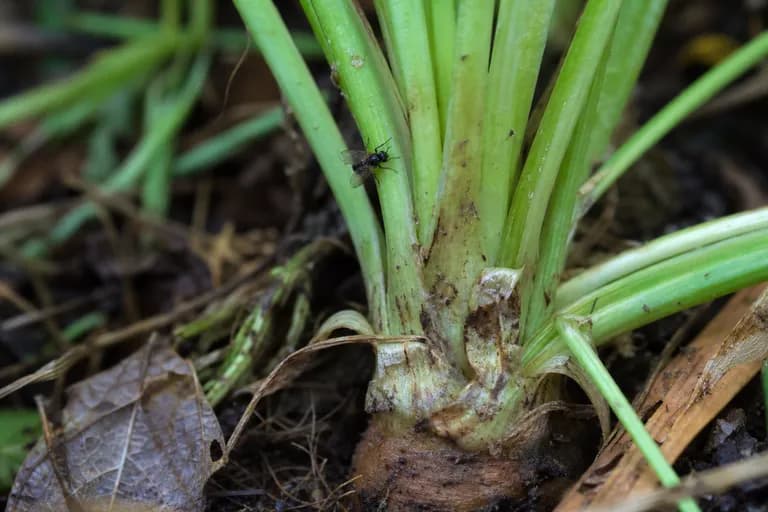
PlagaLas larvas perforan las raíces dejando rastros de excrementos de color marrón oxidado. El follaje puede amarillear y marchitarse a medida que las raíces se dañan.
Amarillamiento del aster
EnfermedadFlores deformadas y verdosas que no se desarrollan con normalidad. Follaje amarillento y atrofiado. Se transmite a través de las cigarras del aster.
Solución de problemas comunes
La principal preocupación es que la zanahoria silvestre puede volverse invasora por su prolífica autorresiembra, y en algunas regiones está clasificada como maleza nociva. Controle su expansión eliminando las cabezuelas antes de que maduren las semillas. El problema de seguridad crítico es su parecido con la cicuta venenosa mortal, que ha causado muertes por identificación errónea. Confirme siempre la identificación antes de cualquier uso culinario. La planta también puede albergar la mosca de la zanahoria, que puede extenderse a las zanahorias cultivadas cercanas.
Consejos de cultivo
- Siembre en superficie y presione suavemente en el suelo sin cubrir las semillas: las semillas de zanahoria silvestre necesitan exposición a la luz para activar la germinación y no brotarán si están enterradas.
- Estratifique las semillas en frío durante 2 a 4 semanas en arena húmeda en el frigorífico antes de la siembra de primavera para mejorar drásticamente las tasas de germinación, de aproximadamente el 50 % a más del 85 %.
- Plante a pleno sol o semisombra en suelo bien drenado. La zanahoria silvestre tolera suelos pobres, pedregosos y arenosos notablemente bien y de hecho produce raíces y semillas más aromáticas en condiciones magras.
- CONSEJO DE SEGURIDAD CRÍTICO: antes de recolectar, aplaste siempre una hoja y huela la raíz: la zanahoria silvestre huele claramente a zanahoria. Si la planta carece de este aroma o tiene tallos lisos con manchas púrpuras, podría ser cicuta venenosa, que es mortal. En caso de duda, no consuma ninguna parte de la planta.
- Deje que las plantas se resiembren en una zona dedicada, pero elimine agresivamente las cabezuelas florales cerca de los arriates de verduras y propiedades vecinas para evitar una propagación invasora en zonas no deseadas.
- Cultive zanahoria silvestre junto a los huertos como cultivo trampa para plagas como la mosca de la zanahoria y como vivero para insectos depredadores beneficiosos como crisopas, avispas parasitoides y mariquitas.
- Coseche las raíces del primer año en otoño tardío, después de las primeras heladas pero antes de que el suelo se hiele: la exposición al frío convierte parte del almidón en azúcares y mejora considerablemente el sabor.
- Para crear un suministro continuo, siembre semillas en parcelas sucesivas cada primavera para tener siempre plantas del primer año para la cosecha de raíces y plantas del segundo año para flores y semillas.
- Evite plantar directamente junto a zanahorias cultivadas, perejil o apio, ya que estos parientes de la familia Apiaceae comparten plagas y enfermedades y pueden cruzarse.
- Los capullos de semillas secos son excelentes adiciones a los arreglos de flores invernales y coronas. Coseche los tallos cuando el nido esté completamente formado pero aún de color marrón verdoso para obtener la mejor integridad estructural.
Cultiva tu mejor Zanahoria Silvestre — y todo lo que la rodea.
Empieza un plan gratis hoy. Diseña tus bancales, coloca tu Zanahoria Silvestre y deja que PlotMyGarden gestione el momento, el espaciado, las asociaciones y los recordatorios de la semilla a la cesta.
Elige tu Zanahoria Silvestre
Dara
Una selección cultivada con una mezcla de colores de flor blanco, rosa y borgoña profundo, desarrollada específicamente para uso como flor cortada. Espectacular en arreglos florales.
Especie Silvestre
La forma silvestre común con umbelas encajadas de color blanco puro con una única floreta oscura en el centro, antepasada de todas las zanahorias cultivadas.
La zanahoria silvestre es una planta silvestre de libre acceso que se resiembra abundantemente una vez establecida, eliminando cualquier coste continuo de semillas o plantas. Una sola siembra puede proporcionar un suministro indefinido de raíces, flores y semillas para uso culinario y herbal. Como imán para polinizadores, reduce la necesidad de comprar atrayentes de insectos beneficiosos y puede mejorar los rendimientos de los cultivos vegetales cercanos gracias a una mayor polinización. Su profunda raíz pivotante también descompacta el subsuelo compactado, funcionando como un aireador natural del suelo gratuito. Sin embargo, tenga siempre en cuenta la inversión de tiempo necesaria para aprender las habilidades de identificación adecuadas que permitan distinguirla con seguridad de sus peligrosos dobles tóxicos.
Recetas rápidas
Sopa de raíz de zanahoria silvestre con tomillo
40 minutosUna sopa rústica y terrosa elaborada con raíces de zanahoria silvestre del primer año. Las raíces tienen un sabor más intenso y ligeramente amargo en comparación con las zanahorias cultivadas, produciendo una sopa profundamente aromática que combina preciosamente con tomillo fresco y un hilo de nata. Utilice solo raíces identificadas positivamente por un recolector experto.
8 ingredientesBuñuelos de flores de zanahoria silvestre
25 minutosBuñuelos delicados y crujientes elaborados con umbelas florales frescas rebozadas en una masa ligera estilo tempura y fritas hasta dorarse. Las flores tienen un sabor suave y ligeramente dulce con sutiles notas herbáceas. Un entrante hermoso e inusual que muestra las flores silvestres comestibles en su mejor momento. Recoja únicamente flores debidamente identificadas de zonas no tratadas con pesticidas.
7 ingredientesMezcla de especias con semillas de zanahoria silvestre
10 minutosLas semillas de zanahoria silvestre tienen un perfil de sabor cálido y aromático que recuerda a un cruce entre el alcaravea y el eneldo, con sutiles matices cítricos. Ligeramente tostadas y molidas, son una especia excepcional para panes, platos de verduras de raíz y mezclas de condimentos. Este versátil condimento se conserva durante meses en un tarro hermético.
6 ingredientesUsos culinarios
La zanahoria silvestre es la antepasada de la zanahoria cultivada, y su raíz pivotante del primer año es comestible cuando es joven y tierna, con un sabor parecido a una zanahoria leñosa y concentrada. Las flores pueden rebozarse y freírse como buñuelos, o utilizarse como guarnición comestible. Las semillas tienen un sabor parecido al alcaravea y pueden usarse como especia. ADVERTENCIA CRÍTICA: nunca recoja plantas silvestres sin una identificación experta, ya que la confusión con la cicuta venenosa mortal ha causado fallecimientos.
Qué contiene
Beneficios para la salud
- Las semillas se han utilizado tradicionalmente como auxiliar digestivo para aliviar la hinchazón y los gases intestinales gracias al contenido carminativo de sus aceites volátiles
- Históricamente, la infusión de raíz se utilizó como diurético suave para apoyar la función renal y ayudar a limpiar las vías urinarias
- Los flavonoides luteolina y apigenina presentes en las flores han demostrado propiedades antiinflamatorias y antioxidantes en estudios de laboratorio
- El betacaroteno de las raíces jóvenes favorece la salud ocular, la función inmunitaria y una piel sana como precursor de la vitamina A
- Los herbolarios tradicionales de Europa y Asia utilizaban preparados de semillas para favorecer una regulación saludable del azúcar en sangre, aunque la evidencia clínica sigue siendo limitada
- El aceite esencial de las semillas contiene geraniol y pineno, que han mostrado actividad antimicrobiana contra ciertas bacterias y hongos en investigaciones preliminares
De dónde viene Zanahoria Silvestre
La zanahoria silvestre (Daucus carota) es originaria de las regiones templadas de Europa, el suroeste de Asia y el norte de África. Como progenitora silvestre de la zanahoria doméstica, ocupa un lugar central en la historia agrícola. La evidencia arqueológica de yacimientos en Suiza y el sur de Alemania sugiere que los seres humanos recolectaban y consumían raíces de zanahoria silvestre hace al menos 5000 años. Las primeras zanahorias cultivadas, seleccionadas por sus raíces más grandes y menos leñosas, aparecieron en Persia y Afganistán alrededor del siglo X d. C. Estas primeras formas cultivadas eran púrpuras y amarillas en lugar de naranjas. La familiar zanahoria naranja fue desarrollada en los Países Bajos durante los siglos XVI y XVII, posiblemente en honor a Guillermo de Orange, aunque este origen sigue siendo debatido por los historiadores. La zanahoria silvestre fue introducida en América del Norte por los colonos europeos en el siglo XVII, probablemente como contaminante de semillas de cultivo o en el lastre de arena de los barcos. Se naturalizó rápidamente en todo el continente y hoy en día se encuentra en los 50 estados de EE. UU. y en todo el sur de Canadá. En muchas regiones está clasificada como especie invasora o maleza nociva debido a su prolífica producción de semillas y su capacidad para dominar praderas y cunetas. A pesar de su reputación de mala hierba, la planta desempeña un valioso papel ecológico como fuente de néctar para cientos de especies de polinizadores y como planta huésped de la mariposa cola de golondrina negra. En la herboristería tradicional europea, las raíces, semillas y hojas se utilizaban para tratar afecciones renales y vesicales, molestias digestivas y como diurético. La planta sigue siendo un componente importante de las mezclas de semillas para praderas de flores silvestres en proyectos de restauración ecológica en Europa y América del Norte.
Zanahoria Silvestre: ¿sabías que?
Datos fascinantes sobre Zanahoria Silvestre
Se cree que la pequeña floreta de color púrpura oscuro o rojo que aparece en el centro de muchas umbelas de zanahoria silvestre imita a un insecto para atraer polinizadores al racimo floral, aunque no todas las umbelas producen esta característica floreta central.
Zanahoria Silvestre: preguntas frecuentes
¿Cuándo debo plantar Zanahoria Silvestre?
¿Cuáles son buenas plantas acompañantes para Zanahoria Silvestre?
¿En qué zonas de rusticidad puede crecer Zanahoria Silvestre?
¿Cuánto sol necesita Zanahoria Silvestre?
¿A qué distancia debo espaciar Zanahoria Silvestre?
¿Qué plagas y enfermedades afectan a Zanahoria Silvestre?
¿Cómo almaceno Zanahoria Silvestre después de la cosecha?
¿Cuáles son las mejores variedades de Zanahoria Silvestre para cultivar?
¿Qué suelo necesita Zanahoria Silvestre?
¿Cómo distingo la zanahoria silvestre de la cicuta venenosa?
¿Se considera invasora la zanahoria silvestre?
¿Puedo comer la raíz de la zanahoria silvestre como una zanahoria normal?
¿Atrae insectos beneficiosos la zanahoria silvestre?
¿Cómo evito que la zanahoria silvestre se adueñe de mi jardín?
¿Puedo cultivar zanahoria silvestre en un contenedor o arriate elevado?
Acabas de leer la teoría. Ahora cultívala en piloto automático.
Todo lo que hace que Zanahoria Silvestre sea delicado — el momento, el espaciado, las asociaciones, la ventana de cosecha — es justo lo que PlotMyGarden resuelve por ti, para cada planta de tu huerto.
Un plan que conoce tu clima
Indica tu ubicación una vez. Recibe fechas de siembra, abonado y cosecha basadas en tu última helada real y el pronóstico en vivo — sin adivinar con un sobre genérico.
De la sección “Cuándo plantar”Planificador de bancales de arrastrar y soltar
Diseña bancales sobre una cuadrícula. Cada planta encaja con su espaciado correcto y ves toda la temporada antes de gastar un céntimo en semillas.
De la sección “Cultivo”Conflictos de asociación, detectados a tiempo
Más de 200 buenas y malas combinaciones comprobadas en vivo mientras plantas — para que un error que arruine la temporada nunca llegue a la tierra.
De la sección “Asociaciones”Recordatorios que sí vas a seguir
“Riega las judías.” “Recoge hoy antes de que se pase.” Oportunos, concretos y ligados a las plantas que de verdad cultivas.
De la sección “Cosecha”Escalonado, programado
¿Quieres cosechar seis semanas en vez de seis días? Reparte tus siembras automáticamente y te avisa cuando toca el siguiente lote.
De la sección “Cuándo plantar”Un registro que se vuelve más listo
Cada cosecha que registras le enseña tu huerto. El plan del año que viene parte de lo que de verdad funcionó en tu suelo, no en un manual.
De la sección “Resumen”Planta estos junto a Zanahoria Silvestre
Más Flores silvestres
Diseños de jardín con Zanahoria Silvestre
Cultiva tu mejor Zanahoria Silvestre — y todo lo que la rodea.
Empieza un plan gratis hoy. Diseña tus bancales, coloca tu Zanahoria Silvestre y deja que PlotMyGarden gestione el momento, el espaciado, las asociaciones y los recordatorios de la semilla a la cesta.