Kornblume
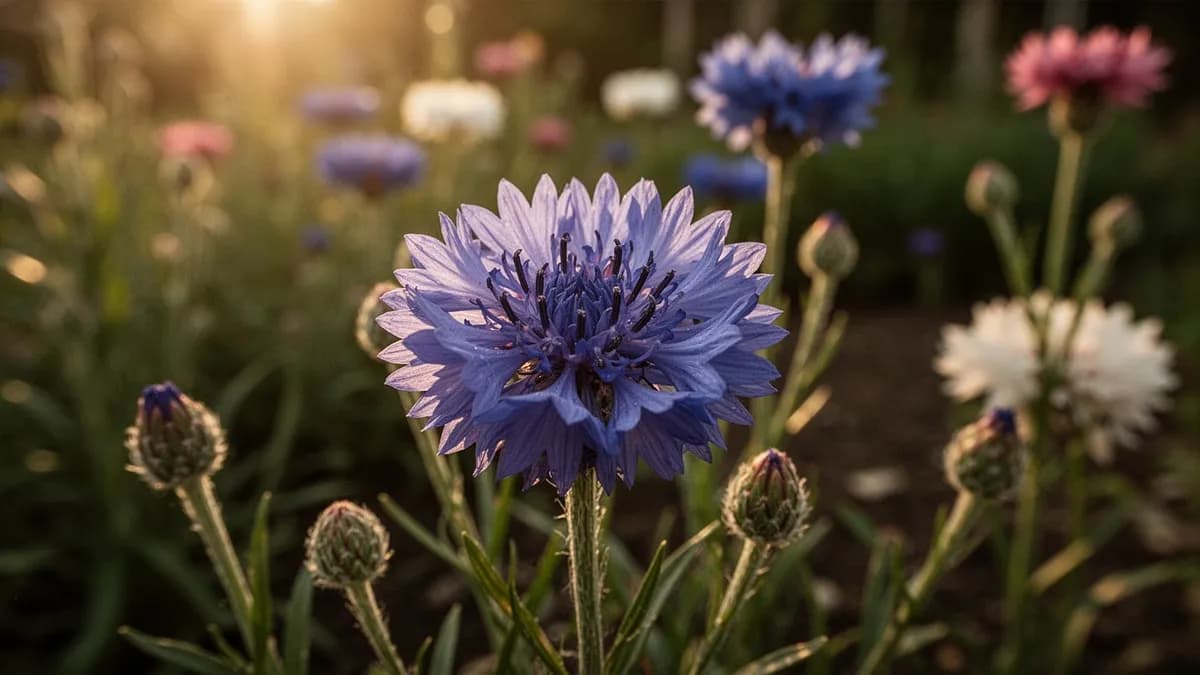
Eine charmante Bauerngarten-Einjährige mit gefransten, knopfartigen Blüten in intensivem Blau, Rosa, Weiß und Lila.





Auf dieser SeiteÜberblick
Kornblume im Überblick
Eine charmante Bauerngarten-Einjährige mit gefransten, knopfartigen Blüten in intensivem Blau, Rosa, Weiß und Lila. Kornblumen lassen sich leicht aus direkt gesätem Samen ziehen und säen sich im Garten reichlich selbst aus. Sie ergeben herrliche Schnittblumen, ziehen Bestäuber an und vertragen arme Böden und Trockenheit.
Wann Kornblume pflanzen
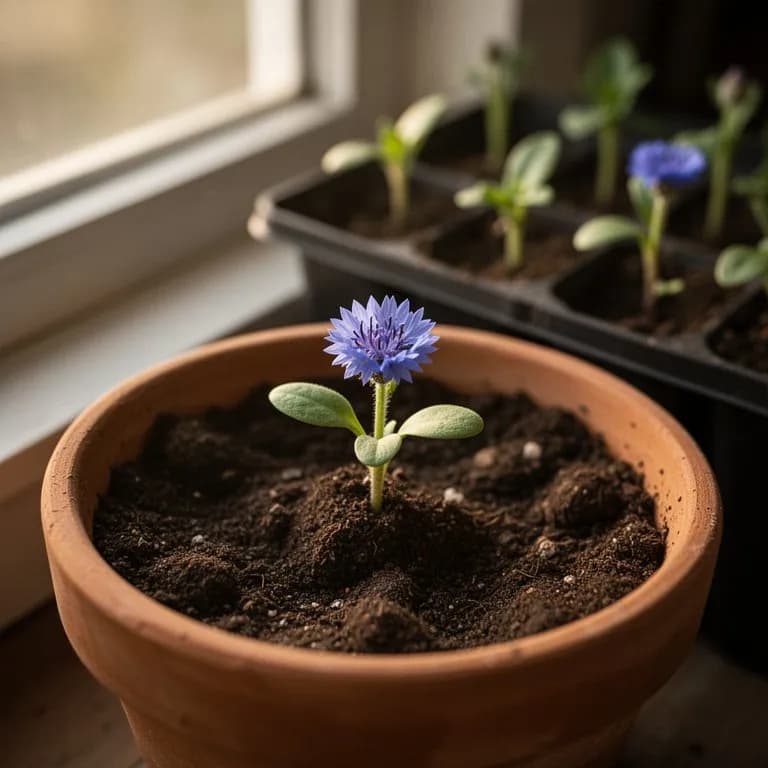
Kornblumensamen im frühen Frühjahr direkt ins Freie säen, sobald der Boden bearbeitet werden kann, oder in milden Klimaregionen im Herbst für frühere Frühjahrsblüten. Samen auf vorbereiteten Boden streuen und leicht einharken, um sie mit etwa einem halben Zentimeter Erde zu bedecken. Samen keimen in sieben bis vierzehn Tagen bei 13 bis 18 °C. Jungpflanzen auf 15 bis 30 cm Abstand vereinzeln. Das Vorziehen im Haus ist möglich, wird aber aufgrund der Pfahlwurzel nicht empfohlen. Wenn doch im Haus vorgezogen wird, in biologisch abbaubare Töpfe vier bis sechs Wochen vor dem letzten Frost säen und ohne Wurzelstörung umpflanzen.
Dein Kornblume-Jahr
Abgestimmt auf Zone 7 · typische Saison · Frost geht um den 2. Apr. und kehrt um den 1. Nov. zurück
Kornblume Mär – Apr, Sep – Okt pflanzen, Mai – Aug ernten. Beachte die Pflanzmethoden unten und wähle dein Klima für passende Zeiträume.
So baust du Kornblume an
Kornblumen gehören zu den am einfachsten zu kultivierenden Einjährigen und werden am besten direkt im Garten ausgesät. Samen im frühen Frühjahr oder Herbst auf vorbereiteten Boden streuen und leicht einharken. Die Samen keimen in sieben bis vierzehn Tagen, wenn die Bodentemperaturen zwischen 13 und 18 °C liegen. Jungpflanzen auf 15 bis 30 cm Abstand vereinzeln, sobald sie mehrere echte Blätter ausgebildet haben.
Diese robusten Einjährigen gedeihen in voller Sonne und bevorzugen mageren, gut durchlässigen Boden. Nährstoffreicher Boden und starke Düngung fördern üppiges Laubwachstum, aber weniger Blüten. Nach der Etablierung sparsam gießen, da Kornblumen bemerkenswert trockenheitsresistent sind. Ihre tiefen Pfahlwurzeln erschließen Feuchtigkeit, die die meisten Einjährigen nicht erreichen können.
Regelmäßig ausgeblühte Blüten entfernen, um die Blütezeit vom Spätfrühling bis zum Hochsommer zu verlängern. Ohne das Entfernen verblühter Blüten säen sich Pflanzen reichlich selbst aus und können verwildern. Leichte Stützen aus Zweigen für hohe Sorten bereitstellen, die nach Regen umknicken können. Kornblumen sind hervorragende Schnittblumen und halten sich eine Woche oder länger in der Vase. Einige Pflanzen am Ende der Saison Samen ansetzen lassen, um eine natürliche Selbstaussaat zu ermöglichen.
72 Pflanzen passen in ein Beet von 120 × 240 cm
Kornblume braucht 20 cm Platz pro Pflanze. Der Planer hält diesen Abstand für dich ein — jede Pflanze, jedes Beet.
Die besten Nachbarn für Kornblume
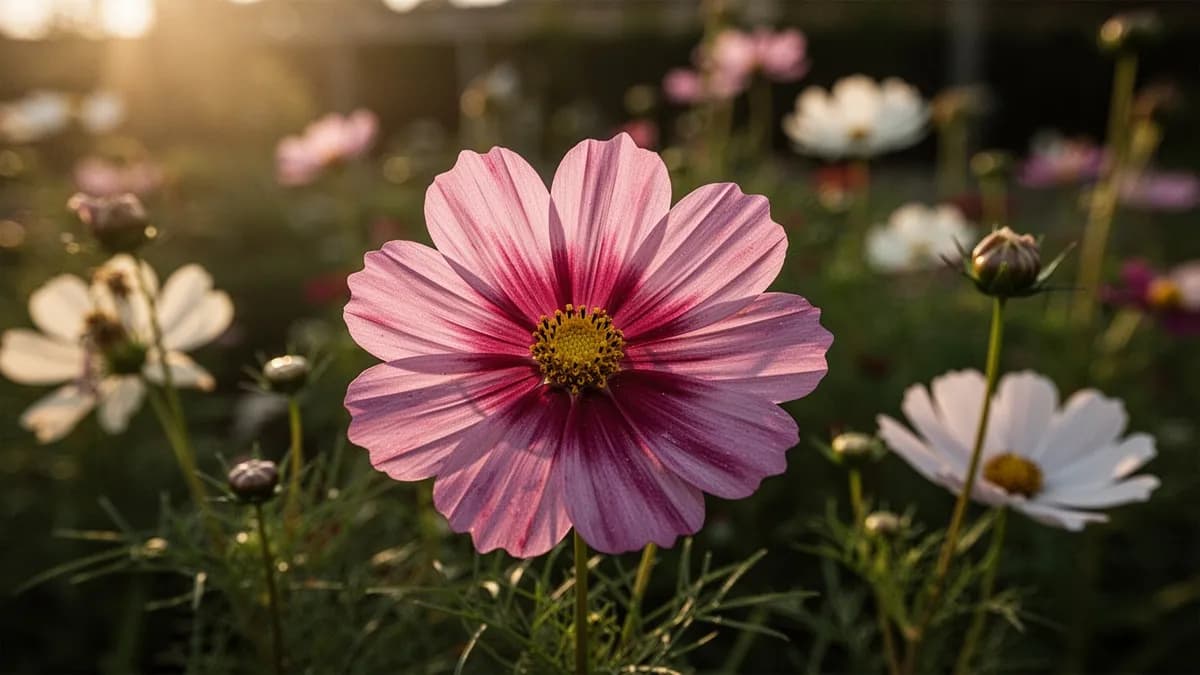
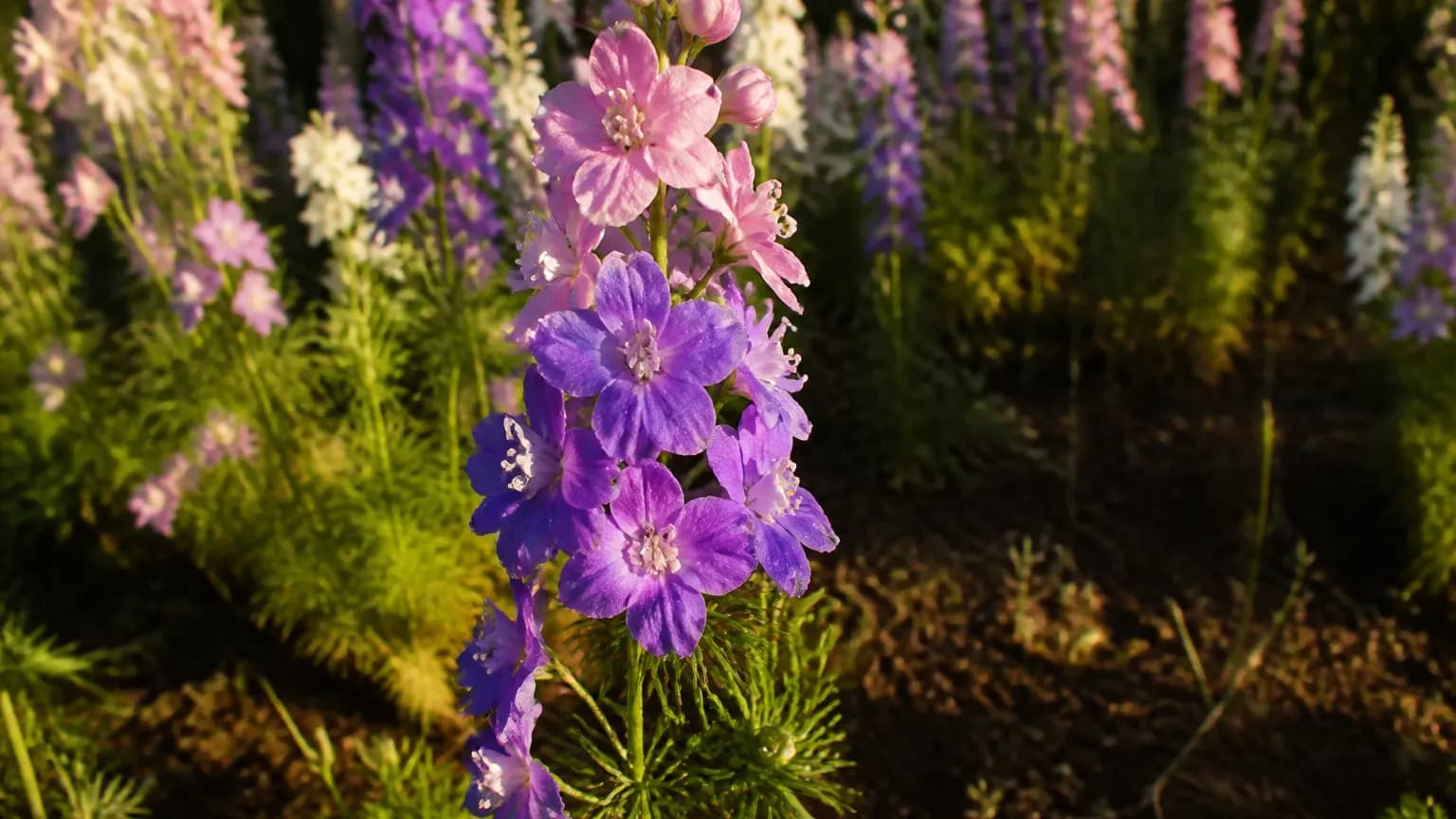
Kornblumen kombinieren sich wunderschön mit anderen Bauerngarten-Einjährigen wie Rittersporn, Cosmea, Mohn und Wiesenkerbel für einen Wildblumenwiesen-Effekt. Ihre tiefblaue Farbe kontrastiert auffällig mit gelben Blüten wie Mädchenauge und Sonnenhut. Sie ziehen Bestäuber an, darunter Bienen und Schmetterlinge, was benachbarte Gemüsegärten begünstigt. Kornblumen werden auch in Wildblumenmischungen für Begrünungseinsaaten und zur Wiederherstellung von Bestäuberhabitaten verwendet.
Cosmos gehört daneben.
Altes Gärtnerwissen, geprüft an der echten Nachbartabelle von Kornblume — teste jede Pflanze, die du anbaust.
Probiere Kornblume direkt hier im Beet
Ein echtes Planer-Beet, Kornblume steht schon drin. Tippe einen Begleiter an, platziere ihn und sieh, wie die Nachbarschaftsprüfung antwortet — grün für gute Nachbarn, rot bei Streit.


Passende Anbau-Ratgeber
Richtig düngen
Kornblumen wachsen am besten in magerem, gut durchlässigem Boden mit einem pH-Wert von 6,0 bis 7,5. Sie gedeihen tatsächlich besser in armem als in reichem Boden, da überschüssige Nährstoffe zu schlappstem Wachstum und weniger Blüten führen. Den Boden vor dem Pflanzen nicht stark verbessern. Eine einmalige leichte Düngung mit ausgewogenem Granulat-Dünger zum Pflanzzeitpunkt reicht für die gesamte Saison. Topfpflanzen können von einer monatlichen verdünnten Flüssigdüngung profitieren. Ausgezeichnete Drainage ist unerlässlich, da Staunässe Wurzelfäule verursacht.
Ideale Temperatur
Winterhärtezone-Kompatibilität
Von der Saat zur Ernte, Schritt für Schritt
Keimung
Samen keimen am besten in kühlem Boden zwischen 15–20 °C. Direkt ins Freie im frühen Frühjahr oder Spätherbst für die Überwinterung säen. Samen benötigen Dunkelheit zum Keimen, daher leicht mit 3–6 mm Erde bedecken.
Sämlingswicklung
Sämlinge entwickeln schmale, lanzettförmige Keimblätter, gefolgt von echten Blättern mit charakteristischer silbrig-grüner Farbe und feiner, wolliger Textur. Sämlinge auf 20–30 cm Abstand vereinzeln, um eine gute Luftzirkulation zu gewährleisten.
Vegetatives Wachstum
Pflanzen wachsen aufrecht mit schlanken, verzweigten Stängeln und erreichen 30–90 cm Höhe. Das graugrüne Laub ist schmal und lanzettförmig. Stängel werden drahtig und benötigen möglicherweise Stützen an exponierten oder windigen Standorten, besonders bei höheren Kultivaren.
Knospenstadium
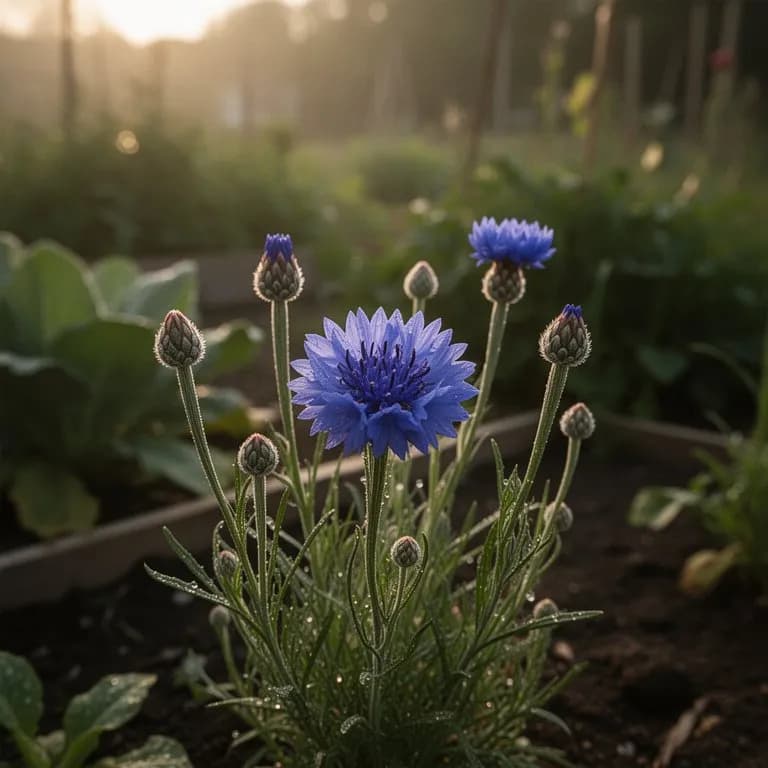
Runde, knopfartige Knospen bilden sich an den Spitzen der verzweigten Stängel. Die Knospen sind in überlappende Hüllblätter mit papierartiger, beschuppter Textur eingehüllt. Dies ist ein kritisches Stadium, in dem gleichmäßige Bewässerung eine kräftige Knospenentwicklung unterstützt.
Blüte
Blüten öffnen sich zu den klassischen gefransten, distelartigen Blüten mit 2,5–4 cm Durchmesser. Wildtypen sind intensiv blau (aufgrund des Farbstoffs Protocyanin), aber kultivierte Formen gibt es in Rosa, Weiß, Weinrot, Lavendel und fast Schwarz. Jede Pflanze kann über mehrere Wochen Dutzende von Blüten produzieren.
Samenbildung
Nach der Bestäubung trocknen die Blütenköpfe und bilden kleine Achänen-Samen mit borstigem Pappus. Jeder Blütenkopf produziert zahlreiche Samen. Pflanzen beginnen nachzulassen, da Energie vollständig auf die Samenproduktion umgelenkt wird.
Seneszenz
Als Einjährige schließt die Pflanze ihren Lebenszyklus ab und stirbt nach der Samenbildung ab. Laub vergilbt und Stängel trocknen aus. In milden Klimaregionen können im Herbst gesäte Pflanzen als Rosetten überwintern und im folgenden Frühjahr blühen.
Den Boden während der Keimung gleichmäßig feucht, aber nicht durchnässt halten. Das Saatbett nach der Aussaat nicht stören.
Kornblume Monat für Monat pflegen
Was du jeden Monat für deine Kornblume tun solltest
Oktober
Aktueller MonatAbgestorbene einjährige Pflanzen entfernen und kompostieren. In milden Klimaregionen sollten im Herbst gesäte Sämlinge anwachsen. Samen in Wildblumenwiesenbereiche streuen für natürliche Frühjahrskeimung.
Immer wissen, was jetzt im Garten zu tun ist
Eine E-Mail zum Monatsanfang: was du jetzt säen, pflanzen und anpacken solltest — für deine Kornblume und alles, was drumherum wächst. Dazu ein kurzer Startkurs, der dich vor den klassischen Fehlern bewahrt.
- Was jetzt zu tun ist
- Passend zu deiner Saison
- Startkurs inklusive
Kornblume ernten
Kornblumenstängel für frische Sträuße schneiden, wenn die Blüten gerade vollständig geöffnet sind, bevor die mittleren Blütenblätter zu verblassen beginnen. In den kühlen Morgenstunden ernten und sofort in Wasser stellen. Die Blüten halten sieben bis zehn Tage in der Vase. Zum Trocknen Stängel bei vollständig geöffneten Blüten schneiden und kopfüber an einem dunklen, trockenen Ort für ein bis zwei Wochen aufhängen. Für den Verzehr Blüten auf dem Höhepunkt der Blüte pflücken. Zur Samengewinnung Blütenköpfe auf der Pflanze trocknen lassen, bis sie braun und papierartig werden.
angenommen, du pflanzt zu Beginn des Zeitraums — trage dein tatsächliches Datum ein
Ernte Kornblume zügig, dann trägt die Pflanze weiter.
Lagerung & Konservierung
Frische Kornblumen halten sich bis zu zehn Tage in einer sauberen Vase mit Blumenfrischhaltemittel. Wasser alle zwei Tage wechseln und Stängel schräg nachschneiden. Getrocknete Blüten behalten ihre intensive Blaufarbe bemerkenswert gut und halten monatelang in Arrangements. Einzelne Blüten zwischen beschwerten Seiten für den Einsatz in Bastelarbeiten pressen. Getrocknete Blütenblätter lassen sich gut in luftdichten Behältern für die kulinarische Verwendung aufbewahren. Samen bleiben zwei bis drei Jahre keimfähig, wenn sie kühl und trocken gelagert werden.
Was schiefgeht — und die Lösung
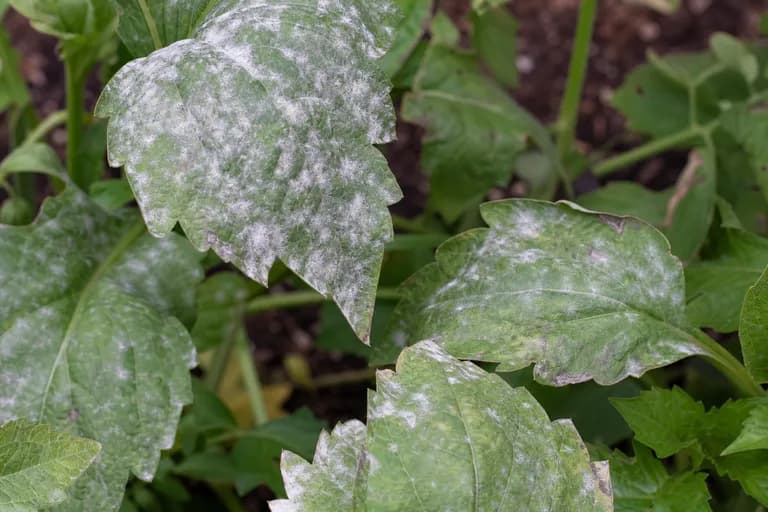
Echter Mehltau
KrankheitWeißliche, mehlartige Flecken auf Blättern und Stängeln, beginnend am unteren Laub und sich bei warmem, feuchtem Wetter nach oben ausbreitend.
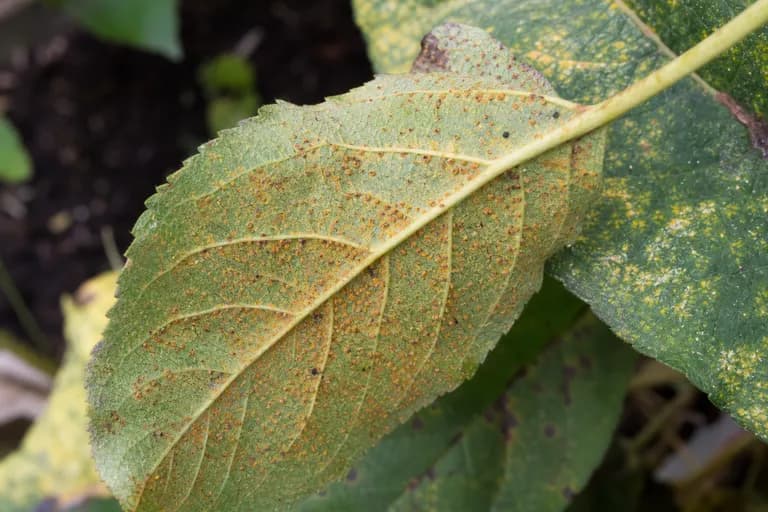
Rost
KrankheitOrange-braune Pusteln auf Blattunterseiten, Vergilbung des Laubes und vorzeitiger Blattfall.
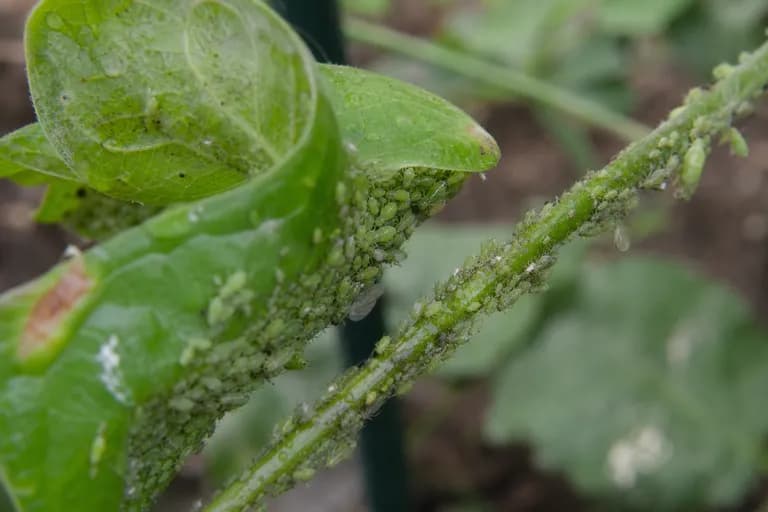
Blattläuse
SchädlingKleine Ansammlungen grüner oder schwarzer Insekten an Knospen und jungen Stängeln, klebriger Honigtau und deformierte Blütenknospen.
Fehlerbehebung bei häufigen Problemen
Das häufigste Problem sind schlaffe Stängel, insbesondere in nährstoffreichem Boden oder Halbschatten. Stützen aus Zweigen bereitstellen oder in magerem Boden an sonnigem Standort pflanzen. Echter Mehltau tritt oft bei feuchtem Wetter auf, besonders an eng stehenden Pflanzen. Übermäßige Selbstaussaat kann dazu führen, dass Kornblumen verwildern, wenn verblühte Blüten nicht entfernt werden. Die Blütezeit konzentriert sich auf den Spätfrühling und Frühsommer, wobei Pflanzen bei starker Hitze nachlassen. Staffelaussaat verlängert das Erscheinungsbild.
Anbautipps
- Samen direkt ins Freie im frühen Frühjahr säen, sobald der Boden bearbeitet werden kann – Kornblumen mögen keine Umpflanzung aufgrund ihrer empfindlichen Pfahlwurzel und gedeihen am besten bei Direktaussaat.
- Für die frühesten Blüten in milden Klimaregionen (Zonen 7+) im Herbst säen und Pflanzen als kleine Rosetten überwintern lassen, die Wochen vor frühlingsgesieten Pflanzen blühen werden.
- Nährstoffreichen, stark gedüngten Boden vermeiden – Kornblumen produzieren mehr Blüten und kräftigere Stängel in magerem bis durchschnittlichem Boden, während überschüssiger Stickstoff schlappstes Wachstum und weniger Blüten verursacht.
- Alle zwei bis drei Wochen von Frühjahr bis Spätfrühling staffeln aussäen, um die Blütezeit bis in den Spätsommer und frühen Herbst zu verlängern.
- Verblühte Blüten mindestens zweimal pro Woche entfernen, um zu verhindern, dass Energie in die Samenproduktion fließt, und um eine kontinuierliche Blüte über den längstmöglichen Zeitraum anzuregen.
- Für die beste Blütenproduktion volle Sonne sicherstellen – mindestens 6–8 Stunden direktes Sonnenlicht täglich. Pflanzen vertragen Halbschatten, produzieren jedoch deutlich weniger und kleinere Blüten.
- Pflanzen mit 20–30 cm Abstand setzen, um ausreichende Luftzirkulation zu ermöglichen, was hilft, Echten Mehltau zu verhindern – die häufigste Krankheit bei Kornblumen unter feuchten Bedingungen.
- Höhere Sorten (über 60 cm) mit Bambusstäben stützen oder durch horizontale Netze wachsen lassen, um ein Umknicken der Stängel zu verhindern, besonders an windigen oder exponierten Gartenstandorten.
- Pflanzen an der Basis statt von oben gießen, um das Risiko von Pilzkrankheiten zu verringern – etablierte Kornblumen sind mäßig trockenheitsresistent und bevorzugen leicht trockene Bedingungen gegenüber Staunässe.
- Einige spätjährige Blütenköpfe Samen bilden und natürlich streuen lassen, für ein selbsterhaltendes Beet, das jedes Jahr ohne Aufwand oder Kosten zurückkommt.
Bau deine beste Kornblume an — und alles drumherum.
Starte heute kostenlos. Lege deine Beete an, setze deine Kornblume ein und lass PlotMyGarden Timing, Abstände, Begleiter und Erinnerungen von der Saat bis zum Erntekorb übernehmen.
Finde deine Kornblume
Blue Boy
Die klassische intensiv kornblumenblaue Sorte, die 60 bis 90 cm hoch wird – der Maßstab, an dem alle Kornblumen gemessen werden.
Black Ball
Eine auffällige dunkel weinrot-lila Sorte, die Sträuße und Gartenränder mit eleganter Tiefe bereichert.
Classic Fantastic
Eine einzigartige, gefrillte gefüllte Sorte in leuchtendem Blau mit einer volleren, üppigeren Blütenform als traditionelle Typen.
Polka Dot Mix
Eine Zwergauslese, die 30 bis 45 cm hoch wird, in Blau, Rosa, Weiß, Weinrot und Lavendel – ideal für Behälter.
Florence Mix
Pastelltöne in Blau, Rosa und Weiß auf 60-cm-Stängeln, perfekt für Bauerngarten-Bepflanzungen.
Kornblumen gehören zu den kostengünstigsten Blumen, die aus Samen gezogen werden können. Ein einzelnes Samentütchen (enthält typischerweise 200–500 Samen zu einem Preis von ca. 2–4 €) kann ein großes Gartenbeet füllen und Hunderte von Blüten zum Schneiden, Garnieren und Trocknen produzieren. Einmal etabliert, säen sich Kornblumen reichlich selbst aus und liefern Jahr für Jahr kostenlose Pflanzen ohne weitere Samenkäufe. Essbare Kornblumenblütenblätter werden für 15–30 € pro 30 g in Feinkostgeschäften verkauft, sodass ein selbst angebautes Beet erhebliche Kosten einsparen kann für alle, die sie in Küchenanwendungen, Teemischungen oder als Kuchendekorationen verwenden.
Schnelle Rezepte
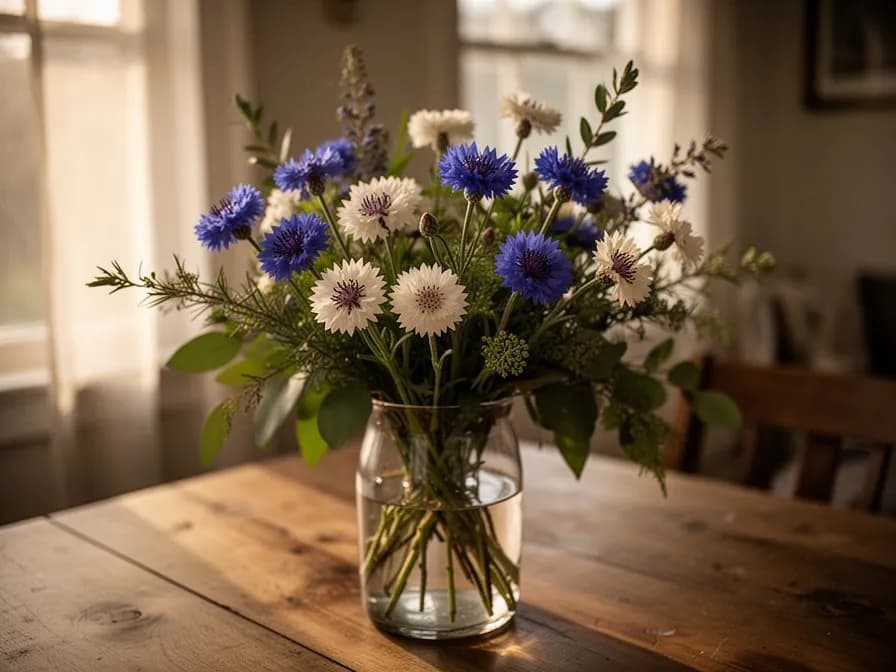
Kornblumenblütenblatt-Gartensalat
10 Min.Ein lebhafter Frühlingssalat mit frischen Kornblumenblütenblättern, die über gemischte Salatblätter mit einem leichten Zitronen-Vinaigrette gestreut werden. Die Blütenblätter verleihen eine dezente Süße und einen beeindruckenden visuellen Kontrast zum Grün.
8 ZutatenKornblumen-Honig-Kräutertee
5 Min.Ein beruhigender, koffeinfreier Kräuteraufguss aus getrockneten Kornblumenblütenblättern. Dieser traditionelle europäische Tisane hat einen milden, leicht süßlichen Blumengeschmack und eine wunderschöne azurblaue Farbe.
5 ZutatenKornblumen-Zuckerkekse mit Blütenblatt-Garnitur
45 Min.Elegante Butterkekse mit einfachem Zuckerguss und aufgepressten frischen oder kandierten Kornblumenblütenblättern. Sie sind wunderschöne Geschenke und ideal für Gartenpartys und Nachmittagstee.
8 ZutatenKulinarische Verwendung
Kornblumenblütenblätter sind essbar und haben einen mild süßen, leicht würzigen, nelkenartigen Geschmack. Die leuchtend blauen Blütenblätter sind als Garnitur auf Salaten, Kuchen, Desserts und Cocktails ein Hingucker. Sie können in Eiswürfel eingefroren werden, um dekorative Getränke zu gestalten, oder zur Herstellung eines natürlichen blauen Lebensmittelfarbstoffs verwendet werden. Blütenblätter mit Eiweiß und Zucker kandieren für elegante Kuchendekorationen. Getrocknete Blütenblätter werden häufig in Kräuterteemischungen verwendet, wo sie eine schöne Farbe verleihen. Nur bio angebaute, unbesprühte Blüten verwenden.
Was drinsteckt
Gesundheitsvorteile
- Kornblumenblütenblätter enthalten Anthocyan-Verbindungen, insbesondere Protocyanin, die antioxidative Aktivität aufweisen und Zellen vor oxidativem Stress schützen können.
- Die traditionelle europäische Kräuterheilkunde hat Kornblumenaufgüsse als mildes entzündungshemmendes Mittel zur Beruhigung gereizter Augen und zur Reduzierung von Augenlidhöhlen verwendet.
- Kornblumentee wurde historisch als sanftes Verdauungshilfsmittel verwendet, das bei der Beruhigung leichter Magenbeschwerden und der Unterstützung einer gesunden Verdauung nach den Mahlzeiten helfen soll.
- Die milden harntreibenden Eigenschaften, die dem Kornblumentee in volksmedizinischen Traditionen zugeschrieben werden, können im Rahmen einer ausgewogenen Ernährung eine gesunde Flüssigkeitsbilanz unterstützen.
- Kornblumen-Hydrolat und -Extrakte werden in europäischen Hautpflegeprodukten wegen ihrer beruhigenden, entzündungshemmenden Eigenschaften weit verbreitet eingesetzt, besonders für empfindliche oder zu Reizungen neigende Haut.
- Als koffeinfreier Kräutertee bieten Kornblumenaufgüsse eine beruhigende Alternative zu anregenden Getränken und werden traditionell zur Förderung der Entspannung vor dem Schlaf getrunken.
Woher Kornblume stammt
Centaurea cyanus, allgemein als Kornblume bekannt, stammt ursprünglich aus dem Mittelmeerraum und dem Nahen Osten, wo sie sich als Begleitpflanze von Getreidekulturen entwickelte. Archäologische Belege verorten sie neben kultivierten Getreiden bis in die Jungsteinzeit, und ihre Samen wurden in bronzezeitlichen Getreidespeichern in ganz Europa gefunden. Mit der Ausbreitung der Landwirtschaft reiste die Kornblume mit ihr, naturalisierte sich in ganz Europa, Westasien und schließlich Nordamerika.
Jahrtausende lang waren Kornblumen ein untrennbarer Bestandteil der europäischen Agrarlandschaft und verwandelten geerntete Getreidefelder jeden Sommer in blaue Meere. Ihre enge Verbindung mit Weizen- und Roggenfeldern brachte ihnen den deutschen Namen 'Kornblume' ein. Allerdings dezimierte die weitverbreitete Verwendung von Herbiziden im zwanzigsten Jahrhundert die Wildkornblumenpopulationen, und in Ländern wie dem Vereinigten Königreich ging die Art dramatisch zurück. Naturschutzbemühungen haben seitdem einige Populationen stabilisiert, und Kornblumen werden nun häufig in Wildblumensaatgutmischungen aufgenommen, die die Artenvielfalt in Ackerrandstreifen wiederherstellen sollen.
Jenseits der Landwirtschaft hat die Kornblume tiefe kulturelle Wurzeln. Sie ist prominent in europäischer Folklore, Heraldik und Kunst vertreten. Der deutsche Kaiser Wilhelm I. übernahm die Kornblume als persönliches Symbol nach einer Geschichte, in der seine Mutter während des Krieges Kornblumenkränze wand, und die Blume wurde mit preußischer Identität verbunden. In der französischen Kultur ist der Bleuet de France (Kornblume) ein Erinnerungssymbol für Veteranen, ähnlich dem Mohn in der anglophonen Welt. Traditionelle Kräuterheiler verwendeten Kornblumenwasser als beruhigendes Augenwasser und entzündungshemmendes Kompresse, eine seit mindestens dem sechzehnten Jahrhundert dokumentierte Praxis. Heute ist Kornblumenextrakt noch immer ein Inhaltsstoff in vielen europäischen Haut- und Augenpflegeprodukten und setzt eine Tradition fort, die Hunderte von Jahren umspannt.
Kornblume: Schon gewusst?
Faszinierende Fakten über Kornblume
Kornblumen waren einst so häufig in europäischen Getreidefeldern, dass sie als landwirtschaftliches Unkraut galten, doch der moderne Herbizideinsatz hat Wildpopulationen so selten gemacht, dass sie in einigen Ländern Schutzstatus erlangt haben.
Kornblume: Fragen & Antworten
Wann sollte ich Kornblume pflanzen?
Was sind gute Begleitpflanzen für Kornblume?
In welchen Winterhärtezonen kann Kornblume wachsen?
Wie viel Sonne braucht Kornblume?
Welchen Abstand sollte ich zwischen Kornblume lassen?
Welche Schädlinge und Krankheiten befallen Kornblume?
Wie lagere ich Kornblume nach der Ernte?
Was sind die besten Kornblume-Sorten zum Anbauen?
Welchen Boden braucht Kornblume?
Sind Kornblumenblüten wirklich essbar?
Warum kippen meine Kornblumen um und sehen etioliert aus?
Kann ich Kornblumen in Behältern anbauen?
Wie trockne ich Kornblumen, um ihre blaue Farbe zu erhalten?
Kommen Kornblumen jedes Jahr wieder?
Welche Begleitpflanzen gedeihen gut zusammen mit Kornblumen?
Du hast die Theorie gelesen. Jetzt baue sie auf Autopilot an.
Alles, was Kornblume knifflig macht — das Timing, die Abstände, die Begleiter, das Erntefenster — genau das übernimmt PlotMyGarden für dich, für jede Pflanze im Garten.
Ein Plan, der dein Wetter kennt
Standort einmal festlegen. Aussaat-, Dünge- und Erntedaten rund um deinen echten letzten Frosttermin und die Live-Vorhersage — kein Raten mehr nach Saattüte.
Aus dem Abschnitt „Pflanzzeit“Beetplaner per Drag & Drop
Beete auf einem Raster gestalten. Jede Pflanze rastet im richtigen Abstand ein, und du siehst die ganze Saison, bevor du einen Cent für Saatgut ausgibst.
Aus dem Abschnitt „Anbau“Begleiter-Konflikte früh erkannt
Über 200 gute und schlechte Kombinationen werden beim Pflanzen live geprüft — so landet ein saisonruinierender Fehler nie in der Erde.
Aus dem Abschnitt „Begleiter“Erinnerungen, nach denen du wirklich handelst
„Gieß die Bohnen.“ „Heute ernten, bevor's umschlägt.“ Pünktlich, konkret und auf deine echten Pflanzen bezogen.
Aus dem Abschnitt „Ernte“Staffel-Aussaat, geplant
Sechs Wochen ernten statt sechs Tage? Die App verteilt deine Aussaaten automatisch und erinnert dich, wenn der nächste Satz fällig ist.
Aus dem Abschnitt „Pflanzzeit“Ein Verlauf, der schlauer wird
Jede protokollierte Ernte bringt der App deinen Garten bei. Der Plan fürs nächste Jahr startet bei dem, was in deinem Boden wirklich funktioniert hat.
Aus dem Abschnitt „Überblick“Pflanze diese neben Kornblume
Weitere Einjährige
Bau deine beste Kornblume an — und alles drumherum.
Starte heute kostenlos. Lege deine Beete an, setze deine Kornblume ein und lass PlotMyGarden Timing, Abstände, Begleiter und Erinnerungen von der Saat bis zum Erntekorb übernehmen.