Perejil Rizado
Un perejil decorativo con hojas densamente rizadas que resulta excelente como guarnición y atractiva planta para bordes de jardín.





En esta páginaResumen
Conoce Perejil Rizado
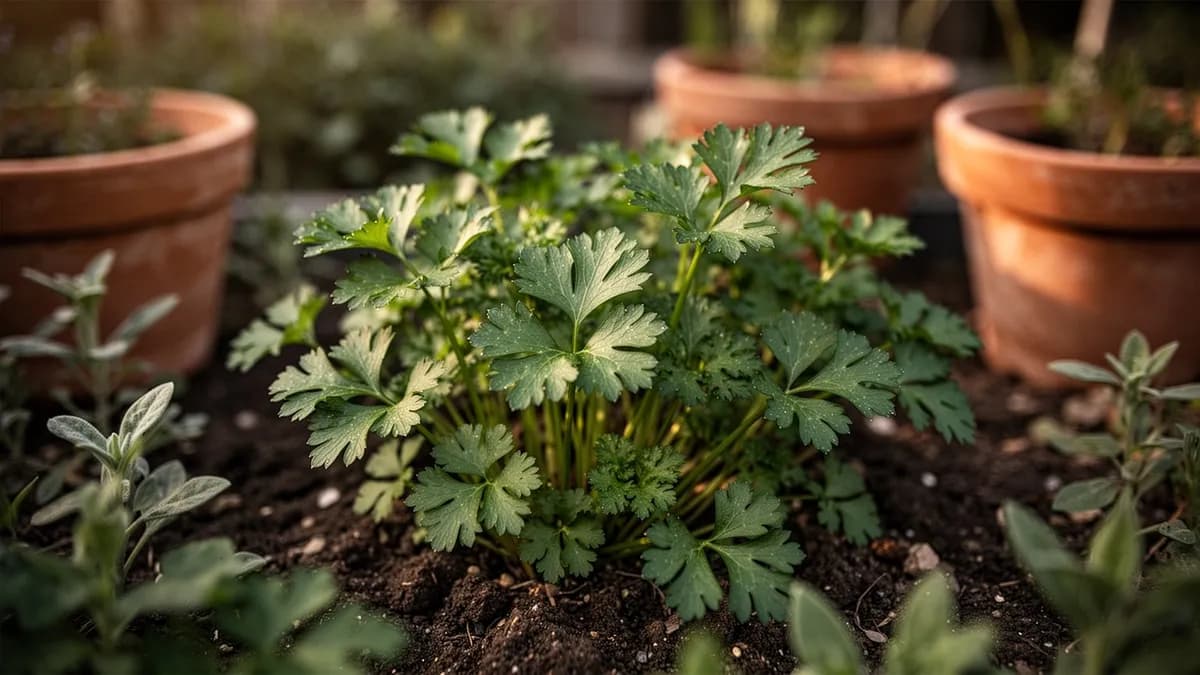
Un perejil decorativo con hojas densamente rizadas que resulta excelente como guarnición y atractiva planta para bordes de jardín. Aunque su sabor es más suave que el del perejil de hoja lisa, el perejil rizado aporta un gusto fresco y limpio, además de una textura llamativa a los platos. Resiste mejor el frío que las variedades de hoja plana y es más fácil de picar finamente.
Cuándo plantar Perejil Rizado
Remoje las semillas de perejil rizado en agua tibia durante 24 horas antes de sembrar para ablandar la dura cubierta seminal. Algunos horticultores vierten agua recién hervida sobre las semillas para acelerar aún más la germinación. Siembre a 6 mm de profundidad en sustrato húmedo para semilleros, sembrando generosamente ya que las tasas de germinación rondan el 50-60 %. Mantenga el suelo a 18-21 °C y pulverice con regularidad. Las semillas tardan 14-28 días en brotar. Una vez que las plántulas tengan dos pares de hojas verdaderas, aclare dejando la plántula más fuerte por celda. Aclimate durante 7-10 días antes de trasplantar al exterior.
Tu año de Perejil Rizado
Ajustado a Zona 7 · temporada típica · la helada se va hacia el 2 abr y vuelve hacia el 1 nov
Planta Perejil Rizado Mar – May y cosecha May – Oct. Consulta los métodos de plantación y elige tu clima para adaptar los periodos.
Cómo cultivar Perejil Rizado
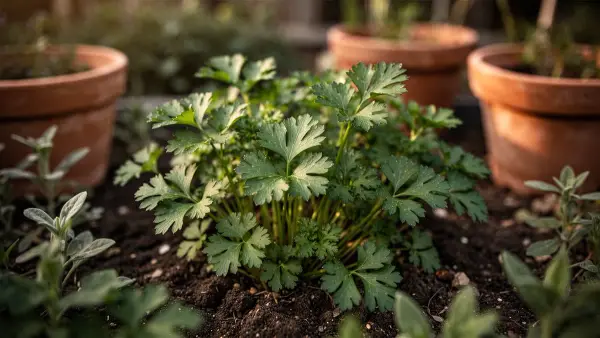
El perejil rizado es una hierba bienal que se cultiva habitualmente como anual, apreciada por sus decorativas hojas rizadas y su sabor limpio. Empiece las semillas en interior 8-10 semanas antes de la última helada, remojándolas en agua tibia durante 24 horas para romper la dormancia. Siembre a 6 mm de profundidad y mantenga la temperatura del sustrato alrededor de 18-21 °C. La germinación tarda 2-4 semanas, similar a las variedades de hoja plana.
Trasplante las plántulas al exterior tras la última helada, espaciándolas 20-25 cm en un suelo rico y bien drenado. El perejil rizado tolera mejor el frío que el de hoja plana y puede soportar heladas ligeras, lo que lo convierte en una excelente opción para ampliar la temporada de cultivo en climas más frescos. Se adapta bien tanto al sol pleno como a la sombra parcial.
El perejil rizado es una planta de borde sobresaliente para huertos y jardines de flores gracias a su hábito de crecimiento denso y atractivo. Mantenga el suelo uniformemente húmedo y aplique una capa de mantillo para conservar la humedad. Las hojas fuertemente rizadas son menos propensas a salpicarse de tierra durante la lluvia, lo que se traduce en cosechas más limpias en comparación con las variedades de hoja plana.
72 plantas caben en un bancal de 120 × 240 cm
Cada Perejil Rizado pide 20 cm de margen. El planificador guarda ese marco por ti — cada planta, cada bancal.
Los mejores vecinos de Perejil Rizado
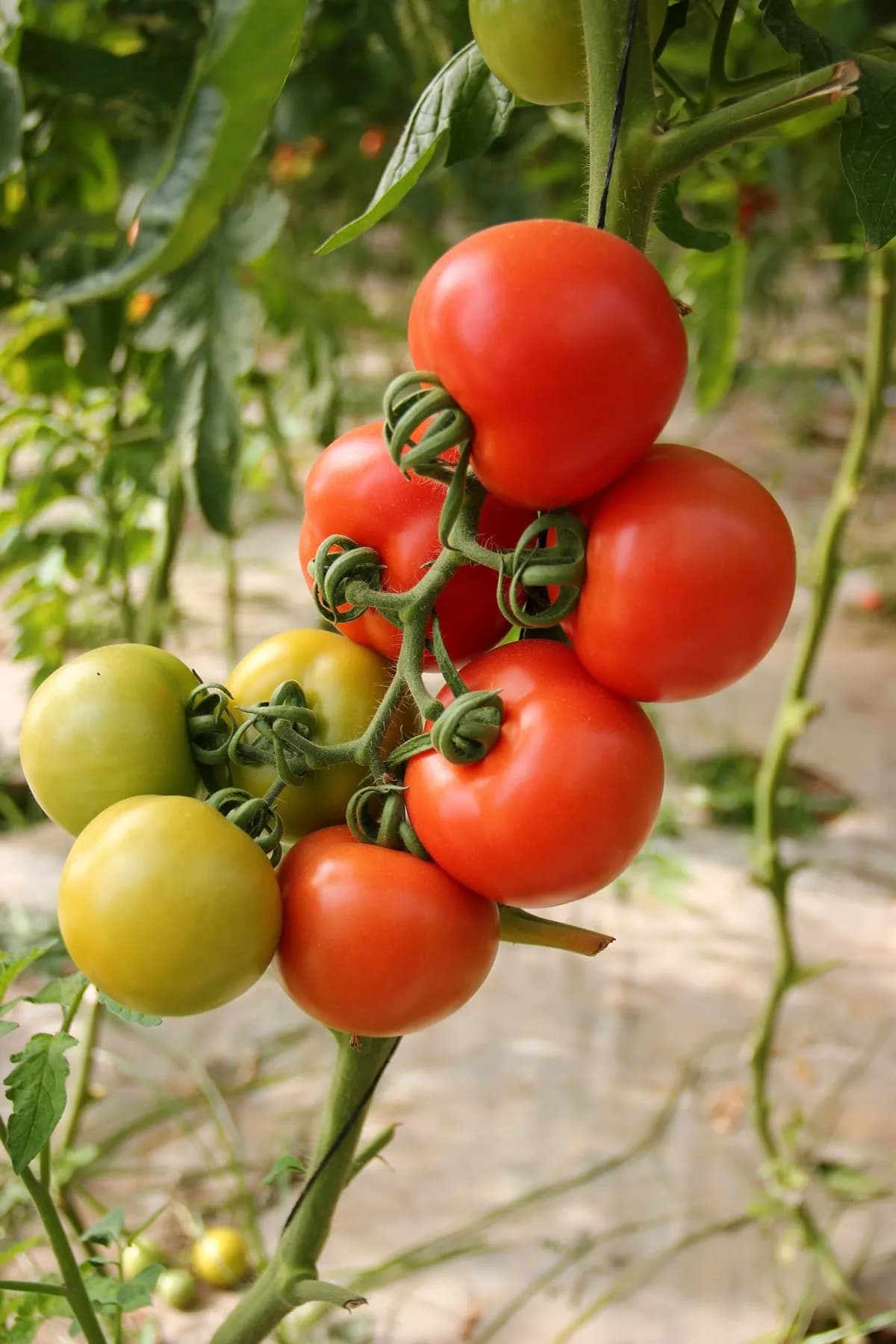
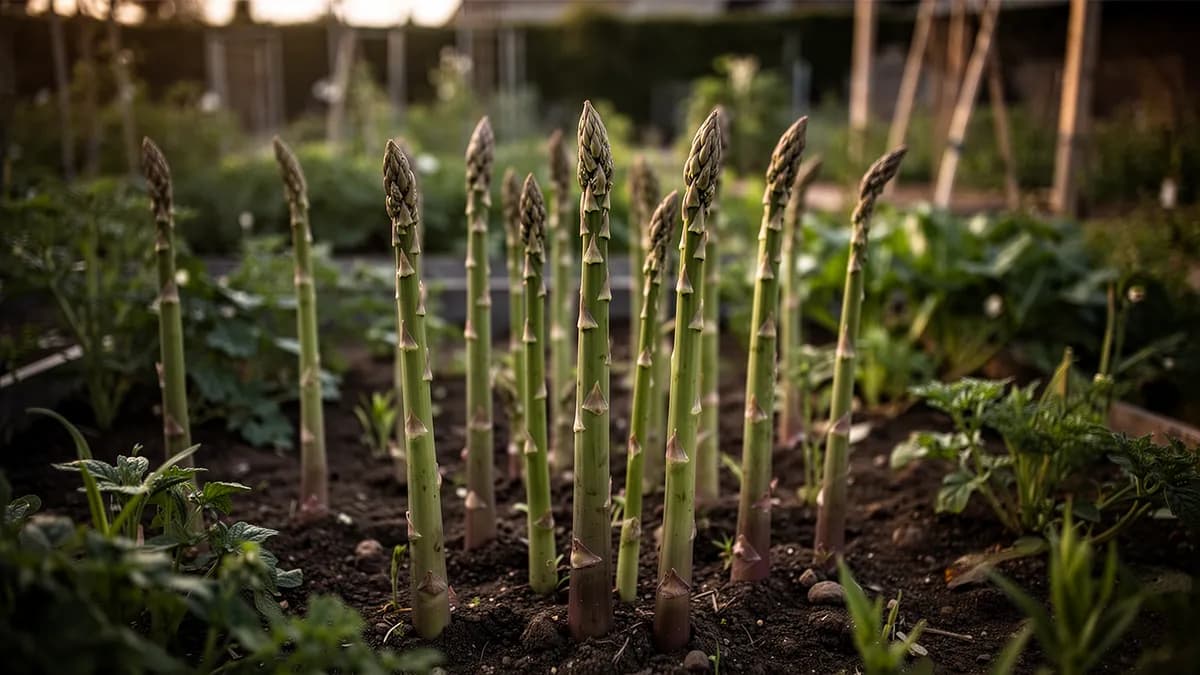
El perejil rizado comparte los beneficios de la siembra compañera de todas las variedades de perejil. Plántelo cerca de tomates y espárragos para beneficio mutuo, ya que el perejil atrae insectos depredadores que controlan las plagas más comunes de las hortalizas. Su denso y decorativo follaje lo convierte en un atractivo borde vivo para los bancales de verduras. El perejil rizado plantado cerca de los rosales ayuda a atraer sírfidos que consumen pulgones. Manténgalo alejado de la menta, que se extiende agresivamente y puede dominar los cultivos de perejil.
Tomate va a su lado. Lechuga no.
Saber de huerto de siempre, cotejado con la tabla real de Perejil Rizado — prueba cualquier planta que cultives.
Prueba Perejil Rizado en un bancal, aquí mismo
Un bancal real del planificador con Perejil Rizado ya plantado. Toca una planta compañera para colocarla y mira cómo responde la comprobación de vecinos: verde para buenos vecinos, rojo si hay conflicto.


Guías de cultivo relacionadas
Abónalo bien
El perejil rizado crece mejor en suelos fértiles y bien drenados con un pH de 6.0-7.0. Prepare las camas con 5-8 cm de compost antes de plantar. Aplique un fertilizante líquido equilibrado (10-10-10) cada 3-4 semanas, o use emulsión de pescado para el cultivo ecológico. El perejil rizado se beneficia de algo más de nitrógeno que las variedades de hoja plana para sostener su crecimiento foliar más denso. En macetas, use sustrato de calidad premium y abone quincenalmente con fertilizante líquido diluido durante toda la temporada de crecimiento.
Temperatura ideal
Compatibilidad de zonas de rusticidad
De la semilla a la cosecha, etapa por etapa
Germinación de la semilla
Las semillas de perejil son famosas por su germinación lenta e irregular. Las pequeñas semillas acanaladas contienen inhibidores naturales de germinación en su cubierta seminal que deben degradarse antes de que el embrión pueda emerger. En condiciones óptimas de humedad constante y temperaturas de unos 18-22 °C, la diminuta radícula blanca emerge tras 14-21 días, seguida de un hipocótilo delgado que empuja los dos cotiledones estrechos y acintados hacia la superficie del sustrato.
Desarrollo de plántula
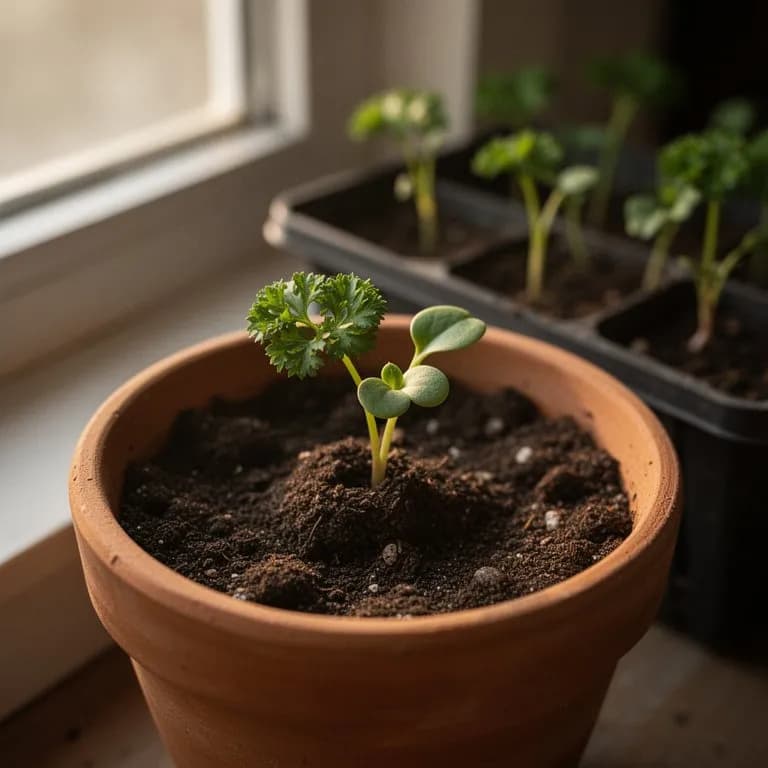
Las primeras hojas verdaderas aparecen como hojas pequeñas y ligeramente lobuladas, muy distintas del follaje rizado maduro. Las hojas sucesivas se van dividiendo progresivamente y empiezan a mostrar el característico rizamiento y ondulado de la variedad rizada. El crecimiento es lento durante esta fase, ya que la planta invierte gran parte de su energía en desarrollar una raíz pivotante profunda y robusta que la sustentará durante dos temporadas de crecimiento.
Formación de la roseta
La planta desarrolla su característico hábito de crecimiento en roseta, produciendo un denso verticilo de hojas profundamente divididas y fuertemente rizadas desde una corona central. La raíz pivotante se profundiza y engruesa, almacenando reservas de energía. La producción de hojas se acelera a medida que el sistema radicular se establece, y la planta comienza a adoptar la forma compacta y redondeada característica del perejil rizado — alcanzando típicamente 20-30 cm de altura y diámetro.
Producción madura
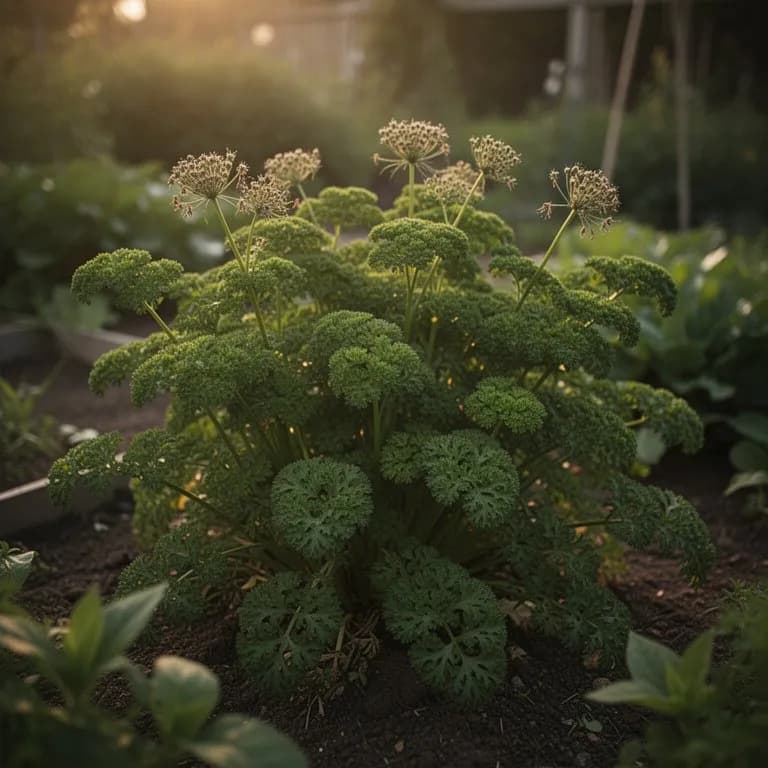
La planta alcanza su madurez plena con un montículo exuberante y denso de follaje verde oscuro fuertemente rizado. La producción de hojas se vuelve rápida y sostenida, con nuevos tallos emergiendo continuamente desde la corona central para reemplazar los cosechados. La raíz pivotante profunda permite a la planta tolerar breves períodos de sequía y acceder a nutrientes desde zonas profundas del suelo. En climas suaves, la producción continúa durante el otoño e invierno con cierta ralentización en los meses más fríos.
Espigado y floración (segundo año)
Al ser bienal, el perejil entra en su fase reproductiva en la segunda temporada de crecimiento. La corona central se alarga rápidamente en un tallo floral alto y ramificado que alcanza 60-90 cm, coronado por inflorescencias en umbela compuesta con diminutas flores amarillo-verdosas. Las hojas se vuelven más escasas y desarrollan un sabor más intenso, a veces amargo. Las flores atraen una amplia variedad de insectos beneficiosos, incluyendo sírfidos, avispas parasitoides y mariquitas. Tras la polinización, se desarrollan pequeñas semillas acanaladas que maduran hasta ponerse marrones.
Remoje las semillas en agua tibia durante 12-24 horas antes de plantar para acelerar la germinación. Siembre a 5-8 mm de profundidad y mantenga el sustrato uniformemente húmedo — no deje que la superficie se seque durante el largo período de germinación. Cubrir las bandejas con una cúpula de humedad o papel de periódico húmedo ayuda a mantener la humedad. Tenga paciencia; la germinación puede tardar hasta 4 semanas.
Cuidar Perejil Rizado mes a mes
Qué hacer cada mes para tu Perejil Rizado
Octubre
Mes actualCoseche abundantemente antes de la primera helada intensa si se encuentra en un clima frío. Aplique una gruesa capa de paja o mantillo de hojas alrededor de las plantas para aislar la corona durante la invernada. En zonas de clima suave (zona 7+), el perejil sigue produciendo bien hasta bien entrado el otoño con escasa protección. En maceta, traslade una o dos plantas al interior para cultivarlas en el alféizar durante el invierno.
Ten claro qué hacer en tu huerto, cada mes
Un correo al empezar cada mes: qué sembrar, plantar y hacer ahora mismo — para tu Perejil Rizado y todo lo que crece alrededor. Más un breve curso inicial para esquivar los errores clásicos.
- Qué hacer ahora mismo
- Ajustado a tu temporada
- Curso inicial incluido
Cosechar Perejil Rizado
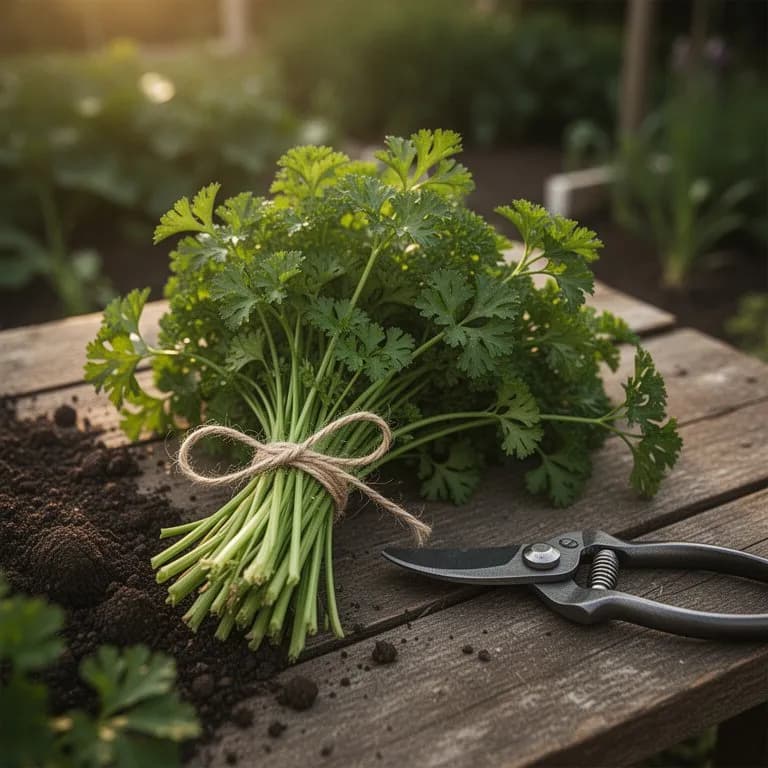
Coseche el perejil rizado cortando los tallos exteriores por la base cuando las plantas tengan al menos tres segmentos de hoja por tallo. Las hojas fuertemente rizadas acumulan menos tierra que las variedades planas, lo que facilita obtener cosechas más limpias. Corte regularmente desde el exterior de la planta para estimular el crecimiento nuevo desde el centro. Para guarniciones, coseche justo antes del uso a fin de conservar el aspecto crujiente y decorativo. El perejil rizado es más resistente a los cortes repetidos que el de hoja plana y se recupera rápidamente tras una cosecha abundante.
se supone que plantas al comenzar el periodo — indica tu fecha real
Cosecha Perejil Rizado a tiempo y la planta sigue produciendo.
Almacenamiento y conservación
El perejil rizado se conserva bien envuelto en papel de cocina húmedo dentro de una bolsa de plástico en el refrigerador hasta tres semanas, más tiempo que el de hoja plana gracias a su estructura foliar más robusta. Para congelar, extienda ramitas enteras sobre una bandeja de horno, luego páselas a bolsas para congelador. La textura rizada no se mantiene tan bien al descongelar, por lo que el perejil rizado congelado es más adecuado para platos cocinados. Séquelo en un deshidratador a 35 °C o séquelo al aire colgando manojitos boca abajo en un lugar cálido y ventilado.
Qué falla — y cómo solucionarlo
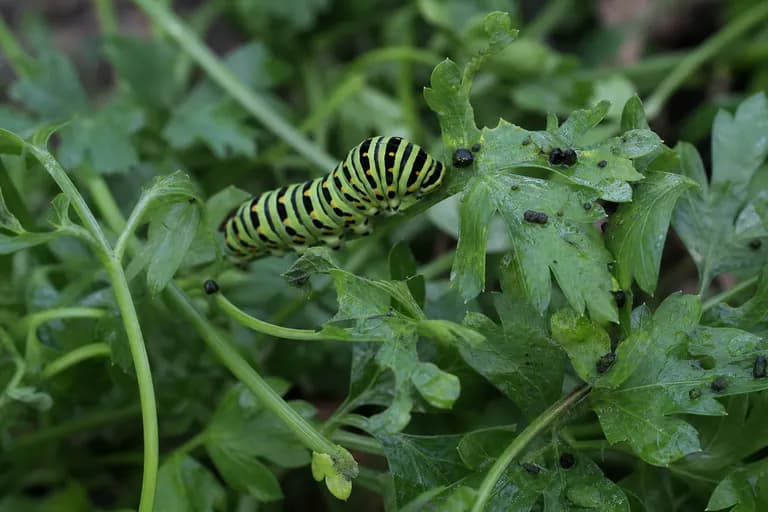
Oruga del perejil (Mariposa cola de golondrina negra)
PlagaOrugas rayadas de verde, negro y amarillo que consumen las hojas; excrementos visibles.
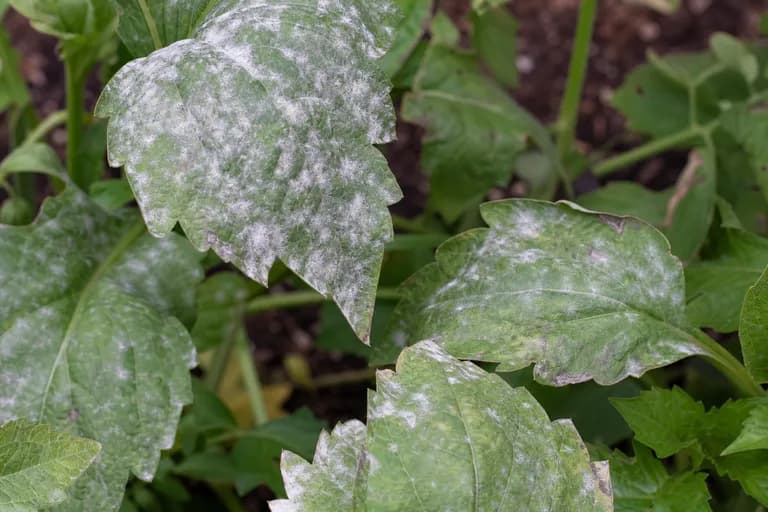
Oídio
EnfermedadRecubrimiento blanquecino polvoriento en la superficie de las hojas, crecimiento deformado, amarillamiento y caída de hojas.
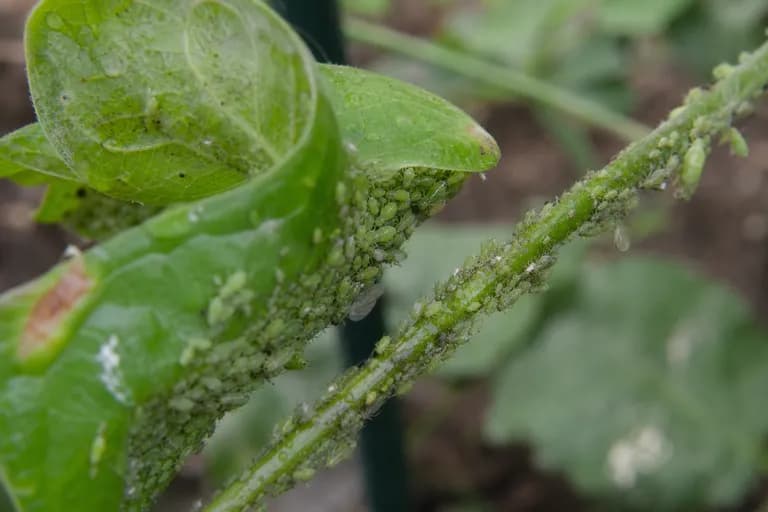
Pulgones
PlagaGrupos de pequeños insectos verdes en los brotes nuevos y el envés de las hojas, residuos pegajosos de melaza y hojas enrolladas.
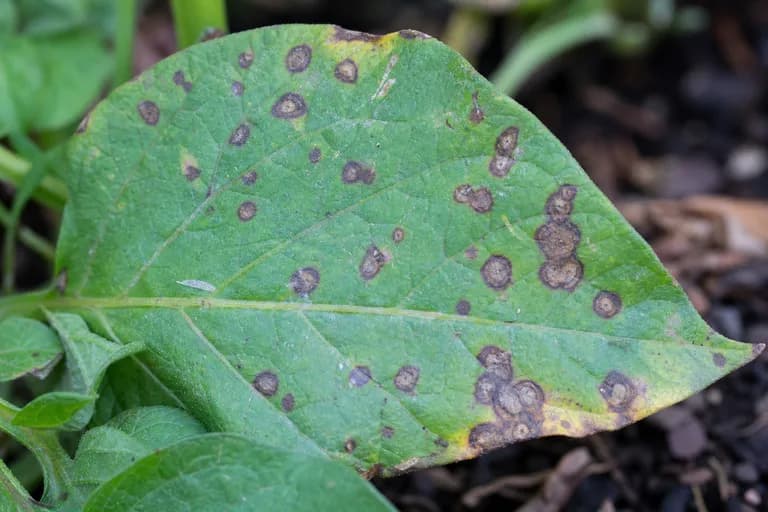
Mancha foliar
EnfermedadManchas marrón oscuro o negras en las hojas, especialmente en el follaje inferior, con progresivo amarillamiento y defoliación.
Solución de problemas comunes
El mayor desafío del perejil rizado es su germinación lenta e irregular. Remojar las semillas y regar por capilaridad de forma constante ayuda a superar este problema. Las hojas rizadas pueden retener humedad y favorecer problemas fúngicos en climas húmedos, por lo que es importante asegurar un espaciado adecuado para la ventilación. Las plantas pueden parecer atrofiadas si se cultivan en suelos arcillosos pesados sin enmendar. El espigado en el segundo año es natural, pero el espigado en el primer año indica estrés por calor o perturbación de las raíces. Las hojas pálidas suelen indicar deficiencia de nitrógeno.
Consejos de cultivo
- Remoje las semillas de perejil en agua tibia durante 12-24 horas antes de plantar para eliminar los compuestos inhibidores de la germinación presentes en la cubierta seminal. Algunos horticultores vierten agua hirviendo sobre las semillas y las dejan en remojo durante la noche — esto puede reducir el tiempo de germinación de 4 semanas a 10-14 días.
- Inicie las semillas en interior 8-10 semanas antes de la fecha de la última helada para adelantarse al largo período de germinación y establecimiento. Trasplante las plántulas al exterior tras la aclimatación, una vez que las temperaturas nocturnas se mantengan fiablemente por encima de -2 °C.
- Plante en suelo rico y con retención de humedad enmendado con abundante compost. El perejil tiene una raíz pivotante profunda y prefiere condiciones uniformemente húmedas pero bien drenadas. Los suelos arenosos se secan demasiado rápido; enmiéndelos con materia orgánica para mejorar la retención de agua.
- Elija una ubicación con sol pleno a sombra parcial. En climas calurosos (zonas 9+), la sombra de tarde previene el estrés y retrasa el espigado. En zonas más frías, el sol pleno produce el crecimiento más vigoroso y el follaje más oscuro y sabroso.
- Coseche cortando los tallos exteriores por la base de la planta, dejando la corona interior para que continúe produciendo nuevo crecimiento. Nunca coseche más de un tercio de la planta a la vez. Este método de corta y vuelve a brotar mantiene la planta productiva durante meses.
- Abone con regularidad con un fertilizante rico en nitrógeno o té de compost cada 3-4 semanas para mantener la producción continua de hojas. El perejil es un consumidor moderado que responde bien a una nutrición constante — las hojas inferiores amarillentas a menudo indican la necesidad de más nitrógeno.
- Cultive el perejil en macetas de al menos 20 cm de profundidad para acomodar su larga raíz pivotante. Use un sustrato de calidad y asegúrese de que los agujeros de drenaje sean adecuados. El perejil en maceta necesita riego y abonado más frecuentes que las plantas cultivadas en jardín.
- Plante el perejil como compañero de tomates, espárragos y rosales — se cree que mejora el vigor y el sabor de las plantas vecinas. Evite plantar cerca de la lechuga y otros miembros de la familia Apiaceae como zanahorias, eneldo y apio para reducir la presión compartida de plagas y enfermedades.
- Proteja las plantas que invernan con una gruesa capa de paja o mantillo de hojas sobre la corona antes de la primera helada intensa. En las zonas 5-7, el perejil inverna de forma fiable con protección de mantillo y retoma el crecimiento a principios de primavera antes de espigar a finales de la misma.
- Si aparecen orugas del perejil (larvas de la mariposa cola de golondrina negra), considere reubicarlas en una planta de eneldo o hinojo sacrificial en lugar de eliminarlas. Estas llamativas orugas se convierten en hermosas mariposas autóctonas y rara vez causan daños graves a plantas de perejil establecidas.
Cultiva tu mejor Perejil Rizado — y todo lo que la rodea.
Empieza un plan gratis hoy. Diseña tus bancales, coloca tu Perejil Rizado y deja que PlotMyGarden gestione el momento, el espaciado, las asociaciones y los recordatorios de la semilla a la cesta.
Elige tu Perejil Rizado
Forest Green
Una variedad vigorosa con hojas muy densamente rizadas de color verde intenso. Excelente tolerancia al frío y rebrote potente tras la cosecha.
Moss Curled
Un clásico de herencia con follaje densamente rizado de aspecto musgoso. Su hábito de crecimiento compacto lo hace ideal para bordes y macetas.
Extra Curled Dwarf
Una variedad ultracompacta perfecta para cultivar en alféizares y recipientes pequeños. Hojas muy finamente rizadas con sabor suave.
Darki
Una variedad europea con hojas excepcionalmente oscuras y finamente rizadas. Su alto contenido en aceites esenciales le otorga más sabor que la mayoría de los tipos rizados.
El perejil rizado fresco se vende a 2-4 € por manojo pequeño (30-50 g) en supermercados, y los manojos ecológicos alcanzan los 3-5 € cada uno. Un hogar que usa perejil regularmente puede gastar fácilmente 100-200 € al año en manojos comprados. Un solo sobre de semillas de 2-3 € produce 50-100 plantas, y solo 4-6 plantas en un bancal o maceta suministrarán un año entero de perejil fresco valorado en 50-150 € a precio de venta. El ahorro se amplifica por el hecho de que el perejil cultivado en casa, cosechado momentos antes de su uso, tiene un sabor y contenido nutricional enormemente superior al comprado en tienda, que puede haber viajado miles de kilómetros y permanecido envasado durante días.
Recetas rápidas
Salsa chimichurri clásica
10 minUna vibrante salsa de hierbas argentina que pone al perejil en el centro de atención. El perejil rizado finamente picado se combina con ajo, orégano, vinagre de vino tinto y aceite de oliva para crear un condimento atrevido y ácido que realza las carnes a la parrilla, las verduras asadas y el pan crujiente. Es mejor prepararla fresca y consumirla en pocos días.
7 ingredientesEnsalada tabulé
20 minLa quintaesencial ensalada de hierbas de Oriente Medio donde el perejil es el ingrediente protagonista, no una guarnición. Grandes cantidades de perejil rizado finamente picado se mezclan con bulgur, tomates frescos, menta, zumo de limón y aceite de oliva para una ensalada refrescante y rica en nutrientes que mejora a medida que macera.
8 ingredientesPesto de perejil con nueces
10 minUna variación fresca del pesto tradicional de albahaca usando perejil rizado y nueces tostadas. Esta salsa herbácea y brillante es más suave que el pesto de albahaca, lo que la hace maravillosamente versátil — mézclela con pasta, úntela en sándwiches, incorpórela a sopas o úsela como dip para verduras frescas y pan crujiente.
7 ingredientesUsos culinarios
El perejil rizado es la hierba de guarnición clásica por excelencia, que aporta atractivo visual a cualquier plato. Su sabor más suave y menos amargo en comparación con el perejil de hoja plana lo hace ideal para preparaciones en fresco como ensaladas, huevos rellenos y platos de patata. Úselo como base para bandejas de aperitivos o mézclelo en mantequillas compuestas. El perejil rizado brilla en el tabulé cuando se desea un sabor herbáceo menos intenso y aporta un agradable toque crujiente a rellenos de sándwiches.
Qué contiene
Beneficios para la salud
- Una de las fuentes alimentarias más ricas en vitamina K del planeta, con 100 g de perejil fresco aportando más del 1300 % del valor diario — fundamental para la regulación de la coagulación sanguínea, la mineralización ósea y, según las investigaciones emergentes, la salud cardiovascular.
- Excepcionalmente alto en vitamina C (148 % VD por 100 g), lo que convierte el consumo habitual de perejil en un contribuidor significativo a las defensas inmunitarias, la síntesis de colágeno y la mejora de la absorción del hierro vegetal en la misma comida.
- Contiene altas concentraciones del flavonoide apigenina, que estudios de laboratorio han demostrado que posee propiedades antiinflamatorias, antioxidantes y potencialmente antitumorales significativas — uno de los compuestos vegetales más prometedores bajo investigación activa.
- Rico en miricetina, otro poderoso antioxidante flavonoide que según las investigaciones puede ayudar a regular los niveles de azúcar en sangre y reducir la resistencia a la insulina, convirtiendo al perejil en un complemento dietético beneficioso para la salud metabólica.
- Los compuestos de aceites esenciales del perejil, incluidos la miristicina y el apiol, se han utilizado tradicionalmente para apoyar la función renal y actuar como suave diurético natural, contribuyendo a reducir la retención de líquidos y a favorecer la salud del tracto urinario.
- Aporta betacaroteno sustancial (precursor de vitamina A) con el 168 % VD por 100 g, favoreciendo una visión sana, la integridad de la piel y la función inmunitaria — el intenso color verde de las hojas de perejil refleja su contenido excepcionalmente alto en carotenoides y clorofila.
De dónde viene Perejil Rizado
El perejil rizado (Petroselinum crispum var. crispum) pertenece a la familia Apiaceae y traza sus orígenes en la región central y oriental del Mediterráneo, con ancestros silvestres que crecen en laderas rocosas y acantilados costeros de todo el sur de Italia, Grecia, Cerdeña y la cuenca mediterránea oriental en sentido amplio. Las evidencias arqueológicas y literarias indican que el perejil fue reconocido por las civilizaciones antiguas no como alimento, sino como planta ceremonial y medicinal, con registros de su uso que se remontan a más de 2000 años.
Los griegos antiguos tenían al perejil en gran estima, asociándolo con la muerte y el más allá. Tejían perejil en coronas fúnebres, decoraban tumbas con su follaje y coronaban a los vencedores en los juegos Nemeos e Ístmicos con guirnaldas de perejil — una tradición que precedía a las más famosas coronas de olivo y laurel. El nombre griego 'petroselinon', que significa 'apio de las rocas', refleja el hábitat natural de la planta en terrenos pedregosos mediterráneos y nos da el nombre botánico moderno Petroselinum. Los romanos fueron fundamentales en la transición del perejil de planta ceremonial a hierba culinaria, incorporándolo a salsas, ensaladas y platos cocinados a lo largo del Imperio en expansión.
Durante el período medieval, el perejil se extendió por Europa a través de los jardines de hierbas monásticos y se estableció firmemente en las cocinas de Francia, Alemania e Inglaterra. La variedad de hojas rizadas que conocemos hoy en día fue probablemente seleccionada y desarrollada durante los períodos medieval y del Renacimiento temprano, ya que los jardineros europeos preferían su follaje ornamental y rizado sobre la forma de hoja plana — en parte por su atractivo decorativo y en parte porque las hojas rizadas ayudaban a distinguir el perejil comestible de la peligrosamente similar y tóxica cicuta venenosa y el falso perejil. Esta selección por las hojas rizadas representa uno de los primeros ejemplos de mejora de una hierba tanto por seguridad como por estética. Para los siglos XVI y XVII, el perejil rizado se había convertido en una de las hierbas más ampliamente cultivadas en los huertos domésticos europeos y fue llevado a las Américas, África y Asia por colonos y comerciantes, donde se estableció en las cocinas locales de todo el mundo.
Perejil Rizado: ¿sabías que?
Datos fascinantes sobre Perejil Rizado
El perejil rizado es tan rico en clorofila que masticar unos pocos tallos frescos es uno de los refrescantes naturales de aliento más eficaces — esta es la verdadera razón por la que originalmente se colocaba en los platos de los restaurantes como guarnición, no solo por decoración.
Perejil Rizado: preguntas frecuentes
¿Cuándo debo plantar Perejil Rizado?
¿Cuáles son buenas plantas acompañantes para Perejil Rizado?
¿En qué zonas de rusticidad puede crecer Perejil Rizado?
¿Cuánto sol necesita Perejil Rizado?
¿A qué distancia debo espaciar Perejil Rizado?
¿Qué plagas y enfermedades afectan a Perejil Rizado?
¿Cómo almaceno Perejil Rizado después de la cosecha?
¿Cuáles son las mejores variedades de Perejil Rizado para cultivar?
¿Qué suelo necesita Perejil Rizado?
¿Por qué mi perejil tarda tanto en germinar?
¿Cuál es la diferencia entre el perejil rizado y el perejil de hoja plana (italiano)?
¿Puedo cultivar perejil rizado en interior durante todo el año?
¿Por qué las hojas de mi perejil se están poniendo amarillas?
¿Cómo debo conservar el perejil para usarlo en invierno?
¿Es normal que el perejil florezca y muera en su segundo año?
Acabas de leer la teoría. Ahora cultívala en piloto automático.
Todo lo que hace que Perejil Rizado sea delicado — el momento, el espaciado, las asociaciones, la ventana de cosecha — es justo lo que PlotMyGarden resuelve por ti, para cada planta de tu huerto.
Un plan que conoce tu clima
Indica tu ubicación una vez. Recibe fechas de siembra, abonado y cosecha basadas en tu última helada real y el pronóstico en vivo — sin adivinar con un sobre genérico.
De la sección “Cuándo plantar”Planificador de bancales de arrastrar y soltar
Diseña bancales sobre una cuadrícula. Cada planta encaja con su espaciado correcto y ves toda la temporada antes de gastar un céntimo en semillas.
De la sección “Cultivo”Conflictos de asociación, detectados a tiempo
Más de 200 buenas y malas combinaciones comprobadas en vivo mientras plantas — para que un error que arruine la temporada nunca llegue a la tierra.
De la sección “Asociaciones”Recordatorios que sí vas a seguir
“Riega las judías.” “Recoge hoy antes de que se pase.” Oportunos, concretos y ligados a las plantas que de verdad cultivas.
De la sección “Cosecha”Escalonado, programado
¿Quieres cosechar seis semanas en vez de seis días? Reparte tus siembras automáticamente y te avisa cuando toca el siguiente lote.
De la sección “Cuándo plantar”Un registro que se vuelve más listo
Cada cosecha que registras le enseña tu huerto. El plan del año que viene parte de lo que de verdad funcionó en tu suelo, no en un manual.
De la sección “Resumen”Planta estos junto a Perejil Rizado
Más Hierbas culinarias
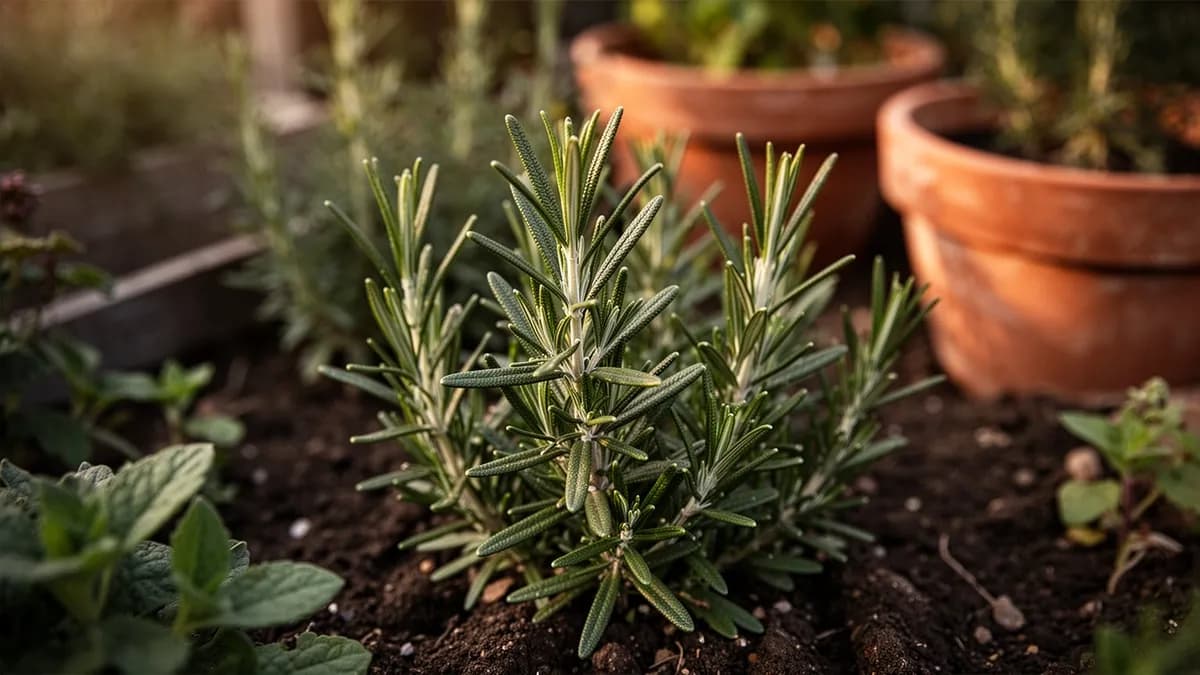
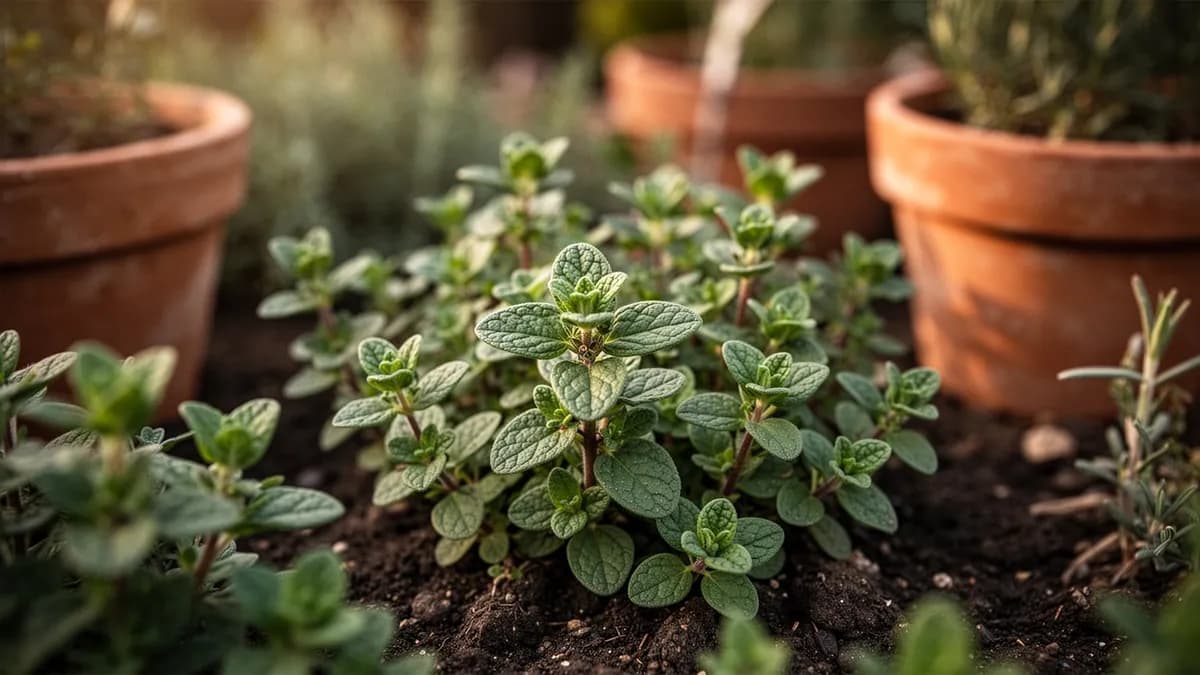
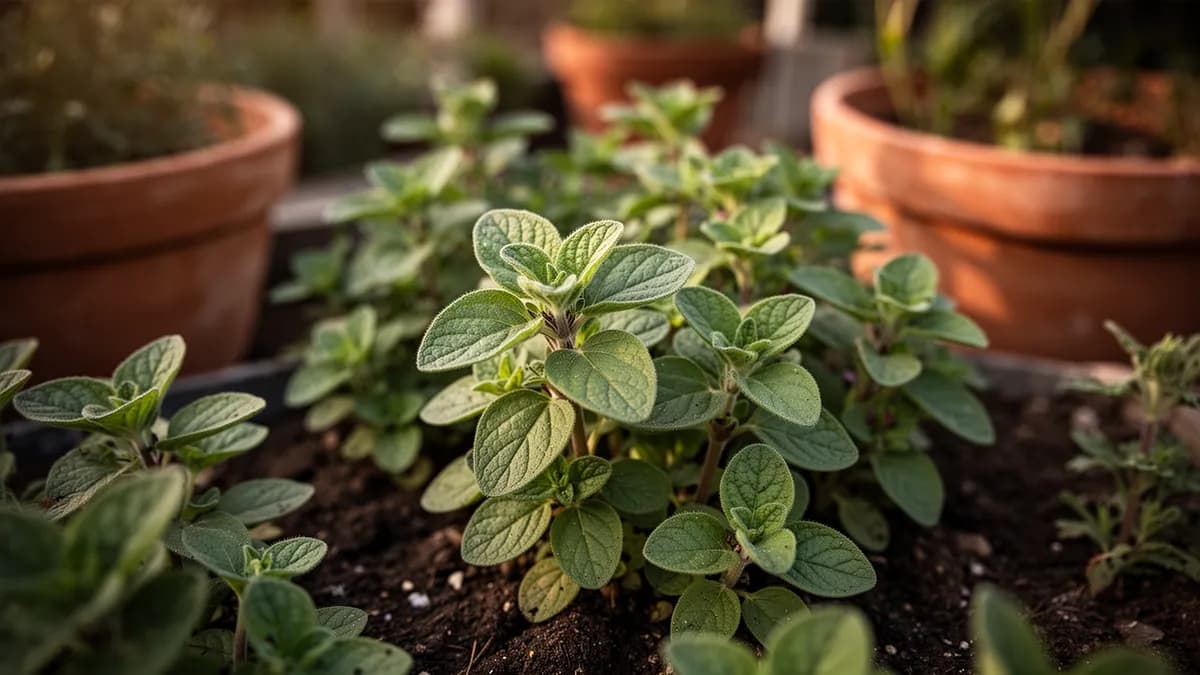
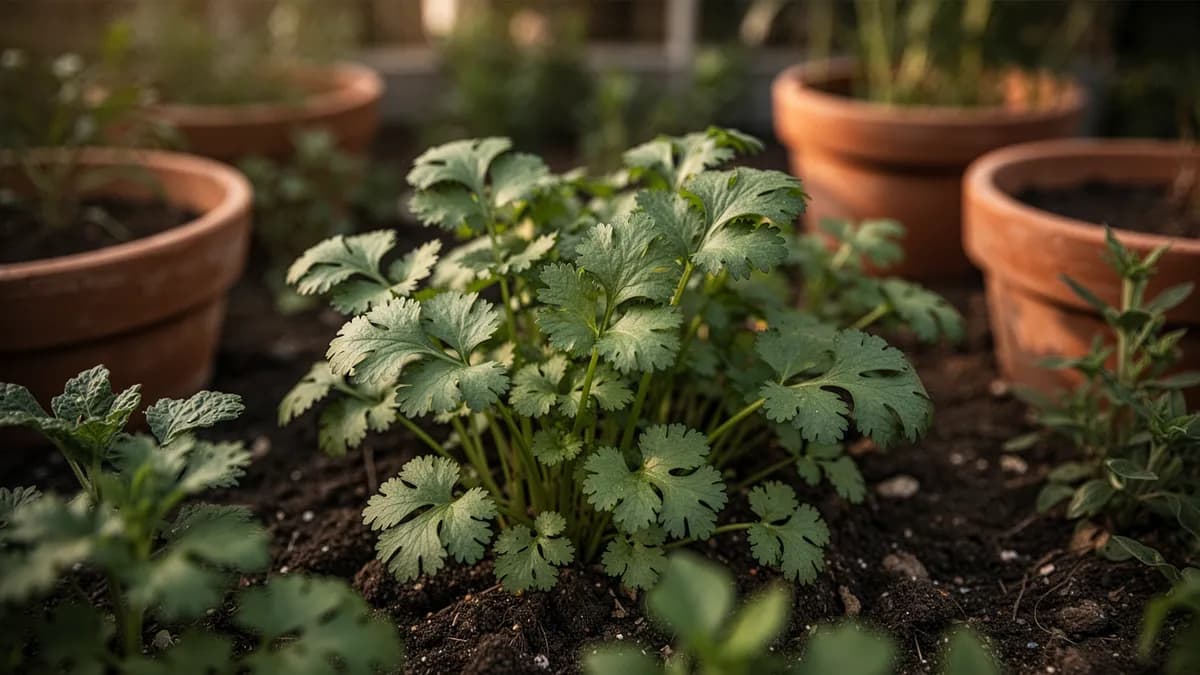
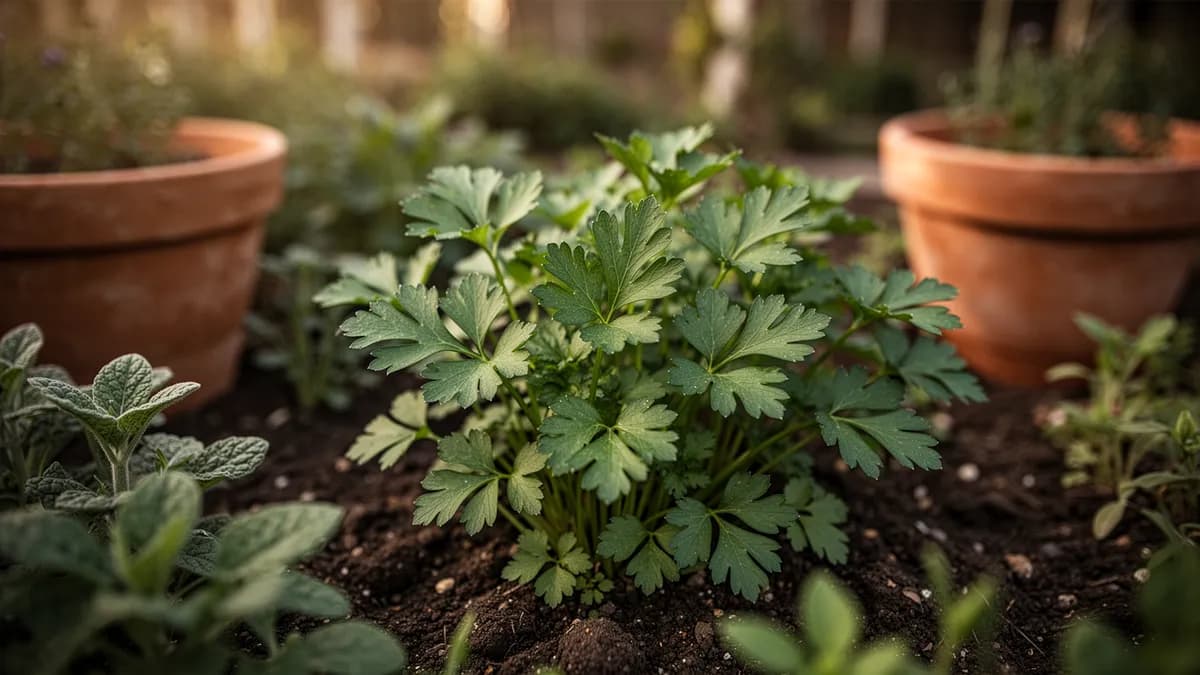
Mantén Perejil Rizado lejos de estos
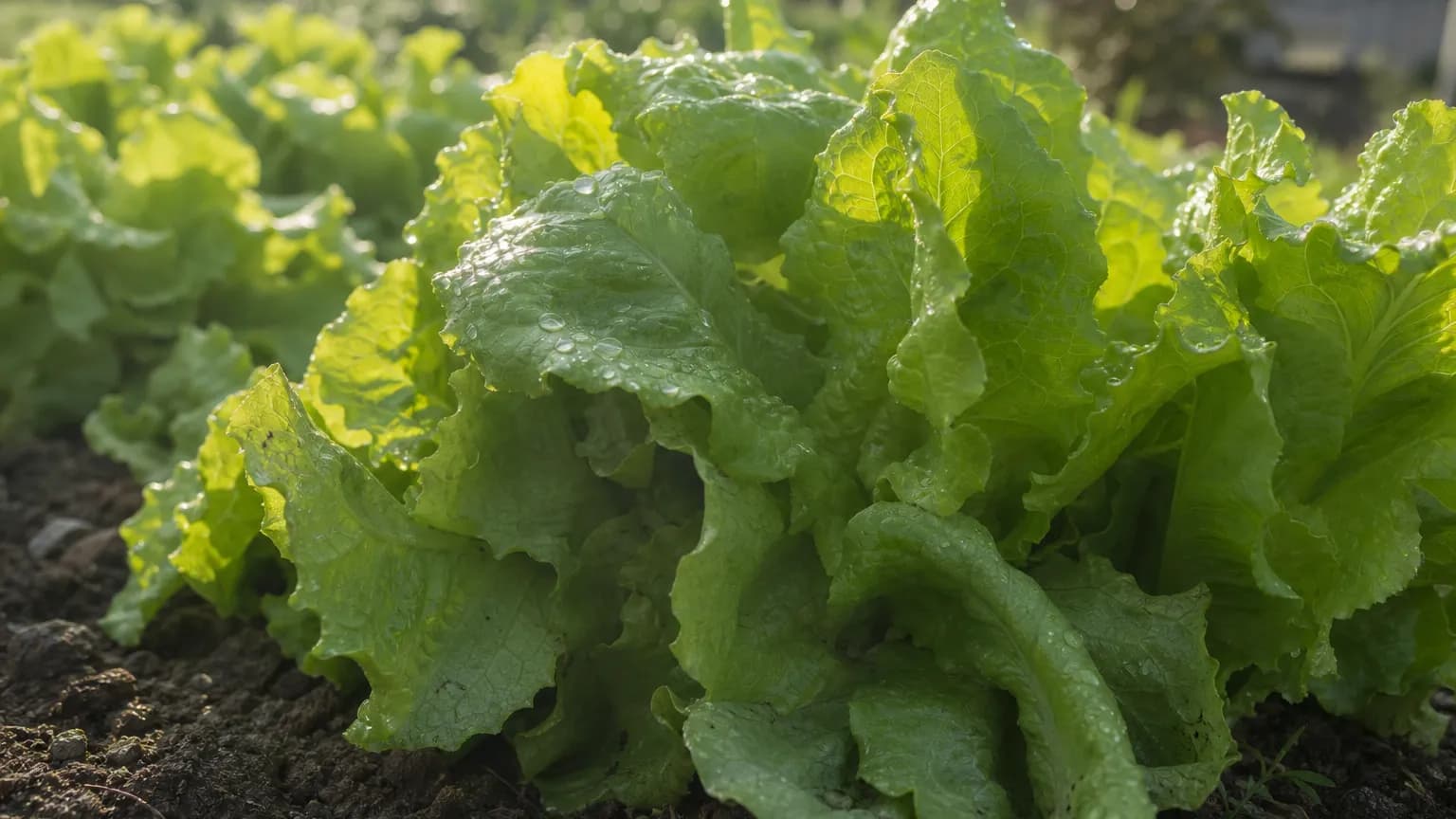
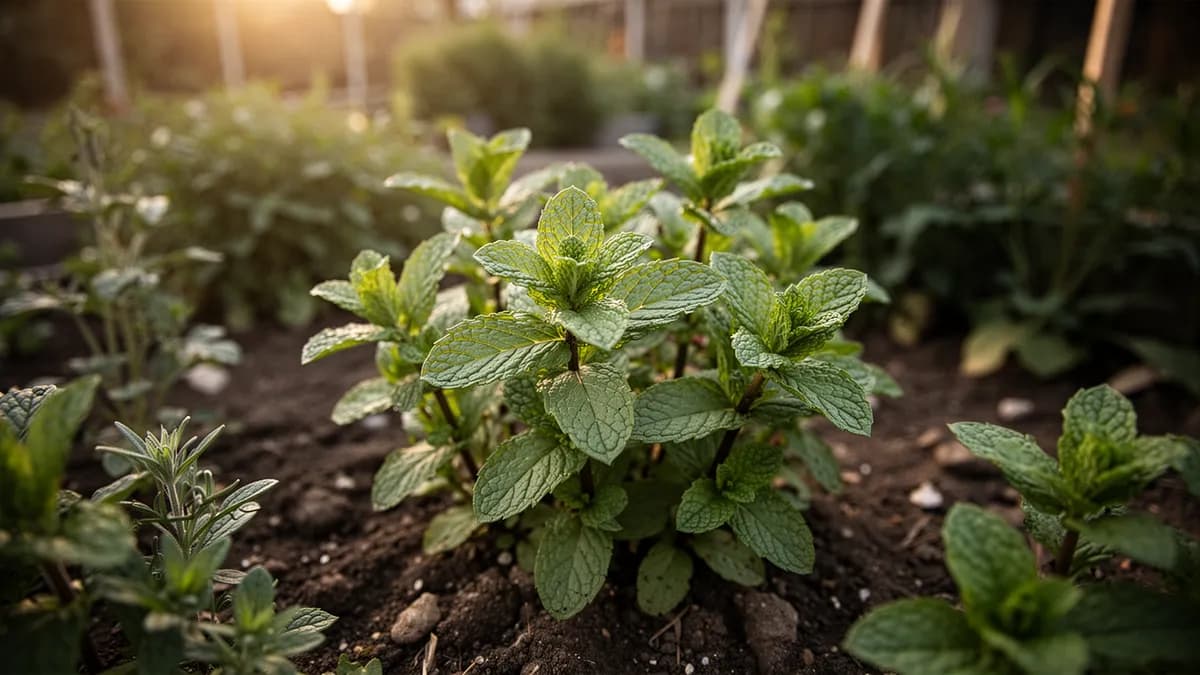
Cultiva tu mejor Perejil Rizado — y todo lo que la rodea.
Empieza un plan gratis hoy. Diseña tus bancales, coloca tu Perejil Rizado y deja que PlotMyGarden gestione el momento, el espaciado, las asociaciones y los recordatorios de la semilla a la cesta.