Komatsuna
Ein vielseitiger japanischer Senfkohl mit glänzenden, dunkelgrünen Blättern, der roh oder gekocht gegessen werden kann.





Auf dieser SeiteÜberblick
Komatsuna im Überblick
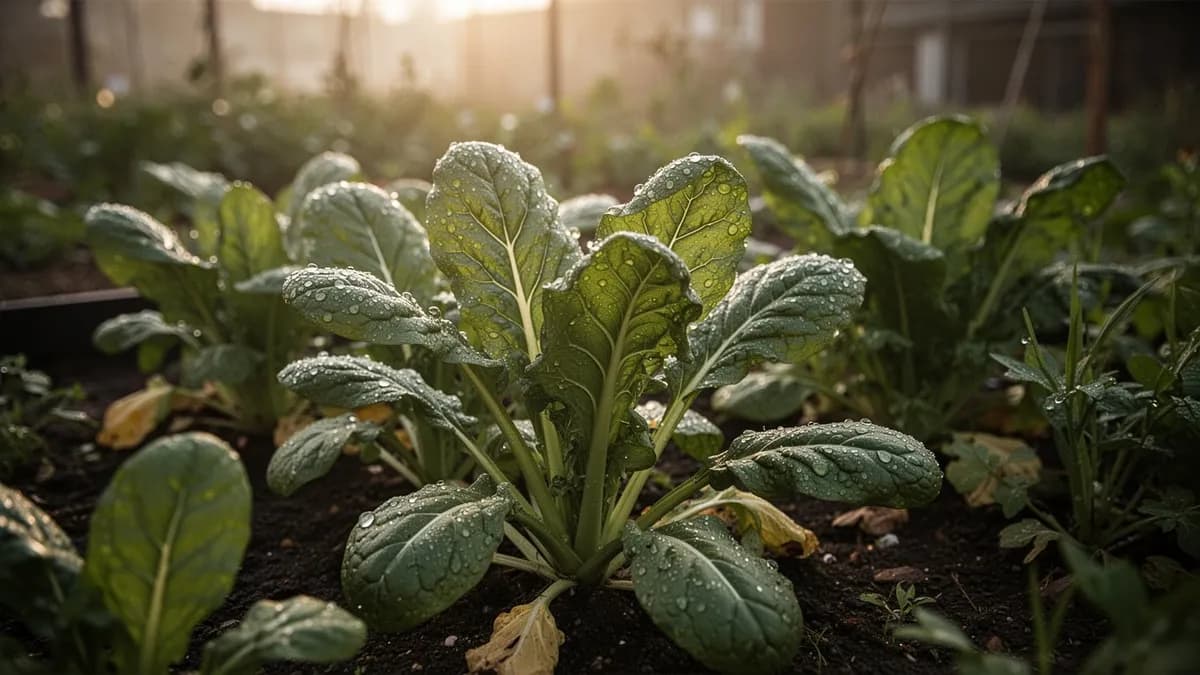
Ein vielseitiger japanischer Senfkohl mit glänzenden, dunkelgrünen Blättern, der roh oder gekocht gegessen werden kann. Der Geschmack ist im Vergleich zu anderen Kohlgewächsen mild und leicht süßlich, was ihn zu einem guten Ersatz für Spinat in jedem Rezept macht. Die Pflanzen sind bemerkenswert anpassungsfähig und vertragen sowohl Hitze als auch Kälte besser als die meisten Blattgemüse. Ernten Sie in jeder Größe vom Microgreen bis zur vollen Reife für verschiedene kulinarische Anwendungen.
Wann Komatsuna pflanzen
Direktsaat wird bevorzugt, da Komatsuna sich schnell etabliert und schnell wächst. Säen Sie einen Viertenzoll tief in Reihen vom frühen Frühling bis zum späten Herbst. Die Keimung dauert 3 bis 7 Tage bei 10 bis 27 Grad Celsius. Für die früheste Frühlingsernte beginnen Sie 3 bis 4 Wochen vor dem letzten Frost drinnen. Vereinzeln Sie Sämlinge auf 10 bis 15 cm Abstand für ausgewachsene Pflanzen oder pflanzen Sie dichter für Baby-Leaf-Produktion.
Dein Komatsuna-Jahr
Abgestimmt auf Zone 7 · typische Saison · Frost geht um den 2. Apr. und kehrt um den 1. Nov. zurück
Komatsuna Mär – Apr, Aug – Sep pflanzen, Mai – Jun, Okt – Nov ernten. Beachte die Pflanzmethoden unten und wähle dein Klima für passende Zeiträume.
So baust du Komatsuna an
Komatsuna, auch bekannt als japanischer Senfkohl, ist ein außergewöhnlich vielseitiges und leicht anzubauendes asiatisches Blattgemüse, das sowohl Hitze als auch Kälte besser verträgt als die meisten Blattgemüse. Säen Sie die Samen direkt einen Viertenzoll tief vom frühen Frühling bis zum späten Herbst aus, mit einem Abstand von 10 bis 15 cm in Reihen von 30 cm Abstand. Die Samen keimen schnell innerhalb von 3 bis 7 Tagen bei 10 bis 27 Grad Celsius.
Komatsuna wächst schnell und erreicht die erntereife Baby-Leaf-Größe in nur 20 bis 25 Tagen und die volle Reife in 35 bis 50 Tagen. Er verträgt leichten Frost bis etwa -4 Grad Celsius und produziert weiter bei Temperaturen, bei denen Salat schießen würde. Sorgen Sie für gleichmäßige Feuchtigkeit für die zartesten Blätter.
Säen Sie alle 2 bis 3 Wochen nach für eine ganzjährige Produktion. Komatsuna gedeiht gut in Behältern, Frühbeeten und unbeheizten Gewächshäusern während des Winters. Er ist eines der zuverlässigsten Blattgemüse für den ganzjährigen Anbau. Düngen Sie alle 2 Wochen leicht mit Stickstoffdünger für üppiges, schnelles Wachstum. Sowohl Baby-Blätter als auch ausgewachsene Pflanzen sind gleichermaßen köstlich.
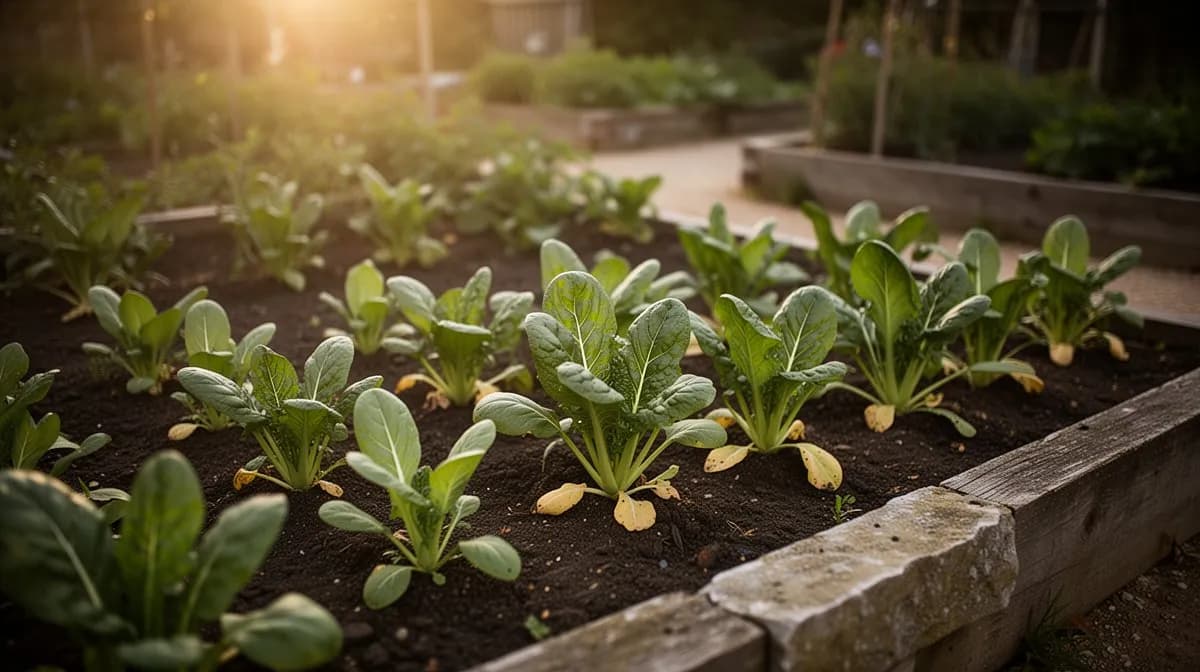
72 Pflanzen passen in ein Beet von 120 × 240 cm
Komatsuna braucht 20 cm Platz pro Pflanze. Der Planer hält diesen Abstand für dich ein — jede Pflanze, jedes Beet.
Die besten Nachbarn für Komatsuna
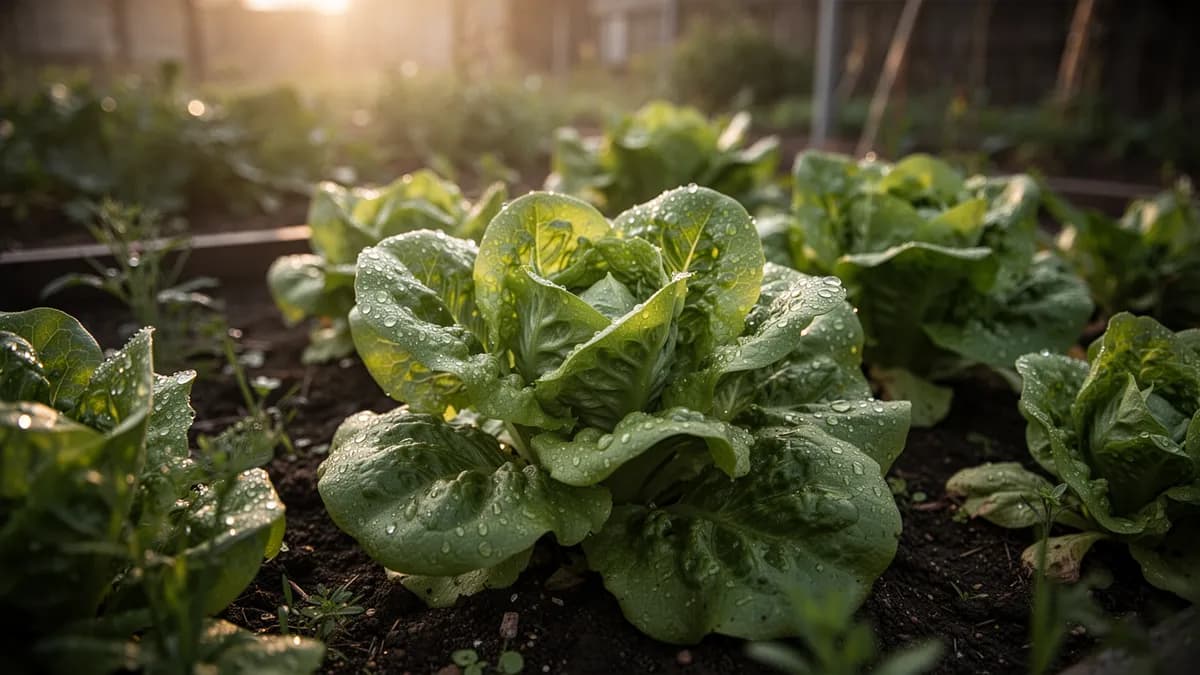
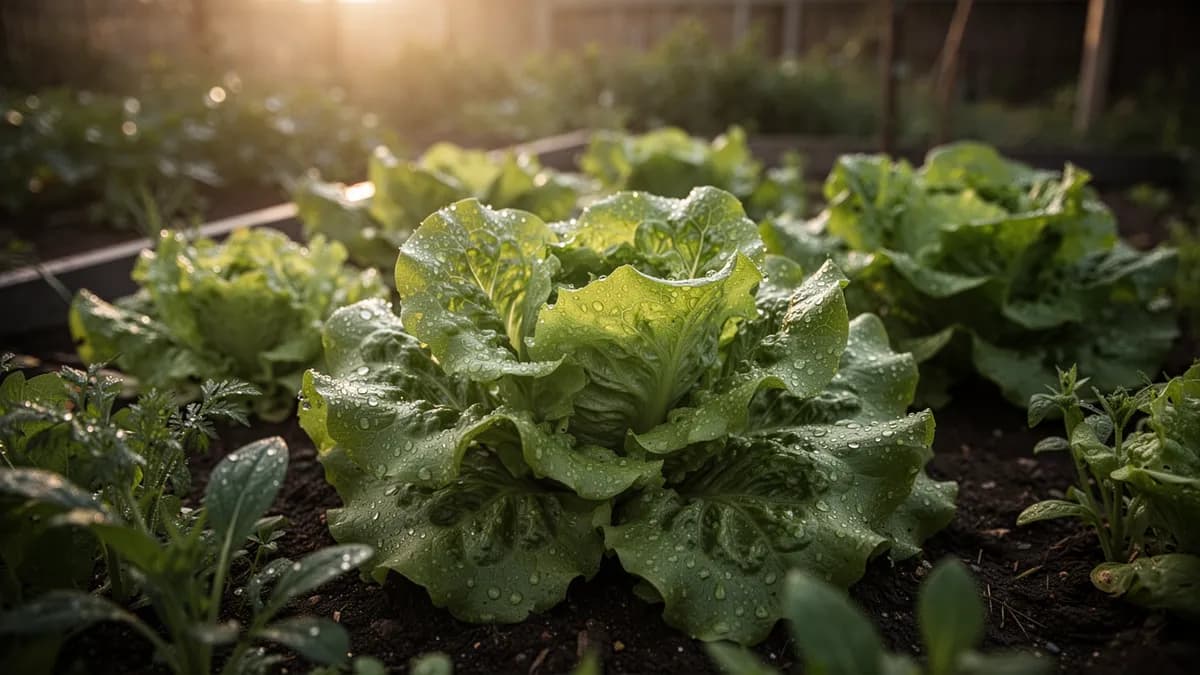
Komatsuna wächst gut neben Salat, Erbsen, Bohnen und Kräutern wie Koriander und Dill. Radieschen sind gute Begleitpflanzen und können geerntet werden, bevor Komatsuna den Platz benötigt. Vermeiden Sie das Pflanzen neben anderen Kohlgewächsen, um den gemeinsamen Schädlingsdruck zu reduzieren. Tagetes und Kapuzinerkresse helfen, Erdflöhe abzuschrecken und Nützlinge anzulocken.
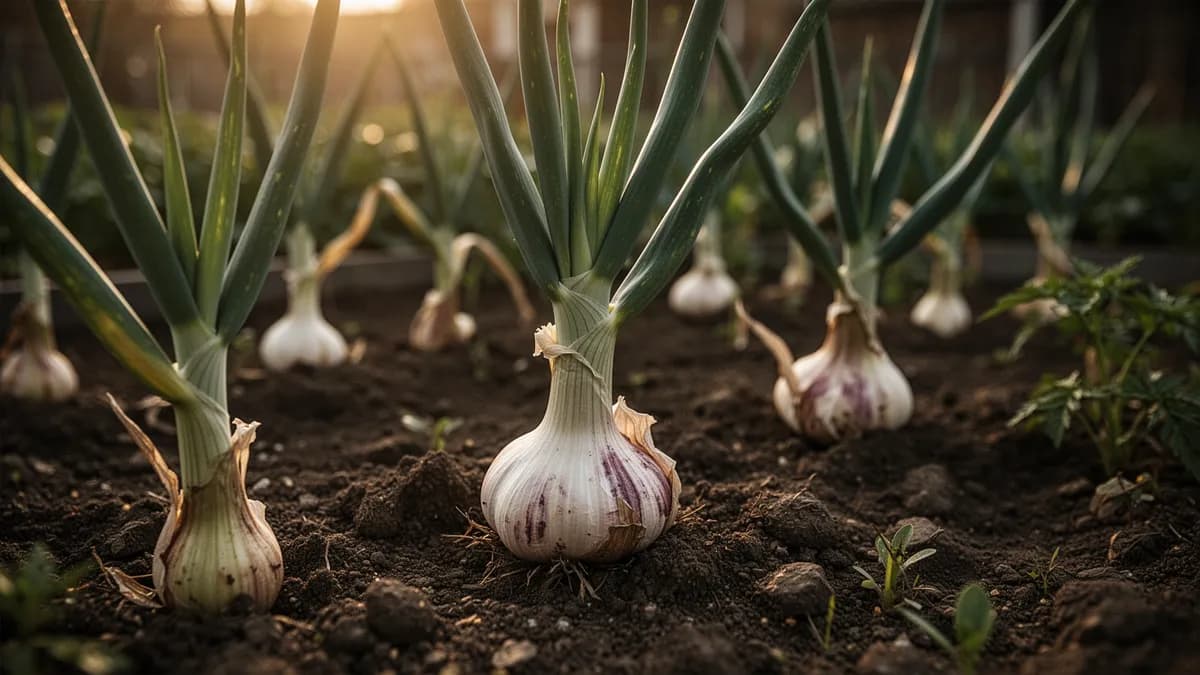
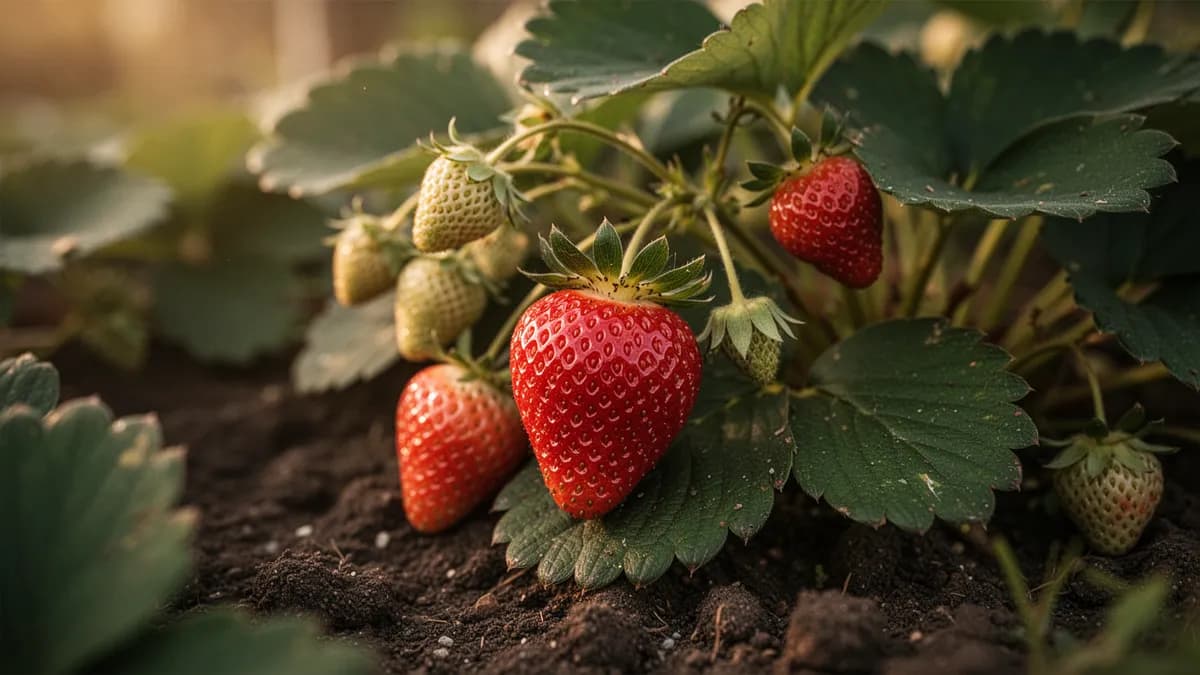
Knoblauch gehört daneben. Erdbeere nicht.
Altes Gärtnerwissen, geprüft an der echten Nachbartabelle von Komatsuna — teste jede Pflanze, die du anbaust.
Probiere Komatsuna direkt hier im Beet
Ein echtes Planer-Beet, Komatsuna steht schon drin. Tippe einen Begleiter an, platziere ihn und sieh, wie die Nachbarschaftsprüfung antwortet — grün für gute Nachbarn, rot bei Streit.


Passende Anbau-Ratgeber
Richtig düngen
Komatsuna gedeiht gut in jedem fruchtbaren, gut durchlässigen Boden mit einem pH-Wert zwischen 6,0 und 7,5. Arbeiten Sie vor der Aussaat Kompost ein für die produktivsten Pflanzen. Düngen Sie alle 2 Wochen mit stickstoffreichem Flüssigdünger für schnelles, zartes Wachstum. Komatsuna ist im Vergleich zu anderen Kohlgewächsen kein Starkzehrer, profitiert aber von gleichmäßiger Nährstoffversorgung für eine kontinuierliche Produktion.
Ideale Temperatur
Winterhärtezone-Kompatibilität
Von der Saat zur Ernte, Schritt für Schritt
Samenkeimung
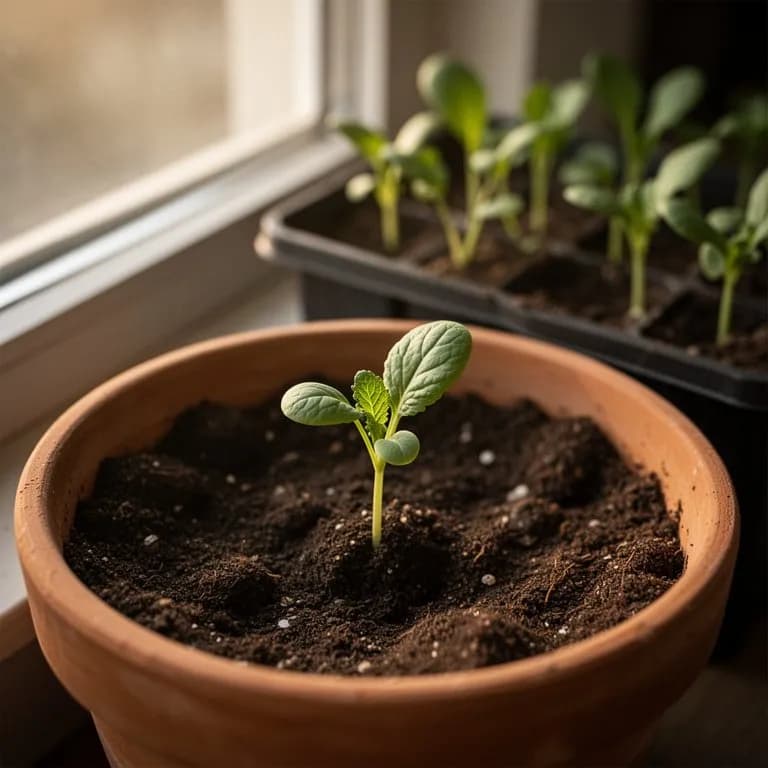
Kleine runde Kohlsamen keimen schnell in einem breiten Bereich von Bodentemperaturen und erscheinen oft innerhalb von 3–5 Tagen. Abgerundete Keimblätter erscheinen zuerst, blassgrün und fleischig. Komatsuna-Samen sind mäßig klein mit etwa 250–300 Samen pro Gramm, was sie leicht handhabbar und gleichmäßig aussäbar macht.
Sämlingsentwicklung
Echte Blätter entwickeln sich schnell und zeigen Komatsunas charakteristische breite, abgerundete Form mit glatten Rändern und einer leicht glänzenden Oberfläche. Anders als viele Senfkohlarten sind Komatsuna-Blätter von einem frühen Stadium an dick und saftig. Das Wurzelsystem etabliert sich schnell in lockerem, fruchtbarem Boden.
Rosettenbildung
Pflanzen bilden eine kompakte, aufrechte Rosette aus dicken, dunkelgrünen Blättern mit blassen, saftigen Stielen. Die Blätter verbreitern sich erheblich und entwickeln eine leichte Wachsschicht, die ihnen ein glänzendes Aussehen verleiht. Dies ist die Phase des maximalen vegetativen Wachstums und die produktivste Periode der Pflanze.
Reifes Erntestadium
Rosetten erreichen ihre volle Größe von 25–40 cm Höhe mit dicken, saftigen Stielen und breiten, dunkelgrünen Blättern. Dies ist das optimale Erntefenster für die Ganzpflanzenernte. Äußere Blätter können einzeln gepflückt werden, während das Zentrum weiterhin neues Wachstum produziert. Der Geschmack ist mild und süß mit einem sanften Senfunterton.
Schossen und Blüte
Wenn die Tageslänge zunimmt oder die Temperaturen steigen, streckt sich der zentrale Stängel und produziert Büschel kleiner gelber vierblättriger Blüten. Die Blätter werden zäher und entwickeln einen stärkeren Senfgeschmack. Blütenknospen und junge Blütenstängel sind immer noch essbar und haben einen angenehmen milden Kohlgeschmack, ähnlich wie Cima di Rapa.
Samenbildung und Abschluss
Blüten entwickeln sich zu schlanken Samenschoten (Schoten), die bei Reife trocknen und aufplatzen. Jede Schote enthält 8–15 kleine runde Samen. Die Pflanze wird holzig und faserig, da alle Energie in die Samenproduktion fließt. Komatsuna bestäubt sich frei mit anderen Brassica-rapa-Sorten, isolieren Sie daher Saatgutbestände, wenn Sortenreinheit wichtig ist.
Säen Sie die Samen 1 cm tief in feuchte, gut durchlässige Erde. Komatsuna keimt bei Bodentemperaturen von 8–30 °C, wobei 15–25 °C optimal ist. Halten Sie den Boden gleichmäßig feucht, aber nicht staunass, bis die Sämlinge etabliert sind.
Komatsuna Monat für Monat pflegen
Was du jeden Monat für deine Komatsuna tun solltest
Oktober
Aktueller MonatErnten Sie die im Herbst gesäten Kulturen bei voller Rosettengröße für den besten Geschmack des Jahres. Kühle Nächte und kürzere Tage intensivieren die Süße. Installieren Sie Vliesabdeckungen oder Frühbeete, um die Ernteperiode weit in den Winter hinein zu verlängern. Setzen Sie späte Aussaaten in milden Zonen fort.
Immer wissen, was jetzt im Garten zu tun ist
Eine E-Mail zum Monatsanfang: was du jetzt säen, pflanzen und anpacken solltest — für deine Komatsuna und alles, was drumherum wächst. Dazu ein kurzer Startkurs, der dich vor den klassischen Fehlern bewahrt.
- Was jetzt zu tun ist
- Passend zu deiner Saison
- Startkurs inklusive
Komatsuna ernten
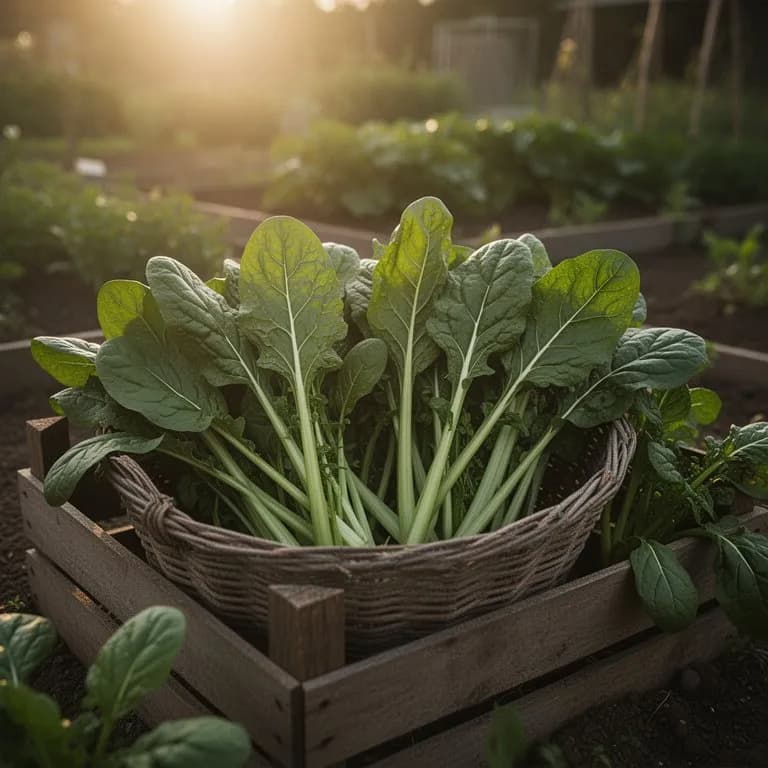
Ernten Sie Komatsuna in jeder Größe, von Baby-Leaf bei 5 bis 8 cm bis zu ausgewachsenen Pflanzen von 25 bis 30 cm Höhe. Für Baby-Greens schneiden Sie ganze Pflanzen mit einer Schere knapp über dem Boden für Nachwachsen ab. Bei ausgewachsenen Pflanzen ernten Sie die äußeren Blätter einzeln oder schneiden Sie die ganze Rosette ab. Komatsuna wird wie ein vielseitigerer Spinat geerntet, der nicht schnell schießt. Die Ernte am Morgen sorgt für maximale Knackigkeit.
angenommen, du pflanzt zu Beginn des Zeitraums — trage dein tatsächliches Datum ein
Ernte Komatsuna zügig, dann trägt die Pflanze weiter.
Lagerung & Konservierung
Frischer Komatsuna hält sich bis zu 1 Woche im Kühlschrank in einem verschlossenen Beutel mit einem feuchten Papiertuch. Zum Einfrieren blanchieren Sie die Blätter 1 Minute, schrecken Sie sie in Eiswasser ab, drücken Sie überschüssiges Wasser aus und frieren Sie sie portionsweise ein. Komatsuna kann auf japanische Art mit Salz und Chili eingelegt werden. Er eignet sich auch gut getrocknet und eingeweicht für Suppen und Eintöpfe.
Was schiefgeht — und die Lösung
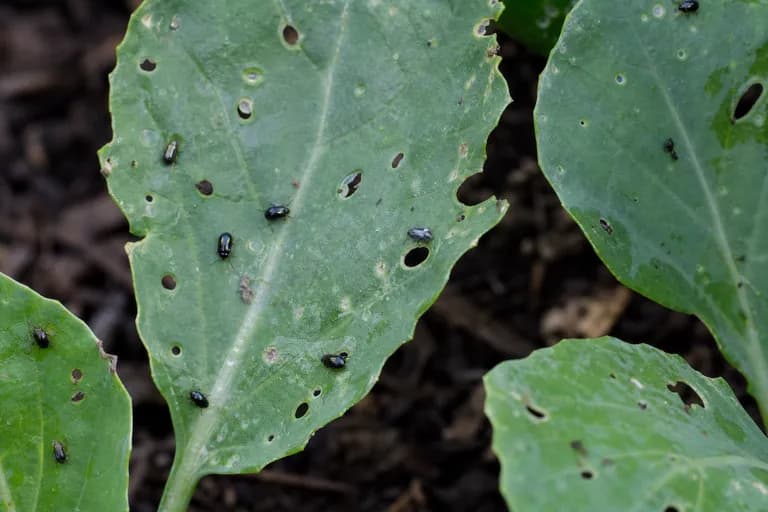
Erdflöhe
SchädlingKleine runde Löcher, die die Blätter durchsetzen, besonders problematisch bei jungen Sämlingen bei warmem Wetter.
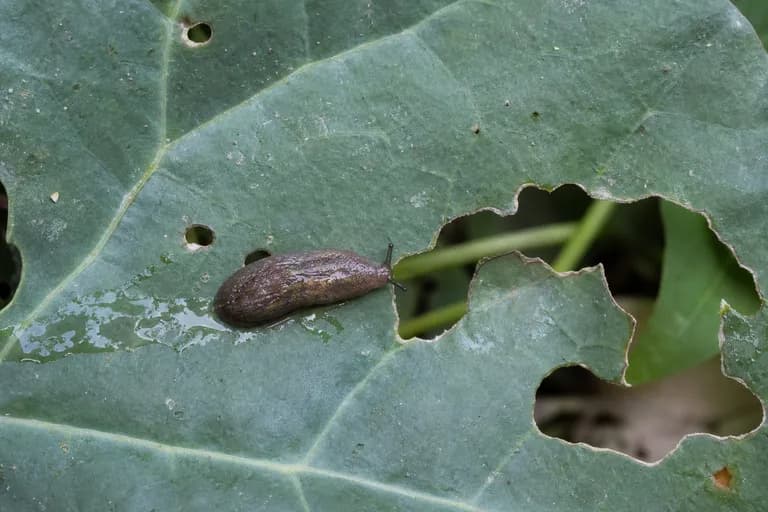
Schnecken
SchädlingUnregelmäßige Löcher in Blättern und Schleimspuren, Schäden am schlimmsten bei kühlen, feuchten Bedingungen.
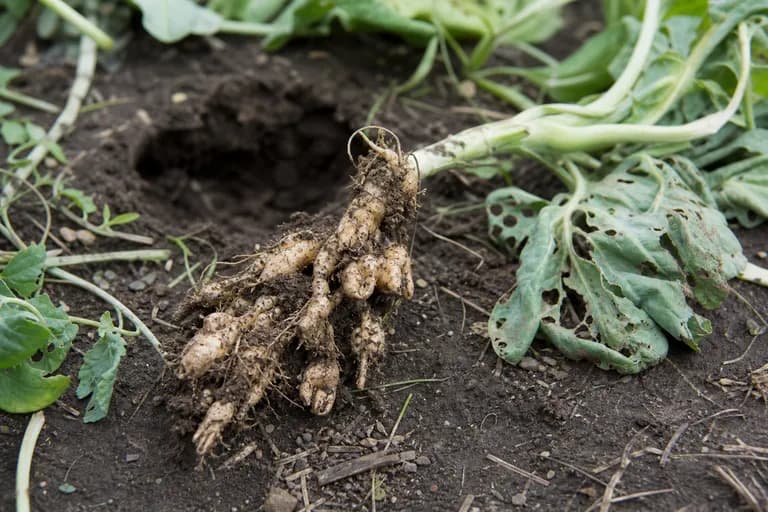
Kohlhernie
KrankheitWelken bei warmem Wetter, verkümmertes Wachstum und geschwollene, missgebildete Wurzeln.
Fehlerbehebung bei häufigen Problemen
Erdflöhe sind der hartnäckigste Schädling, besonders bei jungen Sämlingen bei warmem Wetter. Obwohl Komatsuna sehr schossresistent ist, kann extreme Hitze in Kombination mit Trockenheit das Blühen auslösen. Kohlhernie befällt Komatsuna wie alle Kohlgewächse, besonders in saurem Boden. Zu dichtes Pflanzen führt zu langgestreckten, spargelig wachsenden Pflanzen mit verminderter Blattqualität.
Anbautipps
- Säen Sie alle 2–3 Wochen vom frühen Frühling bis zum späten Herbst nach für eine ununterbrochene Versorgung. Komatsuna reift in 35–50 Tagen und kann in milden Klimazonen 5–7 aufeinanderfolgende Ernten pro Jahr liefern, wodurch Ihre Ernte auf minimaler Gartenfläche maximiert wird.
- Komatsuna eignet sich hervorragend als Schnitt-und-Nachwuchs-Kultur – ernten Sie äußere Blätter, wenn sie 15–20 cm Höhe erreichen, und lassen Sie das wachsende Zentrum intakt. Eine einzelne Pflanzung kann mit dieser Methode über 4–6 Wochen 3–4 Ernten liefern, was die produktive Lebensdauer jeder Aussaat erheblich verlängert.
- Nutzen Sie Komatsunas außergewöhnliche Kältetoleranz, indem Sie ihn im Winter unter einfacher Vliesabdeckung oder in einem unbeheizten Frühbeet anbauen. Etablierte Pflanzen überstehen bis -6 °C, und Frosteinwirkung versüßt tatsächlich den Geschmack, da die Pflanze Stärke zum Kälteschutz in Zucker umwandelt.
- Für Baby-Leaf-Salat-Ernten säen Sie Samen dicht bei 2–3 cm Abstand und ernten Sie, wenn die Blätter bei etwa 20–25 Tagen 10–12 cm groß sind. Baby-Komatsuna-Blätter sind zart, mild und ein ausgezeichnetes Salatgrün, das sogar Kindern schmeckt.
- Komatsuna verträgt milde Sommerhitze besser als die meisten asiatischen Blattgemüse, aber bieten Sie Nachmittagsschatten und gleichmäßige Bewässerung, wenn die Temperaturen 27 °C überschreiten. Ein Schattiergewebe mit 30–40 % Dichte über dem Beet verlängert die Anbausaison durch wärmere Monate.
- Erdflöhe sind der Hauptschädling – ihre winzigen Löcher in den Blättern können junge Sämlinge verwüsten. Decken Sie frisch gesäte Beete sofort nach der Pflanzung mit feinem Insektennetz (0,8 mm oder kleiner) ab und belassen Sie es, bis die Pflanzen gut etabliert sind und mindestens 6–8 echte Blätter haben.
- Bauen Sie Komatsuna in Behältern mit mindestens 15–20 cm Tiefe für eine produktive Balkon- oder Terrassenkultur an. Sein kompakter Rosettenwuchs, die flachen Wurzeln und die schnelle Reife machen ihn ideal für die Gefäßkultur. Verwenden Sie hochwertige Blumenerde und gießen Sie bei warmem Wetter täglich.
- Wechseln Sie Komatsuna mit Nicht-Kohlgewächsen ab, um den Aufbau von Kohlhernie (Plasmodiophora brassicae) und anderen bodenbürtigen Krankheiten zu verhindern. Vermeiden Sie das Pflanzen an Stellen, an denen in den letzten 2–3 Jahren Kohlgewächse – einschließlich Kohl, Brokkoli, Pak Choi, Radieschen oder Rüben – gewachsen sind.
Bau deine beste Komatsuna an — und alles drumherum.
Starte heute kostenlos. Lege deine Beete an, setze deine Komatsuna ein und lass PlotMyGarden Timing, Abstände, Begleiter und Erinnerungen von der Saat bis zum Erntekorb übernehmen.
Finde deine Komatsuna
Komatsuna
Die Standard-Grünsorte mit breiten, glänzend dunkelgrünen Blättern und mildem, süßem Geschmack.
Red Komatsuna
Eine auffällige purpurrote Sorte mit attraktiver Färbung, die sich bei kühlem Wetter intensiviert.
Tendergreen
Eine Hybridauswahl mit besonders zarten Blättern und ausgezeichneter Schossresistenz für den Anbau in der warmen Jahreszeit.
Senposai
Eine Komatsuna-Kohl-Kreuzung mit großen, zarten Blättern und sehr mildem Geschmack.
Komatsuna bietet ein hervorragendes Preis-Leistungs-Verhältnis für Hobbygärtner. Eine einzelne Samentüte (2–4 €) enthält 200–500+ Samen – genug für eine ganze Saison mit Folgeaussaaten. Frischer Komatsuna kostet im asiatischen Lebensmittelgeschäft 4–7 € pro Bund und auf Spezialitäten-Wochenmärkten 12–20 € pro Kilogramm, und Bio-Komatsuna erzielt noch höhere Preise. Ein bescheidenes 3-Meter-Gartenbeet mit aufeinanderfolgenden Aussaaten kann 6–12 kg über die Saison liefern, was 60–150 € an Einsparungen im Vergleich zu Einzelhandelspreisen entspricht. Da Komatsuna in nur 35–50 Tagen reift, mehrere Ernten pro Aussaat bietet und in milden Klimazonen nahezu ganzjährig wächst, liefert er einen der höchsten Erträge pro Quadratmeter Garteninvestition aller Blattgemüse.
Schnelle Rezepte
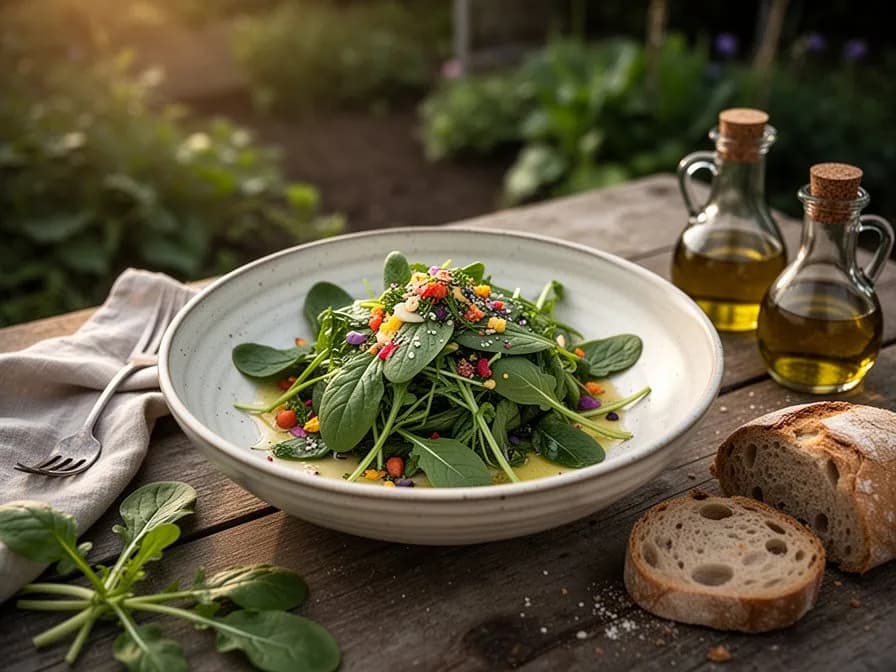
Sesam-Knoblauch-Komatsuna-Pfanne
10 Min.Eine schnelle und aromatische Pfanne, die Komatsunas saftige Stiele und milden Senfgeschmack hervorhebt. Die hohe Hitze des Woks hält die Blätter leuchtend und die Stiele knackig-zart, während geröstetes Sesamöl und Knoblauch ein duftendes, herzhaftes Finish erzeugen.
8 ZutatenKomatsuna-Misosuppe
15 Min.Eine wohltuende japanische Misosuppe im Hausmacherstil mit zarten Komatsuna-Blättern, Seidentofu und einer reichhaltigen Dashi-Brühe. Komatsuna hält sich in heißer Brühe wunderbar, ohne schleimig zu werden, was ihn zum bevorzugten Grünzeug für Misosuppe in ganz Japan macht.
6 ZutatenJapanisches Komatsuna-Ohitashi
8 Min.Ein klassisches japanisches Beilagengericht aus blanchiertem Komatsuna, angemacht mit einer herzhaften Dashi-Sojasaucen-Mischung und kalt serviert. Diese elegante Zubereitung präsentiert den reinen, milden Geschmack und die befriedigende Textur von Komatsuna in seiner einfachsten und raffiniertesten Form.
6 ZutatenKulinarische Verwendung
Komatsuna ist unglaublich vielseitig und eignet sich für rohe Salate, Pfannengerichte, Dämpfen, Schmoren und Suppen. Der milde, leicht süßliche Geschmack passt sowohl zu asiatischen als auch zu westlichen Gerichten. Er ist ein Grundnahrungsmittel in der japanischen Hausmannskost, oft mit Sesamöl und Sojasauce angebraten. Verwenden Sie ihn als Spinatersatz in jedem Rezept. Baby-Blätter eignen sich hervorragend in Salatmischungen.
Was drinsteckt
Gesundheitsvorteile
- Hervorragende Quelle für Vitamin C (130 mg pro 100 g, 144 % TW), das einen starken antioxidativen Schutz bietet, der die Immunfunktion unterstützt, die Eisenaufnahme aus pflanzlichen Lebensmitteln verbessert und für die Kollagensynthese in Haut, Gelenken und Bindegewebe essenziell ist.
- Außergewöhnlich reich an bioverfügbarem Kalzium (210 mg pro 100 g) bei sehr niedrigem Oxalatgehalt – anders als bei Spinat wird das Kalzium in Komatsuna leicht vom Körper aufgenommen, was ihn zu einer der besten pflanzlichen Quellen zur Unterstützung der Knochendichte, Muskelkontraktion und Nervensignalübertragung macht.
- Reich an Beta-Carotin und Vitamin A (63 % TW pro 100 g), entscheidend für die Erhaltung einer gesunden Sehkraft, die Unterstützung der Hautzellenerneuerung und die Stärkung der Immunabwehr – insbesondere der Schleimhautbarrieren in den Atemwegen und im Verdauungstrakt.
- Reichlich Vitamin K (über 170 % TW pro 100 g), das eine wesentliche Rolle bei der Blutgerinnung und dem Knochenstoffwechsel spielt, und neuere Forschung deutet auf eine Bedeutung für die Herz-Kreislauf-Gesundheit durch seine Regulierung der Kalziumablagerung in den Arterien hin.
- Enthält Glucosinolate und Isothiocyanate – schwefelhaltige Verbindungen, die für Kohlgewächse charakteristisch sind und die umfassend auf ihre entzündungshemmenden und potenziell krebshemmenden Eigenschaften untersucht wurden, insbesondere bei der Unterstützung der körpereigenen Entgiftungsenzymsysteme.
- Liefert signifikantes Eisen (2,8 mg pro 100 g) zusammen mit seinem extrem hohen Vitamin-C-Gehalt, was eine ideale Kombination für die Nicht-Häm-Eisenaufnahme schafft. Diese Kombination macht Komatsuna besonders wertvoll für Vegetarier, Veganer und alle, die ihren Eisenspiegel über die Ernährung steuern.
Woher Komatsuna stammt
Komatsuna (Brassica rapa var. perviridis) hat seinen Ursprung in Japan, wo er aus chinesischen Senfkohlarten und Rübenverwandten entwickelt wurde, die Jahrhunderte zuvor auf den Archipel gebracht worden waren. Der Name des Gemüses lässt sich direkt auf den Stadtteil Komatsugawa in Edo (dem heutigen Tokio) zurückführen, wo er erstmals als eigenständige Sorte während der frühen Edo-Zeit im 17. Jahrhundert angebaut wurde. Eine bekannte Legende schreibt Shogun Tokugawa Yoshimune zu, das Gemüse benannt zu haben, nachdem er es um 1719 während eines Jagdausflugs bei Komatsugawa genossen hatte.
In den folgenden Jahrhunderten wurde Komatsuna durch selektive Züchtung japanischer Landwirte verfeinert, die ihn wegen seines milden Geschmacks, seiner dicken saftigen Stiele, seines schnellen Wachstums und seiner außergewöhnlichen Kältetoleranz schätzten. Anders als viele Kohlgewächse, die für eine einmalige Ernte gezüchtet wurden, wurde Komatsuna als Schnitt-und-Nachwuchs-Kultur entwickelt, die für die kleinen, intensiv bewirtschafteten Flächen der japanischen Landwirtschaft geeignet war. Regionale Sorten verbreiteten sich in ganz Japan, jede an die lokalen Klimabedingungen angepasst – von schneeharten Typen in Hokkaido bis zu hitzetoleranten Stämmen in Kyushu.
Bis zum 20. Jahrhundert war Komatsuna zum am meisten konsumierten Blattgemüse in Japan geworden und überholte sogar Spinat beim Haushaltsverbrauch. Sein niedriger Oxalatgehalt, hoher Kalziumgehalt und seine Vielseitigkeit in der Küche machten ihn zu einem ernährungsphysiologischen Grundpfeiler der japanischen Ernährung. In der Nachkriegszeit wurden verbesserte Sorten für die ganzjährige Gewächshaus- und Freilandproduktion entwickelt, und Komatsuna wurde ein fester Bestandteil der japanischen Schulessen-Programme landesweit. Heute gewinnt Komatsuna internationale Anerkennung bei Gärtnern und Köchen weltweit, geschätzt für seine leichte Kultivierung, außergewöhnliche Winterhärte, Nährstoffdichte und seinen sanften Geschmack, der diejenigen anspricht, denen andere Senfkohlarten zu scharf sind.
Komatsuna: Schon gewusst?
Faszinierende Fakten über Komatsuna
Komatsuna (Brassica rapa var. perviridis) erhielt seinen Namen vom Stadtteil Komatsugawa in Edo (dem heutigen Tokio), wo er erstmals während der frühen Edo-Zeit um das 17. Jahrhundert angebaut wurde. Der Legende nach benannte Shogun Tokugawa Yoshimune das Gemüse, nachdem er es während einer Falkenjagd bei Komatsugawa probiert hatte.
Komatsuna: Fragen & Antworten
Wann sollte ich Komatsuna pflanzen?
Was sind gute Begleitpflanzen für Komatsuna?
In welchen Winterhärtezonen kann Komatsuna wachsen?
Wie viel Sonne braucht Komatsuna?
Welchen Abstand sollte ich zwischen Komatsuna lassen?
Welche Schädlinge und Krankheiten befallen Komatsuna?
Wie lagere ich Komatsuna nach der Ernte?
Was sind die besten Komatsuna-Sorten zum Anbauen?
Welchen Boden braucht Komatsuna?
Wie schmeckt Komatsuna?
Kann Komatsuna Spinat in Rezepten ersetzen?
Wie winterhart ist Komatsuna im Vergleich zu anderen Blattgemüsen?
Warum bekommt mein Komatsuna kleine Löcher in den Blättern?
Wie unterscheidet sich Komatsuna von Tatsoi?
Wann ist der beste Zeitpunkt, Komatsuna zu ernten?
Du hast die Theorie gelesen. Jetzt baue sie auf Autopilot an.
Alles, was Komatsuna knifflig macht — das Timing, die Abstände, die Begleiter, das Erntefenster — genau das übernimmt PlotMyGarden für dich, für jede Pflanze im Garten.
Ein Plan, der dein Wetter kennt
Standort einmal festlegen. Aussaat-, Dünge- und Erntedaten rund um deinen echten letzten Frosttermin und die Live-Vorhersage — kein Raten mehr nach Saattüte.
Aus dem Abschnitt „Pflanzzeit“Beetplaner per Drag & Drop
Beete auf einem Raster gestalten. Jede Pflanze rastet im richtigen Abstand ein, und du siehst die ganze Saison, bevor du einen Cent für Saatgut ausgibst.
Aus dem Abschnitt „Anbau“Begleiter-Konflikte früh erkannt
Über 200 gute und schlechte Kombinationen werden beim Pflanzen live geprüft — so landet ein saisonruinierender Fehler nie in der Erde.
Aus dem Abschnitt „Begleiter“Erinnerungen, nach denen du wirklich handelst
„Gieß die Bohnen.“ „Heute ernten, bevor's umschlägt.“ Pünktlich, konkret und auf deine echten Pflanzen bezogen.
Aus dem Abschnitt „Ernte“Staffel-Aussaat, geplant
Sechs Wochen ernten statt sechs Tage? Die App verteilt deine Aussaaten automatisch und erinnert dich, wenn der nächste Satz fällig ist.
Aus dem Abschnitt „Pflanzzeit“Ein Verlauf, der schlauer wird
Jede protokollierte Ernte bringt der App deinen Garten bei. Der Plan fürs nächste Jahr startet bei dem, was in deinem Boden wirklich funktioniert hat.
Aus dem Abschnitt „Überblick“Pflanze diese neben Komatsuna
Weitere Blattgemüse
Halte Komatsuna von diesen fern
Gartenpläne mit Komatsuna
Bau deine beste Komatsuna an — und alles drumherum.
Starte heute kostenlos. Lege deine Beete an, setze deine Komatsuna ein und lass PlotMyGarden Timing, Abstände, Begleiter und Erinnerungen von der Saat bis zum Erntekorb übernehmen.