Grapefruit Tree
A large evergreen citrus tree that needs considerable heat to develop sweet fruit, making it ideal for the hottest citrus-growing regions.





On this pageOverview
Meet Grapefruit Tree
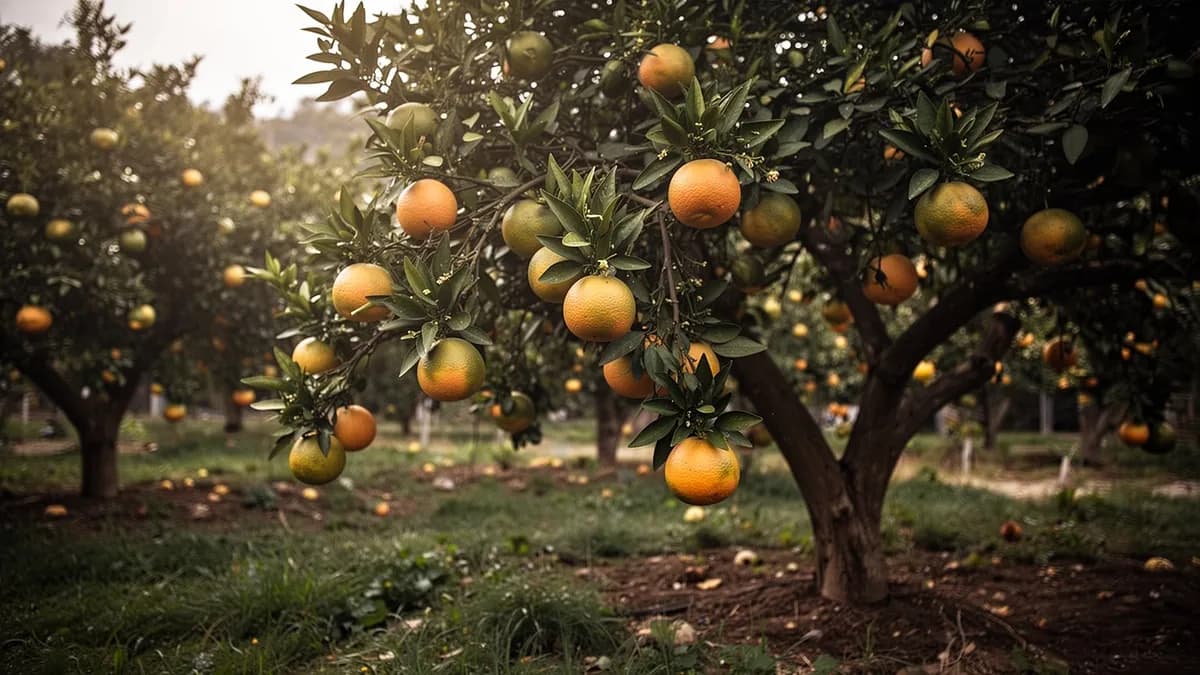
A large evergreen citrus tree that needs considerable heat to develop sweet fruit, making it ideal for the hottest citrus-growing regions. Grapefruit takes longer to mature on the tree than other citrus, often requiring twelve months or more, and fruit sweetens further the longer it hangs. The trees are vigorous growers that need ample space and produce heavily once established. Ruby red and pink varieties tend to be sweeter and more popular than white grapefruit for fresh eating.
When to plant Grapefruit Tree
Grapefruit trees should be purchased as grafted nursery stock rather than grown from seed, as seedlings take 8 to 10 years to bear and may not produce quality fruit. Most commercial grapefruit is budded onto sour orange, Cleopatra mandarin, or Swingle citrumelo rootstock depending on soil and disease conditions. Plant container-grown trees in spring, setting the graft union 4 to 6 inches above soil level. Stake young trees for the first year in windy locations to prevent root disturbance.
Your Grapefruit Tree Year
Composed for Zone 7 · typical seasons · frost passes Apr 2, returns Nov 1
Plant Grapefruit Tree Mar – May, pick Jan – May, Nov – Dec. Check the planting methods below and set your climate to personalize these windows.
How to grow Grapefruit Tree
Grapefruit trees require the warmest citrus-growing conditions and perform best in USDA zones 9 through 12 where summers are long and hot. Select a site with full sun, good air drainage, and protection from cold north winds. Space trees 25 to 30 feet apart to accommodate their large mature canopy. Plant in well-drained soil with a pH of 6.0 to 7.5, amending heavy clay with organic matter and sand if necessary.
Water newly planted grapefruit trees deeply twice a week during the first year, then transition to deep weekly watering during warm months. Reduce watering in winter but never allow the root zone to dry completely. Apply a citrus-specific fertilizer three times per year in February, May, and September, using formulas with added micronutrients. Grapefruit trees are heavy feeders and benefit from foliar zinc and manganese sprays in spring.
Prune minimally, removing only dead wood, crossing branches, and low-hanging limbs that interfere with access. Grapefruit trees naturally develop a dense, rounded canopy. Fruit remains on the tree for many months after reaching full size, sweetening progressively through winter and spring. In borderline freeze areas, wrap trunks and cover canopies with frost cloth when temperatures below 28 degrees are forecast, as grapefruit is among the most cold-sensitive citrus species.
Grapefruit Tree needs more room than a 4 × 8 ft bed gives
Each Grapefruit Tree wants 700 cm of elbow room. The planner keeps that spacing for you — every plant, every bed.
Grapefruit Tree's best neighbours
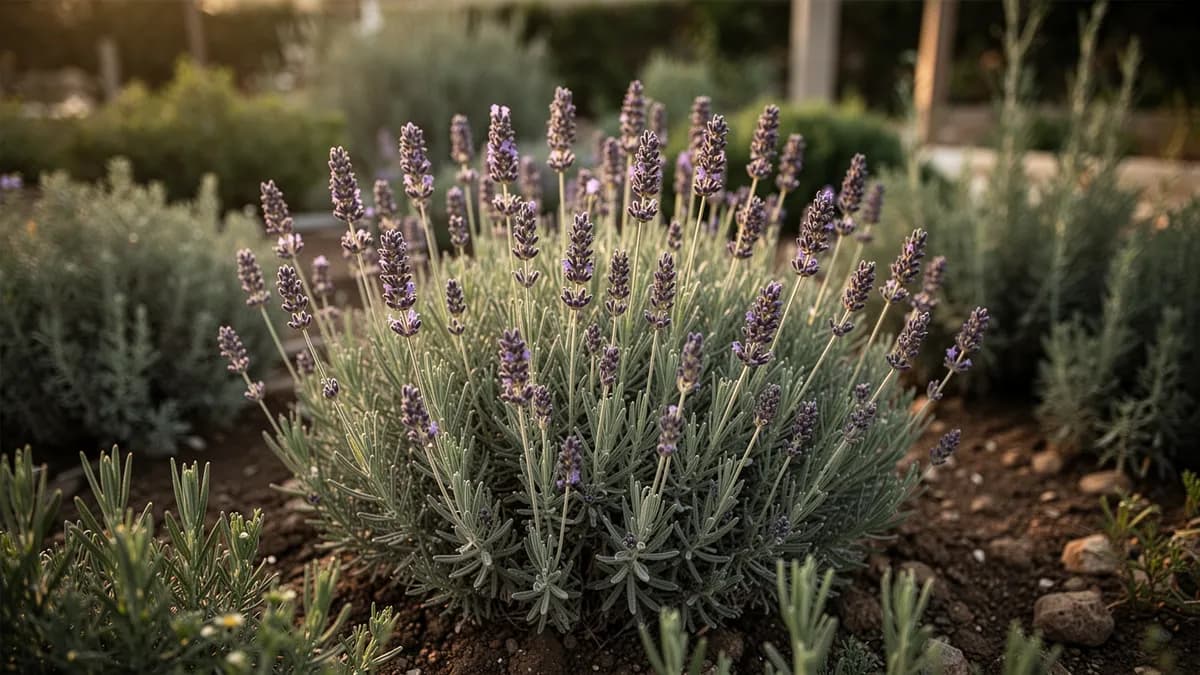
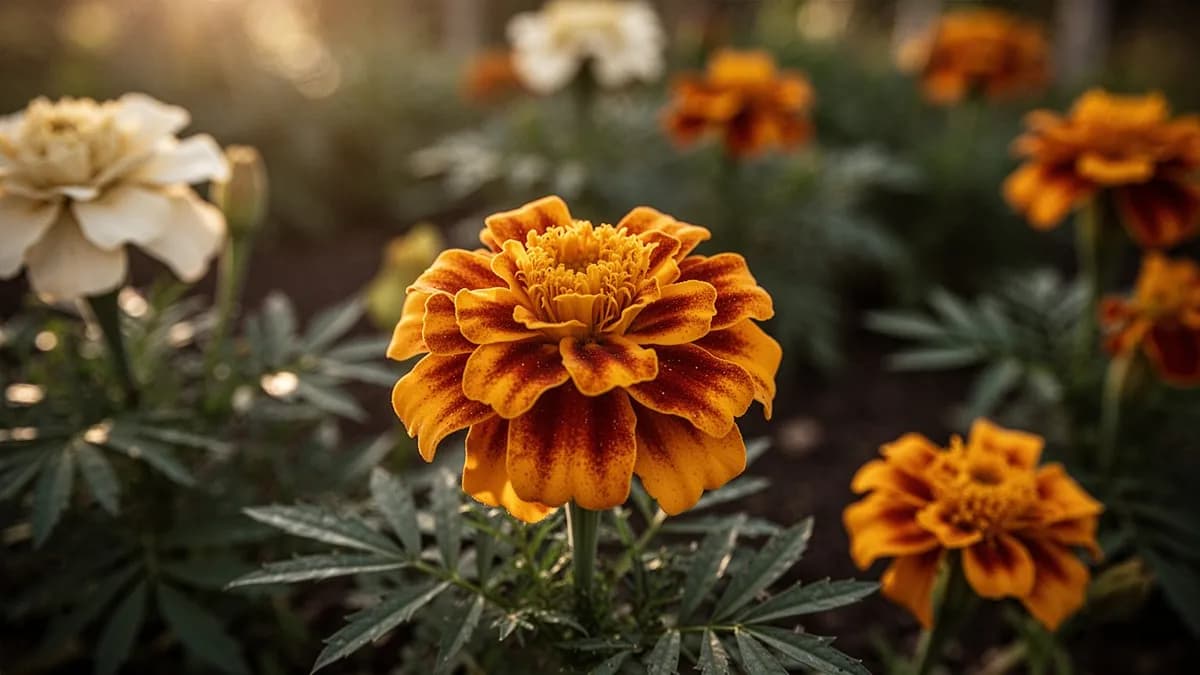
Underplant grapefruit trees with low-growing herbs like oregano, thyme, and chamomile that attract beneficial insects and tolerate the partial shade beneath the canopy. Marigolds and nasturtiums help repel aphids and whiteflies. Avoid planting tall shrubs close to grapefruit trees, as they need maximum sun exposure and air circulation for fruit quality. A ground cover of white clover or crimson clover between trees fixes nitrogen and suppresses weeds without competing aggressively for water.
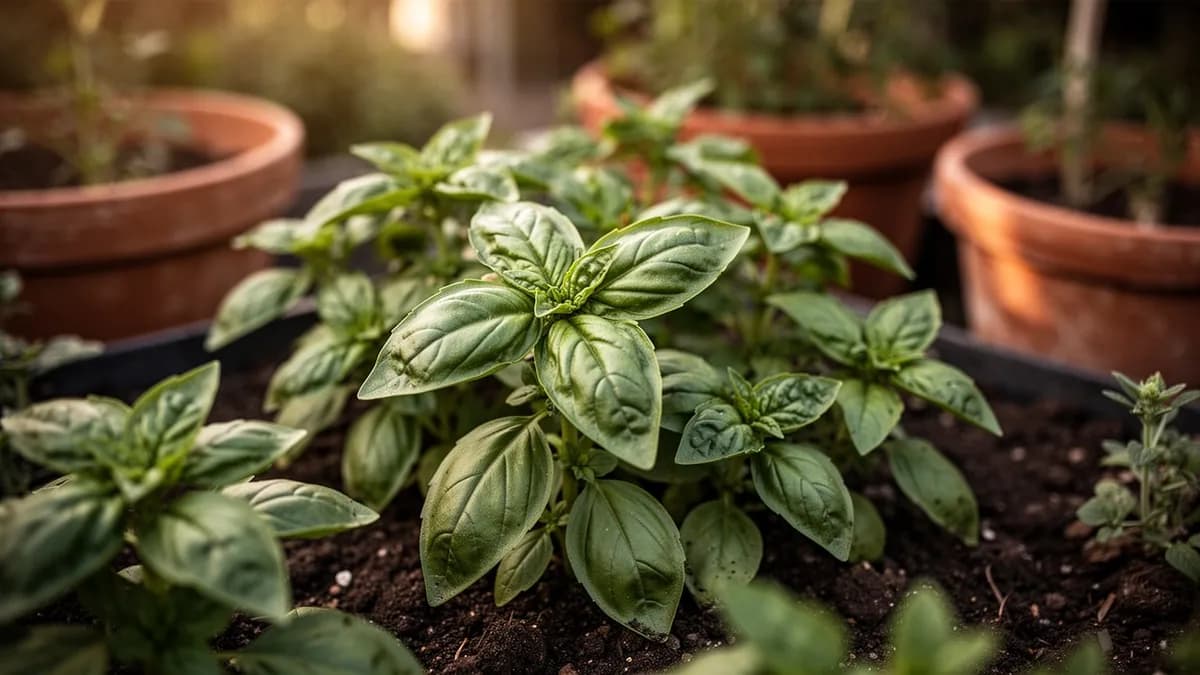
Basil belongs beside it. Walnut Tree doesn't.
Old growers' knowledge, checked against Grapefruit Tree's real companion table below — test any plant you're growing.
Try Grapefruit Tree in a bed — right here
A real planner bed with Grapefruit Tree already in it. Tap a companion to place it and watch the pairing checks answer — green for good neighbours, red for a clash.


Related growing guides
Feed it well
Grapefruit trees prefer deep, well-drained sandy loam or loamy sand with a pH of 6.0 to 7.5. They tolerate slightly alkaline conditions better than most citrus. Apply a complete citrus fertilizer three times per year, increasing rates as the tree matures. Supplement with foliar sprays of zinc, manganese, and iron in spring if micronutrient deficiencies appear. Avoid excessive nitrogen late in the season, as it can delay fruit maturity and reduce sweetness.
Ideal Temperature
Hardiness Zone Compatibility
From seed to harvest, stage by stage
Nursery Establishment
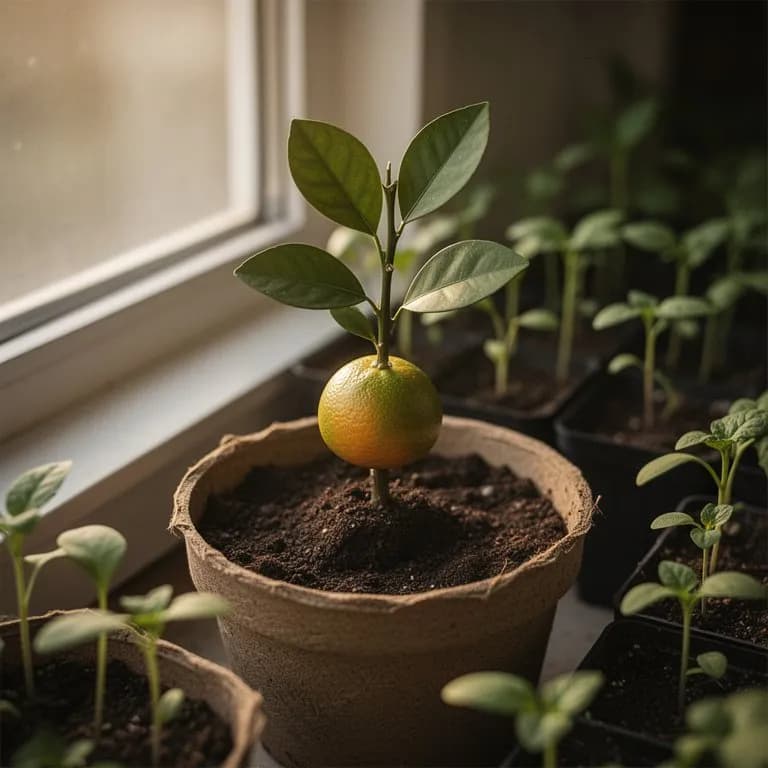
Grapefruit trees sold commercially are nearly always grafted onto vigorous, disease-resistant rootstocks such as Swingle Citrumelo, Cleopatra Mandarin, or Sour Orange. After transplanting, the tree devotes most of its energy to root establishment. Visible canopy growth is minimal during this phase while the root zone expands into the surrounding soil.
Vegetative Canopy Growth
Once established, the grapefruit tree produces multiple vigorous growth flushes each year. The broad, glossy leaves are noticeably larger than those of oranges or lemons. The canopy develops its characteristic dense, rounded shape, and trunk diameter increases steadily. Young branches may carry short thorns that diminish as the tree matures.
First Flowering
Grafted grapefruit trees commonly produce their first flowers two to four years after planting. The highly fragrant white blossoms emerge in late winter to early spring, borne in clusters at the terminals of new shoots. Grapefruit is largely self-fertile, so a solitary tree can set a crop without a polliniser, though cross-pollination may improve yield.
Fruit Development
After petal fall, small green fruitlets develop in clusters. The tree naturally sheds a portion of its crop during the so-called June drop, retaining the strongest fruit. Grapefruit has one of the longest development periods of any citrus, requiring nine to fourteen months from bloom to full maturity. The fruit grows steadily through summer and autumn, with rind colour breaking from green to yellow as temperatures cool.
Ripening and Harvest
Grapefruit ripens on the tree and does not continue to sweeten after picking. In most subtropical regions harvest extends from late autumn through spring, and fruit can hang on the tree for weeks after reaching maturity without significant loss of quality. Ripe grapefruits feel heavy for their size, yield slightly to gentle pressure, and have smooth, thin rinds relative to immature fruit.
Mature Production
A mature grapefruit tree reaches full production between six and ten years of age. In favourable climates a single tree can yield 200 to 350 kilograms of fruit per season. The tree continues to grow in height and spread, potentially reaching eight to ten metres tall if unpruned. With good care, grapefruit trees remain productive for fifty years or more.
Water deeply two to three times per week during the first month after planting, then reduce to once or twice weekly. Avoid fertilizing for the first six to eight weeks so young feeder roots are not burned. Provide temporary shade cloth if planting in summer.
Caring for Grapefruit Tree month by month
What to do each month for your Grapefruit Tree
October
You are hereFruit rind begins colour break from green to yellow. Reduce watering slightly but do not allow the root zone to dry out completely. Remove any suckers growing below the graft union.
Know exactly what to do in your garden — every month
One email at the start of each month: what to sow, plant, and tackle right now — for your Grapefruit Tree and everything growing around it. Plus a short starter course that helps you dodge the classic mistakes.
- What to do, right now
- Matched to your season
- Starter course included
Harvesting Grapefruit Tree
Grapefruit is unique among citrus in that it can remain on the tree for months after reaching maturity, improving in sweetness the longer it hangs. Harvest fruit from November through May depending on variety and climate. Test for ripeness by tasting, as color alone is not a reliable indicator. Twist and pull fruit gently or use clippers to avoid bark damage. In the warmest climates, grapefruit sweetens significantly by February or March.
assuming you plant when the window opens — set your real date
Pick Grapefruit Tree promptly and the plant keeps producing.
Storage & Preservation
Fresh grapefruit keeps at room temperature for 1 to 2 weeks and in the refrigerator for 6 to 8 weeks. Store in the crisper drawer for maximum shelf life. Grapefruit sections can be frozen in light syrup for use in salads and smoothies. The juice freezes well for up to 4 months. Grapefruit marmalade is an excellent way to preserve surplus fruit, and the peel can be candied or dried for use in baking and tea blends.
What goes wrong — and the fix
Citrus Greening (HLB)
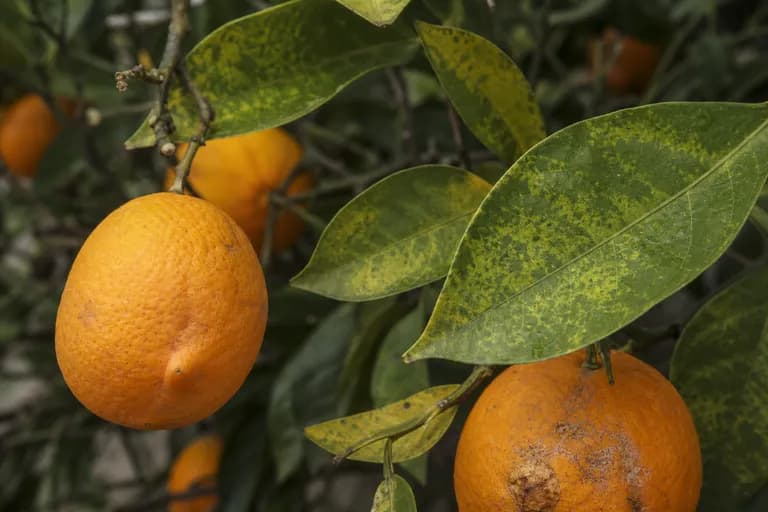
DiseaseAsymmetric leaf yellowing, lopsided and bitter fruit that stays green at the stem end, and overall tree decline with twig dieback.
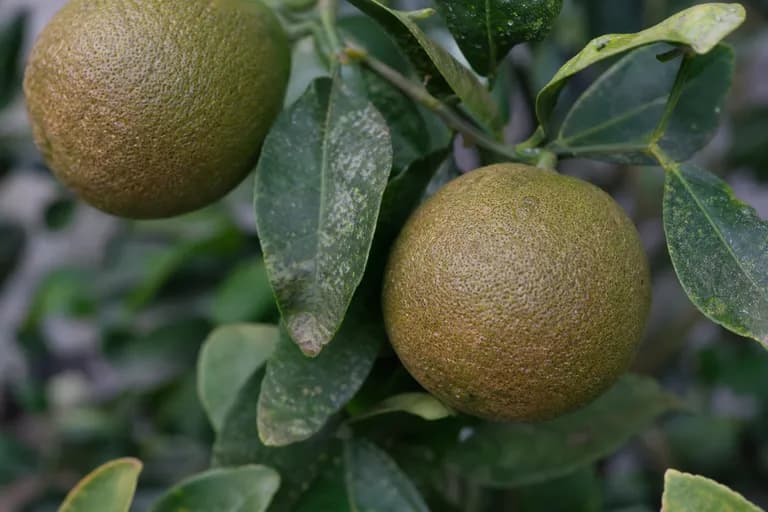
Citrus Rust Mite
PestBronze or russeted discoloration on fruit rind giving a dull brown appearance. Damage is cosmetic but reduces market appeal.
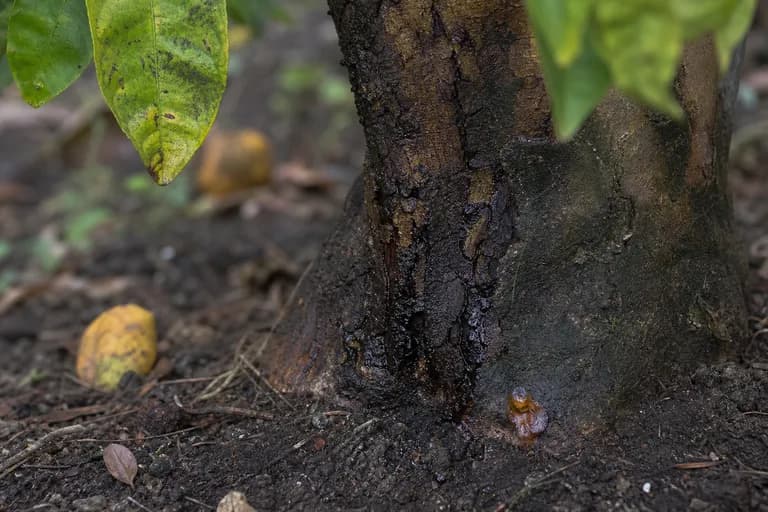
Foot Rot (Phytophthora)
DiseaseDark, water-soaked bark at the trunk base near the soil line. Gumming and bark cracking develop as the disease progresses, eventually girdling the trunk.
Troubleshooting Common Problems
Bitter or sour fruit is usually caused by harvesting too early before adequate heat units accumulate. In cooler citrus zones, grapefruit may never develop full sweetness. Fruit splitting occurs when heavy rain follows a dry period during fruit enlargement. Alternating bearing, with heavy crops one year and light the next, can be partially managed by thinning fruit clusters during heavy-set years. Sunburn on exposed fruit is common in extremely hot climates.
Growing Tips
- Choose a planting site that receives at least eight hours of direct sunlight daily — grapefruit trees demand full sun for optimal fruit production and sugar development.
- Plant grafted nursery trees rather than growing from seed; seed-grown grapefruit trees can take eight to fifteen years to fruit and may not produce fruit true to the parent variety.
- Use a well-draining soil mix with a slightly acidic pH between 5.5 and 6.5, amending heavy clay soils with coarse sand and organic matter before planting.
- Water deeply but infrequently, allowing the top five to eight centimetres of soil to dry between irrigations — grapefruit trees are susceptible to root rot in waterlogged conditions.
- Apply a citrus-specific fertilizer three to four times per year from late winter through early autumn, following the manufacturer's recommended rates to avoid salt burn on feeder roots.
- Protect trees from frost whenever temperatures are forecast to drop below minus two degrees Celsius by covering the canopy with frost cloth or running sprinklers to create a protective ice shell.
- Prune only to remove dead wood, crossing branches, and suckers growing below the graft union — grapefruit trees produce fruit on the outer canopy and excessive pruning reduces yield.
- Monitor regularly for common citrus pests including scale insects, citrus leaf miner, spider mites, and Asian citrus psyllid, the vector for citrus greening disease.
- Mulch the root zone with a ten-centimetre layer of wood chips or pine bark to conserve moisture, moderate soil temperature, and suppress weeds, keeping mulch at least fifteen centimetres from the trunk.
- For container growing, select a dwarf rootstock variety and use a pot at least sixty centimetres in diameter with excellent drainage holes, repotting every three to four years to refresh the soil medium.
Grow your best Grapefruit Tree yet — and everything around it.
Start a free plan today. Lay out your beds, drop in your Grapefruit Tree, and let PlotMyGarden handle the timing, spacing, companions and reminders from seed to harvest basket.
Pick your Grapefruit Tree
Ruby Red
The most popular home garden variety with deep red flesh, few seeds, and a sweet-tart balance. Discovered as a bud sport in Texas and widely grown throughout the Gulf Coast.
Marsh
The original seedless white grapefruit with pale yellow flesh and classic tangy flavor. Very productive and vigorous, though less sweet than pigmented varieties.
Star Ruby
The deepest red flesh of any grapefruit variety with exceptionally sweet flavor and few seeds. Trees are somewhat less vigorous and more cold-sensitive than other cultivars.
Oro Blanco
A grapefruit-pomelo hybrid with sweet, mild flavor and virtually no bitterness. Thicker rind and excellent cold tolerance for a grapefruit type.
A single productive grapefruit tree in a suitable climate can yield 200 to 350 kilograms of fruit annually once mature, easily replacing several hundred dollars' worth of store-bought grapefruits and fresh-squeezed juice each season. Because grapefruit stores well on the tree for weeks after ripening, home growers enjoy an extended harvest window with virtually no waste, a significant advantage over purchasing fruit that deteriorates quickly after retail display.
Quick recipes
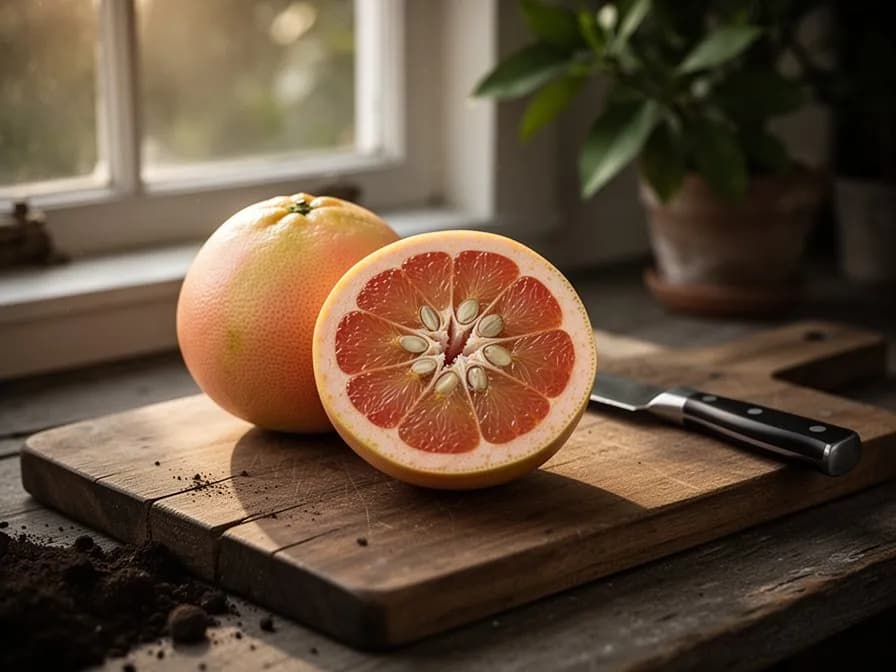
Broiled Grapefruit with Brown Sugar and Cinnamon
10 minutesA classic warm breakfast or dessert that caramelises the natural sugars in grapefruit, mellowing its tartness and creating a satisfying contrast between the crisp, golden top and the warm, juicy segments beneath.
5 ingredients
Grapefruit and Avocado Salad with Citrus Vinaigrette
15 minutesA vibrant, refreshing salad that pairs the bright acidity of fresh grapefruit segments with the creamy richness of ripe avocado, dressed in a simple vinaigrette made from the grapefruit's own juice.
7 ingredientsFresh Grapefruit Marmalade
60 minutes plus setting timeA tangy-sweet preserve that makes excellent use of homegrown grapefruit, including the peel. The natural pectin in grapefruit rind helps the marmalade set without added thickeners, producing a beautifully translucent spread with a bittersweet citrus flavour.
5 ingredientsCulinary Uses
Grapefruit is most commonly enjoyed fresh, halved and eaten with a spoon, or segmented in salads. Pink and red varieties are sweeter and preferred for fresh eating, while white types are traditional for juice. Grapefruit pairs well with avocado, shrimp, and bitter greens in savory salads. Broiled grapefruit with brown sugar makes an elegant breakfast or dessert. The juice is a base for cocktails including the Paloma and Greyhound.
What's inside
Health Benefits
- Rich in vitamin C and other antioxidants that support immune system function and protect cells from oxidative stress caused by free radicals
- Contains naringenin, a flavonoid studied for its potential to improve insulin sensitivity and support healthy blood sugar regulation
- High water content of roughly 88 percent helps maintain hydration and supports kidney function, especially in warm climates
- Provides lycopene in pink and red varieties, a carotenoid pigment associated with reduced risk of certain chronic diseases in observational studies
- The soluble pectin fiber in grapefruit flesh and membranes may help lower LDL cholesterol levels when consumed as part of a balanced diet
- Low glycaemic index and low calorie density make grapefruit a satisfying fruit choice for those managing their weight or blood sugar levels
Where Grapefruit Tree comes from
The grapefruit (Citrus x paradisi) is one of the few major citrus species that did not originate in Southeast Asia. It arose as a natural hybrid on the Caribbean island of Barbados, likely in the late seventeenth or early eighteenth century, from a spontaneous cross between the pomelo (Citrus maxima), which had been introduced from Southeast Asia, and the sweet orange (Citrus sinensis). The first written record of the fruit appeared in 1750 when Reverend Griffith Hughes described a mysterious large citrus he called the 'forbidden fruit' in his Natural History of Barbados. By the early nineteenth century the fruit had spread to Jamaica, where botanist John Lunan coined the name 'grapefruit' in 1814, noting that the fruit hung in grape-like clusters on the branches. From the Caribbean, grapefruit cultivation spread to Florida in the 1820s, where the warm subtropical climate and sandy soils proved ideal. Florida quickly became the world's leading grapefruit producer, a position it held for well over a century. In the 1920s grapefruit cultivation expanded into the Rio Grande Valley of Texas, where the naturally occurring Ruby Red mutation was discovered in 1929, launching an entirely new category of pigmented grapefruits. Commercial plantings followed in Israel, South Africa, India, and other subtropical regions. Today the grapefruit is grown in warm climates around the world and remains one of the most commercially significant citrus fruits. China, the United States, South Africa, and Mexico are among the top producing countries. Despite its relatively recent origin, the grapefruit has become a breakfast staple and a foundation of the global citrus juice industry.
Grapefruit Tree: did you know?
Fascinating facts about Grapefruit Tree
The grapefruit is a natural hybrid that arose on the island of Barbados in the early eighteenth century, most likely from an accidental cross between the sweet orange (Citrus sinensis) and the pomelo (Citrus maxima).
Grapefruit Tree questions, answered
When should I plant Grapefruit Tree?
What are good companion plants for Grapefruit Tree?
What hardiness zones can Grapefruit Tree grow in?
How much sun does Grapefruit Tree need?
How far apart should I space Grapefruit Tree?
What pests and diseases affect Grapefruit Tree?
How do I store Grapefruit Tree after harvest?
What are the best Grapefruit Tree varieties to grow?
What soil does Grapefruit Tree need?
How long does it take a grapefruit tree to bear fruit?
Can I grow a grapefruit tree indoors or in a container?
Why is my grapefruit tree dropping fruit before it ripens?
How do I know when my grapefruits are ripe and ready to pick?
Is it true that grapefruit interacts with medications?
What is the best rootstock for a home grapefruit tree?
You just read the theory. Now grow it on autopilot.
Everything that makes Grapefruit Tree fiddly — the timing, the spacing, the companions, the harvest window — is exactly what PlotMyGarden handles for you, for every plant in your garden.
A plan that knows your weather
Set your location once. Get sow, feed and harvest dates built around your real last-frost date and live forecast — no more guessing from a generic seed packet.
From the “When to plant” sectionDrag-and-drop bed planner
Design beds on a grid. Every plant snaps to its proper spacing, and you can see your whole season laid out before you spend a cent on seed.
From the “Growing guide” sectionCompanion conflicts, caught early
200+ good-and-bad pairings checked live as you plant — so a season-wrecking mistake never makes it into the ground.
From the “Companions” sectionReminders you'll actually act on
“Water the beans.” “Pick today before it turns.” Timely, specific, and tied to the plants you're really growing.
From the “Harvest” sectionSuccession, scheduled
Want a harvest for six weeks, not six days? It spaces your sowings automatically and reminds you when each new block is due.
From the “When to plant” sectionA record that gets smarter
Every harvest you log teaches it your garden. Next year's plan starts from what actually worked in your soil, not a textbook's.
From the “Overview” sectionPlant these alongside Grapefruit Tree
More Fruit Trees
Keep Grapefruit Tree away from these
Grow your best Grapefruit Tree yet — and everything around it.
Start a free plan today. Lay out your beds, drop in your Grapefruit Tree, and let PlotMyGarden handle the timing, spacing, companions and reminders from seed to harvest basket.