Pear Tree
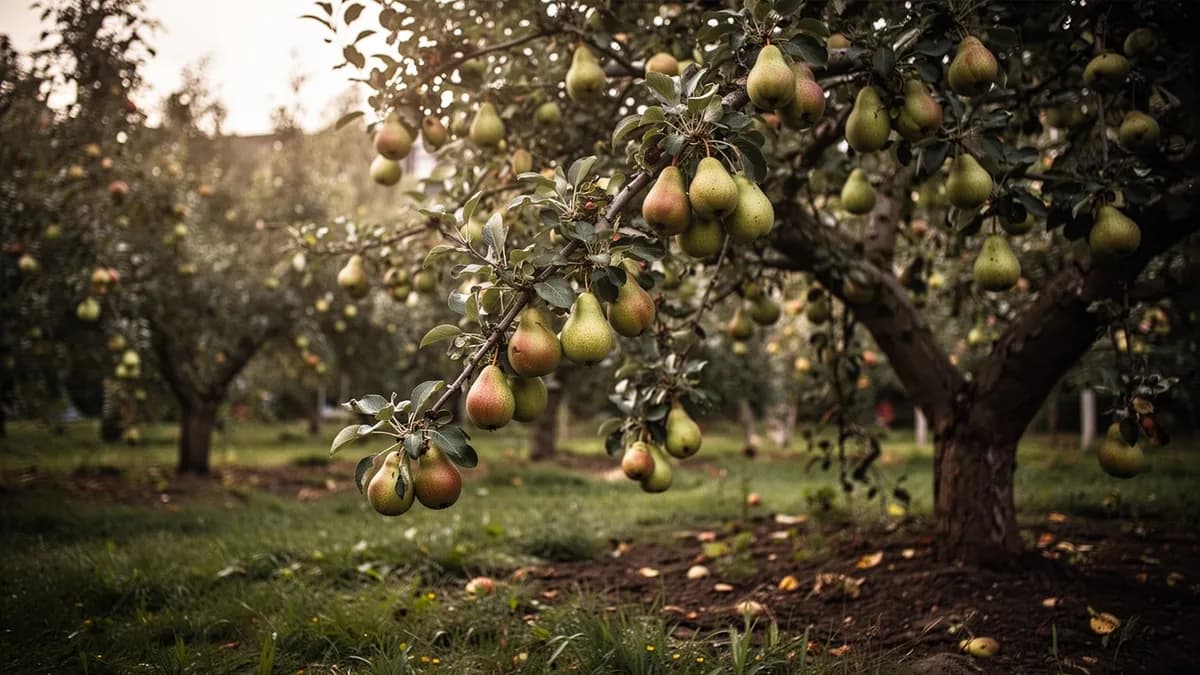
A long-lived deciduous tree with upright growth habit, producing buttery fruits that ripen best off the tree after being picked firm.





On this pageOverview
Meet Pear Tree
A long-lived deciduous tree with upright growth habit, producing buttery fruits that ripen best off the tree after being picked firm. Most pear varieties need a cross-pollinator, so plant at least two compatible cultivars within proximity for reliable fruiting. Pear trees are less prone to pests than apples but should be monitored closely for fire blight, which can kill entire branches rapidly. Prune lightly compared to apples, as pear wood is naturally more upright and heavy pruning stimulates excessive vegetative growth.
When to plant Pear Tree
Pear trees should be purchased as grafted bare-root or container-grown trees from reputable nurseries. Seedling pears do not come true to variety and take much longer to bear fruit. Plant bare-root stock in late winter while dormant, soaking roots for 1 to 2 hours before planting. Set the graft union above soil level and stake the tree for the first 2 years. Semi-dwarf rootstocks like OHxF 87 and OHxF 97 produce manageable-sized trees with good disease resistance.
Your Pear Tree Year
Composed for Zone 7 · typical seasons · frost passes Apr 2, returns Nov 1
Plant Pear Tree Mar – Apr, Nov, pick Aug – Oct. Check the planting methods below and set your climate to personalize these windows.
How to grow Pear Tree
Select a site with full sun, good air circulation, and deep, well-drained loamy soil with a pH of 6.0 to 7.0. Pear trees are less demanding than apples but still benefit from careful site selection. Avoid frost pockets, as pear blossoms open early and are vulnerable to late spring freezes. Space standard trees 20 feet apart and semi-dwarf varieties 12 to 15 feet apart.
Plant bare-root trees in late winter or early spring, setting the graft union 2 to 3 inches above soil level. Water deeply once a week during the first year. Apply organic mulch around the base but keep it away from the trunk. Pear trees naturally grow upright, so use spreaders or tie-down weights on young branches to encourage wider crotch angles for stronger structure.
Prune pear trees lightly compared to apples, as heavy pruning stimulates excessive succulent growth that is highly susceptible to fire blight. Remove water sprouts and crossing branches annually in late winter. Thin fruit to one or two per cluster when fruitlets are thumbnail-sized. Established trees need moderate fertilization; excessive nitrogen encourages blight-prone growth.
Pear Tree needs more room than a 4 × 8 ft bed gives
Each Pear Tree wants 600 cm of elbow room. The planner keeps that spacing for you — every plant, every bed.
Pear Tree's best neighbours
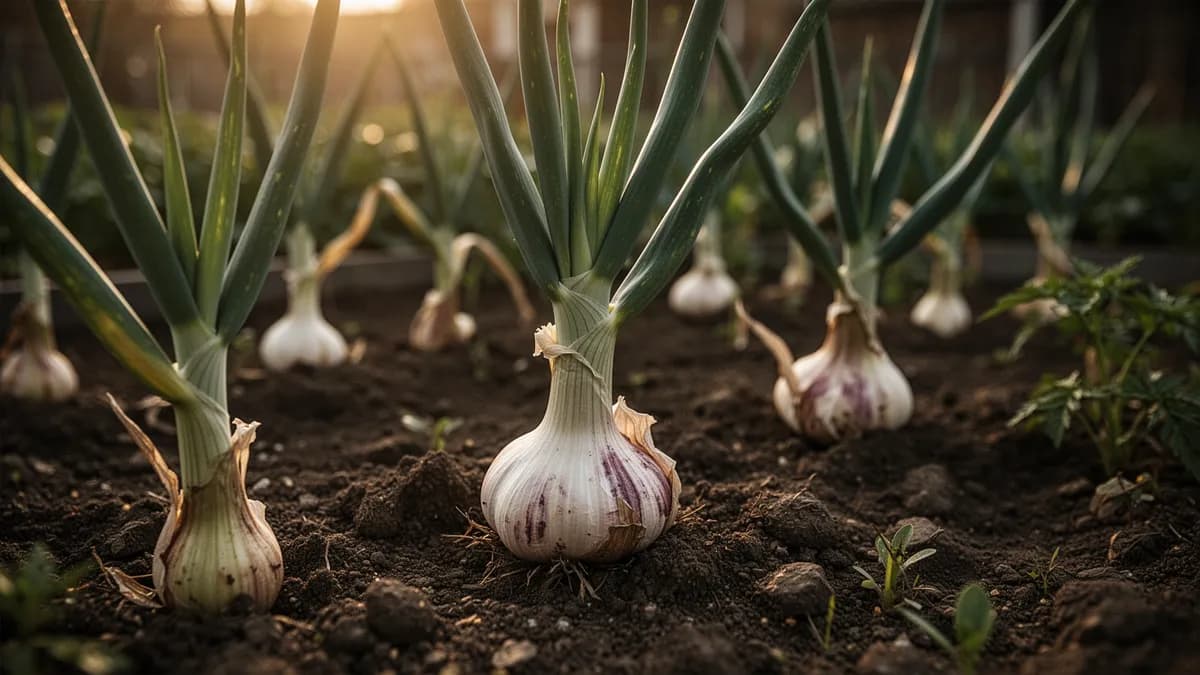
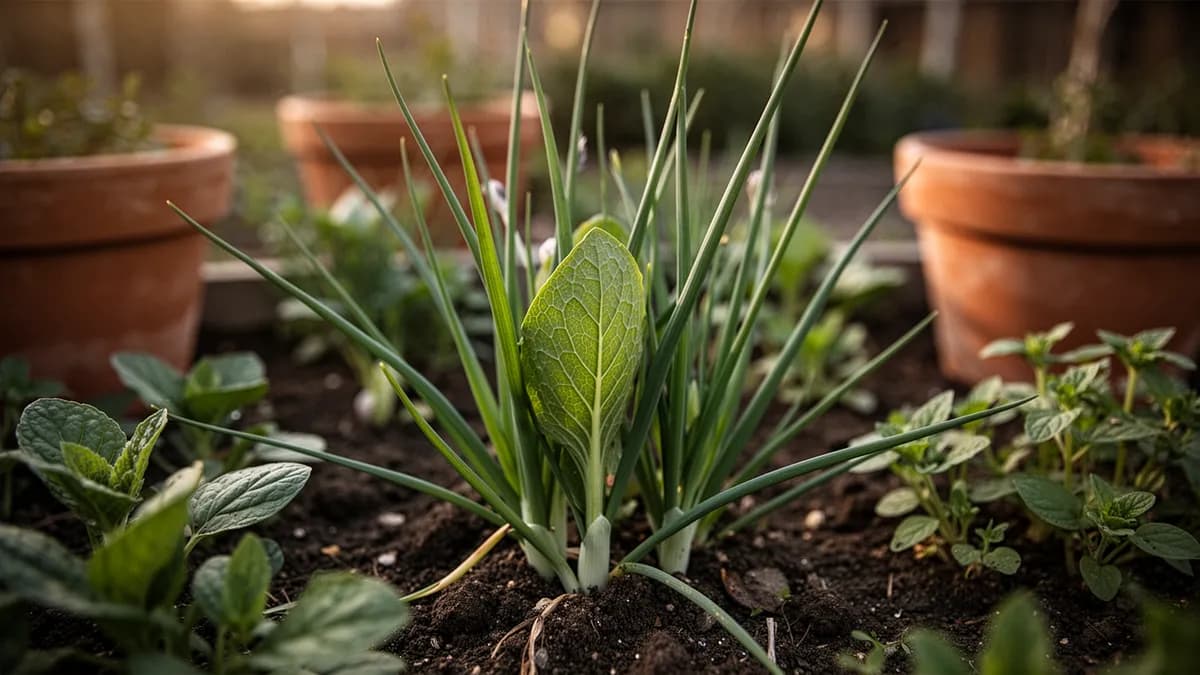
Garlic and chives planted beneath pear trees help deter borers and fungal diseases. Nasturtiums attract aphid predators and add color to the understory. White clover or crimson clover between trees fixes nitrogen and provides habitat for beneficial ground beetles. Avoid planting grass directly around young pear tree trunks, as it competes heavily for moisture and nutrients during the critical establishment years.
Garlic belongs beside it. Walnut Tree doesn't.
Old growers' knowledge, checked against Pear Tree's real companion table below — test any plant you're growing.
Try Pear Tree in a bed — right here
A real planner bed with Pear Tree already in it. Tap a companion to place it and watch the pairing checks answer — green for good neighbours, red for a clash.


Related growing guides
Feed it well
Pear trees prefer deep, well-drained loamy soil with a pH of 6.0 to 7.0. They tolerate heavier clay soil better than most fruit trees but still require reasonable drainage. Apply a balanced 10-10-10 fertilizer sparingly in early spring, using about half the rate recommended for apple trees to avoid stimulating excessive soft growth. If fire blight has been a problem, reduce nitrogen further. Supplement with potassium and calcium based on soil test results.
Ideal Temperature
Hardiness Zone Compatibility
From seed to harvest, stage by stage
Winter Dormancy
The pear tree stands bare and dormant through the coldest months. Below the surface, roots remain metabolically active during mild spells, absorbing moisture and storing carbohydrate reserves in the woody tissue. Chilling hours accumulate steadily — most Pyrus communis cultivars require between 600 and 1,200 hours at temperatures between 0°C and 7°C to satisfy dormancy requirements and ensure uniform bud break in spring. Without adequate chilling, flowering will be erratic and fruit set poor.
Bud Break and Flowering
As temperatures rise consistently above 10°C, swollen buds burst to reveal tightly packed flower clusters. Each cluster contains five to nine individual white blossoms with prominent anthers. The flowering window typically lasts 7 to 14 days and is critically dependent on weather — prolonged cold, rain, or frost during this period can devastate fruit set. Most European pear cultivars are self-incompatible, meaning pollen must arrive from a genetically distinct variety blooming at the same time.
Fruit Set and Natural Thinning
Successfully pollinated flowers develop into small, hard fruitlets over the weeks following petal fall. The tree naturally abscises a proportion of developing fruitlets in a process known as the June drop, shedding those with poor seed development or inadequate nutrient supply. This self-regulating mechanism reduces crop load but rarely thins sufficiently for optimal fruit size. Trees carrying excessive fruit will produce small, flavourless pears and may exhaust their reserves, leading to biennial bearing patterns.
Fruit Swelling and Maturation
Through the long days of summer, retained fruitlets expand rapidly as cell division gives way to cell enlargement. Sugars, organic acids, and aromatic compounds accumulate steadily within the flesh. The characteristic pear shape — broader at the base, tapering toward the stalk — becomes fully defined. Skin colour begins its gradual transition, and lenticels become more pronounced. Consistent moisture and nutrient availability during this phase are critical; drought stress causes small, woody fruit while excessive watering can lead to cracking.
Harvest Window
Pears reach physiological maturity when internal starch conversion is well advanced but the flesh is still firm. The harvest window varies by cultivar — early varieties like Williams ripen from August, mid-season types like Conference from September, and late keepers like Comice and Winter Nelis from October. The fruit is ready when it detaches from the spur with a gentle upward lift and slight twist. Skin colour may lighten slightly and lenticels become more prominent, but colour alone is an unreliable indicator of maturity.
Post-Harvest and Leaf Senescence
After harvest, the tree redirects photosynthetic energy into root reserves and the initiation of next year fruit buds deep within the existing spurs. Leaves begin to yellow and abscise as day length shortens and temperatures decline. Fallen foliage may harbour fungal pathogens — particularly pear scab spores — that overwinter in leaf litter and re-infect the tree the following spring.
Late Dormancy Preparation
The tree enters full dormancy as the last leaves fall and temperatures drop consistently below 7°C. Carbohydrate reserves in the roots and woody framework reach their annual peak. Bark hardens and cell membranes undergo biochemical changes that increase frost tolerance to the cultivar maximum. This is an ideal window for planting new bare-root pear trees, as root establishment can begin while the top remains dormant.
Perform structural pruning on dry, frost-free days while the tree is fully dormant. Remove dead, diseased, and crossing branches first, then shorten overly vigorous laterals to encourage fruiting spur formation. Apply a dormant oil spray to suffocate overwintering pest eggs and fungal spores on the bark. Inspect the trunk and scaffold limbs for cankers, bacterial ooze, or signs of woolly aphid and excise any damaged tissue cleanly.
Caring for Pear Tree month by month
What to do each month for your Pear Tree
October
You are herePick late-keeping varieties such as Comice, Glou Morceau, and Winter Nelis. Rake and compost all fallen leaves away from the tree to disrupt the pear scab overwintering cycle. Apply an autumn dressing of potassium-rich fertiliser around the drip line. Fit grease bands to the trunk to trap ascending wingless winter moth females.
Know exactly what to do in your garden — every month
One email at the start of each month: what to sow, plant, and tackle right now — for your Pear Tree and everything growing around it. Plus a short starter course that helps you dodge the classic mistakes.
- What to do, right now
- Matched to your season
- Starter course included
Harvesting Pear Tree
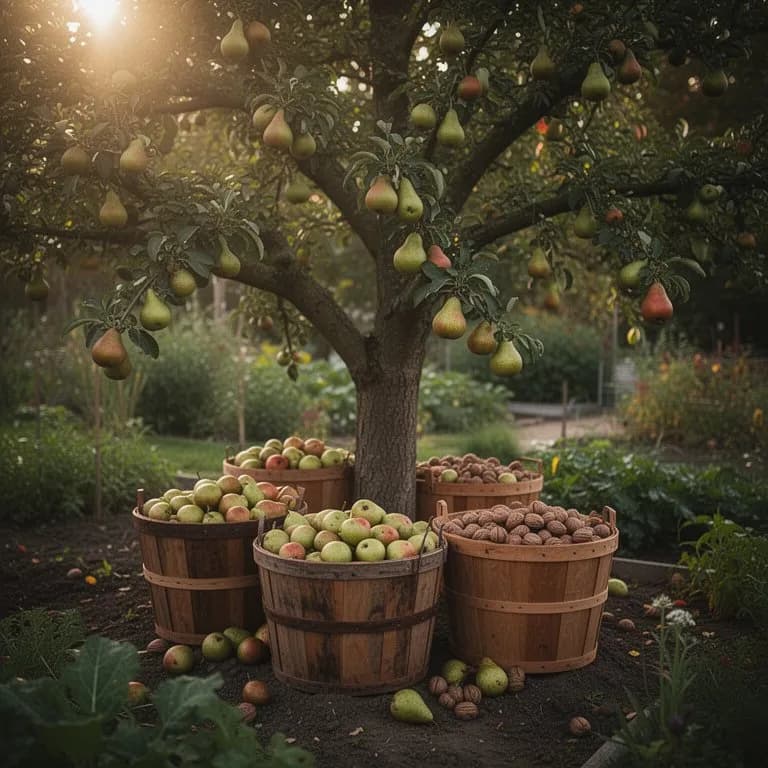
Unlike most fruits, pears should be harvested before they are fully ripe and allowed to ripen off the tree for best texture. Pick when the fruit stem separates easily from the spur with a gentle upward twist and the skin color lightens slightly. European pears ripen from the inside out, so waiting until they soften on the tree results in gritty, brown-centered fruit. After picking, ripen at room temperature for 5 to 10 days or cold-store at 30 to 35 degrees for several weeks before bringing to room temperature to ripen.
assuming you plant when the window opens — set your real date
Pick Pear Tree promptly and the plant keeps producing.
Storage & Preservation
Pears store well at 30 to 35 degrees Fahrenheit for 2 to 3 months depending on variety. Late-season varieties like Anjou and Comice store longer than early types like Bartlett. Remove from cold storage and ripen at room temperature for 5 to 7 days before eating. Pears can also be canned in light syrup, dried, or made into perry, a traditional pear cider. Freeze sliced pears in sugar syrup for use in baking and smoothies.
What goes wrong — and the fix
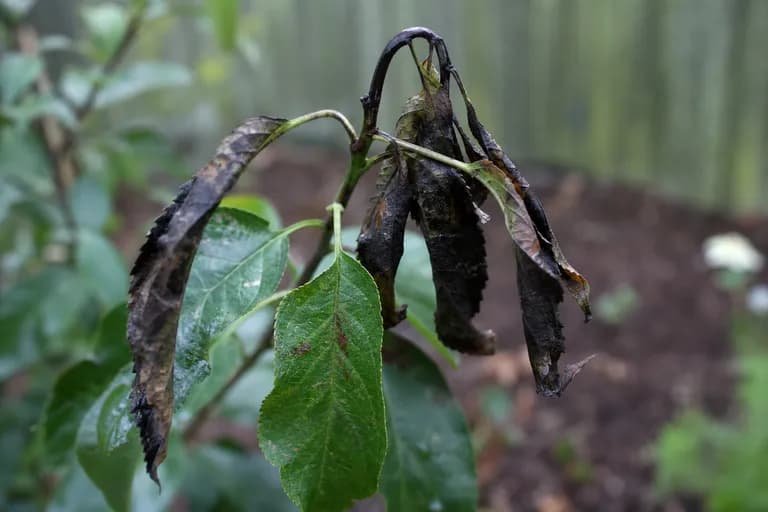
Fire Blight
DiseaseBlossoms turn brown and wilt. Shoots bend into shepherd's crook shape. Bark shows sunken cankers with bacterial ooze.
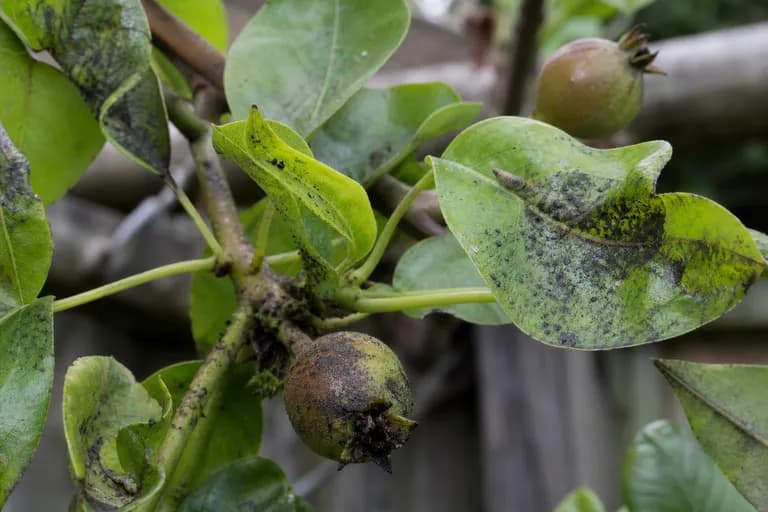
Pear Psylla
PestSmall winged insects produce honeydew that leads to sooty mold on leaves and fruit. Heavy infestations cause leaf yellowing and premature drop.
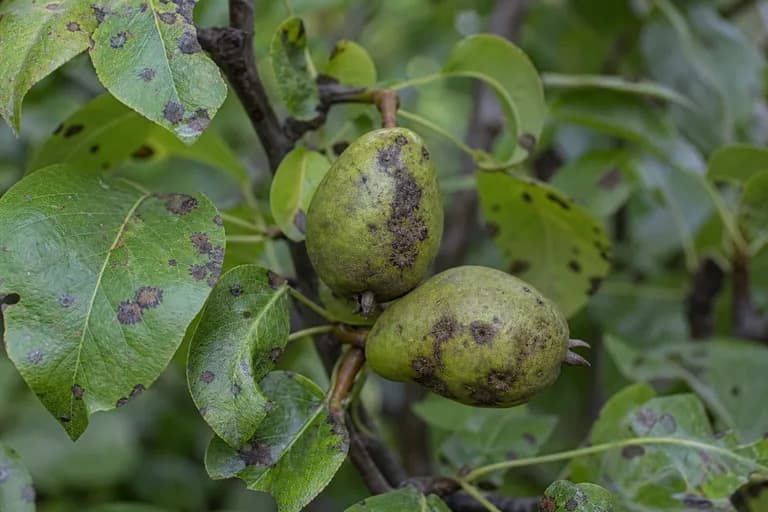
Pear Scab
DiseaseDark olive-green spots on leaves and fruit similar to apple scab. Fruit may crack and become deformed at infection sites.
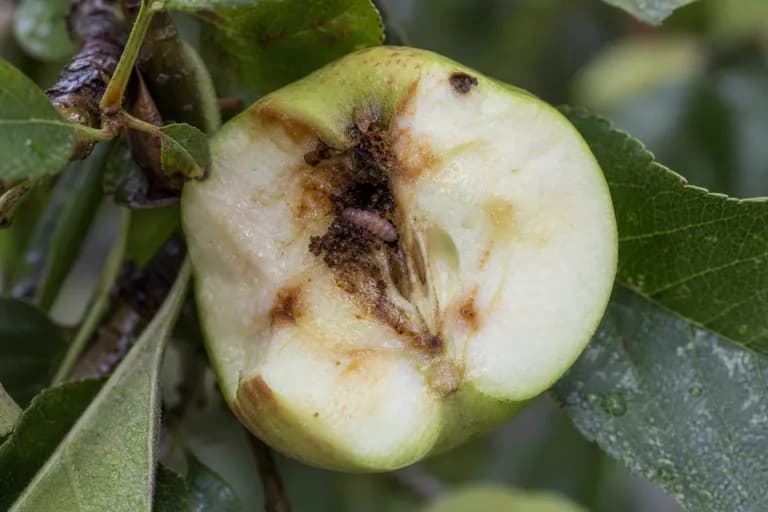
Codling Moth
PestLarvae bore into fruit near the calyx end, leaving frass at entry holes. Damaged fruit drops prematurely.
Troubleshooting Common Problems
Fire blight is the most serious challenge, capable of killing entire trees if left unchecked. Excessive vigor from over-fertilization or heavy pruning creates succulent growth that is highly susceptible to blight infection. Poor fruit texture results from allowing pears to ripen on the tree rather than harvesting firm and ripening indoors. Lack of cross-pollination is a common cause of poor fruit set, as most pear varieties are not self-fertile.
Growing Tips
- Select a planting site with full sun exposure for at least six to eight hours daily, sheltered from strong prevailing winds and well above any frost pocket where cold air collects on still spring nights. South- or southwest-facing positions against a wall or fence are ideal, particularly for espalier-trained trees.
- Ensure a compatible pollinator variety is within 50 metres. Most European pear cultivars are self-incompatible and will not set fruit without cross-pollination from a different variety in the same or adjacent flowering group. Conference is partially self-fertile but still crops far more heavily with a pollination partner such as Concorde, Beth, or Beurré Hardy.
- Prepare the planting site by improving drainage and incorporating generous quantities of well-rotted organic matter into the soil. Pear trees prefer a deep, moisture-retentive but free-draining loam with a pH between 6.0 and 6.5. Waterlogged soil promotes Phytophthora root rot, which can kill even established trees within a few seasons.
- At planting, position the graft union five to eight centimetres above the final soil level and spread the roots wide in the prepared hole. If the graft union is buried, the scion variety will root above the graft and bypass the size-controlling rootstock entirely, resulting in an excessively large and unmanageable tree.
- Establish a strong framework in the first three years by selecting three to five well-spaced scaffold branches at wide angles to the trunk and removing competing leaders. This early investment in structure pays dividends for decades — well-trained trees are easier to manage, more productive, and far less prone to limb breakage under heavy crops.
- Apply a mulch ring of composted bark, wood chip, or well-rotted manure seven to ten centimetres deep from late winter through spring, extending from 15 cm out from the trunk to the drip line. Mulching conserves soil moisture, suppresses competing weeds, moderates root zone temperature, and gradually improves soil structure and organic matter content.
- Water deeply and consistently during the fruit development period from June through August. Irregular watering — alternating between drought stress and saturation — causes fruit cracking, splitting, and premature drop. Aim for thorough root-zone soaking once or twice per week rather than frequent shallow irrigation.
- Fireblight is the most serious threat to pear trees in many regions. Monitor the tree from bloom onward for the tell-tale shepherd's crook wilting of shoot tips accompanied by dark, water-soaked bark. Cut out infected wood at least 30 to 45 cm below visible symptoms, sterilise tools between every cut, and destroy all removed material.
- Thin fruitlets every year after the natural June drop to one per spur cluster, spaced at least 10 to 15 cm apart. Consistent annual thinning is the single most effective measure against biennial bearing — the frustrating pattern where heavy and light crop years alternate because the tree exhausts its reserves.
- Prune established trees during full dormancy in late winter, focusing on removing dead and diseased wood, thinning congested spur systems, and maintaining an open canopy that allows light and air to reach all parts of the tree. Avoid heavy pruning in summer, which stimulates excessive vegetative regrowth at the expense of fruit bud formation.
Grow your best Pear Tree yet — and everything around it.
Start a free plan today. Lay out your beds, drop in your Pear Tree, and let PlotMyGarden handle the timing, spacing, companions and reminders from seed to harvest basket.
Pick your Pear Tree
Bartlett
The classic canning and fresh-eating pear with sweet, aromatic flesh that turns yellow when ripe. Ripens in late August and is the most widely grown variety worldwide.
Anjou
A versatile winter pear with firm, juicy flesh and mild flavor. Stores exceptionally well for 3 to 6 months and does not change color when ripe.
Bosc
Distinctive long-necked pear with russeted brown skin and dense, honey-sweet flesh. Holds its shape beautifully when baked or poached.
Comice
Considered the finest dessert pear with buttery, meltingly smooth flesh and complex sweetness. Best eaten fresh rather than cooked.
Harrow Sweet
Fire blight resistant variety producing attractive, sweet fruit. An excellent choice for organic growers and areas where blight is prevalent.
Fresh pears typically retail for $2.00 to $5.00 per kilogram depending on variety and season, with organic and heritage cultivars commanding premium prices. A single mature pear tree on semi-dwarfing rootstock yields approximately 25 to 50 kg of fruit annually, while a full-size standard tree can produce 80 to 200 kg per year at peak maturity. At average retail prices, a mature tree represents $100 to $500 or more in fruit value each season. Over a productive lifespan of 50 to 100 years — far longer than most other fruit trees — a single pear tree can generate thousands of dollars worth of fresh fruit, plus additional savings from homemade preserves, chutneys, dried pears, and fresh juice. The initial cost of a grafted bare-root tree ($25 to $60) is typically recovered within two to three fruiting seasons.
Quick recipes
Classic Red Wine Poached Pears
45 minutesWhole peeled pears gently simmered in a spiced red wine reduction until deeply coloured and tender throughout. The poaching liquid reduces to a glossy, intensely flavoured syrup that pools beautifully around the fruit when served. This timeless French dessert looks spectacular yet requires minimal hands-on effort, making it ideal for dinner parties and special occasions.
8 ingredientsCaramelised Pear and Walnut Tart
55 minutesA rustic free-form tart featuring sliced pears caramelised with brown sugar and butter, scattered with toasted walnuts, and wrapped in a golden flaky pastry crust. The combination of warm, honeyed pear slices with the earthy crunch of walnuts creates a deeply satisfying autumn dessert that showcases home-grown fruit at its seasonal best.
8 ingredients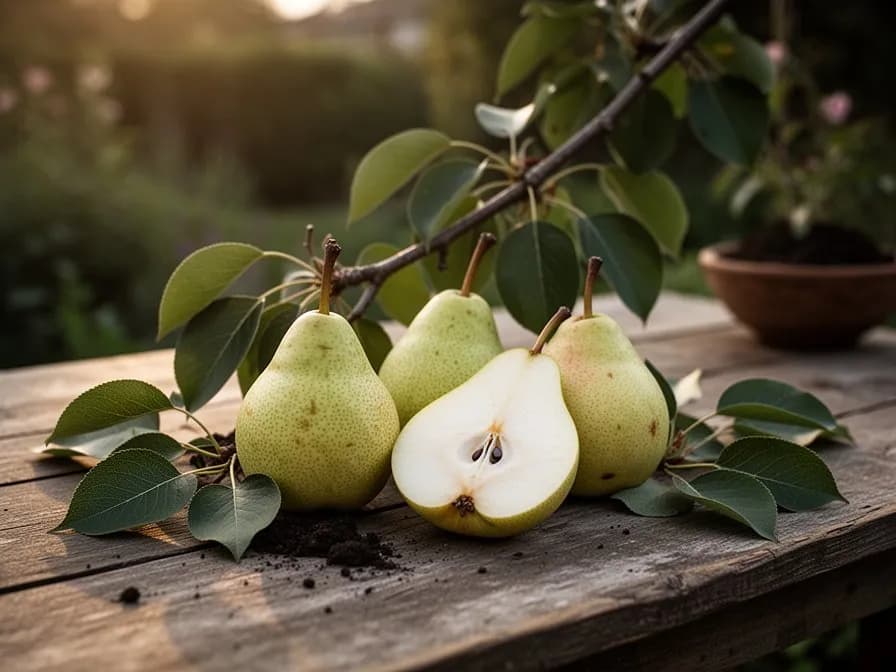
Pear and Ginger Chutney
1 hour 30 minutesA warmly spiced chutney slow-cooked until thick and rich, combining ripe pears with crystallised ginger, cider vinegar, and brown sugar. Excellent alongside sharp cheeses, cured meats, and cold roasts, it makes a rewarding way to preserve a glut of home-grown pears. Yields approximately four to five jars and keeps sealed for up to twelve months in a cool dark place.
9 ingredientsCulinary Uses
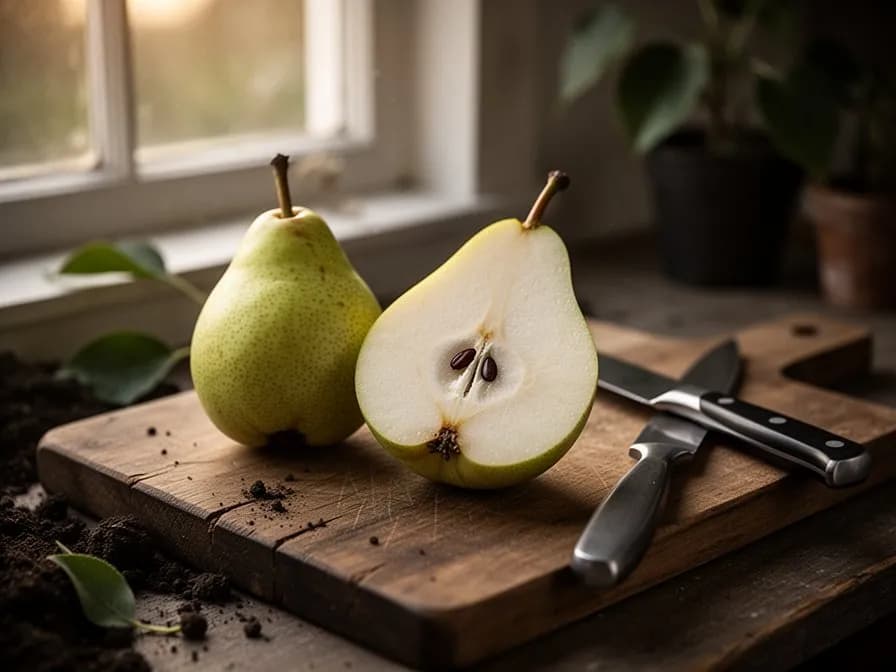
Pears are exquisite fresh when properly ripened, with a buttery melting texture that distinguishes them from apples. Bosc and Anjou varieties hold their shape well for poaching in wine or baking in tarts. Bartlett pears are the standard for canning and making preserves. Pears pair exceptionally well with blue cheese, walnuts, ginger, and vanilla. They are a good source of fiber and vitamin C and make excellent additions to salads and charcuterie boards.
What's inside
Health Benefits
- The high soluble fibre content — primarily pectin — supports healthy cholesterol levels by binding bile acids in the gut and promoting their excretion, which in turn encourages the liver to draw cholesterol from the bloodstream to synthesise replacements.
- Pears are rich in polyphenolic antioxidants including quercetin, catechin, and chlorogenic acid, which help neutralise free radicals, reduce oxidative stress, and have been linked in epidemiological studies to lower rates of chronic inflammatory diseases.
- The prebiotic fibre in pears selectively promotes the growth of beneficial gut bacteria such as Bifidobacterium and Lactobacillus species, supporting a healthy and diverse microbiome linked to improved immune regulation and mental wellbeing.
- Large-scale prospective cohort studies have associated regular consumption of white-fleshed fruit including pears with a significantly reduced risk of stroke, potentially attributable to their high flavonoid and dietary fibre content.
- With a glycaemic index of approximately 38 and a low glycaemic load, pears produce a gradual, moderate rise in blood sugar after consumption, making them one of the most suitable fruit choices for individuals managing type 2 diabetes or insulin resistance.
- The combination of vitamin C, copper, and diverse polyphenol antioxidants in pears supports collagen synthesis, wound healing, and robust immune function while helping to protect cells from the cumulative oxidative damage associated with ageing.
Where Pear Tree comes from
The pear tree (Pyrus communis) traces its ancestry to the wild forests of the Caucasus Mountains, the Tian Shan range of Central Asia, and the mountainous regions of modern-day Turkey, Iran, and western China. Archaeological evidence suggests that wild pears were gathered by prehistoric peoples across Europe and western Asia for thousands of years before deliberate cultivation began. Seeds recovered from Swiss lake dwellings date to around 1000 BC, indicating that pears were already an important food source in Bronze Age Europe.
Systematic cultivation of pear trees is documented in both ancient China and the Mediterranean world by the first millennium BC. Greek authors including Homer and Theophrastus wrote about pear cultivation, and the Roman writer Pliny the Elder catalogued nearly forty distinct varieties in his first-century Naturalis Historia, describing grafting and storage techniques that remained standard for more than a millennium. Roman colonists and military settlers spread pear cultivation throughout their empire, establishing orchards from Britannia to North Africa.
After the fall of Rome, monastic communities across medieval Europe preserved and refined pear-growing knowledge. Monks in France, Belgium, and England maintained vast orchards and conducted careful selective breeding over centuries, progressively improving fruit size, texture, flavour, and storage quality. The golden age of pear breeding arrived in the 18th and 19th centuries, when Belgian and French horticulturists — most notably Nicolas Hardenpont, Jean-Baptiste Van Mons, and the monks of the Jardin des Plantes in Angers — developed the supremely melting, buttery dessert pears that remain the benchmark of quality today. Varieties such as Doyenné du Comice, Beurré Hardy, and Williams Bon Chrétien emerged from this extraordinary period of innovation.
European settlers carried pear trees to the Americas, southern Africa, and Australasia from the 17th century onward. In North America, the Bartlett pear (the American name for Williams Bon Chrétien) rapidly became the dominant commercial variety after its introduction in the early 1800s. Today, global pear production exceeds 25 million tonnes annually, with China accounting for roughly 70 percent of world output. Despite this industrial scale, the pear tree remains a cornerstone of temperate home orchards worldwide.
Pear Tree: did you know?
Fascinating facts about Pear Tree
Pear trees are among the longest-lived of all fruit trees — well-documented specimens in France and England have continued bearing fruit for over 300 years, and some heritage trees in European monastery gardens are estimated to exceed 400 years of age.
Pear Tree questions, answered
When should I plant Pear Tree?
What are good companion plants for Pear Tree?
What hardiness zones can Pear Tree grow in?
How much sun does Pear Tree need?
How far apart should I space Pear Tree?
What pests and diseases affect Pear Tree?
How do I store Pear Tree after harvest?
What are the best Pear Tree varieties to grow?
What soil does Pear Tree need?
How long does it take for a pear tree to start producing fruit?
Why does my pear tree flower abundantly but produce very little fruit?
When is the right time to harvest pears from the tree?
What is the best way to deal with fireblight on a pear tree?
Can I grow a pear tree in a container or small garden?
Why are some of my pears small and gritty instead of smooth and juicy?
You just read the theory. Now grow it on autopilot.
Everything that makes Pear Tree fiddly — the timing, the spacing, the companions, the harvest window — is exactly what PlotMyGarden handles for you, for every plant in your garden.
A plan that knows your weather
Set your location once. Get sow, feed and harvest dates built around your real last-frost date and live forecast — no more guessing from a generic seed packet.
From the “When to plant” sectionDrag-and-drop bed planner
Design beds on a grid. Every plant snaps to its proper spacing, and you can see your whole season laid out before you spend a cent on seed.
From the “Growing guide” sectionCompanion conflicts, caught early
200+ good-and-bad pairings checked live as you plant — so a season-wrecking mistake never makes it into the ground.
From the “Companions” sectionReminders you'll actually act on
“Water the beans.” “Pick today before it turns.” Timely, specific, and tied to the plants you're really growing.
From the “Harvest” sectionSuccession, scheduled
Want a harvest for six weeks, not six days? It spaces your sowings automatically and reminds you when each new block is due.
From the “When to plant” sectionA record that gets smarter
Every harvest you log teaches it your garden. Next year's plan starts from what actually worked in your soil, not a textbook's.
From the “Overview” sectionPlant these alongside Pear Tree
More Fruit Trees
Keep Pear Tree away from these
Grow your best Pear Tree yet — and everything around it.
Start a free plan today. Lay out your beds, drop in your Pear Tree, and let PlotMyGarden handle the timing, spacing, companions and reminders from seed to harvest basket.