Lemon Tree
An evergreen citrus tree with fragrant blossoms and acidic yellow fruits, sensitive to frost and best in warm zones.





On this pageOverview
Meet Lemon Tree
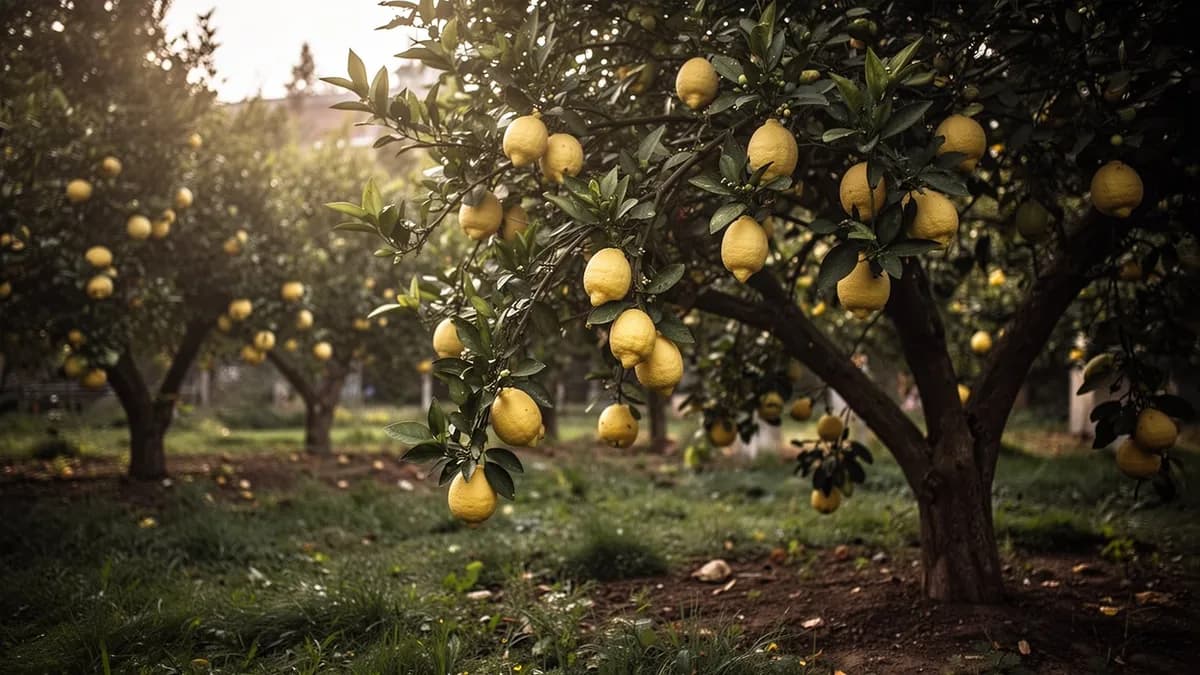
An evergreen citrus tree with fragrant blossoms and acidic yellow fruits, sensitive to frost and best in warm zones. Provide full sun, well-drained slightly acidic soil, and regular feeding with citrus-specific fertilizer to support year-round fruit and flower production. Lemon trees can simultaneously carry flowers, unripe green fruit, and ripe yellow fruit, making them both productive and ornamental. Protect from freezing temperatures below 29 degrees Fahrenheit and watch for scale insects, citrus leaf miner, and nutrient deficiencies indicated by yellowing leaves.
When to plant Lemon Tree
Lemon trees are commercially propagated by budding or grafting onto disease-resistant rootstock such as Carrizo citrange or Flying Dragon trifoliate orange. Seed-grown lemons take 5 to 7 years to fruit and may produce thorny, inferior trees. Purchase grafted trees from certified nurseries for reliable fruit production. Container-grown citrus can be planted at any time when temperatures are above 55 degrees Fahrenheit. For cold climates, choose dwarf varieties on dwarfing rootstock for indoor growing.
Your Lemon Tree Year
Composed for Zone 7 · typical seasons · frost passes Apr 2, returns Nov 1
Plant Lemon Tree Mar – May, pick Jan – Dec. Check the planting methods below and set your climate to personalize these windows.
How to grow Lemon Tree
Lemon trees need a warm, frost-free location with full sun and protection from cold winds. In zones 9 and above, plant outdoors in well-drained soil. In cooler zones, grow in containers that can be moved indoors during winter. Choose a south-facing position that receives at least 8 hours of direct sunlight daily. Space outdoor trees 15 to 20 feet apart.
Plant container-grown lemon trees in spring when nighttime temperatures remain consistently above 55 degrees Fahrenheit. Use a slightly acidic potting mix for container growing with excellent drainage. Water consistently, keeping soil evenly moist but never waterlogged. Lemon trees are sensitive to both drought and over-watering. Indoor trees benefit from a humidity tray and misting during dry winter months.
Feed lemon trees with a citrus-specific fertilizer every 6 weeks during the growing season, reducing to every 8 to 10 weeks in winter. Prune only to shape the tree, remove dead wood, and maintain air circulation. Lemon trees are everbearing, often carrying flowers, green fruit, and ripe fruit simultaneously. Protect from any frost, as even brief exposure to temperatures below 29 degrees can damage fruit and foliage.
Lemon Tree needs more room than a 4 × 8 ft bed gives
Each Lemon Tree wants 500 cm of elbow room. The planner keeps that spacing for you — every plant, every bed.
Lemon Tree's best neighbours
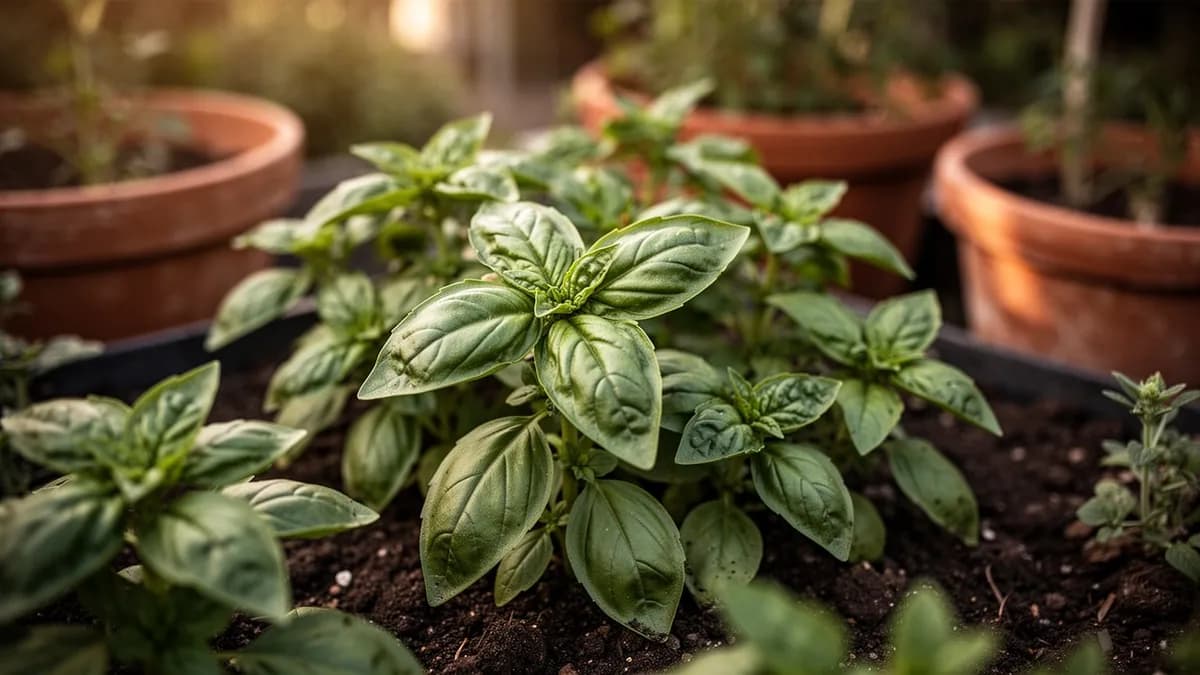
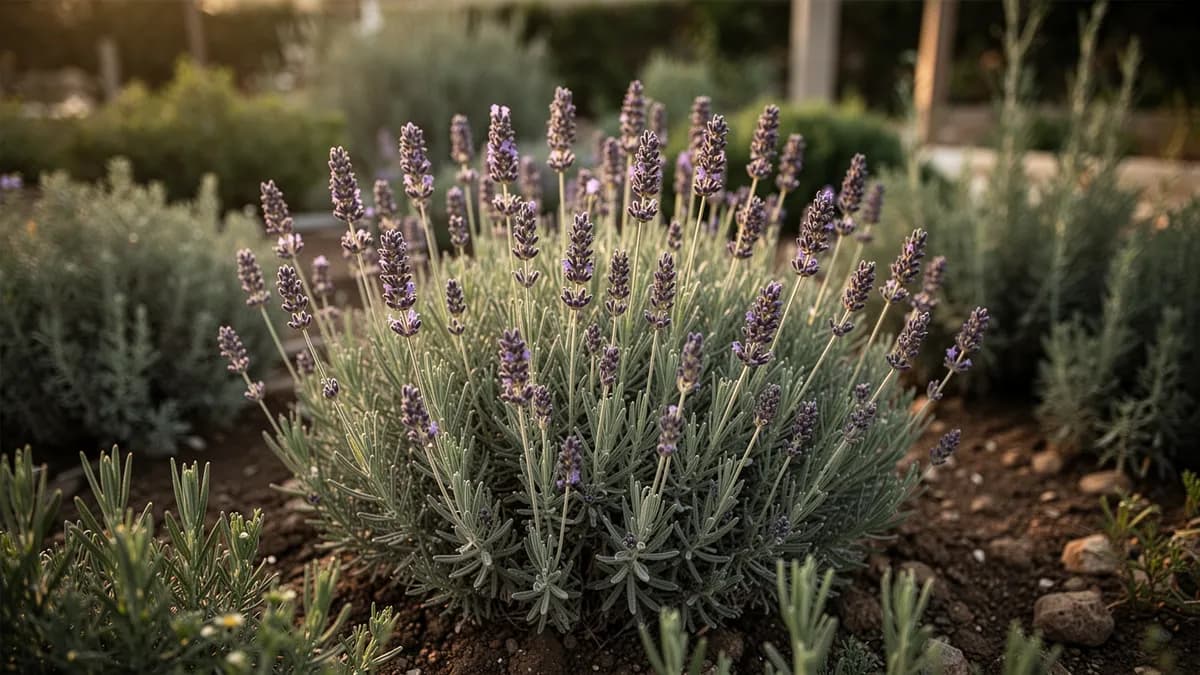
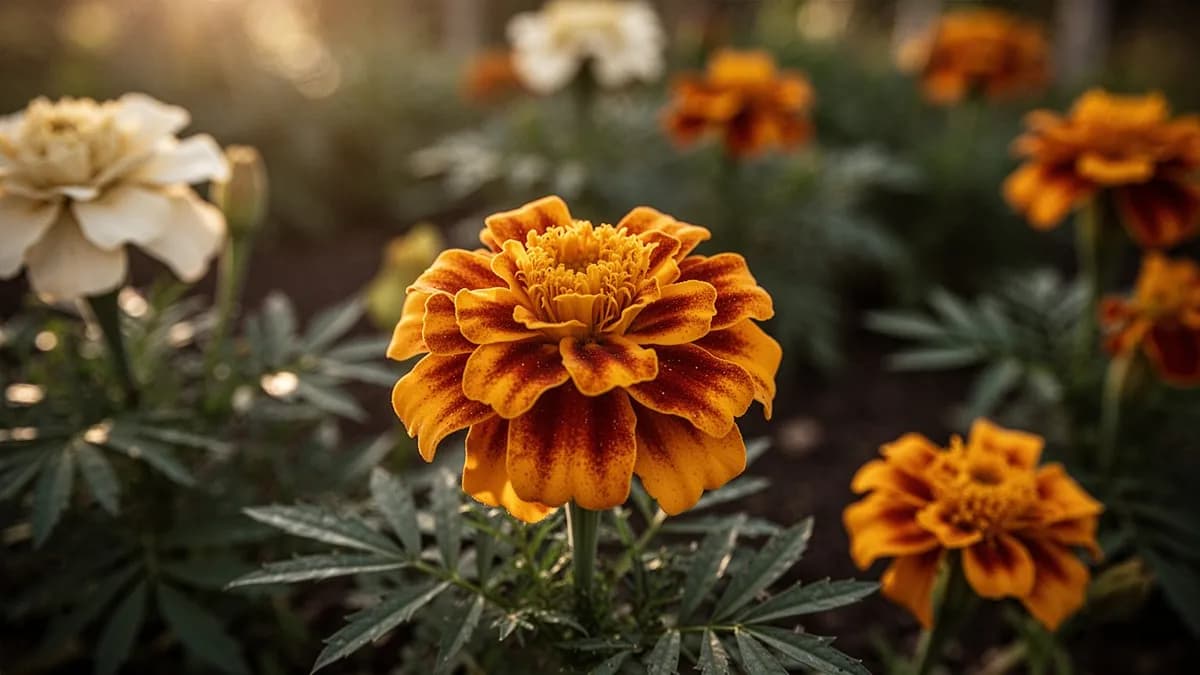
Plant basil, lavender, and marigolds near lemon trees to attract pollinators and repel pests. Lemongrass and other fragrant herbs complement citrus plantings. In container groupings, pair lemon trees with dwarf herbs for a productive patio garden. Avoid planting competing trees or large shrubs that cast shade on lemon trees. Nasturtiums make a colorful, pest-repelling ground cover under outdoor lemon trees.
Basil belongs beside it. Walnut Tree doesn't.
Old growers' knowledge, checked against Lemon Tree's real companion table below — test any plant you're growing.
Try Lemon Tree in a bed — right here
A real planner bed with Lemon Tree already in it. Tap a companion to place it and watch the pairing checks answer — green for good neighbours, red for a clash.


Related growing guides
Feed it well
Lemon trees prefer slightly acidic soil with a pH of 5.5 to 6.5 and excellent drainage. Use a specialized citrus potting mix for container growing. Feed with a citrus fertilizer containing nitrogen, phosphorus, potassium, and essential micronutrients including iron, zinc, and manganese every 6 weeks during active growth. Yellowing leaves with green veins indicate iron chlorosis, treatable with chelated iron supplements. Reduce fertilization in winter when growth slows.
Ideal Temperature
Hardiness Zone Compatibility
From seed to harvest, stage by stage
Establishment Phase
After transplanting, the young lemon tree directs most of its energy into developing a strong root system. Above-ground growth is slow during this phase and some initial leaf drop is normal as the tree acclimates to its new environment. The roots are actively spreading into the surrounding soil, and the tree is particularly vulnerable to overwatering, root disturbance, and temperature extremes.
Vegetative Growth
With established roots, the tree produces vigorous flushes of new growth. Young leaves emerge with a characteristic bronze or reddish tint before maturing to a deep glossy green. The canopy begins to fill out and the tree develops its natural rounded form. Multiple growth flushes can occur during warm months, with the tree gaining significant height and spread during this stage.
First Flowering
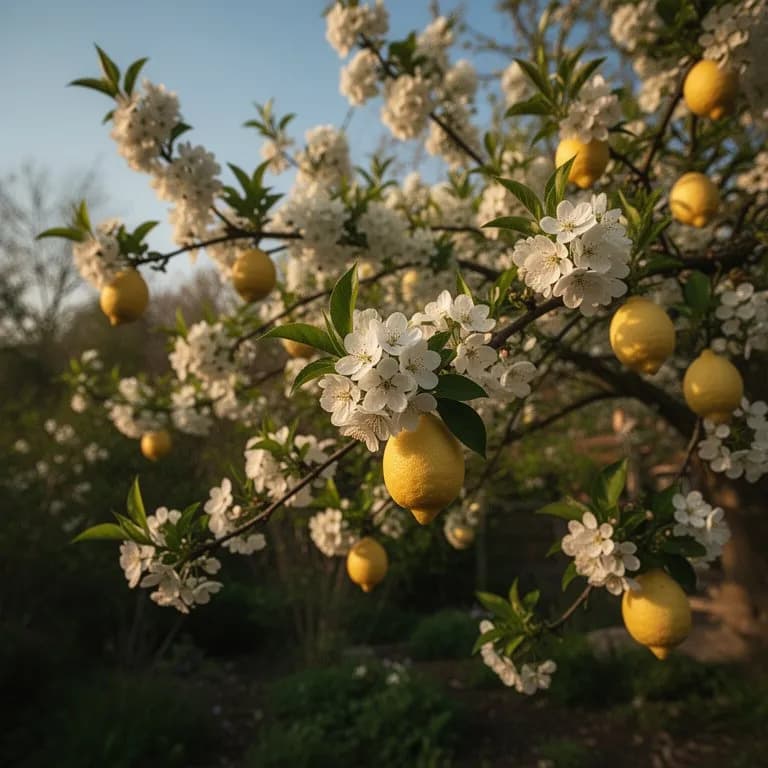
Lemon trees typically begin flowering in their second or third year when grown from grafted nursery stock. The fragrant white blossoms appear in clusters at branch terminals and leaf axils, with each flower containing both male and female parts. Natural fruit drop after flowering is normal, with the tree retaining only as many fruit as it can support. In warm climates, lemon trees can flower multiple times per year.
Fruit Development
After successful pollination, small green fruitlets begin to swell and enlarge over a period of four to nine months depending on variety and climate. The fruit grows through cell division and then cell expansion phases, gradually increasing in juice content and acidity. Fruit remain green for most of this period, only beginning their color change as they approach full maturity.
Ripening and Harvest
As lemons approach maturity, the skin transitions from green to pale yellow and finally to a bright, uniform yellow. The fruit reaches its peak juice content and the rind develops its characteristic aromatic oils. Unlike many other fruits, lemons can remain on the tree for weeks after reaching maturity without significant quality loss, effectively allowing the tree to serve as living storage. Harvest can continue over several months as fruit ripens at different rates.
Mature Production
A well-established lemon tree settles into a productive rhythm, often producing two or more crops per year in favorable climates. The tree reaches its mature height and spread, and annual yields increase steadily for the first eight to ten years before stabilizing. Mature trees are more tolerant of brief temperature dips and short dry spells, though they continue to benefit from consistent care. A healthy mature lemon tree can remain productive for fifty years or more.
Water deeply once or twice a week rather than frequent shallow watering. Avoid fertilizing for the first six to eight weeks to prevent root burn on tender new roots. Provide a stake for support if the planting site is exposed to regular wind.
Caring for Lemon Tree month by month
What to do each month for your Lemon Tree
October
You are hereHarvest ripe lemons as they reach full yellow color. Reduce watering frequency as temperatures cool. Prepare frost protection materials if you are in a marginal climate zone.
Know exactly what to do in your garden — every month
One email at the start of each month: what to sow, plant, and tackle right now — for your Lemon Tree and everything growing around it. Plus a short starter course that helps you dodge the classic mistakes.
- What to do, right now
- Matched to your season
- Starter course included
Harvesting Lemon Tree
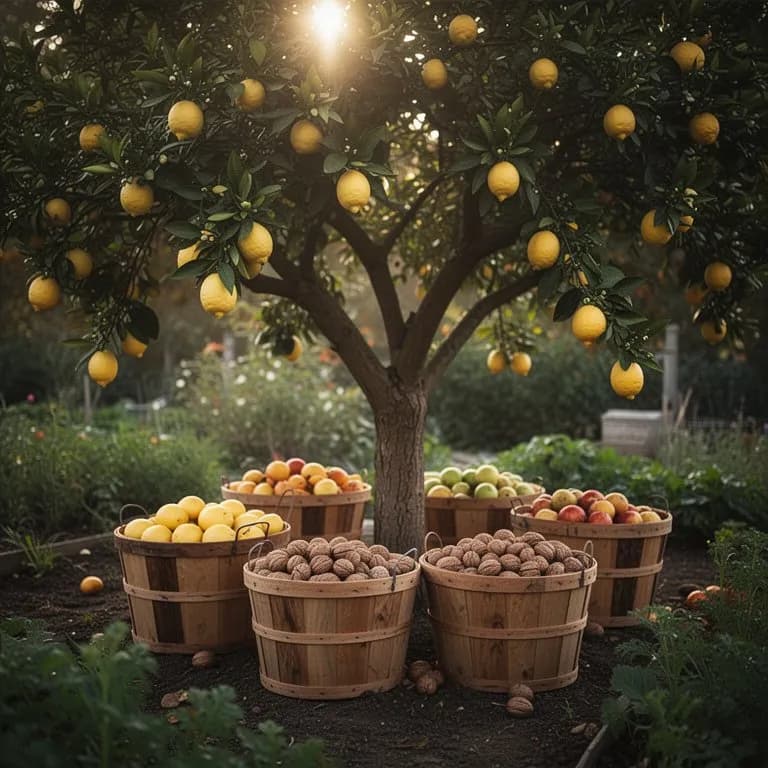
Lemons are ready to harvest when they reach full size and turn from green to bright yellow. However, lemons can be picked at any stage from mature green onward, as they continue to develop color off the tree. Clip fruit from the tree with pruning shears rather than pulling, which can damage the branch. Lemons left on the tree will hold for weeks without deteriorating, allowing continuous harvest. Fruit picked slightly green will yellow over several days at room temperature.
assuming you plant when the window opens — set your real date
Pick Lemon Tree promptly and the plant keeps producing.
Storage & Preservation
Fresh lemons keep for 2 to 3 weeks at room temperature and up to 2 months refrigerated in a sealed bag. Freeze lemon juice in ice cube trays for convenient year-round use. Lemon zest can be dried or frozen separately. Preserved lemons, made by packing halved lemons in salt and lemon juice, are a staple of North African cuisine and keep for a year in the refrigerator. Limoncello can be made by steeping zest in alcohol.
What goes wrong — and the fix
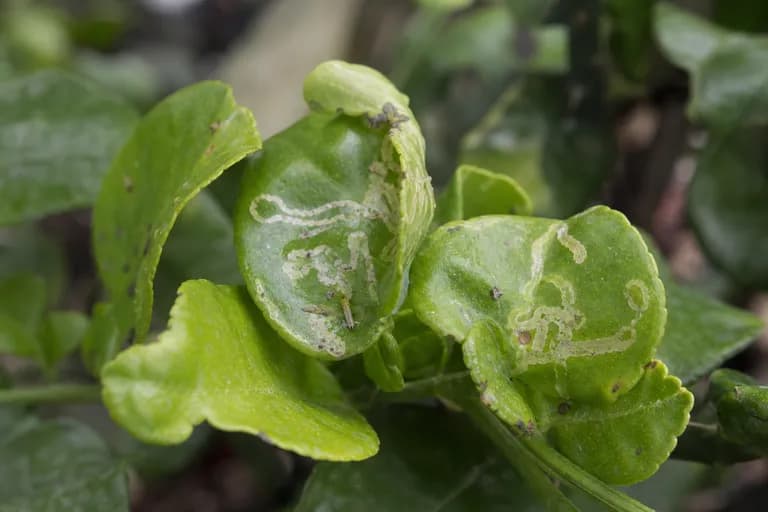
Citrus Leaf Miner
PestSerpentine silvery trails visible in young leaves where larvae tunnel between leaf surfaces. Leaves curl and become distorted.
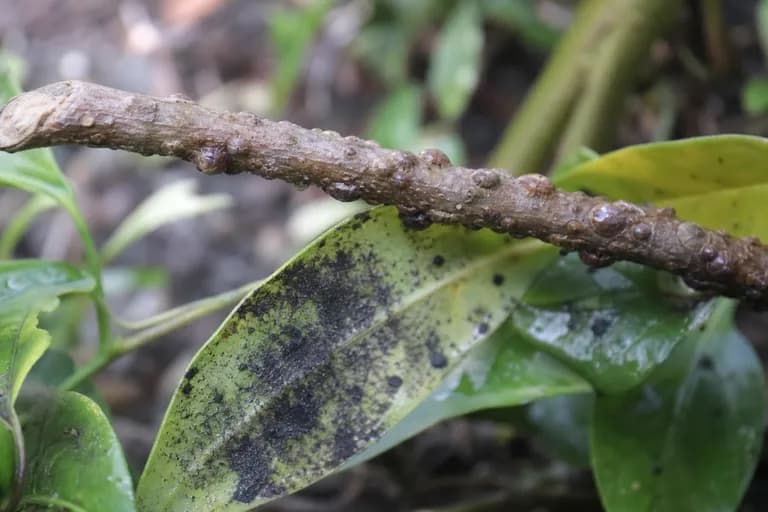
Scale Insects
PestSmall brown or white bumps adhered to leaves and stems. Honeydew secretions lead to sooty mold on leaves and fruit.
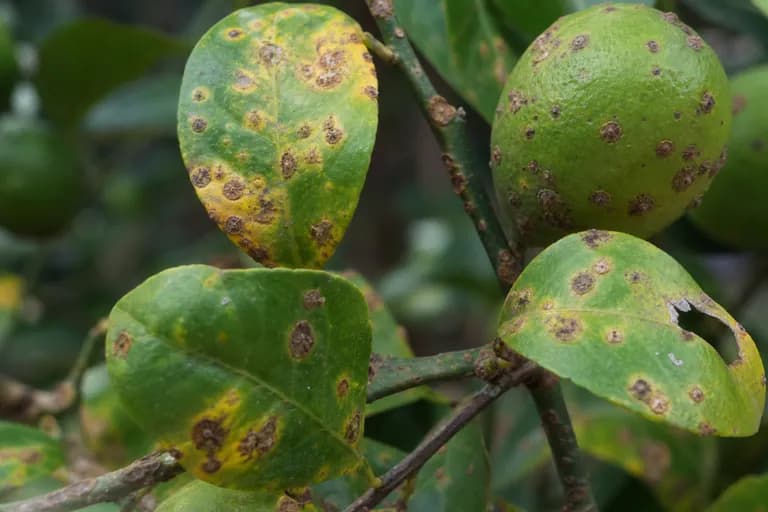
Citrus Canker
DiseaseRaised brown lesions with yellow halos on leaves, stems, and fruit. Severe infections cause leaf drop and fruit blemishing.
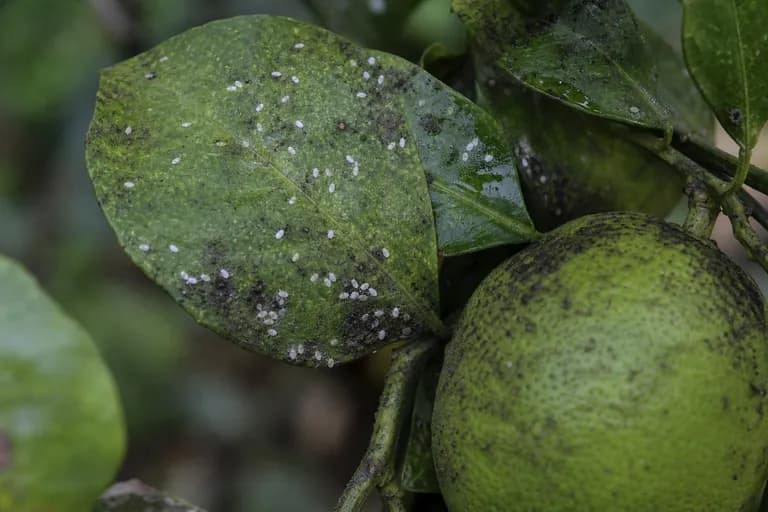
Citrus Whitefly
PestTiny white flying insects on leaf undersides. Yellowing leaves, honeydew, and sooty mold from heavy infestations.
Troubleshooting Common Problems
Yellow leaves are the most common concern, usually indicating nutrient deficiency, over-watering, or cold stress. Leaf drop on indoor trees typically results from sudden temperature changes, dry air, or insufficient light. Flower drop without fruit set can be caused by temperature extremes, dry soil, or lack of pollination indoors. Hand-pollinate indoor trees by dabbing a small brush from flower to flower. Thorns on new growth are normal and can be pruned off.
Growing Tips
- Choose a planting site that receives at least eight hours of direct sunlight per day, as lemon trees require full sun to produce abundant fruit and maintain healthy growth.
- Plant in well-drained, slightly acidic soil with a pH between 5.5 and 6.5. If your soil is heavy clay, plant in a raised bed or mound to ensure adequate drainage and prevent root rot.
- Water deeply but infrequently, allowing the top five to eight centimeters of soil to dry between waterings. Lemon trees are susceptible to root rot from waterlogged conditions, but they also suffer quickly from drought stress.
- Fertilize three times per year — in early spring, late spring, and late summer — with a balanced citrus-specific fertilizer that includes micronutrients such as iron, zinc, and manganese.
- Protect from frost by covering the tree with frost cloth or moving container-grown trees indoors when temperatures are forecast to drop below minus 2 degrees Celsius. Even brief freezes can damage fruit and foliage.
- Prune annually in late winter to remove dead wood, crossing branches, and suckers growing from below the graft union. Maintain an open canopy shape that allows sunlight to reach interior branches.
- Apply a 7 to 10 centimeter layer of organic mulch such as wood chips or shredded bark around the base of the tree, keeping mulch at least 15 centimeters away from the trunk to prevent collar rot.
- Monitor regularly for common pests including aphids, scale insects, citrus leaf miner, and spider mites. Treat early with horticultural oil or insecticidal soap before infestations become severe.
- For container growing, choose a pot at least 50 centimeters in diameter with large drainage holes. Use a well-draining potting mix designed for citrus or mix standard potting soil with perlite at a 3:1 ratio.
- If your tree produces abundant flowers but drops most of its fruit, ensure it is receiving adequate and consistent water during fruit set, as drought stress is the most common cause of excessive fruit drop in home-grown lemon trees.
Grow your best Lemon Tree yet — and everything around it.
Start a free plan today. Lay out your beds, drop in your Lemon Tree, and let PlotMyGarden handle the timing, spacing, companions and reminders from seed to harvest basket.
Pick your Lemon Tree
Eureka
The standard supermarket lemon with juicy, acidic fruit produced nearly year-round. Virtually thornless and well-suited to coastal and warm inland areas.
Meyer
A lemon-orange hybrid with sweeter, less acidic juice and a thin, edible skin. More cold-tolerant than true lemons and excellent for container growing.
Lisbon
Very productive true lemon with excellent juice quality. More thorny than Eureka but hardier and more heat-tolerant, performing well in hot inland valleys.
Improved Dwarf Meyer
Virus-free selection ideal for containers, reaching only 6 to 8 feet tall. Produces abundantly indoors with sufficient light and consistent care.
Ponderosa
Novelty variety producing enormous lemons weighing up to 2 pounds each. Good for containers and ornamental interest, with true lemon flavor.
A single mature lemon tree can produce 200 to 600 lemons per year, worth roughly 150 to 450 dollars at typical grocery store prices of 0.75 to 1.00 dollars per lemon. When you factor in the value of organic, pesticide-free fruit picked at peak ripeness, plus the savings from homemade lemon juice, zest, and preserved lemons, a backyard lemon tree can pay for itself within two to three years and continue providing free fruit for decades. Container-grown dwarf varieties produce fewer fruit but still offer meaningful savings and the unbeatable quality of fresh-picked lemons.
Quick recipes
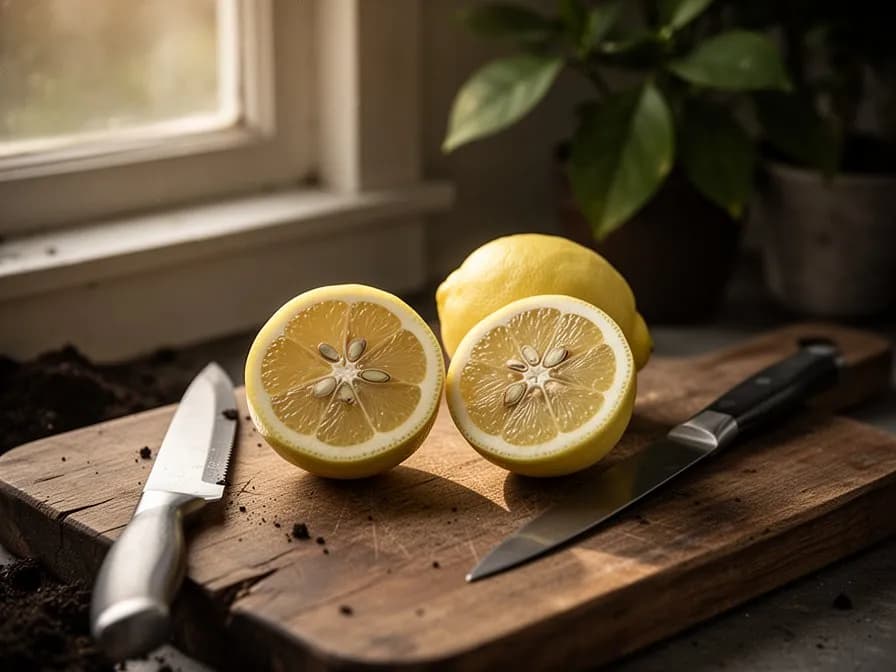
Classic Homemade Lemonade
10 minutesA refreshing, naturally sweetened lemonade made with fresh-squeezed lemons from your garden. The balance of tart lemon juice, pure water, and just enough sweetener creates the perfect thirst-quenching drink for hot days. Adjust the sugar to taste and add sparkling water for a fizzy variation.
5 ingredientsPreserved Lemons
20 minutes plus 4 weeks curingA traditional North African condiment that transforms fresh lemons into an intensely flavored, silky ingredient used in tagines, salads, and grain dishes. The salt cure softens the rind and concentrates the lemon flavor into something entirely different from fresh fruit. Once made, preserved lemons keep in the refrigerator for up to a year.
5 ingredientsLemon Vinaigrette Dressing
5 minutesA bright, versatile salad dressing that showcases the fresh flavor of homegrown lemons. This simple emulsion of lemon juice, olive oil, and Dijon mustard pairs beautifully with green salads, roasted vegetables, and grilled fish. It keeps in the refrigerator for up to a week and can be customized with fresh herbs.
6 ingredientsCulinary Uses
Lemons are essential in cooking worldwide, providing acidity and brightness to dishes from fish and poultry to salad dressings and desserts. Both juice and zest are used extensively. Lemon juice is the base for lemonade, lemon curd, and citrus vinaigrettes. Meyer lemons, with their sweeter profile, are prized for baking and cocktails. Lemons are rich in vitamin C and citric acid. Preserved lemons add depth to tagines and Mediterranean dishes.
What's inside
Health Benefits
- Rich in vitamin C, which supports immune function, collagen synthesis, and acts as a powerful antioxidant protecting cells from free radical damage.
- Contains citric acid that may help prevent kidney stones by increasing urinary citrate levels, which inhibits stone formation.
- The soluble pectin fiber found in lemon pulp and pith can support digestive health and may help slow the absorption of sugars after meals.
- Flavonoid compounds in lemons, particularly hesperidin and diosmin, have been shown in studies to support cardiovascular health by improving blood vessel function and reducing inflammation.
- Lemon juice can enhance iron absorption from plant-based foods when consumed together, helping to prevent iron deficiency anemia in vegetarian and vegan diets.
- The polyphenol antioxidants in lemons, including eriocitrin and d-limonene from the peel, have demonstrated anti-inflammatory properties in laboratory research.
Where Lemon Tree comes from
The lemon (Citrus limon) is believed to have originated in the foothills of northeastern India, northern Myanmar, and the Yunnan province of China, where wild citrus species still grow today. Genetic studies suggest it is a natural hybrid between the citron (Citrus medica) and the bitter orange (Citrus aurantium), though the exact circumstances of its original hybridization are lost to antiquity. The fruit was first documented in a tenth-century Arabic treatise on farming, and Arab traders are credited with spreading lemon cultivation westward across the Middle East and into North Africa. By the twelfth century, lemons were being cultivated extensively in the Mediterranean region, particularly in what is now southern Italy, Spain, and the Maghreb. The Crusaders encountered lemons during their campaigns in the Levant and helped introduce the fruit more widely into European cuisine and trade. During the Age of Exploration, lemons gained critical importance as a remedy for scurvy, the devastating vitamin C deficiency disease that plagued long-distance sailors. The Scottish physician James Lind demonstrated the effectiveness of citrus juice against scurvy in 1747, leading to the British Admiralty mandating lemon juice rations for sailors by 1795. Spanish missionaries brought lemons to California in the eighteenth century, and commercial lemon orchards were established there by the mid-1800s. Today, the top lemon-producing countries include India, Mexico, China, Argentina, Brazil, and Turkey. The global lemon industry produces over 20 million metric tons annually, with the fruit used in culinary, cleaning, cosmetic, and medicinal applications worldwide. In home gardens, lemon trees remain one of the most popular fruit trees due to their year-round productivity, ornamental beauty, and the unmatched flavor of freshly picked fruit.
Lemon Tree: did you know?
Fascinating facts about Lemon Tree
Lemon trees are everbearing, meaning they can flower and fruit simultaneously, and a single tree may carry blossoms, green fruit, and ripe yellow lemons all at the same time.
Lemon Tree questions, answered
When should I plant Lemon Tree?
What are good companion plants for Lemon Tree?
What hardiness zones can Lemon Tree grow in?
How much sun does Lemon Tree need?
How far apart should I space Lemon Tree?
What pests and diseases affect Lemon Tree?
How do I store Lemon Tree after harvest?
What are the best Lemon Tree varieties to grow?
What soil does Lemon Tree need?
Why are the leaves on my lemon tree turning yellow?
How long does it take a lemon tree to produce fruit?
Can I grow a lemon tree indoors?
Why is my lemon tree dropping its fruit before it ripens?
How do I protect my lemon tree from frost?
What is the difference between Eureka, Lisbon, and Meyer lemon trees?
You just read the theory. Now grow it on autopilot.
Everything that makes Lemon Tree fiddly — the timing, the spacing, the companions, the harvest window — is exactly what PlotMyGarden handles for you, for every plant in your garden.
A plan that knows your weather
Set your location once. Get sow, feed and harvest dates built around your real last-frost date and live forecast — no more guessing from a generic seed packet.
From the “When to plant” sectionDrag-and-drop bed planner
Design beds on a grid. Every plant snaps to its proper spacing, and you can see your whole season laid out before you spend a cent on seed.
From the “Growing guide” sectionCompanion conflicts, caught early
200+ good-and-bad pairings checked live as you plant — so a season-wrecking mistake never makes it into the ground.
From the “Companions” sectionReminders you'll actually act on
“Water the beans.” “Pick today before it turns.” Timely, specific, and tied to the plants you're really growing.
From the “Harvest” sectionSuccession, scheduled
Want a harvest for six weeks, not six days? It spaces your sowings automatically and reminds you when each new block is due.
From the “When to plant” sectionA record that gets smarter
Every harvest you log teaches it your garden. Next year's plan starts from what actually worked in your soil, not a textbook's.
From the “Overview” sectionPlant these alongside Lemon Tree
More Fruit Trees
Keep Lemon Tree away from these
Grow your best Lemon Tree yet — and everything around it.
Start a free plan today. Lay out your beds, drop in your Lemon Tree, and let PlotMyGarden handle the timing, spacing, companions and reminders from seed to harvest basket.