Apple Tree
A deciduous fruit tree requiring cross-pollination from a compatible variety and annual pruning for best production.





On this pageOverview
Meet Apple Tree
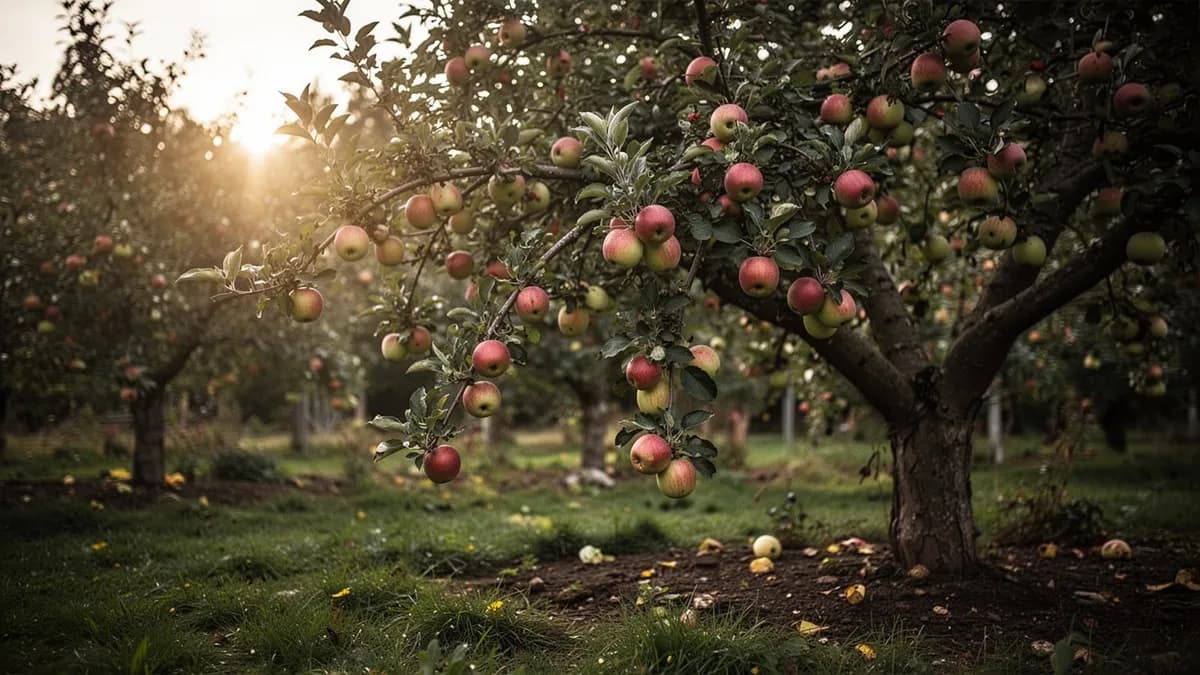
A deciduous fruit tree requiring cross-pollination from a compatible variety and annual pruning for best production. Train young trees to an open center or modified central leader shape to allow sunlight and air into the canopy for optimal fruit quality. Apple trees benefit from winter dormant sprays and summer fruit thinning to prevent biennial bearing and improve individual apple size. Watch for fire blight, apple scab, and codling moth, which are the most common challenges for backyard apple growers.
When to plant Apple Tree
Apple trees are almost always propagated by grafting named varieties onto disease-resistant rootstock rather than growing from seed, since seedlings do not come true to the parent variety. Purchase bare-root grafted trees from reputable nurseries for best results. Plant bare-root stock in late winter while dormant, soaking roots for 1 to 2 hours before planting. For container-grown trees, plant anytime during the growing season but avoid extreme heat. Dwarf rootstocks like M9 and M26 produce smaller trees ideal for home gardens.
Your Apple Tree Year
Composed for Zone 7 · typical seasons · frost passes Apr 2, returns Nov 1
Plant Apple Tree Mar – Apr, Nov, pick Aug – Oct. Check the planting methods below and set your climate to personalize these windows.
How to grow Apple Tree
Choose a site with full sun and well-drained, loamy soil with a pH between 6.0 and 7.0. Apple trees need good air circulation to reduce disease pressure, so avoid planting in low-lying frost pockets. Space standard trees 20 to 25 feet apart and dwarf varieties 8 to 10 feet apart. Plant bare-root trees in late winter or early spring while still dormant, setting the graft union 2 to 3 inches above the soil line.
Water newly planted trees deeply once a week during the first growing season. Apply a 3-inch layer of organic mulch around the base, keeping it 6 inches away from the trunk to prevent rot. Begin training young trees to a central leader or modified central leader shape in the first year by selecting well-spaced scaffold branches.
Established apple trees benefit from annual dormant pruning in late winter to remove crossing branches, water sprouts, and dead wood. Thin fruit clusters to one apple per cluster when fruitlets are marble-sized to prevent biennial bearing and improve fruit size. Apply a balanced fertilizer in early spring and monitor for pests throughout the growing season.
Apple Tree needs more room than a 4 × 8 ft bed gives
Each Apple Tree wants 600 cm of elbow room. The planner keeps that spacing for you — every plant, every bed.
Apple Tree's best neighbours
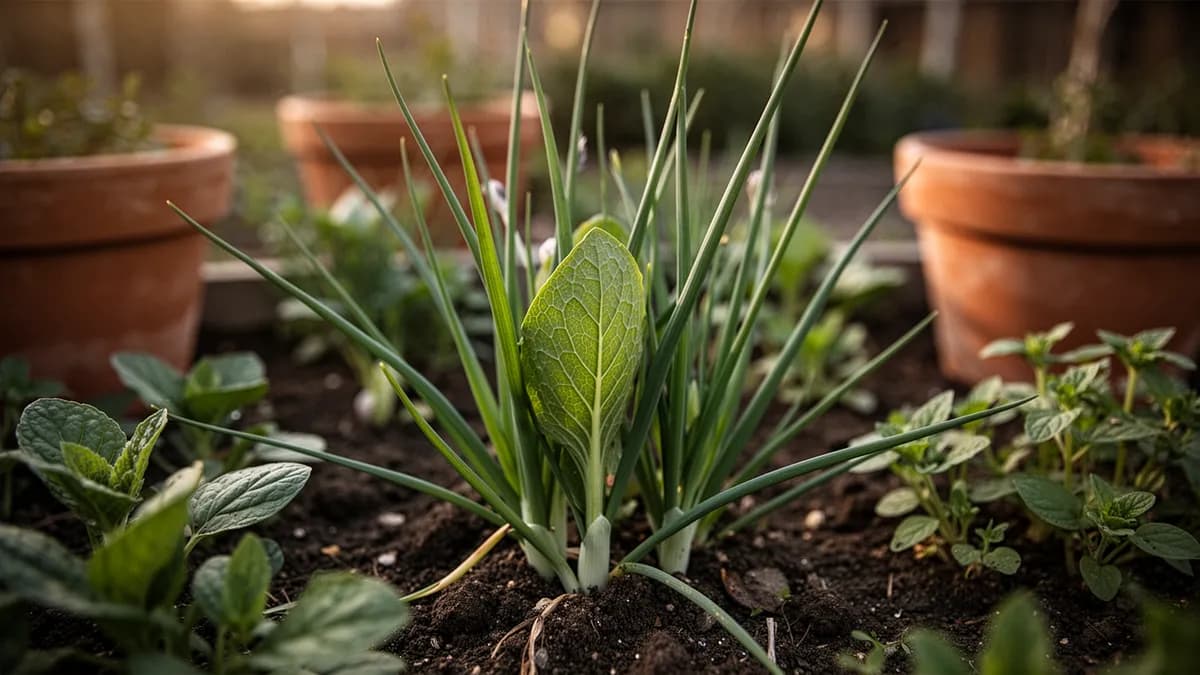
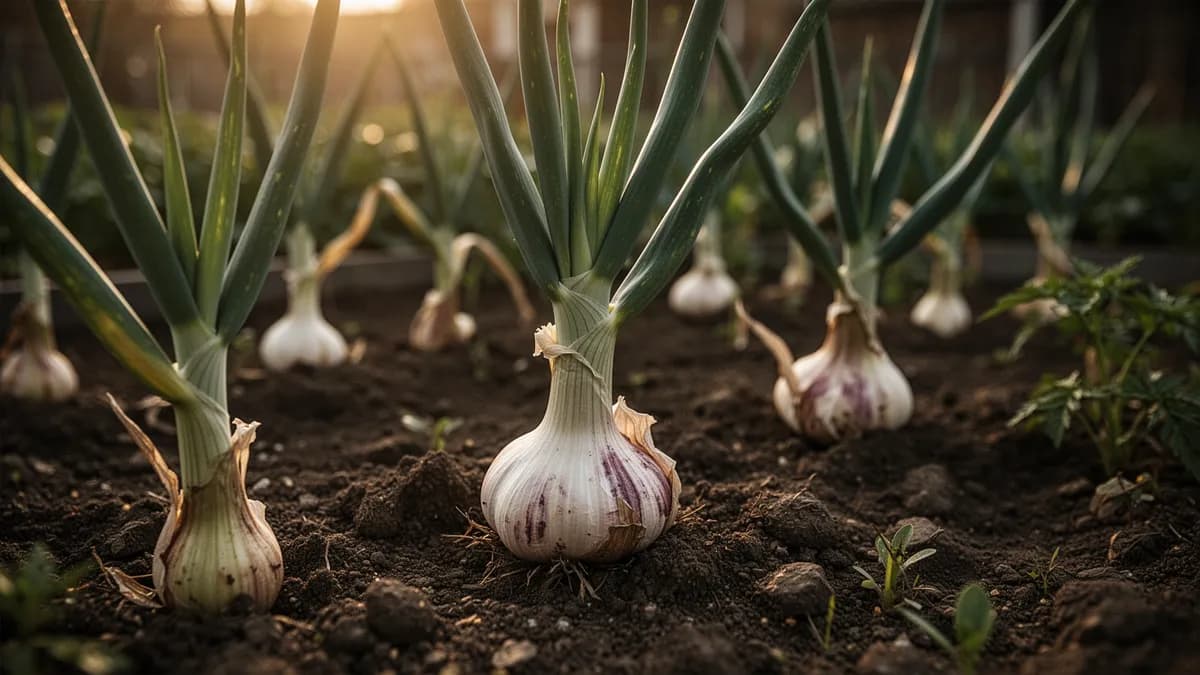
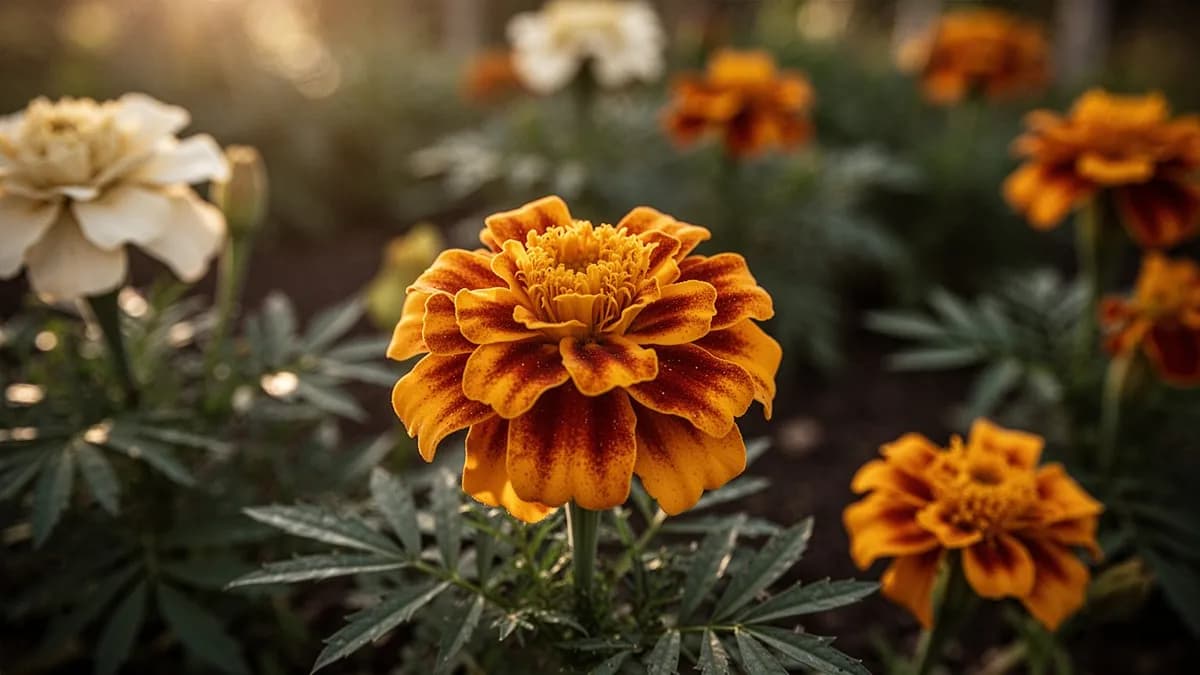
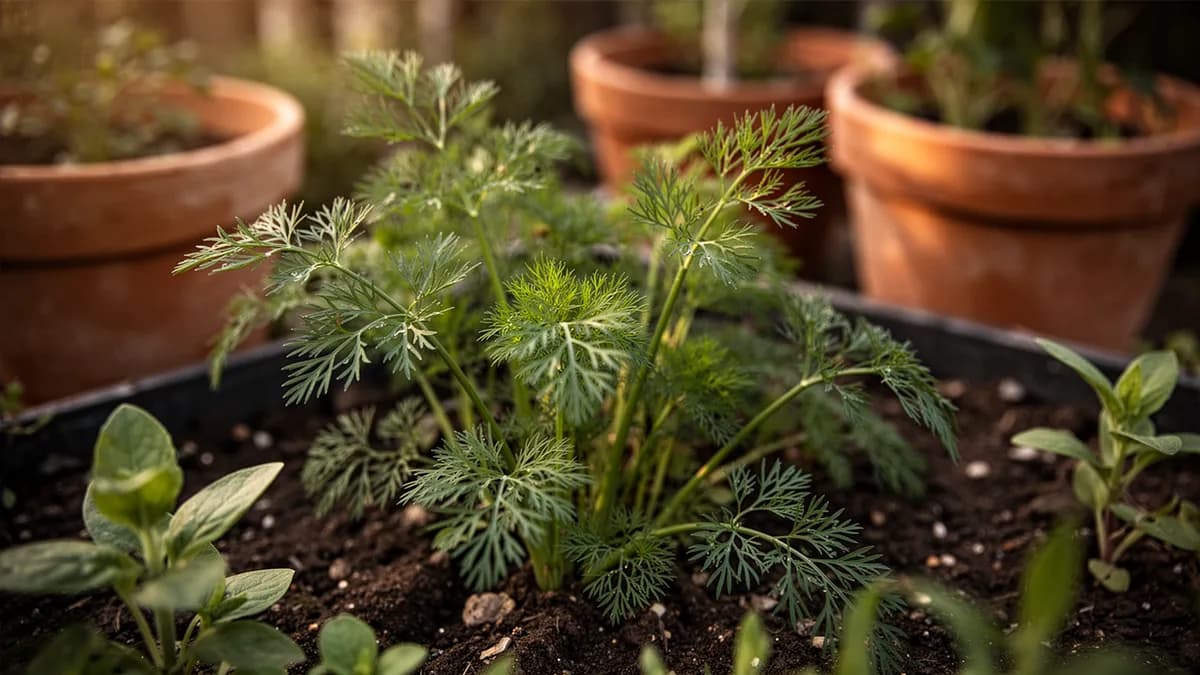
Plant chives, garlic, and nasturtiums around apple trees to deter aphids and improve pollinator attraction. Comfrey makes an excellent understory plant, accumulating potassium and phosphorus in its leaves that can be chopped and used as mulch. Clover or other nitrogen-fixing cover crops between rows improve soil fertility. Avoid planting grass right up to the trunk, as it competes aggressively for water and nutrients with young trees.
Chives belongs beside it. Walnut Tree doesn't.
Old growers' knowledge, checked against Apple Tree's real companion table below — test any plant you're growing.
Try Apple Tree in a bed — right here
A real planner bed with Apple Tree already in it. Tap a companion to place it and watch the pairing checks answer — green for good neighbours, red for a clash.


Related growing guides
Feed it well
Apple trees thrive in well-drained loamy soil with a pH of 6.0 to 7.0. Amend heavy clay with compost and gypsum to improve drainage. Apply a balanced 10-10-10 fertilizer in early spring at a rate of 1 pound per inch of trunk diameter, spreading it in a ring beneath the drip line. Supplement with calcium if bitter pit has been a problem. Avoid fertilizing after midsummer to allow wood to harden before winter.
Ideal Temperature
Hardiness Zone Compatibility
From seed to harvest, stage by stage
Dormancy
The apple tree enters winter dormancy after leaf drop, conserving energy in its root system and woody tissues. Most apple cultivars require between 800 and 1200 chill hours below 7 degrees Celsius to break dormancy and set fruit buds properly the following season.
Bud Break and Bloom
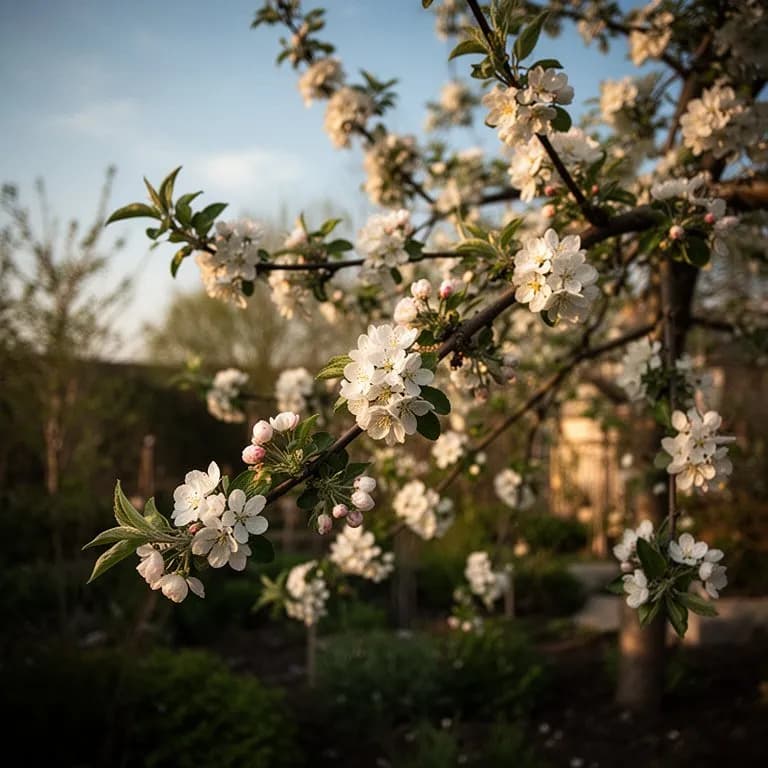
As soil temperatures rise above 5 degrees Celsius, swelling buds open into clusters of five flowers each. Blossoms are white with pink tinges, and the bloom period typically lasts 10 to 14 days depending on weather conditions. Cross-pollination from a compatible cultivar is required for fruit set.
Fruit Set and June Drop
After pollination, fertilized flowers develop into small fruitlets while unpollinated flowers drop. The tree naturally sheds excess fruit in a process called June drop, which typically reduces the crop by 50 to 70 percent. This self-thinning helps the tree allocate resources to fewer, larger fruits.
Fruit Development
Fruits enlarge steadily through summer, accumulating sugars, acids, and aromatic compounds. Cell division occurs primarily in the first few weeks after bloom, while cell enlargement continues throughout the season. Skin color develops in response to sunlight exposure and cooler nighttime temperatures in late summer.
Harvest and Ripening
Apples reach maturity between late August and October depending on the cultivar. Ripe fruit develops full color, seeds turn dark brown, and the flesh near the stem changes from green to white or cream. A ripe apple separates from the spur with a gentle upward twist rather than a pull.
Post-Harvest Leaf Senescence
After harvest, the tree reabsorbs nutrients from its leaves as chlorophyll breaks down, revealing yellow and red pigments. Leaves eventually drop and the tree prepares for winter dormancy. Strong nutrient reserves built during this period support vigorous growth the following spring.
Prune during late dormancy in February or March before bud swell begins. Remove dead, diseased, or crossing branches and open up the canopy center to improve air circulation and light penetration.
Caring for Apple Tree month by month
What to do each month for your Apple Tree
October
You are hereHarvest late-season varieties and sort for storage keeping only unblemished fruit. Apply a post-harvest foliar urea spray to accelerate leaf decomposition. Plant new trees while soil is still warm enough for root establishment
Know exactly what to do in your garden — every month
One email at the start of each month: what to sow, plant, and tackle right now — for your Apple Tree and everything growing around it. Plus a short starter course that helps you dodge the classic mistakes.
- What to do, right now
- Matched to your season
- Starter course included
Harvesting Apple Tree
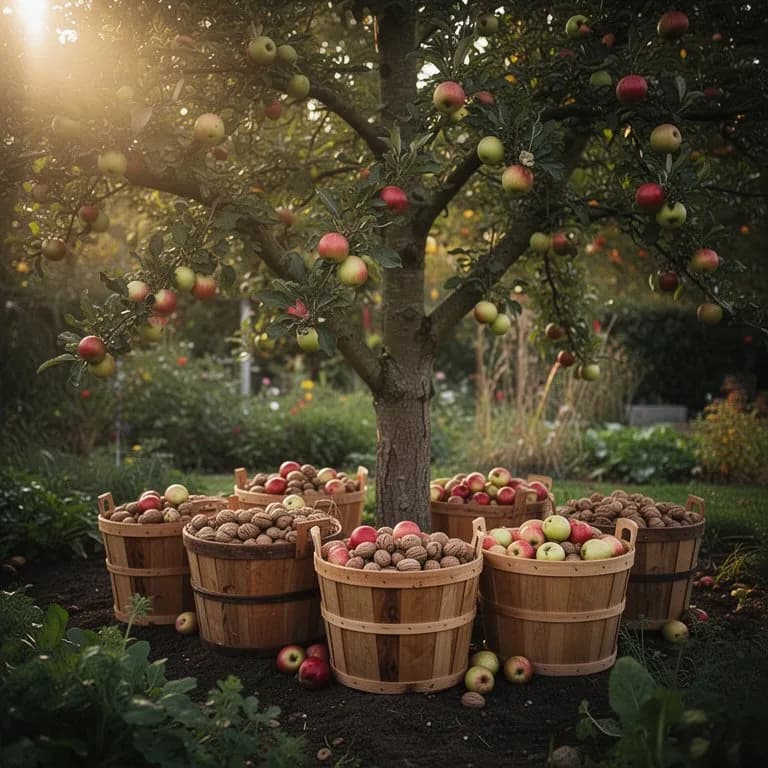
Harvest apples when the background color changes from green to yellow and the fruit separates easily from the spur with a gentle upward twist. Seeds should be dark brown when fruit is fully ripe. Early varieties ripen in August, mid-season in September, and late varieties in October. Pick carefully to avoid bruising and handle fruit gently. Store sound, unblemished fruit in a cool location for extended keeping.
assuming you plant when the window opens — set your real date
Pick Apple Tree promptly and the plant keeps producing.
Storage & Preservation
Store apples in a cool, humid environment at 30 to 35 degrees Fahrenheit with 90% humidity. Late-season varieties like Fuji and Granny Smith store for 3 to 6 months under proper conditions. Wrap individual fruits in newspaper to prevent one spoiled apple from affecting others. Apples can also be dried in rings, frozen as slices, pressed into cider, or made into applesauce and butter for long-term preservation.
What goes wrong — and the fix
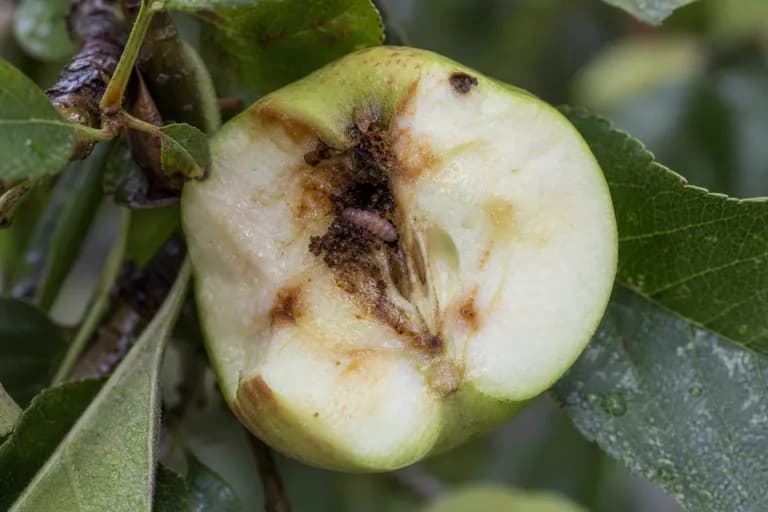
Codling Moth
PestLarvae tunnel into fruit, leaving frass-filled holes and brown trails through the flesh.
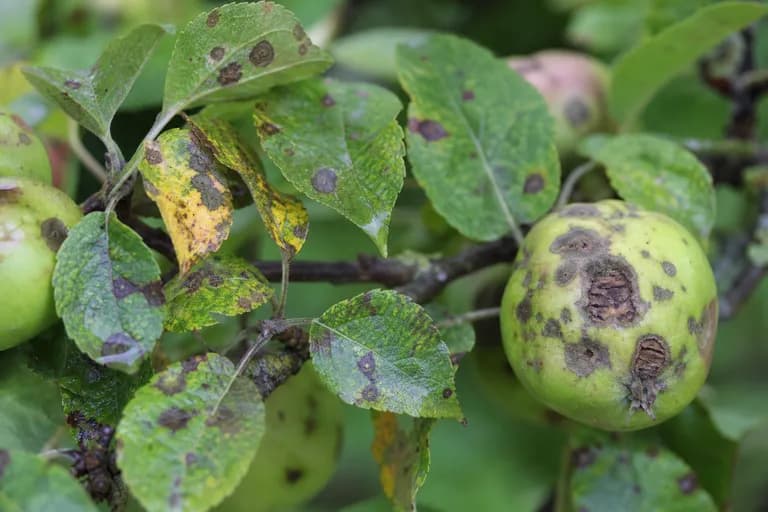
Apple Scab
DiseaseOlive-green to black velvety spots on leaves and fruit. Severe infections cause early leaf drop and cracked, deformed fruit.
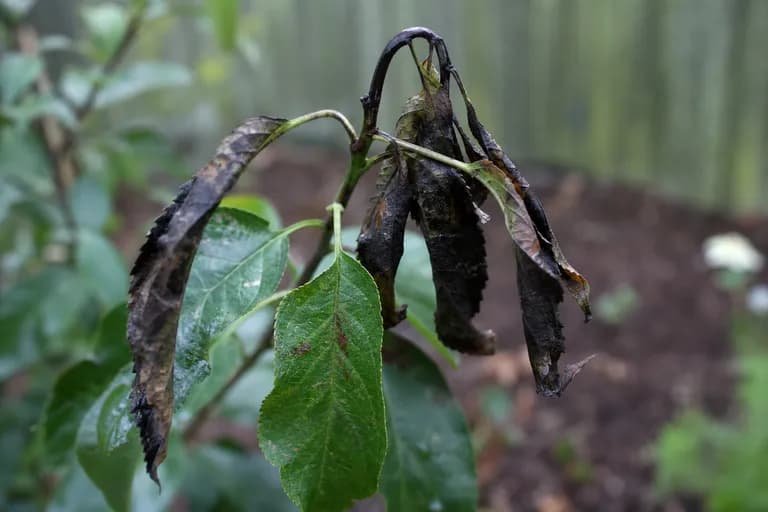
Fire Blight
DiseaseBranch tips wilt and curl into a shepherd's crook shape. Bark appears water-soaked and may ooze bacterial slime.
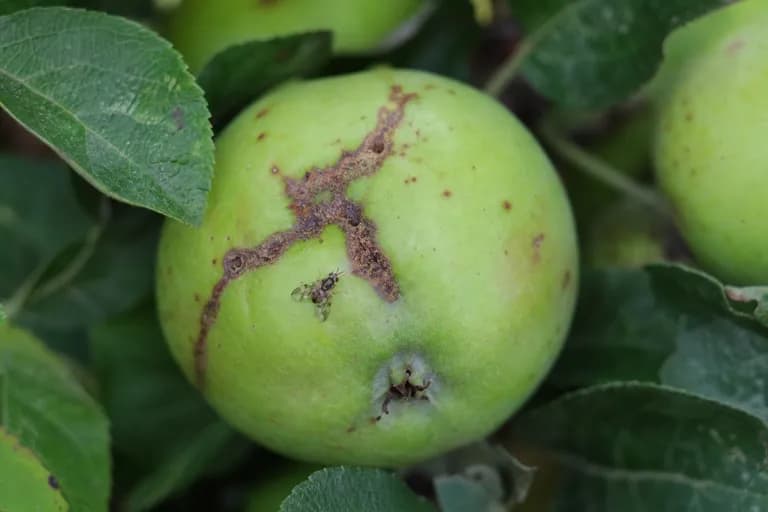
Apple Maggot
PestSmall dimples on fruit surface. Larvae create winding brown tunnels through the flesh, causing premature fruit drop.
Troubleshooting Common Problems
Biennial bearing, where trees produce heavily one year and lightly the next, is managed by thinning fruit in heavy years. Sunscald on young trunks can be prevented with white tree guards or diluted latex paint. Poor fruit set often indicates a pollination issue, so ensure a compatible pollinator variety blooms at the same time within 50 feet. Water stress during July and August reduces fruit size and next year's flower bud development.
Growing Tips
- Plant at least two compatible apple cultivars within 15 meters of each other to ensure cross-pollination, as most apple varieties are self-incompatible and will not set fruit with their own pollen.
- Choose a rootstock appropriate for your space: M9 for dwarf trees reaching 2 to 3 meters tall, MM106 for semi-dwarf trees reaching 4 to 5 meters, or seedling rootstock for full-size trees reaching 6 to 10 meters.
- Apply 10 centimeters of organic mulch such as wood chips or straw in a circle around the tree extending to the drip line, keeping mulch at least 15 centimeters away from the trunk to prevent crown rot and rodent damage.
- Train young trees to a central leader or open vase shape in the first 3 to 4 years using spreaders or tie-downs to establish wide branch angles of 45 to 60 degrees, which are stronger and more productive than upright growth.
- Water newly planted trees deeply once per week during the first two growing seasons to establish a strong root system, providing about 20 liters per watering session for dwarf trees and 40 liters for standard trees.
- Apply a balanced organic fertilizer such as 10-10-10 at a rate of 100 grams per year of tree age in early spring just before bud break, spreading it evenly under the canopy from the trunk to the drip line.
- Inspect trees weekly from April through September for signs of common diseases including apple scab, fire blight, cedar apple rust, and powdery mildew, and take action promptly with appropriate organic or conventional treatments.
- Install trunk guards or spiral tree wraps on young trees from November through March to protect against sunscald, frost cracking, and gnawing damage from rabbits, voles, and deer.
- Hang codling moth pheromone traps by mid-April and monitor weekly to time spray applications precisely, targeting the first generation larvae before they enter developing fruit.
- Harvest apples by cupping the fruit in your palm and twisting upward gently with a slight rotation rather than pulling downward, which can damage the fruiting spur and reduce next year's crop potential.
Grow your best Apple Tree yet — and everything around it.
Start a free plan today. Lay out your beds, drop in your Apple Tree, and let PlotMyGarden handle the timing, spacing, companions and reminders from seed to harvest basket.
Pick your Apple Tree
Honeycrisp
Exceptionally crisp and juicy with a balanced sweet-tart flavor. Requires 800 to 1000 chill hours and produces best in zones 3 to 7.
Fuji
Very sweet, dense flesh that stores exceptionally well. A late-season apple that needs a long growing season to develop full sweetness.
Gala
Mild, sweet flavor with a crisp texture. An early-season apple that produces reliably and is excellent for fresh eating.
Granny Smith
Tart, firm green apple ideal for baking and pies. Requires a long, warm growing season and stores for months.
Liberty
Disease-resistant variety immune to apple scab. Produces crisp, juicy fruit with a sprightly sweet-tart flavor, ideal for organic orchards.
A single mature dwarf apple tree can produce 45 to 90 kilograms of fruit per year, worth approximately 90 to 270 dollars at retail organic prices. With a productive lifespan of 20 to 30 years and annual maintenance costs of around 20 to 40 dollars for fertilizer, pest management, and pruning supplies, a home apple tree can save a family thousands of dollars over its lifetime compared to purchasing equivalent organic apples from grocery stores.
Quick recipes
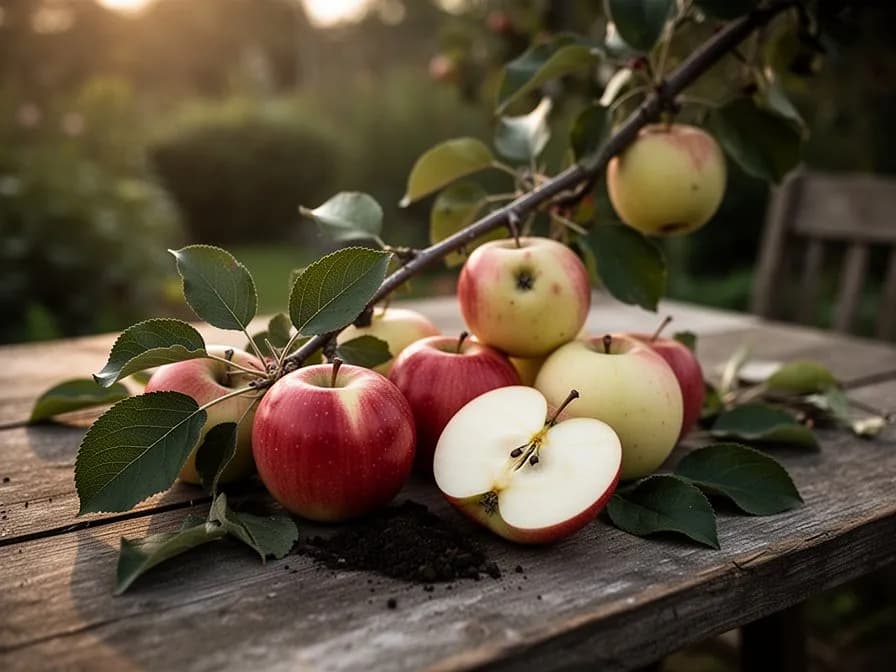
Classic Homemade Applesauce
30 minutesA simple, naturally sweet applesauce that requires no added sugar when made with ripe apples. Perfect for using up windfall fruit or slightly blemished apples from the garden harvest. The sauce can be frozen in portions for year-round use.
5 ingredients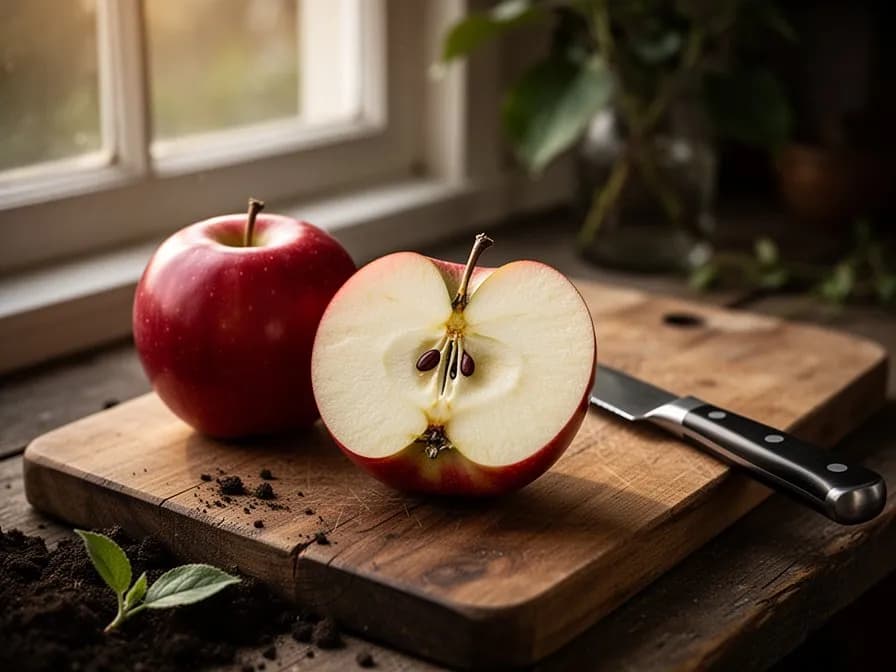
French Apple Galette
55 minutesA rustic free-form tart with a buttery pastry crust and caramelized apple slices. This forgiving recipe does not require a pie dish, making it ideal for garden-to-table baking with freshly picked apples. Best served warm with a scoop of vanilla ice cream.
6 ingredientsSpiced Apple Cider Vinegar Shrub
15 minutes plus 48 hours infusionA tangy drinking vinegar concentrate made with fresh garden apples, perfect for mixing with sparkling water as a refreshing probiotic beverage. Shrubs are a colonial-era preservation method that transforms surplus apples into a versatile pantry staple lasting months in the refrigerator.
6 ingredientsCulinary Uses
Apples are one of the most versatile culinary fruits, excellent fresh, baked in pies and crisps, dried into chips, or pressed for cider and juice. Tart varieties like Granny Smith hold their shape well in baking, while sweet varieties like Fuji are best for fresh eating and salads. Apples are rich in fiber, vitamin C, and antioxidants. They pair beautifully with cinnamon, caramel, sharp cheddar cheese, and pork dishes.
What's inside
Health Benefits
- Regular apple consumption is associated with a 20 percent reduced risk of cardiovascular disease according to meta-analyses of prospective cohort studies published in peer-reviewed nutrition journals.
- The soluble fiber pectin in apples acts as a prebiotic, feeding beneficial gut bacteria and supporting a healthy intestinal microbiome linked to improved immune function.
- Quercetin, a flavonoid concentrated in apple skin, has demonstrated anti-inflammatory and antihistamine properties in clinical research and may help manage seasonal allergies.
- Eating whole apples before meals has been shown to reduce total calorie intake due to their high fiber and water content, supporting healthy weight management strategies.
- Polyphenol compounds in apples may protect brain cells from oxidative damage and have been associated with a reduced risk of neurodegenerative diseases including Alzheimer's in observational studies.
- The combination of fiber, potassium, and low sodium content in apples contributes to healthy blood pressure regulation, with studies suggesting two to three daily servings of fruit can lower systolic blood pressure.
Where Apple Tree comes from
The domestic apple (Malus domestica) traces its origins to the wild apple forests of the Tian Shan mountains in modern-day Kazakhstan, where Malus sieversii still grows as a primary ancestor species. Genetic studies published in the journal Nature Genetics have confirmed that this Central Asian wild apple is the principal progenitor of all cultivated apple varieties, with secondary contributions from the European crabapple Malus sylvestris through ancient hybridization events along the Silk Road trade routes. Apples were among the earliest fruit trees to be domesticated, with evidence of cultivation dating back at least 4000 years in the Fertile Crescent region. Ancient Greek and Roman authors including Theophrastus and Pliny the Elder described multiple named varieties and sophisticated grafting techniques remarkably similar to those still used today. The Romans spread apple cultivation throughout their empire, establishing orchards across Europe from Britain to North Africa. During the medieval period, monasteries became important centers of pomological knowledge, preserving and developing hundreds of regional varieties. European colonists brought apple seeds and grafted trees to North America in the 1600s, where the fruit quickly became a dietary staple and cider a primary beverage. The 19th century saw a golden age of apple breeding with thousands of new varieties developed, though commercial agriculture in the 20th century narrowed the market to a handful of dominant cultivars. Today a renewed interest in heritage and disease-resistant varieties is expanding the diversity available to home gardeners and orchardists worldwide.
Apple Tree: did you know?
Fascinating facts about Apple Tree
There are more than 7500 known cultivars of apples grown worldwide, each bred for different climates, flavors, and uses ranging from fresh eating to cider production.
Apple Tree questions, answered
When should I plant Apple Tree?
What are good companion plants for Apple Tree?
What hardiness zones can Apple Tree grow in?
How much sun does Apple Tree need?
How far apart should I space Apple Tree?
What pests and diseases affect Apple Tree?
How do I store Apple Tree after harvest?
What are the best Apple Tree varieties to grow?
What soil does Apple Tree need?
How long does it take for an apple tree to produce its first fruit?
Do I need more than one apple tree to get fruit?
When is the best time to prune an apple tree?
Why does my apple tree produce fruit only every other year?
What are the best apple varieties for a small garden?
How do I store apples from my garden to last through winter?
You just read the theory. Now grow it on autopilot.
Everything that makes Apple Tree fiddly — the timing, the spacing, the companions, the harvest window — is exactly what PlotMyGarden handles for you, for every plant in your garden.
A plan that knows your weather
Set your location once. Get sow, feed and harvest dates built around your real last-frost date and live forecast — no more guessing from a generic seed packet.
From the “When to plant” sectionDrag-and-drop bed planner
Design beds on a grid. Every plant snaps to its proper spacing, and you can see your whole season laid out before you spend a cent on seed.
From the “Growing guide” sectionCompanion conflicts, caught early
200+ good-and-bad pairings checked live as you plant — so a season-wrecking mistake never makes it into the ground.
From the “Companions” sectionReminders you'll actually act on
“Water the beans.” “Pick today before it turns.” Timely, specific, and tied to the plants you're really growing.
From the “Harvest” sectionSuccession, scheduled
Want a harvest for six weeks, not six days? It spaces your sowings automatically and reminds you when each new block is due.
From the “When to plant” sectionA record that gets smarter
Every harvest you log teaches it your garden. Next year's plan starts from what actually worked in your soil, not a textbook's.
From the “Overview” sectionPlant these alongside Apple Tree
More Fruit Trees
Keep Apple Tree away from these
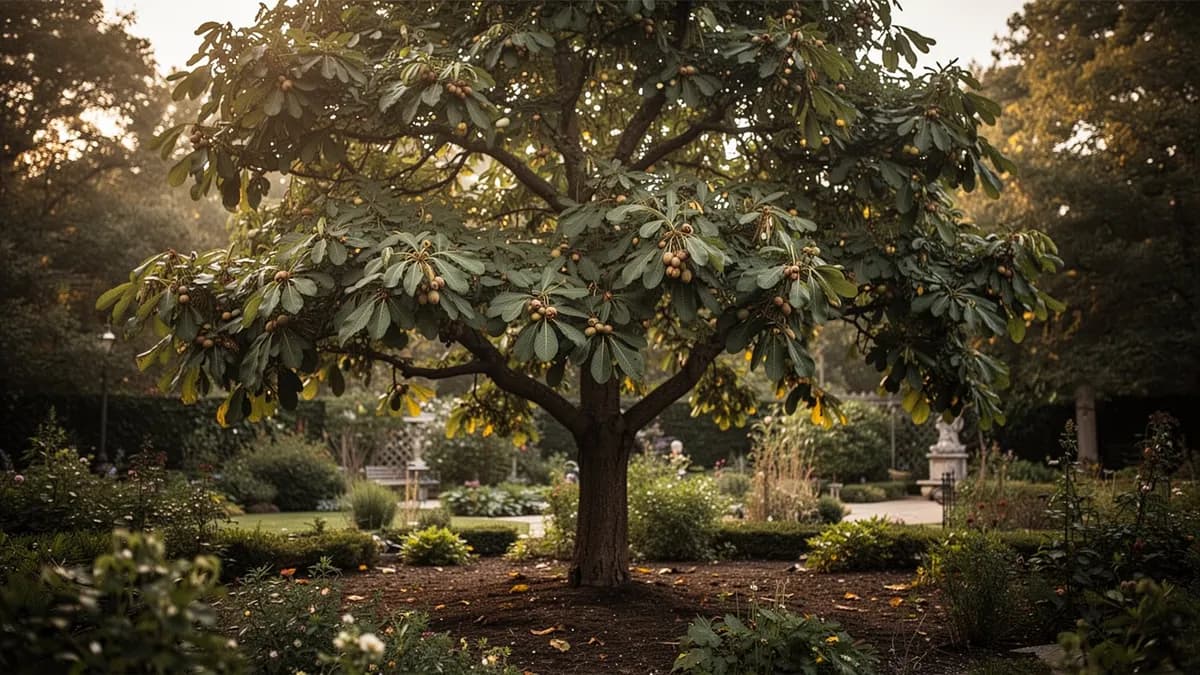
Garden plans featuring Apple Tree
Grow your best Apple Tree yet — and everything around it.
Start a free plan today. Lay out your beds, drop in your Apple Tree, and let PlotMyGarden handle the timing, spacing, companions and reminders from seed to harvest basket.