Fig Tree
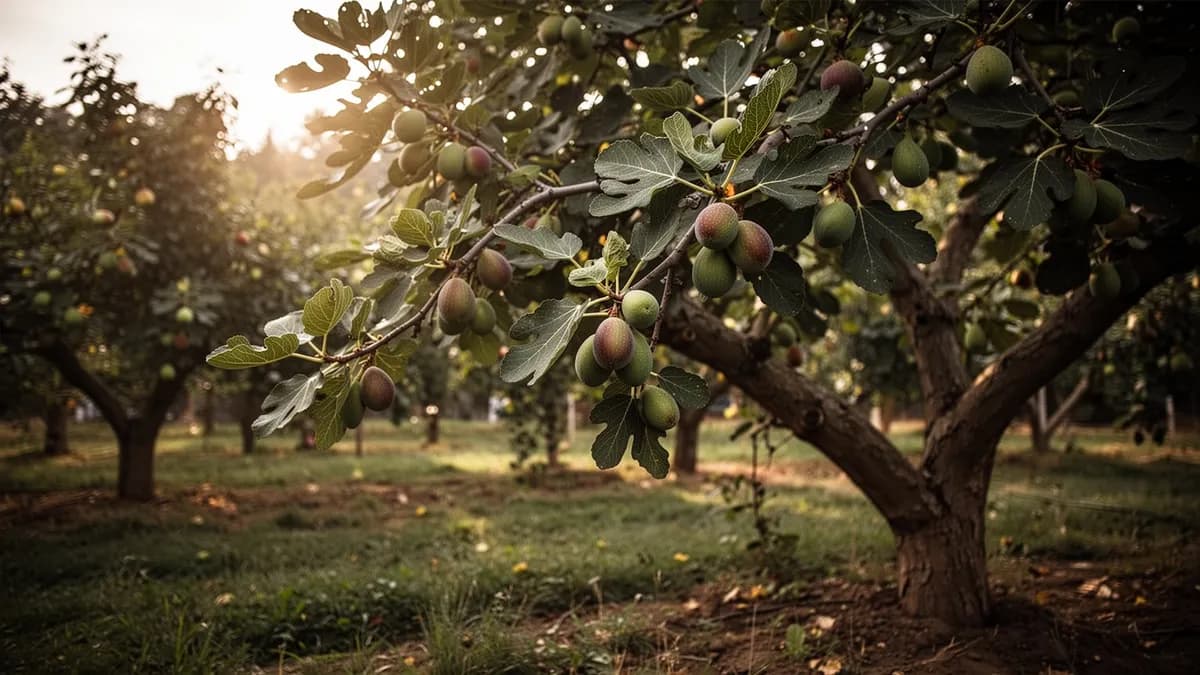
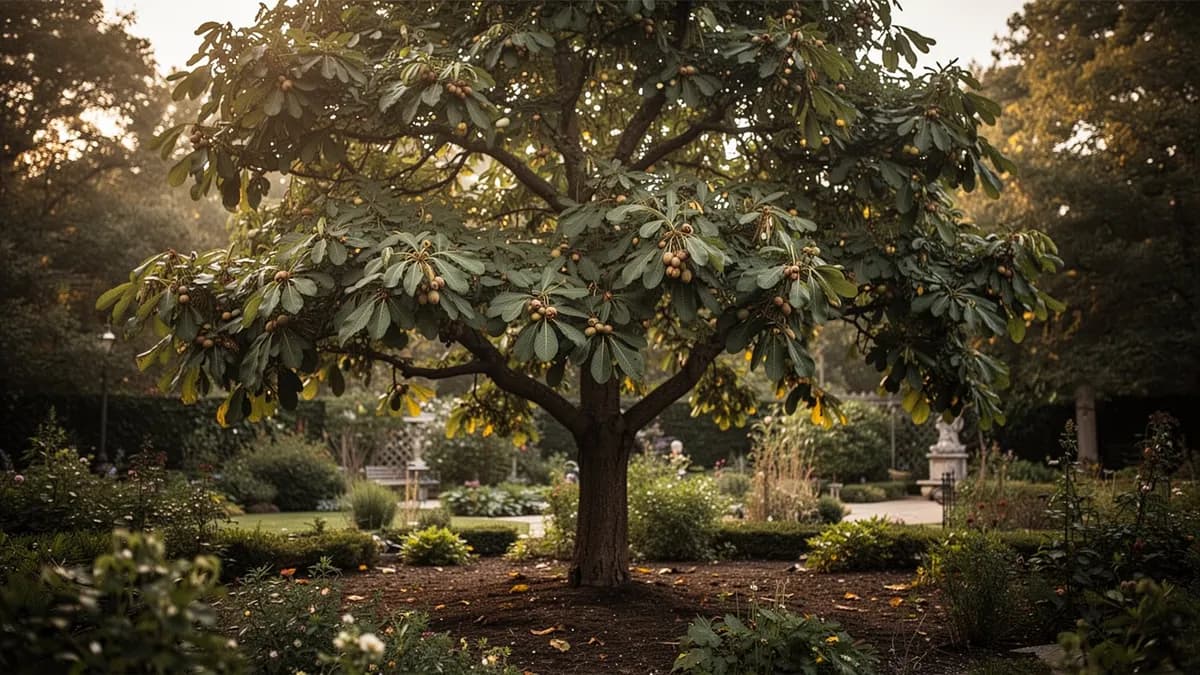
A deciduous tree with large lobed leaves, producing two crops of honey-sweet fruits in warm climates annually.





On this pageOverview
Meet Fig Tree
A deciduous tree with large lobed leaves, producing two crops of honey-sweet fruits in warm climates annually. The early breba crop forms on previous year's wood in early summer, while the main crop develops on new growth in late summer and fall. Prune fig trees lightly to maintain shape and remove dead wood, as heavy pruning reduces fruiting potential in the following season. In marginal climates, plant against a south-facing wall for reflected warmth and wrap the tree with insulation for winter protection.
When to plant Fig Tree
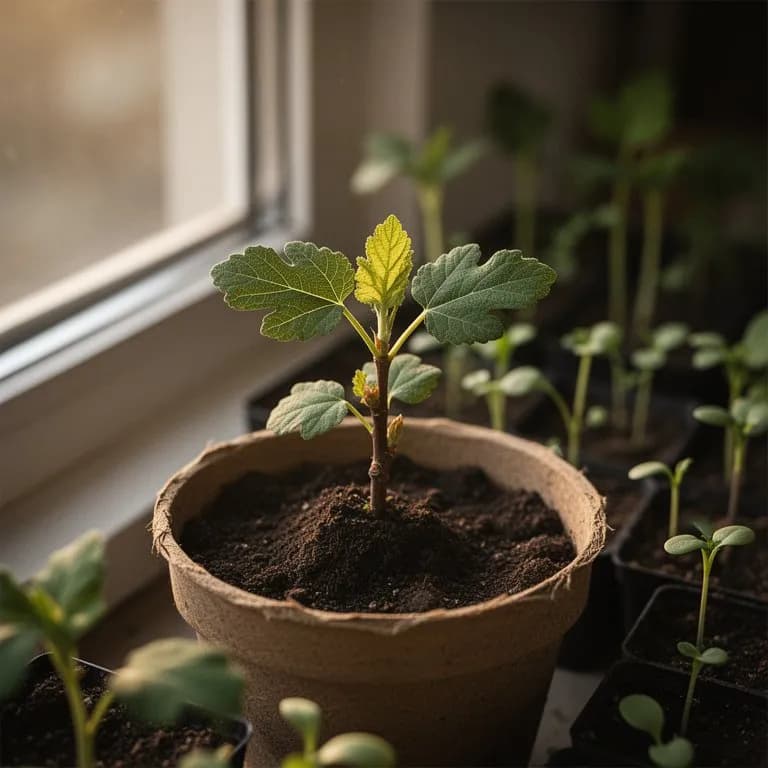
Fig trees are easily propagated from hardwood cuttings taken in winter. Cut 8 to 10 inch sections of dormant one-year-old wood, dip the base in rooting hormone, and plant in a well-drained potting mix with two-thirds of the cutting buried. Keep moist and warm. Cuttings typically root within 4 to 8 weeks. Rooted cuttings can fruit within 1 to 2 years. Container-grown nursery trees are also readily available and can be planted anytime during the growing season.
Your Fig Tree Year
Composed for Zone 7 · typical seasons · frost passes Apr 2, returns Nov 1
Plant Fig Tree Mar – Apr, pick Jul – Sep. Check the planting methods below and set your climate to personalize these windows.
How to grow Fig Tree
Fig trees perform best in warm, sheltered locations with full sun and well-drained soil. In marginal climates, plant against a south-facing or west-facing wall to benefit from reflected heat and wind protection. Figs tolerate a wide range of soil types including alkaline and slightly acidic conditions, but they cannot tolerate waterlogged roots. Space trees 15 to 20 feet apart or grow in large containers for patios and cold-climate growing.
Plant container-grown fig trees in spring after the last frost. Bare-root figs can be planted in late winter in mild climates. Dig a generous hole and incorporate compost for moisture retention. Water deeply at planting and apply 3 to 4 inches of organic mulch. During the first year, water weekly to establish a strong root system. Once established, figs are remarkably drought-tolerant.
Fig trees require minimal pruning. Remove dead wood and crossing branches in late winter. In cold climates where figs die back to the ground, simply remove dead wood in spring and allow new shoots to grow from the base. For container-grown figs, restrict root growth in a 15 to 20 gallon container, which helps control tree size and encourages fruiting. In zones 6 and 7, wrap the tree with burlap and insulation after leaf drop for winter protection.
Fig Tree needs more room than a 4 × 8 ft bed gives
Each Fig Tree wants 500 cm of elbow room. The planner keeps that spacing for you — every plant, every bed.
Fig Tree's best neighbours
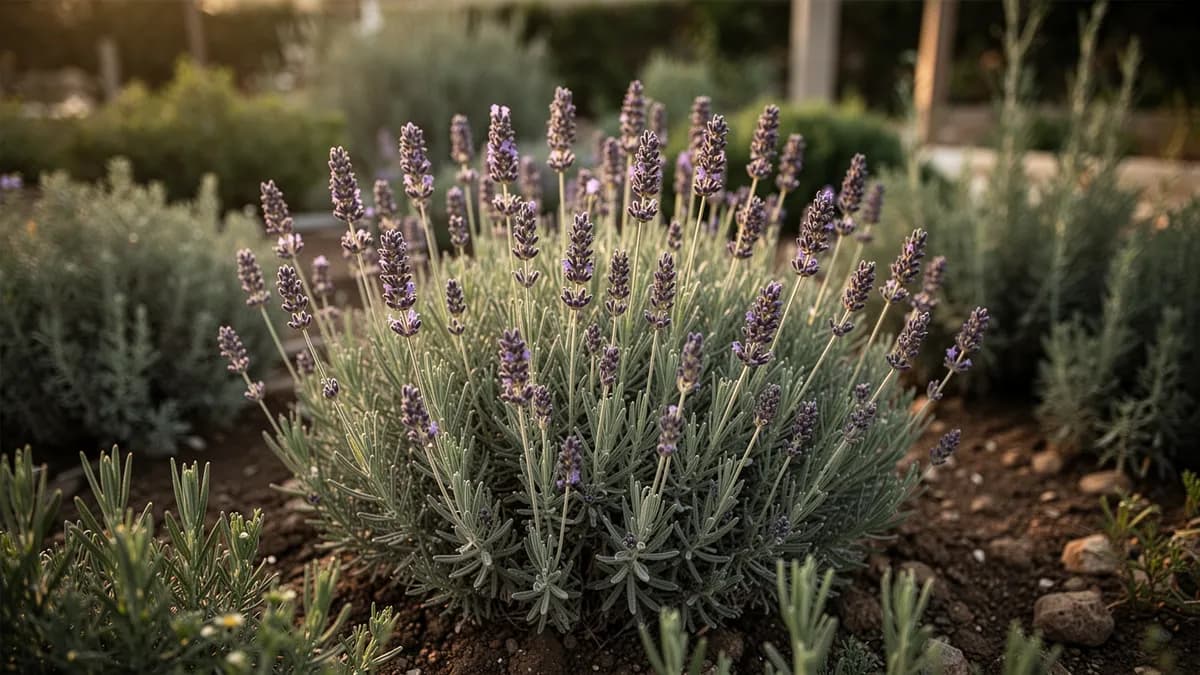
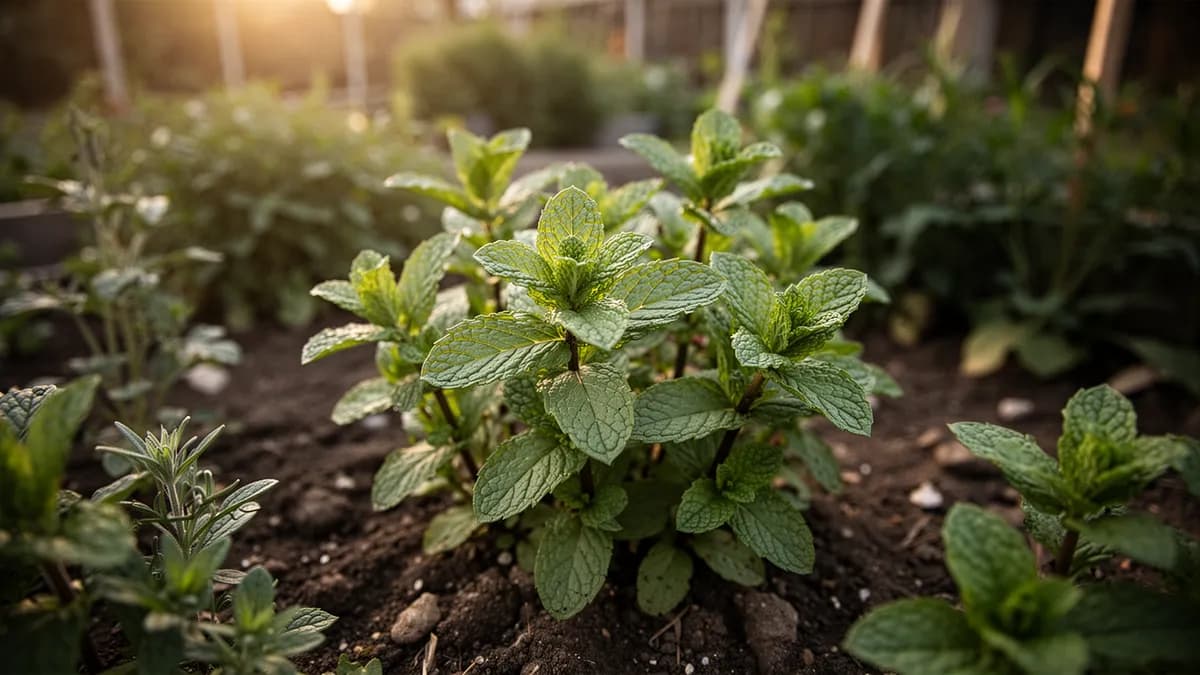
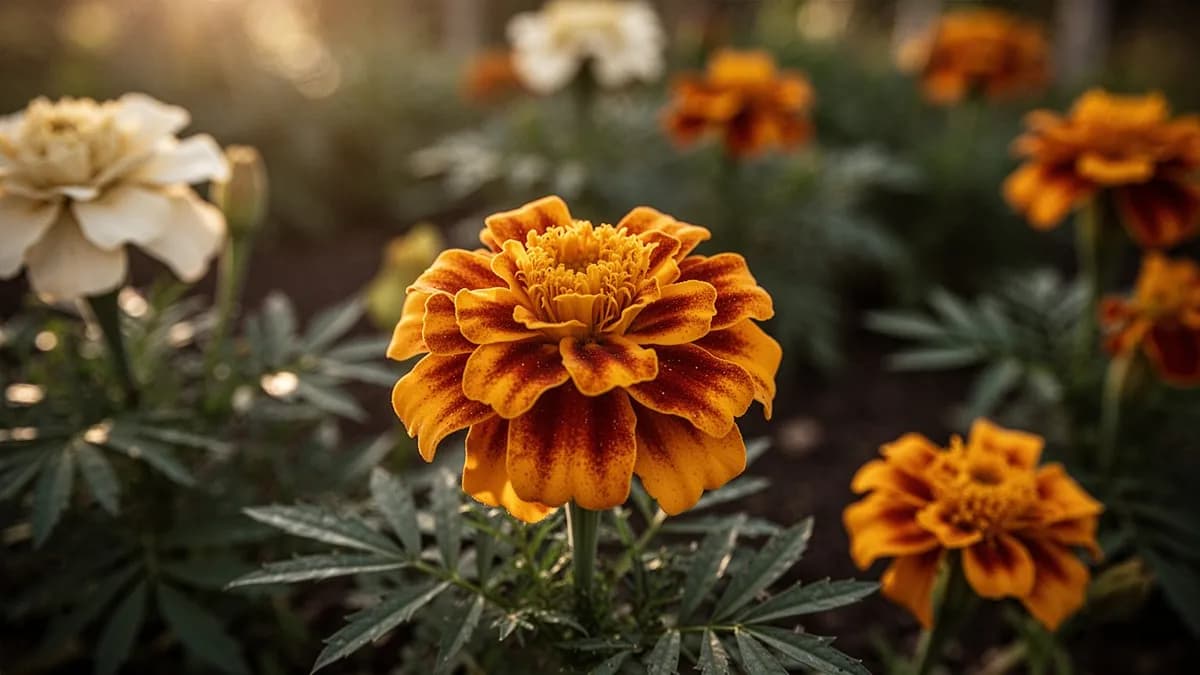
Plant mint and rue near fig trees to deter pests. Lavender and marigolds attract pollinators and beneficial insects. Fig trees cast moderate shade, making them good canopy trees for shade-tolerant herbs like parsley and cilantro beneath them. Avoid planting competitive large-rooted plants nearby. Comfrey makes an excellent living mulch around established fig trees.
Lavender belongs beside it. Walnut Tree doesn't.
Old growers' knowledge, checked against Fig Tree's real companion table below — test any plant you're growing.
Try Fig Tree in a bed — right here
A real planner bed with Fig Tree already in it. Tap a companion to place it and watch the pairing checks answer — green for good neighbours, red for a clash.


Related growing guides
Feed it well
Fig trees grow in almost any soil type as long as drainage is adequate. They tolerate pH from 6.0 to 8.0 and even thrive in poor, rocky ground. Over-fertilization causes excessive leaf growth at the expense of fruit production. Apply a balanced fertilizer sparingly in early spring, using about half the rate recommended for other fruit trees. Potassium is the most important nutrient for fig fruit quality. In containers, use a slow-release fertilizer formulated for fruiting plants.
Ideal Temperature
Hardiness Zone Compatibility
From seed to harvest, stage by stage
Dormancy
The fig tree drops its leaves and enters a rest period during winter. Energy is conserved in the root system and woody stems. No active growth occurs, and the tree can tolerate moderate frost while dormant.
Bud Break and Leaf Emergence
As temperatures consistently reach above 15°C (60°F), buds swell and new leaves unfurl. The distinctive large, deeply lobed leaves emerge rapidly. Early breba figs from last season's wood may begin to swell.
Vegetative Growth
The tree produces vigorous new shoots and expands its canopy. New branches can grow 30 to 60 cm in a single season. The breba crop ripens on previous year's wood during this stage, typically in early to mid-summer.
Main Crop Fruit Development
The main crop of figs develops on current season's growth. Fruits swell gradually over several weeks, changing from firm green globes to softer, colored fruits. Sugar content increases dramatically in the final weeks before ripening.
Harvest and Ripening
Ripe figs soften noticeably, develop their characteristic drooping posture on the branch, and may show small droplets of nectar at the ostiole. Skin color deepens to the variety's mature shade. Figs do not ripen further after picking, so harvest timing is critical.
Pre-Dormancy and Leaf Drop
As autumn temperatures drop and day length shortens, the tree slows growth. Leaves turn yellow and fall. Any remaining unripe figs will not mature and should be removed. The tree begins hardening off for winter.
Apply a thick layer of mulch around the base to insulate roots. In zones 6 and colder, wrap the tree with burlap or bring container figs indoors to an unheated garage.
Caring for Fig Tree month by month
What to do each month for your Fig Tree
October
You are hereRemove any small unripe figs that will not mature before frost. Take hardwood cuttings for propagation. Begin preparing winter protection for trees in cold climates
Know exactly what to do in your garden — every month
One email at the start of each month: what to sow, plant, and tackle right now — for your Fig Tree and everything growing around it. Plus a short starter course that helps you dodge the classic mistakes.
- What to do, right now
- Matched to your season
- Starter course included
Harvesting Fig Tree
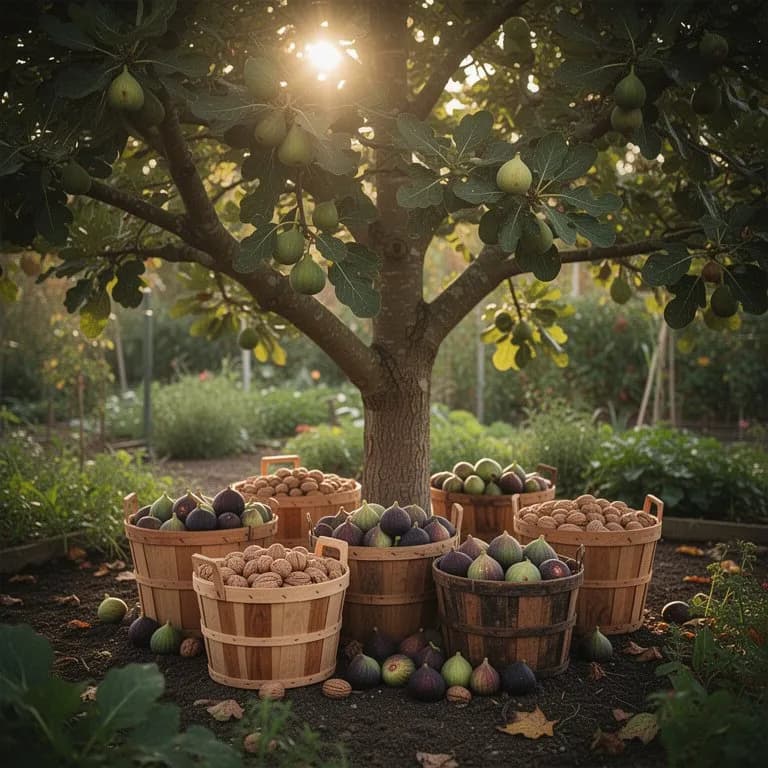
Figs must be allowed to ripen fully on the tree, as they do not continue to ripen after picking. A ripe fig droops on its stem, feels soft to the touch, and may show a small bead of nectar at the eye. The skin color deepens according to variety. Pick gently by bending the fruit upward from its hanging position. Harvest daily during peak season, as ripe figs deteriorate quickly. Wear gloves if you are sensitive to the milky sap that the stems exude.
assuming you plant when the window opens — set your real date
Pick Fig Tree promptly and the plant keeps producing.
Storage & Preservation
Fresh figs are highly perishable and last only 2 to 3 days refrigerated. For longer storage, dry figs whole or halved in a dehydrator or warm oven at 135 degrees until leathery. Dried figs keep for 6 to 12 months in airtight containers. Figs freeze well when halved and spread on a baking sheet before transferring to freezer bags. They can also be preserved in honey, made into jam, or packed in syrup for canning.
What goes wrong — and the fix
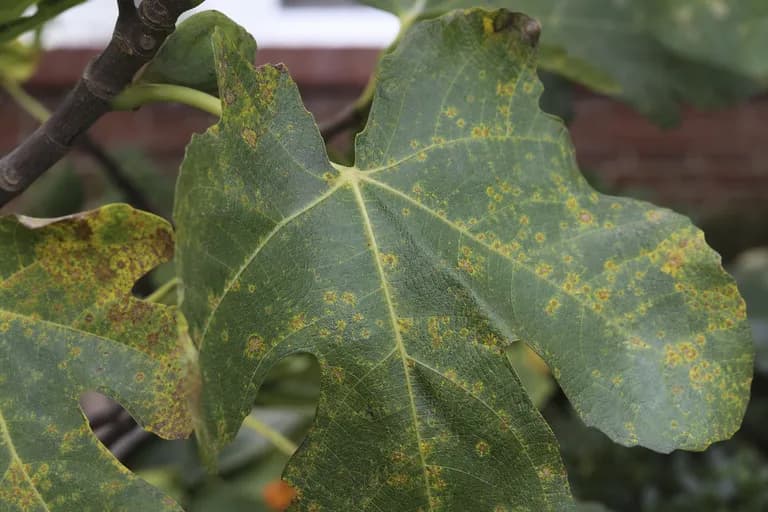
Fig Rust
DiseaseYellow-brown spots on the upper leaf surface with raised rust-colored pustules underneath. Severe infections cause premature defoliation.
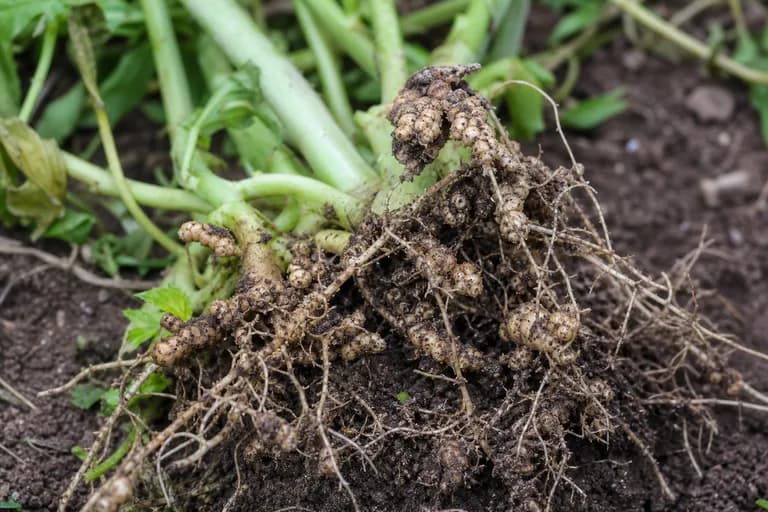
Root Knot Nematode
PestStunted growth, wilting despite adequate water, and yellowing leaves. Swollen galls visible on roots when plant is dug up.
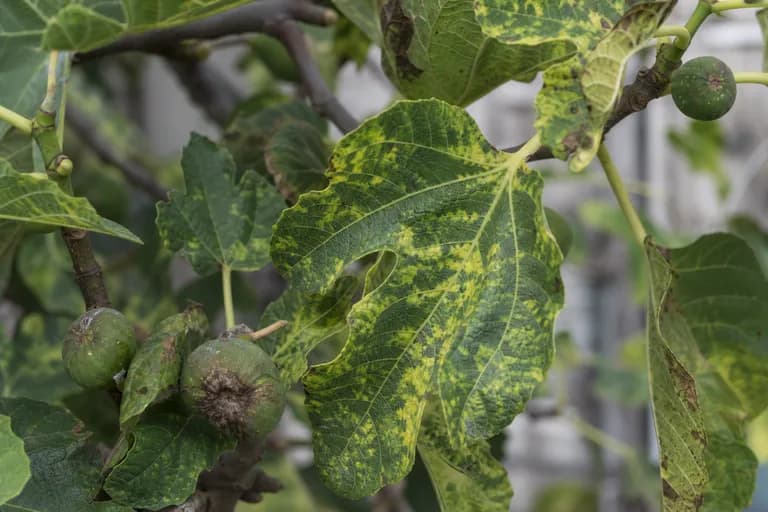
Fig Mosaic Virus
DiseaseYellow mosaic patterns on leaves. Fruit may be spotted or deformed. Tree vigor gradually declines over several years.
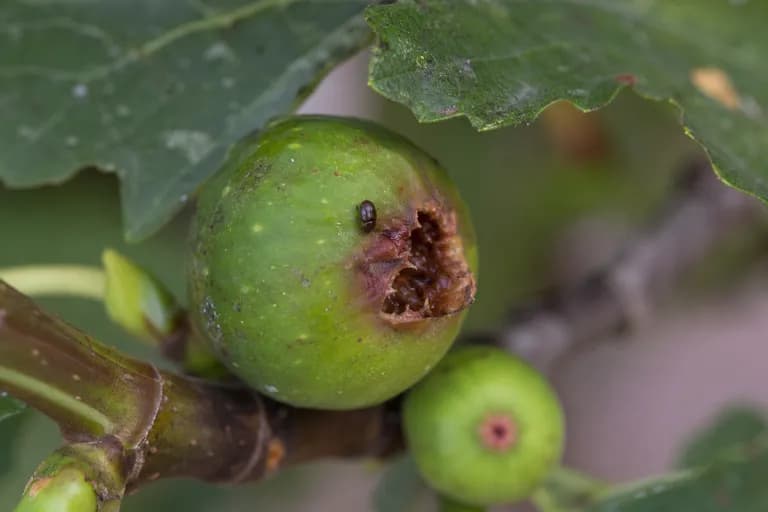
Dried Fruit Beetle
PestSmall beetles enter through the eye of ripe figs, introducing souring yeasts that cause fruit to ferment and rot internally.
Troubleshooting Common Problems
Fruit drop before ripening is commonly caused by inconsistent watering during the fruit development period. Maintain even moisture, especially for container-grown trees. Figs failing to ripen in cool climates often need more heat, so try a south-facing wall or container growing. Split fruit results from heavy rain or irrigation after a dry period. In cold climates, winter dieback is expected, but trees usually recover strongly from the roots.
Growing Tips
- Plant fig trees in a sheltered south-facing location to maximize heat exposure and protect against cold winter winds.
- Restrict root growth by planting in containers or lining the planting hole with paving slabs to encourage fruiting over excessive vegetative growth.
- Water deeply but infrequently, allowing the top few centimeters of soil to dry between waterings to mimic the tree's native Mediterranean drought cycle.
- Apply a high-potash fertilizer such as tomato feed during the fruiting season to boost fruit size and sweetness.
- Prune in late winter while the tree is dormant, removing up to one-third of older branches to stimulate productive new growth.
- Train young trees to an open vase shape with three to five main branches to improve air circulation and sunlight penetration throughout the canopy.
- In cold climates (USDA zones 5-6), grow figs in large containers that can be moved into an unheated garage or basement for winter dormancy.
- Pinch the tips of new shoots in early summer after five or six leaves have formed to encourage lateral branching and more fruiting sites.
- Remove any small, hard figs remaining on the tree in late autumn, as they will not ripen and can harbor overwintering pests.
- Propagate new trees easily from 20 cm hardwood cuttings taken in late autumn and rooted in a moist sand and perlite mixture over winter.
Grow your best Fig Tree yet — and everything around it.
Start a free plan today. Lay out your beds, drop in your Fig Tree, and let PlotMyGarden handle the timing, spacing, companions and reminders from seed to harvest basket.
Pick your Fig Tree
Brown Turkey
One of the most cold-hardy fig varieties, producing medium-sized brownish-purple fruit with sweet pink flesh. Reliable producer even in zone 7.
Black Mission
Classic dark purple fig with intensely sweet, deep red flesh. Excellent fresh, dried, or in preserves. Produces two crops in warm climates.
Celeste
Small, honey-sweet figs with violet-brown skin. Very cold hardy and resistant to fruit souring due to its tightly closed eye.
Kadota
Green-skinned fig with amber flesh and mild sweetness. The preferred variety for canning and preserving. Vigorous and productive.
Chicago Hardy
The most cold-tolerant fig, surviving temperatures to minus 10 degrees. Dies back to the ground in cold winters but regrows and fruits on new wood.
A single mature fig tree can produce 20 to 45 kg (50 to 100 lbs) of fresh figs per season. With fresh figs retailing at $4 to $8 per pound at farmers markets and grocery stores, one productive tree could yield $200 to $800 worth of fruit annually. Figs also dry and preserve exceptionally well, extending their value well beyond the harvest season. The trees are long-lived, often producing for 50 years or more with minimal inputs, making them one of the highest-return fruit trees for home gardeners.
Quick recipes
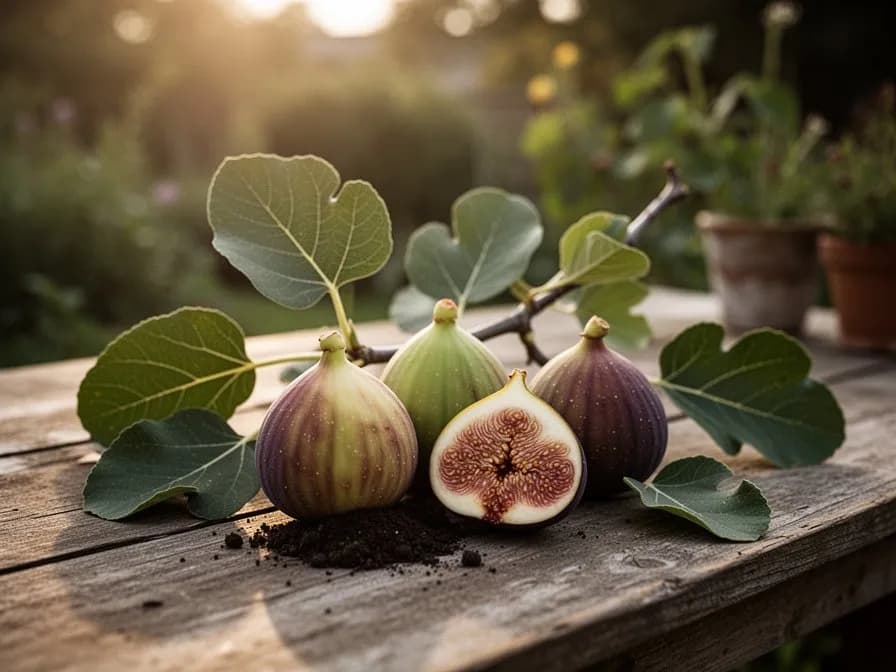
Honey-Roasted Figs with Goat Cheese
15 minutesFresh figs are halved, drizzled with honey, and roasted until caramelized, then topped with creamy goat cheese and a sprinkle of crushed walnuts. A perfect appetizer or light dessert that showcases the natural sweetness of ripe figs.
6 ingredientsClassic Fig Preserves
45 minutesA traditional stovetop fig jam made with fresh figs, sugar, and lemon juice that captures the fruit's essence for year-round enjoyment. This preserve works beautifully on toast, with cheese boards, or as a glaze for roasted meats.
6 ingredients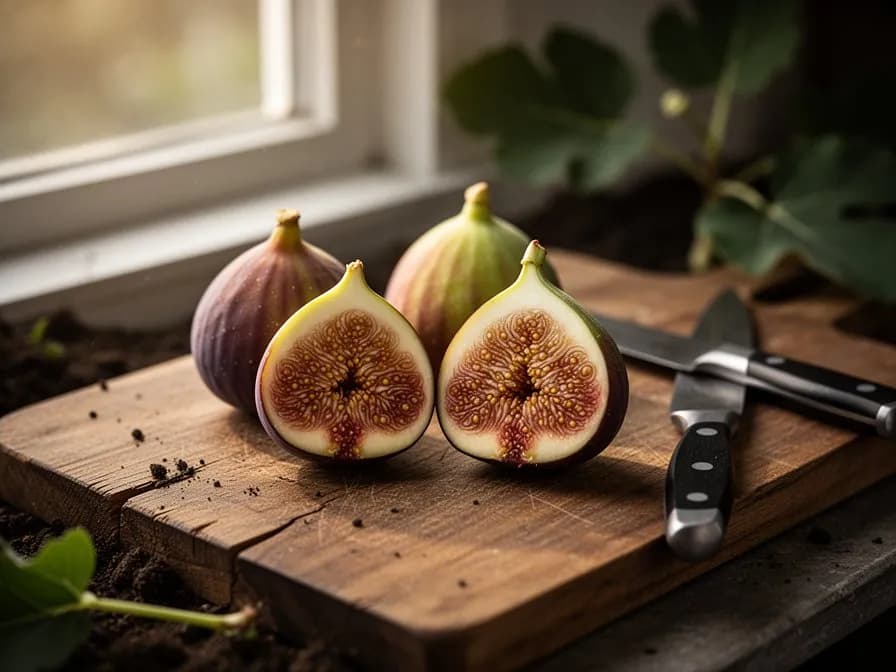
Fig and Prosciutto Flatbread
20 minutesA savory flatbread topped with sliced fresh figs, salty prosciutto, peppery arugula, and a balsamic reduction. The combination of sweet, salty, and tangy flavors creates an irresistible appetizer or light meal.
7 ingredientsCulinary Uses
Fresh figs are a luxurious treat, excellent on their own, with prosciutto and cheese, or in salads with arugula and goat cheese. They pair beautifully with honey, balsamic vinegar, blue cheese, and walnuts. Figs are wonderful in baked goods, from cakes and tarts to cookies and bread. Dried figs add natural sweetness to trail mixes and energy bars. They are a good source of fiber, potassium, and calcium.
What's inside
Health Benefits
- High fiber content promotes healthy digestion, helps prevent constipation, and supports a balanced gut microbiome when consumed regularly.
- Rich in potassium, which plays a key role in regulating blood pressure and reducing strain on the cardiovascular system.
- Contains prebiotics that nourish beneficial gut bacteria, contributing to improved nutrient absorption and immune function.
- Provides a natural source of calcium and magnesium, both essential minerals for maintaining strong bones and preventing osteoporosis.
- Polyphenol antioxidants found in figs help neutralize free radicals and may reduce oxidative stress linked to chronic diseases.
- The natural sugars combined with fiber give figs a moderate glycemic impact compared to processed sweets, making them a healthier alternative for satisfying sugar cravings.
Where Fig Tree comes from
The common fig (Ficus carica) is native to the eastern Mediterranean region and western Asia, with its origins traced to an area spanning modern-day Turkey, Syria, and Iran. Archaeological evidence from the Jordan Valley suggests figs were cultivated as early as 9400 BCE, making them one of the first plants deliberately grown by humans, potentially even before cereal grains. Ancient Sumerian tablets from around 2500 BCE reference fig cultivation, and the fruit held deep cultural significance throughout Mesopotamian civilizations. The ancient Egyptians prized figs and included them in tomb offerings, while the Greeks considered them a gift from the god Dionysus and incorporated them into the diet of Olympic athletes as a natural energy source. Romans spread fig cultivation throughout their empire, planting trees from Britain to North Africa. The Spanish missionaries brought figs to the Americas in the early sixteenth century, and Franciscan monks planted them at mission sites along the California coast, giving rise to the popular Mission fig variety still widely grown today. In traditional medicine systems across cultures, fig leaves, fruit, and latex were used to treat ailments ranging from digestive complaints to skin conditions. Today, Turkey, Egypt, Morocco, Algeria, and Iran remain the world's leading fig producers, though the tree thrives in warm temperate and subtropical climates worldwide. The fig's remarkable adaptability, minimal pest issues, and generous yields have secured its place as one of the most enduring and culturally significant fruit trees in human agricultural history.
Fig Tree: did you know?
Fascinating facts about Fig Tree
Figs are not technically fruits but inverted flowers called syconia — the true flowers bloom inside the fleshy structure and are never visible from the outside.
Fig Tree questions, answered
When should I plant Fig Tree?
What are good companion plants for Fig Tree?
What hardiness zones can Fig Tree grow in?
How much sun does Fig Tree need?
How far apart should I space Fig Tree?
What pests and diseases affect Fig Tree?
How do I store Fig Tree after harvest?
What are the best Fig Tree varieties to grow?
What soil does Fig Tree need?
Why is my fig tree producing lots of leaves but no fruit?
Can I grow a fig tree in a cold climate?
What is the difference between the breba crop and the main crop?
How do I know when my figs are ready to harvest?
Why are my figs splitting or dropping before they ripen?
Do fig trees need a pollinator to produce fruit?
You just read the theory. Now grow it on autopilot.
Everything that makes Fig Tree fiddly — the timing, the spacing, the companions, the harvest window — is exactly what PlotMyGarden handles for you, for every plant in your garden.
A plan that knows your weather
Set your location once. Get sow, feed and harvest dates built around your real last-frost date and live forecast — no more guessing from a generic seed packet.
From the “When to plant” sectionDrag-and-drop bed planner
Design beds on a grid. Every plant snaps to its proper spacing, and you can see your whole season laid out before you spend a cent on seed.
From the “Growing guide” sectionCompanion conflicts, caught early
200+ good-and-bad pairings checked live as you plant — so a season-wrecking mistake never makes it into the ground.
From the “Companions” sectionReminders you'll actually act on
“Water the beans.” “Pick today before it turns.” Timely, specific, and tied to the plants you're really growing.
From the “Harvest” sectionSuccession, scheduled
Want a harvest for six weeks, not six days? It spaces your sowings automatically and reminds you when each new block is due.
From the “When to plant” sectionA record that gets smarter
Every harvest you log teaches it your garden. Next year's plan starts from what actually worked in your soil, not a textbook's.
From the “Overview” sectionPlant these alongside Fig Tree
More Fruit Trees
Keep Fig Tree away from these
Grow your best Fig Tree yet — and everything around it.
Start a free plan today. Lay out your beds, drop in your Fig Tree, and let PlotMyGarden handle the timing, spacing, companions and reminders from seed to harvest basket.