Golden Alexander
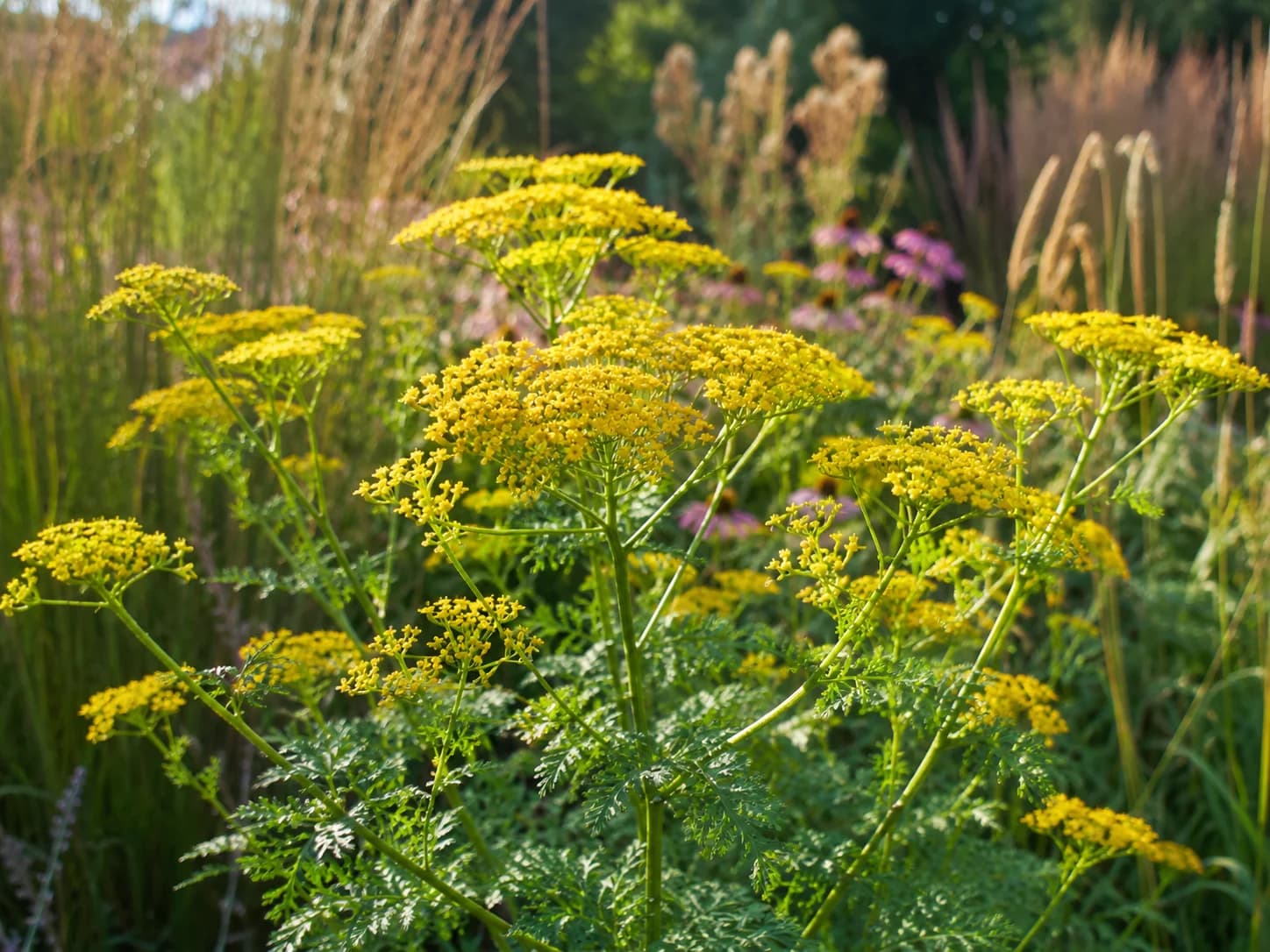
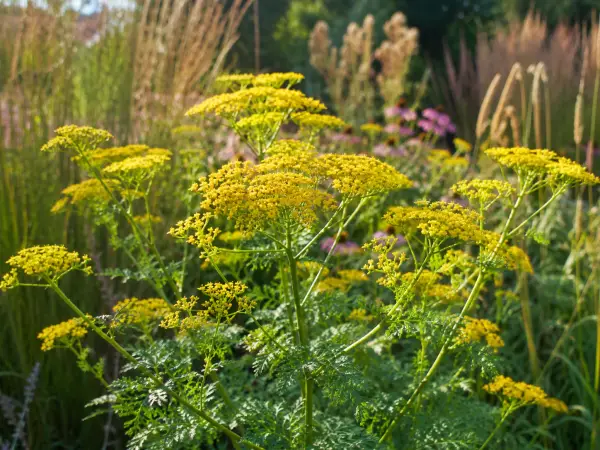
A bright, early-blooming North American native wildflower producing flat-topped clusters of tiny golden-yellow flowers atop slender 45-75 cm stems in late spring.





On this pageOverview
Meet Golden Alexander
A bright, early-blooming North American native wildflower producing flat-topped clusters of tiny golden-yellow flowers atop slender 45-75 cm stems in late spring. Golden Alexander forms tidy clumps of glossy, three-part compound leaves and serves as a critical larval host for Black Swallowtail butterflies, while providing some of the season's earliest nectar for native bees and beneficial wasps. Drought-tolerant once established and unfussy about soil, it thrives in full sun to partial shade and gradually self-seeds into a beautiful, low-maintenance prairie or meadow drift. Long-lived clumps can persist for 15 to 20 years, returning reliably each year well before most other natives have broken dormancy.
When to plant Golden Alexander
Zizia aurea seed is reliable only when cold-moist stratified. The simplest method is autumn outdoor sowing: in late October or early November, scatter fresh seed on prepared soil, press in lightly with a board (do not bury — light improves germination), and let winter do the stratification work. Expect germination the following April or May. For spring sowing, mix seed with slightly damp vermiculite or a folded damp paper towel inside a sealed plastic bag and refrigerate at 1-5 °C for 60 to 90 days. After stratification, surface-sow into trays of seed-starting mix, keep at 18-22 °C with bright light, and expect germination in 14 to 28 days. Transplant seedlings to individual pots once they have two sets of true leaves, then set out into the garden after the last frost. Plants started in spring may or may not flower their first calendar year; second-year flowering is universal.
Your Golden Alexander Year
Composed for Zone 7 · typical seasons · frost passes Apr 2, returns Nov 1
Sow Golden Alexander Mar – May, Sep – Oct, pick May – Jun. Set your climate below and every date on this plate re-times itself.
How to grow Golden Alexander
Golden Alexander is one of the easiest native perennials to grow once you understand its modest requirements. Choose a site with full sun to light afternoon shade and average, medium-moisture, well-drained soil. Unlike many wildflowers, this plant tolerates a remarkably wide range of conditions including heavy clay, occasional drought once established, and the moderate moisture of a typical garden bed. Avoid only two extremes: permanently saturated soil, which causes crown rot, and bone-dry sand, which limits flowering.
The biggest obstacle for new gardeners is that Zizia aurea seeds require cold-moist stratification of 60 to 90 days to germinate reliably. Most failures trace back to spring sowings of unstratified seed. Either sow fresh seed outdoors in autumn so winter provides natural stratification, or stratify seed in a damp paper towel inside a sealed bag in the refrigerator for two to three months before spring sowing. Container-grown nursery plugs sidestep this issue entirely and are the easiest way to establish a new clump.
Set transplants 30 cm apart, water deeply at planting, and keep new plants evenly moist for the first eight weeks while the deep taproot establishes. After year one, supplemental water is rarely needed. Do not fertilize in average garden soil — Golden Alexander evolved on lean prairie soils and responds to richness with floppy stems and reduced flowering. A thin spring top-dressing of compost is the only feeding it ever needs.
Expect a vigorous basal rosette of foliage in the first year but few or no flowers. By the second spring, established plants produce their characteristic golden umbel domes from mid-May through late June. After bloom, you can either let the seed heads ripen and self-sow (perfect for a meadow look) or cut spent stems back to basal foliage to keep tidy borders. Mature clumps may be divided in early spring or fall every five to seven years to rejuvenate them and propagate new plants, though Zizia generally prefers to be left undisturbed.
32 plants fit a 4 × 8 ft bed
Each Golden Alexander wants 30 cm of elbow room. The planner keeps that spacing for you — every plant, every bed.
Golden Alexander's best neighbours
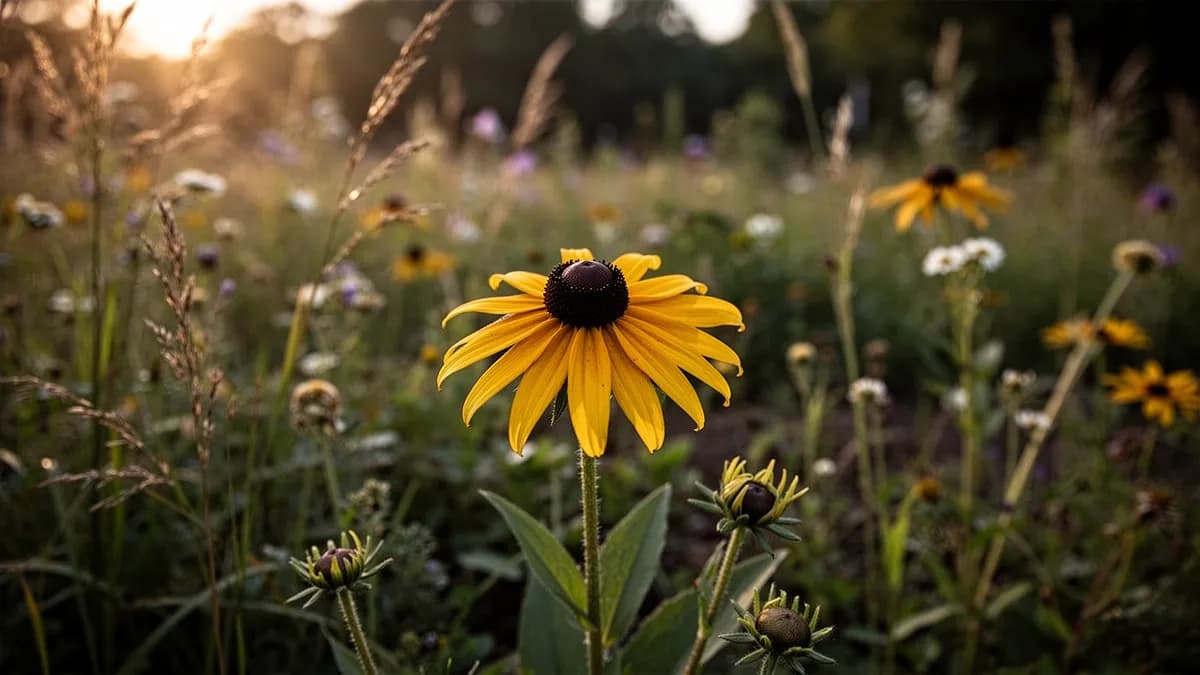
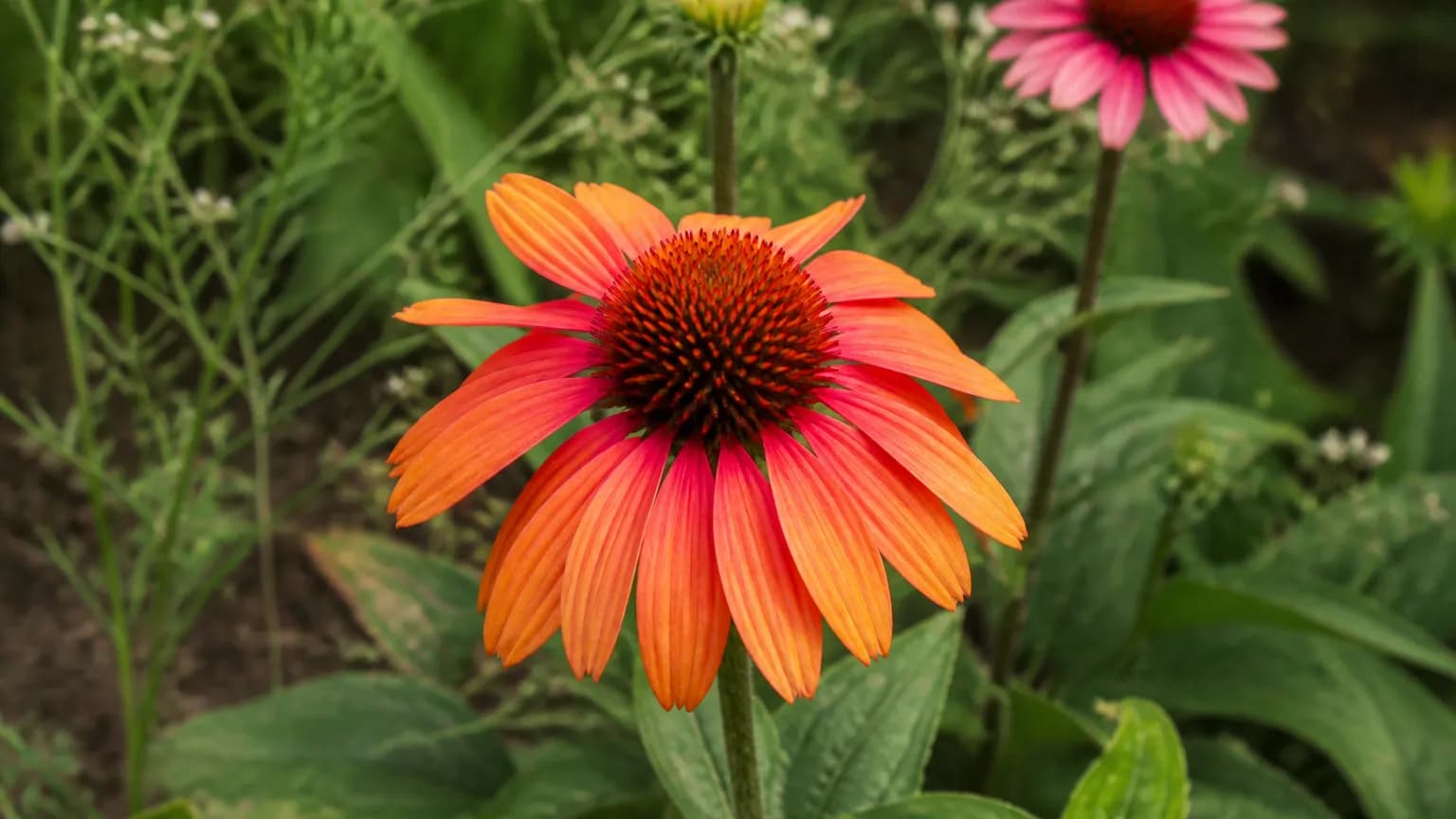
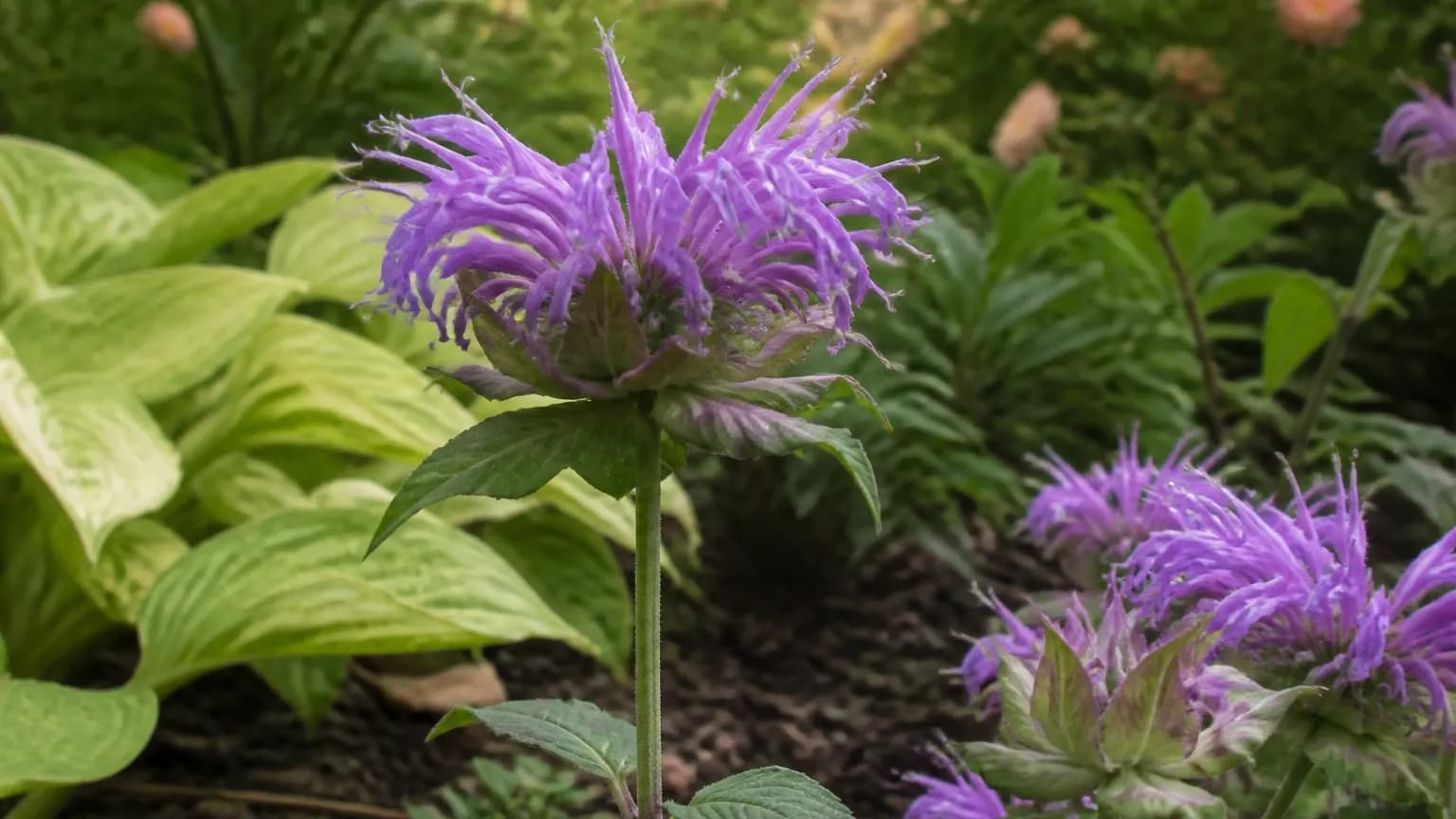
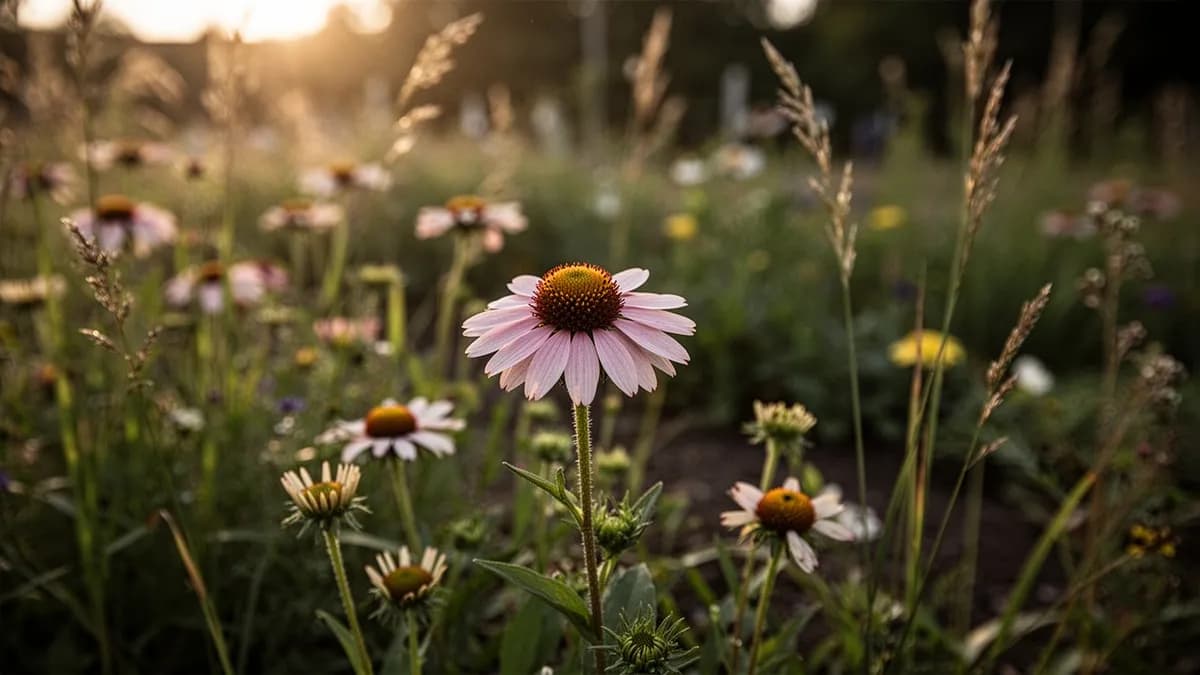
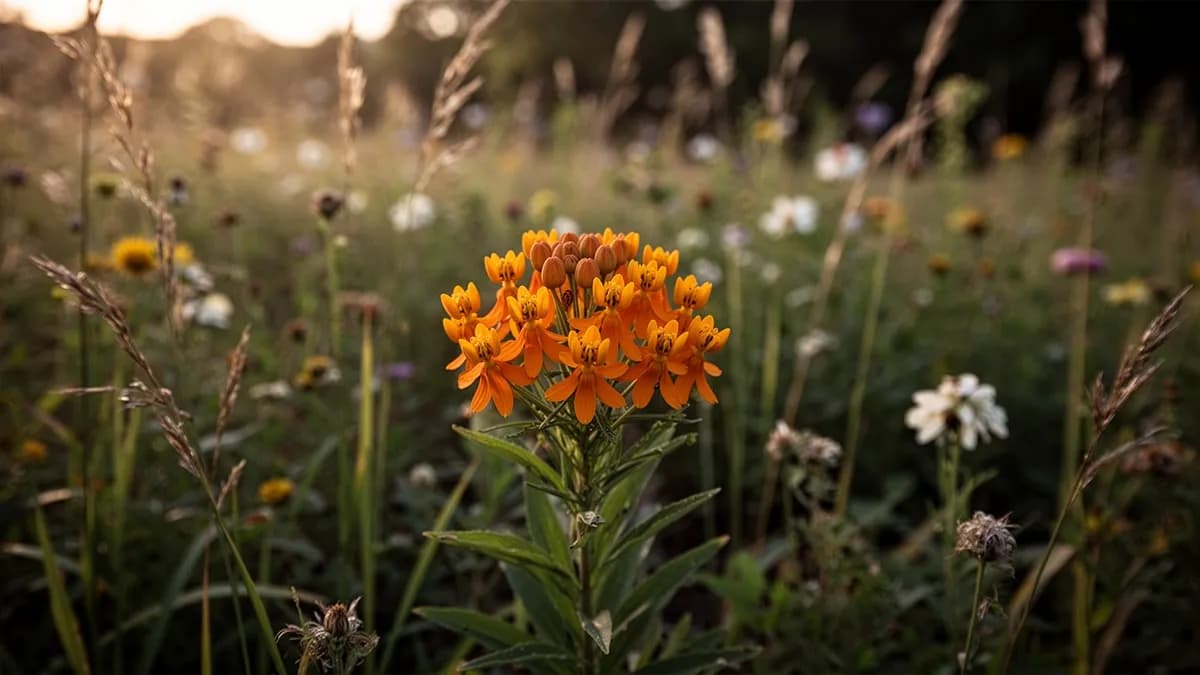
Golden Alexander shines in prairie- and meadow-style plantings alongside Black-eyed Susan, Purple Coneflower, Wild Bergamot (Monarda), Common Milkweed, New England Aster, and ornamental native grasses like Little Bluestem and Side-oats Grama. Its early bloom fills the late-spring nectar gap before most other prairie natives flower. Pair it with later-blooming companions to provide pollinator support across the whole season. In ornamental borders, the bright yellow umbels combine beautifully with the violet-blue spires of Salvia nemorosa, the airy white of Baptisia, and the burgundy foliage of Heuchera. Avoid planting it directly under aggressive spreaders like goldenrods or Joe-Pye Weed, which will crowd out the smaller Zizia clump over time.
Black-eyed Susan belongs beside it.
Old growers' knowledge, checked against Golden Alexander's real companion table below — test any plant you're growing.
Try Golden Alexander in a bed — right here
A real planner bed with Golden Alexander already in it. Tap a companion to place it and watch the pairing checks answer — green for good neighbours, red for a clash.


Related growing guides
Feed it well
Golden Alexander is genuinely unfussy about soil, tolerating sand to clay loam provided drainage is reasonable. Its sweet spot is medium-moisture loam with a pH between 6.0 and 7.5, slightly leaning toward neutral. Avoid permanently waterlogged ground and strongly alkaline soils above pH 8.0. No regular fertilization is needed; rich soil actually reduces flowering and produces weak, lodging stems. A 2-3 cm spring top-dressing of finished compost is the only feeding required, and even that is optional on already-fertile garden beds. Skip synthetic NPK fertilizers entirely — they damage the mycorrhizal associations on which this plant relies for nutrient uptake.
Ideal Temperature
Hardiness Zone Compatibility
From seed to harvest, stage by stage
Cold Stratification and Germination
Zizia aurea seeds require 60 to 90 days of cold-moist conditions to break dormancy. Outdoor fall sowing exposes seeds to natural winter chilling; refrigerator stratification in damp medium mimics this indoors. Seeds germinate as soil temperatures rise above 15 °C, typically in mid- to late spring.
Seedling Establishment
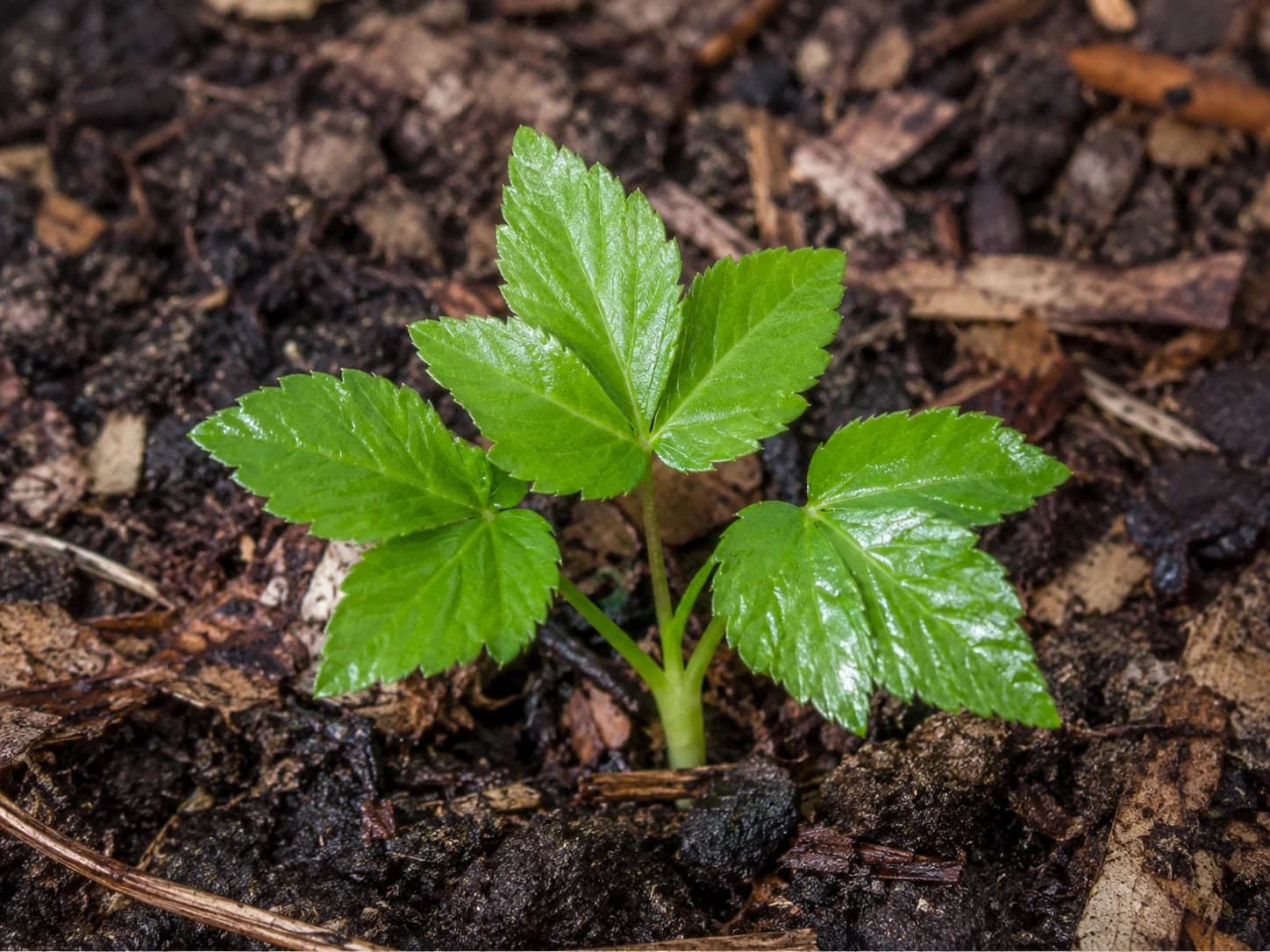
Young seedlings develop their first true compound leaves, distinct from the simple round cotyledons. The plant invests heavily in a deep central taproot rather than in above-ground growth. Foliage is small, glossy, and divided into three leaflets at this stage.
Vegetative Rosette (Year One)
Through the first growing season Golden Alexander forms a low, glossy basal rosette of ferny compound leaves while continuing to extend its taproot deep into the soil. Flowering is unusual in year one — energy is reserved for root establishment, which determines longevity for the next decade or more.
Flowering and Pollination (Year Two and Beyond)
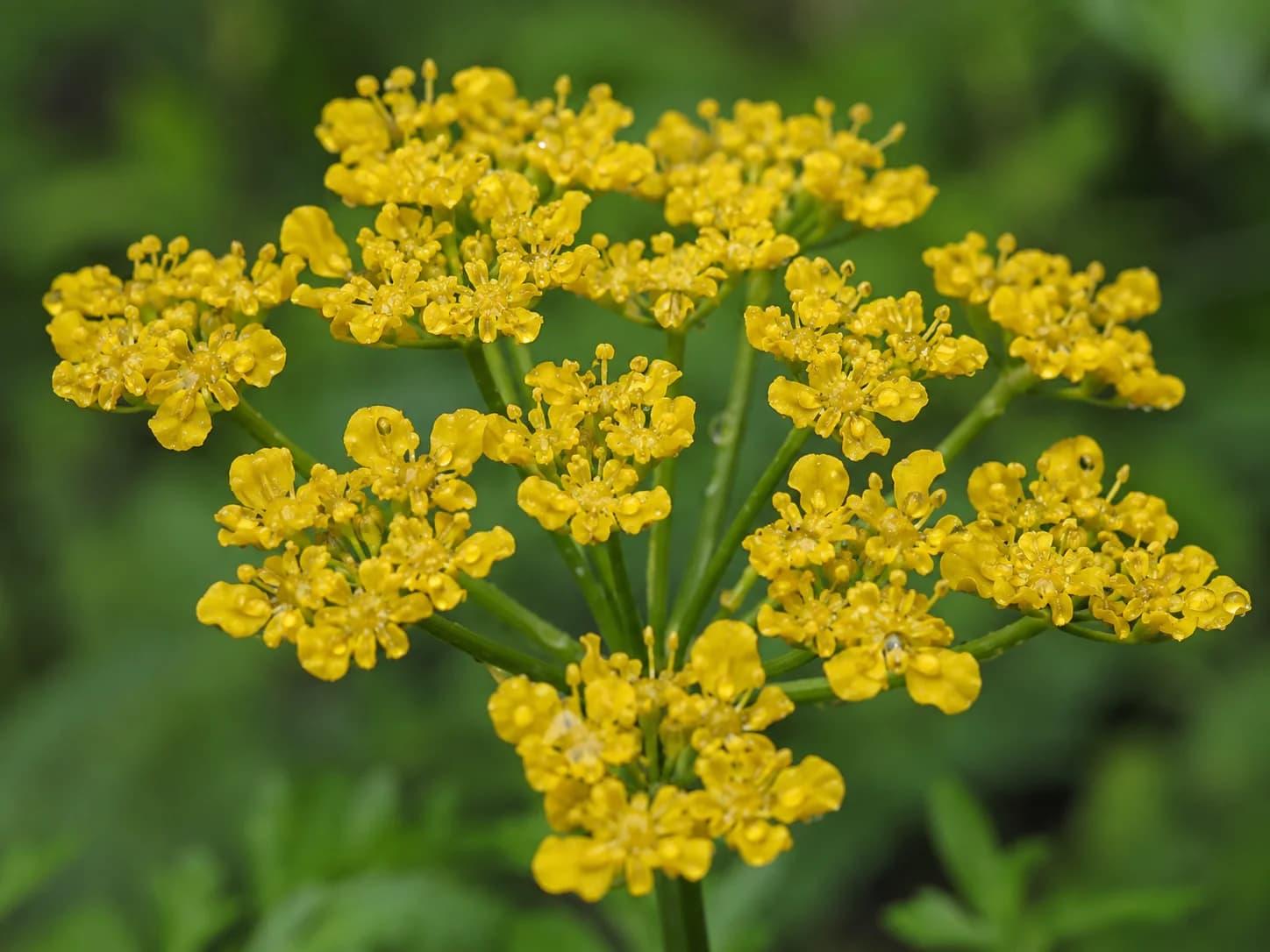
From the second spring onward, flower stems rise to 45-75 cm in April and May, topped by flat-topped umbel clusters of dozens of tiny five-petaled golden flowers. Bloom lasts 2 to 4 weeks. Black Swallowtail butterflies lay eggs on the foliage and native bees, small wasps, and beneficial syrphid flies visit the umbels heavily for nectar and pollen.
Seed Set and Dormancy
After bloom, umbels swell into ribbed, oblong tan seeds that drop readily through July and August. Foliage gradually yellows and dies back to the ground after autumn frosts; the dormant crown overwinters underground, protected by leaf litter and snow. Self-sown seedlings appear the following spring at the perimeter of established clumps.
Do not bury seeds deeply — surface-sow and press in gently. Light improves germination rates, and seeds buried more than 3 mm rarely emerge. Keep stratified seed evenly moist but never waterlogged.
Caring for Golden Alexander month by month
What to do each month for your Golden Alexander
September
You are hereNo specific care tasks for this month.
Know exactly what to do in your garden — every month
One email at the start of each month: what to sow, plant, and tackle right now — for your Golden Alexander and everything growing around it. Plus a short starter course that helps you dodge the classic mistakes.
- What to do, right now
- Matched to your season
- Starter course included
Harvesting Golden Alexander
Golden Alexander makes a charming, if short-lived, cut flower. Harvest stems early in the morning when most of the umbel florets are three-quarters open but a few buds remain unopened in the centre — this gives the longest vase life and the freshest look. Cut stems 30-45 cm long with sharp, clean snips and plunge them immediately into a bucket of cool water. For seed collection, allow umbels to dry on the plant after bloom; mature seeds are tan, oblong, and ribbed, falling readily from the umbel when ripe in late summer. Collect into a paper bag by inverting and gently shaking the dried umbel. Divide established clumps for propagation in early spring just as new growth begins or in early autumn six weeks before the first hard frost.
assuming you sow when the window opens — set your real date
Pick Golden Alexander promptly and the plant keeps producing.
Storage & Preservation
Cut Golden Alexander stems last 5 to 7 days in a clean vase with fresh water and a small amount of floral preservative, with the small umbels offering a soft, airy texture that pairs well with other cottage-garden flowers. Stems can also be hung upside down in a dark, ventilated space to dry, retaining a muted golden tone for use in wreaths and dried arrangements. Stored seeds remain viable for 2 to 3 years if kept in labelled paper envelopes inside a sealed jar in a cool, dry place; refrigerator storage extends viability further. Roots and crown divisions transplant best when handled quickly and kept moist between lifting and replanting.
What goes wrong — and the fix
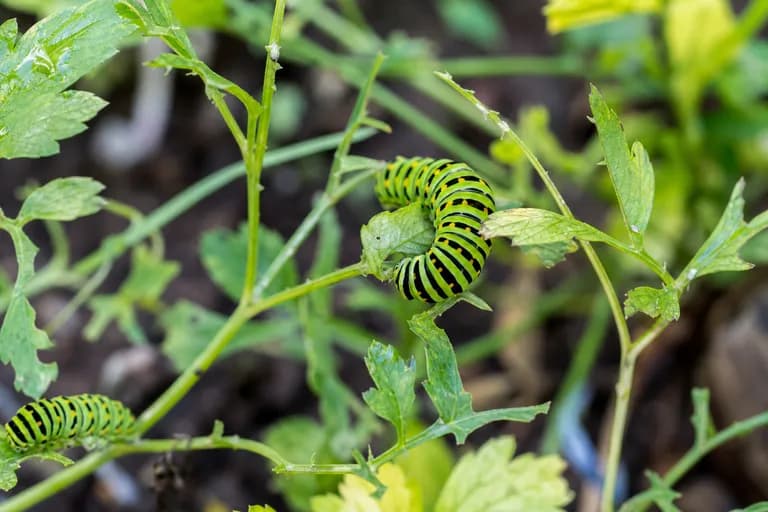
Black Swallowtail Caterpillars
PestStriking green caterpillars with black bands and yellow dots feeding on leaves; ferny foliage may be eaten down to bare stems on individual plants.
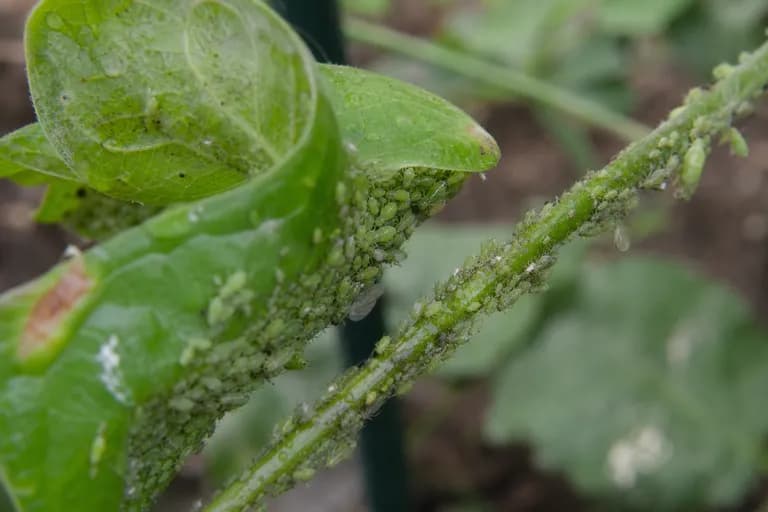
Aphids
PestSmall green or black soft-bodied insects clustering on stem tips, flower buds, and the underside of new leaves, sometimes with sticky honeydew and curled, distorted growth.
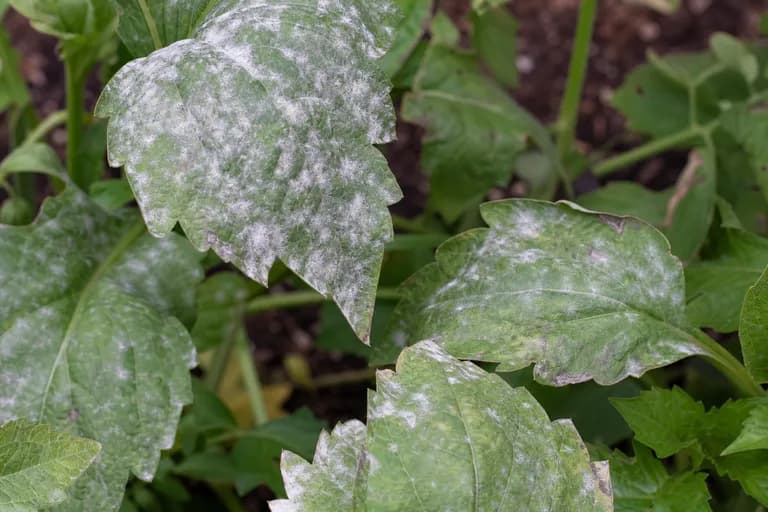
Powdery Mildew
DiseaseWhite powdery coating on upper leaf surfaces, most often in late summer after bloom and during humid, still weather. Heavily affected leaves may yellow and drop early.
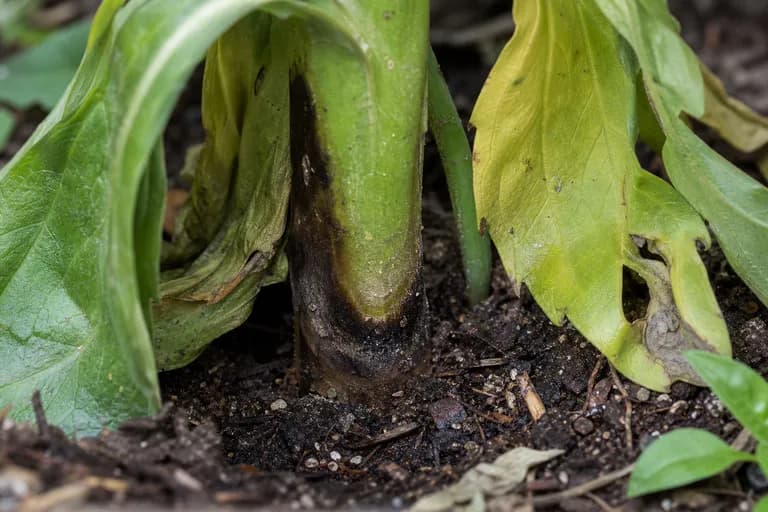
Crown Rot
DiseaseSudden wilting and yellowing of a mature clump in midsummer despite adequate rainfall; the base of stems becomes soft, brown, and slimy where they meet the soil.
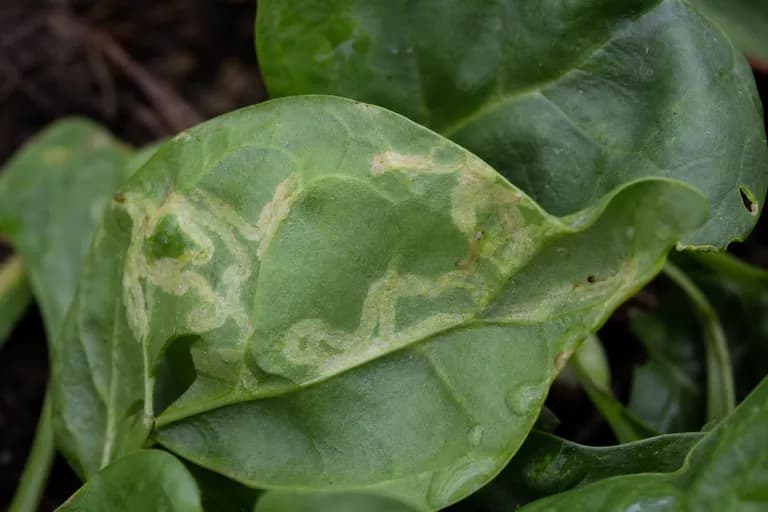
Leaf Miners
PestPale, winding tunnels or blotches on individual leaves, caused by tiny fly larvae feeding between the upper and lower leaf surfaces. Damage is cosmetic rather than serious.
Troubleshooting Common Problems
The single most common complaint is no flowers in the first year. This is normal: Zizia invests year one in the deep taproot and a basal rosette, then blooms reliably from year two onward. The second-most-common issue is the gardener mistaking Black Swallowtail caterpillars for pests and removing them — these are the entire point of growing the plant, so leave them alone. In heavy clay or low-lying sites, crown rot can claim mature plants in wet summers; raise the planting position or amend with compost to fix this. Some gardeners find Zizia spreads more enthusiastically by self-seeding than they want, which is easily controlled by deadheading two-thirds of the umbels after bloom and pulling volunteer seedlings while they are small. Finally, in very hot, dry summers without supplemental water, foliage may go dormant early — the crown survives and reappears the following spring.
Growing Tips
- Plant a minimum of five Zizia clumps spaced 30 cm apart rather than single specimens — Black Swallowtail egg-laying spreads damage across multiple plants, and the visual effect of the golden umbels is exponentially better in a drift.
- Cold-moist stratify all seed for 60 to 90 days before sowing; the single most common cause of failure is sowing unstratified seed in spring and assuming the variety is difficult to grow.
- Sow fresh seed outdoors in October or November and let winter do the stratification work — outdoor sowing germinates more reliably than indoor refrigerator stratification for most home gardeners.
- Set transplants out as 4-inch container-grown plugs when starting a new bed; this skips the stratification step entirely and gives 90 percent first-season survival rates.
- Resist the urge to fertilize. Golden Alexander evolved on lean prairie soils and produces floppy stems, sparse flowering, and reduced longevity in rich, heavily amended garden beds.
- Mark new plantings clearly through their first dormant winter — the absence of above-ground growth combined with a thin taproot is easy to confuse with bare soil, and many plants are accidentally dug up by gardeners who forgot where they planted.
- Embrace caterpillars. If you see Black Swallowtail larvae stripping foliage, you are doing it right; foliage regrows within three weeks and the butterflies that emerge are the entire point of growing this species.
- Pair with later-blooming prairie natives such as Bee Balm (Monarda), Coneflower (Echinacea), and New England Aster to extend pollinator support from spring through fall.
- Allow some umbels to self-sow each year — the volunteer seedlings establish more vigorously than transplanted ones, and the colony will expand naturally to fill the available niche.
- Divide overgrown clumps every five to seven years in early spring just as new growth emerges, replanting divisions immediately into well-watered, prepared soil to ensure quick re-establishment.
Grow your best Golden Alexander yet — and everything around it.
Start a free plan today. Lay out your beds, drop in your Golden Alexander, and let PlotMyGarden handle the timing, spacing, companions and reminders from seed to harvest basket.
Pick your Golden Alexander
Zizia aurea (species)
The straight species and by far the most widely grown form. Bright golden-yellow umbels on 60-75 cm stems, glossy three-part compound leaves, and excellent vigor across a wide hardiness range. The default choice for both prairie restoration and ornamental borders.
Zizia aptera (Heart-leaved Alexander)
A close relative often grouped with Golden Alexander in nursery offerings. Distinguished by simple, heart-shaped basal leaves rather than divided compound leaves. Slightly shorter at 30-60 cm and somewhat earlier blooming. Excellent for shadier, moister sites where true Z. aurea may sulk.
Zizia trifoliata (Mountain Alexander)
A southeastern Appalachian endemic, slightly smaller than Z. aurea and more shade-tolerant. Recommended for woodland-edge plantings in zones 5-8 where dappled light prevails. Rarer in commerce but increasingly offered by native-plant specialists.
Locally-collected ecotypes
Most native-plant nurseries sell seed of regional provenance rather than named cultivars. Look for sources that note the seed origin ("prairie ecotype", "Great Lakes ecotype", etc.) since locally adapted populations establish faster and support local pollinator races more effectively than generic commercial seed.
Golden Alexander offers exceptional value for a long-lived native perennial. A 4-dollar packet of stratified seed yields 30-60 plants; a single mature clump produces 1,000-2,000 viable seeds annually, allowing free propagation of new colonies indefinitely. Compared to purchasing nursery plugs at 8-15 dollars each, growing from seed saves several hundred dollars per garden bed. Established plants require no fertilizer, no pesticides, and minimal supplemental water after year one, reducing ongoing maintenance costs to near zero. Mature clumps can be divided every 5-7 years to create additional plants, multiplying your initial investment over decades of garden life.
What's inside
Health Benefits
- Growing Golden Alexander supports declining native pollinator populations including over 30 species of native bees and at least three swallowtail butterfly species, contributing meaningfully to local ecosystem health.
- Gardening with native perennials like Zizia aurea has been clinically shown to reduce cortisol levels, lower blood pressure, and improve mood — well-documented horticultural therapy benefits.
- Naturalistic native plantings provide habitat for beneficial predatory insects that reduce pest pressure on nearby vegetable gardens, supporting integrated pest management without chemicals.
- The deep taproot of mature Zizia clumps helps build soil structure and sequester carbon, contributing modest but measurable ecological services compared to shallow-rooted lawn grasses.
- Children and adults learning to identify Golden Alexander gain hands-on plant-identification skills that build broader botanical literacy and environmental awareness over time.
- By replacing exotic ornamentals with native species like Zizia aurea, gardeners contribute to landscape-scale biodiversity restoration that supports declining North American invertebrate populations.
Where Golden Alexander comes from
Zizia aurea is native to the eastern and central regions of North America, occurring naturally from southern Quebec and Maine westward to North Dakota and southward to Florida, Texas, and parts of northern Mexico. Its ancestral home is the tallgrass and mixed-grass prairie, the savanna ecosystems of the Great Plains margins, open woodland edges, and the moist meadows and stream banks of the Eastern deciduous forest. Before European colonization, Golden Alexander was a common component of the vast prairie-savanna mosaic that covered much of the continental interior, blooming each spring as part of a wildflower wave that historians of the era described as a "sea of gold" stretching to the horizon.
Indigenous peoples across this range recognized the plant for centuries. The Meskwaki, Ojibwe, Cherokee, and several Iroquoian-speaking nations used preparations of dried Zizia root in traditional medicine for fevers, headache, and as a poultice ingredient for wounds, though oral histories also recorded clear awareness of the dangers of confusion with Cicuta and Conium relatives. These cautions persist in modern ethnobotanical guidance, which uniformly advises against consumptive use.
Linnaean taxonomy classified the plant relatively late. The genus Zizia was first described by W. D. J. Koch in 1824 in his work on European and North American Apiaceae, distinguished from related genera by the smooth, ribbed fruits and the prominent central floret of each umbel. American botanists including Asa Gray expanded the description through the mid-19th century as railroads opened the central prairie to systematic survey.
For most of the 19th and early 20th centuries, Golden Alexander received little attention in the horticultural trade, dismissed as a wayside weed by gardeners more interested in showy European imports. That began to change in the late 20th century with the rise of native-plant gardening and the increasing scientific understanding of the role native species play in supporting local pollinator and butterfly populations. Pioneering native-plant nurseries like Prairie Nursery in Wisconsin and Prairie Moon in Minnesota helped popularize Zizia aurea from the 1990s onward, and by the 2010s it had become a standard offering in native-plant catalogs throughout its range.
Today, Golden Alexander is widely planted in prairie restorations, pollinator gardens, school nature areas, and increasingly in conventional ornamental borders that have embraced the meadow aesthetic. Conservation status across its range is largely secure, though local populations continue to decline alongside the disappearing prairie and savanna habitats that gave rise to the species. Its growing popularity in cultivation provides a meaningful counterweight, ensuring this small golden wildflower remains a familiar sight in North American gardens for generations to come.
Golden Alexander: did you know?
Fascinating facts about Golden Alexander
Golden Alexander is one of the primary larval host plants for the Black Swallowtail butterfly (Papilio polyxenes); a single mature clump can support multiple broods of caterpillars across a summer, providing more ecological value per square meter than almost any other native perennial.
Golden Alexander questions, answered
When should I plant Golden Alexander?
What are good companion plants for Golden Alexander?
What hardiness zones can Golden Alexander grow in?
How much sun does Golden Alexander need?
How far apart should I space Golden Alexander?
What pests and diseases affect Golden Alexander?
How do I store Golden Alexander after harvest?
What are the best Golden Alexander varieties to grow?
What soil does Golden Alexander need?
Why didn't my Golden Alexander bloom the first year?
How do I tell Golden Alexander apart from Poison Hemlock or Water Hemlock?
Is Golden Alexander safe to plant near children and pets?
Will deer or rabbits eat my Golden Alexander?
Does Golden Alexander spread aggressively?
Can I grow Golden Alexander in a container?
You just read the theory. Now grow it on autopilot.
Everything that makes Golden Alexander fiddly — the timing, the spacing, the companions, the harvest window — is exactly what PlotMyGarden handles for you, for every plant in your garden.
A plan that knows your weather
Set your location once. Get sow, feed and harvest dates built around your real last-frost date and live forecast — no more guessing from a generic seed packet.
From the “When to plant” sectionDrag-and-drop bed planner
Design beds on a grid. Every plant snaps to its proper spacing, and you can see your whole season laid out before you spend a cent on seed.
From the “Growing guide” sectionCompanion conflicts, caught early
200+ good-and-bad pairings checked live as you plant — so a season-wrecking mistake never makes it into the ground.
From the “Companions” sectionReminders you'll actually act on
“Water the beans.” “Pick today before it turns.” Timely, specific, and tied to the plants you're really growing.
From the “Harvest” sectionSuccession, scheduled
Want a harvest for six weeks, not six days? It spaces your sowings automatically and reminds you when each new block is due.
From the “When to plant” sectionA record that gets smarter
Every harvest you log teaches it your garden. Next year's plan starts from what actually worked in your soil, not a textbook's.
From the “Overview” sectionPlant these alongside Golden Alexander
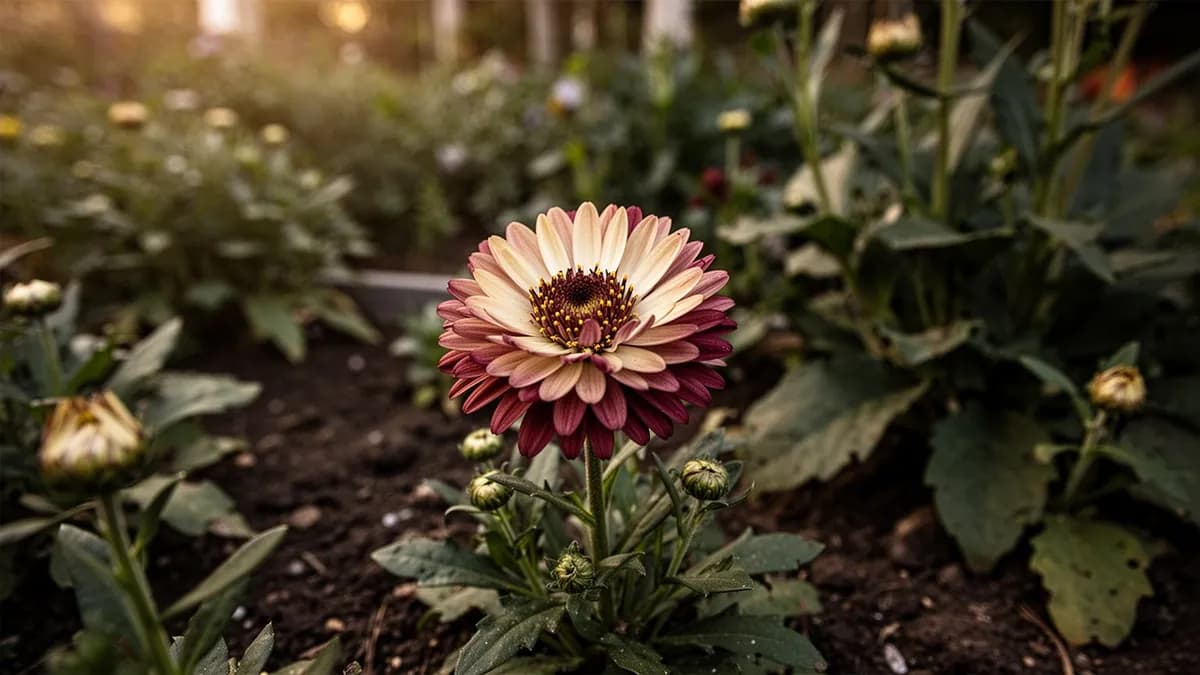
More Wildflowers
Grow your best Golden Alexander yet — and everything around it.
Start a free plan today. Lay out your beds, drop in your Golden Alexander, and let PlotMyGarden handle the timing, spacing, companions and reminders from seed to harvest basket.