Ziegenaugenbohne
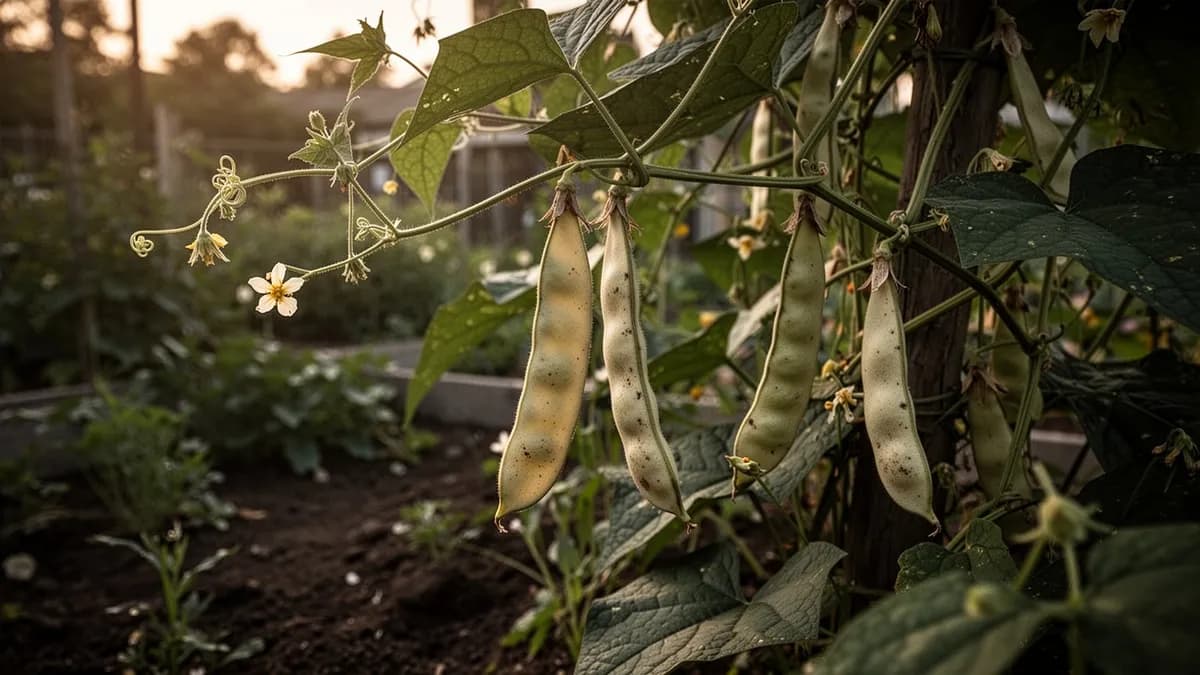
Eine alte italienische Schalenbohne mit unverwechselbaren cremefarbenen Samen, die von einem dunkelbraunen Ring gezeichnet sind, der an ein Ziegenauge erinnert.





Auf dieser SeiteÜberblick
Ziegenaugenbohne im Überblick
Eine alte italienische Schalenbohne mit unverwechselbaren cremefarbenen Samen, die von einem dunkelbraunen Ring gezeichnet sind, der an ein Ziegenauge erinnert. Die Bohnen haben beim Kochen eine reichhaltige, cremige Konsistenz und behalten ihre Form in Suppen und Eintöpfen gut bei. Buschförmige Pflanzen bilden kräftigen, kompakten Wuchs und hohe Erträge ohne Stütze. Lassen Sie die Hülsen an der Pflanze trocknen, bevor Sie sie ernten und an einem kühlen, trockenen Ort für den Wintervorrat lagern.
Wann Ziegenaugenbohne pflanzen
Direktsaat nach dem letzten Frost, wenn der Boden 16 °C erreicht hat. Pflanzen Sie 2,5 bis 5 cm tief und 10 cm auseinander. Nicht drinnen vorziehen. Weichen Sie die Samen über Nacht ein, um die Keimung zu beschleunigen. Die Keimung erfolgt in sieben bis zehn Tagen. Als Erbstücksorte bewahren Sie Saatgut auf, indem Sie die besten Hülsen vollständig an der Pflanze trocknen lassen. Wählen Sie Bohnen mit den markantesten Augenzeichnungen als Pflanzgut für das nächste Jahr aus.
Dein Ziegenaugenbohne-Jahr
Abgestimmt auf Zone 7 · typische Saison · Frost geht um den 2. Apr. und kehrt um den 1. Nov. zurück
Ziegenaugenbohne Mai – Jun pflanzen, Aug – Sep ernten. Beachte die Pflanzmethoden unten und wähle dein Klima für passende Zeiträume.
So baust du Ziegenaugenbohne an
Ziegenaugenbohnen sind traditionelle italienische Erbstück-Buschbohnen, die wie andere gewöhnliche Trockenbohnen angebaut werden. Säen Sie die Samen nach dem letzten Frost direkt 2,5 bis 5 cm tief und 10 cm auseinander, wenn der Boden 16 °C erreicht hat. Der Reihenabstand beträgt 45 bis 60 cm. Die Keimung erfolgt in sieben bis zehn Tagen. Die Pflanzen wachsen als kräftige, kompakte Büsche von etwa 45 cm Höhe, die keine Stütze benötigen.
Sorgen Sie während der gesamten Vegetationsperiode für gleichmäßige Feuchtigkeit, insbesondere während der Blüte und Hülsenentwicklung. Mulchen Sie, um die Bodenfeuchtigkeit zu bewahren und die Wurzeln kühl zu halten. Als Stickstoffsammler benötigen diese Bohnen nur minimale Düngung. Vermeiden Sie stickstoffreiche Dünger, die das Blattwachstum auf Kosten der Hülsenproduktion fördern. Eine leichte Kompostgabe vor der Pflanzung liefert ausreichend Nährstoffe.
Lassen Sie die Hülsen vollständig an der Pflanze reifen und trocknen, um die besten Lagerbohnen zu erhalten. Das charakteristische braungeringelte Muster auf den cremefarbenen Samen wird beim Trocknen deutlicher. In feuchten Klimazonen ziehen Sie die gesamten Pflanzen heraus, wenn die meisten Hülsen trocken sind, und hängen Sie sie zum Nachtrocknen unter Dach auf. Die Bohnen behalten ihre Form beim Kochen außergewöhnlich gut bei, weshalb sie für Suppen und Eintöpfe geschätzt werden, bei denen die Bohnenstruktur wichtig ist.
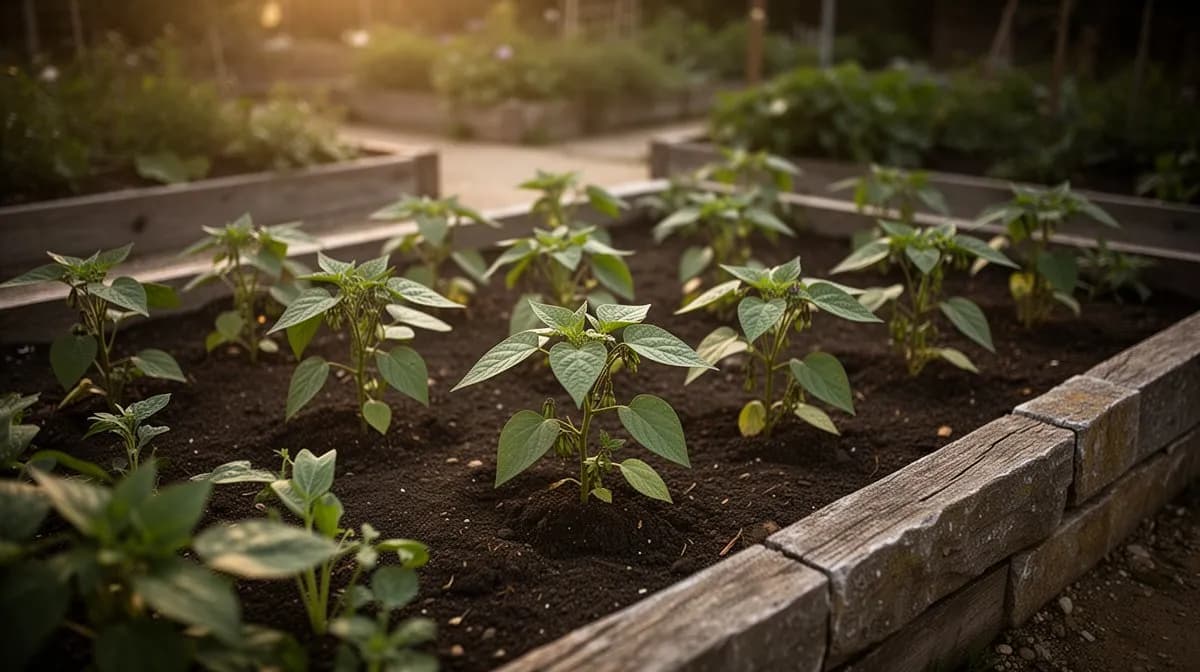
128 Pflanzen passen in ein Beet von 120 × 240 cm
Ziegenaugenbohne braucht 15 cm Platz pro Pflanze. Der Planer hält diesen Abstand für dich ein — jede Pflanze, jedes Beet.
Die besten Nachbarn für Ziegenaugenbohne
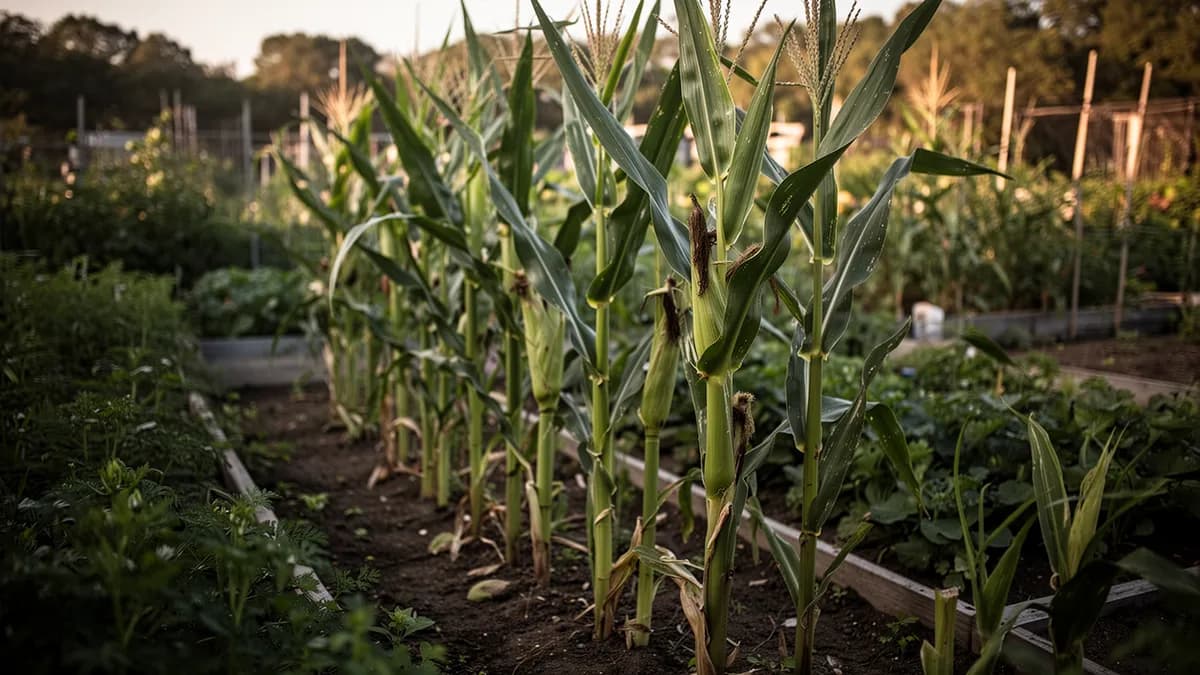
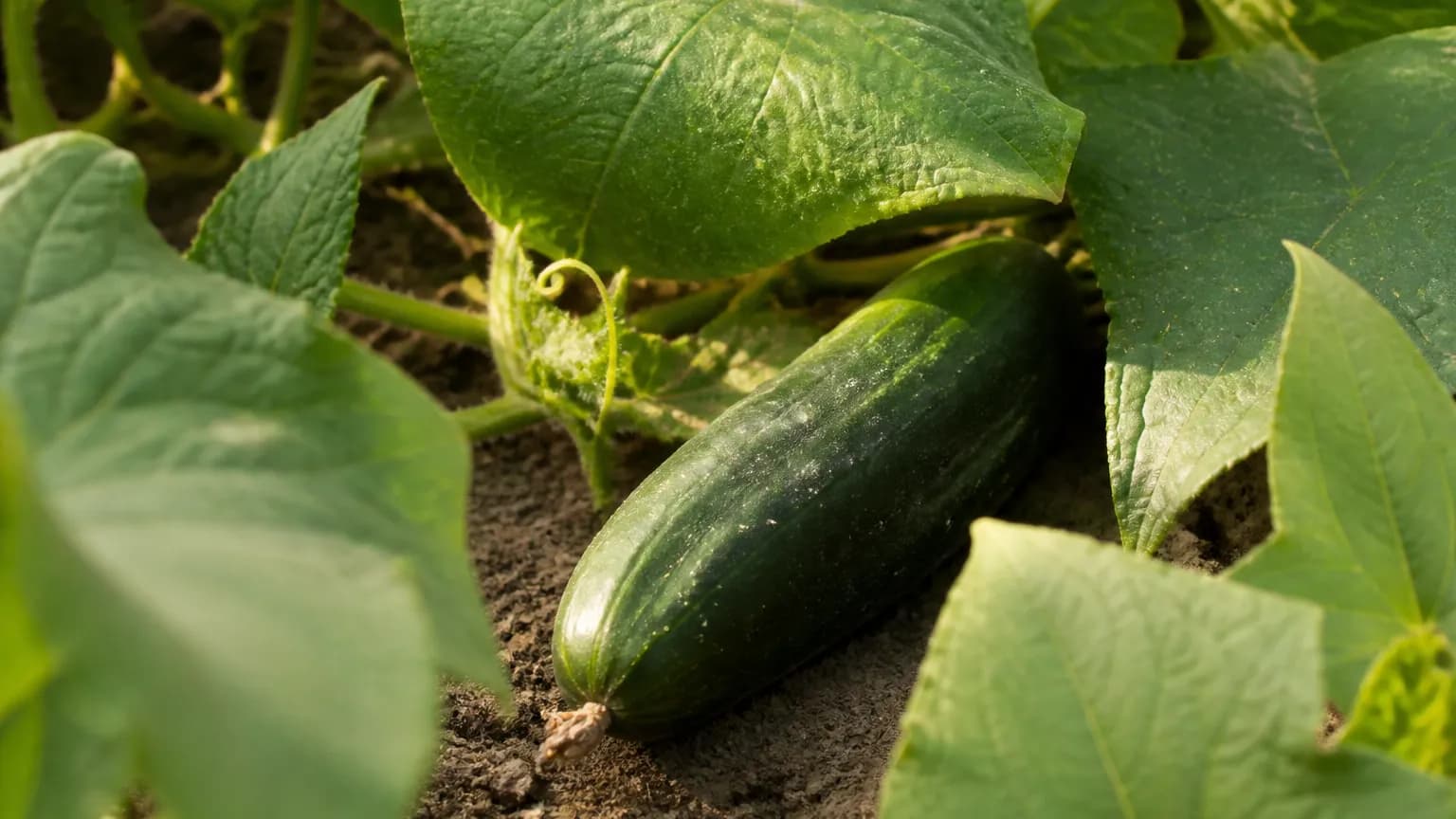
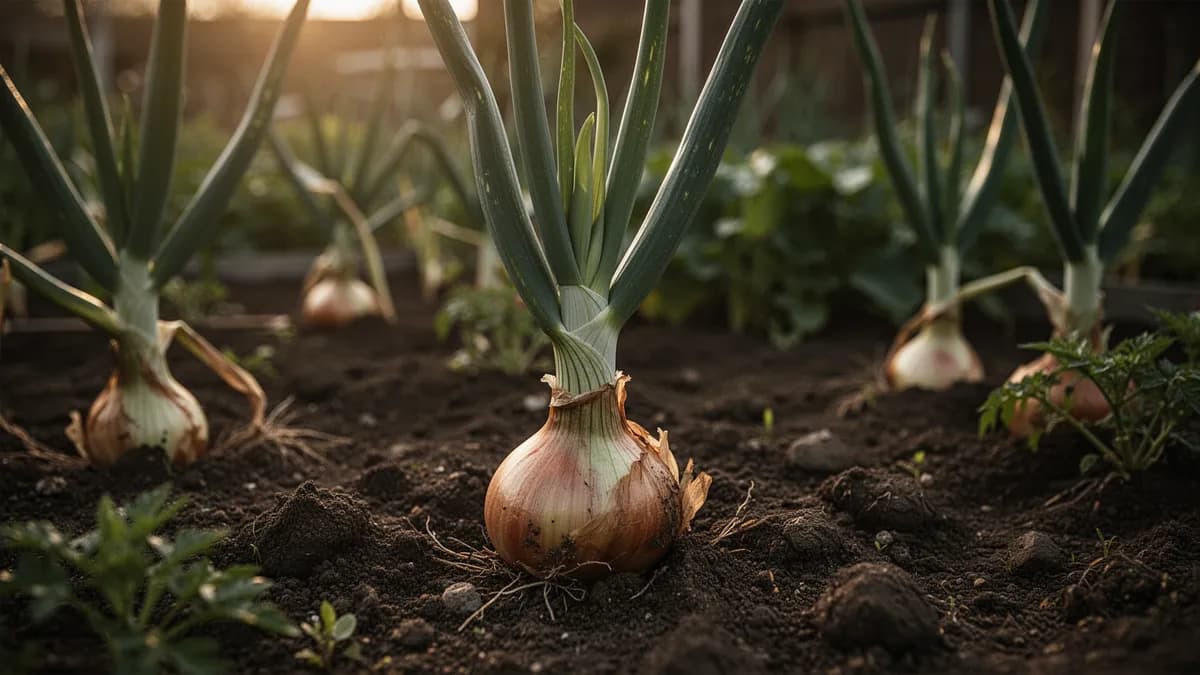
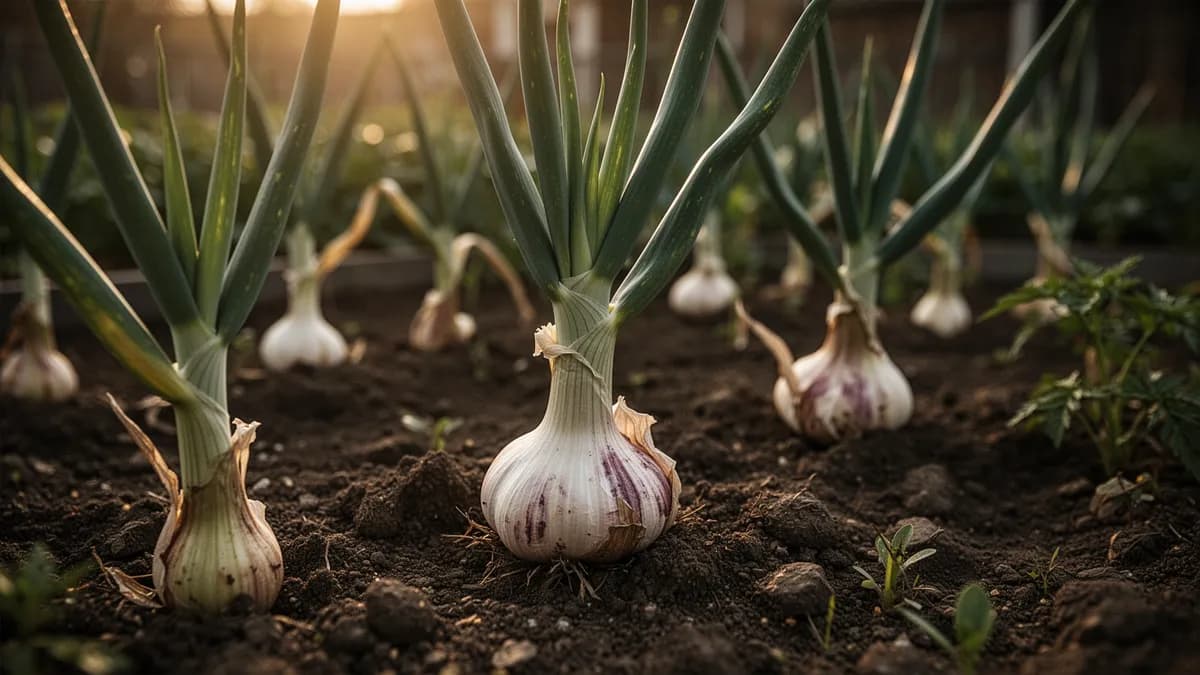
Ziegenaugenbohnen fixieren Stickstoff und verbessern den Boden für nachfolgende Kulturen. Pflanzen Sie sie zusammen mit Mais, Gurken und Sellerie für gegenseitigen Nutzen. Vermeiden Sie Zwiebelgewächse, die das Leguminosenwachstum hemmen. Basilikum und Tagetes in der Nähe helfen, häufige Bohnenschädlinge abzuwehren. Folgen Sie mit stickstoffhungrigen Kohlgewächsen oder Mais. Bewahren Sie Saatgut von den gesündesten Pflanzen auf, um diese Erbstücksorte zu erhalten.
Mais gehört daneben. Zwiebel nicht.
Altes Gärtnerwissen, geprüft an der echten Nachbartabelle von Ziegenaugenbohne — teste jede Pflanze, die du anbaust.
Probiere Ziegenaugenbohne direkt hier im Beet
Ein echtes Planer-Beet, Ziegenaugenbohne steht schon drin. Tippe einen Begleiter an, platziere ihn und sieh, wie die Nachbarschaftsprüfung antwortet — grün für gute Nachbarn, rot bei Streit.


Passende Anbau-Ratgeber
Richtig düngen
Ziegenaugenbohnen bevorzugen gut durchlässigen, mäßig fruchtbaren Boden mit einem pH-Wert von 6,0 bis 7,0. Als Stickstoffsammler benötigen sie keinen zusätzlichen Stickstoff. Impfen Sie vor der ersten Pflanzung mit Bohnen-Rhizobium. Bringen Sie Phosphor und Kalium bei der Pflanzung aus. Arbeiten Sie Kompost für eine bessere Bodenstruktur ein. Sandiger Lehmboden liefert die saubersten, gleichmäßigsten Bohnen zum Trocknen.
Ideale Temperatur
Winterhärtezone-Kompatibilität
Von der Saat zur Ernte, Schritt für Schritt
Keimung
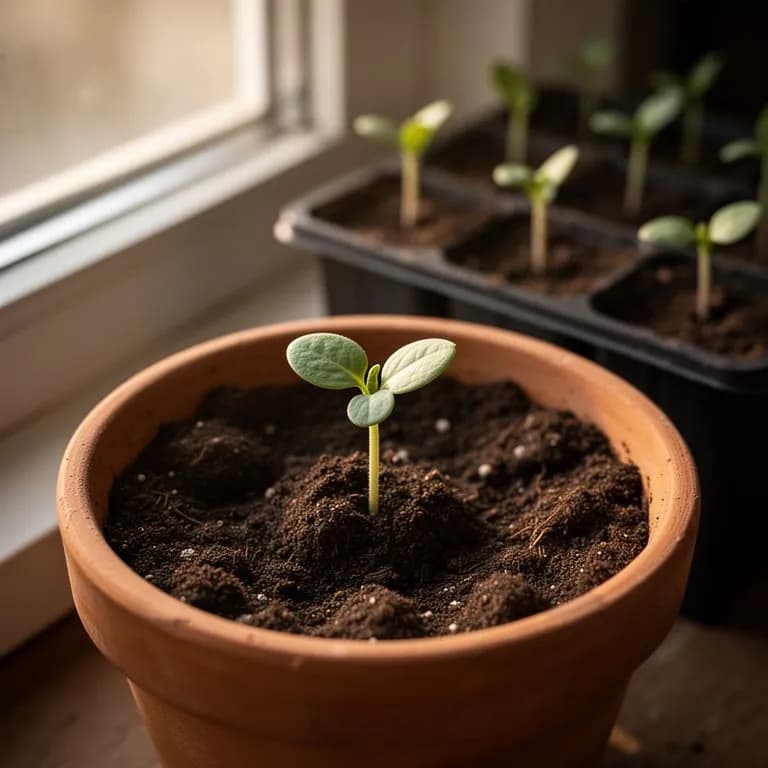
Die Samen quellen auf und brechen innerhalb von 2–3 Tagen in warmem, feuchtem Boden auf. Die Keimwurzel erscheint zuerst und verankert den Sämling, gefolgt vom Hypokotylbogen, der die Keimblätter über die Bodenoberfläche drückt. Die Keimung erfordert Bodentemperaturen von mindestens 16 °C und dauert je nach Bodenwärme und Feuchtigkeit 5–10 Tage.
Sämlingsentwicklung
Die ersten echten dreiteiligen Blätter entfalten sich und ersetzen die runden Keimblätter als Hauptenergiequelle. Wurzelknöllchen beginnen sich zu bilden, wenn Rhizobium-Bakterien das Wurzelsystem besiedeln und die stickstofffixierende Partnerschaft beginnen, die Bohnen zu so wertvollen Gartenpflanzen macht. Die Stängel beginnen sich zu strecken und nach Halt zu suchen.
Rankenwachstum
Die Ranken wachsen schnell, winden sich um Stützen und bilden dichtes Laub. Pflanzen können bei warmen Bedingungen 10–15 cm pro Woche zulegen und bis zur Saisonmitte 2–3 Meter erreichen. Das Blätterdach füllt sich, beschattet den Boden darunter und unterdrückt Unkraut. Die stickstofffixierenden Wurzelknöllchen sind jetzt voll aktiv.
Blüte
Trauben zarter lila-weißer Blüten erscheinen an den Blattachseln und öffnen sich über einen Zeitraum von 2–3 Wochen. Die Blüten sind überwiegend selbstbestäubend, aber Fremdbestäubung durch Bienen kann den Hülsenansatz verbessern. Die Blütenintensität wird durch die Tageslänge beeinflusst, wobei kürzere Tage bei einigen Sorten eine stärkere Blüte auslösen.
Hülsenentwicklung
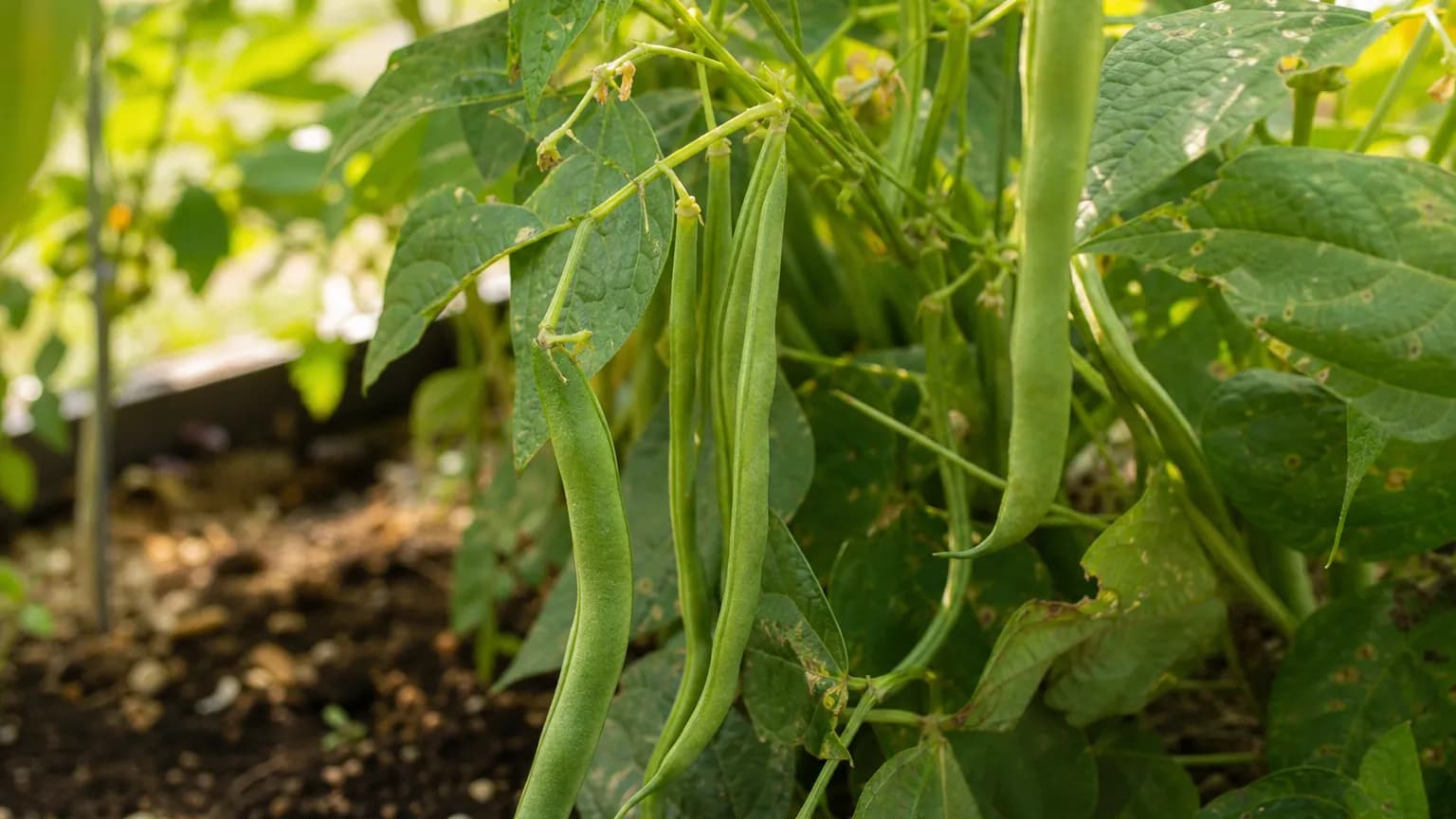
Grüne Hülsen bilden sich schnell aus bestäubten Blüten und hängen in Trauben von 4–8 Hülsen. Jede Hülse enthält 4–6 sich entwickelnde Samen, die über 2–3 Wochen sichtbar anschwellen. In diesem Stadium können die Hülsen jung als grüne Schalenbohnen geerntet oder zum vollständigen Reifen für Trockenbohnen belassen werden.
Ernte und Trocknung
Für die Trockenbohnenproduktion verfärben sich die Hülsen von grün über hellbraun zu braun, während die Samen im Inneren reifen und aushärten. Die gesamte Pflanze beginnt zu vergilben und abzusterben, da sie die verbleibende Energie in die Samenproduktion lenkt. Vollreife Hülsen sind papierartig, spröde und die Bohnen im Inneren sind hart und zeigen ihr volles Ziegenaugen-Muster.
Pflanzen Sie die Samen 2–3 cm tief in gut durchlässigen Boden, sobald die Temperaturen zuverlässig warm sind. Das Einweichen der Samen für 4–6 Stunden vor der Pflanzung beschleunigt die Keimung, ist aber nicht zwingend erforderlich. Halten Sie den Boden gleichmäßig feucht, aber niemals staunass.
Ziegenaugenbohne Monat für Monat pflegen
Was du jeden Monat für deine Ziegenaugenbohne tun solltest
Oktober
Aktueller MonatSchließen Sie die Trockenbohnenernte ab. Enthülsen Sie die Bohnen aus den getrockneten Hülsen und breiten Sie sie in einer Schicht auf Gittern aus, um sie 5–7 Tage in einem trockenen, gut belüfteten Bereich nachtrocknen zu lassen. Entfernen Sie abgestorbene Ranken, aber lassen Sie die Wurzeln im Boden – die stickstoffreichen Knöllchen zersetzen sich und nähren die Kulturen der nächsten Saison.
Immer wissen, was jetzt im Garten zu tun ist
Eine E-Mail zum Monatsanfang: was du jetzt säen, pflanzen und anpacken solltest — für deine Ziegenaugenbohne und alles, was drumherum wächst. Dazu ein kurzer Startkurs, der dich vor den klassischen Fehlern bewahrt.
- Was jetzt zu tun ist
- Passend zu deiner Saison
- Startkurs inklusive
Ziegenaugenbohne ernten
Lassen Sie die Hülsen für Trockenbohnen an der Pflanze, bis sie vollständig trocken, braun und papierartig sind. Die Bohnen sollten hart sein und in den Hülsen rasseln. Ernten Sie vor starken Herbstregenfällen, die Schimmel verursachen können. Enthülsen Sie per Hand oder dreschen Sie in einem Beutel. Breiten Sie die enthülsten Bohnen auf Gittern aus und lassen Sie sie mehrere weitere Tage trocknen, bis sie vollständig hart sind. Das charakteristische Augenmuster ist bei vollständig getrockneten Bohnen am deutlichsten sichtbar.
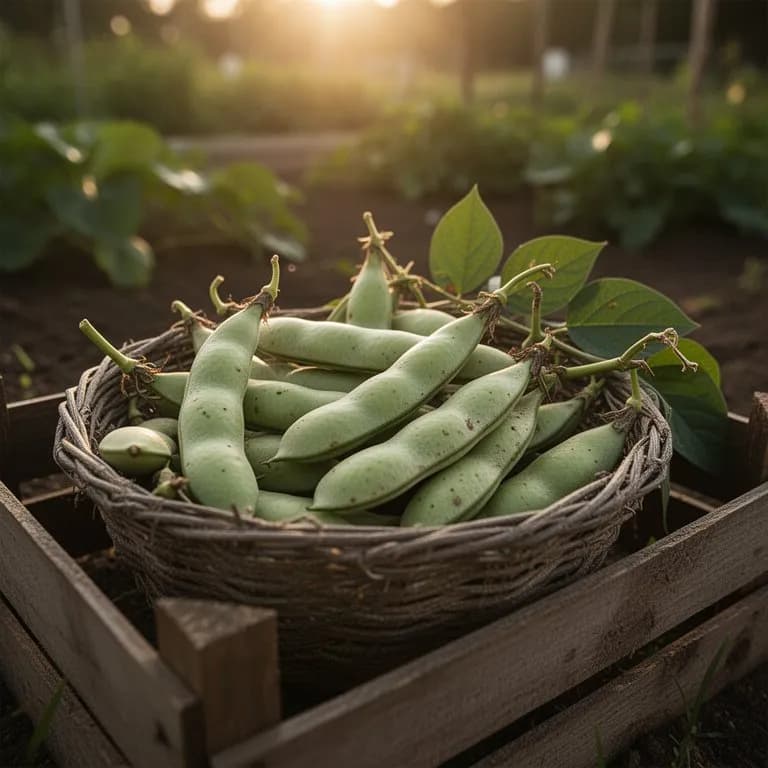
angenommen, du pflanzt zu Beginn des Zeitraums — trage dein tatsächliches Datum ein
Ernte Ziegenaugenbohne zügig, dann trägt die Pflanze weiter.
Lagerung & Konservierung
Getrocknete Ziegenaugenbohnen halten sich in luftdichten Behältern an einem kühlen, trockenen Ort zwei oder mehr Jahre. Frieren Sie sie nach der Ernte 48 Stunden lang ein, um eventuelle Bohnenkäfereier abzutöten. Für den schnellen Verbrauch kochen und portionsweise mit Kochflüssigkeit bis zu sechs Monate einfrieren. Einkochen im Druckkochtopf bietet haltbare Vorratshaltung. Die Bohnen behalten ihre Form beim Kochen und Einfrieren wunderbar bei und bewahren ihr unverwechselbares Aussehen.
Was schiefgeht — und die Lösung
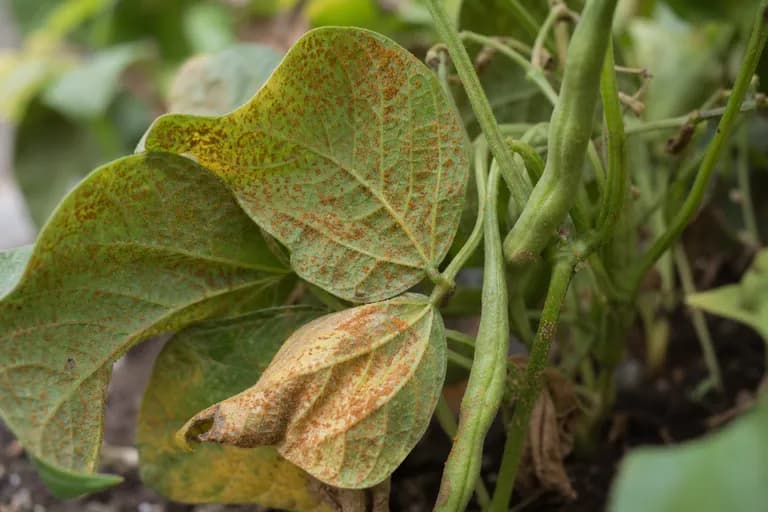
Bohnenrost
KrankheitRotbraune Pusteln auf den Blattunterseiten, die Sporen freisetzen. Blätter vergilben und fallen vorzeitig ab.
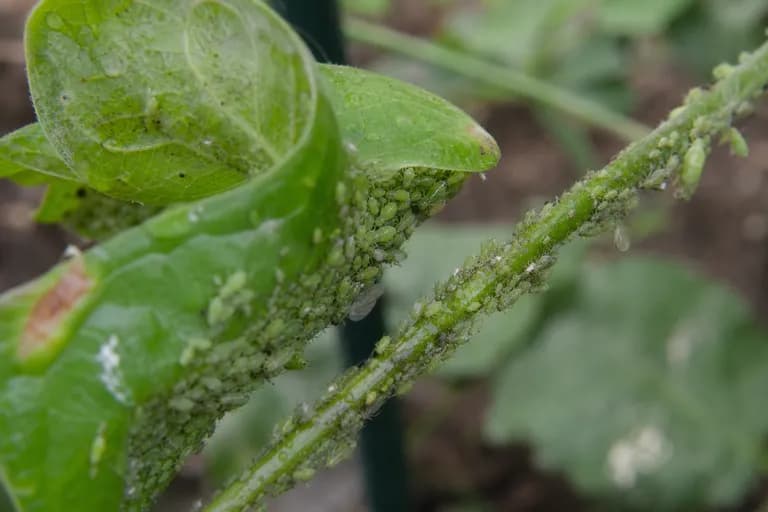
Blattläuse
SchädlingAnsammlungen kleiner Insekten an Triebspitzen, die gekräuselte Blätter, Wachstumsstörungen und Honigtauablagerungen verursachen.
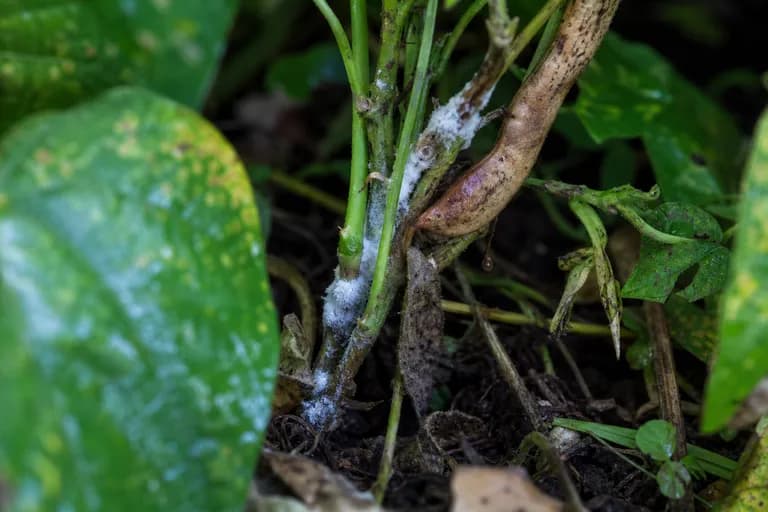
Weißer Schimmel
KrankheitWeißer, wattiger Pilzbelag an Stängeln und Hülsen in Bodennähe. Pflanzen welken und Hülsen faulen.
Fehlerbehebung bei häufigen Problemen
Kalter, nasser Boden verursacht Samenfäule. Warten Sie auf warme Bedingungen, bevor Sie pflanzen. Als Erbstücksorte kann die Saatgutverfügbarkeit begrenzt sein, daher bewahren Sie jedes Jahr Ihr eigenes Saatgut von den besten Pflanzen auf. In feuchten Klimazonen können Hülsen vor dem vollständigen Trocknen schimmeln. Ernten Sie rechtzeitig oder trocknen Sie Pflanzen unter Dach. Bohnenkäfer und Blattläuse sind die Hauptschädlinge.
Anbautipps
- Nur Direktsaat – Bohnen niemals drinnen vorziehen. Ziegenaugenbohnen haben wie alle gewöhnlichen Bohnen empfindliche Pfahlwurzeln, die beim Umpflanzen leicht beschädigt werden, was zu verkümmerten Pflanzen und reduzierten Erträgen führt. Säen Sie die Samen immer direkt an ihren endgültigen Standort.
- Impfen Sie die Samen vor der Pflanzung mit Rhizobium-leguminosarum-Impfstoff, besonders wenn in den letzten 3 Jahren keine Bohnen in diesem Beet angebaut wurden. Diese kostengünstige Behandlung stellt sicher, dass die stickstofffixierende Symbiose schnell entsteht und macht Stickstoffdünger überflüssig.
- Bieten Sie von Anfang an stabile Stützen. Die Ziegenaugenbohne ist eine kräftige Stangenbohne, die 2–3 Meter erreicht. Verwenden Sie Bambus-Tipi-Gestelle, stabile Spaliere oder Schnurstützen an einem starken Überkopfrahmen. Instabile Stützen brechen unter dem Gewicht einer ausgewachsenen, hülsenbeladenen Ranke zusammen.
- Gießen Sie tiefgründig auf Bodenniveau und vermeiden Sie das Benetzen des Laubs. Tropfbewässerung oder Perlschläuche sind ideal. Überkopfsprinkler fördern bakterielle Fleckenkrankheit, Anthraknose und andere Blattkrankheiten, die eine Bohnenkultur verwüsten können. Morgendliches Gießen ist am besten, wenn Überkopfbewässerung Ihre einzige Option ist.
- Arbeiten Sie niemals zwischen Bohnenpflanzen, wenn das Laub durch Regen oder Tau nass ist. Das Durchgehen nasser Bohnenreihen verbreitet bakterielle und pilzliche Krankheiten mit alarmierender Geschwindigkeit von Pflanze zu Pflanze. Warten Sie, bis die Blätter vollständig trocken sind, bevor Sie ernten, Ranken leiten oder jäten.
- Praktizieren Sie eine strikte 3–4-jährige Fruchtfolge. Pflanzen Sie keine Bohnen in ein Beet, in dem in den letzten 3 Jahren Hülsenfrüchte (Bohnen, Erbsen, Linsen) gewachsen sind. Bodenbürtige Krankheiten wie Weißer Schimmel, Wurzelfäule und Bohnen-Mosaik-Virus überdauern im Boden und bauen sich bei wiederholter Bepflanzung auf.
- Stellen Sie für die besten Trockenbohnen die Bewässerung ein, sobald 75 % der Hülsen sich von grün nach hellbraun verfärbt haben. Die abschließende Trocknungsphase an der Pflanze konzentriert den Geschmack und sorgt für einen gleichmäßigen Feuchtigkeitsgehalt in der gesamten Ernte. An der Pflanze getrocknete Bohnen kochen gleichmäßiger als solche, die grün gepflückt und künstlich getrocknet wurden.
- Bewahren Sie Ihr eigenes Saatgut auf, indem Sie die gesündesten, produktivsten Pflanzen auswählen und deren beste Hülsen vollständig an der Pflanze trocknen lassen. Die Ziegenaugenbohne ist eine samenfeste Erbstücksorte, die aus gespeichertem Saatgut sortenrein nachwächst, Ihnen Geld spart und diese wichtige Sorte für zukünftige Generationen bewahrt.
Bau deine beste Ziegenaugenbohne an — und alles drumherum.
Starte heute kostenlos. Lege deine Beete an, setze deine Ziegenaugenbohne ein und lass PlotMyGarden Timing, Abstände, Begleiter und Erinnerungen von der Saat bis zum Erntekorb übernehmen.
Finde deine Ziegenaugenbohne
Occhio di Capra
Die traditionelle italienische Sorte mit cremefarbenen Bohnen, die durch einen markanten braunen Ring gekennzeichnet sind. Reichhaltige, cremige Konsistenz, die beim Kochen ihre Form behält.
Ojo de Cabra
Spanische Version derselben Bohne mit leicht unterschiedlichen Zeichnungsmustern. Ähnliche cremige Konsistenz und Kocheigenschaften.
Steuben Yellow Eye
Verwandtes amerikanisches Erbstück mit einer gelb-braunen Augenzeichnung. Ähnliche Kocheigenschaften mit einem etwas nussigeren Geschmack.
Erbstück-Trockenbohnen wie die Ziegenaugenbohne kosten in Spezialgeschäften und auf Bauernmärkten 16–35 € pro Kilogramm und sind in herkömmlichen Lebensmittelgeschäften kaum zu finden. Ein einziges Saatguttütchen für 3–4 € liefert 10–15 Pflanzen mit einem Gesamtertrag von 2–4 kg getrockneter Bohnen – das entspricht einem Wert von 35–130 € an Spezialmarktbohnen. Über die direkte Ersparnis hinaus sind selbst angebaute Bohnen frischer (die diesjährige Ernte kocht schneller und schmeckt besser als mehrere Jahre alte Handelsbohnen), und Sie können Jahr für Jahr Saatgut aufbewahren, wodurch zukünftige Saatgutkosten vollständig entfallen.
Schnelle Rezepte
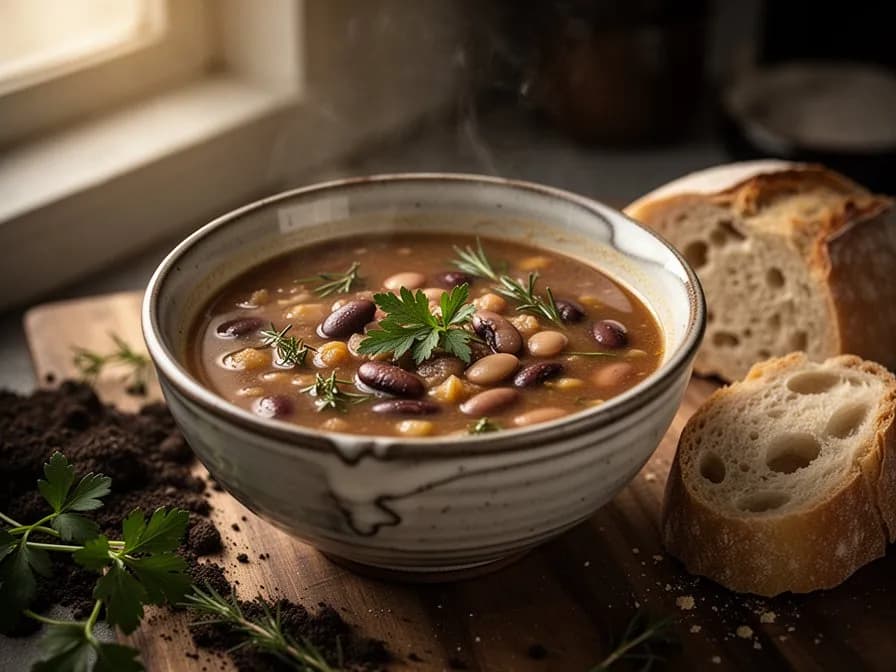
Ziegenaugenbohnen-Eintopf mit Tomaten und Kräutern
50 Min.Ein herzhafter, rustikaler Bohneneintopf, bei dem die Ziegenaugenbohnen ihre Form wunderbar behalten, während sie die reichhaltigen Aromen von Tomaten, Knoblauch und frischen Kräutern aufnehmen. Die Bohnen entwickeln ein cremiges Inneres mit einem befriedigenden Biss, der dieses Eintopfgericht herausragend macht.
11 ZutatenZiegenaugenbohnen-Salat mit Zitronen-Vinaigrette
25 Min.Ein frischer, proteinreicher Salat, der die schönen Zeichnungen dieser Erbstück-Bohnen zur Geltung bringt. Die feste Konsistenz hält dem Vermischen mit knackigem Gemüse und einem scharfen Zitronendressing bestens stand und eignet sich ideal für Meal-Prep oder sommerliche Bewirtung.
9 ZutatenRauchige Ziegenaugenbohnen-Refried-Bohnen
30 Min.Eine geschmackvolle Variante der klassischen Refried Beans mit der von Natur aus cremigen Ziegenaugenbohne. Zerdrückt mit rauchigen Gewürzen und karamellisierten Zwiebeln ergeben sie eine unwiderstehliche Füllung für Burritos, einen Dip für Tortilla-Chips oder eine Beilage zu Gegrilltem.
9 ZutatenKulinarische Verwendung
Ziegenaugenbohnen eignen sich hervorragend für Suppen und Eintöpfe, in denen sie ihre Form wunderbar behalten, während sich ein cremiges Inneres entwickelt. Köcheln Sie sie mit italienischer Wurst, Tomaten und Rosmarin für ein deftiges Wintergericht. Fügen Sie sie zu Minestrone und Ribollita hinzu. Der milde, nussige Geschmack harmoniert gut mit Olivenöl, Knoblauch und Salbei. Servieren Sie sie als warmen Salat mit Rucola und gehobeltem Parmesan. Ihr unverwechselbares Aussehen macht sie zum Gesprächsthema beim Abendessen.
Was drinsteckt
Gesundheitsvorteile
- Hervorragende pflanzliche Proteinquelle mit etwa 23 g pro 100 g getrockneter Bohnen – in Kombination mit Reis oder Maistortillas bilden Ziegenaugenbohnen ein vollständiges Protein mit allen essenziellen Aminosäuren.
- Sehr ballaststoffreich (über 15 g pro 100 g), fördert die Verdauungsregelmäßigkeit, nährt nützliche Darmbakterien und kann nachweislich den Cholesterinspiegel senken und kardiovaskuläre Gesundheitsmarker verbessern.
- Reich an Folsäure (Vitamin B9), liefert über 90 % des Tageswertes pro 100-g-Portion – essenziell für DNA-Synthese, Zellteilung und besonders wichtig in der Frühschwangerschaft zur Vorbeugung von Neuralrohrdefekten.
- Enthält resistente Stärke, die den oberen Verdauungstrakt unverdaut passiert, als Präbiotikum im Dickdarm wirkt und die Blutzuckerreaktion nach den Mahlzeiten reguliert – vorteilhaft für Menschen mit Typ-2-Diabetes.
- Ausgezeichnete Quelle für Eisen (5–7 mg pro 100 g) und Zink, zwei Mineralstoffe, die in pflanzlicher Ernährung oft fehlen – die Kombination von Bohnen mit Vitamin-C-reichen Lebensmitteln wie Tomaten oder Paprika verbessert die Eisenaufnahme deutlich.
- Regelmäßiger Bohnenkonsum ist in großen Bevölkerungsstudien stark mit einem verringerten Risiko für Herzkrankheiten, Darmkrebs und metabolisches Syndrom verbunden – teilweise aufgrund der kombinierten Wirkung von Ballaststoffen, Kalium, Magnesium und Phytochemikalien.
Woher Ziegenaugenbohne stammt
Die Ziegenaugenbohne (Ojo de Cabra) ist eine Erbstücksorte der gewöhnlichen Bohne (Phaseolus vulgaris) mit tiefen Wurzeln in den landwirtschaftlichen Traditionen Nordmexikos und des amerikanischen Südwestens. Gewöhnliche Bohnen wurden erstmals vor mindestens 7.000 Jahren in Mesoamerika domestiziert, mit einem sekundären Domestikationszentrum in der Andenregion Südamerikas. Archäologische Bohnenfunde aus Höhlen im Tehuacán-Tal in Mexiko und der Guitarrero-Höhle in Peru belegen diese uralte Beziehung zwischen Menschen und Bohnen, die Jahrtausende zurückreicht.
Die Ziegenaugensorte entwickelte sich speziell in den trockenen Hochländern von Chihuahua, Durango und Zacatecas im Norden Mexikos, wo indigene Tarahumara-, Tepehuan- und andere Bauerngemeinschaften sie über Generationen hinweg für ihre Fähigkeit selektierten, unter harten, trockenen Bedingungen mit extremen Temperaturschwankungen zwischen Tag und Nacht zu gedeihen. Die Trockenheitstoleranz der Bohne machte sie zu einer essenziellen Kulturpflanze für die Ernährungssicherung in einer Region, in der Niederschläge knapp und unberechenbar sind. Spanische Kolonialaufzeichnungen aus dem 16. und 17. Jahrhundert erwähnen markant gezeichnete Bohnen, die auf regionalen Märkten gehandelt wurden, und Ojo de Cabra ist seither ein fester Bestandteil der nordmexikanischen Küche – geschätzt in Frijoles de Olla, Refried Beans und deftigen Ranch-Eintöpfen.
Die Sorte verbreitete sich entlang von Handelsrouten nordwärts in das heutige New Mexico, Arizona und Texas, wo sie sowohl von indianischen Gemeinschaften als auch später von angelsächsischen Siedlern übernommen wurde, die ihre zuverlässige Leistung in heißen, trockenen Klimazonen schätzten. Heute erlebt die Ziegenaugenbohne ein Wiederaufleben bei Erbstück-Saatgutbewahrern, Kleinbauern und Köchen, die ihr schönes Aussehen, ihre hervorragenden Kocheigenschaften und ihr reiches kulturelles Erbe schätzen. Saatgutbibliotheken und Organisationen wie Native Seeds/SEARCH bewahren und verbreiten diese Sorte aktiv und erkennen sie als wichtiges Stück lebendiger Landwirtschaftsgeschichte an, die an die herausfordernden Anbaubedingungen des amerikanischen Südwestens und Nordmexikos angepasst ist.
Ziegenaugenbohne: Schon gewusst?
Faszinierende Fakten über Ziegenaugenbohne
Die Ziegenaugenbohne (Ojo de Cabra) verdankt ihren eindrucksvollen Namen dem markanten braunen Ringmuster auf jeder cremefarbenen Bohne, das dem schlitzförmigen Auge einer Ziege stark ähnelt – keine zwei Bohnen haben exakt dieselbe Zeichnung, was jede einzelne einzigartig schön macht.
Ziegenaugenbohne: Fragen & Antworten
Wann sollte ich Ziegenaugenbohne pflanzen?
Was sind gute Begleitpflanzen für Ziegenaugenbohne?
In welchen Winterhärtezonen kann Ziegenaugenbohne wachsen?
Wie viel Sonne braucht Ziegenaugenbohne?
Welchen Abstand sollte ich zwischen Ziegenaugenbohne lassen?
Welche Schädlinge und Krankheiten befallen Ziegenaugenbohne?
Wie lagere ich Ziegenaugenbohne nach der Ernte?
Was sind die besten Ziegenaugenbohne-Sorten zum Anbauen?
Welchen Boden braucht Ziegenaugenbohne?
Müssen Ziegenaugenbohnen vor dem Kochen eingeweicht werden?
Können Ziegenaugenbohnen als grüne Bohnen gegessen werden oder nur als Trockenbohnen?
Warum werden die Blätter meiner Ziegenaugenbohnen-Pflanzen gelb?
Wie lagere ich getrocknete Ziegenaugenbohnen für maximale Haltbarkeit?
Sind Ziegenaugenbohnen gut für die Stickstofffixierung in meinem Garten?
Auf welche Schädlinge und Krankheiten sollte ich bei Ziegenaugenbohnen achten?
Du hast die Theorie gelesen. Jetzt baue sie auf Autopilot an.
Alles, was Ziegenaugenbohne knifflig macht — das Timing, die Abstände, die Begleiter, das Erntefenster — genau das übernimmt PlotMyGarden für dich, für jede Pflanze im Garten.
Ein Plan, der dein Wetter kennt
Standort einmal festlegen. Aussaat-, Dünge- und Erntedaten rund um deinen echten letzten Frosttermin und die Live-Vorhersage — kein Raten mehr nach Saattüte.
Aus dem Abschnitt „Pflanzzeit“Beetplaner per Drag & Drop
Beete auf einem Raster gestalten. Jede Pflanze rastet im richtigen Abstand ein, und du siehst die ganze Saison, bevor du einen Cent für Saatgut ausgibst.
Aus dem Abschnitt „Anbau“Begleiter-Konflikte früh erkannt
Über 200 gute und schlechte Kombinationen werden beim Pflanzen live geprüft — so landet ein saisonruinierender Fehler nie in der Erde.
Aus dem Abschnitt „Begleiter“Erinnerungen, nach denen du wirklich handelst
„Gieß die Bohnen.“ „Heute ernten, bevor's umschlägt.“ Pünktlich, konkret und auf deine echten Pflanzen bezogen.
Aus dem Abschnitt „Ernte“Staffel-Aussaat, geplant
Sechs Wochen ernten statt sechs Tage? Die App verteilt deine Aussaaten automatisch und erinnert dich, wenn der nächste Satz fällig ist.
Aus dem Abschnitt „Pflanzzeit“Ein Verlauf, der schlauer wird
Jede protokollierte Ernte bringt der App deinen Garten bei. Der Plan fürs nächste Jahr startet bei dem, was in deinem Boden wirklich funktioniert hat.
Aus dem Abschnitt „Überblick“Pflanze diese neben Ziegenaugenbohne
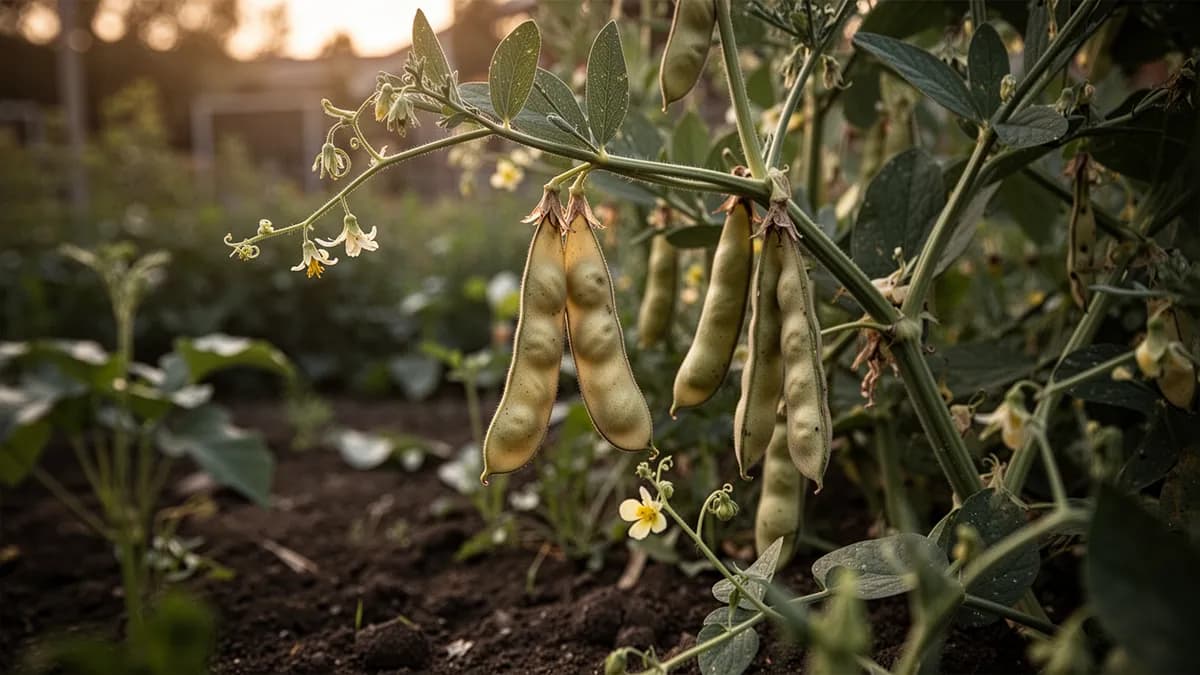
Weitere Hülsenfrüchte
Halte Ziegenaugenbohne von diesen fern
Bau deine beste Ziegenaugenbohne an — und alles drumherum.
Starte heute kostenlos. Lege deine Beete an, setze deine Ziegenaugenbohne ein und lass PlotMyGarden Timing, Abstände, Begleiter und Erinnerungen von der Saat bis zum Erntekorb übernehmen.