Golden Beet
typical season: sow Mar – Sep · harvest Jun – Nov · set your climate
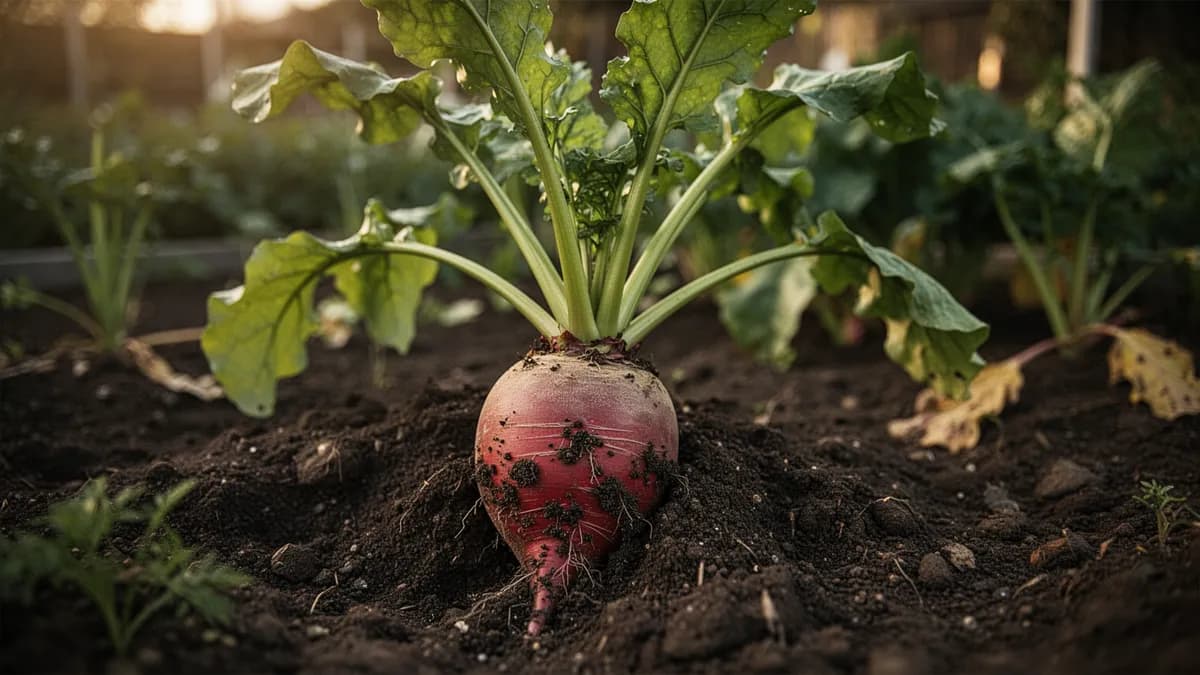
A beautiful golden-yellow beet variety that does not stain like red beets and has a milder, sweeter flavor.
On this pageOverview
Meet Golden Beet
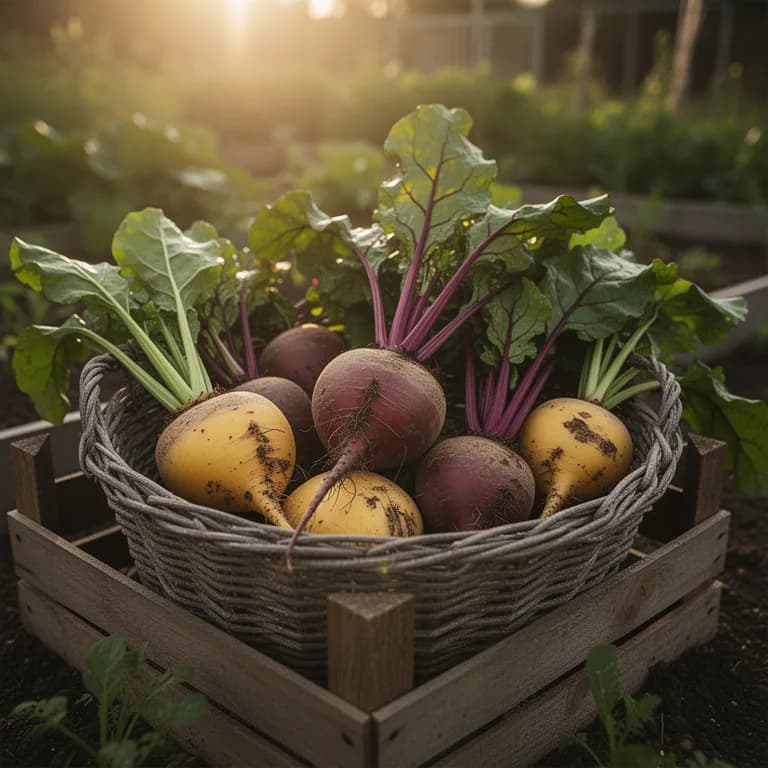
A beautiful golden-yellow beet variety that does not stain like red beets and has a milder, sweeter flavor. Golden beets are wonderful roasted to bring out their natural sweetness, and they add vibrant color to salads without bleeding onto other ingredients. They tend to germinate a bit more slowly than red varieties, so be patient with emergence. The greens are equally delicious and milder than red beet tops, making them pleasant raw in salads.
When to plant Golden Beet
Direct sow 1/2 inch deep 2-4 weeks before last frost. Soak seeds 24 hours before planting to improve germination. Each seed cluster produces multiple seedlings; thin to 3-4 inches apart. Succession sow every 3 weeks for continuous harvest. For fall crops, sow 10-12 weeks before first frost. Seeds remain viable for 4 years.
Your Golden Beet Year
Composed for Zone 7 · typical seasons · frost passes Apr 2, returns Nov 1
Plant Golden Beet Mar – May, Aug – Sep, pick Jun – Aug, Oct – Nov. Check the planting methods below and set your climate to personalize these windows.
Picking Golden Beet this season? Its next window opens Aug 1
One email a few days before it opens where you garden and one two weeks before it closes — then one when the first pick is due.
One email per milestone, never more than one a week. Unsubscribe with one tap. No account needed.
How to grow Golden Beet
Direct sow golden beet seeds 1/2 inch deep, 2-4 weeks before last frost. Seeds germinate in 7-14 days at 50-75°F. Beet seeds are actually clusters containing multiple embryos, so thin to 3-4 inches apart when seedlings reach 2 inches tall. Space rows 12-18 inches apart.
Golden beets grow best in cool temperatures between 55-70°F but tolerate more heat than red varieties. Provide consistent moisture for even root development. Mulch to maintain cool, moist soil. Side-dress with balanced fertilizer once at midseason. Avoid heavy nitrogen, which promotes leaf growth over root development.
Golden beets mature in 55-65 days and do not bleed their color like red beets, making them ideal for salads and light-colored dishes. The golden-orange roots are sweeter and milder than red varieties. Harvest when roots are 2-3 inches in diameter for the most tender, sweet roots. The greens are also excellent and can be harvested as the plant grows.
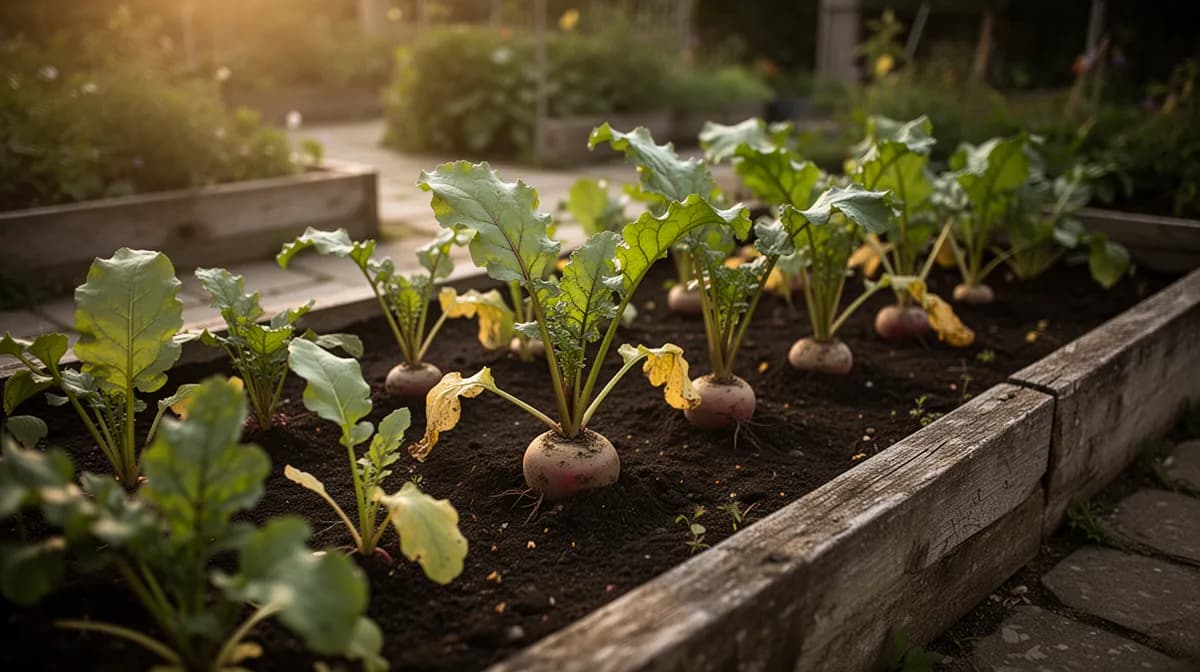
288 plants fit a 4 × 8 ft bed
Each Golden Beet wants 10 cm of elbow room. The planner keeps that spacing for you — every plant, every bed.
Plan a raised bed for Golden Beet: size, squares and soil.
Plan it in the raised bed plannerGolden Beet's best neighbours
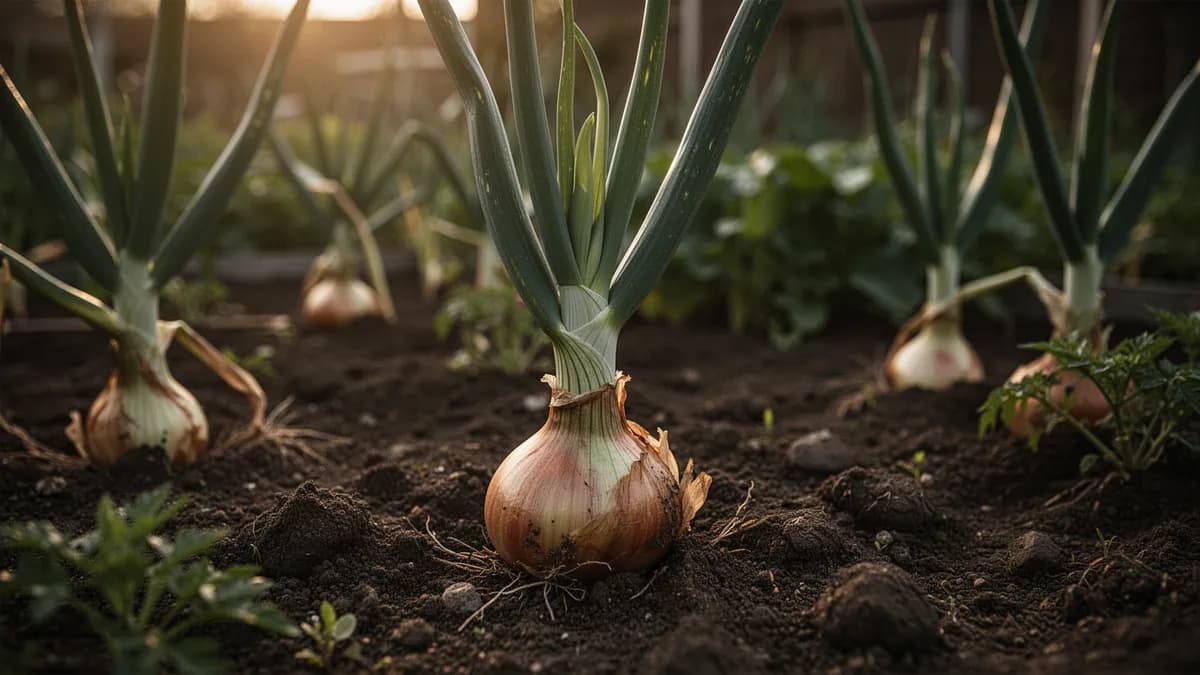
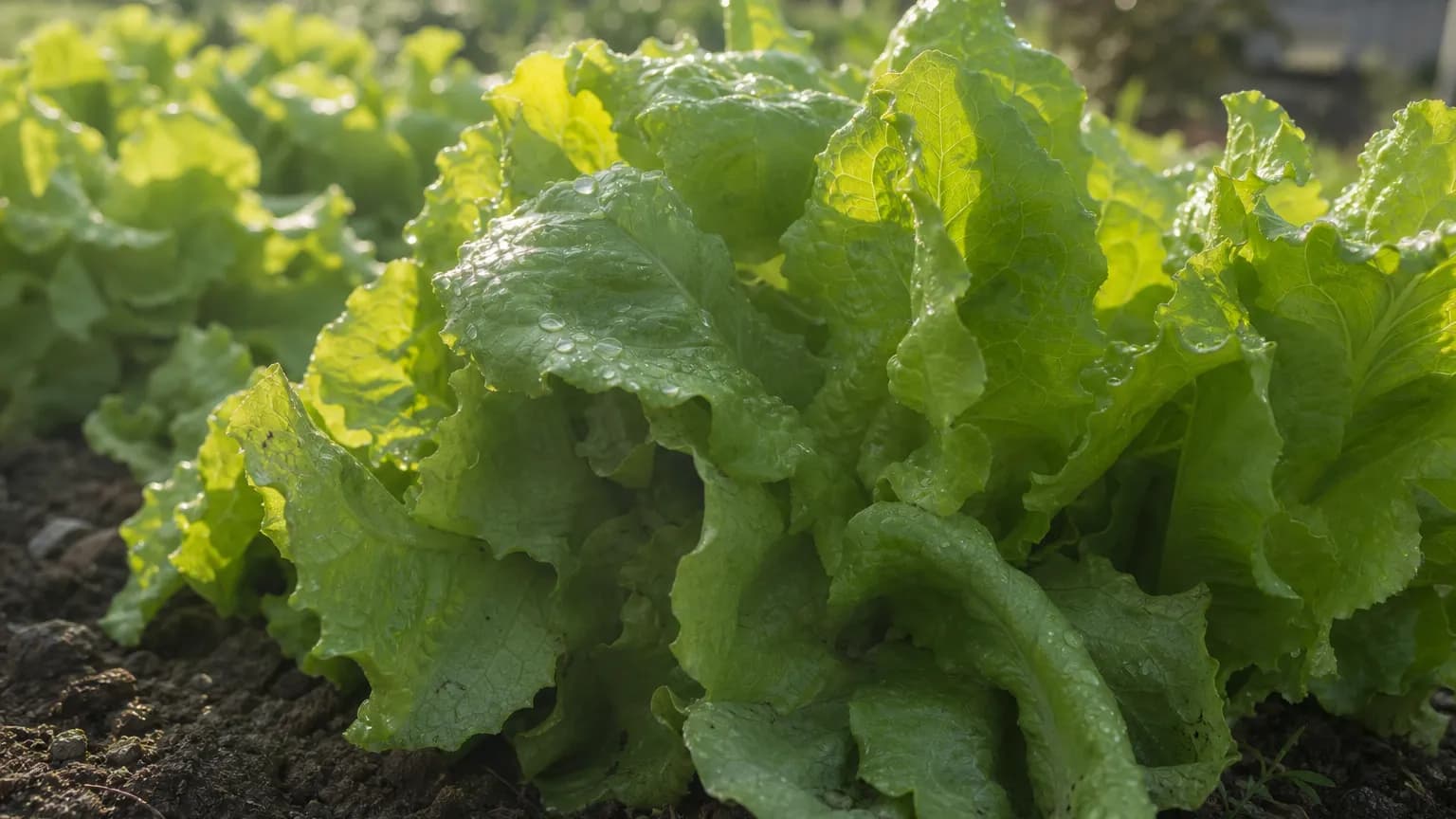
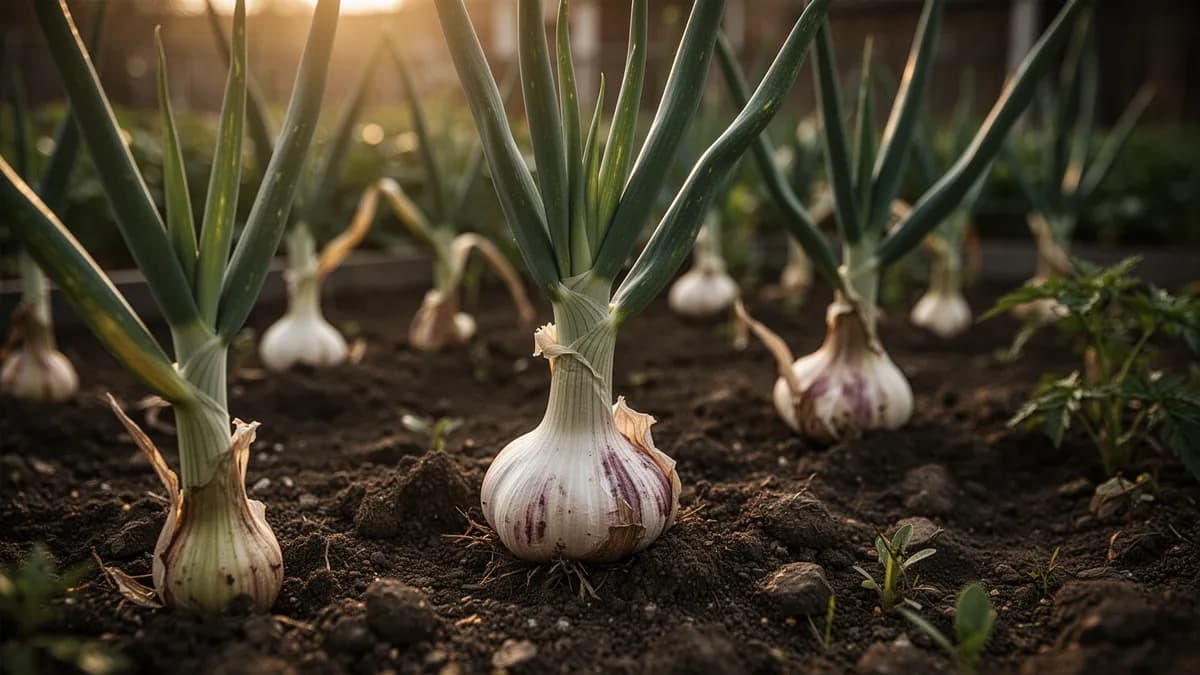
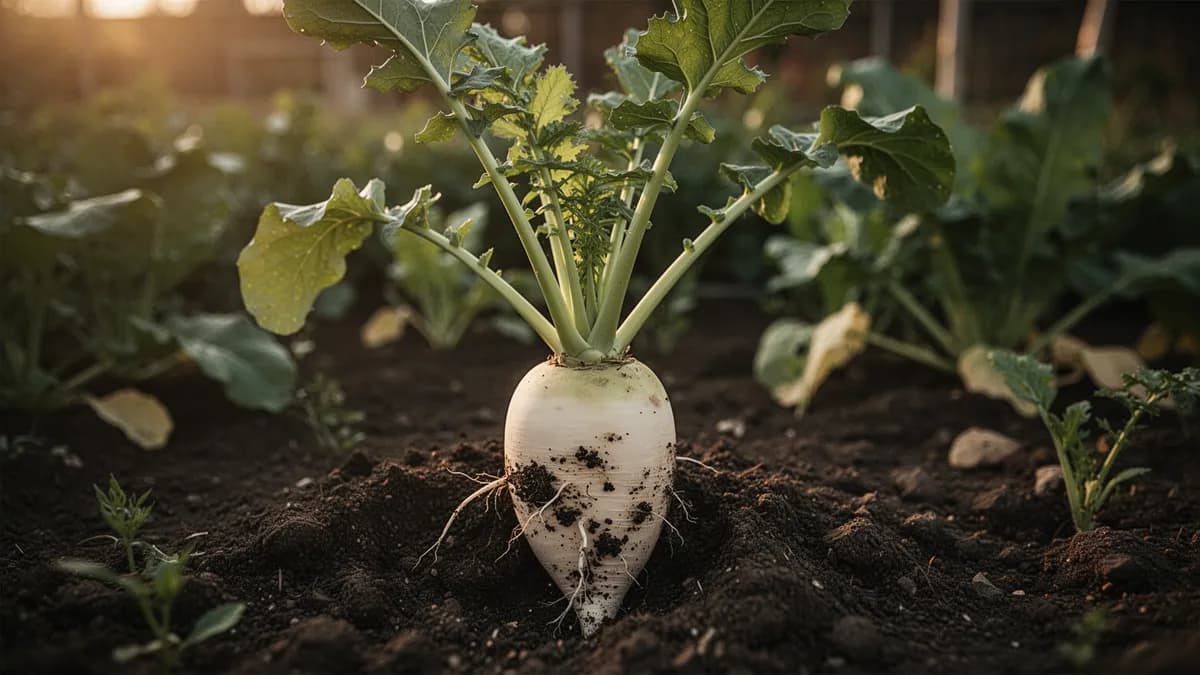
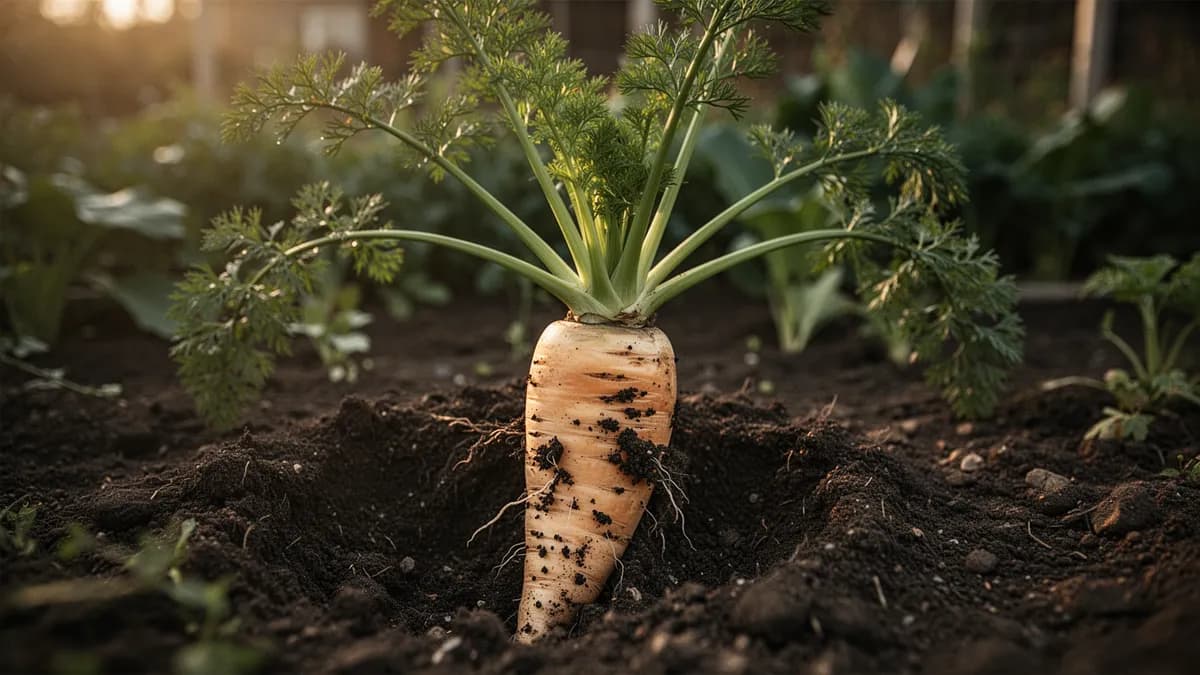
Golden beets grow well with onions, garlic, lettuce, and brassicas. Avoid planting near pole beans, which can stunt beet growth. The colorful greens add ornamental interest to vegetable gardens. Radishes make good row markers. Beets follow nitrogen-fixing crops like peas and beans well, benefiting from residual soil nitrogen.
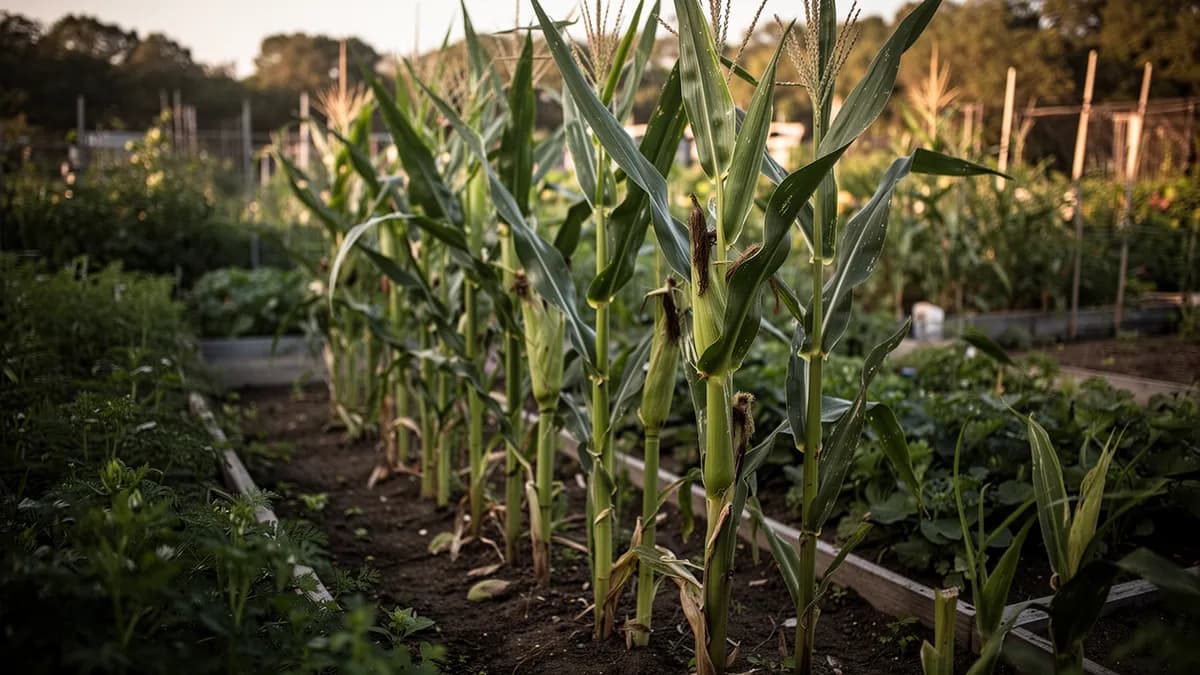
Onion belongs beside it. Corn doesn't.
Old growers' knowledge, checked against Golden Beet's real companion table below — test any plant you're growing.
Related growing guides
Feed it well
Golden beets prefer loose, well-drained soil with a pH of 6.0-7.0. Amend with compost before planting. Apply balanced fertilizer at sowing and side-dress once at midseason. Boron deficiency causes internal black spots; ensure adequate trace minerals. Avoid fresh manure. Consistent moisture produces smooth, well-formed roots. Raised beds are ideal for heavy or clay soils.
Ideal Temperature
Hardiness Zone Compatibility
From seed to harvest, stage by stage
Germination
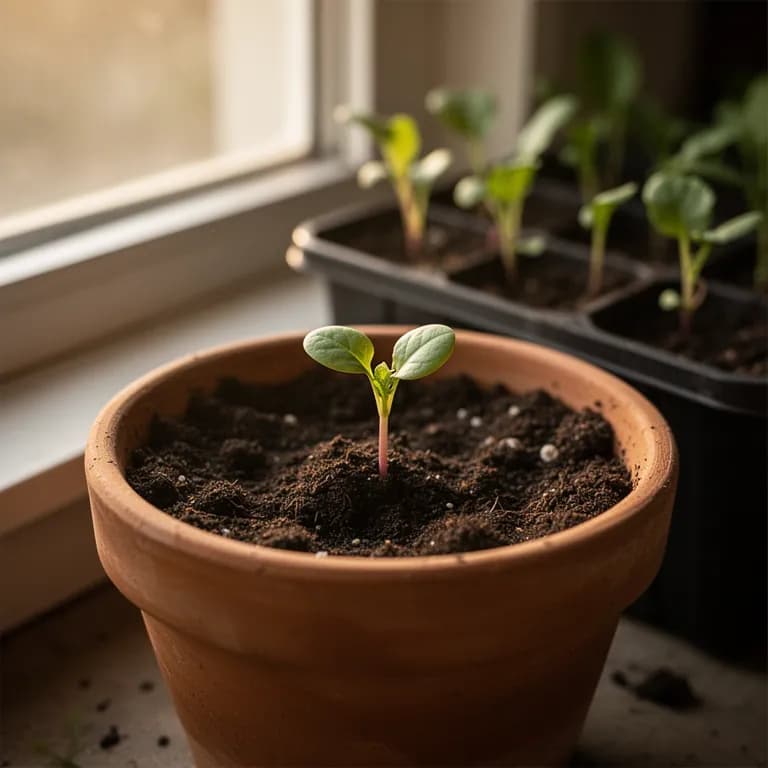
Golden beet seeds are actually multigerm clusters containing 2-4 embryos each. Germination is slower than red beet varieties, typically taking 7-14 days at soil temperatures of 10-27°C (50-80°F). The wrinkled, corky seed coat must absorb moisture before the radicle root emerges, followed by reddish-tinged cotyledon leaves pushing through the soil surface.
Seedling Development
True leaves develop with a characteristic oval shape and slightly glossy surface. Multiple seedlings emerge from each seed cluster and must be thinned. The taproot begins to establish, and the leaves transition from reddish cotyledons to bright green true leaves with golden-yellow stems that distinguish this variety.
Leaf Growth
The plant produces a rosette of 6-10 upright leaves that fuel root development through photosynthesis. Leaves are bright green with distinctive golden-yellow midribs and petioles. The root begins swelling just below the soil surface, transitioning from a thin taproot to a recognizable beet shape.
Root Bulking
The root swells rapidly into the characteristic round golden-orange beet shape. The shoulders may push slightly above the soil line, revealing the golden skin. Interior flesh develops its uniform golden-yellow color. The root accumulates sugars that give golden beets their distinctively sweet, mild flavor.
Harvest Window
Roots reach harvestable size of 5-8 cm (2-3 inches) in diameter. Golden beets have a wider harvest window than red varieties and can remain in the ground longer without becoming woody or fibrous. The greens remain tender and productive for continuous leaf harvesting throughout this stage.
Soak seeds in warm water for 12-24 hours before planting to soften the corky seed coat and improve germination rates, which are naturally lower in golden varieties. Keep soil consistently moist but not waterlogged during this critical period.
Caring for Golden Beet month by month
What to do each month for your Golden Beet
November
You are hereFinal harvests in zones 5-7 before hard freezes. In zones 8-10, continue harvesting as needed — golden beets can overwinter in the ground with mulch protection in mild climates. Store harvested beets in perforated bags in the refrigerator or in damp sand in a root cellar.
Harvesting Golden Beet
Harvest golden beets when roots are 2-3 inches in diameter, typically 55-65 days from sowing. Gently loosen soil with a fork before pulling. Golden beets can be left in the ground longer than red types without becoming woody. Trim tops to 1 inch but do not cut into the root or it will bleed slightly. The greens are edible and nutritious; harvest young leaves throughout the growing season.
assuming you plant when the window opens — set your real date
Pick Golden Beet promptly and the plant keeps producing.
Storage & Preservation
Store unwashed golden beets in perforated plastic bags in the refrigerator for 2-3 weeks. For long-term storage, keep in a root cellar at 32-40°F in damp sand for up to 4 months. Golden beets can be roasted and frozen, pickled in vinegar, or canned. The non-bleeding quality makes them ideal for pickling in light-colored brines. Beet greens should be used within a few days or blanched and frozen.
What goes wrong — and the fix
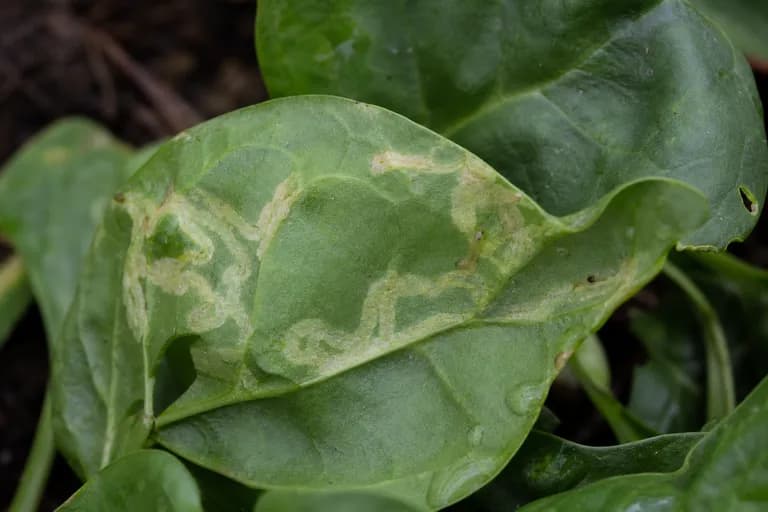
Leaf Miners
PestWinding white-brown trails inside leaves, blistered leaf tissue.
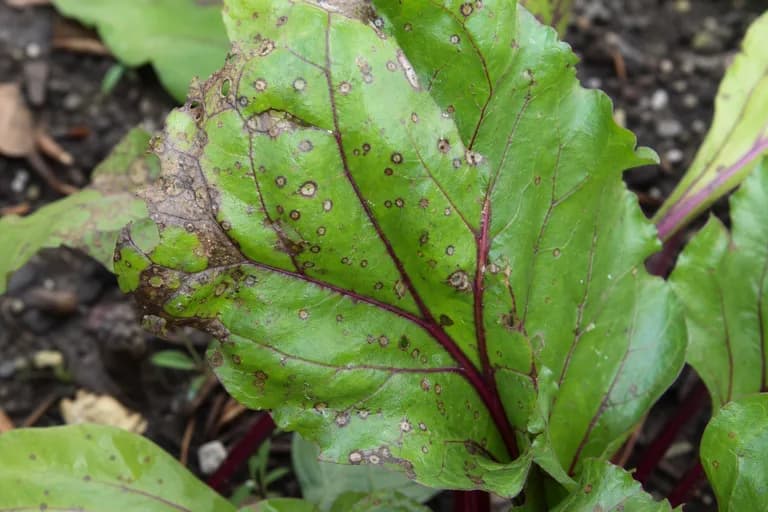
Cercospora Leaf Spot
DiseaseSmall, round spots with gray centers and brown borders on leaves.
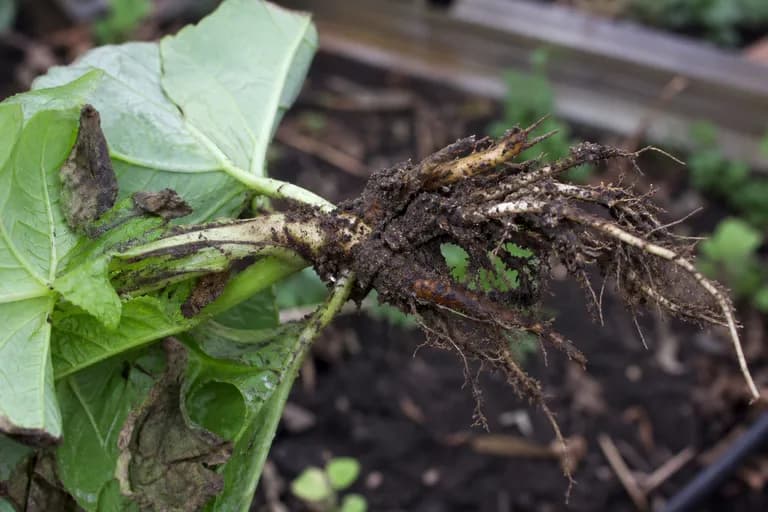
Root Rot
DiseaseSoft, discolored roots, wilting plants, poor growth in waterlogged conditions.
Troubleshooting Common Problems
Lower germination rates than red beets are common; sow extra seeds. Woody, fibrous roots develop when plants are left too long or grown in hot weather. Internal black spots indicate boron deficiency; apply borax. Cracking from uneven watering. Bolting in prolonged cold snaps below 40°F when plants are young. The pale color makes soil damage and pest tunneling less visible than on red beets.
Growing Tips
- Pre-soak seeds for 12-24 hours before planting — this is especially important for golden varieties, which have notoriously lower germination rates (often 60-70%) compared to red beets (80-90%). Soaking softens the corky seed coat and can improve germination by 15-20 percentage points.
- Sow extra seeds and thin aggressively. Because golden beet germination is unreliable, plant seeds 2-3 cm apart and thin to 8-10 cm after emergence. Use scissors to snip unwanted seedlings at soil level rather than pulling them, which disturbs the roots of neighboring plants.
- Maintain absolutely consistent soil moisture during root development. Irregular watering causes growth rings, cracking, and woody texture in the roots. Drip irrigation on a timer is ideal. Mulch with 5-8 cm of straw or shredded leaves to buffer moisture fluctuations.
- Grow golden beets in cool seasons only — spring and fall. Roots that develop during sustained heat above 30°C (85°F) are often woody, bitter, and pale rather than vibrant golden-orange. In hot climates, fall crops sown in late summer to early fall produce far better results than spring plantings.
- Harvest at 5-8 cm (2-3 inches) diameter for the best combination of sweetness and tenderness. Unlike red beets, golden varieties are somewhat forgiving if left a few days past peak, but roots larger than 10 cm begin to develop a fibrous core.
- Do not neglect the greens — they are a bonus crop worth growing the plant for on their own. Begin harvesting outer leaves once the plant has 8-10 leaves, taking no more than a third at a time. Golden beet greens have a milder, less metallic flavor than red beet greens and are excellent raw in salads.
- Boron deficiency causes internal black spots (black heart) in beet roots and is more common in alkaline or sandy soils. If you have experienced this problem, dissolve 1 tablespoon of borax in 4 liters of water and apply along the row at planting time — a small amount prevents the issue entirely.
- For the most vivid golden color in the harvested roots, ensure adequate potassium in the soil. Betaxanthin pigment production is enhanced by sufficient potassium. A light application of potassium sulfate or wood ash at planting supports both color development and overall root quality.
Pick your Golden Beet
Touchstone Gold
The standard golden beet with uniform, round roots and sweet, mild flavor. Excellent germination.
Boldor
Bright orange-gold roots with smooth skin. Very sweet flavor and attractive in roasted dishes.
Golden Detroit
Gold version of the classic Detroit beet. Round roots with deep golden color and reliable performance.
Golden beets command a premium at grocery stores and farmers markets, typically $4-6 per bunch (3-4 beets with greens) compared to $2-3 for standard red beets. A single packet of seeds ($3-5) produces 50-100 plants over the season through succession sowing, yielding $60-150 worth of golden beets at retail prices. The greens alone — sold as specialty salad greens for $5-8 per bag — add substantial additional value. Growing your own also guarantees the freshest possible greens, which wilt within days of harvest and are rarely available at peak quality in stores.
Quick recipes
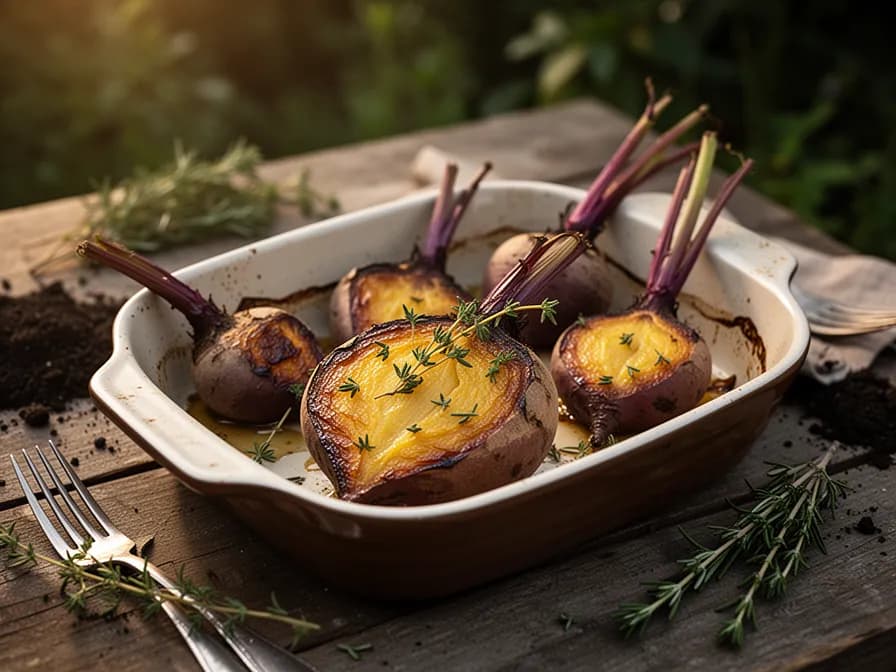
Roasted Golden Beets with Goat Cheese and Walnuts
50 minGolden beets roasted until caramelized and tender, then paired with creamy goat cheese, toasted walnuts, and a drizzle of honey. The golden color stays vibrant without staining the other ingredients — a beautiful and elegant side dish or light meal.
8 ingredientsRaw Golden Beet and Apple Slaw
15 minA crisp, refreshing slaw showcasing the sweet, mild flavor of raw golden beets. Paired with tart green apple and dressed in citrus vinaigrette, this no-cook dish highlights the non-staining advantage of golden beets in raw preparations.
8 ingredientsGolden Beet Soup with Ginger
40 minA silky, vibrant golden soup that looks like liquid sunshine. The natural sweetness of golden beets pairs beautifully with warm ginger and a touch of cream. Serve hot in winter or chilled in summer for a stunning starter course.
8 ingredientsCulinary Uses
Golden beets shine in dishes where their vibrant color and non-staining quality are valued. Roast until caramelized for a sweet side dish. Shave raw into salads without staining other ingredients. Pickle for a beautiful golden preserved vegetable. Puree into golden beet soup. Add to grain bowls and composed salads. The sweeter, milder flavor appeals to those who find red beets too earthy.
What's inside
Health Benefits
- Golden beets contain betaxanthins, yellow-orange pigments with documented anti-inflammatory and antioxidant properties that may help reduce oxidative stress linked to chronic diseases including cardiovascular disease and certain cancers.
- Rich in dietary nitrates that the body converts to nitric oxide, a molecule that relaxes blood vessels and lowers blood pressure. Multiple clinical studies have shown that beet consumption can reduce systolic blood pressure by 4-10 mmHg.
- Excellent source of folate (vitamin B9), essential for DNA synthesis and repair, red blood cell formation, and neural tube development during pregnancy. A single serving provides approximately 20% of the recommended daily intake.
- The fiber in golden beets (2.8g per 100g) supports digestive health by promoting regular bowel movements, feeding beneficial gut bacteria, and helping to regulate cholesterol levels through bile acid binding.
- Contains manganese, an essential trace mineral that supports bone formation, blood clotting, and the metabolism of amino acids, carbohydrates, and cholesterol. One serving provides about 16% of the daily value.
- The combination of betalain pigments, vitamin C, and other polyphenols in golden beets supports liver detoxification pathways, particularly the phase 2 conjugation reactions that help the body eliminate metabolic waste products.
Where Golden Beet comes from
The wild ancestor of all cultivated beets, Beta vulgaris subsp. maritima (sea beet), is a coastal plant native to the Mediterranean basin, the Atlantic coast of Europe, and parts of western Asia. Sea beet grows wild on beaches, salt marshes, and coastal cliffs from the Canary Islands to southern Scandinavia, and its tough, glossy leaves were gathered as food by humans for thousands of years before any root cultivation began.
The ancient Greeks and Romans grew beets primarily as a leaf vegetable — the roots of early cultivated forms were thin and fibrous, not the swollen globes we know today. Aristotle described red and dark-colored chard-like beets around 350 BCE, and Theophrastus noted both light and dark varieties. The Romans were likely the first to select for enlarged roots, but even Roman beets were long and turnip-shaped rather than round. The round beet shape familiar today did not become standard until the 16th-17th century in northern Europe.
Golden and yellow beet varieties appear in European horticultural records from the 1500s, with Italian and German gardeners documenting yellow-rooted forms alongside the more common red. However, golden beets remained a niche crop due to their consistently lower germination rates and slightly less vigorous growth compared to red varieties. The Burpee's Golden variety, introduced in 1828, was one of the first widely named golden cultivars in the English-speaking world.
In the 20th century, golden beets remained primarily a curiosity grown by heirloom enthusiasts and European market gardeners. Their modern resurgence began in the late 1990s and accelerated through the 2000s as chefs and home cooks discovered their non-staining quality, milder flavor, and visual appeal in composed salads and roasted vegetable dishes. Modern varieties like Touchstone Gold and Boldor offer dramatically improved germination rates and more uniform roots compared to older golden cultivars. Today, golden beets are a staple at farmers markets and are increasingly available in mainstream grocery stores, prized for their versatility and beauty.
Golden Beet: did you know?
Fascinating facts about Golden Beet
Golden beets get their vibrant yellow-orange color from betaxanthins, a different class of pigment than the betacyanins (betalains) that make red beets red. Because betaxanthins are water-soluble but far less intensely pigmented, golden beets famously do not stain hands, cutting boards, or clothing the way red beets do.
Golden Beet questions, answered
When should I plant Golden Beet?
What are good companion plants for Golden Beet?
What hardiness zones can Golden Beet grow in?
How much sun does Golden Beet need?
How far apart should I space Golden Beet?
What pests and diseases affect Golden Beet?
How do I store Golden Beet after harvest?
What are the best Golden Beet varieties to grow?
What soil does Golden Beet need?
Why are my golden beet seeds not germinating well?
Do golden beets taste different from red beets?
Can I really use golden beet greens in salads?
Why are my golden beets pale instead of vibrant golden-orange?
How do golden beets compare to red beets nutritionally?
Can I grow golden beets in containers?
Plant these alongside Golden Beet
More Root Vegetables
Keep Golden Beet away from these
Garden plans featuring Golden Beet
Grow your best Golden Beet yet — and everything around it.
Start a free plan today. Lay out your beds, drop in your Golden Beet, and let PlotMyGarden handle the timing, spacing, companions and reminders from seed to harvest basket.
