Amelanchier / Guillomo
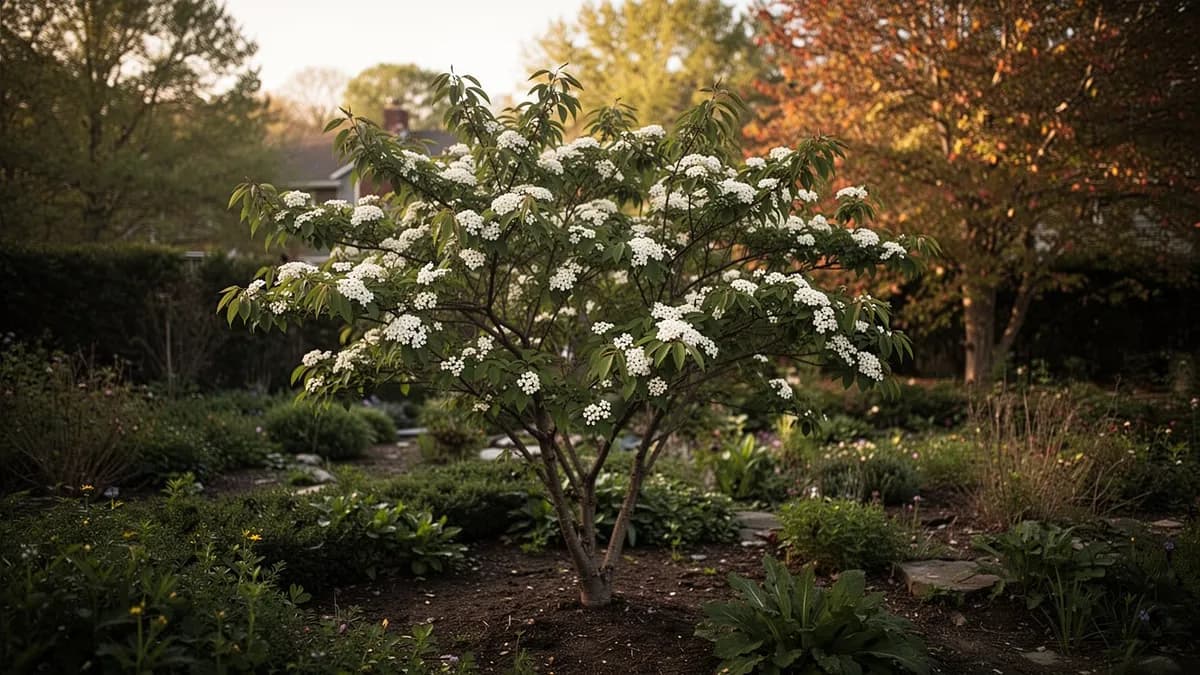
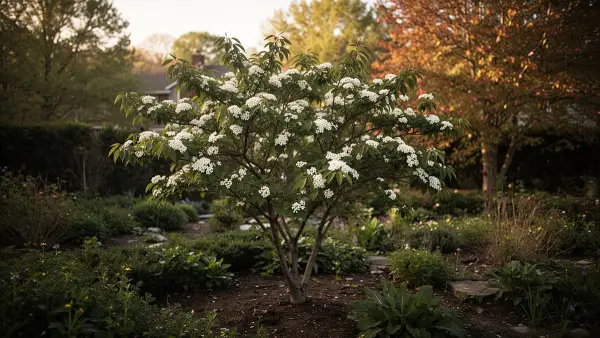
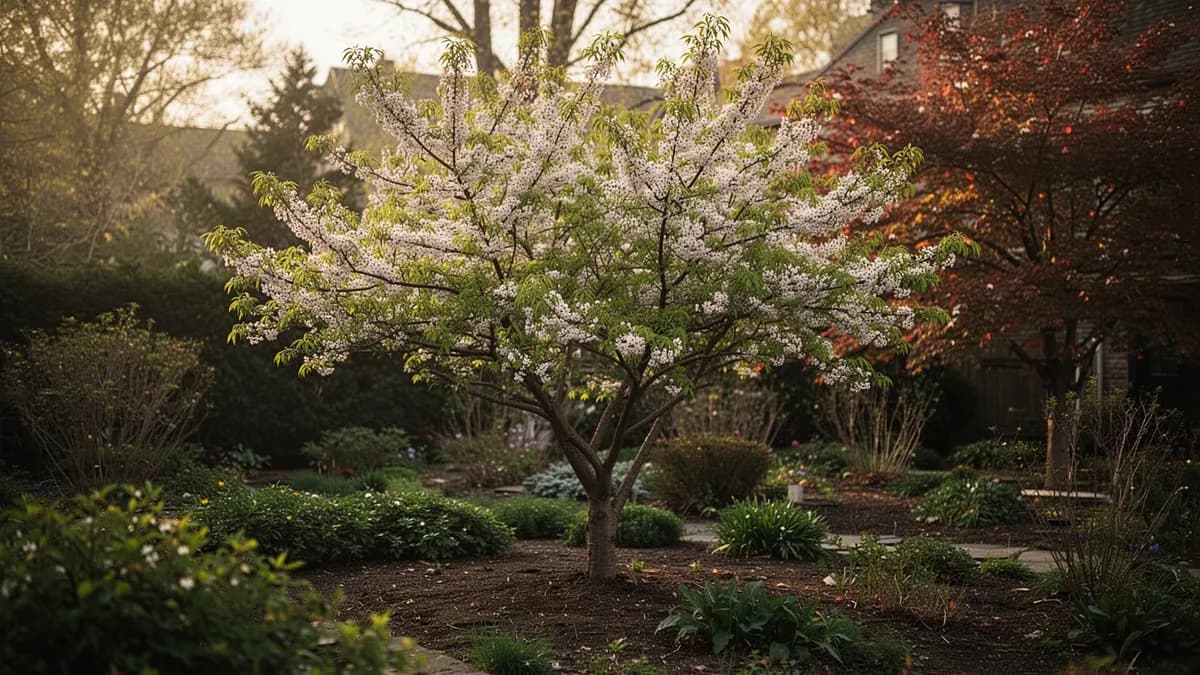
Un árbol nativo de cuatro estaciones que ofrece delicadas flores blancas en primavera, frutos comestibles similares a los arándanos en verano, brillante follaje naranja-rojo en otoño y una atractiva corteza gris lisa en invierno.





En esta páginaResumen
Conoce Amelanchier / Guillomo
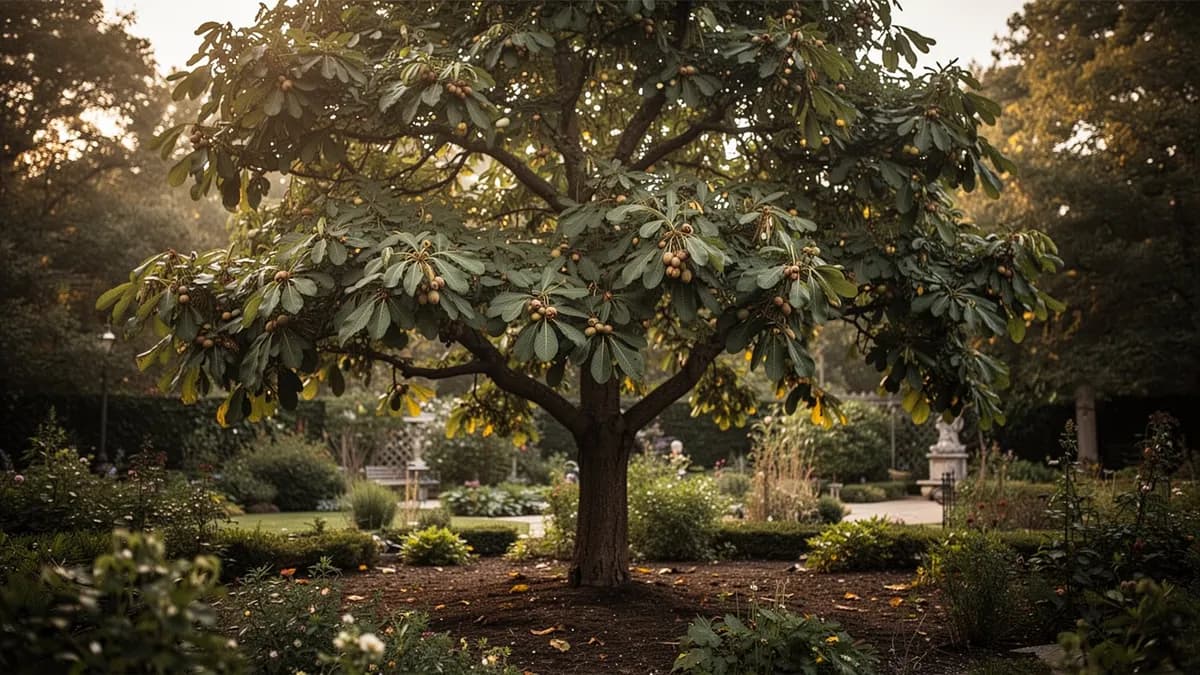
Un árbol nativo de cuatro estaciones que ofrece delicadas flores blancas en primavera, frutos comestibles similares a los arándanos en verano, brillante follaje naranja-rojo en otoño y una atractiva corteza gris lisa en invierno. El amelanchier es uno de los árboles pequeños más versátiles para el jardín, prospera tanto al sol como a la sombra parcial con mínimos cuidados. Los dulces y suaves frutos maduran en junio y son excelentes frescos, en tartas o en mermelada, aunque las aves compiten agresivamente por la cosecha. Se adapta a la mayoría de los tipos de suelo y raramente sufre plagas o enfermedades graves.
Cuándo plantar Amelanchier / Guillomo
Las semillas de amelanchier se encuentran dentro de las pequeñas bayas y pueden extraerse aplastando el fruto maduro y lavando la pulpa. Las semillas requieren 90 a 120 días de estratificación en frío en turba húmeda a 2 a 4 grados Celsius. Algunos cultivadores también aplican una breve estratificación cálida de 30 días a 21 grados antes del tratamiento en frío. Siembre las semillas estratificadas a 6 mm de profundidad en sustrato de semillero húmedo en primavera. La germinación se produce en 3 a 6 semanas. Las plántulas crecen 15 a 30 cm en el primer año y pueden plantarse en el jardín en el segundo o tercer año. Las plántulas son variables y pueden tardar 3 a 5 años en fructificar. Los cultivares nombrados se propagan por esquejes de madera blanda o injerto.
Tu año de Amelanchier / Guillomo
Ajustado a Zona 7 · temporada típica · la helada se va hacia el 2 abr y vuelve hacia el 1 nov
Planta Amelanchier / Guillomo Mar – Abr, Oct – Nov y cosecha Jun – Jul. Consulta los métodos de plantación y elige tu clima para adaptar los periodos.
Cómo cultivar Amelanchier / Guillomo
El amelanchier es uno de los mejores árboles nativos pequeños para jardines residenciales, ofreciendo un interés genuino durante las cuatro estaciones con un mantenimiento mínimo. Las delicadas flores blancas en primavera temprana preceden a las hojas y son seguidas por dulces bayas azul-púrpura comestibles en junio. El brillante follaje otoñal naranja-rojo da paso a una corteza plateada y lisa que proporciona estructura invernal. Elija un lugar con pleno sol o sombra parcial y suelo bien drenado con un pH de 5.5 a 7.0.
Plante ejemplares cultivados en contenedor o con cepellón en primavera u otoño. Espacie entre 3.5 y 6 metros según desee un árbol de tronco único o en forma de macizo multi-tallo. Coloque a nivel del suelo y rellene con tierra nativa. Riegue abundantemente en el momento de la plantación y mantenga una humedad constante durante las dos primeras temporadas de crecimiento.
El amelanchier es naturalmente elegante y requiere poda mínima. Los ejemplares multi-tallo pueden aclararse eliminando los tallos más viejos o débiles al nivel del suelo para mantener una forma abierta en forma de jarrón. Pode después de la floración para evitar eliminar yemas florales. El fruto madura durante un período de 2 a 3 semanas en junio; puede ser necesario usar malla para cosechar antes de que los pájaros despojen el árbol. El amelanchier es una elección sobresaliente para paisajes naturalistas, bordes de bosque y jardines mixtos.
Para Amelanchier / Guillomo un bancal de 120 × 240 cm se queda corto
Cada Amelanchier / Guillomo pide 500 cm de margen. El planificador guarda ese marco por ti — cada planta, cada bancal.
Los mejores vecinos de Amelanchier / Guillomo
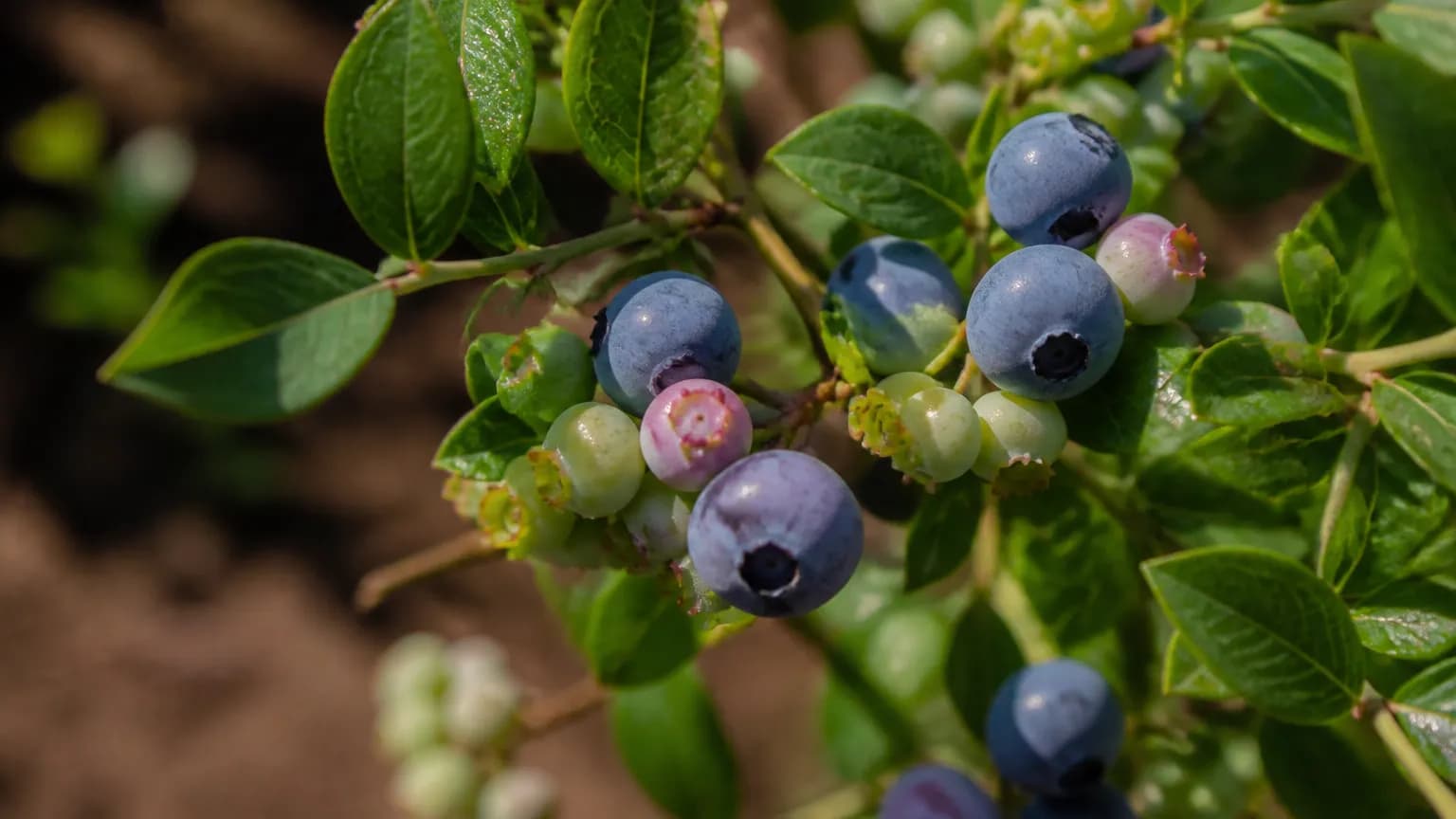
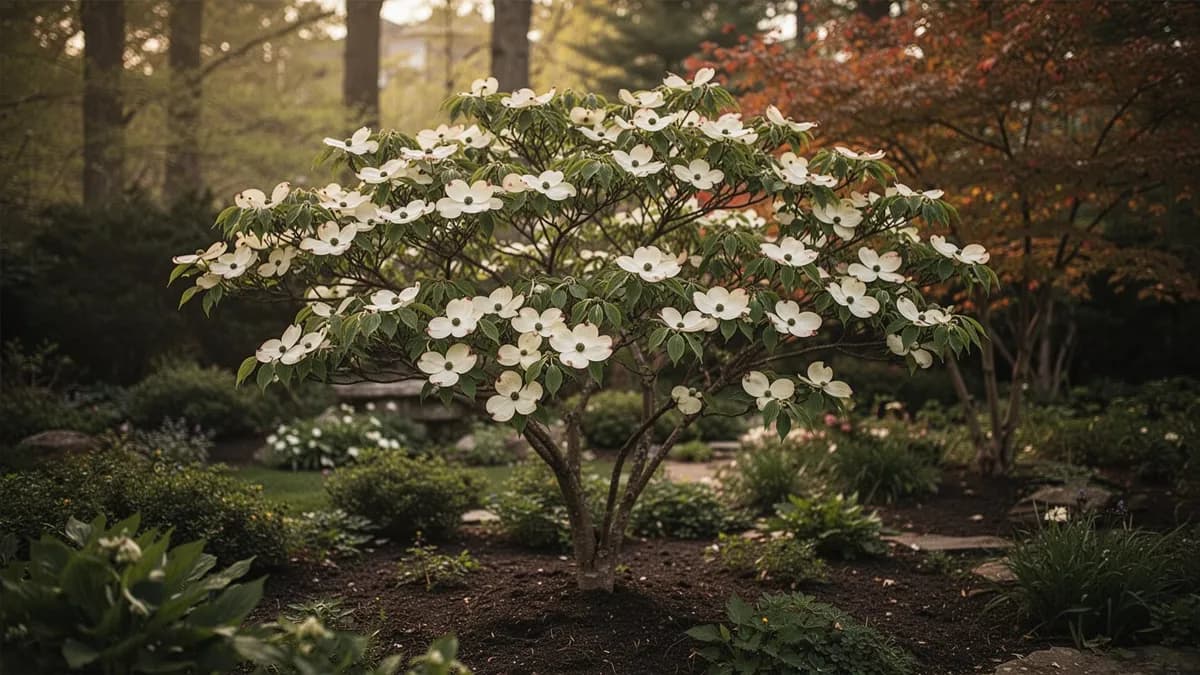
El hábitat natural del amelanchier en los bordes del bosque lo convierte en un excelente compañero para una amplia gama de plantas. Los arándanos comparten requisitos de suelo similares y maduran poco después que el amelanchier, extendiendo la temporada de cosecha. Los compañeros de floración primaveral incluyen cornos, cercis y azaleas. Las perennes tolerantes a la sombra como los helechos, las hostas y la aquilegia silvestre prosperan bajo su ligero dosel. El amelanchier también proporciona alimento y hábitat para numerosas especies de aves, convirtiéndolo en un pilar de los jardines favorables a la fauna silvestre.
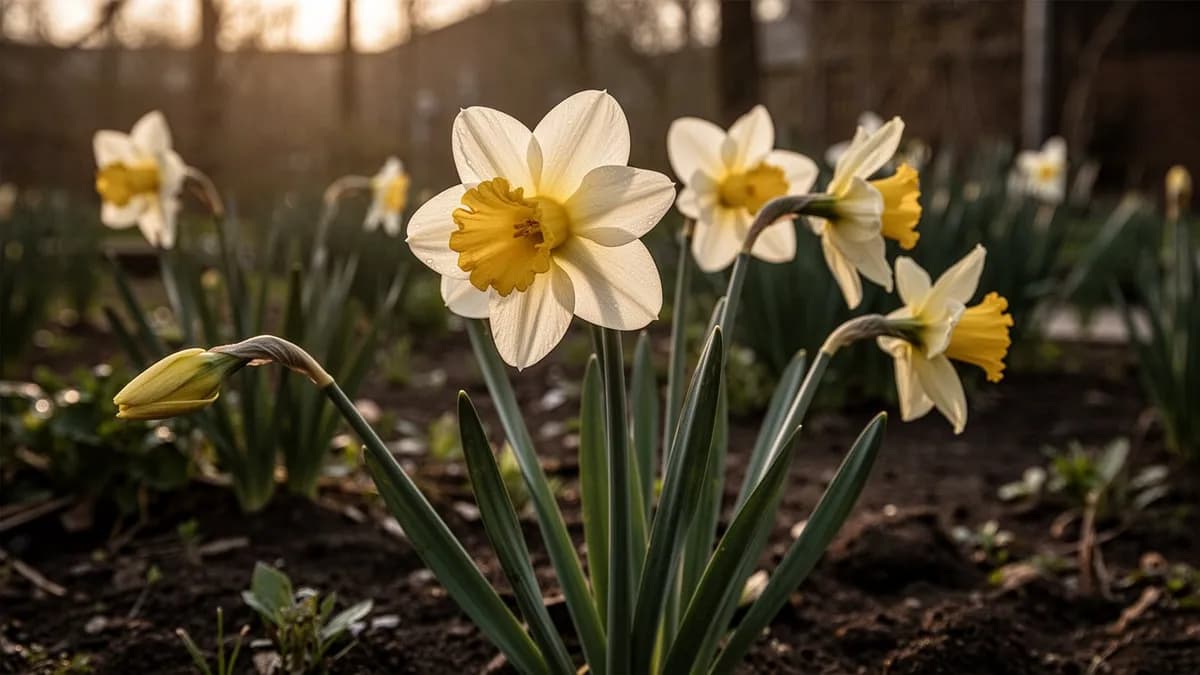
Narciso va a su lado. Nogal no.
Saber de huerto de siempre, cotejado con la tabla real de Amelanchier / Guillomo — prueba cualquier planta que cultives.
Prueba Amelanchier / Guillomo en un bancal, aquí mismo
Un bancal real del planificador con Amelanchier / Guillomo ya plantado. Toca una planta compañera para colocarla y mira cómo responde la comprobación de vecinos: verde para buenos vecinos, rojo si hay conflicto.


Guías de cultivo relacionadas
Abónalo bien
El amelanchier se adapta a una amplia gama de suelos bien drenados con un pH de 5.5 a 7.0. Tolera suelos arcillosos, francos y arenosos y se desempeña bien tanto en condiciones ácidas como neutras. Para la producción de frutos, plante en pleno sol en suelo moderadamente fértil. Fertilice ligeramente a principios de primavera con un fertilizante orgánico equilibrado o una capa de compost. Evite el exceso de nitrógeno, que promueve el crecimiento vegetativo a expensas de la fructificación. Aplique una capa de 5 a 7 cm de materia orgánica como mantillo para mantener la humedad del suelo y suprimir las malas hierbas.
Temperatura ideal
Compatibilidad de zonas de rusticidad
De la semilla a la cosecha, etapa por etapa
Dormancia y establecimiento
Los amelanchiers de raíz desnuda o en contenedor se plantan a finales de invierno o principios de primavera mientras aún están en dormancia. El sistema radicular comienza a anclarse en el suelo circundante y a establecer asociaciones micorrícicas. No se observa crecimiento aéreo durante esta fase, pero la actividad radicular es fundamental para la supervivencia y el vigor a largo plazo.
Brotación y floración
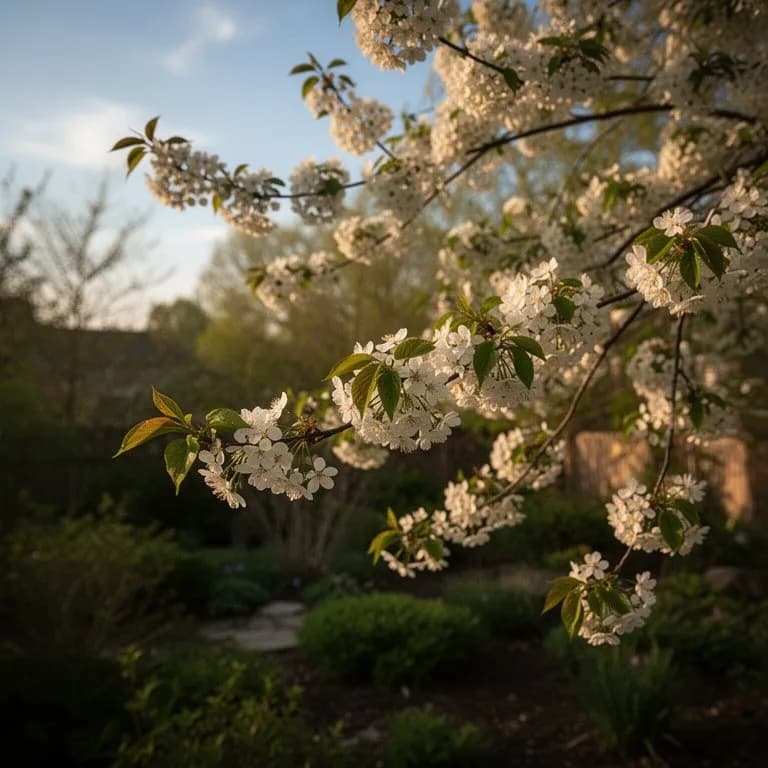
El amelanchier se encuentra entre los primeros árboles en florecer en las regiones templadas. Racimos de llamativas flores blancas de cinco pétalos aparecen sobre ramas desnudas o recién brotadas, creando una espectacular exhibición. Las flores son autofértiles, pero la polinización cruzada con otra variedad de Amelanchier o incluso con ejemplares silvestres mejora enormemente el cuajado y el tamaño de las bayas.
Expansión foliar y cuajado del fruto
Las hojas se expanden completamente tras la caída de los pétalos, revelando un follaje verde fresco a menudo teñido de bronce o cobre. Los pequeños frutillos verdes comienzan a formarse en racimos a lo largo de las ramas. El árbol canaliza energía hacia el crecimiento del dosel y el desarrollo de los frutos simultáneamente durante esta productiva etapa.
Maduración del fruto y cosecha
Las bayas engordan y pasan por una secuencia de colores de verde a rojo y luego a púrpura-negro oscuro a lo largo de varias semanas. Las bayas maduras son dulces con un sabor suave similar a la almendra que recuerda al arándano. La maduración es escalonada a lo largo del árbol, lo que permite múltiples cosechas durante una ventana de dos a tres semanas.
Crecimiento estival del dosel
Tras la fructificación, el árbol se centra en el crecimiento vegetativo y el almacenamiento de reservas de carbohidratos para la siguiente temporada. El denso dosel verde proporciona una atractiva sombra y sirve de hábitat para la fauna. Las yemas florales para el año siguiente comienzan a formarse internamente en la madera de la temporada actual.
Color otoñal y caída de hojas
Los amelanchiers producen algunos de los colores otoñales más espectaculares de cualquier árbol pequeño, con hojas que se tornan brillantes tonos naranja, escarlata y dorado. Esta exhibición ornamental dura varias semanas antes de que las hojas caigan, revelando la atractiva corteza gris y la elegante estructura de las ramas.
Dormancia invernal
El árbol caducifolio entra en plena dormancia con todas las hojas caídas. La corteza gris lisa y la fina estructura ramificada proporcionan una elegante presencia invernal en el jardín. Las yemas florales internas están completamente formadas y requieren un período de vernalización de aproximadamente 800 a 1000 horas por debajo de siete grados Celsius para romper la dormancia correctamente en la primavera siguiente.
Riegue abundantemente en el momento de la plantación y mantenga una humedad constante del suelo durante las primeras semanas. Aplique una capa de 7 a 10 cm de astillas de madera en anillo alrededor de la base, manteniendo el mantillo a varios centímetros del tronco para evitar la podredumbre.
Cuidar Amelanchier / Guillomo mes a mes
Qué hacer cada mes para tu Amelanchier / Guillomo
Octubre
Mes actualDeje que las hojas caídas se descompongan en su lugar como mantillo natural o recójalas para el compost. Plante nuevos amelanchiers cultivados en contenedor en otoño mientras el suelo aún está caliente. Riegue profundamente antes de que el suelo se congele para asegurar reservas adecuadas de humedad para el invierno
Ten claro qué hacer en tu huerto, cada mes
Un correo al empezar cada mes: qué sembrar, plantar y hacer ahora mismo — para tu Amelanchier / Guillomo y todo lo que crece alrededor. Más un breve curso inicial para esquivar los errores clásicos.
- Qué hacer ahora mismo
- Ajustado a tu temporada
- Curso inicial incluido
Cosechar Amelanchier / Guillomo
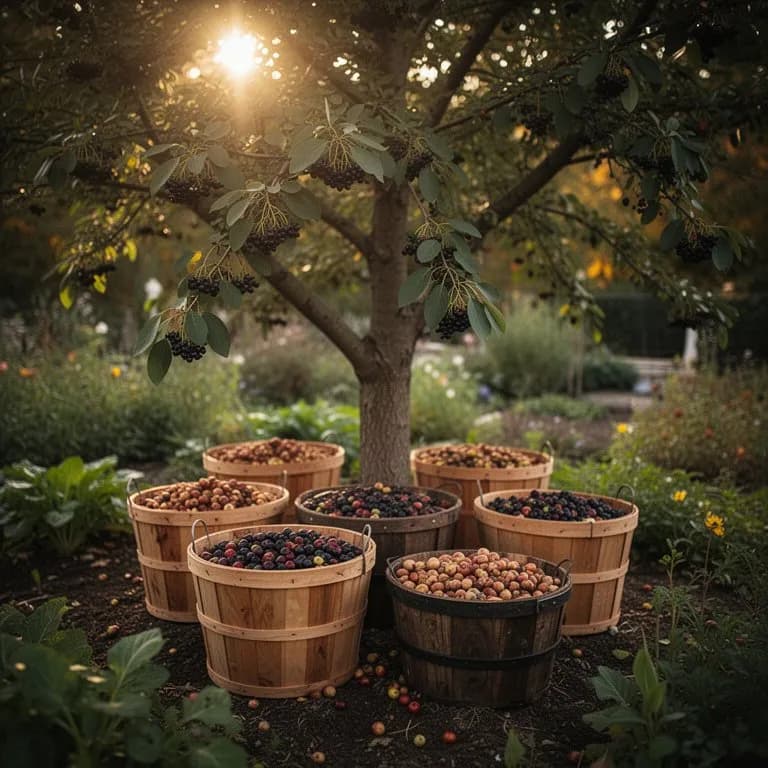
El fruto del amelanchier madura en junio, pasando de verde a rojo y luego a azul-púrpura oscuro cuando está completamente maduro. Coseche las bayas individuales cuando estén completamente oscuras y se desprendan fácilmente del racimo. Para cosechas más abundantes, extienda una sábana bajo el árbol y sacuda suavemente las ramas para recoger el fruto maduro. Las bayas maduran de manera irregular durante 2 a 3 semanas, por lo que se requieren varias cosechas. El fruto dulce y suave recuerda a un cruce entre el arándano y la cereza suave. Espere competencia de los pájaros, especialmente ampelis americanos, mirlos y zorzales, que pueden despojar un árbol en días.
se supone que plantas al comenzar el periodo — indica tu fecha real
Cosecha Amelanchier / Guillomo a tiempo y la planta sigue produciendo.
Almacenamiento y conservación
Las bayas de amelanchier frescas son perecederas y deben consumirse en 2 a 3 días tras la cosecha si se refrigeran. Para almacenamiento más prolongado, extienda las bayas en una sola capa sobre bandejas de horno y congélelas, luego páselas a bolsas de congelador donde se conservan hasta un año. Las bayas de amelanchier hacen excelente mermelada, relleno de tartas y sirope. Combínelas con otras frutas como fresas o ruibarbo para un sabor más complejo. Las bayas de amelanchier secas, elaboradas tradicionalmente por los pueblos indígenas en pemmican, se conservan meses en recipientes herméticos y pueden usarse como las pasas en repostería y mixes de trail.
Qué falla — y cómo solucionarlo
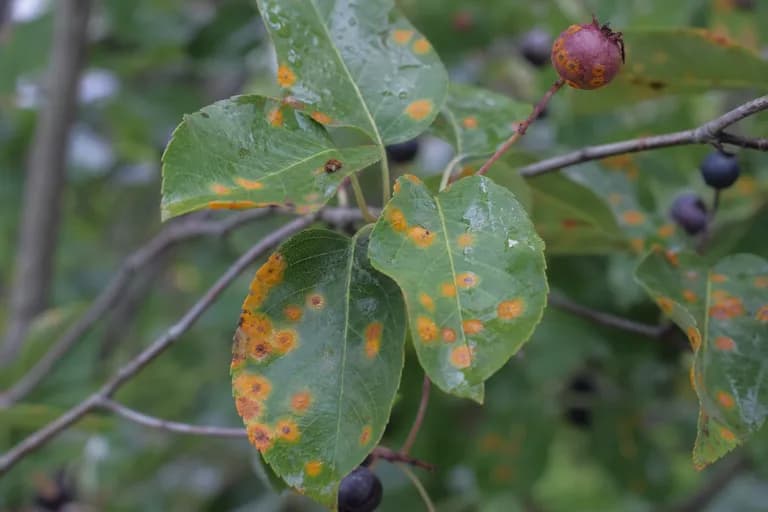
Roya del cedro-amelanchier
EnfermedadManchas naranja brillante en hojas y frutos en primavera y principios de verano. Las manchas pueden desarrollar proyecciones anaranjadas en forma de pelo en la cara inferior de las hojas. El hongo alterna entre el amelanchier y el cedro rojo del este.
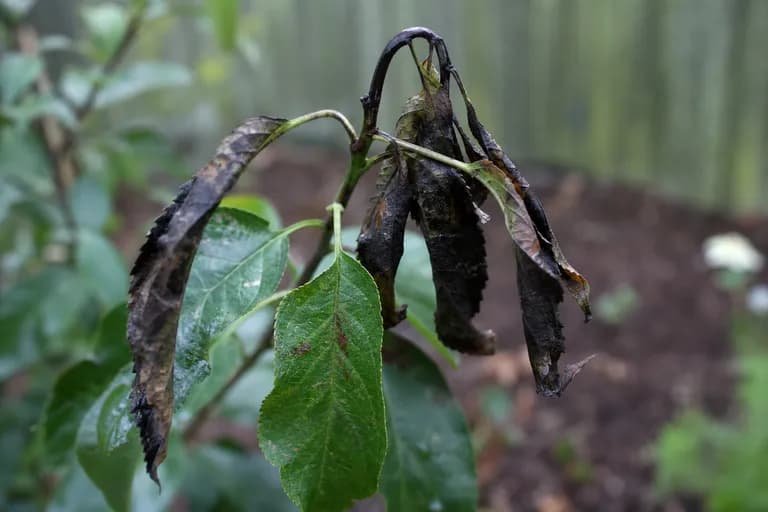
Fuego bacteriano
EnfermedadLas puntas de las ramas se marchitan, se vuelven marrón-negras y se curvan formando un cayado de pastor. La corteza puede aparecer encharcada y exudar durante el tiempo húmedo. Se propaga rápidamente en primaveras cálidas y lluviosas.
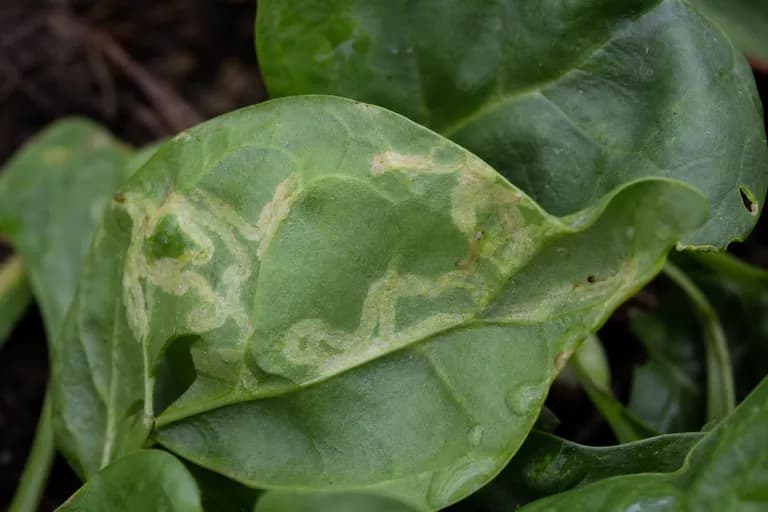
Minadores de hojas
PlagaGalerías sinuosas y translúcidas o manchas en las hojas donde las larvas se alimentan entre las superficies superior e inferior. Principalmente cosmético, pero puede causar caída prematura de hojas en infestaciones severas.
Solución de problemas comunes
Las aves son la principal competencia para la cosecha de frutos; los ampelis americanos pueden despojar un árbol entero en una sola tarde. La malla es la solución más efectiva para los jardineros que desean cosechar. La roya del cedro-amelanchier causa feas manchas naranjas en las hojas en zonas donde hay cedros rojos del este presentes, aunque raramente amenaza la salud del árbol. El fuego bacteriano puede causar una dramática muerte regresiva durante primaveras cálidas y húmedas. El oídio afecta ocasionalmente al follaje a finales de verano pero raramente causa daños graves. Los rebrotes basales de las especies que forman macizos pueden extenderse más de lo deseado.
Consejos de cultivo
- Plante al menos dos cultivares diferentes de Amelanchier a menos de treinta metros entre sí para asegurar una polinización cruzada completa, que aumenta dramáticamente tanto el porcentaje de cuajado como el tamaño individual de las bayas en comparación con los árboles autopolinizados.
- Elija un lugar de plantación que reciba pleno sol durante al menos seis horas diarias, ya que los amelanchiers cultivados a la sombra producen significativamente menos flores y frutos, aunque seguirán prosperando como árboles ornamentales en sombra parcial.
- Mantenga una capa constante de 7 a 10 cm de mantillo orgánico como astillas de madera o corteza triturada sobre la zona radicular para conservar la humedad, suprimir las malas hierbas y moderar las fluctuaciones de temperatura del suelo a lo largo del año.
- Riegue profundamente una vez por semana durante los períodos secos en los primeros tres años tras la plantación, proporcionando aproximadamente veinticinco litros por sesión de riego para estimular que las raíces crezcan profundamente en lugar de permanecer en la superficie.
- Instale malla anti-pájaros sobre el dosel del árbol tan pronto como las bayas comiencen a cambiar de verde a rojo, ya que los pájaros especialmente los ampelis americanos pueden despojar todo un árbol de fruta en una sola mañana si se deja sin proteger.
- Pode anualmente durante la dormancia a finales de invierno para mantener un dosel abierto en forma de jarrón que permita la entrada de luz solar y aire en el interior, lo que reduce la presión de enfermedades y mejora la calidad del fruto en toda la copa.
- Elimine los rebrotes basales regularmente si cultiva un árbol de tronco único, o deje que se desarrollen de tres a cinco tallos fuertes si prefiere el porte natural de arbusto multi-tallo común en muchas especies de Amelanchier.
- Analice el pH del suelo cada dos o tres años y manténgalo entre 5.5 y 7.0, ya que los amelanchiers son adaptables pero se desempeñan mejor en suelos ligeramente ácidos a neutros con buen contenido de materia orgánica.
- Evite la fertilización intensa con nitrógeno que promueve el crecimiento foliar excesivo a expensas de la formación de yemas florales; aplique en cambio un fertilizante orgánico equilibrado una vez a principios de primavera cuando las yemas comiencen a hincharse.
- Esté atento a problemas comunes como la roya del cedro-amelanchier, el oídio y el fuego bacteriano, retirando y destruyendo inmediatamente cualquier rama afectada para evitar la propagación a partes sanas del árbol.
Cultiva tu mejor Amelanchier / Guillomo — y todo lo que la rodea.
Empieza un plan gratis hoy. Diseña tus bancales, coloca tu Amelanchier / Guillomo y deja que PlotMyGarden gestione el momento, el espaciado, las asociaciones y los recordatorios de la semilla a la cesta.
Elige tu Amelanchier / Guillomo
Autumn Brilliance
El cultivar de jardín más popular, seleccionado por su excepcional color otoñal naranja-rojo. Árbol de tronco único de 6 a 7.5 metros. Producción abundante de frutos y resistencia moderada a la roya.
Rainbow Pillar
Porte estrecho y columnar que alcanza 6 metros de alto pero solo 1.5 a 1.8 metros de ancho. Ideal para espacios reducidos, setos y plantaciones urbanas. Buena producción de frutos y vivo color otoñal.
Regent (A. alnifolia)
Forma arbustiva compacta de 1.2 a 1.8 metros de alto, seleccionada por la excepcional calidad y producción de frutos. Bayas más grandes y más dulces que la mayoría de las especies. Excelente para setos frutales.
Spring Glory
Seleccionado por su prolífica floración con flores más grandes de lo habitual. Forma redondeada compacta de 4.5 metros. Color otoñal fiable y producción de frutos moderada.
Standing Ovation (A. alnifolia)
Porte columnar fuertemente erguido de 4.5 metros de alto y 1.2 metros de ancho. Follaje denso y abundante producción de frutos. Sobresaliente para espacios estrechos y jardines pequeños.
Las bayas de amelanchier frescas raramente se encuentran en supermercados y cuando están disponibles en mercados especializados o de productores, suelen venderse a precios muy elevados. Un solo árbol maduro puede producir de diez a quince kilogramos de fruta anualmente, representando un valor minorista considerable por temporada. Dado que los amelanchiers requieren muy poco mantenimiento, no necesitan pesticidas y producen de manera fiable durante cincuenta o más años, el valor de por vida de un simple árbol de vivero puede superar fácilmente miles de euros en fruta solamente, sin contar el significativo valor ornamental y el efecto positivo sobre la propiedad que el árbol añade a su jardín.
Recetas rápidas

Crumble de amelanchier con sirope de arce
45 minutosUn crumble rústico al horno con dulces bayas de amelanchier bajo una dorada cobertura de avena y azúcar moreno rociada con sirope de arce puro. Las bayas se colapsan en un relleno tipo mermelada mientras la cobertura se vuelve crujiente a la perfección. Sirva caliente con una bola de helado de vainilla para un postre de verano clásico.
10 ingredientesMermelada rápida de amelanchier para nevera
25 minutosUna mermelada rápida que no requiere esterilización y que captura el único sabor almendra-arándano de las bayas frescas de amelanchier. La pectina natural de las bayas combinada con una pequeña cantidad de pectina añadida crea una consistencia untable sin exceso de azúcar. Se conserva en el frigorífico hasta tres semanas.
6 ingredientesEnsalada de espinacas y amelanchier con vinagreta balsámica
15 minutosUna ensalada de verano fresca que combina dulces bayas de amelanchier con espinacas baby, almendras tostadas y queso de cabra desmenuzado, terminada con un aderezo balsámico ácido. Las bayas añaden una jugosa dulzura que equilibra perfectamente las hojas de sabor picante y el queso cremoso.
8 ingredientesUsos culinarios
Las bayas de amelanchier han sido una fuente de alimento valorada durante siglos: se consumen frescas, secas y en conserva. Las dulces y suaves bayas se pueden comer frescas, añadir a cereales, yogures y ensaladas, o usar en cualquier receta que requiera arándanos. Hacen excelentes tartas, crumbles, magdalenas, tortitas y mermeladas. El sabor se describe a menudo como una mezcla de arándano, cereza y almendra. El sirope de amelanchier es un manjar rociado sobre tortitas o helado. El vino y los licores elaborados con bayas de amelanchier tienen sus seguidores entre los vinicultores caseros.
Qué contiene
Beneficios para la salud
- Los pigmentos de antocianinas de las bayas maduras de amelanchier proporcionan una potente protección antioxidante que ayuda a neutralizar los radicales libres y puede reducir el riesgo de enfermedades crónicas incluidas las cardiovasculares y ciertos tipos de cáncer.
- El alto contenido en fibra dietética favorece una digestión saludable, promueve los movimientos intestinales regulares y contribuye a una saciedad sostenida que puede ayudar en la gestión del peso saludable.
- Los flavonoides antiinflamatorios incluyendo quercetina y rutina pueden ayudar a reducir la inflamación sistémica, aliviando los síntomas asociados con condiciones como la artritis y el síndrome metabólico.
- El contenido natural de hierro y manganeso favorece la formación de glóbulos rojos y el metabolismo energético, haciendo de las bayas de amelanchier una valiosa adición a las dietas basadas en plantas donde estos minerales pueden ser escasos.
- El calcio y el magnesio biodisponibles en las bayas de amelanchier contribuyen al mantenimiento de la densidad ósea y a la correcta función muscular y nerviosa en todas las etapas de la vida.
- El bajo impacto glucémico combinado con los azúcares naturales de la fruta proporciona energía estable sin picos bruscos de azúcar en sangre, haciendo de las bayas de amelanchier una opción de fruta adecuada para personas con diabetes o sensibilidad a la insulina.
De dónde viene Amelanchier / Guillomo
El amelanchier (Amelanchier spp.) es nativo de las regiones templadas de América del Norte, donde ha sido parte integral de los ecosistemas y las culturas humanas durante miles de años. La evidencia arqueológica de sitios en las Grandes Llanuras y los bosques orientales confirma que los pueblos indígenas cosechaban las bayas de amelanchier como fuente de alimento básico mucho antes del contacto europeo. Los cree, blackfoot, cheyenne y muchas otras naciones recogían las dulces bayas púrpuras a principios del verano, comiéndolas frescas, secándolas para el almacenamiento invernal e incorporándolas al pemmican junto con carne seca y grasa animal. Este alimento preservado y rico en calorías era esencial para sostener a las comunidades durante los duros inviernos y los largos viajes. Los exploradores y colonos europeos adoptaron rápidamente el fruto tras encontrarlo en el siglo XVII, y los árboles se convirtieron en una vista habitual en las plantaciones de las granjas del este de América del Norte. El nombre en inglés serviceberry se atribuye con mayor frecuencia al momento de la floración del árbol a principios de primavera, que históricamente coincidía con la reanudación de los servicios religiosos y las ceremonias funerarias una vez que el suelo se descongelaba tras el invierno. Otros nombres regionales incluyen saskatoon (de la lengua cree), juneberry (por su maduración en junio) y shadbush (porque su floración coincide con la migración ascendente del alosa americana en los ríos). En la horticultura moderna, el amelanchier ha experimentado un renacimiento a medida que los diseñadores paisajistas han reconocido su excepcional valor ornamental durante las cuatro estaciones combinado con la producción de frutos comestibles. Cultivares como Regent, Northline, Smoky y Martin han sido seleccionados por mejor tamaño de fruto, sabor y productividad consistente. Hoy en día, pequeños huertos comerciales en las praderas canadienses y el norte de los Estados Unidos producen amelanchiers para mercados frescos, elaboración de mermeladas, tartas y vinos, y para uso en el creciente movimiento de paisajismo con plantas nativas.
Amelanchier / Guillomo: ¿sabías que?
Datos fascinantes sobre Amelanchier / Guillomo
El amelanchier recibe su nombre en inglés (serviceberry) porque sus flores a principios de primavera coincidían con el deshielo del suelo, señalando que la tierra estaba lo suficientemente blanda para celebrar servicios funerarios tras los largos inviernos en la América colonial.
Amelanchier / Guillomo: preguntas frecuentes
¿Cuándo debo plantar Amelanchier / Guillomo?
¿Cuáles son buenas plantas acompañantes para Amelanchier / Guillomo?
¿En qué zonas de rusticidad puede crecer Amelanchier / Guillomo?
¿Cuánto sol necesita Amelanchier / Guillomo?
¿A qué distancia debo espaciar Amelanchier / Guillomo?
¿Qué plagas y enfermedades afectan a Amelanchier / Guillomo?
¿Cómo almaceno Amelanchier / Guillomo después de la cosecha?
¿Cuáles son las mejores variedades de Amelanchier / Guillomo para cultivar?
¿Qué suelo necesita Amelanchier / Guillomo?
¿Las bayas de amelanchier son seguras para comer y a qué saben?
¿Cuánto tiempo tarda un amelanchier en producir fruta?
¿Debo cultivar un árbol de tronco único o en forma de arbusto multi-tallo?
¿Cómo protejo las bayas de los pájaros?
¿Qué plagas y enfermedades afectan comúnmente a los amelanchiers?
¿Pueden los amelanchiers crecer en contenedores o jardines urbanos pequeños?
Acabas de leer la teoría. Ahora cultívala en piloto automático.
Todo lo que hace que Amelanchier / Guillomo sea delicado — el momento, el espaciado, las asociaciones, la ventana de cosecha — es justo lo que PlotMyGarden resuelve por ti, para cada planta de tu huerto.
Un plan que conoce tu clima
Indica tu ubicación una vez. Recibe fechas de siembra, abonado y cosecha basadas en tu última helada real y el pronóstico en vivo — sin adivinar con un sobre genérico.
De la sección “Cuándo plantar”Planificador de bancales de arrastrar y soltar
Diseña bancales sobre una cuadrícula. Cada planta encaja con su espaciado correcto y ves toda la temporada antes de gastar un céntimo en semillas.
De la sección “Cultivo”Conflictos de asociación, detectados a tiempo
Más de 200 buenas y malas combinaciones comprobadas en vivo mientras plantas — para que un error que arruine la temporada nunca llegue a la tierra.
De la sección “Asociaciones”Recordatorios que sí vas a seguir
“Riega las judías.” “Recoge hoy antes de que se pase.” Oportunos, concretos y ligados a las plantas que de verdad cultivas.
De la sección “Cosecha”Escalonado, programado
¿Quieres cosechar seis semanas en vez de seis días? Reparte tus siembras automáticamente y te avisa cuando toca el siguiente lote.
De la sección “Cuándo plantar”Un registro que se vuelve más listo
Cada cosecha que registras le enseña tu huerto. El plan del año que viene parte de lo que de verdad funcionó en tu suelo, no en un manual.
De la sección “Resumen”Planta estos junto a Amelanchier / Guillomo
Más Árboles ornamentales
Mantén Amelanchier / Guillomo lejos de estos
Cultiva tu mejor Amelanchier / Guillomo — y todo lo que la rodea.
Empieza un plan gratis hoy. Diseña tus bancales, coloca tu Amelanchier / Guillomo y deja que PlotMyGarden gestione el momento, el espaciado, las asociaciones y los recordatorios de la semilla a la cesta.