Kreppmyrte
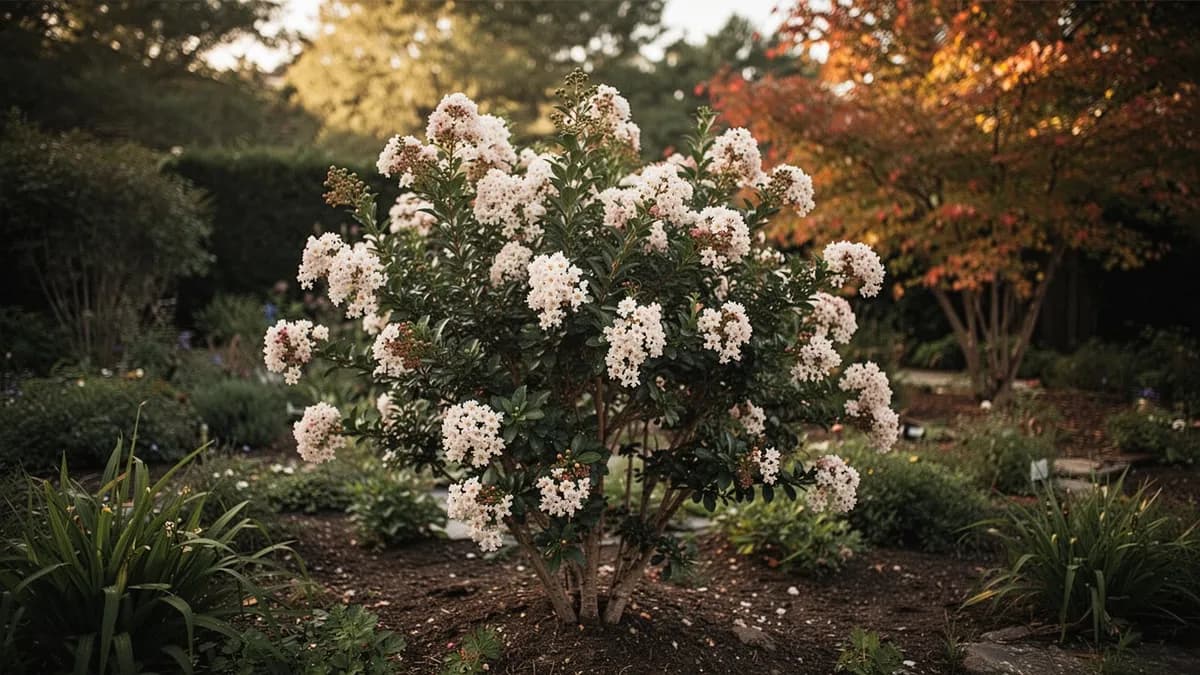
Ein mehrjähriger Zierbaum mit gekräuselten Krepp-Blüten im Sommer, farbenfrohem Herbstlaub und attraktiver schuppiger Rinde für winterliches Interesse.





Auf dieser SeiteÜberblick
Kreppmyrte im Überblick
Ein mehrjähriger Zierbaum mit gekräuselten Krepp-Blüten im Sommer, farbenfrohem Herbstlaub und attraktiver schuppiger Rinde für winterliches Interesse. Kreppmyrten blühen an neuem Holz, daher im Spätwinter schneiden, um kräftige Blühtriebe zu fördern – aber den häufigen Fehler drastischer Kappungsschnitte vermeiden. Sie gedeihen in der Hitze und vertragen Trockenheit nach der Eingewöhnung, was sie ideal für heiße, sonnige Standorte macht. Mehltauresistente Sorten wählen und für volle Sonne mit guter Luftzirkulation sorgen, um Echten Mehltau zu verhindern.
Wann Kreppmyrte pflanzen
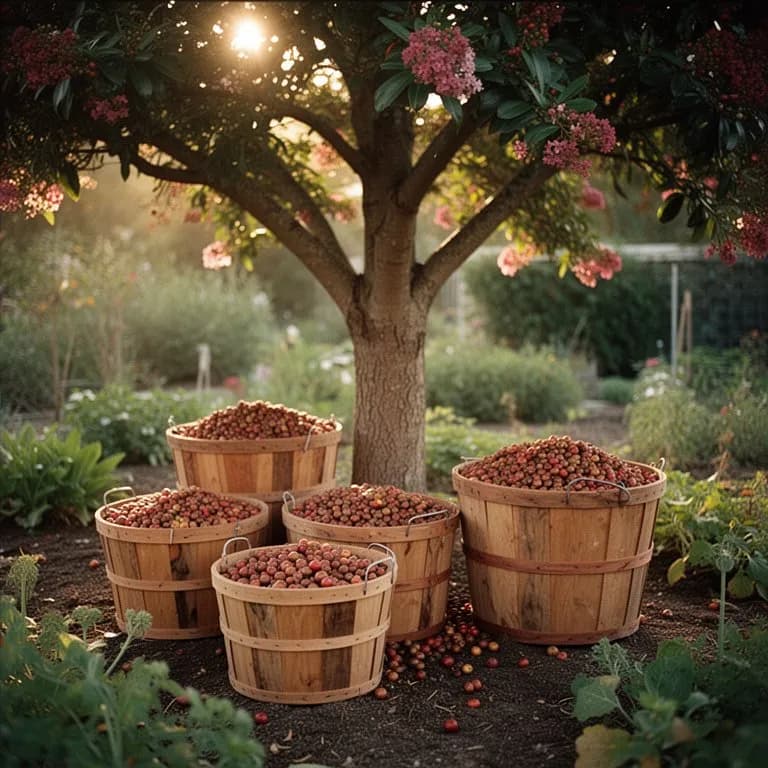
Kreppmyrten-Samen bilden sich in kleinen runden Kapseln, die im Herbst reifen und den Winter über am Baum bleiben. Samenkapseln ernten, wenn sie braun und trocken werden, und die winzigen Samen herausschütteln. Die Samen benötigen keine Stratifikation und keimen bei 21 bis 24°C bereitwillig. An der Oberfläche von feuchtem Anzuchtsubstrat aussäen und sanft andrücken, ohne zu bedecken, da die Samen Licht zur Keimung benötigen. Unter Leuchtstofflampen gleichmäßig feucht halten. Die Keimung erfolgt nach 2 bis 3 Wochen. Sämlinge wachsen schnell und können im zweiten Jahr aus Samen blühen, wobei Blütenfarbe und -form von der Mutterpflanze abweichen. Benannte Sorten müssen durch Stecklinge aus weichem Holz, entnommen im Frühsommer, vegetativ vermehrt werden.
Dein Kreppmyrte-Jahr
Abgestimmt auf Zone 7 · typische Saison · Frost geht um den 2. Apr. und kehrt um den 1. Nov. zurück
Kreppmyrte Mär – Mai pflanzen, — ernten. Beachte die Pflanzmethoden unten und wähle dein Klima für passende Zeiträume.
So baust du Kreppmyrte an
Die Kreppmyrte ist der Inbegriff des sommerblühenden Baumes für warme Klimazonen und bietet monatelang farbenfrohe Blüten vom Hochsommer bis in den Herbst, wenn kaum andere Bäume blühen. Für maximale Blütenbildung einen Standort mit voller Sonne wählen, da Schatten die Blütenproduktion deutlich reduziert und Echten Mehltau begünstigt. Kreppmyrten gedeihen in der Hitze und vertragen Trockenheit nach der Eingewöhnung, was sie ideal für heiße, trockene Standorte macht. In gut durchlässigem Boden mit einem pH-Wert von 5,5 bis 7,5 pflanzen.
Container-Exemplare im Frühjahr oder Herbst pflanzen. Je nach Reifegröße der Sorte 3 bis 6 Meter Abstand einhalten. Bei der Pflanzung tief wässern und während der ersten Vegetationsperiode wöchentlich. Nach der Eingewöhnung benötigen Kreppmyrten nur bei anhaltenden Dürreperioden zusätzliche Bewässerung.
Schneiden ist der am häufigsten missverstandene Aspekt der Kreppmyrten-Pflege. Die verbreitete Praxis des drastischen Kappens, oft als Kreppbaum-Mord bezeichnet, erzeugt hässliche knollenartige Stümpfe und schwächt den Baum im Laufe der Zeit. Stattdessen im Spätwinter schneiden: kreuzende Äste, Wurzelausläufer an der Basis und Innentriebe dünner als ein Bleistift entfernen. Selektiv auslichten, um die natürliche Vasenform zu betonen und die schöne scheckige, sich schuppende Rinde freizulegen, die eines der schönsten Ziermerkmale des Baumes ist.
Für Kreppmyrte ist ein Beet von 120 × 240 cm zu klein
Kreppmyrte braucht 500 cm Platz pro Pflanze. Der Planer hält diesen Abstand für dich ein — jede Pflanze, jedes Beet.
Die besten Nachbarn für Kreppmyrte
Die Sommerblütezeit der Kreppmyrte füllt die Lücke zwischen frühjahrsblühenden Bäumen und der Herbstfärbung und macht sie zu einem wertvollen Begleiter in gemischten Rabatten. Sonnenhungrige Stauden wie Taglilien, Sonnenhüte und Rudbeckien unterpflanzen, die gleichzeitig blühen. Ziergräser sorgen für texturale Kontraste und Bewegung. Niedrige, immergrüne Bodendecker wie Liriope und Zwerglilientraube füllen das ganze Jahr über den Bereich unter dem Blätterdach. Frühjahrsblühende Zwiebel- und Staudenpflanzen sorgen für frühe Saison-Attraktivität, bevor die Kreppmyrte austreibt.
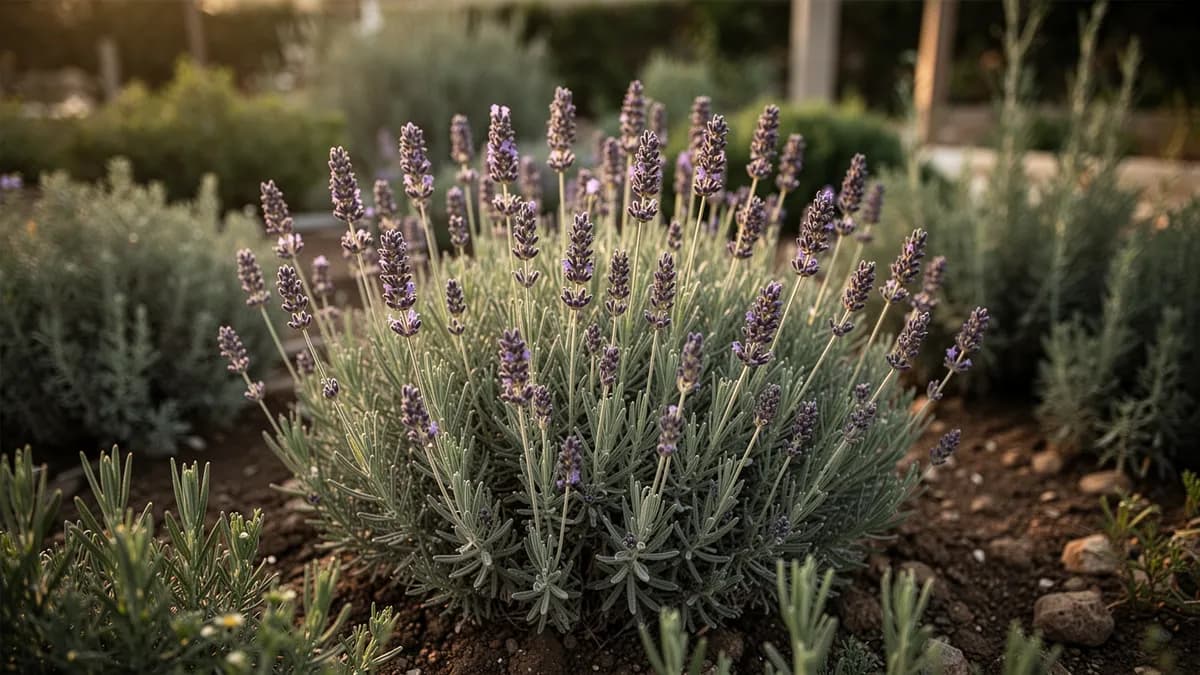
Lavendel gehört daneben.
Altes Gärtnerwissen, geprüft an der echten Nachbartabelle von Kreppmyrte — teste jede Pflanze, die du anbaust.
Probiere Kreppmyrte direkt hier im Beet
Ein echtes Planer-Beet, Kreppmyrte steht schon drin. Tippe einen Begleiter an, platziere ihn und sieh, wie die Nachbarschaftsprüfung antwortet — grün für gute Nachbarn, rot bei Streit.


Passende Anbau-Ratgeber
Richtig düngen
Die Kreppmyrte gedeiht in gut durchlässigem Boden und verträgt einen weiten pH-Bereich von 5,5 bis 7,5. Sie wächst gut in sandigem, lehmigem oder tonigem Boden, sofern die Drainage ausreichend ist. Chronisch nasse Standorte meiden, an denen Wurzelfäule zum Problem werden kann. Im Frühjahr mit einem ausgewogenen Langzeit-Dünger düngen. Übermäßigen Stickstoff vermeiden, der Blattwachstum auf Kosten der Blütenbildung fördert. Mit 5 bis 7 cm organischem Material mulchen, um Feuchtigkeit zu bewahren und Unkraut zu unterdrücken, aber Mulch vom Stammfuß fernhalten.
Ideale Temperatur
Winterhärtezone-Kompatibilität
Von der Saat zur Ernte, Schritt für Schritt
Ruhe & Knospenanschwellen
Der Baum ist im Winter kahl. Die unterirdische Wurzelaktivität nimmt wieder auf, wenn die Bodentemperaturen über 7°C steigen. Die Knospen beginnen im Spätwinter anzuschwellen, was den Beginn eines neuen Wachstumszyklus ankündigt.
Blattaustrieb & vegetatives Wachstum
Neue Blätter entfalten sich mit charakteristischer Bronze- oder Rottönung. Kräftiges Triebwachstum erfolgt, wenn die Temperaturen dauerhaft 15°C übersteigen. Die Krone füllt sich in dieser Phase rasch.
Blütenknospenbildung
Blütenknospen entwickeln sich an neuem Wachstum an den Triebspitzen des laufenden Jahres. Die Rispenstrukturen werden als kleine grüne Büschel sichtbar. Diese Phase ist entscheidend für die Blütenfülle.
Blütezeit
Massen von gekräuselten, kreppähnlichen Blüten öffnen sich in bis zu 30 cm langen Rispen. Die Farben reichen je nach Sorte von Weiß über Rosa, Lavendel, Rot bis hin zu Tiefviolett. Die Blüte dauert 60 bis 120 Tage, wenn verblühte Rispen entfernt werden.
Samenansatz & Herbstfärbung
Runde grüne Samenkapseln entwickeln sich und färben sich allmählich braun. Das Laub wechselt zu leuchtenden Orange-, Rot- und Gelbtönen, bevor es abfällt. Die schuppende Rinde wird zum primären Ziermerkmal.
Winterruhe & Strukturschauspiel
Der Baum ist vollständig in Ruhe mit kahlen Ästen, die die attraktive, gefleckte Rinde freilegen. Die skulpturale Form ausgewachsener Exemplare bietet erhebliches winterliches Garteninteresse. In milden Klimazonen kann das Wurzelwachstum andauern.
Eine 7–10 cm starke Mulchschicht um die Wurzelzone auftragen, um Wurzeln zu isolieren und Bodenfeuchtigkeit zu bewahren. Schnitt vermeiden, bis die Knospen anschwellen.
Kreppmyrte Monat für Monat pflegen
Was du jeden Monat für deine Kreppmyrte tun solltest
Oktober
Aktueller MonatHerbstlaubfärbung genießen. Gefallene Blätter rechen, um den Pilzkrankheitsdruck für die folgende Saison zu reduzieren.
Immer wissen, was jetzt im Garten zu tun ist
Eine E-Mail zum Monatsanfang: was du jetzt säen, pflanzen und anpacken solltest — für deine Kreppmyrte und alles, was drumherum wächst. Dazu ein kurzer Startkurs, der dich vor den klassischen Fehlern bewahrt.
- Was jetzt zu tun ist
- Passend zu deiner Saison
- Startkurs inklusive
Kreppmyrte ernten
Die Kreppmyrte wird ausschließlich als Zierpflanze angebaut und nicht für den Verzehr geerntet. Die Blütenrispen werden gelegentlich für frische oder getrocknete Blumenarrangements geschnitten. Blütentrauben schneiden, wenn etwa drei Viertel der Einzelblüten geöffnet sind. Die sich schuppende Rinde, die sich in Fetzen ablöst und eine glatte, farbenfrohe Unterrinde in Zimtbraun-, Creme-, Grau- und Rosatönen freilegt, ist eines der attraktivsten Rindenschauspiele aller Gartenbäume.
angenommen, du pflanzt zu Beginn des Zeitraums — trage dein tatsächliches Datum ein
Ernte Kreppmyrte zügig, dann trägt die Pflanze weiter.
Lagerung & Konservierung
Frisch geschnittene Kreppmyrten-Blütenrispen halten sich 5 bis 7 Tage im Wasser. Für Trockenarrangements Blütentrauben auf dem Höhepunkt der Blüte schneiden und kopfüber an einem warmen, dunklen, gut belüfteten Ort 2 bis 3 Wochen hängen lassen. Getrocknete Blüten behalten mehrere Monate lang ihre Farbe und Form. Die attraktiven Samenstände können ebenfalls für Winterarrangements getrocknet werden. Rindenstücke, die sich natürlich vom Stamm ablösen, können für Bastelarbeiten gesammelt werden.
Was schiefgeht — und die Lösung
Echter Mehltau
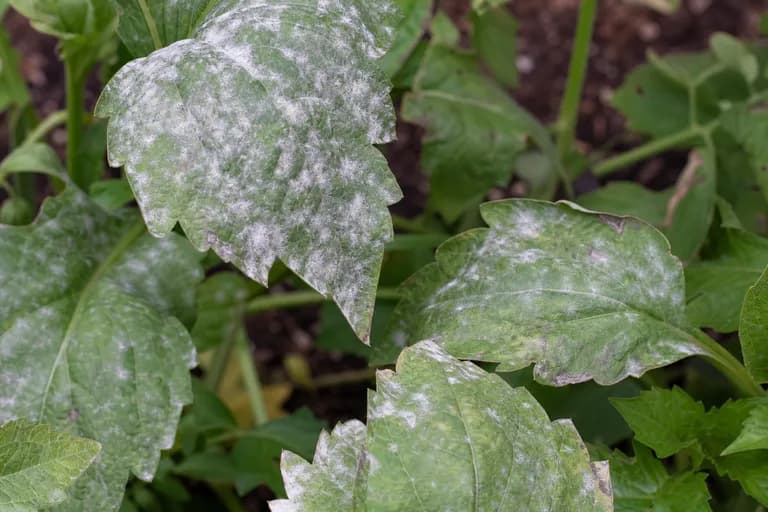
KrankheitWeißer, pudriger Belag auf Blättern, Blütenknospen und jungen Trieben, besonders bei feuchtem Wetter mit schlechter Luftzirkulation. Befallene Blätter rollen sich ein und verformen sich, die Blütenproduktion wird reduziert.
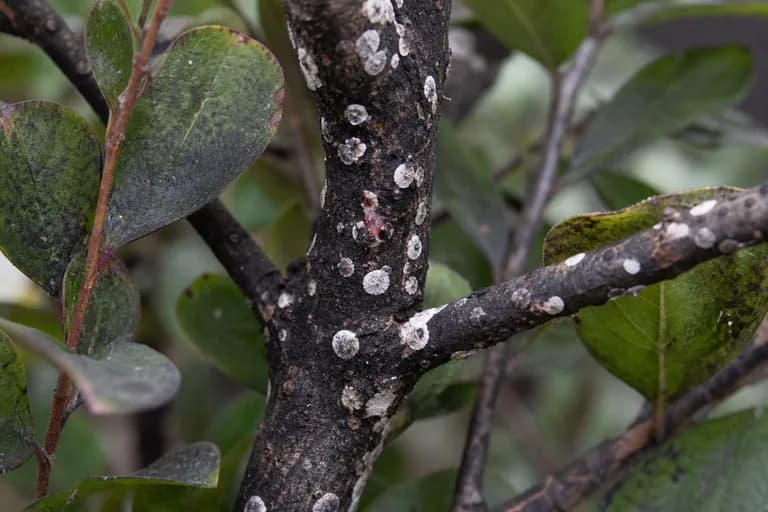
Kreppmyrten-Rindenschild
SchädlingWeiße bis graue, filzartige Krusten auf der Rinde von Ästen und Stamm. Starke Honigtauproduktion führt zu schwarzem Rußtau, der Rinde, Äste und nahegelegene Oberflächen bedeckt. Beim Zerdrücken der Schildläuse ist eine rosarote, blutähnliche Substanz sichtbar.
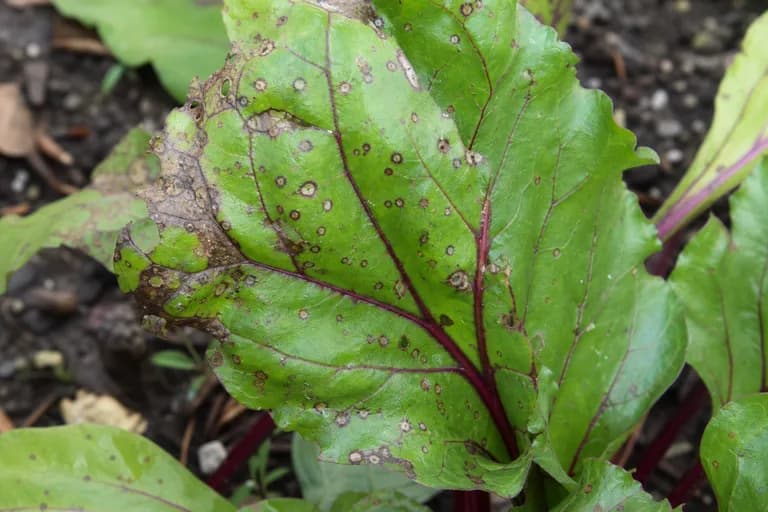
Cercospora-Blattfleckenkrankheit
KrankheitDunkelbraune Flecken auf Blättern, beginnend an den unteren Ästen im Hoch- bis Spätsommer. Befallene Blätter verfärben sich gelb, rot oder orange und fallen vorzeitig ab.
Fehlerbehebung bei häufigen Problemen
Der Kreppbaum-Mord, das drastische Kappen von Kreppmyrten jeden Winter, ist der häufigste Fehler in der Gartengestaltung. Diese Praxis zerstört die natürliche Form, erzeugt schwaches, peitschenartiges Wachstum und hinterlässt dauerhaft hässliche Knollen. Echter Mehltau an anfälligen Sorten ist äußerst häufig; immer resistente Sorten wählen. Der Kreppmyrten-Rindenschild ist ein invasiver Schädling, der sich im Süden ausbreitet und Stämme sowie Äste stark befallen kann. Blattlausbefall erzeugt klebrigen Honigtau und Rußtau. Ausbleibende Blüten sind meist auf zu viel Schatten, übermäßigen Stickstoff oder unzureichende Wärme zurückzuführen. Wurzelausläufer müssen regelmäßig entfernt werden.
Anbautipps
- An voller Sonne mit mindestens 6 bis 8 Stunden direktem Sonnenlicht täglich pflanzen; unzureichendes Licht reduziert die Blütenbildung drastisch und fördert lockeres, schwaches Wachstum.
- Bäume mindestens 3 bis 5 Meter voneinander entfernt pflanzen, um ausreichende Luftzirkulation zu gewährleisten – die wirksamste Kulturmaßnahme zur Vorbeugung von Echtem Mehltau.
- Schwere Tonböden mit stehendem Wasser meiden; Kreppmyrten bevorzugen gut durchlässige Lehm- oder Sandlehmböden mit einem pH-Wert zwischen 5,5 und 7,5.
- Nach der Eingewöhnung tief, aber selten wässern – etwa 2,5 cm pro Woche während der Vegetationsperiode. Übermäßiges Wässern fördert Wurzelfäule und flache Wurzelentwicklung.
- Den Baum niemals durch das Kappen der Hauptstämme zu Stümpfen einem Kreppbaum-Mord unterziehen; stattdessen im Spätwinter selektiv schneiden: Wurzelausläufer, kreuzende Äste und Innentriebe entfernen.
- Sorten mit Krankheitsresistenz wählen, wie die National-Arboretum-Hybriden (Natchez, Tuscarora, Muskogee, Sioux), um chronische Mehltauprobleme zu vermeiden.
- Eine 7–10 cm starke organische Mulchschicht (Kiefernrinde, Holzschnitzel) rund um den Stammfuß auftragen, dabei 10–15 cm Abstand vom Stamm einhalten, um Rindfäule und Nagetierbefall zu verhindern.
- Verblühte Blütenrispen während des Sommers ausputzen, um weitere Blühphasen anzuregen; diese einfache Maßnahme kann die Blütezeit um 4 bis 6 Wochen verlängern.
- In der USDA-Zone 6 und kälteren Lagen der Zone 7 auf der Süd- oder Westseite eines Gebäudes pflanzen, um Winterwindschutz und zusätzliche Strahlungswärme zu nutzen.
- Auf Kreppmyrten-Rindenschild (Acanthococcus lagerstroemiae) achten, einen relativ neuen invasiven Schädling; frühe Befälle im Spätvergühjahr mit systemischem Imidacloprid oder Hortikulturöl behandeln.
Bau deine beste Kreppmyrte an — und alles drumherum.
Starte heute kostenlos. Lege deine Beete an, setze deine Kreppmyrte ein und lass PlotMyGarden Timing, Abstände, Begleiter und Erinnerungen von der Saat bis zum Erntekorb übernehmen.
Finde deine Kreppmyrte
Natchez
Reinweiße Blüten an einem großen, kräftigen Baum, der 7,5 bis 9 Meter erreicht, mit atemberaubend zimtbrauner, sich schuppender Rinde. Hervorragende Mehltauresistenz. Eine der besten je eingeführten Kreppmyrten.
Tuscarora
Korallenrosa Blüten an einem kräftigen Baum bis 7,5 Meter mit hübscher hellbrauner Rinde. Ausgezeichnete Mehltauresistenz. Starke, aufrechte Vasenform mit schöner Herbstfärbung.
Dynamite
Leuchtend kirschrote Blüten an einem kompakten Baum bis 4,5 bis 6 Meter. Blüht reichlich vom Hochsommer bis in den Herbst. Gute Mehltauresistenz und ausgezeichnete rot-orange Herbstfärbung.
Muskogee
Zarte lavendelblaue Blüten an einem großen Baum bis 7,5 Meter mit graubrauner Rinde. Hervorragende Mehltauresistenz. Eine der besten Wahlen für ein großes lavendelblühendes Exemplar.
Black Diamond Serie
Kompakte Sorten mit fast schwarzem Laub und leuchtenden Blüten in Rot, Karmesin und Rosa. Erreicht 3 bis 3,5 Meter Höhe. Der dramatische Laubkontrast lässt die Blüten besonders hervorstechen.
Ein einziger Kreppmyrten-Baum kann den Wohnimmobilienwert nach arboristischen Schätzungen um schätzungsweise 1–3 % steigern und bietet dabei Jahrzehnte pflegeleichter Ziererscheinung. Ausgewachsene Exemplare machen kostspielige saisonale Blumenbeete in der Gartengestaltung überflüssig und sparen jährlich Hunderte von Euro für einjährige Pflanzen und Arbeitsaufwand. Ihr dichtes Sommerlaubdach bietet außerdem Schatten, der die Kühlkosten für nahegelegene Gebäude um 10–15 % senken kann.
Schnelle Rezepte

Kreppmyrten-Blütenhonig-Aufguss
10 Min. plus 2 Wochen ZiehzeitFrische Kreppmyrten-Blüten werden in rohem Honig schichtweise eingelegt und zwei Wochen zum Aufguss stehen gelassen, wobei sie ein zartes florales Aroma verleihen, das sich perfekt zum Träufeln über Käse, Joghurt oder warme Brötchen eignet.
3 Zutaten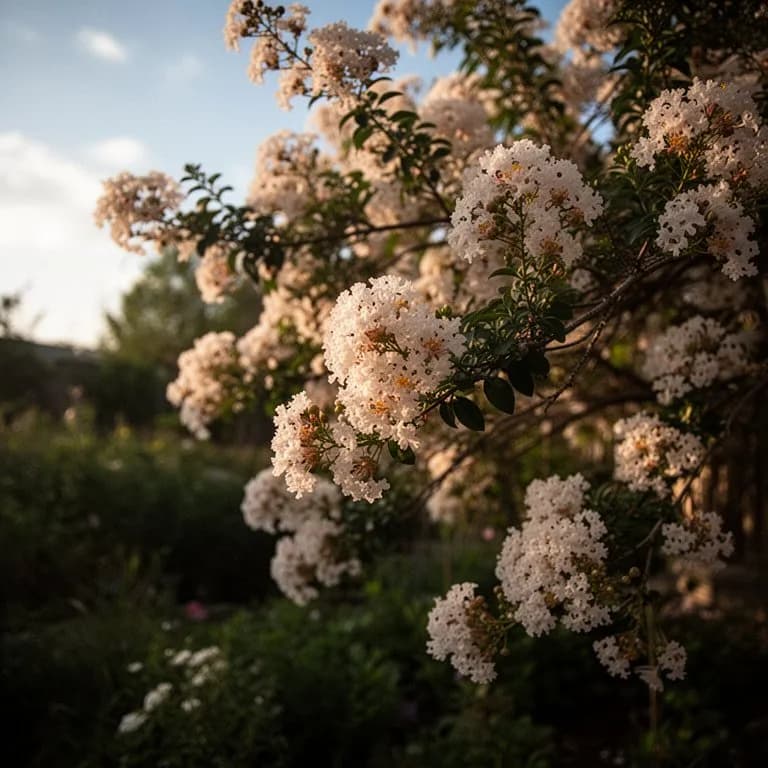
Kreppmyrten-Blütenblatt-Garnitur-Eiswürfel
15 Min. plus 4 Stunden GefrierzeitEinzelne Kreppmyrten-Blütenblätter werden mithilfe einer zweistufigen Gefriermethode in Eiswürfeln eingeschlossen und ergeben beeindruckende Garnituren für Sommergetränke, Limonaden und Cocktails.
3 Zutaten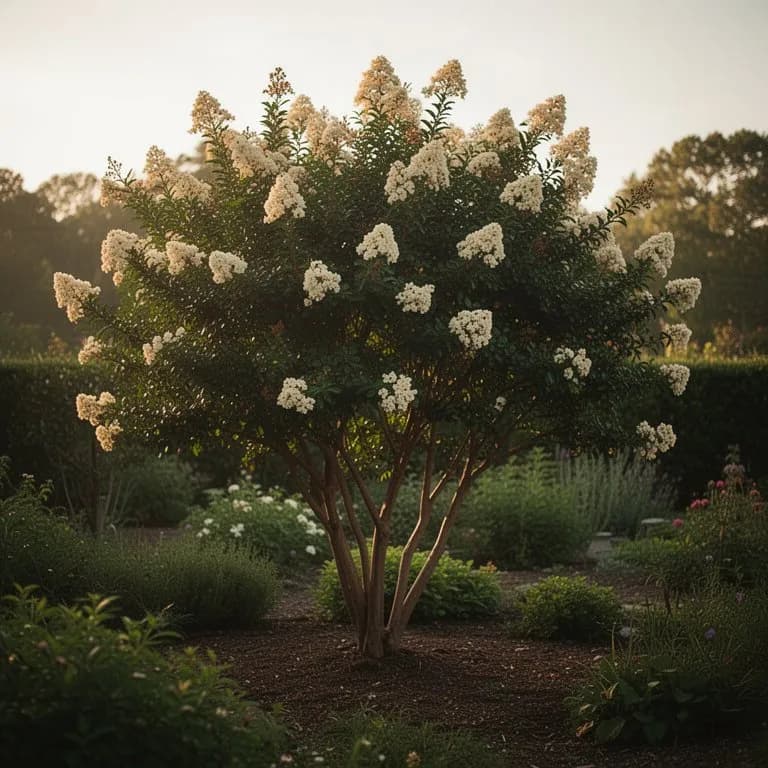
Kreppmyrten-Rindentee (Traditionell)
20 Min.Eine traditionelle asiatische Zubereitung, bei der getrocknete Kreppmyrten-Rinde sanft geköchelt wird, um einen milden, leicht herb-adstringierenden Kräutertee zu erzeugen, der historisch als Verdauungsmittel verwendet wurde. Vor dem Verzehr einen Arzt konsultieren.
4 ZutatenWas drinsteckt
Gesundheitsvorteile
- Rindenextrakte enthalten Corosolsäure, die auf ihre potenzielle Rolle bei der Unterstützung eines gesunden Blutzuckerspiegels untersucht wurde.
- Ellagsäure in Kreppmyrten-Blättern und Rinde weist antioxidative Eigenschaften auf, die in Laborversuchen möglicherweise freie Radikale neutralisieren.
- Die traditionelle Volksmedizin in Teilen Asiens hat Rindenabkochungen als mildes Adstringens bei Verdauungsbeschwerden eingesetzt.
- Die reichlichen Sommerblüten ziehen Bienen und nützliche Bestäuber an und tragen zur lokalen Ökosystemgesundheit und Biodiversität bei.
- Das Pflanzen von Kreppmyrten in städtischen Umgebungen hilft, Wärmeinseleffekte zu reduzieren, die Umgebungstemperatur zu senken und die lokale Luftqualität zu verbessern.
- Das Verweilen unter blühenden Zierbäumen wie Kreppmyrten wurde in mehreren gartentherapeutischen Studien mit reduzierten Stressniveaus und verbessertem psychischen Wohlbefinden in Verbindung gebracht.
Woher Kreppmyrte stammt
Lagerstroemia indica ist in einem weiten Gebiet Ost- und Südasiens heimisch, darunter China, Korea, Japan und der indische Subkontinent, wo sie seit Tausenden von Jahren als Ziergehölz kultiviert wird. Historische Aufzeichnungen aus Chinas Tang-Dynastie (618–907 n. Chr.) beschreiben Kreppmyrten, die kaiserliche Gärten und Tempelinnenhöfe schmückten und für ihre anhaltende Sommerblüte und elegante Form geschätzt wurden. Die Art wurde Mitte des 18. Jahrhunderts nach Europa eingeführt, gelangte um 1759 nach England und wurde Anfang des 19. Jahrhunderts in den amerikanischen Süden gebracht, wo das warme, feuchte Klima sich als ideal erwies. Charleston (South Carolina) und Natchitoches (Louisiana) wurden frühe Zentren der Kreppmyrten-Kultur, und die Bäume sind heute ikonische Elemente der südlichen Landschaft. Im 20. Jahrhundert kreuzte Dr. Donald Egolf am US National Arboretum in Washington, D.C., Lagerstroemia indica mit der japanischen Art Lagerstroemia fauriei, um Hybridsorten mit überlegener Krankheitsresistenz, Kältetoleranz und markanten Rindenmerkmalen zu erzeugen. Diese Hybriden – nach indigenen Stämmen Nordamerikas wie Natchez, Tuscarora und Muskogee benannt – revolutionierten die Kreppmyrten-Kultur, indem sie die Anfälligkeit für Echten Mehltau drastisch reduzierten. Heute werden Lagerstroemia indica und ihre Hybriden in den USDA-Winterhärtezonen 6 bis 10 gepflanzt, von den mittelatlantischen Bundesstaaten über Texas bis Kalifornien, und gehören zu den meistverkauften Zierbäumen in den USA.
Kreppmyrte: Schon gewusst?
Faszinierende Fakten über Kreppmyrte
Kreppmyrten werden manchmal als der Flieder des Südens bezeichnet, weil sie in warmen Klimazonen, wo echter Flieder nicht gedeihen kann, eine ähnliche Zierrolle erfüllen.
Kreppmyrte: Fragen & Antworten
Wann sollte ich Kreppmyrte pflanzen?
Was sind gute Begleitpflanzen für Kreppmyrte?
In welchen Winterhärtezonen kann Kreppmyrte wachsen?
Wie viel Sonne braucht Kreppmyrte?
Welchen Abstand sollte ich zwischen Kreppmyrte lassen?
Welche Schädlinge und Krankheiten befallen Kreppmyrte?
Wie lagere ich Kreppmyrte nach der Ernte?
Was sind die besten Kreppmyrte-Sorten zum Anbauen?
Welchen Boden braucht Kreppmyrte?
Wann ist der beste Zeitpunkt, eine Kreppmyrte zu pflanzen?
Warum blüht meine Kreppmyrte nicht?
Wie verhindere und behandle ich Echten Mehltau an Kreppmyrten?
Können Kreppmyrten in kalten Klimazonen nördlich der Zone 7 überleben?
Was ist der Kreppbaum-Mord und warum sollte ich ihn vermeiden?
Wie schnell wachsen Kreppmyrten und wie groß werden sie?
Du hast die Theorie gelesen. Jetzt baue sie auf Autopilot an.
Alles, was Kreppmyrte knifflig macht — das Timing, die Abstände, die Begleiter, das Erntefenster — genau das übernimmt PlotMyGarden für dich, für jede Pflanze im Garten.
Ein Plan, der dein Wetter kennt
Standort einmal festlegen. Aussaat-, Dünge- und Erntedaten rund um deinen echten letzten Frosttermin und die Live-Vorhersage — kein Raten mehr nach Saattüte.
Aus dem Abschnitt „Pflanzzeit“Beetplaner per Drag & Drop
Beete auf einem Raster gestalten. Jede Pflanze rastet im richtigen Abstand ein, und du siehst die ganze Saison, bevor du einen Cent für Saatgut ausgibst.
Aus dem Abschnitt „Anbau“Begleiter-Konflikte früh erkannt
Über 200 gute und schlechte Kombinationen werden beim Pflanzen live geprüft — so landet ein saisonruinierender Fehler nie in der Erde.
Aus dem Abschnitt „Begleiter“Erinnerungen, nach denen du wirklich handelst
„Gieß die Bohnen.“ „Heute ernten, bevor's umschlägt.“ Pünktlich, konkret und auf deine echten Pflanzen bezogen.
Aus dem Abschnitt „Ernte“Staffel-Aussaat, geplant
Sechs Wochen ernten statt sechs Tage? Die App verteilt deine Aussaaten automatisch und erinnert dich, wenn der nächste Satz fällig ist.
Aus dem Abschnitt „Pflanzzeit“Ein Verlauf, der schlauer wird
Jede protokollierte Ernte bringt der App deinen Garten bei. Der Plan fürs nächste Jahr startet bei dem, was in deinem Boden wirklich funktioniert hat.
Aus dem Abschnitt „Überblick“Pflanze diese neben Kreppmyrte
Weitere Zierbäume
Bau deine beste Kreppmyrte an — und alles drumherum.
Starte heute kostenlos. Lege deine Beete an, setze deine Kreppmyrte ein und lass PlotMyGarden Timing, Abstände, Begleiter und Erinnerungen von der Saat bis zum Erntekorb übernehmen.