Zierkirschpflaume
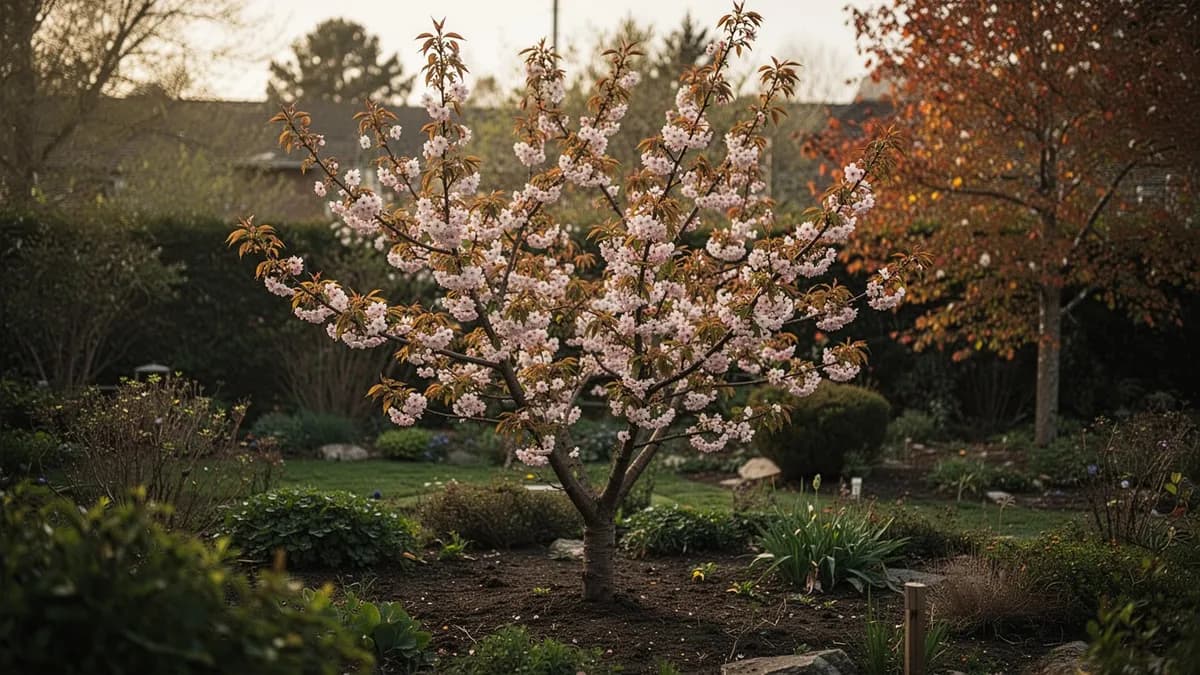
Ein kompakter Zierbaum mit tiefpurpurnem Laub, das seine dramatische Farbe während der gesamten Vegetationsperiode beibehält, ergänzt durch rosa Frühlingsblüten.





Auf dieser SeiteÜberblick
Zierkirschpflaume im Überblick
Ein kompakter Zierbaum mit tiefpurpurnem Laub, das seine dramatische Farbe während der gesamten Vegetationsperiode beibehält, ergänzt durch rosa Frühlingsblüten. Blutpflaumen bieten einen auffälligen Farbkontrast in gemischten Rabatten und gehören zu den ersten Bäumen, die im Spätwinter bis Frühjahr blühen. Sie sind relativ kurzlebig und anfällig für verschiedene Pilzkrankheiten, aber ihre intensive Laubfarbe ist mit keinem anderen kleinen Baum zu erreichen. Schneiden Sie nach der Blüte, um die Form zu erhalten und sich kreuzende Äste zu entfernen.
Wann Zierkirschpflaume pflanzen
Kirschpflaumensamen sind in kleinen Steinfrüchten enthalten, die im Sommer reifen. Sammeln Sie die Früchte, wenn sie vollständig ausgefärbt und weich sind. Entfernen Sie das Fruchtfleisch und reinigen Sie den Kern. Knacken Sie den harten Kern leicht mit einer Zange an, um die Wasseraufnahme zu erleichtern, achten Sie dabei darauf, den Samen im Inneren nicht zu beschädigen. Kalt-stratifizieren Sie in feuchtem Torf bei 2 bis 4 °C für 90 bis 120 Tage. Säen Sie stratifizierte Samen im Frühling 2,5 cm tief in feuchte Aussaaterde. Die Keimung erfolgt in 3 bis 6 Wochen. Sämlinge haben grünes Laub, da purpurblättrige Eigenschaften das Veredeln benannter Sorten auf Sämlings-Unterlagen erfordern.
Dein Zierkirschpflaume-Jahr
Abgestimmt auf Zone 7 · typische Saison · Frost geht um den 2. Apr. und kehrt um den 1. Nov. zurück
Zierkirschpflaume Mär – Apr, Okt – Nov pflanzen, — ernten. Beachte die Pflanzmethoden unten und wähle dein Klima für passende Zeiträume.
So baust du Zierkirschpflaume an
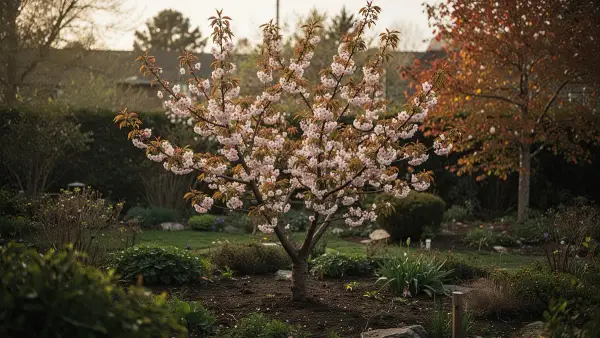
Die purpurblättrige Zierkirschpflaume ist einer der beliebtesten kleinen Zierbäume für ganzjähriges Farbinteresse. Das tiefe burgunderrote bis purpurne Laub bietet vom Frühling bis zum Herbst einen dramatischen Kontrast zu umgebenden grünlaubigen Pflanzen. Wählen Sie einen Standort in voller Sonne, da Schatten die Purpurfarbe in Richtung Grün verblassen lässt. Pflanzen Sie in gut durchlässigen Boden mit einem pH-Wert von 6,0 bis 7,5. Halten Sie einen Abstand von 4,5 bis 6 Metern für ein natürliches Erscheinungsbild oder enger für eine Sichtschutzhecke.
Pflanzen Sie Container- oder ballierte Bäume im Frühling oder Herbst. Setzen Sie sie auf Geländeniveau und wässern Sie beim Pflanzen gründlich. Halten Sie während der ersten Vegetationsperiode eine gleichmäßige Feuchtigkeit aufrecht und gießen Sie dann während längerer Trockenperioden. Bringen Sie 5 bis 8 cm Mulch rund um die Basis auf.
Die Zierkirschpflaume blüht am alten Holz und produziert im Spätwinter bis Frühjahr rosa bis weiße Blüten, bevor die Blätter erscheinen. Schneiden Sie unmittelbar nach der Blüte, wenn eine Formgebung erforderlich ist. Der Baum entwickelt eine rundliche bis vasenförmige Krone und erreicht typischerweise 4,5 bis 7,5 Meter Höhe. Entfernen Sie Wildtriebe, die unterhalb der Veredelungsstelle aus der Unterlage austreiben können, da diese grünlaubiges Wachstum hervorbringen, das sich vom purpurnen Edelreis darüber unterscheidet. Zierkirschpflaumen sind relativ kurzlebig, mit einer typischen Lebensdauer im Garten von 15 bis 25 Jahren.
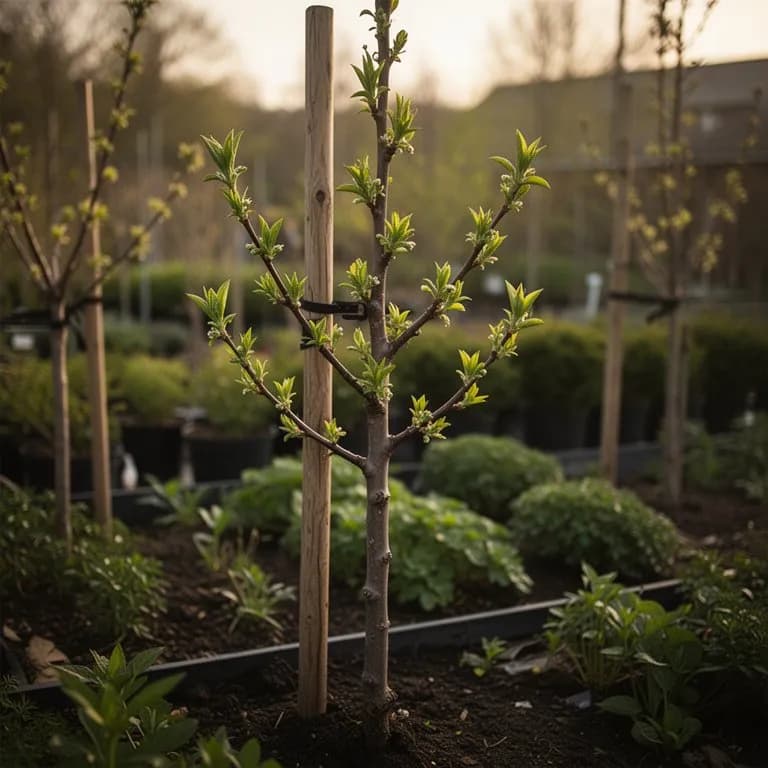
Für Zierkirschpflaume ist ein Beet von 120 × 240 cm zu klein
Zierkirschpflaume braucht 500 cm Platz pro Pflanze. Der Planer hält diesen Abstand für dich ein — jede Pflanze, jedes Beet.
Die besten Nachbarn für Zierkirschpflaume
Das dunkle purpurne Laub erzeugt einen dramatischen Kontrast, wenn es neben Bäumen und Sträuchern mit gelbgrünem oder goldenem Laub gepflanzt wird. Goldlaubige Spiersträucher, Gold-Holunder und gelbblättrige Funkien ergeben auffällige Farbkombinationen. Weiß blühende Pflanzen wie Gardenien, weiße Rosen und weiße Pfingstrosen heben sich wunderschön vom purpurnen Hintergrund ab. Silberlaubige Pflanzen wie Wollziest, Beifuß und Lavendel ergänzen ebenfalls die Purpurtöne. Unterpflanzen Sie mit Frühlingszwiebeln, die gleichzeitig mit den rosa Blüten der Pflaume blühen.
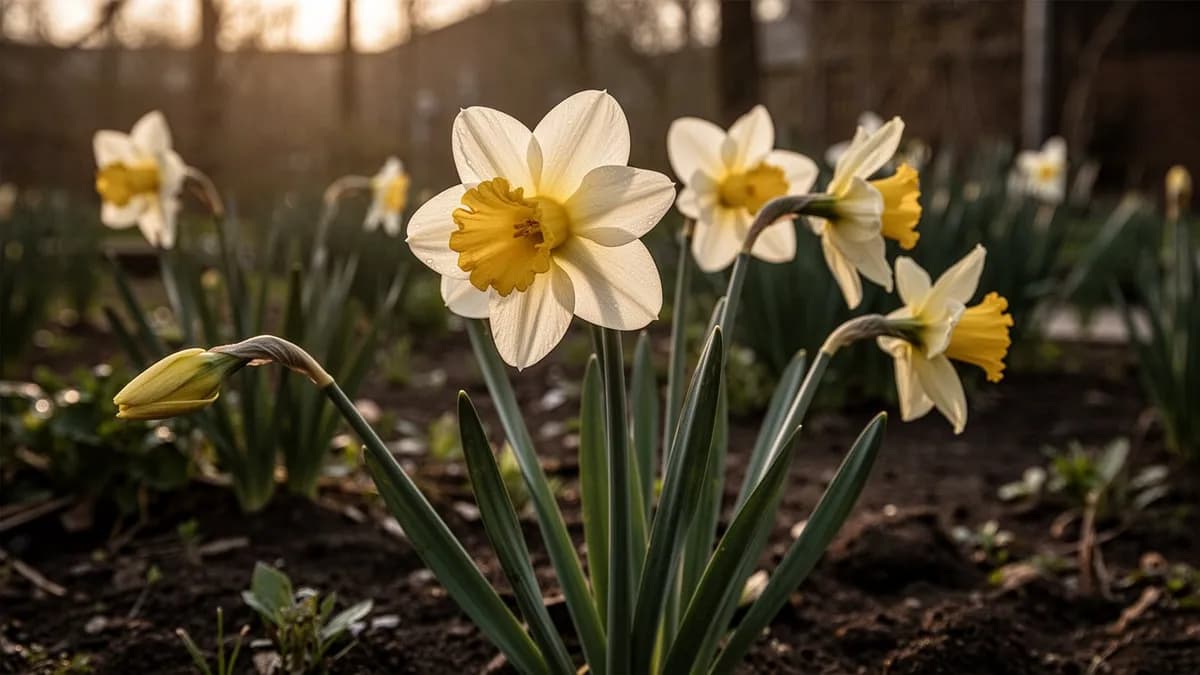
Narzisse gehört daneben. Walnussbaum nicht.
Altes Gärtnerwissen, geprüft an der echten Nachbartabelle von Zierkirschpflaume — teste jede Pflanze, die du anbaust.
Probiere Zierkirschpflaume direkt hier im Beet
Ein echtes Planer-Beet, Zierkirschpflaume steht schon drin. Tippe einen Begleiter an, platziere ihn und sieh, wie die Nachbarschaftsprüfung antwortet — grün für gute Nachbarn, rot bei Streit.


Passende Anbau-Ratgeber
Richtig düngen
Die Zierkirschpflaume passt sich an eine breite Palette gut durchlässiger Böden mit einem pH-Wert von 6,0 bis 7,5 an. Sie verträgt Ton-, Lehm- und Sandböden, sofern die Drainage ausreichend ist. Vermeiden Sie staunasse Bedingungen, die Wurzelfäule fördern. Düngen Sie im Frühjahr leicht mit einem ausgewogenen Langzeitdünger. Übermäßiger Stickstoff verursacht schnelles, schwaches Wachstum und verdünnt die purpurne Laubfarbe. Mulchen Sie mit 5 bis 8 cm organischem Material, um die Feuchtigkeit zu bewahren und die Bodentemperatur zu regulieren. Arbeiten Sie jährlich Kompost als Deckschicht ein.
Ideale Temperatur
Winterhärtezone-Kompatibilität
Von der Saat zur Ernte, Schritt für Schritt
Winterruhe
Der Baum ist vom Spätherbst bis zum Winter laublos und ruht. Energie wird im Wurzelsystem und Holzgewebe für die kommende Vegetationsperiode gespeichert.
Knospenaufbruch und Blüte
Blütenknospen schwellen an und öffnen sich im Spätwinter bis Frühjahr, wobei sie vor dem Laubaustrieb reichlich rosa bis weiße Blüten hervorbringen. Dies ist einer der frühest blühenden Zierbäume.
Blattaustrieb und aktives Wachstum
Neue purpurrote Blätter erscheinen und entfalten sich rasch. Das Triebwachstum ist kräftig und legt jährlich 30–60 cm zu. Kleine grüne Früchte beginnen sich zu entwickeln, wo Bestäubung stattfand.
Fruchtentwicklung
Kirschpflaumen vergrößern sich und wechseln die Farbe von grün zu gelb, dann zu rot oder tiefpurpur, wenn sie reifen. Die Früchte erreichen etwa 2–3 cm Durchmesser und entwickeln bei Vollreife einen süß-herben Geschmack.
Ernte und Spätsaison
Reife Früchte werden weich und lösen sich leicht vom Zweig. Ernten Sie, wenn die Früchte auf sanften Druck nachgeben und ein süßes Aroma haben. Die Laubfarbe der Spätsaison verschiebt sich zu Bronzetönen.
Laubfall und Vordormanz
Die Blätter wechseln zu Kupfer- und Bronzetönen, bevor sie fallen. Der Baum beginnt, neues Wachstum abzuhärten und Kohlenhydrate zur Wurzelspeicherung für das Überleben im Winter umzuleiten.
Führen Sie den Strukturschnitt während der späten Winterruhe (Februar) durch, solange der Baum noch laublos ist. Entfernen Sie sich kreuzende Äste, Totholz und Wasserschosser, um eine offene Krone zu erhalten.
Zierkirschpflaume Monat für Monat pflegen
Was du jeden Monat für deine Zierkirschpflaume tun solltest
Oktober
Aktueller MonatBringen Sie eine 8–10 cm dicke Schicht organischen Mulch im Wurzelbereich zur Winterisolierung auf.. Wässern Sie gründlich, bevor der Boden gefriert, wenn der Herbst trocken war.. Kontrollieren Sie den Stamm auf Krebsstellen und schneiden Sie befallenes Holz heraus.
Immer wissen, was jetzt im Garten zu tun ist
Eine E-Mail zum Monatsanfang: was du jetzt säen, pflanzen und anpacken solltest — für deine Zierkirschpflaume und alles, was drumherum wächst. Dazu ein kurzer Startkurs, der dich vor den klassischen Fehlern bewahrt.
- Was jetzt zu tun ist
- Passend zu deiner Saison
- Startkurs inklusive
Zierkirschpflaume ernten
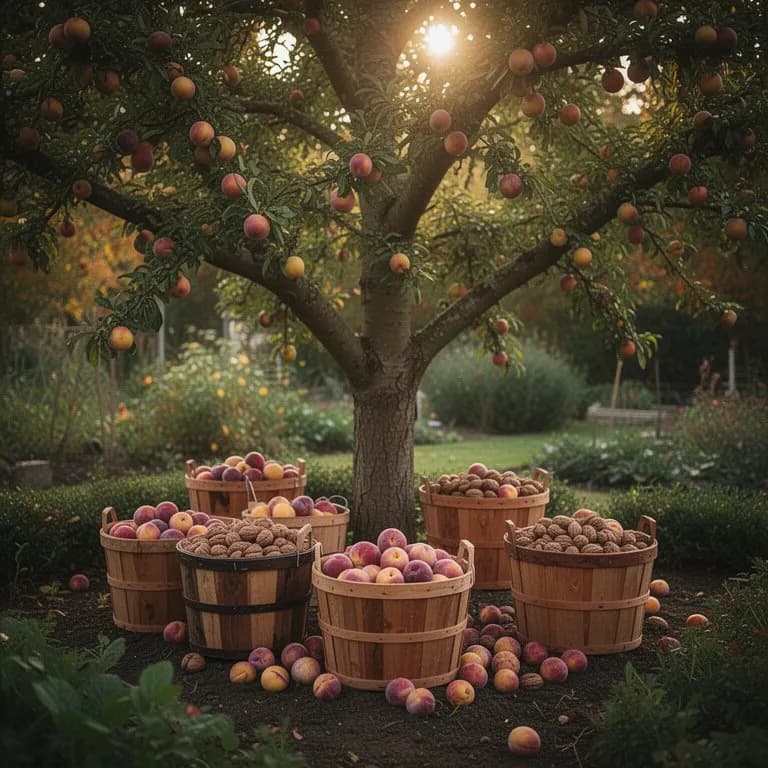
Die Zierkirschpflaume produziert kleine kirschähnliche Früchte, die technisch essbar, aber meist zu herb für den Frischverzehr sind. Einige Sorten tragen schmackhaftere Früchte, die für Marmeladen und Gelees verwendet werden können. Ernten Sie die Früchte, wenn sie sich von grün zu tiefem Purpurrot verfärben und leicht weich werden. Der primäre Zierwert liegt im purpurnen Laub, das für dramatische Blumenarrangements geschnitten werden kann. Schneiden Sie im Sommer Zweige mit reifem Laub oder im Frühjahr blühende Zweige für die Innendekoration.
angenommen, du pflanzt zu Beginn des Zeitraums — trage dein tatsächliches Datum ein
Ernte Zierkirschpflaume zügig, dann trägt die Pflanze weiter.
Lagerung & Konservierung
Frische Kirschpflaumenfrüchte sollten am besten sofort zu Konfitüren verarbeitet werden, da sie schnell verderben. Für die Marmeladenherstellung waschen und entsteinen Sie die Früchte und kochen Sie sie wie jedes andere Steinobst mit Zucker und Pektin ein. Geschnittene Blütenzweige halten 5 bis 7 Tage im Wasser. Purpurne Laubzweige können mit Glycerin für langlebige Arrangements konserviert werden. Getrocknete Steinkerne wurden in einigen Handwerkstraditionen dekorativ verwendet.
Was schiefgeht — und die Lösung
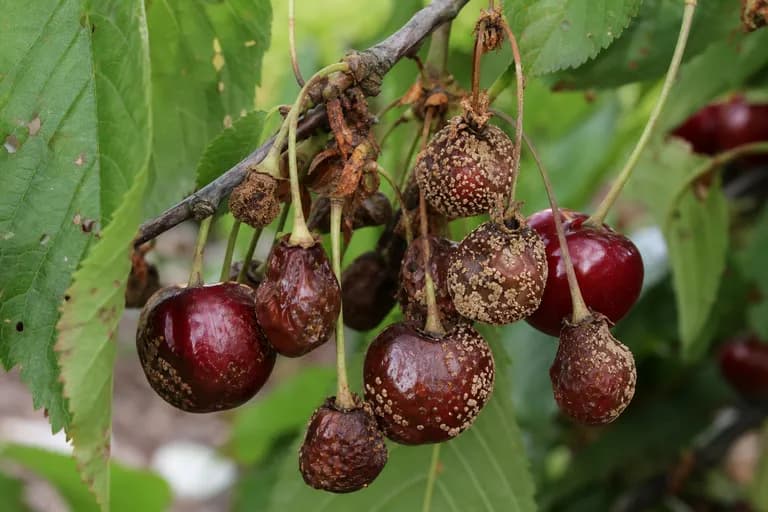
Monilia-Fruchtfäule
KrankheitBlüten welken und werden bei nassem Frühlingswetter braun. Befallene Blüten können flaumig graubraune Sporenmassen entwickeln und an den Ästen hängen bleiben. Kann sich auf kleine Zweige ausbreiten und zum Absterben führen.
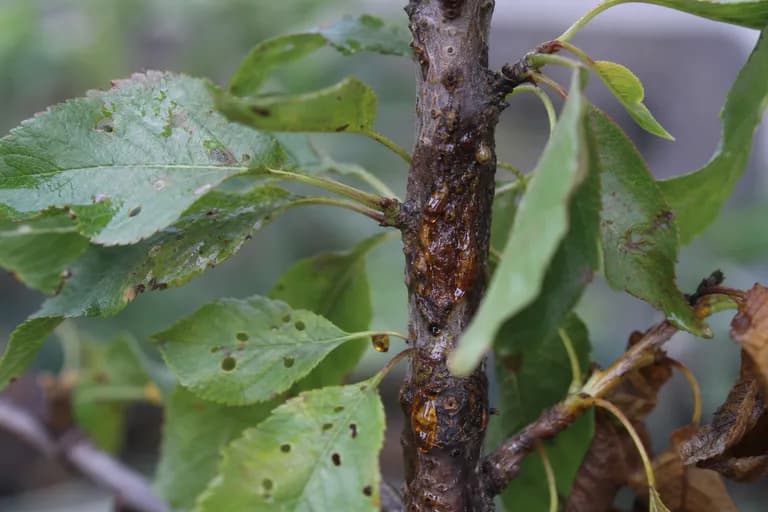
Bakterienbrand
KrankheitEingesunkene, dunkle, nässende Krebsstellen an Ästen und Stamm. Äste sterben oberhalb der Krebsstellen ab. Bernsteinfarbener Gummifluss kann aus der Rinde austreten. Am aktivsten bei kühlem, nassem Wetter.
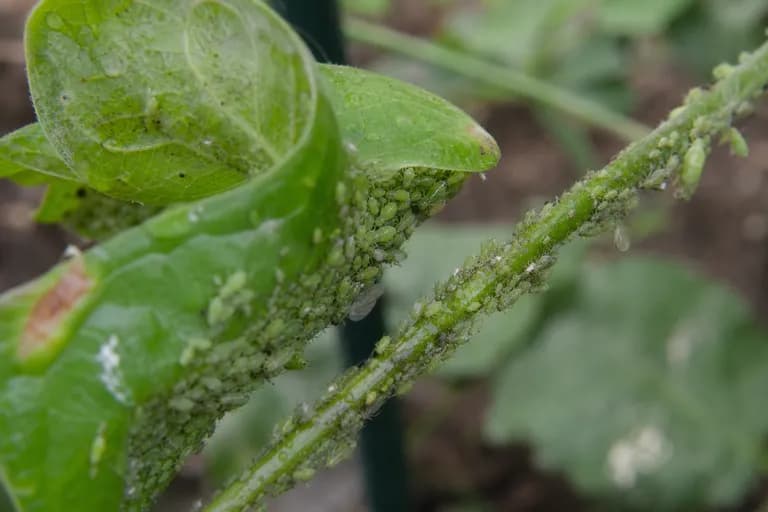
Blattläuse
SchädlingKolonien kleiner grüner oder schwarzer Blattläuse an zarten Triebspitzen und Blattunterseiten. Blätter rollen sich ein und werden durch Honigtau klebrig. Rußtau kann sich entwickeln.
Fehlerbehebung bei häufigen Problemen
Die kurze Lebensdauer von 15 bis 25 Jahren ist die Haupteinschränkung. Bäume verfallen oft durch Krebserkrankungen, Bohrerbefall und Wurzelfäule im Alter. Wildtriebe der Unterlage sind eine ständige Plage und produzieren kräftige grüne Triebe unterhalb der Veredelungsstelle, die den purpurnen Oberwuchs überwuchern können, wenn sie nicht sofort entfernt werden. Fallende Früchte verursachen Verschmutzung auf Gehwegen und Terrassen, daher werden fruchtlose Sorten für diese Standorte bevorzugt. Bohrer befallen gestresste Bäume, und schwerer Befall kann tödlich sein. Purpurnes Laub verblasst im starken Schatten zu Grünbronze.
Anbautipps
- Pflanzen Sie in voller Sonne mit mindestens 6–8 Stunden direktem Sonnenlicht täglich für die beste purpurne Laubfarbe und üppigste Blüte. Bäume in Halbschatten entwickeln grüneres, weniger lebhaftes Laub.
- Wählen Sie einen Standort mit gut durchlässigem Boden, da Prunus cerasifera anfällig für Wurzelfäule bei Staunässe ist. Sandiger Lehm bis Tonlehm mit einem pH-Wert von 6,0–7,5 ist ideal.
- Halten Sie einen Pflanzabstand von 4,5–6 Metern ein, um die reife Ausbreitung der gerundeten Krone zu ermöglichen und eine gute Luftzirkulation sicherzustellen, die den Pilzbefall reduziert.
- Gießen Sie frisch gepflanzte Bäume in den ersten zwei Vegetationsperioden zweimal pro Woche durchdringend, um ein starkes Wurzelsystem aufzubauen. Reduzieren Sie nach der Etablierung auf wöchentliche Tiefbewässerung.
- Schneiden Sie jährlich während der Winterruhe, um eine offene Vasenform mit 4–5 gut verteilten Leitästen zu erhalten. Entfernen Sie Wasserschosser, Wildtriebe und nach innen wachsende Äste.
- Bringen Sie einen 8–10 cm dicken Mulchring aus Holzhackschnitzeln oder Rindenmulch vom Traufbereich nach innen auf und halten Sie den Mulch mindestens 10 cm vom Stamm entfernt, um Rindenverfall zu verhindern.
- Für verbesserten Fruchtansatz pflanzen Sie einen zweiten kompatiblen Bestäuberbaum wie eine andere Prunus-cerasifera-Sorte, eine Japanische Pflaume oder eine Wildpflaume in einem Umkreis von 15 Metern.
- Überwachen Sie auf häufige Schädlinge wie Blattläuse, Gespinstmotten und Japankäfer. Behandeln Sie Blattläuse mit kräftigem Wasserstrahl oder Schmierseife, bevor die Populationen explodieren.
- Achten Sie auf Monilia-Fruchtfäule (Monilinia fructicola), die häufigste Krankheit, indem Sie im Herbst alle Fruchtmumien vom Baum und Boden entfernen, um den Krankheitszyklus zu unterbrechen.
- In kälteren Regionen (Zonen 4–5) wählen Sie winterharte Sorten wie 'Newport' und schützen Sie junge Bäume vor Sonnenbrand, indem Sie die Stämme im Spätherbst mit weißen Baumschutzbandagen umwickeln.
Bau deine beste Zierkirschpflaume an — und alles drumherum.
Starte heute kostenlos. Lege deine Beete an, setze deine Zierkirschpflaume ein und lass PlotMyGarden Timing, Abstände, Begleiter und Erinnerungen von der Saat bis zum Erntekorb übernehmen.
Finde deine Zierkirschpflaume
Thundercloud
Die am häufigsten gepflanzte Blutpflaume. Tiefpurpurnes Laub behält die Farbe gut über den Sommer. Duftende rosa Blüten im Frühling. Rundliche Form bis 6 Meter Höhe und Breite.
Krauter Vesuvius
Dunkelstes Laub aller Blutpflaumen, nahezu schwarzpurpur. Rosa Blüten an einem kompakten Baum bis 5,5 Meter. Aufrechter Wuchs als Thundercloud. Behält die Farbe besser bei Hitze.
Newport
Hervorragende Winterhärte bis Zone 4, erweitert das Verbreitungsgebiet der Blutpflaumen nach Norden. Bronzepurpurnes Laub und blassrosa Blüten. Kompakter Wuchs bis 4,5 bis 6 Meter.
Purple Pony
Zwergauslese, die nur 3 bis 3,5 Meter Höhe und Breite erreicht. Sattes purpurnes Laub und rosa Blüten. Kein Fruchtansatz, was Verschmutzung vermeidet. Ideal für kleine Gärten.
Ein einzelner ausgewachsener Zierkirschpflaumenbaum kann pro Jahr 14–27 kg Kirschpflaumen liefern. Bei Spezialmarktpreisen von 8–13 € pro Kilogramm für frische Kirschpflaumen entspricht dies einem jährlichen Fruchtwert von 110–350 €. Der Baum macht auch ein separates Ziergehölz überflüssig, was 200–500 € bei der Gartengestaltung einspart, und bietet über Jahrzehnte hinweg frühe Frühlingsblüte und ganzjähriges purpurnes Laubinteresse bei minimalen laufenden Pflegekosten.
Schnelle Rezepte
Kirschpflaumen-Chutney
30 Min.Ein herb-süßes Chutney inspiriert von der georgischen Tkemali-Soße. Die natürliche Herbheit der Kirschpflaumen harmoniert wunderbar mit warmen Gewürzen und macht es zu einem vielseitigen Beilagengewürz für gegrilltes Fleisch, Käseplatten oder geröstetes Gemüse.
10 Zutaten
Kirschpflaumen-Clafoutis
45 Min.Ein klassisches französisches Auflauf-Dessert, das den süß-herben Geschmack der Kirschpflaumen zur Geltung bringt. Dieses rustikale Dessert ist schnell zubereitet und schmeckt am besten warm mit einer Bestäubung aus Puderzucker.
10 ZutatenKirschpflaumen-Fruchtleder
20 Min. aktiv, 6–8 Stunden TrocknungInspiriert vom traditionellen persischen und kaukasischen Trockenobstleder Lawaschak, verwandelt dieses Rezept überschüssige Kirschpflaumen in einen zähen, tragbaren Snack, der sich monatelang bei Raumtemperatur hält.
5 ZutatenWas drinsteckt
Gesundheitsvorteile
- Reich an antioxidativen Anthocyanen, die helfen können, Entzündungen zu reduzieren und durch Verbesserung der Blutgefäßfunktion vor Herz-Kreislauf-Erkrankungen zu schützen.
- Liefert Vitamin C, das die Immunabwehr, die Kollagensynthese für gesunde Haut unterstützt und die Aufnahme von Nahrungseisen verbessert.
- Enthält Ballaststoffe, die eine gesunde Verdauung fördern, nützliche Darmbakterien nähren und den Blutzuckerspiegel nach Mahlzeiten regulieren helfen.
- Liefert Kalium, ein essentielles Mineral, das einen gesunden Blutdruck sowie eine ordnungsgemäße Muskel- und Nervenfunktion unterstützt.
- Die phenolischen Verbindungen in der Kirschpflaumenschale wurden auf ihr Potenzial untersucht, die Oxidation von LDL-Cholesterin zu hemmen, einem Schlüsselfaktor bei Arteriosklerose.
- Obst mit niedrigem glykämischen Index, das natürliche Süße bietet, ohne schnelle Blutzuckerspitzen zu verursachen, geeignet für die meisten ausgewogenen Ernährungsweisen.
Woher Zierkirschpflaume stammt
Prunus cerasifera, allgemein bekannt als Kirschpflaume oder Myrobalan-Pflaume, stammt aus einem breiten Streifen Zentralasiens und Südosteuropas, der sich vom Balkan und der Türkei über den Kaukasus bis in den Iran, nach Afghanistan und nach Westchina erstreckt. Sie ist eine der ältesten kultivierten Steinfrüchte, mit archäologischen Belegen für ihre Nutzung, die über 2.000 Jahre in der Region um das Kaspische Meer zurückreichen. Antike persische und griechische Schriftsteller erwähnten die kleinen, süßen Früchte, und der Baum wurde entlang der Handelsrouten verbreitet, die den Nahen Osten mit dem Mittelmeerraum verbanden. Die Römer kultivierten ihn sowohl als Obstbaum als auch als Unterlage für die Veredelung größerer europäischer Pflaumensorten. Die Art erhielt ihre berühmteste Zieridentität im Jahr 1880, als Monsieur Pissard, Obergärtner des Schahs von Iran, Stecklinge einer purpurblättrigen Form nach Frankreich sandte. Diese Sorte, später 'Atropurpurea' genannt, sorgte für eine Sensation in der europäischen Gartenbaukunst und wurde schnell zu einem der am häufigsten gepflanzten Zierbäume in Parks und Gärten in ganz Europa und Nordamerika. Im Laufe des zwanzigsten Jahrhunderts entwickelten Züchter zahlreiche Sorten, darunter 'Thundercloud', 'Krauter Vesuvius' und 'Newport', die jeweils auf tiefere Laubfarbe, verbesserte Winterhärte oder üppigere Blüte selektiert wurden. Über die Zierverwendung hinaus sind Kirschpflaumen weiterhin wichtig in den traditionellen Küchen Georgiens, Aserbaidschans und des Irans, wo die herben Früchte zu Soßen, getrocknetem Fruchtleder namens Lawaschak und fermentierten Getränken verarbeitet werden. Die Art spielt auch eine wichtige ökologische Rolle als frühe Nektarquelle für Bestäuber und wurde extensiv in Unterlagen-Zuchtprogrammen eingesetzt, um Krankheitsresistenz und Anpassungsfähigkeit an eine breite Palette von Bodentypen zu verleihen.
Zierkirschpflaume: Schon gewusst?
Faszinierende Fakten über Zierkirschpflaume
Prunus cerasifera ist einer der ersten Bäume, die jedes Jahr blühen, oft schon Ende Januar in milden Klimazonen. Der Name 'Myrobalan-Pflaume' leitet sich vom altgriechischen Wort für eine parfümierte Salbe ab.
Zierkirschpflaume: Fragen & Antworten
Wann sollte ich Zierkirschpflaume pflanzen?
Was sind gute Begleitpflanzen für Zierkirschpflaume?
In welchen Winterhärtezonen kann Zierkirschpflaume wachsen?
Wie viel Sonne braucht Zierkirschpflaume?
Welchen Abstand sollte ich zwischen Zierkirschpflaume lassen?
Welche Schädlinge und Krankheiten befallen Zierkirschpflaume?
Wie lagere ich Zierkirschpflaume nach der Ernte?
Was sind die besten Zierkirschpflaume-Sorten zum Anbauen?
Welchen Boden braucht Zierkirschpflaume?
Trägt ein Zierkirschpflaumenbaum Früchte?
Wie lange lebt ein Zierkirschpflaumenbaum?
Warum werden die Blätter meiner Zierkirschpflaume grün statt purpur zu bleiben?
Sind Kirschpflaumen essbar?
Wann ist die beste Pflanzzeit für einen Zierkirschpflaumenbaum?
Wie verhindere ich Monilia-Fruchtfäule an meiner Zierkirschpflaume?
Du hast die Theorie gelesen. Jetzt baue sie auf Autopilot an.
Alles, was Zierkirschpflaume knifflig macht — das Timing, die Abstände, die Begleiter, das Erntefenster — genau das übernimmt PlotMyGarden für dich, für jede Pflanze im Garten.
Ein Plan, der dein Wetter kennt
Standort einmal festlegen. Aussaat-, Dünge- und Erntedaten rund um deinen echten letzten Frosttermin und die Live-Vorhersage — kein Raten mehr nach Saattüte.
Aus dem Abschnitt „Pflanzzeit“Beetplaner per Drag & Drop
Beete auf einem Raster gestalten. Jede Pflanze rastet im richtigen Abstand ein, und du siehst die ganze Saison, bevor du einen Cent für Saatgut ausgibst.
Aus dem Abschnitt „Anbau“Begleiter-Konflikte früh erkannt
Über 200 gute und schlechte Kombinationen werden beim Pflanzen live geprüft — so landet ein saisonruinierender Fehler nie in der Erde.
Aus dem Abschnitt „Begleiter“Erinnerungen, nach denen du wirklich handelst
„Gieß die Bohnen.“ „Heute ernten, bevor's umschlägt.“ Pünktlich, konkret und auf deine echten Pflanzen bezogen.
Aus dem Abschnitt „Ernte“Staffel-Aussaat, geplant
Sechs Wochen ernten statt sechs Tage? Die App verteilt deine Aussaaten automatisch und erinnert dich, wenn der nächste Satz fällig ist.
Aus dem Abschnitt „Pflanzzeit“Ein Verlauf, der schlauer wird
Jede protokollierte Ernte bringt der App deinen Garten bei. Der Plan fürs nächste Jahr startet bei dem, was in deinem Boden wirklich funktioniert hat.
Aus dem Abschnitt „Überblick“Pflanze diese neben Zierkirschpflaume
Weitere Zierbäume
Halte Zierkirschpflaume von diesen fern
Bau deine beste Zierkirschpflaume an — und alles drumherum.
Starte heute kostenlos. Lege deine Beete an, setze deine Zierkirschpflaume ein und lass PlotMyGarden Timing, Abstände, Begleiter und Erinnerungen von der Saat bis zum Erntekorb übernehmen.