Flowering Cherry
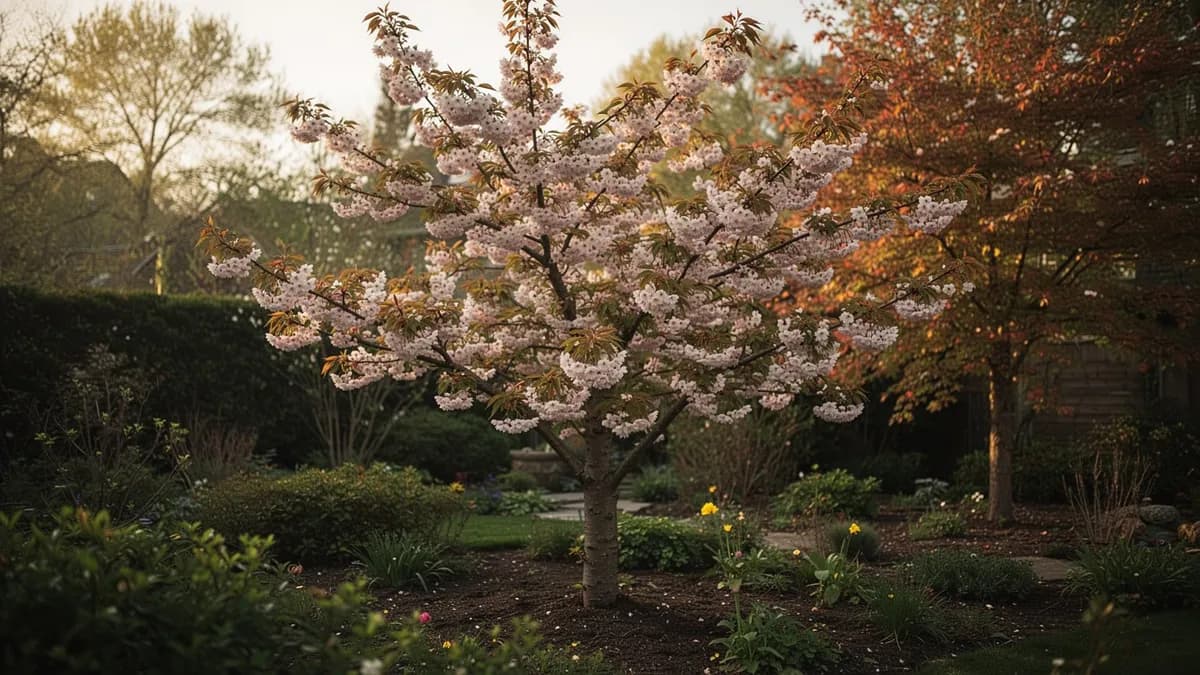
The iconic tree of Japanese hanami festivals, erupting in clouds of pink or white blossoms for a brief, glorious period each spring.





On this pageOverview
Meet Flowering Cherry
The iconic tree of Japanese hanami festivals, erupting in clouds of pink or white blossoms for a brief, glorious period each spring. Flowering cherries are grown purely for their spectacular bloom display and do not produce edible fruit. They prefer well-drained soil and full sun but are relatively short-lived, typically declining after twenty to thirty years. Avoid heavy pruning, as cherries are susceptible to bacterial canker entering through wounds, and let the tree develop its natural vase-shaped or weeping form.
When to plant Flowering Cherry
Flowering cherry seeds are contained in small fruits that ripen in summer. Collect fruits when they darken and remove the fleshy coating by soaking and rubbing. Seeds have a hard coat requiring scarification: nick with a file or soak in sulfuric acid briefly. Cold-stratify cleaned seeds in moist peat at 35 to 40 degrees Fahrenheit for 90 to 120 days. Sow stratified seeds half an inch deep in moist seedling mix in spring. Germination occurs in 3 to 6 weeks. Seedlings will not replicate named cultivar characteristics, as all named flowering cherries are propagated by grafting onto Prunus avium or P. mahaleb rootstock.
Your Flowering Cherry Year
Composed for Zone 7 · typical seasons · frost passes Apr 2, returns Nov 1
Plant Flowering Cherry Mar – Apr, Oct – Nov, pick —. Check the planting methods below and set your climate to personalize these windows.
How to grow Flowering Cherry
Flowering cherry trees are among the most celebrated ornamental trees in the world, with Japan's hanami tradition of cherry blossom viewing drawing millions of visitors each spring. Choose a site with full sun and well-drained soil with a pH of 6.0 to 7.0. Good drainage is essential, as cherry trees are highly susceptible to root rot in wet soils. Space 20 to 25 feet apart to allow the mature canopy to develop fully.
Plant container-grown or balled-and-burlapped specimens in spring or fall. Set at grade level and backfill with native soil. Water deeply at planting and weekly during the first two growing seasons. Apply 2 to 3 inches of organic mulch but keep it well away from the trunk to prevent bark rot.
Flowering cherries bloom on old wood, so avoid major pruning that removes flower-bearing branches. If pruning is needed, do so immediately after flowering. Never prune in fall or winter, as open wounds invite bacterial canker, a serious and often fatal disease of ornamental cherries. Remove only dead, crossing, or damaged branches. Flowering cherries are relatively short-lived, typically 20 to 30 years in landscape settings, but their spectacular spring display makes them well worth planting even with this limited lifespan.
Flowering Cherry needs more room than a 4 × 8 ft bed gives
Each Flowering Cherry wants 600 cm of elbow room. The planner keeps that spacing for you — every plant, every bed.
Flowering Cherry's best neighbours
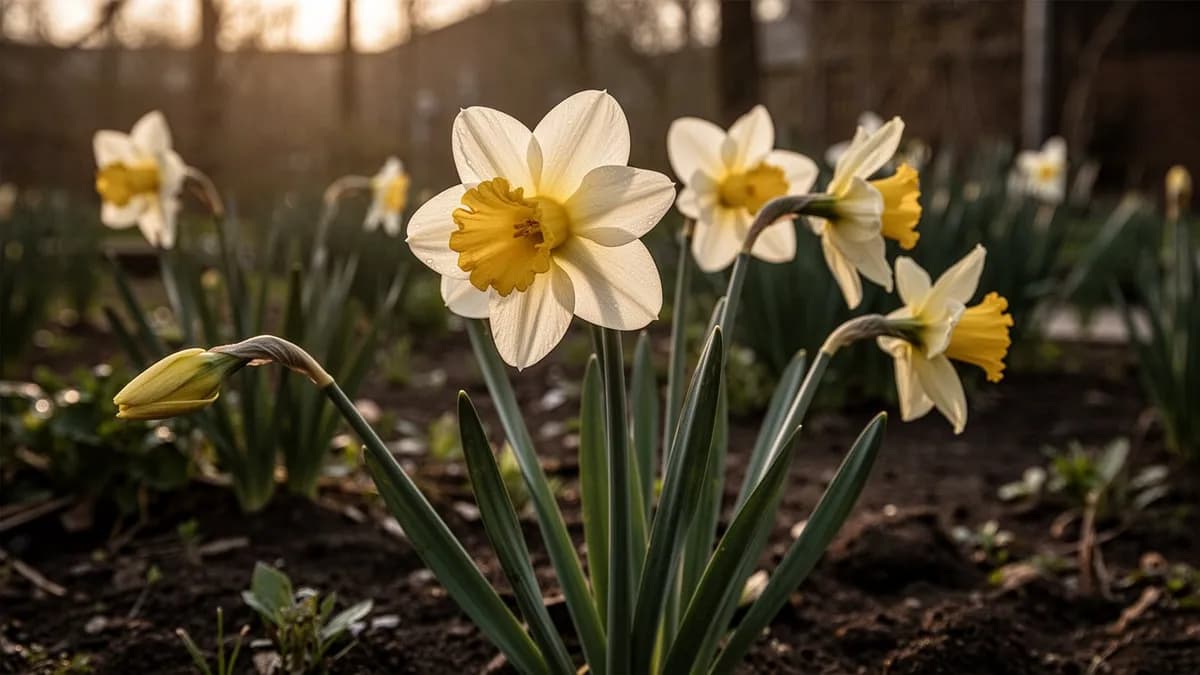
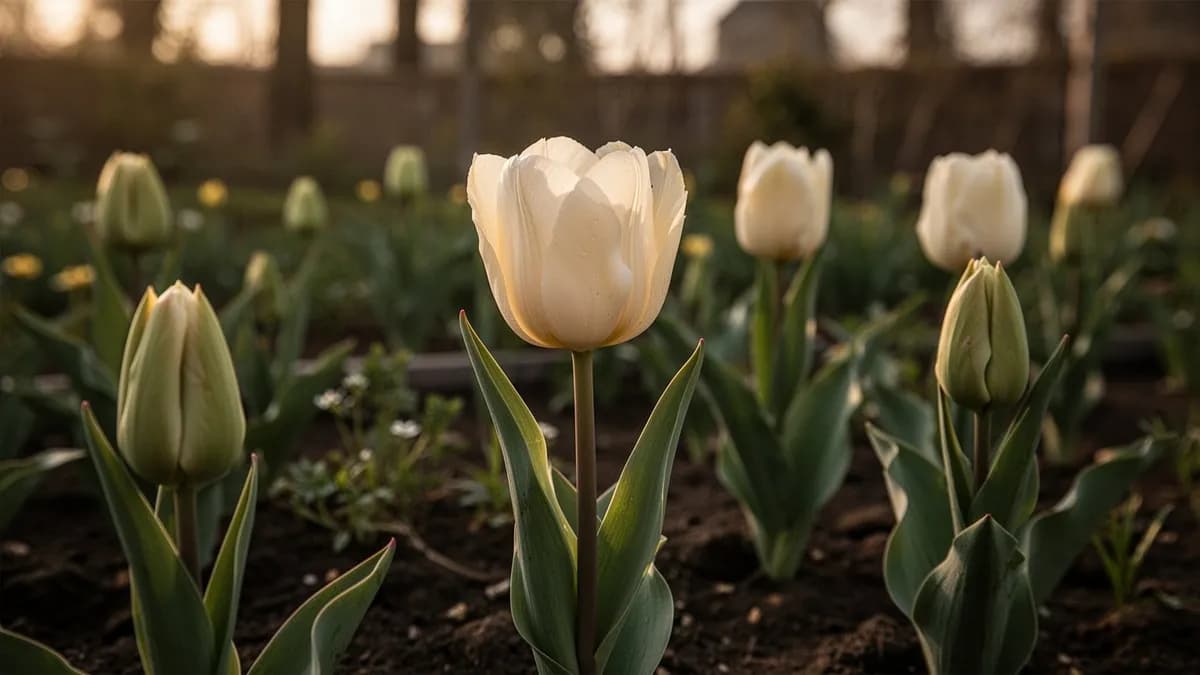
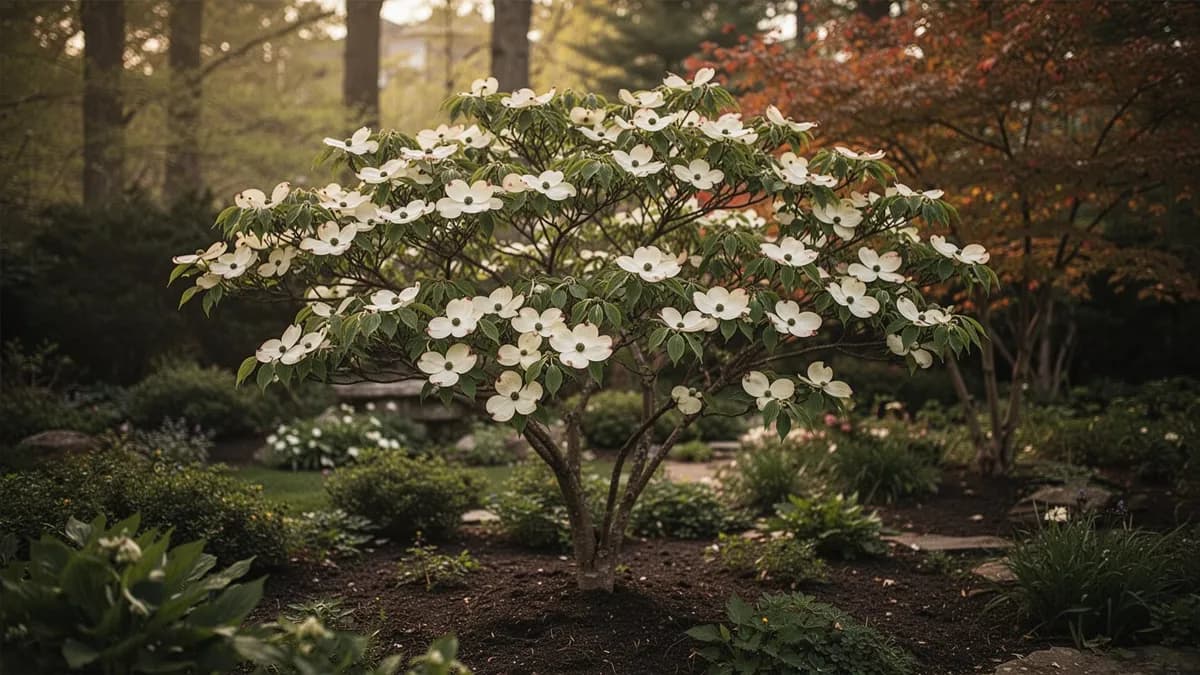
Flowering cherries create a spectacular spring canopy that pairs beautifully with spring bulbs planted beneath. Daffodils, tulips, grape hyacinths, and crocuses create a carpet of color under the blossoming branches. Azaleas and dogwoods bloom at the same time for a layered spring display. After flowering, underplant with shade-tolerant perennials like hostas, astilbes, and ferns for summer interest. Low-growing groundcovers like creeping phlox and sweet woodruff provide seasonal color at the base.
Daffodil belongs beside it. Walnut Tree doesn't.
Old growers' knowledge, checked against Flowering Cherry's real companion table below — test any plant you're growing.
Try Flowering Cherry in a bed — right here
A real planner bed with Flowering Cherry already in it. Tap a companion to place it and watch the pairing checks answer — green for good neighbours, red for a clash.


Related growing guides
Feed it well
Flowering cherry requires well-drained soil with a pH of 6.0 to 7.0. It does not tolerate wet feet; root rot develops rapidly in waterlogged conditions. Sandy loam is ideal, but clay soil works if amended for drainage. Fertilize lightly in early spring with a balanced slow-release fertilizer. Avoid excessive nitrogen that promotes soft, disease-susceptible growth. Mulch with 2 to 3 inches of organic matter, keeping it away from the trunk. Cherry trees are sensitive to salt and should not be planted along roads that receive winter salt applications.
Ideal Temperature
Hardiness Zone Compatibility
From seed to harvest, stage by stage
Dormancy and Planting
Bare-root or container-grown flowering cherry trees are best planted during winter dormancy when the tree is leafless and metabolic activity is minimal. During this rest period, the root system can begin establishing in surrounding soil without the stress of supporting foliage. Prunus serrulata requires 300-500 chill hours below 7°C to break dormancy properly and produce a full flush of blossoms in spring.
Bud Swell and Bloom
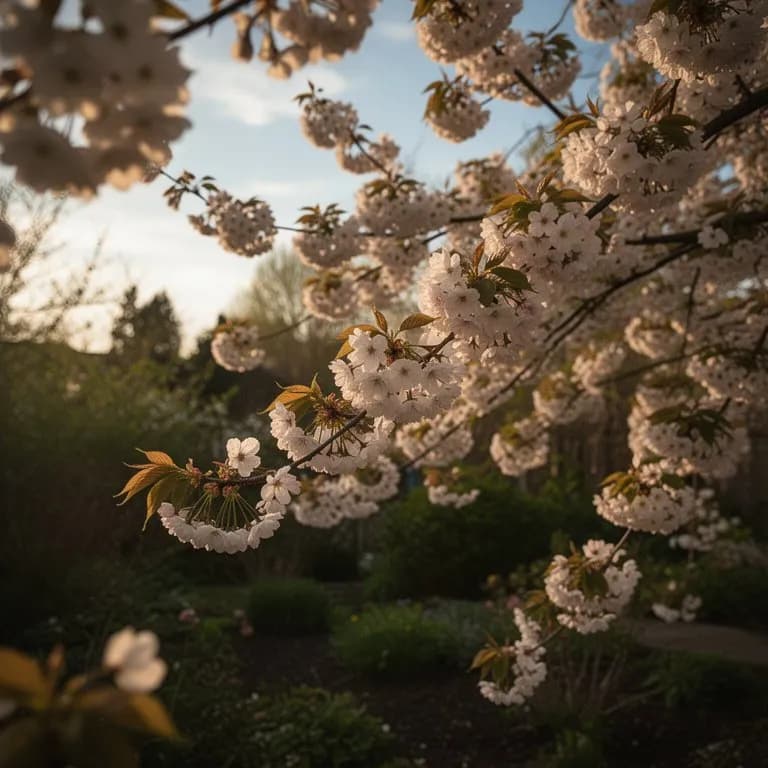
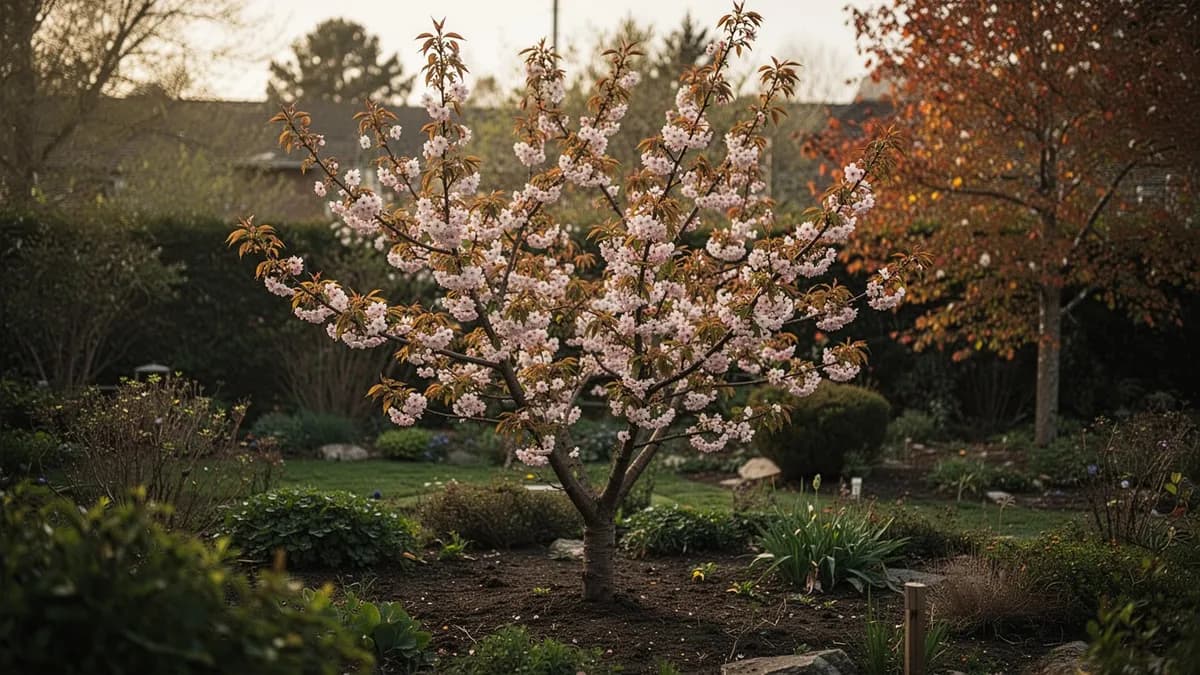
As temperatures rise in early to mid spring, the distinctive plump pink flower buds begin to swell rapidly. Flowering cherries bloom before or simultaneously with leaf emergence, creating the dramatic effect of branches clothed entirely in blossoms. The bloom period is famously brief, typically lasting just 7-14 days, and is highly sensitive to temperature and wind. In Japan, the cherry blossom front (sakura zensen) moves northward from Okinawa to Hokkaido over approximately two months each spring.
Petal Fall and Leaf Emergence
After the peak bloom fades, petals drift from the branches in the poetic phenomenon known in Japanese as hanafubuki (flower blizzard). New bronze or copper-tinted leaves emerge simultaneously, gradually expanding and turning green as photosynthesis ramps up. On double-flowered cultivars like Kanzan, the blooms persist slightly longer than single-flowered types before shedding. Small, inedible dark cherries may develop on single-flowered varieties but are rarely produced on double-flowered cultivars.
Active Growth and Canopy Development
Through late spring and summer the tree produces vigorous vegetative growth, extending branches and thickening its canopy. The glossy serrated leaves that give Prunus serrulata its species name are fully expanded and actively photosynthesizing, building carbohydrate reserves for next year's bloom. The distinctive horizontal branching pattern becomes more pronounced as the tree matures, creating the characteristic layered silhouette prized in landscape design.
Autumn Color and Leaf Fall
As day length shortens and temperatures cool in autumn, the foliage transforms into shades of amber, orange, and deep crimson, providing a second season of outstanding ornamental value. Nutrients are reabsorbed from the senescing leaves into the woody tissue for winter storage. Leaf fall exposes the attractive glossy bark with its distinctive horizontal lenticels, which remains a feature of interest throughout the dormant months.
Winter Dormancy and Structural Interest
The tree enters full dormancy with bare branches revealing its architectural form. The glossy reddish-brown bark with prominent horizontal lenticels provides winter garden interest. Below the surface, roots may still grow slowly while soil temperatures remain above 5°C. Flower buds for next spring's display are already formed and waiting to be triggered by the accumulation of sufficient chilling hours followed by warming temperatures.
Plant in late autumn or winter in a sheltered site with full sun and well-drained soil. Dig a planting hole twice the width of the root ball but no deeper. Ensure the graft union sits 5-8 cm above the soil line. Water deeply at planting and apply a 7-10 cm ring of composted bark mulch, keeping it away from the trunk to prevent collar rot.
Caring for Flowering Cherry month by month
What to do each month for your Flowering Cherry
October
You are hereRake fallen leaves regularly to prevent fungal disease overwintering in leaf litter. Apply a final deep watering before the ground freezes. Plant new bare-root or container-grown flowering cherries in prepared holes with good drainage. Protect young tree trunks with spiral guards against rabbit and deer damage.
Know exactly what to do in your garden — every month
One email at the start of each month: what to sow, plant, and tackle right now — for your Flowering Cherry and everything growing around it. Plus a short starter course that helps you dodge the classic mistakes.
- What to do, right now
- Matched to your season
- Starter course included
Harvesting Flowering Cherry
Flowering cherry trees do not produce edible fruit in meaningful quantities. The small, bitter cherries that occasionally form are inedible for humans but provide food for birds. The primary harvest is visual: the breathtaking spring flower display. Cut flowering branches can be brought indoors by harvesting when buds are showing color but have not fully opened. Force branches cut in late winter by placing in warm water indoors, where they will bloom within 1 to 3 weeks.
assuming you plant when the window opens — set your real date
Pick Flowering Cherry promptly and the plant keeps producing.
Storage & Preservation
Cut flowering cherry branches last 5 to 10 days in water indoors. Recut stems at an angle and change water every 2 days for longest display. Forcing dormant branches in late winter is a beloved tradition: cut branches after the coldest winter weather has passed and place in warm water in a bright room. Buds will swell and open in 1 to 3 weeks. Cherry blossoms can be preserved in salt following the Japanese tradition of sakura-zuke, where partially opened flowers are pickled in salt and ume vinegar for use as a garnish in tea and confections.
What goes wrong — and the fix
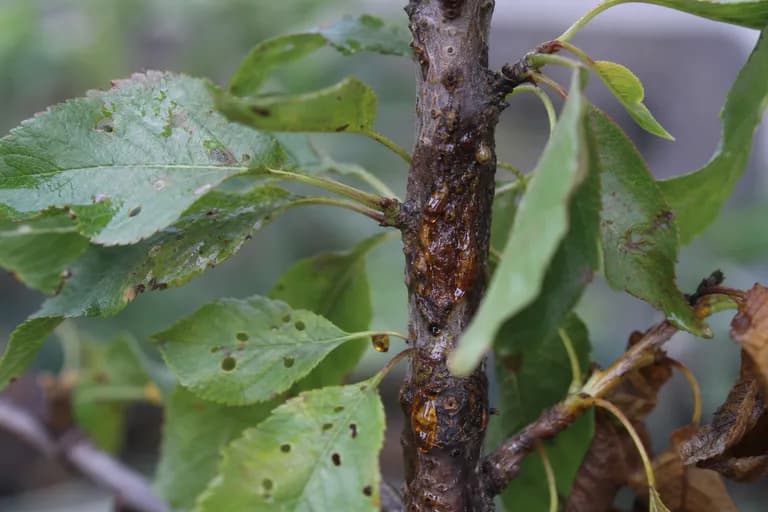
Bacterial Canker
DiseaseSunken, dark, oozing cankers on branches and trunk. Branches die back above the canker. Gummosis with amber-colored sap bleeding from bark. Can kill entire trees rapidly.
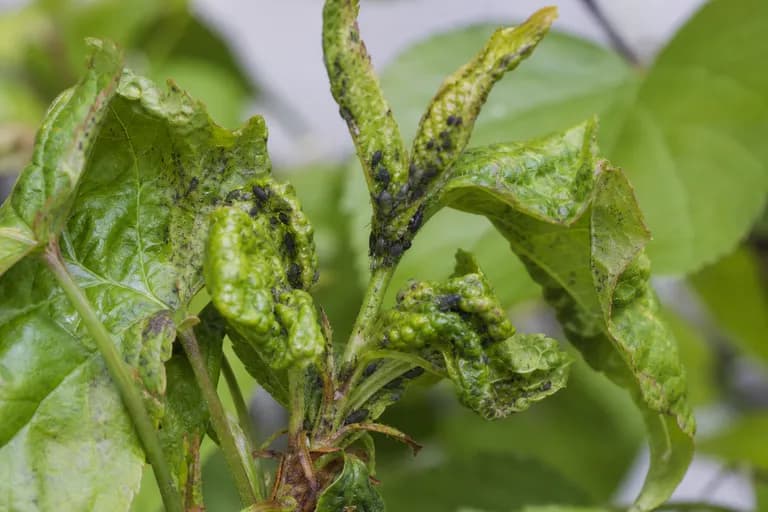
Cherry Aphids
PestClusters of small black or green aphids on shoot tips and leaf undersides cause leaves to curl, distort, and become sticky with honeydew. Sooty mold develops on honeydew deposits.
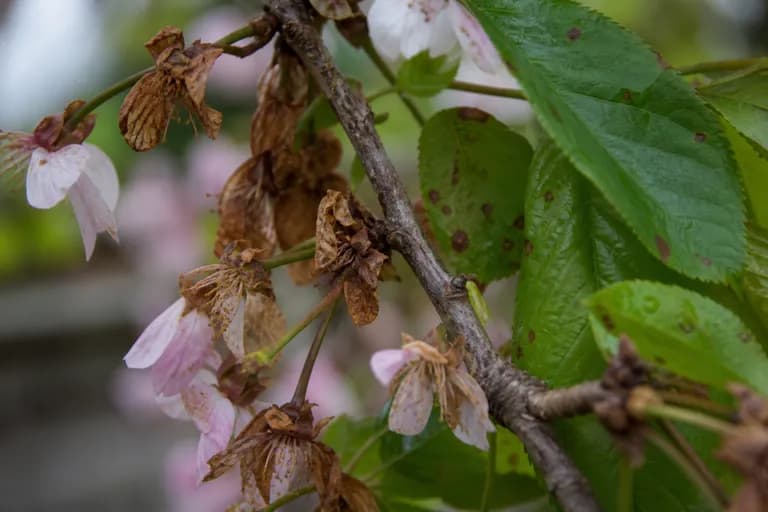
Brown Rot Blossom Blight
DiseaseFlowers turn brown and collapse during wet spring weather. Infected flowers may cling to branches and develop fuzzy gray-brown spore masses. Can spread to twigs causing small cankers.
Troubleshooting Common Problems
Short lifespan is the greatest limitation of flowering cherries, with many trees declining after 20 to 30 years from accumulated stress and disease. Bacterial canker is often fatal and enters through pruning wounds, bark injuries, and natural openings during wet weather. Never prune in fall or winter. Borers attack stressed trees, leaving sawdust frass at the base. Gummosis, or excessive sap bleeding, indicates stress from wounds, disease, or environmental factors. Japanese beetles can defoliate trees in mid-summer in affected regions. Root rot kills trees in poorly drained soils.
Growing Tips
- Select a planting site with full sun exposure for maximum flower production, as trees in partial shade will bloom less profusely. Ensure good air circulation around the canopy to reduce the risk of fungal diseases, particularly bacterial canker and blossom wilt.
- Plant in well-drained, moderately fertile soil with a slightly acidic to neutral pH of 6.0-7.0. Flowering cherries are intolerant of waterlogged conditions, which cause root rot. If your soil is heavy clay, plant on a raised mound or incorporate generous amounts of grit and organic matter to improve drainage.
- Prune as little as possible and only during dry weather in late winter. Flowering cherries are highly susceptible to silver leaf disease (Chondrostereum purpureum), which enters through pruning wounds. Never prune between September and January when silver leaf spores are most abundant in the environment.
- Water young trees regularly during their first two to three growing seasons, providing 20-30 mm of water per week during dry spells. Once established, flowering cherries are moderately drought-tolerant but will drop leaves prematurely during extended dry periods, reducing the autumn color display.
- Apply a balanced slow-release fertilizer in early spring after flowering at a rate appropriate for the tree's canopy spread. Avoid high-nitrogen feeds, which promote excessive leafy growth at the expense of flower bud formation for the following year.
- Protect the trunk of young trees from mechanical damage by mowers and string trimmers, as bark wounds are entry points for bacterial canker. Maintain a mulched area at least 60 cm in radius around the trunk to eliminate the need for close mowing.
- Monitor for cherry black fly (Myzus cerasi), which can heavily infest shoot tips in spring, causing leaf curl and honeydew drip. Treat early infestations with a targeted spray of insecticidal soap or fatty acid-based insecticide before populations build and attract sooty mold.
- Choose cultivars suited to your climate and garden size. Compact varieties like Amanogawa (columnar, 6-8m) suit narrow spaces, while spreading types like Shirotae (8-10m wide) need ample room. For small gardens, consider Prunus incisa Kojo-no-mai, a slow-growing shrubby cherry reaching just 2-3m.
- Stake newly planted trees with a single low stake angled into the prevailing wind, using a flexible rubber tie that allows trunk movement. Remove the stake after two growing seasons once the root system is established, as prolonged staking weakens trunk development.
- Harvest blossoms for culinary use when they are semi-open, just before reaching full bloom, as this stage offers the best fragrance and holds its shape during salt-pickling. Pick on a dry morning after the dew has evaporated, selecting clusters with short stems attached for easiest handling.
Grow your best Flowering Cherry yet — and everything around it.
Start a free plan today. Lay out your beds, drop in your Flowering Cherry, and let PlotMyGarden handle the timing, spacing, companions and reminders from seed to harvest basket.
Pick your Flowering Cherry
Yoshino (Prunus x yedoensis)
The classic cherry of Washington DC and Tokyo. Pale pink to white fragrant flowers in arching clusters. Fast-growing to 25 to 35 feet with a graceful spreading habit.
Kanzan (Kwanzan)
Deep pink double flowers in dense hanging clusters are the most flamboyant of all flowering cherries. Upright vase-shaped habit to 25 to 30 feet. Bronze-copper new foliage adds interest.
Okame
Early-blooming hybrid with carmine-pink single flowers opening 2 to 3 weeks before other cherries. Compact upright form to 20 feet. Outstanding orange-red fall color.
Snow Goose
Pure white single flowers in profuse clusters. Narrow, columnar habit to 20 feet tall and only 12 feet wide. Ideal for small gardens and street plantings.
Flowering cherry trees are primarily ornamental investments rather than food-producing plants, but they significantly increase property value and curb appeal. A mature specimen in full bloom can add an estimated $1,000-$5,000 to residential property value according to arborist assessments. The edible blossoms, while produced in abundance each spring, have high culinary value in specialty markets where salt-pickled sakura blossoms sell for $15-$30 per 50g jar. A single mature tree produces far more blossoms than a household can use, making them ideal for preserving, gifting, or selling at farmers markets. The cultural and aesthetic value of a flowering cherry in the landscape far exceeds its modest purchase price of $30-$80 for a young grafted specimen.
Quick recipes
Salt-Pickled Sakura Blossoms (Sakurazuke)
20 minutes active (3-4 days curing)A traditional Japanese preservation method that captures the fleeting beauty and delicate flavor of cherry blossoms for year-round use. The salt-pickled blossoms unfurl gracefully when steeped in hot water, making them ideal for cherry blossom tea or as an elegant garnish for rice dishes, desserts, and celebratory meals.
5 ingredientsSakura Mochi (Cherry Blossom Rice Cake)
40 minutesA beloved Japanese springtime confection featuring a soft pink mochi wrapper encasing sweet red bean paste, finished with a fragrant pickled cherry leaf. This wagashi treat is synonymous with cherry blossom season in Japan and makes a beautiful addition to any spring gathering or afternoon tea.
7 ingredientsCherry Blossom Syrup for Cocktails and Lemonade
15 minutes active (2 hours infusing)A fragrant floral syrup infused with the delicate aroma of fresh cherry blossoms that adds an elegant spring note to cocktails, lemonade, sparkling water, or drizzled over pancakes and ice cream. The syrup captures the ephemeral sakura scent in a form that can be enjoyed for weeks after the blooms have faded.
5 ingredientsWhat's inside
Health Benefits
- Sakura blossoms contain coumarin and quercetin, plant compounds with documented anti-inflammatory properties that have been valued in traditional East Asian herbal preparations for centuries
- Cherry blossom tea (sakurayu) is naturally caffeine-free and has been used in Japanese folk medicine as a mild calming beverage, traditionally served to ease tension and promote relaxation during important life events
- The phenolic compounds present in cherry blossoms and leaves, including chlorogenic acid and neochlorogenic acid, act as antioxidants that may help protect cells from oxidative stress when consumed as part of a varied diet
- Pickled cherry leaves contain tannins and flavonoids that have been traditionally associated with digestive support in Japanese herbal practice, though they are consumed in quantities too small for significant therapeutic effect
- The act of hanami itself, spending time outdoors beneath flowering trees in spring, provides well-documented mental health benefits including stress reduction, improved mood, and a sense of seasonal connection that supports psychological well-being
- Cherry bark extract from Prunus species has a long history of use in traditional Japanese and Chinese medicine as a cough suppressant and mild expectorant, though modern clinical evidence for these uses remains limited
Where Flowering Cherry comes from
Prunus serrulata, the Japanese flowering cherry or sakura, is native to Japan, Korea, and China, where it has been cultivated as an ornamental tree for well over a thousand years. Wild forms of the species grow in mountain forests and woodland edges across temperate East Asia, producing simple five-petaled white to pale pink flowers. Japanese cultivation and selective breeding began in earnest during the Heian period (794-1185 CE), when the imperial court developed the cultural practice of hanami, contemplating the transient beauty of cherry blossoms as a reflection on the impermanence of life. Over the following centuries, Japanese gardeners selected and propagated hundreds of cultivated varieties, ranging from weeping forms with pendulous branches to upright specimens bearing densely doubled flowers in shades from pure white to deep rose pink. The Edo period (1603-1868) saw an explosion of new cultivars, with the famous Somei-Yoshino variety emerging from nurseries in the Somei district of Tokyo to become the most iconic sakura of modern Japan. European plant hunters first brought flowering cherries to the West in the early 19th century, and by the mid-20th century cultivars like Kanzan, Shirotae, and Ukon had become staples of parks and gardens across Europe and North America. The diplomatic gift of over 3,000 cherry trees from Japan to Washington, D.C. in 1912 cemented the sakura as a global symbol of friendship and spring renewal. Today, flowering cherry festivals are celebrated worldwide from Japan to Sweden to Brazil. Modern cultivars have been bred for improved disease resistance, compact habit, and extended bloom seasons, while heritage varieties are carefully maintained in Japanese botanical collections. The Prunus genus encompasses approximately 430 species, and Prunus serrulata remains among the most culturally significant ornamental trees ever cultivated, bridging Eastern horticultural traditions with Western landscape design.
Flowering Cherry: did you know?
Fascinating facts about Flowering Cherry
The Japanese tradition of hanami, gathering beneath flowering cherry trees to appreciate their fleeting blossoms, dates back over 1,200 years to the Nara period (710-794 CE) and was originally practiced by the imperial court before spreading to all levels of society.
Flowering Cherry questions, answered
When should I plant Flowering Cherry?
What are good companion plants for Flowering Cherry?
What hardiness zones can Flowering Cherry grow in?
How much sun does Flowering Cherry need?
How far apart should I space Flowering Cherry?
What pests and diseases affect Flowering Cherry?
How do I store Flowering Cherry after harvest?
What are the best Flowering Cherry varieties to grow?
What soil does Flowering Cherry need?
Are cherry blossoms edible and how are they used in cooking?
Why does my flowering cherry tree have very few blossoms?
How long do flowering cherry trees live and how fast do they grow?
What is the best flowering cherry variety for a small garden?
How do I prevent and treat diseases on flowering cherry trees?
When is the best time to prune a flowering cherry tree?
You just read the theory. Now grow it on autopilot.
Everything that makes Flowering Cherry fiddly — the timing, the spacing, the companions, the harvest window — is exactly what PlotMyGarden handles for you, for every plant in your garden.
A plan that knows your weather
Set your location once. Get sow, feed and harvest dates built around your real last-frost date and live forecast — no more guessing from a generic seed packet.
From the “When to plant” sectionDrag-and-drop bed planner
Design beds on a grid. Every plant snaps to its proper spacing, and you can see your whole season laid out before you spend a cent on seed.
From the “Growing guide” sectionCompanion conflicts, caught early
200+ good-and-bad pairings checked live as you plant — so a season-wrecking mistake never makes it into the ground.
From the “Companions” sectionReminders you'll actually act on
“Water the beans.” “Pick today before it turns.” Timely, specific, and tied to the plants you're really growing.
From the “Harvest” sectionSuccession, scheduled
Want a harvest for six weeks, not six days? It spaces your sowings automatically and reminds you when each new block is due.
From the “When to plant” sectionA record that gets smarter
Every harvest you log teaches it your garden. Next year's plan starts from what actually worked in your soil, not a textbook's.
From the “Overview” sectionPlant these alongside Flowering Cherry
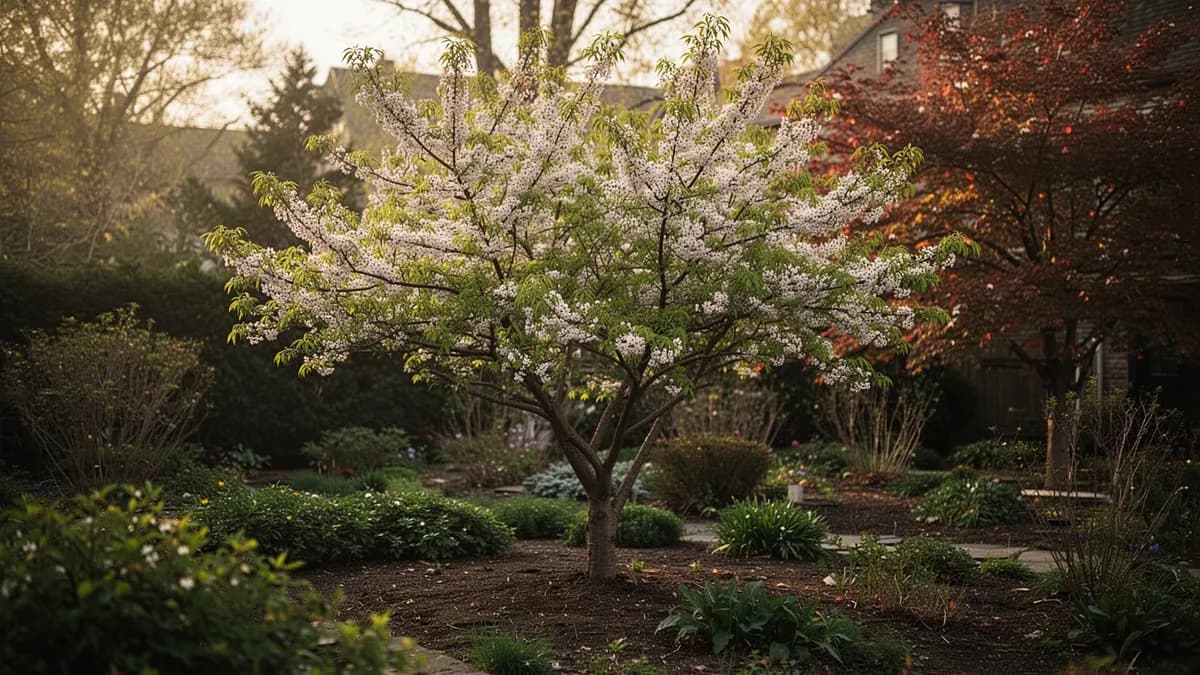
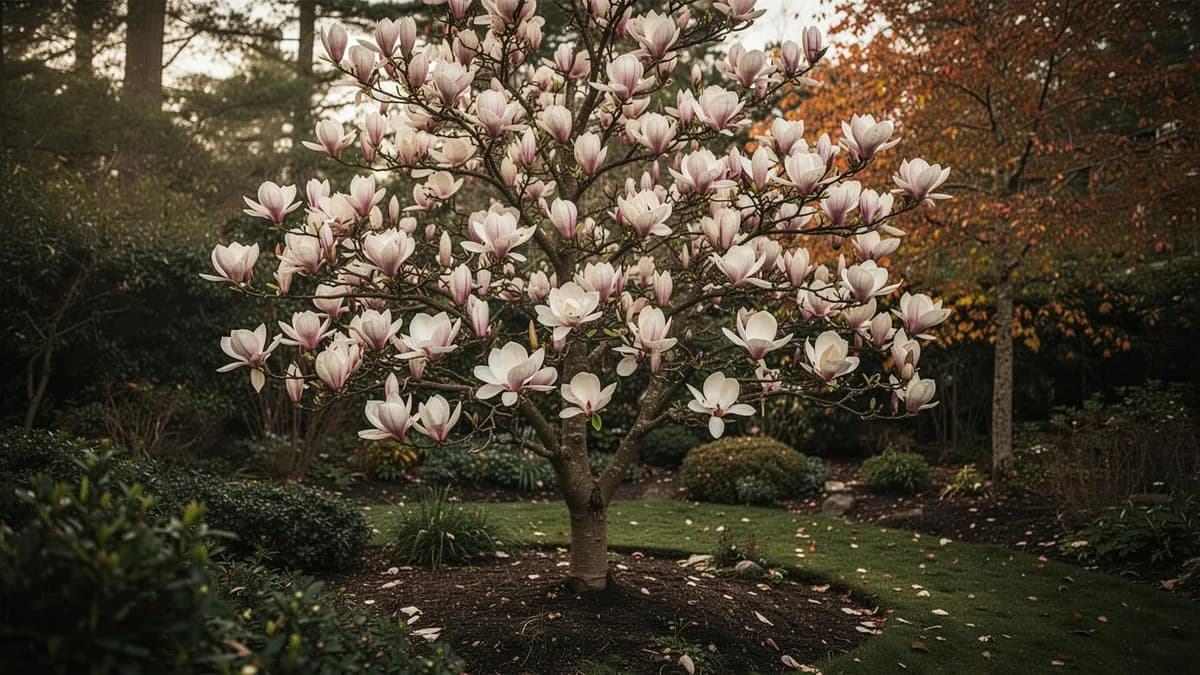
More Ornamental Trees
Keep Flowering Cherry away from these
Grow your best Flowering Cherry yet — and everything around it.
Start a free plan today. Lay out your beds, drop in your Flowering Cherry, and let PlotMyGarden handle the timing, spacing, companions and reminders from seed to harvest basket.