Magnolia Tree
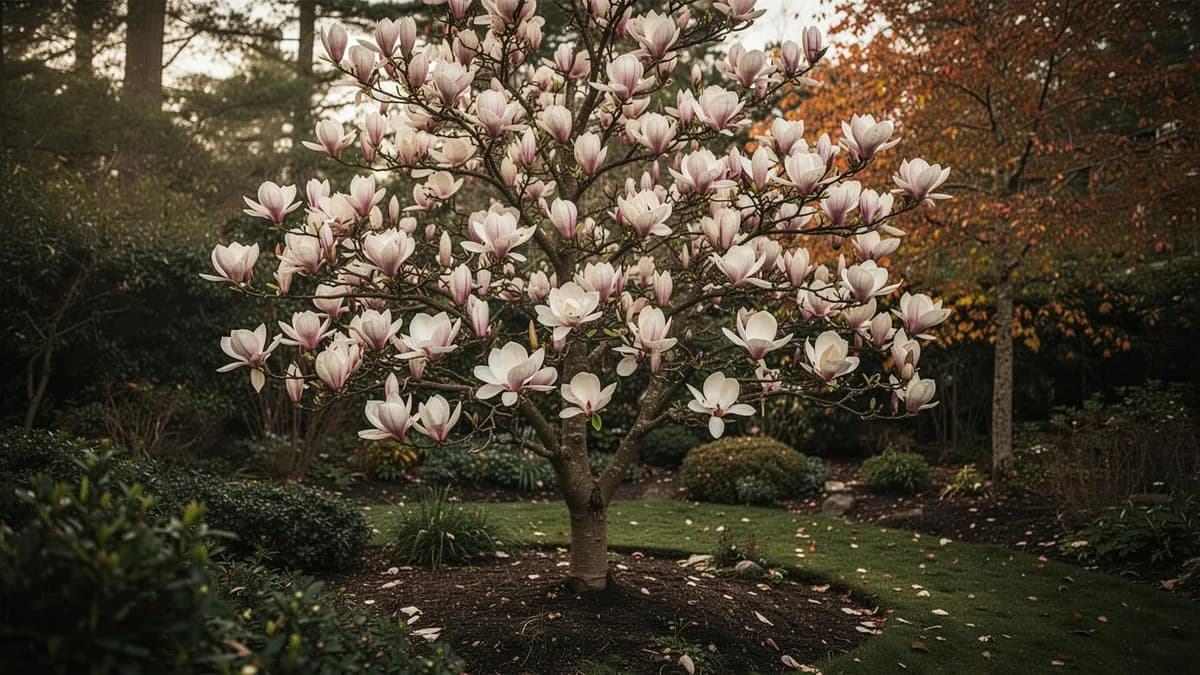
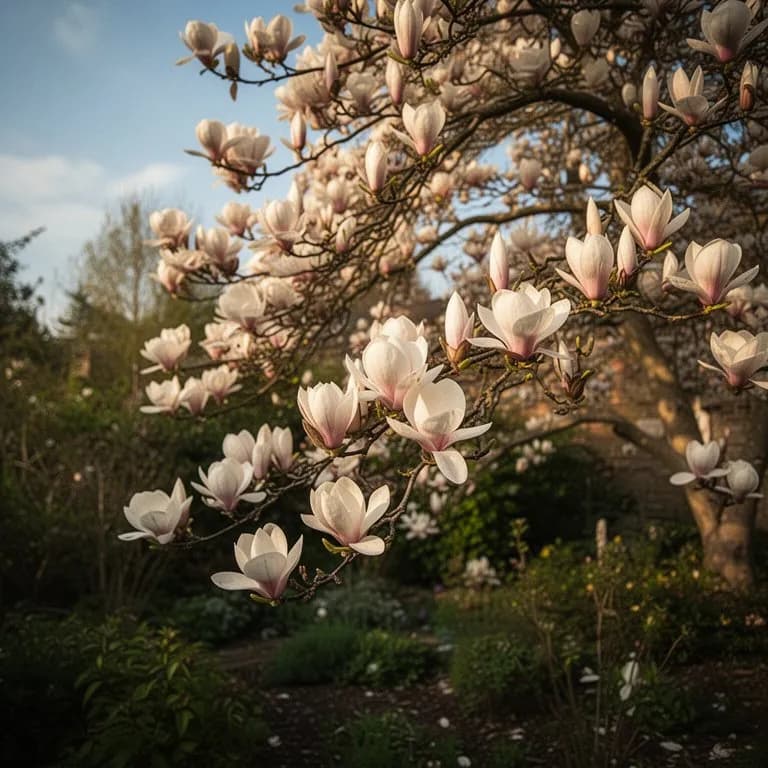
A spectacular deciduous flowering tree producing large, chalice-shaped blooms in shades of pink, white, and purple before the leaves emerge in early spring.





On this pageOverview
Meet Magnolia Tree
A spectacular deciduous flowering tree producing large, chalice-shaped blooms in shades of pink, white, and purple before the leaves emerge in early spring. Saucer magnolias bloom early enough that late frosts frequently damage the flowers in colder regions, so plant in a sheltered location or choose later-blooming varieties. The large, fleshy roots are easily damaged during transplanting, so handle rootballs carefully and avoid root disturbance after planting. Magnolias rarely need pruning and should be left to develop their natural rounded form.
When to plant Magnolia Tree
Saucer magnolia produces cone-like seed clusters that ripen in fall. Collect when the aggregate splits to reveal bright red or orange seeds dangling on threads. Remove the fleshy red seed coat and sow immediately or store briefly in moist peat in the refrigerator. Seeds require 90 to 120 days of cold stratification at 35 to 40 degrees Fahrenheit. Sow half an inch deep in moist, acidic seedling mix in spring. Germination takes 4 to 8 weeks at 65 to 70 degrees. Seedlings are variable and may not resemble the parent tree. Most named cultivars are propagated by grafting onto Magnolia kobus or M. acuminata rootstock.
Your Magnolia Tree Year
Composed for Zone 7 · typical seasons · frost passes Apr 2, returns Nov 1
Plant Magnolia Tree Mar – Apr, pick —. Check the planting methods below and set your climate to personalize these windows.
How to grow Magnolia Tree
Saucer magnolia is a hybrid between Magnolia denudata and Magnolia liliiflora, producing some of the most stunning spring flower displays of any ornamental tree. The large tulip-shaped blooms, reaching 5 to 10 inches across, open before leaves emerge and range from pure white to deep reddish-purple depending on the cultivar. Choose a site with full sun to light shade and well-drained, slightly acidic soil with a pH of 5.5 to 6.5.
The most critical site consideration is frost protection. Saucer magnolias bloom very early, and late frosts can devastate the entire flower display. Plant in a north- or east-facing location to delay bud break, or near a building that provides radiant heat. Avoid south-facing walls that encourage premature flowering. Space trees 20 to 25 feet apart to accommodate the broad, rounded mature canopy.
Plant container-grown specimens in spring. Magnolias have thick, fleshy roots that are easily damaged, so handle root balls carefully and avoid disturbing roots after planting. Water deeply and consistently during the first 2 to 3 years. Mulch with 3 to 4 inches of organic matter. Saucer magnolias rarely need pruning and should be allowed to develop their natural form. If pruning is necessary, do so immediately after flowering to avoid removing next year's flower buds.
Magnolia Tree needs more room than a 4 × 8 ft bed gives
Each Magnolia Tree wants 600 cm of elbow room. The planner keeps that spacing for you — every plant, every bed.
Magnolia Tree's best neighbours
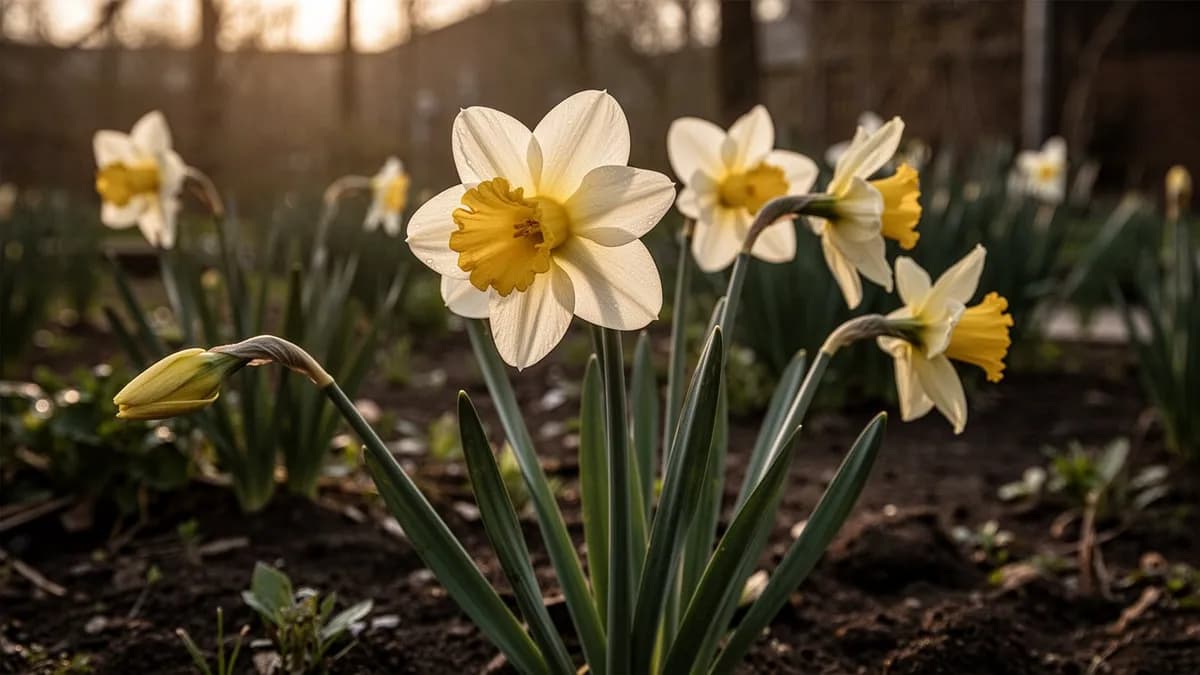
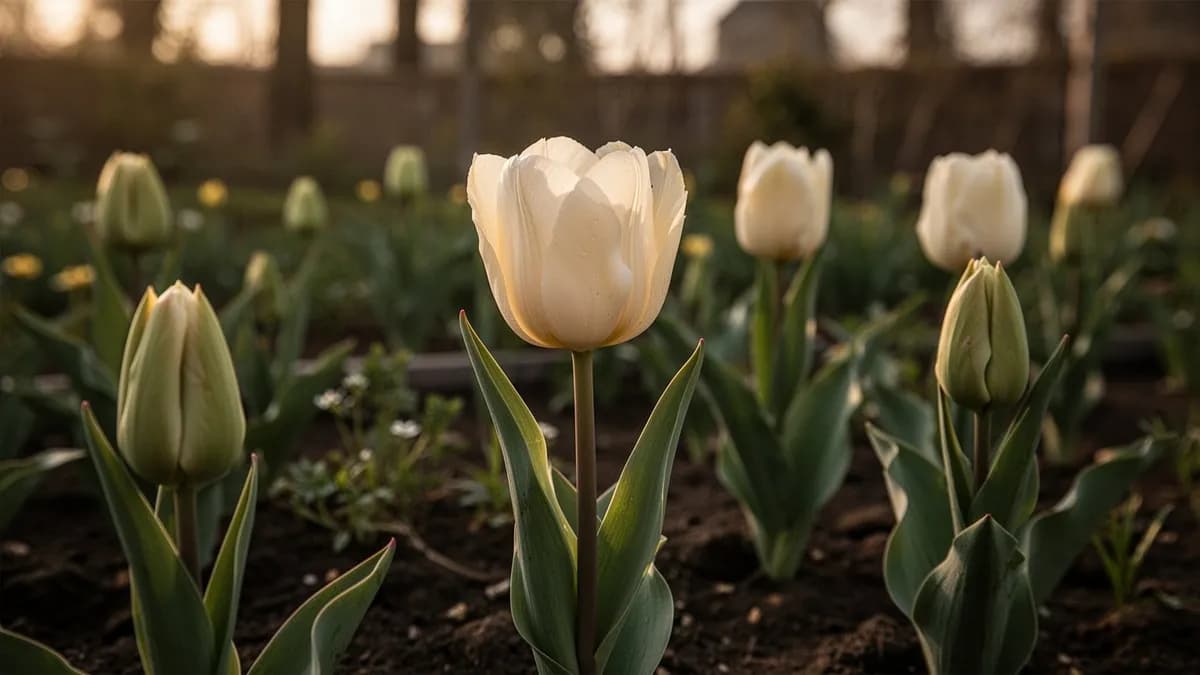
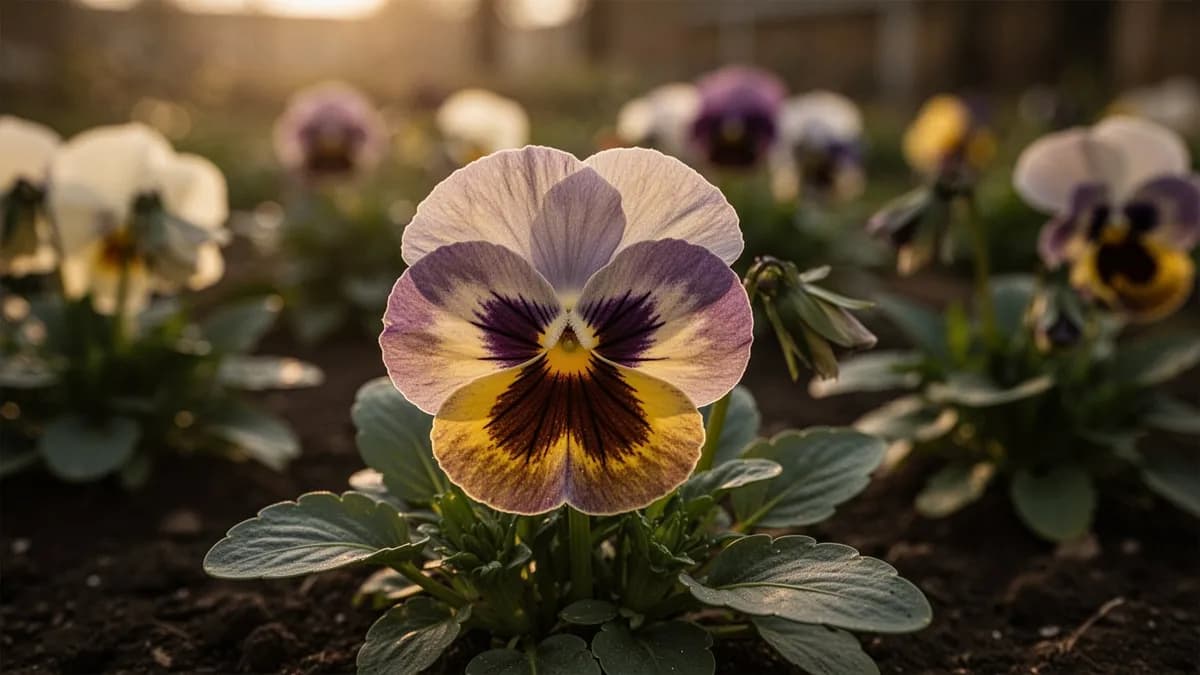
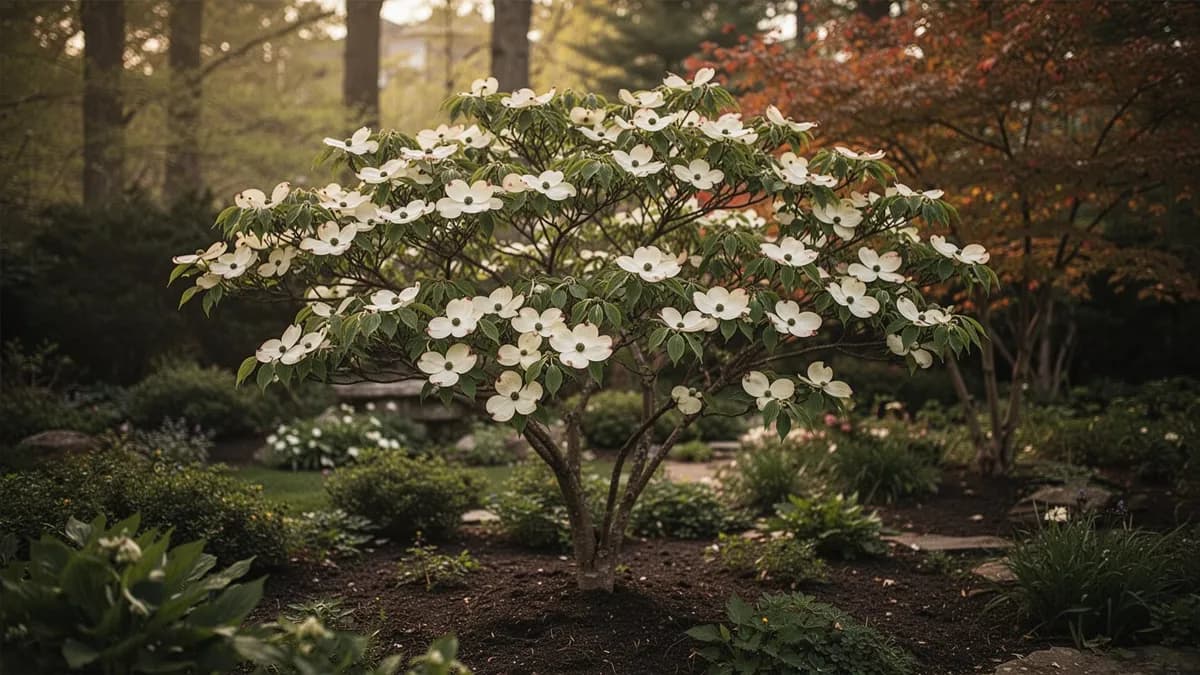
Saucer magnolia's spring flower display is enhanced by complementary underplanting. Spring bulbs including daffodils, grape hyacinths, and crocuses create a carpet of color beneath the flowering canopy. Groundcovers like vinca, pachysandra, and sweet woodruff cover the bare soil and reduce the need for mowing over sensitive surface roots. Azaleas and flowering dogwoods provide sequential bloom with magnolias. Hostas, ferns, and astilbes fill in for summer interest after magnolia flowers have faded.
Daffodil belongs beside it. Walnut Tree doesn't.
Old growers' knowledge, checked against Magnolia Tree's real companion table below — test any plant you're growing.
Try Magnolia Tree in a bed — right here
A real planner bed with Magnolia Tree already in it. Tap a companion to place it and watch the pairing checks answer — green for good neighbours, red for a clash.


Related growing guides
Feed it well
Saucer magnolia prefers well-drained, slightly acidic to neutral soil with a pH of 5.5 to 6.5. It tolerates clay soil if drainage is adequate but cannot survive in waterlogged conditions. Amend heavy soils with organic matter at planting time. The fleshy root system is sensitive to disturbance, so avoid cultivating beneath the canopy. Mulch generously to conserve moisture and protect surface roots. Fertilize in early spring with a balanced slow-release fertilizer or azalea formula. Avoid heavy nitrogen applications that promote vegetative growth at the expense of flowering.
Ideal Temperature
Hardiness Zone Compatibility
From seed to harvest, stage by stage
Dormant / Bare Root Stage
Newly planted bare-root or container magnolia establishes its root system during late autumn or early spring dormancy. Above-ground growth is minimal while roots explore surrounding soil.
Bud Swell and Early Bloom
Fuzzy flower buds swell noticeably in late winter and burst open before leaves appear, typically between late February and April depending on climate zone. Flowers are goblet-shaped, ranging from white to deep pink-purple.
Leaf-Out and Vegetative Growth
After flowering, large obovate leaves unfurl and the tree enters a period of vigorous shoot extension. Young trees can add 12 to 18 inches of new branch length per season during this stage.
Summer Maturation
Growth slows as the tree directs energy into strengthening wood and forming next year's flower buds at branch tips. Cone-like seed aggregates begin developing where flowers were successfully pollinated.
Autumn Colour and Leaf Drop
Leaves turn yellow to bronze-brown before dropping. Seed cones split open to reveal bright red seeds suspended on silky threads, providing food for migrating birds.
Winter Dormancy
The tree enters full dormancy. Smooth grey bark and architectural branching structure provide significant winter garden interest. Fuzzy flower buds are already visible at branch tips, waiting for spring warmth.
Water deeply at planting and apply 3 to 4 inches of mulch in a wide ring around the base, keeping it several inches away from the trunk to prevent rot.
Caring for Magnolia Tree month by month
What to do each month for your Magnolia Tree
October
You are hereRake fallen leaves regularly to prevent fungal disease carry-over into the next growing season.. Plant new magnolia trees while soil is still warm enough for root establishment.. Apply a 3 to 4 inch layer of organic mulch before the first hard frost.
Know exactly what to do in your garden — every month
One email at the start of each month: what to sow, plant, and tackle right now — for your Magnolia Tree and everything growing around it. Plus a short starter course that helps you dodge the classic mistakes.
- What to do, right now
- Matched to your season
- Starter course included
Harvesting Magnolia Tree
Saucer magnolia is grown purely for ornamental value. The large, dramatic flowers can be cut for stunning indoor arrangements when buds are showing color but have not fully opened. Cut stems in early morning and condition in warm water for several hours before arranging. Individual flowers float beautifully in shallow bowls for tabletop displays. The cone-like seed clusters that appear in fall can be collected for propagation or dried for decorative use.
assuming you plant when the window opens — set your real date
Pick Magnolia Tree promptly and the plant keeps producing.
Storage & Preservation
Cut magnolia blooms are short-lived, lasting 2 to 4 days in water indoors. Refrigerate cut branches at 35 to 40 degrees Fahrenheit to extend their display life. Individual petals can be pressed between paper in heavy books for botanical crafts, retaining some color for several months. Seed pods can be dried on screens for fall decorating. Fresh petals have been used in traditional cuisines to garnish salads and infuse syrups, though saucer magnolia is primarily ornamental.
What goes wrong — and the fix
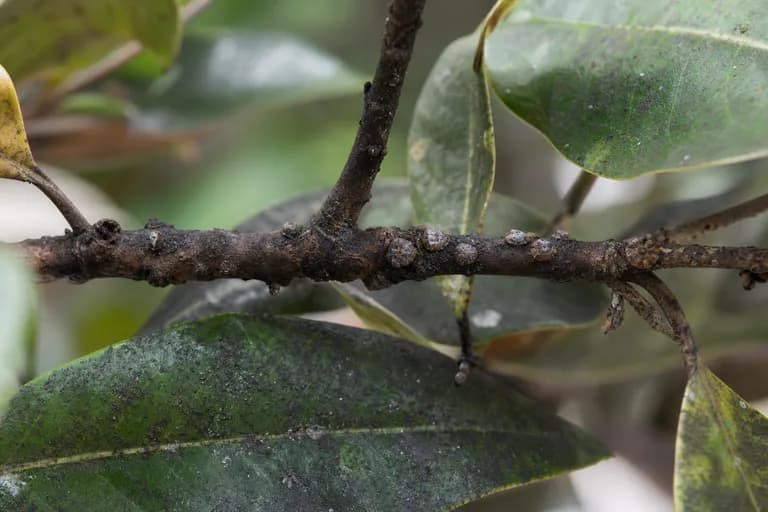
Magnolia Scale
PestLarge, bumpy brown scales on branches that secrete honeydew, leading to sooty mold. Heavy infestations cause branch dieback and reduced vigor.
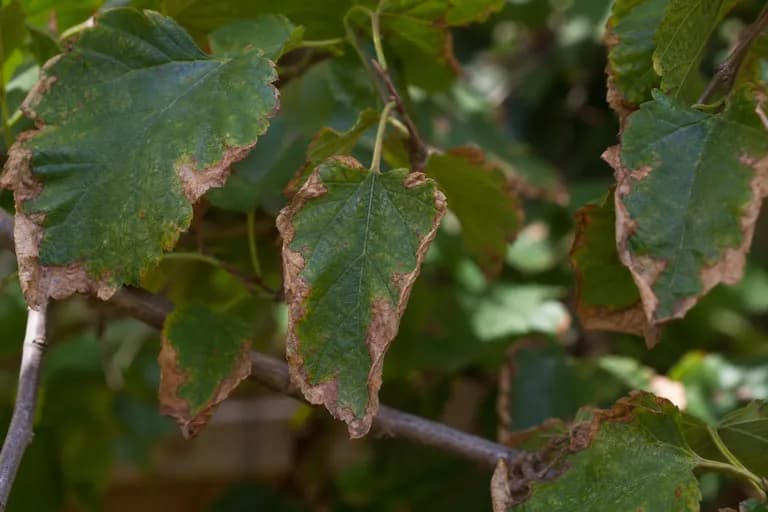
Bacterial Leaf Scorch
DiseaseBrown leaf margins with a yellow halo that progresses inward. Symptoms worsen annually, with individual branches dying back over several years. Spread by leafhoppers and spittlebugs.
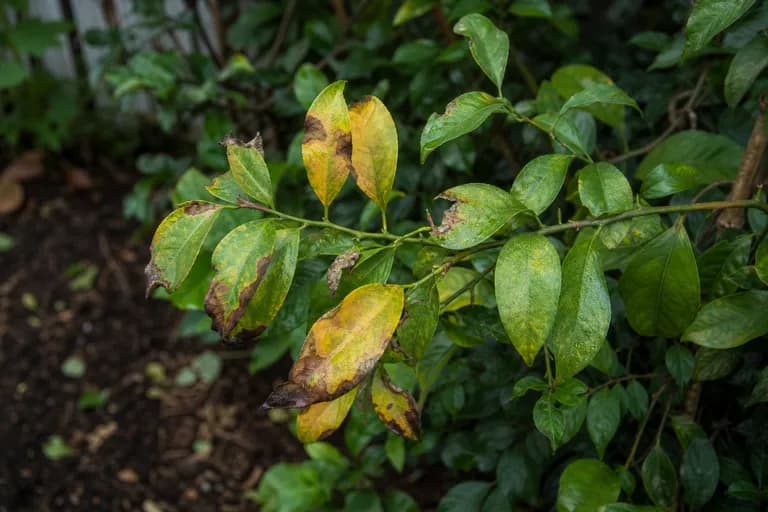
Verticillium Wilt
DiseaseSudden wilting and browning of leaves on individual branches or one side of the tree. Internal wood shows olive-brown streaking when cut. Can kill branches or entire trees.
Troubleshooting Common Problems
Late spring frost damage to flowers is the most common and frustrating problem, turning the stunning blooms to brown mush overnight. Planting on a north-facing slope or near a building with thermal mass helps. The thick, fleshy roots are extremely sensitive to disturbance; grade changes, trenching, and soil compaction near the root zone can cause rapid decline. Magnolia scale can become severe in humid climates. Leaf scorch occurs during hot, dry summers, especially on recently transplanted trees. Surface roots can make mowing beneath the tree difficult.
Growing Tips
- Plant saucer magnolias in a location sheltered from strong north and east winds to protect early spring blooms from frost damage and petal bruising.
- Choose a site with well-drained, slightly acidic soil with a pH between 5.5 and 6.5; amend alkaline soils with sulphur or peat moss before planting.
- Water newly planted trees deeply twice per week for the first two growing seasons to establish a strong root system before reducing to weekly irrigation.
- Apply 3 to 4 inches of organic mulch such as shredded bark or pine needles in a wide circle around the tree, keeping mulch several inches away from the trunk.
- Avoid planting in low-lying frost pockets where cold air collects, as late frosts will damage or destroy flower buds that have already begun to open.
- Prune only immediately after flowering finishes in late spring, since magnolias set next year's flower buds during summer and winter pruning removes future blooms.
- Fertilise once per year in late spring with a slow-release fertiliser formulated for acid-loving plants such as rhododendrons or azaleas.
- Avoid digging, tilling, or planting aggressively beneath the canopy, as magnolias have shallow, fleshy roots that are easily damaged and slow to recover from injury.
- If leaf chlorosis appears (yellow leaves with green veins), apply chelated iron or lower soil pH with aluminium sulphate to improve iron availability.
- Be patient with young trees — saucer magnolias may take 3 to 5 years after planting to produce their first significant flush of flowers.
Grow your best Magnolia Tree yet — and everything around it.
Start a free plan today. Lay out your beds, drop in your Magnolia Tree, and let PlotMyGarden handle the timing, spacing, companions and reminders from seed to harvest basket.
Pick your Magnolia Tree
Alexandrina
Large deep rose-purple flowers with white interiors. One of the earliest bloomers, opening before other saucer magnolias. Vigorous grower reaching 25 feet tall.
Brozzonii
The largest-flowered saucer magnolia with pure white blooms flushed light purple at the base. Later-blooming than most, reducing frost damage risk. Grows to 25 to 30 feet.
Rustica Rubra
Deep rose-red cup-shaped flowers are among the darkest of the saucer magnolias. Compact growth habit to 20 feet. Later-blooming selection with good frost avoidance.
Lennei
Dark purple-rose exterior with white interior petals. Very large, thick-petaled flowers that are more weather-resistant than thinner-petaled types. Blooms later, avoiding frost.
A mature saucer magnolia positioned strategically on the south or west side of a home can reduce summer cooling costs by 10 to 20 percent through natural shading. As an ornamental specimen, it significantly increases property value — real estate studies suggest well-maintained flowering trees can add 7 to 15 percent to a home's curb appeal and appraised value. A single nursery tree costing $50 to $150 can be worth thousands of dollars in landscape value within 10 to 15 years.
Quick recipes
Magnolia Petal Syrup
30 minutes plus overnight steepingA fragrant floral syrup made from fresh magnolia petals, suitable for drizzling over pancakes, stirring into cocktails, or flavouring lemonade. Use only petals you are certain have not been treated with pesticides.
4 ingredientsMagnolia Petal Tea
10 minutesA delicate, lightly floral herbal tea brewed from dried or fresh magnolia petals. This caffeine-free infusion has a subtle sweet taste and a calming aroma reminiscent of spring gardens.
4 ingredientsPickled Magnolia Petals
20 minutes plus 1 week pickling timeA unique condiment that preserves the floral fragrance of magnolia blossoms in a sweet-tangy brine. Use as a garnish for salads, cheese boards, or desserts.
5 ingredientsWhat's inside
Health Benefits
- Magnolia bark extract from related species contains honokiol and magnolol, two compounds studied for their potential anti-anxiety and stress-reducing properties.
- Traditional Chinese medicine has used magnolia bark and flower buds for centuries to help relieve nasal congestion and sinus pressure.
- Spending time near flowering magnolia trees in spring has been associated with improved mood and reduced stress, contributing to the well-documented mental health benefits of garden environments.
- Magnolia trees improve local air quality by absorbing carbon dioxide and releasing oxygen, with a mature specimen processing significant volumes of air each growing season.
- The dense canopy of a mature saucer magnolia provides natural shade that can reduce ambient temperatures by several degrees, lowering heat-related health risks in summer.
- Research on magnolol, a compound found in magnolia bark, suggests potential anti-inflammatory effects, though saucer magnolia is not used as a medicinal source commercially.
Where Magnolia Tree comes from
The saucer magnolia (Magnolia × soulangeana) is a hybrid between the Chinese yulan magnolia (Magnolia denudata) and the purple lily magnolia (Magnolia liliiflora), both native to eastern and central China. The cross was first achieved in 1820 at the Fromont nursery near Paris by Étienne Soulange-Bodin, a former cavalry officer in Napoleon's army who turned to horticulture after the devastation of the Napoleonic Wars. He reportedly declared that the world would be better served by planting flowers than by fighting battles. The resulting hybrid combined the large, upright white flowers of M. denudata with the compact habit and rich purple colouring of M. liliiflora, producing a tree with spectacular goblet-shaped blooms in shades of pink, purple, and white. The saucer magnolia quickly became one of the most popular ornamental trees in Europe and was introduced to North America in the mid-19th century, where it thrived across USDA hardiness zones 4 through 9. Its parent species have their own long histories in Chinese culture: M. denudata has been cultivated in Chinese temple gardens for over 1,400 years and was regarded as a symbol of purity by the Tang dynasty, while M. liliiflora was a staple of traditional courtyard gardens. Today more than 100 cultivars of Magnolia × soulangeana have been registered, including popular selections such as 'Alexandrina', 'Lennei', 'Rustica Rubra', and 'Brozzonii'. The tree has become an enduring symbol of early spring in parks, botanical gardens, and residential landscapes throughout the temperate world, admired for its ability to produce masses of large flowers on bare branches when little else is in bloom.
Magnolia Tree: did you know?
Fascinating facts about Magnolia Tree
Magnolias are among the most ancient flowering plants on Earth, with fossil records dating back over 95 million years — they evolved before bees existed and were originally pollinated by beetles.
Magnolia Tree questions, answered
When should I plant Magnolia Tree?
What are good companion plants for Magnolia Tree?
What hardiness zones can Magnolia Tree grow in?
How much sun does Magnolia Tree need?
How far apart should I space Magnolia Tree?
What pests and diseases affect Magnolia Tree?
How do I store Magnolia Tree after harvest?
What are the best Magnolia Tree varieties to grow?
What soil does Magnolia Tree need?
Why did my saucer magnolia not bloom this spring?
When is the best time to plant a saucer magnolia?
How large does a saucer magnolia get at maturity?
Can I grow a saucer magnolia in a container?
What are the brown bumps on my magnolia branches?
Is saucer magnolia messy? Will it cause problems near a patio or driveway?
You just read the theory. Now grow it on autopilot.
Everything that makes Magnolia Tree fiddly — the timing, the spacing, the companions, the harvest window — is exactly what PlotMyGarden handles for you, for every plant in your garden.
A plan that knows your weather
Set your location once. Get sow, feed and harvest dates built around your real last-frost date and live forecast — no more guessing from a generic seed packet.
From the “When to plant” sectionDrag-and-drop bed planner
Design beds on a grid. Every plant snaps to its proper spacing, and you can see your whole season laid out before you spend a cent on seed.
From the “Growing guide” sectionCompanion conflicts, caught early
200+ good-and-bad pairings checked live as you plant — so a season-wrecking mistake never makes it into the ground.
From the “Companions” sectionReminders you'll actually act on
“Water the beans.” “Pick today before it turns.” Timely, specific, and tied to the plants you're really growing.
From the “Harvest” sectionSuccession, scheduled
Want a harvest for six weeks, not six days? It spaces your sowings automatically and reminds you when each new block is due.
From the “When to plant” sectionA record that gets smarter
Every harvest you log teaches it your garden. Next year's plan starts from what actually worked in your soil, not a textbook's.
From the “Overview” sectionPlant these alongside Magnolia Tree
More Ornamental Trees
Keep Magnolia Tree away from these
Grow your best Magnolia Tree yet — and everything around it.
Start a free plan today. Lay out your beds, drop in your Magnolia Tree, and let PlotMyGarden handle the timing, spacing, companions and reminders from seed to harvest basket.