Japanischer Ahorn
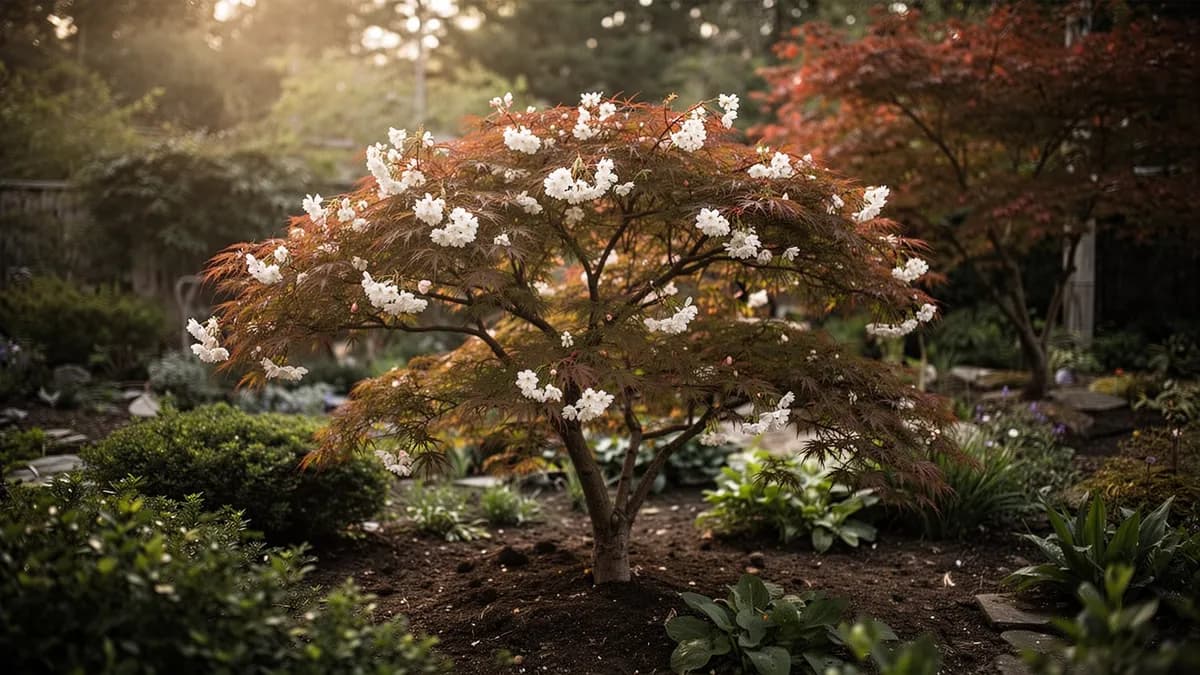
Der raffinierteste und eleganteste kleine Zierbaum, erhältlich in Hunderten von Sorten mit tief eingeschnittenen Blättern in Grün-, Rot-, Violett- und panaschierten Mustern.





Auf dieser SeiteÜberblick
Japanischer Ahorn im Überblick
Der raffinierteste und eleganteste kleine Zierbaum, erhältlich in Hunderten von Sorten mit tief eingeschnittenen Blättern in Grün-, Rot-, Violett- und panaschierten Mustern. Japanische Ahorne bevorzugen gefleckten Schatten, geschützt vor heißer Nachmittagssonne und Wind, die ihr zartes Laub verbrennen können. Sie wachsen langsam zu anmutigen, geschichteten Exemplaren heran, die perfekt für asiatisch inspirierte Gärten, Innenhöfe und Kübelbepflanzung geeignet sind. Sorgen Sie für feuchten, gut durchlässigen, sauren Boden und eine dicke Mulchschicht zum Schutz ihres flachen Wurzelsystems.
Wann Japanischer Ahorn pflanzen
Japanische Ahornsamen bilden paarige geflügelte Flügelfrüchte, die im Herbst reifen. Sammeln Sie die Flügelfrüchte, wenn sie am Baum braun und trocken werden. Entfernen Sie den Flügel und weichen Sie die Samen 24 Stunden in Wasser ein. Stratifizieren Sie kalt in feuchtem Torf bei 1 bis 4 Grad Celsius für 90 bis 120 Tage. Säen Sie stratifizierte Samen einen halben Zentimeter tief in feuchte, saure Aussaaterde im Frühling. Die Keimung erfolgt in 2 bis 4 Wochen bei 18 bis 21 Grad. Sämlinge sind aus Samen sehr variabel und werden die Eigenschaften benannter Sorten nicht replizieren. Ziehen Sie Sämlinge im Halbschatten mit gleichmäßiger Feuchtigkeit auf. Benannte Sorten werden durch Veredelung auf Wildlingsunterlagen vermehrt, typischerweise von Spezialgärtnereien durchgeführt.
Dein Japanischer Ahorn-Jahr
Abgestimmt auf Zone 7 · typische Saison · Frost geht um den 2. Apr. und kehrt um den 1. Nov. zurück
Japanischer Ahorn Mär – Apr, Okt – Nov pflanzen, — ernten. Beachte die Pflanzmethoden unten und wähle dein Klima für passende Zeiträume.
So baust du Japanischer Ahorn an
Der Japanische Ahorn wird von vielen als der schönste kleine Zierbaum der Welt angesehen, mit Hunderten von Sorten, die eine außergewöhnliche Vielfalt in Blattform, Farbe, Größe und Wuchsform bieten. Die Standortwahl ist entscheidend: Wählen Sie einen Platz mit Morgensonne und Nachmittagsschatten oder gleichmäßigem, gefiltertem Licht. Heiße Nachmittagssonne und austrocknende Winde verursachen Blattverbrennungen, die häufigste Beschwerde bei Japanischen Ahornen. Sorgen Sie für feuchten, gut durchlässigen, sauren Boden mit einem pH-Wert von 5,5 bis 6,5.
Pflanzen Sie Containerexemplare im Frühling oder frühen Herbst. Japanische Ahorne sind flachwurzelnd und vertragen kein tiefes Pflanzen. Setzen Sie den Wurzelballen auf Bodenniveau oder leicht erhöht. Graben Sie das Pflanzloch 2- bis 3-mal breiter als den Wurzelballen. Füllen Sie mit dem Aushub auf, leicht mit Kompost angereichert. Gießen Sie nach dem Pflanzen gründlich und halten Sie während der gesamten Vegetationsperiode eine gleichmäßige Feuchtigkeit aufrecht, besonders in den ersten 3 Jahren.
Mulchen Sie mit 3 bis 4 Zoll organischem Material wie Kiefernrinde oder kompostierten Blättern bis zur Trauflinie. Häufen Sie niemals Mulch gegen den Stamm auf. Japanische Ahorne müssen selten geschnitten werden; ihr natürlicher Wuchs ist ihr größter Vorzug. Wenn ein Auslichten gewünscht wird, schneiden Sie im Spätwinter, um die Aststruktur freizulegen, oder im Hochsommer, wenn der Saftfluss minimal ist. Japanische Ahorne eignen sich hervorragend als Kübelpflanzen; verwenden Sie eine gut durchlässige Mischung und schützen Sie den Topf im Winter vor Frost.
Für Japanischer Ahorn ist ein Beet von 120 × 240 cm zu klein
Japanischer Ahorn braucht 400 cm Platz pro Pflanze. Der Planer hält diesen Abstand für dich ein — jede Pflanze, jedes Beet.
Die besten Nachbarn für Japanischer Ahorn
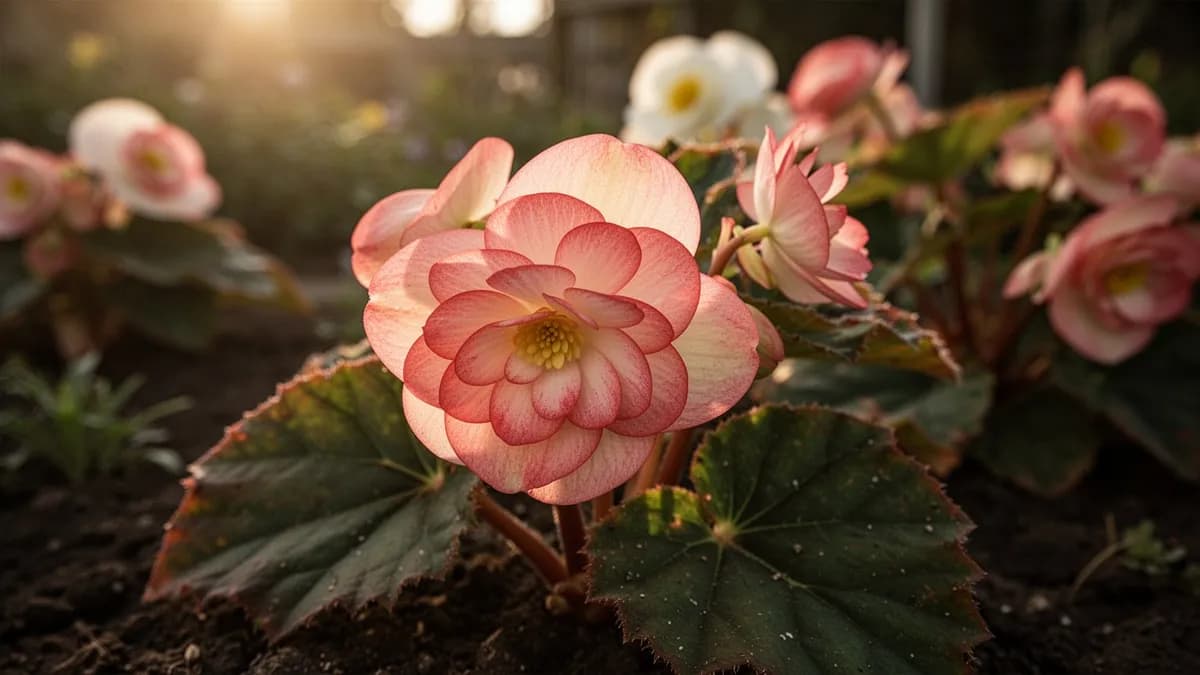
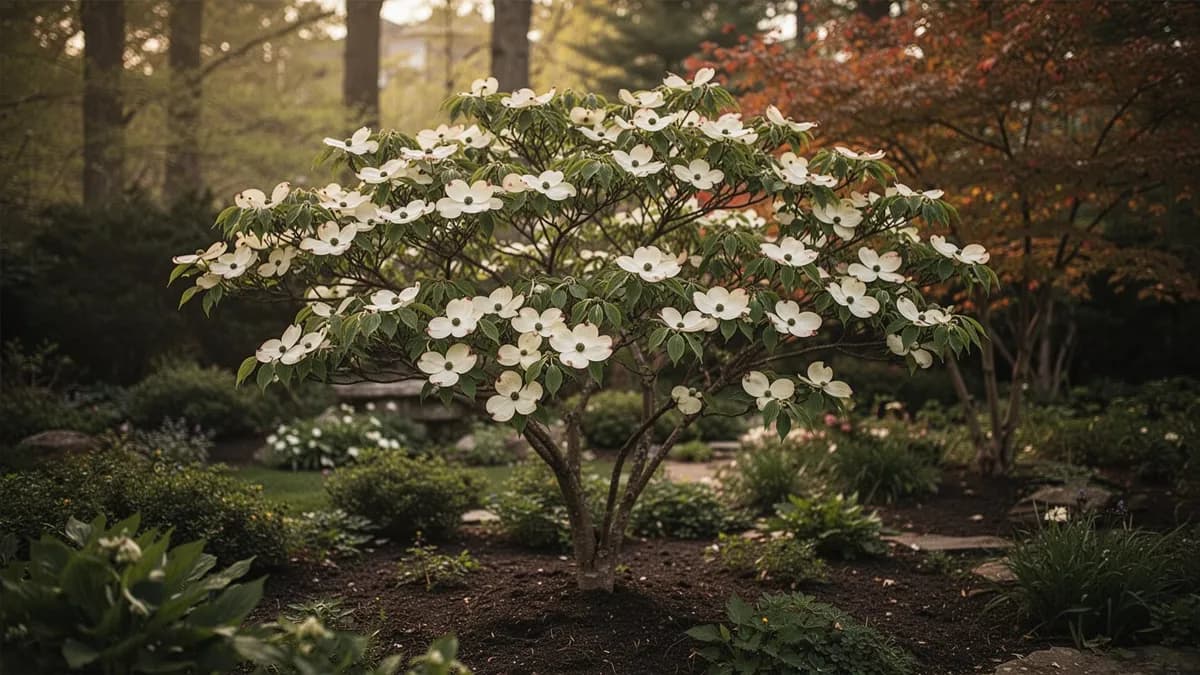
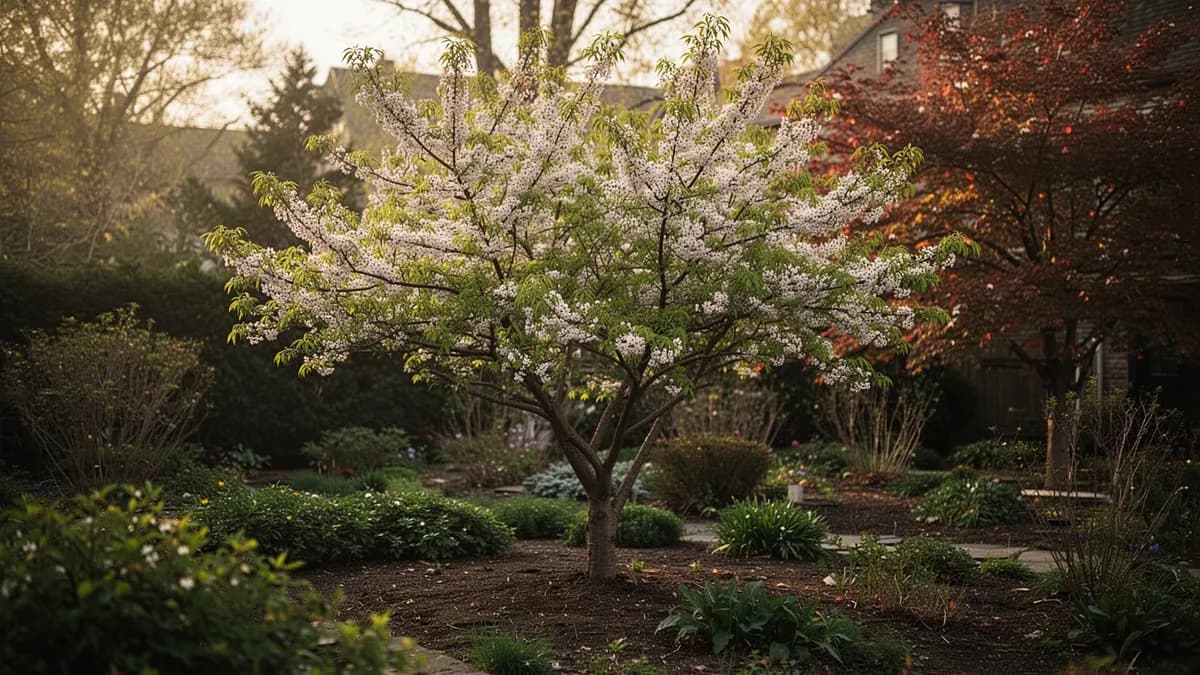
Japanische Ahorne sind das Herzstück japanisch inspirierter Gärten und passen wunderbar zu anderen asiatischen Gartenpflanzen. Unterpflanzen Sie mit Funkien, Japanischem Waldgras (Hakonechloa), Farnen und Astilben für geschichtetes Texturinteresse. Azaleen, Rhododendren und Pieris teilen dieselben Boden- und Lichtvorlieben. Moose schaffen einen authentischen japanischen Gartenboden unter Ahornen. Frühlingsblüher wie Krokusse und Miniaturnarzissen sorgen für frühe Farbe. Japanische Schwertlilien, Seggen und Ziergräser ergänzen die verfeinerte Form des Ahorns in Wassernähe.
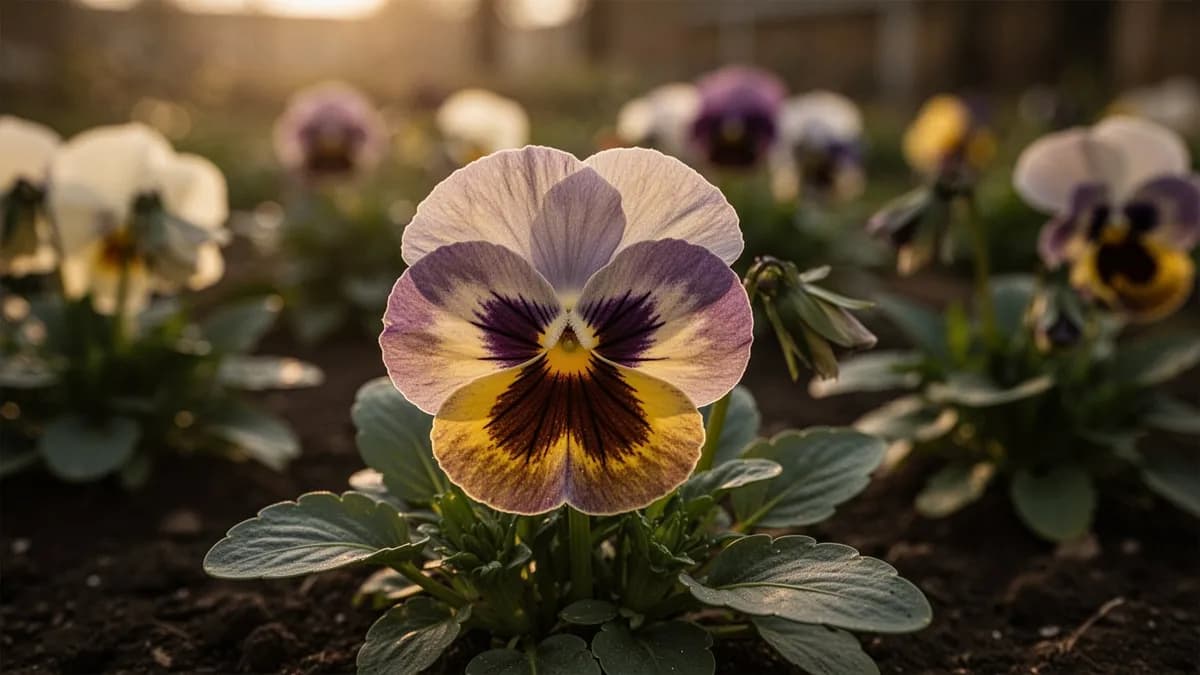
Stiefmütterchen gehört daneben. Walnussbaum nicht.
Altes Gärtnerwissen, geprüft an der echten Nachbartabelle von Japanischer Ahorn — teste jede Pflanze, die du anbaust.
Probiere Japanischer Ahorn direkt hier im Beet
Ein echtes Planer-Beet, Japanischer Ahorn steht schon drin. Tippe einen Begleiter an, platziere ihn und sieh, wie die Nachbarschaftsprüfung antwortet — grün für gute Nachbarn, rot bei Streit.


Passende Anbau-Ratgeber
Richtig düngen
Der Japanische Ahorn benötigt feuchten, gut durchlässigen, sauren Boden mit einem pH-Wert von 5,5 bis 6,5 und hohem Gehalt an organischer Substanz. Schwerer Lehm muss mit Kompost, Kiefernrinde und Perlit verbessert werden, um die Drainage zu fördern. Für die Kübelhaltung verwenden Sie eine hochwertige Blumenerde mit zusätzlicher Kiefernrinde für Drainage und Säuregehalt. Düngen Sie im zeitigen Frühling leicht mit einem organischen oder Langzeit-säuernden Dünger in halber empfohlener Dosierung. Überdüngung verursacht übermäßiges Wachstum, das anfällig für Winterschäden und Blattverbrennungen ist. Düngen Sie nicht nach Mitte des Sommers. Mulchen Sie großzügig mit organischem Material, um Bodenfeuchtigkeit und Säuregehalt zu erhalten.
Ideale Temperatur
Winterhärtezone-Kompatibilität
Von der Saat zur Ernte, Schritt für Schritt
Samenstratifikation & Keimung
Japanische Ahornsamen (Flügelfrüchte) benötigen eine Kaltschichtung von 90–120 Tagen bei 1–5 °C, um die Keimruhe zu brechen. Die Samen werden im Herbst von geflügelten Flügelfrüchten gesammelt. Nach der Stratifikation keimen die Samen in feuchtem, gut durchlässigem Boden, sobald die Frühlingstemperaturen 10–15 °C erreichen. Die Keimung ist im Vergleich zu vielen Gartenpflanzen langsam und unregelmäßig.
Sämlingsetablierung
Sämlinge erscheinen mit zwei gerundeten Keimblättern, gefolgt vom ersten Satz echter Blätter, die bereits die charakteristische handförmige Form zeigen. In dieser Phase entwickelt der Sämling sein anfängliches Wurzelsystem und bildet mehrere Blattpaare. Das Wachstum ist mäßig und erreicht im ersten Jahr 10–20 cm. Sämlinge sind sehr empfindlich gegenüber direkter Sonneneinstrahlung und austrocknenden Winden.
Jugendwachstum
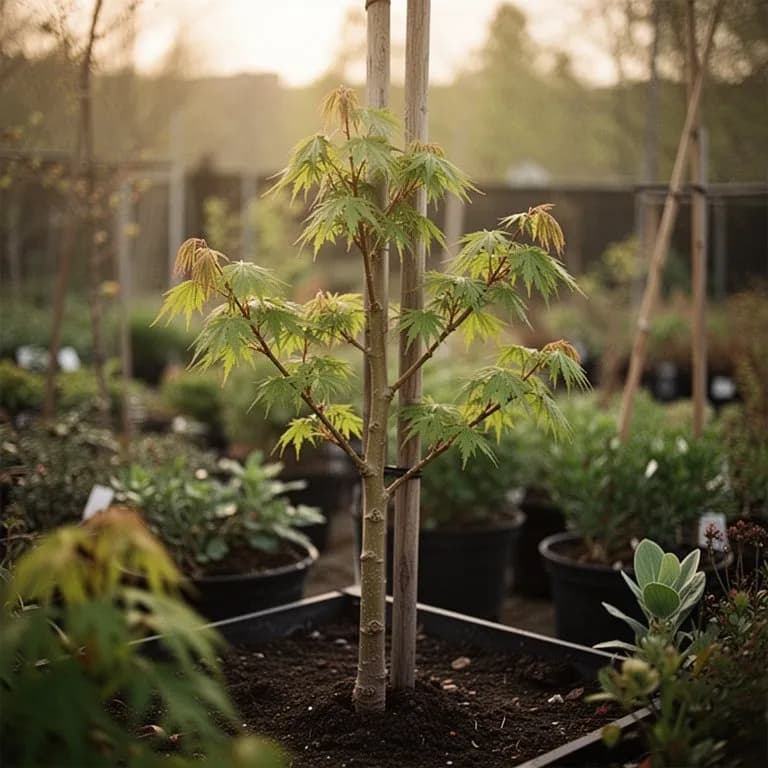
Im zweiten und dritten Jahr entwickelt der junge Baum einen kräftigeren Stamm, eine definiertere Verzweigungsstruktur und ein Wurzelsystem, das weit über die Trauflinie hinausreicht. Ein jährliches Wachstum von 30–60 cm ist typisch. Blattform und Färbung beginnen, die Sorteneigenschaften deutlicher widerzuspiegeln. Der Baum kann am Ende dieser Phase 60–120 cm Höhe erreichen.
Heranreifung zum Jungbaum
Zwischen dem dritten und siebten Jahr entwickelt der Japanische Ahorn seine charakteristische Kronenform, ob aufrecht, ausladend oder hängend, je nach Sorte. Das jährliche Wachstum verlangsamt sich leicht auf 20–40 cm, da der Baum Energie in die Astverdickung und Wurzelausdehnung investiert. Die Herbstfärbung wird von Jahr zu Jahr leuchtender. Die Rinde beginnt, ihre reife, glatte, graugrüne Textur zu zeigen.
Ausgewachsenes Exemplar
Nach sieben bis zehn Jahren erreicht der Japanische Ahorn seine endgültige Größe, typischerweise 4–8 Meter hoch bei aufrechten Sorten oder 1,5–3 Meter bei Zwerg- und Hängeformen. Das Wachstum verlangsamt sich auf 10–20 cm pro Jahr. Der Baum produziert jeden Herbst Flügelfrüchte (geflügelte Samen). Die Krone erreicht ihren vollen dekorativen Charakter und bietet geschichtete Verzweigung und herausragende jahreszeitliche Farbwechsel von Frühling bis Herbst.
Etablierter Altbaum
Japanische Ahorne sind langlebige Bäume, die bei richtiger Standortwahl weit über 100 Jahre gedeihen können. Uralte Exemplare in Japan gelten als Nationalschätze. Mit zunehmendem Alter entwickelt der Stamm Charakter mit leichter Furchung und Flechten. Die Verzweigungsstruktur wird zunehmend kunstvoll und verfeinert. Sehr alte Bäume können unter günstigen Bedingungen 10–15 Meter erreichen und weiterhin spektakuläre jahreszeitliche Farbschauspiele bieten.
Sammeln Sie Flügelfrüchte, wenn sie im Herbst braun werden. Legen Sie die Samen in eine feuchte Torf-Perlit-Mischung in einem verschlossenen Beutel und stellen Sie sie 90–120 Tage in den Kühlschrank. Säen Sie stratifizierte Samen im zeitigen Frühling 6 mm tief in eine sterile Aussaaterde und halten Sie sie gleichmäßig feucht.
Japanischer Ahorn Monat für Monat pflegen
Was du jeden Monat für deine Japanischer Ahorn tun solltest
Oktober
Aktueller MonatGenießen Sie die Herbstfarbenpracht in voller Pracht. Lassen Sie abgefallene Blätter als natürlichen Mulch liegen oder kompostieren Sie sie. Vermeiden Sie Schnittmaßnahmen während des aktiven Laubfalls, da Wunden schlecht heilen. Beginnen Sie, den Winterschutz für junge oder exponierte Bäume in kalten Klimazonen vorzubereiten.
Immer wissen, was jetzt im Garten zu tun ist
Eine E-Mail zum Monatsanfang: was du jetzt säen, pflanzen und anpacken solltest — für deine Japanischer Ahorn und alles, was drumherum wächst. Dazu ein kurzer Startkurs, der dich vor den klassischen Fehlern bewahrt.
- Was jetzt zu tun ist
- Passend zu deiner Saison
- Startkurs inklusive
Japanischer Ahorn ernten
Der Japanische Ahorn wird nicht zur Nahrungsernte angebaut. Sein Wert ist ausschließlich dekorativ, obwohl die Samen (Flügelfrüchte) technisch essbar sind, wenn sie zum Entfernen von Gerbstoffen gekocht werden, wie es in Japan historisch während Hungersnöten praktiziert wurde. Die primäre Ernte von Japanischen Ahornen ist ästhetischer Natur: das atemberaubende Herbstlaub in Schattierungen von Karmesinrot, Scharlach, Gold und Orange ist weltbekannt. Äste mit farbenfrohem Herbstlaub können für Innendekorationen geschnitten werden. In der japanischen Tradition werden gefallene Herbstblätter für Kunstzwecke gesammelt und gepresst.
angenommen, du pflanzt zu Beginn des Zeitraums — trage dein tatsächliches Datum ein
Ernte Japanischer Ahorn zügig, dann trägt die Pflanze weiter.
Lagerung & Konservierung
Geschnittene Äste des Japanischen Ahorns mit Herbstfärbung halten sich 5 bis 7 Tage in Wasser im Innenbereich. Um einzelne Blätter zu konservieren, pressen Sie sie zwischen Wachspapierbögen mit einem warmen Bügeleisen, oder legen Sie sie zwischen saugfähiges Papier in schwere Bücher für 2 bis 3 Wochen. Gepresste Blätter behalten ihre Farbe monatelang und werden für Basteleien, Karten und botanische Kunst verwendet. Glycerin-Konservierung, erreicht durch Aufstellen geschnittener Äste in einer Mischung aus einem Teil Glycerin und zwei Teilen warmem Wasser über mehrere Wochen, erzeugt geschmeidiges, langlebiges Laub, das natürliche Farbtöne behält.
Was schiefgeht — und die Lösung
Verticillium-Welke
KrankheitPlötzliches Welken und Bräunen der Blätter an einzelnen Ästen, oft auf einer Seite des Baumes. Betroffene Äste können beim Aufschneiden olivbraune Streifen im Splintholz zeigen. Kann Äste oder ganze Bäume abtöten.
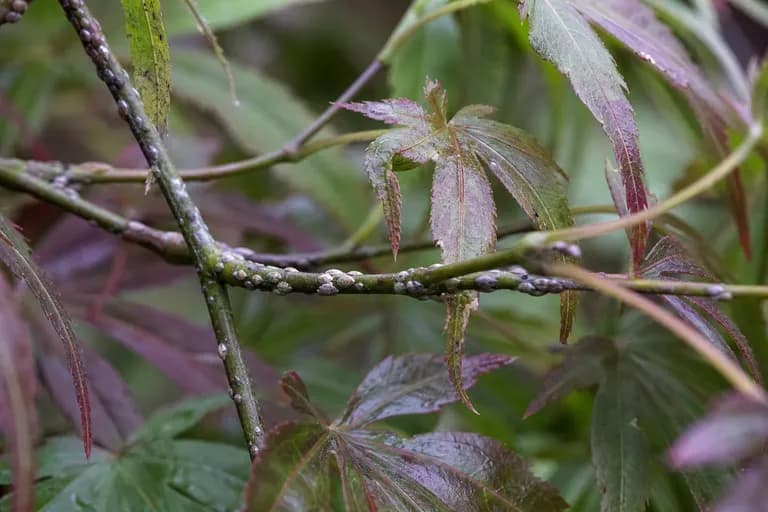
Japanische Ahorn-Schildlaus
SchädlingWinzige weiße bis blassviolette ovale Schildläuse an Ästen und Zweigen. Starker Befall verursacht Zweigabsterben und verminderte Vitalität. Der Baum kann mit der Zeit eine spärliche, dünne Krone entwickeln.
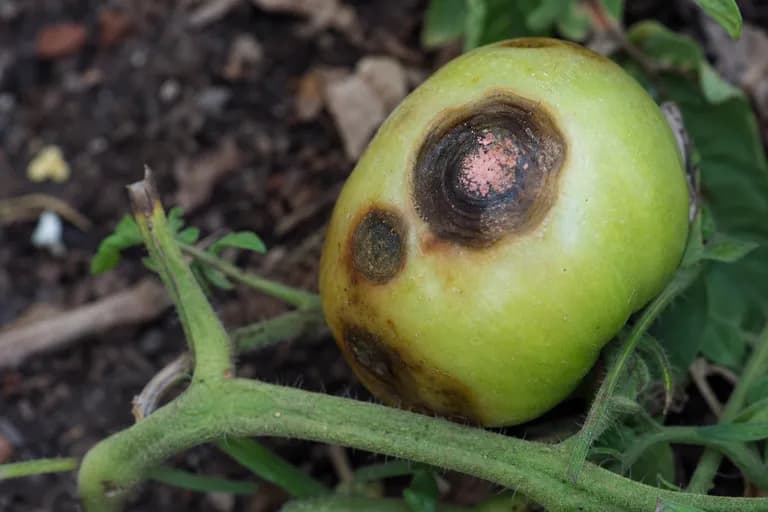
Anthraknose
KrankheitUnregelmäßige braune oder schwarze Flecken auf den Blättern, manchmal den Blattadern folgend. Betroffene Blätter können sich einrollen und vorzeitig abfallen. Am häufigsten bei kühlem, nassem Frühlingswetter.
Fehlerbehebung bei häufigen Problemen
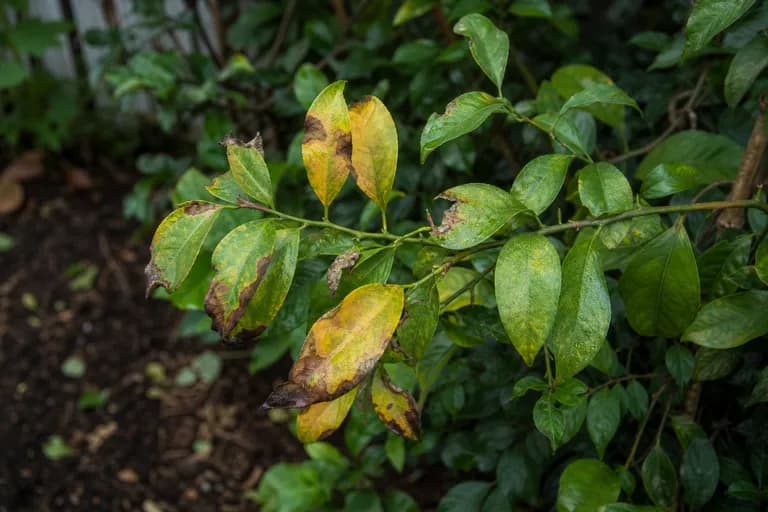
Blattverbrennung ist das einzeln häufigste Problem, verursacht durch heiße Nachmittagssonne, austrocknende Winde, reflektierte Hitze von Gehwegen oder Trockenstress. Braune, knusprige Blattränder entwickeln sich im Hoch- bis Spätsommer und sind selten tödlich, aber unansehnlich. Schützen Sie Bäume vor Nachmittagssonne und Wind, halten Sie eine gleichmäßige Feuchtigkeit aufrecht und mulchen Sie reichlich. Späte Frühlingsfröste können austreibendes Laub beschädigen, besonders bei früh austreibenden Sorten. Verticillium-Welke kann plötzliches Aststerben ohne wirksame Heilung verursachen. Zu tief gepflanzte Japanische Ahorne entwickeln Stammfäule und kränkeln. Kübelpflanzen sind anfällig für Wurzelfrost in kalten Wintern.
Anbautipps
- Die Standortwahl ist der wichtigste Einzelfaktor für den Erfolg des Japanischen Ahorns. Wählen Sie einen Platz mit Morgensonne und Nachmittagsschatten, Schutz vor starken Winden und gut durchlässigem, saurem bis neutralem Boden mit einem pH-Wert von 5,5 bis 6,5.
- Vermeiden Sie das Pflanzen in schwerem Lehm oder schlecht entwässertem Boden. Bei schlechter Drainage pflanzen Sie auf einem erhöhten Hügel oder Wall 15–20 cm über dem umgebenden Niveau, um Wurzelfäule zu verhindern und eine ordnungsgemäße Wasserabführung vom Wurzelhals zu gewährleisten.
- Gießen Sie gründlich und gleichmäßig, besonders während der ersten drei Etablierungsjahre. Japanische Ahorne haben flache, faserige Wurzelsysteme, die schnell austrocknen. Geben Sie während der Vegetationsperiode wöchentlich 2,5–4 cm Wasser, wenn der Niederschlag unzureichend ist.
- Mulch ist unverzichtbar. Bringen Sie 5–8 cm organischen Mulch wie geschredderte Rinde, Laubkompost oder Kiefernnadeln in einem Ring bis zur Trauflinie auf. Halten Sie den Mulch mindestens 10 cm vom Stamm entfernt, um Feuchtigkeitsansammlung und Rindenverfall zu verhindern.
- Schneiden Sie nur während der vollen Winterruhe im Spätwinter, idealerweise im Februar, bevor der Saftfluss einsetzt. Japanische Ahorne bluten bei Schnitt während des aktiven Wachstums stark, was den Baum schwächt und Eintrittspforten für Pilzkrankheiten schafft.
- Schützen Sie junge Bäume vor Spätfrösten, indem Sie sie mit leichtem Vlies abdecken, wenn die Nachttemperaturen unter minus 2 °C prognostiziert werden. Austreibende Blätter sind extrem frostempfindlich und können sich nach einer Beschädigung nicht erholen.
- Düngen Sie sparsam mit einem organischen Langzeitdünger für säureliebende Pflanzen. Geben Sie einmal im zeitigen Frühling die halbe empfohlene Dosierung. Überdüngung verursacht sparriges Wachstum, schlechte Herbstfärbung und erhöhte Schädlingsanfälligkeit.
- Beim Anbau in Kübeln verwenden Sie eine gut durchlässige, saure Blumenerde und topfen alle 2–3 Jahre im Spätwinter um. Kübelpflanzen benötigen häufigeres Gießen und Winterschutz, da die Wurzeln stärker Frosttemperaturen ausgesetzt sind.
- Wenn Blattverbrennungen als braune, knusprige Blattränder im Sommer auftreten, erhöhen Sie die Gießhäufigkeit und erwägen Sie zusätzlichen Schattenschutz. Blattverbrennungen zeigen an, dass die Wurzeln das Wasser nicht so schnell nachliefern können, wie das Laub es durch Transpiration verliert.
- Überwachen Sie auf Verticillium-Welke, die schwerwiegendste Krankheit Japanischer Ahorne. Symptome sind plötzliches Welken und Absterben einzelner Äste. Es gibt keine Heilung, aber die Erhaltung der Baumvitalität durch richtiges Gießen und Nährstoffversorgung hilft dem Baum, die Infektion abzuschotten und zu überleben.
Bau deine beste Japanischer Ahorn an — und alles drumherum.
Starte heute kostenlos. Lege deine Beete an, setze deine Japanischer Ahorn ein und lass PlotMyGarden Timing, Abstände, Begleiter und Erinnerungen von der Saat bis zum Erntekorb übernehmen.
Finde deine Japanischer Ahorn
Bloodgood
Die beliebteste rotlaubige Sorte. Tiefes Burgunderrot-Laub behält seine Farbe den ganzen Sommer über gut, ohne zu verblassen. Aufrechter Wuchs bis 4,5 bis 6 Meter. Brillante karmesinrote Herbstfärbung.
Crimson Queen
Ein hängendes Schlitzahorn-Typ mit fein geschlitztem, tief rotem Laub, das bis zum Boden herabhängt. Erreicht 2,5 bis 3 Meter Höhe und bis zu 3,5 Meter Breite. Atemberaubend als Solitärpflanze oder in Wassernähe.
Sango Kaku (Korallenrinde)
Geschätzt für die leuchtend korallenrote Rinde, die den Wintergarten erhellt. Grüne Blätter färben sich im Herbst goldgelb. Aufrechter Wuchs bis 6 Meter. Ganzjährig interessant.
Viridis
Hängende Schlitzahorn-Form mit leuchtend grünem, geschlitztem Laub, das sich im Herbst in brillantes Gold und Karmesin verwandelt. Bildet einen kuppelförmigen Hügel von 2,5 bis 3 Metern Höhe. Sonnentoleranter als rote Schlitzahorn-Typen.
Emperor I
Tiefes rotviolettes Laub treibt später aus als bei Bloodgood und vermeidet so späte Frühlingsfrostschäden. Hält die Farbe bei Hitze gut. Kräftiger aufrechter Wuchs bis 4,5 Meter. Ausgezeichnete Winterhärte.
Ein gut platzierter Japanischer Ahorn kann den Immobilienwert um geschätzte 5–15 % durch verbesserte Straßenansicht und reife Landschaftspräsenz steigern. Ein veredeltes Sortenexemplar, das als 60–90 cm hohes Stämmchen für 40–80 $ gekauft wird, kann über 10–20 Jahre zu einem Exemplar im Wert von 500–3.000 $ oder mehr heranwachsen. Die Anzucht aus Samen ist nahezu kostenlos, erfordert aber Geduld, da Sämlinge 3–5 Jahre brauchen, um dekorativen Charakter zu entwickeln. Die Vermehrung durch Abmoosen oder Veredelung ermöglicht es, geschätzte Sorten zu vervielfältigen, ohne neue Pflanzen kaufen zu müssen. Eine strategische Platzierung, die der Westfassade eines Hauses Nachmittagsschatten spendet, kann die sommerlichen Kühlkosten um 10–25 % senken.
Schnelle Rezepte
Momiji Tempura (Frittierte Ahornblätter)
30 Min. plus 1 Jahr KonservierungszeitEine traditionelle Herbstdelikatesse aus dem Minoh-Gebiet nahe Osaka, Japan. Sorgfältig ausgewählte Japanische Ahornblätter werden etwa ein Jahr lang in Salzfässern konserviert, dann mit einem gesüßten Sesamteig überzogen und goldbraun und knusprig frittiert. Das Ergebnis ist ein zartes, knuspriges Konfekt mit einer subtilen Süße.
6 ZutatenJapanischer Ahornblatt-Tee
15 Min.Ein milder Kräuteraufguss aus getrockneten Japanischen Ahornblättern, der hauptsächlich wegen seiner ästhetischen Präsentation und seines zarten Geschmacks geschätzt wird. Der Tee hat einen sehr subtilen, leicht herben Geschmack und wird oft als saisonales Herbstgetränk bei japanischen Teezeremonien und Gartentreffen serviert.
4 ZutatenAhornblatt-Garnierplatte
10 Min.In der traditionellen japanischen Kaiseki-Küche werden frische Japanische Ahornblätter als Mukimono (dekorative Garnierungen) verwendet, um die Jahreszeit hervorzurufen. Saubere, leuchtende Blätter in Rot-, Orange- und Goldtönen werden auf Serviertellern unter Sashimi, Wagashi-Süßigkeiten oder anderen saisonalen Gerichten angeordnet, um eine atemberaubende visuelle Präsentation zu schaffen.
4 ZutatenWas drinsteckt
Gesundheitsvorteile
- Japanische Ahorne spenden ausgezeichneten Schatten, der die Umgebungstemperatur unter der Krone um 3–5 °C senken kann, wodurch hitzebedingte Gesundheitsrisiken in Gartenbereichen während der Sommermonate verringert werden.
- Der Aufenthalt in Gärten mit Zierbäumen wie Japanischen Ahornen hat in mehreren Studien gezeigt, dass er Cortisolspiegel und Blutdruck senkt, was die japanische Praxis des Shinrin-yoku (Waldbaden) zur Stressreduktion unterstützt.
- Das dichte Laub Japanischer Ahorne filtert Feinstaub aus der Luft und verbessert die lokale Luftqualität, insbesondere in städtischen Gartenumgebungen, wo die Schadstoffbelastung erhöht sein kann.
- Die Pflege Japanischer Ahorne bietet sanfte körperliche Aktivität durch jahreszeitliche Aufgaben wie Schneiden, Mulchen und Gießen, was zur Erhaltung der Beweglichkeit und Gelenkgesundheit beiträgt, besonders für ältere Gärtner.
- Die dramatischen jahreszeitlichen Farbwechsel Japanischer Ahorne bieten eine natürliche Verbindung zu zirkannualen Rhythmen, was laut Forschung die psychische Gesundheit unterstützt, indem es das Bewusstsein für jahreszeitliche Zyklen und den Lauf der Zeit stärkt.
- Japanische Ahornblätter enthalten polyphenolische Verbindungen einschließlich Gerbstoffe und Flavonoide, die auf antioxidative Eigenschaften untersucht wurden, obwohl der primäre Gesundheitswert des Baumes in seinem Beitrag zu einer therapeutischen Gartenumgebung liegt.
Woher Japanischer Ahorn stammt
Acer palmatum, der Japanische Ahorn, ist in Japan, Korea, der östlichen Mongolei und Südostchina heimisch, wo er natürlich als Unterwuchsbaum in gemäßigten Laubwäldern wächst. In seinem natürlichen Lebensraum gedeiht er im gefleckten Licht unter höheren Kronenbäumen – eine Vorliebe, die direkt seine gärtnerischen Anforderungen bestimmt. Die Art wurde erstmals 1784 durch den schwedischen Arzt und Botaniker Carl Peter Thunberg während seines Aufenthalts in Japan für die westliche Wissenschaft beschrieben. Allerdings hatten japanische Gärtner den Baum zu diesem Zeitpunkt bereits seit Jahrhunderten selektiv gezüchtet. Der älteste bekannte japanische Gartentext, der kultivierte Ahorne erwähnt, stammt aus dem Jahr 1695. Während der Edo-Periode (1603–1868) entwickelten japanische Baumschulen Hunderte verschiedener Sorten, die nach Blattform, Farbe, Wuchsform und jahreszeitlichen Eigenschaften selektiert wurden. Europäische und amerikanische Pflanzensammler begannen Mitte des 19. Jahrhunderts mit dem Import Japanischer Ahorne, und die Bäume wurden schnell zu geschätzten Ziergehölzen in westlichen Gärten. Philipp Franz von Siebold, ein deutscher Arzt, der in Japan stationiert war, gehörte zu den Ersten, die in den 1820er- und 1830er-Jahren lebende Exemplare nach Europa brachten. Das Arnold Arboretum der Harvard University erhielt in den 1870er- und 1880er-Jahren einige der frühesten Japanischen Ahorn-Einführungen nach Nordamerika. Heute gelten Japanische Ahorne als eine der wichtigsten Zierbaumarten in der Landschaftsgestaltung gemäßigter Klimazonen weltweit. Spezialgärtnereien in Oregon, British Columbia und den Niederlanden sind bedeutende Produzenten veredelter Sorten. Die Vielfalt der verfügbaren Formen reicht von hoch aufragenden aufrechten Bäumen von über 10 Metern bis zu miniaturartigen Hängeformen von kaum 60 Zentimetern Höhe, mit Laubfarben, die Grün, Rot, Violett, Orange, Rosa und panaschierte Kombinationen umfassen.
Japanischer Ahorn: Schon gewusst?
Faszinierende Fakten über Japanischer Ahorn
Japanische Ahorne werden in Japan seit über 400 Jahren kultiviert, wobei die frühesten bekannten gartenbaulichen Erwähnungen aus den 1600er-Jahren stammen. Heute sind weltweit mehr als 1.000 benannte Sorten anerkannt.
Japanischer Ahorn: Fragen & Antworten
Wann sollte ich Japanischer Ahorn pflanzen?
Was sind gute Begleitpflanzen für Japanischer Ahorn?
In welchen Winterhärtezonen kann Japanischer Ahorn wachsen?
Wie viel Sonne braucht Japanischer Ahorn?
Welchen Abstand sollte ich zwischen Japanischer Ahorn lassen?
Welche Schädlinge und Krankheiten befallen Japanischer Ahorn?
Wie lagere ich Japanischer Ahorn nach der Ernte?
Was sind die besten Japanischer Ahorn-Sorten zum Anbauen?
Welchen Boden braucht Japanischer Ahorn?
Warum werden die Blätter meines Japanischen Ahorns an den Rändern braun und knusprig?
Wann ist die beste Zeit, einen Japanischen Ahorn zu schneiden?
Können Japanische Ahorne in voller Sonne wachsen?
Wie schnell wachsen Japanische Ahorne?
Warum färbt sich mein Japanischer Ahorn im Herbst nicht rot?
Kann ich einen Japanischen Ahorn in einem Kübel ziehen?
Du hast die Theorie gelesen. Jetzt baue sie auf Autopilot an.
Alles, was Japanischer Ahorn knifflig macht — das Timing, die Abstände, die Begleiter, das Erntefenster — genau das übernimmt PlotMyGarden für dich, für jede Pflanze im Garten.
Ein Plan, der dein Wetter kennt
Standort einmal festlegen. Aussaat-, Dünge- und Erntedaten rund um deinen echten letzten Frosttermin und die Live-Vorhersage — kein Raten mehr nach Saattüte.
Aus dem Abschnitt „Pflanzzeit“Beetplaner per Drag & Drop
Beete auf einem Raster gestalten. Jede Pflanze rastet im richtigen Abstand ein, und du siehst die ganze Saison, bevor du einen Cent für Saatgut ausgibst.
Aus dem Abschnitt „Anbau“Begleiter-Konflikte früh erkannt
Über 200 gute und schlechte Kombinationen werden beim Pflanzen live geprüft — so landet ein saisonruinierender Fehler nie in der Erde.
Aus dem Abschnitt „Begleiter“Erinnerungen, nach denen du wirklich handelst
„Gieß die Bohnen.“ „Heute ernten, bevor's umschlägt.“ Pünktlich, konkret und auf deine echten Pflanzen bezogen.
Aus dem Abschnitt „Ernte“Staffel-Aussaat, geplant
Sechs Wochen ernten statt sechs Tage? Die App verteilt deine Aussaaten automatisch und erinnert dich, wenn der nächste Satz fällig ist.
Aus dem Abschnitt „Pflanzzeit“Ein Verlauf, der schlauer wird
Jede protokollierte Ernte bringt der App deinen Garten bei. Der Plan fürs nächste Jahr startet bei dem, was in deinem Boden wirklich funktioniert hat.
Aus dem Abschnitt „Überblick“Pflanze diese neben Japanischer Ahorn
Weitere Zierbäume
Halte Japanischer Ahorn von diesen fern
Bau deine beste Japanischer Ahorn an — und alles drumherum.
Starte heute kostenlos. Lege deine Beete an, setze deine Japanischer Ahorn ein und lass PlotMyGarden Timing, Abstände, Begleiter und Erinnerungen von der Saat bis zum Erntekorb übernehmen.