Árbol de Judas / Cercis
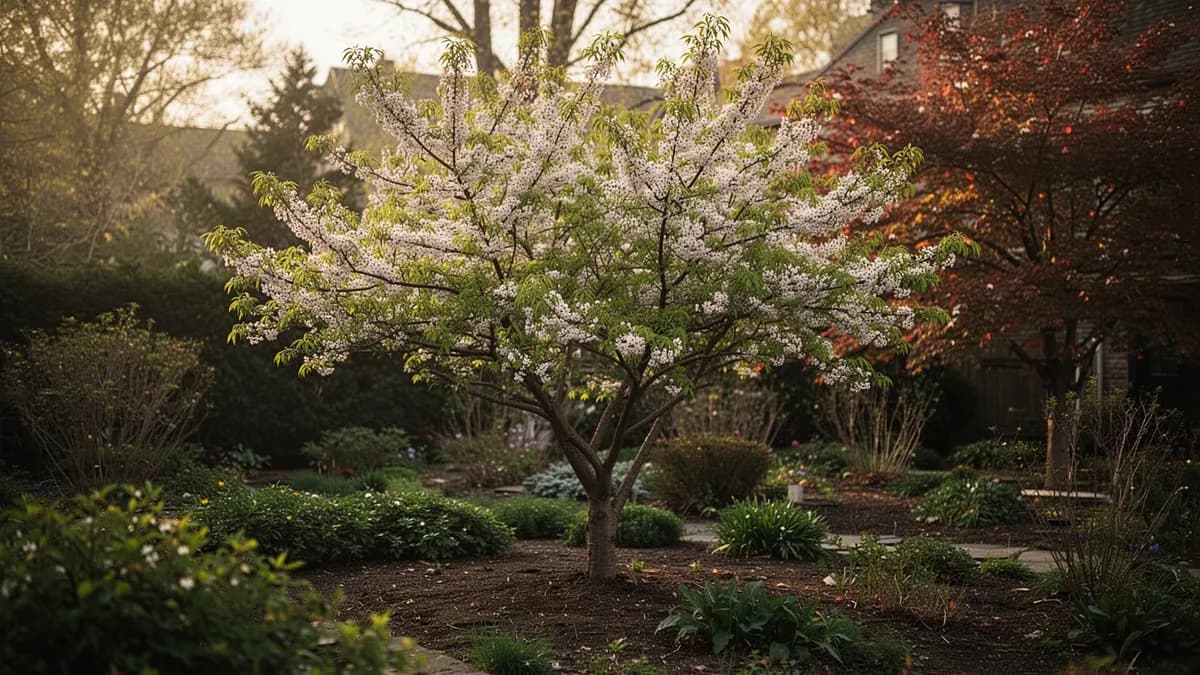
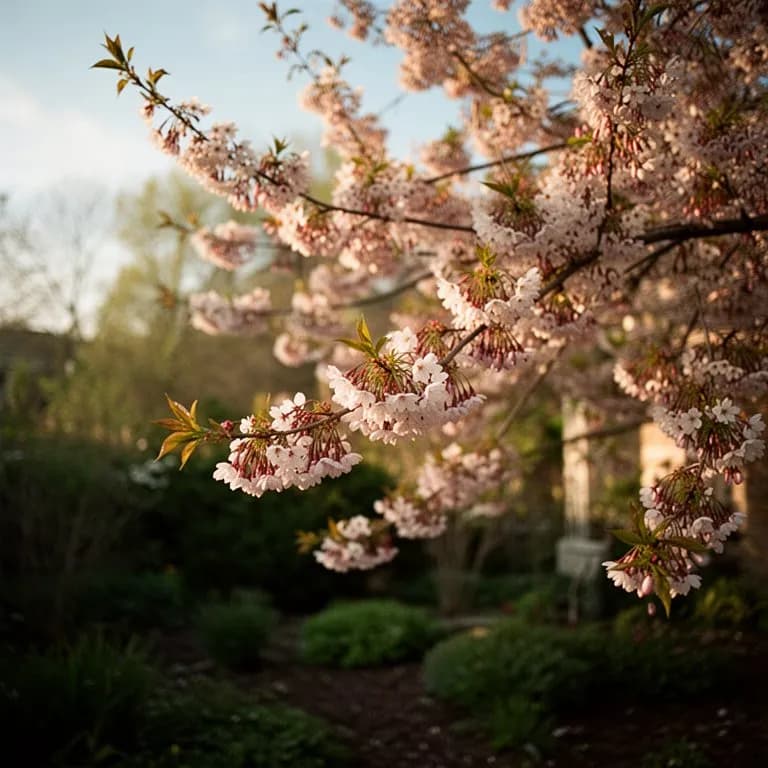
Uno de los primeros árboles en florecer en primavera, cubriendo sus ramas desnudas con racimos de vívidas flores rosadas similares a las del guisante antes de que emerjan las hojas.





En esta páginaResumen
Conoce Árbol de Judas / Cercis
Uno de los primeros árboles en florecer en primavera, cubriendo sus ramas desnudas con racimos de vívidas flores rosadas similares a las del guisante antes de que emerjan las hojas. El cercis es un árbol pequeño, a menudo de troncos múltiples, que encaja bien en jardines residenciales y jardines de bosque. Las hojas en forma de corazón emergen de color rojo-púrpura en muchos cultivares antes de tornarse verdes y luego amarillas en otoño. Son leguminosas fijadoras de nitrógeno que mejoran la fertilidad del suelo y toleran los períodos secos una vez establecidas, aunque tienen dificultades en arcillas con mal drenaje.
Cuándo plantar Árbol de Judas / Cercis
Las semillas del cercis tienen una cubierta seminal dura e impermeable que debe escarificarse para germinar. Recoja las vainas de semillas marrones en otoño y retire las semillas. Raspe la cubierta de la semilla con una lima o remoje en agua casi hirviendo durante 1 minuto, luego estratifique en frío en turba húmeda a 2-4 °C durante 60 a 90 días. Como alternativa, plante las semillas al exterior en otoño y deje que la meteorización natural y el frío invernal rompan la dormancia. Siembre las semillas tratadas a 1 cm de profundidad en una mezcla húmeda para plántulas a 21 °C. La germinación ocurre en 2 a 4 semanas. Las plántulas crecen vigorosamente, alcanzando de 30 a 45 cm en el primer año. Trasplante al paisaje en el segundo o tercer año. Las plántulas florecen en 4 a 6 años.
Tu año de Árbol de Judas / Cercis
Ajustado a Zona 7 · temporada típica · la helada se va hacia el 2 abr y vuelve hacia el 1 nov
Planta Árbol de Judas / Cercis Mar – Abr, Oct – Nov y cosecha —. Consulta los métodos de plantación y elige tu clima para adaptar los periodos.
Cómo cultivar Árbol de Judas / Cercis
El cercis oriental es uno de los árboles ornamentales pequeños más versátiles y gratificantes para los jardines domésticos. Prospera desde pleno sol hasta semisombra, siendo preferida la semisombra en los climas cálidos del sur. Plante en suelo bien drenado con un pH de 6.0 a 7.5. El cercis tolera una variedad de tipos de suelo, pero tiene dificultades en arcillas crónica y permanentemente encharcadas. Espacie los árboles a 4.5-6 metros de distancia para permitir el desarrollo de la copa redondeada madura en forma de jarrón.
Plante ejemplares criados en contenedor o con pan de tierra a principios de primavera u otoño. El cercis tiene una raíz pivotante profunda que dificulta el trasplante a raíz desnuda y la relocación de ejemplares de mayor tamaño. Cave el hoyo de plantación 2 a 3 veces más ancho que el cepellón y asiente al nivel del suelo. Riegue profundamente al plantar y semanalmente durante las primeras dos temporadas de crecimiento.
El cercis florece en madera vieja, por lo que evite podar hasta después de la floración en primavera para preservar los capullos florales del año siguiente. Retire las ramas cruzadas, dañadas o muertas. Los ejemplares de tronco múltiple pueden entrenarse para tener un tronco único cuando son jóvenes seleccionando el líder central más fuerte y eliminando los tallos competidores. Como leguminosa fijadora de nitrógeno, el cercis mejora la fertilidad del suelo para las plantas circundantes, convirtiéndolo en una excelente opción para bordes mixtos y jardines de bosque naturalizados.
Para Árbol de Judas / Cercis un bancal de 120 × 240 cm se queda corto
Cada Árbol de Judas / Cercis pide 500 cm de margen. El planificador guarda ese marco por ti — cada planta, cada bancal.
Los mejores vecinos de Árbol de Judas / Cercis
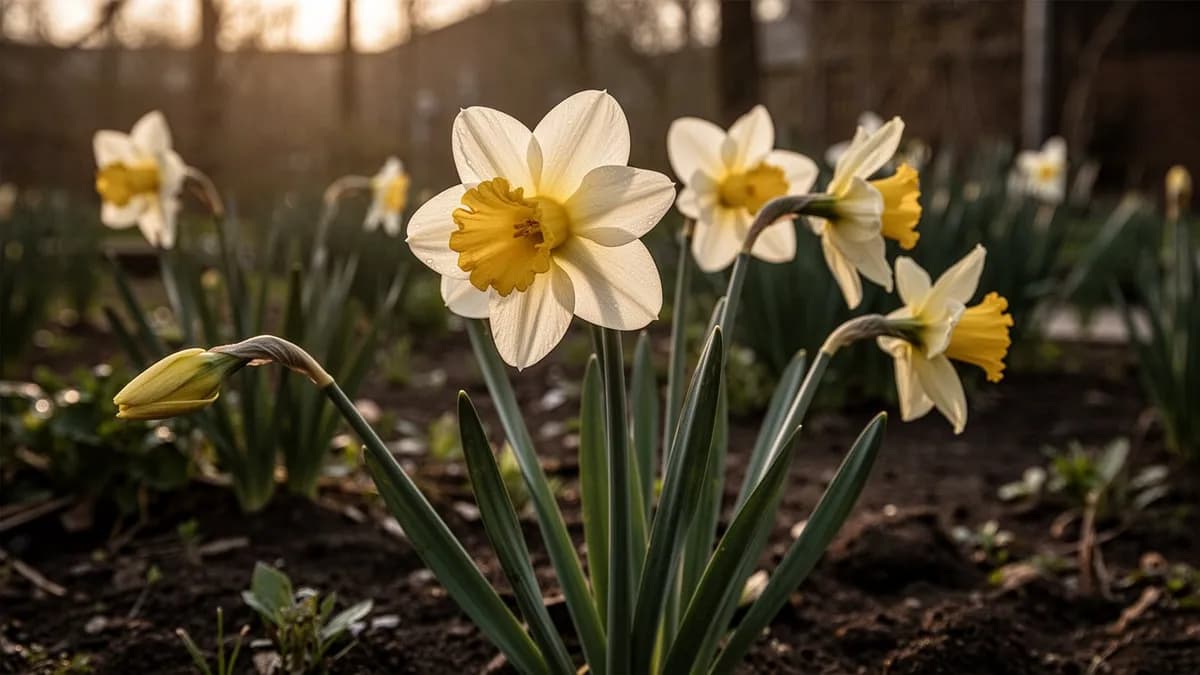
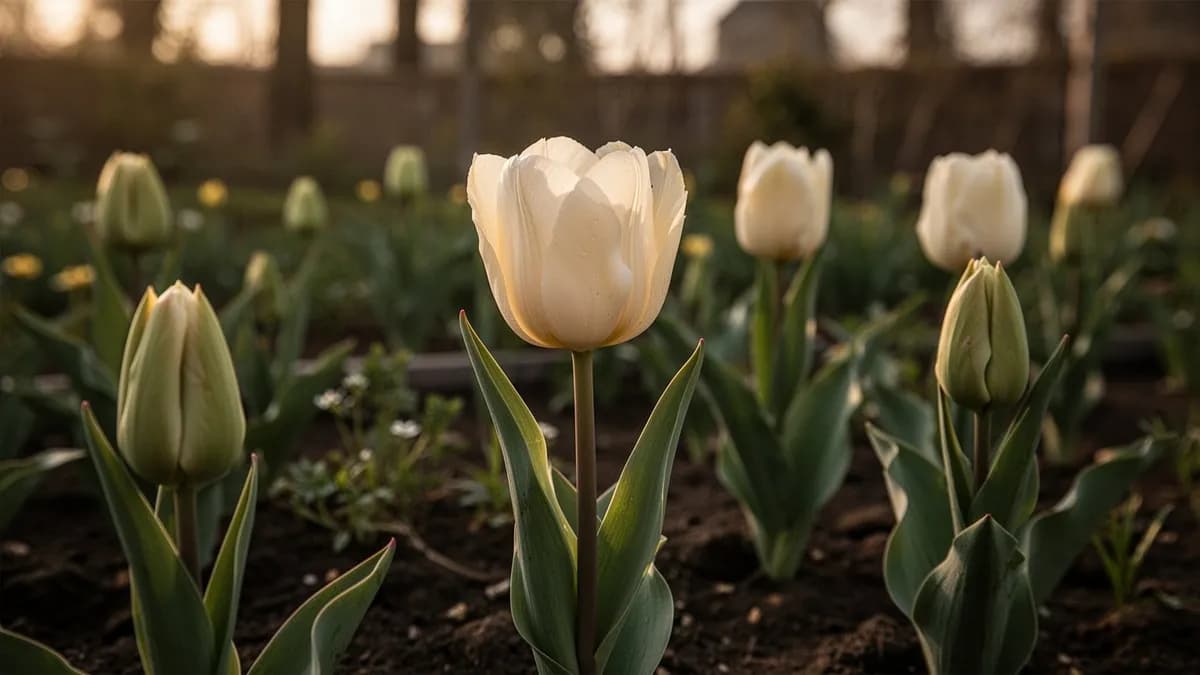
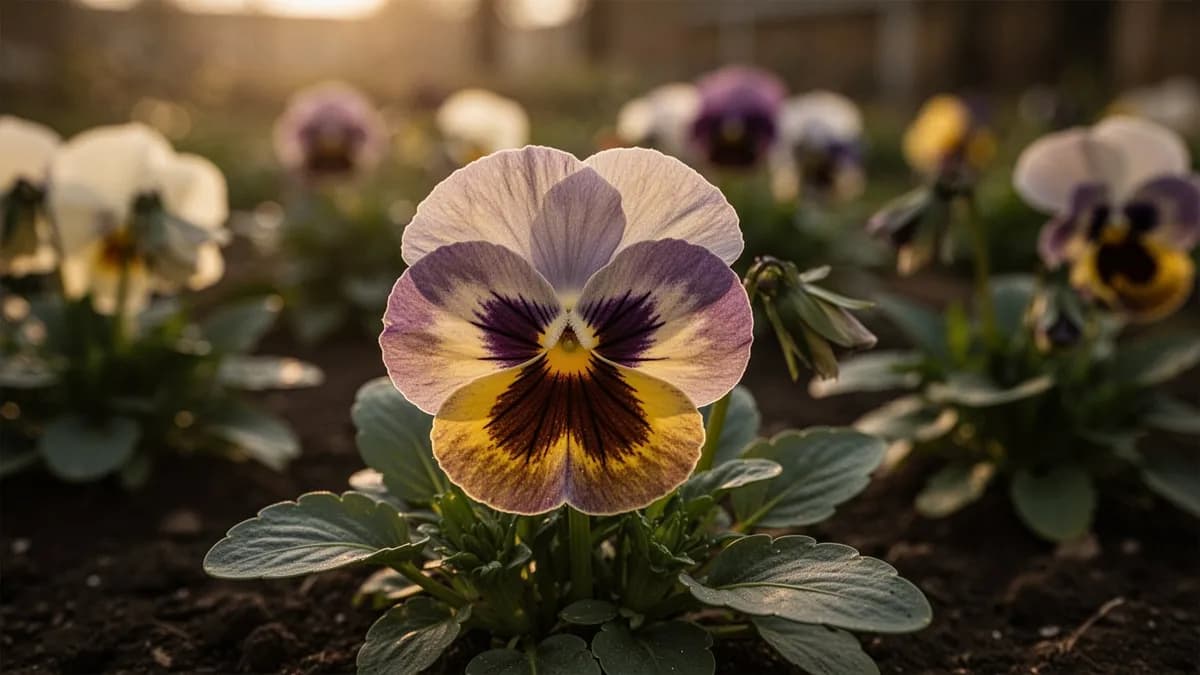
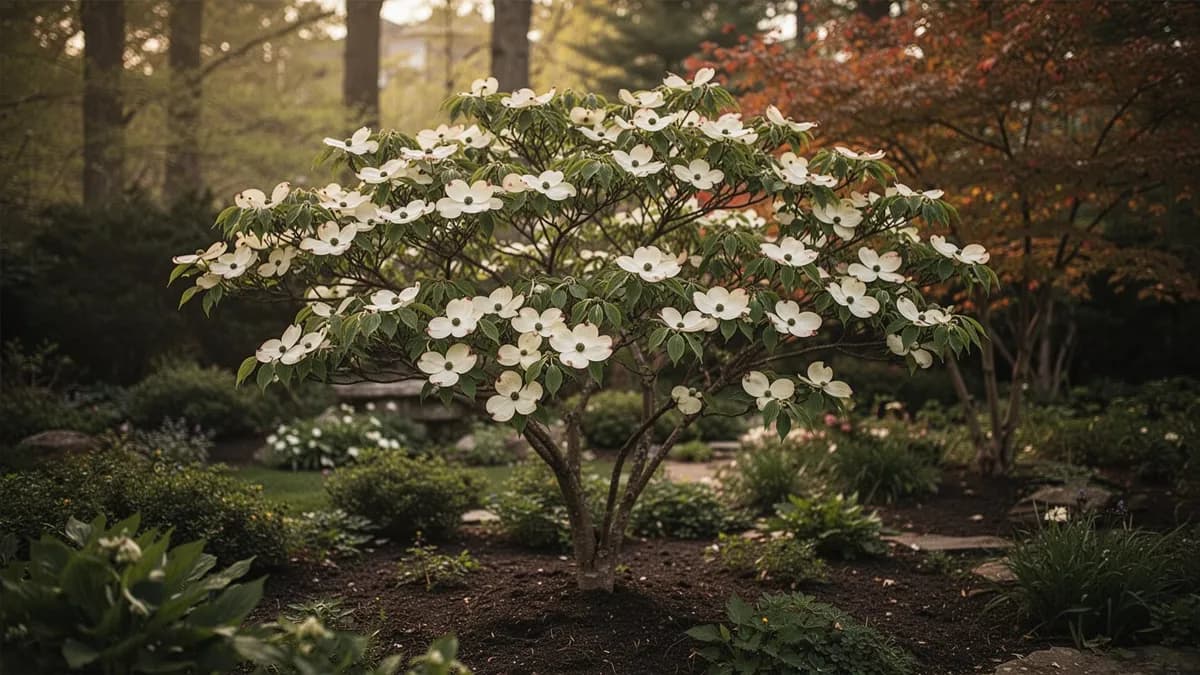
La capacidad del cercis de fijar nitrógeno lo convierte en un beneficioso compañero en paisajes mixtos, enriqueciendo el suelo para las plantas cercanas. Su sombra moteada crea condiciones ideales para las perennes de bosque, como hostas, helechos, eléboro y epimedium. Los bulbos de primavera florecen simultáneamente con las flores del cercis para impresionantes despliegues de color en capas. Los cornejos florecen poco después del cercis, extendiendo la temporada de flores primaverales. Las azaleas y los rododendros complementan las flores lila-rosadas del cercis con sus propias flores primaverales en tonos blancos, rosados y rojos.
Narciso va a su lado. Nogal no.
Saber de huerto de siempre, cotejado con la tabla real de Árbol de Judas / Cercis — prueba cualquier planta que cultives.
Prueba Árbol de Judas / Cercis en un bancal, aquí mismo
Un bancal real del planificador con Árbol de Judas / Cercis ya plantado. Toca una planta compañera para colocarla y mira cómo responde la comprobación de vecinos: verde para buenos vecinos, rojo si hay conflicto.


Guías de cultivo relacionadas
Abónalo bien
El cercis se adapta a una amplia gama de suelos bien drenados desde ácidos hasta ligeramente alcalinos, con un pH preferido de 6.0 a 7.5. Tolera suelos arcillosos, francos y arenosos si el drenaje es adecuado. Como leguminosa fijadora de nitrógeno, el cercis requiere menos nitrógeno suplementario que la mayoría de los árboles. Aplique un fertilizante equilibrado de liberación lenta a principios de primavera durante los primeros 3 a 5 años, luego discontinúe o reduzca a una ligera aplicación anual. Aplique mantillo de 5 a 8 cm de materia orgánica para conservar la humedad y regular la temperatura del suelo. Evite enterrar el cuello de la raíz bajo mantillo o suelo.
Temperatura ideal
Compatibilidad de zonas de rusticidad
De la semilla a la cosecha, etapa por etapa
Germinación de semillas
Las semillas del cercis requieren escarificación y estratificación en frío durante 60 a 90 días antes de la siembra. Una vez cumplidas las condiciones, la dura cubierta de la semilla se agrieta y la radícula emerge en dos a cuatro semanas en suelo cálido y húmedo.
Establecimiento de plántulas
Las plántulas jóvenes desarrollan sus primeras hojas verdaderas en forma de corazón y establecen una raíz pivotante. El crecimiento es modesto en el primer año, alcanzando normalmente de 30 a 45 cm de altura en condiciones favorables.
Crecimiento juvenil
Durante los años dos al cuatro, el árbol desarrolla una estructura de copa ramificada y aumenta el diámetro del tronco. Las tasas de crecimiento anual de 30 a 60 cm de altura son comunes. El árbol comienza a formar la típica forma en jarrón o de troncos múltiples característica de la especie.
Primera floración
La mayoría de los cercis comienzan a florecer entre los años cuatro y siete. Pequeños racimos de flores rosadas en forma de guisante de color magenta-rosado aparecen a lo largo de las ramas e incluso directamente en el tronco antes de que emerjan las hojas a principios de primavera, atrayendo polinizadores.
Ejemplar maduro
Un cercis oriental plenamente maduro alcanza de 6 a 9 metros de altura con una copa extendida de 7.5 a 10.5 metros. El árbol produce flores abundantes cada primavera seguidas de vainas de semillas planas. La corteza se vuelve más oscura y texturada con la edad, añadiendo valor ornamental durante todo el año.
Árbol patrimonial
Los cercis pueden vivir 50 años o más con los cuidados adecuados. Los árboles más viejos desarrollan carácter con patrones de ramificación retorcidos y corteza profundamente surcada. La floración puede volverse menos vigorosa pero el árbol sigue siendo un valioso ejemplar del paisaje y hábitat de fauna silvestre.
Raspe la cubierta de la semilla con una lima o remoje las semillas en agua casi hirviendo durante un minuto antes de estratificar en arena húmeda dentro del refrigerador durante al menos ocho semanas.
Cuidar Árbol de Judas / Cercis mes a mes
Qué hacer cada mes para tu Árbol de Judas / Cercis
Octubre
Mes actualPermita que las hojas caídas se descompongan naturalmente como mantillo o añádalas al compost. Evalúe la estructura general del árbol mientras las hojas permanecen para identificar las ramas que necesitan atención durante la temporada de dormancia.
Ten claro qué hacer en tu huerto, cada mes
Un correo al empezar cada mes: qué sembrar, plantar y hacer ahora mismo — para tu Árbol de Judas / Cercis y todo lo que crece alrededor. Más un breve curso inicial para esquivar los errores clásicos.
- Qué hacer ahora mismo
- Ajustado a tu temporada
- Curso inicial incluido
Cosechar Árbol de Judas / Cercis
Las flores del cercis son comestibles y tienen un sabor suave y ligeramente dulce con un agradable crujido. Coseche flores individuales o pequeños racimos a principios de primavera justo cuando se abren completamente. Úselas frescas en ensaladas, como guarnición, o cristalizadas con clara de huevo y azúcar para decorar tartas y postres. Las vainas de semillas jóvenes también son comestibles cuando están tiernas y pueden comerse crudas o salteadas como los guisantes mollar. Una vez que las vainas maduran y se secan, las semillas del interior están muy duras y ya no son apetecibles sin un procesado extenso.
se supone que plantas al comenzar el periodo — indica tu fecha real
Cosecha Árbol de Judas / Cercis a tiempo y la planta sigue produciendo.
Almacenamiento y conservación
Las flores frescas de cercis se usan mejor de inmediato, pero pueden almacenarse en un papel húmedo dentro de un recipiente sellado en la nevera durante 2 a 3 días. Para cristalizar las flores, píntelas con clara de huevo batida, espolvoree con azúcar extrafino y seque sobre papel de horno durante 24 horas. Las flores cristalizadas se conservan durante meses en un recipiente hermético. Las flores también pueden congelarse en cubeteras con agua para guarniciones decorativas de bebidas. El vinagre infusionado con flores, hecho remojando flores en vinagre de vino blanco durante 2 semanas, crea un hermoso condimento rosado.
Qué falla — y cómo solucionarlo
Mancha foliar por Cercospora
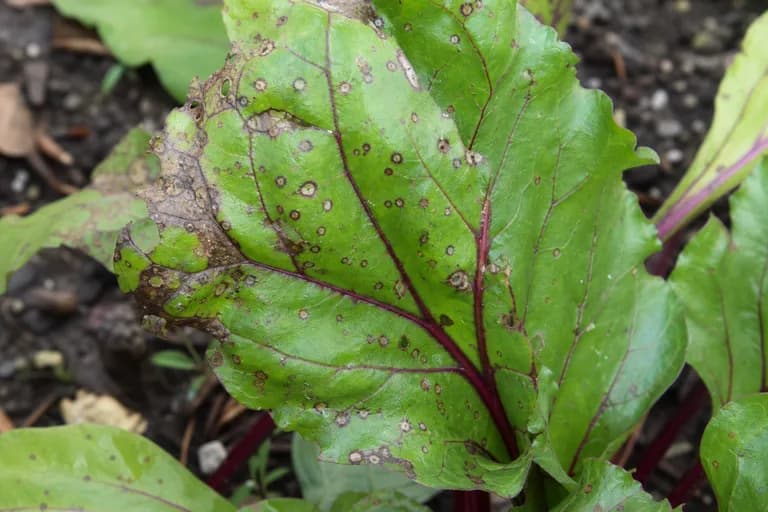
EnfermedadManchas marrones irregulares con bordes oscuros en las hojas durante el húmedo clima estival. Las infecciones graves causan defoliación prematura y debilitamiento de los árboles.
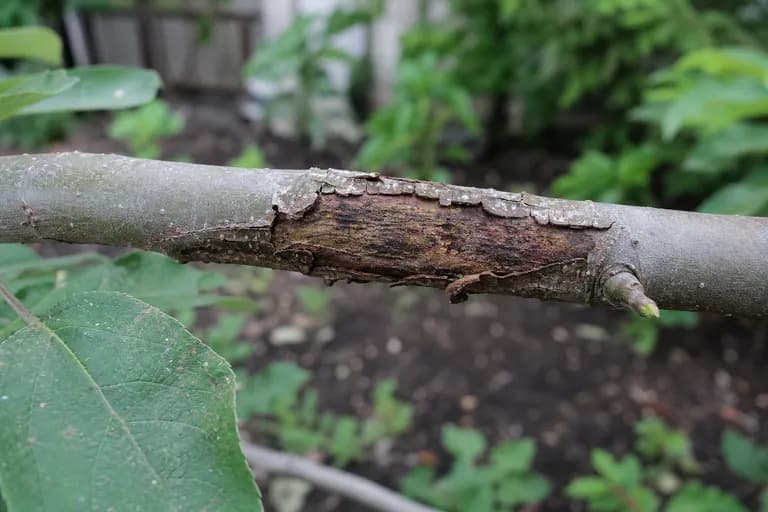
Enfermedades de cancro
EnfermedadÁreas hundidas y descoloridas en ramas y tronco que pueden agrietarse o rezumar. Las ramas afectadas mueren. Los hongos de cancro de Botryosphaeria y otros atacan a los árboles estresados.
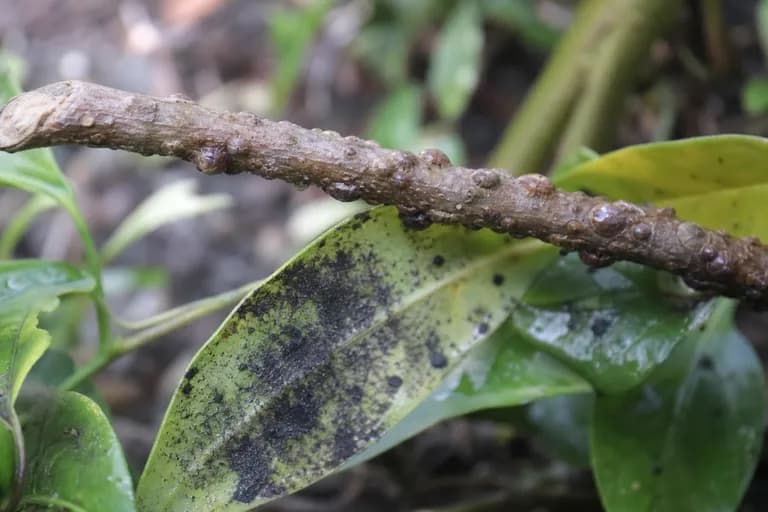
Insectos escama
PlagaDiminutas protuberancias ovaladas marrones o grises en ramas y ramillas. Las infestaciones graves causan muerte regresiva de ramas, reducción del vigor y melaza que promueve el crecimiento de fumagina.
Solución de problemas comunes
La verticilosis puede causar una repentina muerte regresiva de ramas y la muerte del árbol, sin tratamiento eficaz; retire los árboles afectados y evite replantar en el mismo lugar. El estrés hídrico durante el establecimiento es la principal causa de fracaso; el riego constante durante los primeros 2 a 3 años es esencial. El cercis es sensible a la compactación del suelo y los cambios de nivel durante la construcción. Las enfermedades de cancro atacan a los árboles estresados, por lo que mantener el vigor mediante el riego adecuado es crítico. La madera es relativamente frágil y propensa a los daños por tormentas. Los árboles suelen ser de corta vida, con una vida media en el paisaje de 20 a 30 años.
Consejos de cultivo
- Plante los cercis en un lugar con sol matutino y sombra vespertina ligera para una mejor floración y reducción de las quemaduras foliares en las regiones estivales calurosas.
- Elija un lugar con suelo bien drenado, ya que los cercis son muy susceptibles a la podredumbre radicular en condiciones de encharcamiento. Enmiende los suelos de arcilla pesada con compost grueso antes de plantar.
- Riegue los árboles recién plantados profundamente una vez por semana durante las primeras dos temporadas de crecimiento para establecer un sistema radicular fuerte. Reduzca la frecuencia de riego una vez establecidos.
- Aplique de 5 a 8 cm de mantillo orgánico en un ancho anillo alrededor del árbol pero manténgalo a al menos 10 cm del tronco para evitar la podredumbre de la corteza y los daños por roedores.
- Evite las podas intensas ya que los cercis son propensos a las enfermedades de cancro que entran a través de las grandes heridas. Realice solo los cortes necesarios durante la dormancia a finales del invierno utilizando herramientas saneadas.
- Coseche las flores comestibles por la mañana después de que el rocío se haya secado pero antes del calor del día que cause marchitamiento. Recoja las flores que estén completamente coloreadas pero que no hayan comenzado a oscurecerse en los bordes.
- Proteja los árboles jóvenes del ramoneo de los ciervos instalando cercas temporales o aplicando spray repelente de ciervos en las ramas inferiores durante los primeros años de crecimiento.
- Plante los cercis en grupos de tres a cinco para un espectacular despliegue primaveral y para mejorar la polinización cruzada que aumenta la producción de vainas de semillas para la fauna silvestre.
- Analice el pH del suelo periódicamente y mantenga un rango ligeramente ácido a neutro de 6.0 a 7.5. Los cercis toleran un amplio rango de pH pero se desempeñan mejor cuando el suelo no es extremadamente alcalino.
- Considere cultivares resistentes a enfermedades como Appalachian Red o Rising Sun si la verticilosis o las enfermedades de cancro son comunes en su área.
Cultiva tu mejor Árbol de Judas / Cercis — y todo lo que la rodea.
Empieza un plan gratis hoy. Diseña tus bancales, coloca tu Árbol de Judas / Cercis y deja que PlotMyGarden gestione el momento, el espaciado, las asociaciones y los recordatorios de la semilla a la cesta.
Elige tu Árbol de Judas / Cercis
Forest Pansy
Impresionante follaje de color rojo-púrpura intenso que persiste durante el verano, desvaneciéndose gradualmente a verde-bronceado. Las flores lila-rosadas contra las oscuras hojas crean un contraste dramático. Algo menos vigoroso que los tipos de hojas verdes.
The Rising Sun
El espectacular follaje multicolor emerge de color albaricoque-naranja, madura a través del oro hasta el amarillo chartreuse y luego el verde. Cada punta de rama muestra el espectro de color completo. Crecimiento vigoroso con flores lila-rosadas.
Ruby Falls
Un cultivar de hojas púrpuras y porte llorón que cae hermosamente. Alcanza de 1.8 a 2.4 metros de altura y anchura. Combina los mejores rasgos del color de Forest Pansy con un elegante hábito péndulo.
Appalachian Red
Flores brillantes de verdadero color rojo-rosado en lugar del típico lavanda-púrpura. Descubierto como una selección silvestre en las montañas Apalaches. Crecimiento vigoroso con buena resistencia a enfermedades.
Ace of Hearts
Cultivar compacto que alcanza 3.6 metros de altura con hojas más pequeñas y un hábito denso y redondeado. Ideal para jardines pequeños y paisajes urbanos. Florece abundantemente con buen color otoñal.
Un solo cercis oriental proporciona décadas de flores comestibles gratuitas cada primavera, eliminando la necesidad de comprar flores comestibles especiales que pueden costar de 12 a 20 € por pequeño envase en los mercados de agricultores. El árbol también aumenta el valor de la propiedad en un estimado del uno al tres por ciento como ejemplar ornamental maduro, reduce los costos de refrigeración mediante la sombra estival y atrae polinizadores que benefician los huertos de verduras y frutales cercanos.
Recetas rápidas

Ensalada primaveral de flores de cercis
10 minutosUna vibrante ensalada estacional con flores de cercis recién recogidas mezcladas con verduras primaverales mixtas, rábanos en láminas finas, queso de cabra desmenuzado y una ligera vinagreta de limón. Las flores añaden una suave dulzura similar a los guisantes y un llamativo color rosado al plato.
8 ingredientesBuñuelos de flores de cercis
20 minutosRacimos de flores de cercis sumergidos en una ligera masa estilo tempura y fritos hasta que estén dorados y crujientes. Estos delicados buñuelos constituyen un llamativo aperitivo o tentempié que combina bien con un chorrito de miel o un espolvoreo de azúcar en polvo.
7 ingredientesVinagre infusionado con flores de cercis
15 minutos más 2 semanas de infusiónUn hermoso vinagre de color rosado hecho remojando flores frescas de cercis en vinagre de vino blanco durante dos semanas. El vinagre terminado tiene un delicado sabor floral y un impresionante color rosa que lo convierte en un elegante regalo casero o base para aliño de ensaladas.
5 ingredientesUsos culinarios
Las flores del cercis son una deliciosa guarnición comestible con un sabor suave, ligeramente a nuez y dulce y un crujido satisfactorio. Mezcle flores frescas en ensaladas verdes, cuencos de cereales o platos de verduras de primavera para añadir color y textura. Pueden rebozarse y freírse como buñuelos, ponerse en remojo en almíbar simple para cócteles, o congelarse en decorativos cubos de hielo. Las vainas de semillas verdes jóvenes cosechadas a finales de primavera pueden saltearse, saltearse en wok o añadirse a ensaladas como los guisantes dulces. La miel y el vinagre infusionados con flores son populares productos artesanales.
Qué contiene
Beneficios para la salud
- Las flores del cercis proporcionan vitamina C y antioxidantes de antocianina que ayudan a neutralizar los radicales libres y a apoyar el sistema inmunológico durante la primavera temprana, cuando los productos locales frescos son escasos.
- Las flores comestibles contienen flavonoides asociados con la reducción de la inflamación y la mejora de la salud cardiovascular cuando se consumen como parte de una dieta variada y rica en plantas.
- Las vainas de semillas jóvenes del cercis ofrecen fibra dietética que promueve una digestión saludable y apoya la microbiota intestinal beneficiosa de manera similar a otras leguminosas comestibles.
- Los pigmentos de antocianina responsables del vívido color rosado de las flores han sido estudiados por sus posibles propiedades neuroprotectoras y el apoyo a la función cognitiva.
- Las preparaciones herbales tradicionales que utilizan la corteza del cercis fueron empleadas por los pueblos indígenas para aliviar la congestión respiratoria y calmar los dolores de garganta durante las enfermedades estacionales.
- Pasar tiempo bajo un cercis en flor en primavera tiene documentados beneficios para la salud mental, ya que la exposición a la belleza natural y el color de principios de temporada reduce los niveles de cortisol y promueve el bienestar psicológico.
De dónde viene Árbol de Judas / Cercis
El cercis oriental (Cercis canadensis) es originario del este de América del Norte, distribuyéndose naturalmente desde el sur de Ontario y la región de los Grandes Lagos hacia el sur a través del centro y el este de los Estados Unidos hasta el norte de México. Prospera en el sotobosque de bosques mixtos de frondosas, a lo largo de los bordes del bosque y en los fondos de los ríos donde recibe luz filtrada bajo árboles de dosel más altos como robles, arces y nogales americanos.
La evidencia arqueológica y etnobotánica sugiere que los pueblos indígenas, incluyendo las naciones Cherokee, Ojibwe y Delaware, valoraban el cercis tanto por sus flores comestibles como por su corteza medicinal, que se preparaba en tés para tratar la congestión y la fiebre. Los primeros colonos europeos reconocieron rápidamente el árbol como un tesoro ornamental. Para el siglo XVIII ya se cultivaba en jardines de haciendas a lo largo de la costa atlántica, y Thomas Jefferson registró la plantación de cercis en Monticello junto a cornejos nativos. La especie fue descrita formalmente por Carl Linnaeus en 1753 bajo el nombre Cercis canadensis, colocándola dentro de la familia de las leguminosas Fabaceae junto a los frijoles, los guisantes y el trébol.
A lo largo de los dos siglos siguientes, los horticultores seleccionaron docenas de cultivares que ofrecen variaciones en el color de las flores, el tono de las hojas, el hábito de crecimiento y la resistencia a las enfermedades. Los cultivares modernos notables incluyen Forest Pansy con su follaje de color púrpura intenso, The Rising Sun con el nuevo crecimiento de color albaricoque, y Covey, una forma llorona vendida bajo el nombre comercial Lavender Twist. Hoy en día el cercis oriental se planta en las zonas de rusticidad USDA 4 a 9 y se ha convertido en uno de los árboles ornamentales pequeños más populares en los paisajes residenciales y comerciales de todo el mundo, valorado por su temprano color primaveral, su modesto tamaño y su adaptabilidad a una amplia gama de suelos y climas.
Árbol de Judas / Cercis: ¿sabías que?
Datos fascinantes sobre Árbol de Judas / Cercis
El cercis oriental es uno de los primeros árboles en florecer en América del Norte, a menudo floreciendo antes que la forsitia en muchas regiones y señalando la verdadera llegada de la primavera a los jardineros y los polinizadores por igual.
Árbol de Judas / Cercis: preguntas frecuentes
¿Cuándo debo plantar Árbol de Judas / Cercis?
¿Cuáles son buenas plantas acompañantes para Árbol de Judas / Cercis?
¿En qué zonas de rusticidad puede crecer Árbol de Judas / Cercis?
¿Cuánto sol necesita Árbol de Judas / Cercis?
¿A qué distancia debo espaciar Árbol de Judas / Cercis?
¿Qué plagas y enfermedades afectan a Árbol de Judas / Cercis?
¿Cómo almaceno Árbol de Judas / Cercis después de la cosecha?
¿Cuáles son las mejores variedades de Árbol de Judas / Cercis para cultivar?
¿Qué suelo necesita Árbol de Judas / Cercis?
¿Son seguras las flores del cercis para comer y cómo saben?
¿Cuánto tiempo tarda en florecer un cercis por primera vez?
¿Puedo cultivar un cercis oriental en un contenedor en un patio o balcón?
¿Qué causa que las hojas de mi cercis sean amarillas y que haya muerte regresiva de ramas?
¿Los cercis fijan el nitrógeno del suelo como otras leguminosas?
¿Cuándo es el mejor momento para plantar un cercis oriental?
Acabas de leer la teoría. Ahora cultívala en piloto automático.
Todo lo que hace que Árbol de Judas / Cercis sea delicado — el momento, el espaciado, las asociaciones, la ventana de cosecha — es justo lo que PlotMyGarden resuelve por ti, para cada planta de tu huerto.
Un plan que conoce tu clima
Indica tu ubicación una vez. Recibe fechas de siembra, abonado y cosecha basadas en tu última helada real y el pronóstico en vivo — sin adivinar con un sobre genérico.
De la sección “Cuándo plantar”Planificador de bancales de arrastrar y soltar
Diseña bancales sobre una cuadrícula. Cada planta encaja con su espaciado correcto y ves toda la temporada antes de gastar un céntimo en semillas.
De la sección “Cultivo”Conflictos de asociación, detectados a tiempo
Más de 200 buenas y malas combinaciones comprobadas en vivo mientras plantas — para que un error que arruine la temporada nunca llegue a la tierra.
De la sección “Asociaciones”Recordatorios que sí vas a seguir
“Riega las judías.” “Recoge hoy antes de que se pase.” Oportunos, concretos y ligados a las plantas que de verdad cultivas.
De la sección “Cosecha”Escalonado, programado
¿Quieres cosechar seis semanas en vez de seis días? Reparte tus siembras automáticamente y te avisa cuando toca el siguiente lote.
De la sección “Cuándo plantar”Un registro que se vuelve más listo
Cada cosecha que registras le enseña tu huerto. El plan del año que viene parte de lo que de verdad funcionó en tu suelo, no en un manual.
De la sección “Resumen”Planta estos junto a Árbol de Judas / Cercis
Más Árboles ornamentales
Mantén Árbol de Judas / Cercis lejos de estos
Cultiva tu mejor Árbol de Judas / Cercis — y todo lo que la rodea.
Empieza un plan gratis hoy. Diseña tus bancales, coloca tu Árbol de Judas / Cercis y deja que PlotMyGarden gestione el momento, el espaciado, las asociaciones y los recordatorios de la semilla a la cesta.