Blueberry
An acid-loving shrub requiring soil pH between 4.5 and 5.5, producing antioxidant-rich berries in midsummer.





On this pageOverview
Meet Blueberry
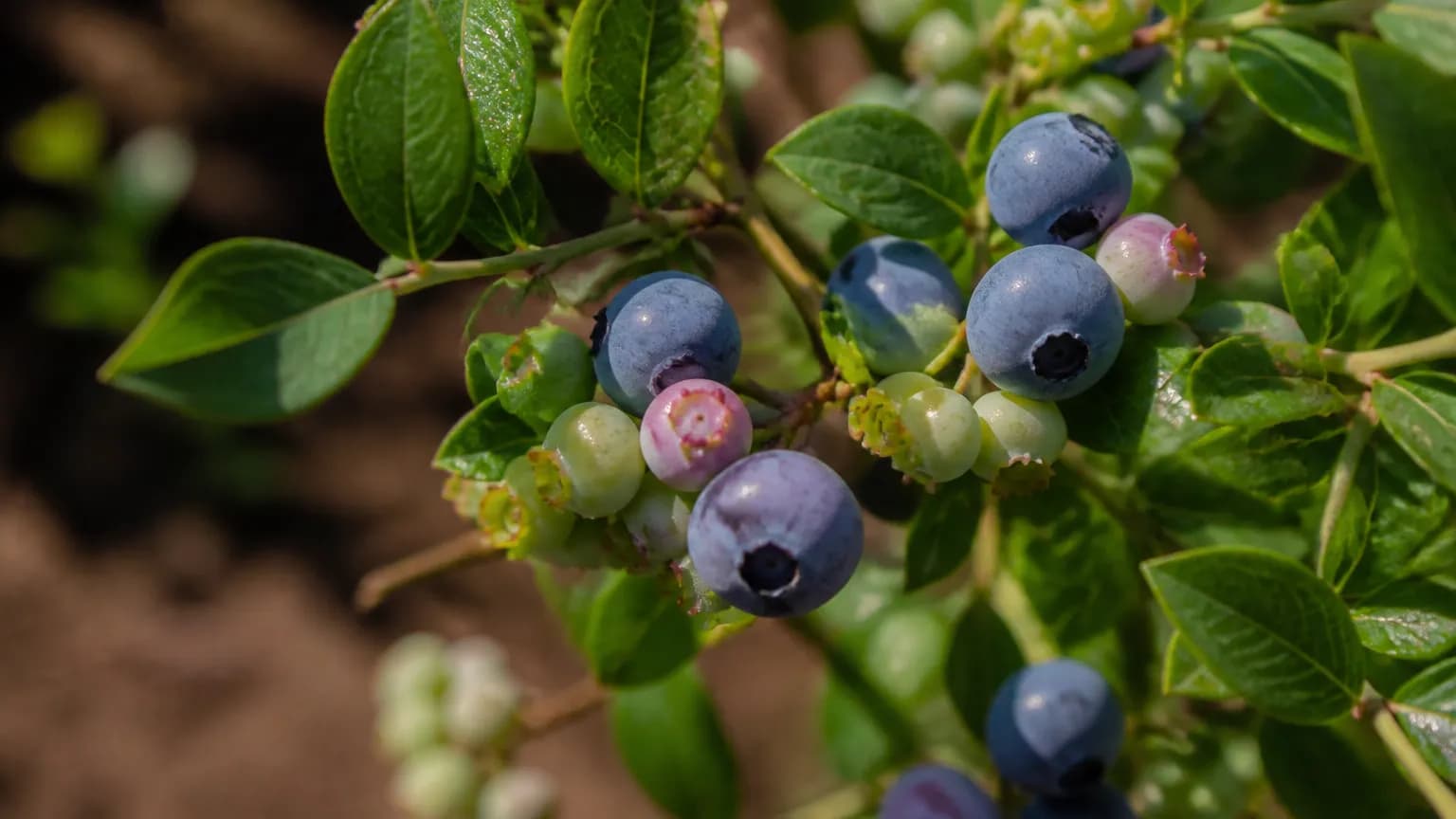
An acid-loving shrub requiring soil pH between 4.5 and 5.5, producing antioxidant-rich berries in midsummer. Amend planting holes with peat moss or sulfur to achieve the required acidity, and mulch heavily with pine needles or wood chips. Plant at least two different varieties for cross-pollination, which significantly improves berry size and overall yield. Protect ripening fruit with bird netting and prune out the oldest canes each winter to encourage productive new growth.
When to plant Blueberry
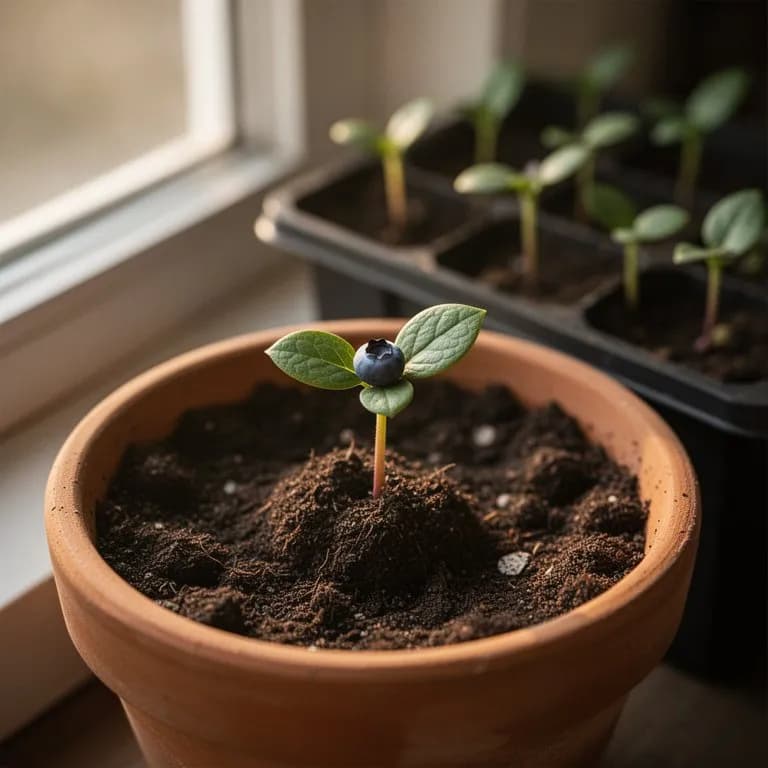
Blueberries are almost exclusively propagated from softwood cuttings taken in late spring or semi-hardwood cuttings taken in midsummer. Take four-to-six-inch cuttings from healthy current-season growth, remove the lower leaves, and dip in rooting hormone. Insert cuttings into a mix of peat and perlite, maintain high humidity with a misting system or plastic cover, and keep at 65 to 75 degrees Fahrenheit. Rooting takes eight to twelve weeks. Transplant rooted cuttings to acidic potting mix and grow for one full season before planting outdoors.
Your Blueberry Year
Composed for Zone 7 · typical seasons · frost passes Apr 2, returns Nov 1
Plant Blueberry Mar – Apr, pick Jun – Aug. Check the planting methods below and set your climate to personalize these windows.
How to grow Blueberry
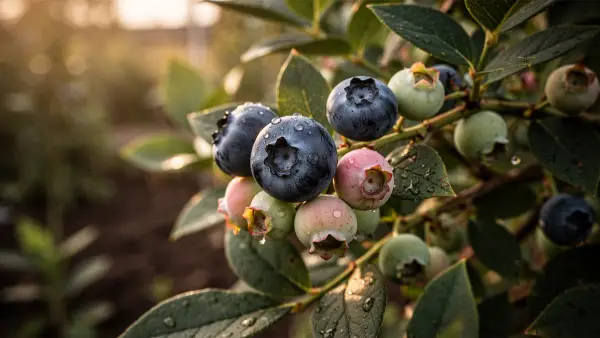
Select a planting site with full sun and naturally acidic soil, or create the right conditions by amending with peat moss, elemental sulfur, and composted pine bark. Dig a hole twice the width of the root ball and plant at the same depth the bush grew in the nursery. Space highbush varieties four to six feet apart in rows eight to ten feet apart to allow for mature spread.
Water deeply and regularly during the first two years to establish a strong root system, providing one to two inches per week. Apply a four-to-six-inch mulch layer of pine needles, wood chips, or shredded bark to conserve moisture, suppress weeds, and maintain soil acidity. Avoid cultivating near the shallow root system.
Fertilize with an acid-loving plant formula such as ammonium sulfate in early spring before bud break, and again after harvest. Prune annually in late winter by removing dead, damaged, and crossing branches, along with canes older than six years. This renewal pruning maintains a productive balance of young fruiting wood and encourages larger berry size.
2 plants fit a 4 × 8 ft bed
Each Blueberry wants 120 cm of elbow room. The planner keeps that spacing for you — every plant, every bed.
Blueberry's best neighbours
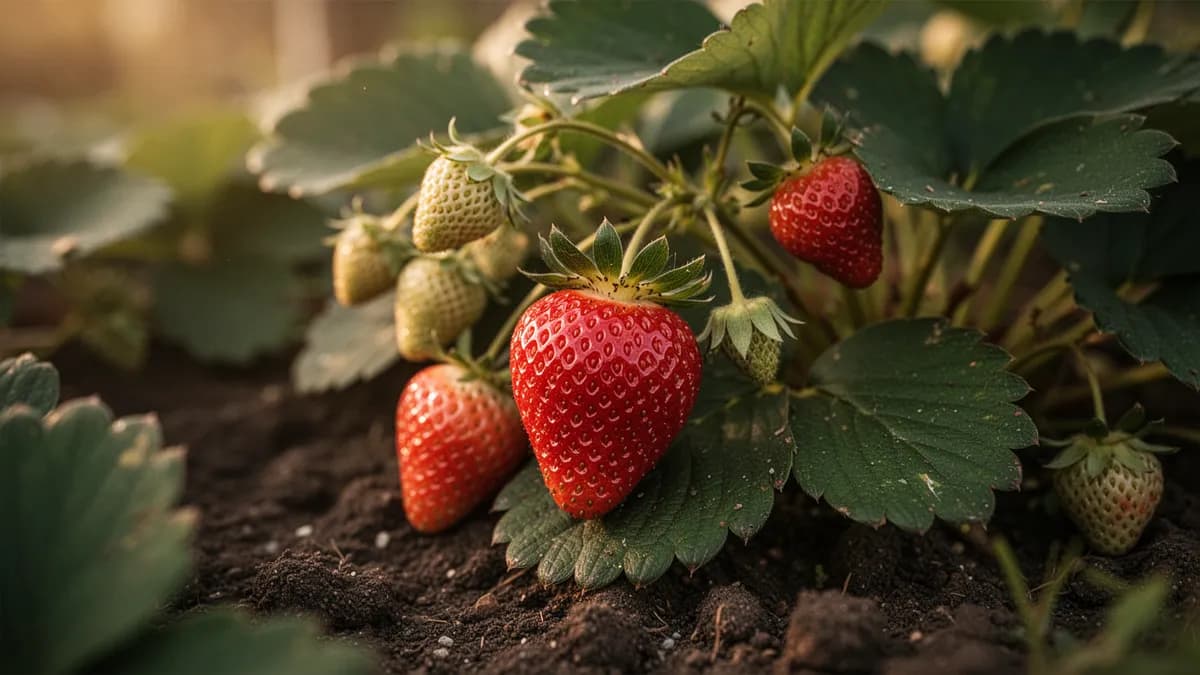
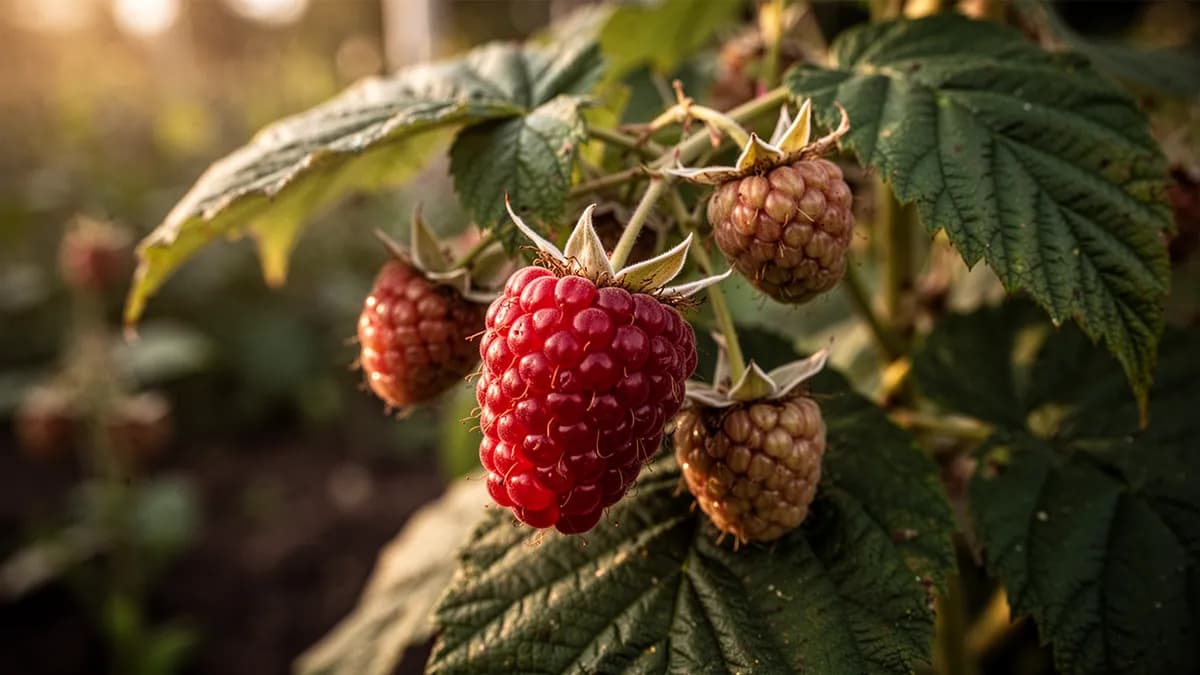
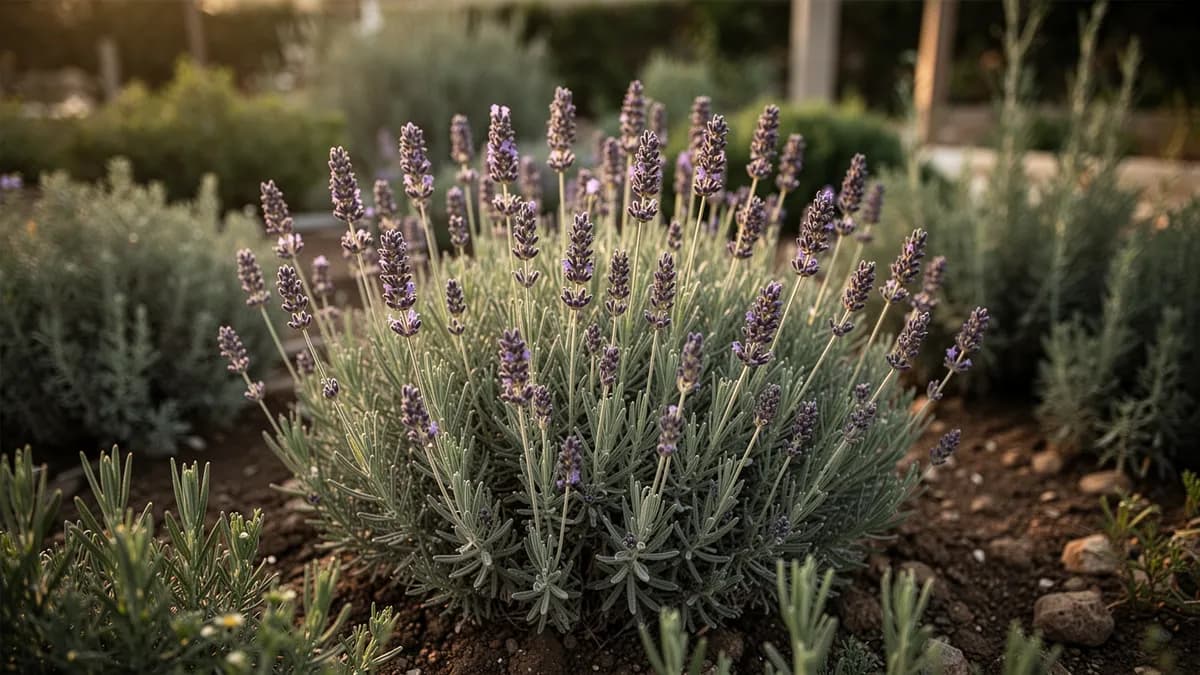
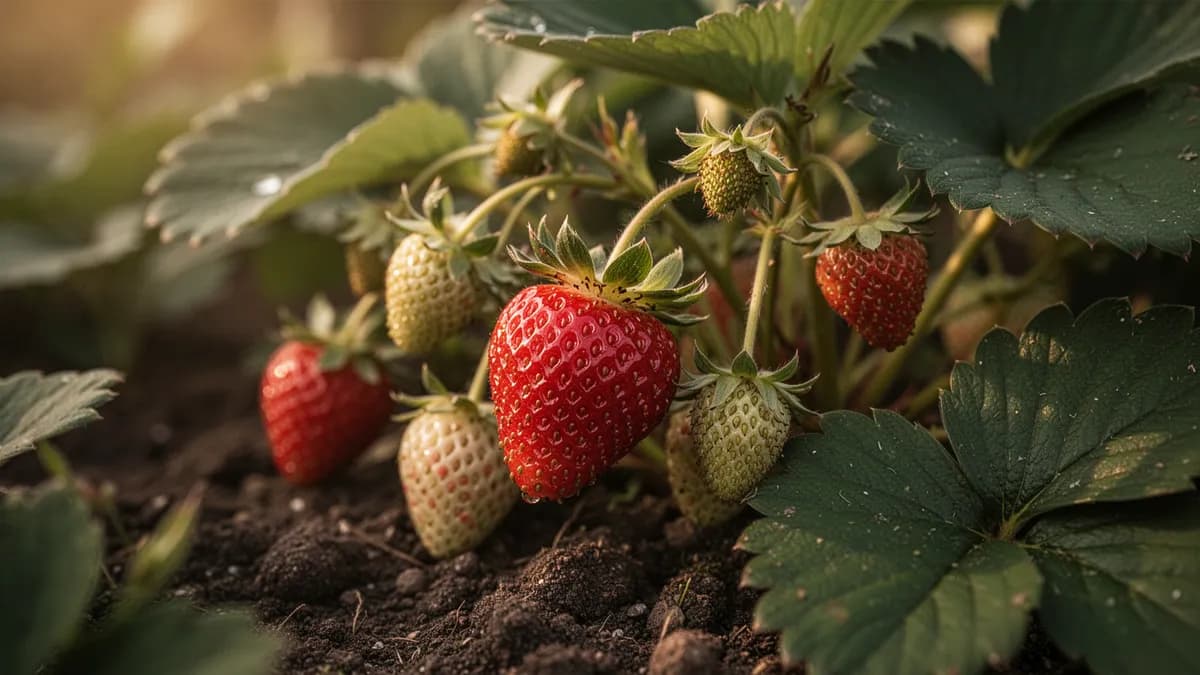
Strawberries and raspberries share similar acidic soil preferences and make natural companions in the berry garden. Lavender planted nearby attracts pollinators while its aromatic oils may deter some pest insects. Avoid planting near alkaline-loving plants or those that require lime amendments. Pine trees or evergreen hedges make excellent windbreaks and contribute acidic needle mulch that benefits blueberry soil conditions.
Strawberry belongs beside it. Walnut Tree doesn't.
Old growers' knowledge, checked against Blueberry's real companion table below — test any plant you're growing.
Try Blueberry in a bed — right here
A real planner bed with Blueberry already in it. Tap a companion to place it and watch the pairing checks answer — green for good neighbours, red for a clash.


Related growing guides
Feed it well
Blueberries require strongly acidic soil with a pH of 4.5 to 5.5. Test soil before planting and amend with elemental sulfur if pH is too high, which may take several months to adjust. Incorporate generous amounts of peat moss and composted pine bark at planting. Fertilize with ammonium sulfate or a specialized acid-loving plant fertilizer in early spring and again after harvest. Avoid fertilizers containing calcium nitrate or chloride, which can damage the shallow root system.
Ideal Temperature
Hardiness Zone Compatibility
From seed to harvest, stage by stage
Dormant Period
Blueberry bushes enter dormancy in late autumn after leaf drop. During this period, the plant conserves energy and accumulates the chill hours required for proper bud break in spring. Most highbush varieties need 800-1000 chill hours below 7°C (45°F) to fruit reliably.
Bud Break and Leaf Emergence
As temperatures rise in early spring, leaf buds and flower buds begin to swell and open. New leaves emerge with a reddish tinge before turning green. Flower buds are plumper than leaf buds and begin developing in clusters at the tips of the previous year's growth.
Flowering
Clusters of small, white to pale pink bell-shaped flowers appear at branch tips. Each flower contains both male and female parts, but cross-pollination from a different variety significantly increases fruit size and yield. Bumblebees are the most effective pollinators due to their buzz pollination technique.
Fruit Development
After pollination, small green berries form and gradually enlarge over several weeks. The berries first turn from green to reddish-pink, then to a deep blue-purple as anthocyanin pigments develop. A natural waxy bloom appears on the skin as fruit approaches maturity.
Harvest Season
Ripe berries are uniformly deep blue with a dusty waxy bloom. Berries within a single cluster ripen over a two to three week period, requiring multiple pickings. Fully ripe berries detach from the cluster easily with a gentle roll of the thumb.
Post-Harvest and Fall Color
After fruiting concludes, the bush continues to photosynthesize and store energy in its root system for next year's crop. In autumn, leaves transition to spectacular shades of red, orange, and burgundy before falling. New flower buds for the following season form on current-year growth.
Apply a fresh layer of acidic mulch such as pine bark or pine needles around the base to protect shallow roots from freeze-thaw cycles. Prune out dead, damaged, or crossing branches during late dormancy before buds begin to swell.
Caring for Blueberry month by month
What to do each month for your Blueberry
October
You are hereEnjoy the spectacular fall foliage display. Apply a thick layer of acidic mulch to protect shallow roots through winter. Clean up any fallen fruit and debris around the base of bushes to reduce overwintering disease spores.
Know exactly what to do in your garden — every month
One email at the start of each month: what to sow, plant, and tackle right now — for your Blueberry and everything growing around it. Plus a short starter course that helps you dodge the classic mistakes.
- What to do, right now
- Matched to your season
- Starter course included
Harvesting Blueberry
Blueberries are ready to pick when they turn completely blue with a dusty gray bloom and detach easily from the cluster with a gentle tug. Wait three to five days after berries first turn blue for full sweetness to develop. Roll ripe berries off the cluster with your thumb. Harvest every five to seven days during the season, which typically lasts four to six weeks. Taste-test berries before harvesting the entire bush, as color alone is not always a reliable indicator of ripeness.
assuming you plant when the window opens — set your real date
Uniformly deep blue with a dusty waxy bloom; wait 3–5 days after first blue color for full sweetness and taste-test before stripping a cluster
Storage & Preservation
Refrigerate unwashed blueberries in a breathable container for up to two weeks. For freezing, spread dry berries in a single layer on a baking sheet, freeze until solid, and transfer to freezer bags for up to twelve months. Blueberries also dehydrate well for trail mixes and baking. They make outstanding jams, syrups, and pie fillings, and their high pectin content produces a natural set without added thickeners.
What goes wrong — and the fix
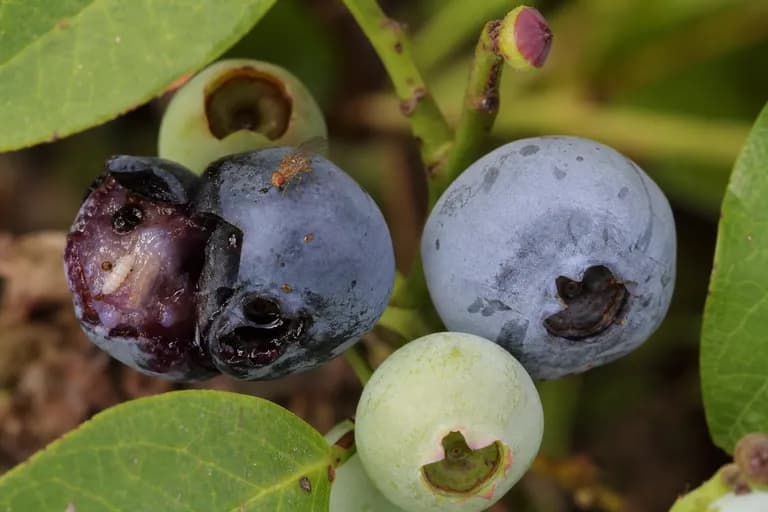
Spotted Wing Drosophila
PestSmall puncture marks on ripening fruit; berries become soft, collapse, and show tiny white larvae inside.
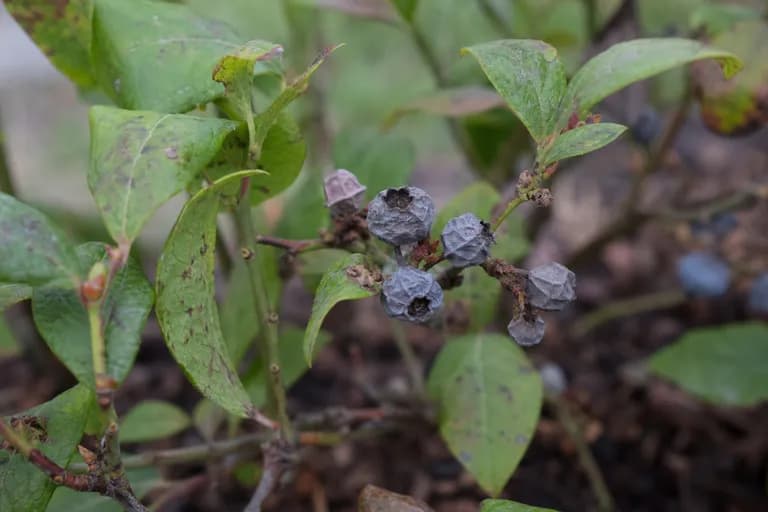
Mummy Berry
DiseaseBerries shrivel and harden into gray mummified fruit instead of ripening normally; shoots may wilt and brown in spring.
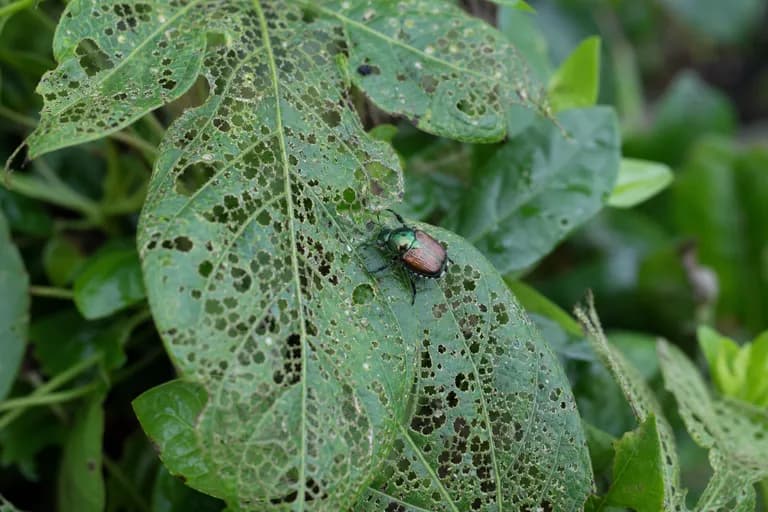
Japanese Beetles
PestSkeletonized leaves where beetles eat tissue between veins; large metallic green and copper beetles visible on foliage.
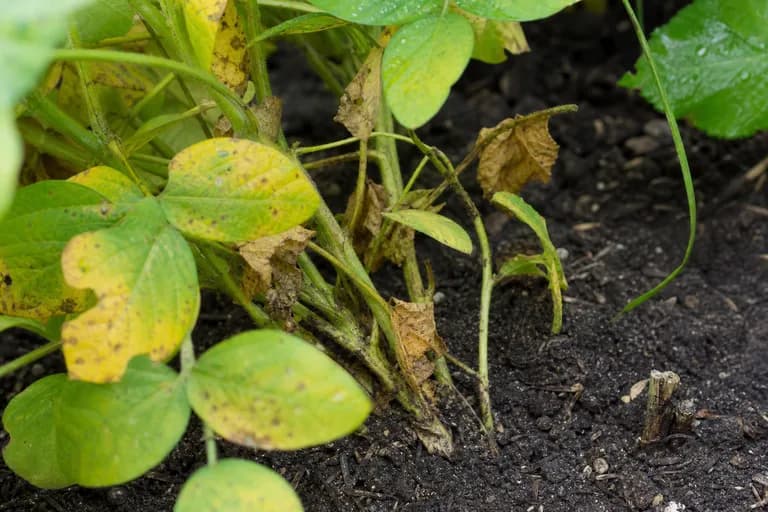
Phytophthora Root Rot
DiseaseYellowing and reddening of leaves, stunted growth, wilting despite adequate water, and dark discolored roots.
Troubleshooting Common Problems
Yellowing leaves with green veins typically indicate iron chlorosis caused by soil pH above 5.5. Lack of fruit often results from insufficient cross-pollination, so plant at least two different varieties. Bird damage is a major concern; install netting before berries begin to color. Poor growth in heavy clay soil is common because blueberries need well-aerated, acidic conditions. Winter dieback may occur in poorly drained sites where roots sit in waterlogged soil.
Growing Tips
- Plant blueberries in well-drained, acidic soil with a pH between 4.5 and 5.5. Test your soil pH before planting and amend with elemental sulfur or peat moss if the pH is above 5.5, as blueberries cannot absorb iron and other nutrients in alkaline soil.
- Always plant at least two different blueberry varieties for cross-pollination. While individual flowers can self-pollinate, cross-pollination between varieties produces significantly larger berries and heavier yields per bush.
- Mulch heavily with acidic organic materials such as pine bark, pine needles, or wood chips from conifers. Maintain a mulch layer 7-10 cm deep to conserve moisture, suppress weeds, and keep the shallow root system cool during summer heat.
- Water blueberries consistently with 25-50 mm per week, especially during fruit development and hot weather. Use drip irrigation or soaker hoses rather than overhead sprinklers to reduce leaf wetness and minimize fungal disease pressure.
- Fertilize with a product formulated for acid-loving plants such as azalea or rhododendron fertilizer. Apply in early spring as buds swell and again lightly after harvest. Avoid fertilizers containing nitrate nitrogen or calcium, which raise soil pH.
- Prune established bushes annually in late winter while dormant. Remove any canes older than six years at ground level, thin out twiggy interior growth, and head back excessively tall branches to encourage fruiting on accessible wood.
- Protect ripening fruit from birds by installing netting supported on a frame above the bushes. Birds can strip an entire crop in a single day once berries begin to turn blue. Secure netting at the base to prevent birds from entering underneath.
- Avoid planting blueberries in areas where water collects or drainage is poor. Despite their need for consistent moisture, blueberries are highly susceptible to root rot caused by Phytophthora in waterlogged conditions.
- In containers, use a potting mix of equal parts peat moss and pine bark fines rather than standard potting soil. Container blueberries need more frequent watering and feeding but can thrive on patios and balconies where garden space is limited.
- Monitor soil pH annually and reapply sulfur as needed. Irrigation with hard or alkaline water gradually raises soil pH over time, which can lead to iron chlorosis visible as yellowing leaves with green veins. Rainwater or acidified water is preferable.
Grow your best Blueberry yet — and everything around it.
Start a free plan today. Lay out your beds, drop in your Blueberry, and let PlotMyGarden handle the timing, spacing, companions and reminders from seed to harvest basket.
Pick your Blueberry
Bluecrop
The most widely planted highbush variety worldwide, known for consistent heavy yields, disease resistance, and adaptability to various climates.
Duke
An early-season highbush variety producing firm, flavorful berries that resist cracking and store exceptionally well.
Patriot
A cold-hardy highbush cultivar tolerant of heavier soils, producing large, dark blue berries with excellent flavor.
Sunshine Blue
A compact, semi-dwarf southern highbush ideal for containers and small gardens, with good heat tolerance and ornamental value.
Pink Lemonade
A unique pink-fruited variety with a mild, sweet flavor and attractive ornamental appeal in the garden.
A single mature blueberry bush can produce 2.5-5 kg (5-11 lbs) of berries per season, worth $20-55 at typical retail prices of $8-11 per kilogram. With an initial plant cost of $10-25 and a productive lifespan of 40+ years, a well-maintained bush can yield berries worth over $1000 across its lifetime. A small home planting of three to five bushes can easily supply a family with fresh berries all summer while eliminating the need to purchase expensive supermarket pints.
Quick recipes
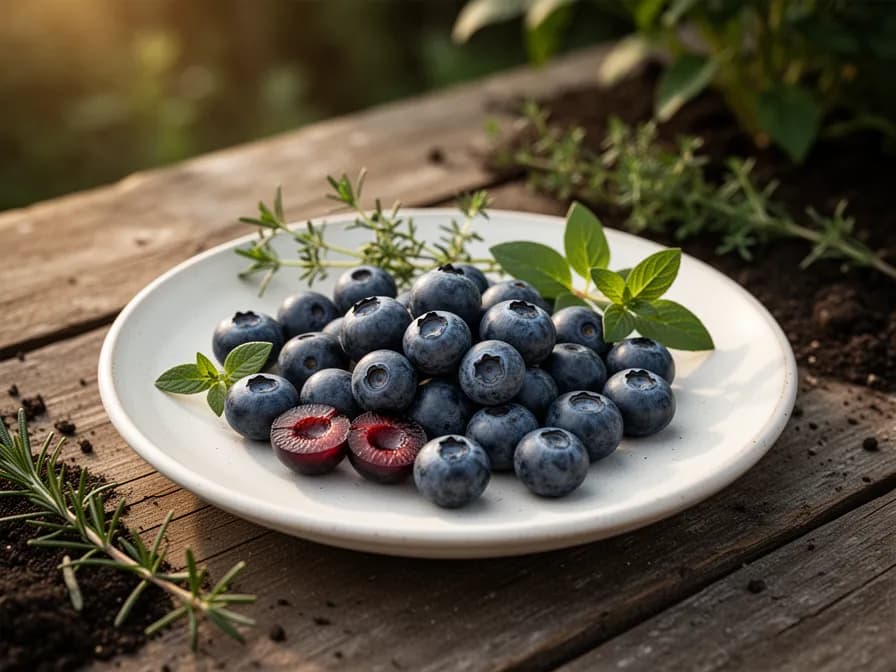
Classic Blueberry Muffins
15 minutesTender, golden-topped muffins bursting with fresh blueberries. The secret to keeping the berries from sinking is tossing them in a light coating of flour before folding them gently into the batter. Best enjoyed warm from the oven with a pat of butter.
9 ingredients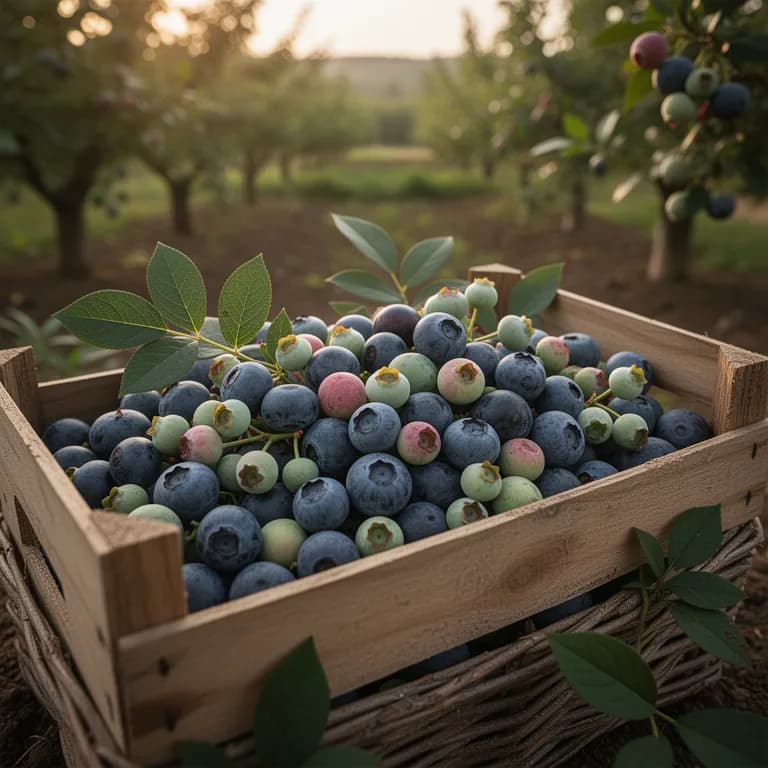
Fresh Blueberry Compote
10 minutesA simple stovetop sauce that transforms fresh blueberries into a luscious, glossy topping for pancakes, waffles, yogurt, or ice cream. The lemon zest brightens the natural sweetness of the berries while a touch of cinnamon adds warmth and depth.
7 ingredientsBlueberry Smoothie Bowl
5 minutesA thick, vibrant purple smoothie bowl loaded with antioxidants and topped with crunchy granola and fresh fruit. Freezing the blueberries beforehand creates the signature thick, ice-cream-like consistency without diluting the flavor with ice cubes.
6 ingredientsCulinary Uses
Blueberries are versatile in the kitchen, equally suited to fresh eating, baking, and cooking. They excel in muffins, pancakes, pies, and cobblers. Pair them with lemon, vanilla, cinnamon, and peaches. Rich in antioxidants and vitamins C and K, they make nutritious additions to smoothies, yogurt, and breakfast cereals. Blueberry sauce pairs excellently with pork and poultry dishes.
What's inside
Health Benefits
- Exceptionally rich in anthocyanins, powerful antioxidant compounds that have been linked in numerous studies to improved cardiovascular health by helping reduce blood pressure and arterial stiffness
- Regular blueberry consumption has been associated with improved memory and cognitive function in older adults, with research suggesting anthocyanins may help delay age-related cognitive decline
- Contains pterostilbene, a naturally occurring compound related to resveratrol, that has shown promise in laboratory studies for supporting healthy cholesterol levels and blood sugar regulation
- High in vitamin C and other antioxidants that support immune system function and help protect cells from oxidative damage caused by environmental stressors and metabolic processes
- Dietary fiber in blueberries promotes healthy digestion and feeds beneficial gut bacteria, supporting a diverse microbiome that is increasingly linked to overall health and immune function
- Anti-inflammatory compounds in blueberries may help reduce exercise-induced muscle soreness and support faster recovery, making them a popular post-workout food among athletes
Where Blueberry comes from
The blueberry (Vaccinium corymbosum) is native to eastern North America, where it has grown wild for thousands of years in acidic soils from the Canadian Maritime provinces south to Florida and west to the Great Lakes region. Indigenous peoples across the continent revered the blueberry as a gift from the Great Spirit, noting that the five-pointed star shape formed by the calyx at the top of each berry resembled a guiding symbol. They gathered wild blueberries extensively, eating them fresh during summer and drying them for winter provisions. Dried blueberries were pounded into pemmican alongside dried meat and animal fat, creating a high-energy food essential for survival during harsh winters and long journeys. Early European settlers learned from Indigenous peoples how to identify productive wild stands and incorporate blueberries into their diets. Despite centuries of wild harvesting, the blueberry resisted domestication efforts until the early twentieth century. In 1911, botanist Frederick Coville of the United States Department of Agriculture began systematic experiments on blueberry cultivation, discovering that the plants required acidic soil with a pH between 4.5 and 5.5 and could not tolerate lime or alkaline conditions. He partnered with New Jersey cranberry grower Elizabeth White, who offered her family's farm as a research site and enlisted local Pine Barrens residents to identify the most productive wild bushes. By 1916, Coville and White released the first named cultivars, launching a commercial industry that has expanded dramatically over the following century. Today blueberries are cultivated on six continents, with major production in the United States, Canada, Chile, Peru, and several European countries. Breeding programs have developed varieties suited to diverse climates, from low-chill southern highbush types for subtropical regions to extremely cold-hardy half-high hybrids for northern gardens.
Blueberry: did you know?
Fascinating facts about Blueberry
Blueberries are one of only a handful of commercially grown fruits native to North America. Indigenous peoples harvested wild blueberries for thousands of years before European contact, using them fresh, dried, and as a key ingredient in pemmican.
Blueberry questions, answered
When should I plant Blueberry?
What are good companion plants for Blueberry?
What hardiness zones can Blueberry grow in?
How much sun does Blueberry need?
How far apart should I space Blueberry?
What pests and diseases affect Blueberry?
How do I store Blueberry after harvest?
What are the best Blueberry varieties to grow?
What soil does Blueberry need?
Why are my blueberry leaves turning yellow with green veins?
How long does it take for a blueberry bush to start producing fruit?
Can I grow blueberries in containers?
Do I need more than one blueberry plant to get fruit?
What is the best way to protect blueberry bushes from birds?
When is the best time to plant blueberry bushes?
You just read the theory. Now grow it on autopilot.
Everything that makes Blueberry fiddly — the timing, the spacing, the companions, the harvest window — is exactly what PlotMyGarden handles for you, for every plant in your garden.
A plan that knows your weather
Set your location once. Get sow, feed and harvest dates built around your real last-frost date and live forecast — no more guessing from a generic seed packet.
From the “When to plant” sectionDrag-and-drop bed planner
Design beds on a grid. Every plant snaps to its proper spacing, and you can see your whole season laid out before you spend a cent on seed.
From the “Growing guide” sectionCompanion conflicts, caught early
200+ good-and-bad pairings checked live as you plant — so a season-wrecking mistake never makes it into the ground.
From the “Companions” sectionReminders you'll actually act on
“Water the beans.” “Pick today before it turns.” Timely, specific, and tied to the plants you're really growing.
From the “Harvest” sectionSuccession, scheduled
Want a harvest for six weeks, not six days? It spaces your sowings automatically and reminds you when each new block is due.
From the “When to plant” sectionA record that gets smarter
Every harvest you log teaches it your garden. Next year's plan starts from what actually worked in your soil, not a textbook's.
From the “Overview” sectionPlant these alongside Blueberry
More Berries
Keep Blueberry away from these
Garden plans featuring Blueberry
Grow your best Blueberry yet — and everything around it.
Start a free plan today. Lay out your beds, drop in your Blueberry, and let PlotMyGarden handle the timing, spacing, companions and reminders from seed to harvest basket.