Gooseberry
A thorny, shade-tolerant bush producing tart berries excellent for preserves and pies when cooked with sugar.





On this pageOverview
Meet Gooseberry
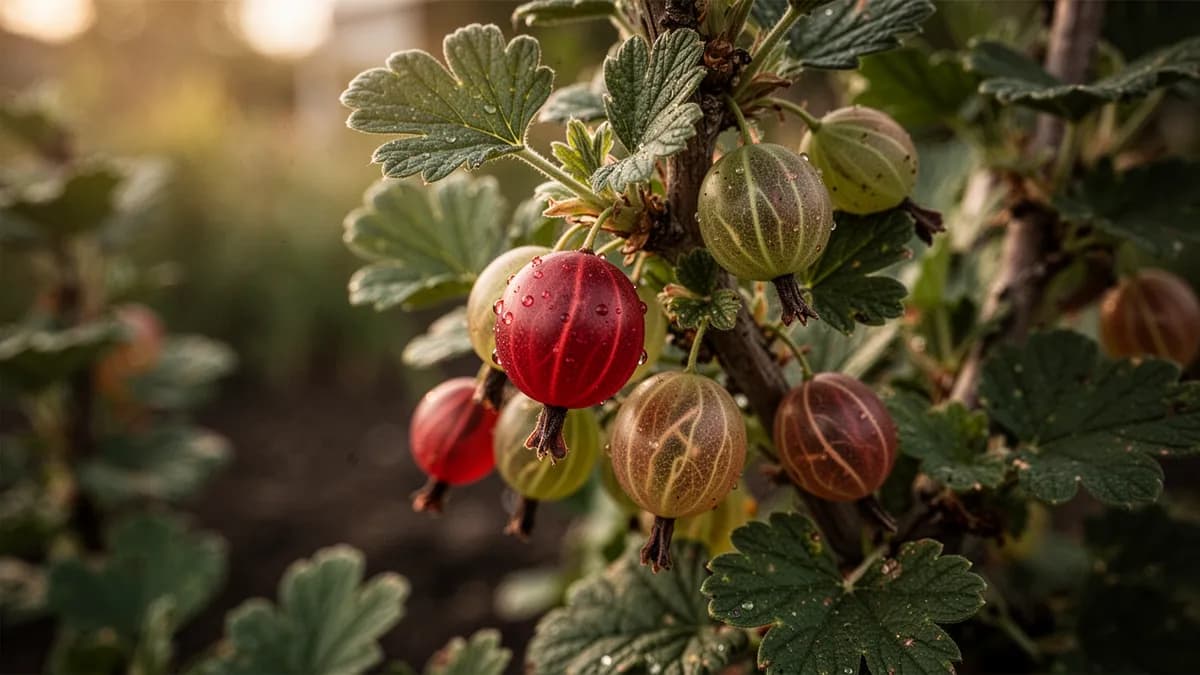
A thorny, shade-tolerant bush producing tart berries excellent for preserves and pies when cooked with sugar. Gooseberries thrive in cool climates and actually prefer some afternoon shade, making them ideal for partially shaded garden spots. Prune to an open goblet shape each winter, removing old wood to encourage young fruiting branches and improve air circulation. Harvest berries slightly underripe for cooking and jam-making, or leave them to fully ripen on the bush for sweet fresh eating.
When to plant Gooseberry
Gooseberries are most easily propagated from hardwood cuttings taken in late autumn after leaf fall. Select healthy, straight stems of the current year's growth about twelve inches long, remove the lower buds to prevent suckering, and insert two-thirds of the cutting into moist soil or sand. Cuttings root readily over winter without rooting hormone and can be transplanted to permanent positions the following autumn. Layering is another reliable method: bend a low branch to the ground, peg it down, and cover with soil. Sever from the parent once well rooted.
Your Gooseberry Year
Composed for Zone 7 · typical seasons · frost passes Apr 2, returns Nov 1
Plant Gooseberry Mar – Apr, pick Jun – Jul. Check the planting methods below and set your climate to personalize these windows.
How to grow Gooseberry
Gooseberries are among the most forgiving fruit bushes, thriving in partial shade and cool climates where many other fruits struggle. Plant bare-root bushes in late fall or early spring in moisture-retentive but well-drained soil enriched with generous amounts of compost. Space plants three to four feet apart and set the root ball slightly deeper than it was in the nursery to encourage additional rooting from buried stems.
Prune gooseberries to an open goblet shape with eight to ten main branches, removing old wood older than three years at the base each winter. This open center allows sunlight and air to reach the interior, reducing the risk of powdery mildew, which is the most persistent disease of gooseberry bushes. Tip-prune lateral branches to five leaves in midsummer to improve fruit size and encourage fruiting spur formation for the following year.
Mulch with a thick layer of well-rotted manure or compost in late winter, keeping it away from the stem to prevent rot. Gooseberries have shallow root systems and benefit from consistent moisture during fruit development. Net bushes before fruits begin to color to protect from birds, which find ripe gooseberries irresistible. In regions where white pine blister rust is a concern, check local regulations before planting Ribes species.
2 plants fit a 4 × 8 ft bed
Each Gooseberry wants 120 cm of elbow room. The planner keeps that spacing for you — every plant, every bed.
Gooseberry's best neighbours
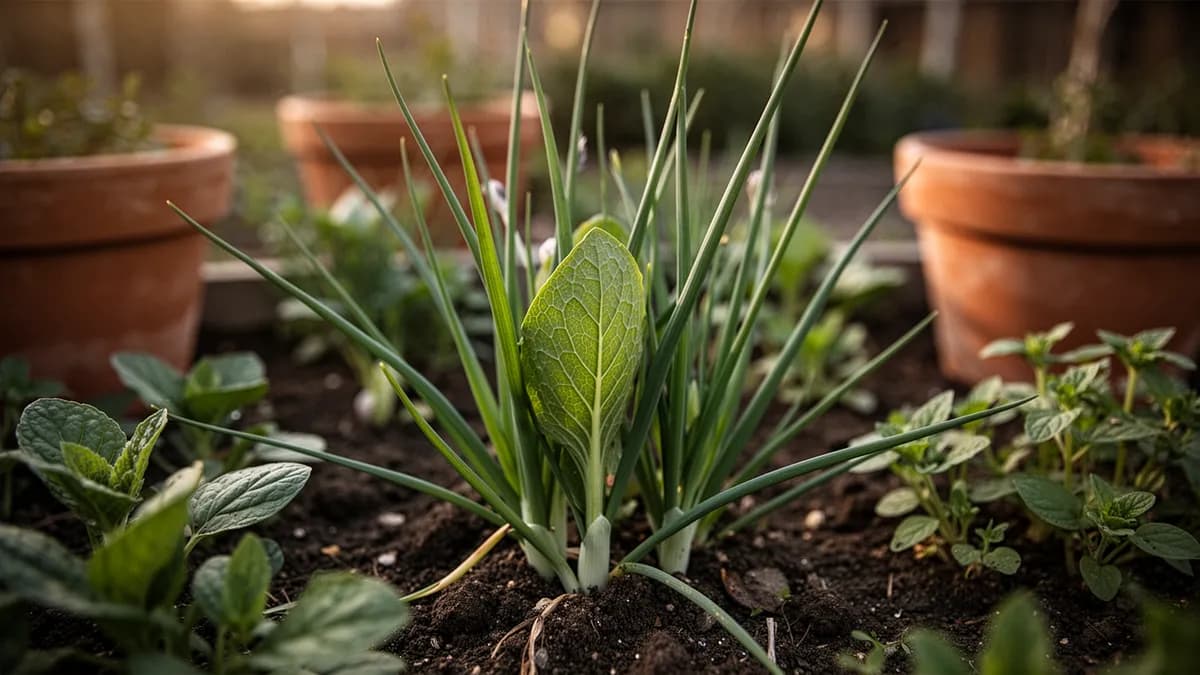
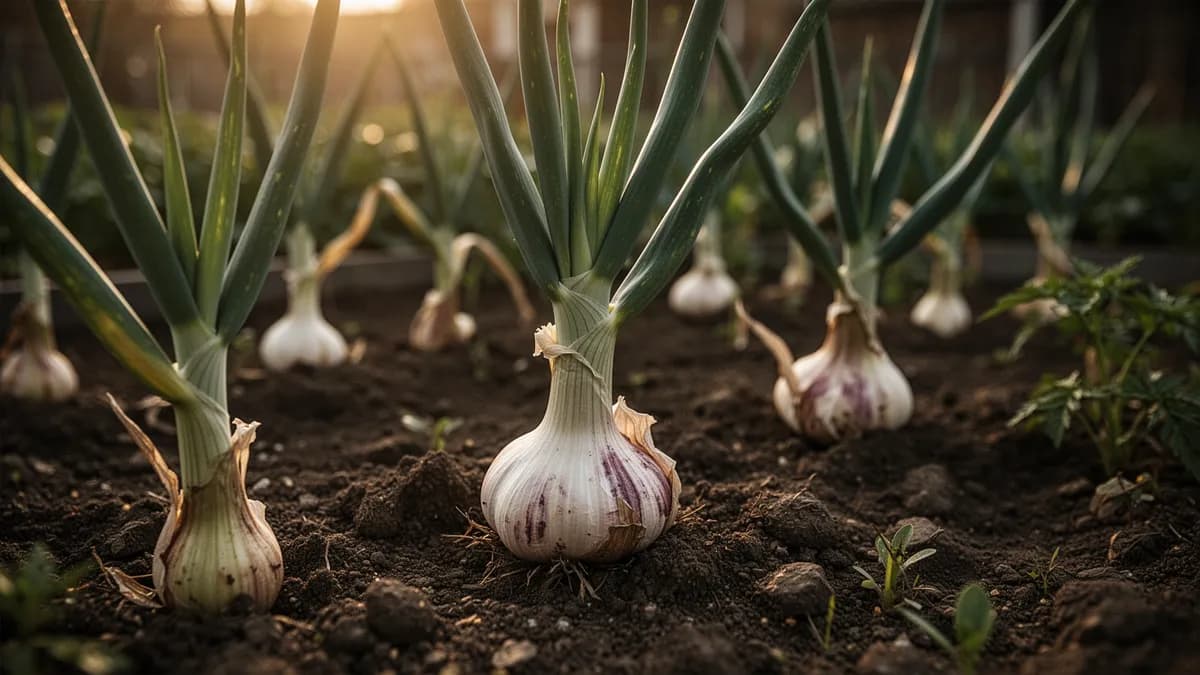
Chives and garlic planted around gooseberry bushes help deter aphids and may reduce the incidence of powdery mildew through their sulfur-containing compounds. Marigolds attract beneficial insects that prey on common gooseberry pests. Tansy and wormwood are traditional companion plants believed to repel sawfly moths. Avoid planting near fennel, which inhibits the growth of many fruit plants through allelopathic chemicals released by its roots.
Chives belongs beside it. Fennel doesn't.
Old growers' knowledge, checked against Gooseberry's real companion table below — test any plant you're growing.
Try Gooseberry in a bed — right here
A real planner bed with Gooseberry already in it. Tap a companion to place it and watch the pairing checks answer — green for good neighbours, red for a clash.


Related growing guides

Feed it well
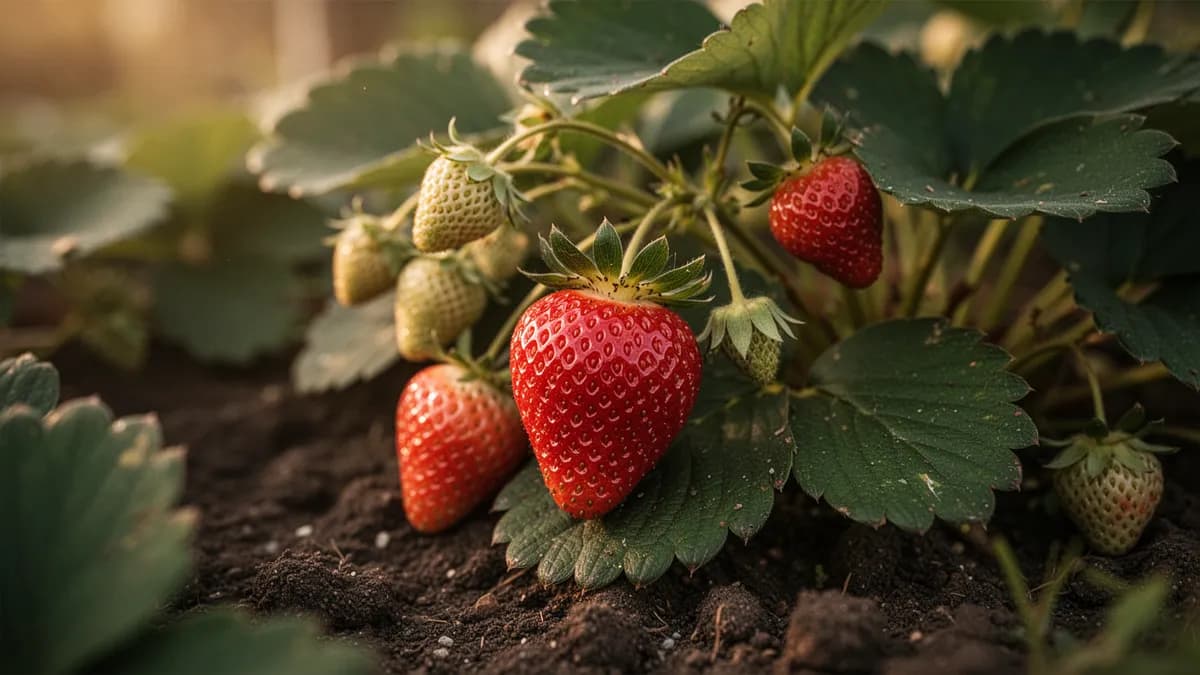
Gooseberries prefer cool, moisture-retentive soil with a pH of 6.0 to 6.5 enriched with plenty of organic matter. Heavy clay soil suits them better than light sandy soil, which dries out too quickly for their shallow roots. Apply a thick mulch of well-rotted manure or compost in late winter and supplement with a high-potassium fertilizer such as sulfate of potash in early spring to promote fruit development. Avoid excessive nitrogen, which produces soft growth vulnerable to mildew.
Ideal Temperature
Hardiness Zone Compatibility
From seed to harvest, stage by stage
Dormancy & Planting
Bare-root or potted plants are established during the dormant season. Roots begin anchoring in loose, well-drained soil. No visible above-ground growth occurs, but root activity is continuous during mild spells.
Bud Break & Leafing Out
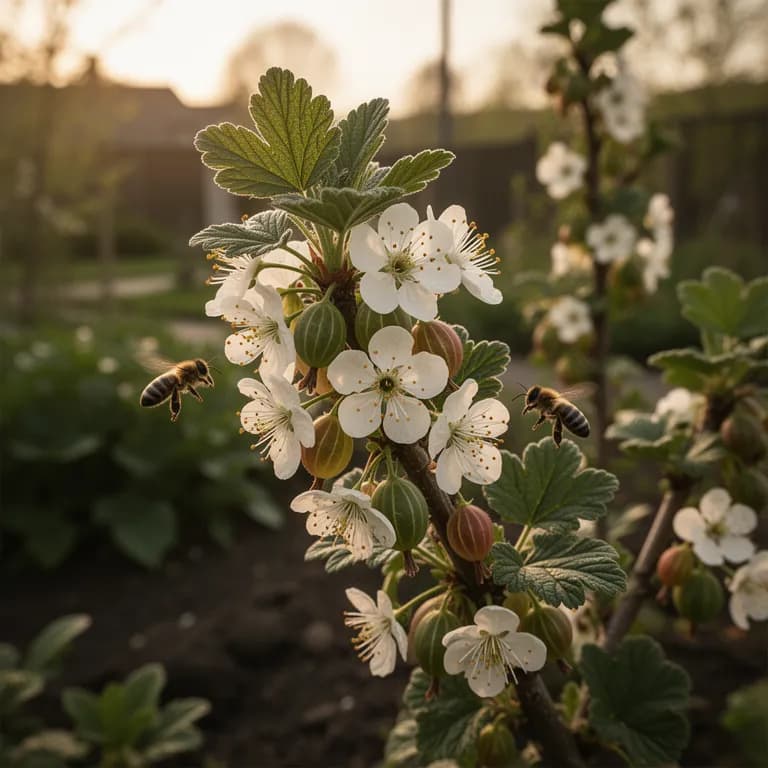
As temperatures rise in late winter to early spring, buds swell and burst. Small pale-green flowers appear before the leaves fully expand. Pollination occurs at this stage, largely by bumblebees and early solitary bees.
Fruitlet Development
Successfully pollinated flowers swell into small, hard green fruitlets. The shrub puts on vigorous shoot growth. This is a demanding period for nutrients and moisture. The risk of gooseberry mildew is highest as foliage becomes dense.
Ripening
Fruits swell rapidly and begin to change colour depending on the variety — from firm bright green through yellow, pink, and deep red. Sugar content rises steadily. Berries intended for cooking can be picked slightly early for a sharper flavour.
Post-Harvest & Hardening Off
After fruiting the shrub continues to photosynthesise and build carbohydrate reserves for the following season. New shoots harden and the plant prepares for dormancy as day length shortens in late summer and autumn.
Winter Pruning & Dormancy
Leaves drop in autumn and the plant enters full dormancy. This is the ideal window for structural pruning. The open goblet form — three to five permanent main branches radiating from a short leg — maximises light penetration and air circulation.
Plant in a sheltered, sunny or partially shaded spot. Dig in plenty of well-rotted compost and apply a balanced fertiliser at planting. Ensure the crown sits just at soil level.
Caring for Gooseberry month by month
What to do each month for your Gooseberry
October
You are herePlant new bare-root gooseberries in prepared ground enriched with compost. Clear the area beneath the shrub thoroughly and add a fresh layer of mulch. Begin light structural pruning as leaves drop.
Know exactly what to do in your garden — every month
One email at the start of each month: what to sow, plant, and tackle right now — for your Gooseberry and everything growing around it. Plus a short starter course that helps you dodge the classic mistakes.
- What to do, right now
- Matched to your season
- Starter course included
Harvesting Gooseberry
For cooking and jam-making, harvest gooseberries when they are full-sized but still firm and slightly underripe, as the higher pectin content produces better set jams. For fresh eating, leave berries on the bush until they soften, change color, and develop their full sweetness. Pick berries individually by hand, wearing gloves to protect against thorns. Thin the crop in late spring by picking every other berry for cooking, allowing the remaining fruit to grow larger for dessert quality.
assuming you plant when the window opens — set your real date
Pick Gooseberry promptly and the plant keeps producing.
Storage & Preservation
Fresh gooseberries keep for one to two weeks in the refrigerator. They freeze exceptionally well without any preparation: simply spread on a tray, freeze solid, and transfer to bags for up to twelve months. Gooseberry jam is a classic preserve prized for its sharp, distinctive flavor and excellent set due to high natural pectin. The berries also make superb chutneys, fruit fools, crumbles, and wine. Gooseberry curd is a traditional English delicacy similar to lemon curd.
What goes wrong — and the fix
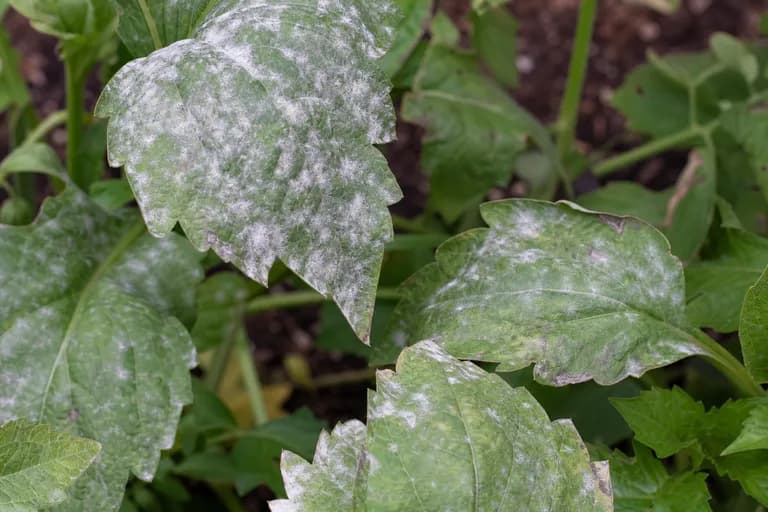
Powdery Mildew
DiseaseWhite, powdery coating on leaves, shoot tips, and developing fruit; stunted growth and reduced fruit quality.
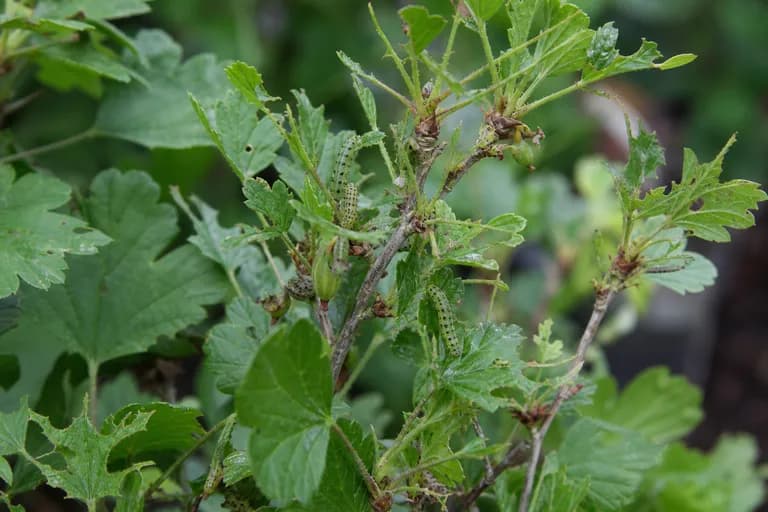
Gooseberry Sawfly
PestPale green caterpillar-like larvae rapidly strip leaves from the center of the bush outward, sometimes completely defoliating plants.

Leaf Spot (Septoria)
DiseaseSmall dark brown spots on leaves that enlarge and develop gray centers, causing premature leaf drop in midsummer.
Troubleshooting Common Problems
Powdery mildew is by far the most common problem, particularly with older European varieties in humid climates. Choose resistant cultivars and prune for airflow to minimize this issue. Premature fruit drop usually indicates drought stress during the swelling period. Birds will strip ripe fruit quickly, so netting is essential. In some areas of the United States, growing Ribes species is restricted due to their role as an alternate host for white pine blister rust.
Growing Tips
- Plant gooseberries on a short "leg" — a clear stem of 15–20 cm between the soil and the first branches. This simplifies weeding around the base, improves air circulation at ground level, and significantly reduces the risk of fungal diseases splashing up from the soil.
- The single most important annual task is winter pruning to an open goblet shape. Aim for three to five permanent main stems with no crossing branches and plenty of light reaching the centre. This alone will reduce powdery mildew and improve fruit size more than any other intervention.
- Thinning the fruitlets in May — removing every other berry along each stem — is counterintuitive but dramatically increases the size and quality of the remaining crop. Use the thinnings for cooking; they have excellent flavour for jam and sauces even when unripe.
- Gooseberries are one of the few fruiting shrubs that thrive in partial shade. A north-facing wall or a spot receiving only four to five hours of direct sun is perfectly acceptable and can even be advantageous in warmer regions, slowing ripening for better flavour development and reducing mildew pressure.
- Gooseberry sawfly can devastate a bush in under a week. Check the undersides of leaves in the centre of the bush from mid-March onwards — eggs and tiny caterpillars are easy to miss until defoliation begins. Early hand-picking or treatment is far more effective than trying to manage a heavy infestation.
- For growing in small spaces, train gooseberries as cordons against a wall or fence. Single cordons take up as little as 30 cm of horizontal space and can be trained vertically to 1.8 m. They are easier to net, easier to prune, and easier to harvest than open bushes, with minimal reduction in yield per linear metre.
- Apply a potassium-rich fertiliser (such as sulphate of potash or a tomato feed) in early spring and again immediately after harvest. Potassium is the key nutrient for fruit quality, flavour, and disease resistance in gooseberries. Avoid excessive nitrogen, which promotes soft leafy growth attractive to aphids and mildew.
- Gooseberries can be propagated very easily from hardwood cuttings taken in autumn. Cut pencil-thick shoots of current year's growth into 20–25 cm lengths, remove all but the top two buds, and push into gritty compost or directly into the ground. Most will root freely over winter with minimal attention.
- Mulching deeply — 7–10 cm — with well-rotted compost or wood chip each autumn serves multiple purposes: it conserves moisture, suppresses weeds, feeds the soil life, and buries overwintering fungal spores that would otherwise re-infect the plant in spring.
- To extend the harvest season, plant at least two varieties with different ripening times. Pair an early variety such as 'Invicta' (ready from early June in milder areas) with a later variety such as 'Leveller' or 'London' which ripens in mid to late July, giving a harvest window of six weeks or more from a single small planting.
Grow your best Gooseberry yet — and everything around it.
Start a free plan today. Lay out your beds, drop in your Gooseberry, and let PlotMyGarden handle the timing, spacing, companions and reminders from seed to harvest basket.
Pick your Gooseberry
Invicta
A heavy-cropping, mildew-resistant green variety with large, tart berries ideal for cooking and preserves.
Hinnonmaki Red
A Finnish-bred variety with excellent mildew resistance producing sweet-tart red berries good for both fresh eating and cooking.
Pixwell
An American cultivar with few thorns and pink berries that hang below the branches for easy picking.
Captivator
A nearly thornless variety with sweet, reddish-pink berries and good disease resistance for home gardens.
A single established gooseberry bush purchased for around £8–£15 can produce 5–10 kg of fruit annually for 20 or more years. At typical shop prices of £4–£8 per 250 g punnet for fresh gooseberries (when available at all), a productive bush can save £80–£200 worth of fruit in a single season. Over a decade, the cumulative saving from one or two bushes easily exceeds £1,000, making the gooseberry one of the most financially rewarding fruiting plants available to home gardeners in temperate climates.
Quick recipes
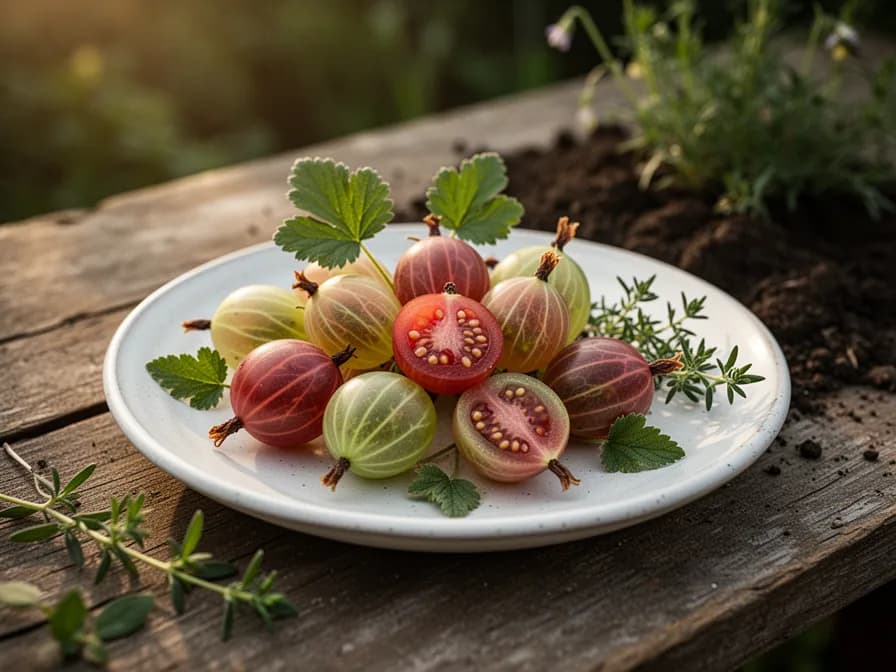
Classic Gooseberry Fool
20 minutesA quintessential British summer dessert requiring no cooking beyond a brief simmer. Sharp stewed gooseberries are folded through lightly whipped cream or thick custard, creating a cloud-like pudding that perfectly balances tart and sweet. Ready in minutes and endlessly adaptable.
6 ingredients
Gooseberry & Mackerel Sauce
15 minutesA revival of the Tudor original — sharp underripe gooseberries cooked down with butter and a little sugar into a bright, tangy sauce that cuts through the richness of grilled mackerel or oily fish. Simple, seasonal, and strikingly good.
6 ingredientsGooseberry & Elderflower Jam
45 minutesGooseberries are naturally high in pectin, making them ideal for jam with a perfect set. The addition of elderflower cordial gives a fragrant, floral note that elevates this preserve beyond the ordinary. Excellent on sourdough toast or with soft cheese.
5 ingredientsCulinary Uses
Gooseberries excel in traditional British desserts including fools, crumbles, and pies, where their tartness balances sugar beautifully. They make outstanding jam and jelly due to their high pectin content. Pair with elderflower for a classic flavor combination in cordials and desserts. Green gooseberries add a sharp tang to sauces for oily fish like mackerel. Ripe dessert varieties are delicious eaten fresh.
What's inside
Health Benefits
- Rich in vitamin C and flavonoids that neutralise free radicals, supporting long-term immune function and reducing oxidative cellular damage.
- The high dietary fibre content — around 4.3 g per 100 g — supports healthy digestion, promotes beneficial gut bacteria, and helps maintain stable blood sugar levels after meals.
- Anthocyanins concentrated in red and dark-fruited varieties are associated with improved cardiovascular health, including reduced blood pressure and improved arterial flexibility.
- Gooseberries contain quercetin and kaempferol, plant compounds with well-documented anti-inflammatory properties that may reduce the risk of chronic inflammatory conditions.
- The combination of vitamin C, copper, and other micronutrients supports the synthesis of collagen, contributing to skin elasticity, wound healing, and joint health.
- Low calorie density (approximately 44 kcal per 100 g) combined with high fibre and water content makes gooseberries exceptionally satiating relative to their energy contribution, supporting healthy weight management.
Where Gooseberry comes from
Gooseberry (Ribes uva-crispa) is native to the Caucasus region, the mountains of northern Africa, and across temperate Europe, where it grows naturally on rocky slopes, woodland edges, and hedgerows. Its cultivation in European gardens is documented from at least the 13th century, and it became particularly embedded in the culinary and horticultural traditions of Britain, Germany, and Scandinavia.
By the 16th century, gooseberries were being cultivated extensively in English monastery gardens and kitchen gardens, valued both for their culinary versatility and their hardiness in the cool, wet climate of northern Europe. The Tudor kitchen made heavy use of the sharp, unripe fruit as a sauce for rich meats — particularly mackerel and goose — and the plant was mentioned in numerous herbals of the period, including Turner's Herbal of 1568.
The 18th and 19th centuries saw an explosion of interest in gooseberry breeding, centred primarily in Lancashire and Yorkshire in northern England. Working-class weavers and miners formed gooseberry clubs and dedicated years of careful selection to producing fruits of extraordinary size. At the height of this craze, hundreds of named varieties existed, with prize-winning berries individually weighed in grains on jewellers' scales. The record-breaking berry "Woodpecker," grown in the early 19th century, weighed over 35 dwt — a figure that still stands as a benchmark in gooseberry cultivation history.
The plant crossed the Atlantic with European settlers and became established in colonial American gardens, though its cultivation was curtailed in the early 20th century following the discovery that Ribes species act as an alternate host for white pine blister rust. A federal eradication programme destroyed millions of plants and effectively ended commercial gooseberry growing in the US for several decades.
In the 21st century, interest has revived strongly, driven by the farm-to-table movement, renewed enthusiasm for heritage and unusual fruits, and the plant's exceptional productivity and low maintenance requirements. Modern breeding has produced thornless varieties, improved disease resistance, and a wider colour range — from the classic pale green through yellow, pink, white, and deep red — bringing new appeal to both ornamental and productive gardens worldwide.
Gooseberry: did you know?
Fascinating facts about Gooseberry
Gooseberries were so prized in Victorian England that competitive "Gooseberry Shows" were held across the north of England — the Egton Bridge Old Gooseberry Society, founded in 1800, still holds its annual show in Yorkshire today.
Gooseberry questions, answered
When should I plant Gooseberry?
What are good companion plants for Gooseberry?
What hardiness zones can Gooseberry grow in?
How much sun does Gooseberry need?
How far apart should I space Gooseberry?
What pests and diseases affect Gooseberry?
How do I store Gooseberry after harvest?
What are the best Gooseberry varieties to grow?
What soil does Gooseberry need?
Why are my gooseberry leaves covered in white powder?
My gooseberry bush was completely stripped of leaves overnight — what happened?
Can I grow gooseberries in containers?
When is the right time to harvest gooseberries?
How far apart should I plant gooseberry bushes?
Do gooseberries need another plant nearby for pollination?
You just read the theory. Now grow it on autopilot.
Everything that makes Gooseberry fiddly — the timing, the spacing, the companions, the harvest window — is exactly what PlotMyGarden handles for you, for every plant in your garden.
A plan that knows your weather
Set your location once. Get sow, feed and harvest dates built around your real last-frost date and live forecast — no more guessing from a generic seed packet.
From the “When to plant” sectionDrag-and-drop bed planner
Design beds on a grid. Every plant snaps to its proper spacing, and you can see your whole season laid out before you spend a cent on seed.
From the “Growing guide” sectionCompanion conflicts, caught early
200+ good-and-bad pairings checked live as you plant — so a season-wrecking mistake never makes it into the ground.
From the “Companions” sectionReminders you'll actually act on
“Water the beans.” “Pick today before it turns.” Timely, specific, and tied to the plants you're really growing.
From the “Harvest” sectionSuccession, scheduled
Want a harvest for six weeks, not six days? It spaces your sowings automatically and reminds you when each new block is due.
From the “When to plant” sectionA record that gets smarter
Every harvest you log teaches it your garden. Next year's plan starts from what actually worked in your soil, not a textbook's.
From the “Overview” sectionPlant these alongside Gooseberry
More Berries
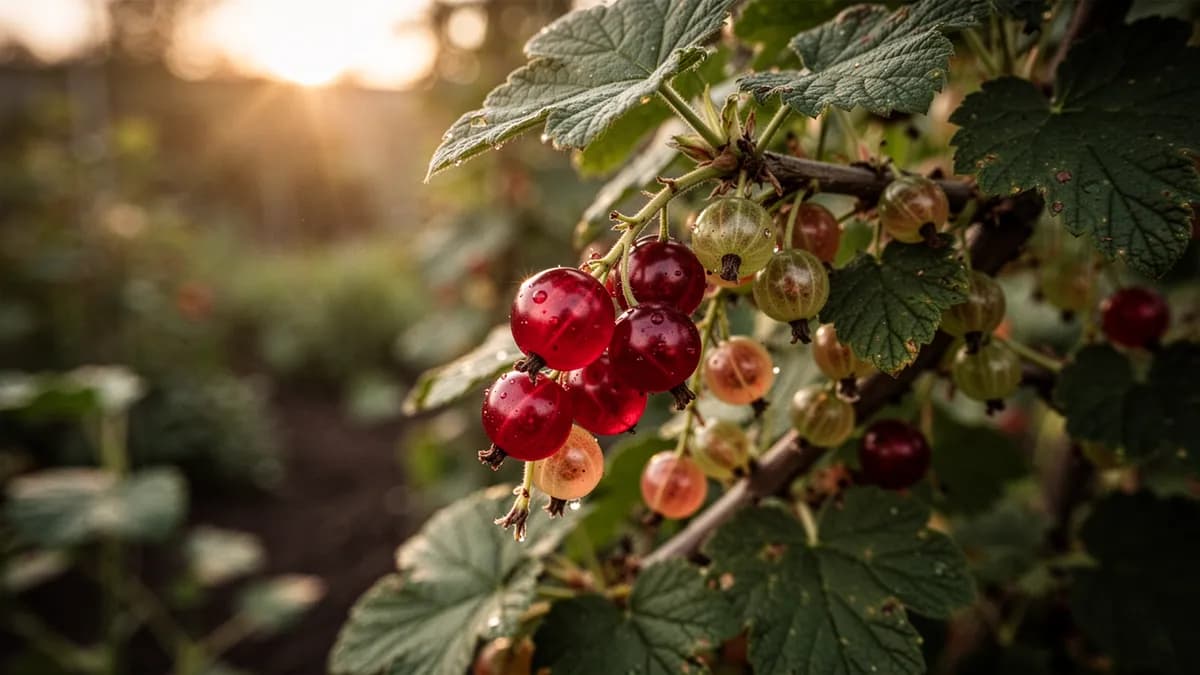
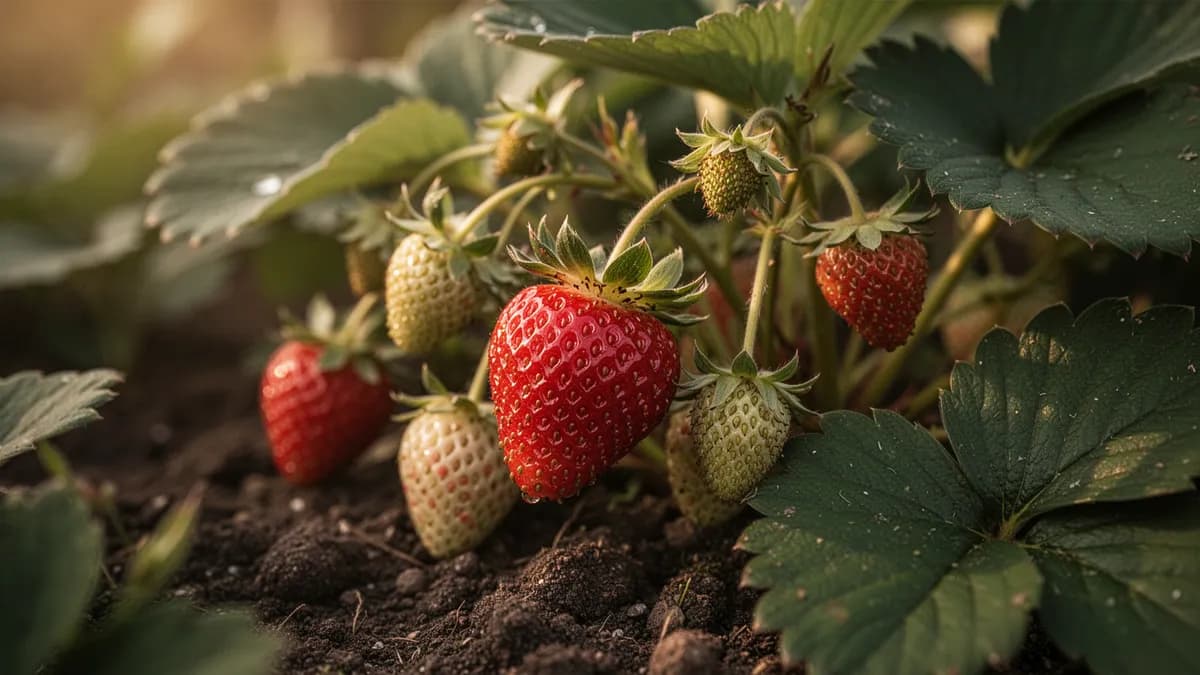
Keep Gooseberry away from these
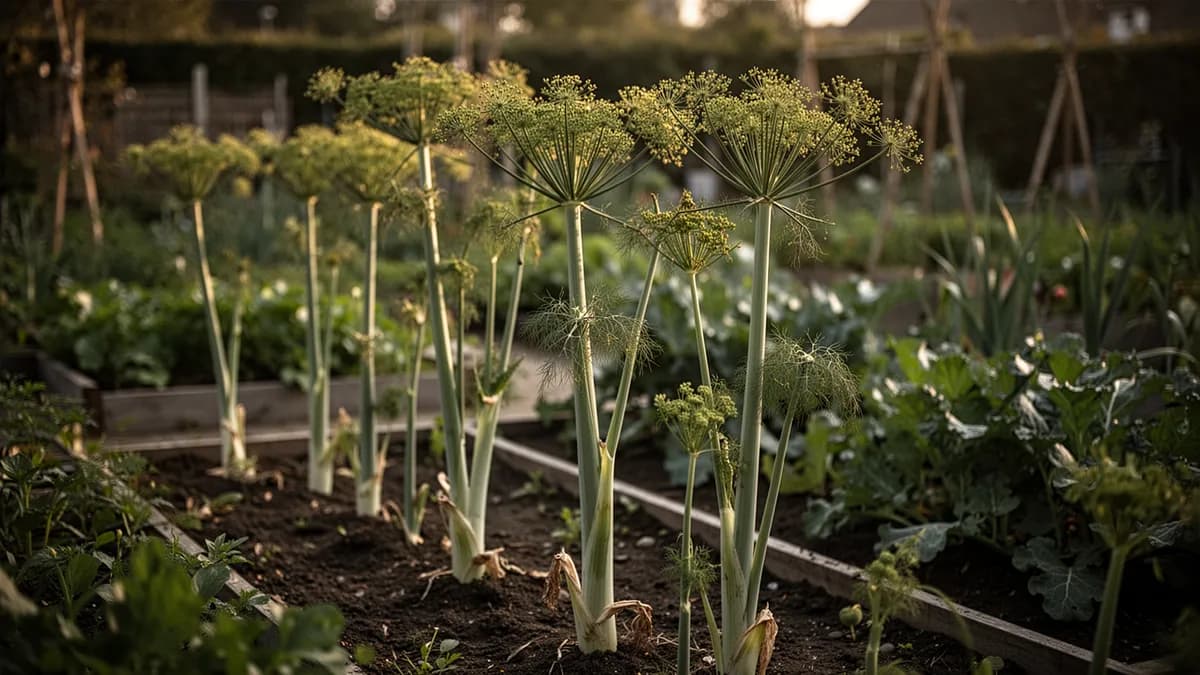
Garden plans featuring Gooseberry
Grow your best Gooseberry yet — and everything around it.
Start a free plan today. Lay out your beds, drop in your Gooseberry, and let PlotMyGarden handle the timing, spacing, companions and reminders from seed to harvest basket.